
436 Photos and videos


Tom P. retweeted

Blue bags up.
Japan 2, Netherlands 2 — an absolute thriller in Arlington. And then the real show started.
The Japanese end pulls out thousands of bright blue bags. First they wave them like flags, bouncing and chanting until the whole section is one giant wall of blue. Then — same bags, new mission. They fan out across the stands and scoop up every bottle, wrapper and cup till the seats look brand new.
And who's right in the middle of it, grinning with a bag in his hand? Jameis Winston. Giants QB. Heisman winner. Out there cleaning up with the Samurai Blue like it's the best gig of his summer.
No chore. No lecture. Just a party that cleans up after itself.
Best fans on the planet. 🇯🇵💙

278
2,088
14,931
226,006

The match ended in a draw.
The Netherlands fans celebrated and went home.
But the Japan fans stayed behind.
With smiles on their faces and bags in their hands, they cleaned the entire stadium after the game against the Netherlands.
They have done it for years.
Not because anyone asked them to.
But because respect, discipline and gratitude are part of who they are.
A small act that continues to inspire the football world. 🇯🇵❤️

102
756
7,538
387,020
Tom P. retweeted

21h
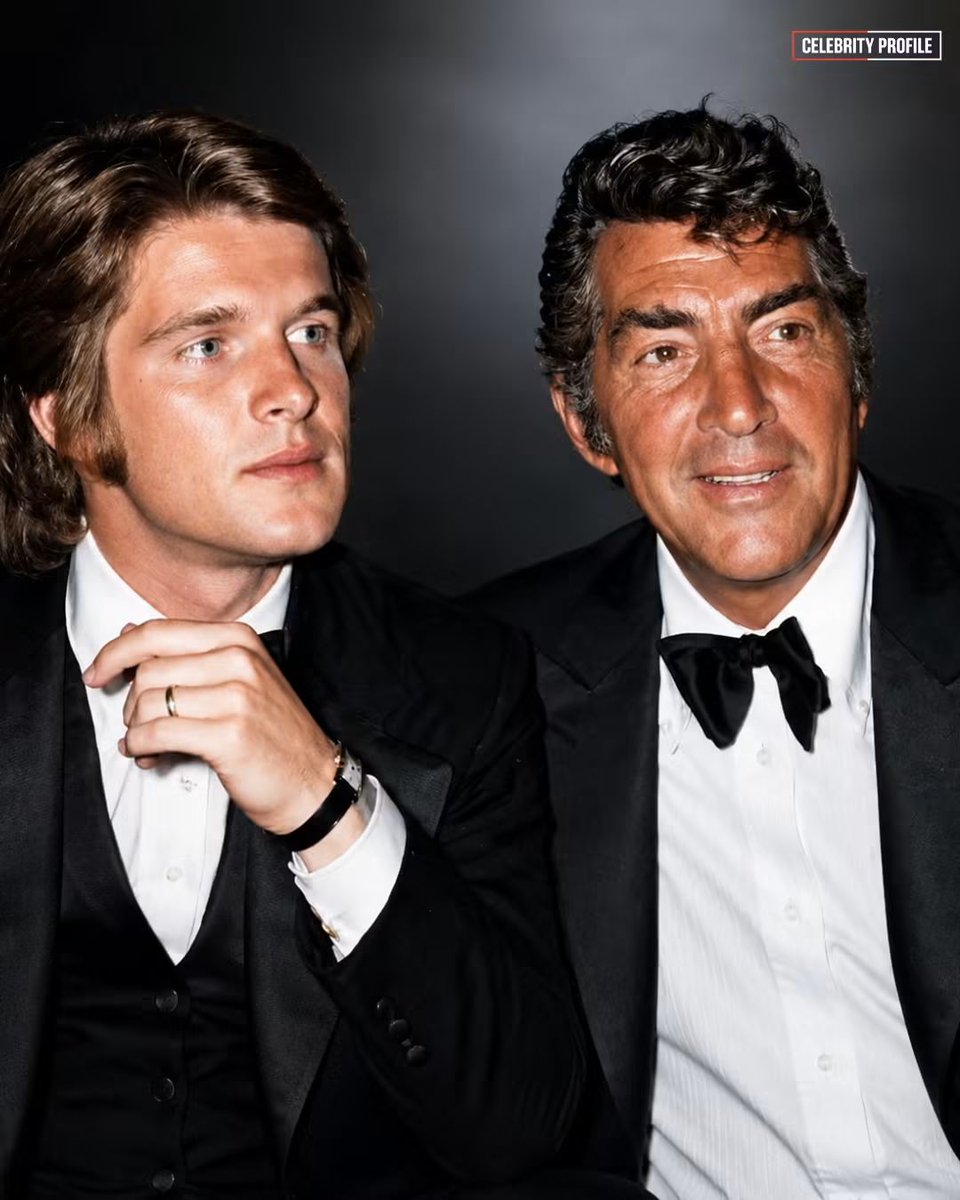
Dean Martin had seven children, but those who knew him said Dean Paul was different — handsome, musical, and determined enough to become a fighter pilot in the Air Force Reserve while his father remained one of the most beloved entertainers in America.
He wasn’t just another son in a famous family. He had his own direction, his own discipline, his own way of stepping out of the shadow.
On March 21, 1987, that life ended abruptly.
Dean Paul’s F-4 Phantom crashed into the San Bernardino mountains during a training flight. He was 35 years old.
Dean Martin received the call at home. He didn’t ask questions. He didn’t say much. He simply hung up the phone and sat in silence.
An hour later, he called Frank Sinatra.
He said one sentence.
His son was gone. And he was done.
That was not an emotional outburst. It was a decision.
He withdrew from the Rat Pack tour. He stepped away from performing entirely. The man who had spent decades on stage making audiences laugh and feel at ease never sang publicly again after that day.
The laughter stopped in public, but not the routine of living.
Every night for the next eight years, Dean Martin went to the same Italian restaurant in Beverly Hills. Same table. Same order — spaghetti and one glass of whiskey. Always alone.
No variation. No company. No attempt to change the pattern.
It became the shape of his remaining years.
On Christmas morning in 1995, Dean Martin died at 78.
On his desk was a single photograph — Dean Paul in uniform.
The image remained untouched, as if nothing else needed to be said.
The man the world knew as effortless, charming, and endlessly composed had always been something simpler underneath it all.
A father.
And when that role was taken from him in the most final way, everything else — the fame, the music, the applause — no longer had anywhere to land.
23
136
836
36,306
Tom P. retweeted

Don’t argue with people over sixty. Just don’t.
It’s not just an age; it’s a masterclass in survival.
They grew up without Google, without DoorDash, without therapy podcasts, and without an "undo" button. If something broke, they grabbed duct tape, WD-40, a hammer, and a look of sheer determination that made even the broken appliance second-guess itself.
As kids, they knew exactly what kind of mood their mom was in just by the sound of how hard she slammed the cast-iron skillet onto the stove.
They were the original latchkey kids — walking home from middle school with a house key tied around their neck, with strict orders to heat up lunch and not burn the kitchen down. By the time they were ten, they could bike to the corner store, buy a gallon of milk for the neighbor, feed the family dog, and still have time to play freeze tag in the yard until dark.
Their knees were a permanent canvas of scrapes, bruises, and rubbing alcohol. Their universal first-aid kit was just a quick wash under the garden hose and a Band-Aid. If a bone wasn't sticking out, you were fine.
They drank water straight from that same hose, ate Wonder Bread covered in butter and sugar, shared a single glass bottle of Coke among five friends, and somehow didn't die from a lack of sanitization.
This is the generation that knows how to rewind a cassette tape with a No. 2 pencil. They know the suspense of waiting all week for a movie to air on TV, because if you missed it, it was gone. They remember rotary phones, looking up a family in a massive paper phonebook, and the excitement of getting a color television.
They survived party lines, typewriter ribbons, early brick cell phones, and flip phones — and today, they might accidentally send you a 7-minute voice memo where the first 6 minutes are just them breathing and asking, "Hello? Can you hear me?"
And don't you dare laugh.
Because without a GPS, these people could drive halfway across the country using nothing but an old paper map, a cooler full of sandwiches, and the gut feeling that "the exit should be coming up somewhere around here."
They are the ultimate masters of household magic. They can stitch, tighten, glue, and fix just about anything. And somewhere in their pantry, they have a "bag of bags" that is literally older than half the gadgets you own.
Leave people over sixty alone. They saw the world before the internet, and they navigated the world after it. And through it all, they didn't just get by — they thrived.
2,176
6,882
28,076
619,733
Tom P. retweeted

Jun 13
Mark Cuban says he gave millions of dollars to employees after selling his company because he believed they earned it.
Shannon Sharpe: “When you sold the company, it was reported you gave employees $35 million in bonuses. Why?”
Mark Cuban: “It ended up being a lot more than that.”
“I’m not there without them.”
“I did it with my first company, MicroSolutions. We had 80 employees and they all got paid.”
“I did it again with Broadcast .com.”
“Out of 330 employees, 300 became millionaires.”
“I wanted to do the same thing with the Mavericks.”
“They were there for me the whole time.”
“For the people who had been there 20 years or more, it was life-changing money.”
34
312
6,566
828,617
Tom P. retweeted

Jun 9
Finally Tonight 🌙. People still come and pay their respects every year. If you haven’t been I encourage you to do so. Sound up by the way. Have a goodnight and thank you for the privilege of your time. ⚾️ #Maris4HOF #RogerMaris
3 Apr 2018

1
22
381
Tom P. retweeted

Jun 12
Congrats, Ras! ⭐️
The NHL announced that Rasmus Dahlin has been named to the 2025-26 Second All-Star Team.
Details: bufsabres.co/4xl289n

30
115
1,302
45,372
Tom P. retweeted

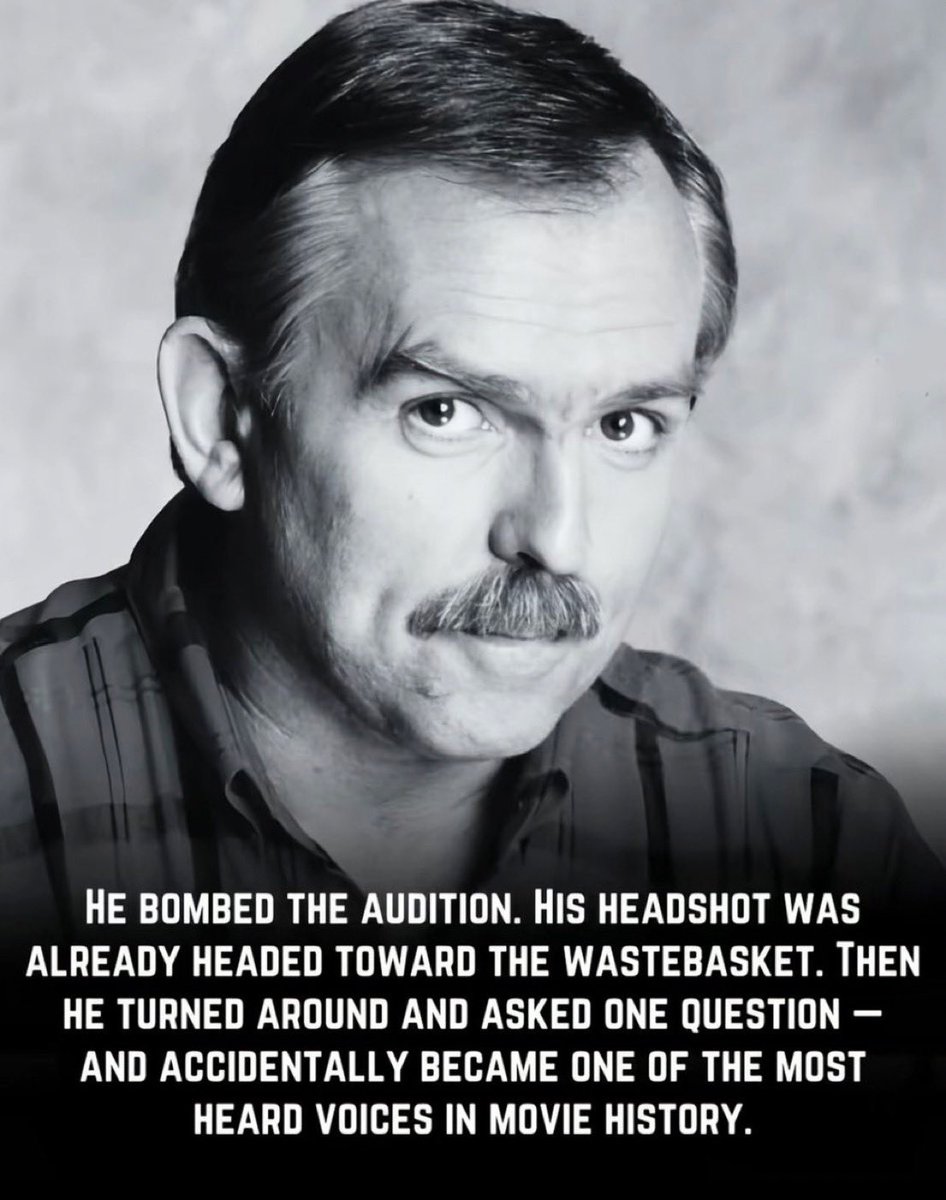
On the day John Ratzenberger walked into an audition room in 1982, he had a plane to catch.
He had been living in London for nearly a decade — acting, writing, performing improv comedy across Europe with a two-man theatre group that had played to standing-room-only audiences for 634 consecutive shows.
He had appeared in small roles in some of the biggest films of the era: *Star Wars:
The Empire Strikes Back*, *Superman*, *Gandhi*, *A Bridge Too Far*
He was a working actor, but
nobody's idea of a household name. That day, he was in Los Angeles on a writing assignment, and his ticket back to London was already booked.
He had one audition before he left.
A new sitcom about a bar in Boston.
Both Ratzenberger and another actor, George Wendt, were reading for the same role — a minor patron named George who had a single line: "Beer!" It was barely a part at all.
But Ratzenberger wanted the work, so he went in, and the moment director Jimmy Burrows told him he was there to audition, not have a conversation, he felt the energy in the room go cold.
By his own account, all the blood rushed out of his body. He delivered a forgettable read. The casting director thanked him on the way out — the polite, final kind of thank you that everyone in show business learns to recognize.
He was almost through the door when something stopped him. Not calculation. Not strategy. Just the instinct of a man who had spent a decade doing improv and knew that the moment before you leave a room is sometimes the best moment you'll ever have.
He turned around.
"Do you have a bar know-it-all?"
The producers didn't know what he was talking about. So he told them. Every bar in New England, he explained, has one — some guy who acts like he has the knowledge of all mankind stored between his ears and is not even slightly shy about sharing it.
He had grown up around exactly this type: a man named Sarge at his father's regular bar, who could answer any question with absolute confidence whether he actually knew the answer or not. The room would ask Sarge the length of a whale's intestine and Sarge would shoot back: "Baleen or blue?" And somehow, everyone deferred to him anyway.
Ratzenberger launched into an improvisation right there — the Boston accent, the lean against an imaginary bar, the slightly too-long explanations of facts nobody had asked for. The producers watched. Then they laughed. Then they asked him to do more.
George Wendt got the role of the bar regular, renamed Norm Peterson. And the producers, convinced by five minutes of improv from a man on his way out the door, wrote an entirely new character into the show.
His name was Clifford Clavin. United States Postal Service.
Cheers debuted on NBC on September 30, 1982, to nearly catastrophic ratings — finishing 77th out of 100 shows that week.
The network came close to canceling it in the first season. But the show found its audience, and then it found a much bigger one, and then it became one of the most beloved television series ever made. It ran for 11 seasons.
Ratzenberger appeared in 273 of 275 episodes.
Cliff became the man at the end of the bar with the white socks and the questionable facts and the magnificent certainty — the guy everyone tolerated and secretly enjoyed, the kind of person every room has and everyone pretends to find annoying and would immediately miss if he disappeared.
Ratzenberger was nominated for Emmy Awards in 1985 and 1986. By the time the show ended in 1993, Cliff Clavin was embedded in American culture as one of the great comic characters in the history of the medium. Cheers! 🍻
112
678
5,117
285,332
Tom P. retweeted

Jun 10
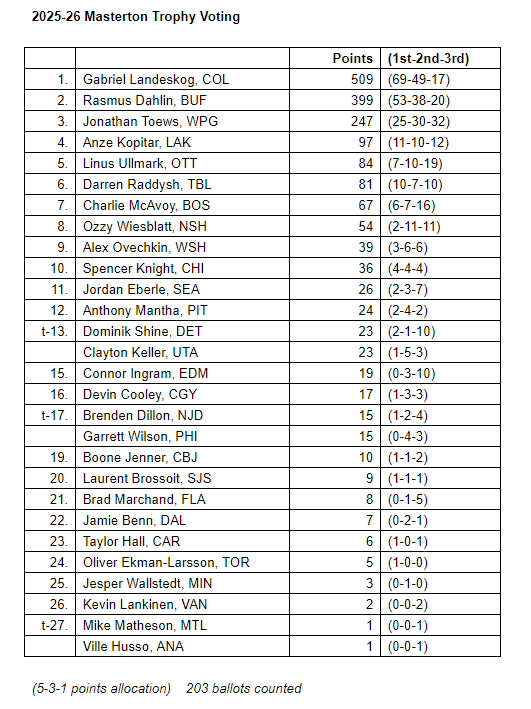
Nothing against Landeskog, he’s one of the NHL’s best and has overcome a ton, but #Sabres Rasmus Dahlin should’ve won this.
Dahlin led BUF to its first playoff berth in 14 years while overcoming a pregnancy loss and his fiancée’s heart failure.
Wild.
#Sabrehood @CrossSwordsPod
Jun 9

Full voting table for the Bill Masterton Memorial Trophy, won by Avalanche captain Gabriel Landeskog. #GoAvsGo #NHLAwards
Link to all ballots from @thePHWA: thephwa.com/2026/06/09/gabri…
9
20
243
38,229