
BSc (Hons) Computer Science (1st) | w/ @RedBullUK @Jukeyz @skrapzg @wuskinz @MarleyThirteen @Halfordsucks @mickconlan11 @JoshiiFM | thetechieteam.co.uk/
Joined June 2020
- Tweets 6,172
- Following 370
- Followers 6,694
- Likes 7,840
1,106 Photos and videos




Pinned Tweet

Mar 13
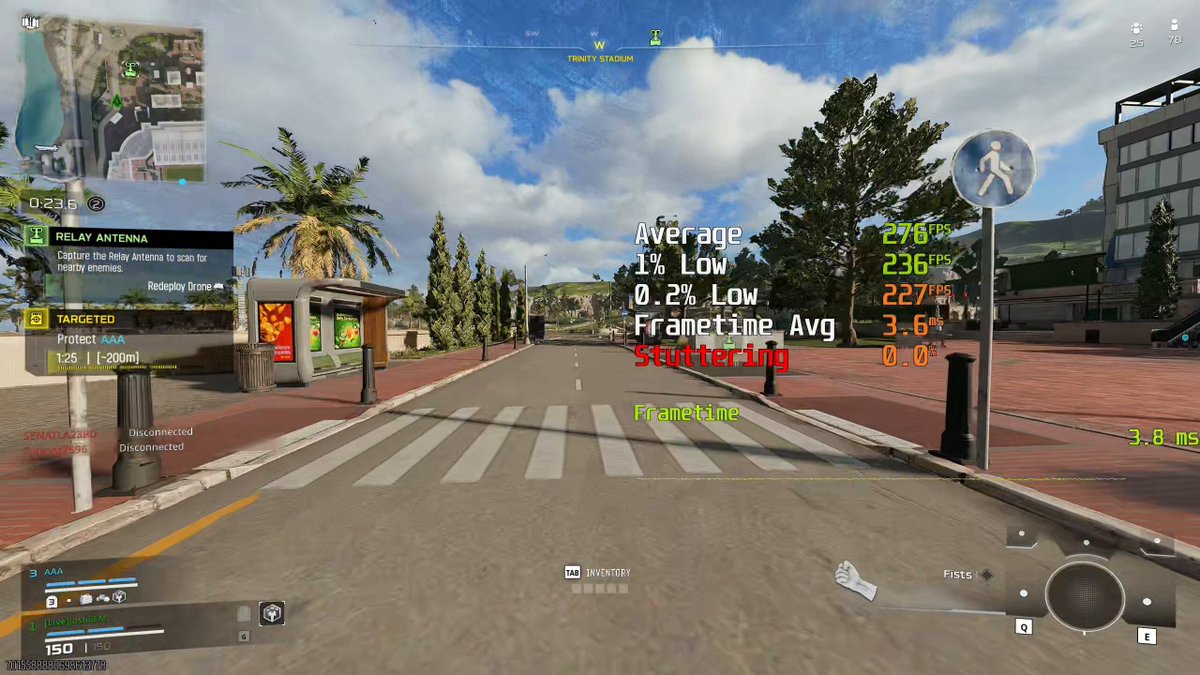
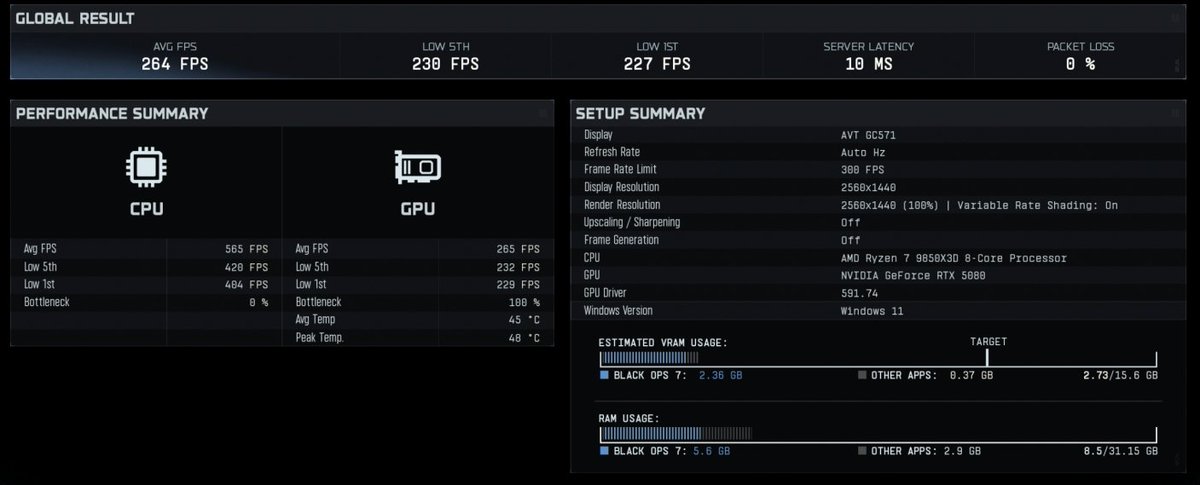
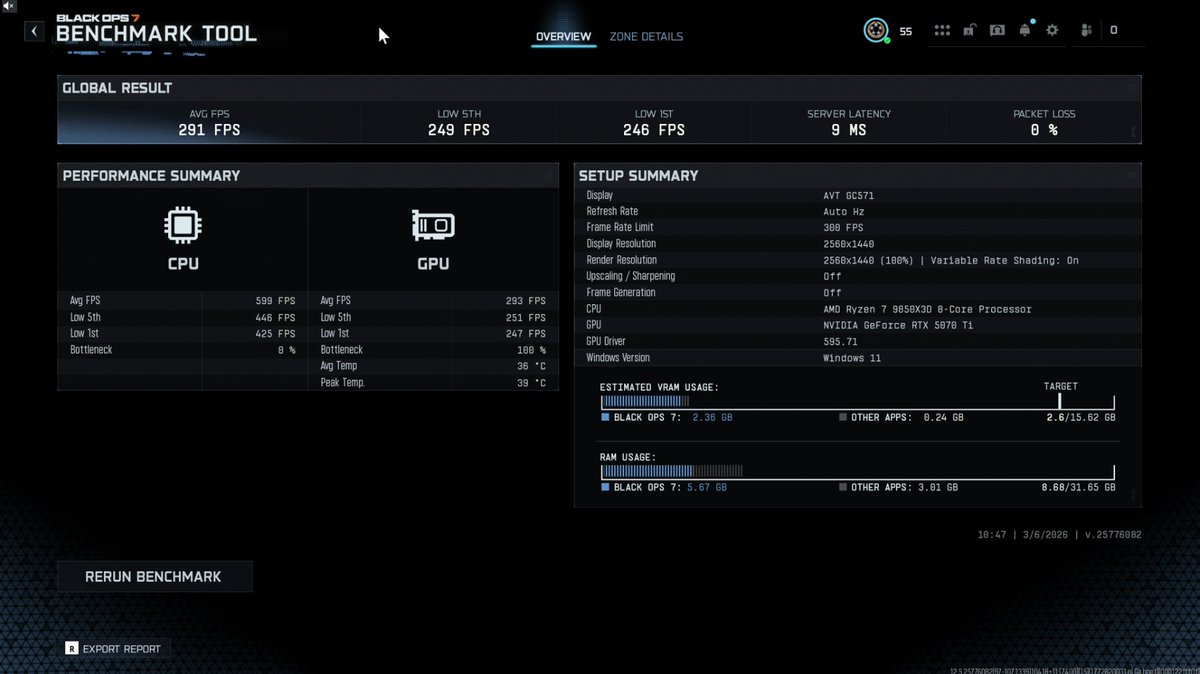
🚨 BO7 SZN 2 RELOADED SETTINGS🚨
Black Ops Royale FPS test
Ryzen 7 9850X3D
6600 CL30
RTX 5070 Ti
1440p Competitive Settings
First performance numbers from the new update.
Config settings in the thread 👇
5
7
141
48,012
May 24
I step away from X for a few weeks & come back to people finally realising that allskill is a clown 🤡
Said it from the start, but no one ever listens;
“can you improve bullet reg”
“do you do internet optis”
Nevertheless, guys a clown like a few others *sips tea*
Peace ✌️
2
34
3,387
Apr 10
If you've installed CPU-Z recently, i'd suggest uninstalling it and running a few virus scan until further notice.

HWInfo and CPU-Z both compromised. Millions about to be PWNED!
CPU Z:
hybrid-analysis.com/sample/e…
HW Monitor:
hybrid-analysis.com/sample/4…
Community note
The post mentions HWInfo, but the link is for HWMonitor. These are different tools from different developers. HWInfo is unaffected. CPU-Z and HWMonitor from cpuid.com are compromised with malware.
igorslab.de/en/warning-cpu…
reddit.com/r/pcmasterrace…
hwinfo.com/forum/threads/…
1
9
8,806
Apr 6
Absolute pleasure as always 🫡
If anyone needs a custom build PC for any budget, fire me a message 📩

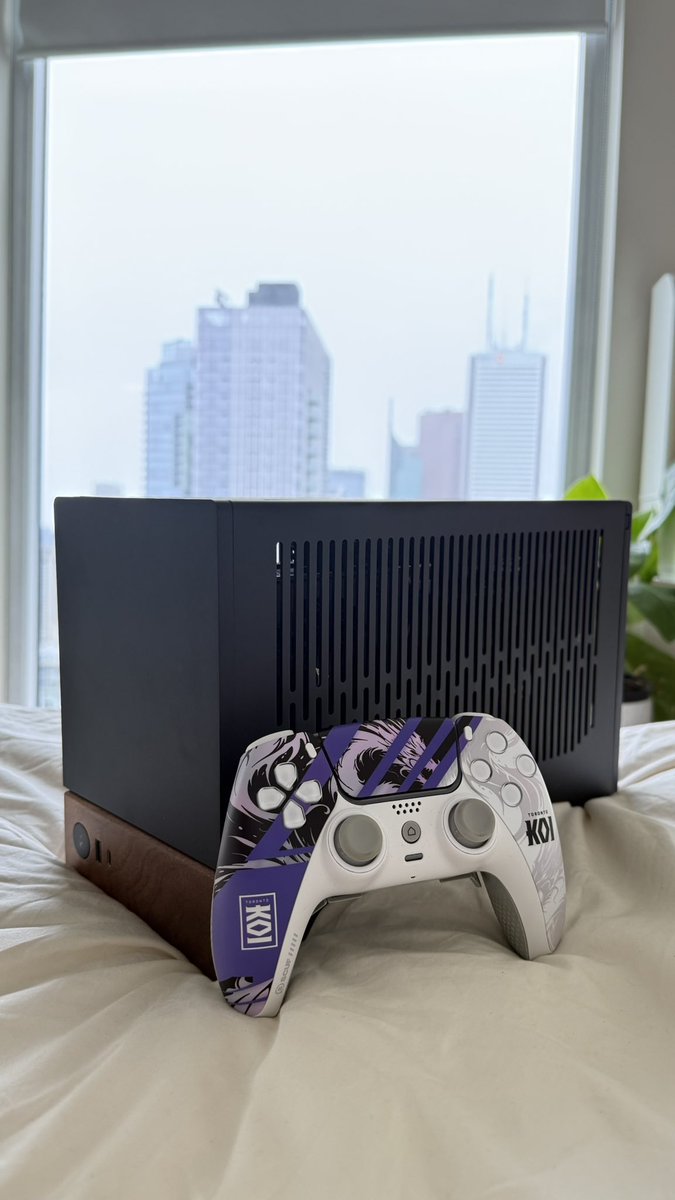
Can take this little spaceship around the globe🤩
Shoutout to @TomoTheTechie & Co for putting this together. Allows me to do everything I need on the go🫶
3
19
4,723
Mar 28
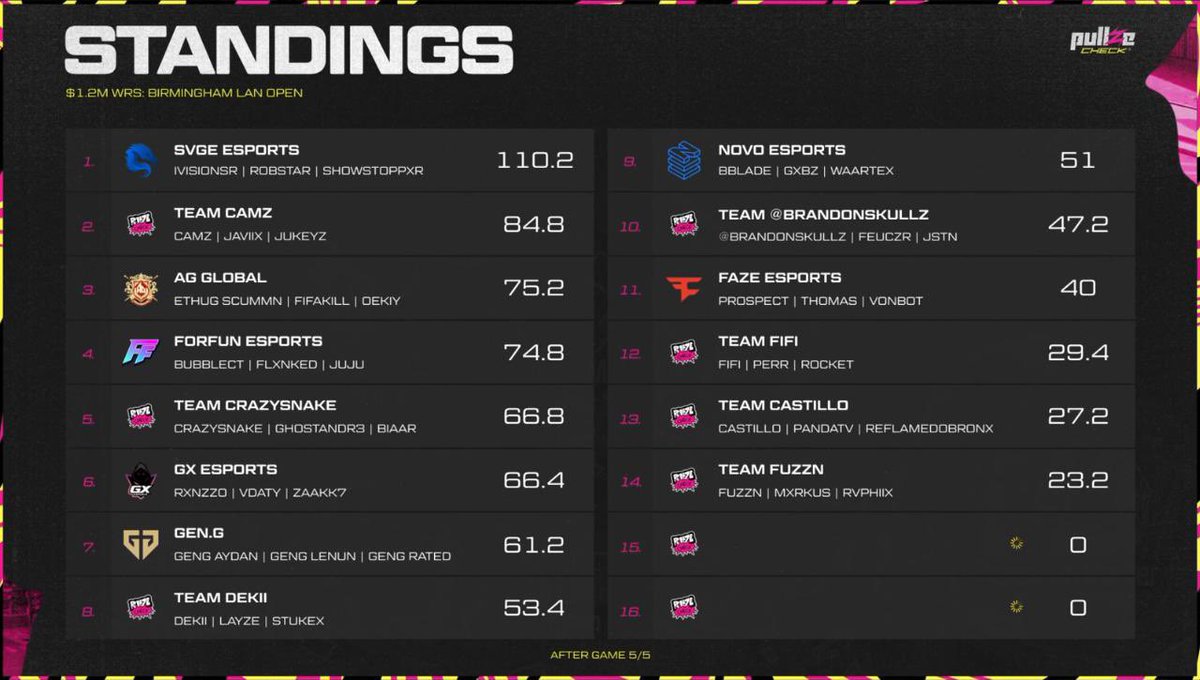
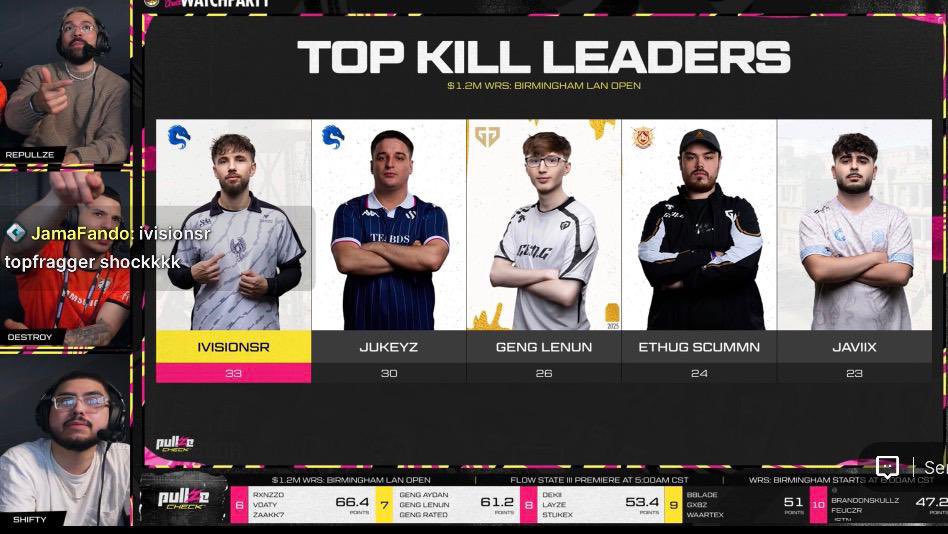
Consistently work with 3 out of the top 5 fraggers and the 3 I work with are 1st, 2nd and 3rd.
The best only come to the best 😏

Onto the next stage in a couple hours with the boys, if you guys want to watch you can on the @Repullze stream, I appreciate the support also it doesn’t go un noticed. ❤️
6
3,056
Mar 13
How does Season 2 Reloaded play guys?
Are you enjoying the update so far?
Will be looking for 5 people to test the new software around 6pm tonight 👊🏻
Mar 13

🚨 BO7 SZN 2 RELOADED SETTINGS🚨
Black Ops Royale FPS test
Ryzen 7 9850X3D
6600 CL30
RTX 5070 Ti
1440p Competitive Settings
First performance numbers from the new update.
Config settings in the thread 👇
1
8
3,799
Mar 13
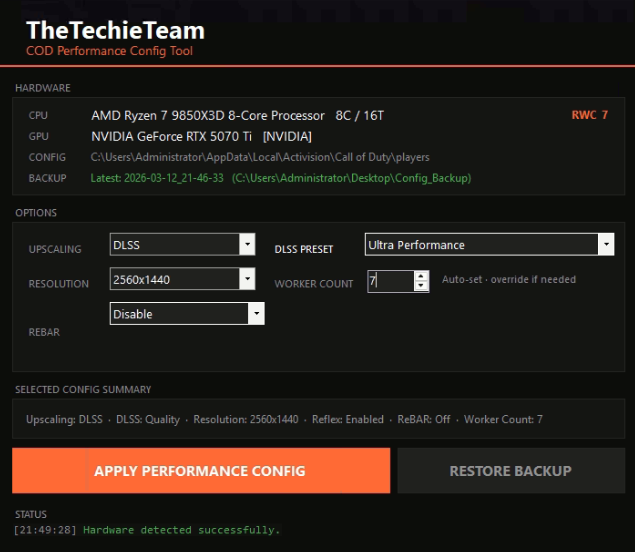
Struggling to import the config file?
Sick and tired of getting lost trying to find the Activison/Players folder?
Make sure to follow & reply below 👇
Will be looking for a few people to test this on later
Mar 13
🚨 BO7 SZN 2 RELOADED SETTINGS🚨
Black Ops Royale FPS test
Ryzen 7 9850X3D
6600 CL30
RTX 5070 Ti
1440p Competitive Settings
First performance numbers from the new update.
Config settings in the thread 👇
8
9
46
11,619
Mar 13
🚨 BO7 SZN 2 RELOADED SETTINGS🚨
Black Ops Royale FPS test
Ryzen 7 9850X3D
6600 CL30
RTX 5070 Ti
1440p Competitive Settings
First performance numbers from the new update.
Config settings in the thread 👇
5
7
141
48,012
Mar 13
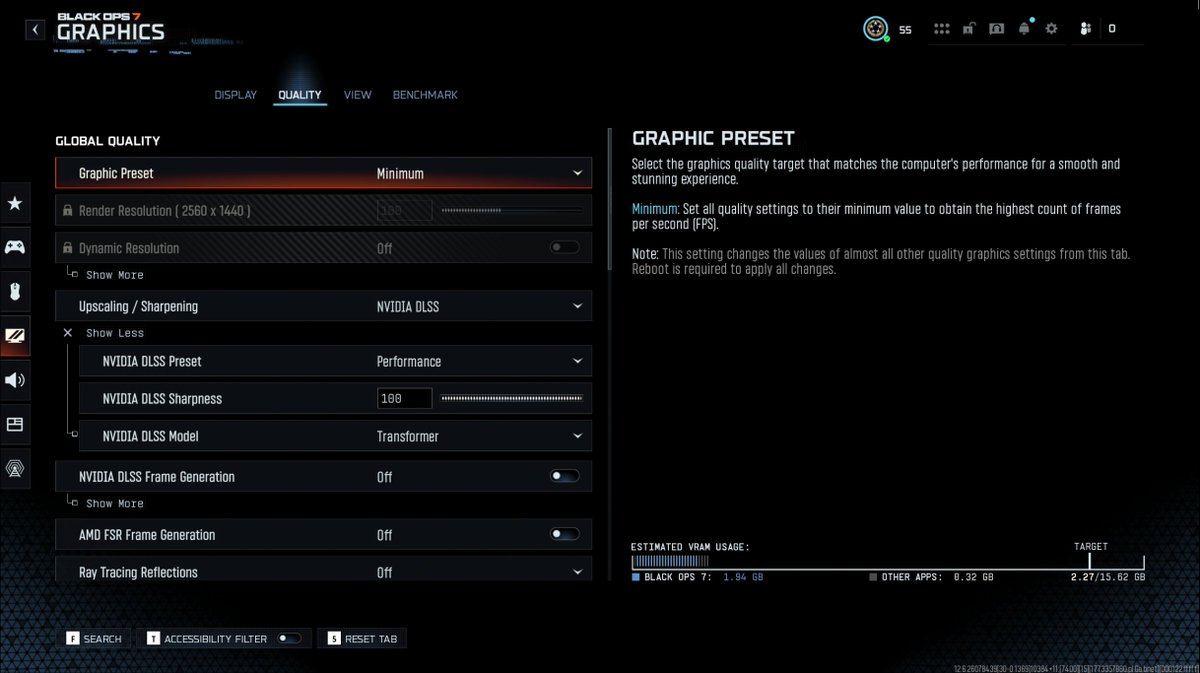
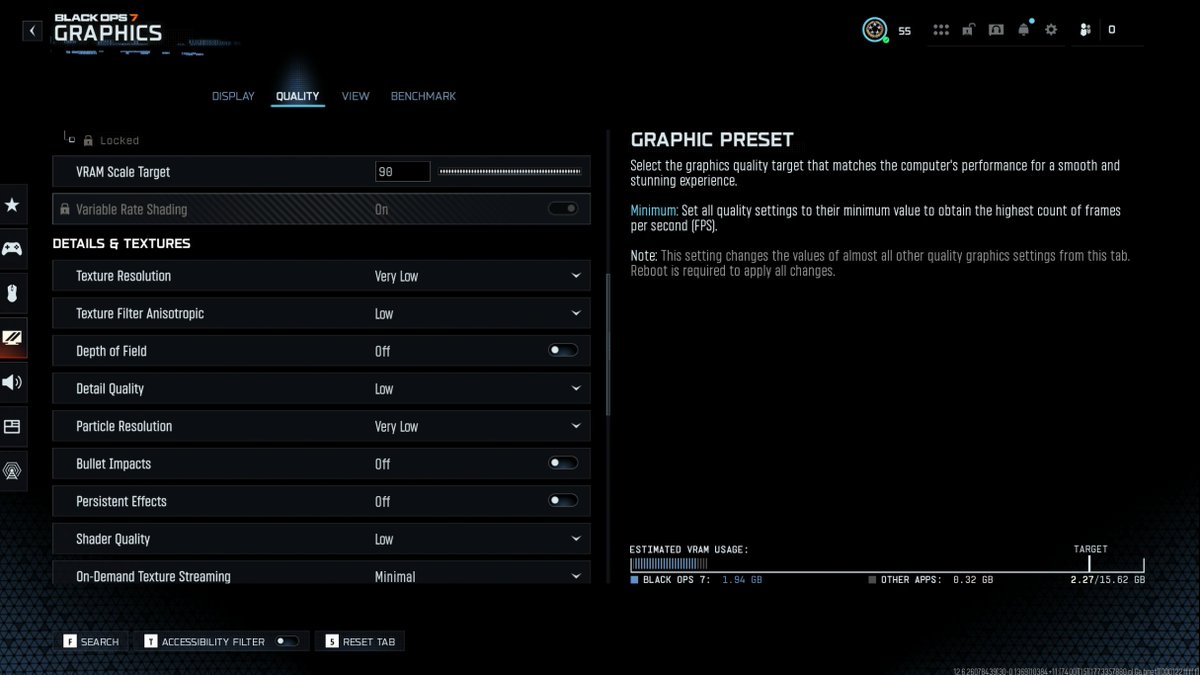
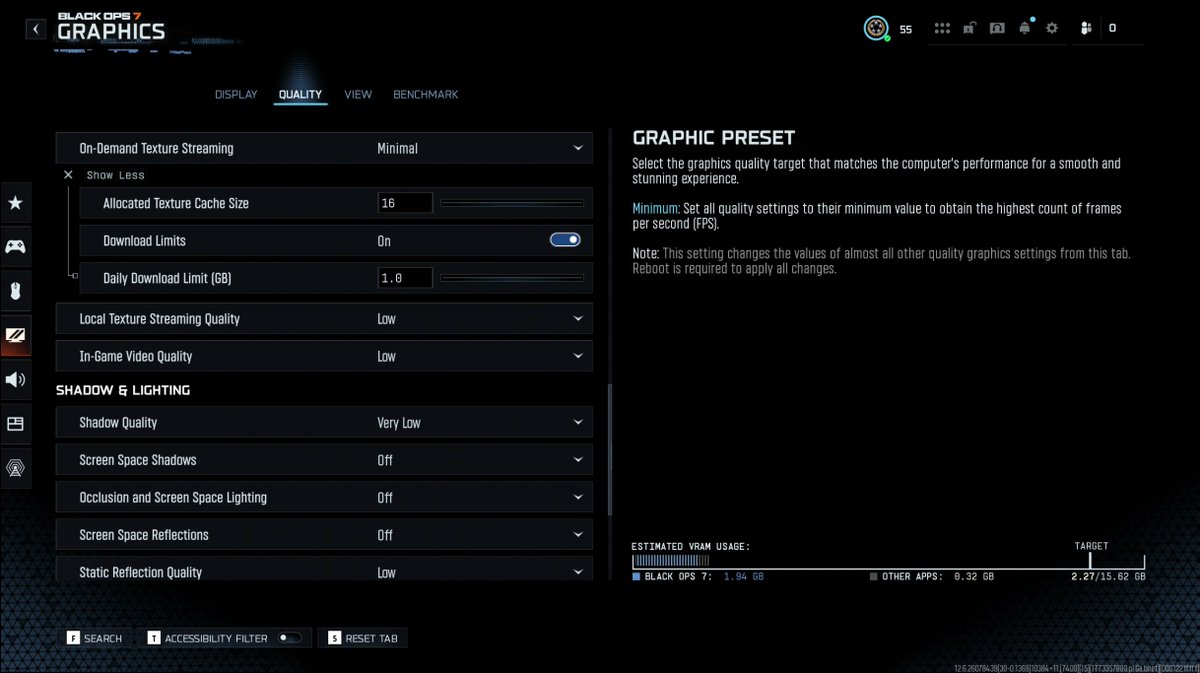
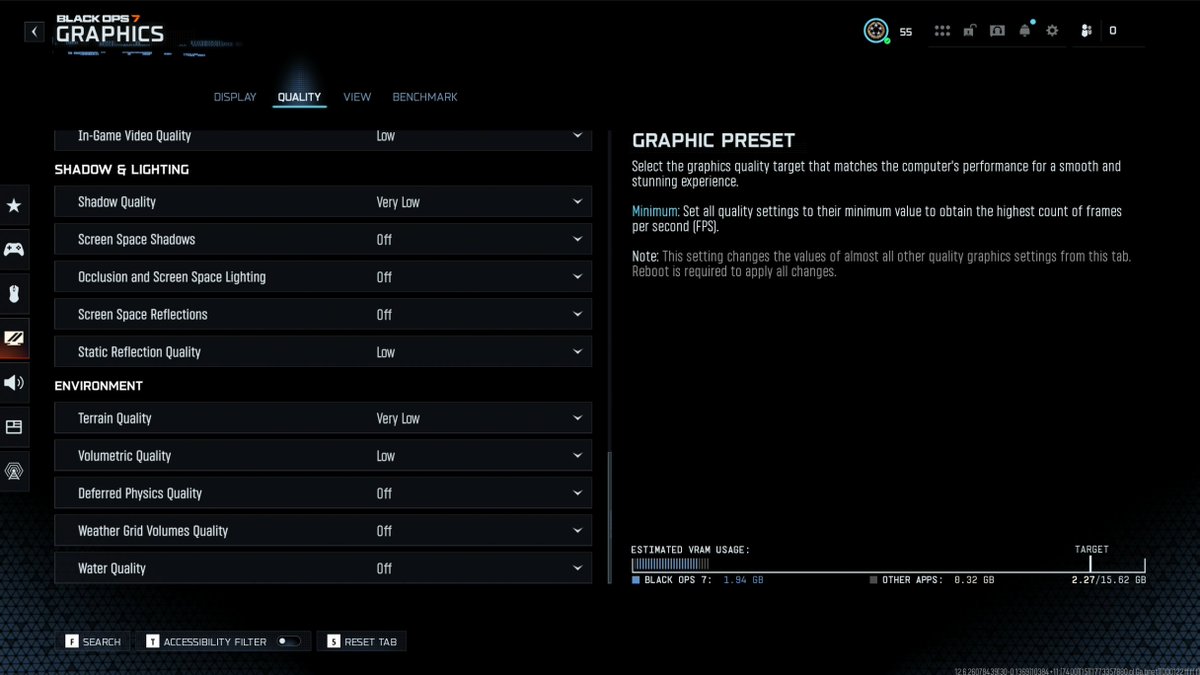
These are the exact graphics settings used in the benchmark.
Prioritises:
• Maximum FPS
• Lowest input latency
• Stable frametimes
• Zero Stutters
Next tweet contains the config file.
2
1
45
5,194
Mar 13
Competitive config files used.
Download the three files in:
drive.google.com/drive/folde…
Manual install guide:
1. Click Start & type %localappdata%
2. Open Activison Folder
3. Call Of Duty
4. Players
5. Delete all three files and paste the new files in
4
2
32
4,304
Mar 12
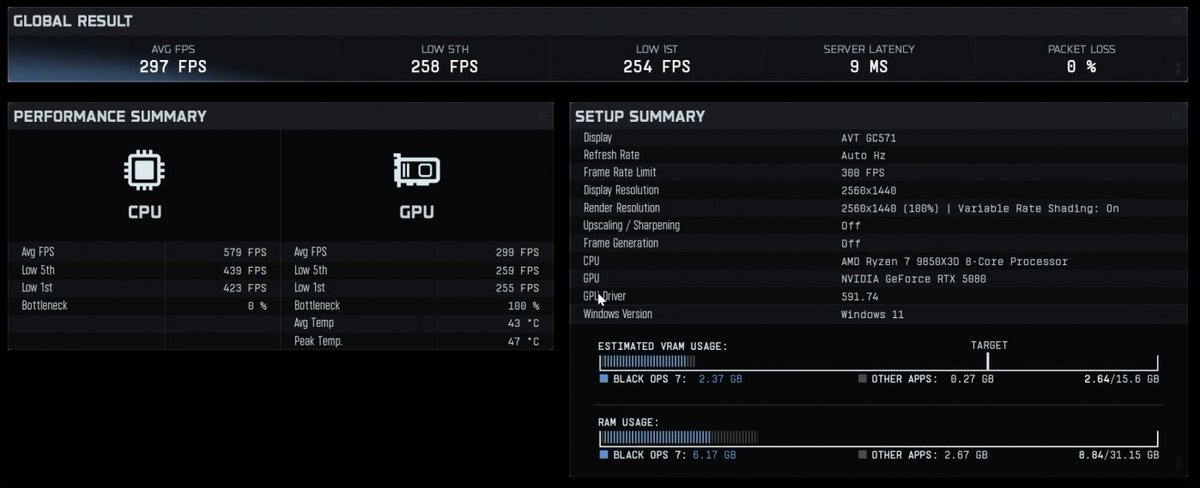
Auto Vs Disabled
Mar 12
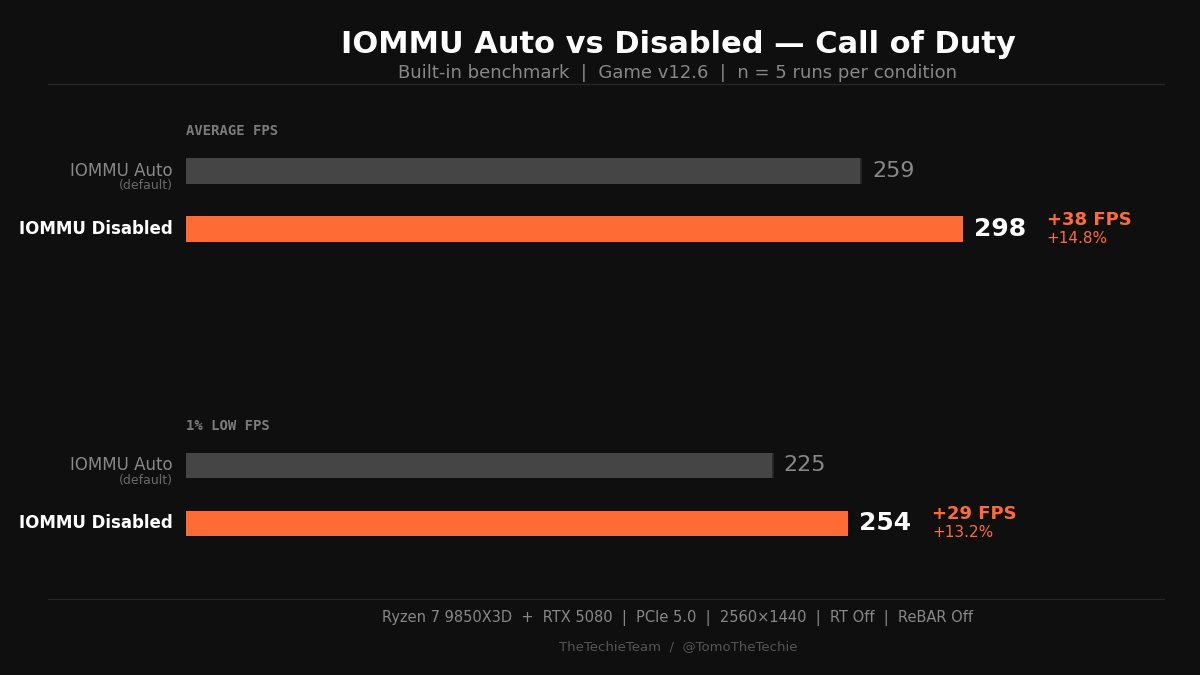
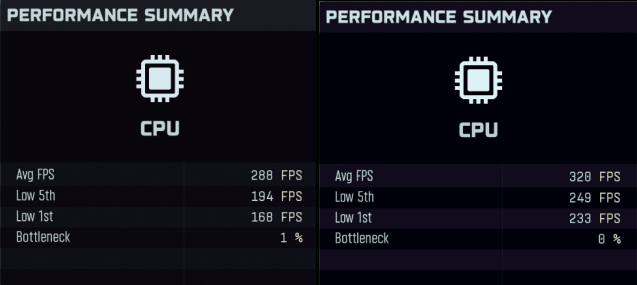
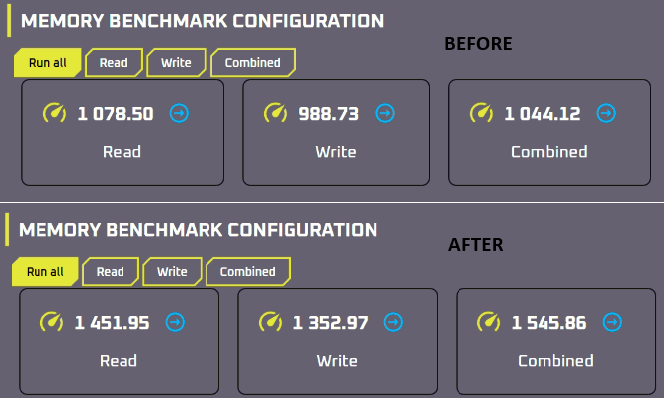
I changed one BIOS setting in Call of Duty and gained 38 FPS.
Controlled test. n=5. Same game version both conditions.
Here's the data. 🧵
10
2
150
40,369
Mar 12
I changed one BIOS setting in Call of Duty and gained 38 FPS.
Controlled test. n=5. Same game version both conditions.
Here's the data. 🧵
20
15
225
77,778
Mar 12
⚠️ Before you change anything:
Some anti-cheat systems require IOMMU for DMA protection.
Examples include:
Valorant
FACEIT
Fortnite competitive
Call of Duty (Ricochet) does not currently require it.
1
5
5,128
Mar 12
Hypothesis: 💡
When IOMMU is enabled, GPU DMA memory transfers pass through an address translation layer.
Those translations are cached in the I/O TLB.
At very high frame rates (~300 FPS) the GPU may generate a huge number of memory transactions.
If the I/O TLB starts missing, the extra lookups could add latency to memory operations and reduce effective throughput.
Run the same benchmark with the GPU forced to PCIe Gen 4 instead of Gen 5.
If this theory is correct, I’d still expect IOMMU Disabled to be faster.
But if PCIe bandwidth is amplifying the translation overhead, the performance gap should be smaller at Gen 4 than Gen 5.
8
4,640
Mar 8
Got to look after the customers 😬
Mar 8

Can’t thank this guy enough @TomoTheTechie, had an opti done last week, stupid me went about changing stuff and broke it, however he happily jumped back on and fixed it for me for nothing, he’s the best at what he does can’t recommend him enough
6
2,283
Mar 7
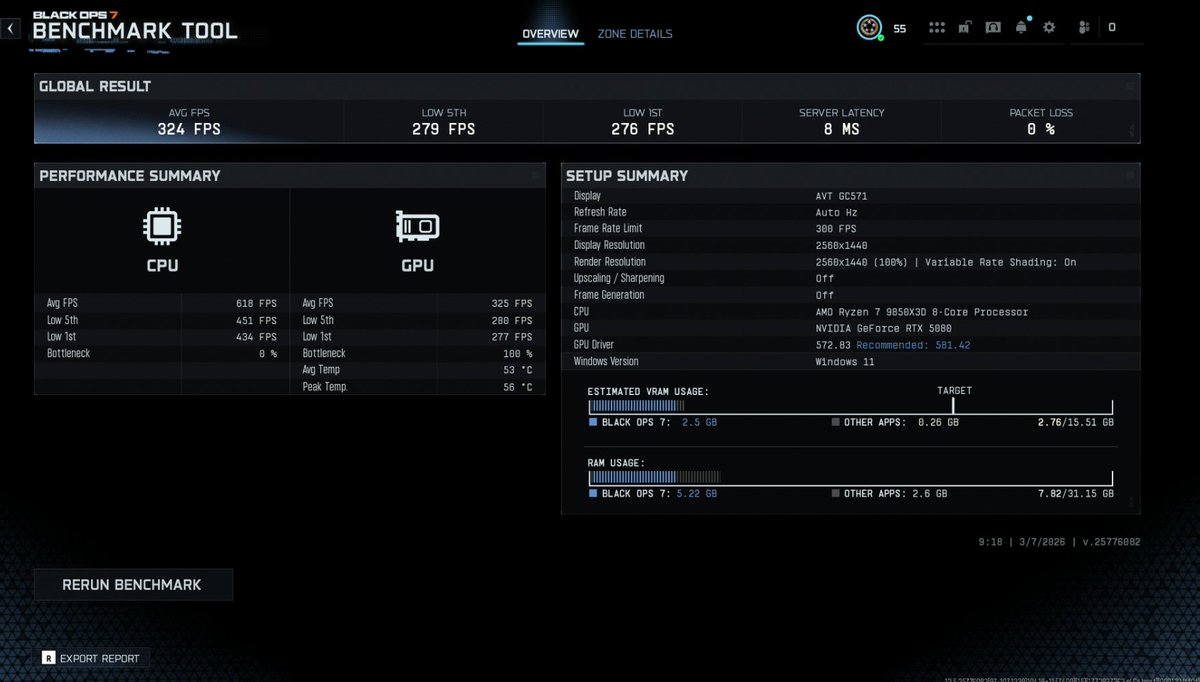
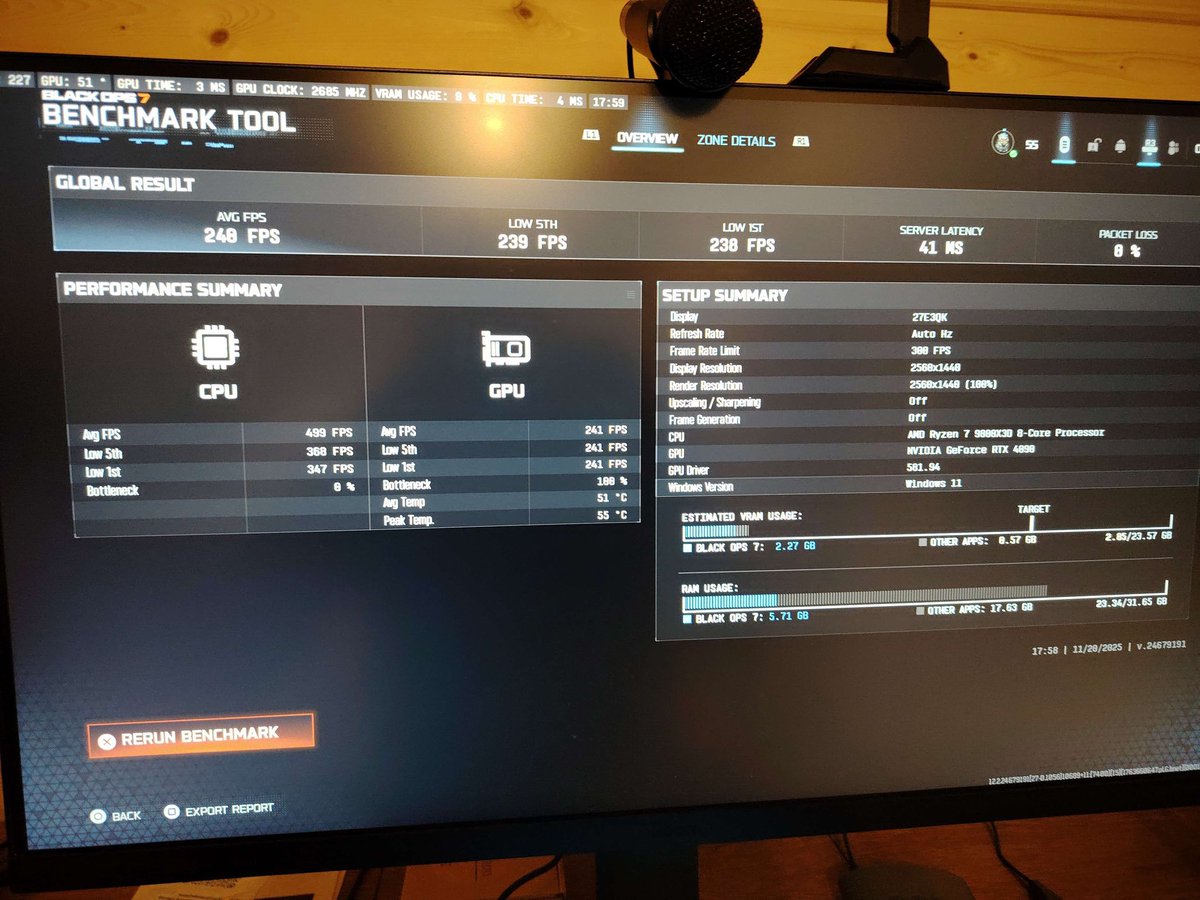
Wish I had a water cooled 5090 to hand
600 FPS on the CPU is nice though
1
1
5
2,314
Mar 3
People complain about how cod is poorly optimized when in reality 99% of the problems are PEBKAC.
Goodnight.
9
1,547