All Natural Oral Care
Joined April 2024
- Tweets 542
- Following 9
- Followers 49
- Likes 14
401 Photos and videos
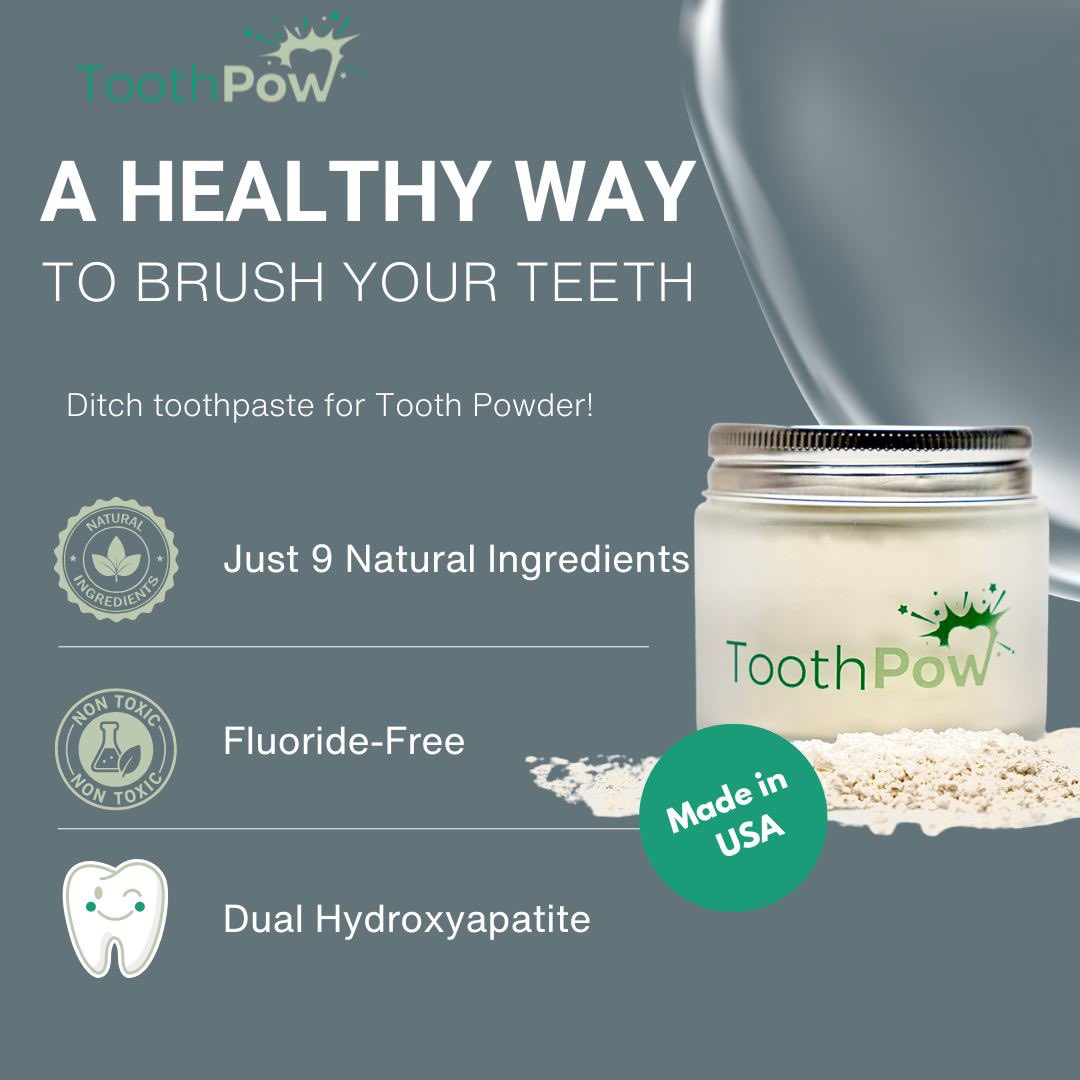
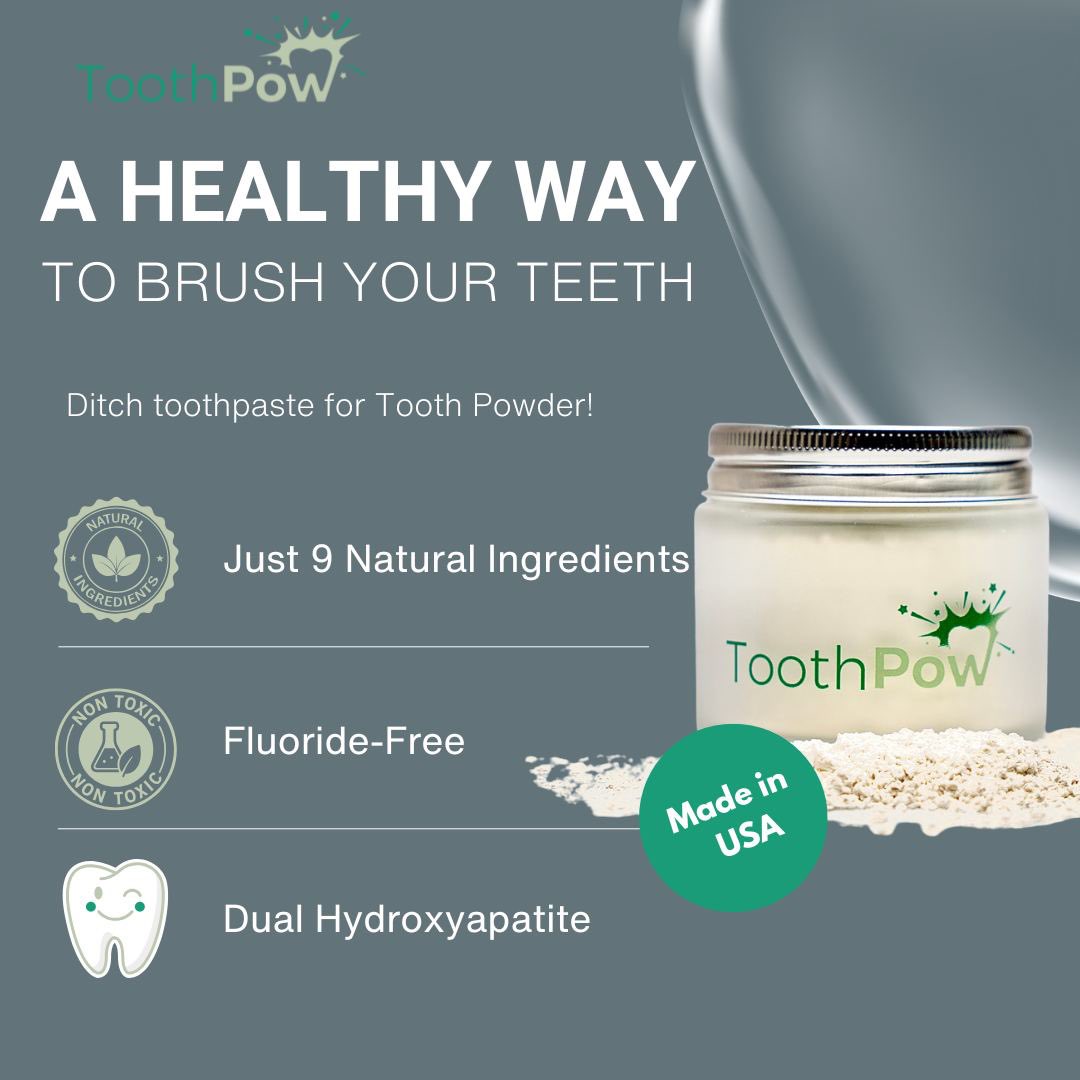
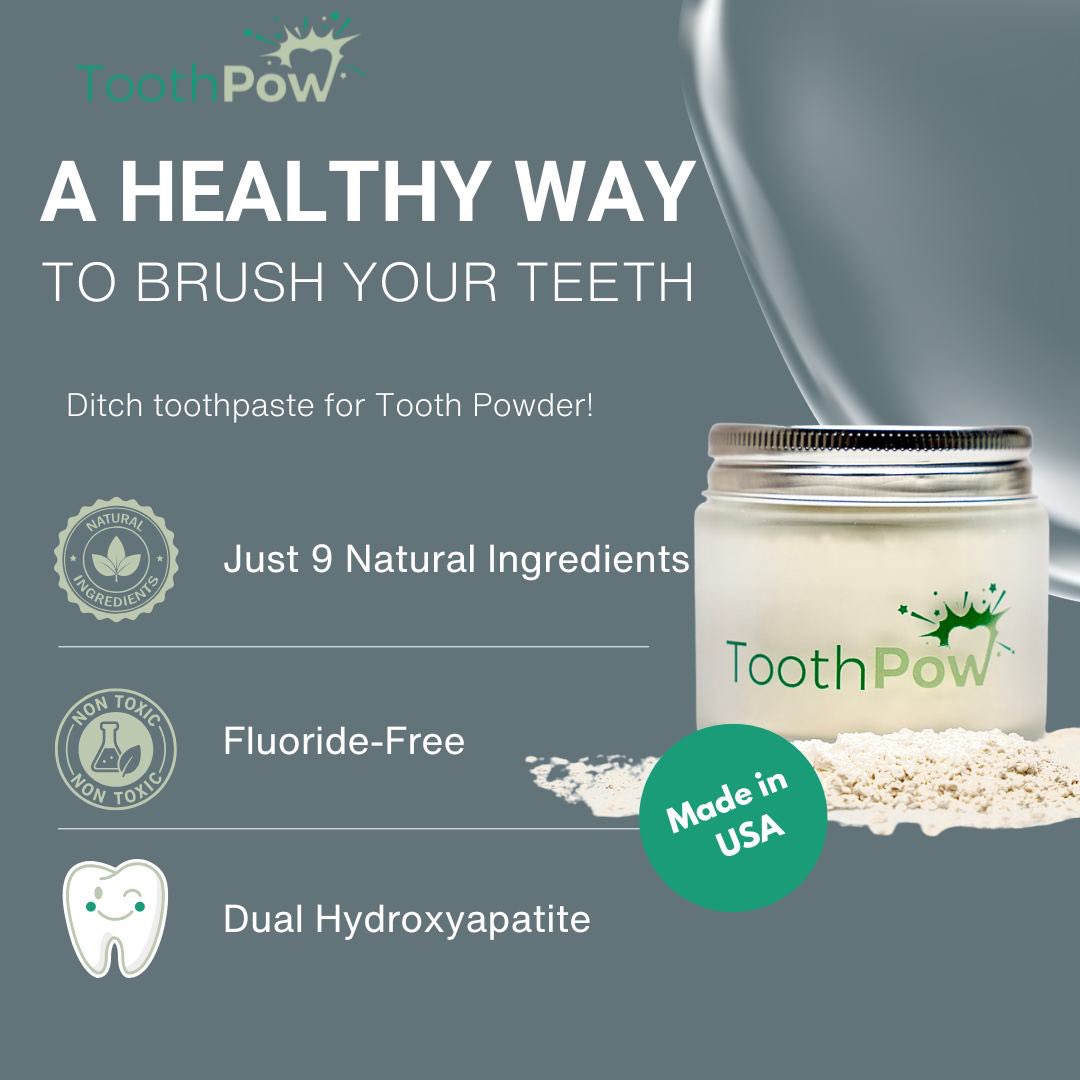
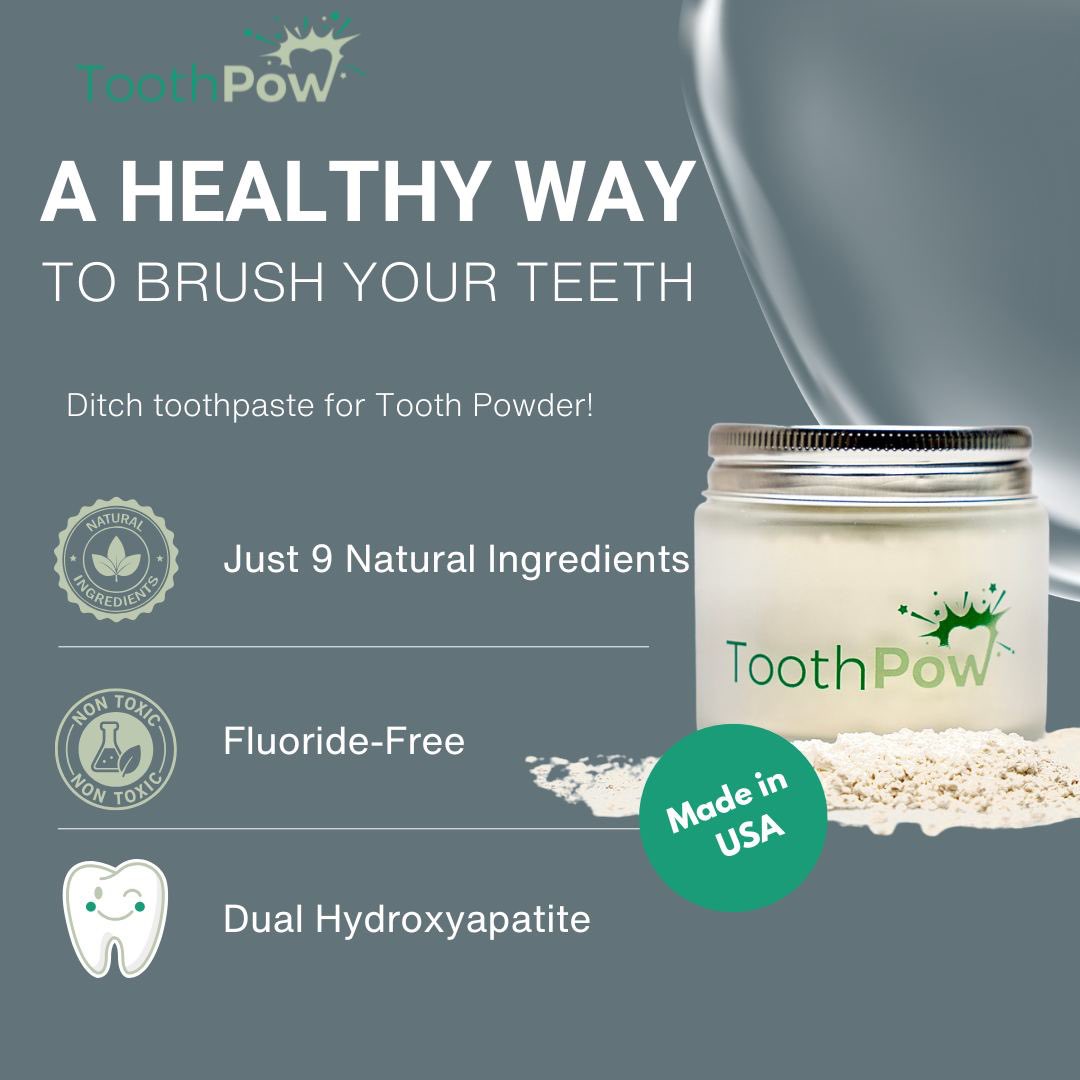
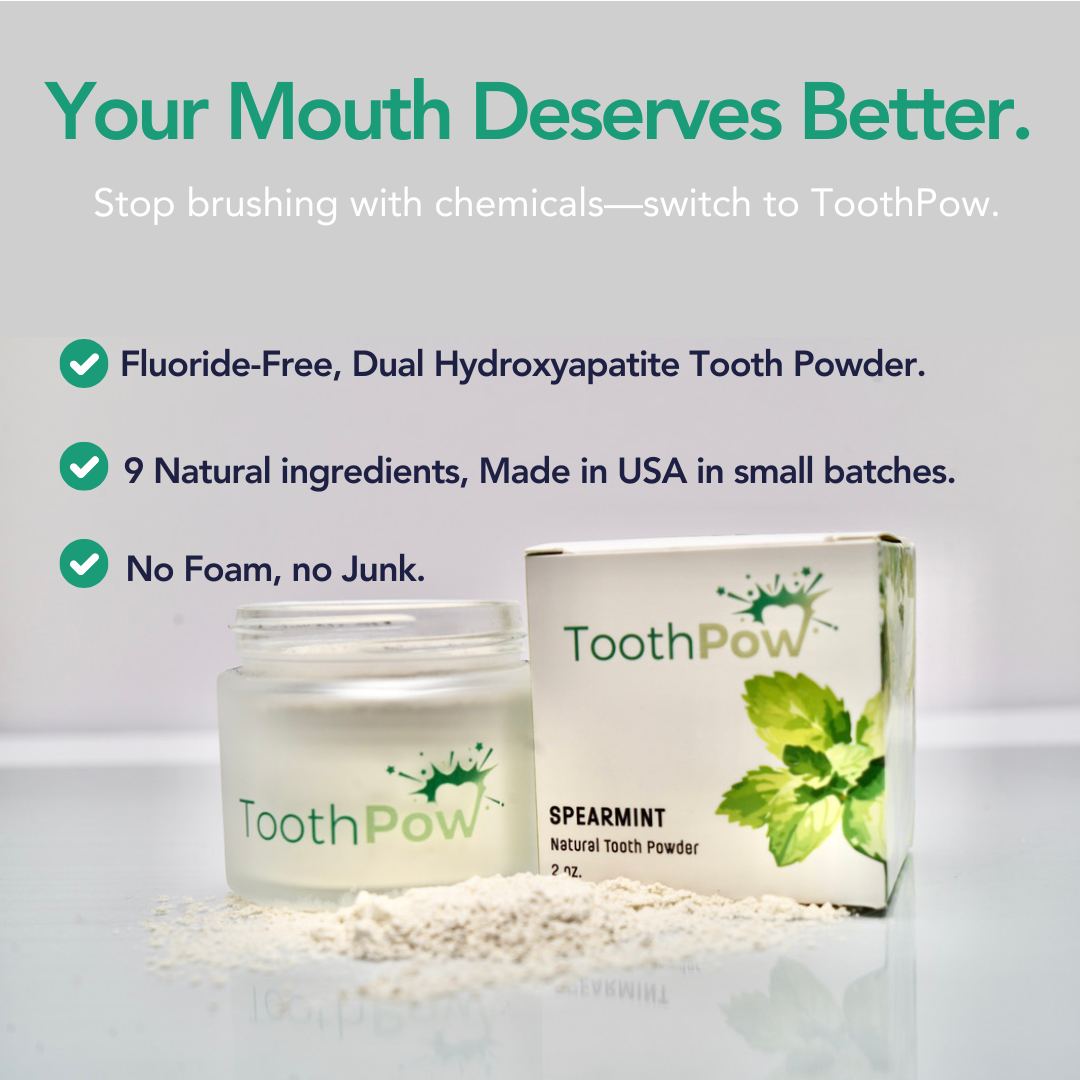
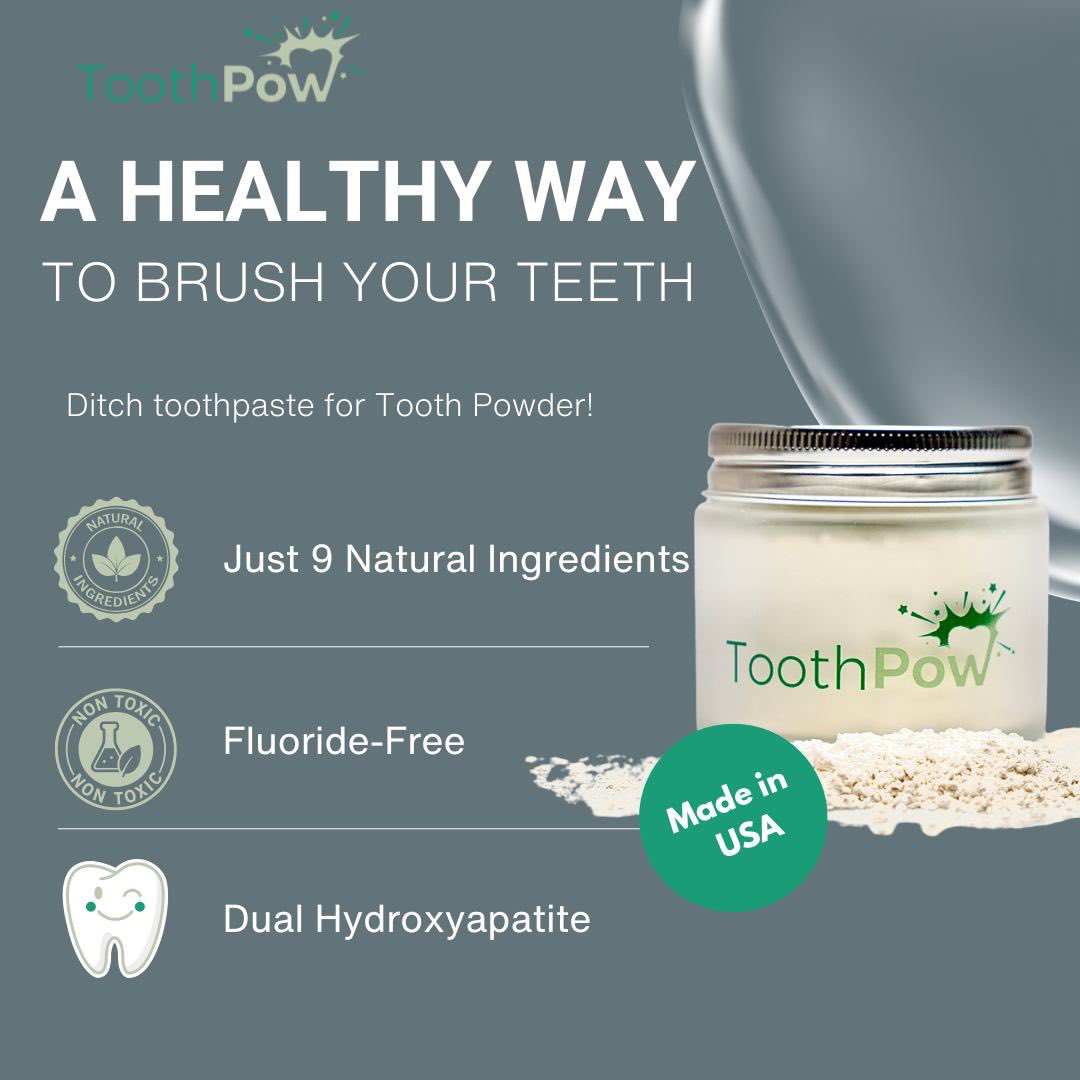
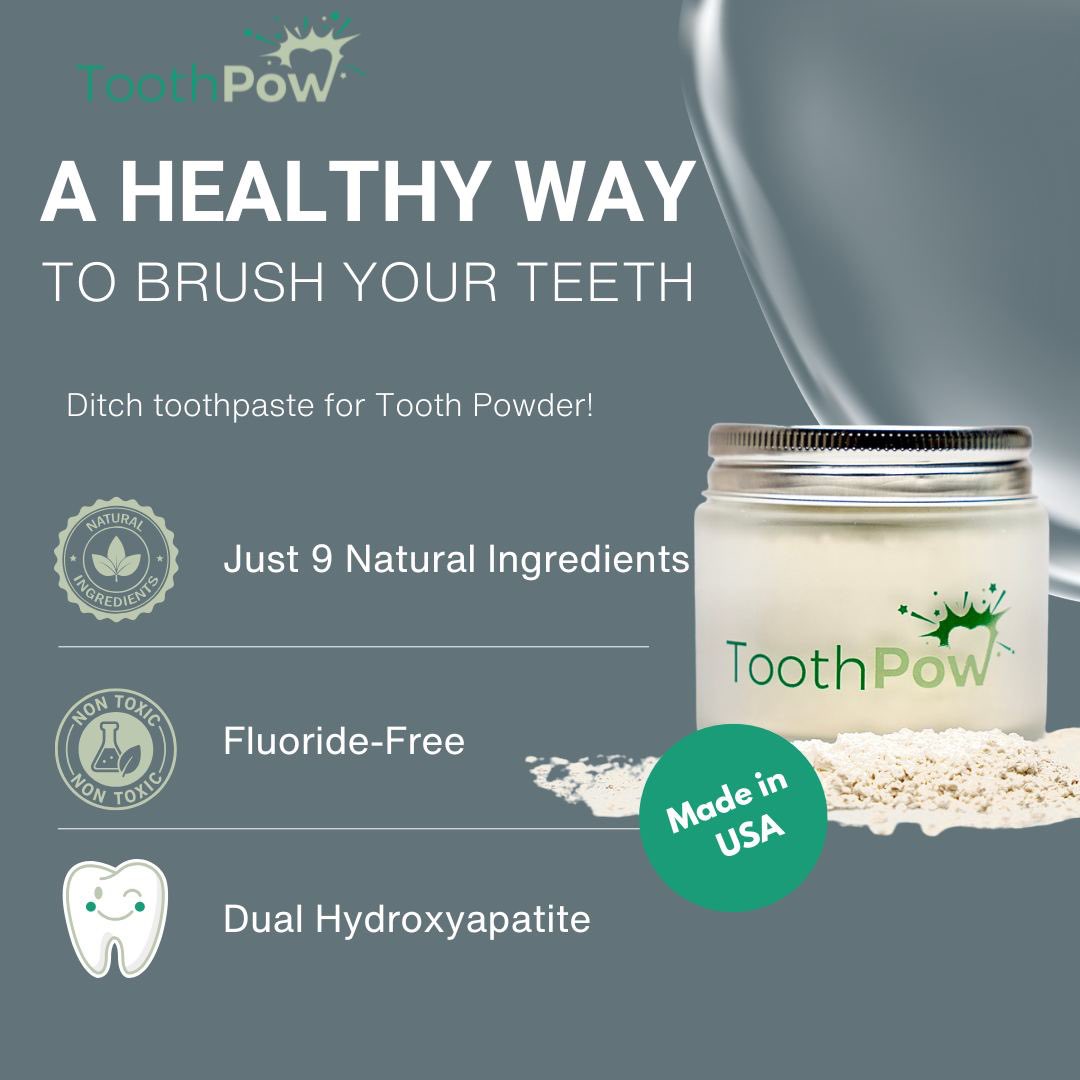
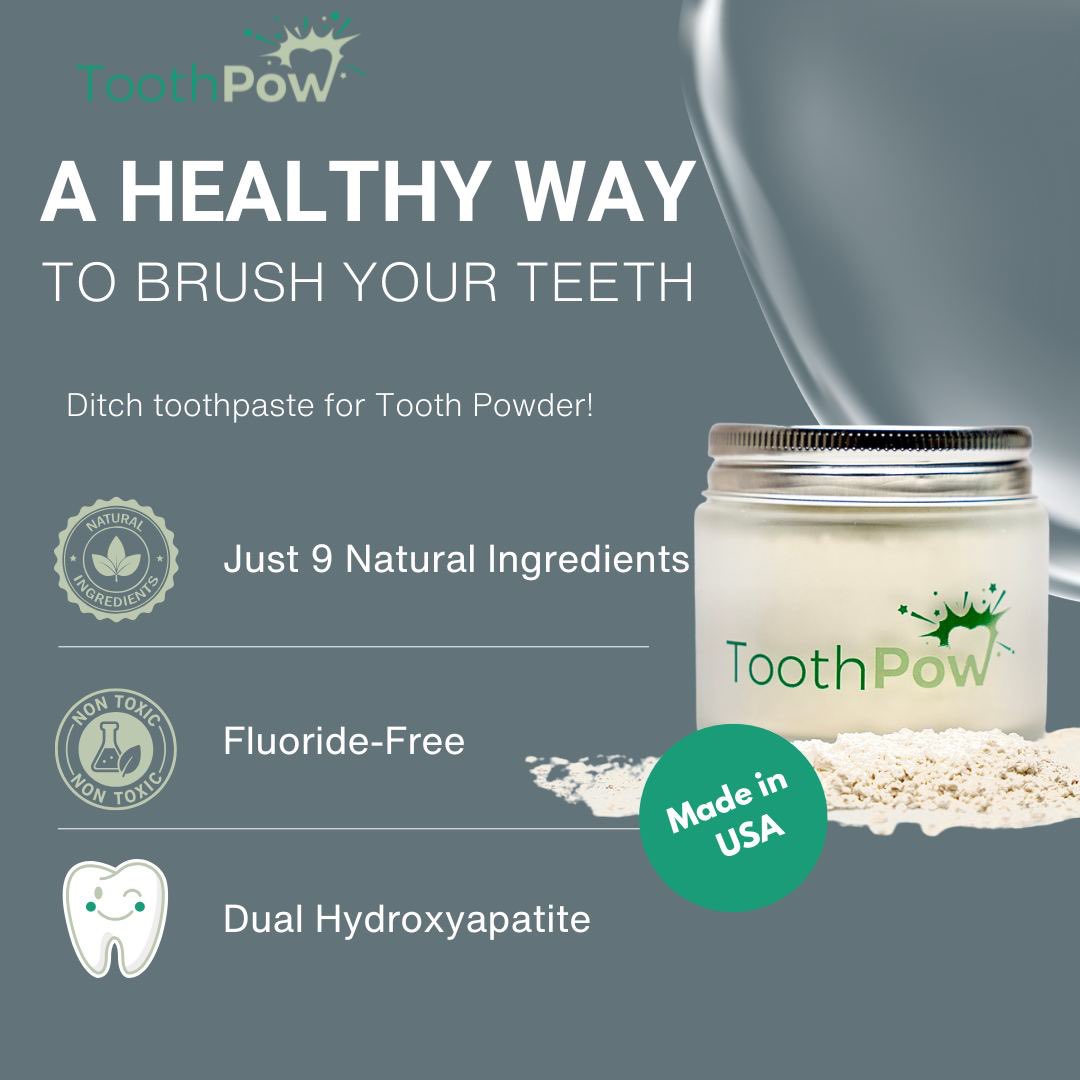
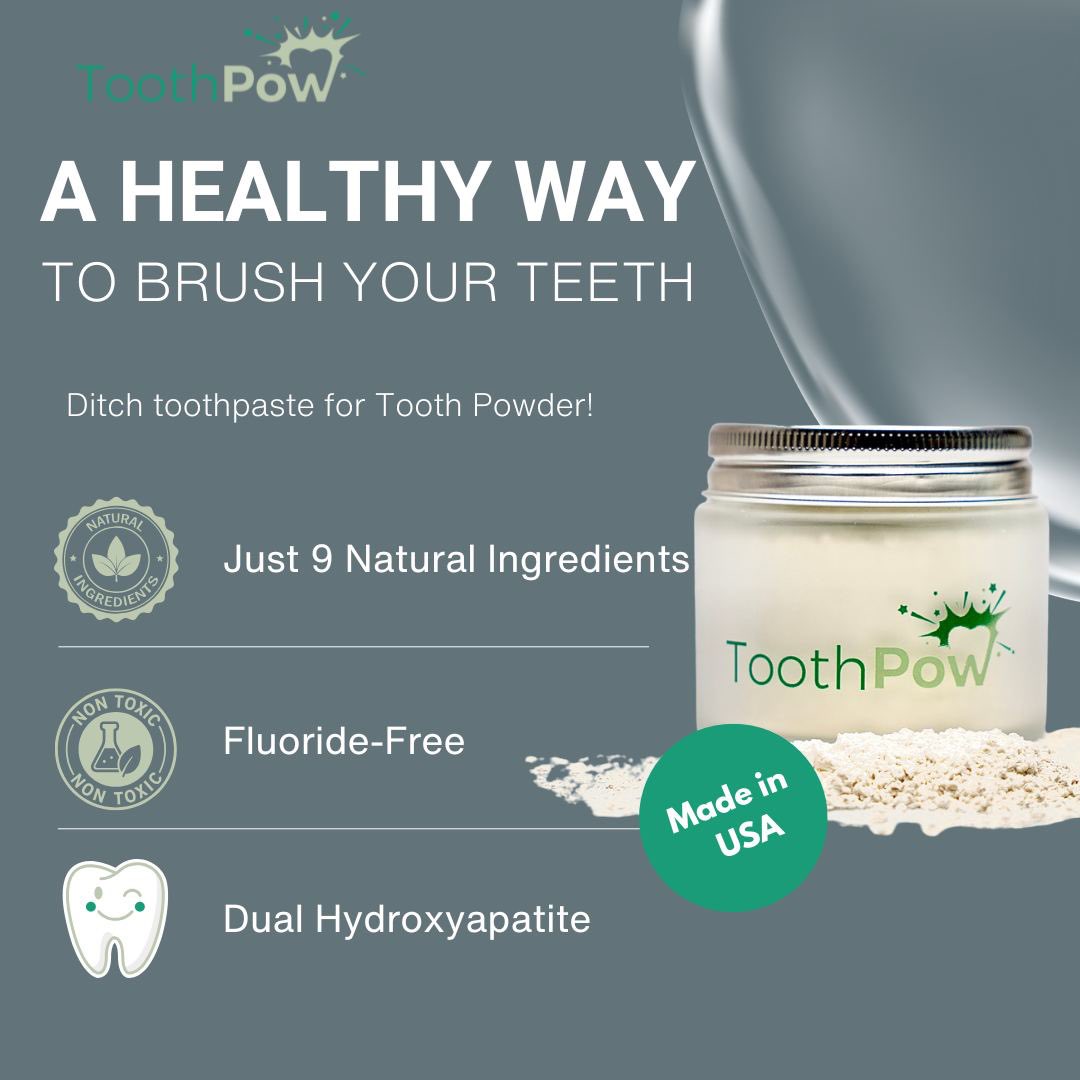
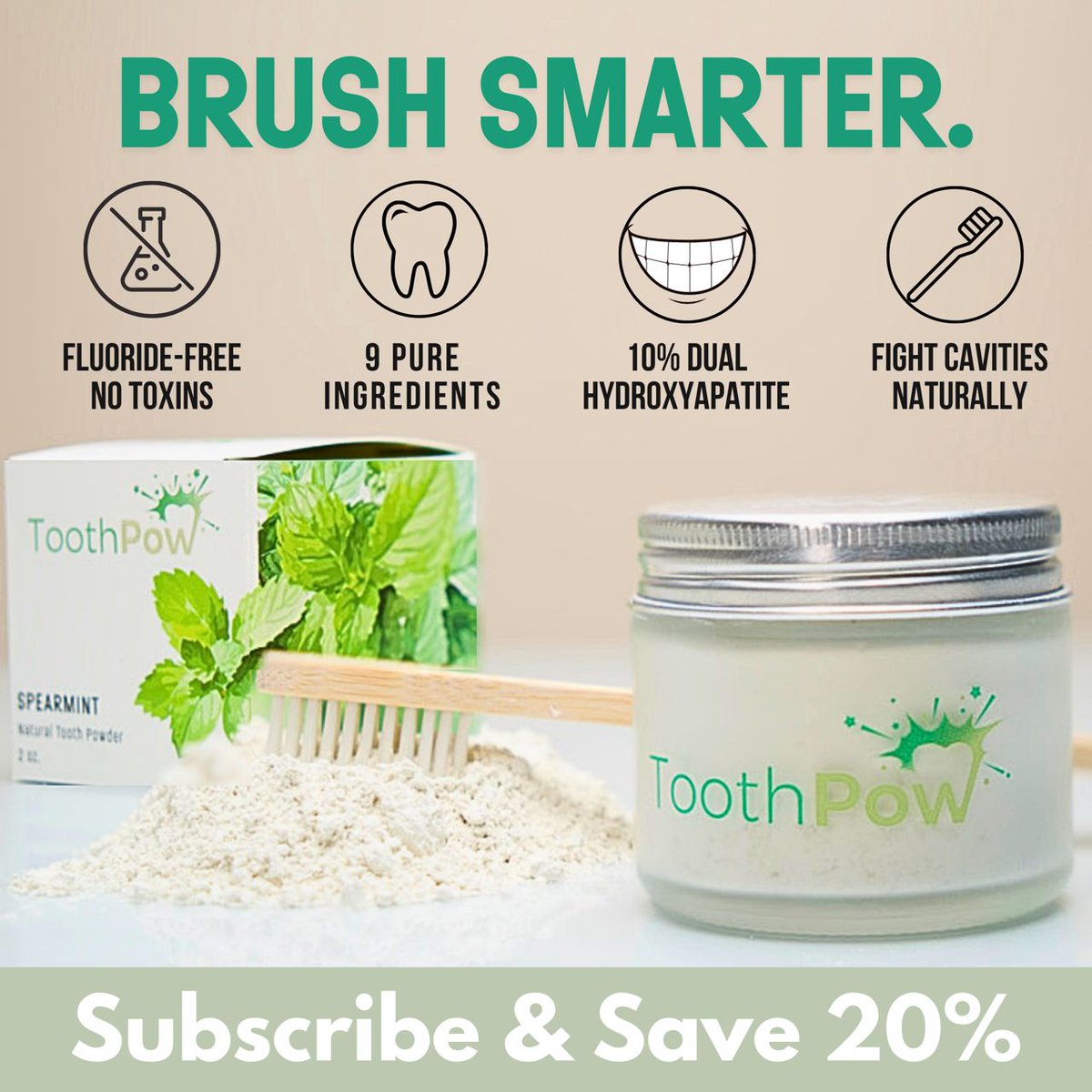
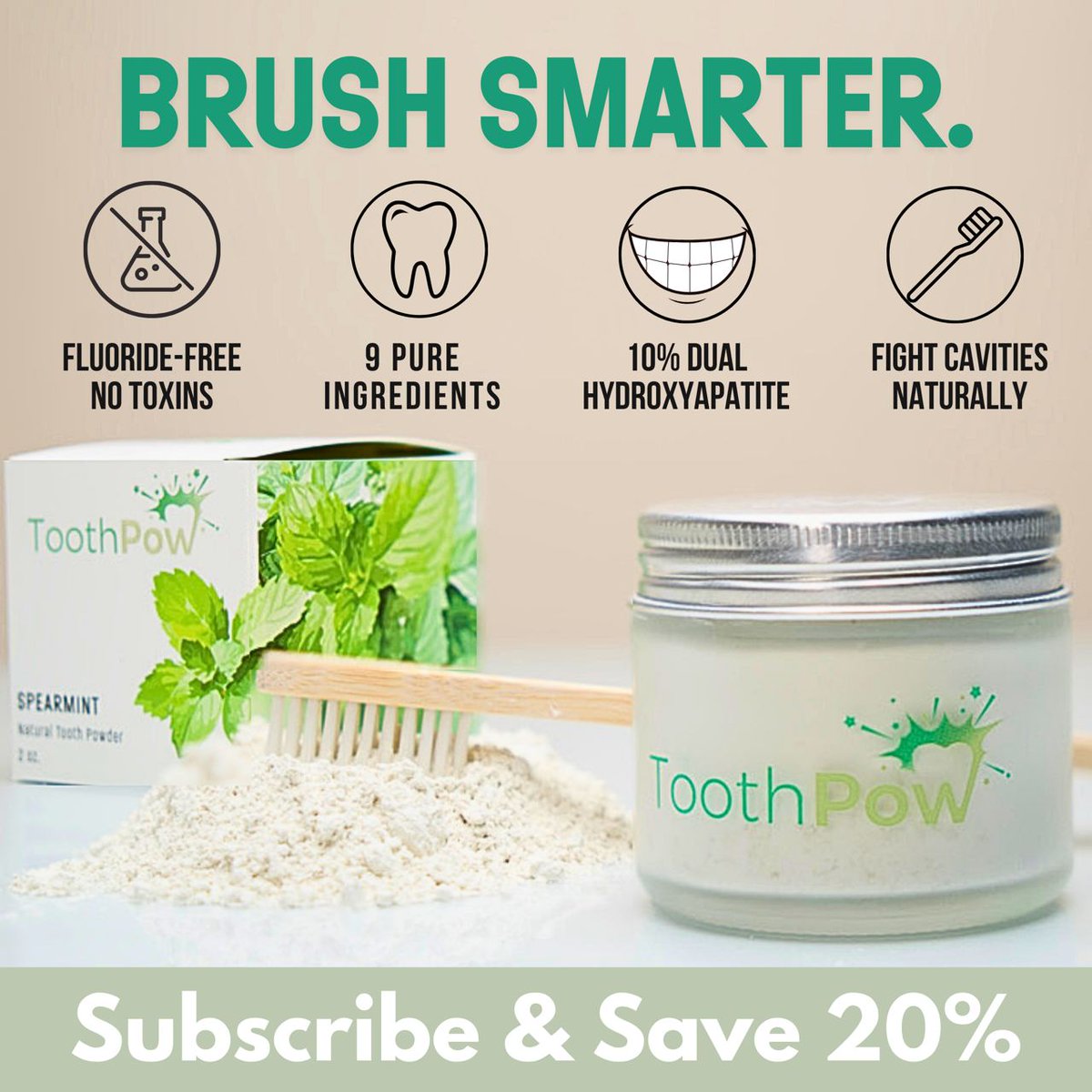
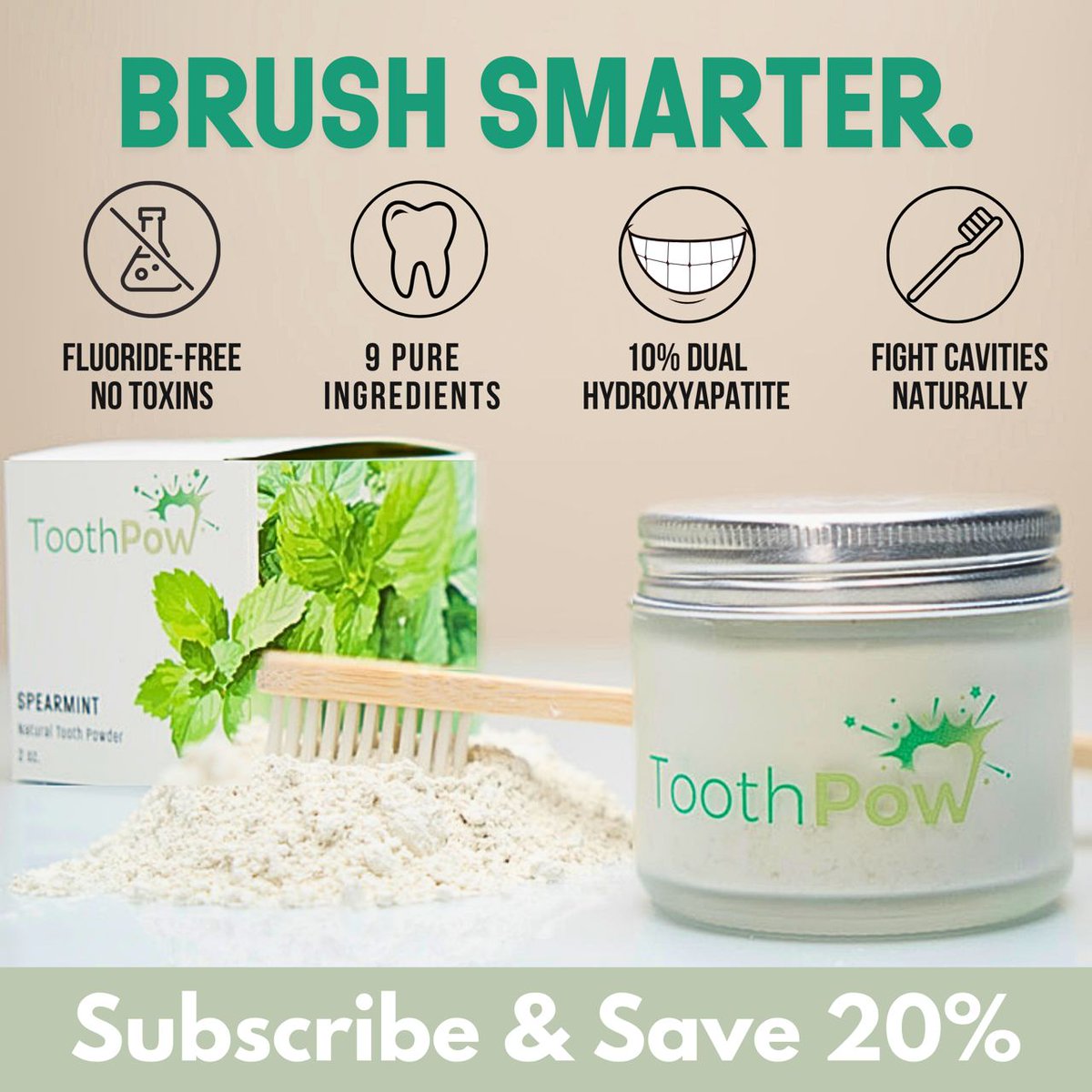
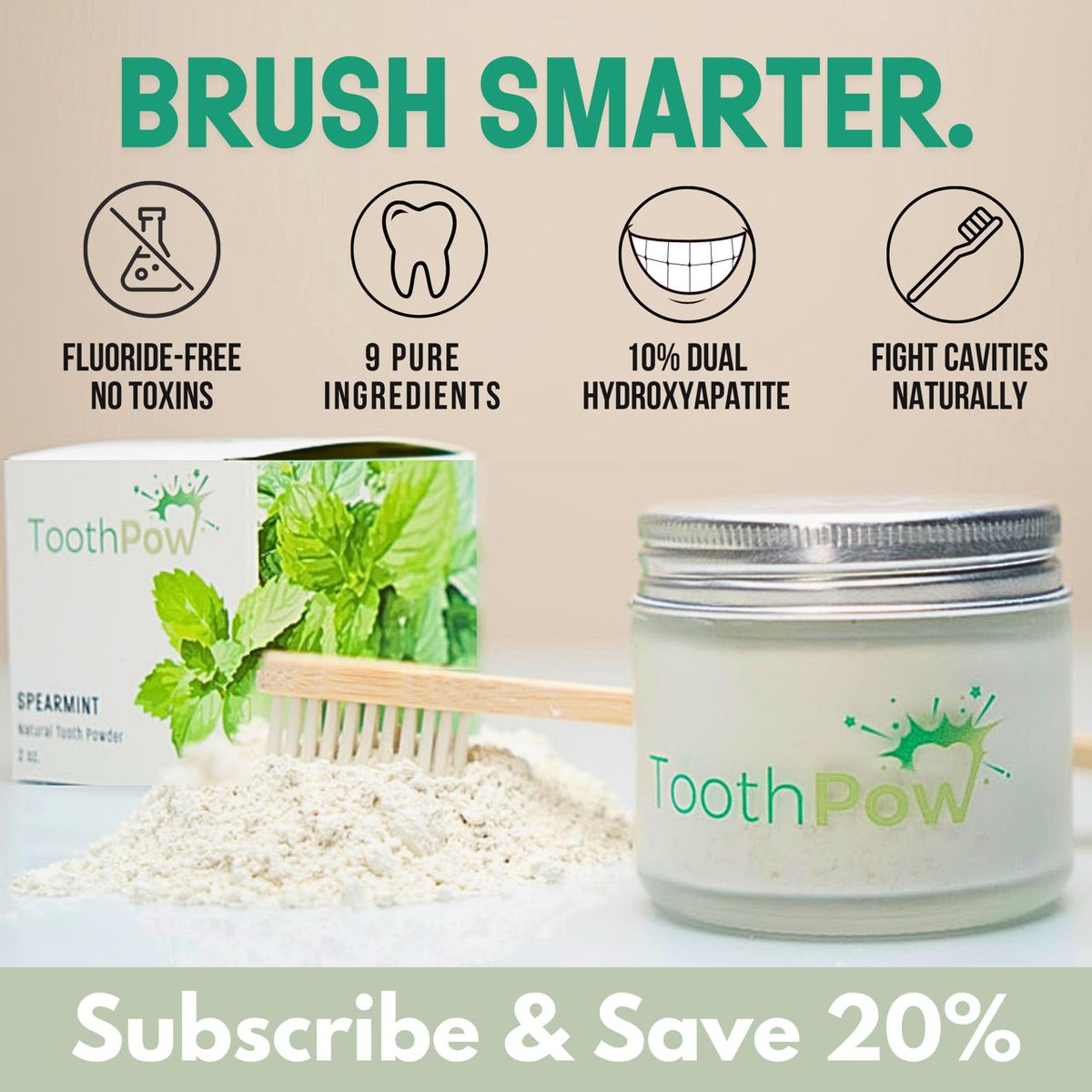

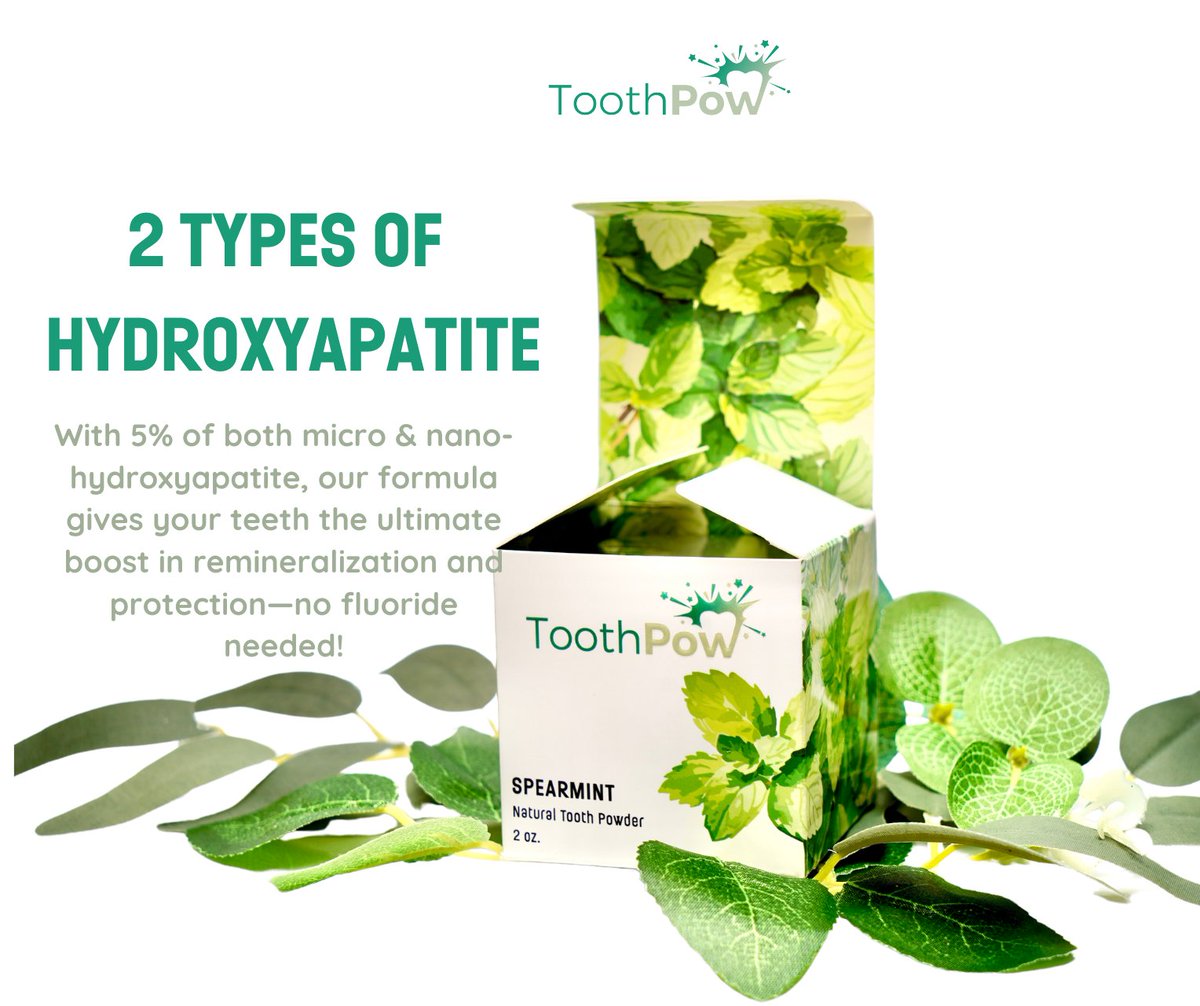
Hydroxyapatite is the real solution for strong, healthy teeth:
Matches your enamel naturally for true repair.
Goes beyond surface fixes, strengthening from the inside.
Safe for everyone, no toxicity or fluorosis risks.
Stops sensitivity by sealing exposed dentin.
Whitens without harsh chemicals.
82
1/ Let’s talk about hydroxyapatite (HAp)—the natural mineral that’s revolutionizing oral care. 🦷 Unlike fluoride, HAp works WITH your body to rebuild enamel, reduce sensitivity, and keep your mouth healthy. Here’s why it’s safe and effective:
2/ What is hydroxyapatite?
It’s the primary mineral that makes up your teeth and bones. Synthetic nano-hydroxyapatite (nHAp) mimics this mineral, giving your teeth the exact building blocks they need to repair and strengthen themselves. 🧱✨
3/ How does it work?
When you brush with nHAp toothpaste:
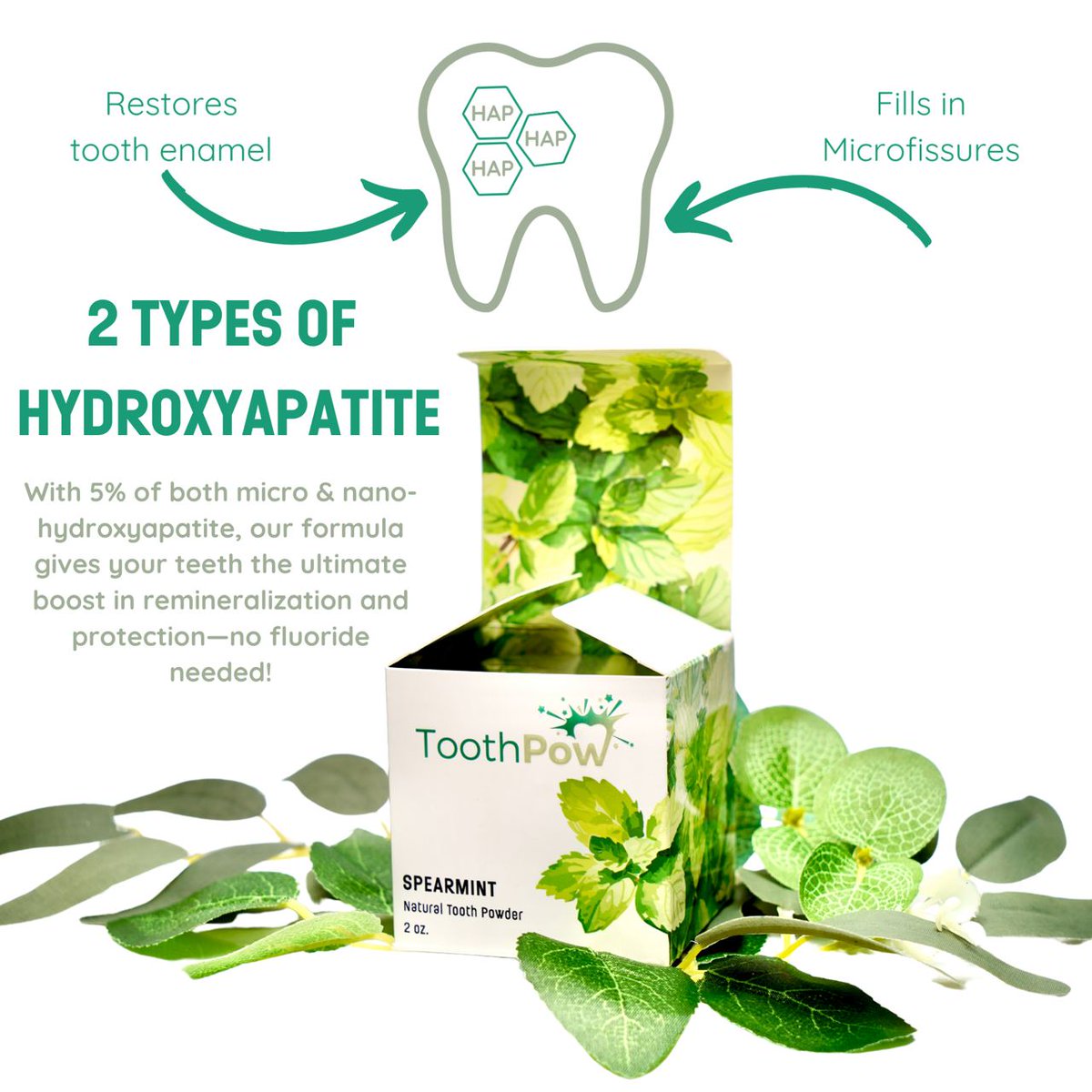
• It fills in tiny cracks and lesions in your enamel.
• It seals dentinal tubules, reducing sensitivity.
• It integrates directly into your tooth structure, restoring what’s lost.
No chemical alteration—just pure mineral restoration. 🔬
4/ Why is it safe?
Hydroxyapatite is biocompatible and non-toxic. Unlike fluoride, which can cause fluorosis if overused (especially in kids), HAp poses ZERO risks if swallowed. This makes it ideal for children, pregnant women, and anyone seeking a natural alternative. 🌿
5/ Decades of global use:
Countries like Japan have relied on nHAp in toothpaste for over 40 years. It’s widely recognized as effective for remineralization and reducing cavities—and there’s no evidence linking it to systemic health issues. 🌏
6/ Key studies back it up:
Research shows that nHAp performs as well as fluoride in preventing cavities and strengthening enamel. It’s been shown to integrate into teeth, staying localized in the mouth without entering the bloodstream. 💪🦷
7/ Hydroxyapatite vs. fluoride:
• Fluoride chemically alters enamel to make it more acid-resistant.
• HAp rebuilds enamel by replacing lost minerals.
• Fluoride has systemic toxicity risks if overused; HAp doesn’t.
It’s a natural, biomimetic solution for modern oral care. 🌟
8/ Why we love it:
At ToothPow, we combine cutting-edge nano-HAp with bone-derived HAp for a dual-action approach. The result? Stronger enamel, reduced sensitivity, and a healthier smile—all without compromising on safety.
147
Just came across a study about nano-hydroxyapatite (nHAp) and its potential link to vascular calcification (VC). 🧐 Here’s the gist and why it’s NOT a concern for toothpaste or our ToothPow use:
1/ The study looks at what happens when nHAp enters the bloodstream in large amounts. It suggests that nHAp might impair lysosomes (cell waste-disposal systems) and disrupt autophagy (cell cleanup), which could accelerate calcium buildup in blood vessels. 🧪
2/ BUT—and this is key—nHAp in toothpaste is topical. It stays in your mouth, clumping in saliva to repair enamel and dentin. It doesn’t circulate in the bloodstream unless you’re swallowing large amounts of it (which you shouldn’t). 🦷
3/ The study used high doses in lab conditions (cell cultures, animals). This doesn’t reflect real-world toothpaste use, where exposure is tiny, localized, and controlled.
4/ Decades of global use back nHAp’s safety in oral care. Countries like Japan and Europe have relied on it for years with no systemic health issues reported. The data is clear: nHAp is effective and safe when used as intended.
5/ Fluoride chemically alters enamel, while nHAp biomimetically integrates into it, replenishing lost minerals. It’s a safe, non-toxic option that works with your body—without risks like fluorosis.
So while the study is interesting for medical applications, let’s not confuse that with how nHAp works in toothpaste & our Tooth Powder.
pmc.ncbi.nlm.nih.gov/article…
117
Nano-hydroxyapatite (n-HA) is a synthetic form of hydroxyapatite, the mineral that constitutes a significant portion of human tooth enamel and bones. Unlike fluoride, which chemically alters enamel, n-HA restores tooth structure by supplying the exact mineral building blocks teeth need to repair themselves.
Concerns about the safety of nanoparticles often arise due to their potential to enter the body and cause unforeseen effects. However, extensive research and clinical studies have shown that nano-hydroxyapatite is safe for use in dental care products. Studies have demonstrated that n-HA particles integrate into enamel rather than circulating in the bloodstream, reducing inflammation and systemic concerns.
The particle size of n-HA is carefully controlled, typically ranging from 20 to 200 nanometers, and engineered to be stable and biocompatible. This design ensures that n-HA closely matches natural tooth enamel, allowing it to penetrate and seal dentinal tubules, thereby reducing sensitivity and enhancing remineralization.
In terms of safety, the European Commission’s Scientific Committee on Consumer Safety (SCCS) has evaluated hydroxyapatite (nano) and concluded that it is safe when used in oral care products at specified concentrations. This assessment supports the use of n-HA in toothpaste formulations.
At ToothPow, we blend cutting-edge synthetic nano-hydroxyapatite with traditional bone-derived micro-hydroxyapatite to deliver a comprehensive remineralization strategy. This combination results in stronger enamel, reduced sensitivity, and a healthy oral environment—grounded in science, not hype.
171
(1/7) Fluoride vs. Hydroxyapatite: Both aim to remineralize and protect teeth, but if you’re wary about fluoride, hydroxyapatite might be the biomimetic solution you’re looking for.
(2/7) Fluoride: A Long-Standing Standard
For decades, fluoride has been the go-to for cavity prevention. It forms a tougher, more acid-resistant layer (fluorapatite) on your teeth. This approach is supported by major health organizations worldwide and has a proven track record of reducing cavities.
(3/7) Concerns with Fluoride
Despite its success, some are concerned about fluoride exposure—worrying about cumulative intake from water, foods, and oral care products. Although experts generally agree that fluoride is safe at recommended levels, these concerns lead some consumers to seek an effective alternative with a lower risk profile.
(4/7) Hydroxyapatite: A Biomimetic Alternative
Hydroxyapatite is the actual mineral that makes up our enamel and bones. Instead of chemically altering the tooth’s surface, hydroxyapatite-based products (especially nano-hydroxyapatite) directly supply the mineral building blocks your teeth naturally use. This “like-with-like” repair can restore microscopic enamel defects and enhance overall tooth integrity without depending on a chemical modification process.
(5/7) Efficacy Backed by Science
Emerging research—including decades of use in Japan and Europe—suggests that hydroxyapatite can be just as effective as fluoride in remineralizing early decay spots. What’s more, hydroxyapatite has shown promise in reducing sensitivity by naturally sealing exposed dentinal tubules. It supports a balanced oral environment, potentially encouraging a healthier oral microbiome.
(6/7) A Gentler Approach & Peace of Mind
Choosing hydroxyapatite doesn’t mean compromising on protection. By closely mimicking your tooth’s own mineral makeup, hydroxyapatite feels like a more natural fit. For those concerned about chemical additives or overexposure to fluoride, hydroxyapatite offers a path that aligns with the body’s innate repair mechanisms, reducing the anxiety tied to long-term fluoride use.
(7/7) Finding Your Ideal Match
If fluoride works for you, it remains a solid choice. But if you want to sidestep the ongoing fluoride debate and opt for a solution that’s closer to your tooth’s biological blueprint, hydroxyapatite may provide the peace of mind and efficacy you need. In the end, the best choice is an informed one—guided by science, personal values, and professional advice.
57
(1/7) Worried about nano-hydroxyapatite (n-HA) in toothpaste? Let’s break down the science and clear the air.
(2/7) What Is n-HA?
Nano-hydroxyapatite is a lab-made version of the same mineral that forms our teeth and bones. Unlike fluoride—which chemically alters enamel—n-HA restores tooth structure by supplying the exact mineral building blocks teeth need to repair themselves.
(3/7) Nano ≠ Dangerous
Not all nanoparticles behave the same. For n-HA, scientists carefully control size (20–200 nm), shape (often rod-like or spherical), and composition so it closely matches natural tooth enamel. Key studies (e.g., Biomimetics Review) show that these particles integrate into enamel rather than circulating in the bloodstream, reducing inflammation and systemic concerns.
(4/7) Particle Shape & Safety
Some nanoparticles can be problematic if they’re sharp or reactive. That’s why n-HA is engineered to be stable and biocompatible. It tends to clump in saliva, staying where it’s needed. Long-term global use in places like Japan and Europe supports its safety profile, with no significant reports of systemic absorption or adverse reactions.
(5/7) Synthetic vs. Bone-Derived HA
Bone-derived micro-HA is “natural” but larger and less uniform, making it harder to penetrate micro-lesions. Synthetic n-HA, by contrast, offers precise control and purity. Both have value: nano-HA for targeted enamel repair, and micro-HA for broader mineral support. At ToothPow, we combine both for a balanced approach.
(6/7) Backed by Evidence
Regulators like the FDA and ADA rely on robust data. Multiple peer-reviewed studies confirm n-HA’s safety and effectiveness. Because n-HA is chemically similar to our own mineral makeup, teeth “recognize” it and easily incorporate it, making it fundamentally different from potentially harmful “nano” materials in other industries.
(7/7) Why It Matters
By blending cutting-edge synthetic nano-HA with traditional bone-derived micro-HA, we deliver a comprehensive remineralization strategy. The result? Stronger enamel, reduced sensitivity, and a healthy oral environment—grounded in science, not hype.
2
197