
Almost always #NowPlaying | Discovering #AllThatJazz | Documenting #2026AlbumDiscoveries | Sharing #365PerfectSongs | #NoGoodMusicAnymore | MDANT 🏅
Joined March 2012
- Tweets 38,902
- Following 7,502
- Followers 5,026
- Likes 148,482
6,232 Photos and videos


Pinned Tweet

Jan 23
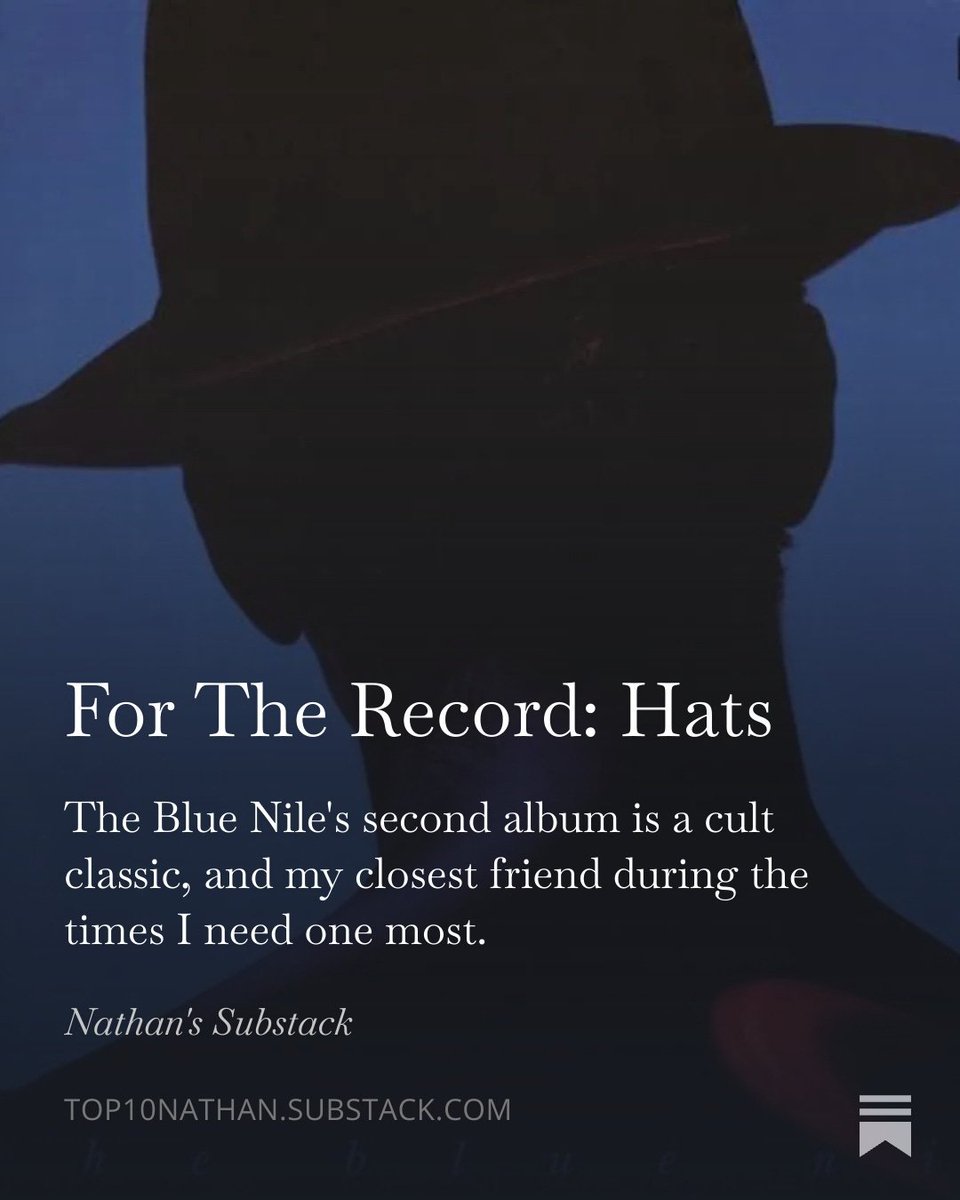
A very personal piece this morning on how The Blue Nile's 'Hats', as well as being a cult classic, is the most important album in my life.
RTs, shares and subscribers appreciated 🎶🙏
open.substack.com/pub/top10n…
42
36
230
17,928
I was not expecting to be reposted with my username by *the* Michael McKean when I woke up this morning...

Top ten.
6
373
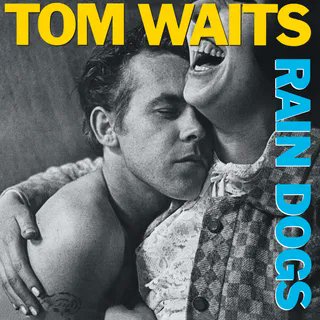
With change from an hour, Tom Waits takes you on a journey through the urban underbelly of and beneath New York City.
Rain Dogs is an experience, which once taken in, you'll never be the same again. This is a record that has absolutely everything you never knew you needed.
8
5
39
14,857
I'm 4 for 4 on World Cup games watched.
100 to go, and trying to watch as many as possible, just like when I was a teenager with no responsibilities. But Sweden v Tunisia feels like the earliest hurdle at 3am Monday morning...
2
5
690
If you don't know the song, you'll almost certainly recognise the riff instantly. The hit that samples it is good, but the original thing is one of the best pieces of music ever recorded.
youtu.be/5b0jWlPtP5o?si=M0Vf…
8
649
#AllThatJazz #NoGoodMusicAnymore
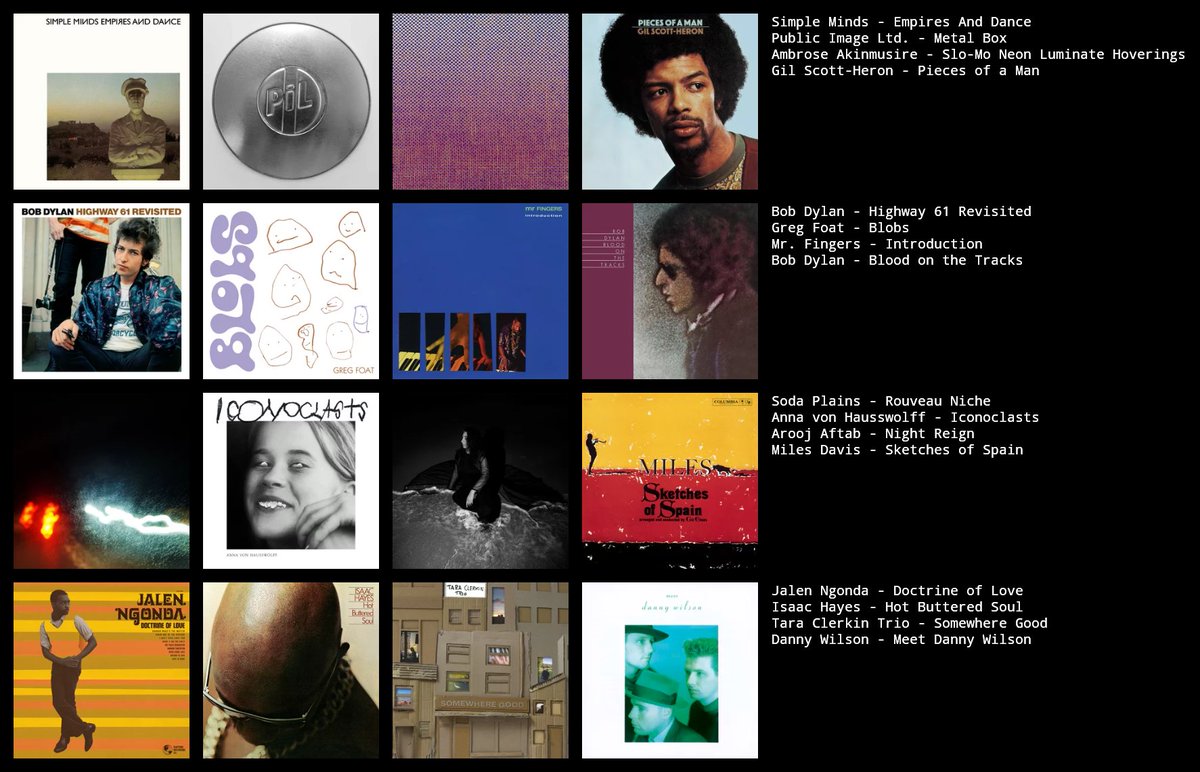
Mary Halvorson, Ambrose Akinmusire | Slo-Mo Neon Luminate Hoverings
Does what it says on the tin; I'm drowning in these sumptuous trumpet tracks. The last two take me to another realm entirely - one of my favourite releases of 2026 so far.
7
254
Last 7 days out of my sling, elbow feeling just about good enough to start blogging again.

1
15
561
Jun 13
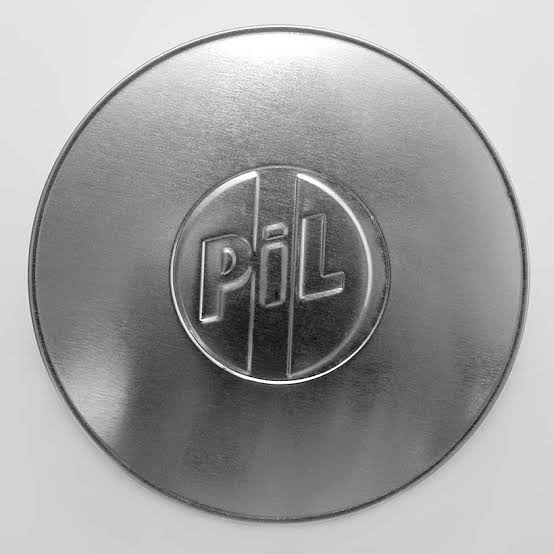
Johnny Rotten had already reinvented himself with First Edition, but it's on Metal Box, perhaps the coldest slice of new wave, where Public Image Ltd. peaked.
Building on krautrock and thanks largely to Jah Wobble's insatiable bass lines, becoming the signpost for funk punk...
11
6
94
3,454
Jun 13
Take any single one of these tracks as an example, but Poptones, sneering Lydon vocals and all, as my go-to track from one of the final great albums of the 1970s...
youtu.be/IQtO6R4qkg0?si=VSTE…
3
8
685
Jun 11
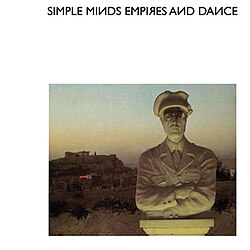
While supporting Peter Gabriel, his team referred to Simple Minds' Capital City as The Bingy Bongy Song, and fair enough.
But as the centrepoint of the Scots' finest hour, Empires and Dance, it's an addictive song, reminiscent of Kraftwerk at their grooviest and most infectious.
4
21
1,060
Jun 10
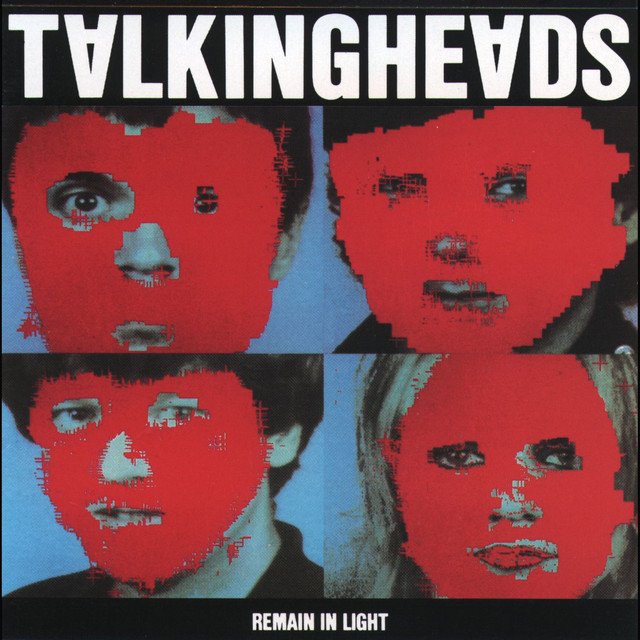
Groovy. Dense. Masterfully dark, and so much else beyond. Talking Heads were already epic prior to Remain In Light, but Born Under Punches showcases a band dialled up to 11 across every metric. A perfect opener from a perfect album and a peerless band with no limitations...
8
4
40
978
Jun 10
Pieces Of A Man is the centrepiece of Gil Scott Heron's solo debut, the title track and everything this record is about can be found here.
Real, tough, ragged and so personalised about such a wide struggle - a revolutionary song, album, and man.
youtu.be/QKghze-Vf1o?si=I-yS…
1
1
8
727
Jun 9
#NoGoodMusicAnymore
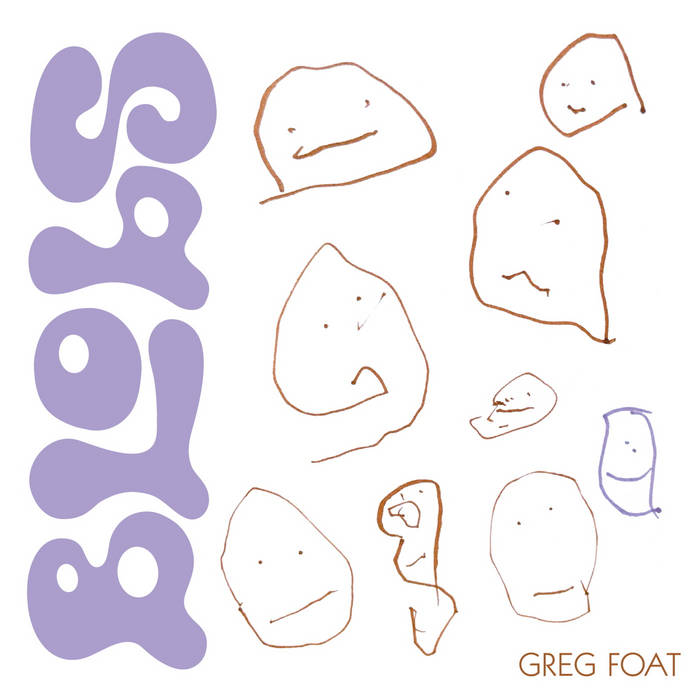
Greg Foat | Blobs
Music born out of the creativity of a birthday card from a 4-year-old, each of the nine blobs offer something between tranquility, introspection and solace. The master Foat just always produces the goods, doesn't he.
1
4
361
Jun 9
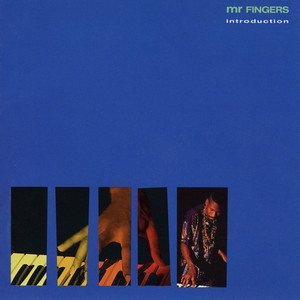
Absolutely loving this sort of Mr Fingers debut. The new one is great, but these jazzy house tunes are right up my street. Think cruising through neon-soaked cityscapes with the windows down.
Yeah, Introduction absolutely hits the vibe and then some.
2
1
20
889
Jun 9
From Chelsea Girl to something unfathomable in a matter of months, The Marble Index was the first time Nico sounded how she wanted to sound. A siren amongst the blackest sea, an operatic and sinister soundscape permeates, never to be recreated.
youtu.be/sxyaAHyIBHw?si=8BG6…
8
520
Top10Nathan retweeted

Jun 9
Although the idea of the album as a cohesive artistic statement had existed for years in other genres: jazz, folk, country, and adult pop like Frank Sinatra’s In the Wee Small Hours (1955), the rock ’n’ roll and pop world operated on a very different model through the early 1960s. Singles dominated the market by a wide margin. Albums were often little more than vehicles for already successful 45s: one or two hits (often the A- and B-sides), padded out with covers, lesser originals, or outright filler. Neither artists nor audiences invested too deeply in the format.
So when discussions turn to the dawn of the “album era” in rock and pop, the conversation traditionally jumps to mid-1960s landmarks: the Beatles’ Rubber Soul (1965) or Sgt. Pepper’s Lonely Hearts Club Band (1967), Dylan’s Highway 61 Revisited (1965), the Beach Boys’ Pet Sounds (1966), experimental releases like the Mothers of Invention’s Freak Out! (1966), or even The 13th Floor Elevators’ The Psychedelic Sounds of the 13th Floor Elevators (1966). These albums are rightly celebrated for their reduced filler, greater thematic unity and for encouraging listeners to engage with the LP as a complete work.
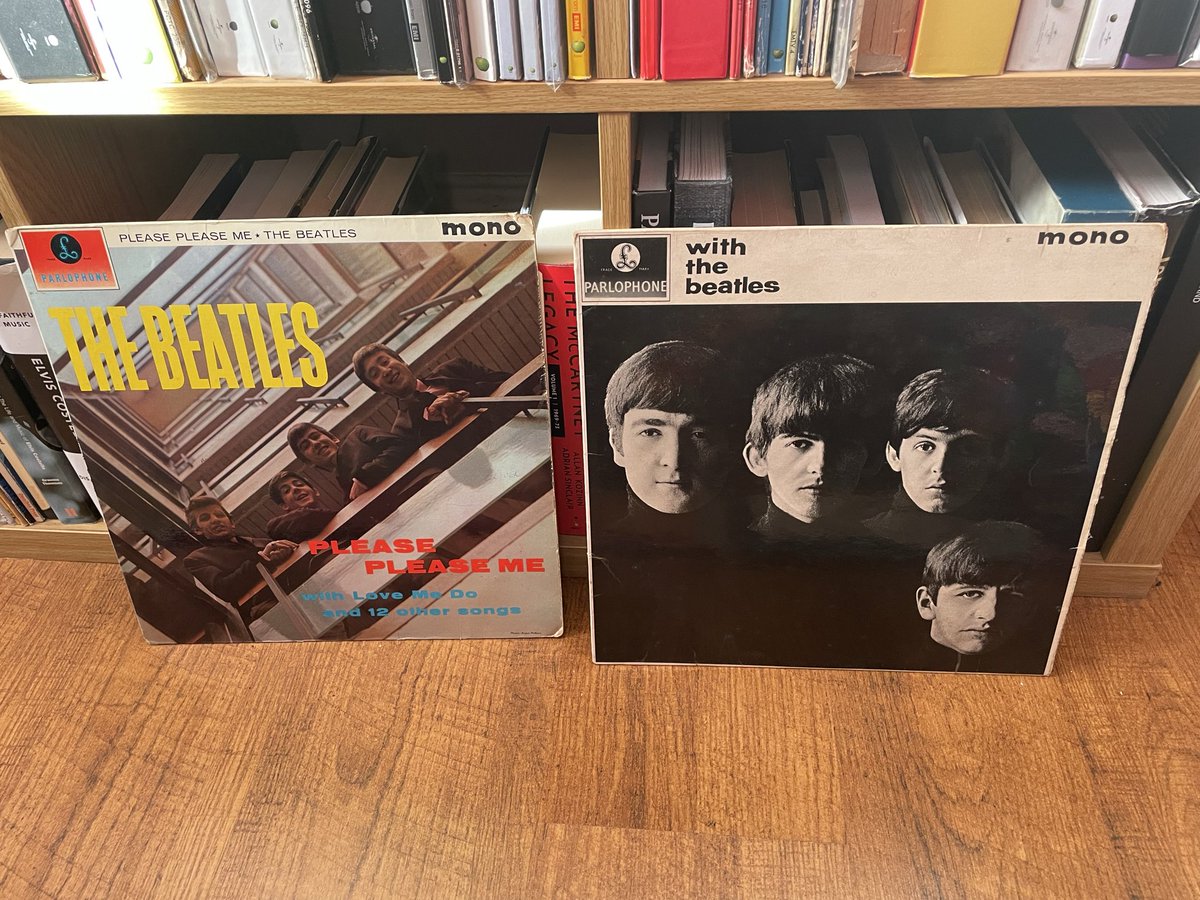
I would argue, however, that the first real signs of this shift arrived earlier. The seeds of the album era can already be found in the Beatles’ first two albums in 1963.
The Beatles’ debut album, Please Please Me, released in March 1963, already showed a different attitude towards albums. The bulk of the LP was recorded in a single marathon session, capturing the raw energy of their live Cavern sets. And while it did include both sides of their first two singles, the record as a whole feels like something the band took genuine pride in rather than a contractual obligation.
The clearest evidence is in the bookends. The album opens with the high-octane McCartney original I Saw Her Standing There, and closes with their ferocious cover of Twist and Shout. Not only are they not throwaways or filler, both are iconic early Beatles tracks, energetic, memorable, and the kind of songs that, in 1963, most bands would have built entire careers or singles strategies around. By placing such strong material strictly as album tracks, the Beatles were signaling that the LP itself mattered. In a singles-dominated market, fans who only bought the 45s would miss out on genuinely great music. That created an incentive to own the full album, a subtle but important cultural shift. Nobody was routinely doing this at the time in the rock and pop sphere.
As often happens with the Beatles, a comparison with the Beach Boys seems appropriate here. They released their debut album before the Beatles and their second album only days after Please Please Me. Does Brian Wilson put care into these records? Absolutely. The Beach Boys were already including plenty of original material on their albums. But they were still operating largely within the traditional singles-led model. Their biggest and most enduring songs remained the 45s. More importantly, there are no album only tracks from those early records that entered popular culture in the way I Saw Her Standing There, Twist and Shout or, later, All My Loving did. Wilson was making enjoyable and increasingly sophisticated surf albums, but he was not yet pushing the format forward in quite the same way. The Beatles were including songs that transcended their status as album tracks and became classics in their own right.
🧵
19
17
198
8,198
Jun 9
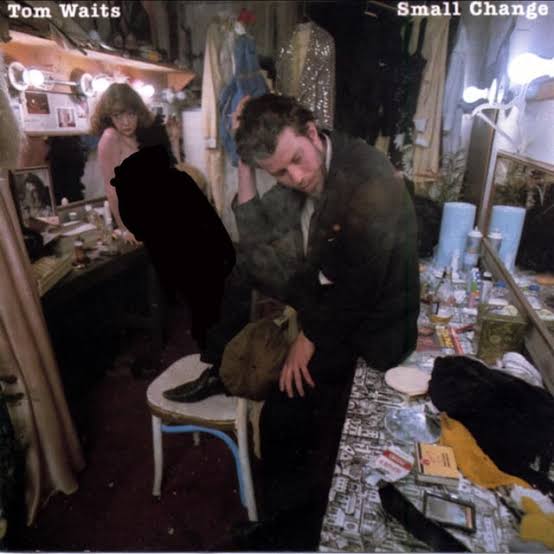
Down on his luck and still the more fortunate of the two, Tom Waits' 'Invitation To The Blues' is a potential love story with almost certainly no happy ending. But there's hope, and in a world of medium eggs, battles with booze, and filling stations, that might just be enough...
9
8
41
3,048