Joined November 2008
- Tweets 25,619
- Following 111
- Followers 12,650
- Likes 11,386
8,055 Photos and videos




Pinned Tweet

28 Oct 2023
🔥 Unlock Your Full Potential with TopVelocity’s 3X Velocity Camp—Now Featuring Our EXCLUSIVE Live & Train Model! 🔥
🚀 Ready to skyrocket your baseball career and throw like you’ve never thrown before? This is not just another training camp; it’s a LIFE-CHANGING experience!
🏠 Why just train when you can LIVE & TRAIN? Our complete training facility now offers HOUSING OPTIONS so you can breathe, eat, and live baseball—all day, every day!
What’s in it for YOU?
🎯 World-class training using SCIENCE-BACKED methodologies that have resurrected careers and transformed rookies into legends.
🏋️♂️ Gain unparalleled access to TopVelocity facilities!
📚 Tap into a wealth of knowledge from seasoned pros and experts in the field of kinesiology and sports science.
🍏 Nutrition plans tailored just for you—because a great athlete needs great fuel.
💤 Comfortable and convenient housing amenities so you can focus 100% on your training.
Bonus Features
📈 Real-time progress tracking and analytics so you can SEE and FEEL the improvement.
📹 Video breakdowns of your techniques to make micro-adjustments that lead to MACRO improvements.
🌍 Join a community of like-minded individuals who are just as committed to excellence as you are.
👉 Secure your spot NOW and take the first step toward a brighter future in baseball! It’s more than training; it’s a transformation!
💥 Want to be a part of this game-changing experience? Visit topvelocity.net/3x-camp and BOOK YOUR HOUSING today! 💥
🌟 Trust the Process. Experience the Transformation. Become the Legend. ONLY with TopVelocity’s 3X Velocity Camp. 🌟
3
19
16,480
Why Most Pitchers Lose Velocity, Accuracy, and Arm Health Without Realizing It
One of the biggest mechanical mistakes a pitcher can make is getting into an ipsilateral trunk lean position—aggressively leaning the upper body toward the glove side during the delivery.
When the trunk collapses and leans, everything drops with it. The elbow drops, the arm drags, and the body is forced to pull across itself just to get the baseball back on line to the target.
The result?
❌ Reduced velocity
❌ Poor command and consistency
❌ Increased stress on the arm and shoulder
❌ Loss of forward momentum and power transfer
Instead of directing energy straight toward the plate, the body begins moving side-to-side. That creates timing issues at release, makes it harder to repeat mechanics, and causes the baseball to miss left and right—where the strike zone is actually the smallest.
Elite pitchers don’t create velocity by pulling across their body. They create velocity by driving energy directly toward the target and efficiently transferring force through the kinetic chain.
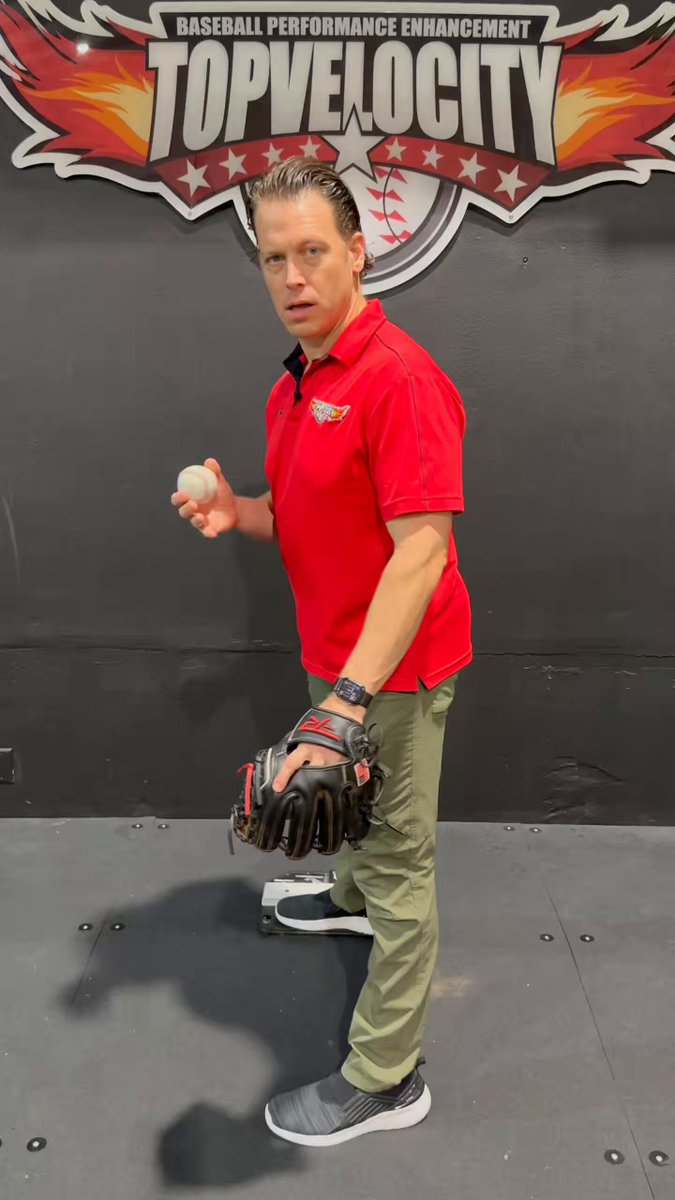
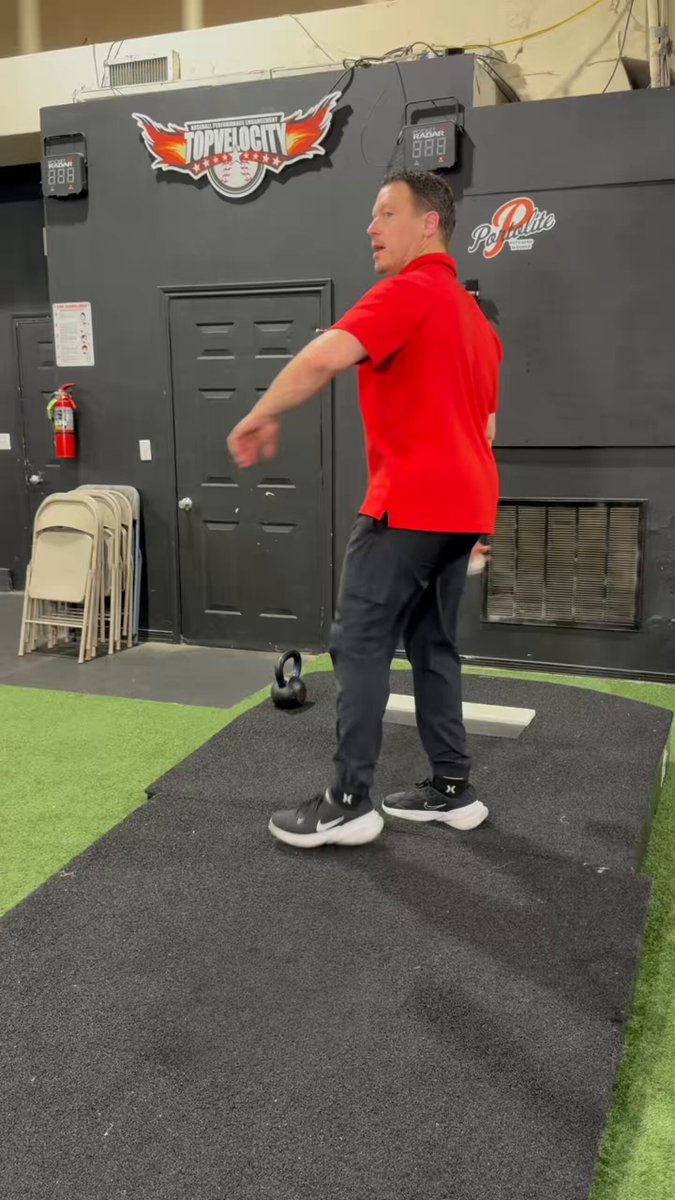
In this video, Brent Pourciau breaks down:
⚾ Why ipsilateral trunk lean kills pitching performance
⚾ How it affects arm slot and release point
⚾ Why it destroys command and consistency
⚾ The hidden injury risks associated with arm drag
⚾ How elite pitchers maintain posture to maximize velocity and durability
If you’re serious about throwing harder, commanding the baseball better, and protecting your arm, this is a mechanical flaw you cannot afford to ignore.
🔥 Get a Free Velocity Analysis:
topvelocity.org
🔥 Train with the 3X Velocity System:
topvelocity.org
#PitchingVelocity #BaseballTraining #PitchingMechanics #ThrowHarder #TopVelocity
1
381
Jun 13
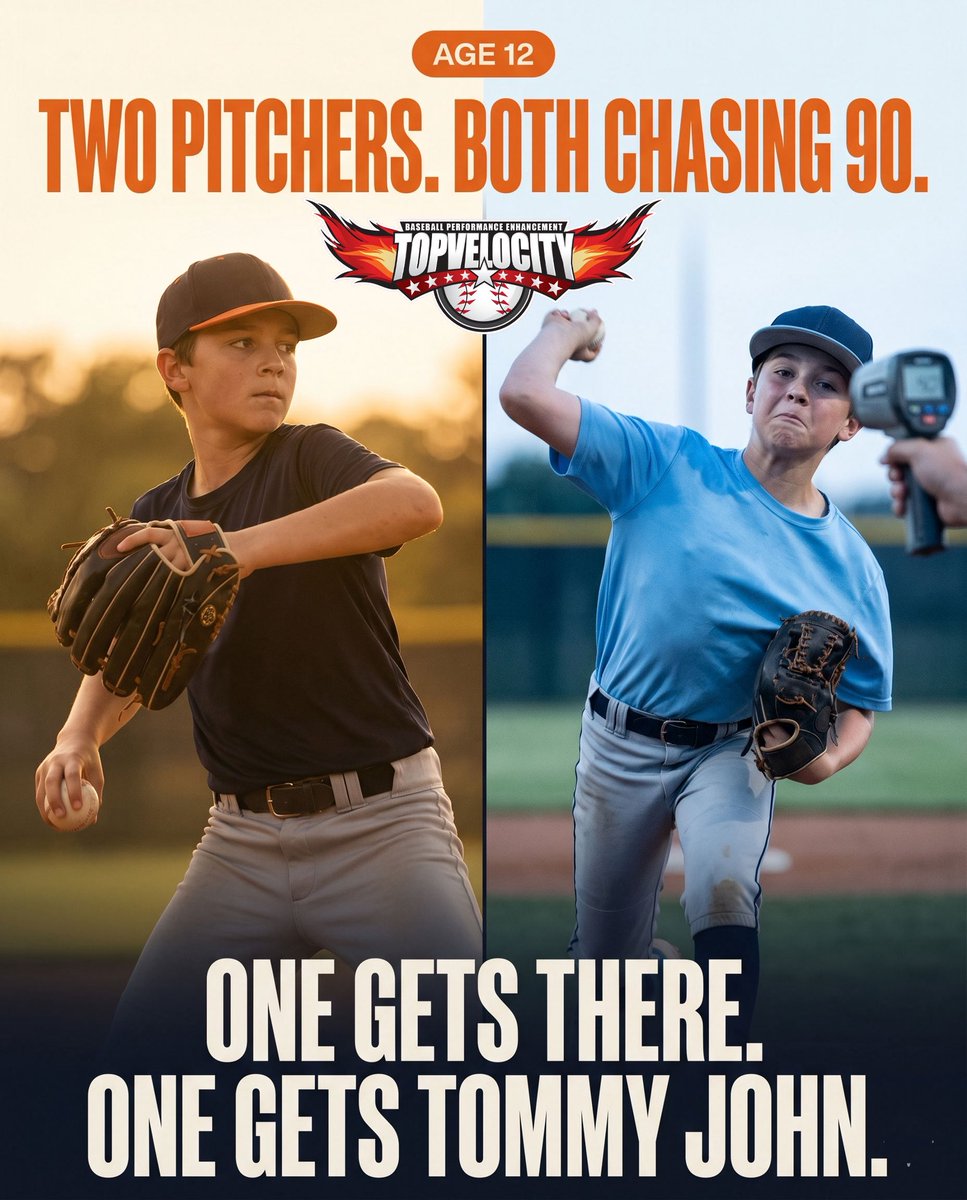
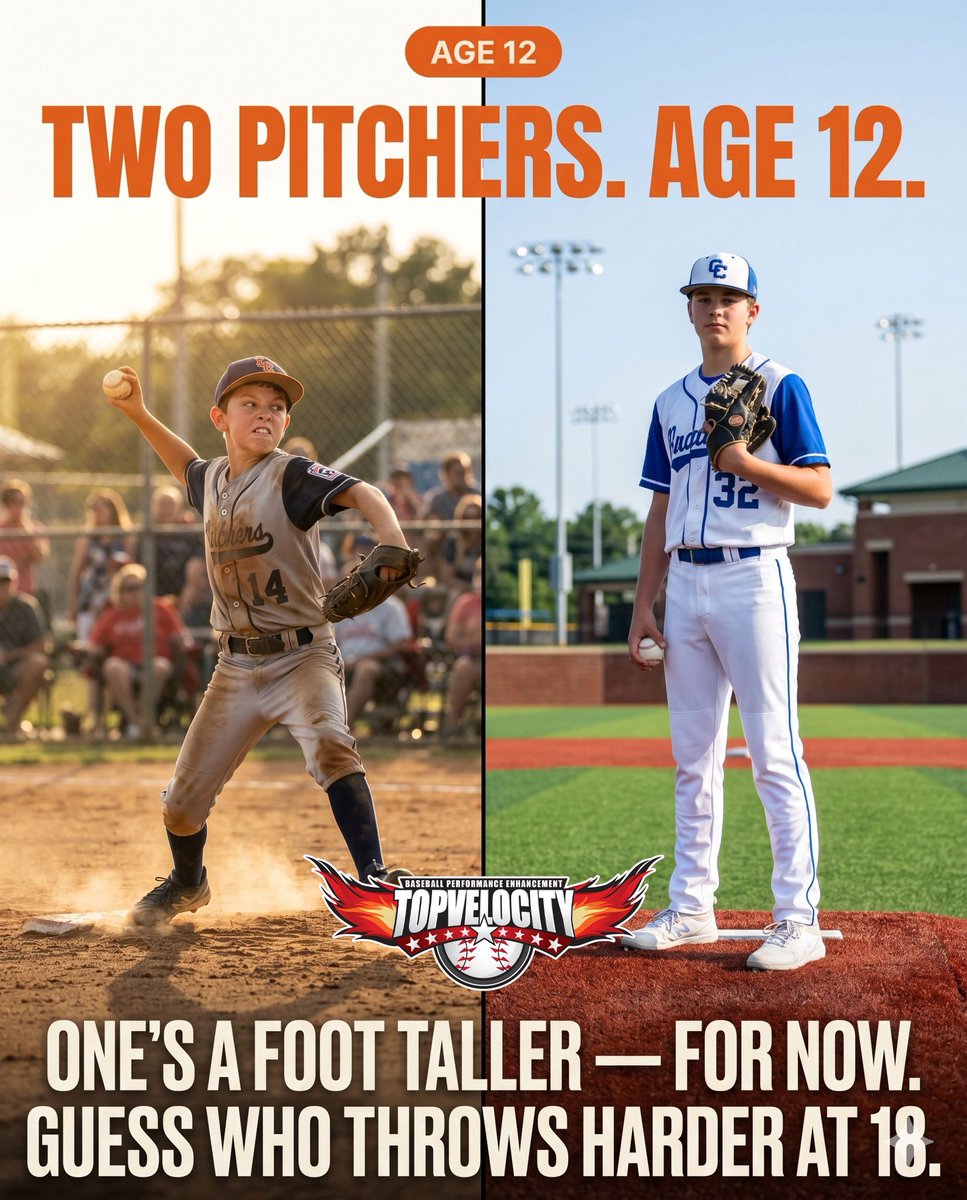
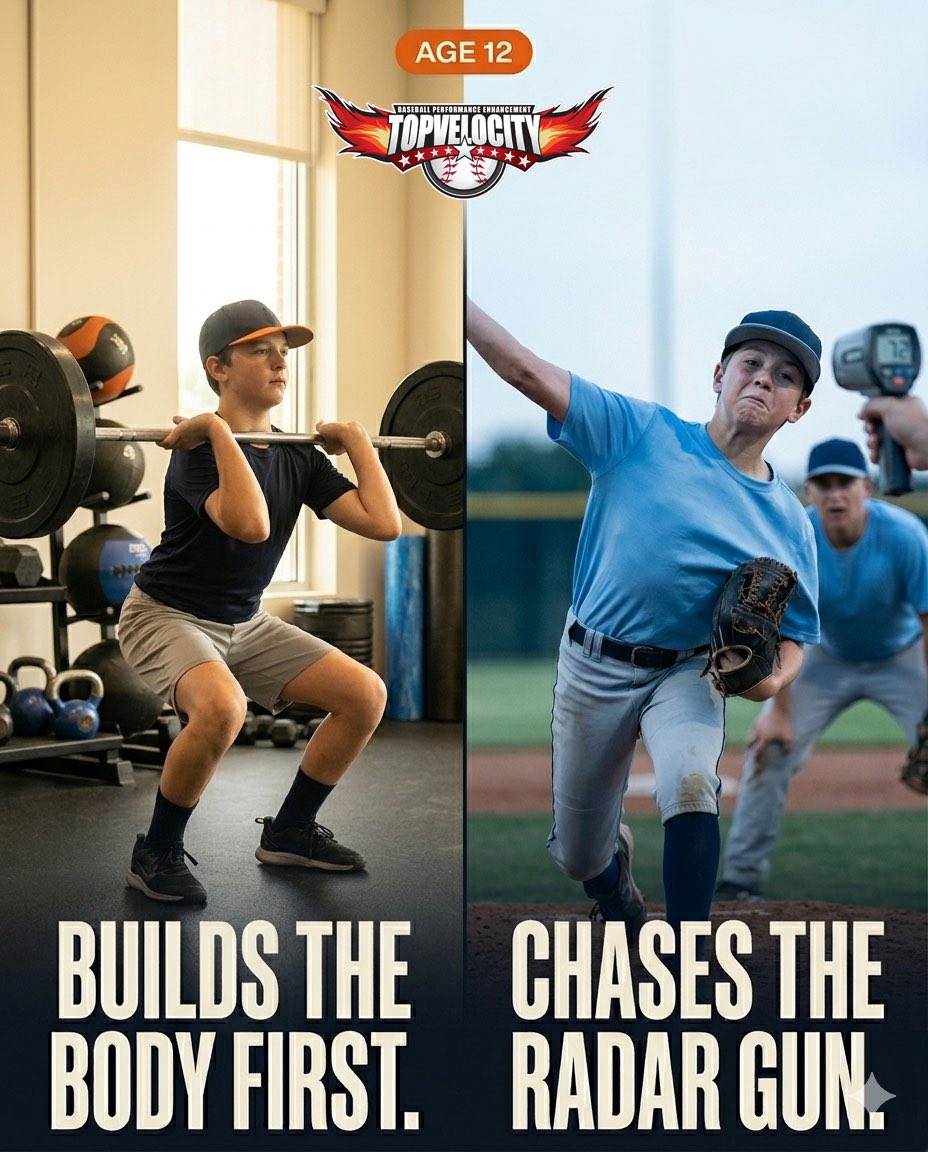
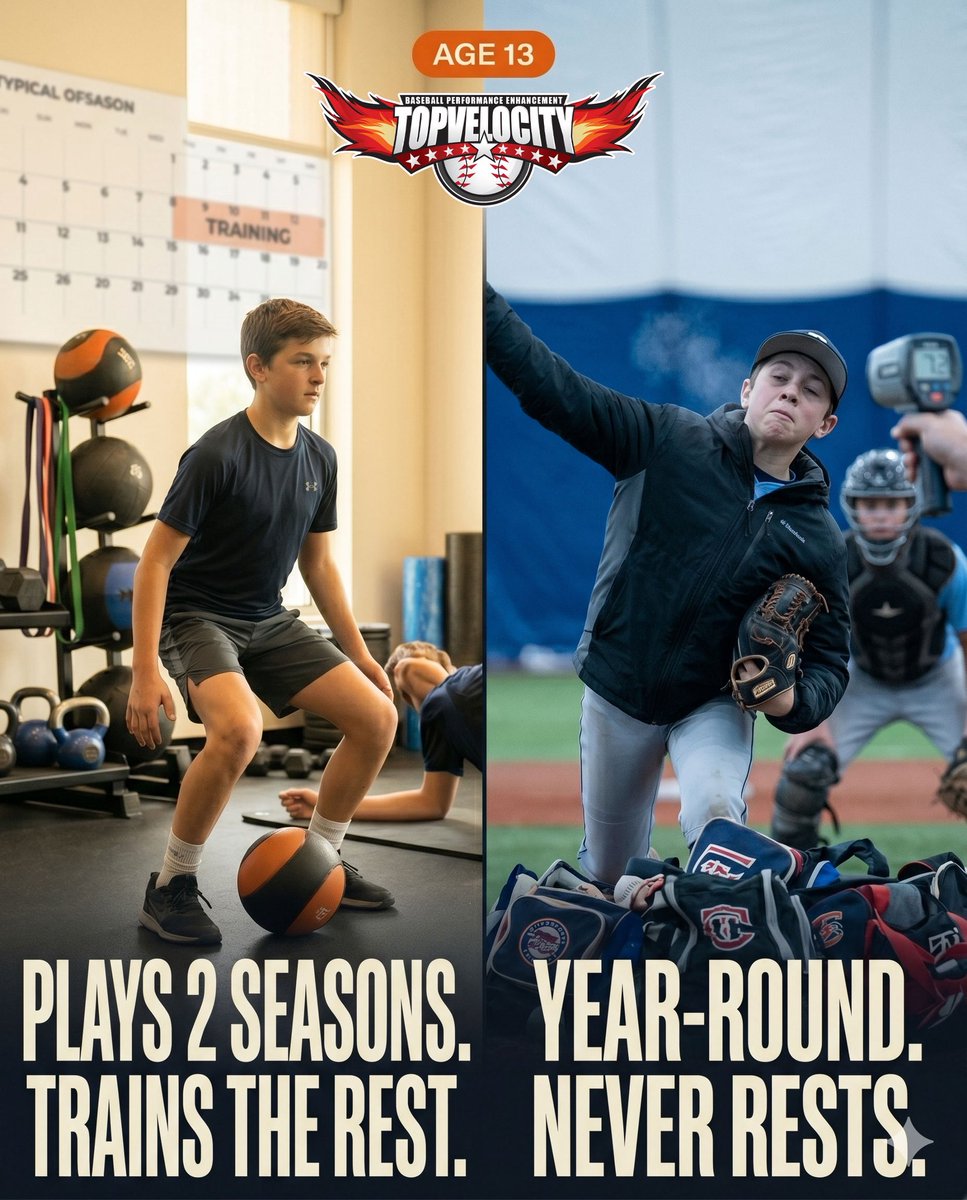
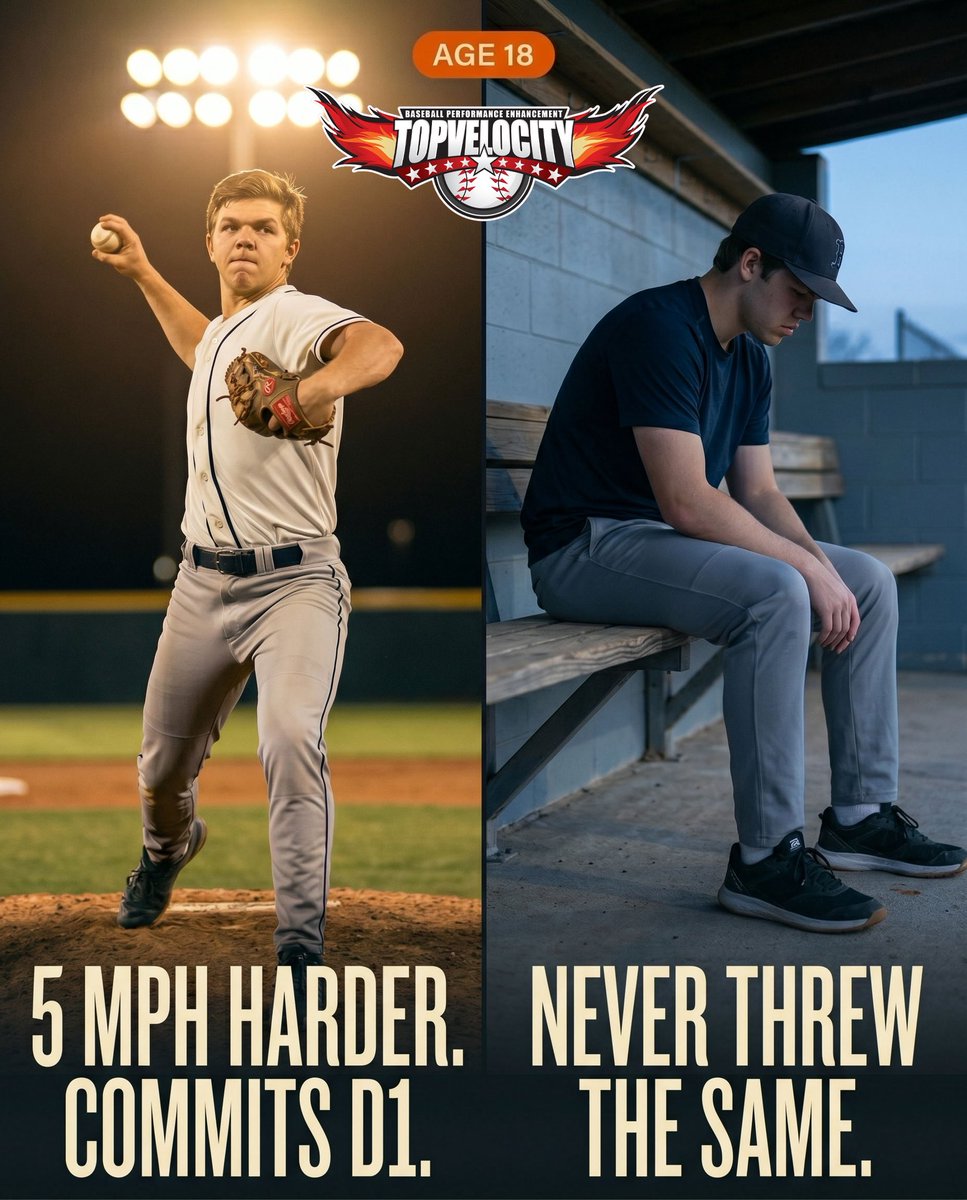
🚨 TWO 12-YEAR-OLDS.
Both dream of throwing 90 mph.
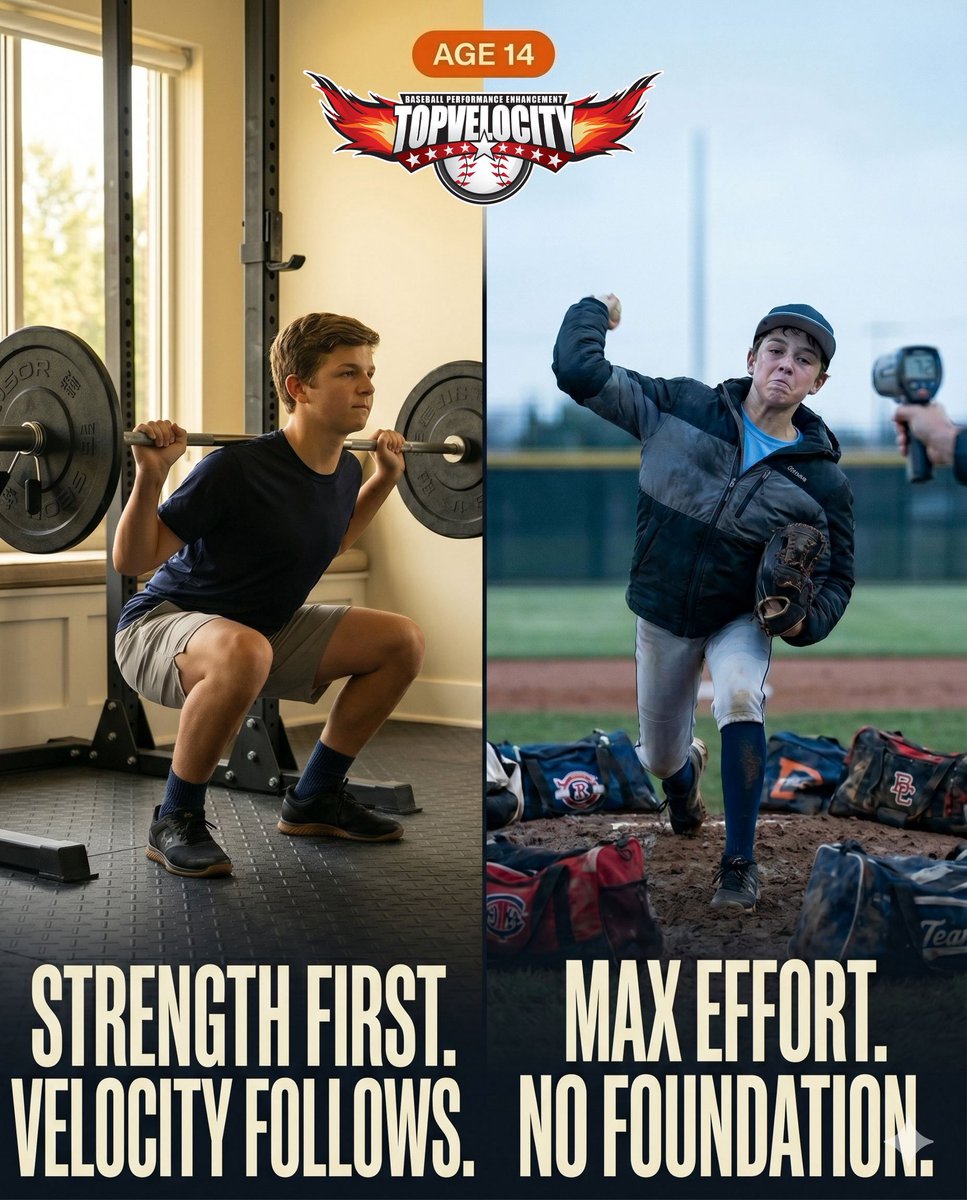
One spends years building strength, athleticism, mechanics, and recovery.
The other chases velocity every weekend, pitches year-round, and ignores the warning signs.
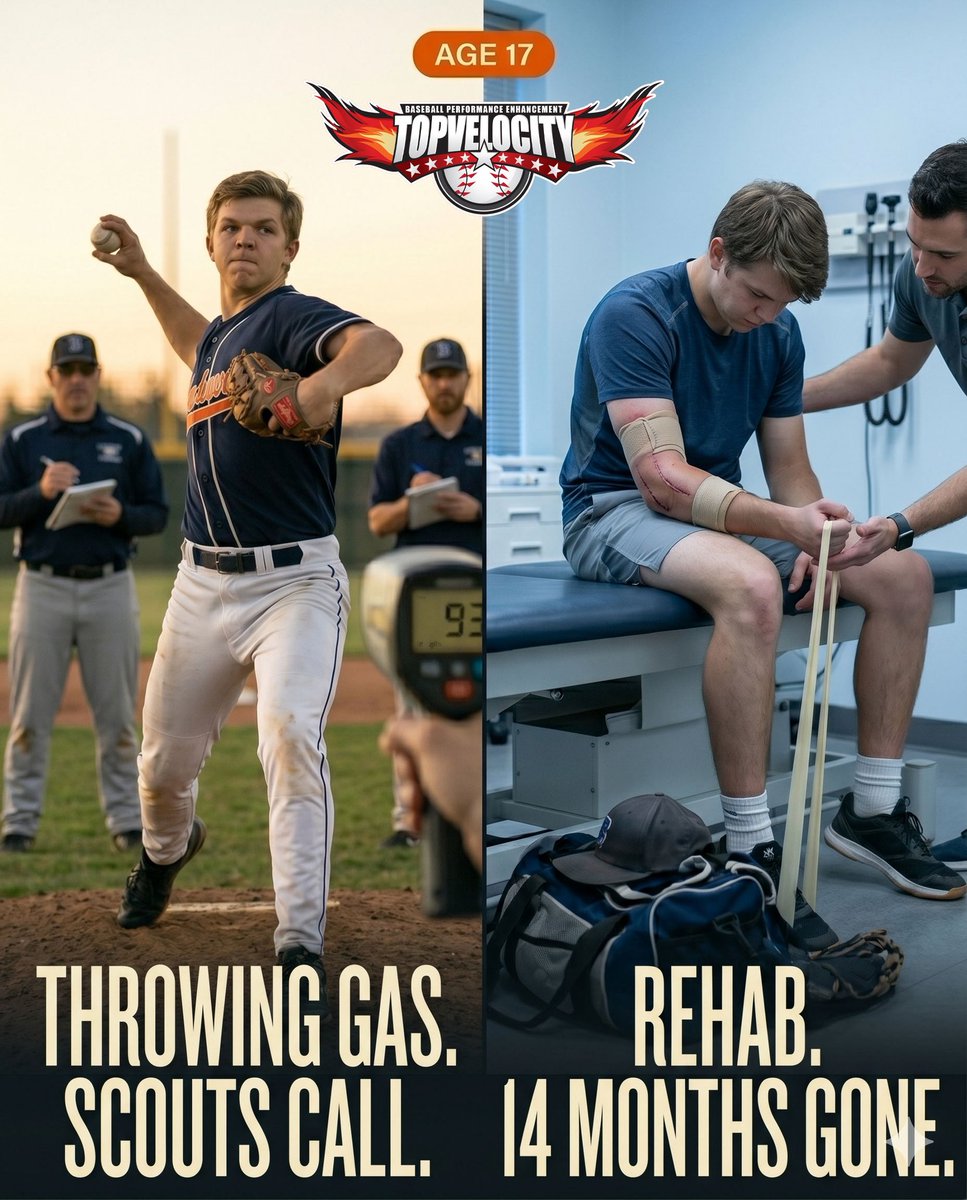
By 18, their careers look completely different.
⚾ Velocity isn’t dangerous.
The way most players chase it is.
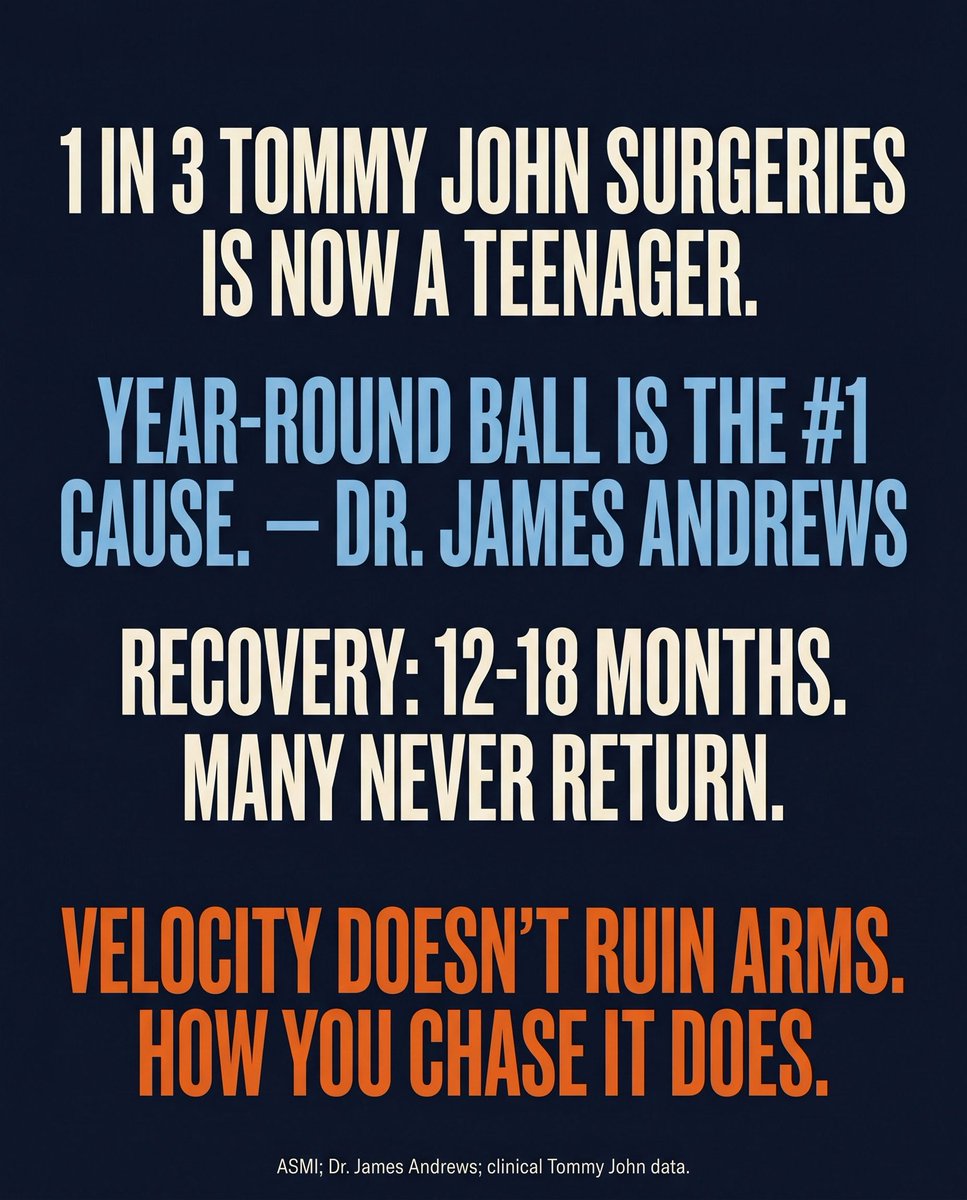
Dr. James Andrews has repeatedly warned that year-round baseball is one of the biggest contributors to the youth arm injury epidemic.
Yet thousands of young pitchers are still being told:
❌ Throw more.
❌ Pitch more.
❌ Play more games.
Instead of:
✅ Get stronger.
✅ Move better.
✅ Build athleticism.
✅ Learn efficient mechanics.
✅ Manage workload.
The goal isn’t just to throw 90.
The goal is to throw 90 and stay healthy enough to use it.
If you’re serious about helping your athlete gain velocity without sacrificing their arm, this is exactly what we teach inside the 3X Velocity Camp.
🔥 Learn the same development system that has produced hundreds of pitchers throwing 90 mph.
👇 Reserve your spot now:
🔗 topvelocity.org/3x-velocity-…
Comment “90” and we’ll send you more information
4
8
31
9,951

Jun 11
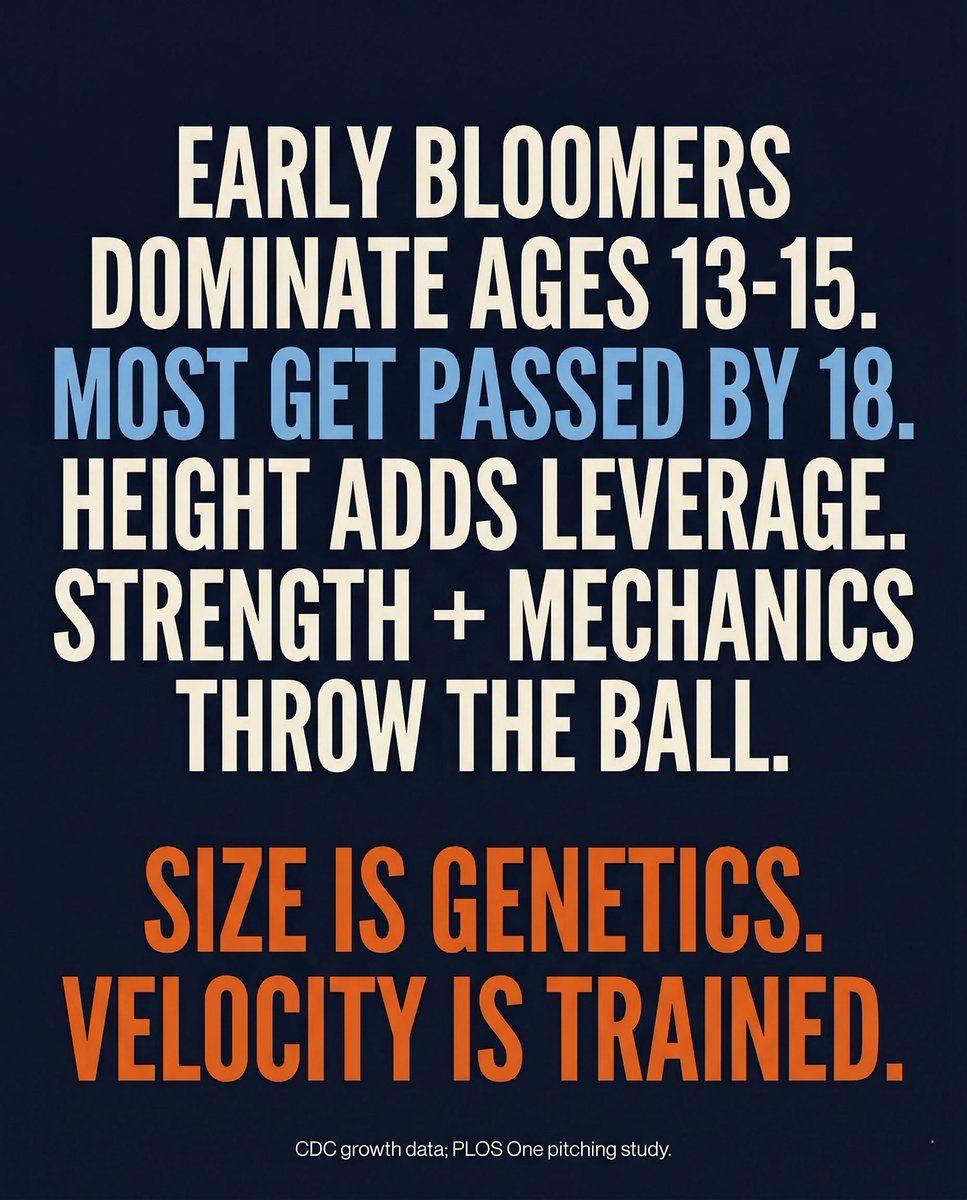
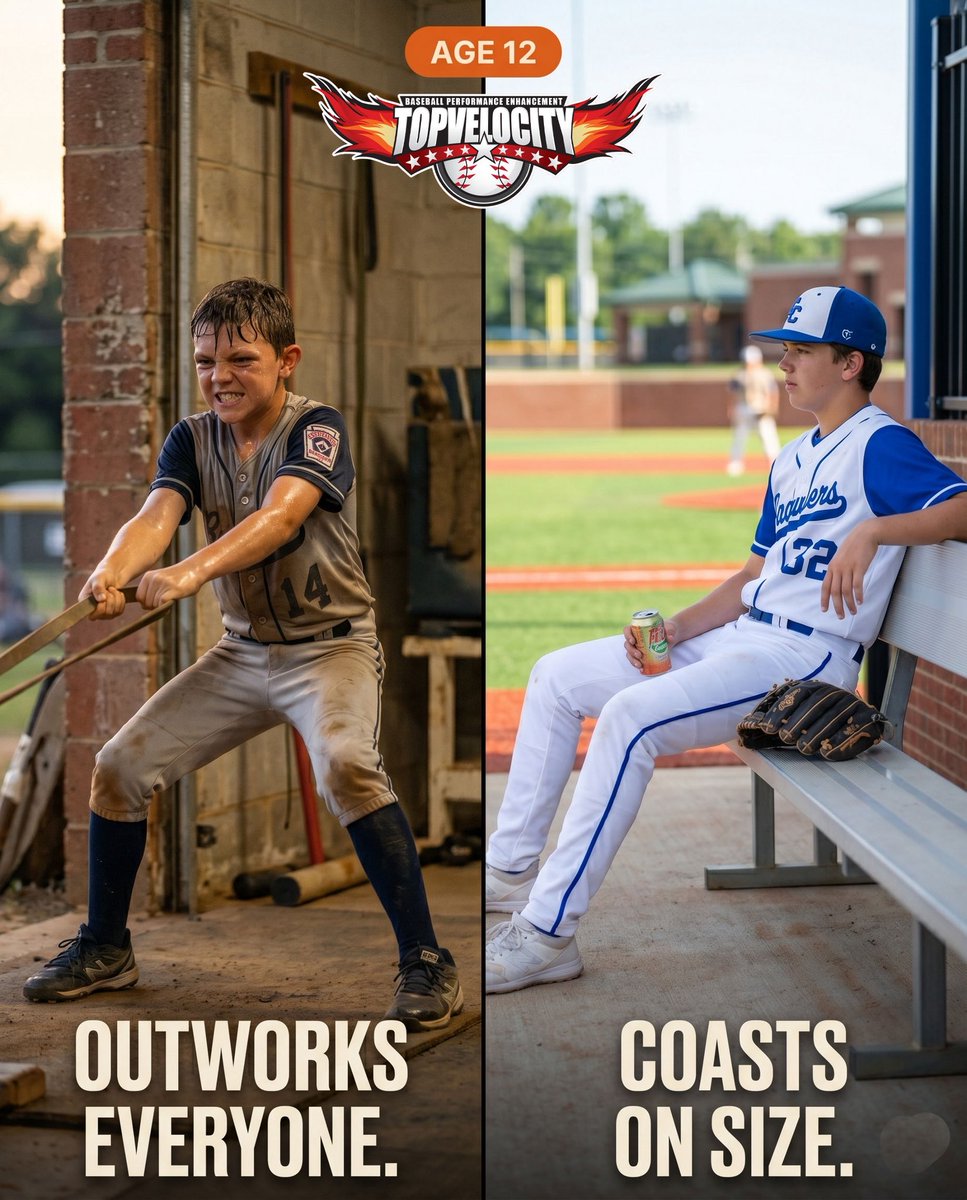
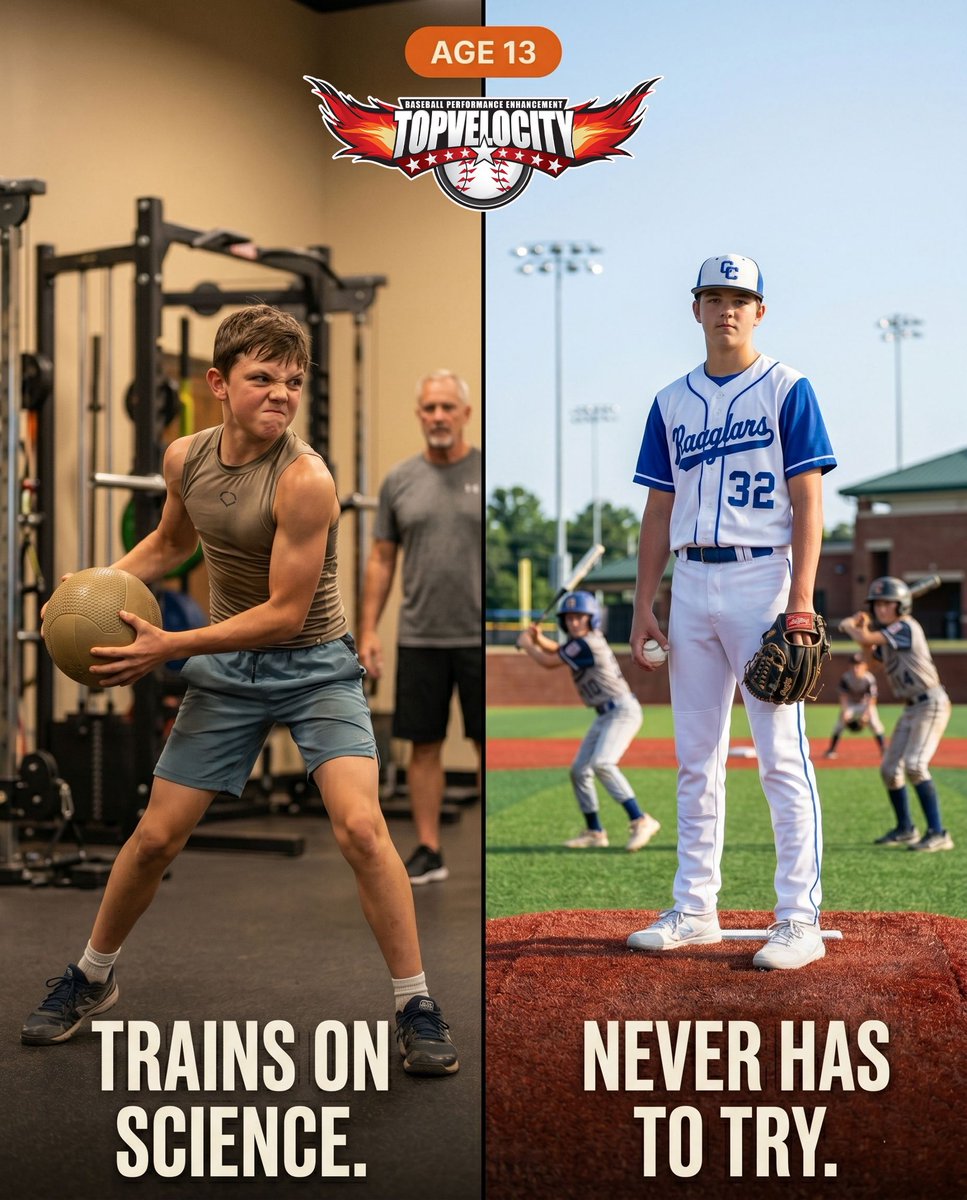
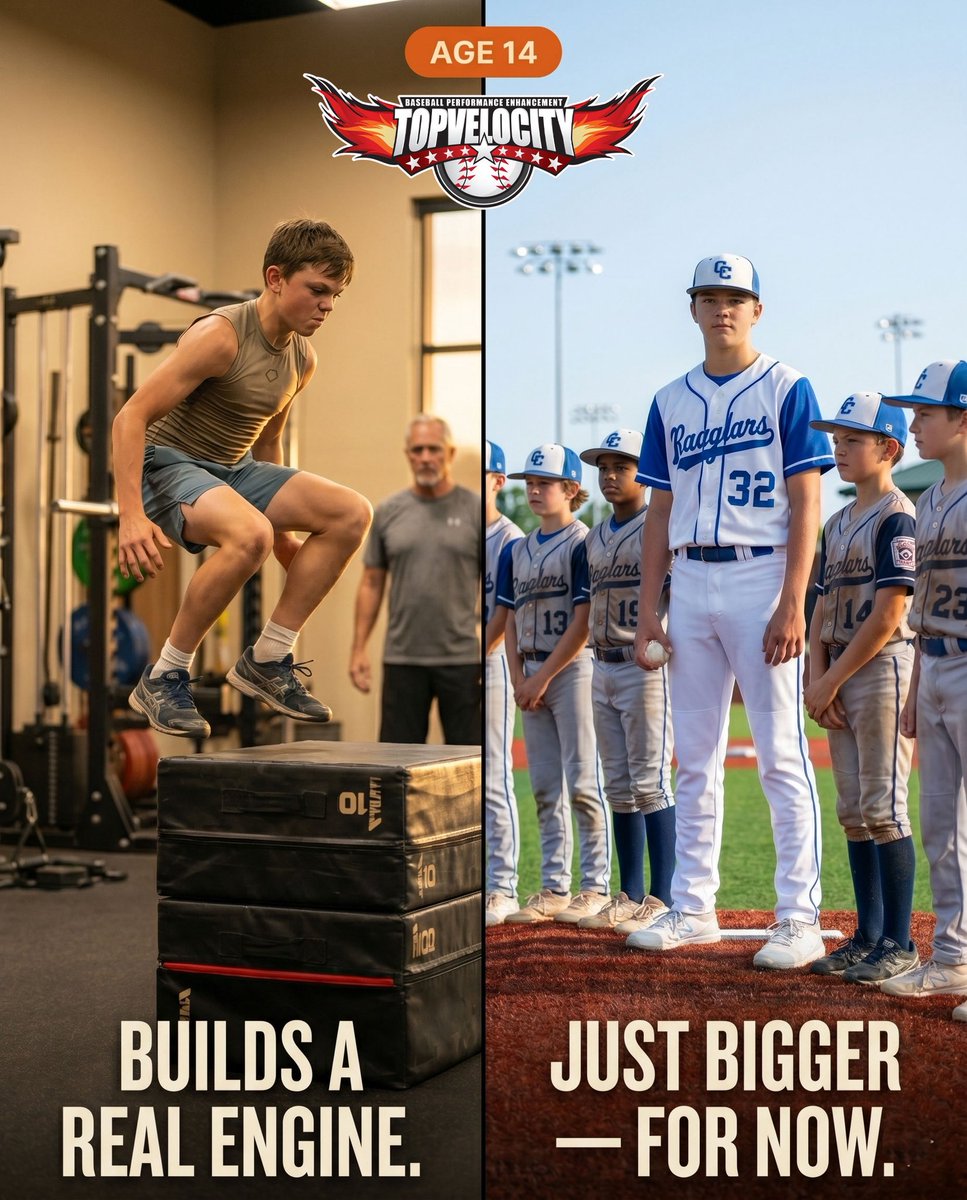
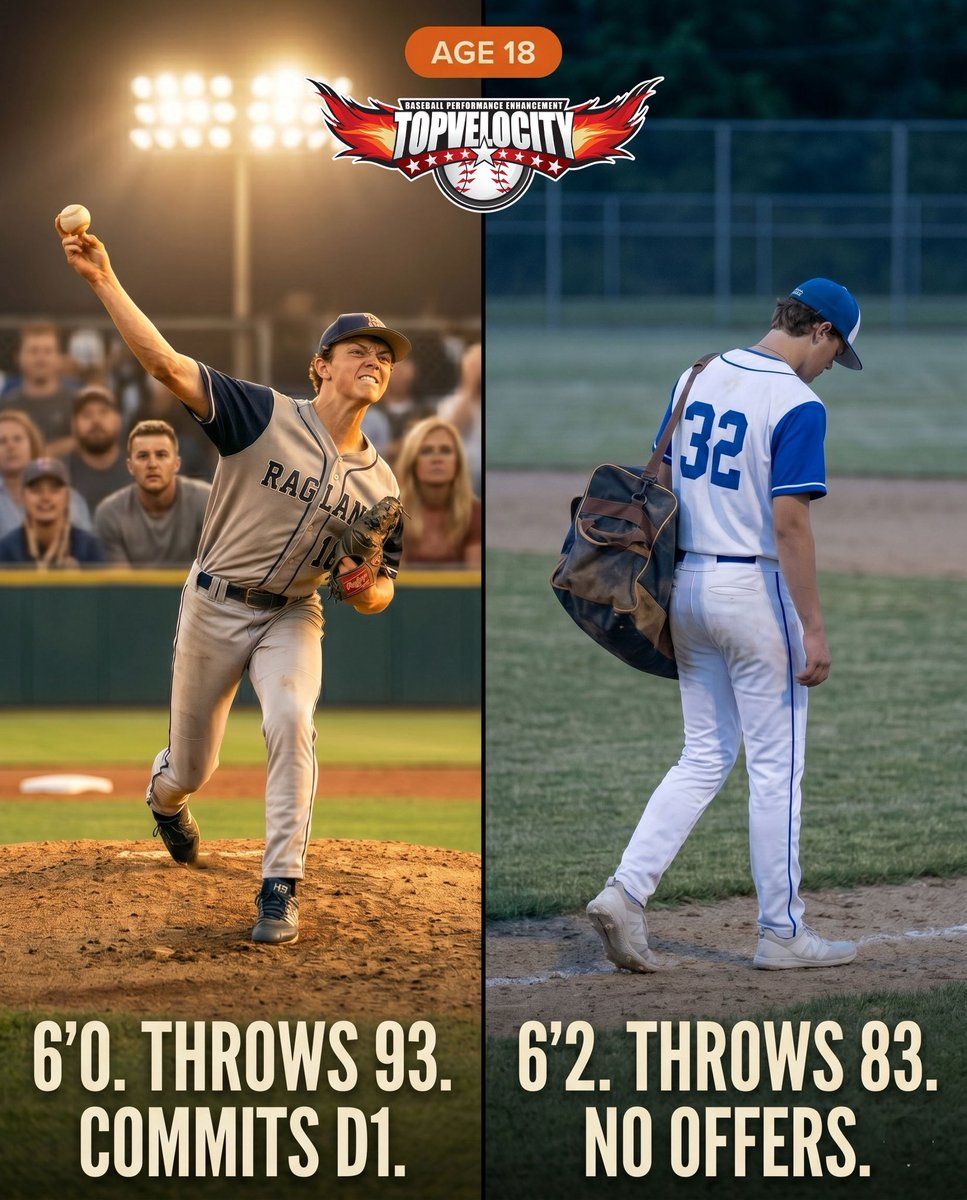
⚠️ The biggest 12-year-old on the field is rarely the hardest thrower at 18.
Every year, parents mistake early size for long-term potential.
One kid is bigger at 12.
The other kid trains.
By 15, the bigger kid dominates.
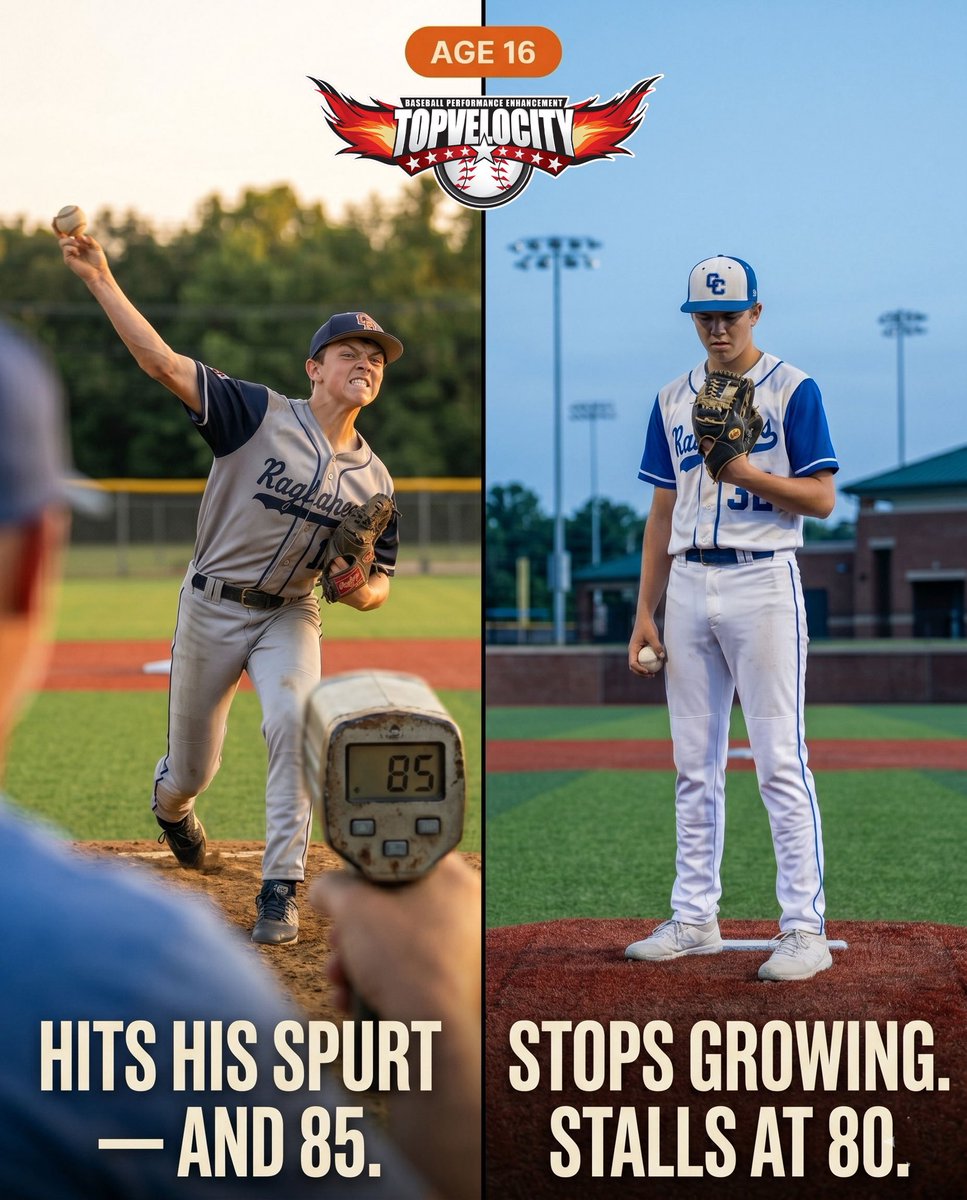
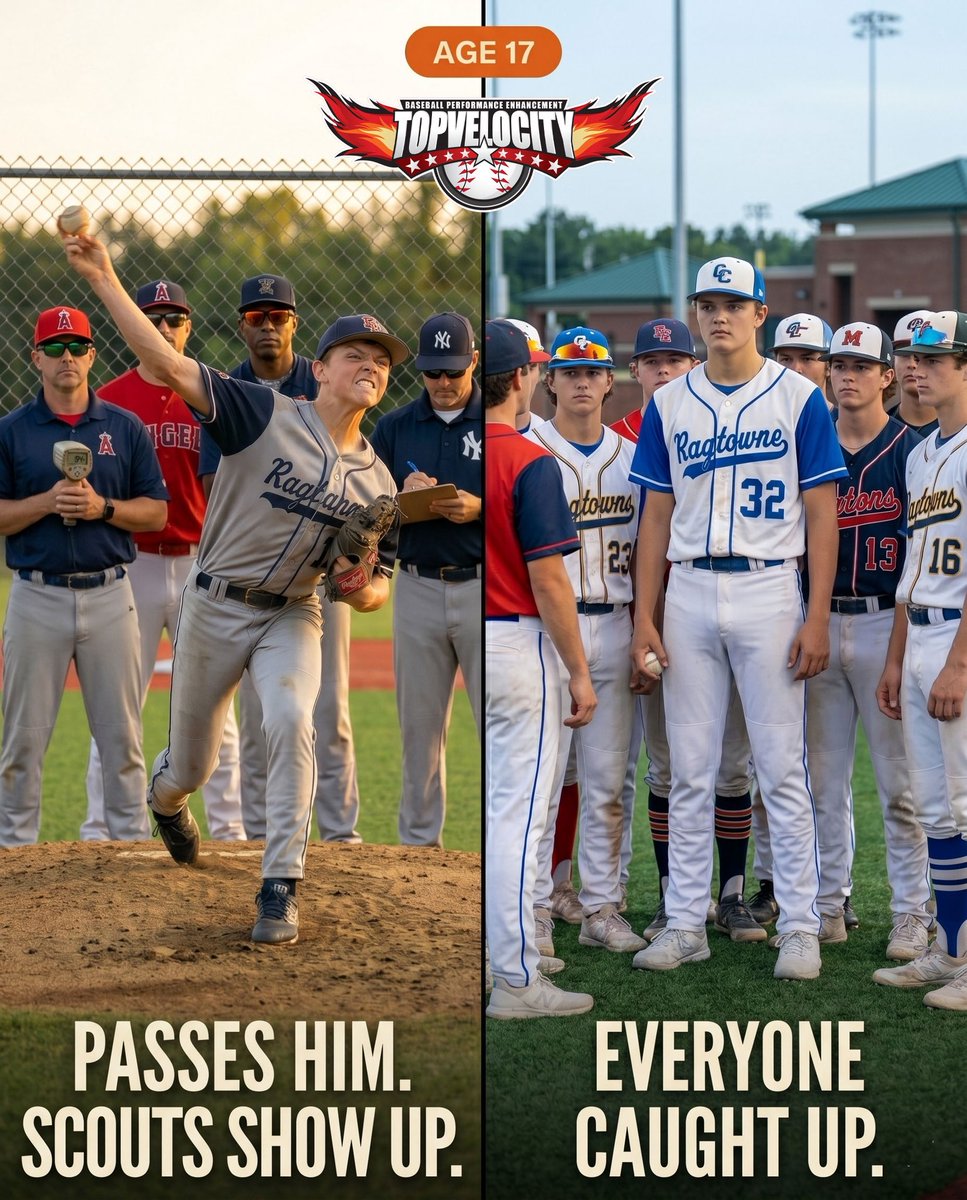
By 18, the athlete who built strength, power, mechanics, and velocity often passes everyone.
Height creates leverage.
But leverage without force doesn’t throw baseballs 90 mph.
Velocity is a skill. Velocity is trained.
That’s why some pitchers stop at 80 mph while others add 10, 15, even 20 mph during high school.
Stop judging your athlete by where they are today.
Start building who they become tomorrow.
🔥 If your pitcher wants to add serious velocity, improve athleticism, and learn the science behind elite pitching performance, join our next 3X Velocity Camp.
✅ Strength & Power Development
✅ Pitching Mechanics Analysis
✅ Velocity Training System
✅ Arm Care & Injury Prevention
✅ Proven Results from Youth to Pro Ball
👉 Register now: topvelocity.org/3x-velocity-…
Comment VELOCITY and we’ll send you details.
3
8
63
19,478

Jun 11
🚨 STILL PUSHING THE BASEBALL? 🚨
If your elbow gets out front early and you’re “pushing” the ball, the problem may NOT be your arm…
It could be your scapula. 👀
Most pitchers who push the ball can’t get into the positions required to create elite arm speed. Instead of loading into external rotation and letting the arm whip through release, they’re stuck fighting their own mobility and strength limitations.
⚠️ One major clue? Shoulder impingement.
If raising your elbow overhead causes pain, pressure, or pinching in the top of your shoulder, your scap may not be upwardly rotating correctly. That restriction can rob velocity, increase injury risk, and force you into a pushing pattern.
✅ Fix it with:
• Push-Up Plus
• Overhead Carries
• Scapular Stability Training
• Mobility & Strength Assessments
At TopVelocity, we use Force IQ testing to measure strength, mobility, asymmetries, and injury risk so we know EXACTLY what’s limiting your velocity.
Stop guessing.
Find out what’s really holding your arm back and build a body that throws harder and stays healthier.
👇 Get your assessment and start your development today.
🔗 topvelocity.org/player-porta…
Comment “VELOCITY” if you’ve ever been told you’re pushing the ball.
#TopVelocity #PitchingVelocity #BaseballTraining #PitchingCoach #ThrowHarder
4
50
10,166
Jun 10
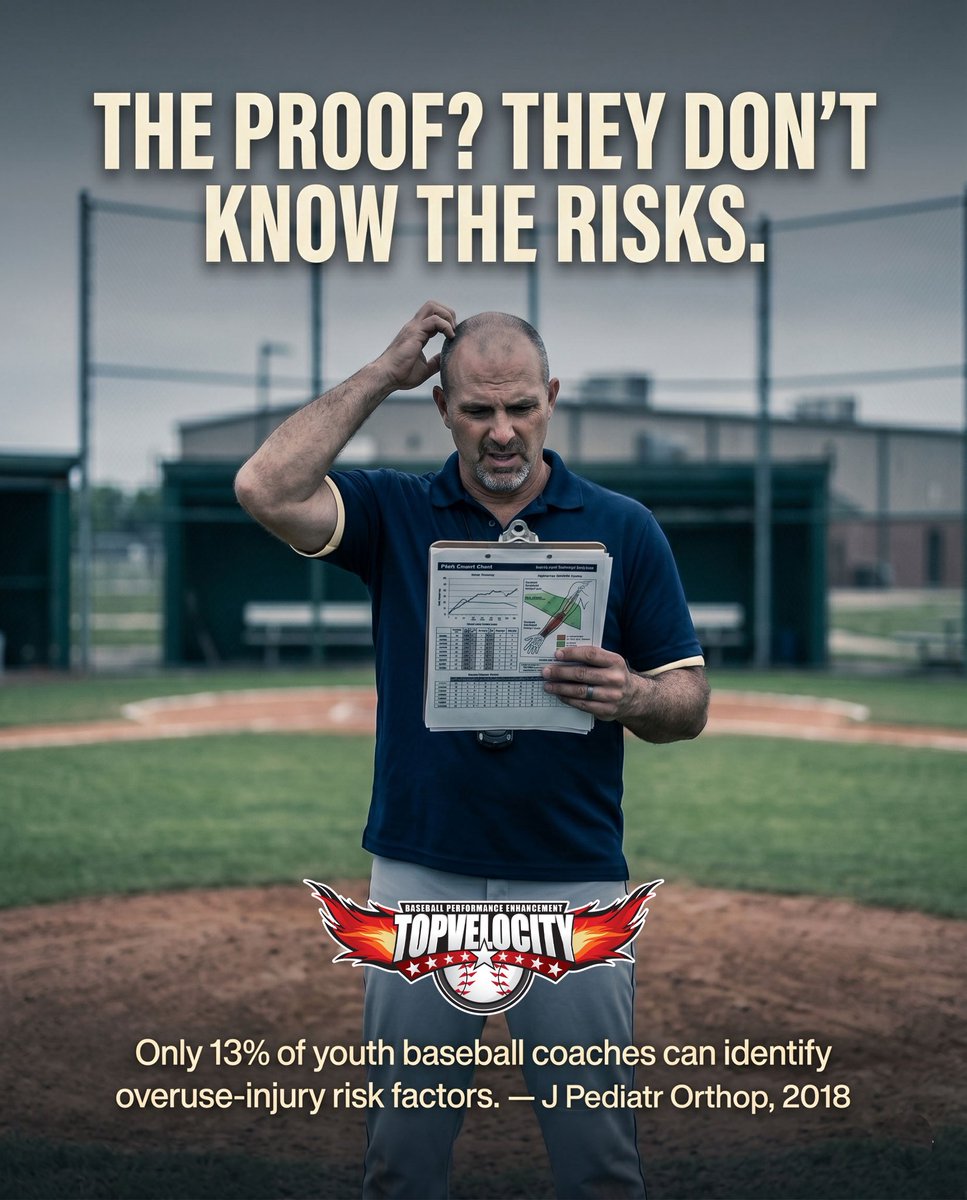
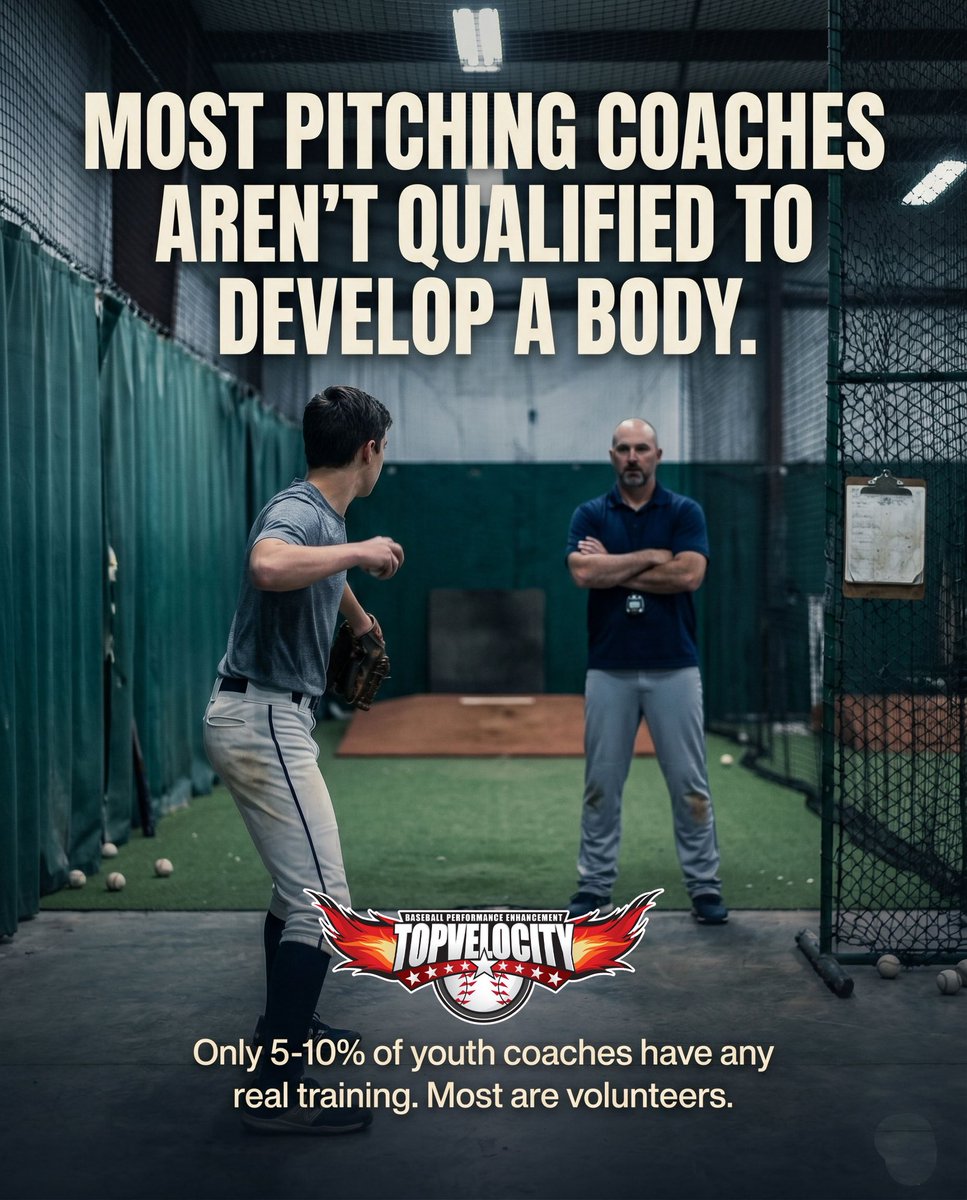
You need a license to cut hair.
But anyone can grab a bucket, call themselves a pitching coach, and take responsibility for a young athlete’s arm.
Meanwhile:
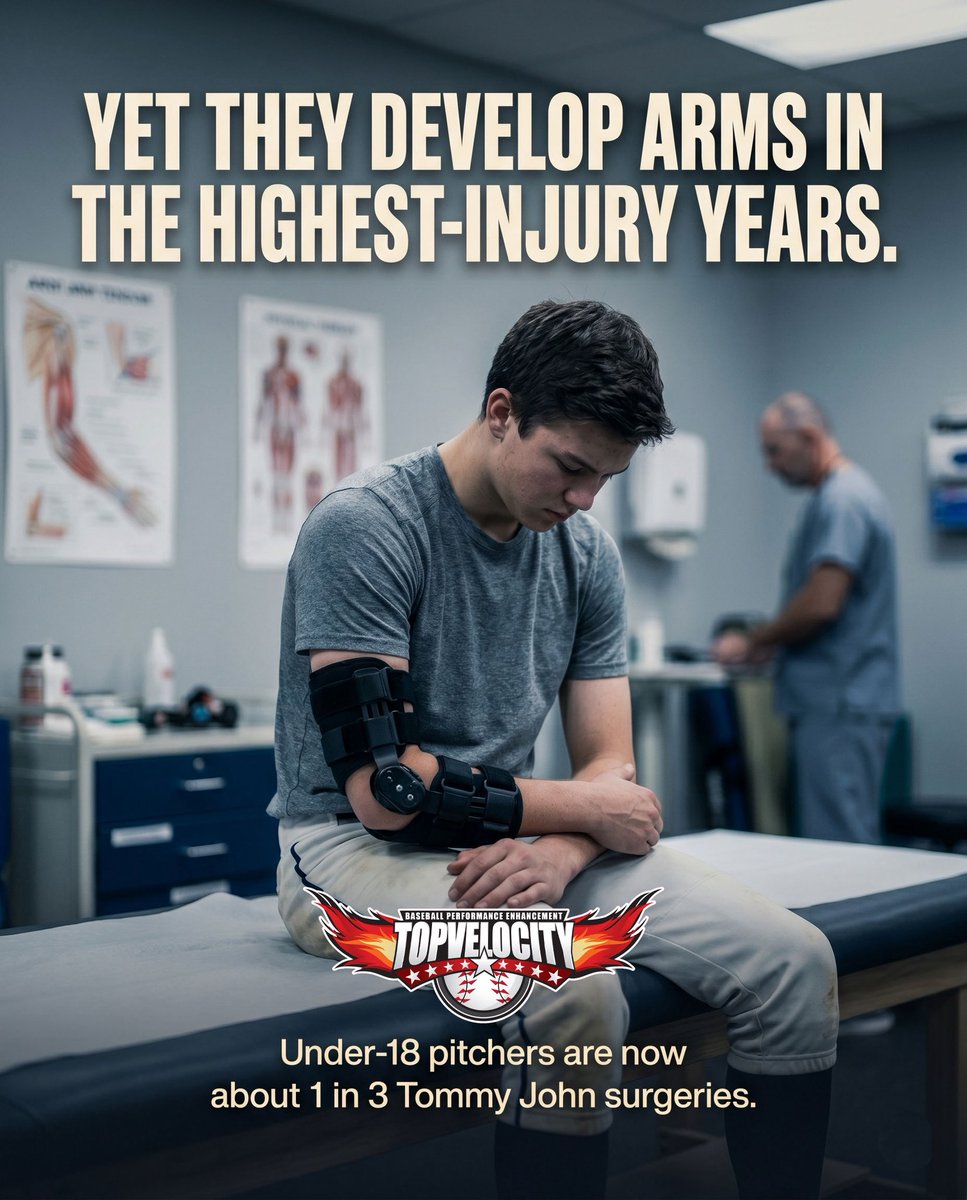
⚠️ Youth arm injuries continue to rise.
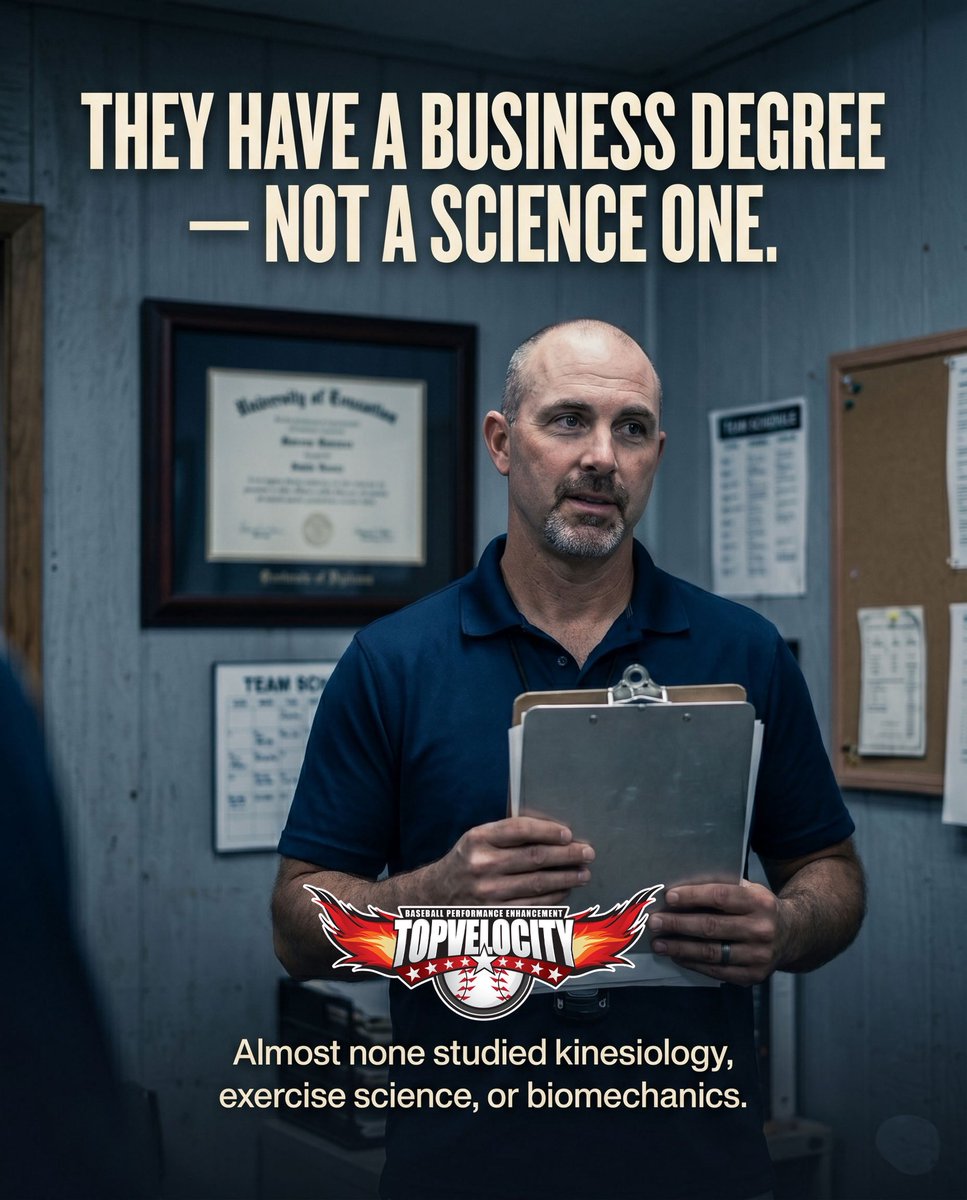
⚠️ Many coaches have never studied biomechanics.
⚠️ Most have no formal education in strength & conditioning.
⚠️ Few understand workload management or injury risk factors.
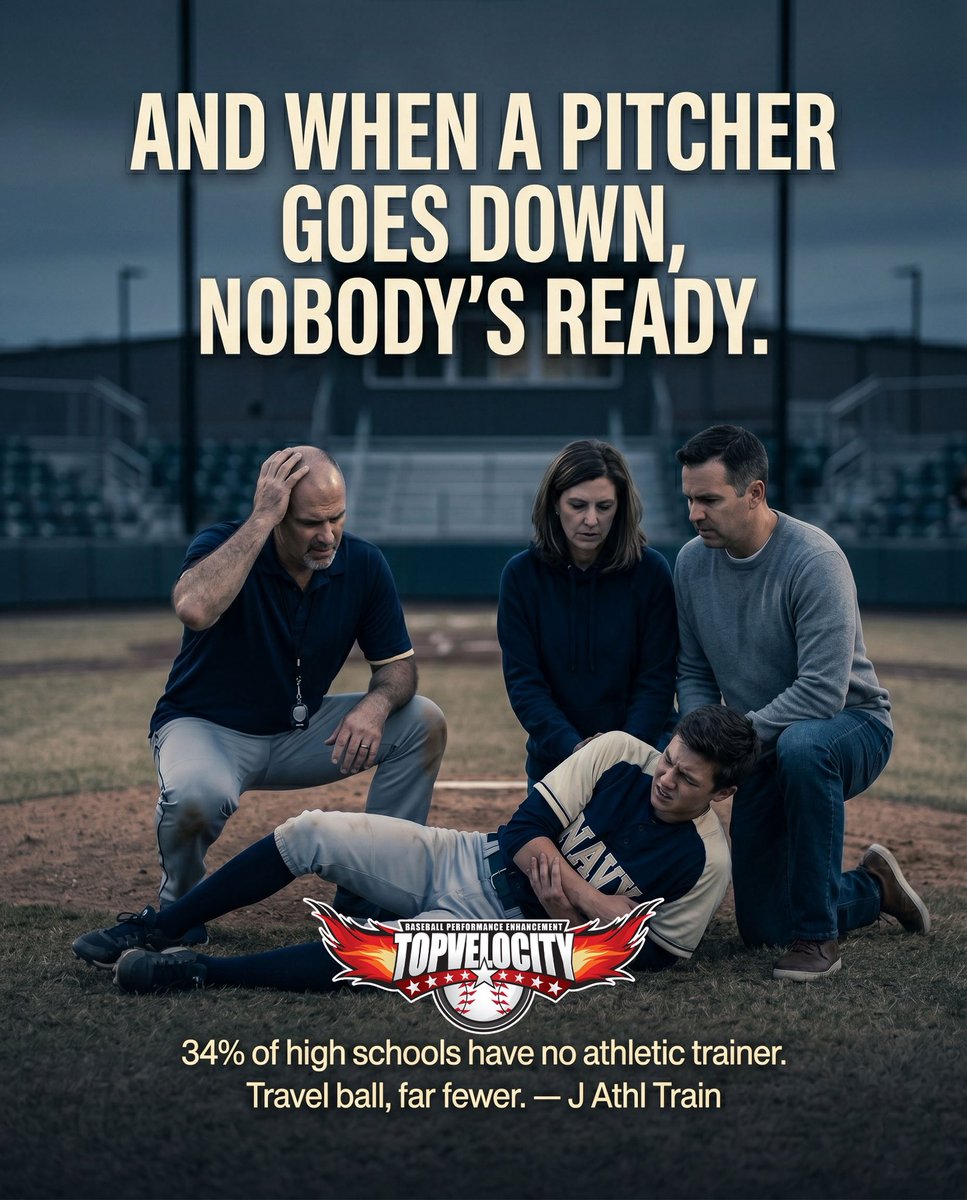
⚠️ When an injury happens, most programs have no plan.
Developing pitchers isn’t guesswork.
It’s biomechanics.
It’s strength development.
It’s movement assessment.
It’s workload management.
It’s injury prevention.
It’s emergency readiness.
In other words…
It’s a science.
The game doesn’t need more opinions.
It needs coaches who understand how to develop velocity, reduce injury risk, and build athletes the right way.
If you’re serious about becoming a better coach, opening a TopVelocity Performance Center, or building a business around evidence-based player development, this is your opportunity.
👉 Visit TopVelocity.org/join to learn how to become a certified TopVelocity coach and Performance Center operator.
Comment “CERTIFIED” and we’ll send you more information.
Tag a coach who needs to see this.
1
8
2,082


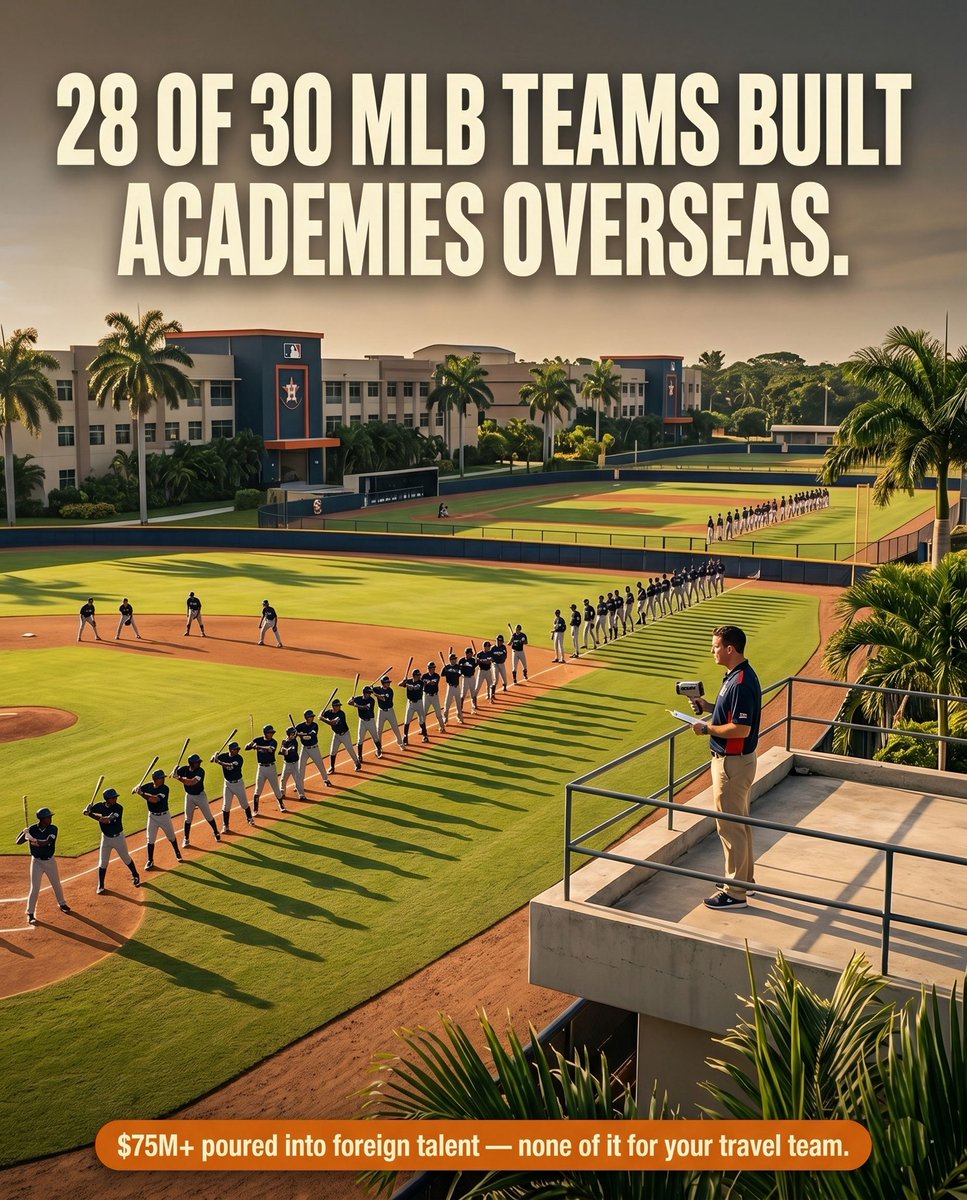
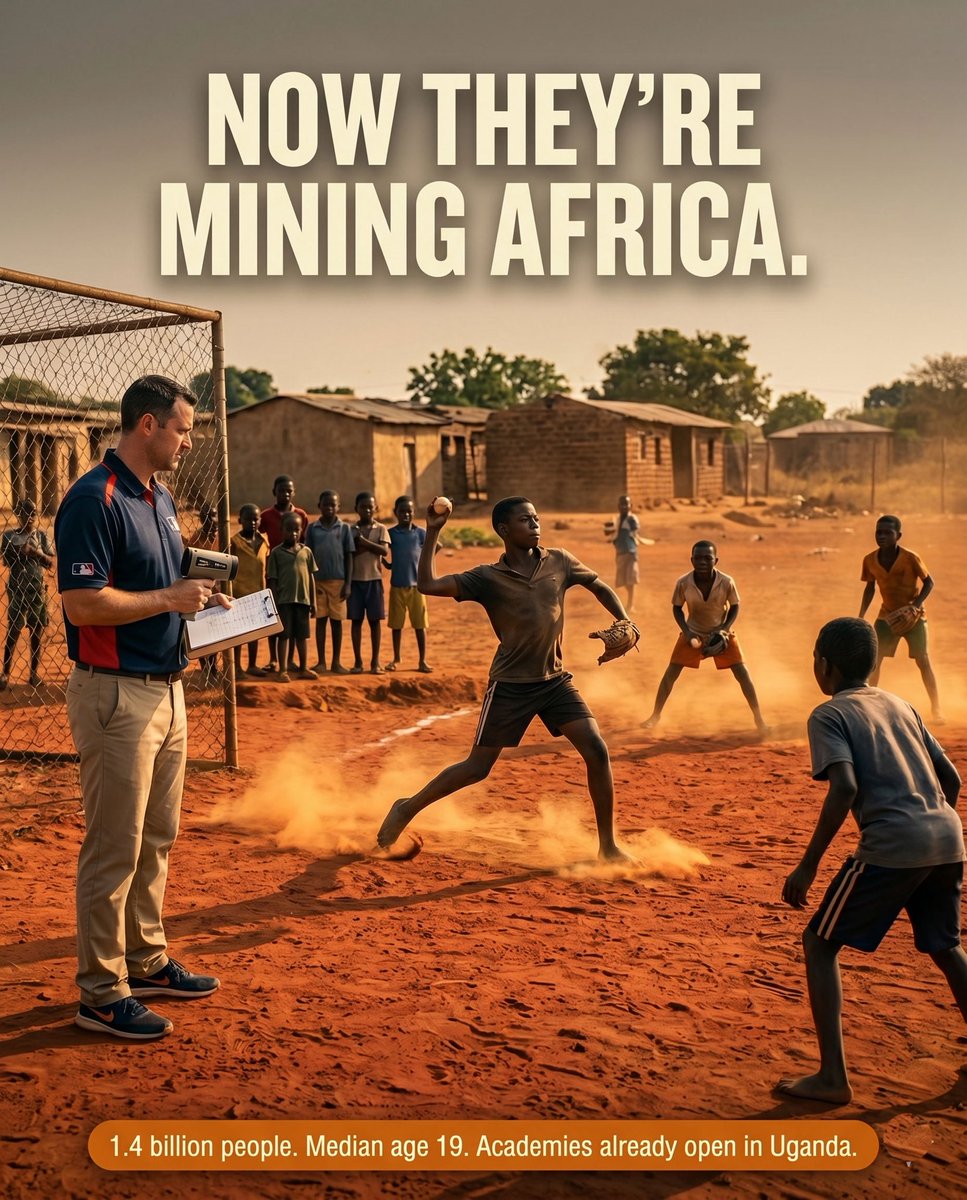
MLB didn’t stop scouting.
They just stopped looking where everyone else is looking.
While American families are spending $100,000 chasing travel ball dreams, MLB organizations are investing millions overseas, signing elite talent younger, cheaper, and in growing markets.
The game changed.
Most families never got the memo.
Here’s the truth:
⚾ Scouts don’t care how many tournaments you played.
⚾ They don’t care how much your parents spent.
⚾ They don’t care about your travel team logo.
They care about one thing:
Can you dominate?
Velocity.
Movement.
Command.
Athleticism.
Projection.
That’s why the pitchers getting attention are the pitchers who can separate themselves from the crowd.
The good news?
You don’t need another showcase.
You need a body, delivery, and arsenal that scouts can’t ignore.
That’s exactly what we build at the 3X Velocity Camp.
🔥 Add velocity.
🔥 Improve movement.
🔥 Increase command.
🔥 Build a pro-level pitching system.
🔥 Become the player recruiters actually stop to watch.
The baseball world is getting more competitive every year.
The question is:
Will your son become harder to ignore… or easier to replace?
👇 Comment VELOCITY if you’re serious about developing a signable pitcher.
Register here:
👉 topvelocity.org/3x-velocity-…

1
2
2,209



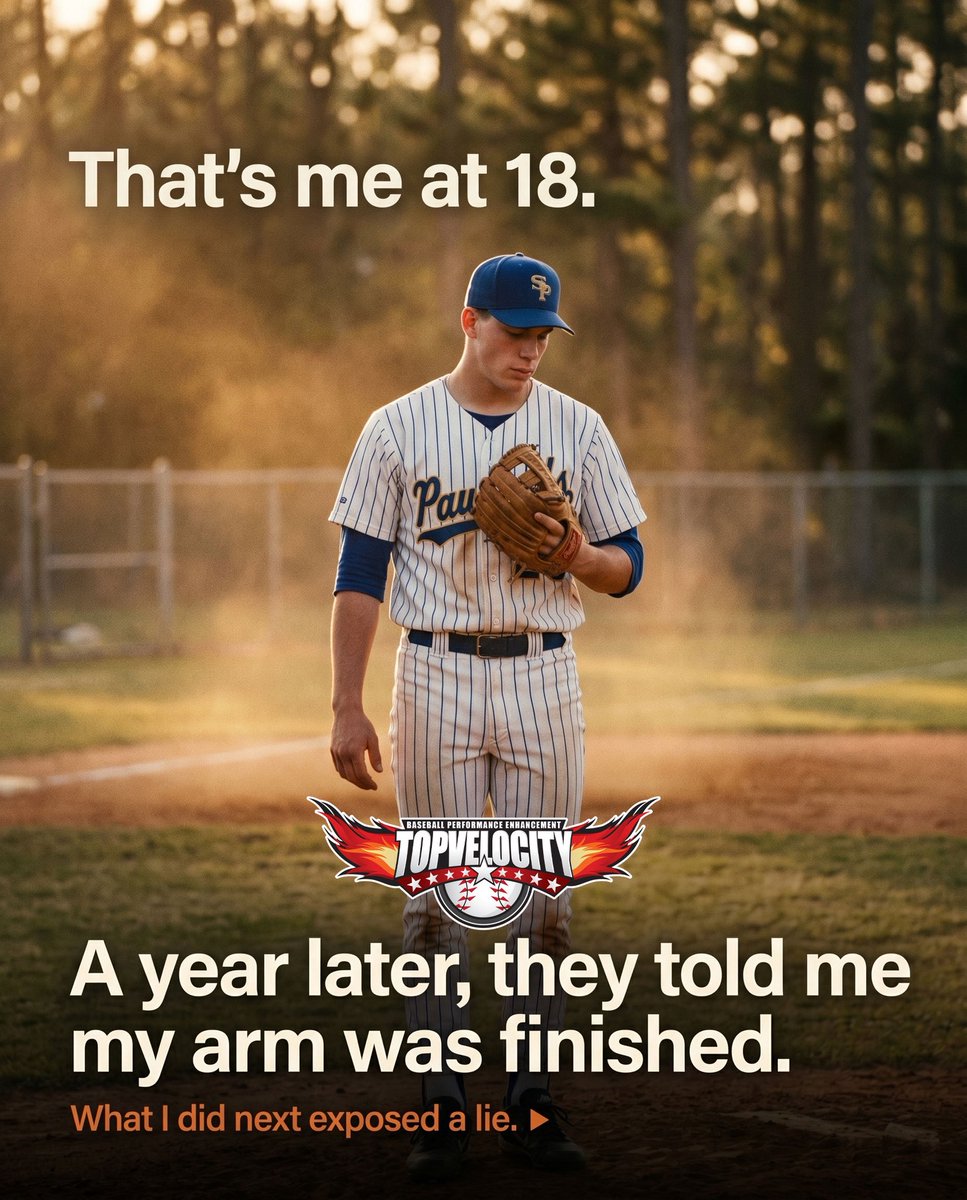
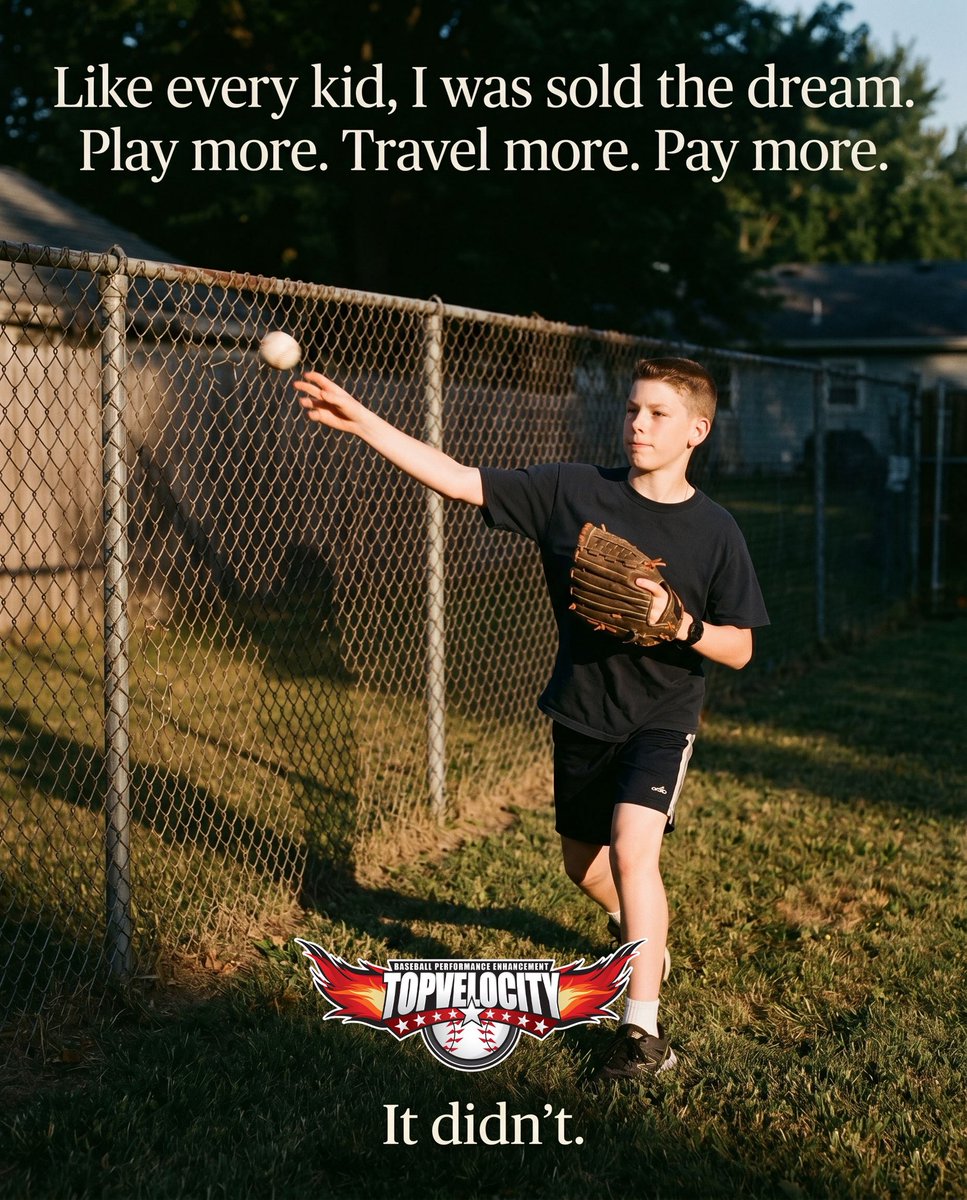
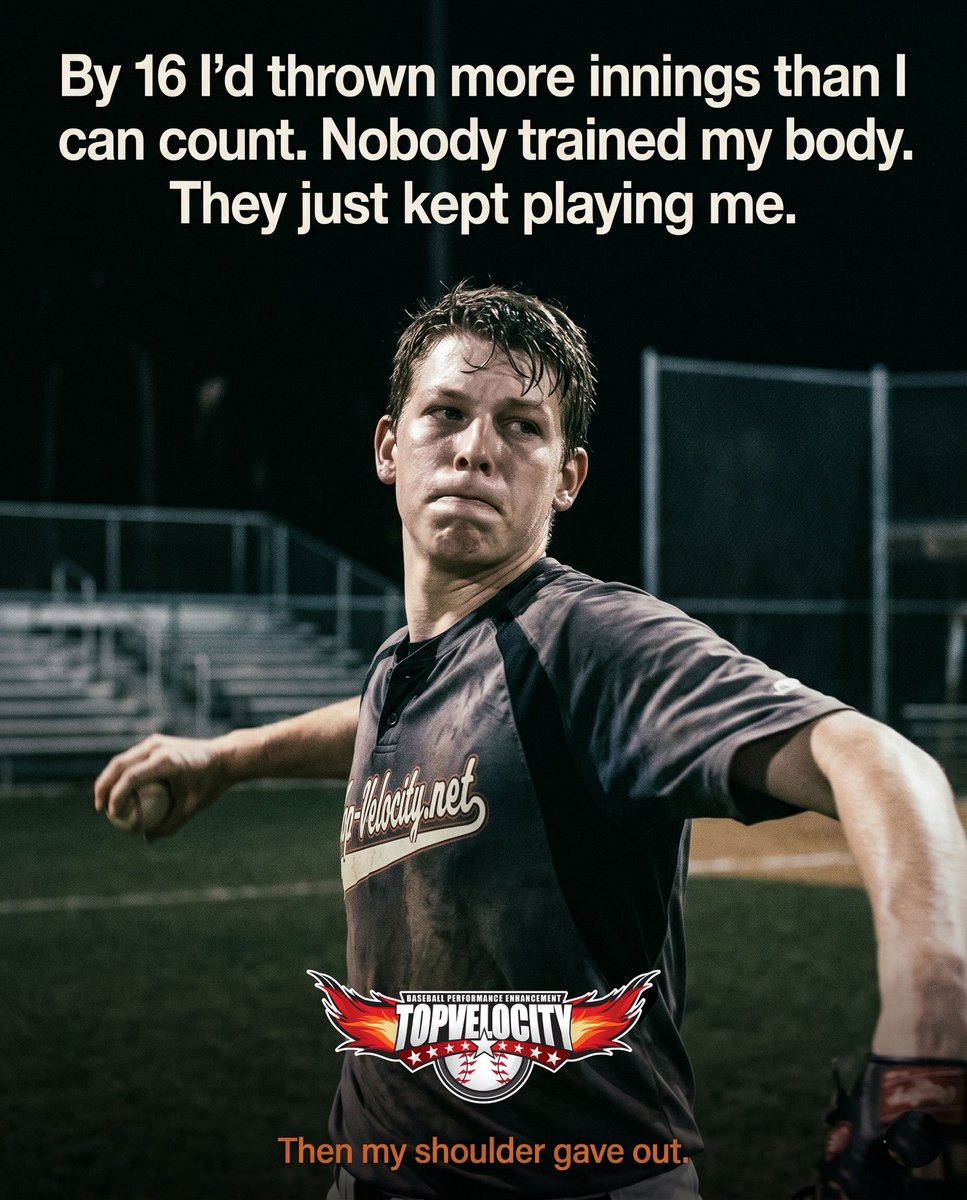
A doctor told me my arm was finished at 19.
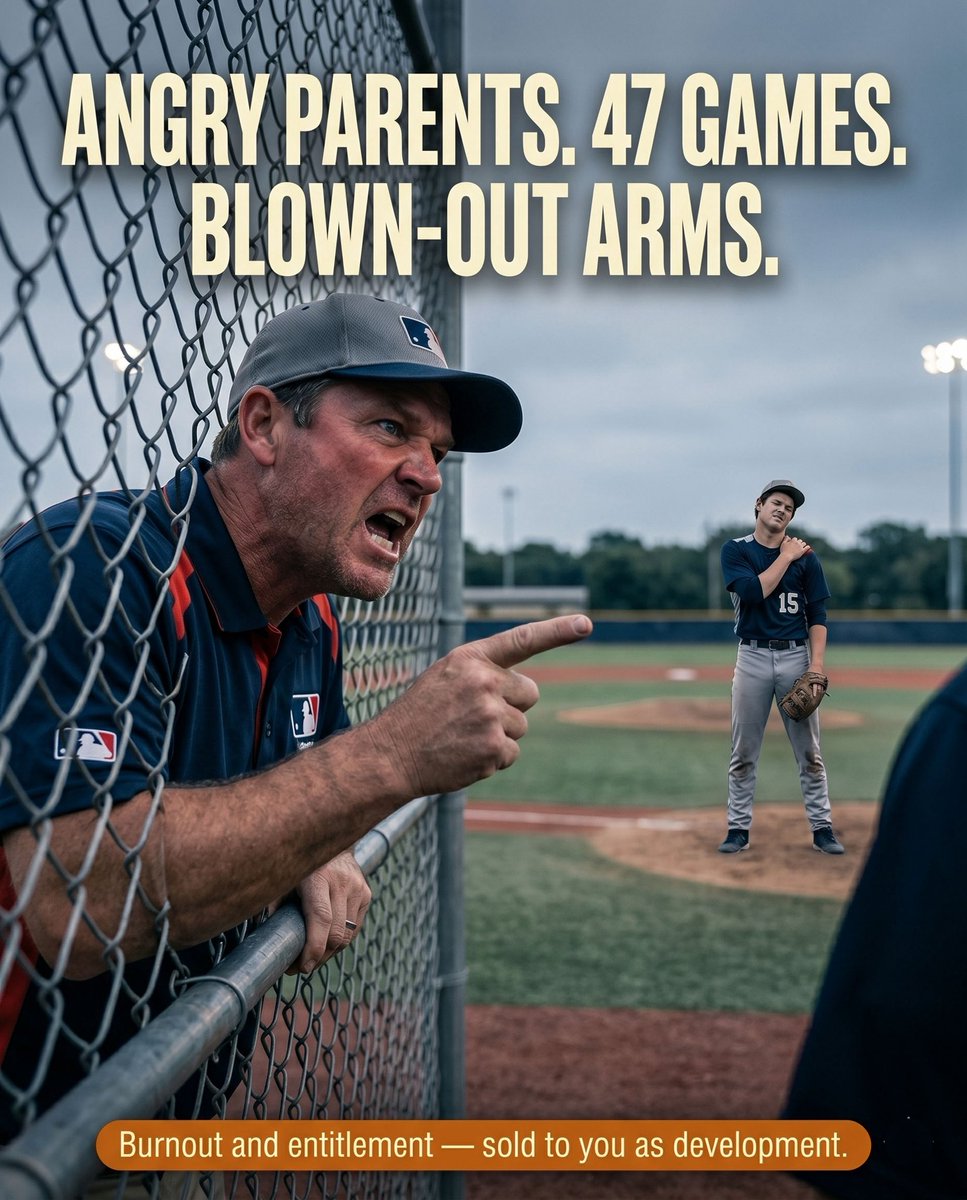
I’d done everything they told me to. Played every tournament. Chased every showcase. Burned through tens of thousands of my family’s dollars. And by my late teens, my shoulder was destroyed and my dream was over.
No scholarship. No plan. Nothing to show for it but a wrapped-up arm and a stack of receipts.
I thought my story was finished.
So out of desperation, I did the opposite of everything travel ball taught me. I stopped playing games. And I started building an athlete — strength, speed, mechanics, velocity. The work no tournament ever made me do.
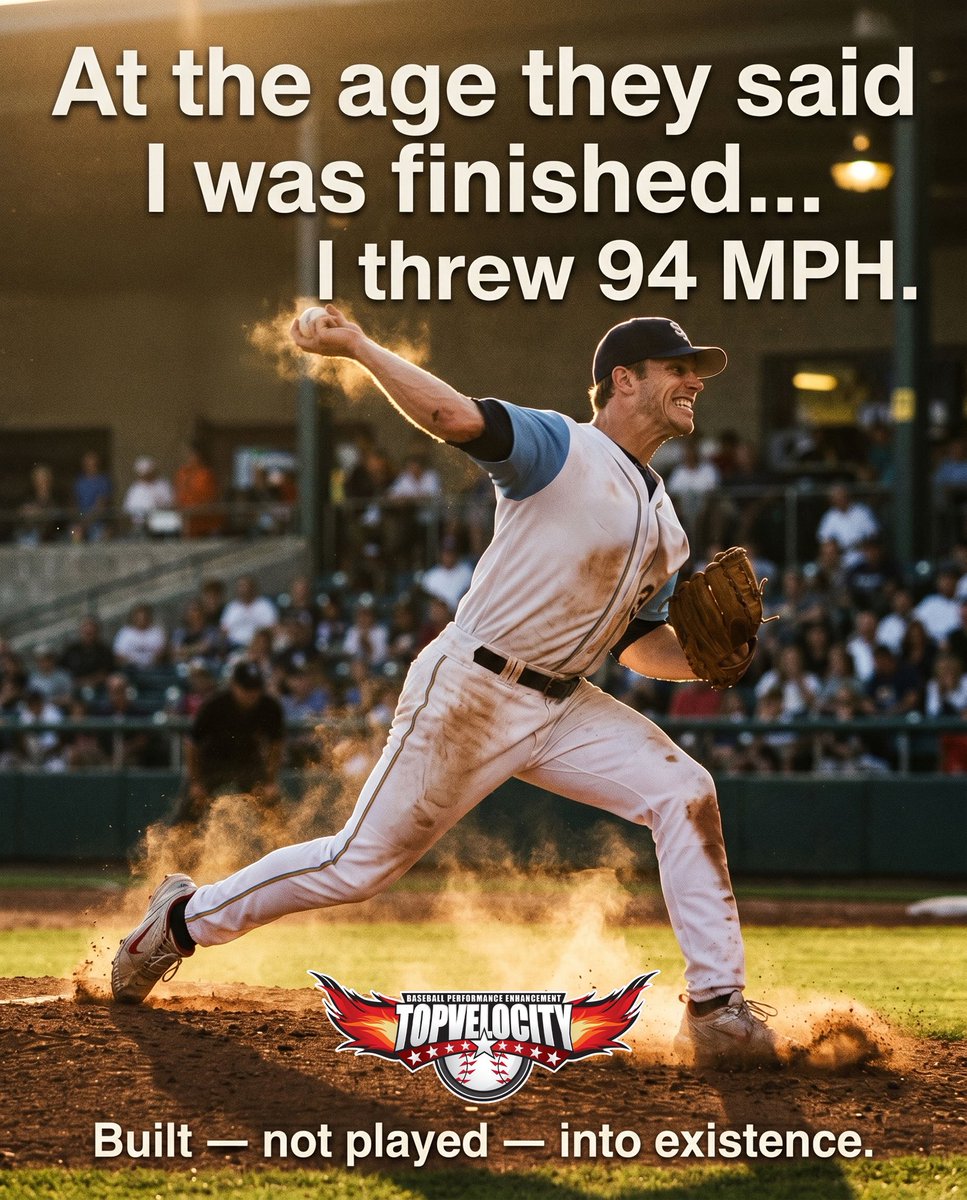
And at the age they told me I was done… I threw 94 mph. Harder than I ever had in my life.
That’s when the truth hit me, and it still makes me angry:
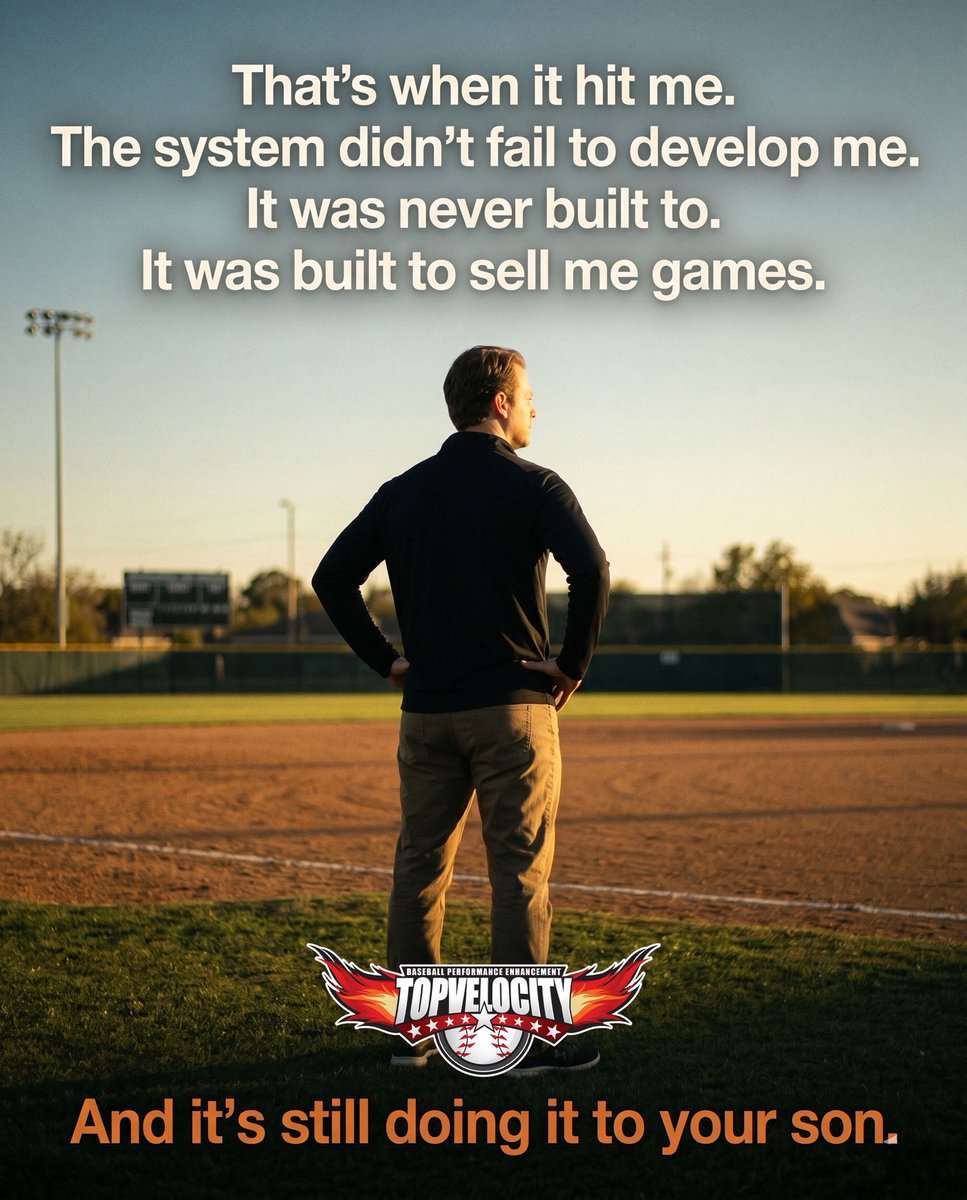
The system didn’t fail to develop me. It was never built to. It was built to sell me games.
And it’s still doing it — to your son. Right now. Every weekend. Every $300 tournament. Every showcase. The machine doesn’t get paid when your kid gets better. It gets paid when he keeps playing.
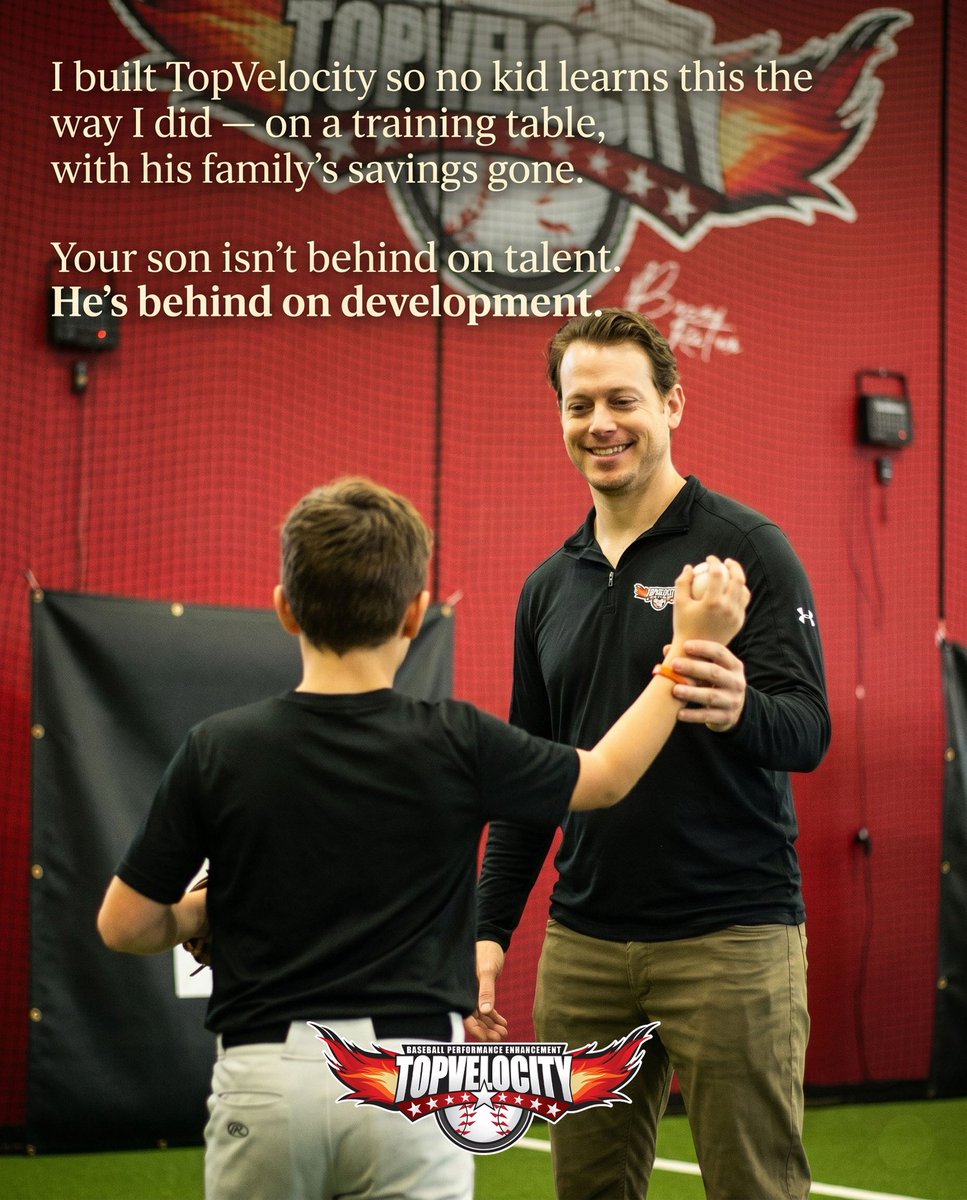
I built TopVelocity so no kid has to learn this the way I did — on a training table, with his family’s savings gone.
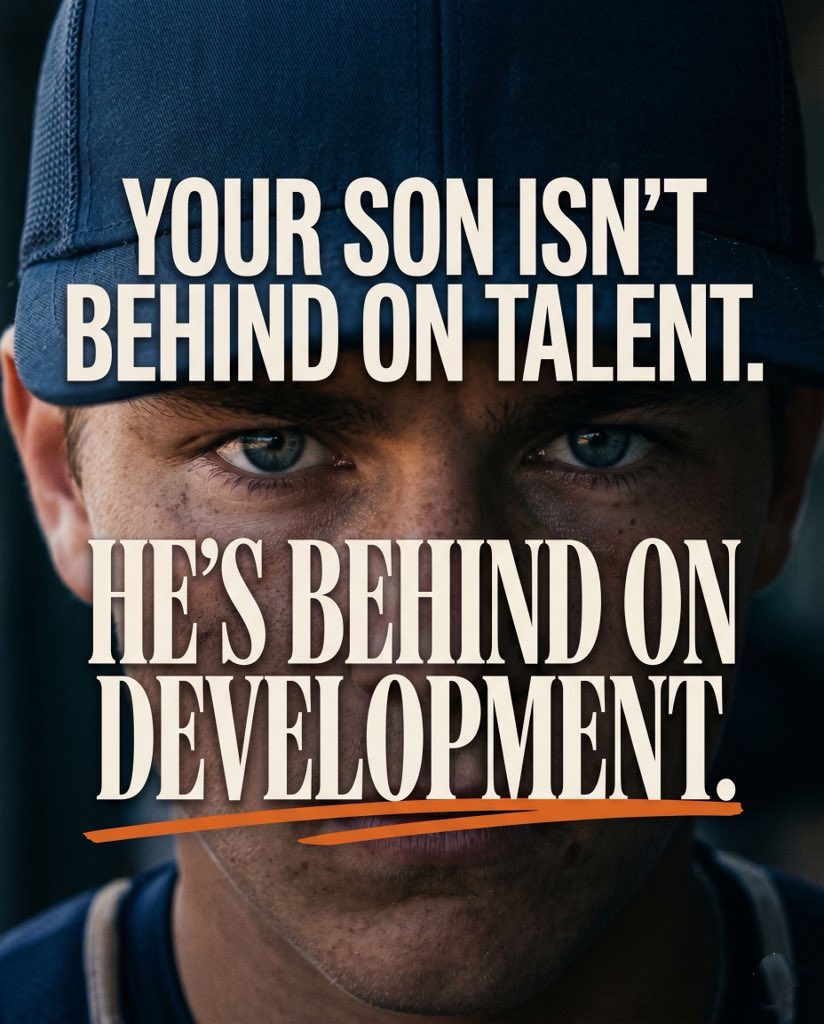
Your son isn’t behind on talent. He’s behind on development. And unlike a tournament schedule, that’s something you can actually fix. 🔥
👉 Don’t sell him more games. Build him into an athlete.
Join the 3X Velocity Camp: topvelocity.org/3x-velocity-…
(tap the link in our bio)
⚾ If this hit home, send it to a parent who needs to hear it before they write the next check.

2
2
21
7,437
Brent Pourciau, M.S. retweeted
Power = Force × Velocity.
Agreed.
That’s exactly why this argument falls apart.
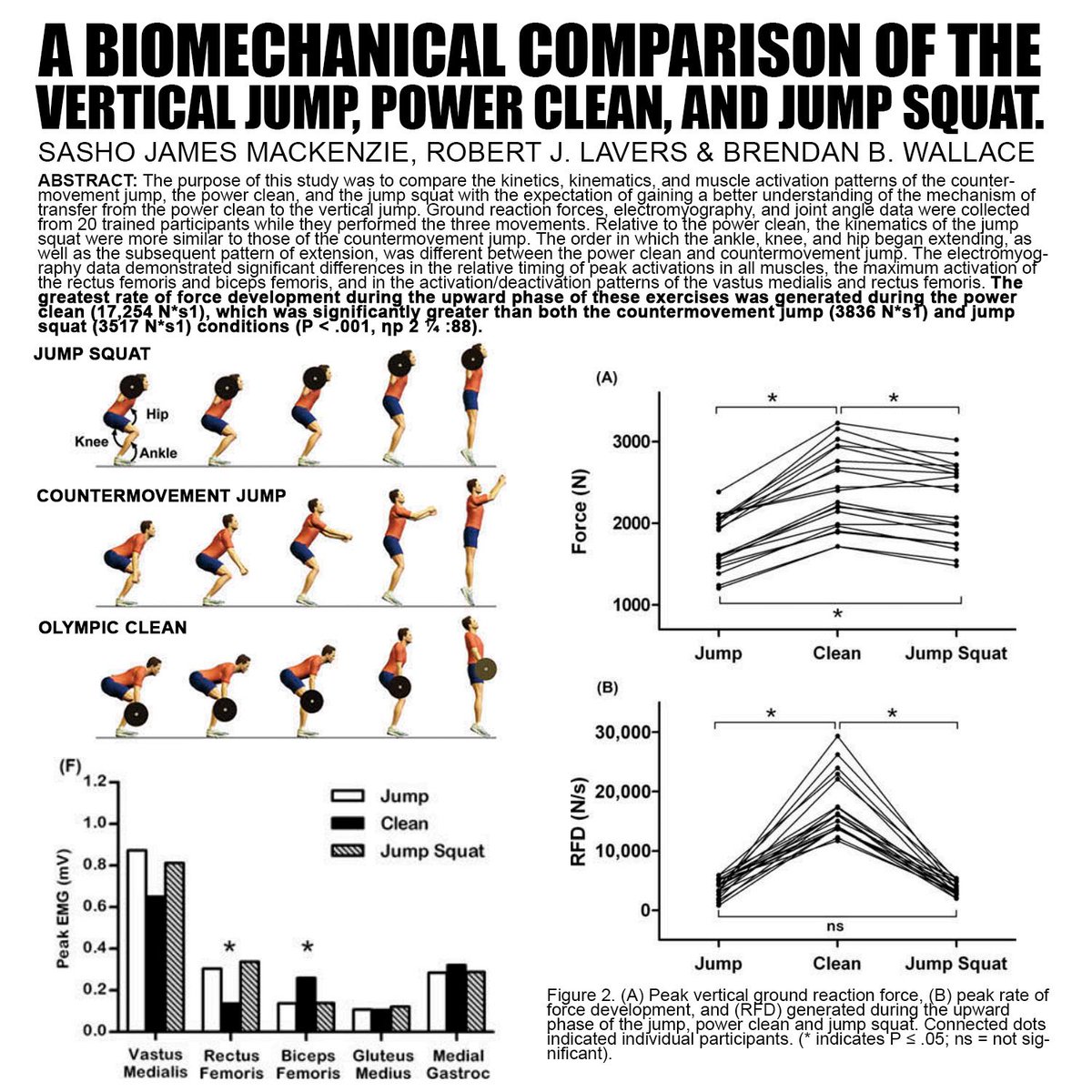
The study you ignored found the power clean produced the highest peak force AND the highest rate of force development (17,254 N·s⁻¹) compared to both the countermovement jump (3,836 N·s⁻¹) and jump squat (3,517 N·s⁻¹).
If cleans supposedly “can’t really train RFD,” why did they generate nearly 5x greater RFD than the movements they’re often compared against?
Force without velocity is strength.
Force expressed rapidly is power.
The data doesn’t support dismissing Olympic lifts. It shows the opposite.
1
2
2
477
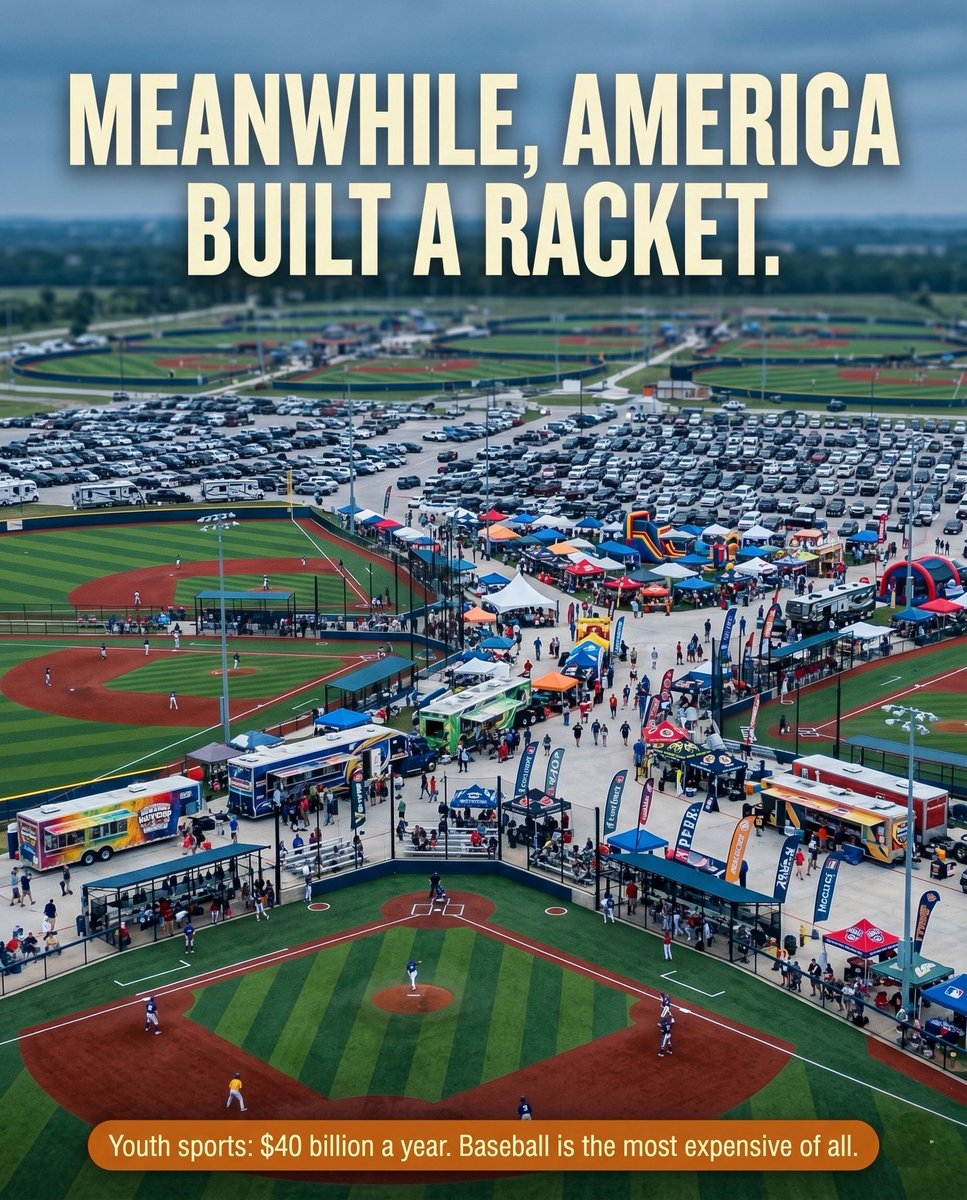
The average travel ball family spends $80,000 chasing a dream the math says won’t happen. Here’s where that money should actually go. 👇
First, the odds nobody wants to show you:
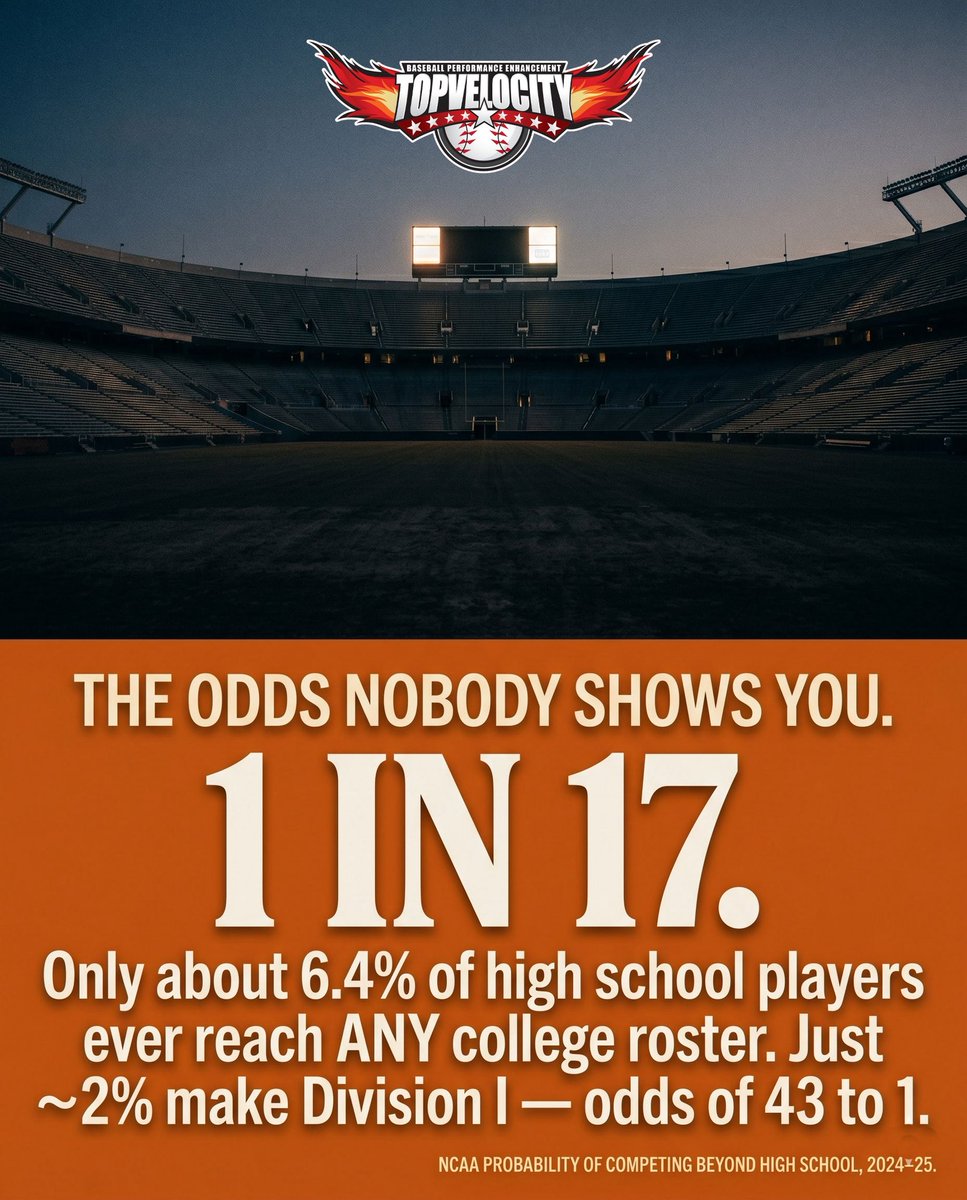
🔹 Only about 6.4% of high school players ever reach ANY college roster — roughly 1 in 17.
🔹 Only about 2% make a Division I roster. Odds of 43 to 1. (NCAA)
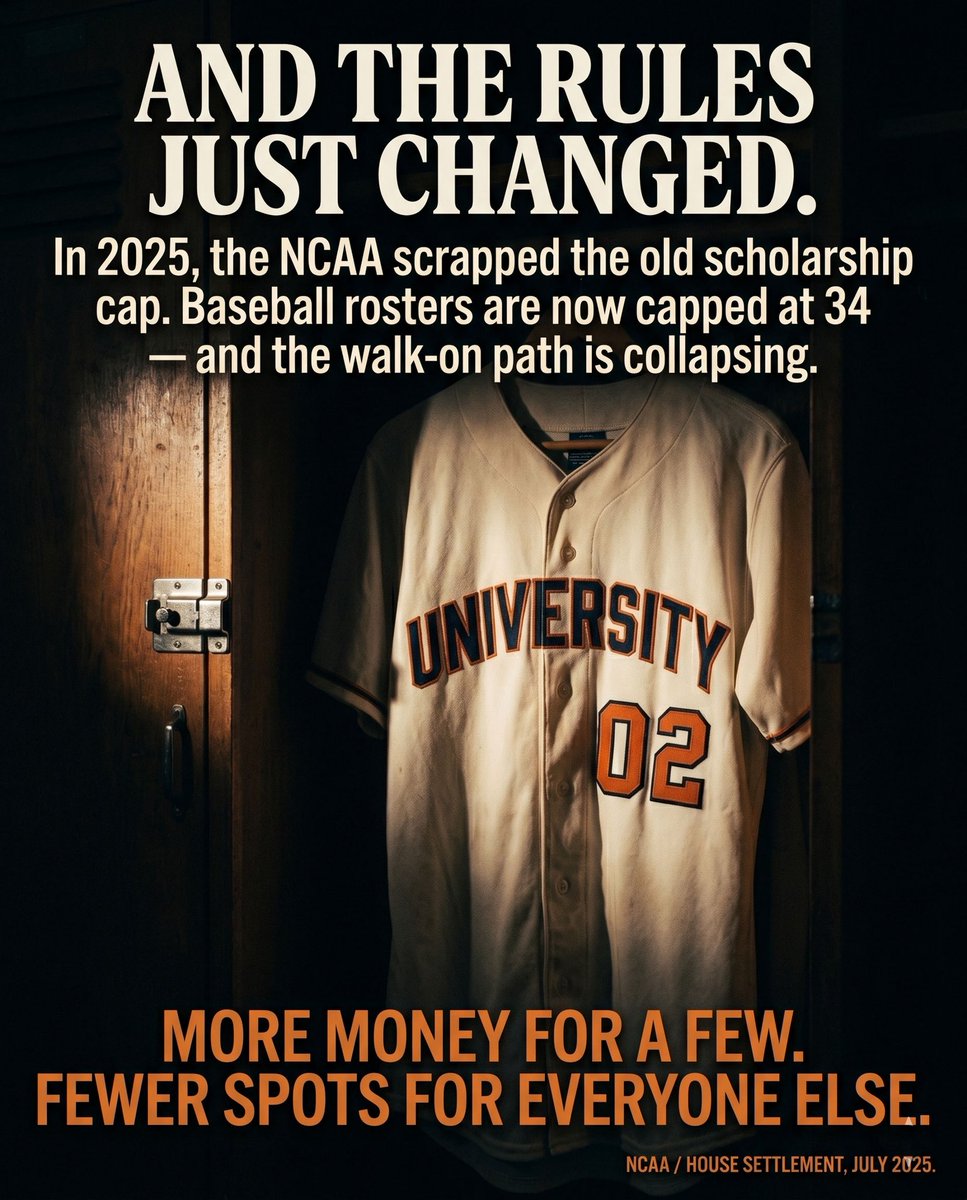
And in 2025, the rules changed forever. The NCAA scrapped the old scholarship cap — baseball rosters are now capped at 34, and the walk-on path is collapsing. More scholarship money for a few. Fewer roster spots for everyone else.
So here’s the question every baseball parent needs to ask in 2026:
What actually gets a kid recruited now?
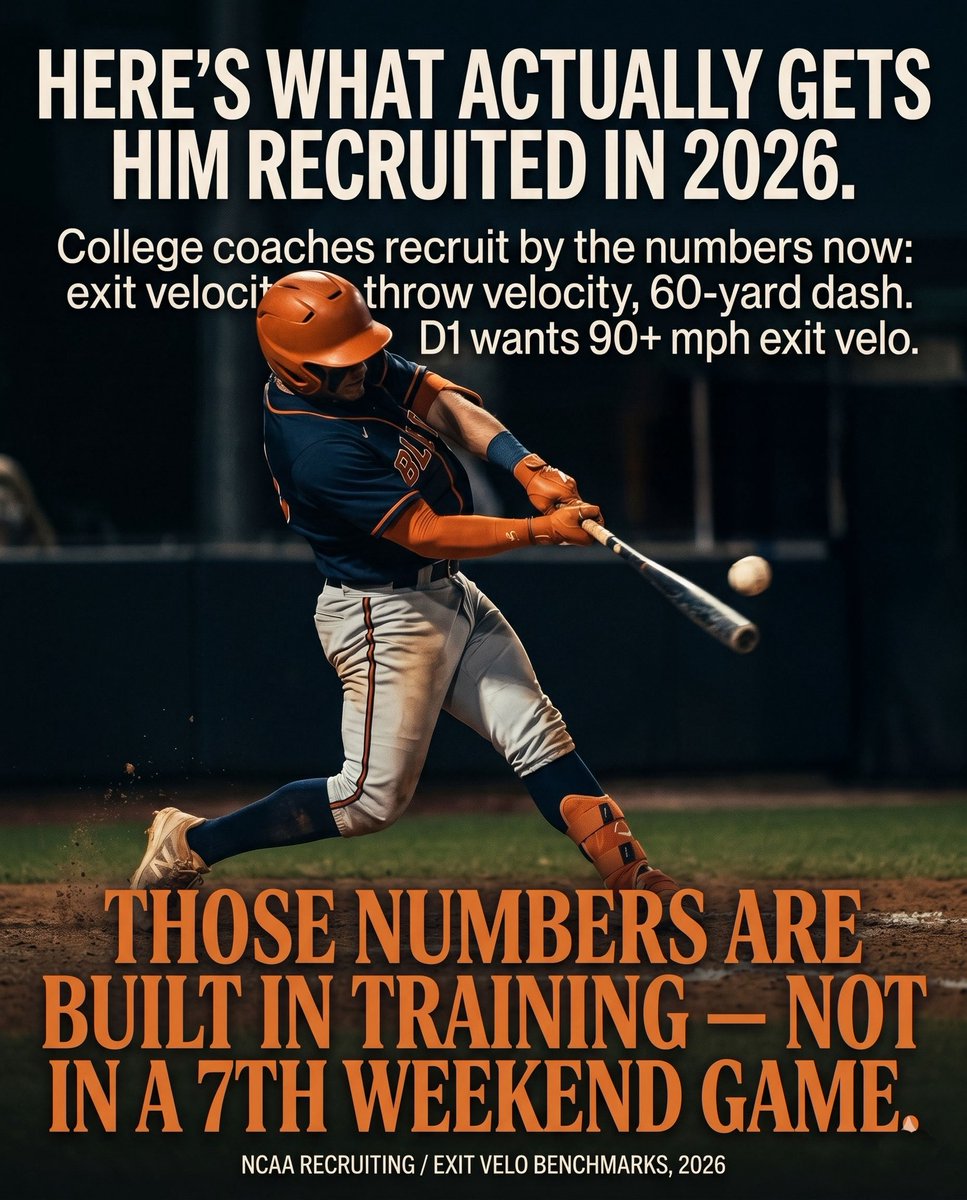
College coaches recruit by the NUMBERS: exit velocity, throw velocity, 60-yard dash. D1 wants to see 90 mph exit velo. And those numbers are built in TRAINING — strength, speed, velocity — not in a 7th weekend tournament game.
Look at the same goal, two budgets:
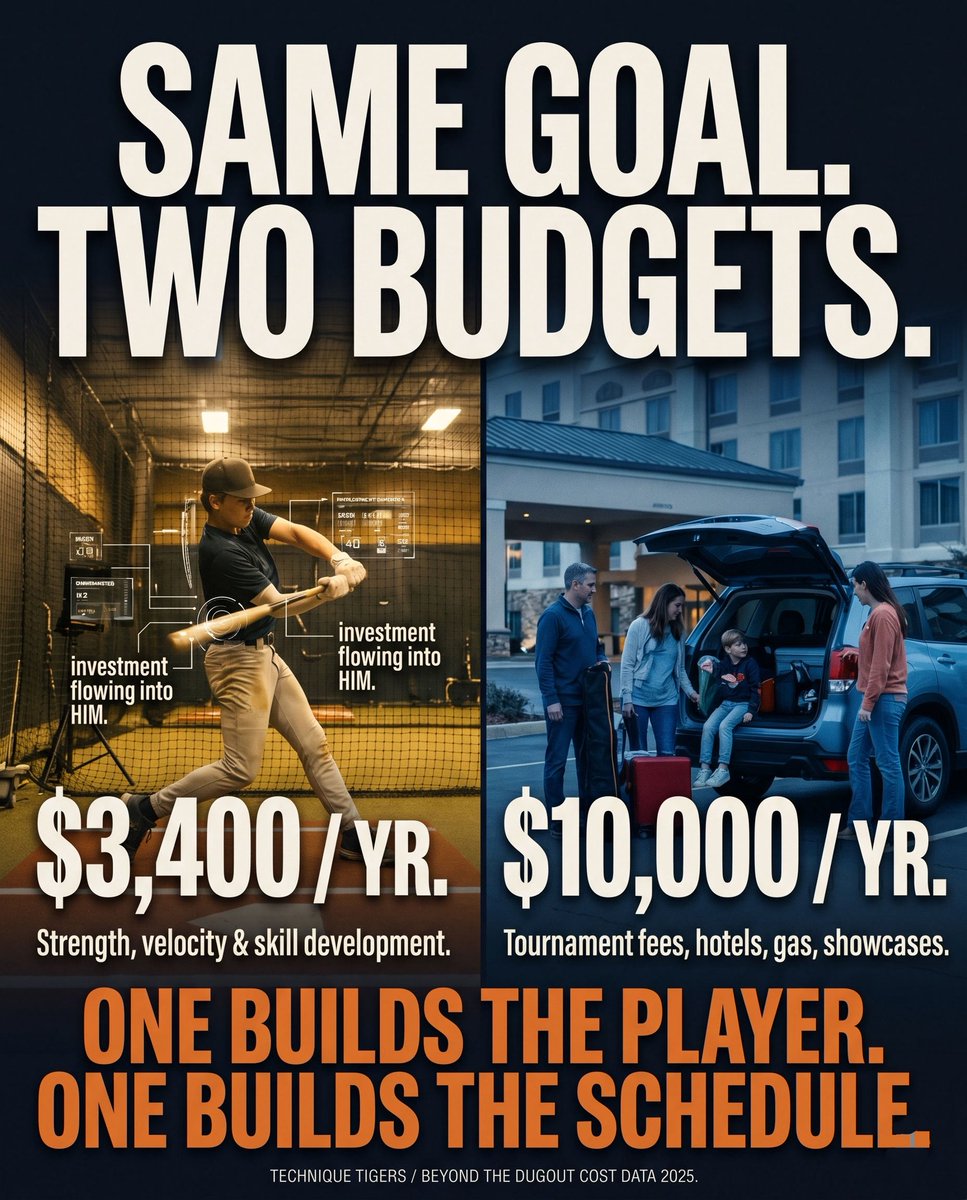
🔸 ~$3,400/yr → strength, velocity & skill development that builds the metrics coaches want.
🔸 $10,000/yr → tournament fees, hotels, gas, and showcases.
One builds the player. One builds the schedule.
Even an MLB MVP has called it out — that travel ball makes you “pay thousands of dollars for the chance to be noticed.”
So why do smart parents keep paying? Because walking away means admitting the last $40,000 was lost. So they double down. It’s not a development plan — it’s a sunk cost.
Here’s the truth: your son isn’t behind on talent. He’s behind on development. And that’s fixable for a fraction of what you’re spending. 🔥
👉 Build the numbers that get him recruited. Join the 3X Velocity Camp:
topvelocity.org/3x-velocity-…
(tap the link in our bio)
⚾ SAVE this and SEND it to a baseball parent before they write the next check.
—
📚 Sources: NCAA Probability of Competing Beyond High School (2024–25) • NCAA / House Settlement roster & scholarship changes (July 2025) • Beyond the Dugout & Technique Tigers travel-ball cost data (2025) • NCAA recruiting / exit-velocity benchmarks (2026) • Aspen Institute Project Play

1
1
13
3,932


🚨 Deadlifts don’t make you explosive.
That’s a hard truth most baseball players never hear.
A deadlift builds strength.
A Power Clean builds power.
And power is what transfers to the mound.
Why?
Because a deadlift has no speed requirement. You can grind the weight up as slowly as you want.
A Power Clean is different. Once the bar reaches the hips, you have to explode. If you don’t create enough speed and force, the lift fails.
That’s the difference between training to be strong…
And training to throw 95 .
The biggest mistake I see players make is spending years in the weight room getting stronger without ever developing the explosive power required to increase velocity.
If your goal is to throw harder, every exercise in your program should have a purpose.
Want to learn exactly how we build explosive power, velocity, and arm durability inside the TopVelocity system?
⚾ Get access to the TopVelocity Player Portal.
✅ 15 structured training programs
✅ Olympic lifting progressions
✅ AI biomechanics analysis
✅ Pitch tracking & performance analytics
✅ Arm health monitoring
✅ Direct coaching and video instruction
🔗 Register at TopVelocity.org
Stop guessing. Start training like velocity matters.
1
1
16
4,817
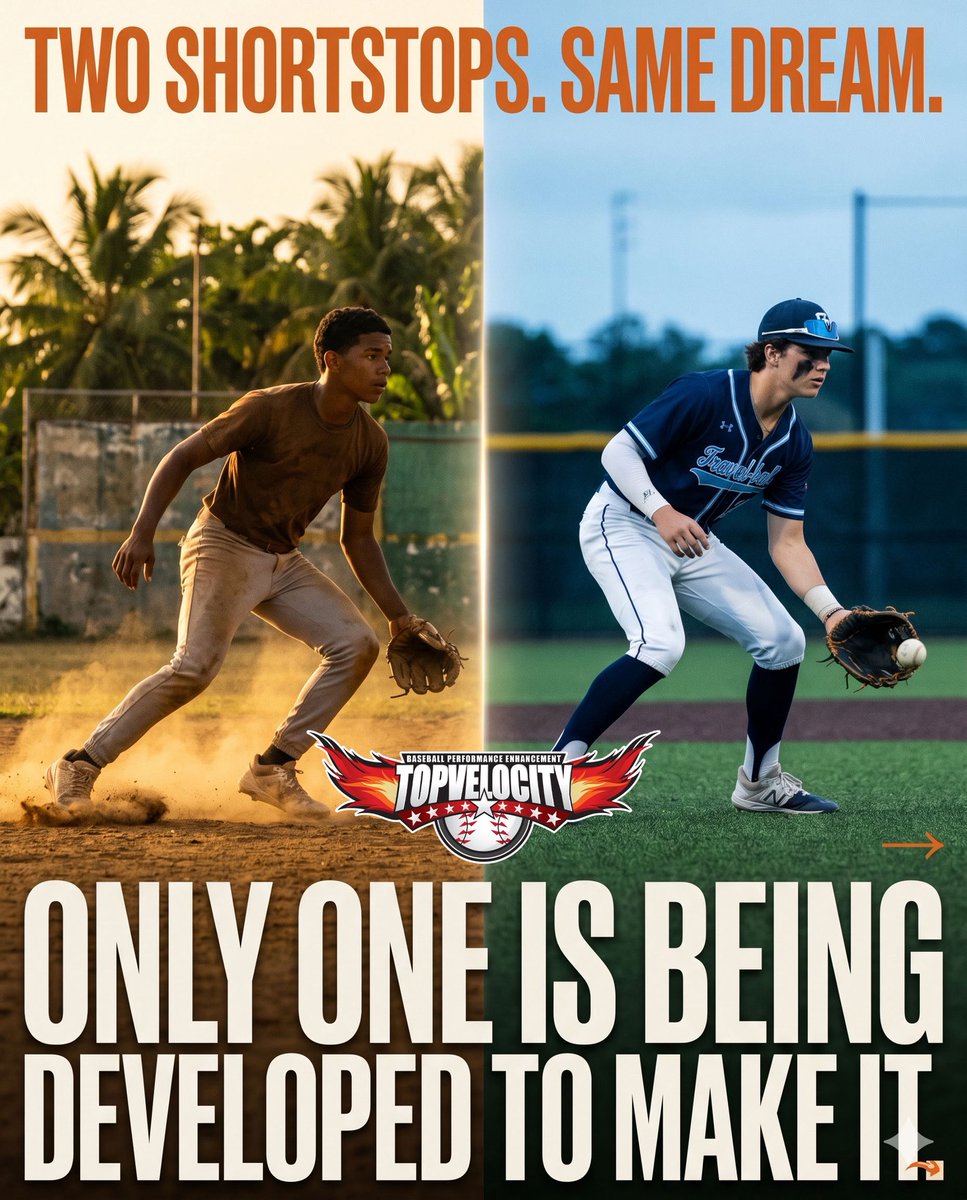
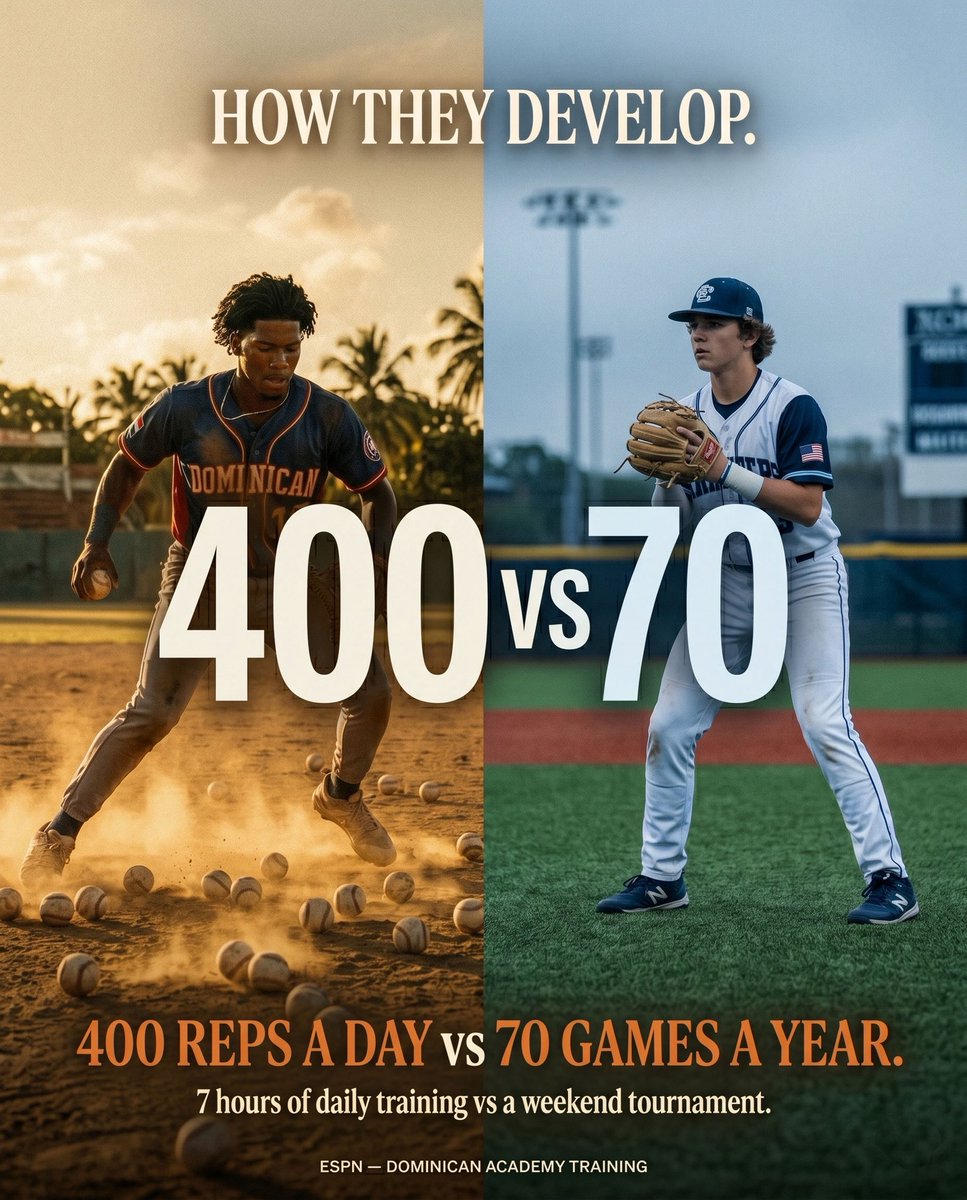
Two shortstops. Same dream. Only one is being developed to actually make it. 👇
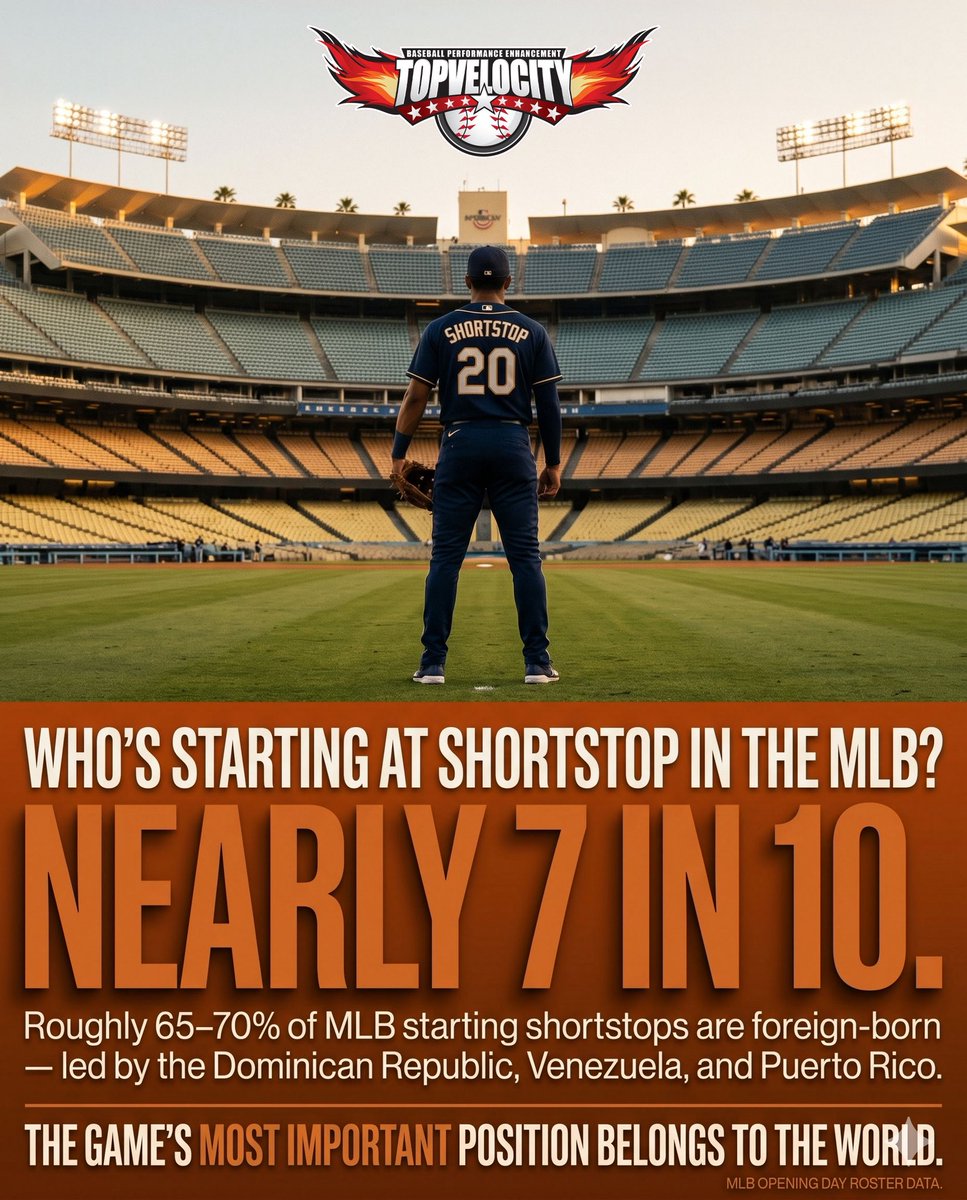
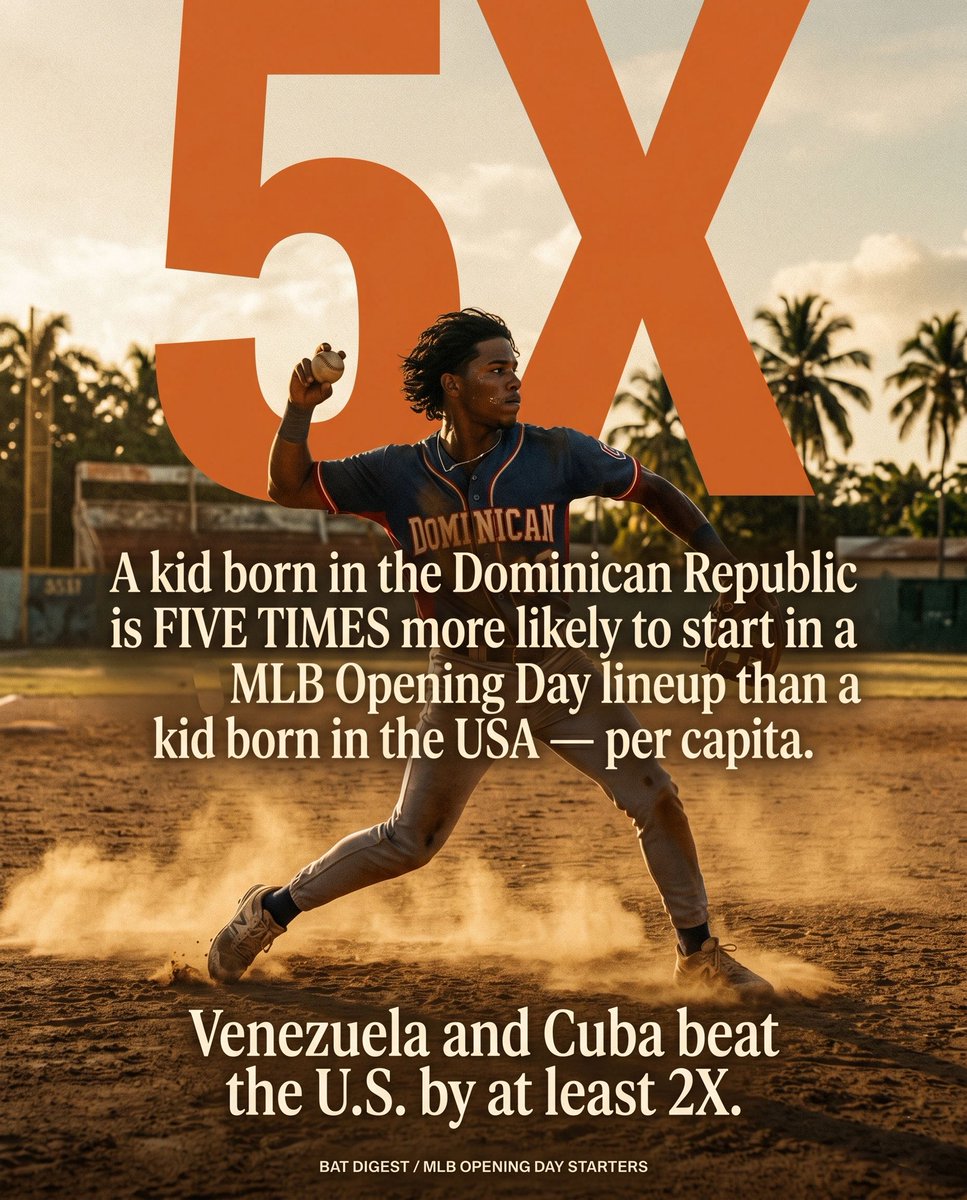
Roughly 65–70% of MLB starting shortstops are foreign-born — nearly 7 in 10 — led by the Dominican Republic, Venezuela, and Puerto Rico. The game’s most important position belongs to the world.
Why? The development model:
🔹 400 reps a DAY vs 70 GAMES a year. Academy players train ~7 hours a day. American kids play game after game and barely practice. Games don’t build shortstops. Reps do.
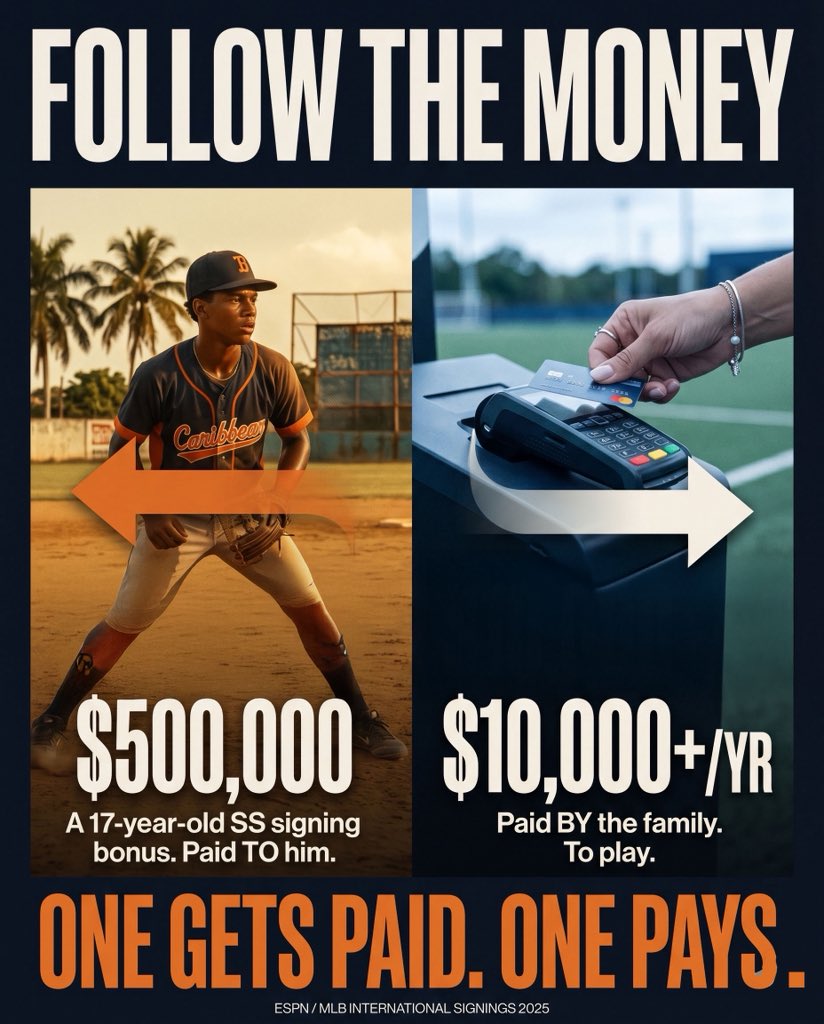
🔹 The money is flipped. Dominican shortstop Elián Peña signed a $5 MILLION bonus at 17. They get PAID to develop. American families PAY $10,000 a year just to play.
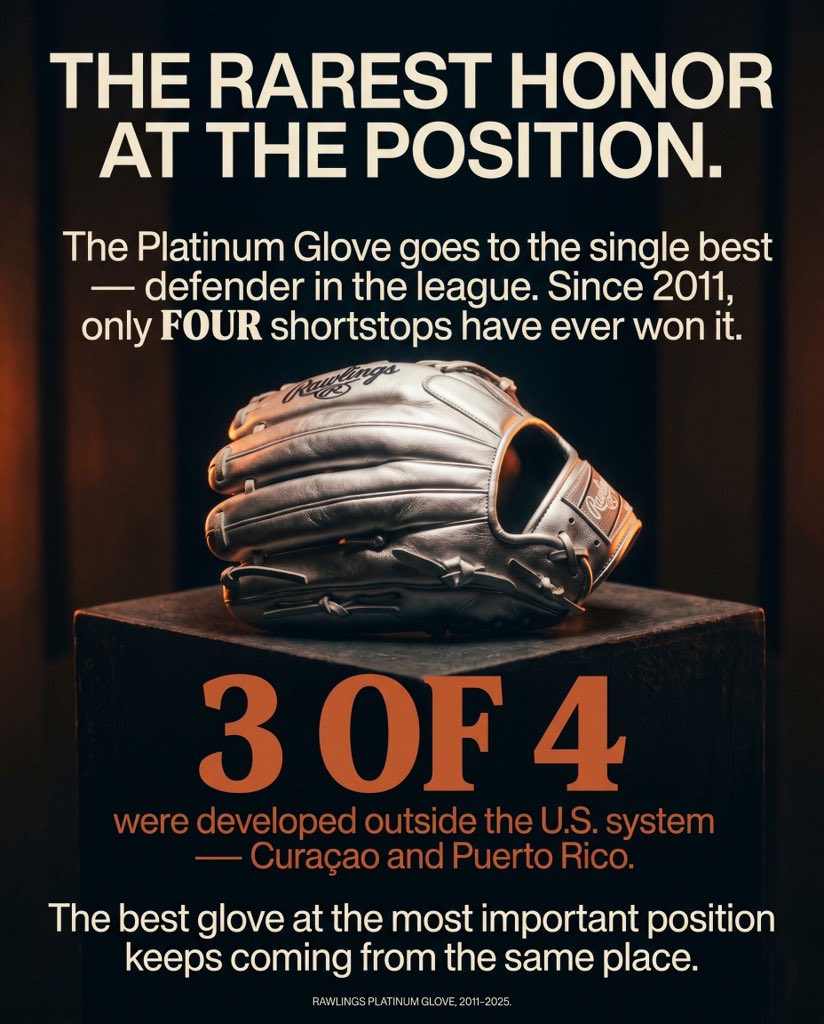
🔹 The rarest honor proves it. Since 2011, only 4 shortstops have ever won the Platinum Glove (best defender in the league). 3 of 4 were developed outside the U.S. system.
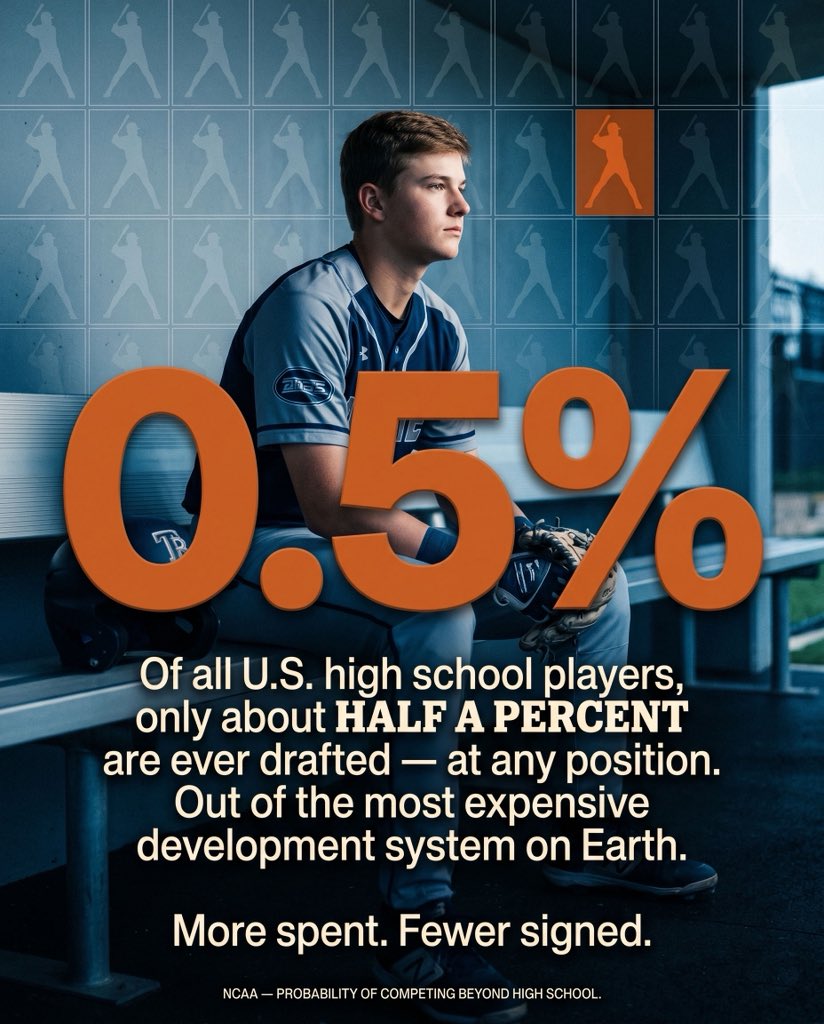
Meanwhile, only about 0.5% of U.S. high schoolers are ever drafted — out of the most expensive system on Earth. More spent. Fewer signed.
Here’s the truth: your son isn’t behind on talent. He’s behind on development. And that’s fixable. 🔥
👉 Train him like the best in the world. Join the 3X Velocity Camp:
topvelocity.org/3x-velocity-…
(tap the link in our bio)
⚾ SAVE this and SEND it to a shortstop’s parent who needs to see the numbers.
1
1
1
986