
🇨🇦Gardener, reader. early retrmt 55. Vxd. Mask wearer. PEC & Scottish roots. Freq JPN & SIN trvllr. Overeduc8d & Underopinion8d. 4🐝. DDD.
Joined October 2008
- Tweets 42,209
- Following 2,273
- Followers 2,095
- Likes 227,679
7,025 Photos and videos











Pinned Tweet

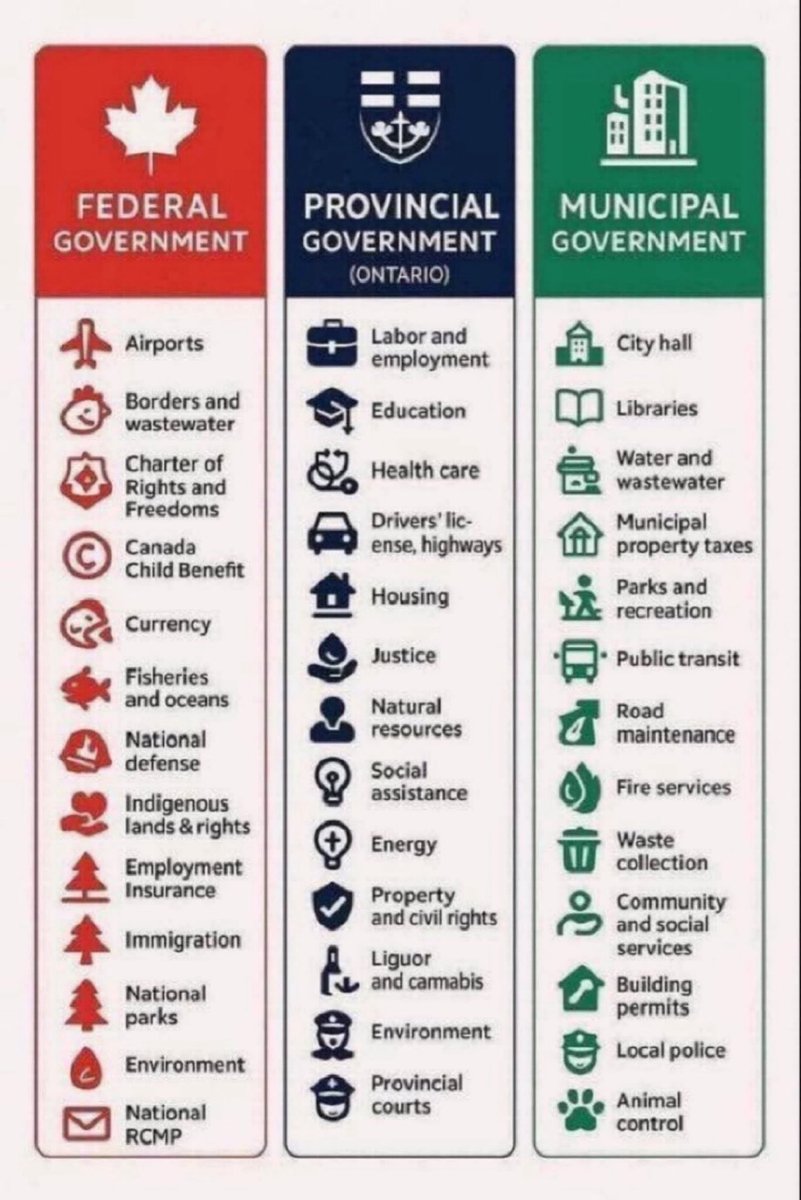
Our family tradition this past year has become yelling obscenities at the 6 o'clock news whenever Premier Cheesecake or one of his many minions, phartcatchers & bagboys appear on the screen. Now that the weather is warmer, windows are open--I'd like to apologize to the neighbours
6
8
112
..ღ..Midtown Toronto Pedestrian🇨🇦..ღ.. retweeted

Jun 15
⚠️ 🧠 The Silent Neurological Storm: How Long Covid Brain Damage Is Quietly Fueling Catastrophic Errors in the Skies and Beyond
In the humid morning air over Rio de Janeiro on June 14, 2026, two helicopters collided mid-air in a fiery tragedy that killed six people, including 32-year-old American singer Oliver Tree and Argentine YouTuber Gaspi. One aircraft slammed into a dealership parking lot filled with electric vehicles, triggering a blaze. Investigators from Brazil’s CENIPA are still determining the precise cause — mechanical, procedural, human factors, or a deadly combination. What they cannot yet measure is whether an invisible epidemic of subtle brain impairment, left behind by Covid-19 and Long Covid, played any role in eroding the razor-sharp cognition these high-stakes operations demand.
This is not a claim that Long Covid caused this specific crash. It is a warning, grounded in mounting peer-reviewed evidence, that the virus’s documented assault on the brain is creating conditions in which exactly these kinds of incidents — sudden losses of situational awareness, misjudged distances, slowed executive decisions in complex environments — become statistically more likely across aviation, transportation, medicine, and other critical domains. The data is no longer theoretical. It is measurable, replicated, and alarming.
Large-scale studies have established that Covid-19 infection frequently produces objective cognitive deficits that persist well beyond the acute phase. A major 2024 analysis in the New England Journal of Medicine of over 100,000 participants found small but consistent impairments in memory, reasoning, and executive function even among those whose symptoms resolved quickly. Deficits were substantially larger — equivalent to noticeable “brain fog” affecting daily performance — in people with ongoing Long Covid symptoms. These are not subjective complaints; they correlate with measurable changes on cognitive testing.
Advanced imaging and biomarker research reveals the physical basis. Multiple studies document reduced gray matter thickness in frontal and memory-related brain regions, signs of neuroinflammation, and elevated blood markers of brain injury in recovered patients. One global study highlighted that older adults face roughly double the risk of moderate-to-severe dementia-like cognitive impairment after infection. Even younger individuals show disrupted neurovascular coupling — the brain’s ability to deliver oxygen precisely where neurons need it during demanding tasks — and persistent microglial activation long after the virus clears.
These deficits strike exactly the cognitive domains pilots and other safety-critical professionals rely upon: sustained attention, rapid decision-making under uncertainty, spatial awareness, multitasking, and error detection. A 2025 study in PLOS Global Public Health linked recent SARS-CoV-2 infection to elevated car-crash risk at the population level, consistent with impaired reaction time and judgment. Aviation medicine literature from 2021–2022 already flagged Long Covid symptoms — profound fatigue, brain fog, slowed thinking, and concentration difficulties — as potential threats to pilot performance. The FAA issued guidance directing aviation medical examiners to carefully evaluate neurological and cognitive residuals before clearing pilots. Some aeromedical experts described the risk in stark terms: in an environment with zero tolerance for lapses, even modest impairments can convert routine operations into disasters.
1/2
Jun 15

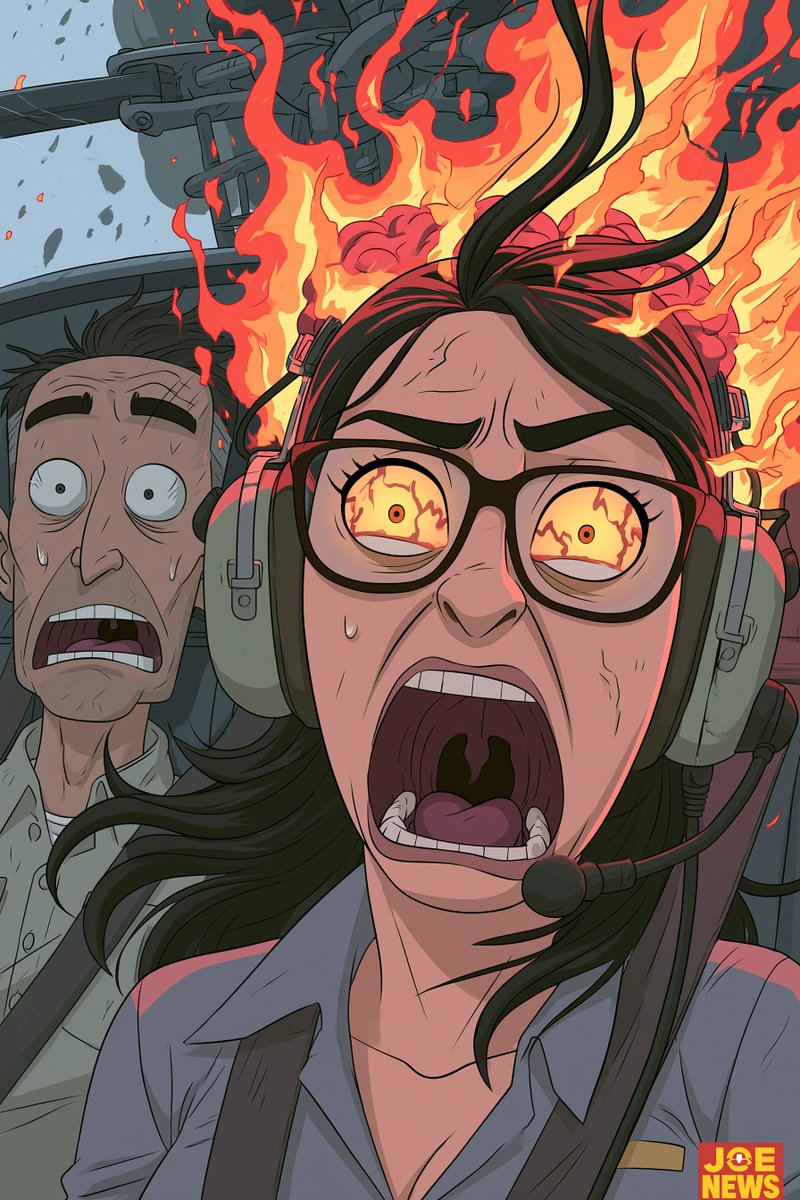
Helicopters Falling from the Sky
Singer Oliver Tree dead at 32 following tragic helicopter crash
pagesix.com/2026/06/14/celeb…..
1
4
13
737
Jun 14

Between Tesla and SpaceX Elon got 38,000 million dollars in government subsidies on his way to becoming the world's first trillionaire, or about $120 for every man, woman, and child in the USA. That makes Sissy SpaceX the biggest immigrant welfare queen in American history
1
29

Any orthanologists out there in midtown? Hearing lot of grey-cheeked thrushes this past week. I am totally unfamiliar with their call/song. Sounded like a video game until I used merlin to ID. Very cool.
72
..ღ..Midtown Toronto Pedestrian🇨🇦..ღ.. retweeted

I wish the Ontario patient in agony in an ER chair (because there are no open beds) had the same lobbying capacity like the American bank JP Morgan worth $795 billion and who own Billy Bishop airport. Protect Ontario. Op-Ed by @richardwarnica
thestar.com/opinion/star-col…

18
253
494
6,862
..ღ..Midtown Toronto Pedestrian🇨🇦..ღ.. retweeted
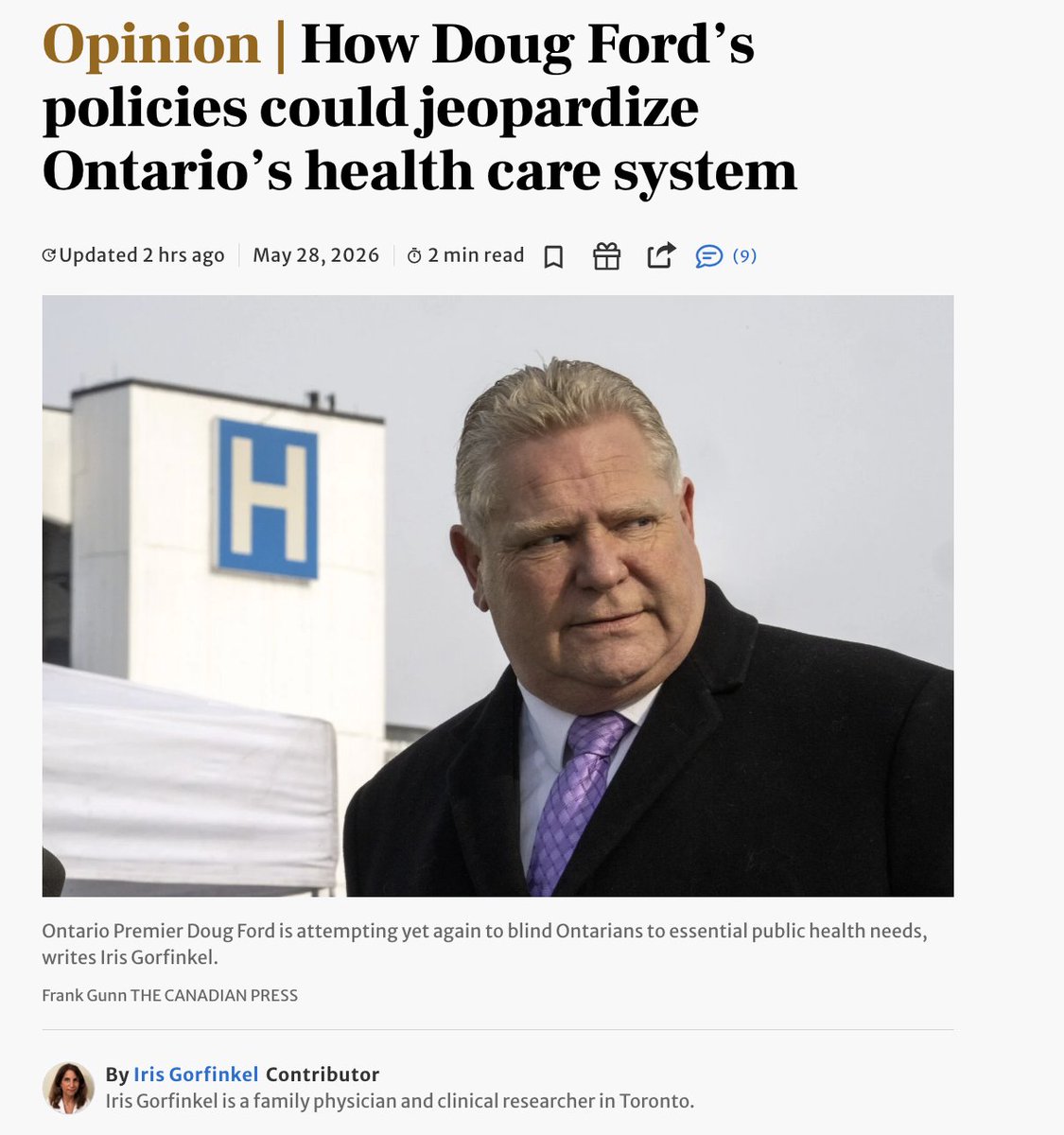
"Government secrecy erodes public trust and invites corruption. Its antidote is transparency. Each of the Ford government’s actions — on overdoses, homelessness, privatization, and infectious diseases — should be rolled back" - key Op-Ed by @DrGorfinkel
thestar.com/opinion/contribu…
6
33
82
951
..ღ..Midtown Toronto Pedestrian🇨🇦..ღ.. retweeted

Posible contagio de Ébola en Austria.
Creo que tenemos claro que si los encargados de velar por la Salud pública de la ciudadanía en esta crisis de Ébola son los mismos que llevan seis años gestionando la pandemia de COVID, es para echarse a temblar. Ineptos absolutos.
May 28
'Deadliest Ebola outbreak on record' has now potentially hit Europe
A potential Ebola patient is being kept under isolation in Austria while tests are conducted
ladbible.com/news/world-news…
1
3
10
391
..ღ..Midtown Toronto Pedestrian🇨🇦..ღ.. retweeted

apparently there has been a shocking increase in covid infections at Trillium Hospital Mississauga & Etobicoke, and local pharmacies have been notified to begin covid shots again. Let people know who may have been at these hospitals or live in the area.
18
87
255
12,886

“study suggests acute Cvd, regardless of LC status, linked to ⬆️ risk of car crash presumably due to neurologic changes caused by SARS-CoV-2…OR of car crashes with Cvd comparable to driving under influence of alcohol at legal limits or seizure disorder”
neurology.org/doi/10.1212/01…
1
11
20
2,782
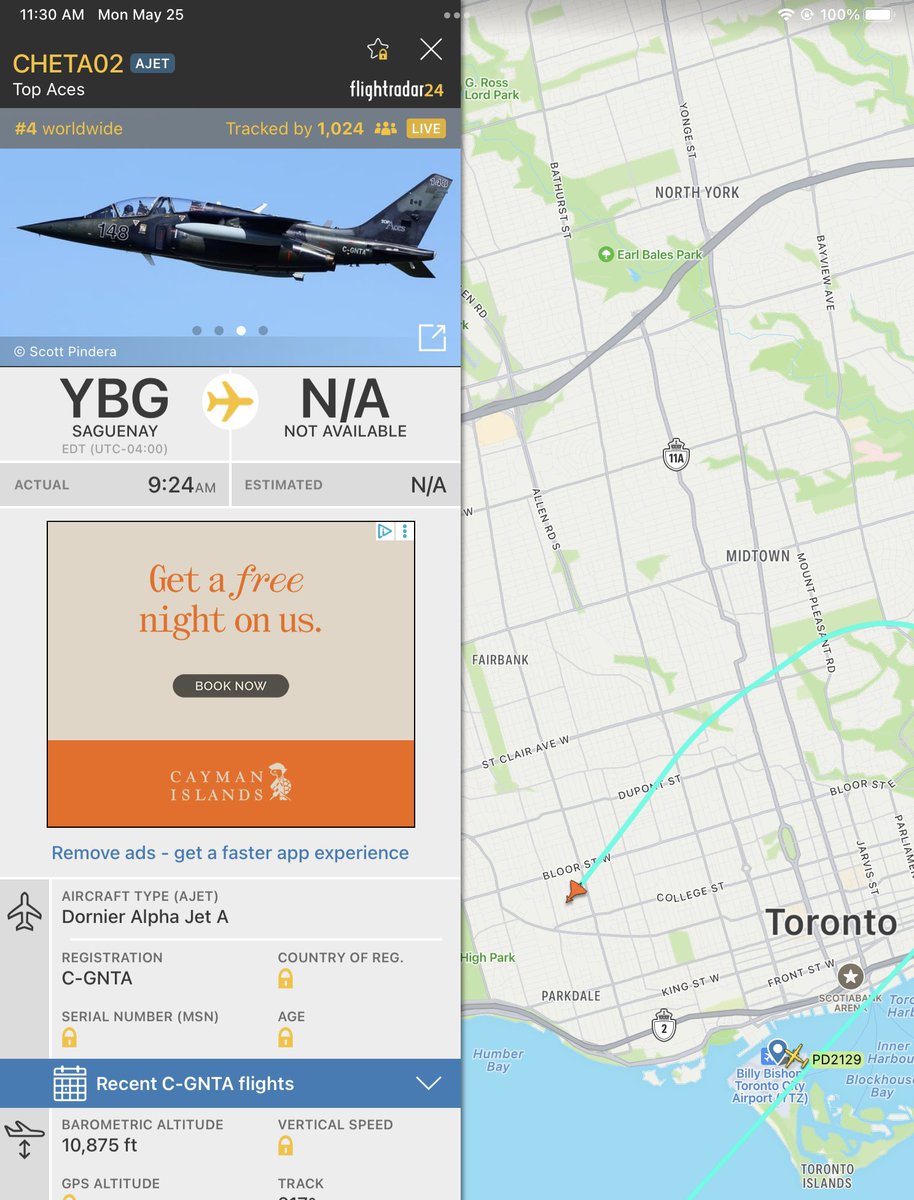
I thought it sounded like Air Show just now....
30
..ღ..Midtown Toronto Pedestrian🇨🇦..ღ.. retweeted
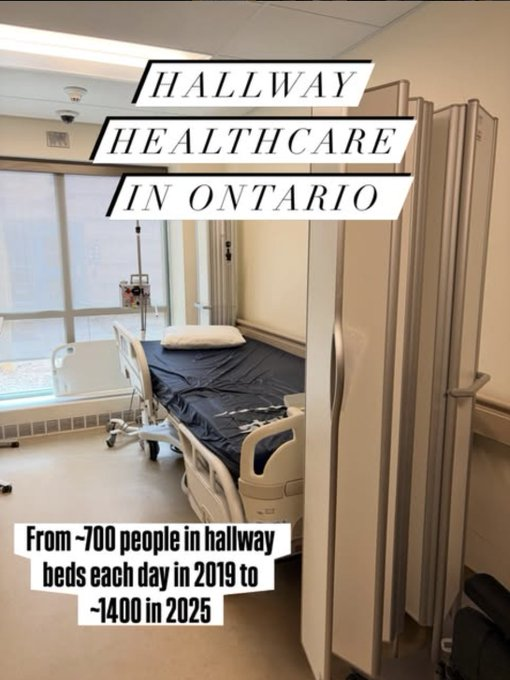
Wake up time. The problem in Toronto isn't EMS being delayed by bike lanes. The problem is when EMS arrives there isn't an ER bed to offload. So the patient and crew remain in the foyer or hall and nothing happens. We underfund our hospitals and we focus on the wrong problem.
20
198
431
4,350
..ღ..Midtown Toronto Pedestrian🇨🇦..ღ.. retweeted

May 21
We can blame screens, social media, ultra-processed foods, or climate change, but the truth is that we have been infected by a vascular, multisystemic, immunosuppressive, and neurotropic virus, with countless studies documenting the damage it causes to the immune system
👇
May 21

There are lots of things that make us more vulnerable to infections.
That doesn't mean that any one of them *causes* infections or is *singly responsible for them*.
None of this list is controversial:
8
22
1,195
Neighbour has "levelled up" the unofficial unspoken unacknowledged (but there, nonetheless) gardening competition in the 'hood. Incredible display.

31
..ღ..Midtown Toronto Pedestrian🇨🇦..ღ.. retweeted

May 17
Those who put in extra effort to avoid Covid, by masking, testing, avoiding risky situations etc. do so because they follow the science, observe and acknowledge the reality, and know that any regrets they may have for doing so, will pale in comparison to the regrets that those who embraced constant infections will have when they realize what they have done to themselves and their kids if they have any.
26
290
1,578
26,815
Wowzers.
May 11

Study: Presence and Persistence of Andes Virus RNA in Human Semen
"We demonstrate that the ANDV genome persists within the reproductive tract for at least 71 months.... Taken together, our results show that ANDV has the potential for sexual transmission.
PMC
pmc.ncbi.nlm.nih.gov/article…
94
..ღ..Midtown Toronto Pedestrian🇨🇦..ღ.. retweeted

May 11
The same people who told you in 2020 that Covid didn't spread easily are now telling you that Andes Hantavirus doesn't spread easily.
They might be right this time.
But they were wrong last time.
32
347
1,949
21,271

Canada Gooses are majestic, barrel chested, the enemies of all ornithologists... vt.tiktok.com/ZS9n9CwB7/
41
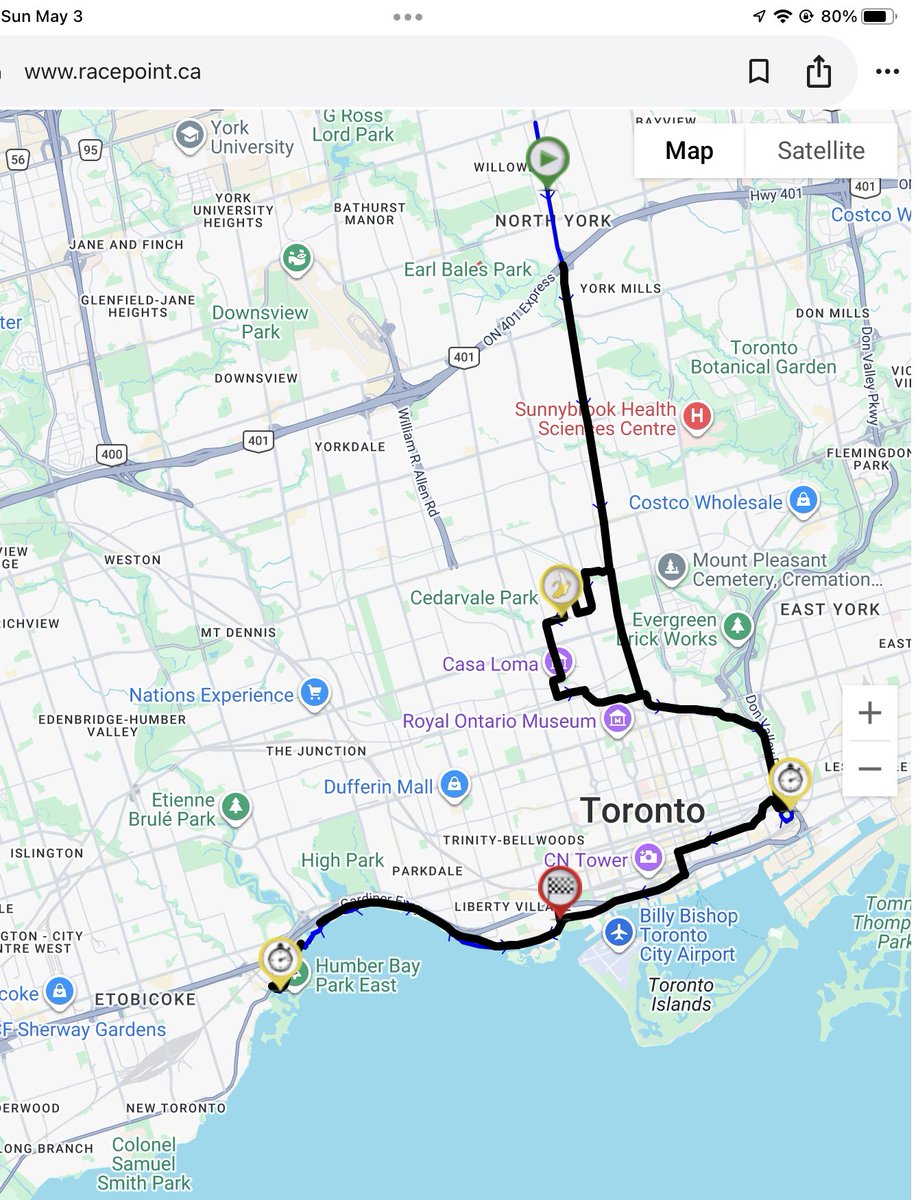
Whelp. For the next few hours we're either going west or we're not going at all. 🤷♀️🤷🤷♂️ #TorontoMaratho
225