
Joined April 2021
- Tweets 393
- Following 632
- Followers 154
- Likes 1,413
14 Photos and videos




tgoerke.bsky.social retweeted

13 Dec 2024
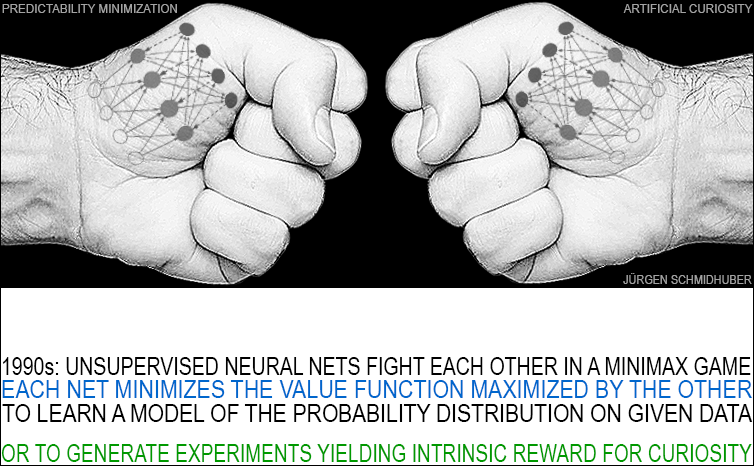
Yet another award for plagiarism. Of all the papers that could have won the #NeurIPS2024 Test of Time Award, it had to be the #NeurIPS 2014 paper on "Generative Adversarial Networks" [GAN1]. This is the notorious paper that republished the 1990 principle of Artificial Curiosity [AC90,AC90b,AC20,AC][R2] under a new name without citing it. See references [AC90,AC90b] (1990-91) that were published when compute was about 100,000 times more expensive than in 2014: two neural nets (NNs) fight each other. A control network with adaptive stochastic Gaussian units (a generative model) generates output data. This output is fed into a predictor NN which learns by gradient descent to predict the effects of the outputs. However, in a minimax game, the first NN maximizes the loss minimized by the second NN. See Section "Implementing Dynamic Curiosity and Boredom" of [AC90,AC90b]: it mentions preliminary experiments where (in absence of external reward) the predictor minimizes a linear function of what the generator maximizes.
Even later surveys by the authors failed to cite the original work [DLP].
One year later, in 1991, there was also another 2-network adversarial system called "Predictability Minimization" [PM0,PM1] for creating disentangled representations. The 2014 GAN paper [GAN1] cites it, but wrongly claims that PM is NOT a minimax game. However, PM experiments from 1991 [PM0,PM1] and 1996 [PM2] (with images) are of the minimax type. The 2014 GAN authors have never corrected their 2014 paper [DLP].
There is a peer-reviewed journal publication on this priority dispute [AC20]. (Other early adversarial machine learning settings since 1959 [S59][H90] were very different - they neither involved self-supervised NNs where one NN sees the output of another generative NN and tries to predict its consequences, nor were about modeling data, nor used gradient descent [AC20].)
Of course, it is well known that plagiarism can be either "unintentional" or "intentional or reckless" [PLAG1-6], and the more innocent of the two may very well be partially the case here [NOB][DLP]. But science has a well-established way of dealing with "multiple discovery" and plagiarism - be it unintentional [PLAG1-6][CONN21] or not [FAKE,FAKE2] - based on facts such as time stamps of publications and patents. The deontology of science requires that unintentional plagiarists correct their publications through errata and then credit the original sources properly in the future. The awardees didn't; instead the awardees kept collecting citations for inventions of other researchers [DLP]. Isn't this behaviour intentional plagiarism as it turns even unintentional plagiarism [PLAG1-6] into an intentional form [FAKE2][NOB][DLP]?
Some people have lost their titles or jobs due to plagiarism. Harvard's former president resigned after some drama [PLAG7][NOB]. But how can advisors from the field of Machine Learning now continue to tell their PhD students that they should avoid plagiarism?
REFERENCES
[GAN1] I. Goodfellow, J. Pouget-Abadie, M. Mirza, B. Xu, D. Warde-Farley, S. Ozair, A. Courville, Y. Bengio. Generative adversarial nets. NIPS 2014, 2672-2680, Dec 2014. A description of GANs that does not cite J. Schmidhuber's original GAN principle of 1990 [AC90,AC90b][AC20][AC][DLP] (also containing wrong claims about J. Schmidhuber's separate adversarial NNs for Predictability Minimization [PM1-2][AC20][DLP]).
[AC90] J. Schmidhuber. Making the world differentiable: On using self-supervised fully recurrent neural networks for dynamic reinforcement learning and planning in non-stationary environments. Technical Report FKI-126-90, TUM, Feb 1990, revised Nov 1990. The first paper on planning with reinforcement learning recurrent neural networks (NNs) and on generative adversarial networks where a generator NN is fighting a predictor NN in a minimax game.
[AC90b] J. Schmidhuber. A possibility for implementing curiosity and boredom in model-building neural controllers. In J. A. Meyer and S. W. Wilson, editors, Proc. of the International Conference on Simulation of Adaptive Behavior: From Animals to Animats, pages 222-227. MIT Press/Bradford Books, 1991. Based on [AC90].
[AC20] J. Schmidhuber. Generative Adversarial Networks are Special Cases of Artificial Curiosity (1990) and also Closely Related to Predictability Minimization (1991). Neural Networks, Volume 127, p 58-66, 2020.
[AC] J. Schmidhuber (AI Blog, 2021). Artificial Curiosity & Creativity Since 1990-91.
[PM0] J. Schmidhuber. Learning factorial codes by predictability minimization. TR CU-CS-565-91, Univ. Colorado at Boulder, 1991.
[PM1] J. Schmidhuber. Learning factorial codes by predictability minimization. Neural Computation, 4(6):863-879, 1992.
[PM2] J. Schmidhuber, M. Eldracher, B. Foltin. Semilinear predictability minimzation produces well-known feature detectors. Neural Computation, 8(4):773-786, 1996.
[R2] Reddit/ML, 2019. J. Schmidhuber really had GANs in 1990.
[S59] A. L. Samuel. Some studies in machine learning using the game of checkers. IBM Journal on Research and Development, 3:210-229, 1959.
[H90] W. D. Hillis. Co-evolving parasites improve simulated evolution as an optimization procedure. Physica D: Nonlinear Phenomena, 42(1-3):228-234, 1990.
[DLP] J. Schmidhuber (2023). How 3 Turing awardees republished key methods and ideas whose creators they failed to credit. Technical Report IDSIA-23-23, Swiss AI Lab IDSIA, 14 Dec 2023.
[NOB] J. Schmidhuber (Dec 2024). A Nobel Prize for Plagiarism. Technical Report IDSIA-24-24. Sadly, the Nobel Prize in Physics 2024 for Hopfield & Hinton is a Nobel Prize for plagiarism. They republished methodologies developed in Ukraine and Japan by Ivakhnenko and Amari in the 1960s & 1970s, as well as other techniques, without citing the original papers. Even in later surveys, they didn't credit the original inventors (thus turning what may have been unintentional plagiarism into a deliberate form). None of the important algorithms for modern Artificial Intelligence were created by Hopfield & Hinton.
[PLAG1] Oxford's guide to types of plagiarism (2021). Quote: "Plagiarism may be intentional or reckless, or unintentional."
[PLAG2] Jackson State Community College (2022). Unintentional Plagiarism.
[PLAG3] R. L. Foster. Avoiding Unintentional Plagiarism. Journal for Specialists in Pediatric Nursing; Hoboken Vol. 12, Iss. 1, 2007.
[PLAG4] N. Das. Intentional or unintentional, it is never alright to plagiarize: A note on how Indian universities are advised to handle plagiarism. Perspect Clin Res 9:56-7, 2018.
[PLAG5] InfoSci-OnDemand (2023). What is Unintentional Plagiarism?
[PLAG6] Copyrighted dot com (2022). How to Avoid Accidental and Unintentional Plagiarism (2023). Quote: "May it be accidental or intentional, plagiarism is still plagiarism."
[PLAG7] Cornell Review, 2024. Harvard president resigns in plagiarism scandal. 6 January 2024.
[FAKE] H. Hopf, A. Krief, G. Mehta, S. A. Matlin. Fake science and the knowledge crisis: ignorance can be fatal. Royal Society Open Science, May 2019. Quote: "Scientists must be willing to speak out when they see false information being presented in social media, traditional print or broadcast press" and "must speak out against false information and fake science in circulation and forcefully contradict public figures who promote it."
[FAKE2] L. Stenflo. Intelligent plagiarists are the most dangerous. Nature, vol. 427, p. 777 (Feb 2004). Quote: "What is worse, in my opinion, ..., are cases where scientists rewrite previous findings in different words, purposely hiding the sources of their ideas, and then during subsequent years forcefully claim that they have discovered new phenomena."
33
138
774
228,695


tgoerke.bsky.social retweeted

26 Nov 2024
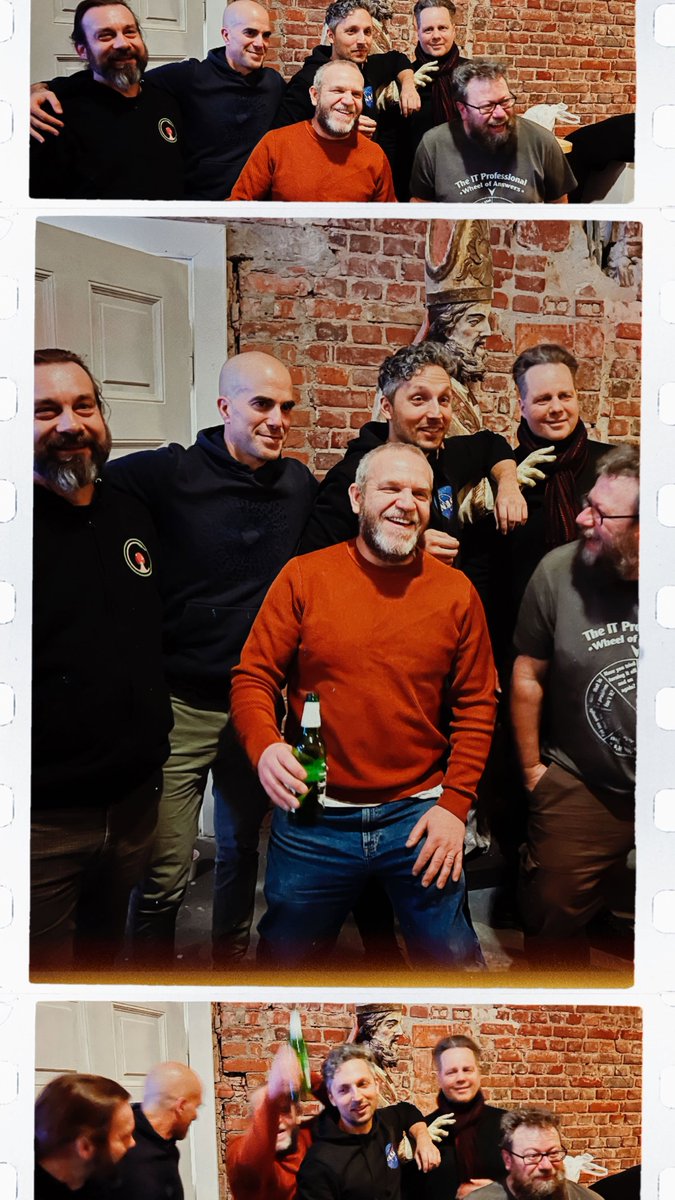
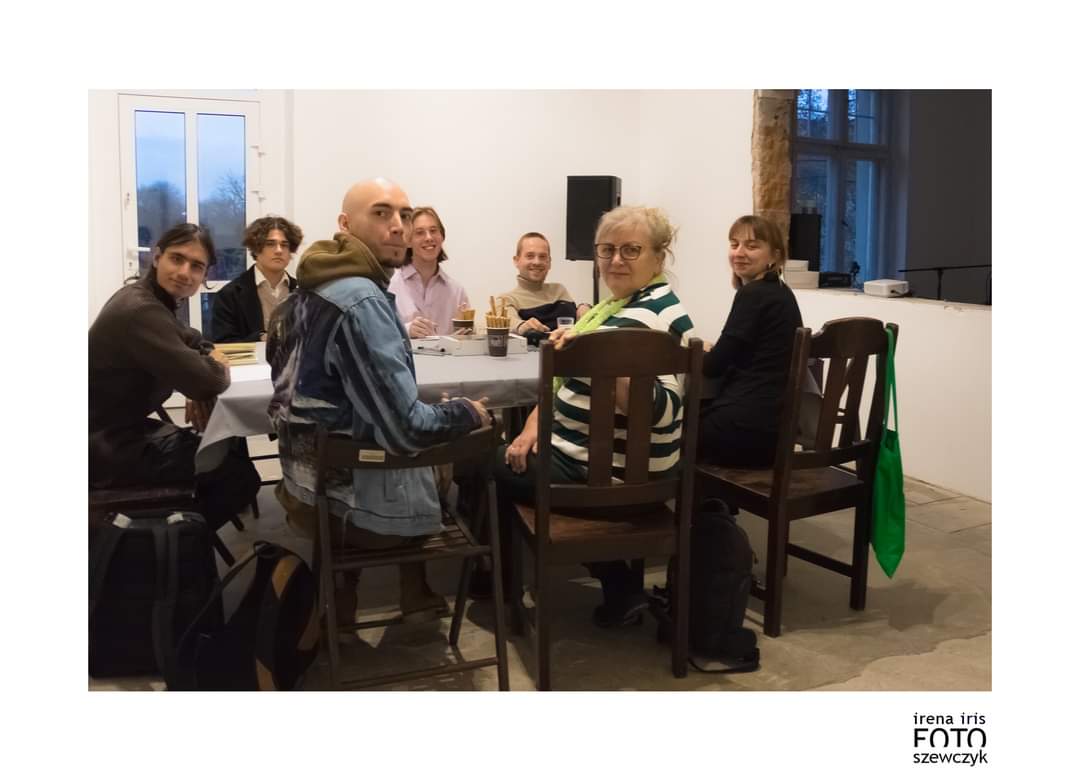
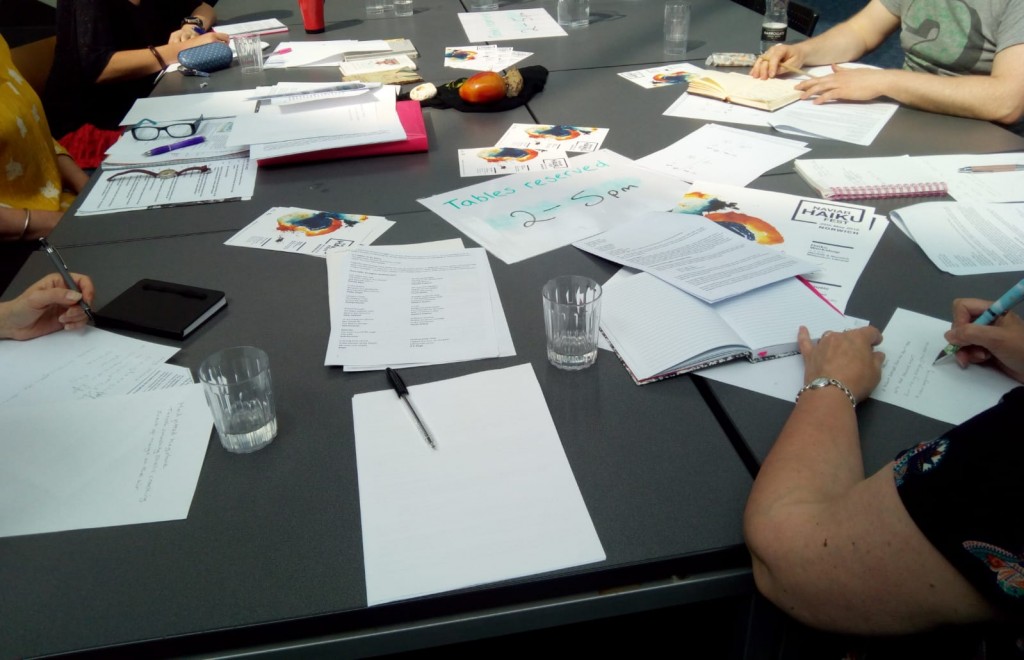
First concert in Poland was a blast!
Thank you all for helping us bring this new event to life. More pics and videos soon!
2
4
143
tgoerke.bsky.social retweeted
19 Nov 2024
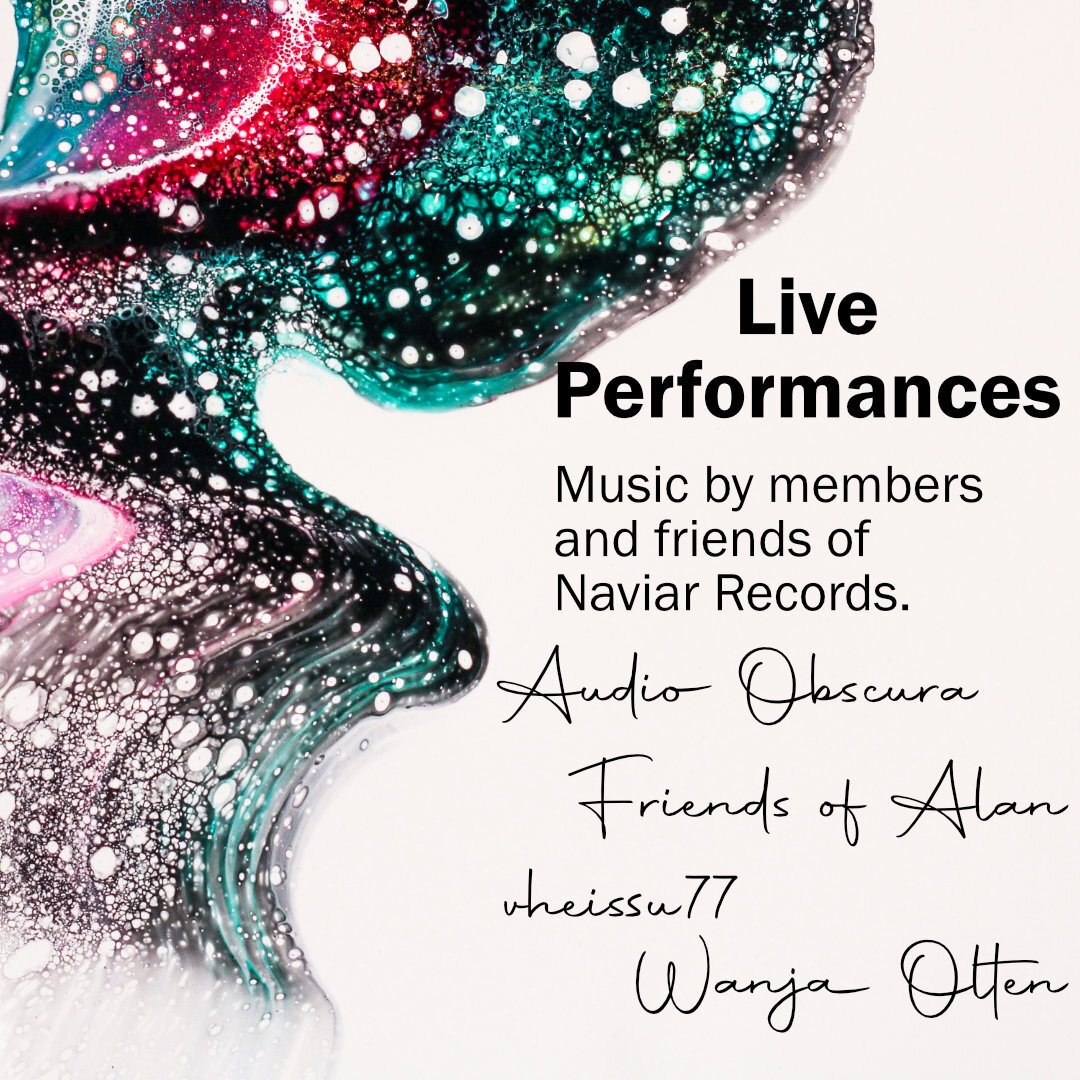
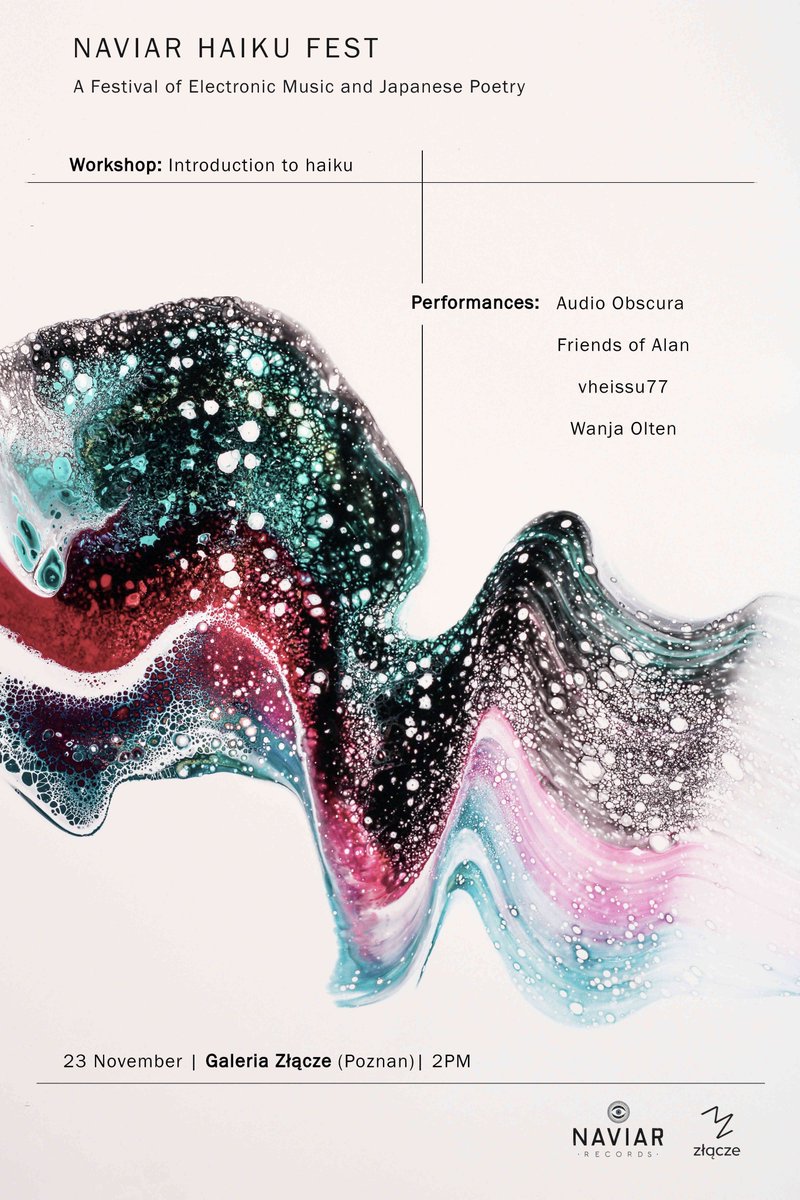
Here's a quick guide to our upcoming show in Poland this weekend!
More info here naviarrecords.com/naviar-hai…


3
5
104
tgoerke.bsky.social retweeted
5 Nov 2024
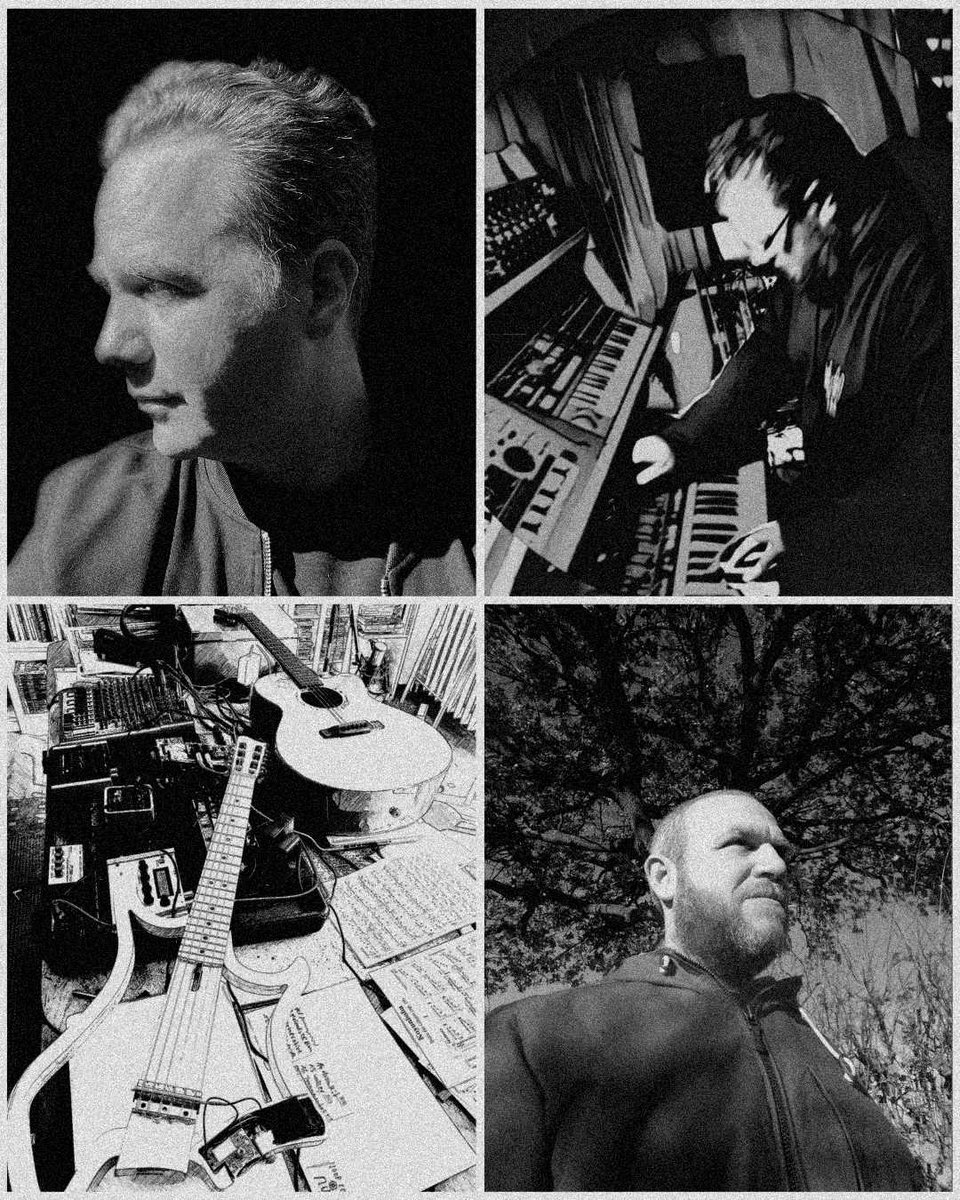
Check out the lineup of our upcoming show in Poland: naviarrecords.com/naviar-hai…
2
4
138
tgoerke.bsky.social retweeted
28 Oct 2024
First event in Continental Europe next month!
If you're in Poland, come and see members and friends of Naviar Records playing live at the amazing Złącze in Poznan. For all the others, you can stream the whole event live from Naviar's Bandcamp page.
naviarrecords.com/naviar-hai…
1
6
9
242
tgoerke.bsky.social retweeted
9 Nov 2024
The vast majority of Naviar’s events are self-funded. As we’re about to host our 1st show in Europe, consider supporting us by subscribing to our Bandcamp membership, buying one of our releases, or simply by joining our Bandcamp live stream on the day of the event. Thank you.
3
8
110
tgoerke.bsky.social retweeted

7 Nov 2024
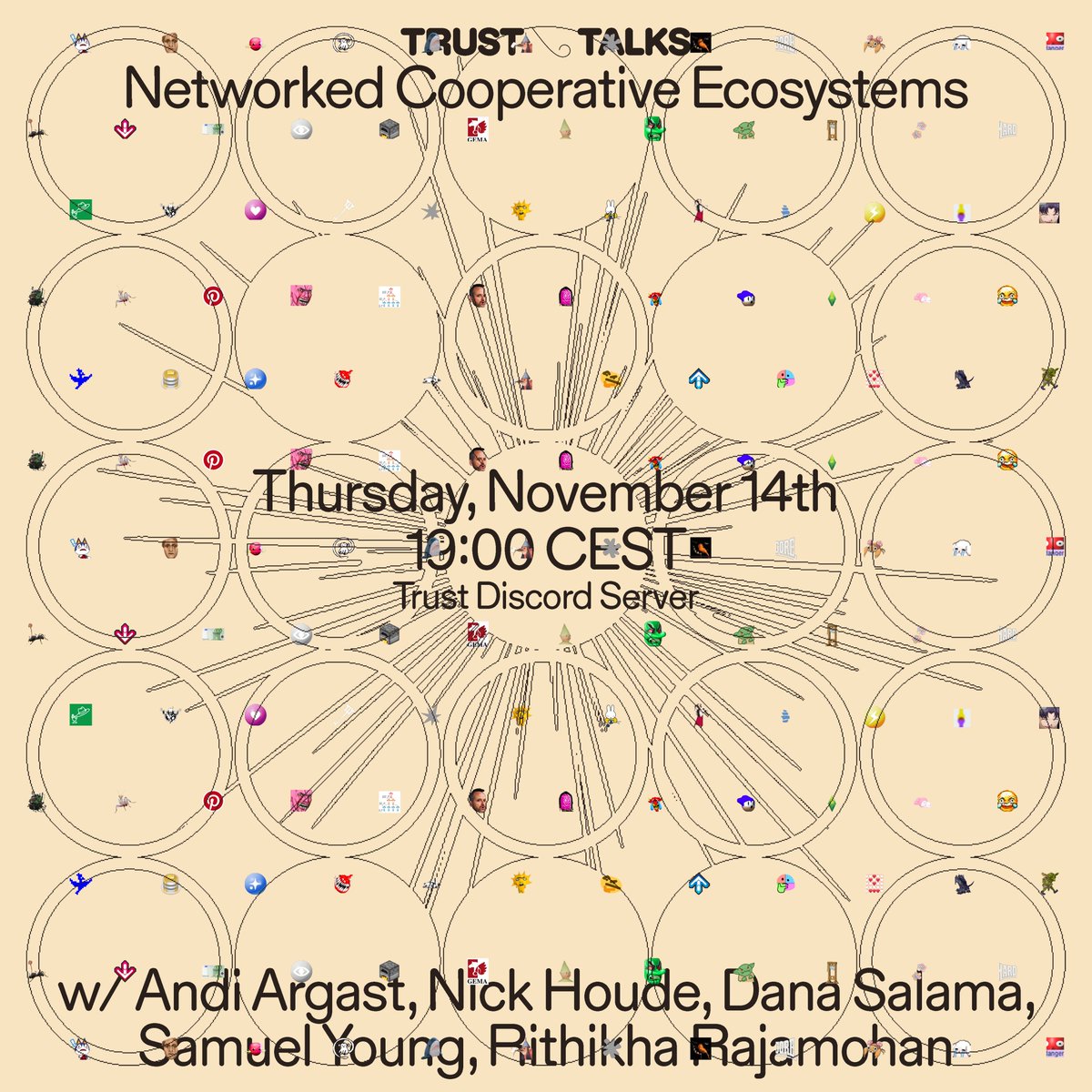
Networked Cooperative Ecosystems
Trust Discord | 14.11.24 19h CET
We'll be joined by Authors: Andi Argast, Nick Houde, Dana Salama, Samuel Young, Rithikha Rajamohan.
1
3
16
5,902

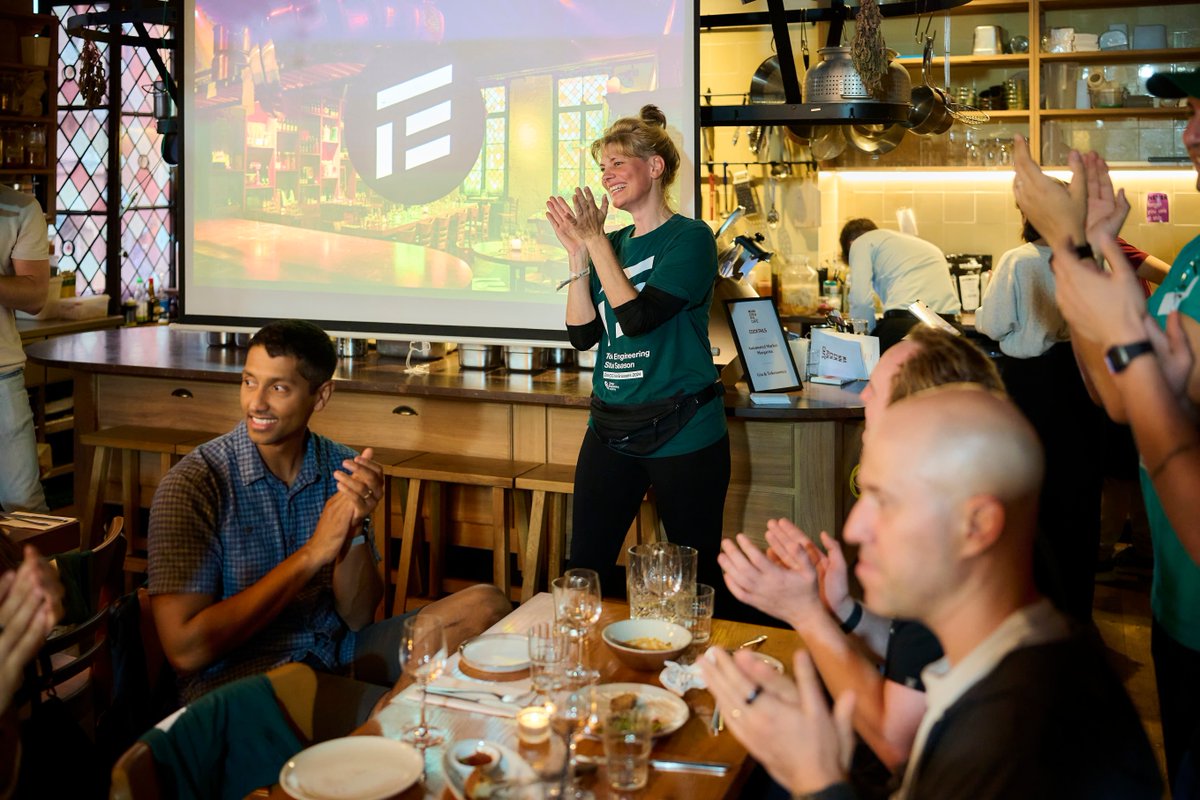
It’s official: TE Academy will close its education program by January 2025.
buff.ly/3NXB8rb
This was a tough call to make—TE Academy has been the center of my life for the past 5 years, and what a ride it’s been!
I am grateful for every moment... 👇🏽
31
15
130
8,304

tgoerke.bsky.social retweeted

17 Oct 2024
🌐Subvert Co-op is now open for membership🌐
We're inviting you to become a Founding Member and co-owner of the our collectively owned Bandcamp successor
A platform owned and controlled by us all.
Let's make Internet history together.
7
54
151
25,392
tgoerke.bsky.social retweeted
18 Oct 2024
Over 1,000 artists have signed up to join Subvert Co-op and co-own the next Bandcamp
2
6
48
2,495
tgoerke.bsky.social retweeted

11 Oct 2024
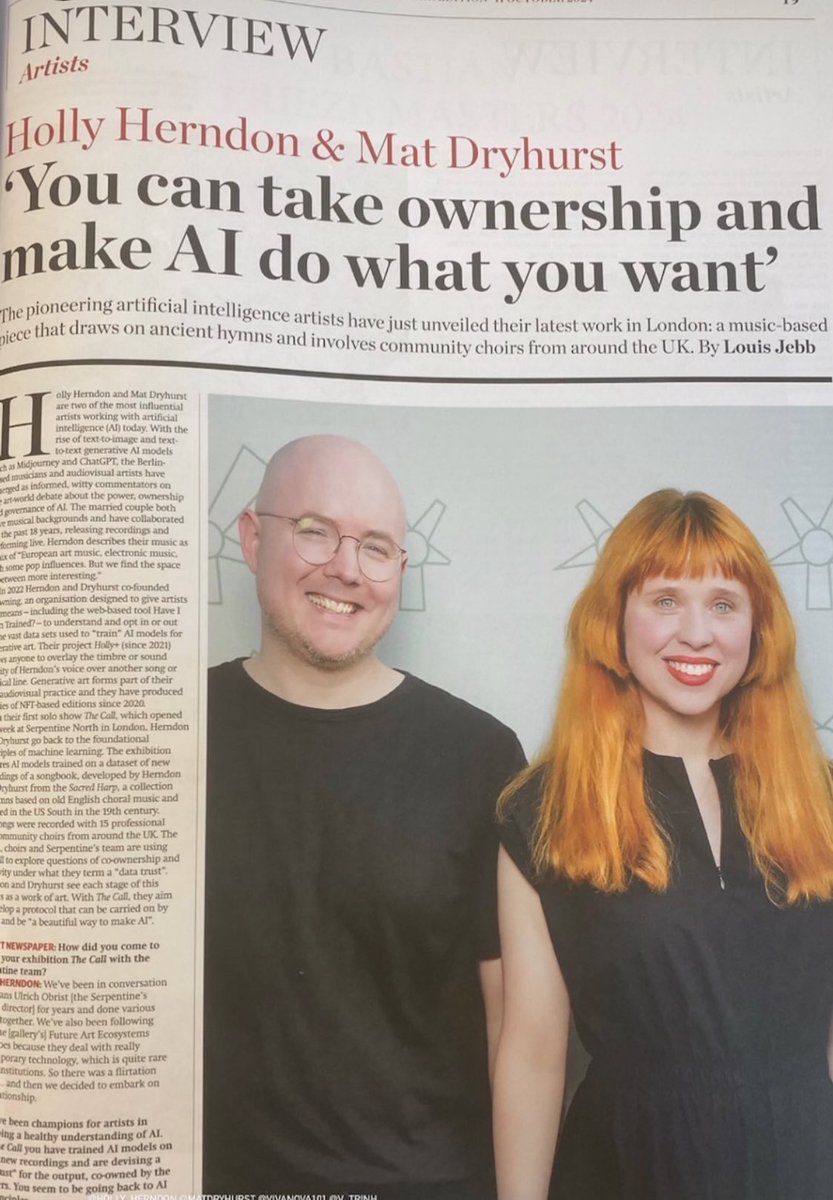
Had a nice conversation with @TheArtNewspaper about our show @SerpentineUK and how training your own models is a new medium for art
2
11
167
8,508
tgoerke.bsky.social retweeted

11 Oct 2024
Someone is faced with the choice between:
playing with the excitement of new beginnings, and
focusing on the satisfaction of completion at the end.
Perhaps the two can coexist somehow. But at the moment, the person is not sure which to pursue.
1
1
2
59
tgoerke.bsky.social retweeted

8 Oct 2024
Google has officially integrated ENS, allowing users to search for any .eth name and check associated balances directly within Google Search 🤝

➡️ You all asked for @ensdomains integration and it's live🫡 You can search for any .eth name and get the balance right in Google Search!
Kudos to the Search team for fully rolling this out!
82
205
966
198,116
tgoerke.bsky.social retweeted

11 Oct 2024
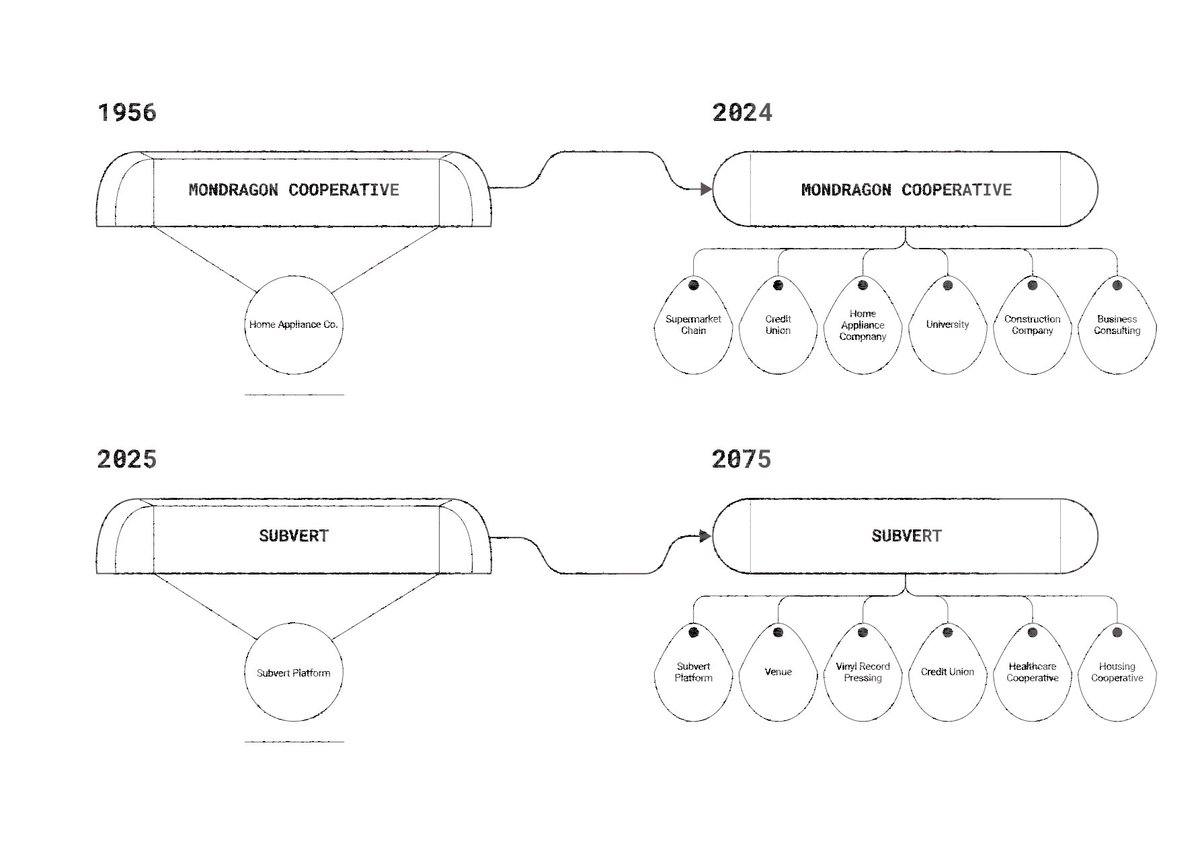
ready?

3
3
37
1,649
tgoerke.bsky.social retweeted
29 Sep 2024
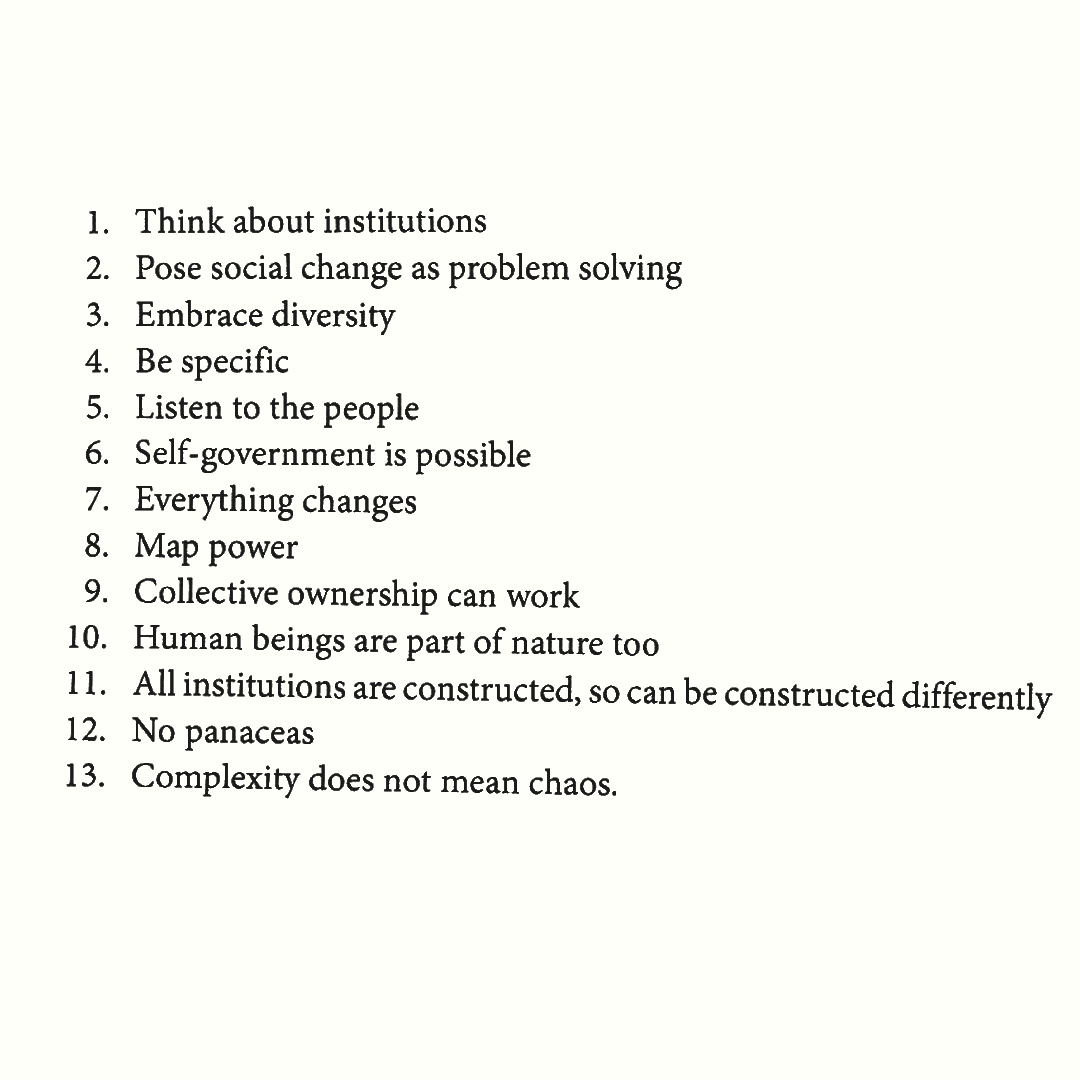
Elinor Ostrom's Rules for Radicals
Her work on community self-governance and collective action have been instrumental in shaping Subvert.
It's possible to align individual interests towards collective outcomes. Self governance is possible. Collective ownership is possible.
3
12
1,126

20 Sep 2024
Just found out that I was featured in 2021 in the
Haiku Music Challenge 90 thehaikufoundation.org/haiku…
Floating lanterns
pushed adrift, my words
set free . . .
@NaviarRecords #haiku
2
2
79