Insights on Trading, Charts, Futures & Options
Joined February 2023
- Tweets 2,171
- Following 5
- Followers 5,103
- Likes 325
959 Photos and videos


If you are serious about trading, this is for you.
Register here: docs.google.com/forms/d/e/1F…
1
55
11,755
Crude oil has become one of the most headline-driven markets in the world right now.
A single geopolitical update can move prices within hours.
We saw this recently:
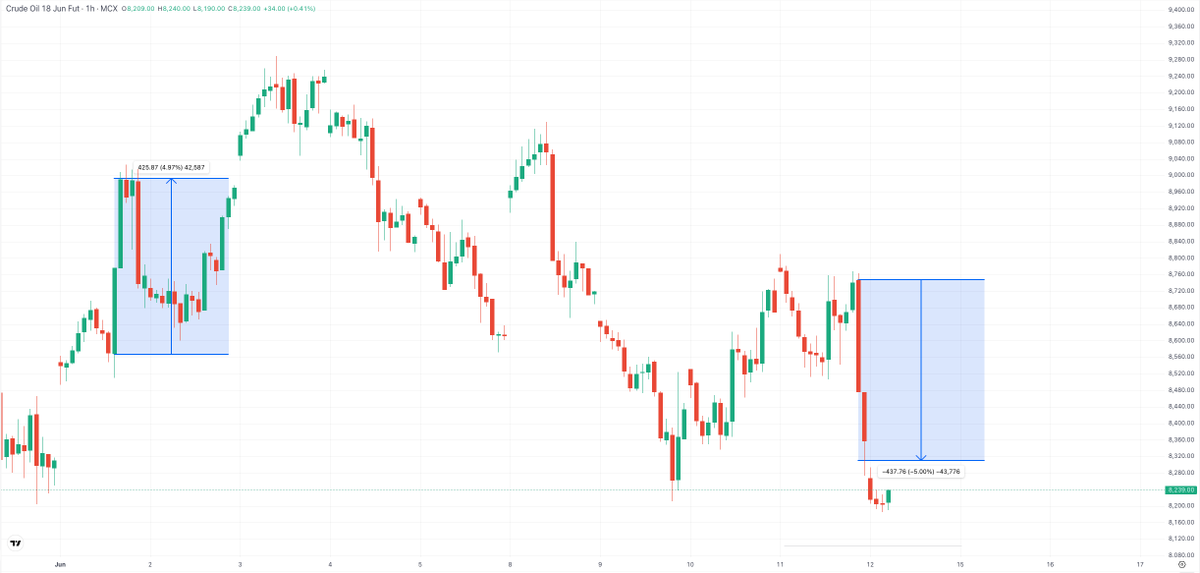
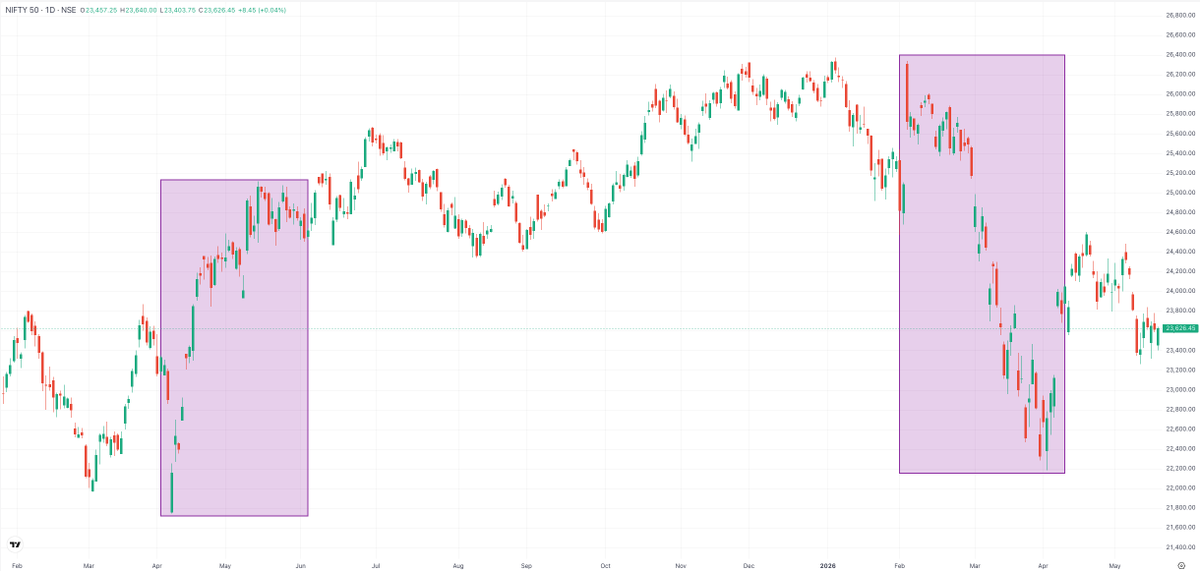
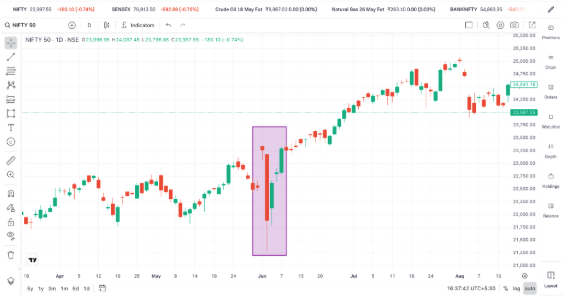
June 1st: Crude surged 5% on escalating Middle East tensions
June 11th: Crude fell nearly 4% in about an hour as de-escalation hopes emerged
So how do you trade crude oil options in such an environment?
1
460
This is where many traders make a mistake.
They see a large move and immediately think options must be expensive.
But the better question is:
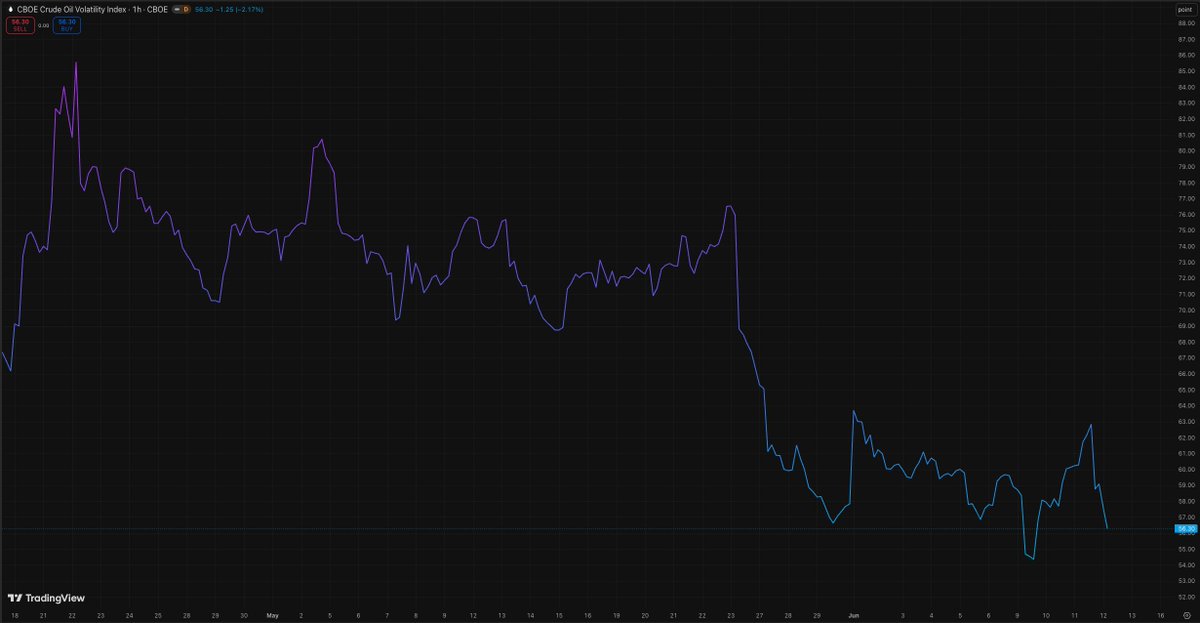
Was the move larger or smaller than what the options market was already pricing?
If crude moves 250 points but the straddle was already pricing 450 points, the move may not be as extraordinary as it looks on the chart.
The options market often anticipates large moves before they actually happen.
1
142
The news tells you what happened.
IV and straddles tell you what the market was expecting to happen.
So the next time crude reacts to an Iran headline or a geopolitical shock, start with these two questions:
• What is IV pricing?
• What is the ATM straddle pricing?
These two numbers won't predict the next move.
But they provide an objective framework for navigating one of the most volatile and headline-driven markets in the world.
1
139
Most people think trading is only about charts.
Candlesticks. Indicators. Support and resistance.
But those are just tools. Trading is something much bigger.
At its core, trading is the business of taking calculated risks under uncertainty.
One of the best examples doesn't come from a trader.
It comes from one of the greatest investors of all time.
1
1
3
330
Buffett's assessment ultimately proved correct.
The scandal damaged American Express. But it didn't destroy customer trust.
The business recovered.
The stock recovered.
The investment became one of Buffett's best-known early wins and helped reinforce a lesson that would shape his investing philosophy for decades.
When the market becomes obsessed with short-term fear, opportunities can emerge in businesses whose long-term economics remain intact.
1
151
Every price is a consensus view.
Every trade is a disagreement with that consensus.
And the biggest opportunities often appear when perception and reality drift furthest apart.
1
127
"It's not timing the market, it's time in the market that makes money."
Traders usually hate this idea. Because trading is supposed to be about timing.
So what happens if a system is designed to stay in the market all the time?
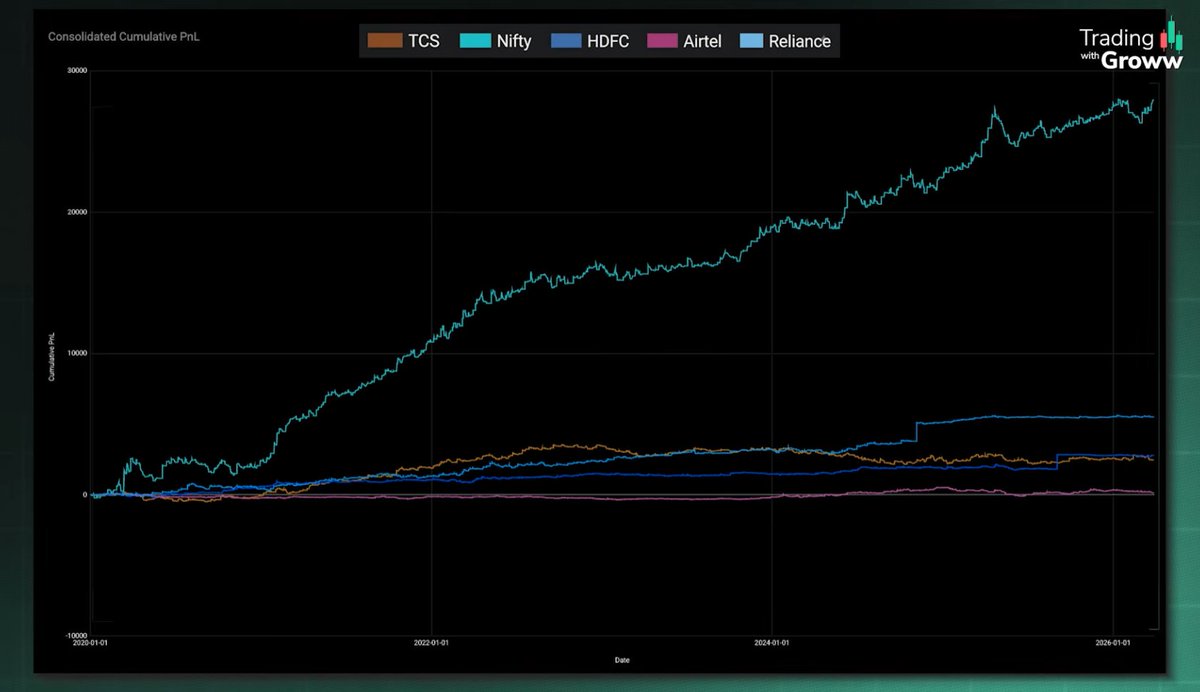
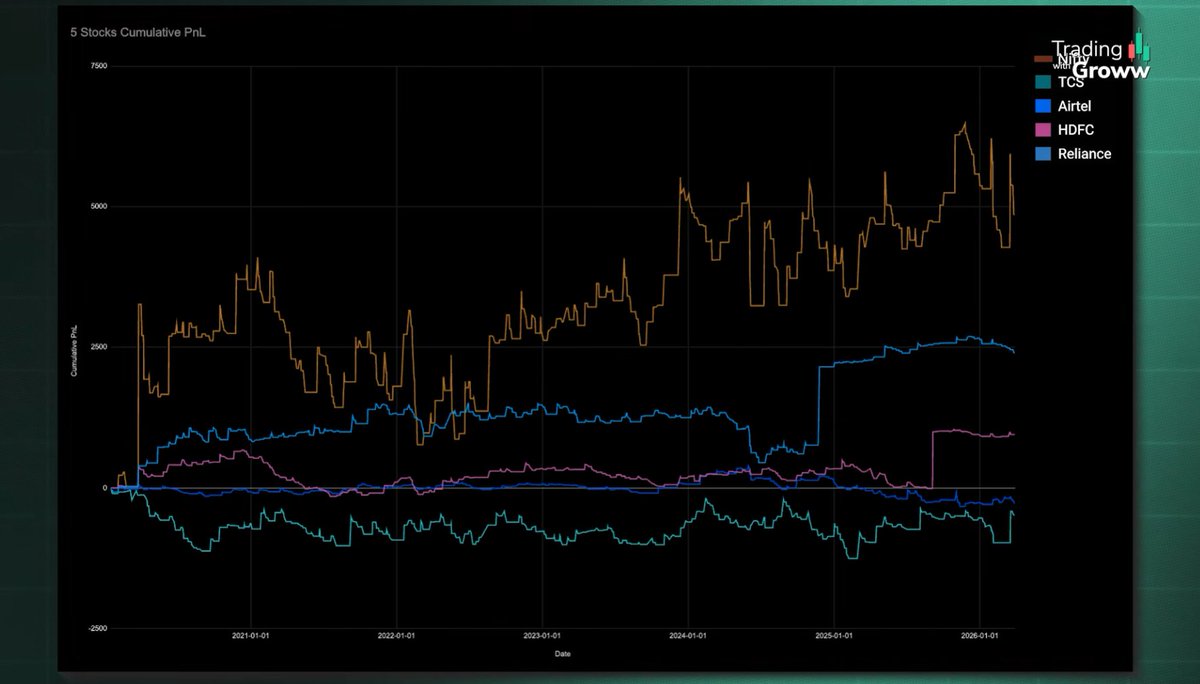
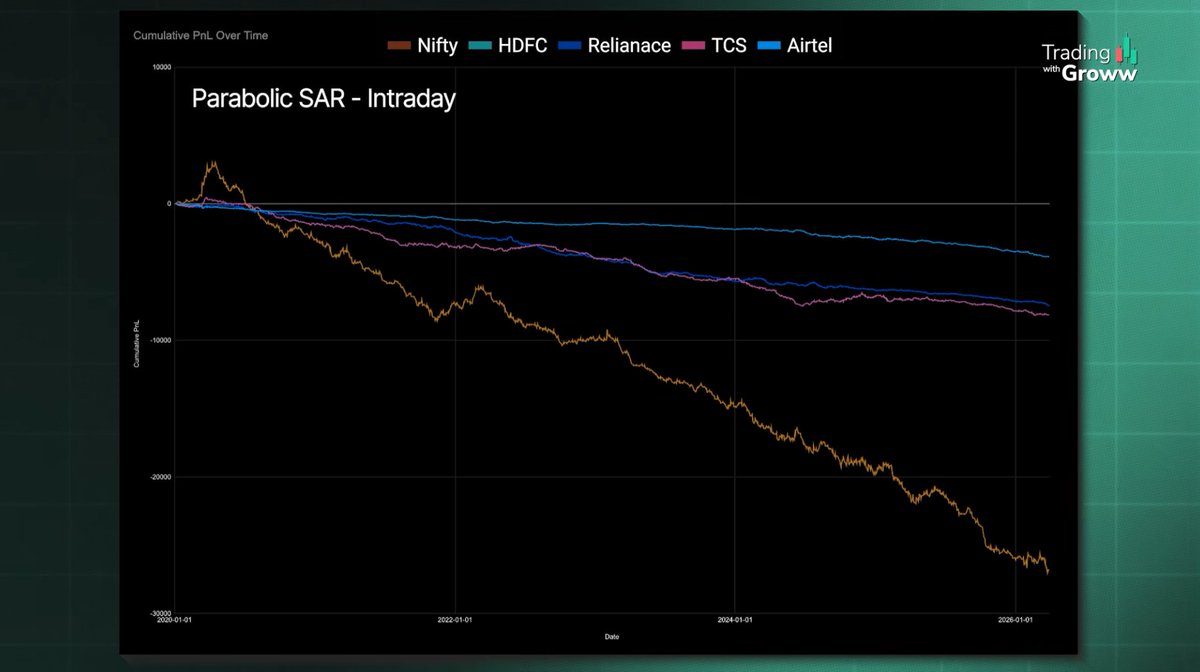
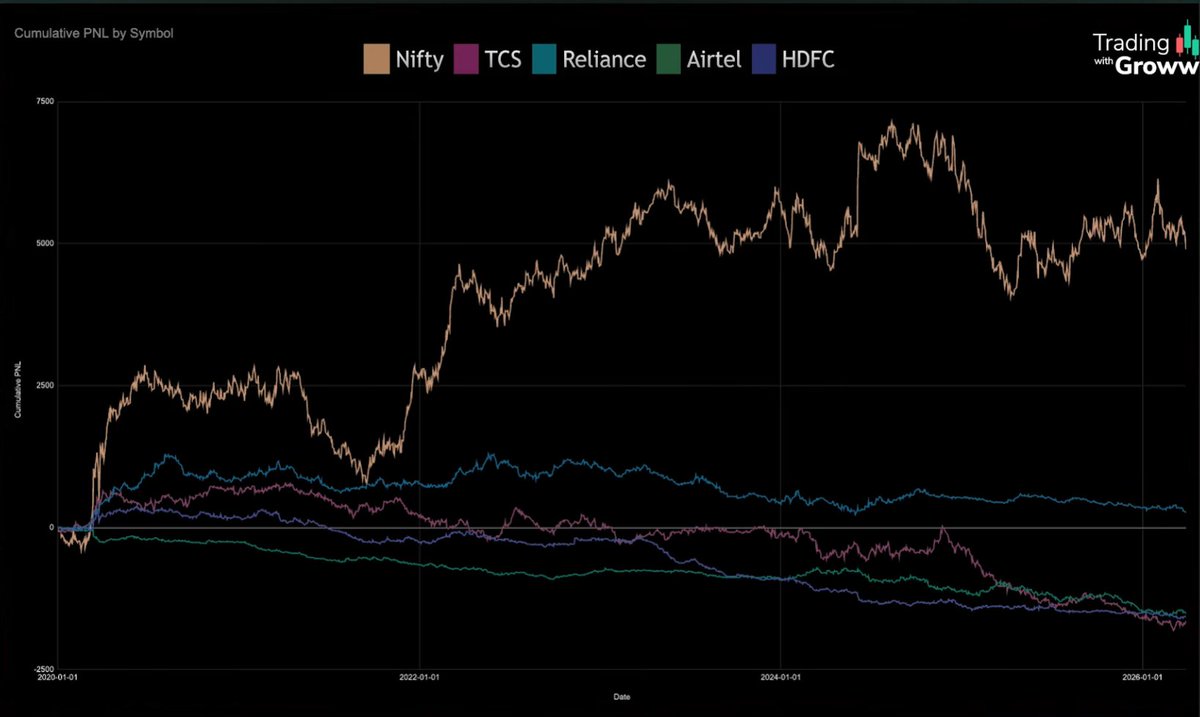
We backtested exactly that.
Here's what happened 🧵
1
1
388
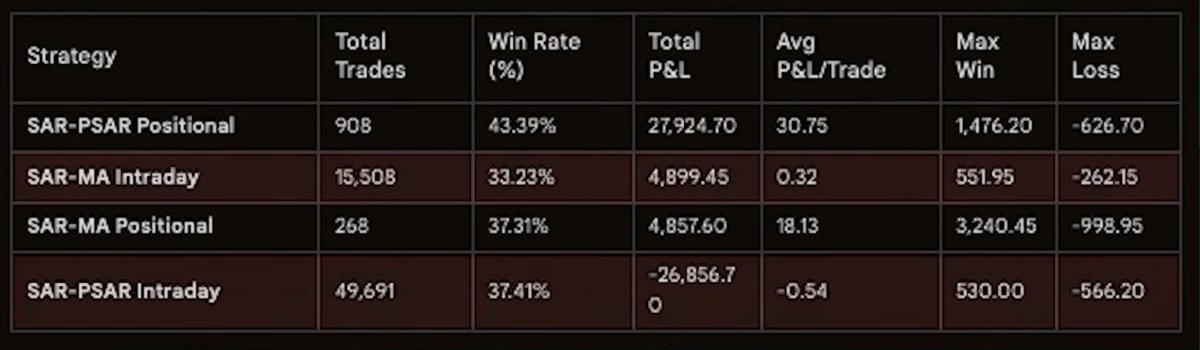
The trade statistics reinforced the same conclusion.
The intraday systems generated a huge number of trades, with Parabolic SAR taking almost 3x more trades than the moving average system.
That matters because every additional trade comes with a cost.
The average PnL per trade was already small, so transaction costs and slippage can quickly overwhelm whatever edge exists.
The positional systems told a very different story.
Trade counts dropped significantly, and the win rates settled around 37% for the moving average system and 43% for Parabolic SAR.
Those numbers might seem low.
But that's exactly what trend-following systems typically look like.
The objective isn't to win most trades.
It's to make sure the winners are large enough to matter.
1
157
SAR is not a superior trading system.
And it's probably not something that should be deployed with your entire capital.
But as one part of a broader trading book, it serves a very specific purpose.
Making sure participation is already in place when a meaningful trend finally arrives.
Because the hardest part is often not identifying the trend.
It's staying in it once it starts.
137