Joined March 2024
- Tweets 21,676
- Following 510
- Followers 215
- Likes 52,593
472 Photos and videos
laTeToeverything retweeted

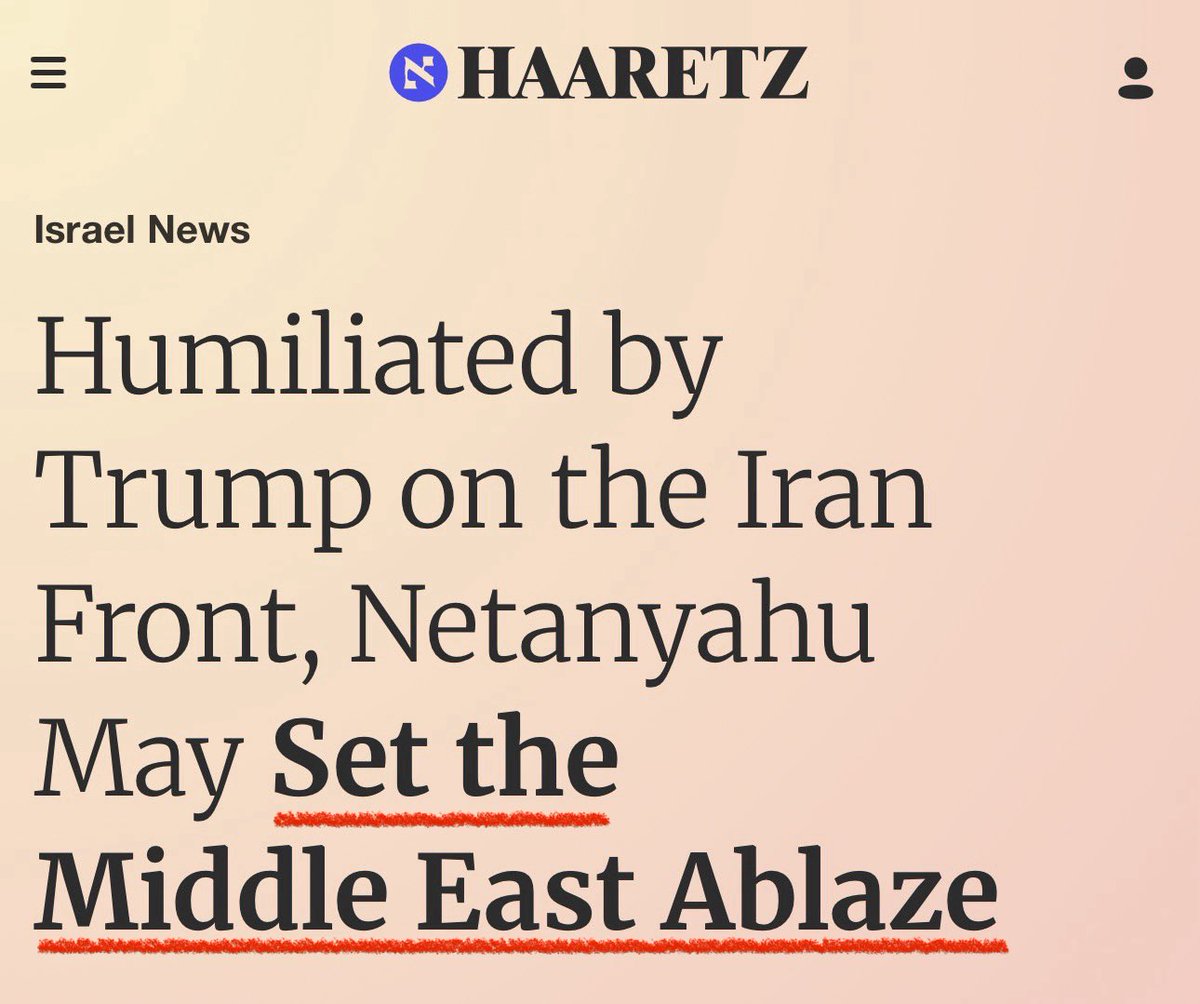
🇵🇸 🎥 Israel will “take out so much of their anger about whatever defeat Trump is negotiating his way into [on the Iran and Lebanon front] on the Palestinians,” Jeremy Scahill told Hasan Piker.
“Palestinians are going to be like their punching bag. They’re going to be whipping them, killing them, murdering them, punishing them, occupying more of their territory,” he added.
The remarks came as Israel killed 5 Palestinians, including 2 children, a male nurse and paramedic, and a woman, in separate attacks across Gaza on Monday. 7 more Palestinians were killed on Sunday.
@jeremyscahill | @hasanthehun

"Daddy, my love, come to me." A daughter says goodbye to her father in words meant for a man who can no longer answer, as Mohammed Al-Habil and his son are laid to rest after an Israeli occupation strike killed them both in northern Gaza City today. Her farewell, spoken to his lifeless body, is the kind of moment that has repeated itself across the Strip for over 2 years and a half in the recent genocide, a child calling out to a parent and a brothr who had been taken in an instant. Father and son were killed together, and buried together, two more names in a toll that has not stopped climbing.
mohamed_jebrel_ (IG)
10
234
555
23,095
laTeToeverything retweeted

The IOF shot his little son in the head. Shot him in the leg. Prevented him from calling an ambulance.
Then threw him in an abandoned area— his son's body in a black bag next to him.
This is what they do to non-jews.
This is what Western taxes fund.
20
493
825
9,832
laTeToeverything retweeted

My name is Alaa from Gaza. My husband is injured, and I have a 7-month-old baby. I need help with $150 to provide milk formula and diapers for my child. I kindly ask anyone who can help to support us. Thank you, and may God bless you.
chuffed.org/project/177109

11
15
3,129
laTeToeverything retweeted

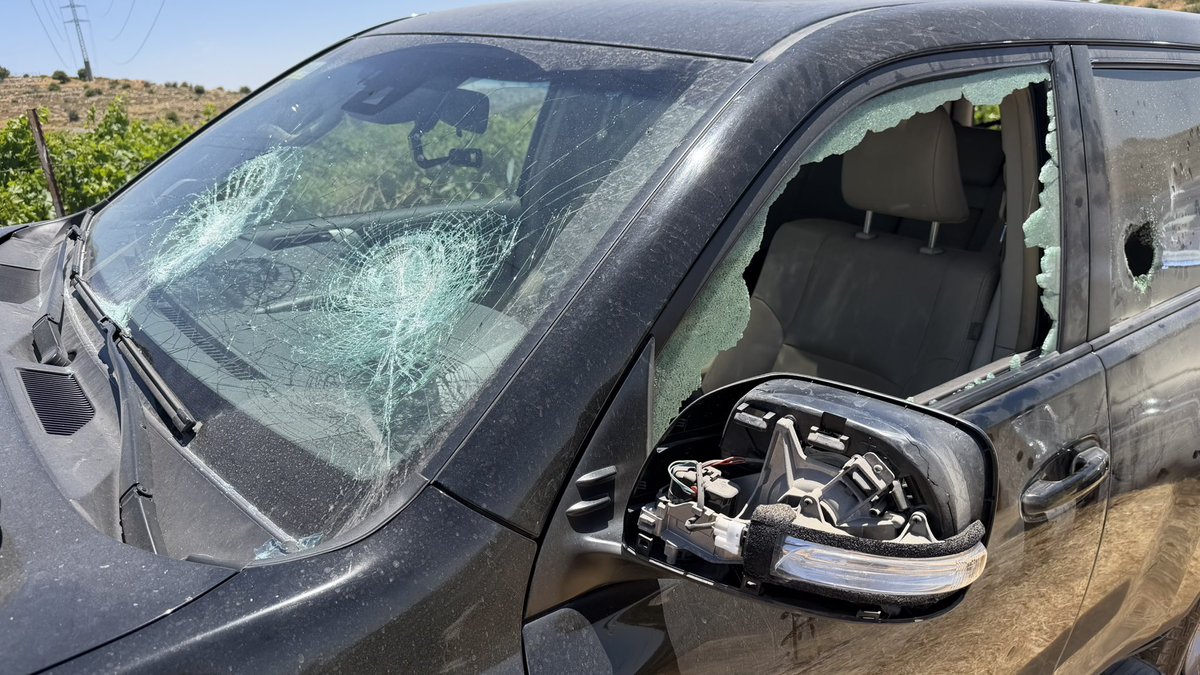
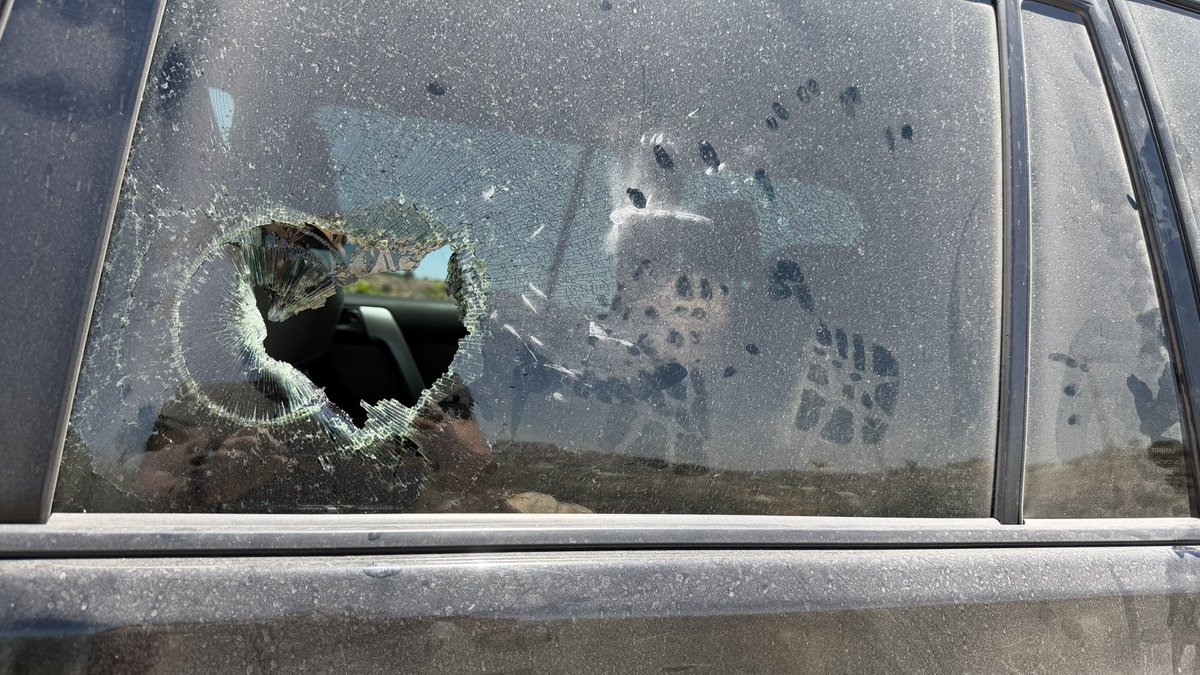
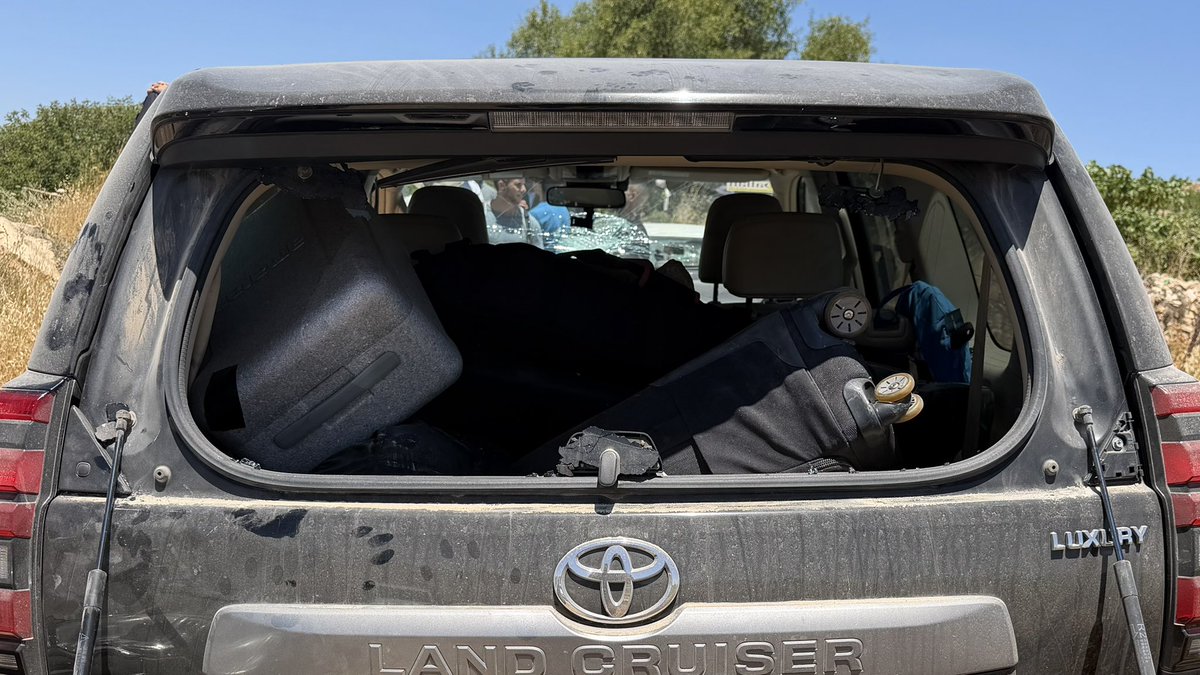
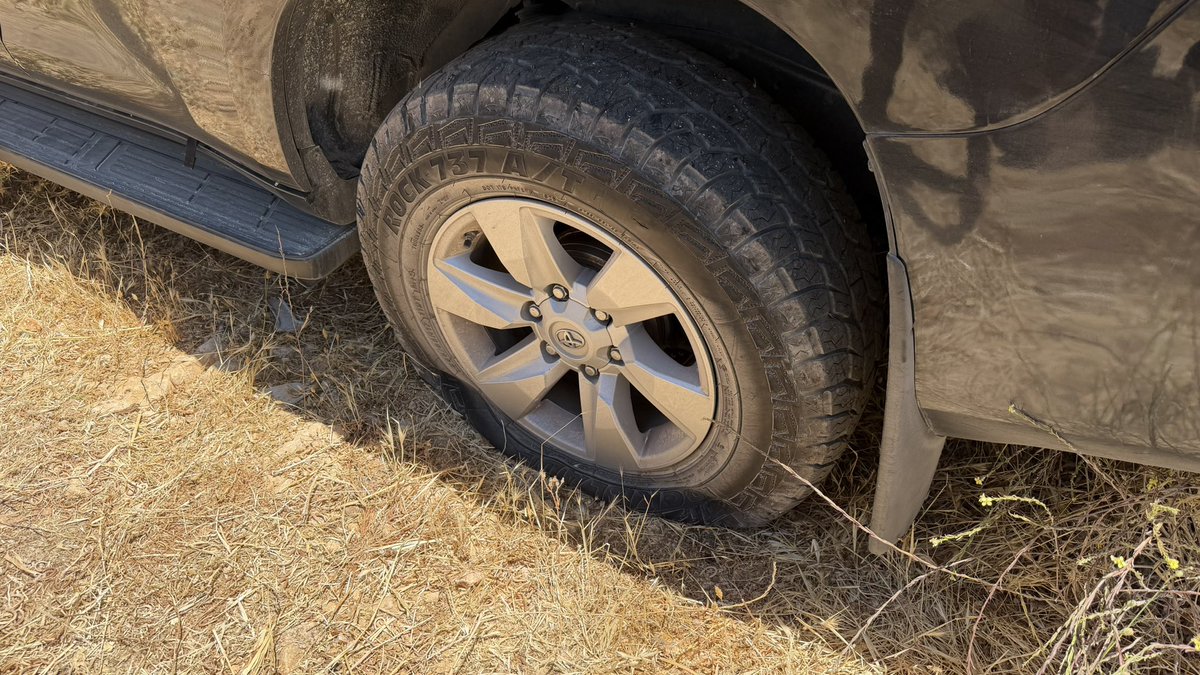
While reporting from Halhul today in the occupied West Bank, Israeli settlers severely damaged our vehicle and those of several Palestinians, smashing windows & puncturing tires. Thankfully, no one was in the vehicles.
We won't be deterred from continuing to report on this story.
50
518
1,153
57,415
laTeToeverything retweeted

CNN reporter confirms their vehicles, like those of Palestinians, were attacked by illegal Israeli settlers.

While reporting from Halhul today in the occupied West Bank, Israeli settlers severely damaged our vehicle and those of several Palestinians, smashing windows & puncturing tires. Thankfully, no one was in the vehicles.
We won't be deterred from continuing to report on this story.
1
44
110
1,502

RT @HuDa_NaIm92: لم تنتهي الإبادة !!
يكفينا يا عالم !
كل الدنيا ذهبت تحج لحضور مباريات كأس العالم في دولة أبادتنا وتقتلنا في نفس اللحظة!!…
133
laTeToeverything retweeted
💢 Bahaa Abu al-Ajeen says his 3-year-old son, Rayan, was killed in his arms by Israeli sniper fire as they walked toward the family’s greenhouses east of Deir al-Balah, central Gaza.
Bahaa, who was also shot, says soldiers prevented him from calling an ambulance, then bound him, moved him between locations, and left him unconscious. When he came to, he found his son’s body wrapped in a shroud beside him before being told he would be taken into detention. The family says they were outside the Israeli military’s “Yellow Line” when the shooting occurred.
"They shot the boy in the head, a direct shot, by a sniper." Bahaa Abu al-Ajeen describes how his 3-year-old son Rayan was killed in his arms in the Wadi al-Salqa area east of Deir el-Balah in central Gaza by Israeli occupation terrorists. The two of them, with one other man, were walking toward the family's greenhouses when Israeli occupation soldiers opened fire from an abandoned house. The bullet struck Rayan in the head and exited through his eye. As the boy bled in his arms, his father, himself shot in the leg, begged the soldiers to save his son and reached for his phone to call an ambulance, but a soldier seized the phone and told him to call no one. Bahaa pleaded with them to forget about him and save the boy. Instead, he says, they bound him, dragged him from place to place on a stretcher, dumped him in an empty area and left him unconscious. When he came to, his son lay beside him wrapped in a dark shroud, and the soldier told him he was being taken to prison. He asked only to bury his son first. The family says they were outside the so-called "Yellow Line," in an area not under direct Israeli control, when the shooting happened.
Rayan's killing is not an aberration but a pattern. The shooting of Palestinian children, often in the head and from a distance, has been documented again and again by human rights groups across both Gaza and the occupied West Bank, where monitors like Defense for Children International Palestine and B'Tselem record children shot dead who posed no threat to anyone, in incidents that almost never lead to any accountability. Despite the ceasefire that officially took effect on 10 October 2025, Israeli occupation forces have continued to kill Palestinians in Gaza in their hundreds, frequently firing on civilians who stray near shifting, often invisible front lines around their own homes and farmland. A three-year-old carried in his father's arms, shot through the head while walking to the family's greenhouses, and a wounded father denied even the chance to call for help, is what that reality looks like for one family among thousands.
@mena_gaza
7
116
205
12,366
laTeToeverything retweeted

🔴Lebanese Ministry of Health:
3798 civilians killed and 11, 781 injured in Israeli attacks since March 2nd.
Report from Tebnine hospital.
45
945
1,608
75,236
laTeToeverything retweeted

They have completely destroyed our lives. We have reached a point where many of us have begun to hate our own country, and even each other, because of the unbearable pressure we are living under. This is the reality imposed on us by the occupation and by the governments of Western countries that continue to support it.
Beyond feeling sympathy for me because I am living through difficult circumstances, I want you to understand what has actually been taken from us. I had a home. I had a university where I was studying. I had friends whom I loved. I had a beautiful city that meant everything to me. I had a job and a future I was working toward.
In the blink of an eye, all of it was gone. Everything was destroyed. I lost many of my friends. My father was injured, and so was I. Sometimes I ask myself: what is really happening to us? I still cannot believe that all of this is real.
The world is so disconnected from our reality that it cannot truly understand what we are living through. Your governments have helped destroy our lives completely, without mercy. We are not just losing buildings and streets; we are losing our homes, our memories, our loved ones, our dreams, and the lives we spent years trying to build.
5
55
101
1,258
laTeToeverything retweeted

A Palestinian who lost family members in Israeli attacks in Gaza has a message for World Cup viewers:
"Enjoy the tournament. Celebrate the goals. Cheer for your teams.
But while the world watches football, Israel continues killing civilians in Gaza..."
35
1,112
1,677
20,563
laTeToeverything retweeted

"They shot the boy in the head, a direct shot, by a sniper." Bahaa Abu al-Ajeen describes how his 3-year-old son Rayan was killed in his arms in the Wadi al-Salqa area east of Deir el-Balah in central Gaza by Israeli occupation terrorists. The two of them, with one other man, were walking toward the family's greenhouses when Israeli occupation soldiers opened fire from an abandoned house. The bullet struck Rayan in the head and exited through his eye. As the boy bled in his arms, his father, himself shot in the leg, begged the soldiers to save his son and reached for his phone to call an ambulance, but a soldier seized the phone and told him to call no one. Bahaa pleaded with them to forget about him and save the boy. Instead, he says, they bound him, dragged him from place to place on a stretcher, dumped him in an empty area and left him unconscious. When he came to, his son lay beside him wrapped in a dark shroud, and the soldier told him he was being taken to prison. He asked only to bury his son first. The family says they were outside the so-called "Yellow Line," in an area not under direct Israeli control, when the shooting happened.
Rayan's killing is not an aberration but a pattern. The shooting of Palestinian children, often in the head and from a distance, has been documented again and again by human rights groups across both Gaza and the occupied West Bank, where monitors like Defense for Children International Palestine and B'Tselem record children shot dead who posed no threat to anyone, in incidents that almost never lead to any accountability. Despite the ceasefire that officially took effect on 10 October 2025, Israeli occupation forces have continued to kill Palestinians in Gaza in their hundreds, frequently firing on civilians who stray near shifting, often invisible front lines around their own homes and farmland. A three-year-old carried in his father's arms, shot through the head while walking to the family's greenhouses, and a wounded father denied even the chance to call for help, is what that reality looks like for one family among thousands.
@mena_gaza
5
225
253
19,484
laTeToeverything retweeted

13h
A leaked memo shows the European Union has known since 2017 that it had the legal right to freeze Israel's trade deal due to Israel's persistent violations of international law in the occupied West Bank. trib.al/QDiFA7I
55
1,177
1,684
24,153
laTeToeverything retweeted
Indeed, to God we belong and to Him we shall return.
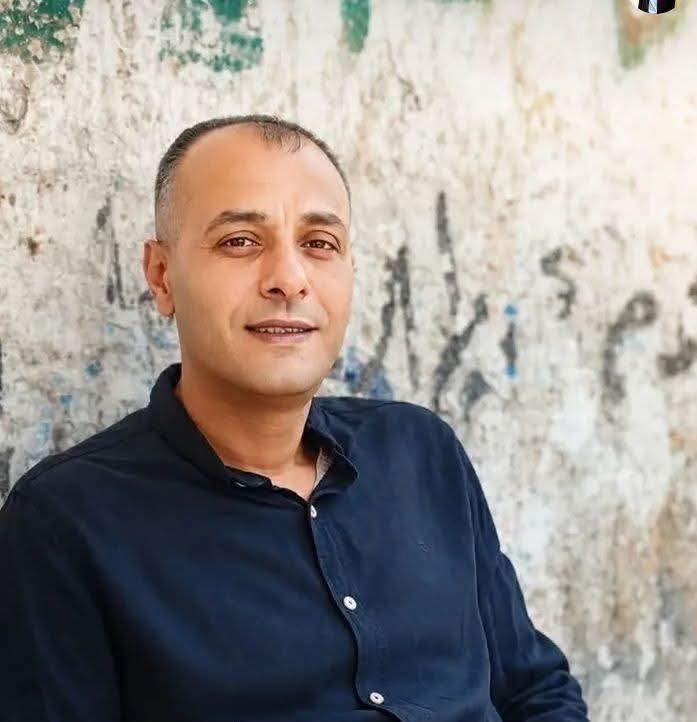
My cousin, Khalil Jamil Al-Masri (Abu Hossam), has been killed.
He was shot directly in the head by a bullet fired from the eastern side of Gaza. He was sitting in a café. He was not carrying a weapon, nor was he a threat to anyone. He was simply a human being trying to live an ordinary day in the midst of all this suffering.
My heart is filled with grief, and his loss is deeply painful.
What hurts me even more is that I was with him just four days ago. We talked together, and he told me how exhausted he was from displacement and how he could no longer bear the instability of living as a displaced person. He longed to return to his home and land in Beit Hanoun, the place where he was born and where his most beautiful memories lived.
He dreamed of returning to the north.
But even that dream was taken from him.
I cannot understand how a person sitting in a café can be shot and killed without having done anything wrong. How can our lives become so cheap? How can bullets fired from a distance continue to steal our loved ones from us, one after another?
Four days ago, he was talking about returning to Beit Hanoun.
Today, we bid him farewell.
May God have mercy on you, Khalil, grant you the highest place in Paradise, and give patience and strength to your family and loved ones. Your memory, and your final words, will remain engraved in my heart for the rest of my life.
Jun 14

🚨Horrifying footage shows the moment 40 year old Khalil Jamil Al-Masri was shot by an Israeli quadcopter drone in Gaza last night.
He is currently in intensive care, fighting for his life.
19
117
221
4,746
laTeToeverything retweeted

A man whose family are killed by the israelis in Gaza, says sorry to be boring, but while you’re watching the World Cup, we are being killed
214
11,105
27,143
246,028
laTeToeverything retweeted

12h
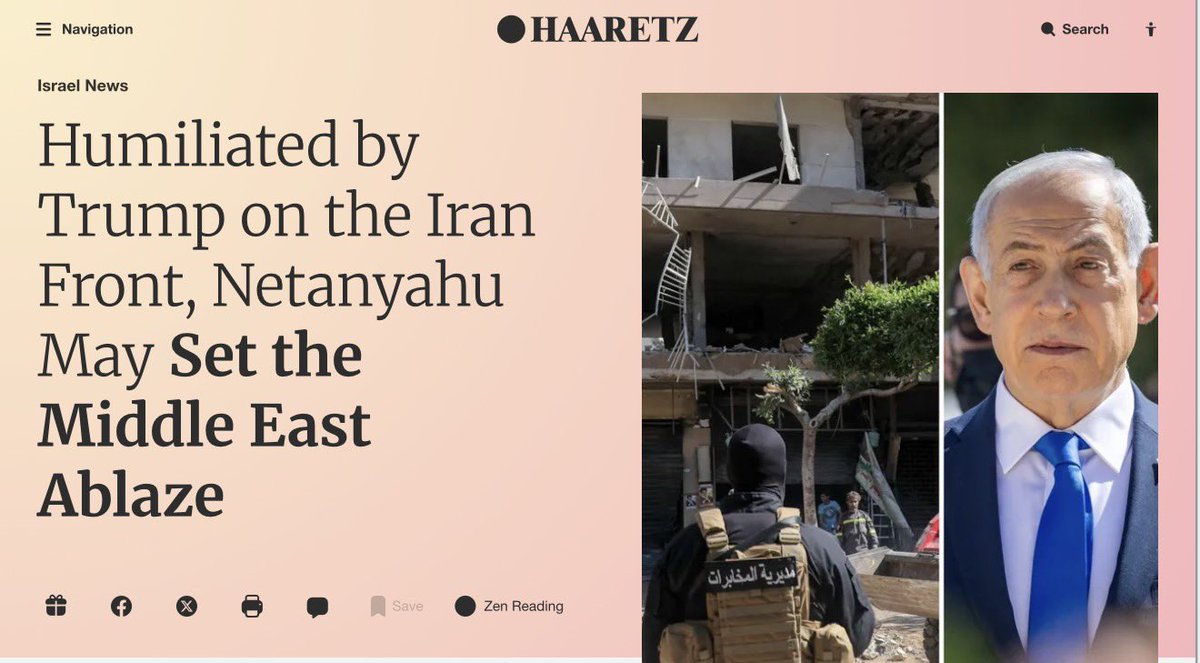
There is no maybe. This is exactly what he’s going to do. As I’ve said for years now, Israel crossed the point of no return in Gaza in December 2023.
Everything they’ve done since then has been about avoiding the day after the war ends, when the world can finally see what they did there.
Israel will never recover. Israelis know this. They understand it fully. And they have no plan for how to deal with it outside of never ending war.
They will never stop until someone physically makes them. The only way out is through.
151
965
3,246
46,093
laTeToeverything retweeted

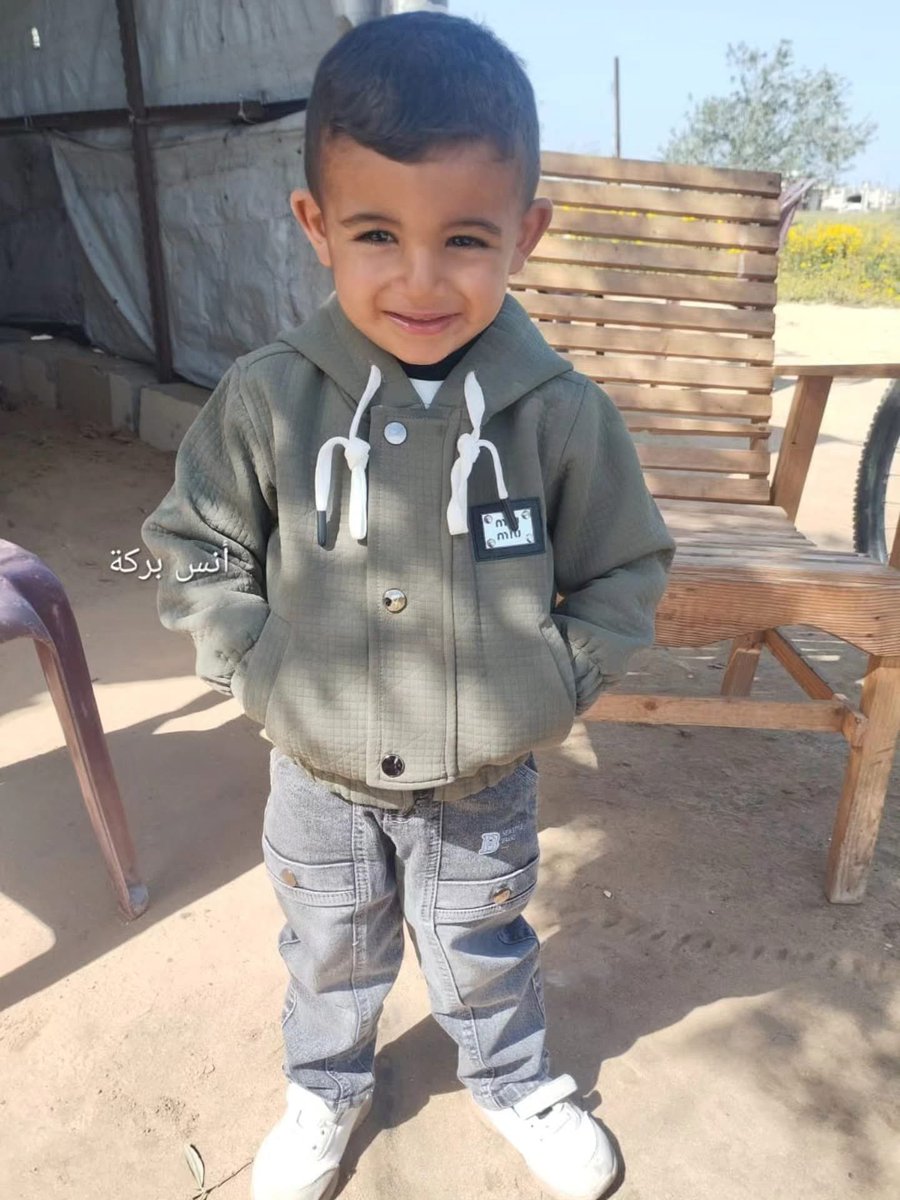
It is reported that this child was killed by Israeli soldiers with a bullet shot into his face.
Absolutely horrific.
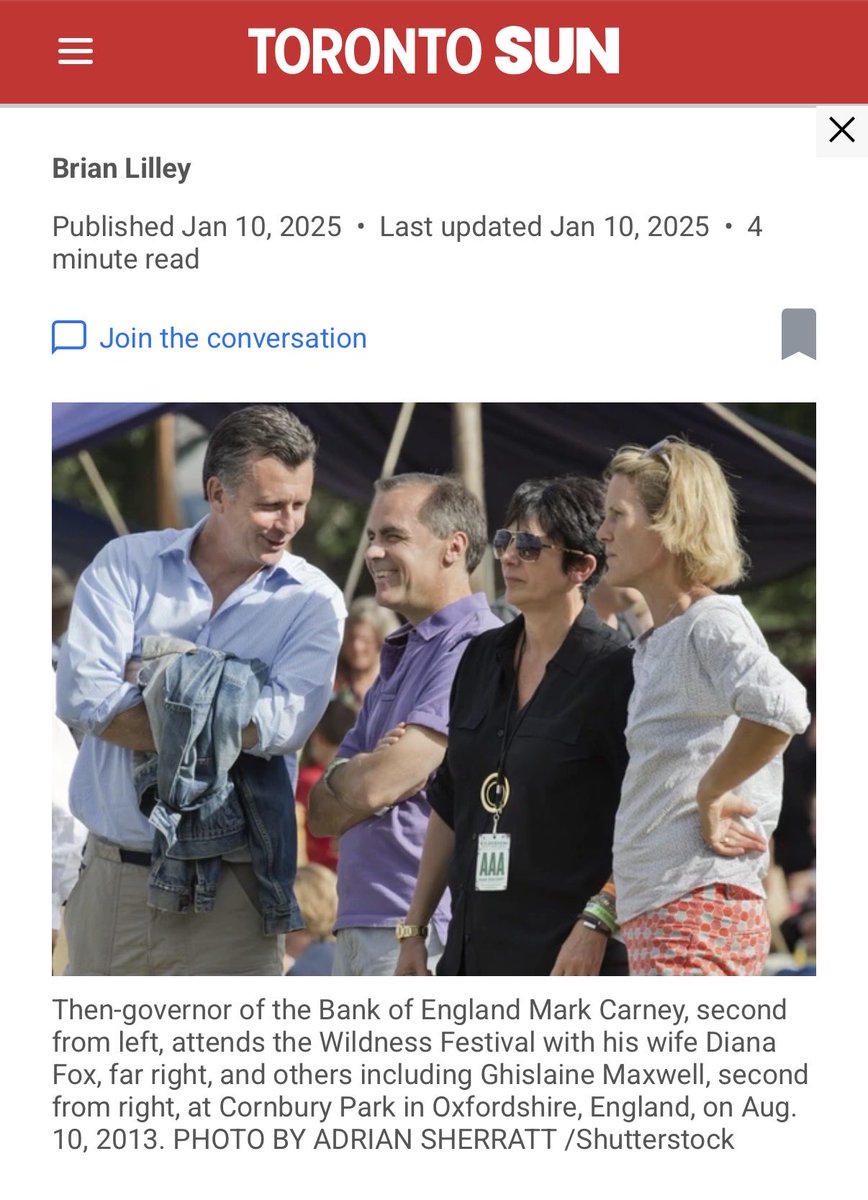
Was this a Canadian made bullet @AnitaAnandMP @MarkJCarney?
🚨BREAKING: HORRIFIC CRIME
Israeli forces have killed child Ryan Bahaa Abu Al-Ajeen shortly after detaining him and his father in Wadi Al-Salqa, east of Deir al-Balah, central Gaza Strip.
He was taken to hospital after his release but was pronounced dead on arrival, while his father was injured.
The Israeli military had previously claimed it targeted an “armed group” in the area.
6
94
180
2,702
laTeToeverything retweeted

We woke up to a nightmare…The yellow line is advancing mercilessly!
Dozens of families are fleeing into the streets with their children no home, no shelter, no destination.
How long will this injustice and torment continue?!
25
657
1,164
11,978
laTeToeverything retweeted

The Quiet Killer in Gaza
Journalist Taqwa Alwawi reports from the ground on a respiratory outbreak taking hold in the Strip👇
palestinedeepdive.com/p/the-…
4
137
209
4,451

laTeToeverything retweeted

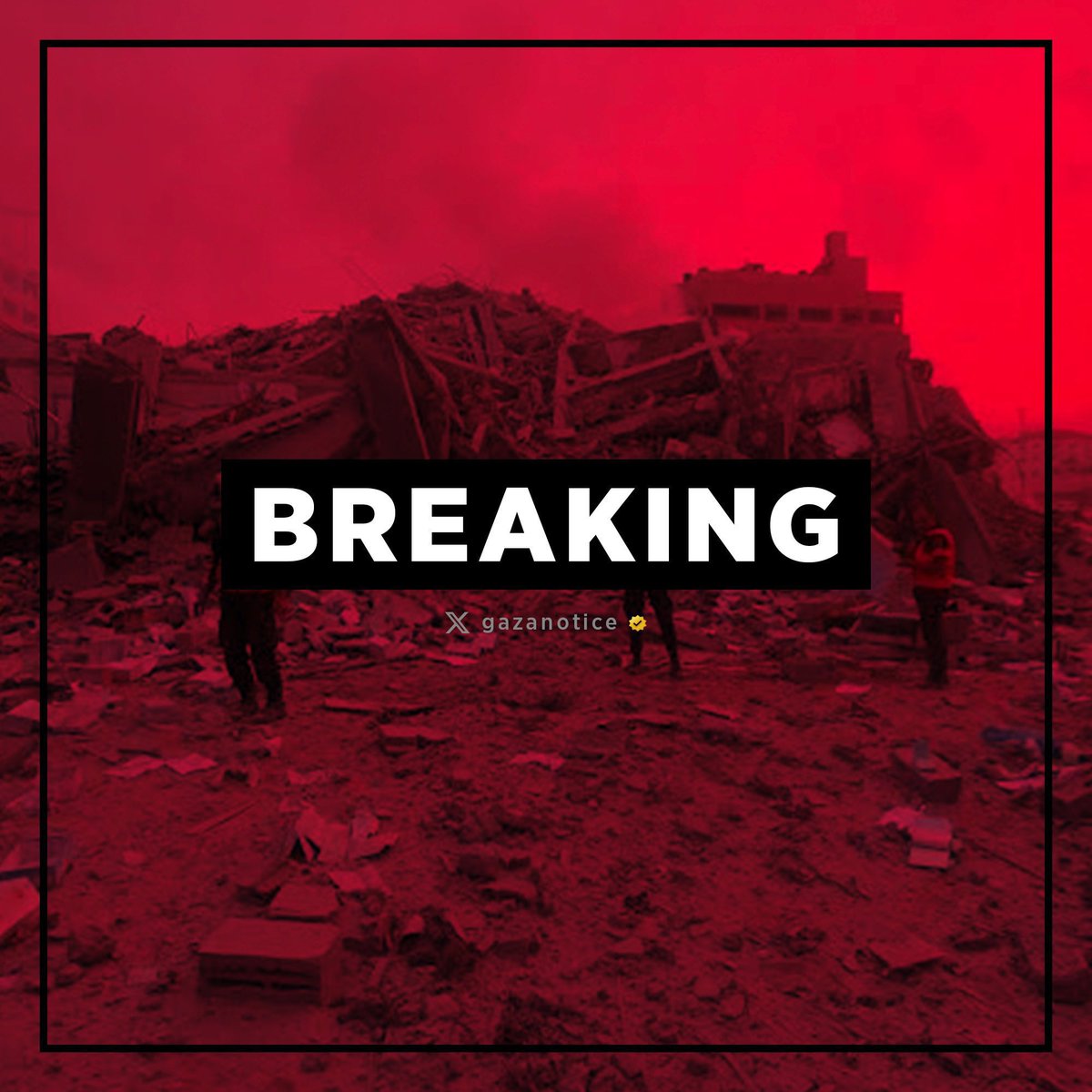
🚨BREAKING: A Palestinian woman was killed and two others injured in an Israeli drone strike targeting a group of civilians west of the town of Al-Zawayda in the central Gaza Strip.
4
311
416
6,914