
AI & Tech Insights ⚡ | Passionate about AI & Tech Tools | Helping CEOs Build Personal Brands on Twitter | DM for Collaborations 📩drasthisingh1@gmail.com
Joined August 2025
- Tweets 823
- Following 6
- Followers 4,516
- Likes 1,332
266 Photos and videos


Pinned Tweet

Jan 16
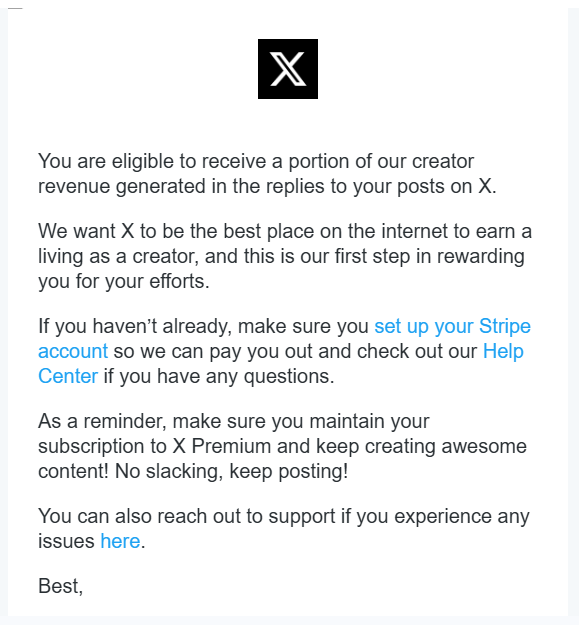
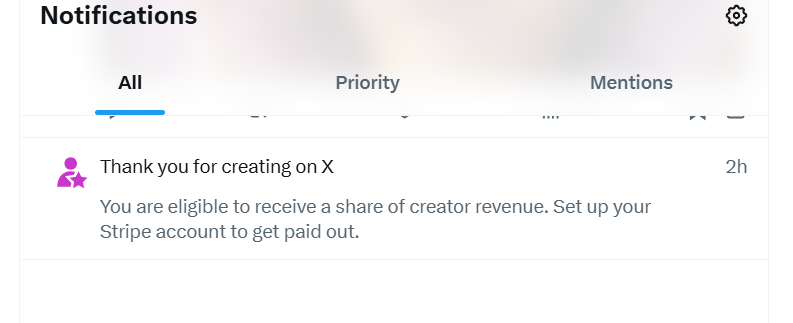
✨ Big milestone unlocked! ✨
My X account is officially monetized today 🚀
Grateful for every like, reply & support 💙
This is just the beginning — more value coming soon! 🔥
#XMonetization #CreatorJourney #Grateful
5
2
19
23,240
The people getting ahead in 2026 aren't working harder.
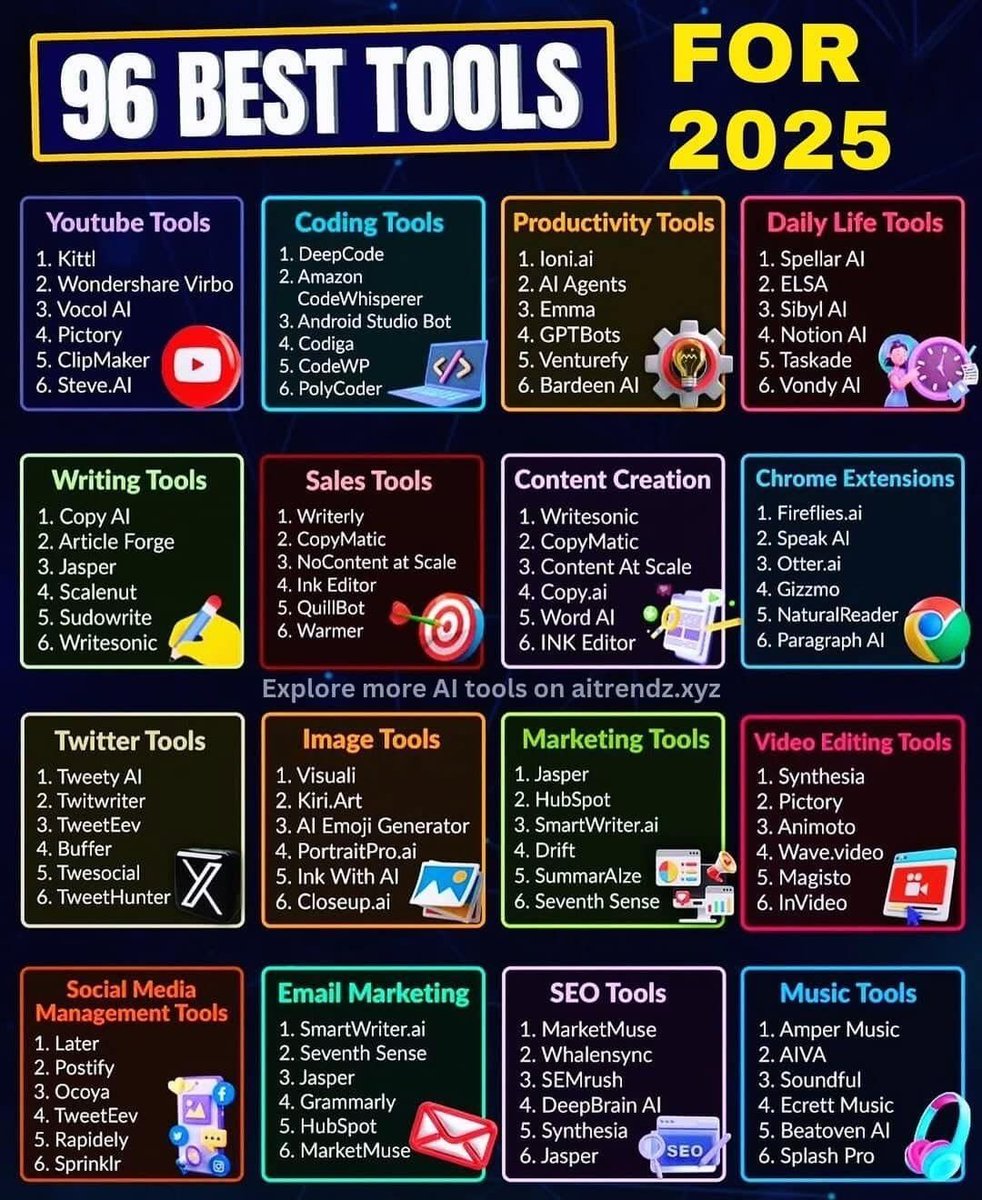
They're using tools that most people haven't discovered yet.
20
Jun 11
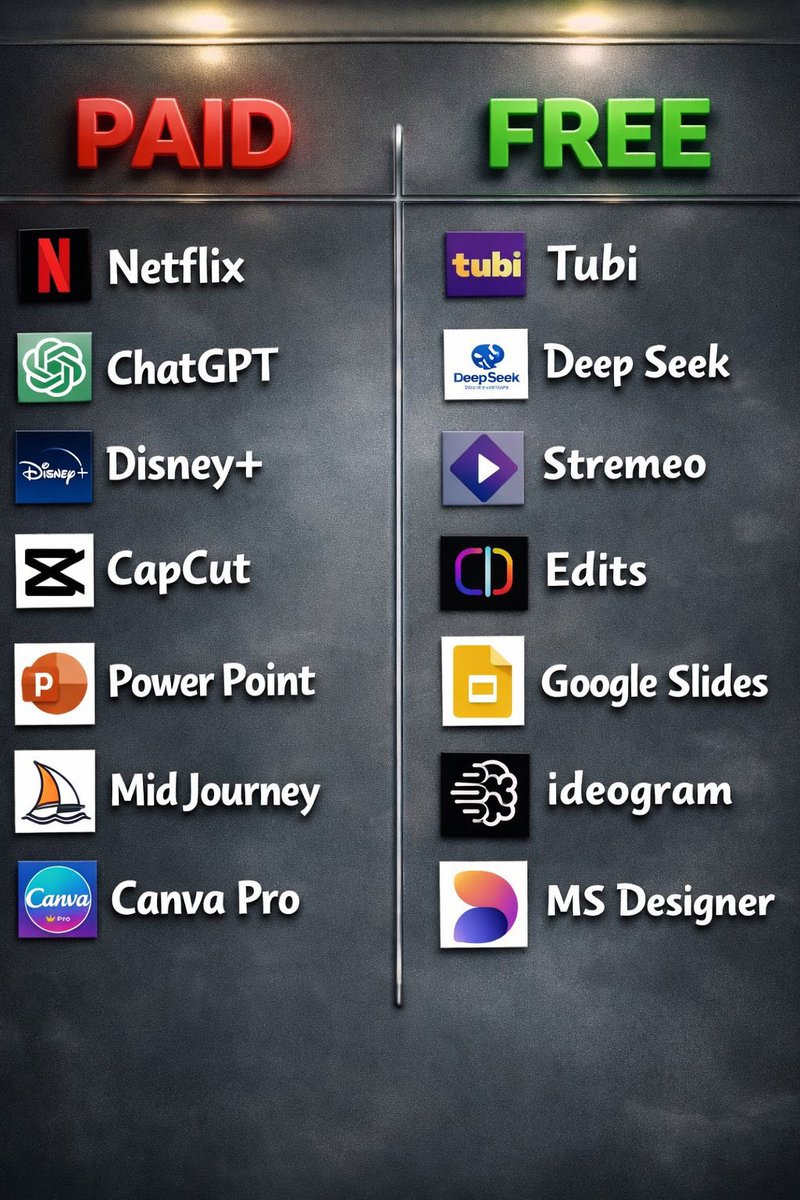
Hidden truth 🤫
90% of people don’t know this.
The most popular paid apps have FREE alternatives.
40
Jun 10
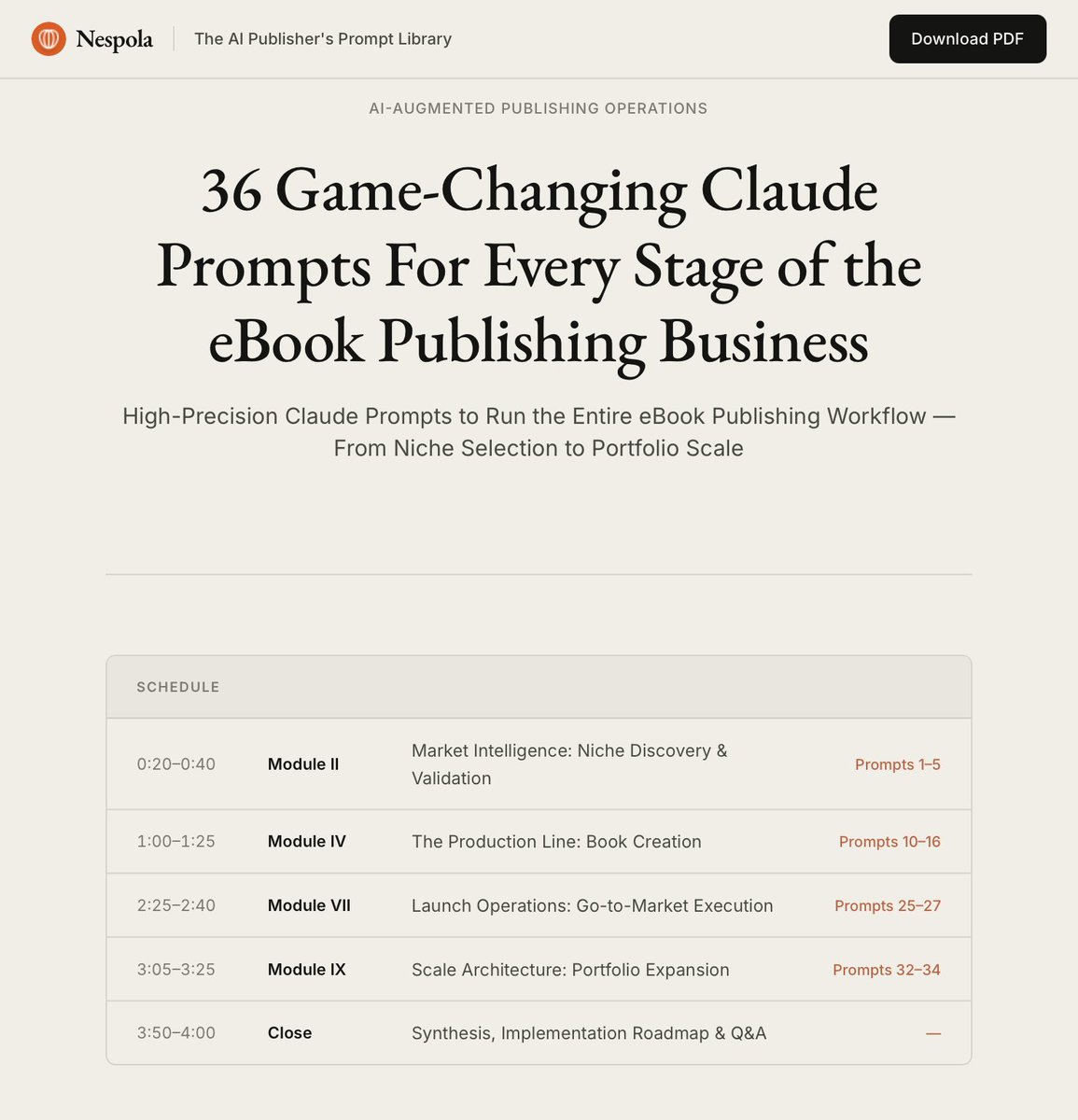
Claude Amazon KDP = $8,400/month.
I compiled all my personal AI eBook publishing prompts into a 53-page Claude playbook.
I've shared this with a banker, he's now making $60,000/year.
I’m planning to charge $99 for this soon, but today, it’s FREE.
Like Comment "Doc”
1
58
Jun 3
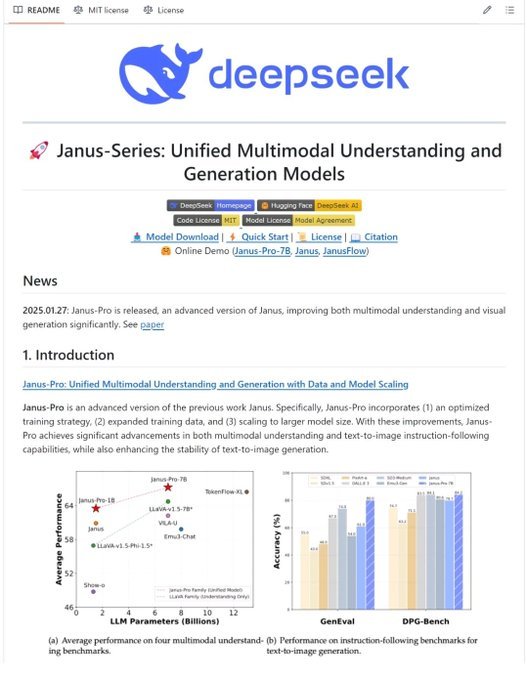
DeepSeek is a crypto money printer 🚨
I wrote a Bot, that's made me $35K from $100 last night.
This isn’t clickbait—just an AI Trading Bot powered by DeepSeek.
FREE for 24 hrs then deleted!
Simply,
1. RT
2. Like
3. Reply "DS" and Follow me and I'll send you a DM.
85
May 27
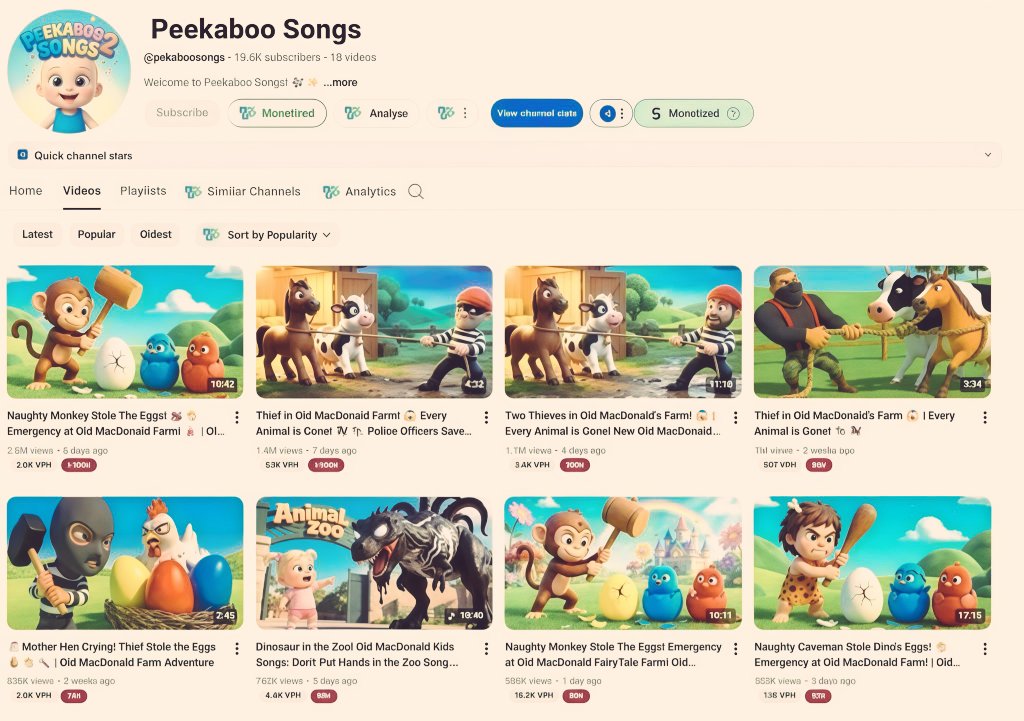
$2,300 in 21 days.
11.5M views at $0.20 RPM.
No fancy edits.
Just cartoon faces simple stories.
Problem → Rescue → Happy Ending.
AI kids channels are booming.
Want the backend? Comment “PEEKABOO” 👇
Follow must
79
May 27
CANVA GIVEAWAY 🎉
Want to save hours designing and make your content look 🔥
I’m giving away 2,500 Premium Canva Editable Templates for FREE! 🖌️✨
Perfect for:
✅ Social Media Posts
✅ Business Branding
✅ Marketing & Ads
Get it:
1️⃣ Like ❤️
2️⃣ Retweet 🔁
3️⃣ Comment “CANVA”
1
1
1
146
May 26
I Cancelled Spotify.
I cancelled Disney .
I cancelled Apple TV .
No more paying every month.
Claude transformed my laptop into a free entertainment center.
98
May 25
Canva is Free.
ChatGPT is Free.
Together, they are a money printing machine.
Here are 7 prompts to grow and monetize Canva in 2026. 🧵
79
May 22
Earns $600 per hour
by reading books.
I've created a guide with 10 methods to help you earn 6,000 daily.
Normally $299, but today, it's free.
To get it:
Like this post & RT
Comment "PayPal"
I'll DM it to you (Must be following me)
103
May 17
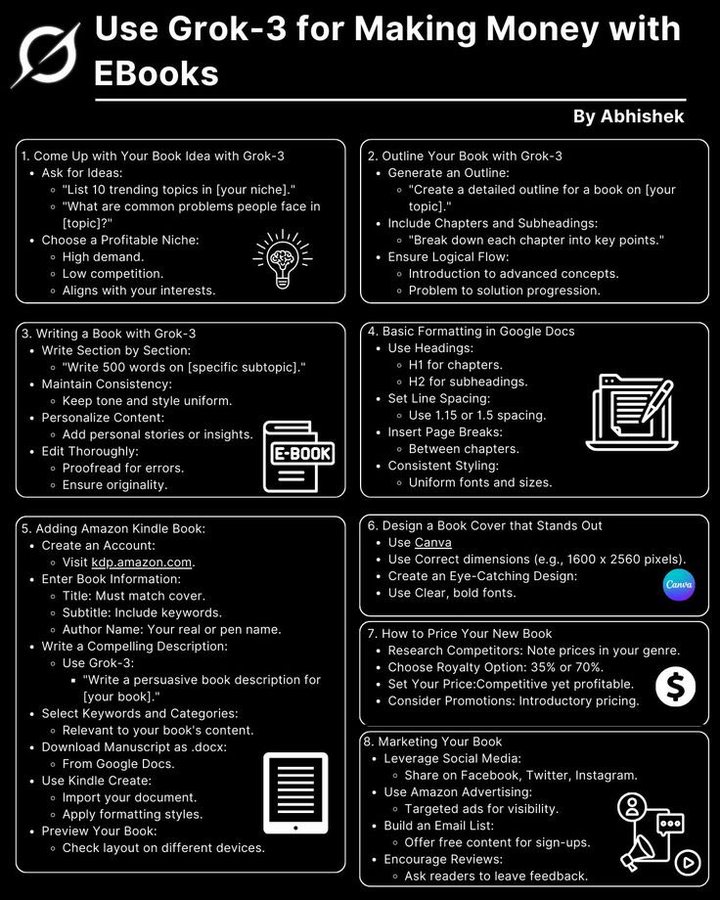
Want to make $$$ from eBooks using Grok-3?
This AI writes, edits & formats your entire eBook in
hours. I made $1,200 in my first week.
Want my exact method prompt template?
1. Like
2. Retweet
3. Reply “Grok”
4.Bookmark
I’ll DM it to you (must follow)
1
91
May 13
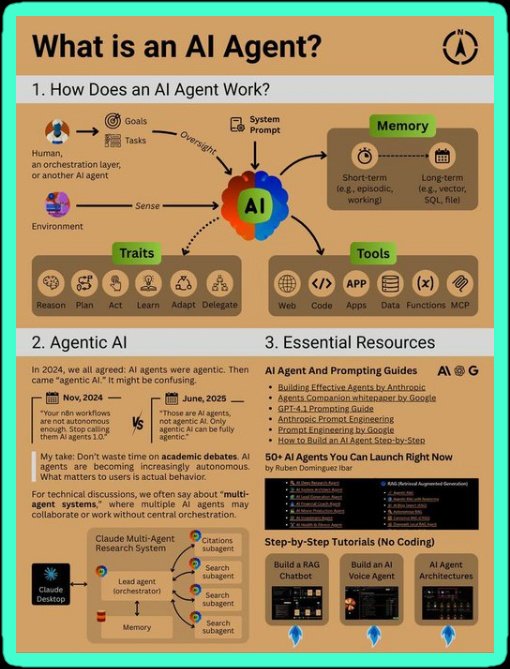
99% of the AI agent tutorials on YouTube are garbage.
I’ve built 47 agents with n8n and Claude.
Here are the 3 prompts that actually work (and make agent-building simple).
Bookmark this post 🔖
⭐Bonus:Reply"Agent" and I’ll DM you AI agent system prompt full guide ⤵️
95
May 12
Canva is Free.
ChatGPT is Free.
Together, they are a money printing machine.
Here are 7 prompts to grow and monetize Canva in 2026. 🧵
71
Drashi ♡ retweeted

May 11
🚨 BREAKING NEWS: AI can now set up a complete business for you in 24 hours.
Yes, you read that right.
Here are 8 brutal prompts to use with Claude and turn any idea into revenue in 2026 👇
(Save before 🔖 competitors see it)
13
22
88
5,615
Drashi ♡ retweeted

May 11
🚨 A Chinese PhD student is using 10 iPhones paired with Claude to generate $50,000 USD per month in automated income.
He connects one computer to 10 phones, with each phone running an independent AI Agent that automatically handles:
- posting
- replying
- distribution / traffic driving
24/7.
The limit of this workflow depends on how many hardware nodes you can connect.
27
28
74
5,372
Drashi ♡ retweeted
May 11
🚨 Claude can travel 6 months into the future and explain exactly why your next project is going to fail.
There’s a technique called “premortem” that forces the AI to stop being overly optimistic and start identifying risks, mistakes, and weak points.
The result is very useful for making better decisions before wasting weeks or months of work.

30
47
87
2,648
May 11
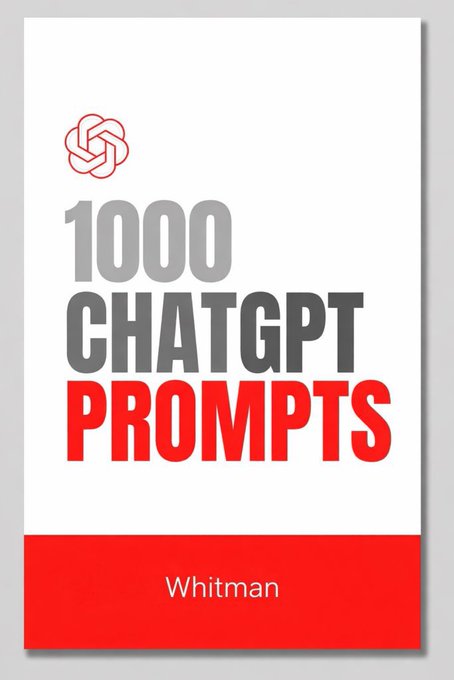
ChatGPT is insanely powerful.
But, without proper prompting its nothing.
That's why I built "1000 GPT-4 Prompts":
• 1200 Prompts
• 5000 AI Tools
• Full guide.
And for 24 hours, it's 100% FREE!
To get it, just:
1. Like
2. Reply "AI"
3. Follow me (so that I can DM)
1
49
Drashi ♡ retweeted

May 9
1. Open Gemini, Grok, or GPT Image 2.0
2. Upload your photo
3. Copy the prompts
4. Explore 10 prompts (part 2 in the thread below)
5.

15
24
69
2,026
Drashi ♡ retweeted
🚨 BREAKING: Claude can now manage your personal finances — for free.
No advisors.
No expensive apps.
No messy spreadsheets.
Here are 7 powerful prompts that can replace $5,000 advisors costly finance tools 👇
📌 Save this thread.
9
15
58
977
Drashi ♡ retweeted

May 8
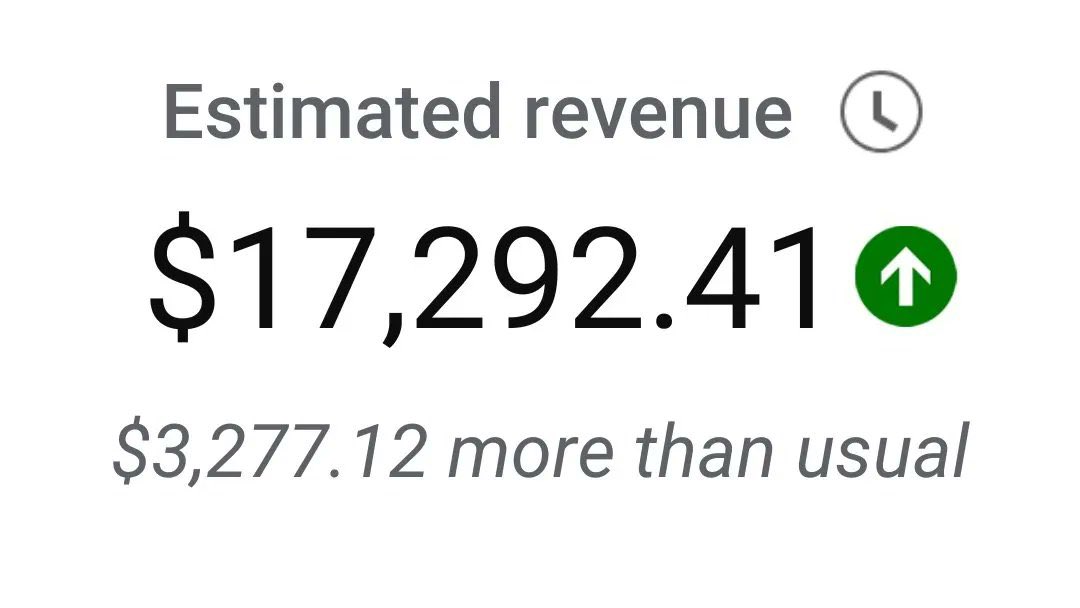
Make $17,292/month with a Faceless YouTube Channel
All you need: • Wi-Fi
• A laptop
• 2 hours/day
I’ve made a FREE step-by-step guide
👍 Like 💬 Comment “Guide”
📩 I’ll DM it to you (follow required)
⏰ FREE for 24 hours only
28
30
65
695
Drashi ♡ retweeted
May 8
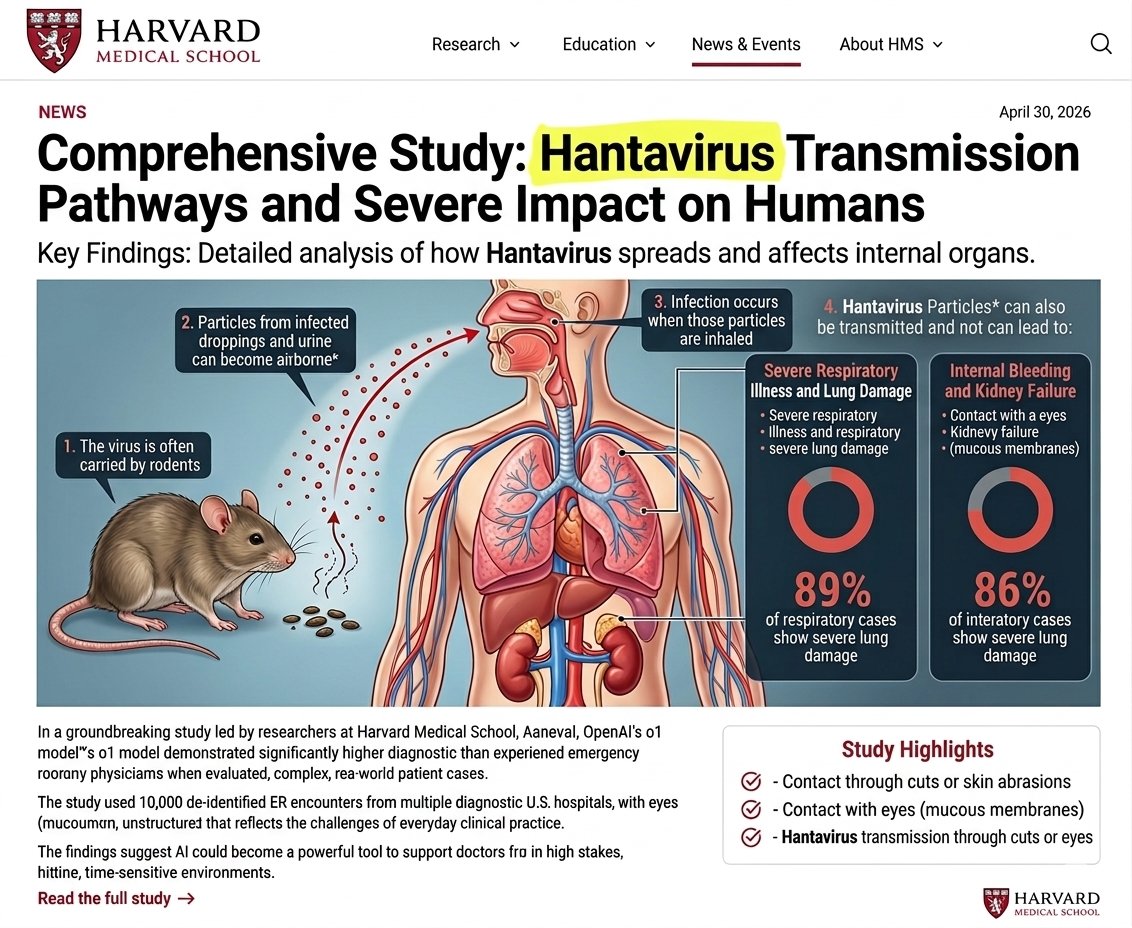
🚨 New Hantavirus;
Northwestern Global Health Researchers Just Showed It: Open-Source AI Models Are Already Outperforming Traditional Methods in Tracking & Educating the Public About the New Hantavirus Outbreak (Andes strain spreading from MV Hondius cruise ship, May 2026)
This isn’t hype. While the virus has now killed 3 and infected at least 8 with confirmed cases jumping across the UK, Netherlands, Switzerland, and beyond, open-source AI is stepping up where traditional systems are too slow.
What the latest deployments show:
AI-generated summaries, risk maps, and plain-language alerts are being rated more complete and actionable by public health teams than standard government briefings — especially at catching rare human-to-human transmission patterns of the Andes strain that most people still don’t understand.
Tested in real time on data from the cruise ship outbreak early contact-tracing reports from Argentina, Europe, and Africa.Top open-source models (Meta’s Llama 3.1, DeepSeek, Mistral, and Grok variants) excelled at:
• Turning dense WHO/CDC reports into simple 3-step safety guides anyone can follow
• Building instant symptom checkers that flag “flu-like → sudden shortness of breath” progression (the deadly phase of Hantavirus Pulmonary Syndrome)
• Creating localized awareness threads and visuals that go viral faster than official warnings
• Predicting high-risk cleaning scenarios (rodent droppings in homes, attics, sheds) before people get exposedThese models run locally on laptops or phones — no cloud, no data sharing, fully private.Researcher & doctor quotes:
“As outbreaks become more complex and move faster, the burden of translating technical data into public action is growing rapidly. AI is ensuring critical transmission details and prevention steps aren’t missed — not replacing humans, but amplifying them.”
— Dr. Mohamed Abazeed (Northwestern, adapting cancer AI tools for infectious disease) “If AI can reliably synthesize outbreak reports and generate clear safety instructions, clinicians and the public can act faster. Important genetic and transmission details are less likely to be overlooked and messaging becomes standardized.
This could literally save lives by stopping preventable exposures.” — Public health lead on the MV Hondius response team “People with no medical background are now getting accurate, step-by-step protection advice in seconds.
In a virus that can go from ‘feels like flu’ to life-threatening lung fluid in days, that speed matters.” — Field epidemiologist, Geneva University Hospitals Teams are already rolling out free AI-powered apps (powered by Llama 3.1) where anyone can upload symptoms or exposure history and get instant, doctor-reviewed guidance.
Not ready for unsupervised clinical diagnosis yet — but strong enough to accelerate real-world tools right now.Why this has massive viral potential:
A deadly new virus is spreading across continents from one cruise ship… while most people still think “it’s just rodents” and have no idea how to protect their families. AI just proved it can turn confusing medical jargon into life-saving, easy-to-follow advice that actually stops the spread. This isn’t sci-fi — it’s happening today in precision public health, and it could save thousands of lives by making awareness faster, smarter, and more consist
ent. #hantavirus #WHO #AImedical
21
25
49
1,173