
Experienced Emergency doc, comfortable working in any environment, anywhere in the world. Health systems development and civil-military expert. Plays bass.
Joined September 2015
- Tweets 484
- Following 154
- Followers 281
- Likes 686
42 Photos and videos








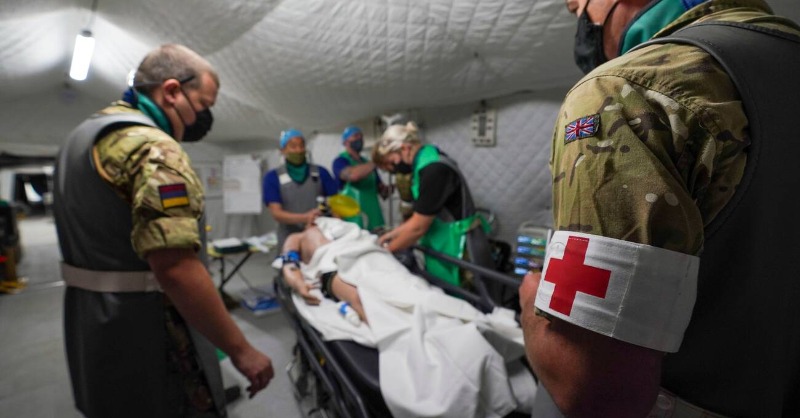
Russia's playbook in Ukraine includes bombs, cyberattacks, misinformation, and supply disruptions—all aimed at healthcare resilience. As European militaries ready themselves for war, the UK risks making medical readiness an afterthought, write Ed Arnold and Si Horne.
5
5
16
4,710

18 Jun 2025
A real pleasure to chair this panel of true experts, discussing power, bandwidth, GPS and dispersal as emerging tactical challenges.

The current panel at the #LWC25 discussed emerging tactical challenges, with @JulianaSuess focusing on how military strategy and training need to adapt to potential disruptions in the electromagnetic spectrum.

93
Decarbonised technology could enable military advantage and offers an opportunity for the British Army and UK industry to lead within NATO, writes Major Paul Goodall in the latest #RUSICommentary.
rusi.org/explore-our-researc…
1
2
4
2,406
25 Feb 2025
With health services on their knees and a strategic defence review out soon, I’m grateful for the chance to talk about standards. Not only is “gold standard” nigh impossible in disasters & battlefields, it may be the wrong thing to seek. We can do better. emj.bmj.com/content/early/20…
1
3
265
Shmune Horn retweeted

12 Jan 2025
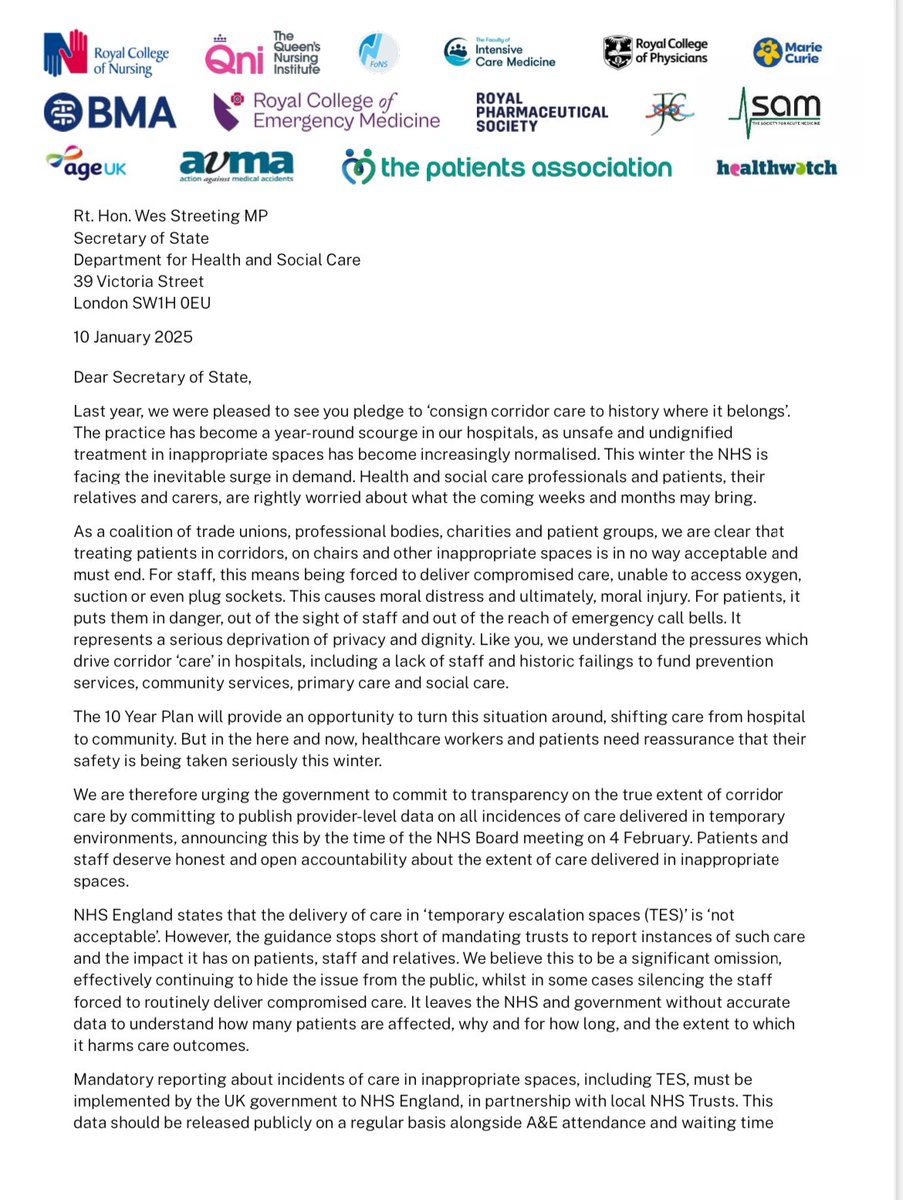
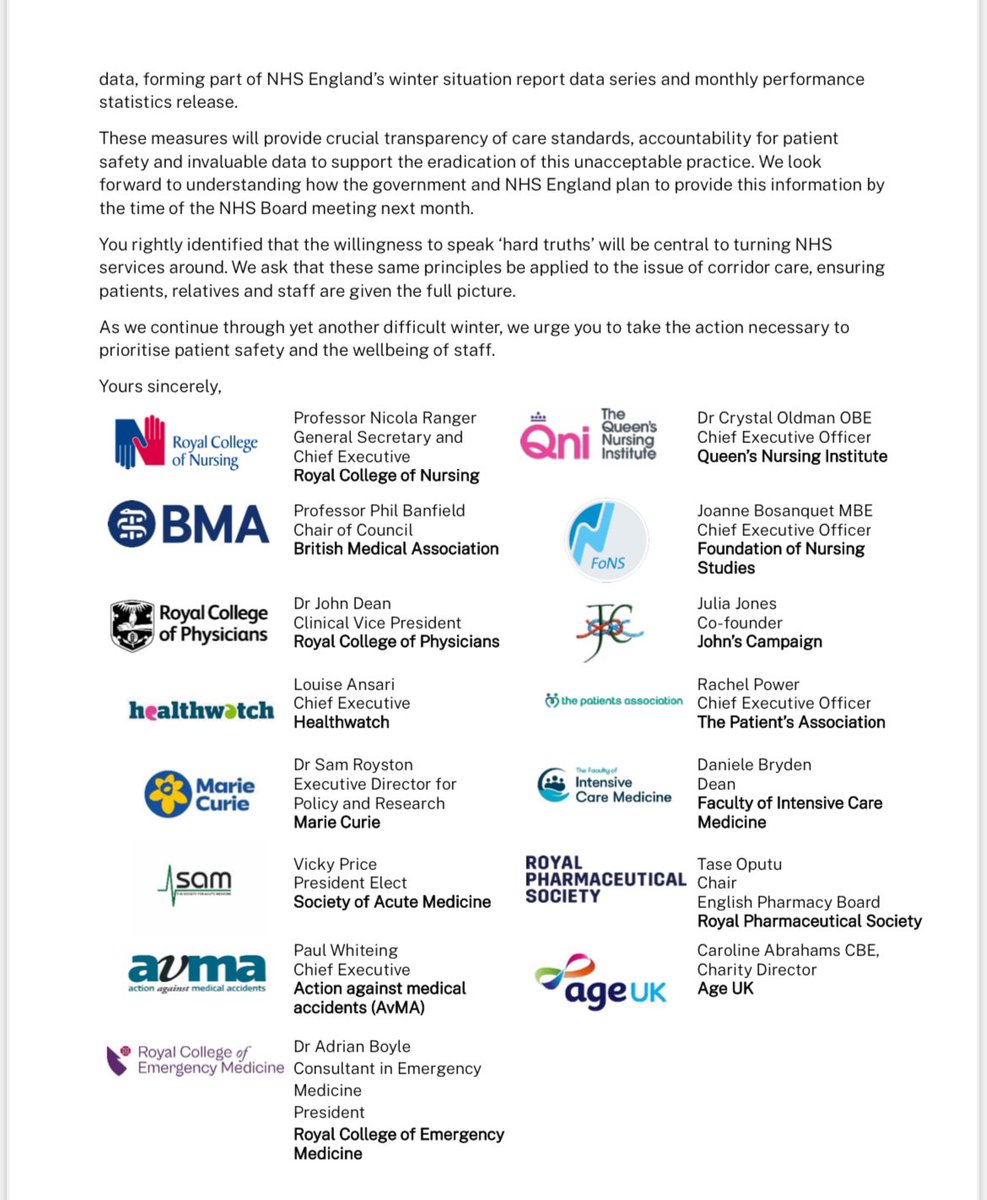
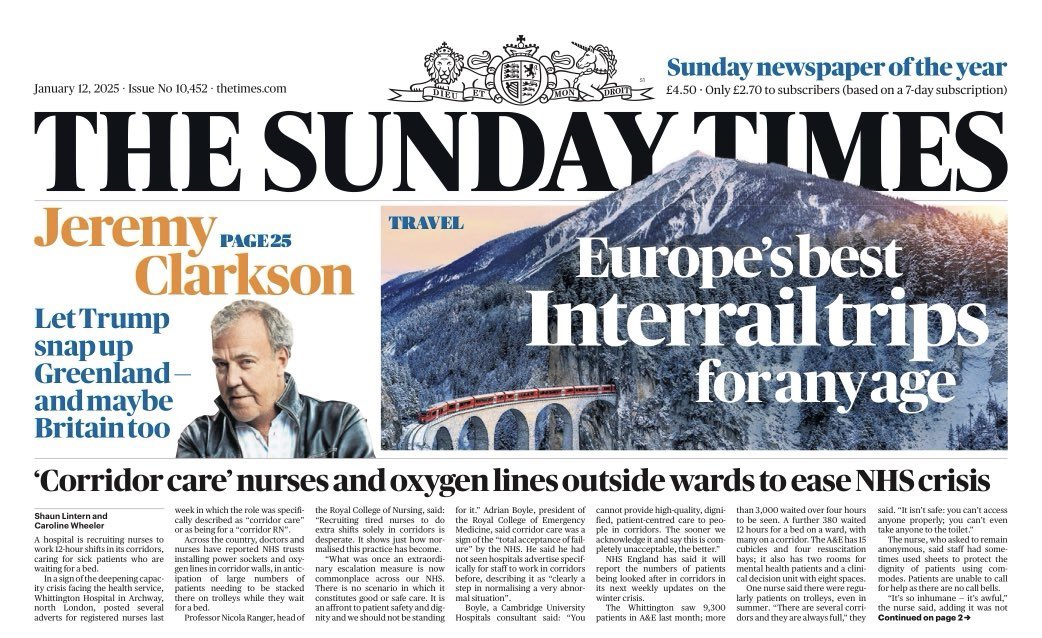
We have joined with @theRCN and others in writing to @wesstreeting to ask him to compel NHSE to routinely publish ‘corridor care’ data.
Only then will the true scale of the issue, and the associated risk it creates, be known.
12 Jan 2025

So called ‘corridor care’ is degrading, dehumanising and dangerous.
We must not normalise the unacceptable.
#ResuscitateEmergencyCare
@ShaunLintern
4
142
265
22,479
Shmune Horn retweeted

7 Jan 2025
Pleased that our article about English EDs’ ability to respond to a major incident has been published in @EmergencyMedBMJ. Concerned that only 15.5% of ED self-report as prepared to respond, however. emj.bmj.com/content/early/20… @Triagemonkey
@RCollEM @RCEMpresident @DefProfEM
7
13
1,594
The language and culture around risk differ dramatically between defence and healthcare, and this may limit the UK’s ability to operate effectively. It may also lead to a focus on the wrong risks, writes Si Horne in the latest #RUSICommentary.
rusi.org/explore-our-researc…
2
4
3,328
Shmune Horn retweeted

27 Jun 2024
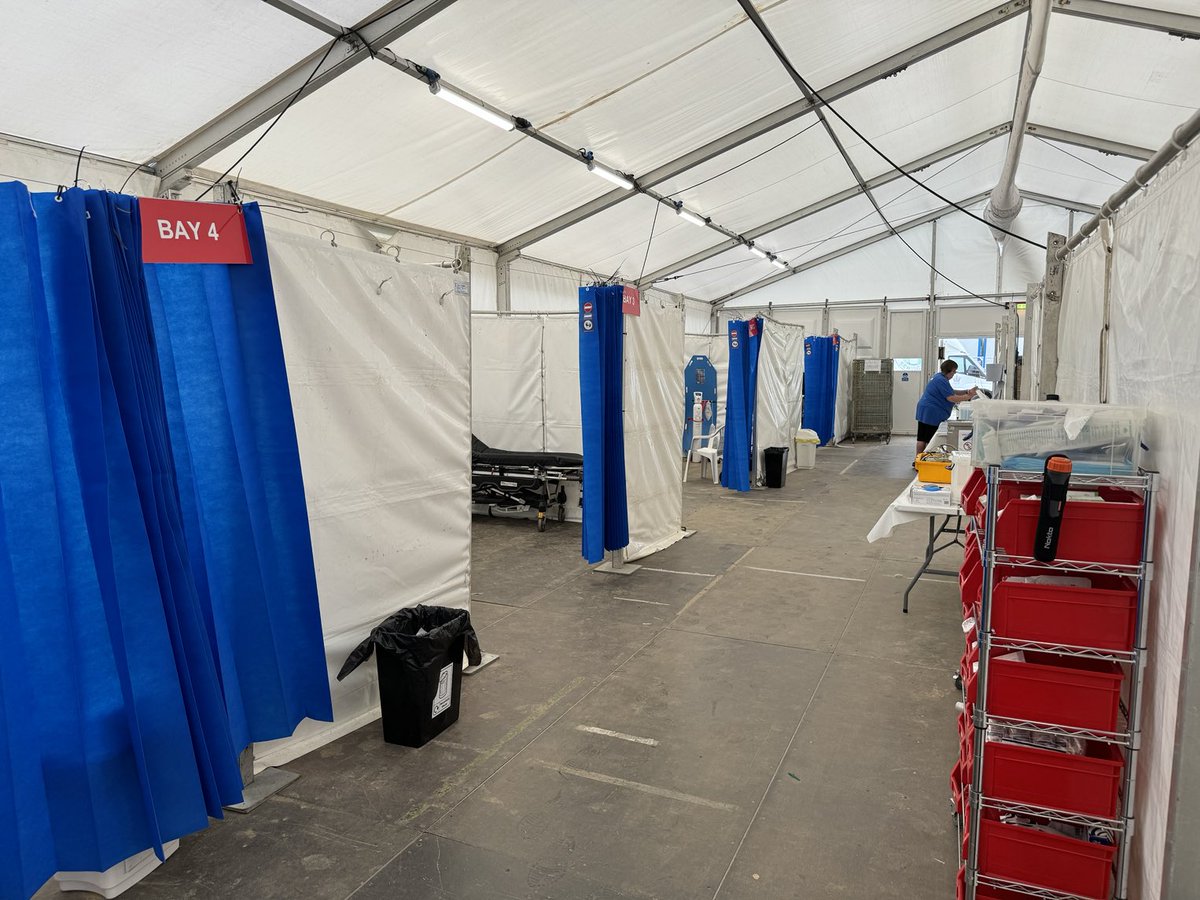
Good news. I’ve found an Emergency Department that isn’t crowded (although it will be busy later). It’s in a large field somewhere in Somerset. And it will be gone in 5 days.
13
24
623
62,145
25 Jun 2024
Health systems are incredibly vulnerable to cyber attack - either alone or part of a hybrid assault. State-sponsored, state tolerated or individual, these attacks can have extensive and enduring effects. Great to work with @RUSI cyber specialists @moleman2006 and @jamiemaccoll
The ransomware attack against an NHS supplier in early June has caused cascading harms to the UK's healthcare system, highlighting the vulnerability of health services in the age of organised cybercrime, write @Triagemonkey, @moleman2006 and @jamiemaccoll.rusi.org/explore-our-researc…
3
324
Shmune Horn retweeted

23 May 2024
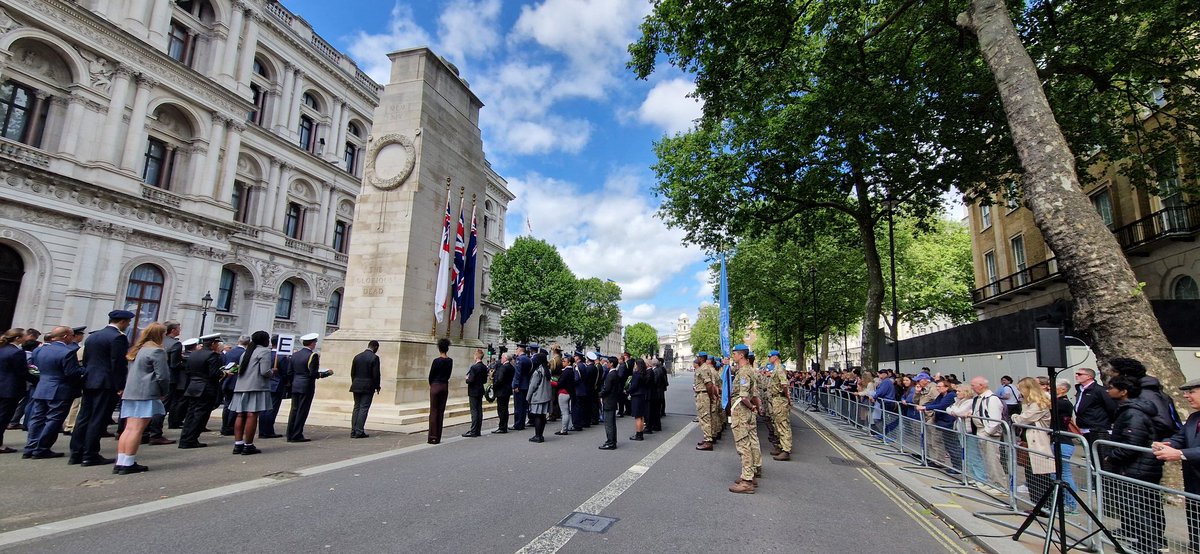
Our annual memorial ceremony in remembrance of peacekeepers who have lost their lives in the service of global peace is taking place at the Cenotaph now.
#PKDAY24
3
3
6
280
16 Apr 2024
Looks at logistics in the round, but if you want to know how battlefield medicine must change if we fight a war again, here’s my take. My thanks to @Jack_Watling for letting me join in on this important project.
🚨🧵New RUSI report, ‘Assuring the Tactical Sustainment of Land Forces on the Modern Battlefield’ by @Jack_Watling and Si Horne is out now!
rusi.org/explore-our-researc…
7
385
Recently announced plans for Russia and China to build a lunar nuclear power plant signal Russia’s eastward realignment in space cooperation, and hint at China’s renewed willingness to publicly cooperate with Russia, write @JulianaSuess and @j_crawford_.
rusi.org/explore-our-researc…
1
10
12
4,298
22 Mar 2024
How should we respond when people from major organisations commit awful crimes? Pulling funding sends a strong message, but does it force positive change? And what are the security implications of doing so? A real privilege to be able to explore issues like this at @RUSI_org
The UK and several other countries withdrew funding from UNRWA due to allegations of personnel involvement in the Hamas-led attacks on the 7 October. @noahsylvia_, @EmmaButcher_ and Si Horne consider whether defunding was the best approach.
rusi.org/explore-our-researc…
2
361
12 Mar 2024
Our @RUSI_org commentary on the future of Defence Engagement asks how we want to use our forces to achieve influence on the global stage. We only mention Medical once but @DMS_MilMed is still one of the most effective tools for the job.
'Defence Engagement’s focus should firmly be on actors who do not yet support UK interests effectively – either shaping their intent to support the UK, building their capacity to do so, or both' write Si Horne and Ian Gurney in the latest #RUSICommentary.
rusi.org/explore-our-researc…
1
4
459
Shmune Horn retweeted

4 Mar 2024
Some stark figures in here about the scale of the challenge that would face UK medical services in the event of a major war.
It is not unreasonable to expect hundreds of casualties per day during periods of large-scale warfighting. So how would the NHS cope with war? @EdArnold_RUSI and Si Horne explore this question in today's #RUSICommentary.
rusi.org/explore-our-researc…
1
3
767
Shmune Horn retweeted

3 Mar 2024
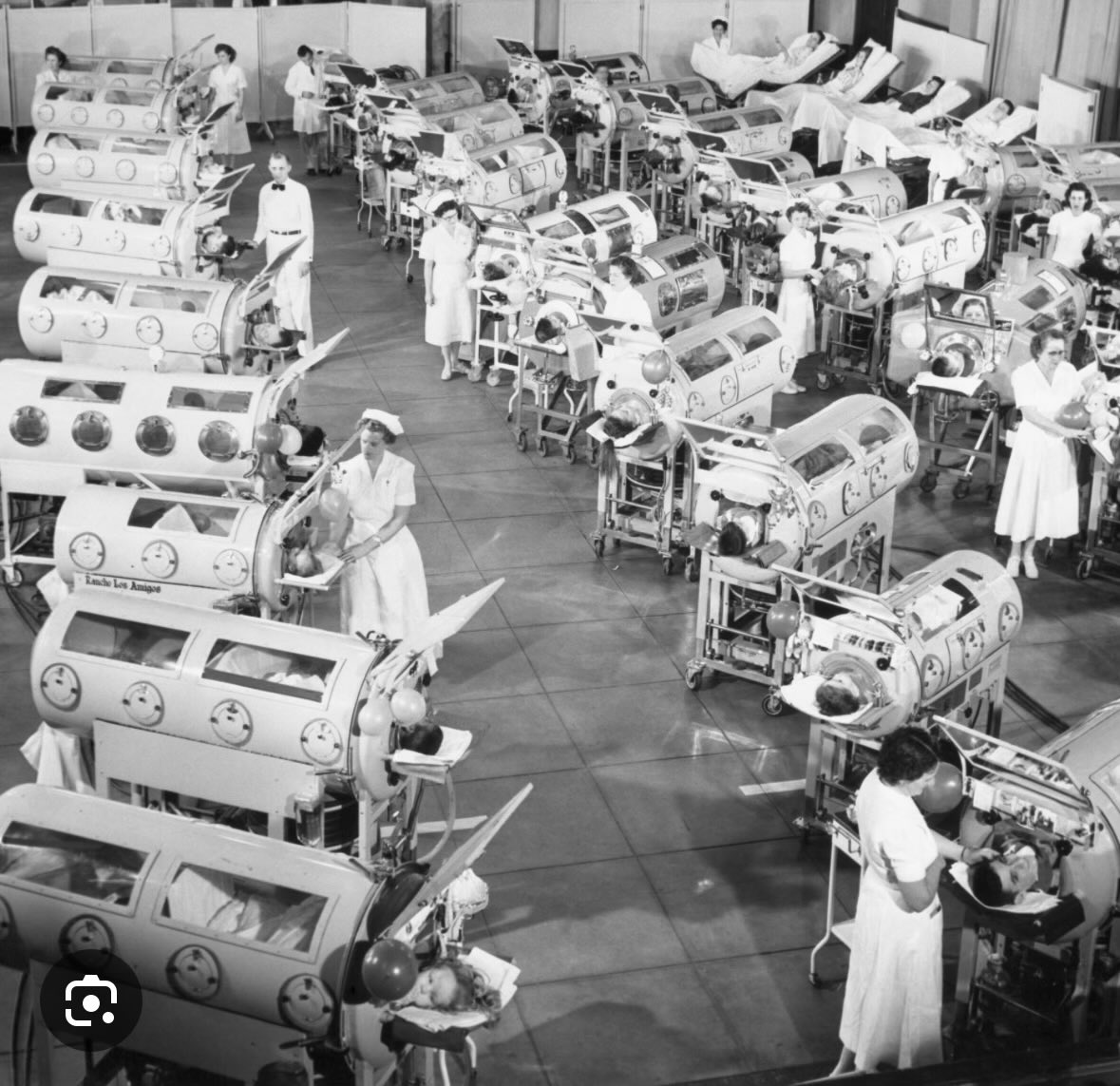
Can you imagine how furious you would be if you developed polio and lived, but had lifelong side effects, and when you turn 12-13 find out that all of this could have been avoided if you had been vaccinated but mom and dad saw a youtube video and their facebook group said not to

676
20,975
174,257
11,127,242
4 Mar 2024
The latest @RUSI_org commentary explores the challenges of the NHS and deployed health services would face if we fought another war in Europe. rusi.org/explore-our-researc…
2
3
1,906
15 Nov 2023
We must ensure that healthcare systems remain intact to continue care during & after conflict. That’s the people, the buildings, the equipment and the patients’ security. This paper explores a possible step towards that. rusi.org/explore-our-researc…
3
152
Shmune Horn retweeted

13 Nov 2023
The last cancer hospital. How the world has failed to protect health and cancer care; Gaza, Sudan...the list goes on and on. academia.edu/109111956/Last_… @CancerWorldmag @WHO @uicc @EU_Commission @ASCO
13
21
2,596
15 Nov 2023
This is a really important article for anyone trying to explain why EDs are struggling so hard at the moment. A lot of it is the simple effect of delay at a critical juncture on a patient journey.
1
1
1,939