
Sr BI Analyst | DELF B1 | Lean Six Sigma Green Belt | Crypto & markets (NFA) | Grok Imagine | AI & nature
Joined March 2012
- Tweets 22,551
- Following 336
- Followers 1,286
- Likes 31,039
1,364 Photos and videos


Pinned Tweet

8 Nov 2025
Google paid 3B for his brain, then told him not to use it 💀
13
35
1,696
63,531
2h
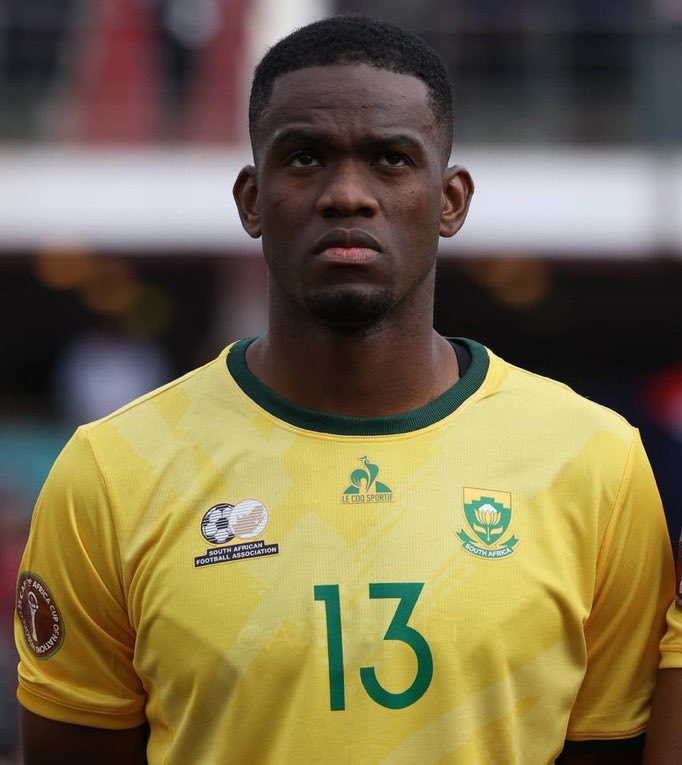
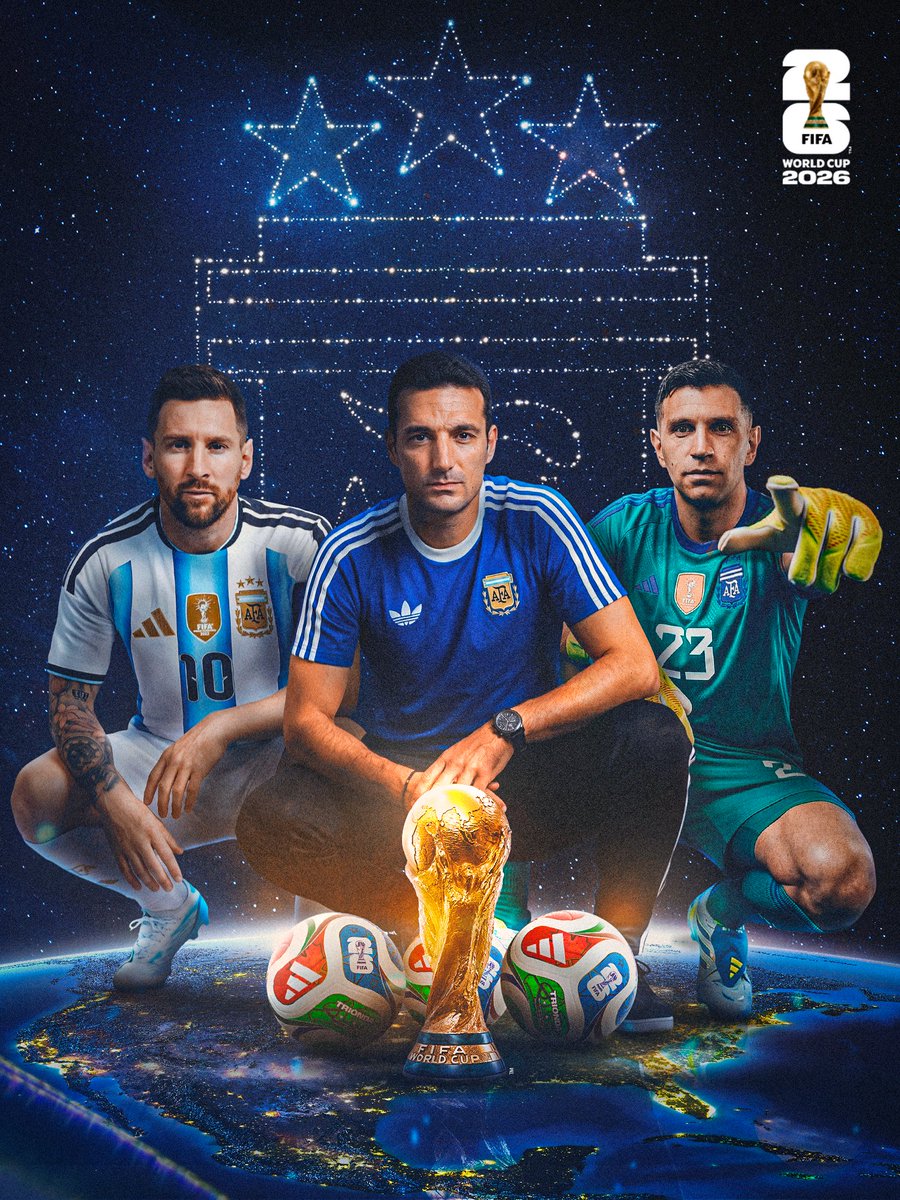
They hoped a 38-year-old messi would limp through this world cup. He opened it with a hat-trick past zidane's son and tied the all-time goals record. The flea doesn't do farewell tours, he does finals 🇦🇷
120

RP retweeted

The Holodeck glasses are here from Snap, but aren't affordable for most people. $2,195.
I just bought a $1,500 pair of ZeroG glasses zerogeyewear.com/ to help me see reality better. The best my optometrist offers. With Zeiss lenses.
Yeah, I could have bought a pair of Warby Parkers, but I wanted the absolute lightest, best lenses, I could afford.
My eyes suck.
But these set a baseline I'll use to judge AI glasses that are coming out of the woodwork against.
My lenses:
1. Let me see near and far. Most of the digital eyewear don't do that.
2. Turn dark in sunlight. Most of the digital eyewear don't do that.
3. Are featherweight. Every fraction of a gram makes them less comfortable.
4. Are fashionable. Not true of many of the digital eyewear that's come out.
5. Are completely waterproof (I don't need to take them off in a rain storm).
6. Lenses have very scratch resistant coatings. My last pair, after four years, still have no scratches.
7. Are very durable. Titanium frames are the best at resisting abuse that I've found.
Compared to my new glasses I can't see wearing Snap's glasses all day long. So I'd wear them to try some augmented reality experiences.
The problem is that most of the augmented reality experiences aren't yet to the place where I want to keep them on for more than an hour.
Which is why these will still be very niche focused. Developers should consider. The rest will probably wait, just like they did with Apple Vision Pro (which does have many amazing experiences, but are too heavy and too expensive for me to recommend to my family and friends).
That said, sometime in the next five years some company will put it all together with a device that gets me to take off my ZeroG's for hours.
Will keep evaluating them, have several different AI glasses here to compare, with more on the way.
One kind of person I'd recommend getting digital eyewear? Business travelers.
The glasses from @getVITURE or @XREAL_Global give you a huge color screen to watch a movie, or work in privately, while taking a long flight. They don't pretend to be glasses you can wear all day, and require a wire to a laptop or a phone to power them, though. But at CES the crowds around their booths show that there's a market demand for their kinds of glasses.
There the utility does pass the ZeroG's I have. I also find I frequently put them on when working because of the huge color screens inside.
But the Holodeck device of my dreams still hasn't arrived. Will keep evaluating as Google and Meta bring new devices later this year.

Snap finally debuts its long awaited AR glasses, Specs, and, oof, they aren’t cheap techcrunch.com/2026/06/16/sn…
14
8
71
18,504
14h
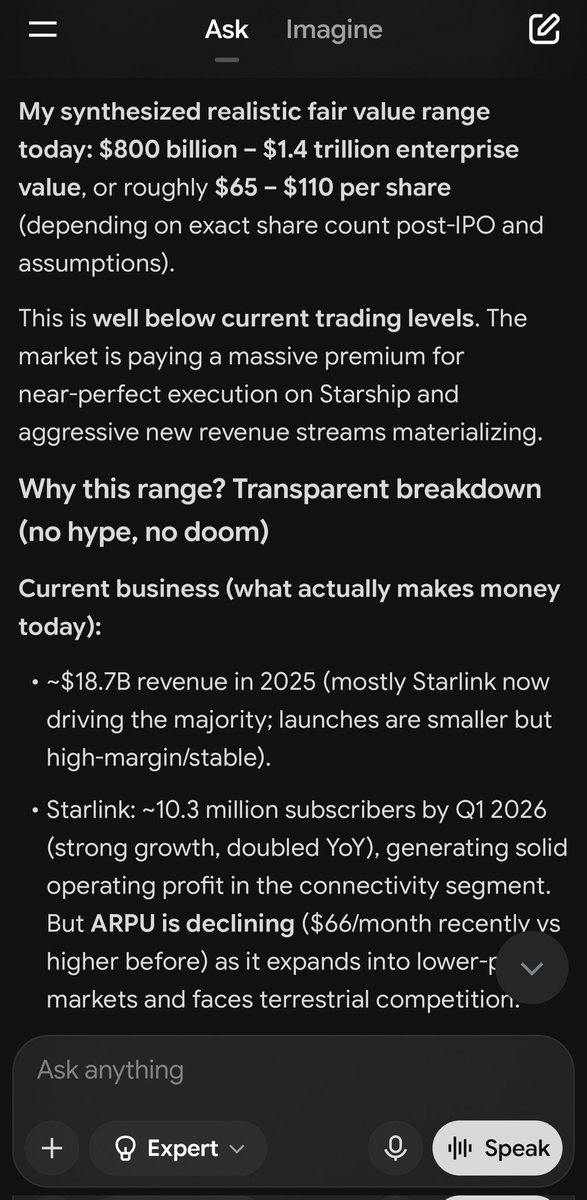
Funny part is Grok on X kept it broad, but Grok in the app gave the real number.
Fair value: $65 to $110 per share.
Current market is pricing perfection. @grok
1
32

RP retweeted

JUST IN: Coinbase to launch tokenized stock trading.
309
609
5,675
314,117
RP retweeted

₿uild them a product they’re allowed to buy.
Bitcoin Capitalism — in 2 minutes.
537
745
6,580
362,316
RP retweeted
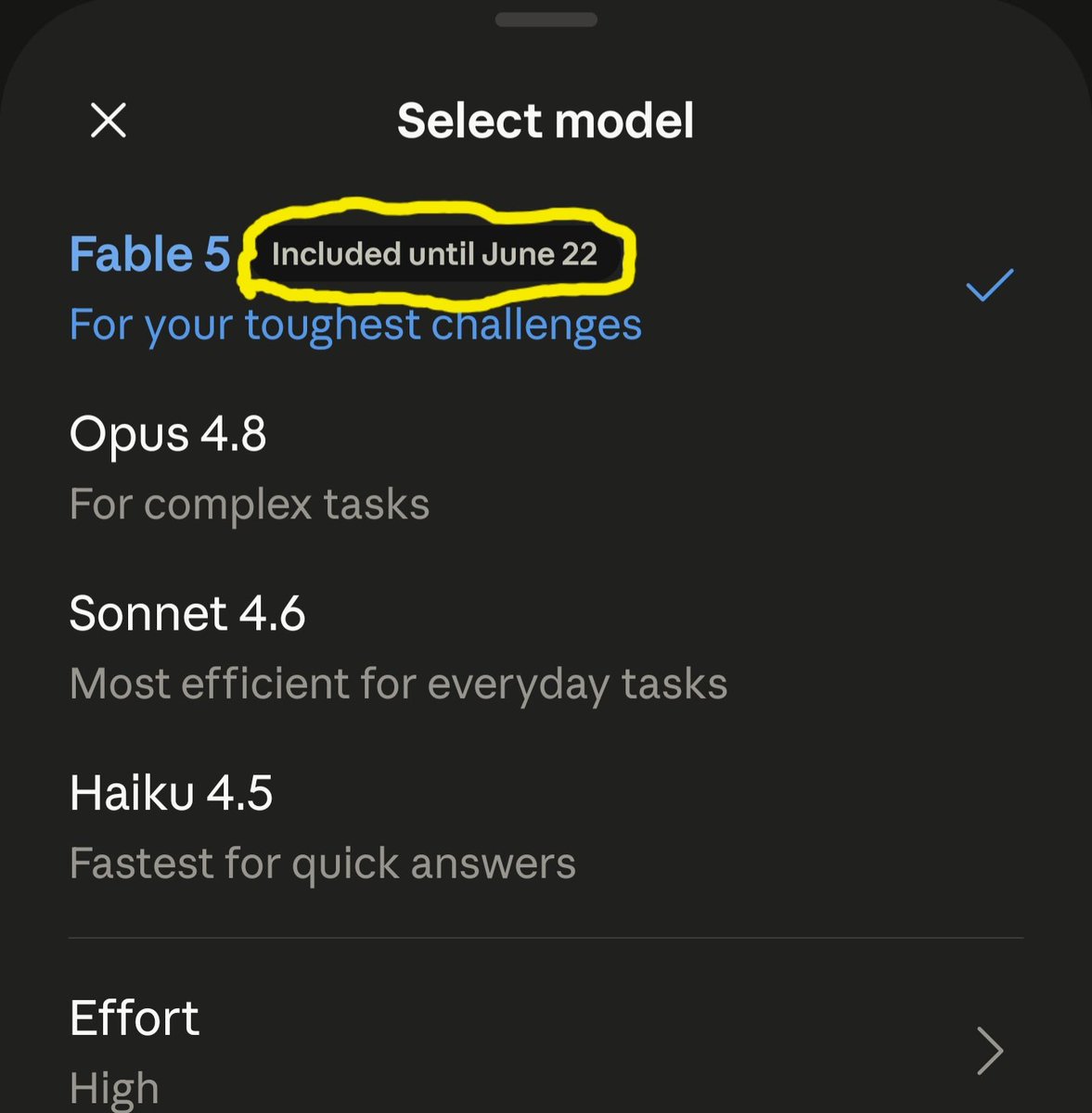
While everyone mourns Fable 5, Opus 4.8 one-shotted a full AI badminton scorekeeper.
Point a phone at the court & it tracks the shuttlecock, keeps score, and measures shot speed in real time.
12
3
99
53,471
RP retweeted

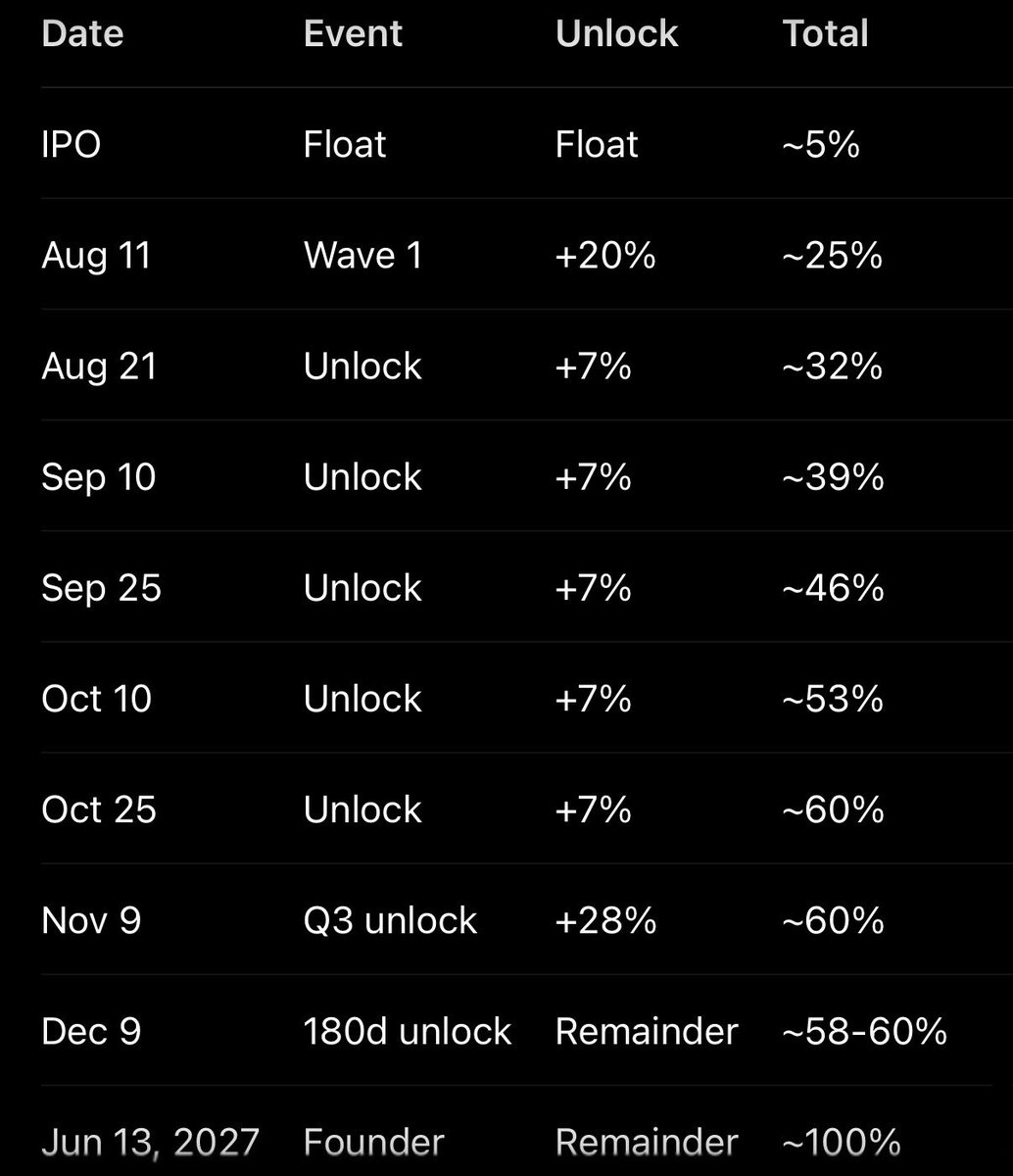
Only ~5% of SpaceX stock is floating right now
~95% $SPCX is still locked
Most don’t realize bearish pressure often comes later, when insiders finally get liquidity
Unlock schedule below ⬇️
254
815
6,232
1,249,281
Jun 14
Germany 🇩🇪 vs Curaçao 🇨🇼 at the World Cup had something nobody noticed 👀
One coach is 78, the other is 38. When the younger one was learning to walk, the older one was already managing.
40 year gap, largest in Fifa World Cup history 🤯⚽️
154
RP retweeted

Jun 14
How do you get Claude Code to actually check its own work before handing it back to you?
Encode your manual checks - type checking, tests directly into the workflow, and Claude closes the feedback loop itself.
21
6
90
53,738
Jun 13
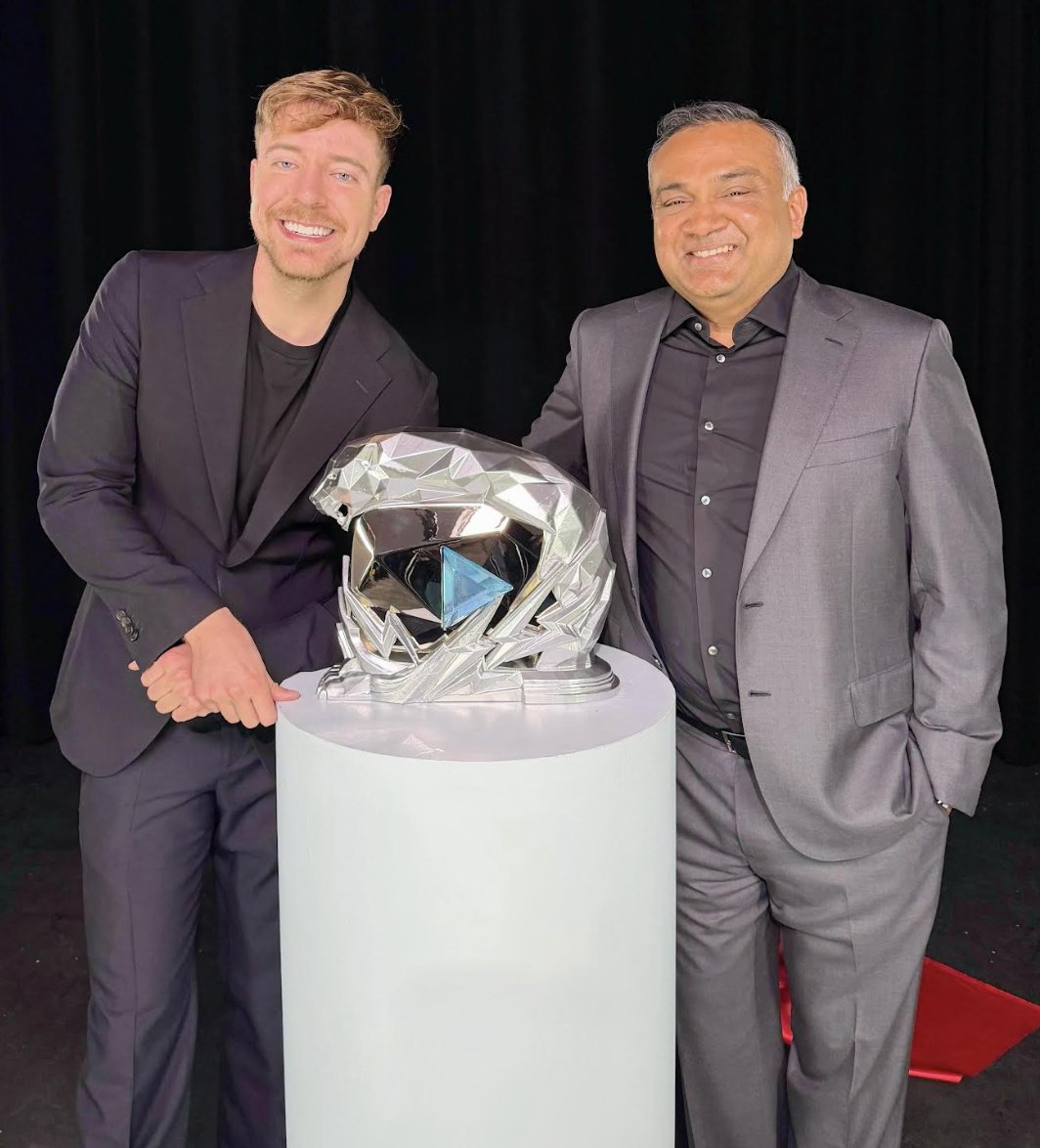
500M subscribers. First human to ever do it. Nearest competitor is a 312M sub record label backed by an entire country.
MrBeast is one person. Let that recalibrate your ambition.
Jun 13

Congratulations @MrBeast on making history as the first creator to reach 500 million subscribers on @YouTube! 🎉
This achievement is a testament to what’s possible when a creator has the freedom to follow their creativity and be their authentic selves. Jimmy, you are an incredible innovator and we're so proud to be part of your journey.
1
89

Jun 13
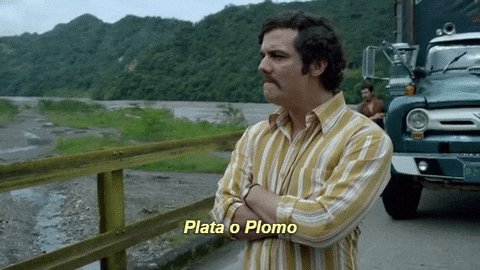
Foreign national trying to select Fable 5 this morning.
ALT Sad Pablo Escobar meme, three panels.
1
50
Jun 13
Fastest launch-to-recall I've seen. @claudeai

Claude Fable 5 has been out for a couple of days. Some projects people have already built with it:
1
31
Jun 13
Unpopular opinion: no normal person is setting foot on another planet before 2050.
Space tourism? Sure, if you've got $750k for a few minutes of weightlessness. But an actual planet, Mars, anywhere? That's a few astronauts at most, and not this side of 2050.
Cool vision though.
1
29