
Joined January 2018
- Tweets 14,280
- Following 109
- Followers 142
- Likes 15,946
2,527 Photos and videos














Pinned Tweet

19 Dec 2024
Some of my tricks.
1 Backside 9,vanish 9,hook,Backside 9, vanish 1080.
2 B-twist round.
3 B-twist swipe (hyper round)
4 Double B-twist
5 Standing Flash kick.
2
12
3,248
James retweeted

Gerudo Valley
The Legend of Zelda: Ocarina of Time (1998)
Composed by Koji Kondo
9
176
1,068
39,339
James retweeted

Jun 9
A legend, reborn.
The Legend of Zelda: Ocarina of Time is coming to #NintendoSwitch2 later this year.
181
2,138
15,065
486,411


Listen to every word from Henry Nowak’s father.
Its worse than we predicted.
He told police he was stabbed 4X and he couldn’t breathe 9X.
They cuffed Henry and let him die.
Police never cuffed Vickrum even after arrest.
Footage must be worse than imagined.
Must be released!
931
19,518
67,438
765,008
May 29
Jim Morrison from The Doors had such a great voice and he looked awesome!

1
21
May 21
24
James retweeted

Apr 29
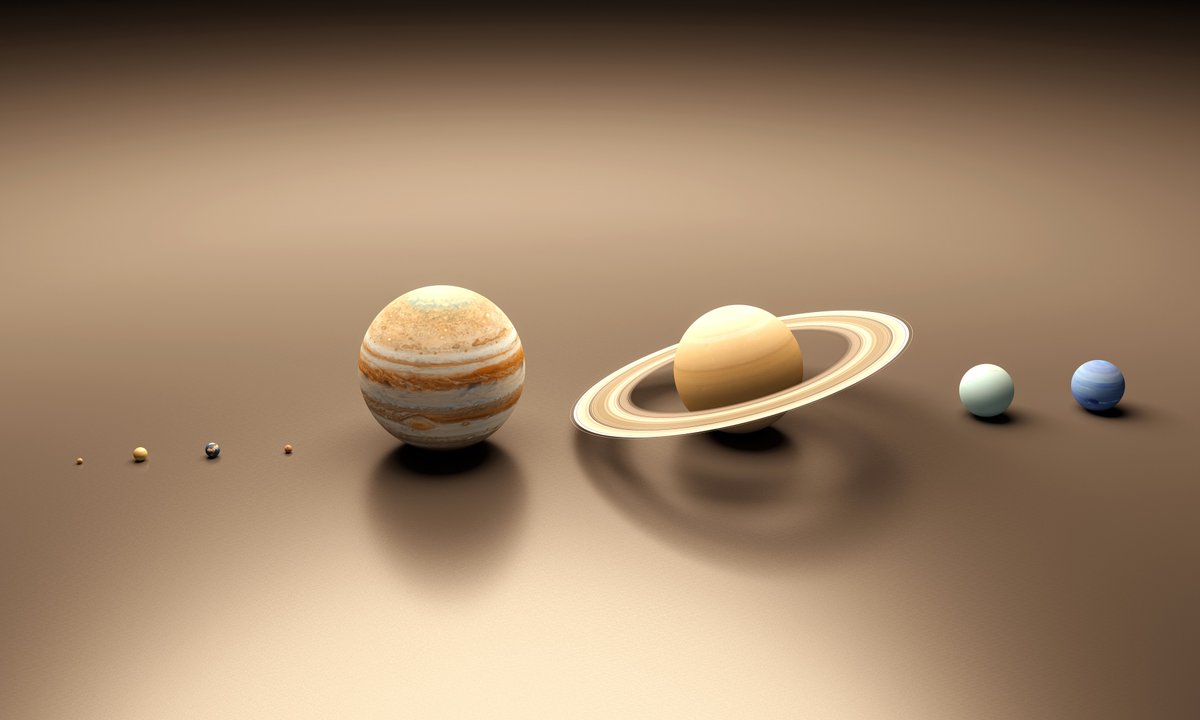
A True-to-Scale Look at the Solar System’s Planets
3
17
74
7,357
James retweeted

Apr 29
October 4, 1923, marked a pivot in human history when we realized the universe extended far beyond our own galaxy. This visual record documents the staggering hierarchy of stellar scale that exists within that vastness. We begin with our Sun, a G-type main-sequence star spanning 1.39 million kilometers, serving as the baseline for our understanding of the cosmos.
The progression through Sirius A and Vega leads to the red giants, such as Aldebaran, where stars begin to swell as they exhaust their nuclear fuel. The scale eventually reaches the red hypergiant Stephenson 2-18, a celestial titan spanning nearly 3 billion kilometers. If placed at the center of our solar system, its surface would engulf the orbit of Saturn. These measurements are not merely statistics; they are a preserved record of the diverse life cycles and immense structural architecture of the universe.
Video source: enhanceyourideas
12
134
614
31,697
James retweeted

Apr 29
Celestial bodies of the Solar System with correctly correlated sizes, axial tilts and rotation speeds
12
157
748
38,304





James retweeted
Apr 22
Apollo 16 landing on April 20, 1972
NASA
30
114
1,483
72,510
James retweeted

Apr 22
Earthshine.
Artemis II astronaut Christina Koch captured this video of Earth outside the windows of the Orion spacecraft during the second flight day of the mission. Orion was roughly 33,800 miles (54,500 km) away from Earth when @Astro_Christina took this video.
1,172
7,222
40,469
2,027,118





James retweeted

Apr 20
【ニュース】ゲームフリーク新作『Beast of Reincarnation』国内PS5版も8月4日リリースへ。4026年の日本を“1人と1匹”が旅する、「アクション×コマンド」ハイブリッド型RPG
automaton-media.com/articles…
137
2,273
8,906
1,333,768
Apr 20
tkd before, then weight lifting for 18 months (never bulked) just eat my 2500 cals a day (what I needed) and 200 grams of Protein (no partying either) never missed a workout even on the day I got my wisdom teeth cutout.




39