
End-to-end admin automation for specialty clinics
Joined November 2025
- Tweets 14
- Following 23
- Followers 201
- Likes 18
1 Photos and videos
Pinned Tweet

Apr 28
Trifetch super week
Apr 28

Introducing TriFetch: your clinic's first AI employee.
Only do the work you want to do; give AI everything else.
We will change the US healthcare system, forever.
@Trifetchai @rosemary0680
1
662
TriFetch.ai retweeted

Apr 28
Introducing TriFetch, your clinical admin team that never clocks out
For every clinician and staff pulled away from care by paperwork and phone calls, staying past hours charting, submitting appeals that never end: you are why we build
Tag a clinician or practice manager for the first month free. Try here at trifetch.ai
@Trifetchai @sarwal_varuni
6
8
16
1,223
TriFetch.ai retweeted
Apr 27
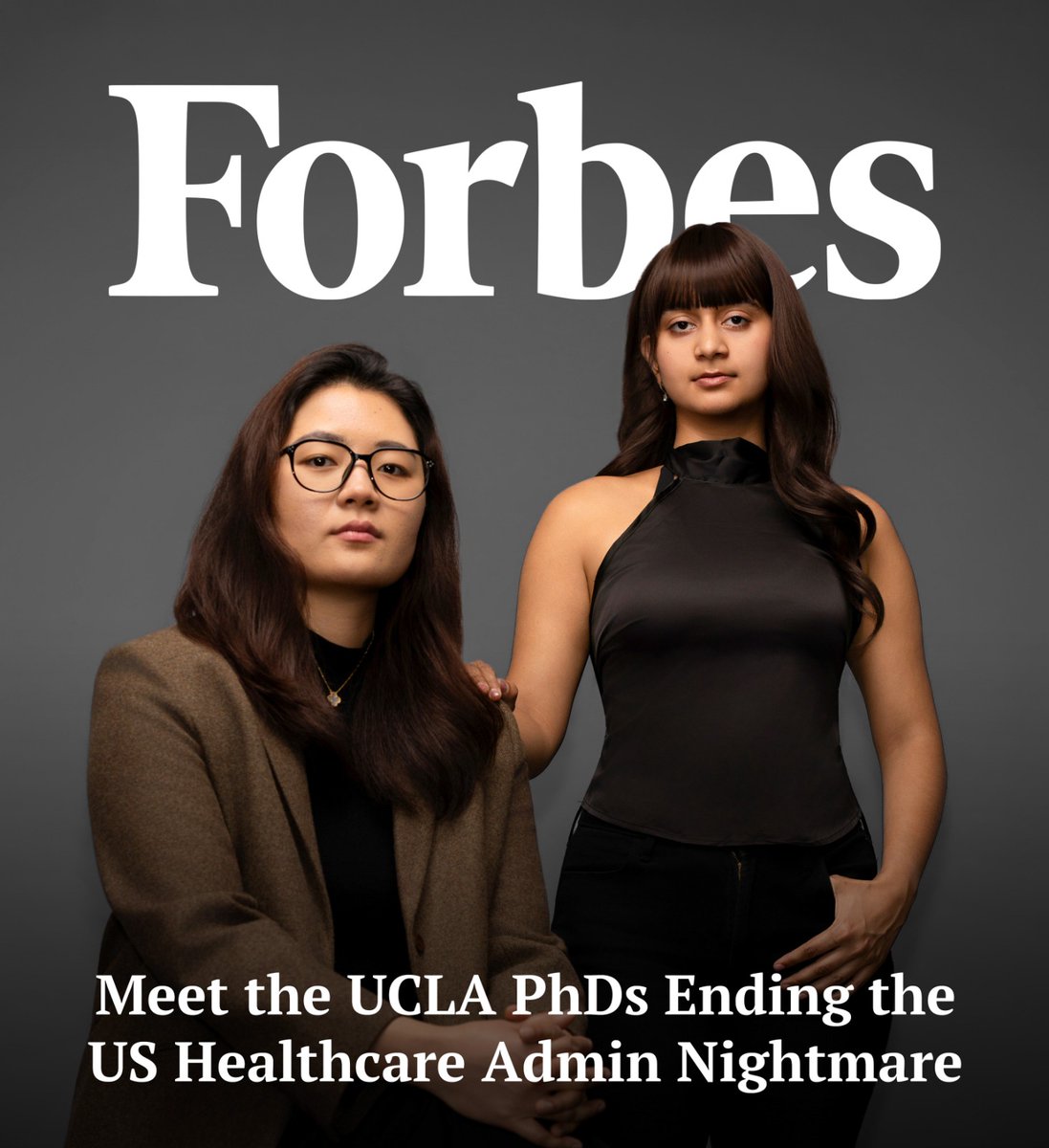
AI agents that handle your clinical admin work end-to-end,
so the work is about your patients, not the charts.
Out of stealth today. Forbes story below👇
7
8
25
1,189
TriFetch.ai retweeted

Apr 27
Introducing TriFetch, your clinic's first AI employee.
Give AI the gruntwork, and do the work only humans can.

18
12
89
10,258
TriFetch.ai retweeted
Apr 3
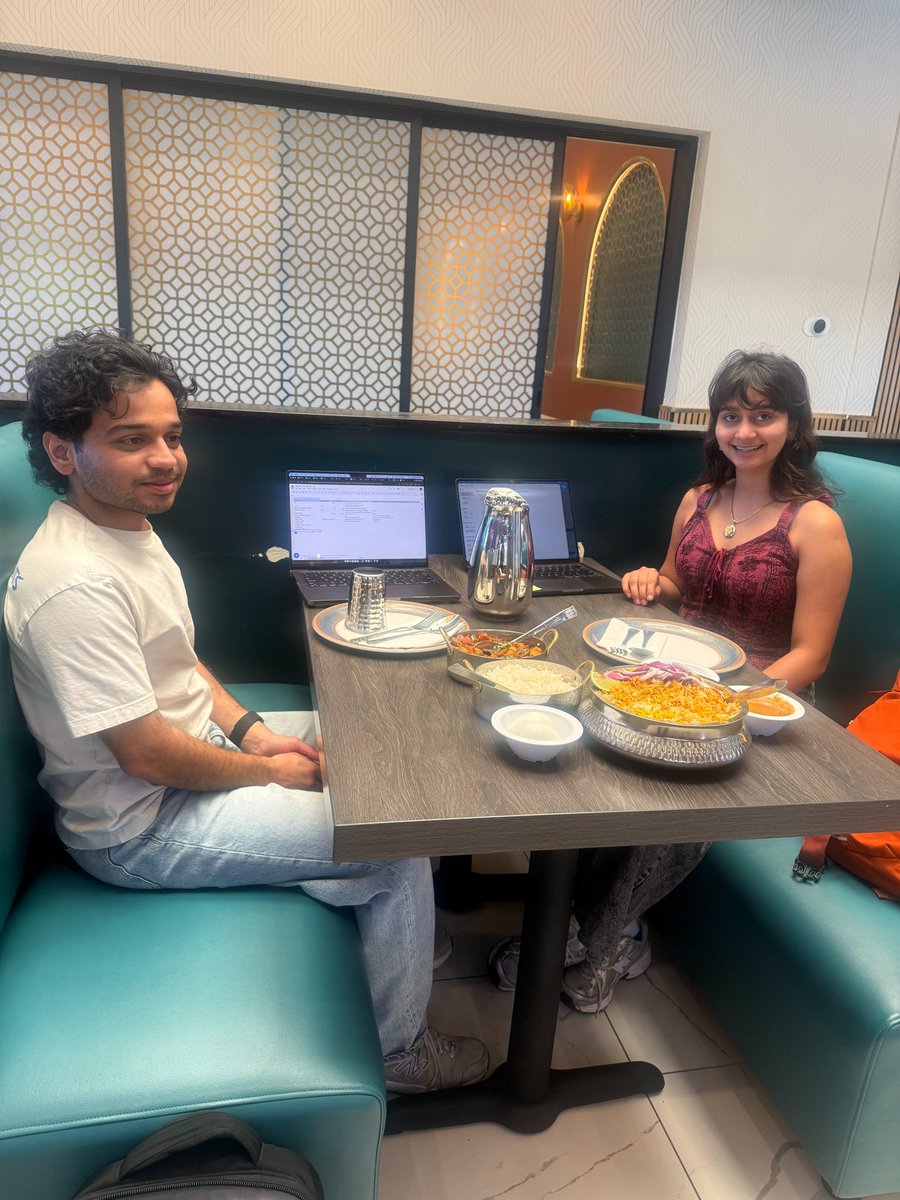
We didn’t really have time to eat during our customer visits.
So we opened our laptops at the restaurant as soon as we placed the order,
Because you shouldn’t delay GTM decisions
They happen right after sitting with customers and seeing the problems firsthand.
This is what building on the ground looks like.
1
1
5
559
TriFetch.ai retweeted
Feb 6
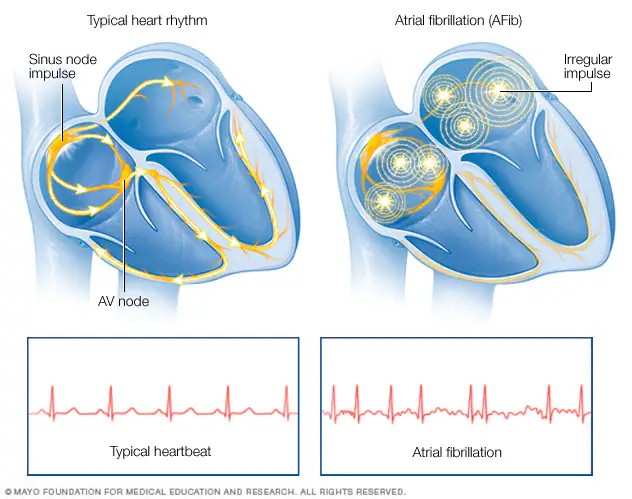
Cardiovascular disease remains the #1 cause of death globally, responsible for ~20 million deaths per year.
In the U.S. alone, it drives hundreds of billions of dollars in healthcare costs annually.
So demand for cardiac RPM (Remote Patient Monitoring) is not the problem.
Yet many heart monitoring companies still struggle to reach profitability.
Why?
Reimbursement complexity
Heavy upfront R&D and regulatory spend
High clinical operations costs
But of these, high clinical operations costs are solvable by reducing false positives and fixing the underlying algorithms. Today, high false-positive rates force technicians to log thousands of manual hours reviewing repetitive, low-value ECG events. Every unnecessary AFib flag means more clicks, delayed reports, wasted clinical hours, and inflated costs.
This is finally changing. State-of-the-art AI, powered by improved neural architectures and post-training on device-specific data, can suppress noise while preserving true positives.
So what’s actually holding you back from hitting a positive bottom line?
1
7
498
TriFetch.ai retweeted
19 Dec 2025
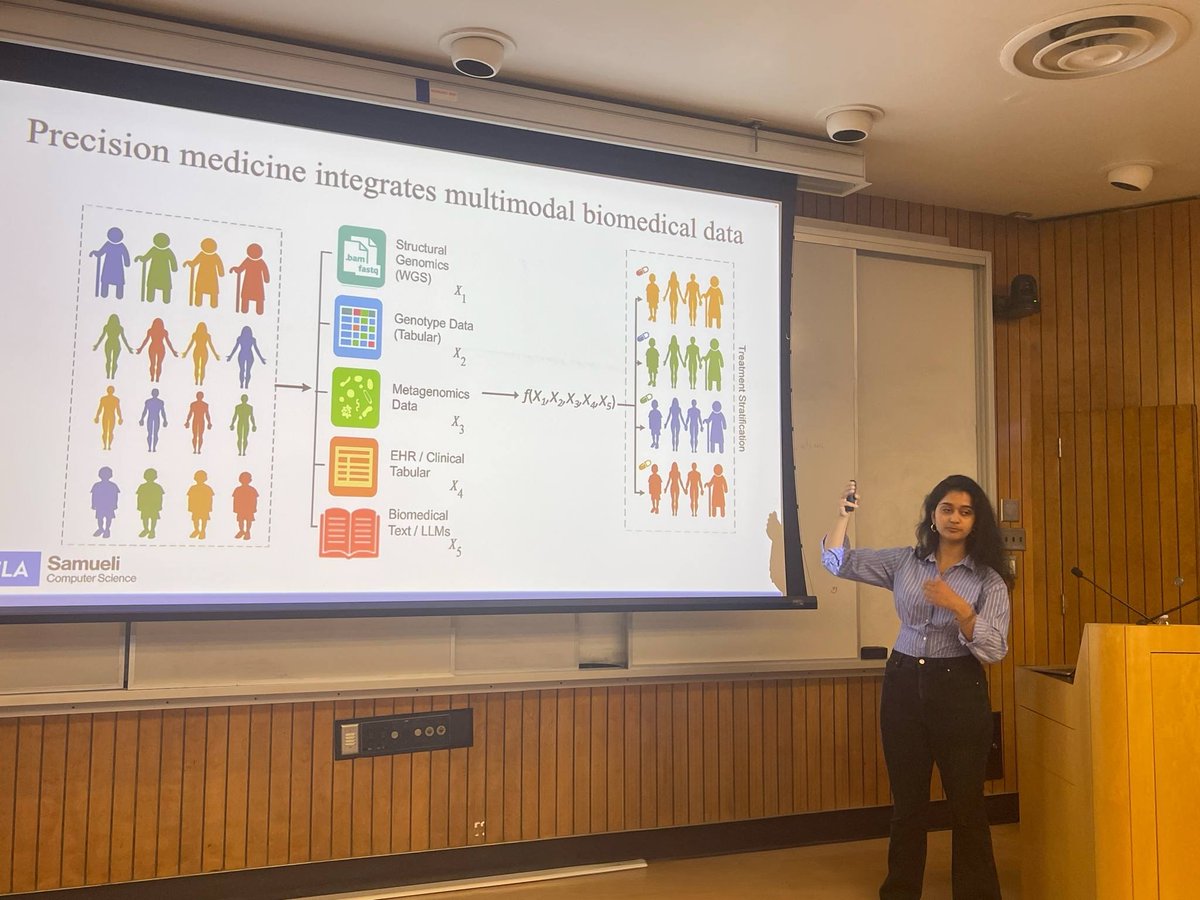
One of the hardest decisions in life is finding meaningful work that gives you purpose. Here’s how I tried to answer that question for myself. First, I chose academia. Five years into a PhD, I had published in journals including Nature and my work earned over 500 citations. On paper, it was a success. But in reality, very little of it was implemented in a hospital.
So I switched gears and joined Big Tech. What felt like joining one of the largest companies in the world turned out to be working inside a very small silo. The work was technically interesting, but it was hard to see how my contributions were actually impacting end users.
That’s when I decided to build my own company.
Today, every single day, at @Trifetchai , we speak directly with decision makers at healthcare systems. We work side by side with them to understand their problems and build AI models that actually make their teams more productive.
If you are searching for meaning in your career, consider a path where you are not just another cog in the machine, but someone who owns problems end to end and sees their work improve real lives.
Trifetch is hiring high agency builders who are be obsessed with the betterment of humanity: Member of technical staff (SF Office, in person required)
Apply Here : lnkd.in/guGAcVhh
22
44
634
49,665

16 Dec 2025
𝐈𝐧 𝐡𝐞𝐚𝐥𝐭𝐡𝐜𝐚𝐫𝐞, 𝐲𝐨𝐮 𝐜𝐚𝐧’𝐭 𝐣𝐮𝐬𝐭 𝐛𝐮𝐢𝐥𝐝 𝐟𝐨𝐫 𝐜𝐥𝐢𝐧𝐢𝐜𝐢𝐚𝐧𝐬 , 𝐲𝐨𝐮 𝐡𝐚𝐯𝐞 𝐭𝐨 𝐛𝐮𝐢𝐥𝐝 𝐰𝐢𝐭𝐡 𝐭𝐡𝐞 𝐯𝐞𝐫𝐲 𝐛𝐞𝐬𝐭 𝐨𝐟 𝐭𝐡𝐞𝐦. Super proud to welcome Brian Han (MD) Pediatric Cardiologist @Stanford , as an Advisor to the team.
Brian bridges the critical gap between frontline patient care and modern AI infrastructure.
1
1
5
1,790
16 Dec 2025
His experience spans both worlds
• Clinical Assistant Professor of Pediatric Cardiology at Stanford Medicine
• Clinical Informatics Medical Director
• Cardiovascular Innovation Lead at Impact1 (Stanford Mussallem Center of Biodesign)
Beyond the titles, Brian has worked deeply in AI validation, helping define what safe, effective deployment looks like in real clinical settings. As a contributor to the OpenTSLM paper and Health Bench (@OpenAI ) , he brings rare, hands-on insight into clinical-grade AI. With Brian guiding clinical workflows and informatics, Trifetch is doubling down on building a product that’s not just technically sound but clinically native. With Brian’s guidance, TriFetch is doubling down on building technology that is both technically sound and medically reliable.
1
184
18 Nov 2025
We’ve made our first hire! A huge, power-packed welcome to @DhruvMiyani1 !
he was part of a top-4 team at OpenAI’s first hackathon, has judged at HackMIT, and carries a crazy obsession with building things from 0 to 1.
1
3
10,296
18 Nov 2025
We hire for potential, hunger, and first-principles thinking , not resumes. We build with a simple philosophy ..
1
658
18 Nov 2025
“𝘔𝘰𝘴𝘵 𝘱𝘦𝘰𝘱𝘭𝘦 𝘸𝘩𝘰 𝘥𝘰 𝘨𝘳𝘦𝘢𝘵 𝘵𝘩𝘪𝘯𝘨𝘴 𝘢𝘳𝘦 𝘥𝘰𝘪𝘯𝘨 𝘵𝘩𝘦𝘮 𝘧𝘰𝘳 𝘵𝘩𝘦 𝘧𝘪𝘳𝘴𝘵 𝘵𝘪𝘮𝘦… 𝘠𝘰𝘶 𝘳𝘢𝘳𝘦𝘭𝘺 𝘨𝘰 𝘸𝘳𝘰𝘯𝘨 𝘨𝘪𝘷𝘪𝘯𝘨 𝘴𝘰𝘮𝘦𝘰𝘯𝘦 𝘸𝘩𝘰 𝘪𝘴 𝘩𝘪𝘨𝘩 𝘱𝘰𝘵𝘦𝘯𝘵𝘪𝘢𝘭 𝘵𝘩𝘦 𝘴𝘩𝘰𝘵.”
3
467