
Bible Student 📖💎 | Servant of Jehovah | יהוה | Disciple of Jesus | Truth over Tradition | Daily Bible Insight
Joined June 2023
- Tweets 13,138
- Following 531
- Followers 5,817
- Likes 32,120
924 Photos and videos





Pinned Tweet

10 Jan 2025
Jesus was the first person to reject Jewish supremacy
227
728
7,340
269,442
Jacosta retweeted

Jun 14
For a first-century Jewish audience in Galilee, the mustard seed was the smallest seed in their lived experience and common parlance. It wasn't a modern botanical claim about every seed species on Earth. It was idiomatic, proverbial language drawn straight from the world they knew.
Rabbinic sources confirm thisJewish texts routinely used the mustard seed as the go-to illustration for something extremely tiny:
Mishnah
Toharot 8:8: even if pieces were “small as a mustard seed,” they join together.
"If a kneading trough was sloping downwards and there was dough in the higher part and dripping moisture in the lower part, then three pieces that jointly make up the bulk of an egg cannot be combined together, but two are combined. Rabbi Yose says: the two also cannot be combined unless they compress liquid between them. If the liquid was level, even though the piece was the size of a MUSTARD SEED they are combined together. Rabbi Dosa says: crumbled food cannot be combined together".
Babylonian Talmud Berakhot 31a: Israelite women were strict — if they saw “a drop of blood as small as a mustard seed,” they observed the rules.
"The Gemara offers several examples: Abaye said: One like this halakha of Rabbi Zeira, as Rabbi Zeira said: The daughters of Israel were stringent with themselves; to the extent that even if they see a drop of blood corresponding to the size of a MUSTARD SEED she sits seven clean days for it".
Mishnah Niddah 5:2
"If a priest was partaking of teruma, the portion of the produce designated for the priest, and sensed a quaking of his limbs indicating that a seminal emission was imminent, he should firmly hold his penis to prevent the emission from leaving his body, and swallow the teruma while ritually pure. And the emission of a zav and a seminal emission impart impurity in any amount, even like the size of a MUSTARD SEED or even smaller than that.
5
5
12
727
Jun 11
Imagine leaving and protesting against the Catholic Church but then keeping all of its doctrine 💀
What sense does that make?
6
5
477
Jacosta retweeted

Jun 9
If your Church teaches the Trinity you're in a false religion.
143
8
71
32,937
Jun 11
There’s a difference in being called god and being God in Scripture
This is what confused most
Jesus is simply called god (elohim/theos) in certain capacities as others are
But there is only 1 true God, Jehovah, whom we worship. The source of all things.
24
3
21
2,181
Jun 11
May 28

How is the English word “God” used in scripture?
Well it has semantic range
There are 2 categories:
1. God
[The Almighty/The Most High/The Uncreated source of all things]
👉 there is only 1 God …. Jehovah
The One that deserves sacred worship ALONE
__________________________________
2. god
[title for a created being in a certain capacity]
Either
- a representative of God who carries the authority of God
- or simply a mighty being
👉 there are many gods in Scripture
(Angels, Jesus, Moses, Satan, King Solomon, Human judges, and more)
All called gods
_________________________________
The Apostle Paul said:
1 Corinthians 8:5,6
5 For even though there are those CALLED gods, whether in heaven or on earth, just as there are many “gods” and many “lords,”
6 there is actually to us ONE God, the Father 🍃
👆
854
Jun 8
Unitarians, you are no longer acknowledged as a religion in the U.S.
Time to become Jehovah’s Witnesses
😁
3
1
11
839
Jun 8
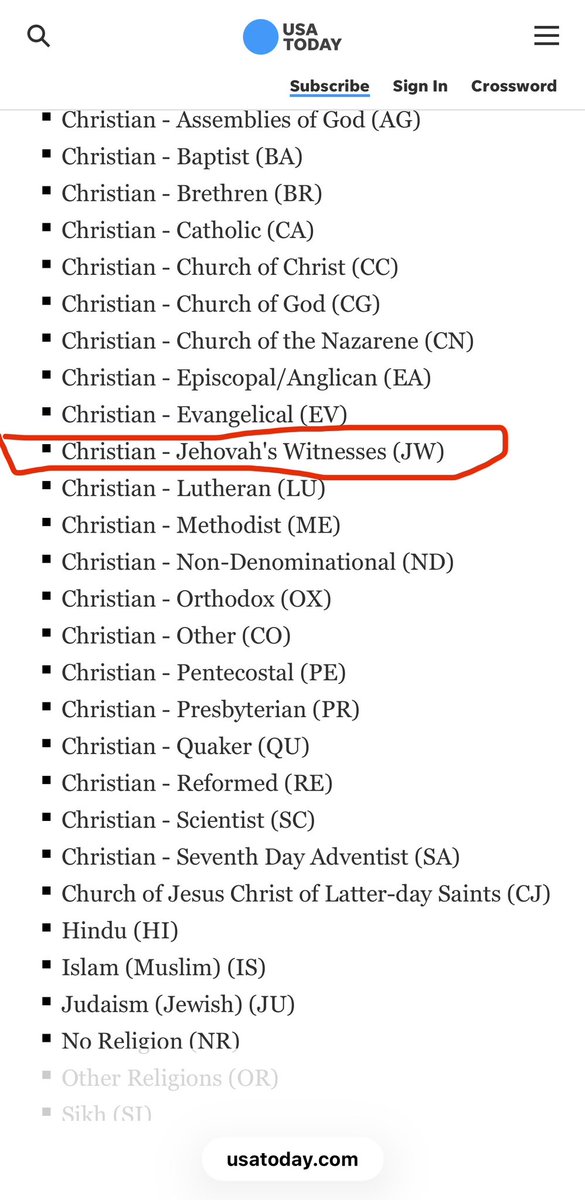
🚨Pentagon purges military religion list from 200 down to 31 total.
Jehovah’s Witnesses made the cut
They are recognized as Christian by the U.S. government
Did you make the cut?
2
1
7
739
May 28
How is the English word “God” used in scripture?
Well it has semantic range
There are 2 categories:
1. God
[The Almighty/The Most High/The Uncreated source of all things]
👉 there is only 1 God …. Jehovah
The One that deserves sacred worship ALONE
__________________________________
2. god
[title for a created being in a certain capacity]
Either
- a representative of God who carries the authority of God
- or simply a mighty being
👉 there are many gods in Scripture
(Angels, Jesus, Moses, Satan, King Solomon, Human judges, and more)
All called gods
_________________________________
The Apostle Paul said:
1 Corinthians 8:5,6
5 For even though there are those CALLED gods, whether in heaven or on earth, just as there are many “gods” and many “lords,”
6 there is actually to us ONE God, the Father 🍃
👆
3
4
11
2,667
Jacosta retweeted

May 10
Jesus is the greatest man who ever lived.
May 7

Prophet Muhammad S.A.W is the greatest man ever
23
2
40
3,227
Apr 30
Jehovah ALONE is God;
“one God and Father of all”
Ephesians 4:6
9
2
18
842
Apr 30
1 Corinthians 8:6
“there is actually to us one God, the Father”
1
5
509
Apr 25
Jehovah is the only true God
(John 17:3)(Isa 45:6)
Jesus is Jehovah’s firstborn spirit son
(Col 1:15)
Which makes Jesus the only-begotten son (uniquely created son)
(John 3:16)
Why?
Bc Jesus was first to be created by Jehovah & all others were created through this unique son as God’s “master worker”
(Proverbs 8)
16
1
16
1,252
Apr 25
This unique son was sent down to the earth and given the name “Jesus” to fulfill the role as our Savior.
Jesus name means “Jehovah saves”
Jehovah saves us by means of His unique firstborn son, Jesus, that He sent as the Messiah.
1
10
359
Apr 15
Jesus is King 👑
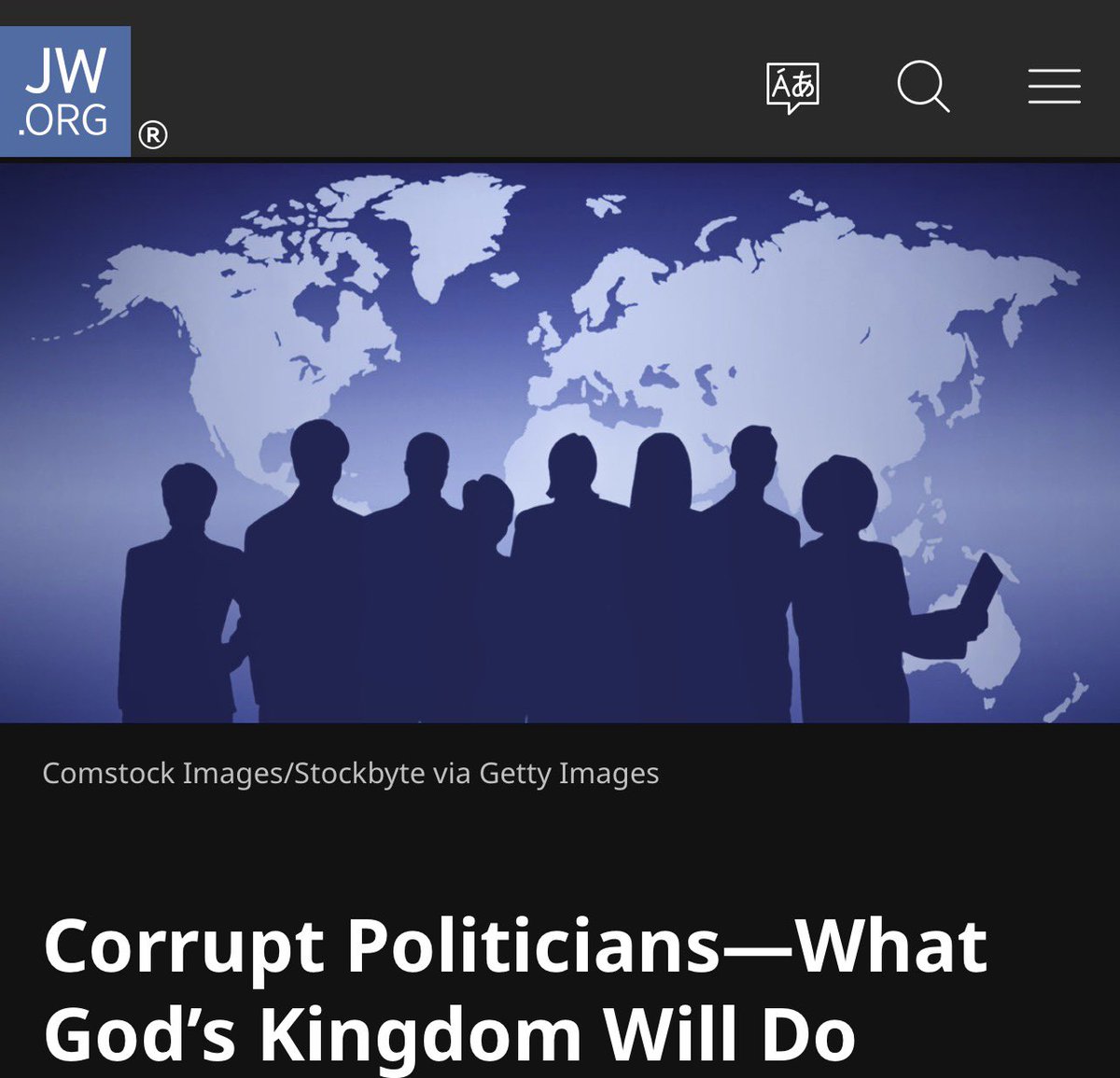
God’s Kingdom will replace these corrupt governments soon enough
1
7
491