Pick and choose what your nondisclosure agreement allows for you to share and I will vouch for you. I also assist with counting cameras on buildings.
Joined October 2024
- Tweets 11,793
- Following 247
- Followers 552
- Likes 32,716
1,358 Photos and videos






Pinned Tweet

1 Apr 2025
“What a tangled web we weave, when first we practice to deceive.”
#RichardAllen
#Delphi
31
33
174
29,698
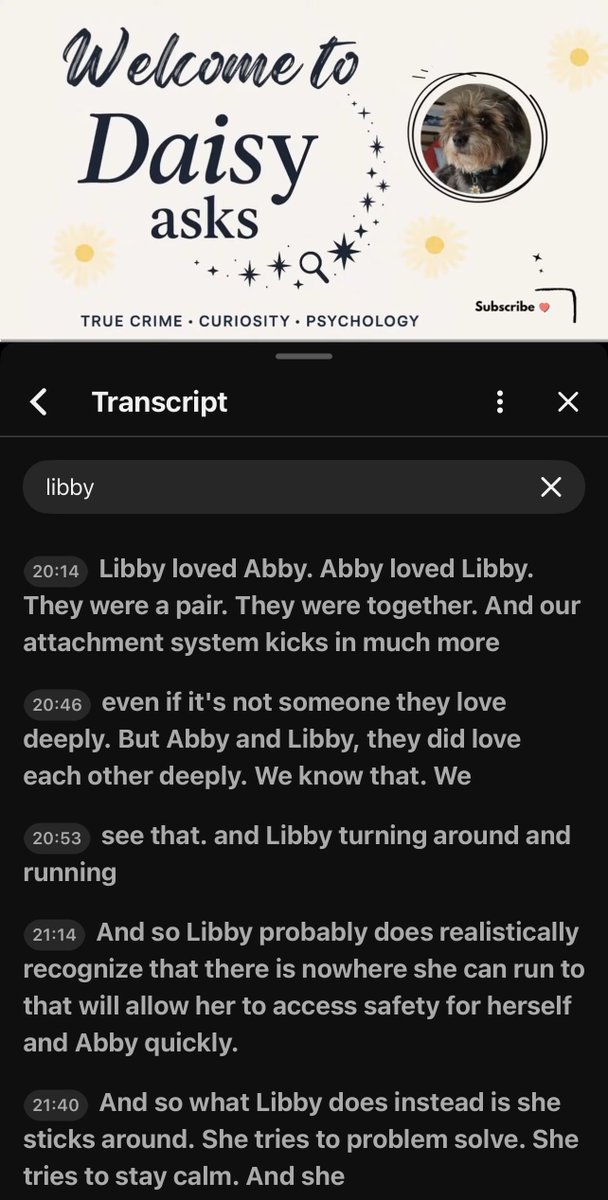
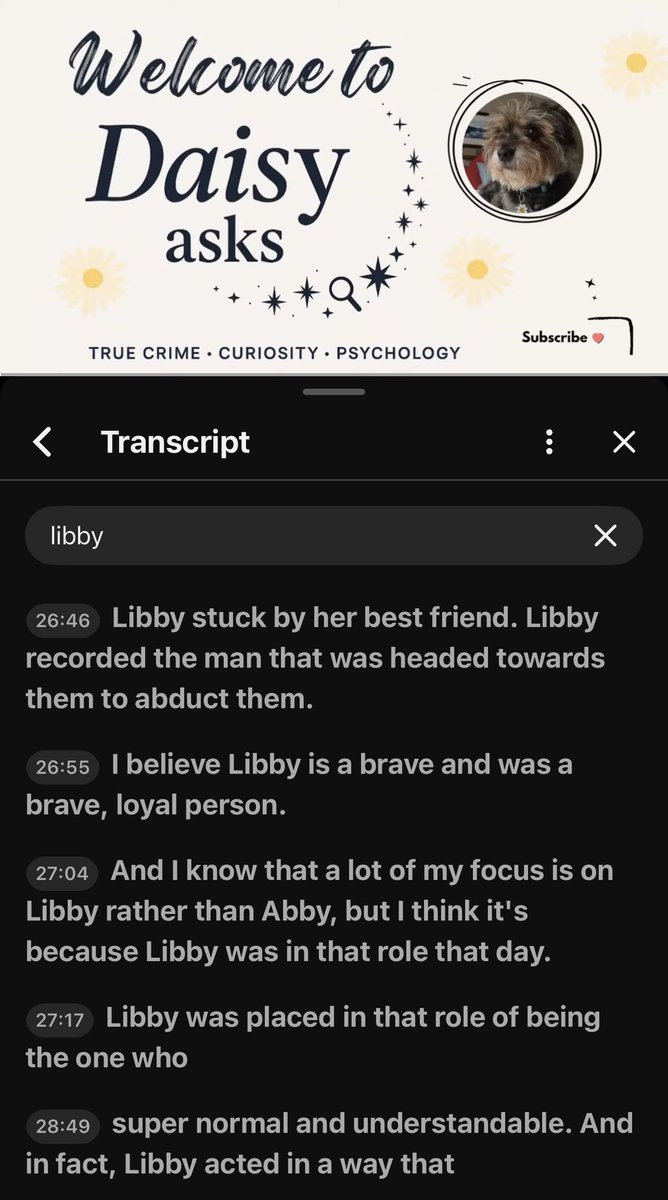
What’s with the random uptick in finger-wagging hypocrisy from these walking contradiction Delphi tubers?
Have you all just milked a cow down to the bone so much that the competitive content drip has brought you to “I don’t think people should be talking about this so I can be the first/only person out there to”?
1
11
Zimbabwean NDA Notary retweeted

Jun 13
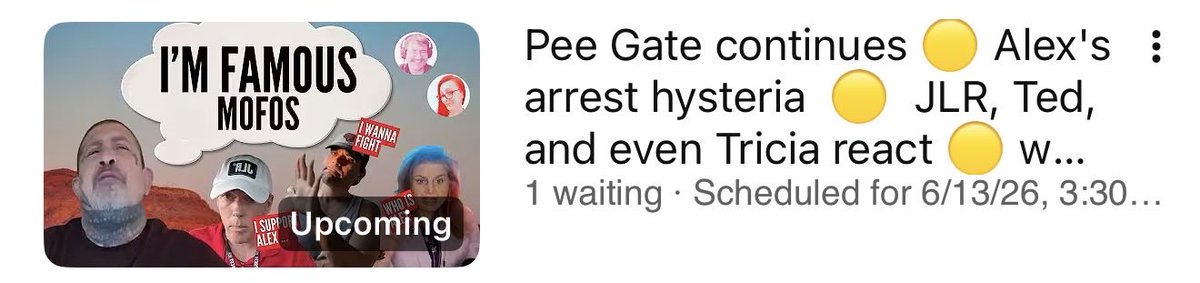
“Pee gate” with yellow emojis and this bitch had the nerve to DM someone to ask if *i* was 12?! LOL bitchhhhh.
Stop using “hella,” you’re Australian, dumbass.
1
6
217
Young Mickey Stines

5
9
613
Zimbabwean NDA Notary retweeted

Jun 12
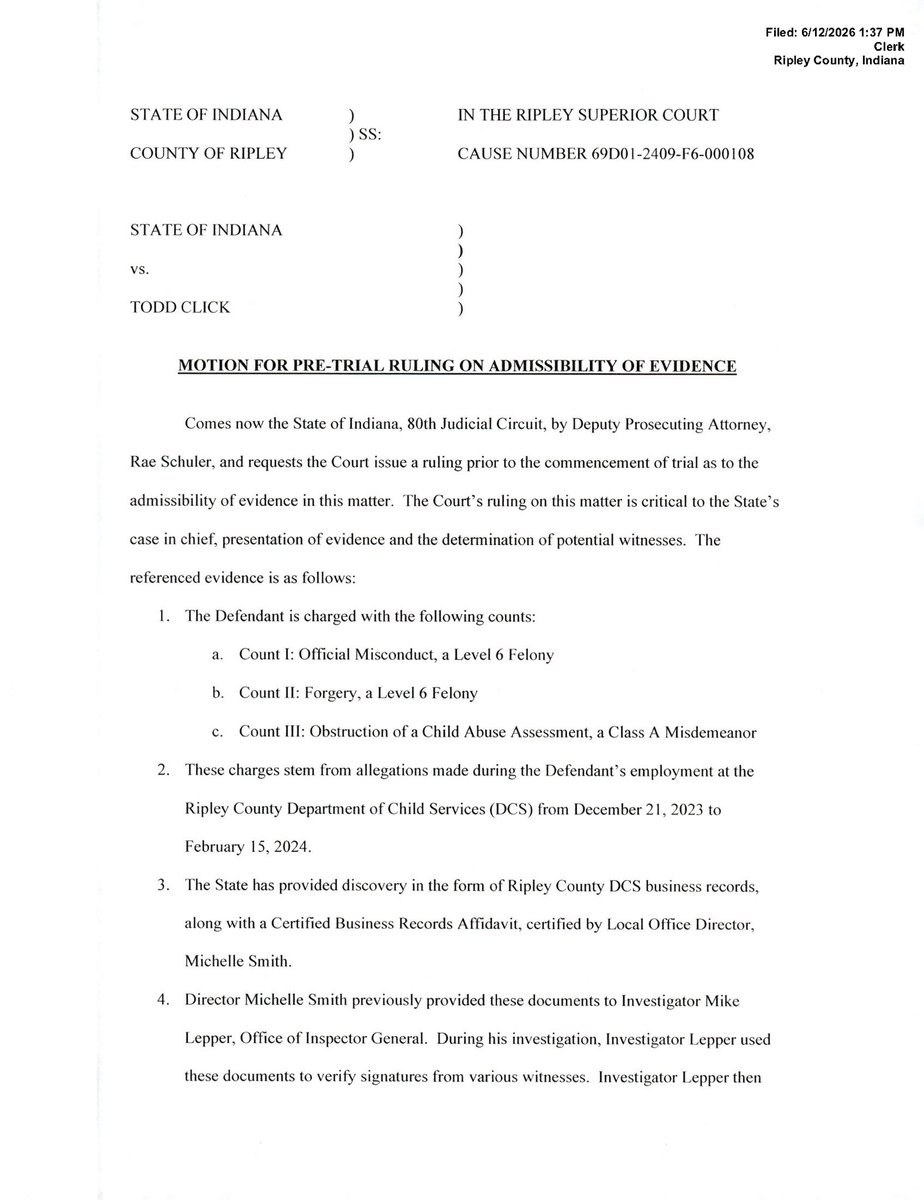
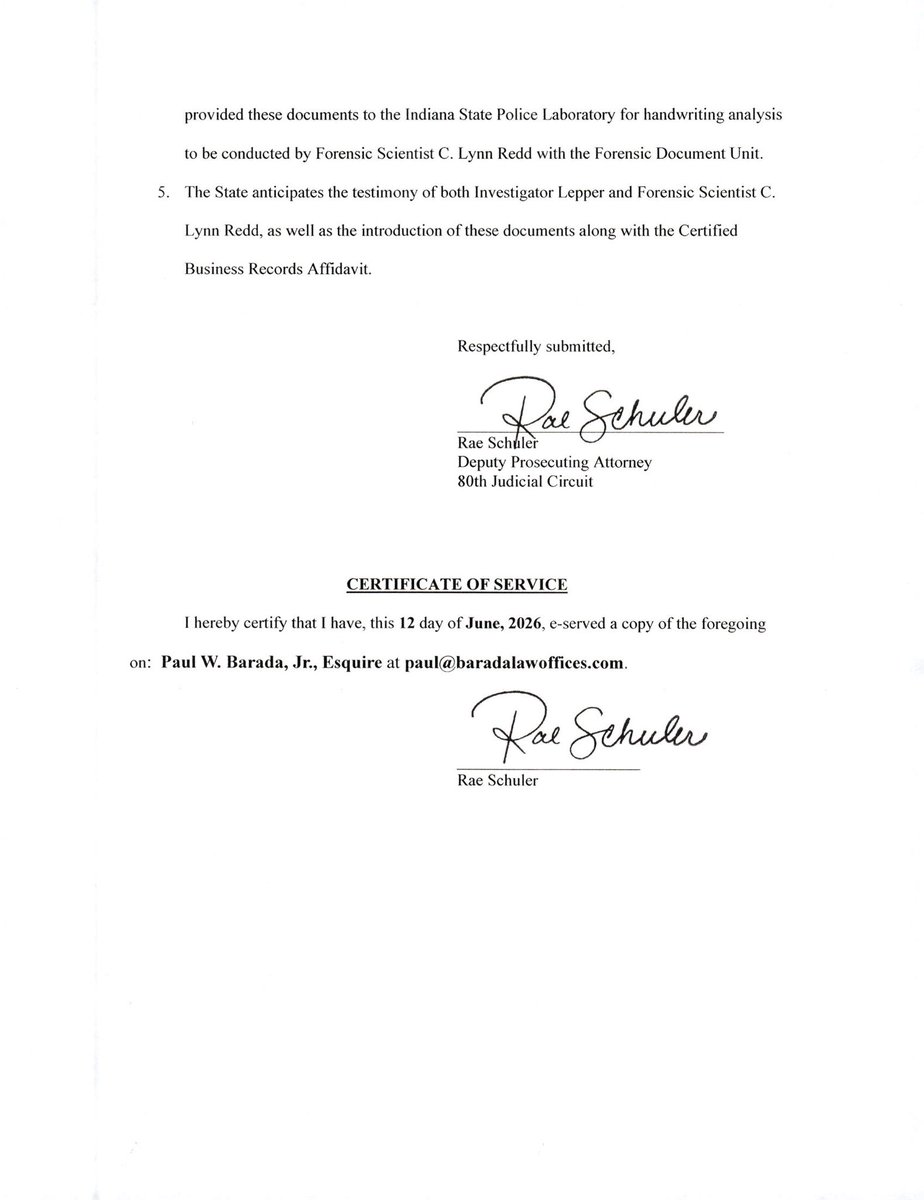
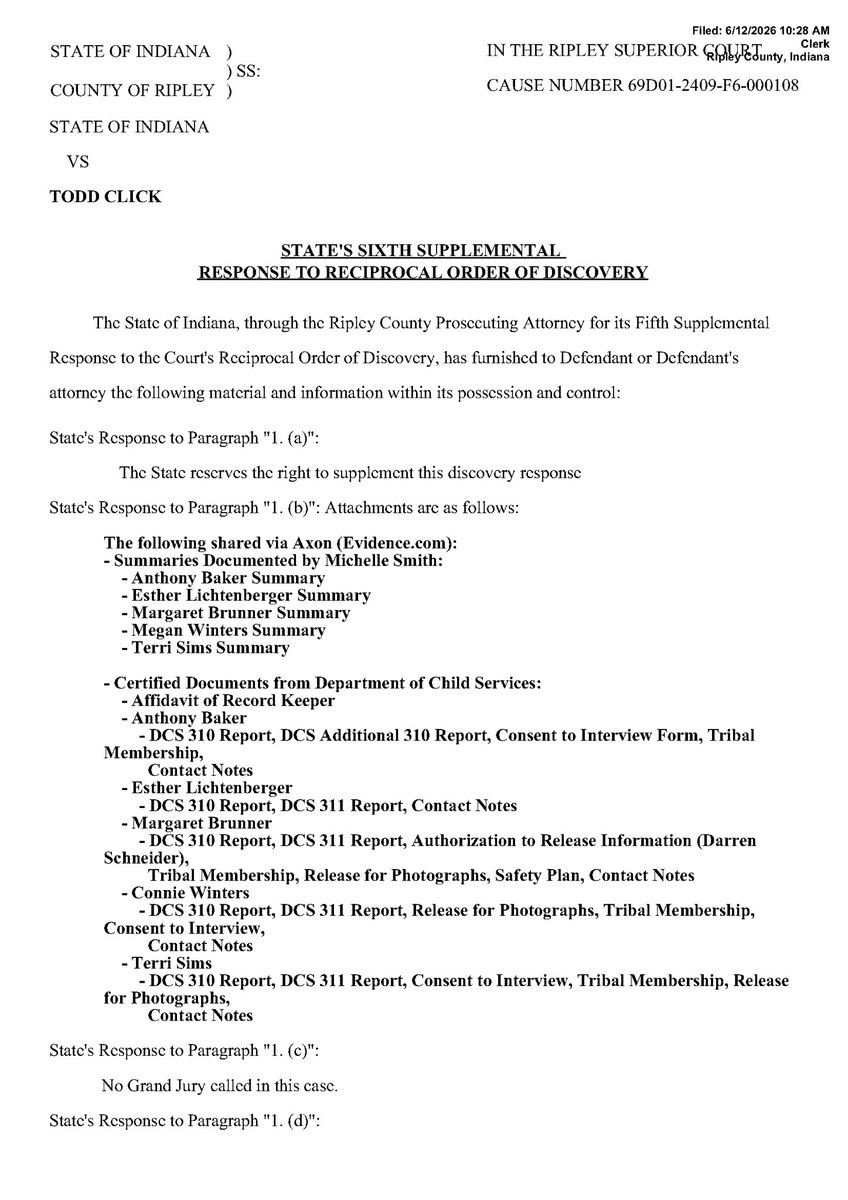
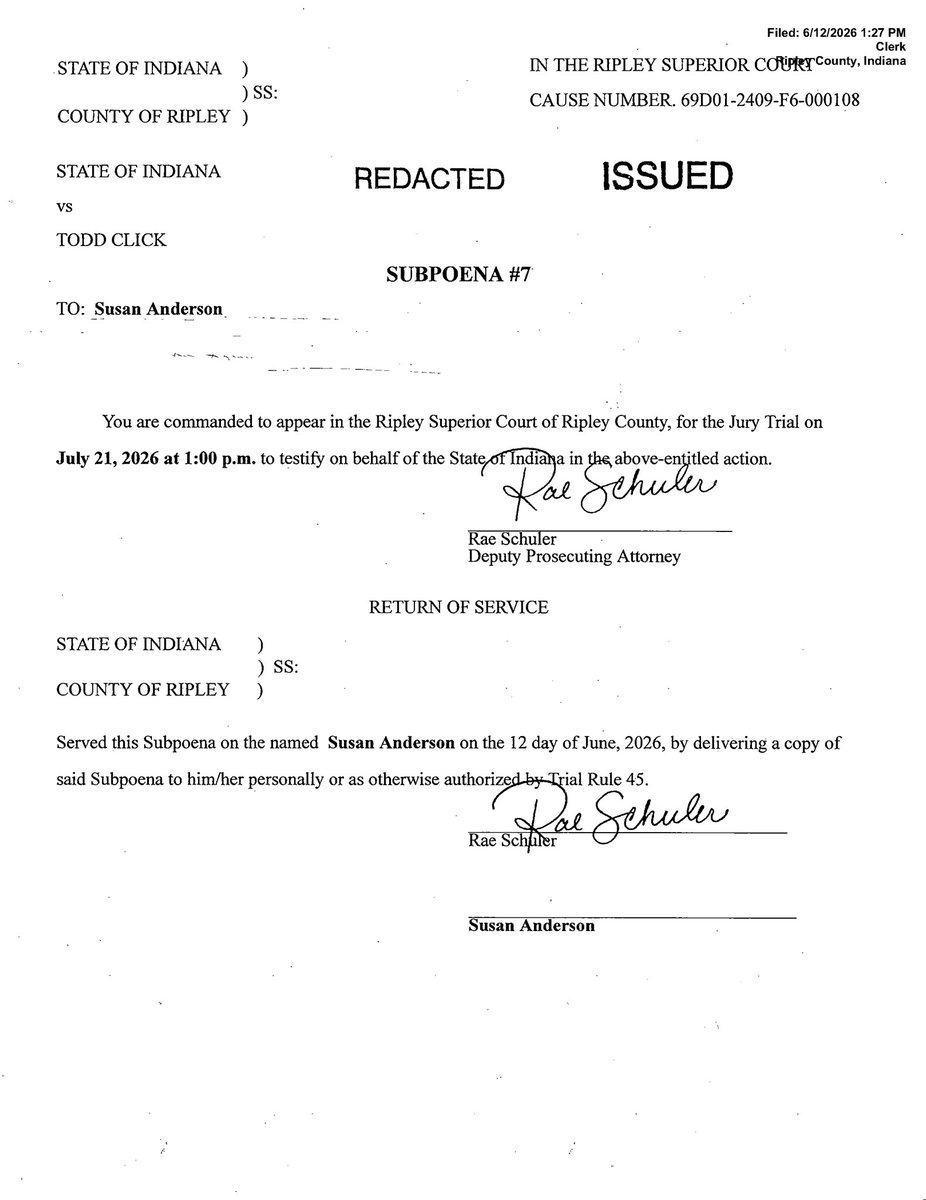
More filings in Indiana vs. Todd Click leading up to the trial on July 21, 2026.
#ToddClick #RipleyCounty
drive.google.com/drive/folde…
4
9
492
Zimbabwean NDA Notary retweeted

Jun 12
Pete Hegseth tries to bench press.
🤣🤣🤣
3,287
847
6,137
1,964,793

CRACK OPEN A GARAGE BEER AND ENJOY THE GOD DAMN SUN PEOPLE TOMORROW IS NOT GUARANTEED TO YOU
1
1
12
217
Zimbabwean NDA Notary retweeted

Jun 12
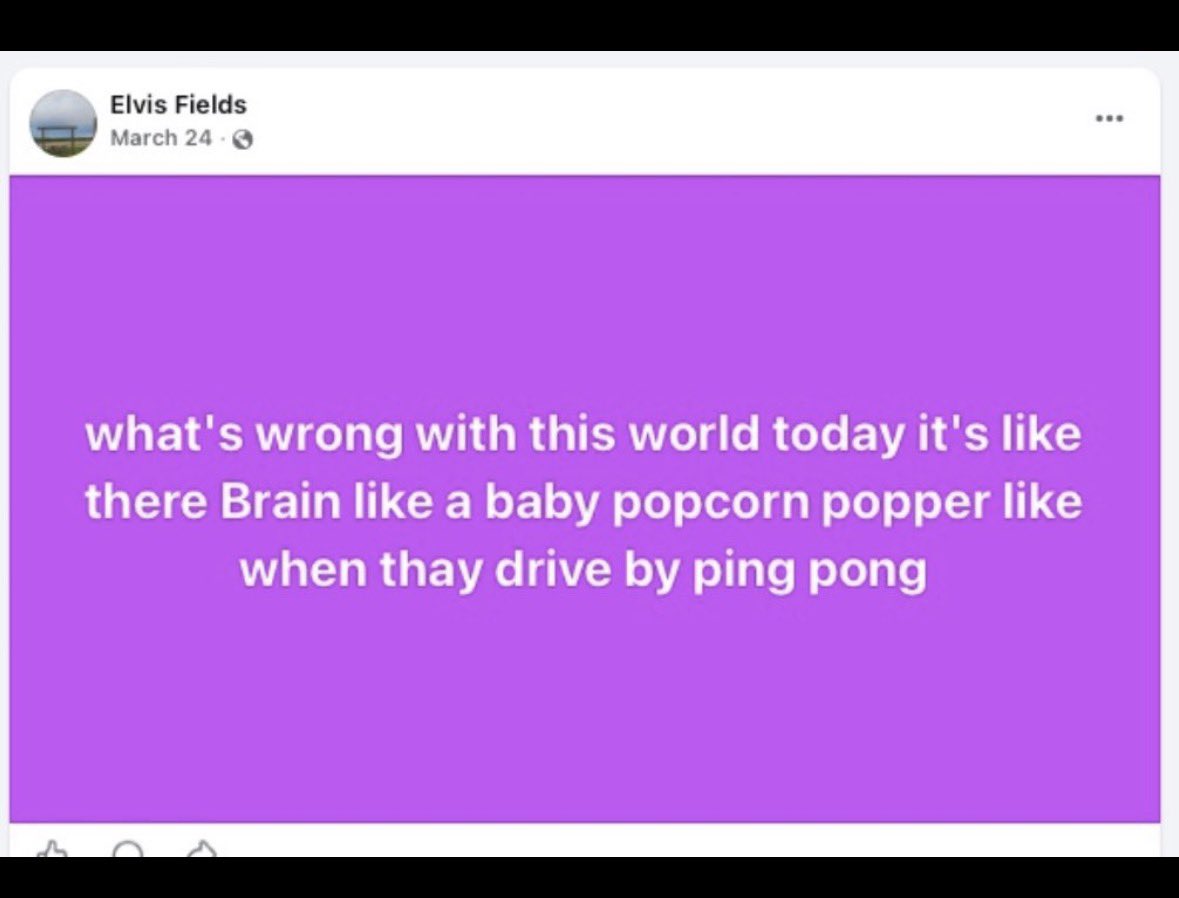
Is anyone #FreeRicky who’s *not* annoying/self-interested/immature/inauthentic/self-righteous going to go live to talk about Ricky ever again??!? Ima die. Shout out to @Beth02428329 who’s been a shining star, CRANKING out the best Free Ricky vids lately!! 🤌🏼🫂✌🏼💖🦩#FreeRicky
8
4
18
492
Zimbabwean NDA Notary retweeted

- 745k are homeless in the US
- medical bills are the #1 cause of bankruptcy
- over 60% of Americans live paycheck to paycheck
- bottom 80% of Americans have just 7% of the wealth
Yet this criminal is now a trillionaire. We’re a failed country.
Jun 12

Elon Musk, the wealthiest person alive, becomes the first-ever trillionaire as SpaceX stock begins trading abcnews.com/Business/spacex-…
519
1,375
6,661
203,737
Zimbabwean NDA Notary retweeted
Jun 12
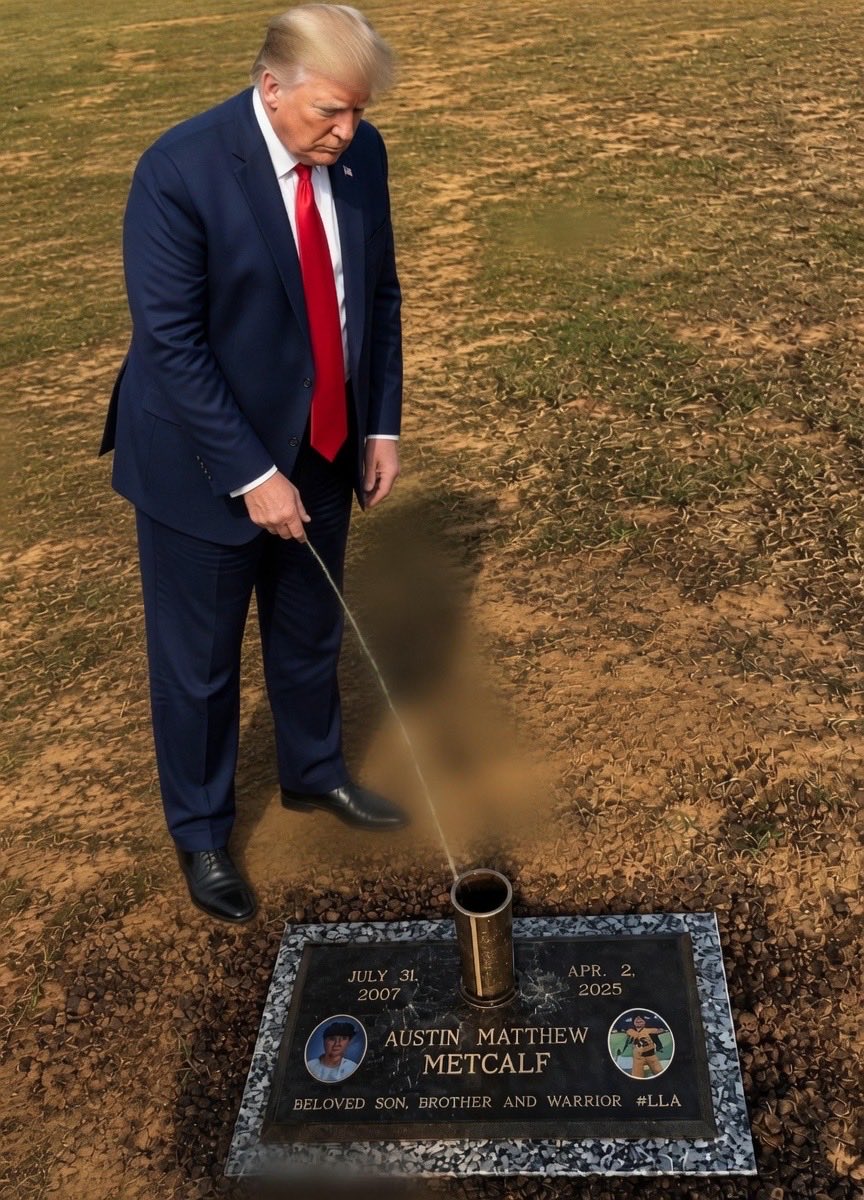
WOW look at Jennifer Coffinducker, former FBI janitor, using racist AI-generated images to make a horrible situation even worse?
They put this bitch on tv???
Someone should piss on her.
#karmeloanthony

Karmelo Anthony Convicted of murder
Austin Metcalf
Victim
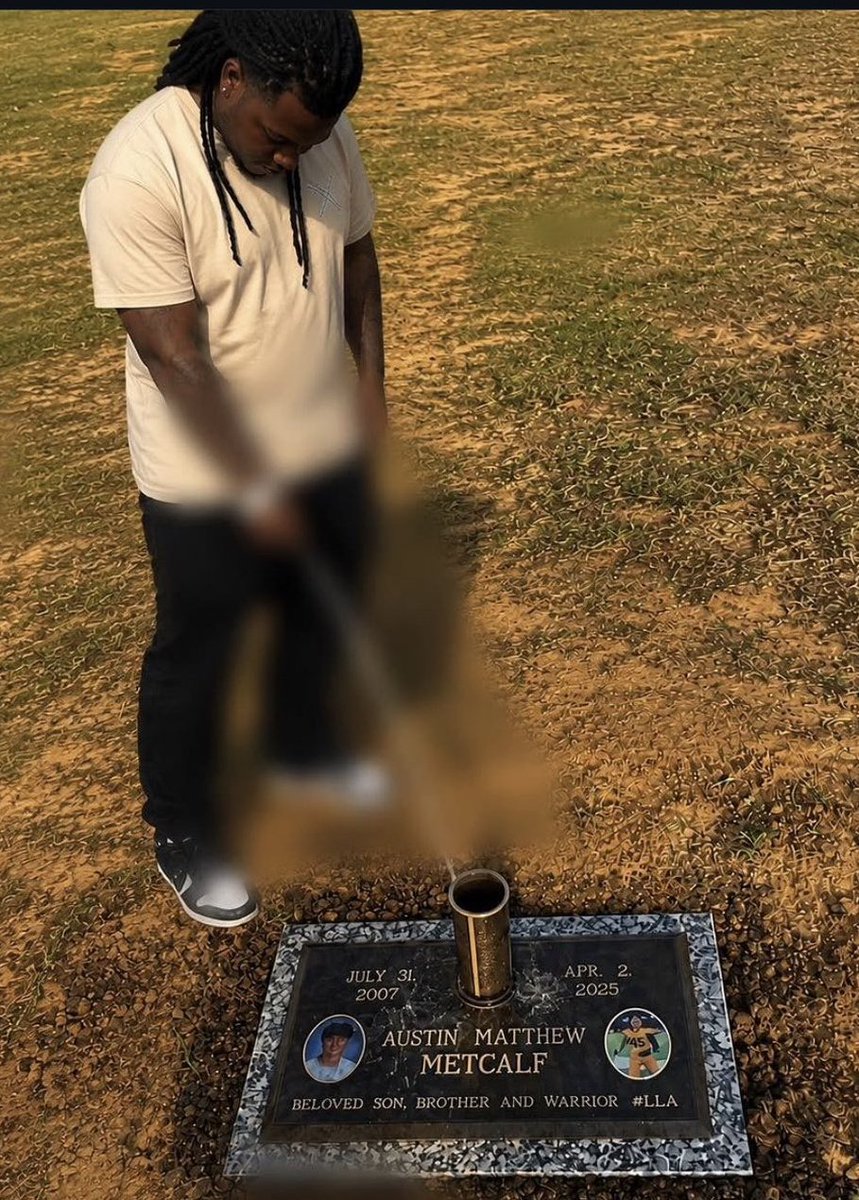
Adam Montgomery's murder verdict being overturned was tough to stomach today, but this man urinating on Austin's grave?
No words...
#KarmeloAnthony
#AustinMetcalf
1
2
12
532
Zimbabwean NDA Notary retweeted
Jun 12
monday, june 15th @ 530pm pst/830pm est
this week on this episode of "Indiana is trying to kill an innocent man for the murders of two little girls they already know he didn't actually kill...."
state files a motion in lemonade to say NO NEXUS to todd click and delphi!!!!!!!!!!!!!
free richard allen: the todd click of it all(pt2) youtube.com/live/8WvxmWLf53Y… via @YouTube
2
6
21
1,191
Zimbabwean NDA Notary retweeted

Tyler Robinson's motion to stay the preliminary hearing is DENIED. We appear to be all systems go for July 6, barring some extraordinary intervention by the Utah Supreme Court.
21
48
448
15,938

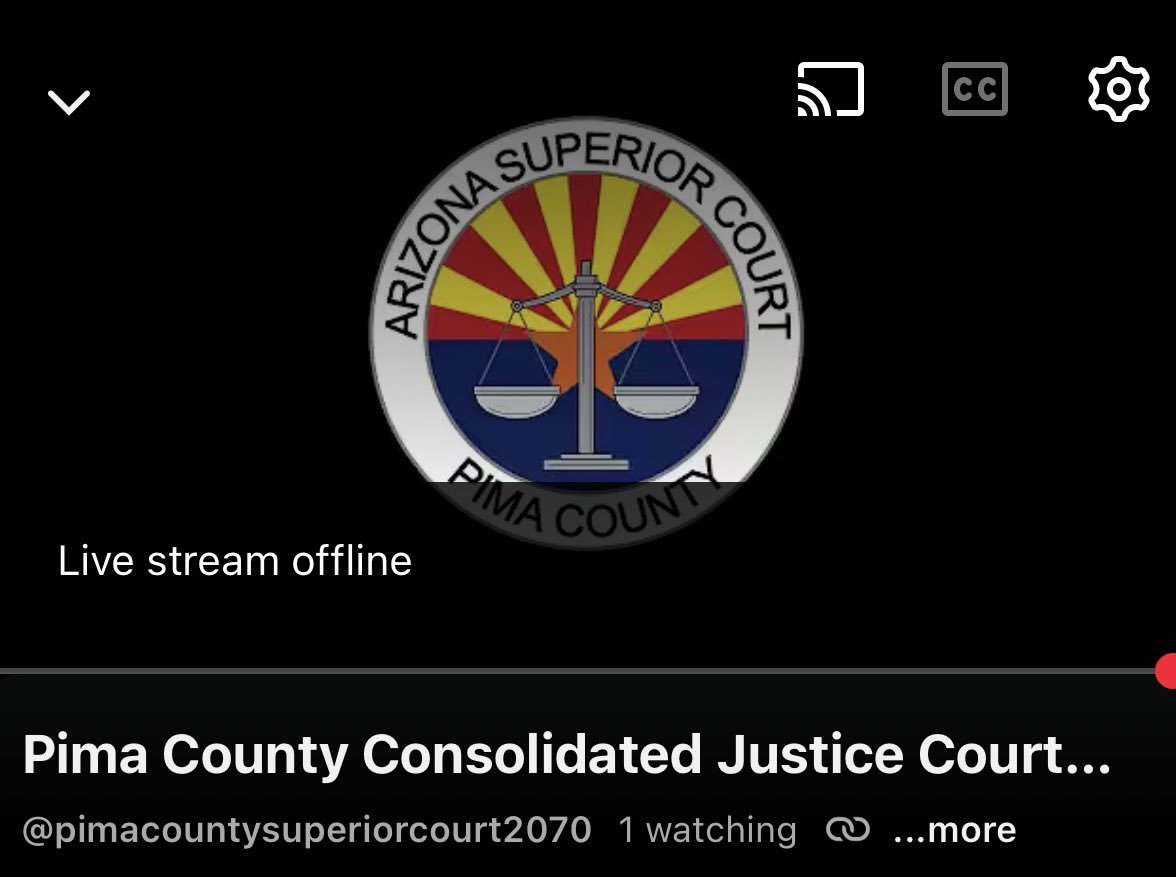
Well this just rong as hell.
Pima County Courts have gone offline.
youtube.com/live/AgGWdwfpnjE…
4
1
10
445
Zimbabwean NDA Notary retweeted

Jun 12
1. All defense evidence is prejudicial to the state, that is the point of a defense.
2. They conflate "harmful to the prosecution" with "unfairly prejudicial," and mis-cite Evidence Rule 403, which is based on FRE 403 and is not exotic or hard to understand.
3. The Delphi/Allen material is not merely collateral; Todd Click was charged because of his role as a witness in the Allen proceedings. Click's attorneys have the right to develop any "theory of case" that they wish, and this is their theory of case.
4. "Not mention, allude, or in any way refer to..." is overbroad and is in effect a dragnet, and unconstitutional.
5. A motion in limine is not a vehicle to control admissibility, because admissibility depends on foundation and context. This should be reserved for a offer-of-proof, outside the jury's presence.
6. The movant, in this case the state, has the burden in a motion in limine to explain the issue, and they've provided no analysis as to why the things they claim are prejudicial are prejudicial (not that it matters, because see (1-5 above)).
7. Potentially most importantly: if this motion were granted, the defense couldn't cross-examine the state's witnesses (ISP) on anything to do with the Delphi/Odinism drama that brought Click into this situation.
2
8
24
373
Zimbabwean NDA Notary retweeted

Jun 11
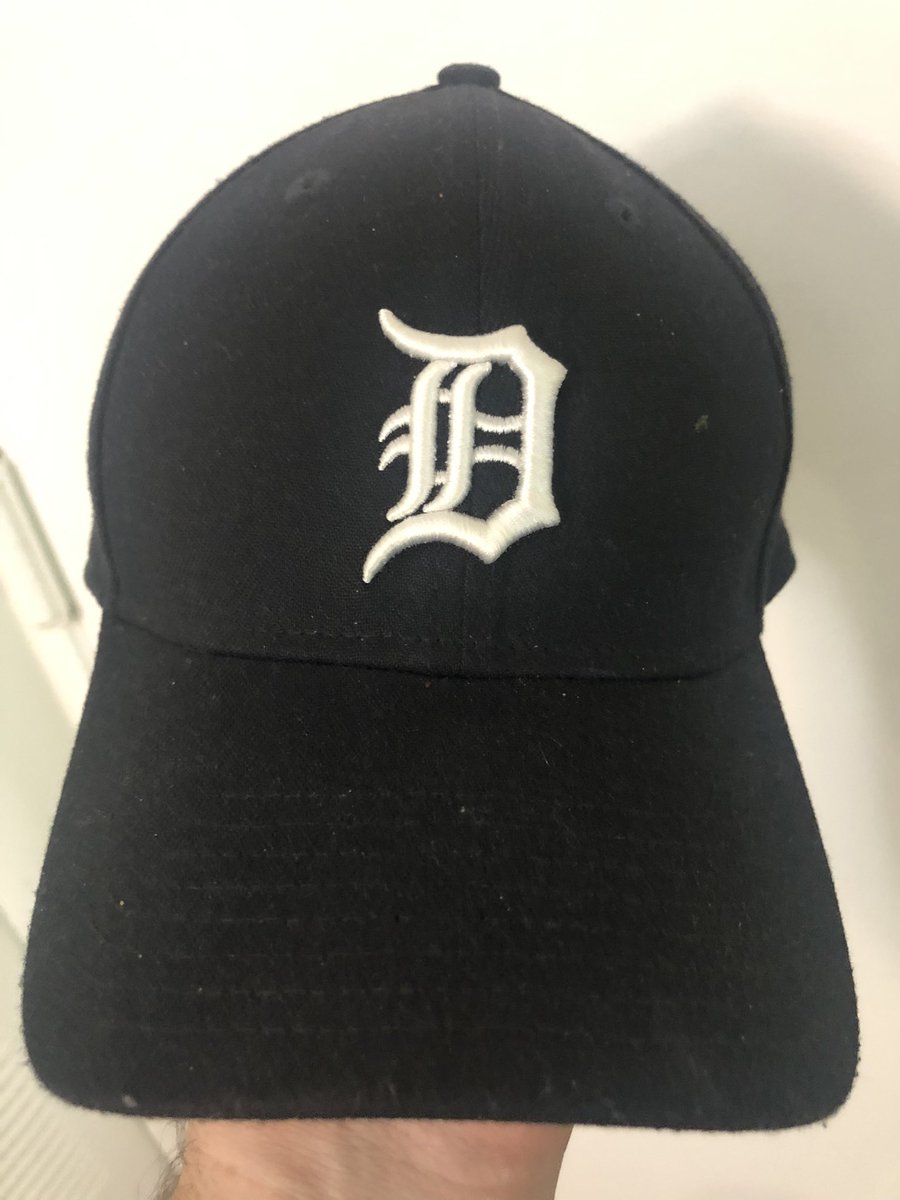
I’m convinced THIS hat 👇🏽 is Detroit’s blue jeans. Seriously.
Goes with anything. Matches with anything. Looks dope with anything. Don’t buy blue jeans. Just give her the Old English D.
Tell me I’m wrong. You won’t.
33
18
385
15,600
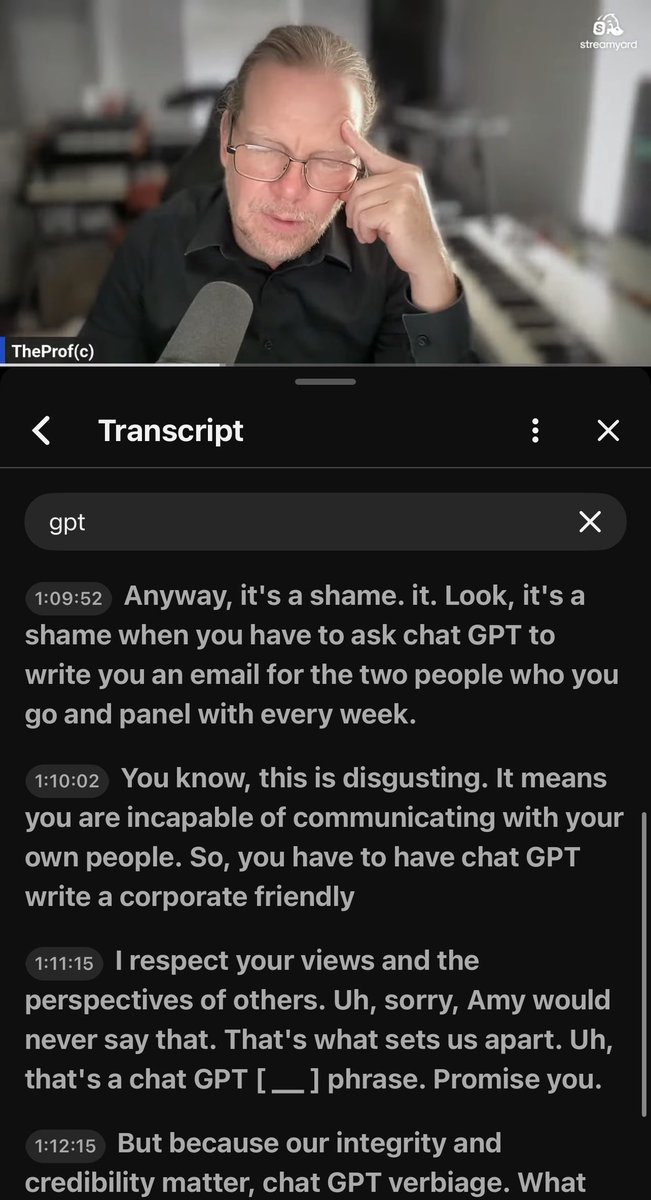
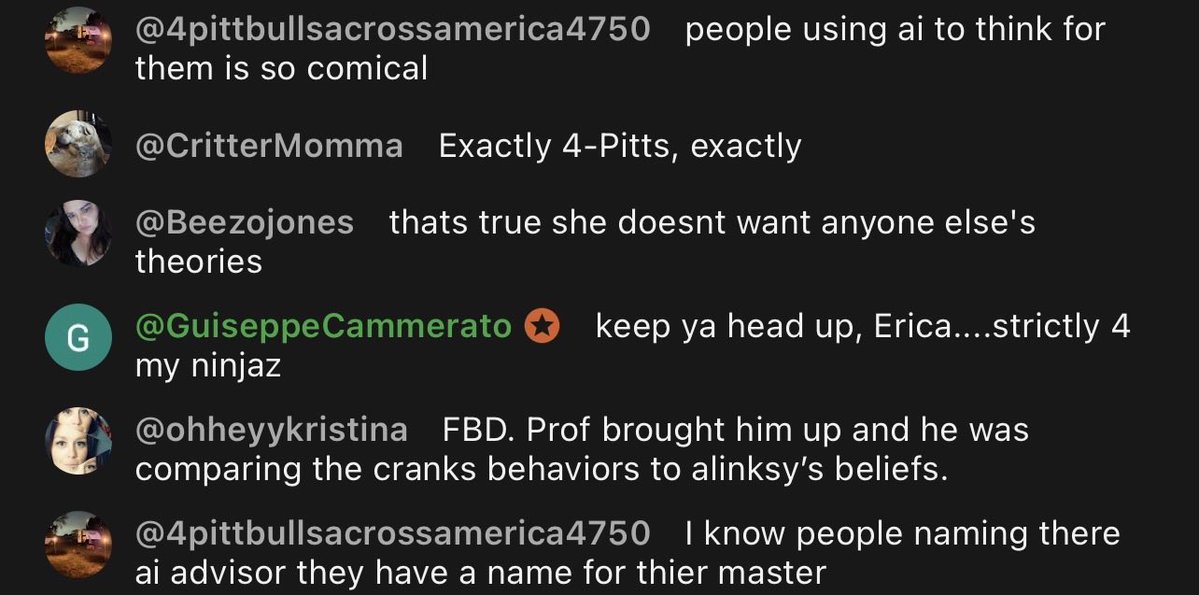
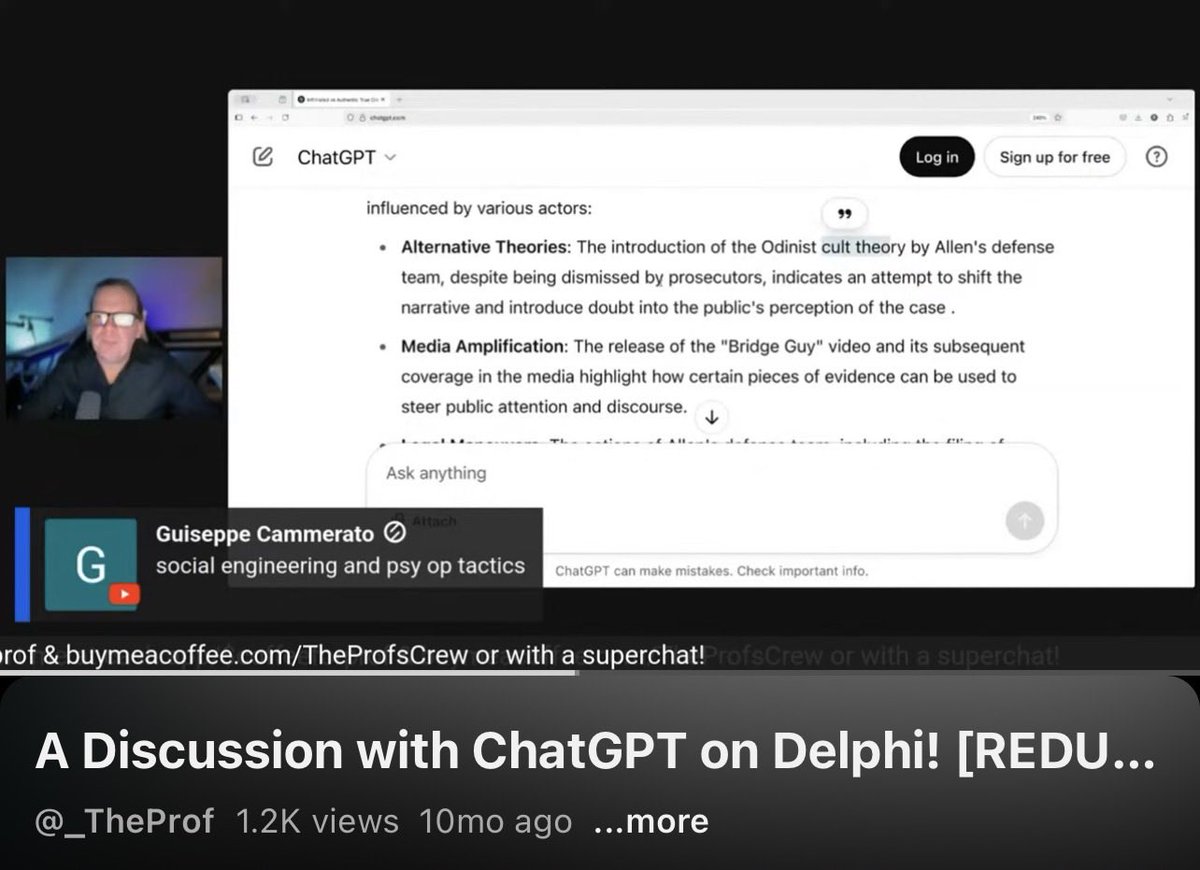
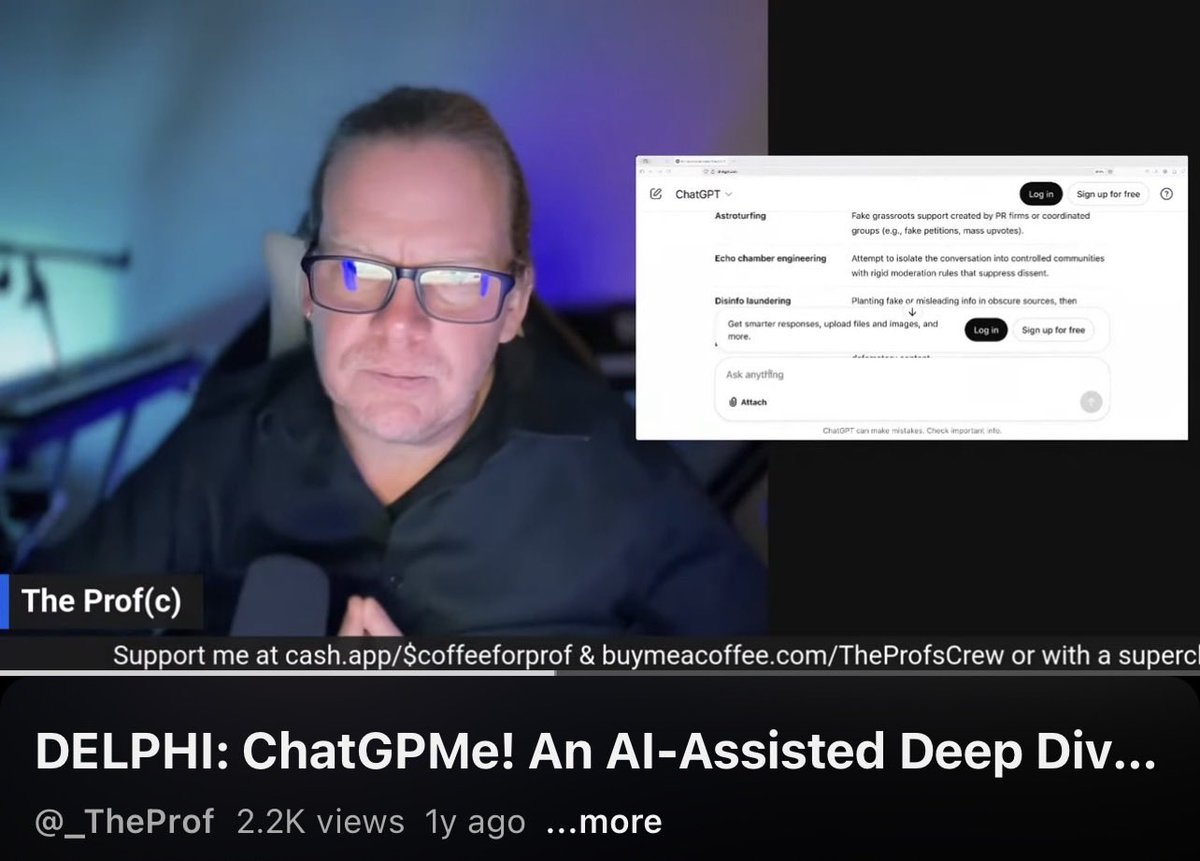
Tim Robinson himself could not write a funnier skit than The Crimetube ChatGPT Witch Trial Hypocrisy
2
16
376
Zimbabwean NDA Notary retweeted

Um, apparently. Have you heard about a double-murder case in a little town in Indiana called Delphi? There it appears that internet sleuths did a better investigation of that case than both the Indiana State Police and the FBI.
Again, WE'RE NOT PAST THE PRELIMINARY HEARING STAGE YET! And why WOULDN'T you want your client to sit in jail in this case? That may be the safest place for him right now. Because if something happens to him now, then we'll all know...
6
8
68
776
Zimbabwean NDA Notary retweeted
Jun 12
Jun 12

Whoa whoa whoa
The State is playing Emotional Lemony games in Todd Click's case
With huge thanks to @tammy_mccr34159 for always being on the ball with the documents
#ToddClick
#Delphi
acrobat.adobe.com/id/urn:aai…
3
4
29
1,403
Unbelievable display of fragility.
Oh and also @tammy_mccr34159 is a cold hard hustler if you didn’t already know
Jun 12
Whoa whoa whoa
The State is playing Emotional Lemony games in Todd Click's case
With huge thanks to @tammy_mccr34159 for always being on the ball with the documents
#ToddClick
#Delphi
acrobat.adobe.com/id/urn:aai…
1
8
389