
Crypto intelligence backed by research and data. We track narratives, signals, and market structure so you see what's coming and not what happened
Joined February 2026
- Tweets 426
- Following 42
- Followers 45
- Likes 22
183 Photos and videos










$CBSE just launched AI trading on June 11, letting artificial assistants buy and sell crypto for you — while Mastercard pushes AI to use traditional cards instead.
Two payment worlds are colliding: Crypto systems use stablecoins for instant global trades without banks, while traditional finance wants AI flowing through existing card networks they control.
The risks are real — AI agents could become unstoppable if hacked, and crypto payments are harder to reverse than credit cards when things go wrong.
Verdict: Watch closely but start small. Most AI money handling is experimental and unproven at scale.
Which would you trust more — AI using your crypto wallet or your credit card?
1
1
60
Read the full Decode analysis → truedge.xyz/decode/3c55ebd6-…
10
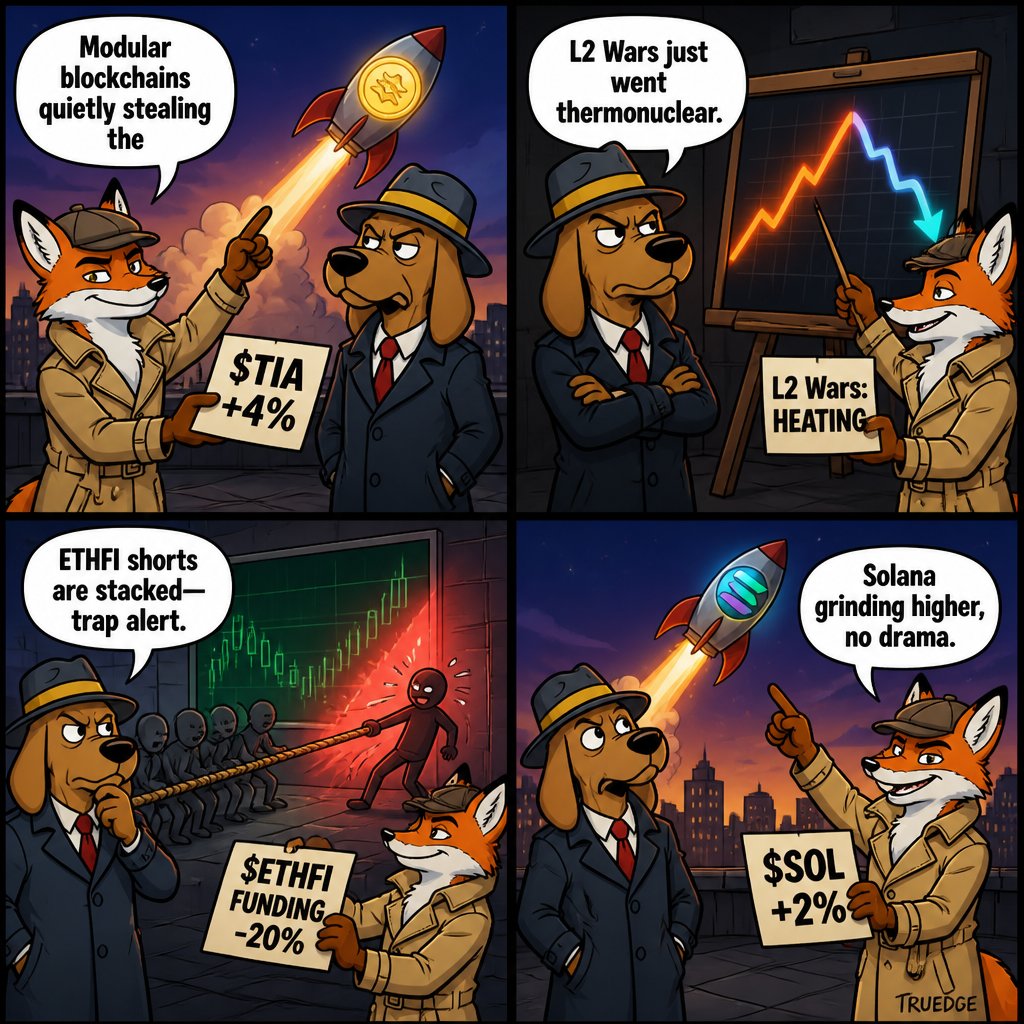
Modular narrative catches fire while L2s heat up. ETHFI shorts crowded; $TIA, SOL moving. Layers of chaos today.
1
34
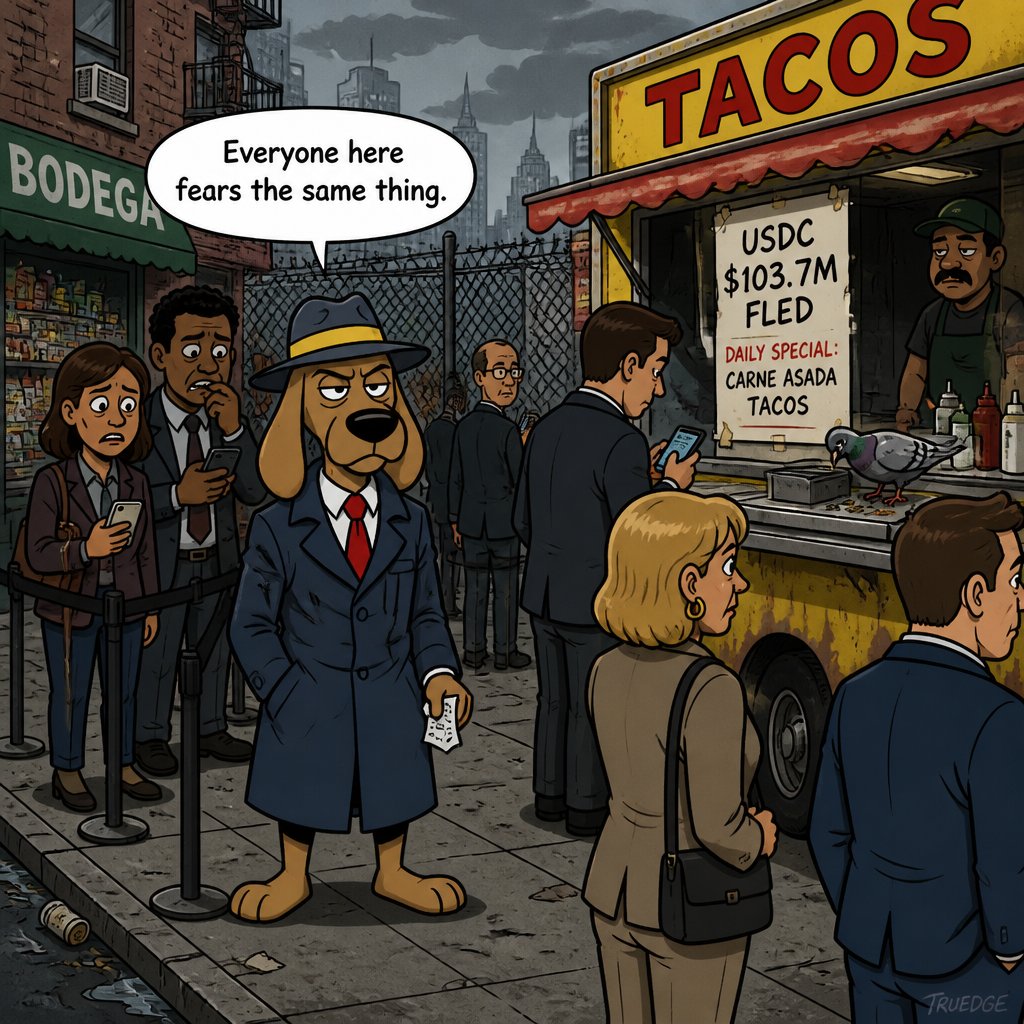
$USDC just saw 103.7 million coins ($103.7M) leave Kraken to an unknown wallet. Large stablecoin moves like this usually mean holders are preparing to move money into trades or out of the exchange entirely.
13
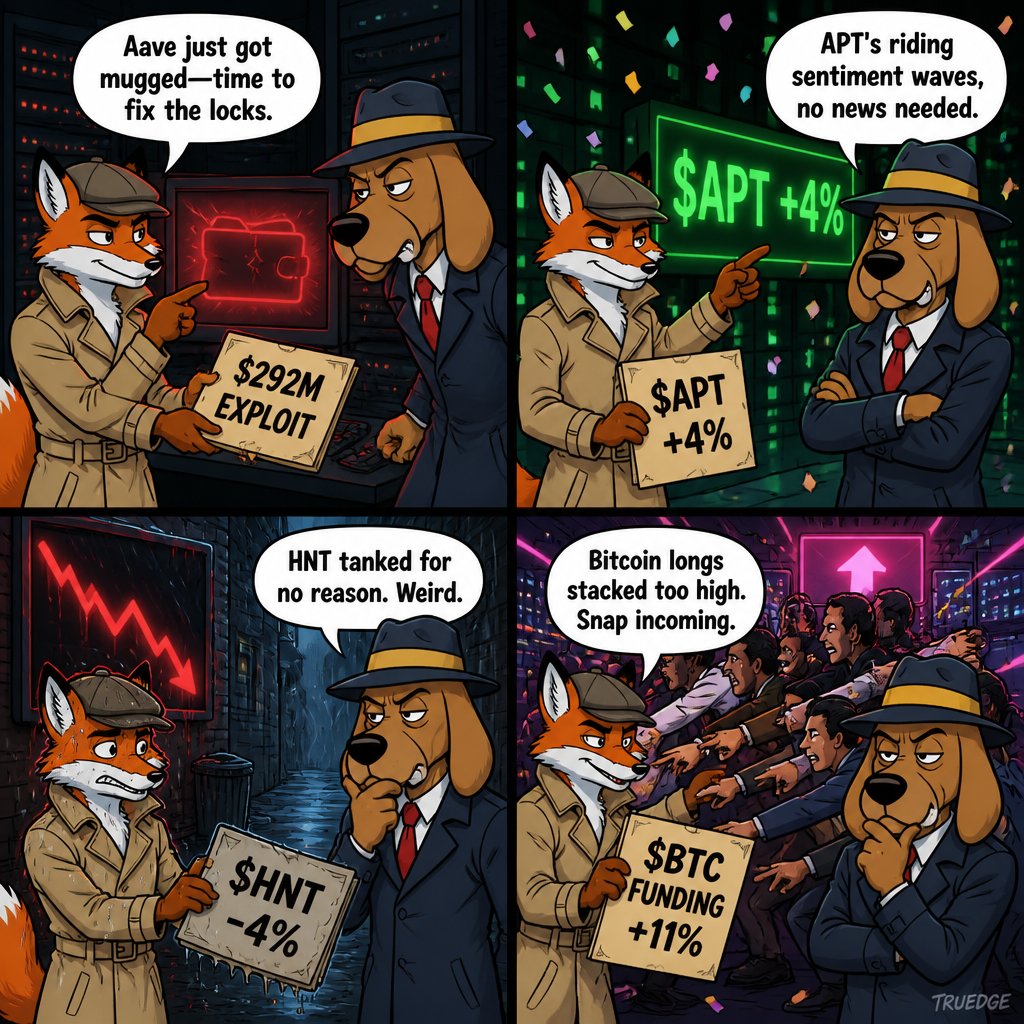
$SOLV bears are cramped. DEGEN pumped on nothing. MANTA defied its own hype. Aave patches the holes.
1
18
$SOL jumped 1.6% to $67.85 as Bitcoin Ecosystem heat exploded 168% overnight -- the strongest narrative acceleration in 12 hours. Large holders are rotating into BTC-linked tokens.
29
$META vs Coinbase just launched competing AI agent wallets — computer programs that can control your crypto money to trade and buy things for you 24/7
Coinbase holds your crypto like a bank and watches for suspicious activity. MetaMask offers up to $10,000 protection but you control your own keys. Both let you set spending limits and stop the AI anytime.
The catch: AI systems can be hacked or make costly mistakes with real money. This tech is so new that unknown risks haven't been discovered yet — and hackers are already targeting AI systems.
Verdict: Too risky for most people right now. Wait 6 months to see how security works in practice, then start with small amounts you can afford to lose completely.
Which approach sounds safer to you — company custody or self-custody with insurance?
1
1
93
Read the full Decode analysis → truedge.xyz/decode/3dd87943-…
6
🚨 Exploit alert: Raydium lost $1.3M.
• An attacker exploited a program Raydium had stopped using years ago, leading to a $1.34 million loss.
Check your exposure before this hits the headlines.
8

Jun 12
$USDC ghosts into the night. SOL traders are dangerously stacked. Meanwhile DEGEN's narrative strength can't save it from the selloff. Market's whispering louder than the headlines.
1
49
Jun 12
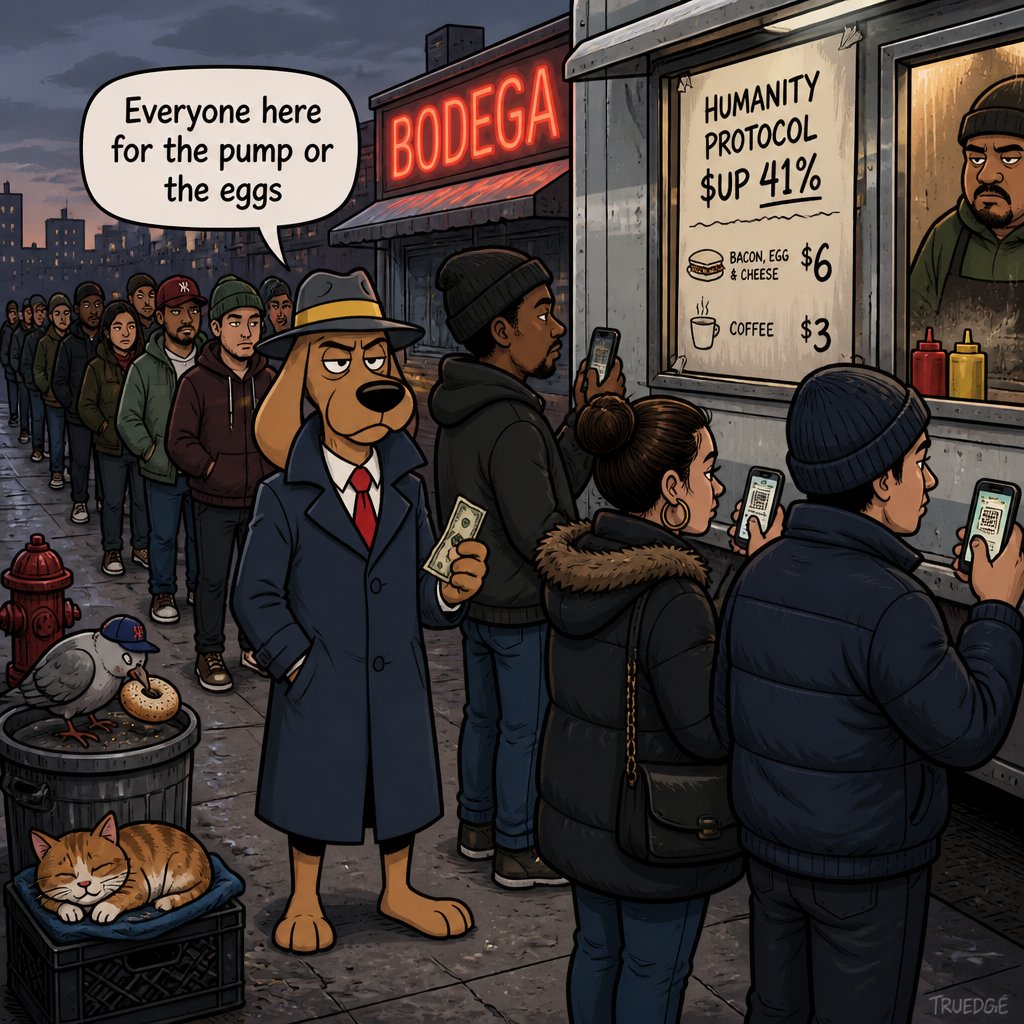
$H surged 41% after a $1 billion exploit -- the biggest red flag in crypto today. When a token pumps hard right after getting hacked, ask yourself who's actually buying.
2
111
Jun 12
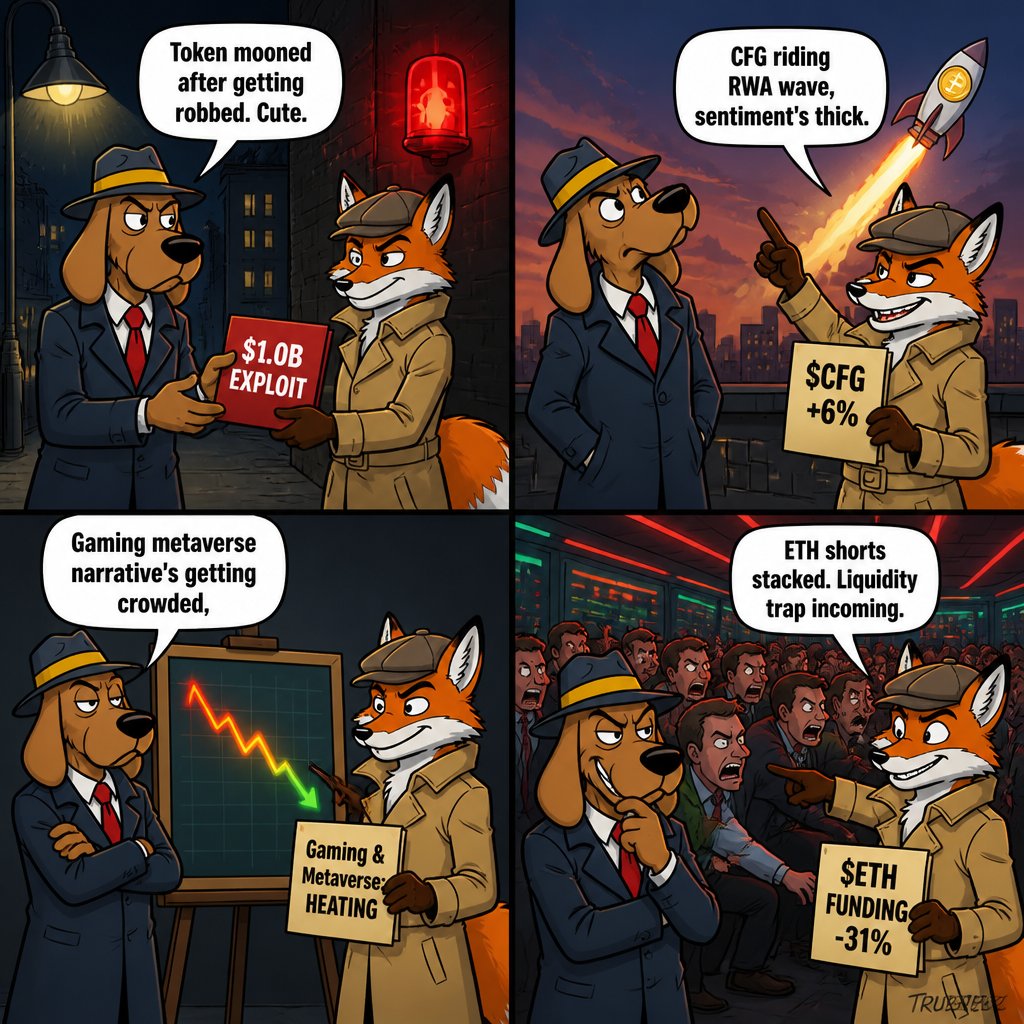
$CFG pumps on RWA vibes while H bounces back from hack. Gaming narrative heats up. ETH shorts are packed tight—squeeze risk climbing.
1
75
Jun 12
$HYPE jumped 7.6% overnight while most of crypto is still stuck in bear mode. AI Agents narrative is cooling fast -- this pop might not last.
1
54
Jun 12
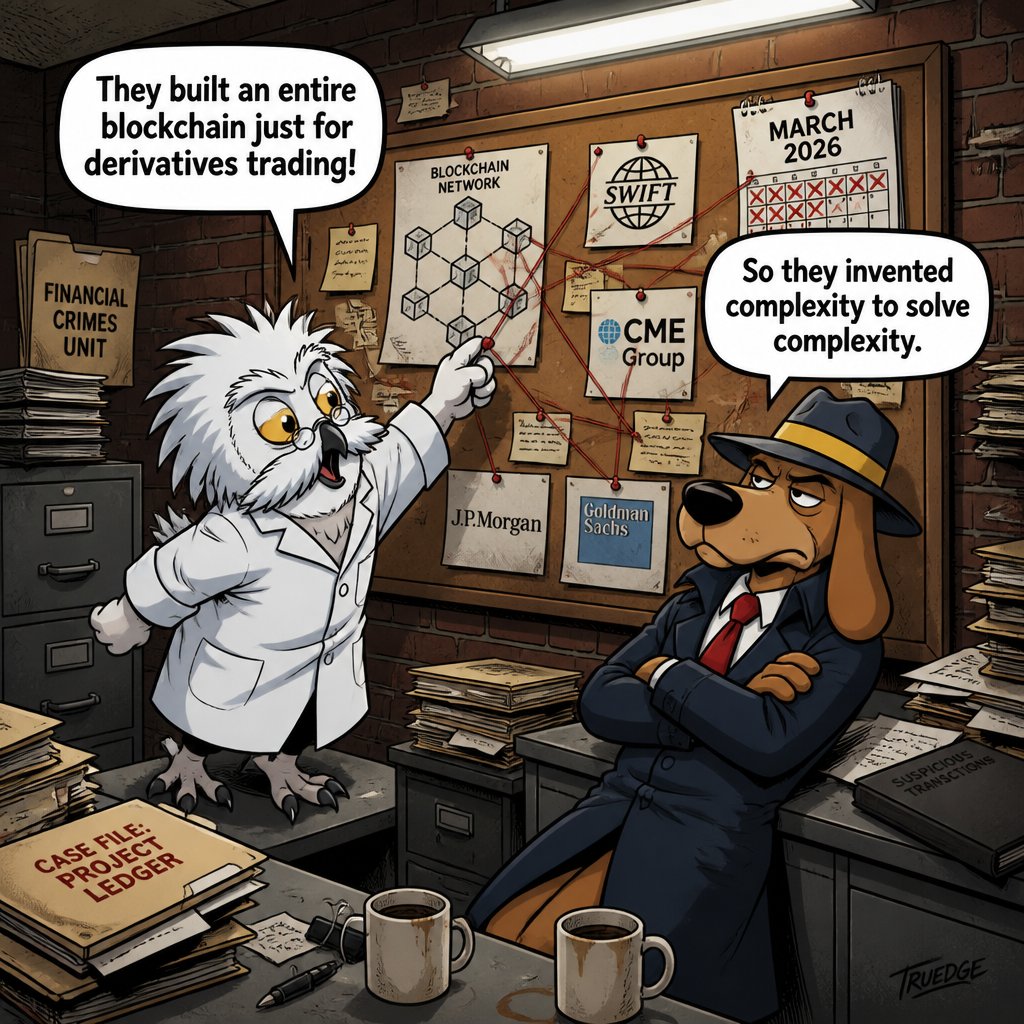
$ASE Aster Chain launched in March 2026 as the first blockchain built exclusively for derivatives trading — targeting institutional demand that existing chains can't handle.
While Ethereum clogs up and BNB Chain focuses on retail, Aster optimizes everything from consensus to gas pricing specifically for perpetual swaps and futures. Think specialized highway for delivery trucks vs city streets handling all traffic.
The risks are real: unproven tech, fragmented liquidity across specialized chains, and institutional adoption moves slowly in competitive markets.
Truedge verdict: Watch closely. If they hit $1B monthly volume by end-2026, this becomes serious. Track their institutional partnerships and whether traditional exchanges like CME integrate.
Are purpose-built chains the future, or will general blockchains like Ethereum adapt fast enough to compete?
1
71
Jun 12
🚨 Exploit alert: Token of Power (TOP) lost $1.6M.
• A hacker exploited the governance system of Token of Power (TOP) on an Aragon DAO, allowing them to create 10 billion new TOP tokens.
Check your exposure before this hits the headlines.
30