Patriot, flag waver, Trump supporter. Trump 2024. Biden is a liar, cheat and thief. How did Biden go from broke to a $30m net worth? Ask Hunter.
Joined November 2020
- Tweets 967
- Following 159
- Followers 87
- Likes 11
59 Photos and videos

Pinned Tweet

Apr 26
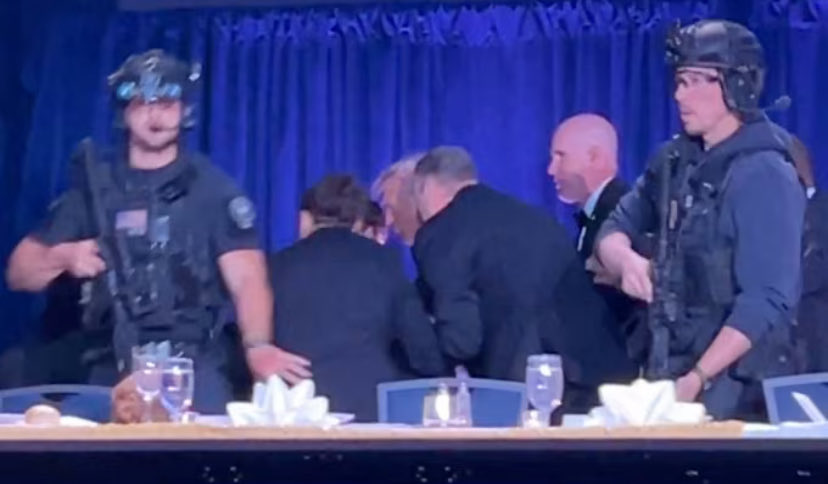
If there was ever any doubt about the urgent need for a secure White House Ballroom, tonight’s attempted assassination at the Washington Hilton should silence every naysayer. Presidents shouldn’t have to dodge bullets at outside events just to do their job. Build it. Secure it. Now. #WhiteHouseBallroom #Trump”
30
Jun 5
Even the NYT Opinion column calls it ‘The Platner Trap’: Democrats ‘talk themselves into supporting Graham Platner, the Maine Democrat who until recently wore what sure looked like a Totenkopf tattoo’ — the SS death’s head symbol used by Nazi concentration camp guards.
This is what ‘tolerance’ looks like now? Hypocrisy exposed.
#Democrats #Election2026
nytimes.com/2026/05/10/opini…
16
Apr 23
Bravo to Judge Jack Hurley for crushing the Virginia Democrats’ unconstitutional redistricting power grab! These fascists tried to ram through a rigged 10-1 Democrat map in blatant violation of the state constitution—special sessions, timing tricks, and all. Hurley stood tall for the rule of law against their tyrannical gerrymander. Real Americans salute you, Judge! 🇺🇸 No more Democrat election theft! #StopTheSteal #VirginiaStrong
29
Trump Card retweeted

Mar 26
Tell the rest of the story, Adam.
Not just your glossed over narrative.
Tell how he was pressured to plead guilty rather than defend bogus charges and humiliating public scrutiny.
Tell how the whole thing was over fictional events, crafted to ensnare the president.
1
6
12
211
Mar 11
How does Chuckles come to a number of 1 million? Stretching the truth Chuck.
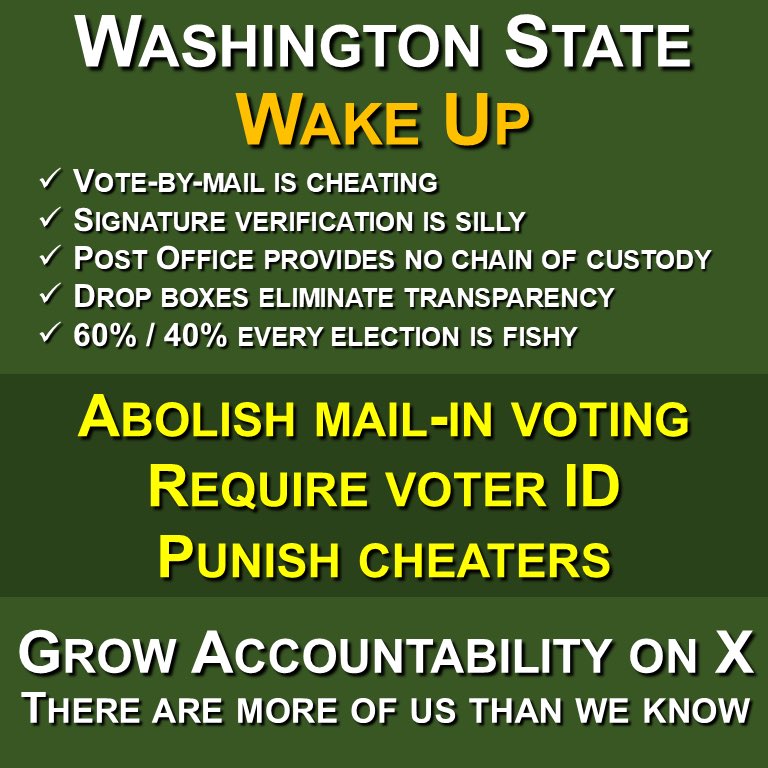
Any GOP who doesn’t vote for the Save act, will face opposition in their next primary, by MAGA. That goes double for @JohnThune if he doesn’t nuke filibuster and bring it to a vote. We’ve had it with the non-citizens voting. We’ve had it with mail-in ballots.
Mar 11

Let me say it again: The SAVE Act would disenfranchise millions of American citizens.
Not non-citizens, not undocumented immigrants - AMERICAN CITIZENS.
Senate Democrats will not help pass the SAVE Act under any circumstances. No amount of whining from @elonmusk will change that.
7
Feb 24
Schumer cries ‘higher prices & more inflation’ over Trump tariffs—but under Biden (with Schumer running the Senate), inflation peaked at 9.1% in 2022, the worst in 40 years.
Now in 2026? Inflation’s down to 2.4% (Jan BLS data). Shortsighted memories when it’s your party in charge. Hypocrisy much? 🇺🇸 #TariffFlipFlop #InflationFacts.
Feb 23
Trump doesn't care about the burdens he's imposing on Americans with his tariffs—but Democrats do.
We will NOT extend the Trump tariffs once they expire in a few months.
We'll do everything we can to stop them. We won't stand for higher prices and more inflation.
1
11
Feb 5
Remember when CNN, MSNBC, NYT, WaPo, and every legacy outlet (except Fox) solemnly declared the 2020 election was the “most secure in American history”? They smeared Trump as a dangerous liar for pointing out irregularities, called his claims “false” and “baseless,” and insisted Georgia’s results were ironclad after hand recounts and audits.
Fast-forward to now: FBI raids Fulton County election offices, seizes 700 boxes of 2020 ballots, tabulator tapes, and voter rolls in a criminal probe. They’re examining evidence of potential fraud—double-scanned ballots (thousands confirmed), mismatched counts, phony registrations, and more coming to light. Whistleblowers, videos, and even admissions from state officials are piling up.
So, legacy media… what’s the play? Will you finally admit you gaslit the country to protect the steal? Or will you spin this as “Trump’s revenge tour” and ignore the mountain of emerging proof? Your silence or deflection will scream volumes.
The truth is out. The cover-up is crumbling. You can’t bury this forever.
#ElectionIntegrity #GeorgiaFraud #LegacyMediaLies #2020WasStolen
29
Jan 31
1. The First Amendment's protections for free exercise of religion and freedom of the press can indeed come into tension in scenarios involving media access to religious spaces, but U.S. courts have generally resolved such conflicts by emphasizing that press freedoms do not grant special exemptions from neutral laws of general applicability, such as trespassing or privacy statutes, while still safeguarding religious exercise from undue government interference.
### Key Principles
- **No Absolute Right to Access Private Property**: Freedom of the press allows journalists to gather and publish information without prior restraint, but it does not confer a constitutional right to enter private property—including houses of worship—without permission. Churches, mosques, synagogues, and similar venues are typically considered private spaces, even if open to the public for worship. Unauthorized entry ("invasion") could constitute trespass, and enforcing property rights against the press does not inherently violate the First Amendment. For instance, in *Cohen v. California* (1971) and related precedents, the Supreme Court has clarified that time, place, and manner restrictions on speech (including press activities) are permissible if they are content-neutral and serve a significant government interest.
- **Religious Freedom Takes Precedence in Core Practices**: The Free Exercise Clause protects against government actions that substantially burden religious practice unless there's a compelling interest. If press intrusion disrupts worship or sacred rituals (e.g., filming without consent during a service), courts may view government intervention—such as eviction or injunctions—as protecting religious exercise rather than abridging press rights. This aligns with cases like *Employment Division v. Smith* (1990), where neutral laws (e.g., anti-trespass rules) apply to all, including the media, without targeting religion. However, if the government selectively enforces laws to favor or hinder a religion, that could violate the Establishment Clause.
- **Balancing in Public or Quasi-Public Contexts**: If the house of worship is hosting a public event (e.g., a press conference or community gathering), press access might be broader under cases like *Richmond Newspapers, Inc. v. Virginia* (1980), which recognizes a right to attend public proceedings. But even then, religious leaders can impose reasonable restrictions to preserve sanctity, and overreach by the press could lead to civil claims like invasion of privacy or intentional infliction of emotional distress.
### Notable Cases and Examples
- **Desnick v. ABC, Inc. (1995)**: In this Seventh Circuit case, undercover journalists posed as patients to expose misconduct in a medical clinic (analogous to a private space). The court allowed the reporting but noted that fraud or trespass could limit press protections. Applied to religion, this suggests that deceptive entry into a house of worship might not be shielded by the First Amendment if it harms religious privacy.
- **Food Lion, Inc. v. ABC (1999)**: Similar to Desnick, undercover filming in a private business was scrutinized; the press won on publication rights but lost on trespass damages. This implies that while the press can publish what they obtain, they aren't immune from liability for how they obtain it in religious settings.
- **Real-World Incidents**: During high-profile events like the 2015 Emanuel AME Church shooting aftermath, media were restricted from entering services to respect grieving congregants' religious privacy. Courts have upheld such boundaries, prioritizing free exercise over unfettered press access.

LATEST: Don Lemon released by a federal judge after he was charged by the Trump administration with violating the freedom of religion of worshippers at a Minnesota church where he was covering a protest earlier this month. nbcnews.com/news/us-news/don…
1
32
Jan 31
2. In essence, when the press "invades" (i.e., enters without authorization), the protections for religious freedom typically prevail, as the government can enforce property and privacy laws without running afoul of press freedoms. The press retains the right to report from public vantage points or with consent, but not to disrupt sacred spaces. If a specific scenario involves government favoritism or content-based restrictions, it could tip toward the press—but based on established jurisprudence, the house of worship's rights are more likely to be upheld in a direct invasion. For tailored advice, consult a legal expert, as outcomes depend on facts like consent, public interest, and jurisdiction.
7
Trump Card retweeted

Jan 28
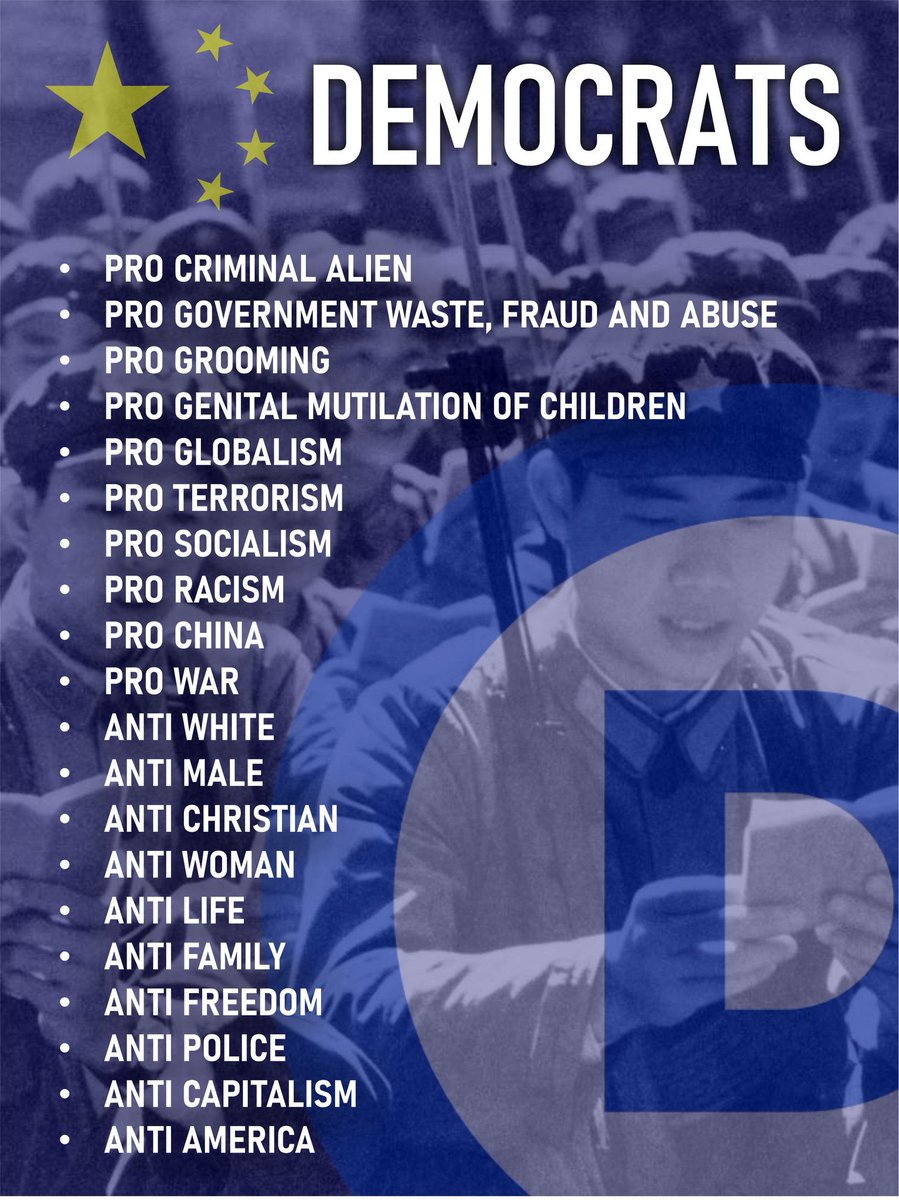
Is this all you fuckstumps think of!? Protecting illegals - JC it’s pathetic!
4
10
56
664

Jan 22
Goodbye, UN!
You Won’t BELIEVE What Trump Just Did to the UN!!! youtu.be/nBKDJJuCcv4?si=Mp0X… via @YouTube
13
Jan 22
Any Republican Senator who doesn’t back eliminating the Blue Slip rule, scrapping the Filibuster, and passing the SAVE Act? You’re outta here come re-election time. The base demands action—deliver or get replaced! #MAGA #DrainTheSwamp
10
Jan 21
California, Minnesota, & Illinois: Shining examples of woke progressive disasters. Skyrocketing taxes, endless deficits, population flight to red states. Now add Governors & Mayors like Walz, Frey, Pritzker, & Johnson backing rioters who assault ICE agents, block facilities, & slash tires—while refusing to help feds & demonizing enforcement. DOJ even probing for obstruction 2 . With this chaos & lies, why vote Democrat? Wake up! #Politics

Ilhan Omar: "Our country should be more fearful of white men... because they are actually causing most of the deaths within this country... we should be profiling, monitoring, and creating policies to fight the radicalization of white men."
20
27 Dec 2025
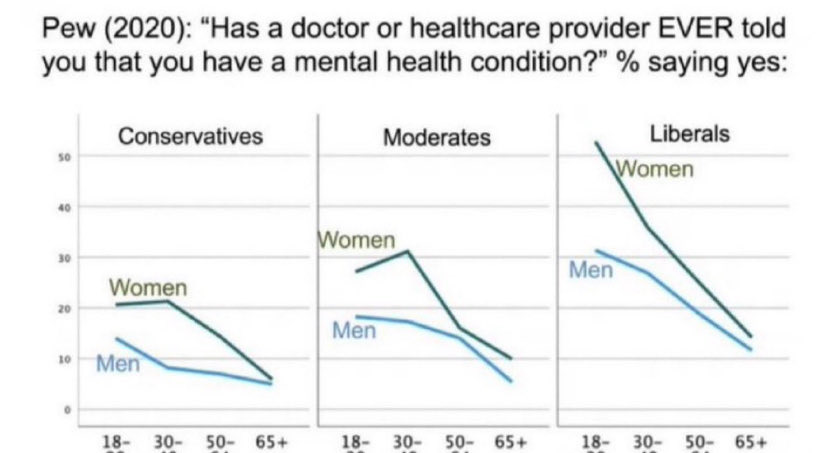
This stat has been missing in our conversations. 56% of women, in the Democrat party, are technically crazy. I’ve seen so many crazies on social media that it has made me wonder if that party is formed by the unstable. We’ve been calling it TDS but it’s deeper than that. Look at this Pew report that queried women under 30:
14
22 Dec 2025
Absolutely infuriating: The Citation 550 crash that wiped out Greg Biffle & his family? Piloted by Dennis Dutton (ex-USAF, cargo vet) who NEEDED a qualified second-in-command per his cert—but flew with his unqualified son Jack (single-engine only) & others. Illegal from takeoff. Rookie-level negligence killed 7. #AviationFail #PilotError”
2
5
805
22 Dec 2025
“Dennis had the CE-500 rating but with ‘SIC required’ restriction. Jack? Not multi-engine rated, zero jet quals. Even Biffle wasn’t typed for the 550 as SIC. They flagrantly violated regs. No wonder it ended in disaster—fluctuating speeds/altitudes, no Mayday, crashed short of runway after botched return. Preventable BS.”
1
1
211
22 Dec 2025
Instead of safe protocols, this clown show tried a quick u-turn in drizzle/clouds after just 10 mins airborne. Fluctuations scream poor handling—maybe skipped checklists? Could’ve aimed for Charlotte nearby, but nah. Pure pilot error, hubris over safety. Justice for the victims. NTSB, roast ’em. #GregBiffle #PlaneCrash”
1
2
150
16 Dec 2025
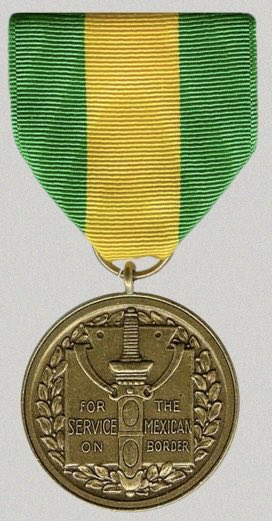
Congratulations to all the brave men and women of the U.S. military who have received the Mexican Border Defense Medal! Your dedication to securing our nation’s southern border and supporting Customs and Border Protection deserves the highest recognition.
Just yesterday, on December 15, 2025, President Trump personally awarded this medal to 13 soldiers and Marines in a White House ceremony—truly a well-earned honor for their service.
The history behind this medal is indeed fascinating: The new Mexican Border Defense Medal (established in August 2025 and retroactive to January 20, 2025) revives the exact design of the original Mexican Border Service Medal from over a century ago.
That historic medal was created by Congress in 1918 to honor National Guard and Army troops who served on the U.S.-Mexico border from 1916–1917 during the tensions with Mexico, including the response to Pancho Villa’s raids and the broader context of the Mexican Revolution. The bronze medal features a sheathed Roman sword on a tablet inscribed “For Service on the Mexican Border,” surrounded by laurel wreaths—symbolizing defensive service on American soil.
It’s a powerful connection between past and present border defense efforts.
Here’s what the medal looks like. Thank you for your service—you’ve earned this distinction! 🇺🇸
26