
10 Photos and videos
Biofy retweeted

Apr 30
.@peptai_ is coming.
A fleet of autonomous agents for peptide drug discovery, launching on Bio.
.
Here’s everything you need to know 🧵↓
61
58
419
170,035


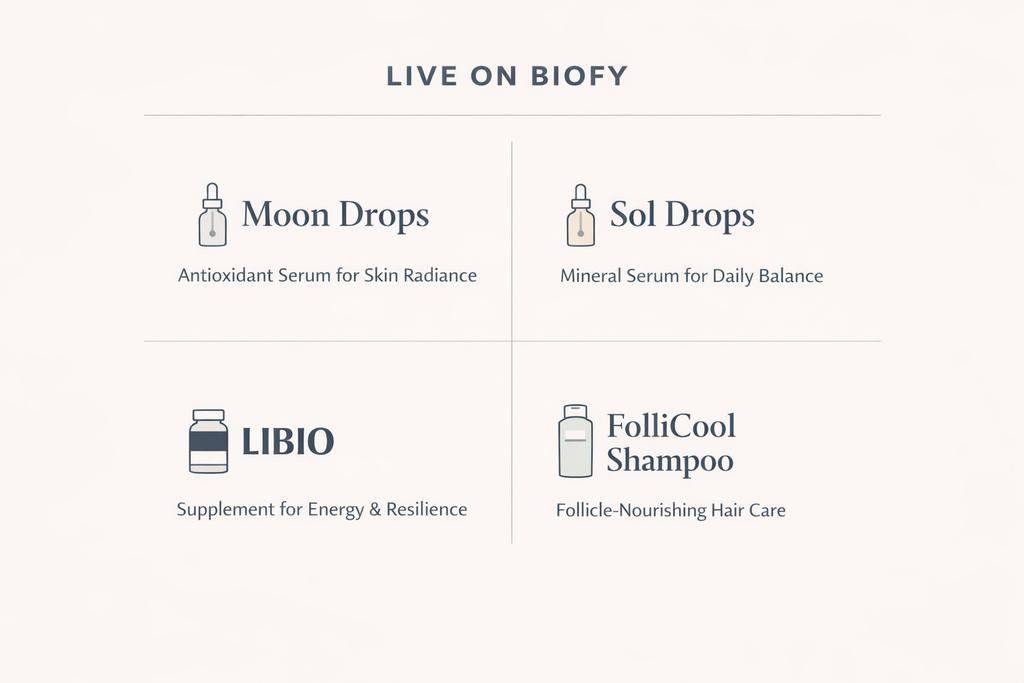
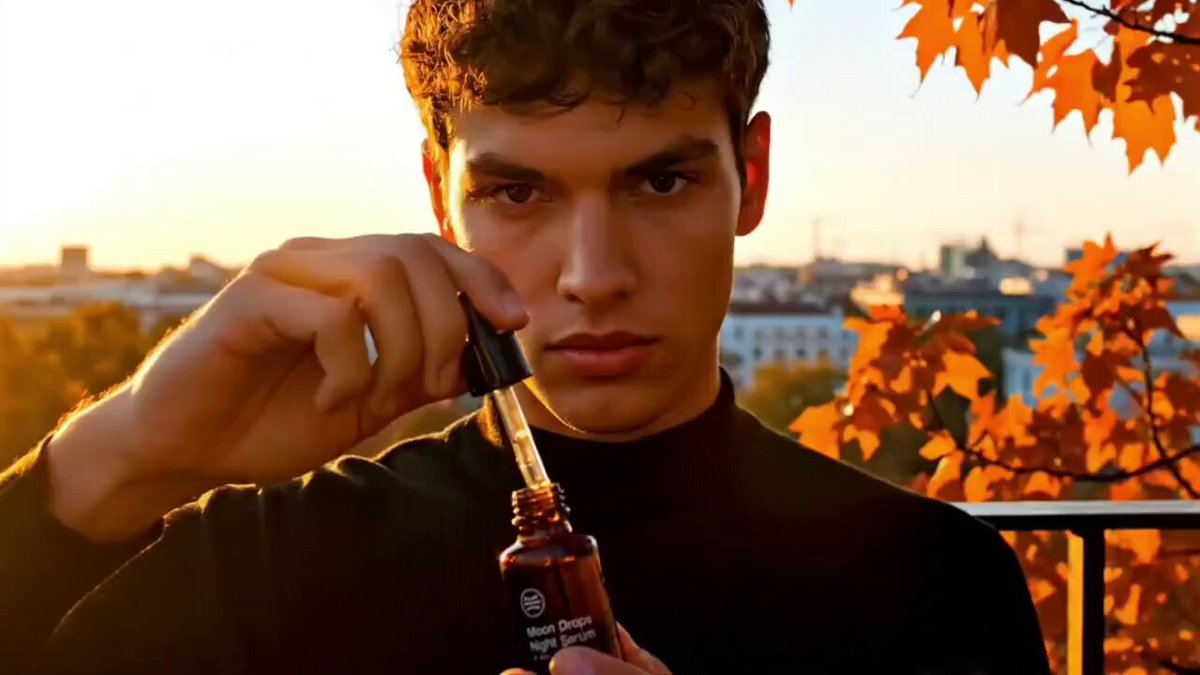
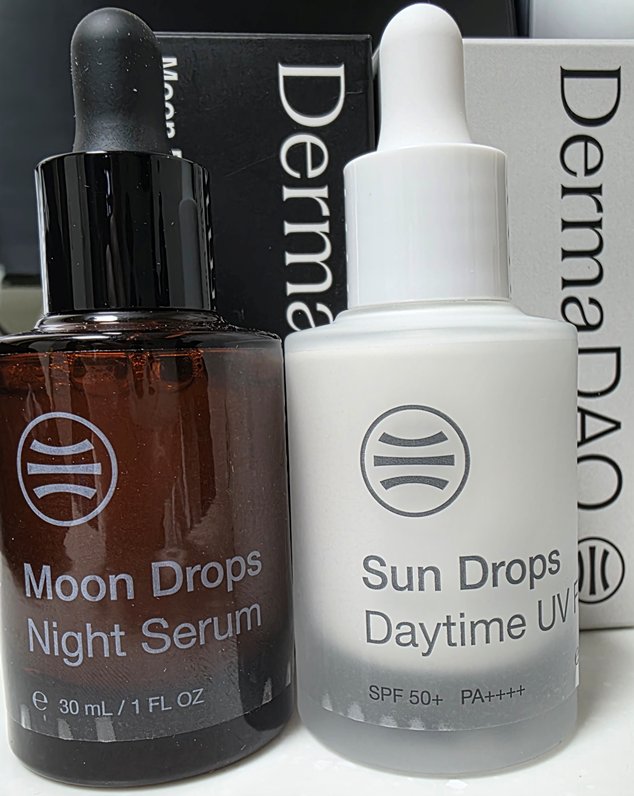
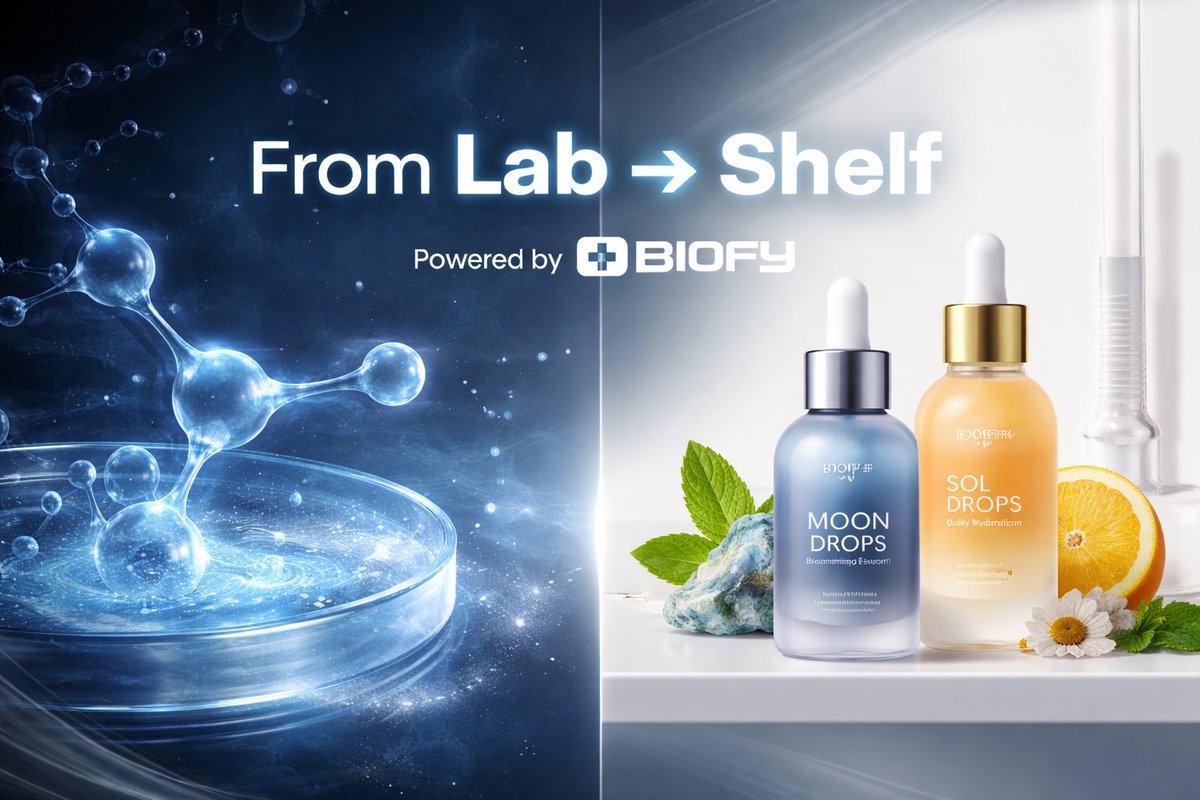
📦 Shipping for Moon & Sol Drops begins... today!
We have officially started rolling out orders for our precious early supporters.
Here is the schedule for the coming days:
• March 12 (Today): EU orders are shipping out from Berlin.
• March 19: All remaining worldwide orders will ship from Seoul, where our drops are developped and made.
*Once your package heads out, expect a 2–7 day delivery window depending on your country.
💌 This early batch is extra special—carefully crafted and packed one-by-one by our founders.
Thank you for your patience and for being part of this journey with us.
💧If you missed our launch, you can still grab your set of drops at biofy.xyz
Keep an eye out for our updated roadmap and news on upcoming launches coming very soon!
🌙☀️ LFGLOW
@JezMarston @dongsinnesohn @BioProtocol


15
14
85
5,891
Biofy retweeted

Mar 12
a bit emotional ngl. spent yesterday night packing orders and writing love letters to our very first precious customers who trusted @dermadao at such an early stage. sooo we just shipped our first Moon & Sol Drops and it's a big precious beautiful day today. so i made a song to celebrate, called "Fly to me the Moon Drops". turn the sound ON and keep your glasses away. and hopefully, my song reaches your heart, like our drops are reaching your home. cuz it's happening, right now. LFGLOW ❣️
💧you can still get your set of drops at biofy.xyz
🧬developed and made in Korea, by our Lead Researcher Dr. Kim, the "Korean Skincare Bible" on Youtube (youtube.com/@pialnam/)
🙏 @JezMarston @BioProtocol
4
4
21
14,289
If this tweet gets to 100views then it's hundred but If it goes to 1k then so be it, I'm ready.
Mar 8

how long do you want to live?
1
56
I like the side that says eat REAL foods, most GenZ born just swallow anything literally because it's sweet.

The best longevity protocol starts with the basics: sleep 8 hours, move daily, eat REAL food, manage stress.
1
95
We believe every piece of research should have an end goal; Most scientists think this way too.
...And if it doesn’t, maybe it shouldn’t start at all.
Usually, that goal is simple: help humanity move forward.
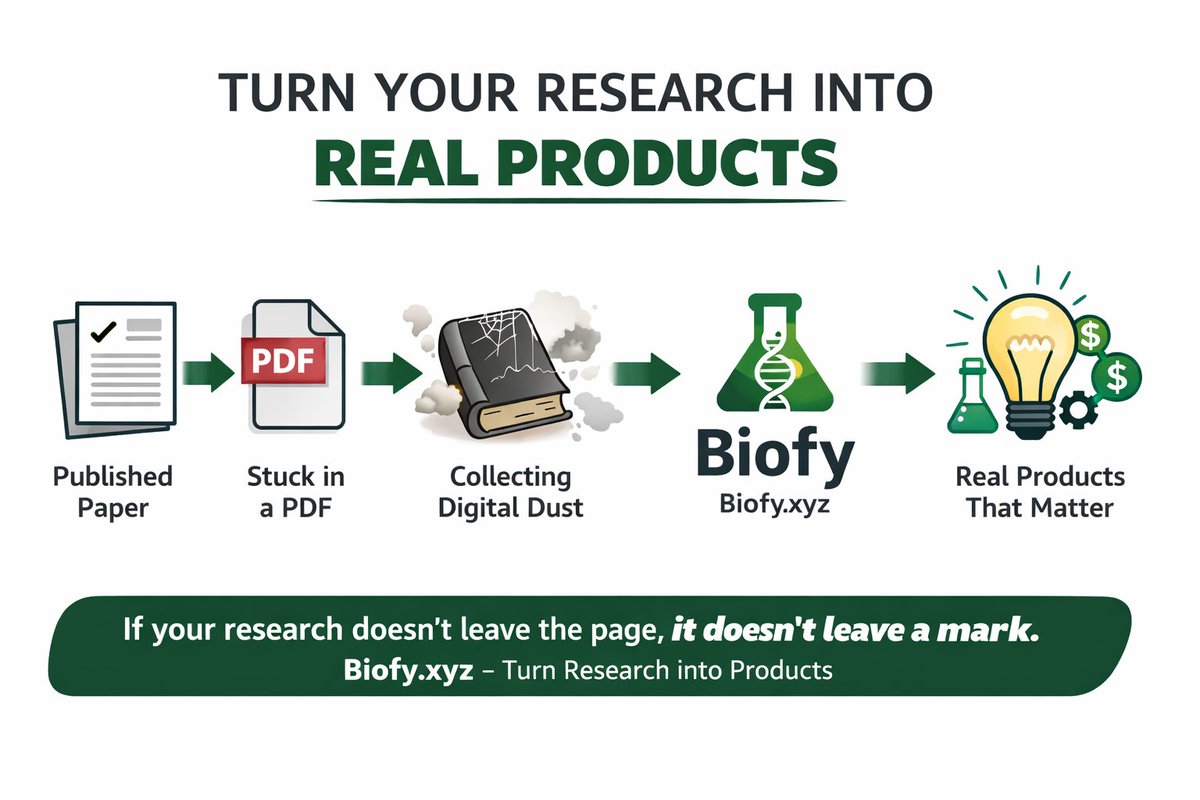
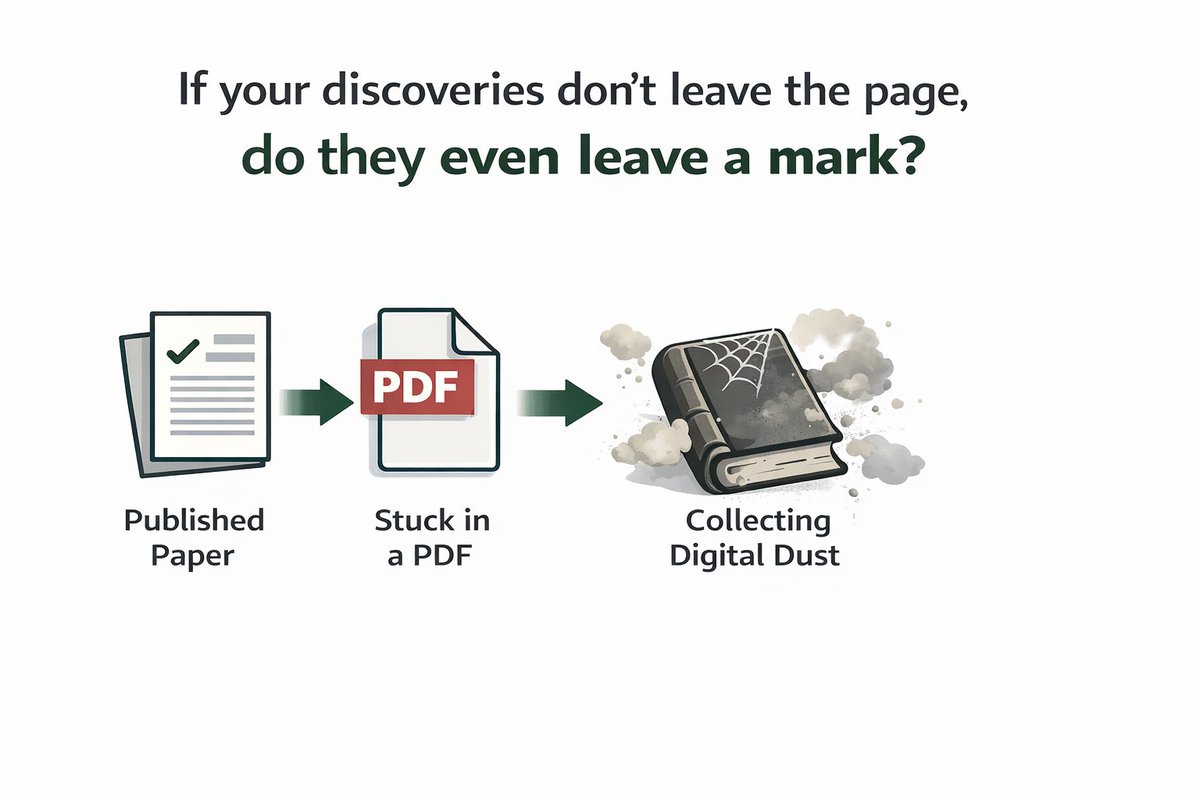
Our fear is that too much good work still ends its life in labs or PDF files.
It shouldn’t.
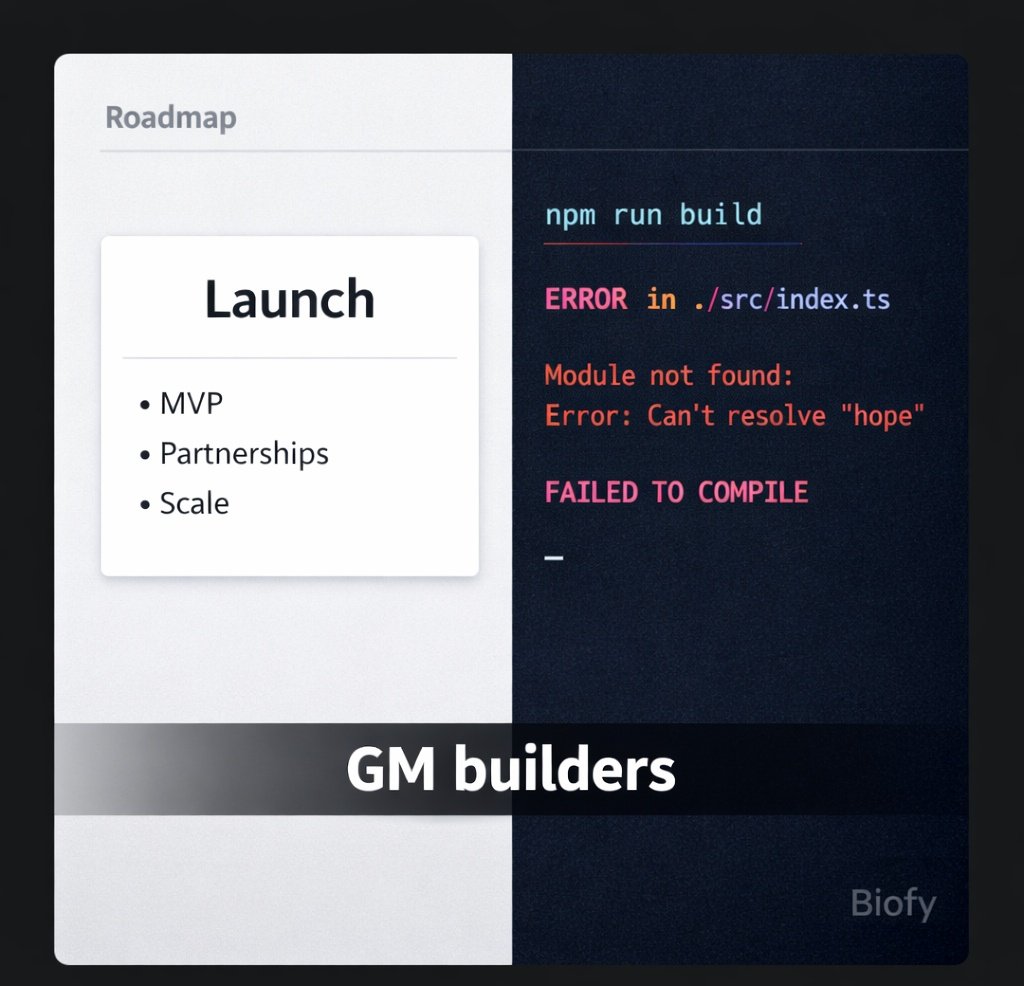
That’s the idea behind Biofy, built on Bio Protocol: A decentralized environment where builders and researchers can actually ship, not just publish.
If you can build a better product, use the full @BioProtocol ecosystem: funding, community and real partnership paths are already there.
As a builder, when you see leverage like that you take it.
Enjoy your weekday.
3
104
Biofy retweeted

Feb 23
5/ This is what DeSci looks like when it works. Hypothesis → computation → candidates → wet lab validation → community-funded. No permission needed. No 10-year timeline. No billion-dollar gatekeepers.
The code of life is a public good, not a trade secret.
3
3
36
1,974
What we observed :
Most Builders talk about pathways, mechanisms, and models while Users just want good products .
... While Builders celebrate statistical significance, Users only care if anything actually changed.
-Builders explain why it’s complex -
Users live with the consequences every day.
-Builders chase novelty.
Users want something they can trust.
-Builders think in timelines 😀
Users think in mornings and nights.
-When Builders say “this is promising.”
Users ask “will this help me?”
If you’re building in biotech: stop talking at people but rather translate biology into relief, clarity, and outcomes or you’re not done yet.
You understand why we love real products yet ? It's what users want .
1
114
Dear algo show this X post to everyone building science backed products.
Feb 19

dear algo show this X post to everyone working on openclaw agent fleets for scientific discovery
3
126
Biofy retweeted

Feb 18
Some questions do not let you sleep and others force you to rethink systems.
One question keeps coming up in biotech: Why does research always get funded before it proves value and almost never after?
When a team creates something useful, that success is often treated as an exit, not fuel for the next experiment.
This is the model behind Biofy and its revenue loop.
In biotech, funding and commercialization are intentionally disconnected:
> Capital enters at the idea stage.
> Value is extracted at the product stage.
> Research rarely benefits from its own success.
We believe that pattern is broken.
Through Biofy, products remain directly linked to the underlying science, keeping the feedback loop tight and measurable.
What matters most is what happens next.
It happens through Biofy, where products stay directly linked to the underlying science to keep the feedback loop tight.
Revenue from those products flows back into the BioDAO treasury.
That money funds follow-on experiments, expanded trials, and new directions.
People who purchase products earn BioXP and gain early access to future launches. The market subtly influences which research advances.
This won't replace every biotech pathway.
However, it answers a simple question worth asking more often:
Why shouldn’t proven value fund further discovery?

7
2
18
904
BIOS says that Autonomy is overrated,The real bottleneck has been reruns being too expensive to think out loud.
Once it’s cheaper to interrupt than restart, research stops pretending and starts learning.

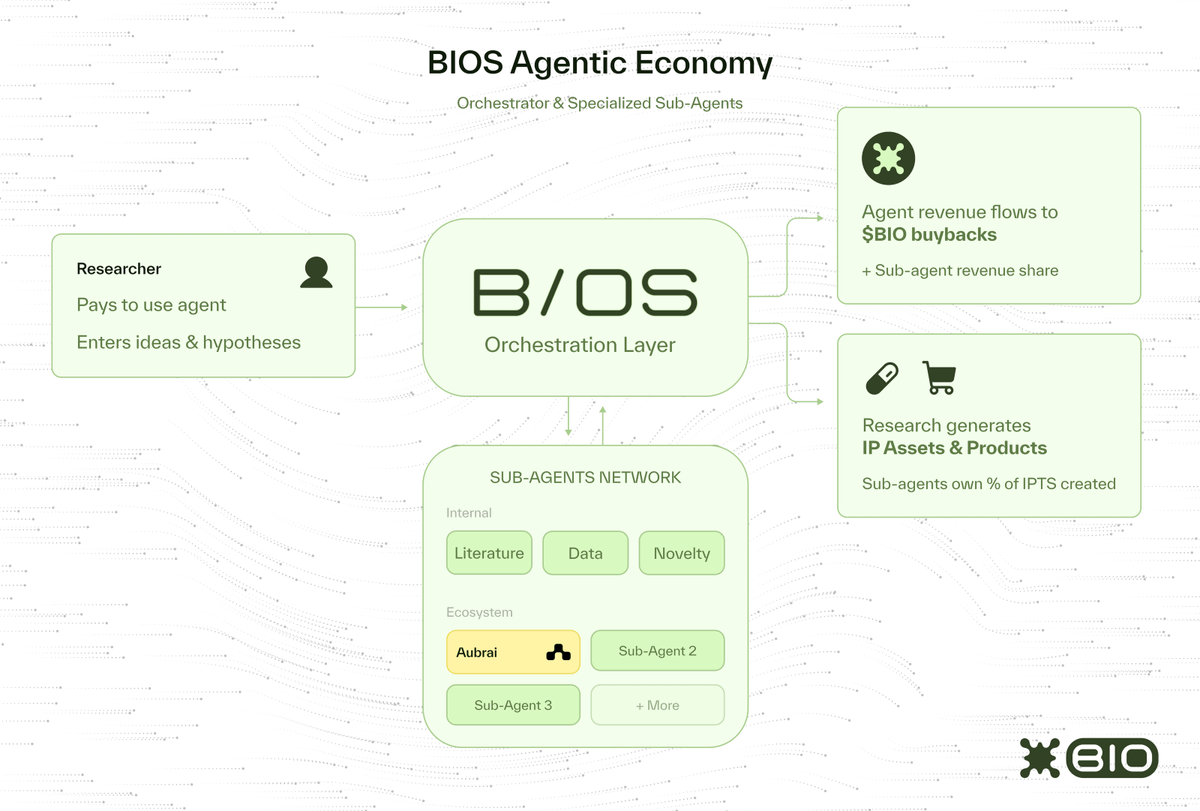
A couple of weeks ago, Bio Protocol released BIOS, an AI Scientist built to run biomedical research workflows by orchestrating specialized sub-agents, with humans staying in the loop during execution.
BIOS maintains a persistent world state across research cycles, so investigations build on prior insights instead of resetting context each session.
The interesting part isn’t autonomy, it’s how incentives are aligned across the system.
That alignment shows up in three places.
1. Researchers
→ Avoid expensive full reruns via human-in-the-loop checkpoints
→ Iterate mid-investigation instead of post-hoc
→ Benefit from persistent world state that compounds insights across sessions
→ Deep research runs average ~$20, making real iteration viable
2. Agent builders
→ Tasks are routed to specialists, not generalists
→ Sub-agents soon earn per query via x402 micropayments (e.g. longevity queries routed to @Aubrai_ )
→ Builders compete on quality in a niche, not distribution or hype
3. The protocol
→ BIOS generates revenue from usage and agent↔agent commerce.
→ That revenue can flow into $BIO buybacks, tying value capture to real work
The output
→ BIOS-generated research can be funded via Bio Launchpad
→ Successful work can move toward commercialization via Biofy
→ Research doesn’t stop at PDFs, it enters an economic pipeline
What this fixes:
Most AI Scientists today are batch systems:
→ Run for hours
→ Burn compute
→ Surface results
→ Force full reruns when you want to pivot
BIOS replaces that with selective interruption.
→ Humans steer mid-flight.
→ The system preserves context.
→ Iteration becomes cheaper than restarting.
→ Lower rerun cost.
→ Higher signal per dollar.
→ Tighter feedback loops.
Performance check:
→ BIOS ranked #1 on BixBench across all evaluation modes
→ 48.8% open-answer
→ 55.2% multiple-choice & refusal
→ 64.5% multiple-choice (no refusal)
Ahead of systems like Edison and Kepler.
BIOS aligns incentives so doing useful work is the fastest path for everyone involved.
That’s how systems compound.
2
130


Guess what happens in 2030s with Biotech products?
Feb 16
The 2020s will be remembered as the decade aging became optional.
1
90
Biofy retweeted

Feb 12
Longevity is not about living forever.
It is about not dying early.
21
10
171
3,561