
Joined April 2026
- Tweets 947
- Following 312
- Followers 89
- Likes 546
114 Photos and videos
Pinned Tweet

May 26
I built a Claude skill that creates ghost personas to review your code before production.
6 lines of code. "Looks fine, ship it."
Then 3 ghosts showed up:
😈 Hit Back twice — 630 TL cart became 322 TL
🏢 Paid in EUR — discount never applied
🐵 DB dropped mid-loop — half the data corrupted
3 bugs. 0 tests written. Before the PR even opened.
Open source → github.com/mturac/simulacra
1
1
3
287
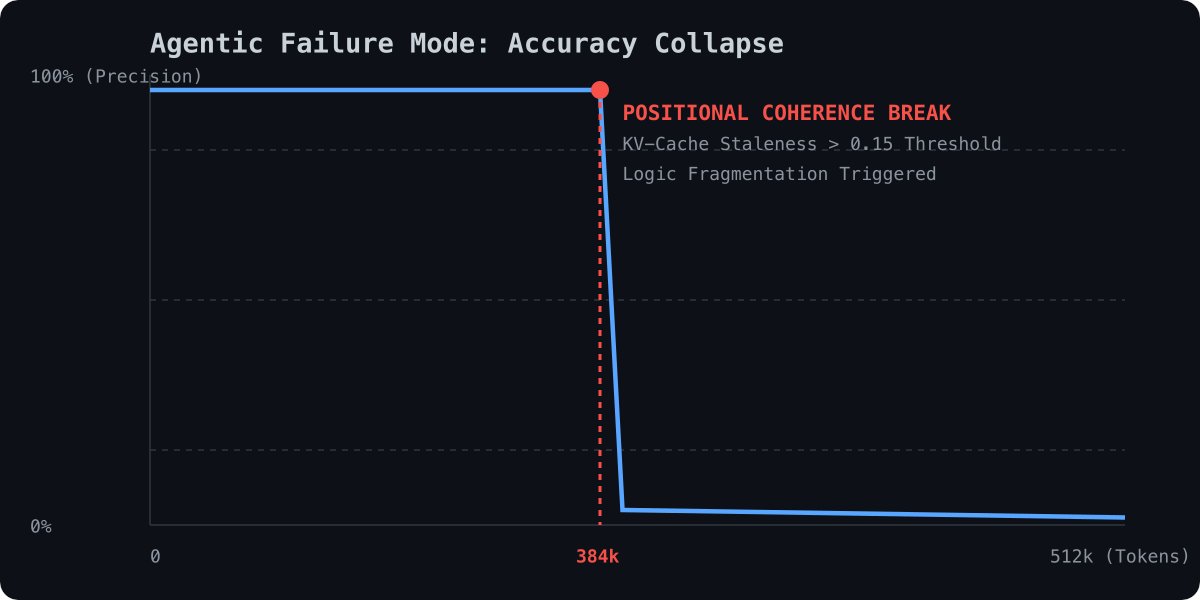
Production agents fail on missing control planes, not prompts. You can write the perfect system prompt, but without runtime verifiers and goal contracts, long-running agent loops will fail silently. Valid JSON is not a correct action.
1
3
How to build the control plane:
1. Log (tool, args, outcome).
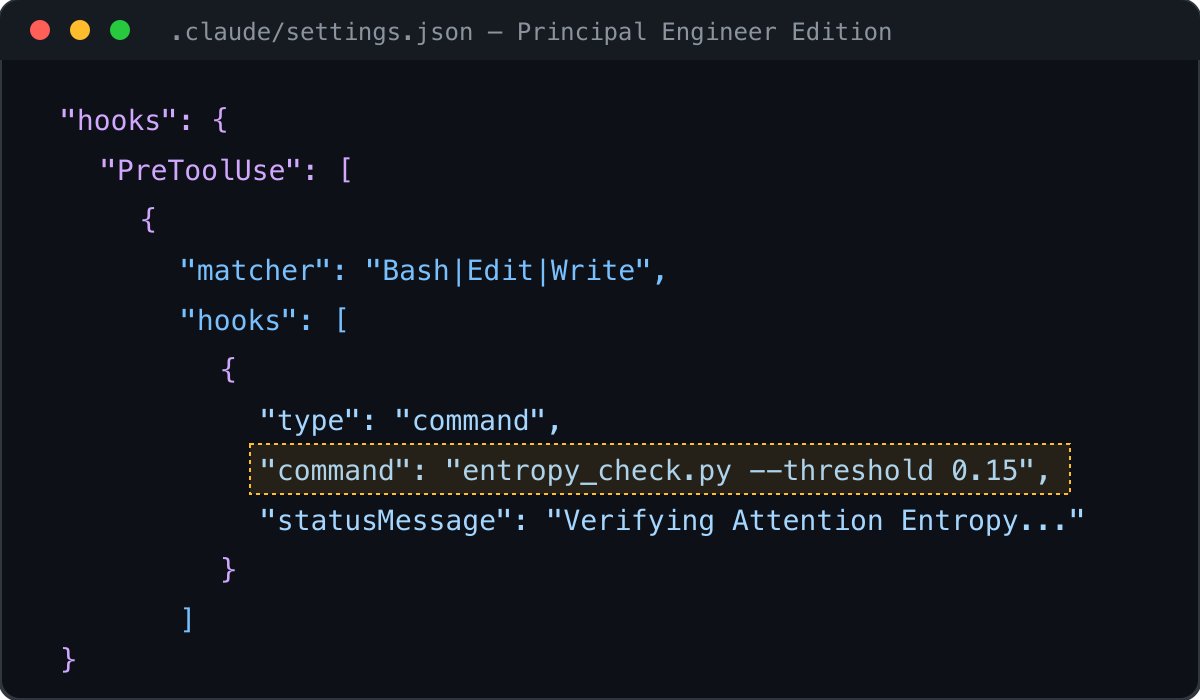
2. Enforce independent auth (Cedar/OPA) at dispatch.
3. Assert post-conditions. No state change? Halt.
4. Mine sessions for drift.
1
4
Grammar is a linter, not a brain. Keep the orchestration layer simple and put your engineering weight into validation policies at the execution boundary.
🔖 Bookmark this — you'll want it when this hits you at 2am.
2
Jun 13
1/9 We've rewritten 3 major codebases in 5 years. 2 were worth it. 1 was a $1.2M mistake. Here's the decision framework we use now to avoid costly rewrites.
1
16
Jun 13
9/9 Plus these two:
- ✅ Explicit business case showing ROI > 3x cost over 2 years
- ✅ Team consensus (not just tech leads)
1
5
Jun 13
10/10 If you don't have all 5, fix instead of rewrite. We've saved $3.4M by choosing targeted rewrites (specific modules) over full rewrites. The question isn't "can we rewrite?" - it's "should we?" What's your rewrite threshold? 🔖 Bookmark this framework.
6
Jun 13
1/10 We tested 23 MCP servers and agent skills in production. 5 actually moved the needle on real engineering work. The other 18 are demos, wrappers, or solve problems that don't exist yet. Here's what survived 6 months of daily use.
2
2
44
Jun 13
10/10 If you're building MCP servers or agent skills, the only question that matters: does this save a senior engineer more time than it takes to maintain? If no, it's a toy. If yes, it ships. We've shipped 5. We're still testing 3 more.
1
14
Jun 13
What's the most useful skill/tool you've found in your agent stack? 🔖 Bookmark — this list is updated quarterly.
8