متابع للتقنية ...
Joined November 2013
- Tweets 67,663
- Following 418
- Followers 408
- Likes 446
715 Photos and videos

Turki retweeted

أنحف هاتف قابل للطي في العالم، HONOR Magic V6، يجمع بين بطارية 6660mAh، وشحن فائق السرعة 80W، ومقاومة للماء بمعياري IP68 وIP69، وأداء استثنائي، في تصميم فائق النحافة.
قريبًا في السعودية.
سيبدأ الطلب المُسبق يوم 23 يونيو.
2
8
9,354
Turki retweeted

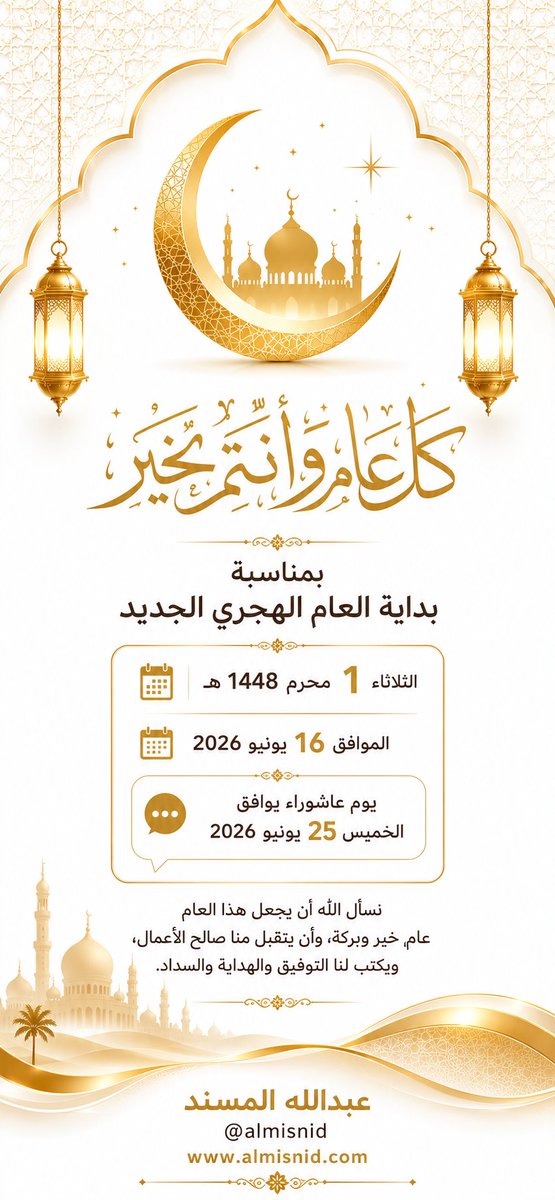
لماذا اختار المسلمون شهر #محرم ليكون بداية السنة الهجرية؟
🗓️عندما أقرّ الخليفة عمر بن الخطاب رضي الله عنه اعتماد الهجرة النبوية بداية للتقويم الإسلامي، وقع النقاش بين الصحابة في تحديد أيّ الشهور يكون أول العام، وبعد التشاور والاستشارة استقر الرأي على اختيار شهر المحرم لعدة اعتبارات تاريخية ودينية واجتماعية، من أبرزها:
🔻أنه الشهر الذي استُهل بعد بيعة العقبة الكبرى، وهي من المحطات الفاصلة التي سبقت الهجرة ومهّدت لها.
🔻كونه أول هلال يلي انصراف الحجيج من #مكة، أي أنه يأتي بعد ختام الموسم الأعظم في الإسلام، فيكون مناسبة لافتتاح سنة جديدة بطابع تعبدي إيماني.
🔻لأنه كان بداية السنة عند العرب قبل الإسلام، أي أن الترتيب الزمني كان معروفًا ومتوافقًا مع الأعراف السائدة في الجاهلية.
🐪حقائق تأريخية حول الهجرة والتقويم الهجري:
🗓️ كانت بداية التأريخ الهجري يوم الخميس 1 محرم سنة 1هـ، الموافق 15 يوليو 622م، رغم أن الهجرة نفسها لم تقع في هذا الشهر.
🗓️وقعت هجرة النبي ﷺ فعليًا يوم الاثنين 8 ربيع الأول، الموافق 20 سبتمبر 622م، أي بعد نحو شهرين من بداية التقويم.
🗓️بدأ اعتماد التقويم الهجري رسميًا في عهد الخليفة عمر بن الخطاب رضي الله عنه، وذلك يوم الأربعاء 20 جمادى الآخرة سنة 17هـ، الموافق 9 يوليو 638م.
🔘وقد رأي بعض الصحابة على أن أعظم حدث يمكن أن يؤرخ به المسلمون هو الهجرة النبوية، التي فرّقت بين مرحلتين: الاستضعاف والتمكين، وبين مكة و #المدينة، وبين الدعوة السرية والدولة العلنية .. هذا والله أعلم.
4
34
81
11,263
Turki retweeted

10h
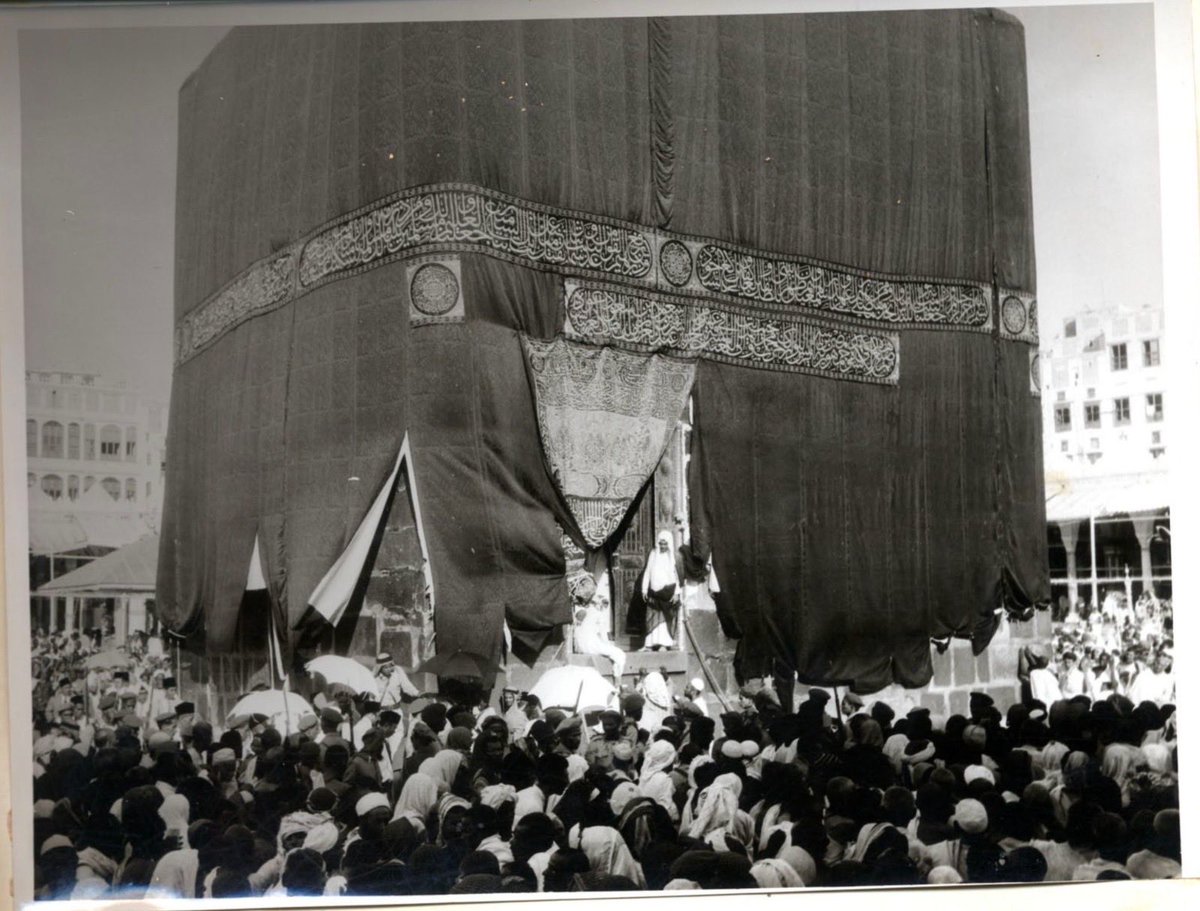
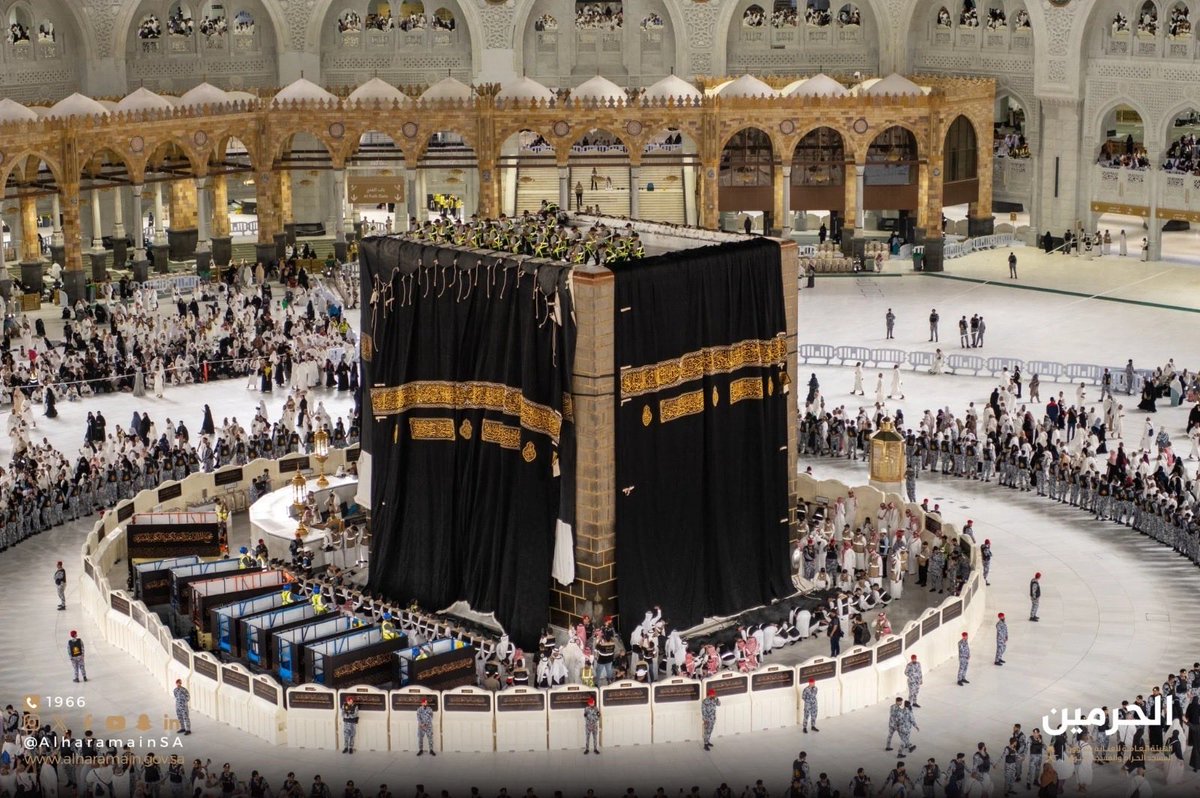
البعض قد يظن ان هذي العملية السنوية بسيطة وسهلة، لكن بالحقيقة خلفها منظومة متكاملة أساسها الإتقان والكفاءة الوطنية، وتعتبر من - المشاريع السعودية الكبرى -
ايضًا مراسم تغيير كسوة #الكعبة_المشرفة تعتبر من أبرز المناسبات السنوية في العالم الإسلامي اللي تتعلق ببيت الله الحرام، قبلة المسلمين، وأول بيت بنته الملائكة
ومعها نشوف عانية القيادة السعودية الرشيدة بالحرمين الشريفين من عهد الملك عبد العزيز رحمه الله وإلى اليوم
تحت هالمنشور بكتب لكم تفاصيل ممكن تعرفوها لأول مرة عن صناعة الكسوة 🇸🇦🧵🪡
3
39
128
56,399
Turki retweeted

أجواء احتفالية خارج ملعب ميامي بولاية فلوريدا الأمريكية بعد تعادل منتخب السعودية مع أوروغواي بنتيجة 1-1 في افتتاح مباريات المجموعة الثامنة من كأس العالم 2026
#فيديو #الجزيرة_مونديال26
3
2
27
12,814
Turki retweeted

من ميامي من قلب كأس العالم وبين جمهور سعودي عظيم ملأ المكان فخرا وحماسا 🇸🇦💚
لحظة الهدف لم تكن مجرد هدف كانت صرخة وطن وفرحة شعب وإحساسا حملنا إلى قلب المملكة الحبيبة رغم بعد المسافة
تعادل؟ نعم لكن الفخر كان انتصارا بحد ذاته
كل الدعم للأخضر والقادم أجمل بإذن الله 🔥
#كاس_العالم_٢٠٢٦
#السعودية_الأوروغواي
#غانم_المفتاح
61
223
1,196
34,200
Turki retweeted

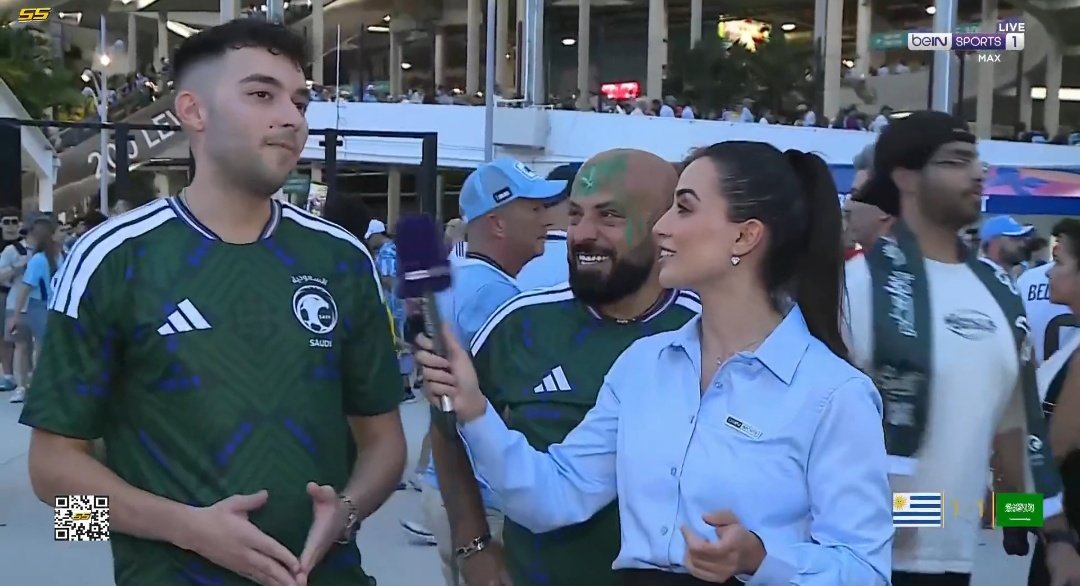
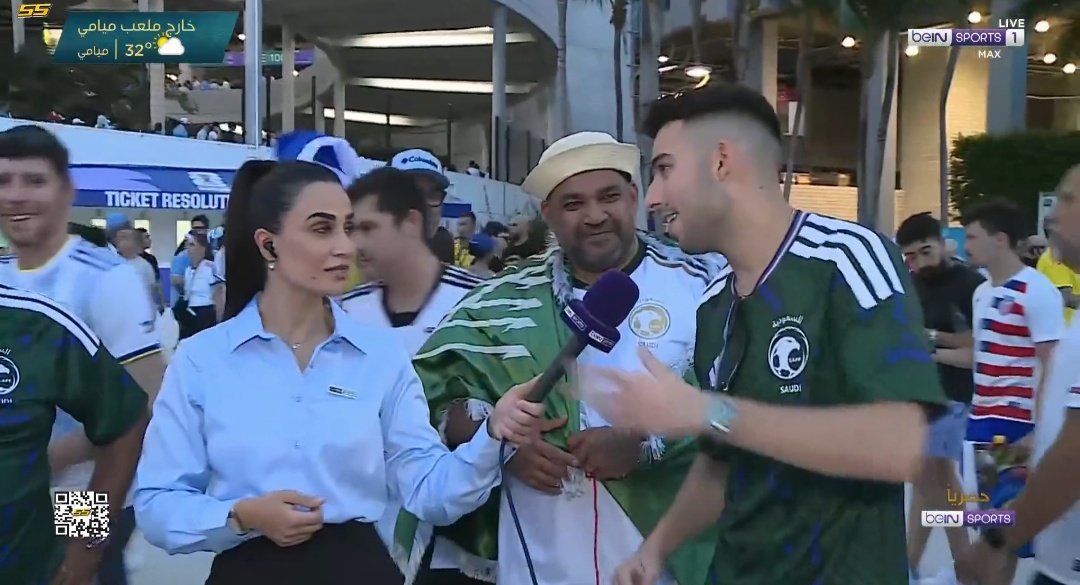
🚨🚨🚨🚨 توأم ألباني يدعمان المنتخب السعودي...
• أحدهما قائلًا:" نعم، جئت من ألبانيا لدعم المنتخب السعودي لأننا نملك نفس الدين الإسلامي، نحن أخوة." 🇸🇦❤🇦🇱
23
360
4,638
270,500
Turki retweeted

Congratulations to Saudi Arabia. They played very well in the first half, but in the second half we came out a bit careless and couldn't win any second balls, everyone was too far back, and when we did win the ball back we couldn't make two passes and always lost possession. But this point today was very important. Congratulations.🇸🇦💚🇸🇦
21
96
540
18,766
Turki retweeted

21h
كل سكان الشرقية مثلي ينتظرون هذا الحدث ومن وقت طويل..
كنا نسميه الشبيلي مول، لكن اسمه الرسمي اتضح أنه (#الشبيلي_جراند_مول)
افتتاح هذا المشروع الضخم قريب، والمتاجر اللي فيه بتكون عالمية ونقلة نوعية لأهل الشرقية.
Jun 14

الوجهة الأهم تقترب من الافتتاح قريبا.. #الشبيلي_جراند_مول يعزز حضوره كأهم الوجهات الجديدة في المنطقة الشرقية، مع نسبة تأجير تجاوزت 84% و استقطاب علامات محلية وعالمية، إلى جانب دخول علامات جديدة إلى المنطقة الشرقية للمرة الأولى.
204
155
1,063
971,251
Turki retweeted

كفو يا الراجحي 💙💚
كل التوفيق لمنتخبنا الوطني 🇸🇦
في كأس العالم ™FIFA 2026 ⚽️
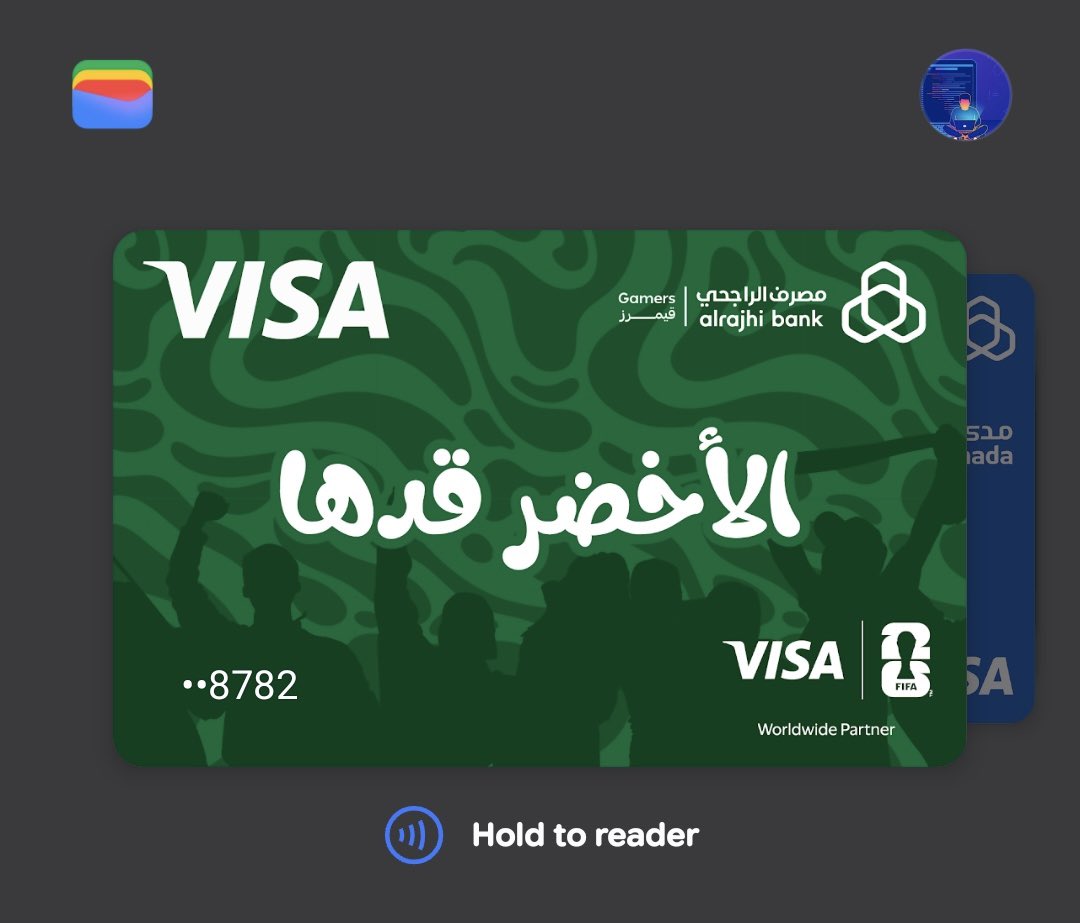

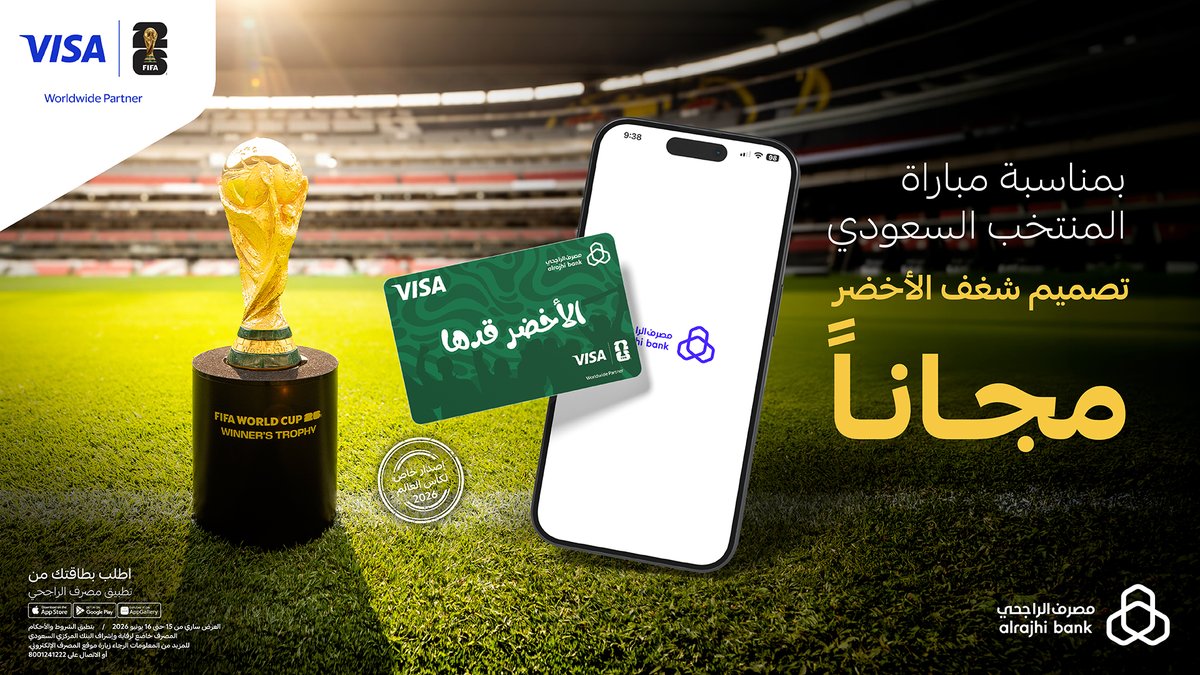
#قدام_بنفس_الروح والأخضر قدها 🇸🇦
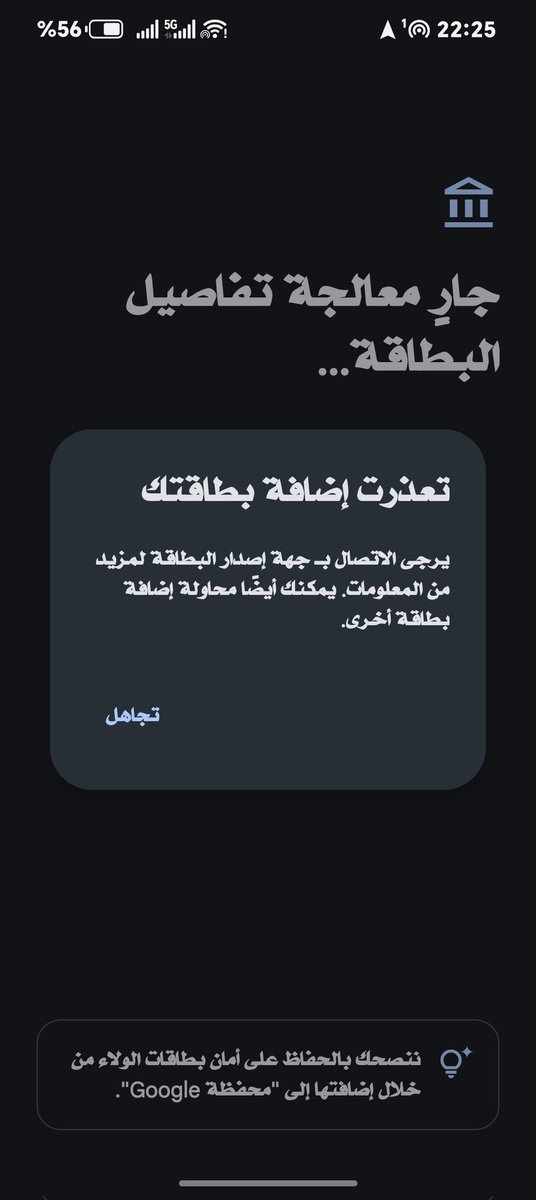
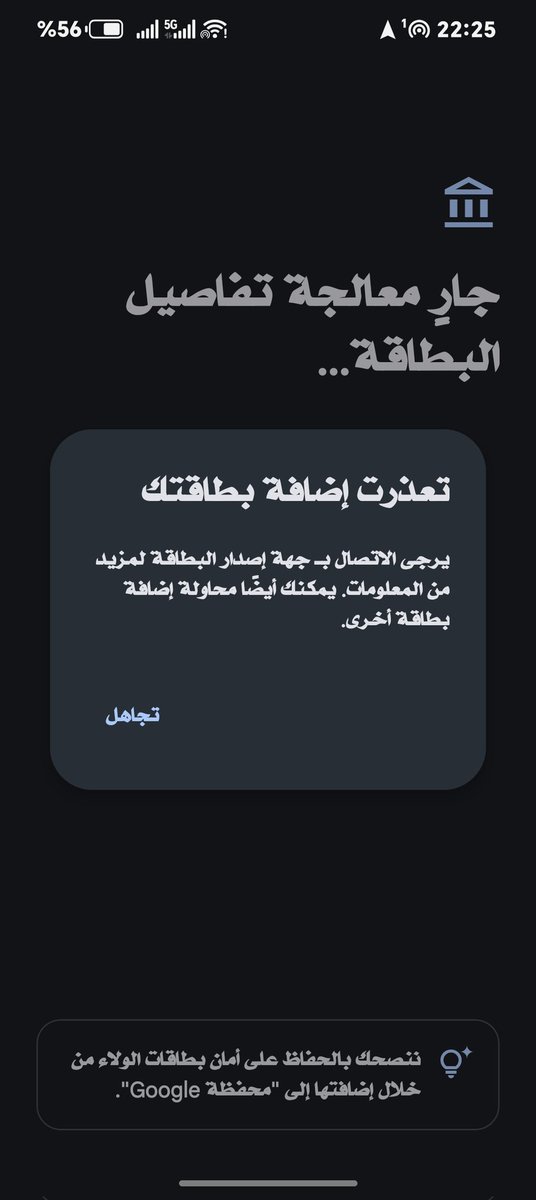
بمناسبة مباراة منتخبنا اليوم في "كأس العالم 2026" مضبطينك بتصميم "شغف الأخضر" لبطاقتك الرقمية مجـــــانًـا عبر تطبيق #مصرف_الراجحي 📲💙
للتفاصيل: arb.sa/w7ZM5OU
2
2
23
4,660
Turki retweeted
Yallaaaaaaaaa Saudi 💚🇸🇦💚🇸🇦💚🇸🇦💚🇸🇦🇸🇦💚🇸🇦💚🇸🇦
11
58
385
6,559

Turki retweeted

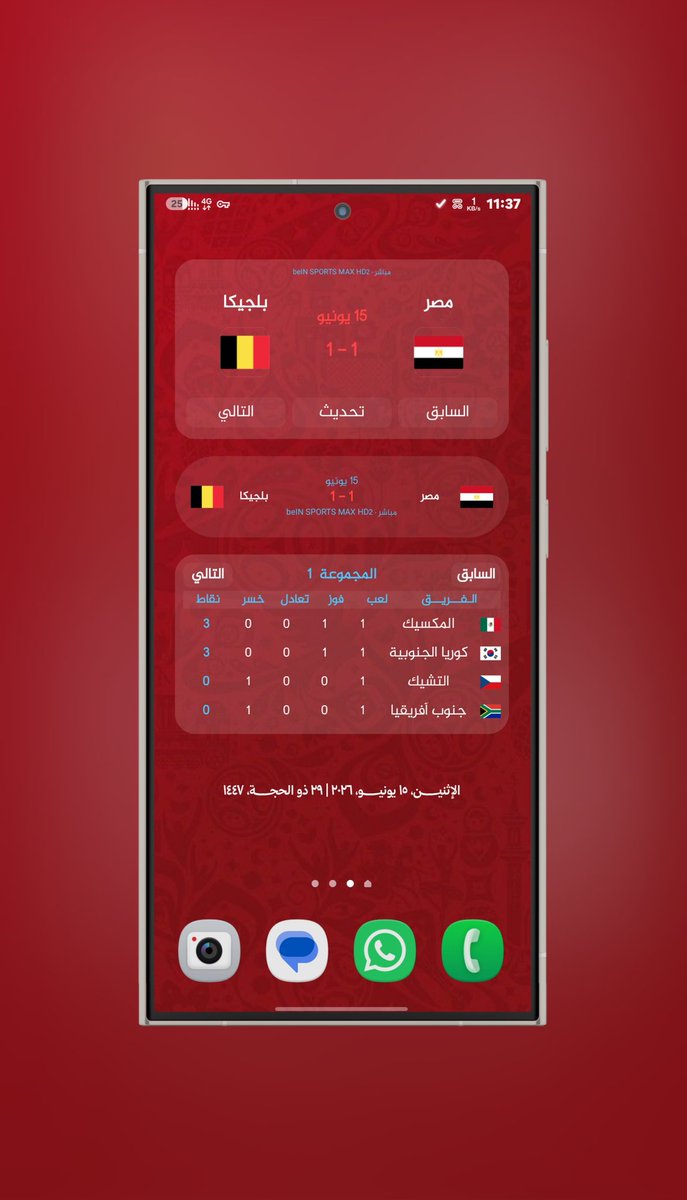
يسوي زوم في كأس العالم 🏆 🌍
ويقارن بين جالكسي وايفون👇🏽
7
8
42
54,705
Turki retweeted
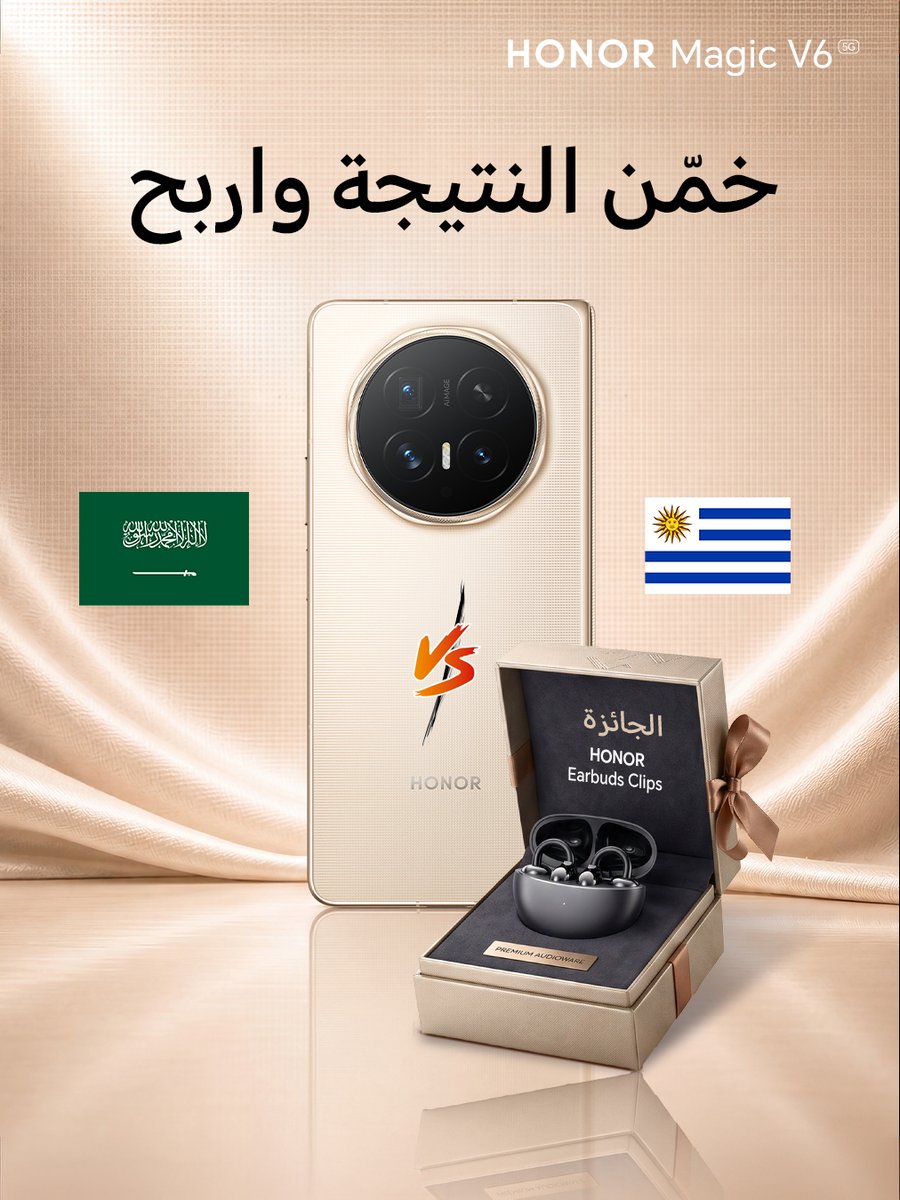
أول مواجهة للأخضر… وأول توقع منك! 🇸🇦⚽🇺🇾 🎁
كم تتوقع تنتهي مباراة الأخضر ضد الأوروغواي؟
الشروط:
✅ تابعنا
✅ سوِّ منشن للي بيعيشون الحماس معك 👀
✅ اكتب توقعك قبل بداية المباراة
✅ استخدم #ForHONOR
الجائزة بتكون سماعة HONOR Earbuds Clips 🎁😍
بالتوفيق لصقورنا 💚🇸🇦
1,102
637
604
24,210
Turki retweeted
Yalla, Let's go, my Saudi team🇸🇦🇸🇦🇸🇦🇸🇦🇸🇦🇸🇦🇸🇦🇸🇦🇸🇦🇸🇦
105
528
3,612
93,814
Turki retweeted

القصة بديناها في الاربعة و تسعين ..
قصة امجاد سعودية ف أرض الامريكيين
يا سعودي مين يصدق ؟
في الاولى العالم كله يصفق
ماجد و مسعد و فؤاد و العويران
سامي و خليوي اخضر للفن عنوان
ما نسينااااااا يا صقورنا
اسماؤكم محفورة في قلوبنا
و نجدد احلامنا في الستة و عشرين
قداااام يا رجالنا ع المجد احنا ناوين
بالاصراااار و الهمة
شعارك عالي دايم في القمة
مثل بلادك و الشرف كله ليك
العب لاعبنا و احنا خلفك نحميك
65
146
2,145
916,418
Turki retweeted

سامسونج تُنهي طرح One UI 8.5 رسميًا لهذه القائمة من الهواتف وتوسّع مفاجئ يشمل أجهزة إضافية⬇️
saudiandroid.net/2026/06/one…
#Samsung
5
5
38
7,231
Turki retweeted
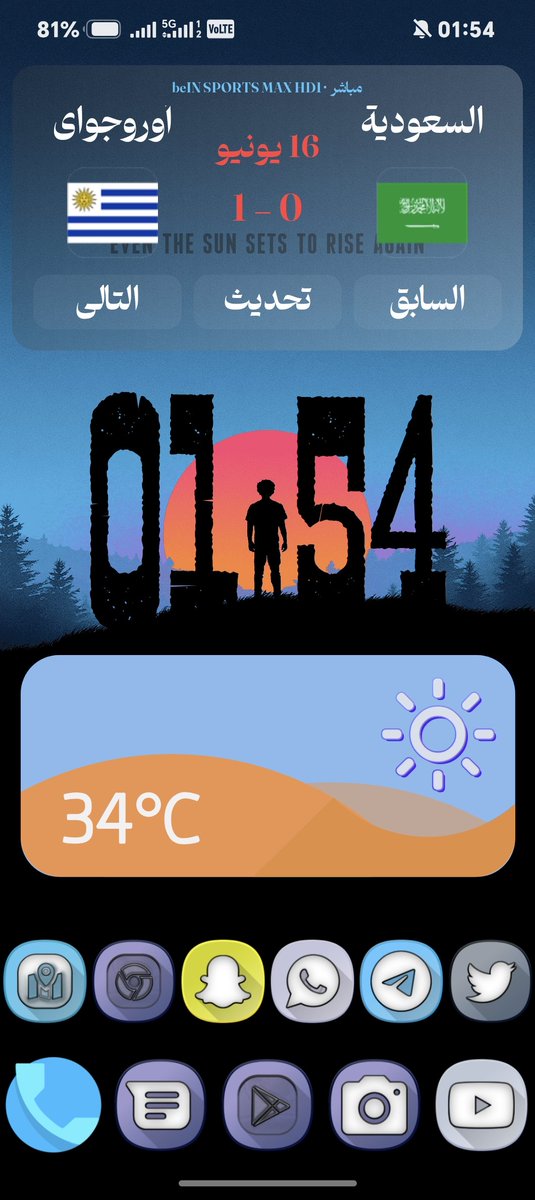
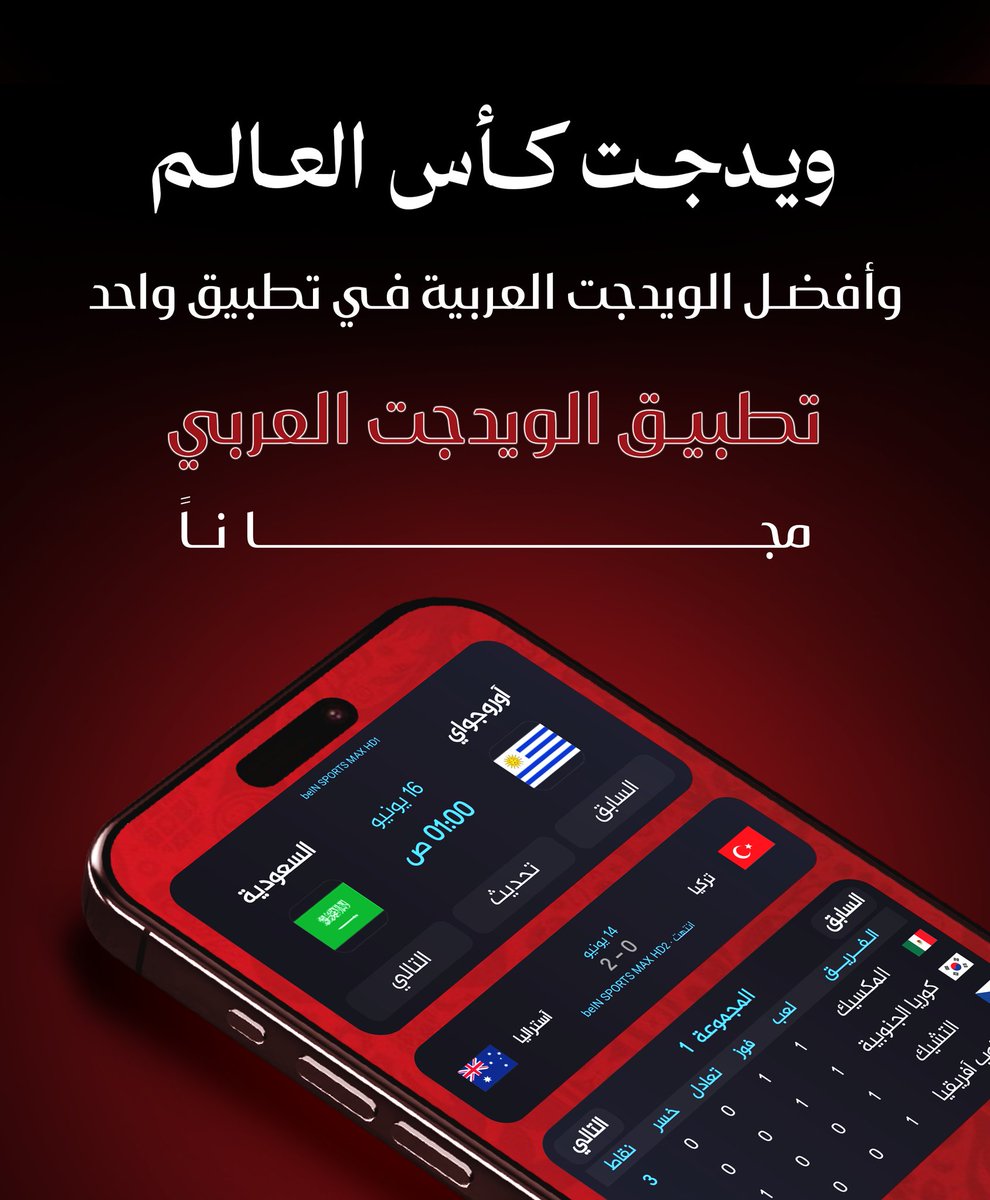
تحديث جديد لتطبيق "الويدجت العربي" أصبح متاحاً الآن.
تمت إضافة ويدجت كأس العالم لتتابع المباريات مباشرة من شاشة هاتفك، مع عرض مواعيد المباريات حسب منطقتك الزمنية وتصميم مستوحى من أجواء البطولة.
كما تمت إضافة ويدجت جديدة، منها:
- أوقات الصلاة، الطقس ، الأذكار ، المسبحة
بالإضافة إلى تحسينات عامة لتجربة أفضل.
حمّل التحديث الآن من متجر Google Play مجانا
11
7
51
3,702
Turki retweeted

Jun 14
An American TV crew filmed a 24 year old Chinese engineer in his San Francisco apartment for a feature on remote workers who never leave home. He had not been to an office in eight months. AI handled his calls, his messages and every reply his bosses got, while he collected a salary from five companies at once.
On camera he said the line everyone screenshotted: going to five morning calls would be exhausting, so I push them all into AI and stay in VR.
His story was simple. Meta hired him from a research lab. The job was remote. He preferred meetings in VR. So he wore the headset all day. So nobody saw him.
The crew thought that was the story. It was not.
Pause at 0:25. The camera holds on the wall behind his desk for four seconds. Look at the shelf above it. Everyone saw one laptop. Almost nobody saw the other four. The four were not backups. The four were jobs.
Each laptop runs an AI trained on the way he writes. Each one joins the morning calls in his voice. They talk to each other so the same work never gets done twice. He sits in the VR headset and watches the five jobs unfold around him.
For months all five teams have been thanking him for being so responsive. None of them has ever been in the same call as another.
He still wears the same headset every morning. He still sits in the same chair. He still passes every review. He still has not told his mom about the other four jobs.
The crew came to film a remote worker who lived on a mattress on the floor. They left with a man who had not done a single day of work himself in eight months, while five American companies kept thanking him.
His AI replied to all five morning calls again today. He watched. They thought: he is really trying.
54
187
2,018
774,067
