
Joined May 2021
- Tweets 21,772
- Following 1,646
- Followers 2,149
- Likes 119,413
2,058 Photos and videos









Pinned Tweet

29 May 2021
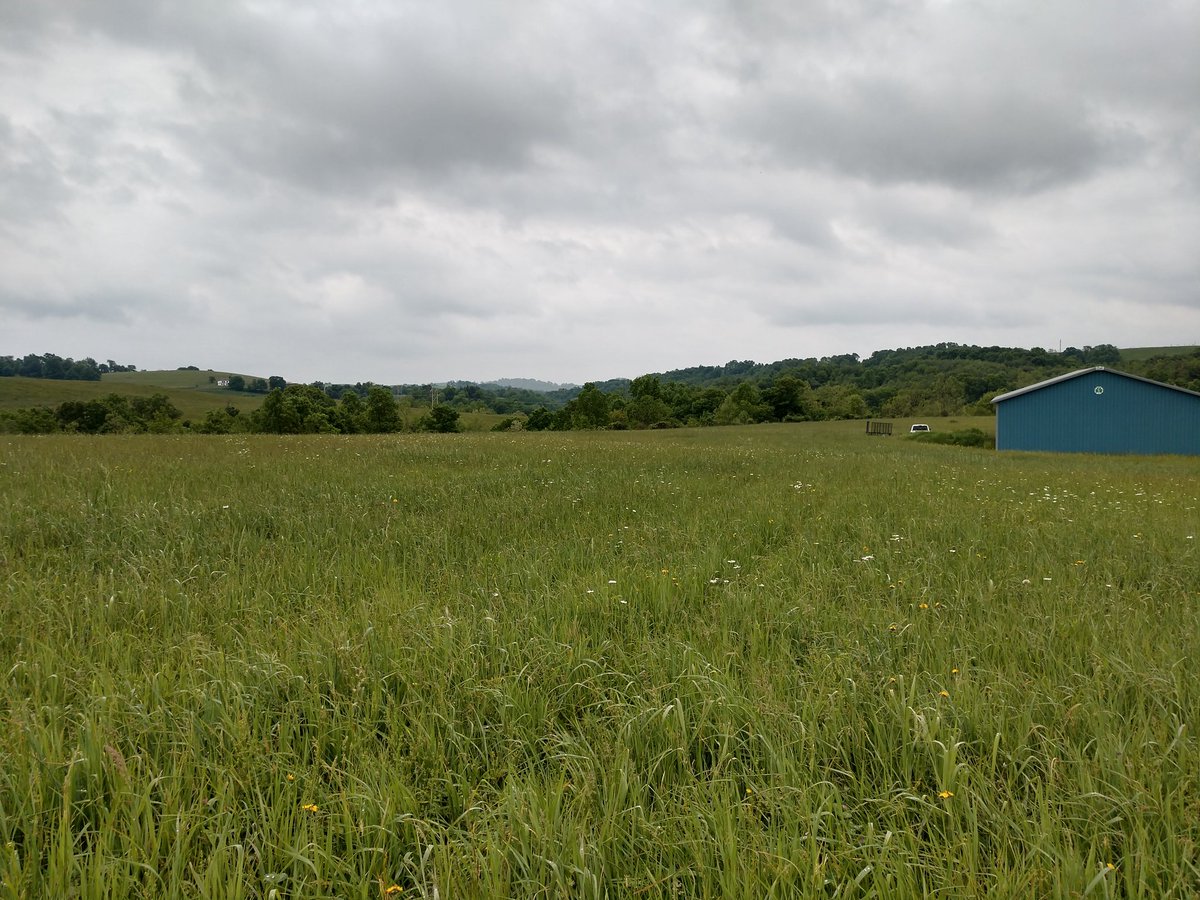
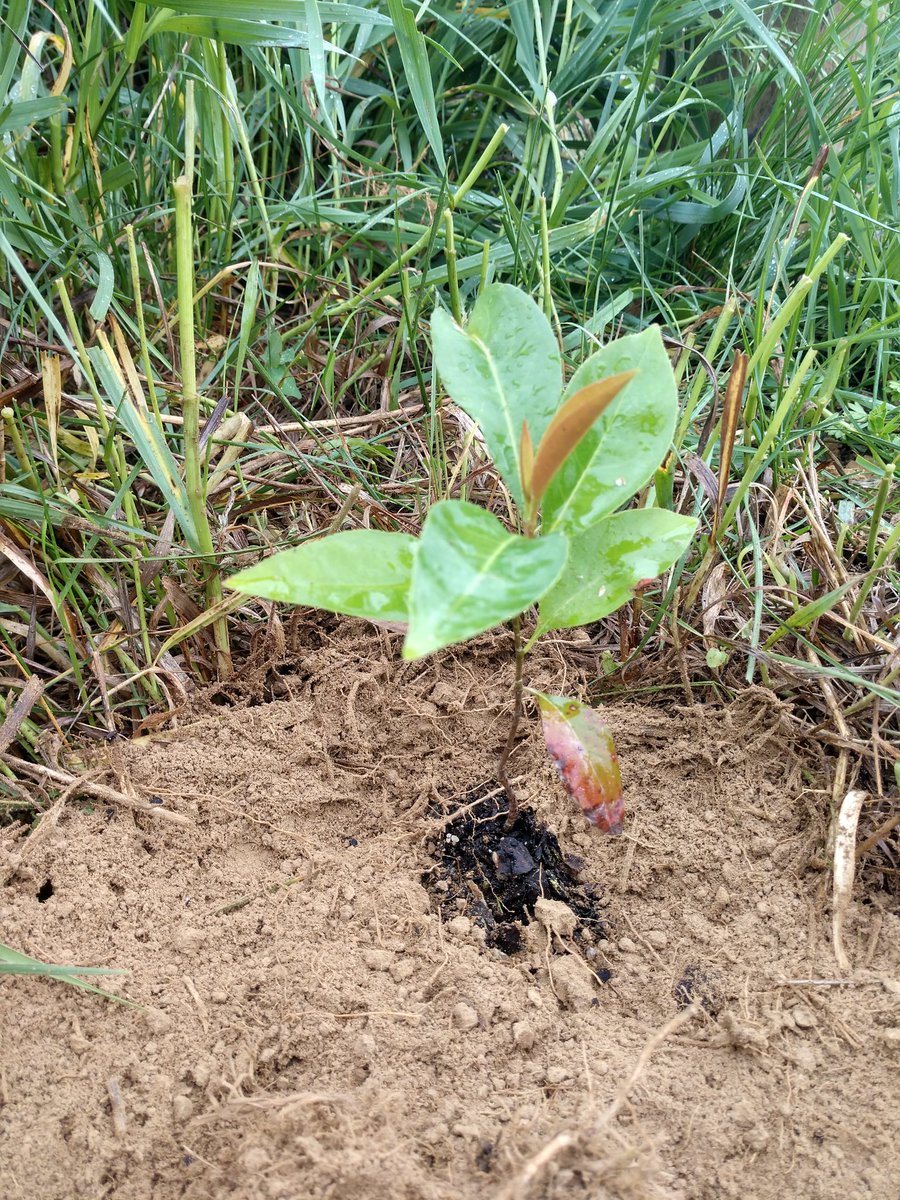
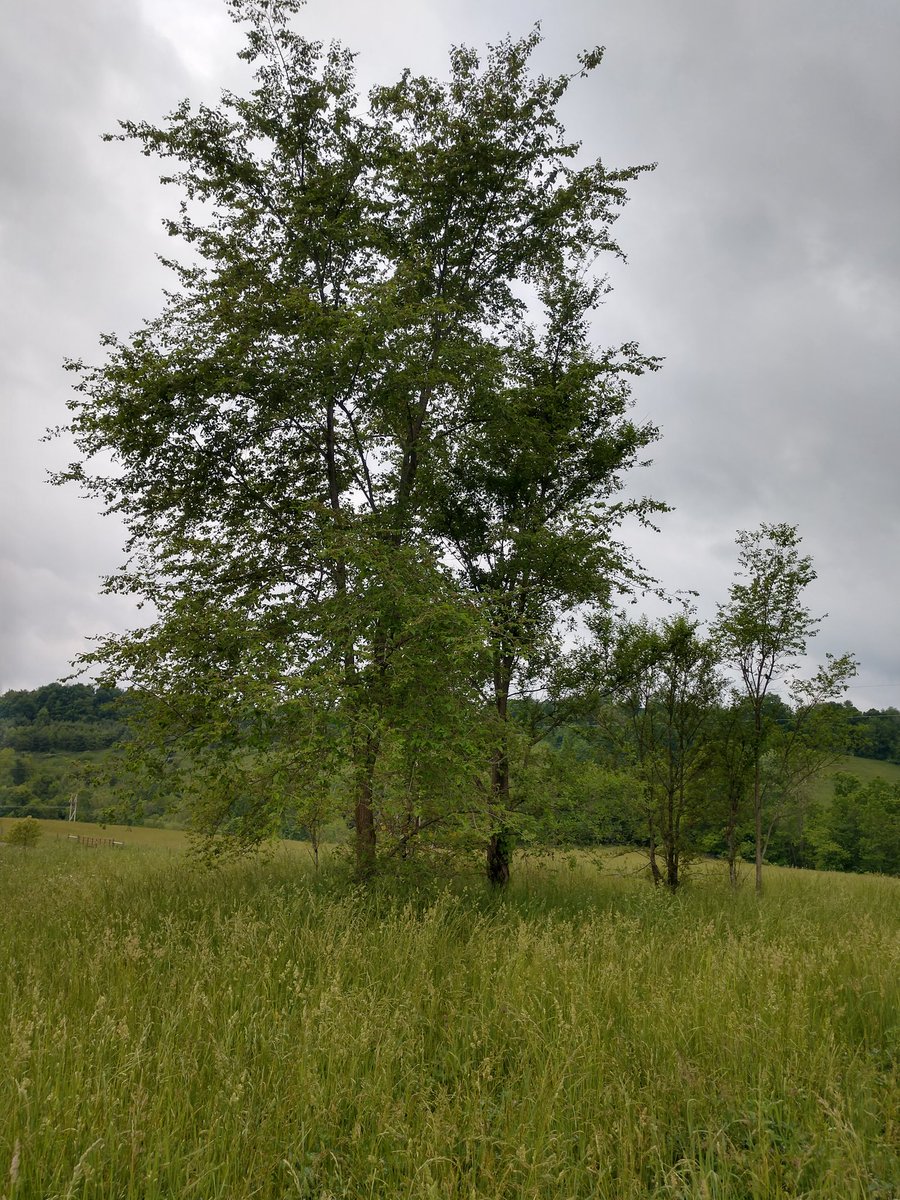
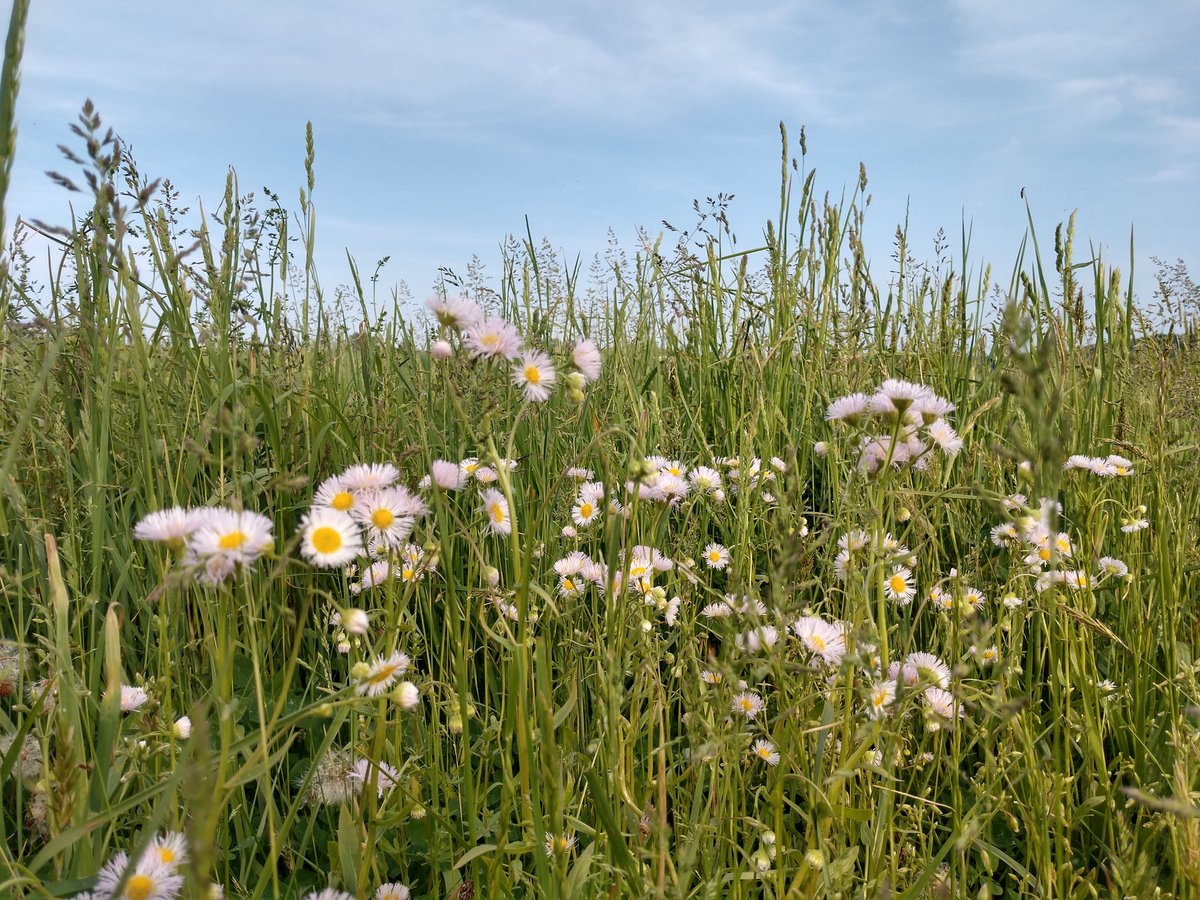
Turtlesong is 25 acres of mostly hay field on strip-mined land, and some wooded creek bottom. Add a few chickens, a donkey, a handful of goats...and maybe it's a farm. My last great project is going to be reforesting most of it. Or, to be more accurate, beginning the reforesting.
19
22
294
Turtlesong Farm retweeted

Fending off them mosquitos works like a charm


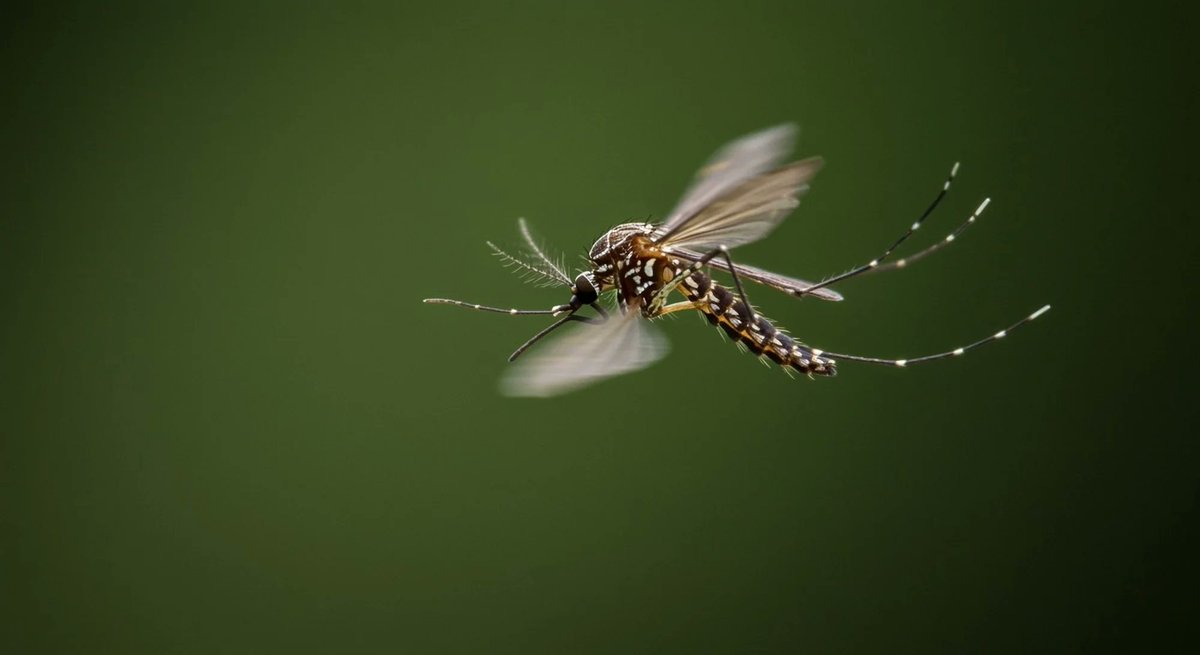
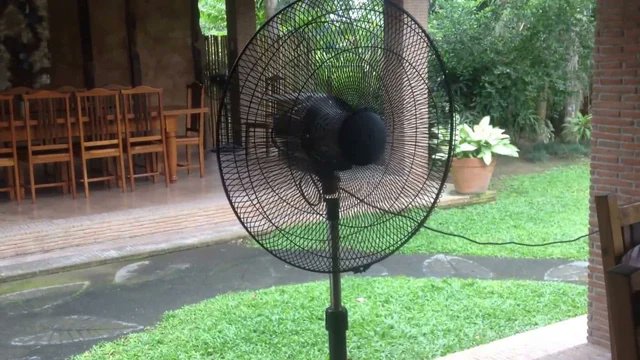
The best mosquito repellent for your patio costs $20 and runs on a wall outlet: a fan.
Mosquitoes are terrible fliers with a top speed of about 1-2 miles an hour, slower than you walk, and they struggle to make headway against even a gentle breeze. Point an oscillating fan at your outdoor seating area and they'll physically struggle to get to you.
It works on two levels too. A mosquito finds you by following the plume of carbon dioxide you exhale, plus the heat and scent rising off your skin. A fan scatters all of it and erases the trail that leads them in. So it knocks them out of the air and helps hide you from their senses at the same time.
This isn't folk wisdom. The CDC notes that fans reduce mosquito landings, and studies have found that using a fan can substantially reduce mosquito bites.
Citronella candles offer only modest protection and are generally much less effective than a fan or EPA-registered repellents. Plug in a fan, aim it at the table, and take your evening back.
3
6
56
1,568
Turtlesong Farm retweeted

Jun 12
I think about this every day. In the Netherlands, if a person dies alone, without any family or friends as mourners, a poet will be sent to write a poem and read it at the burial service. It's called the Lonely Funeral Project, and it's just humans being good humans.
91
1,544
11,443
142,632




Turtlesong Farm retweeted

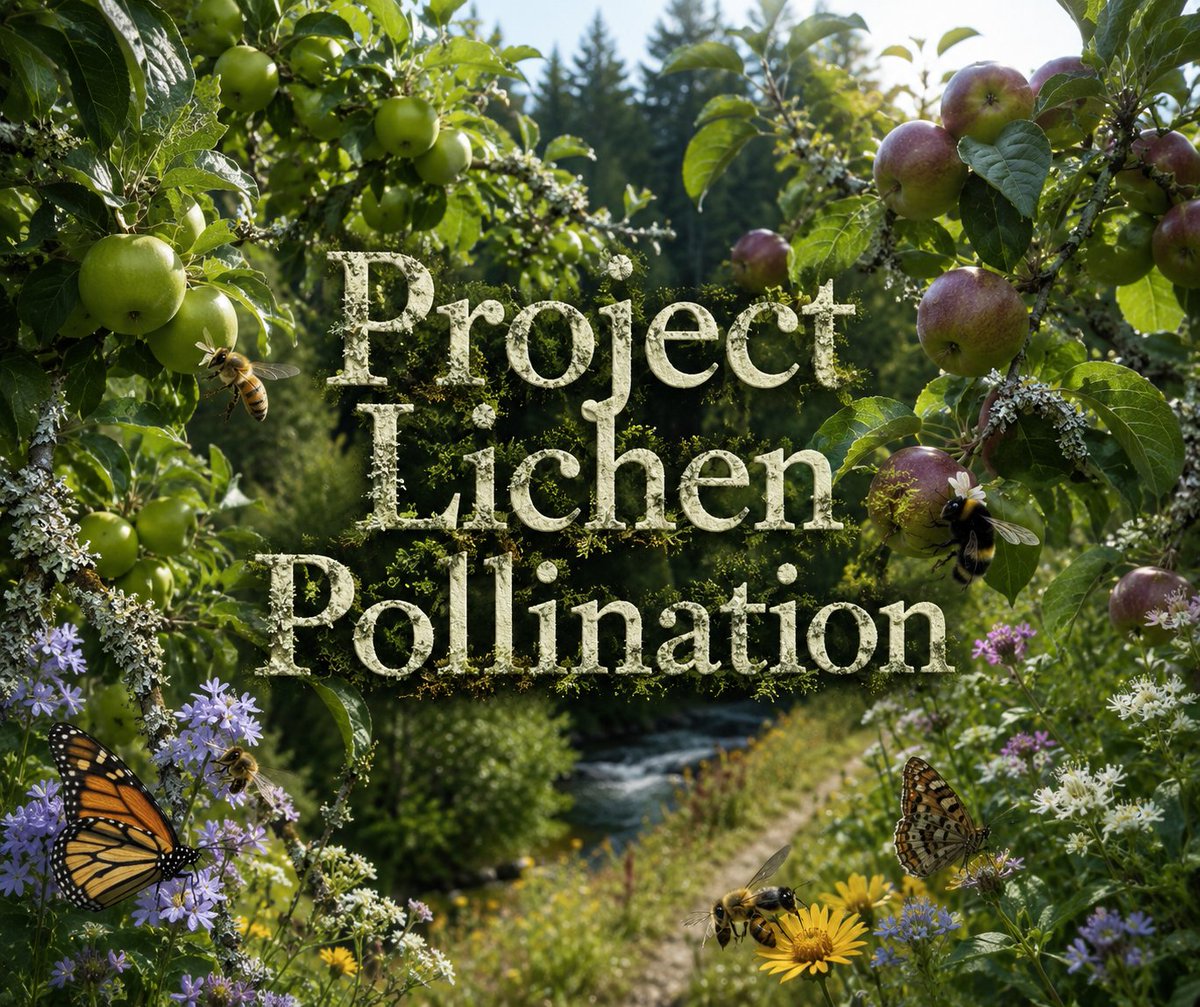
This is a composite with just two of our apple trees. A core drive of #ProjectLichen is to support all #pollinators, ongoing. We used legumes, alliums and brassicas grown over Winter to provide early pollination of bumble bees, Mason bees etc. We documented it all.
2
5
76
Turtlesong Farm retweeted

Jun 13
I love this description so much.
Also, everyone be sure to read *Eastern Plantways* by Eric Tonsmeier when it comes out, it’s about designing natives-first forest gardens and the deep indigenous history of the great eastern forests of Turtle Island.
27 Jan 2023

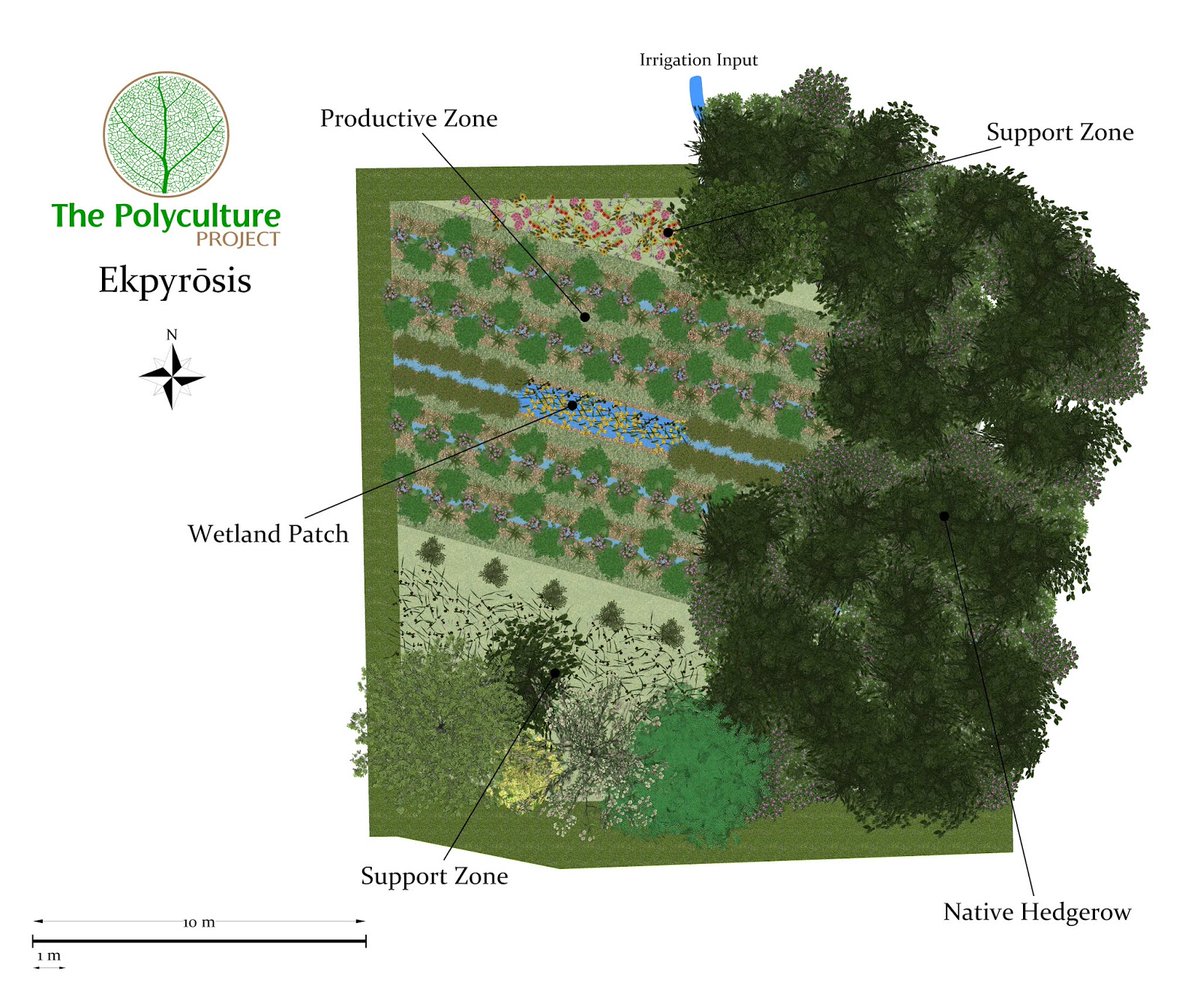
They are very enjoyable to design, build and interact with, and creating a forest garden is an intellectual pursuit as well as a physical one. It’s like a living, 3D amorphous puzzle that you can eat. (2/5)
1
6
207
Turtlesong Farm retweeted
Do not ever ask me to vote for a goddamn Democrat again
Jun 10

🚨KOSA update:
To make a long story short, the White House is pushing for a package on Capitol Hill that bans AI regulation in exchange to pass #KOSA and other age verification laws. R's working with White House on this while D's are also negotiating. A deal could come in weeks.
4
4
34
640
Turtlesong Farm retweeted

BIG NEWS! A donor said they would donate **$10,000** if we could get 1,000 people to donate to our annual fundraiser today (and today only!)! Any sized donation ($5, $10, $25, etc.) counts towards that…we simply need folks to show us a little love today!
So if enjoy our work and outreach, send us a donation at the link below and help us unlock some additional large funding!
Donate here: crowdfund.umn.edu/campaigns/…
10
273
670
12,006
Turtlesong Farm retweeted

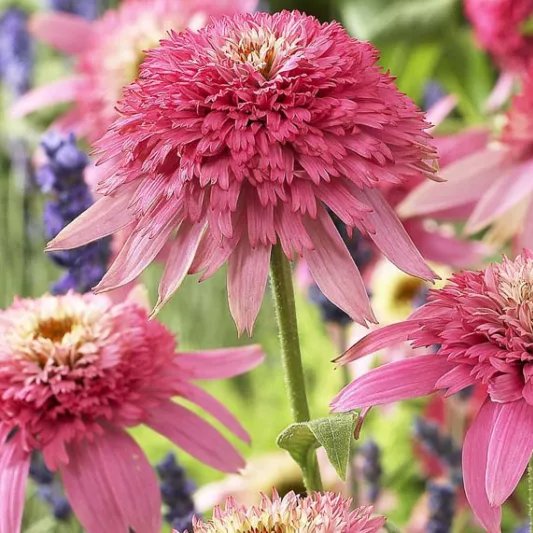
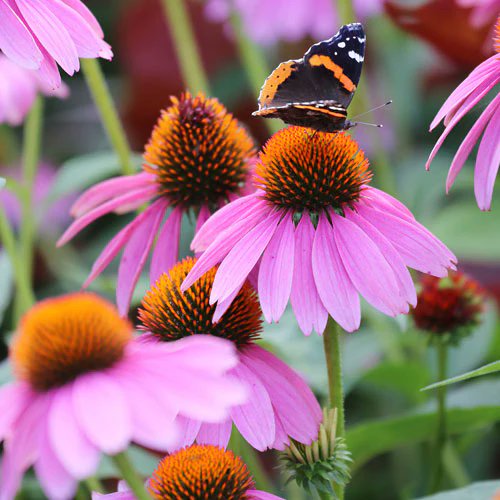
In one University of Vermont study, a native purple coneflower drew 729 pollinator visits. The frilly double-flowered cultivar sold right next to it drew 94.
Same plant, supposedly, but very different outcome for pollinators.
Breeders have created "nativars" that stuffed extra petals into the spot where the flower's reproductive parts used to be. It looks like a pom-pom and sells like crazy. When researchers dissected those double coneflowers, they didn't even make seeds. No pollen to gather, and the nectar's walled off behind all those petals.
So a bee lands, finds nothing, and leaves. It's a decoration shaped like a food source.
That's the catch with a lot of nativars. The further a flower drifts from the wild form, especially the double blooms, the less likely an insect can use it.
Skip the 'Double Delight' tag and find the straight species, the one that looks a little wilder and a little less impressive.
21
275
1,203
26,028
Turtlesong Farm retweeted

Reminder to everyone that your Ring camera is an ICE agent! When you use one of these, you are helping the fascist border regime with crowdsourced surveillance of your own community.
UNPLUG RING! MELT ICE! PROTECT YOUR NEIGHBORS!

Jun 5

You may not own a Ring camera. That doesn't mean your face wasn't captured, analyzed, and stored, according to a new lawsuit. f-st.co/Z009PxS
2
142
271
4,426
Here we are in the apocalypse, arguing theology. After all, why not? What the hell else do we have to do?

I must say, the fall of the United States is an interesting way to learn your theology.
1
32
Turtlesong Farm retweeted

UPDATE: Bolivian police have fully RETREATED. 5 hours of pitched battles between police paramilitary groups against striking workers who fought back with stones and slingshots. The people had them surrounded from highway and nearby forests, this strategy forced police to flee.
10
459
1,452
17,658
Hunter Biden Sweetie, I love that you are feeling your oats. It is 100% good for you to strut a bit on Twitter. You done good! 7 years is good work. Give the haters hell. We'll call it 3 days of the Hunter
28
Turtlesong Farm retweeted
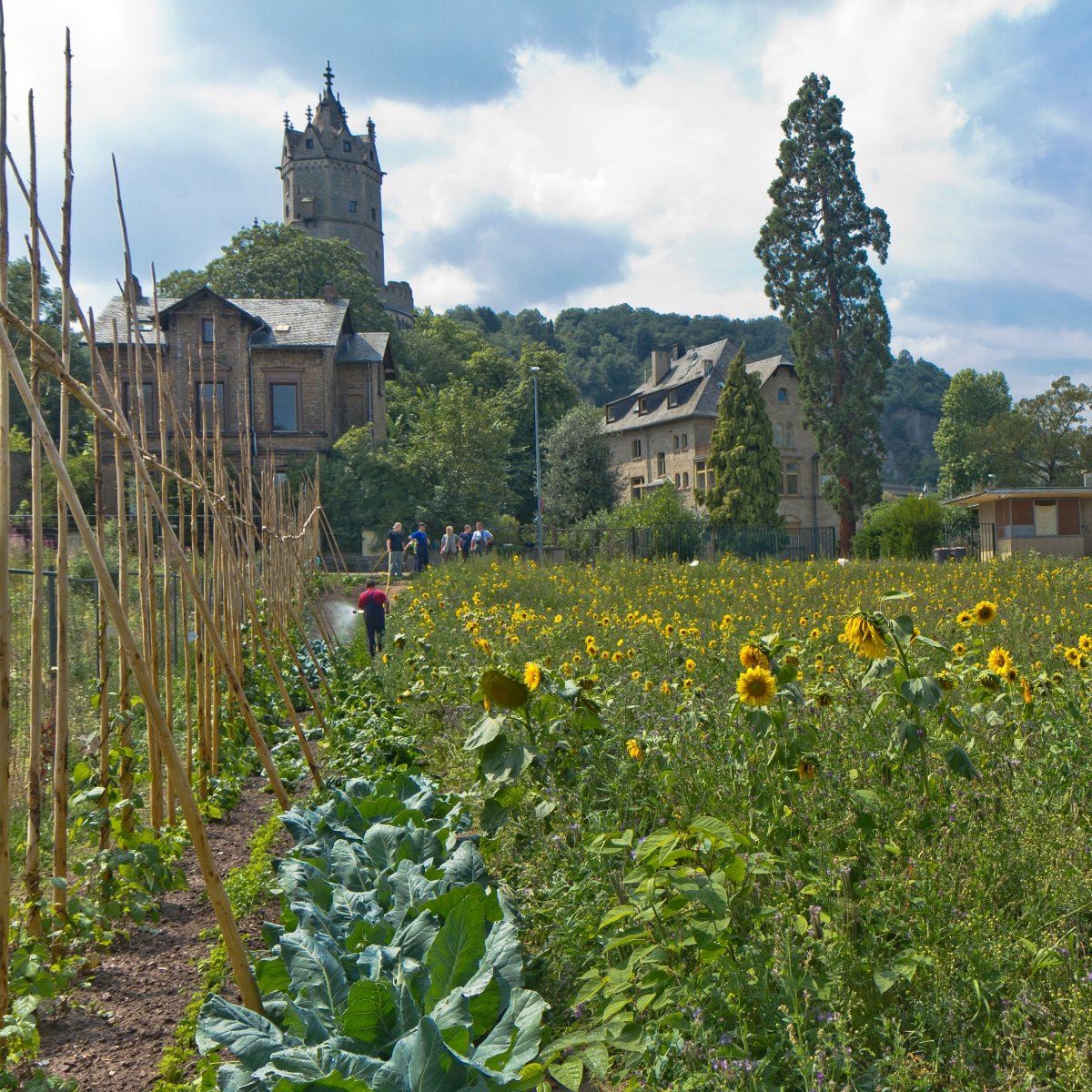
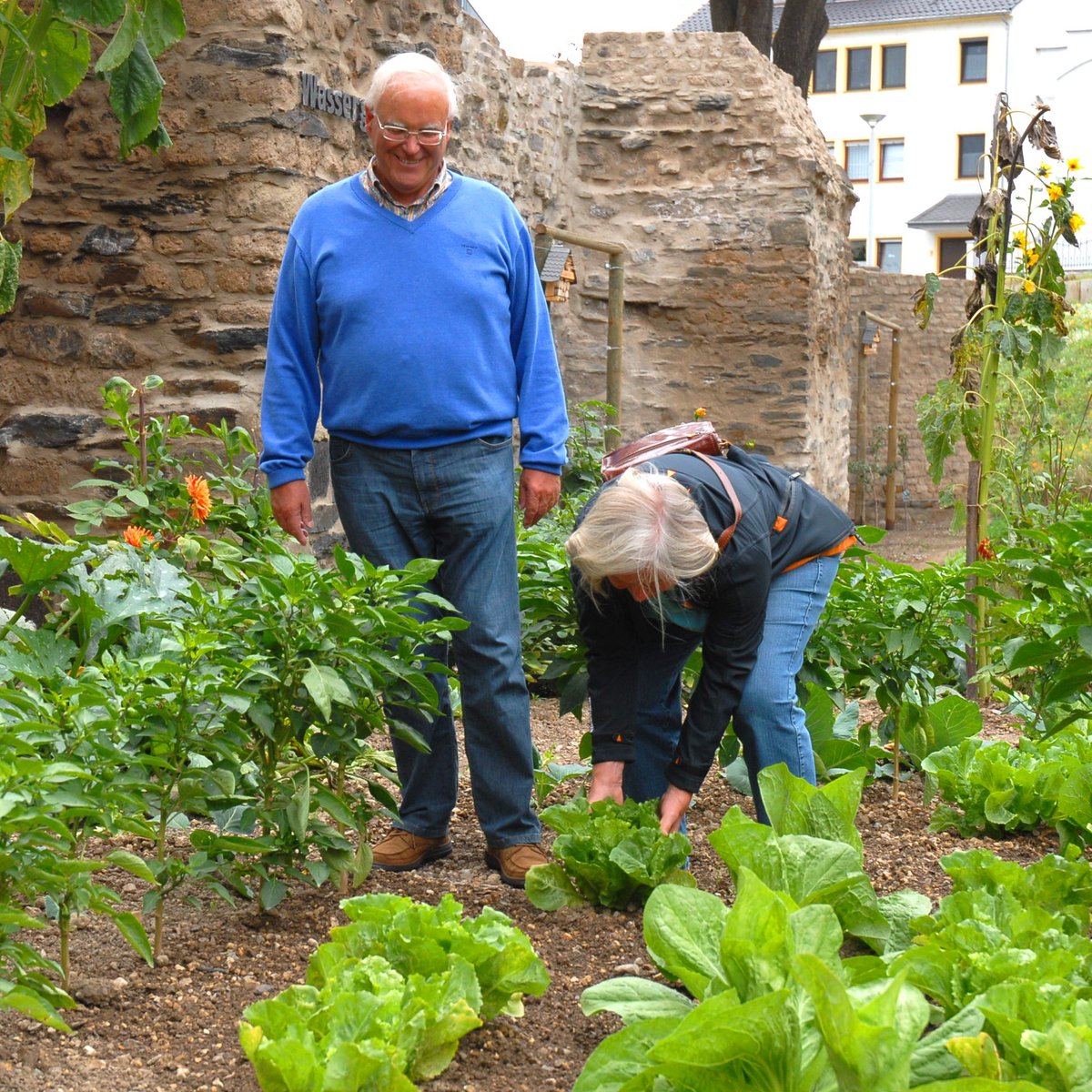
In 2010, Andernach, Germany planted 101 varieties of tomatoes in the town center and told everyone to take whatever they wanted.
It was so popular that they did it again, adding beans the next year. Over time, they added onions, fruit trees, lettuce, zucchini, berries, and herbs, all free to the public and maintained by the city.
Andernach is now nicknamed the "edible city." And they're not alone.
Philadelphia has been doing a version of this since 2007. The Philadelphia Orchard Project has helped establish 67 sites across the city with thousands of food-bearing trees.
Baltimore is planting fruit trees on sidewalks. Seattle, Boston, San Francisco, and Asheville all have public urban orchards.
A mature apple tree produces 400-500 pounds of fruit per year. A mature pear tree can produce for 75 years.
Cities pride themselves on their tree cover. We've decided that trees are important, but we haven't fully decided those trees should feed people yet.
Would you support urban fruit trees and vegetables in your city?
73
962
3,276
45,839
Turtlesong Farm retweeted

Jun 4
Breaking: After Dr. Hussam Abu Safiya’s legal team appealed his arbitrary detention, Israeli authorities transferred him on 3 June 2026 from Naqab Prison to solitary confinement in Nafha as a punitive measure. The move comes amid harsh conditions and denial of medical treatment.

271
4,912
6,185
369,239
Turtlesong Farm retweeted
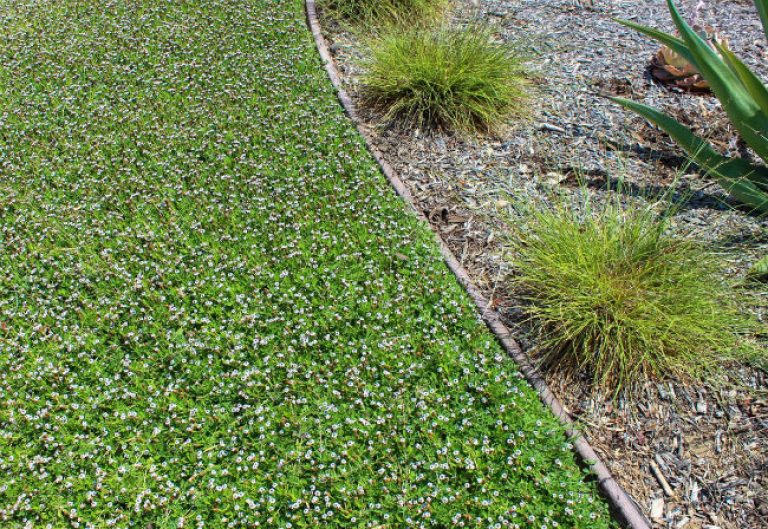
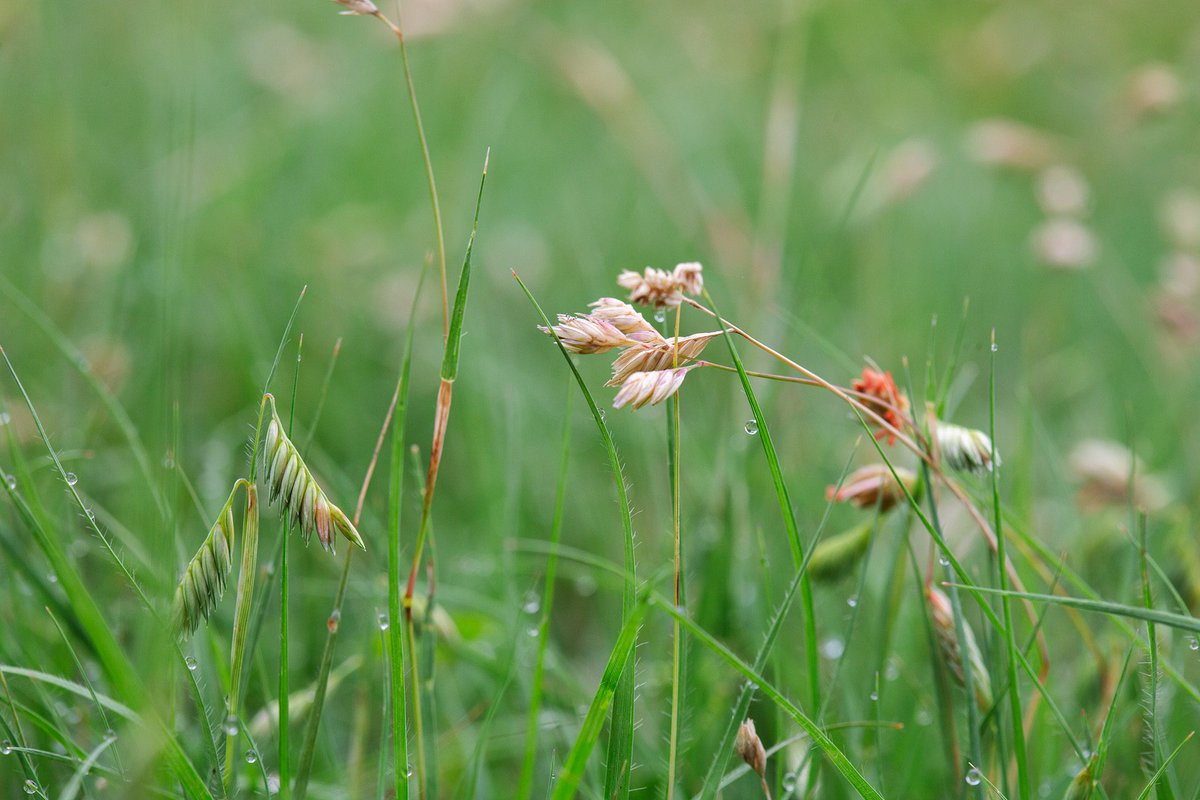
Creeping thyme has trended online for the last few years as a low-maintenance, drought-tolerant, pollinator-friendly lawn alternative. That's mostly true.
The catch is that it's slow to establish, expensive, needs full sun, and struggles in humid southeastern climates.
The pollinator benefit is real but modest. European thyme didn't co-evolve with North American native bees. It feeds adult pollinators some nectar but isn't a host plant for any native caterpillar.
The native alternatives that genuinely support North American ecology:
Pennsylvania sedge (Carex pensylvanica): shade-tolerant, drought-resistant, soft underfoot, native to most of the eastern US. The closest thing to a true native lawn replacement.
Native violets (Viola sororia and regional species): already in most lawns as "weeds," host plant for fritillary butterfly caterpillars, tolerate mowing. Stop killing them.
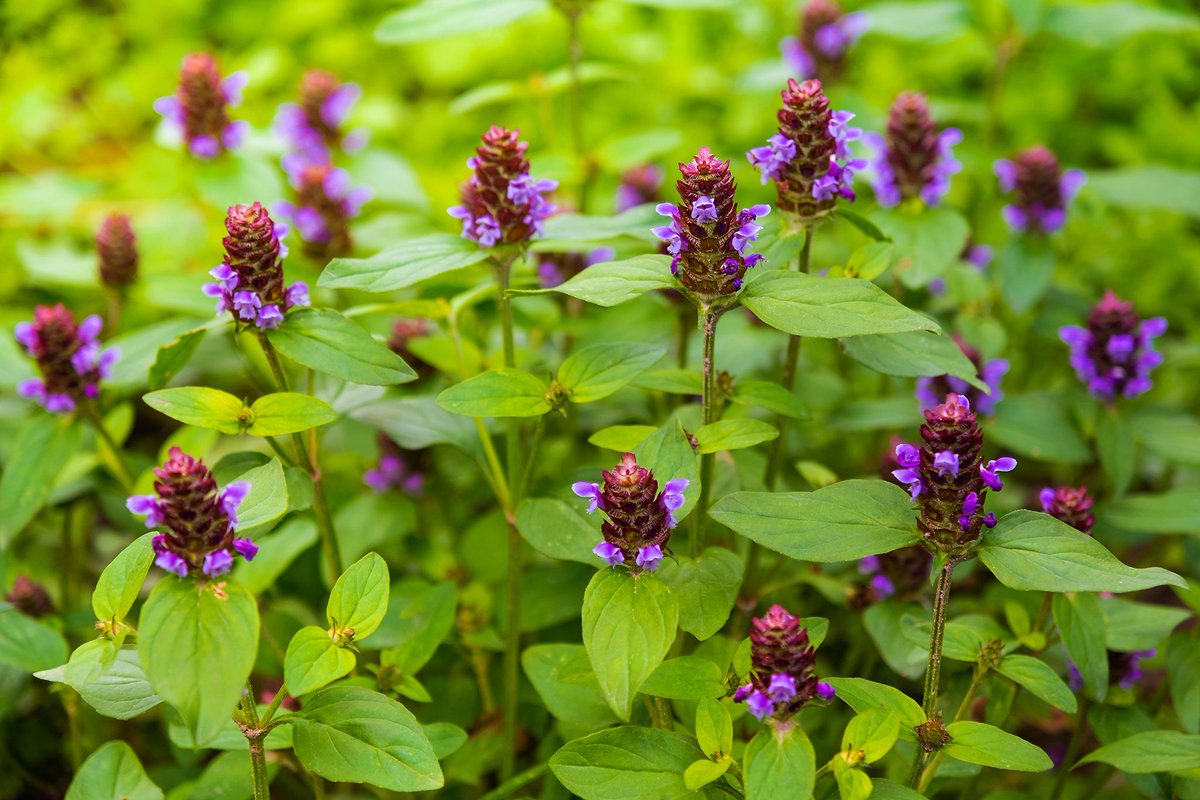
Self-heal (Prunella vulgaris ssp. lanceolata): the native subspecies, not the European one. Short, pollinator-supportive, tolerates mowing.
Pussytoes (Antennaria neglecta): drought-tolerant native, host plant for American lady butterflies, low-growing.
Buffalo grass (Bouteloua dactyloides): native warm-season turf grass for the central US. Drought-tolerant, no fertilizer needed.
Frogfruit (Phyla nodiflora): native to the southeastern and southwestern US, supports buckeye butterflies, tolerates foot traffic.
Creeping thyme is fine if you want a low-water ornamental ground cover. For ecological function, it's better to plant what evolved here.
14
82
437
10,961
This is the way. You DO NOT have to have to be a specific, acceptable, denomination in order to get a legal religious exemption from using AI. The pope provided good quotes for Anyone. Literally Anyone. Remember: for legal purposes, atheism is a religion in the US. ANYONE.

I'm cracking up that the person who got a religious exemption from using AI at work was UNITARIAN businessinsider.com/worker-g…

1
7
91
Turtlesong Farm retweeted

Jun 5
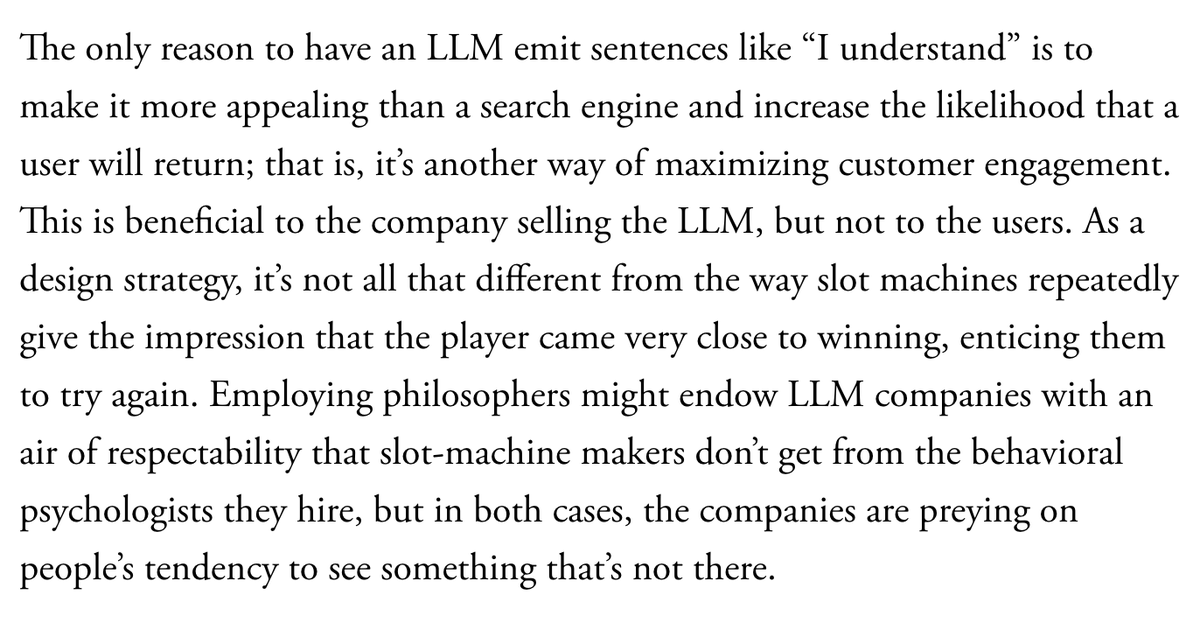
Compelling essay by sci-fi writer Ted Chiang on why LLMs are nowhere near consciousness, but why it serves the interests of LLM companies to constantly suggest that they might be.
I've pulled one quote below, but the whole article is worth reading.
95
1,604
6,311
154,358