Joined June 2016
- Tweets 56,615
- Following 33
- Followers 1,277
- Likes 45,369
15,474 Photos and videos
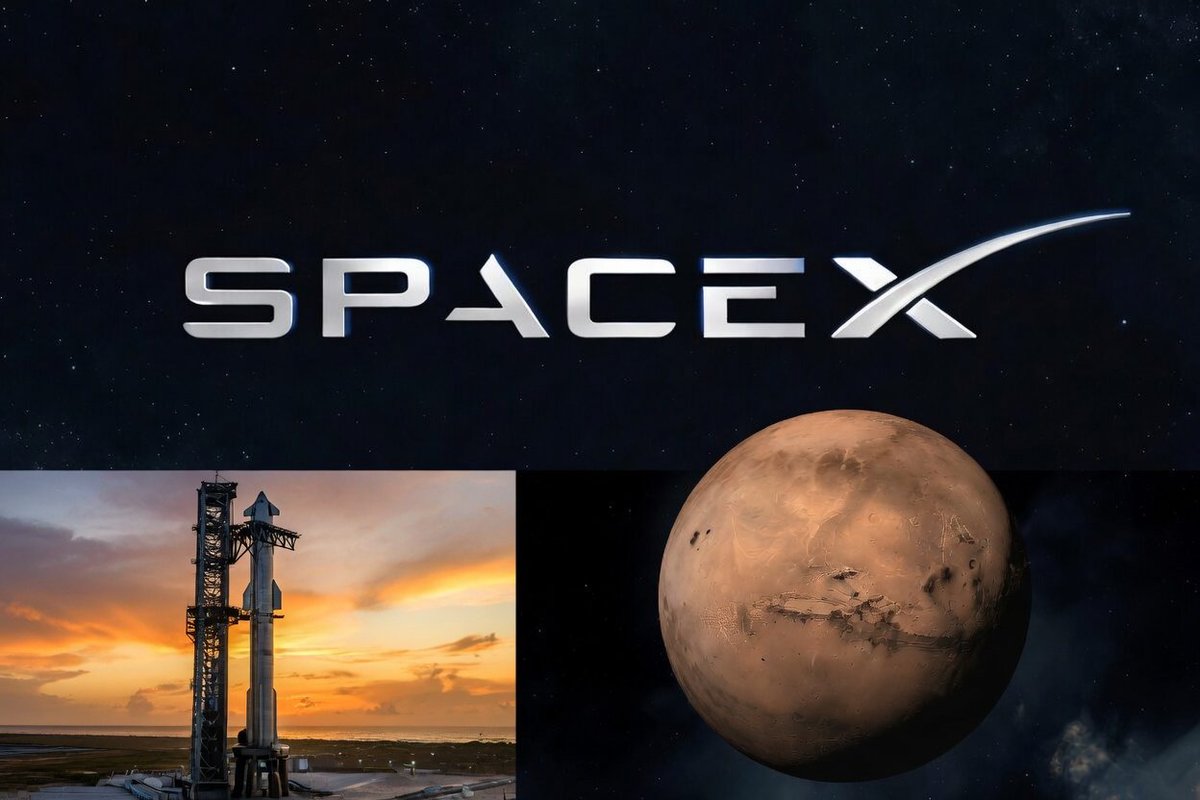
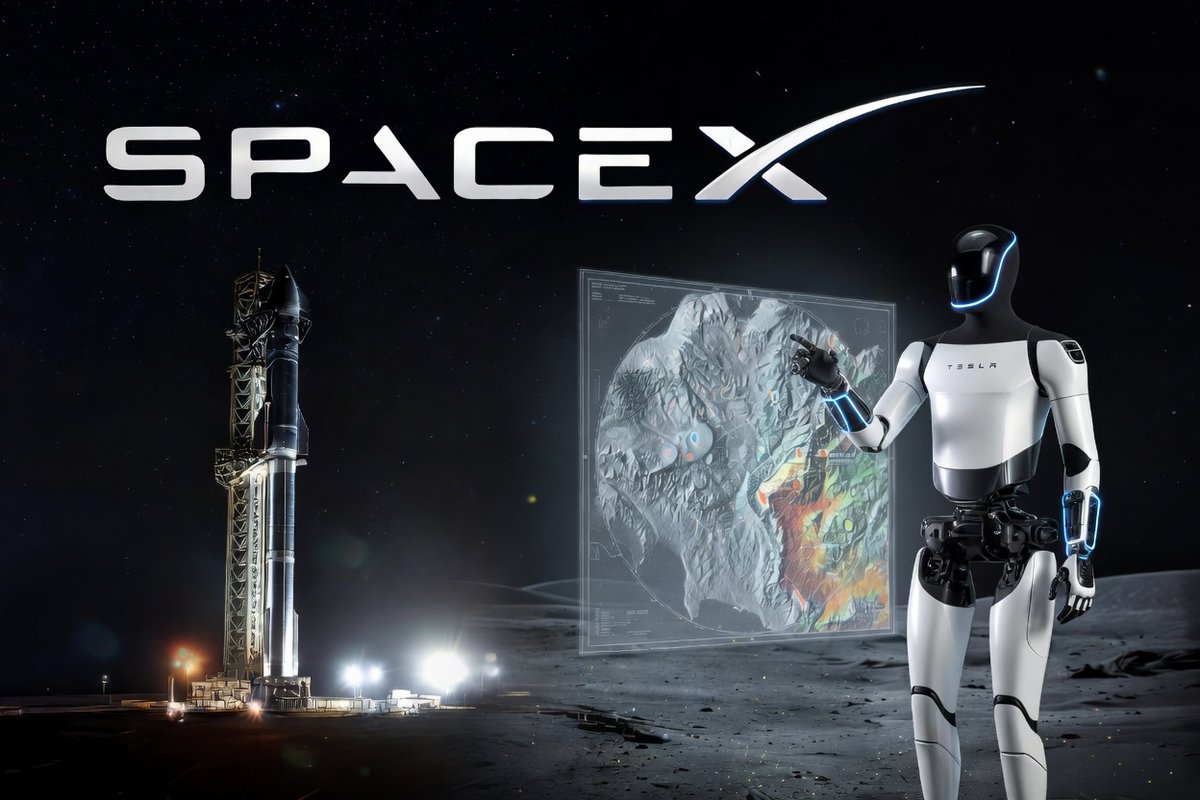

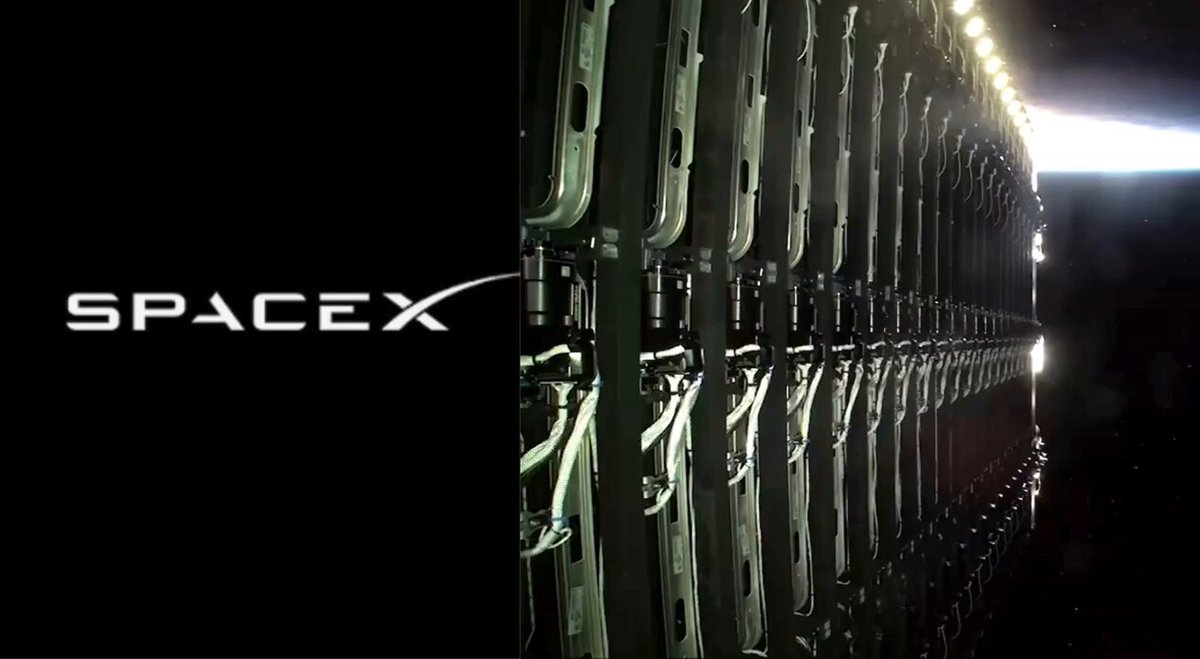

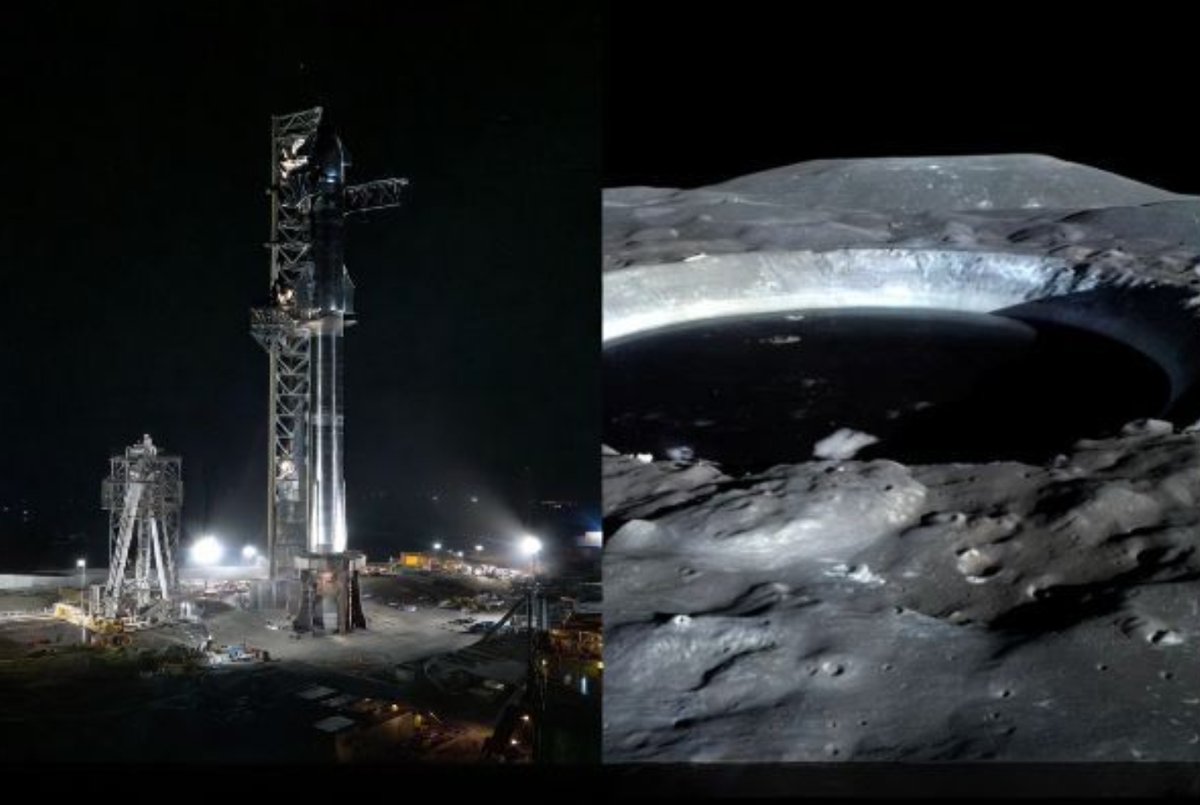

I hope everyone is enjoying their afternoon. I am working on a few more posts and will be posting them througout the day. My day is hectic because of packing but I will work on getting these posts out.
1
5
High-Throughput Sabatier & Electrolysis Chemistry – Turning Alien Air & Ice into Starship-Grade Methalox at City-Building Rates
High-throughput Sabatier reactors paired with advanced solid oxide electrolysis form the chemical heart of Elon Musk’s multi-planetary vision. By converting abundant Martian atmospheric CO₂ and water ice into liquid methane (CH₄) and oxygen (LOX) at massive scale, this technology makes return propellant essentially free after initial setup — delivering the economic flywheel for full Starship reusability, rapid fleet turnaround, and self-sustaining cities of a million people.
Importance
Producing 1,000–2,400 metric tons of cryogenic methalox per synodic cycle eliminates the need to carry return propellant from Earth, collapsing mission costs and enabling dozens of Starship flights per cycle. This chemistry powers the virtuous cycle: land, produce, refuel, launch, repeat. Lunar oxygen extraction processes provide complementary near-term cislunar depots, creating a solar-system-wide propellant network that accelerates the path to interstellar capability.
Core Processes and Technologies
Mars Pathway: Atmospheric CO₂ capture Sabatier reaction (CO₂ 4H₂ → CH₄ 2H₂O) over robust catalysts, combined with high-efficiency solid oxide electrolysis (building directly on NASA MOXIE heritage) to split water and regenerate hydrogen. Modular, fault-tolerant reactor designs achieve >95% conversion rates with continuous 24/7 operation.
Lunar Synergy: High-temperature carbothermal reduction or molten regolith electrolysis for oxygen extraction from regolith, feeding early propellant depots.
Tesla Integration: Leverages Tesla’s energy systems, power electronics, and manufacturing expertise for rapid scaling, cost reduction, and energy optimization of the entire plant.
Benefits and Scalability
This “alchemy engine” turns Mars into a propellant powerhouse, making on-site fuel dramatically cheaper than Earth-launched equivalents. It maximizes Starship reusability — Musk’s foundational innovation — while generating water and oxygen for life support and radiation shielding. Modular design allows early plants to bootstrap larger facilities, supporting exponential growth toward city-scale production.
High-throughput Sabatier and electrolysis chemistry is the decisive multiplier for Musk’s vision — transforming Mars from a destination into an industrial propellant base that makes humanity multi-planetary and, ultimately, multi-stellar. Aggressive development here will be one of the highest-leverage investments in our future.
2
17
Autonomous Robotic Prospecting & Mega-Scale Feedstock Harvesting – The Foundation for a Million-Person Mars Civilization
Autonomous robotic swarms, powered by Tesla Optimus-derived humanoid robots and AI autonomy, represent the critical first step in Elon Musk’s multi-planetary vision. These intelligent systems rapidly map and extract vast reserves of water ice, regolith, and atmospheric CO₂ on the Moon and Mars, turning local resources into propellant, oxygen, water, and construction materials at industrial scale. By leveraging Tesla’s proven AI, neural net training, and manufacturing expertise, robot swarms deliver the reliable feedstock pipeline needed for Starship reusability and self-sustaining cities.
Strategic Importance
In Musk’s roadmap, Mars is the essential stepping stone to becoming a multi-stellar species. High-volume ISRU is non-negotiable for producing thousands of tons of methalox per synodic cycle, enabling dozens of Starship return flights, rapid fleet turnaround, and eventual growth to a million-person civilization.
Lunar polar operations serve as near-term proving grounds and cislunar propellant depots. Without autonomous mega-scale harvesting, missions remain mass-limited and prohibitively expensive. Tesla-Optimus technology accelerates this by providing dexterous, general-purpose robots that can be mass-produced and rapidly iterated.
Key Technologies
Prospecting Phase: Swarms of Optimus-based rovers and legged robots equipped with multi-spectral sensors, ground-penetrating radar, and real-time AI decision-making (drawing directly from Tesla’s Full Self-Driving and Optimus neural nets). These systems autonomously survey wide areas, identify high-yield ice and mineral deposits, and prioritize targets with minimal Earth oversight.
Mega-Scale Harvesting: Cooperative fleets of excavators, drills, and transporters optimized for low-gravity, dusty, and extreme environments. Optimus-derived arms and mobility platforms enable flexible operations—scooping, trenching, sorting, and delivering material to processing plants—while swarming algorithms ensure redundancy and exponential throughput.
Key Differentiators: Lunar focus on permanently shadowed regions for volatiles; Martian emphasis on atmospheric CO₂ capture plus subsurface ice. Full autonomy closes the 20-minute communication delay loop.
Benefits and Scalability
This approach drives exponential cost reduction: propellant manufactured on Mars becomes dramatically cheaper than Earth-launched equivalents, turning Starship into an airline-like vehicle. Robotic precursors build infrastructure ahead of humans, bootstrap larger plants, and support gigaton-scale resource access for radiation shielding, habitats, and closed-loop life support. Tesla’s manufacturing DNA ensures robots can be produced by the thousands at low cost, creating a self-reinforcing industrial flywheel.
Autonomous robotic prospecting and mega-scale harvesting—supercharged by Tesla Optimus swarms—serve as the “pickaxe and shovel” for building a multi-planetary (and ultimately multi-stellar) economy. This capability is decisive: it collapses the cost curve, maximizes Starship reusability, and transforms science fiction into industrial reality. Aggressive investment here will accelerate humanity’s expansion across the solar system and beyond.
1
39
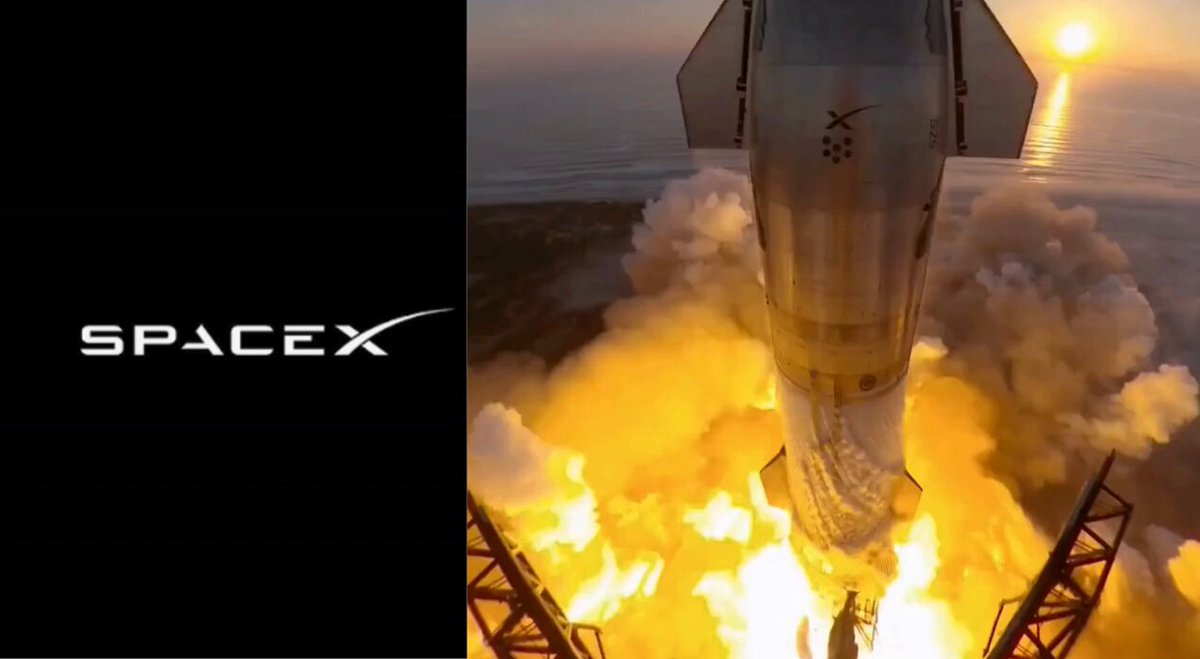
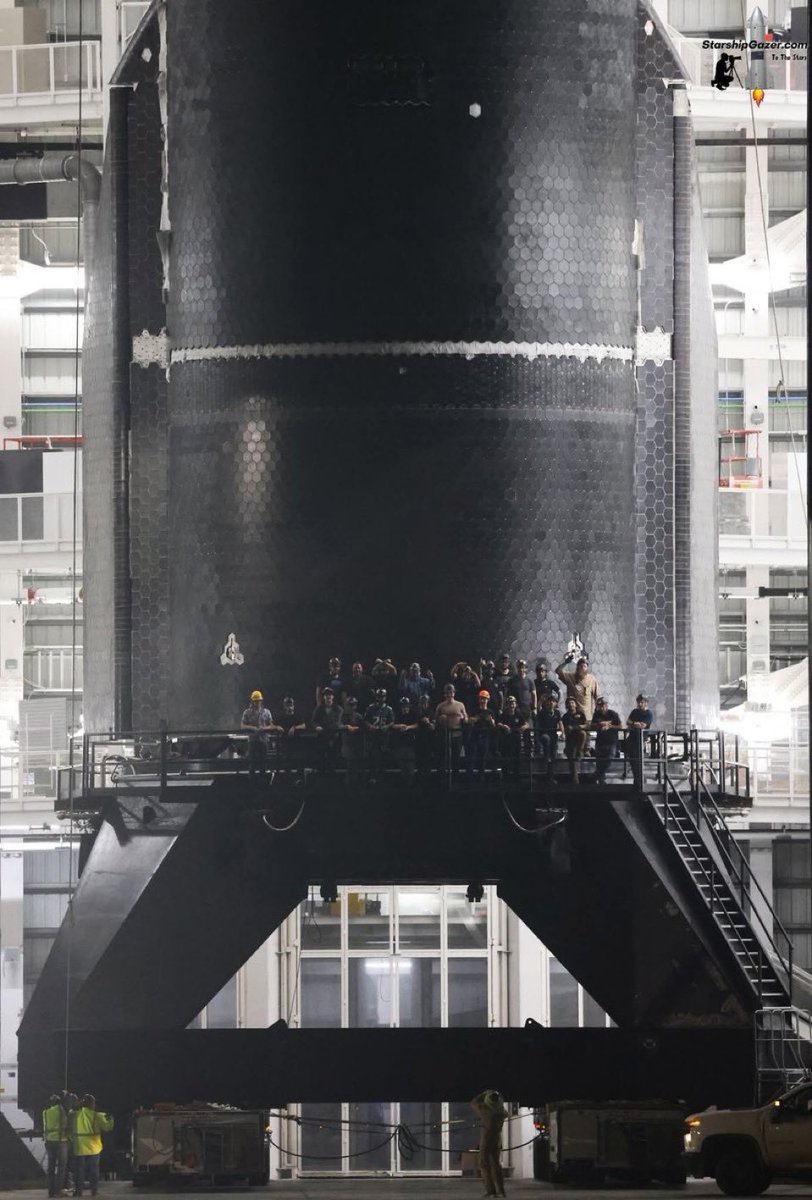
Starship is the largest flying object ever constructed by humanity.
2
3
40

Starship is a very big rocket
Jun 12

SpaceX is a company whose mission is *axiomatically* the love of humanity
To extend the light of consciousness
The power of this kind of love is hard to quantify but clearly makes the impossible far more probable.
7,958
19,886
183,556
21,445,161
Bandwidth and Latency Revolution for Global/AI/Multi-Planetary Dominance V4/V5 Specs Driving 5x Constellation
Utility
With the constellation expanding rapidly through Starship-enabled deployment, the true power lies in next-generation satellite hardware that dramatically amplifies per-satellite performance — turning quantity into superior user experience, real-time applications, and orbital-scale computing.
Performance Leaps
V3 Baseline: Delivers >1 Tbps downlink and 160–200 Gbps uplink per satellite (10x downlink / ~24x uplink vs. V2 Mini), with combined RF laser backhaul approaching multi-terabit levels. Operating at ~350 km altitude slashes one-way light time, targeting median latency under 20 ms (potentially 5–12 ms in optimal beams) from today’s ~25.7 ms U.S. median.
V4 Optimizations: Superior E-band spectrum utilization for higher ground throughput, optical crosslinks exceeding 800 Gbps per channel (leveraging vacuum propagation for 40% faster-than-fiber performance), and power systems engineered for sustained peak loads with greater resilience and uptime.
V5 Breakthroughs: Embedded AI for intelligent on-orbit traffic routing, edge processing, and predictive beam management; next-level power density and component integration; plus radiation-hardened, deep-space-tolerant designs for long-duration reliability in cislunar and Mars orbits.
These upgrades collectively enable consistent gigabit-class user speeds at scale while unlocking real-time applications previously impractical over satellite links.5x Scaling ImpactAt 50,000 satellites with ~5-year refresh cycles, the network achieves unprecedented density, redundancy, and resilience.
This delivers fiber-like consistency for consumer broadband, truly ubiquitous Direct-to-Cell service, and dedicated low-latency lanes for autonomous vehicles, live remote surgery/operations, aviation, maritime fleets, and polar coverage — all independent of terrestrial infrastructure.Strategic VisionStarlink evolves into:The primary high-speed internet layer for billions of users worldwide.
A distributed orbital computing fabric ready for gigawatt-scale AI workloads, leveraging abundant solar power and laser mesh networking.
The resilient nervous system for humanity’s multi-planetary expansion, providing reliable Earth-Mars backbone communications.
Strong subscriber momentum (now >10–12 million) and multi-billion-dollar revenue streams supply the financial flywheel to accelerate Starship iterations
1
61
Starship-Enabled Exponential Capacity Scaling for Starlink – Achieving 5x Constellation Growth to 50,000 Satellites with V4/V5 Advancements
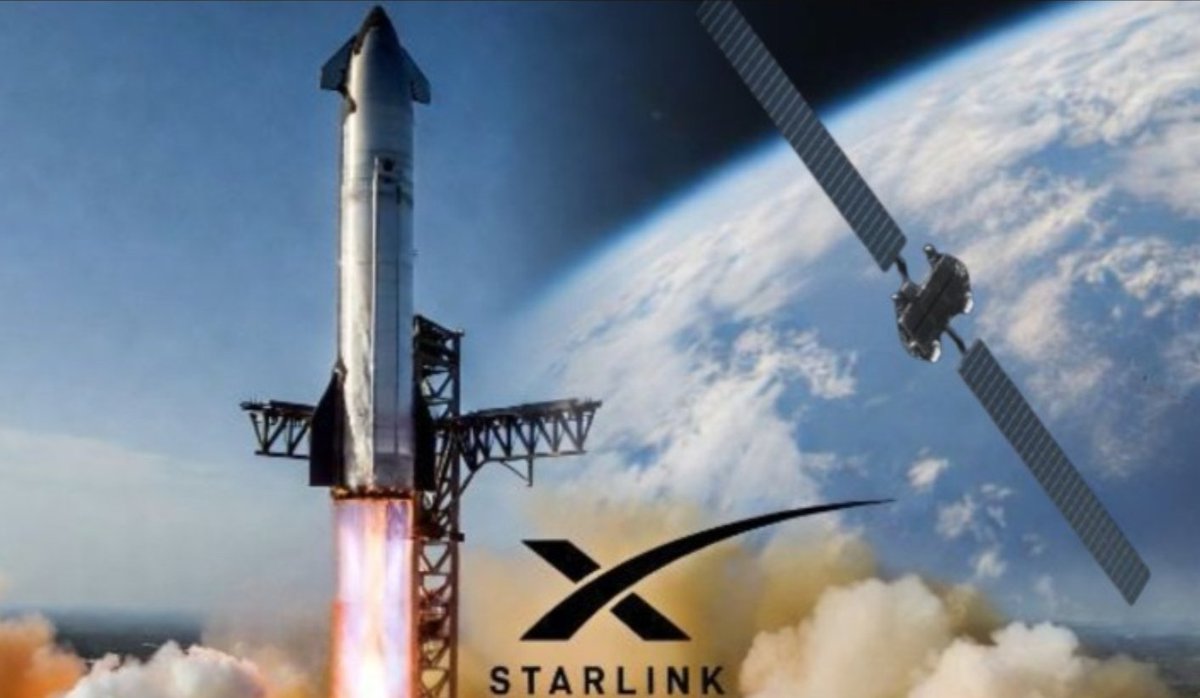
As of mid-June 2026, Starlink operates approximately 10,400–10,600 active satellites (out of ~12,300 launched total), delivering global broadband through high-cadence Falcon 9 missions routinely deploying 20–29 V2 Mini satellites.
This foundation supports rapid scaling, but Starship unlocks the next exponential leap by enabling dramatically larger, more capable satellites and unprecedented launch capacity.
V3 Satellite Breakthrough
V3 satellites, optimized for Starship, represent a generational leap:
~1 Tbps downlink and 160–200 Gbps uplink per satellite — more than 10x downlink and 24x uplink versus V2 Mini (~96 Gbps down / ~6.7 Gbps up).
Combined RF laser backhaul capacity approaching 4 Tbps per satellite.
A single Starship launch can deploy ~60 V3 satellites, adding ~60 Tbps of network capacity — >20x the addition from a typical Falcon 9 V2 Mini batch.
Higher mass (~1,900 kg vs. ~575 kg for advanced V2 Mini) and denser packing, paired with advanced beamforming, modems, and inter-satellite laser links (potentially 800 Gbps per channel), drive these gains while targeting lower orbits for reduced latency.
Path to 5x Growth and V4/V5 Evolution
Starship’s high flight rate (dozens to hundreds annually) enables deployment of V3 at massive scale starting late 2026, followed by iterative V4 (refined power systems, enhanced laser interlinks, E-band upgrades for higher throughput) and V5 satellites. V5 would further advance with even denser integration, advanced on-board AI/compute capabilities, improved energy efficiency, and Mars-ready communication hardening — pushing per-satellite performance and reliability for sustained multi-planetary operations.
Elon Musk has outlined plans for >100,000 next-generation satellites (V3/V4/V5) to support broadband dominance and Direct-to-Cell service. This trajectory supports 5x growth from today’s ~10,400 active satellites to 50,000 by ~2031, with built-in refresh cycles (typical ~5-year satellite lifespan) to incorporate newer technology. Key enablers include sustained production ramps (historically 6 sats/day), collision avoidance budgeting, deorbit capabilities, and astronomy-friendly mitigations.
Impact
This scaling transforms Starlink into the backbone of global internet, space-based AI compute, and multi-planetary communications (e.g., Marslink). With projected 2026 revenue exceeding $15–20 billion (building on 2025 figures above $11 billion) and over 10 million subscribers, it generates massive cash flow to accelerate Starship development and humanity’s expansion beyond Earth — while delivering gigabit speeds, lower latency, and ubiquitous coverage across maritime, aviation, polar, and underserved regions.
Prioritize Starship-Starlink integration flights in 2026–2027 to validate V3 deployment, then accelerate V4/V5 design for continuous performance multipliers. This data-driven approach positions Starlink not just as a service, but as the foundational infrastructure for a multi-planetary civilization.
1
45
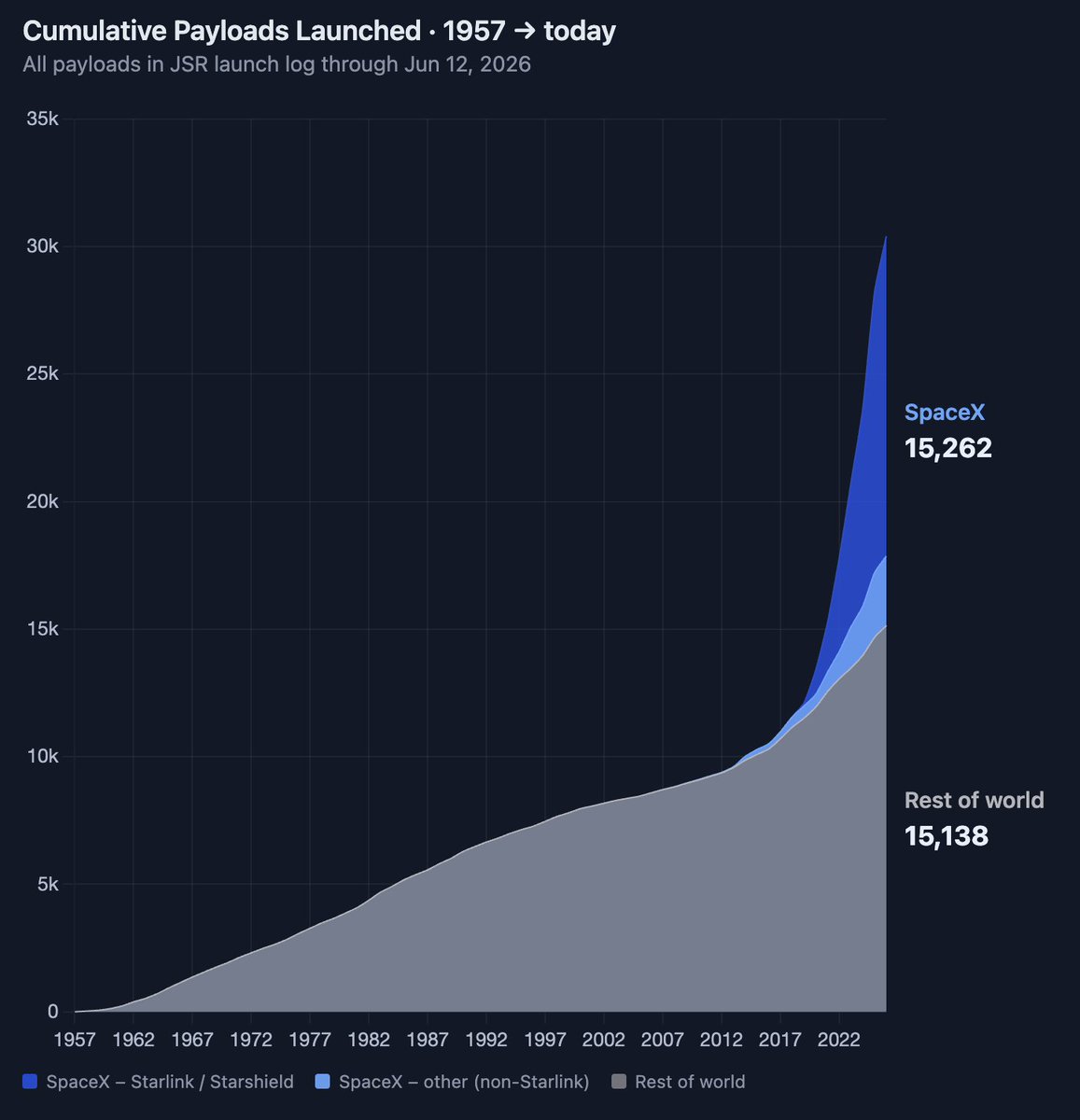
Within ~5 years, probably ~5 times as many satellites as rest of world
Jun 12

They did it.
SpaceX has now launched more satellites than the rest of humanity, combined, all time.
7,589
17,115
132,308
19,239,501

Jun 13
I'm thinking of writing to the government to implement introductory courses in aerospace engineering and aviation in high schools here. They're planning to implement AI in schools, they can do all three at once.
1
24
🚀🚀🚀🚀🚀🚀🚀🚀🚀🚀🚀🚀🚀
Jun 12

J.P. Morgan SpaceX= Largest IPO
Congratulations to the @spaceX team on this milestone, we were proud to serve as a lead bookrunner on the transaction.
6,355
16,532
165,259
16,507,406
Jun 12
Elon Musk on the future of aspiring to be a galactic civilization.
1
51
Jun 12
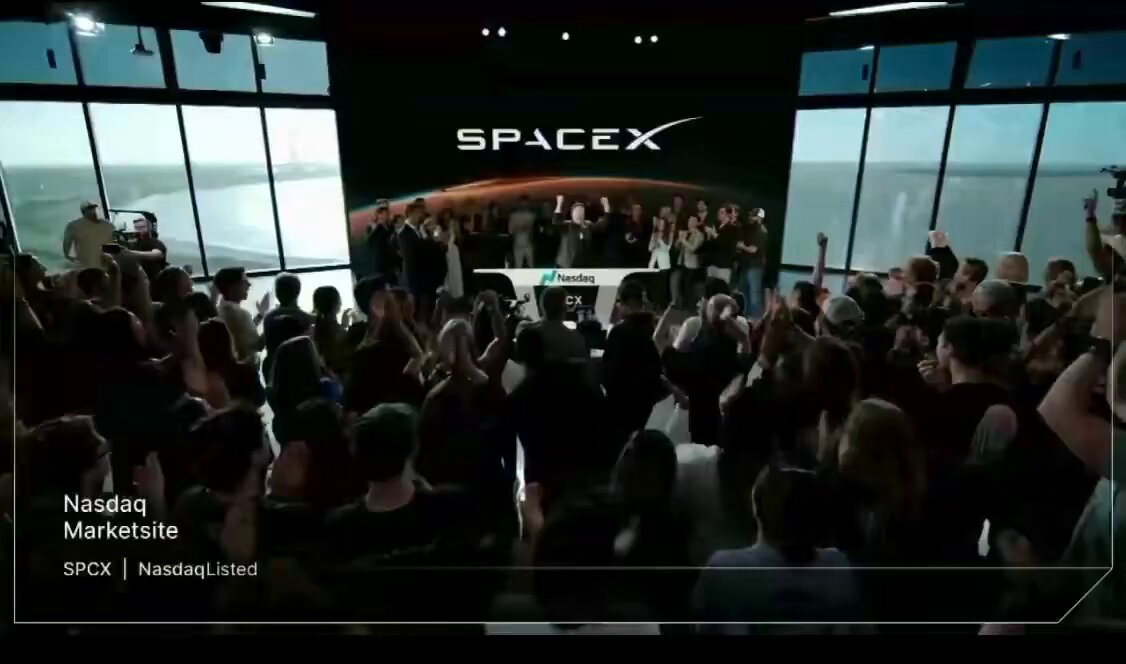
What a day?! I woke up to my favorite company opening on the stock exchange! SpaceX makes me feel alive!
"Let us be among the stars."
- Elon Musk
2
47
Jun 12
SPCX closes up at 19% reaching $160.95, pushing the company's valuation to over 2 Trillion!
Yeah Baby! Let's Go SpaceX! 🇺🇸
2
57