
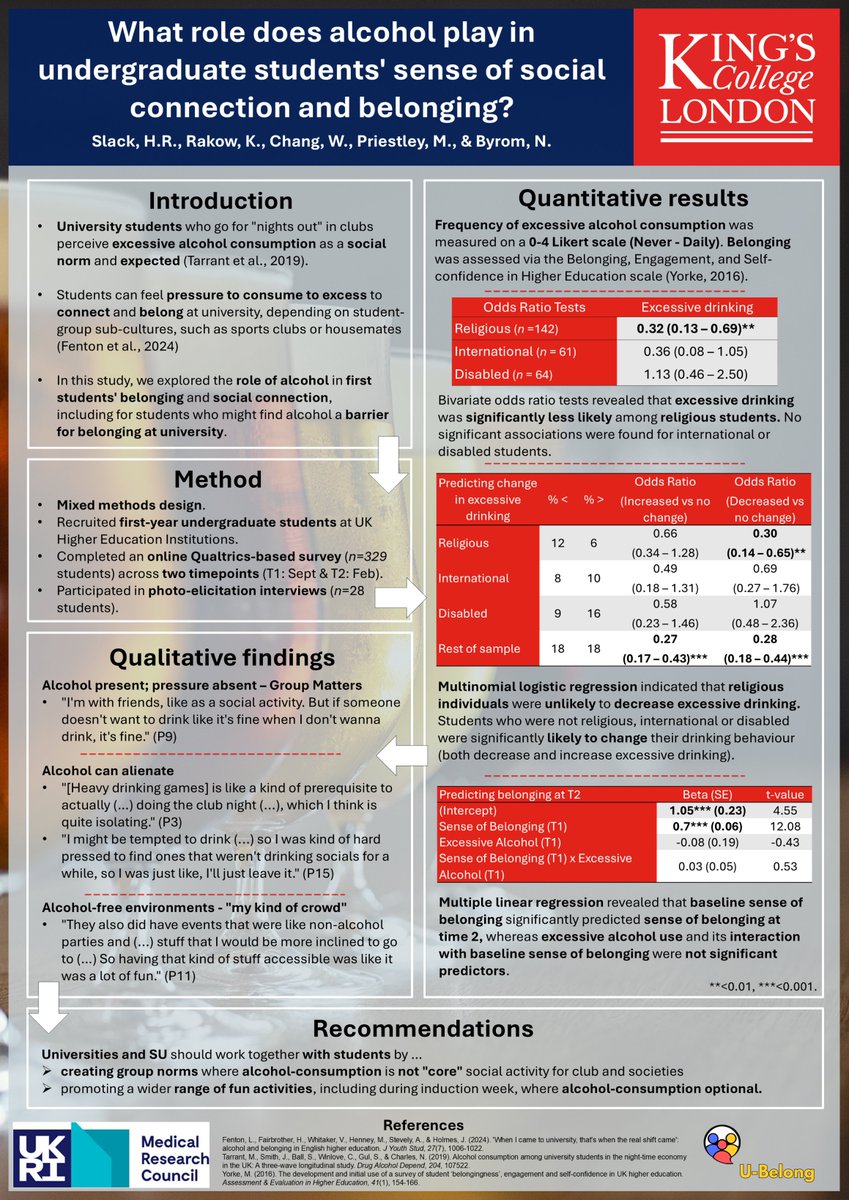
Have you taken our U-Belong survey? Receive personalized guidance for building belonging & support our national campaign to build belonging at uni. Link in bio!
- Tweets 251
- Following 226
- Followers 150
- Likes 53

















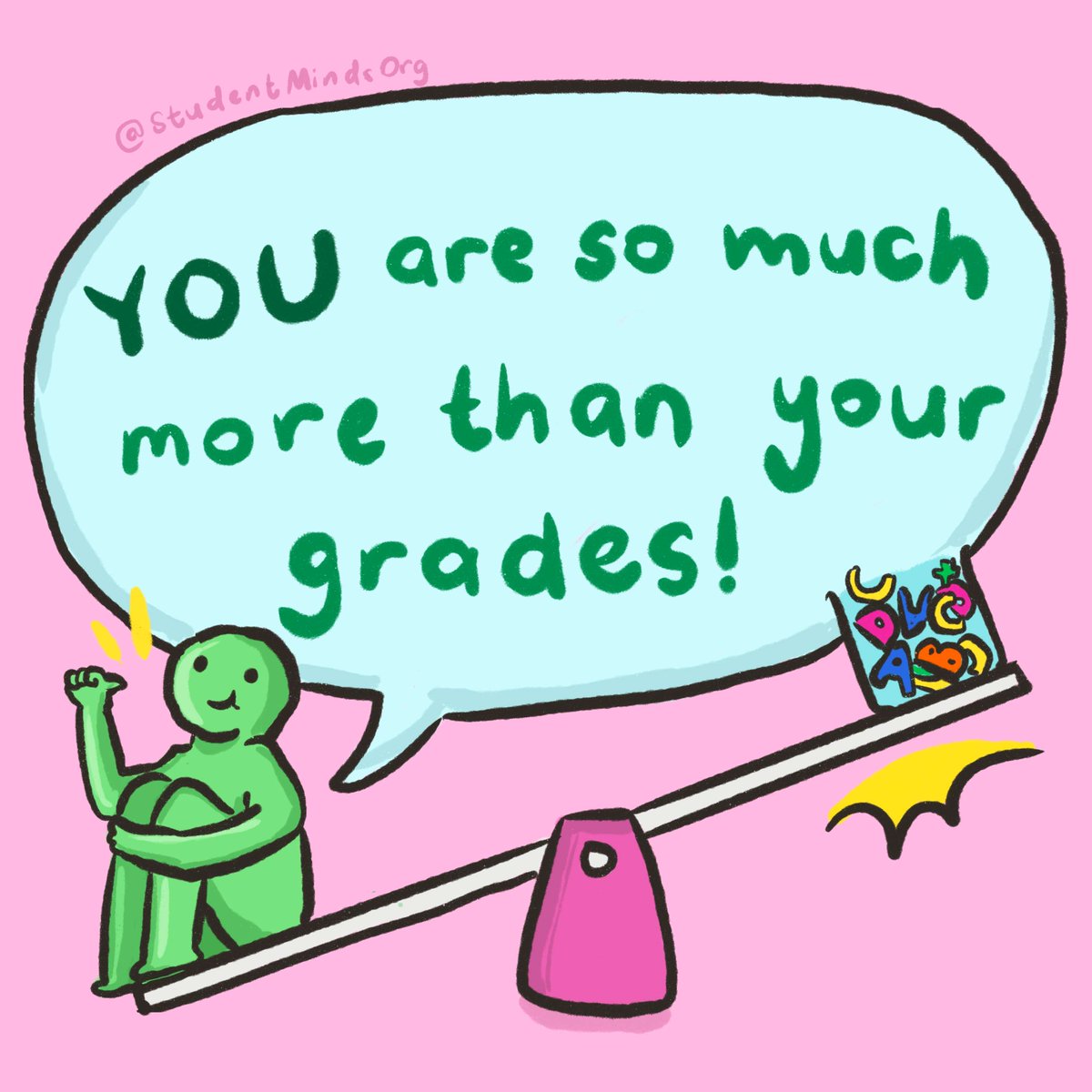
ALT An illustration of a person saying 'You are so much more than your grades'
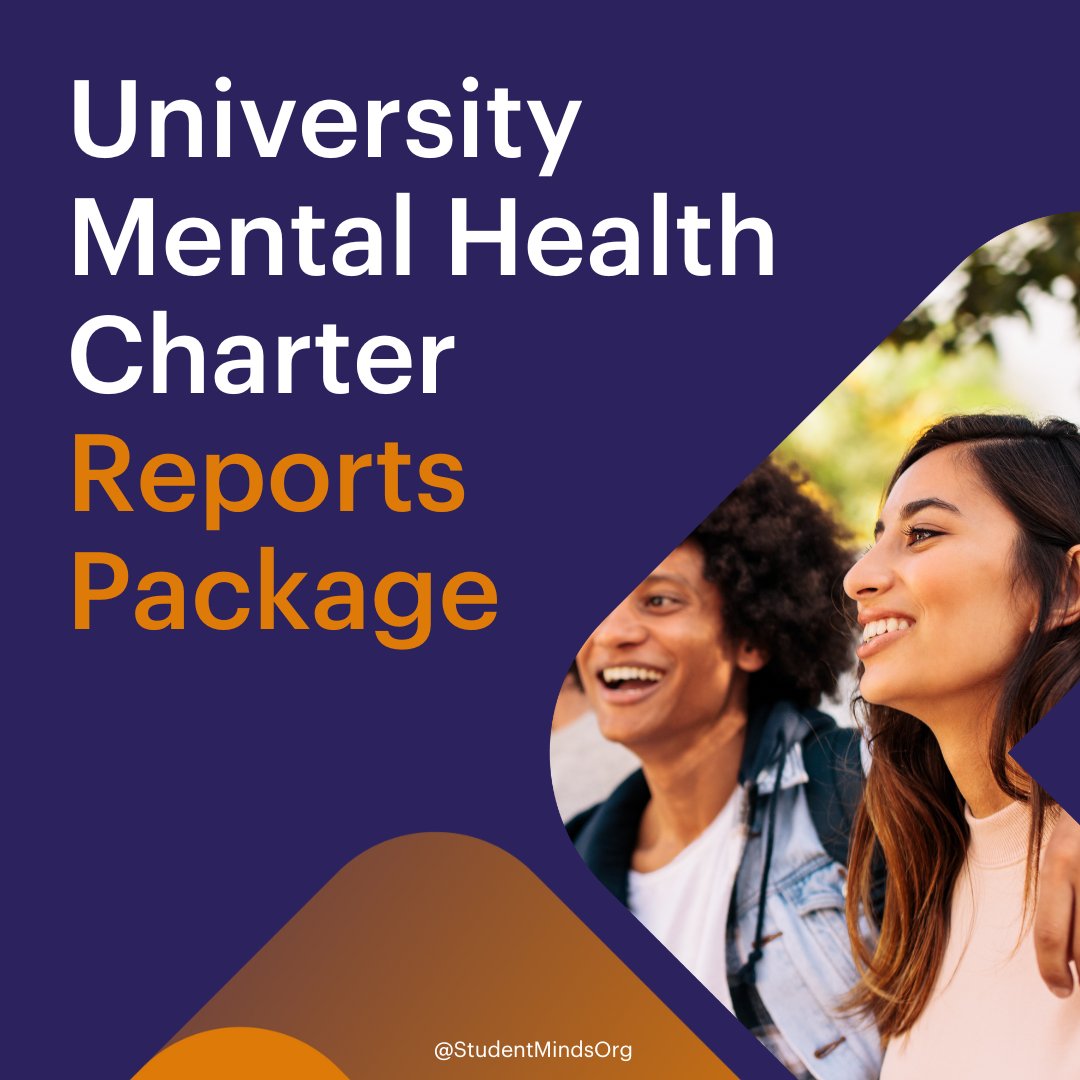
ALT Text reads: University Mental Health Charter Reports Package. There is an image of a student with his arm over another student. @StudentMindsOrg.
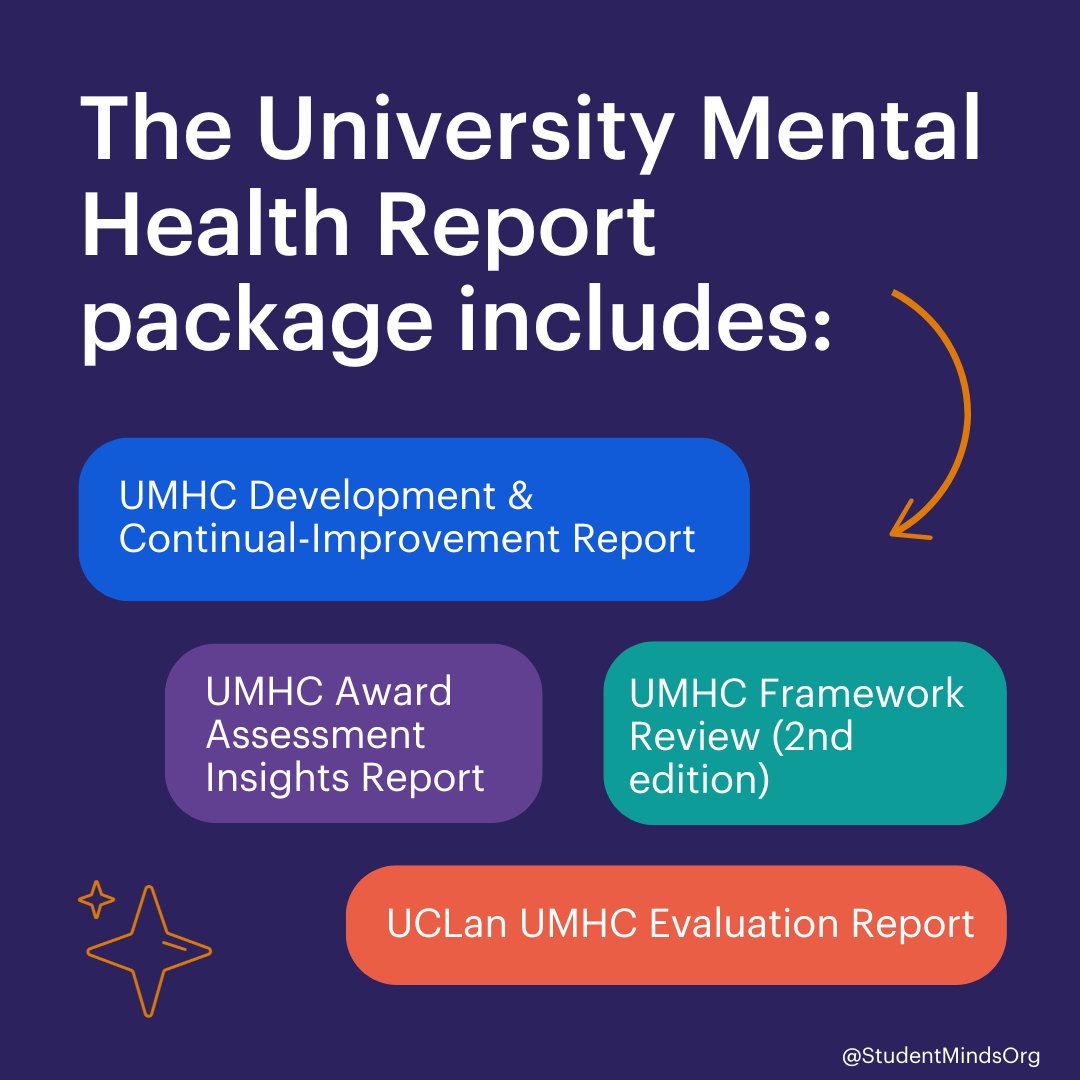
ALT Text reads the University Mental Health Report package includes: UMHC Development & Continual-Improvement Report, UMHC Award Assessment Insights Report, UMHC Framework Review (2nd edition), UCLan UMHC Evaluation Report. @StudentMindsOrg.




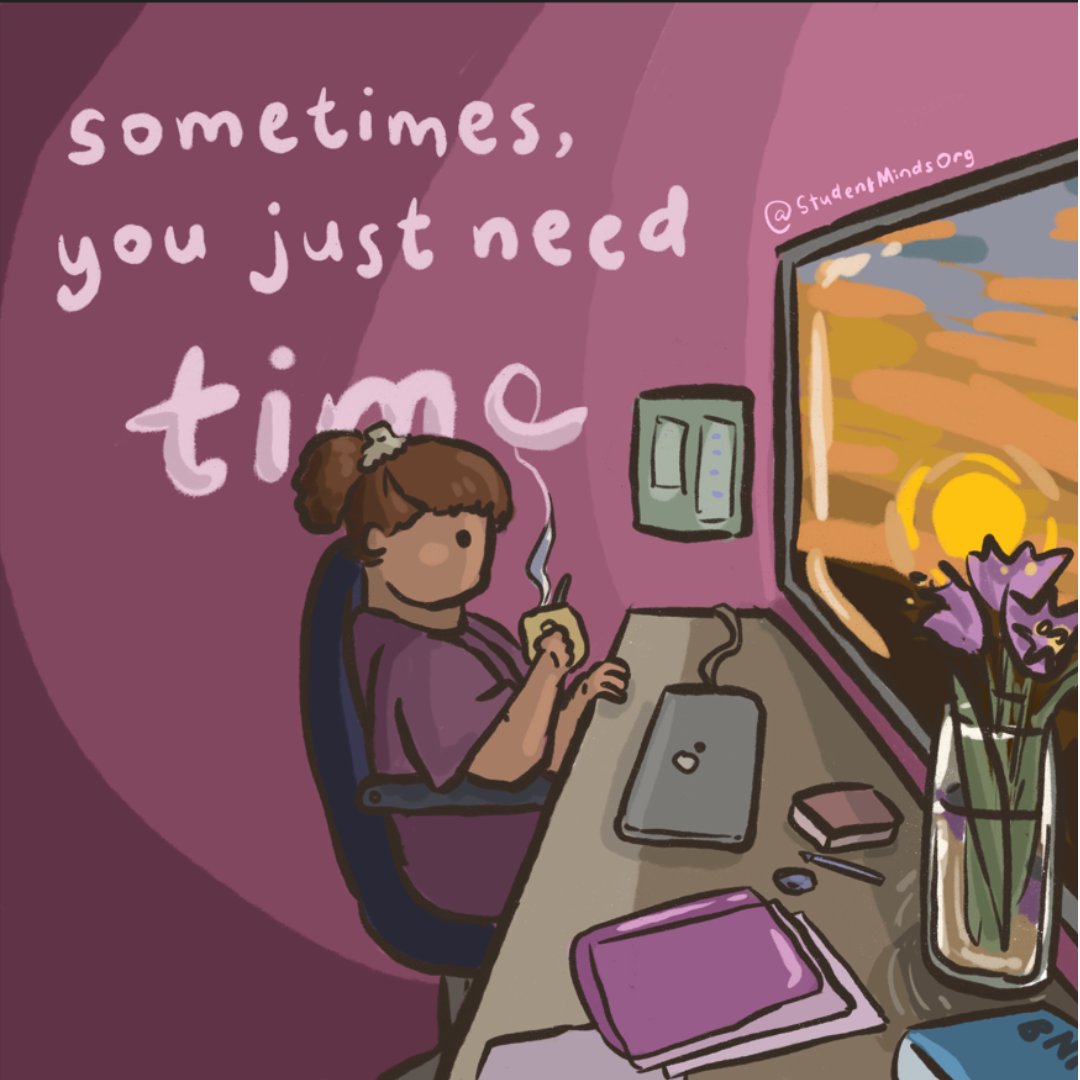
ALT An Illustration of someone drinking tea while looking at the sunset. There's text that reads: Sometimes you just need time

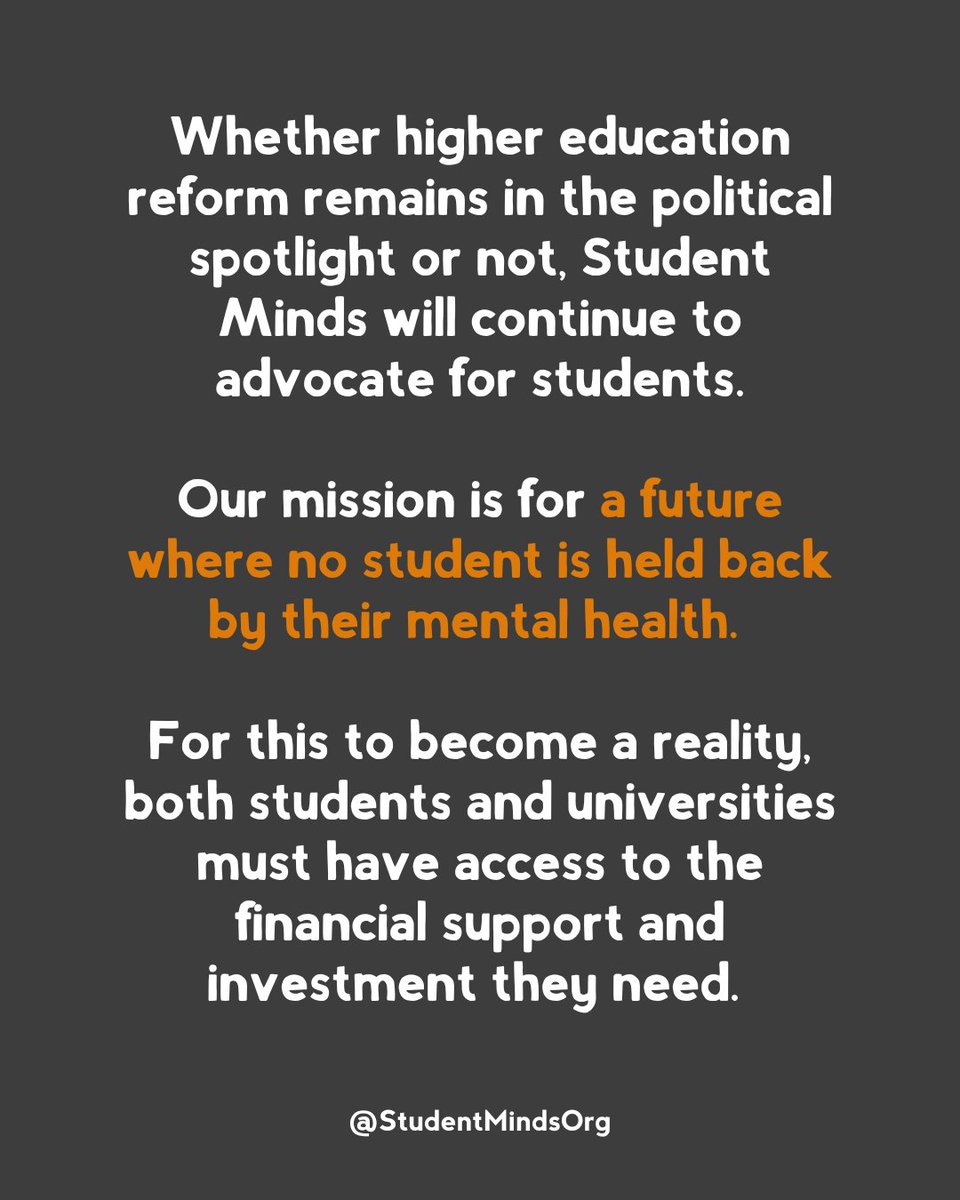
ALT Text reads: Whether higher education reform remains in the political spotlight or not, Student Minds will continue to advocate for students. Our mission is for a future where no student is held back by their mental health. For this to become a reality, both students and universities must have access to the financial support and investment they need. Followed by @StudentMindsOrg
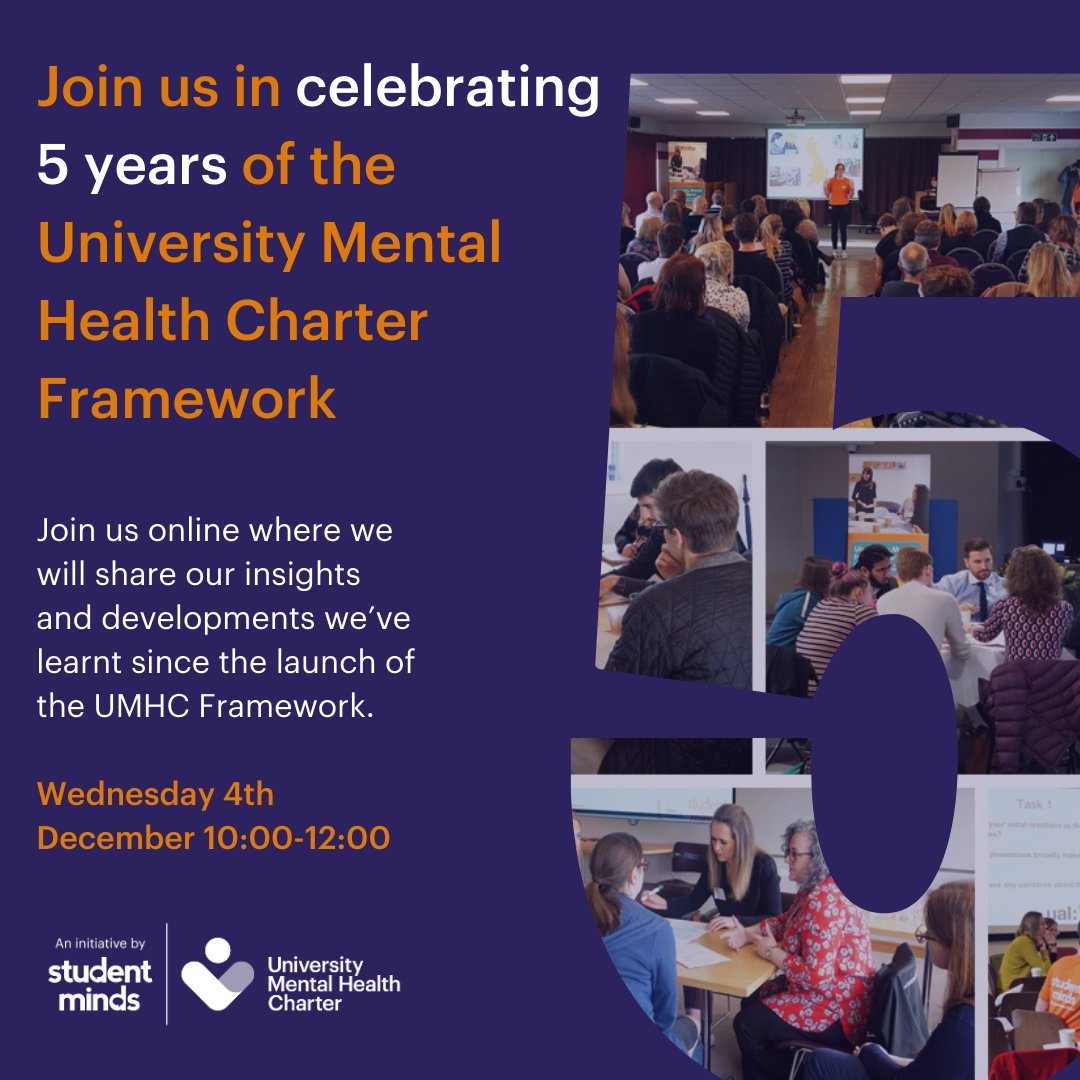
ALT The image reads: Join us in celebrating 5 years of the University Mental Health Charter Framework. Join us online where we will share our insights and developments we’ve learnt since the launch of the UMHC Framework. Wednesday 4th December 10:00-12:00. This is followed by the student minds and university mental health charter logos, this is all on the left hand side of the image on the right hand side is the number 5 which takes up half the image and within that is a collage of various images.

ALT Text reads: How to manage imposter syndrome as a Black student With an illustration of two black graduates
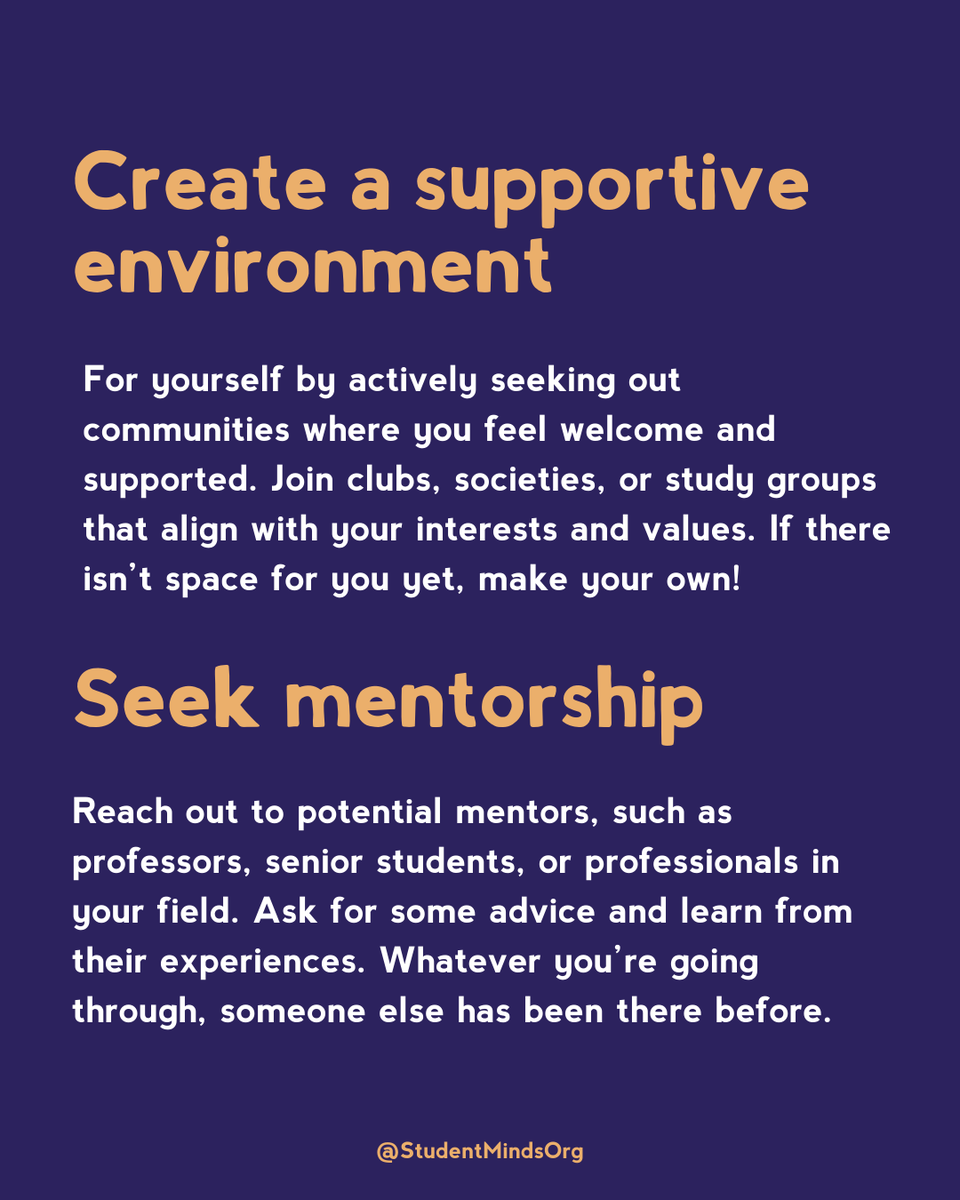
ALT Create a supportive environment For yourself by actively seeking out communities where you feel welcome and supported. Join clubs, societies, or study groups that align with your interests and values. If there isn’t space for you yet, make your own! Seek mentorship Reach out to potential mentors, such as professors, senior students, or professionals in your field. Ask for some advice and learn from their experiences. Whatever you’re going through, someone else has been there before.
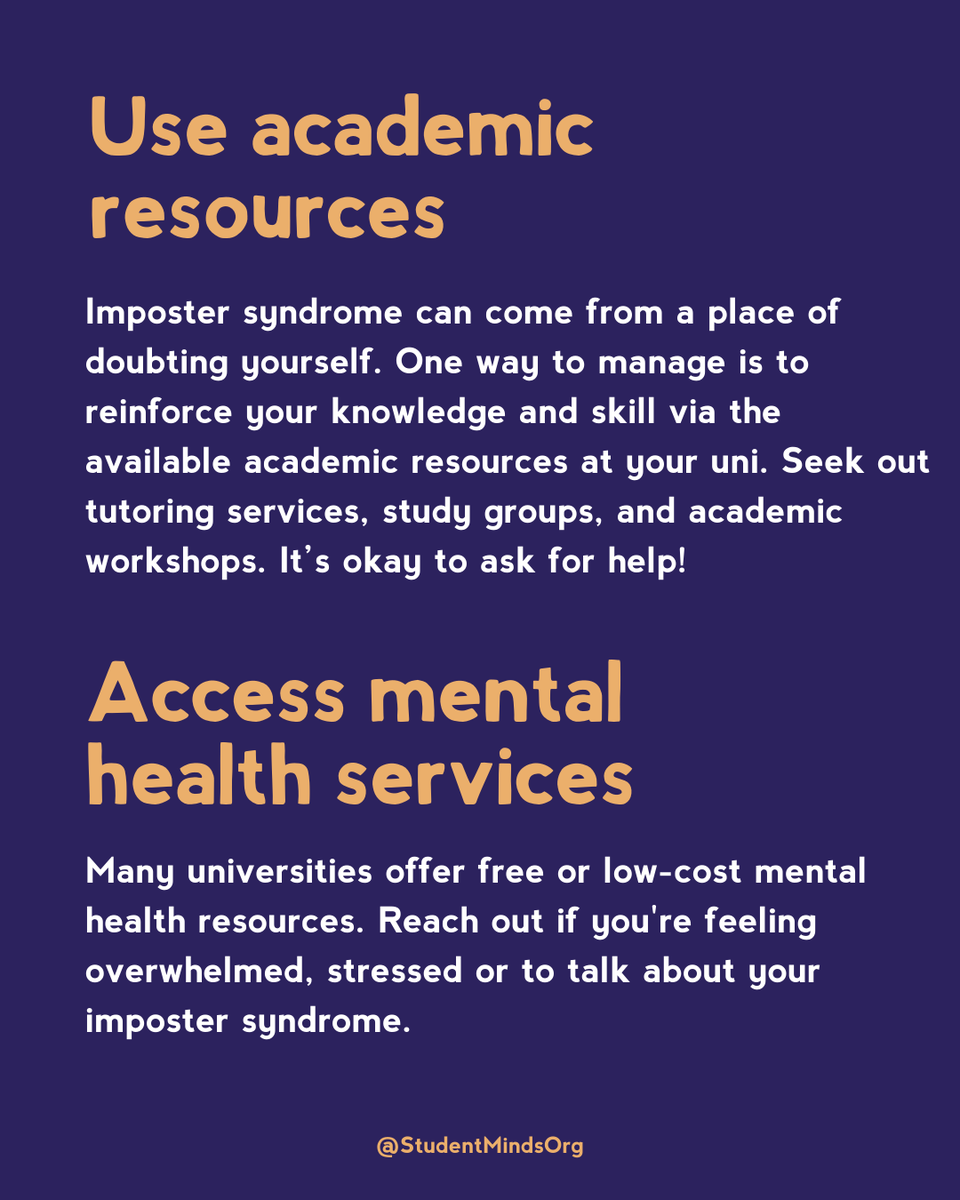
ALT Use academic resources Imposter syndrome can come from a place of doubting yourself. One way to manage is to reinforce your knowledge and skill via the available academic resources at your uni. Seek out tutoring services, study groups, and academic workshops. It’s okay to ask for help! Access mental health services Many universities offer free or low-cost mental health resources. Reach out if you're feeling overwhelmed, stressed or to talk about your imposter syndrome.
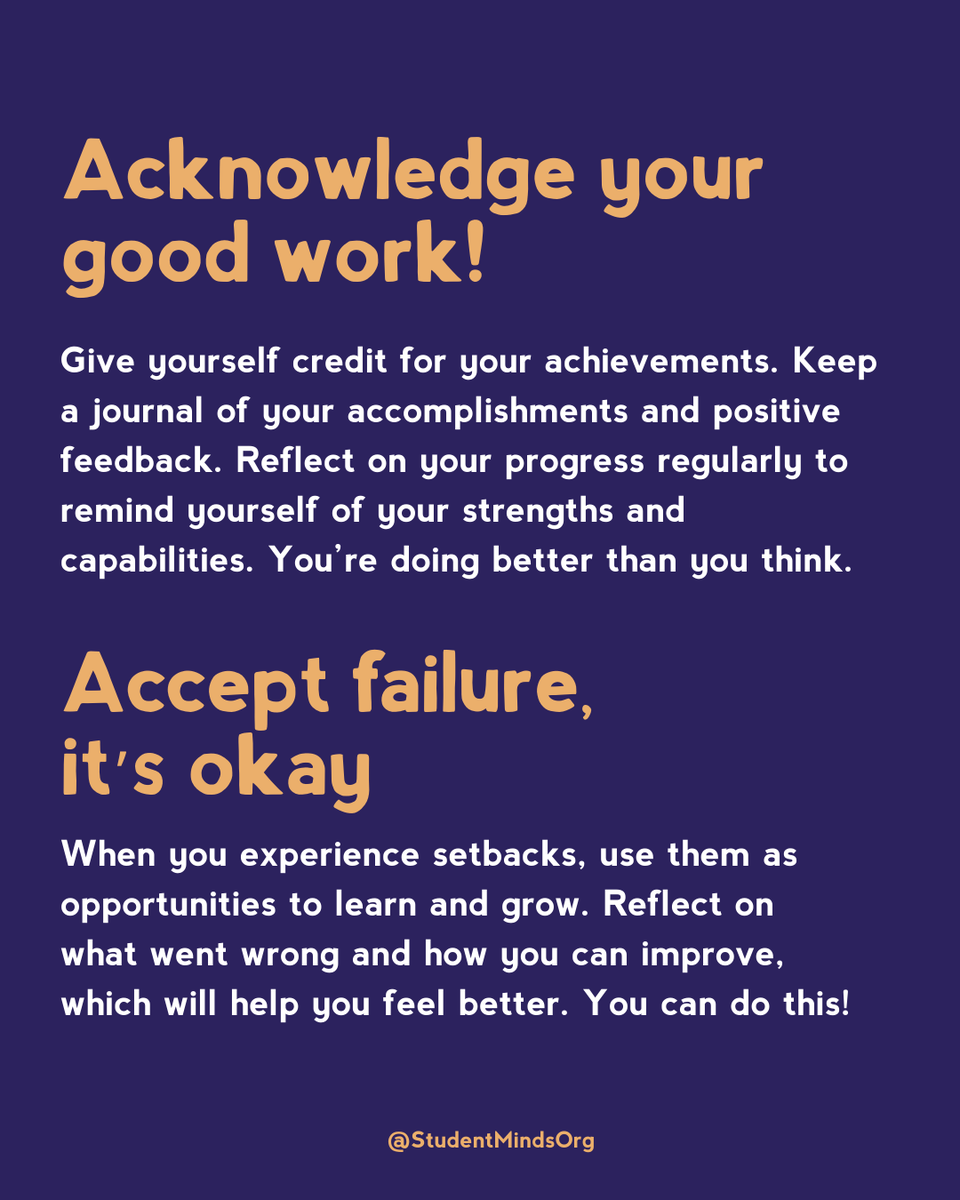
ALT Acknowledge your good work! Give yourself credit for your achievements. Keep a journal of your accomplishments and positive feedback. Reflect on your progress regularly to remind yourself of your strengths and capabilities. You’re doing better than you think. Accept failure, it’s okay When you experience setbacks, use them as opportunities to learn and grow. Reflect on what went wrong and how you can improve, which will help you feel better. You can do this!