
The High Commission promotes stronger bilateral relations with the United Republic of Tanzania through trade, investment and regional integration under EAC.
Joined June 2019
- Tweets 3,848
- Following 967
- Followers 3,172
- Likes 3,502
1,099 Photos and videos
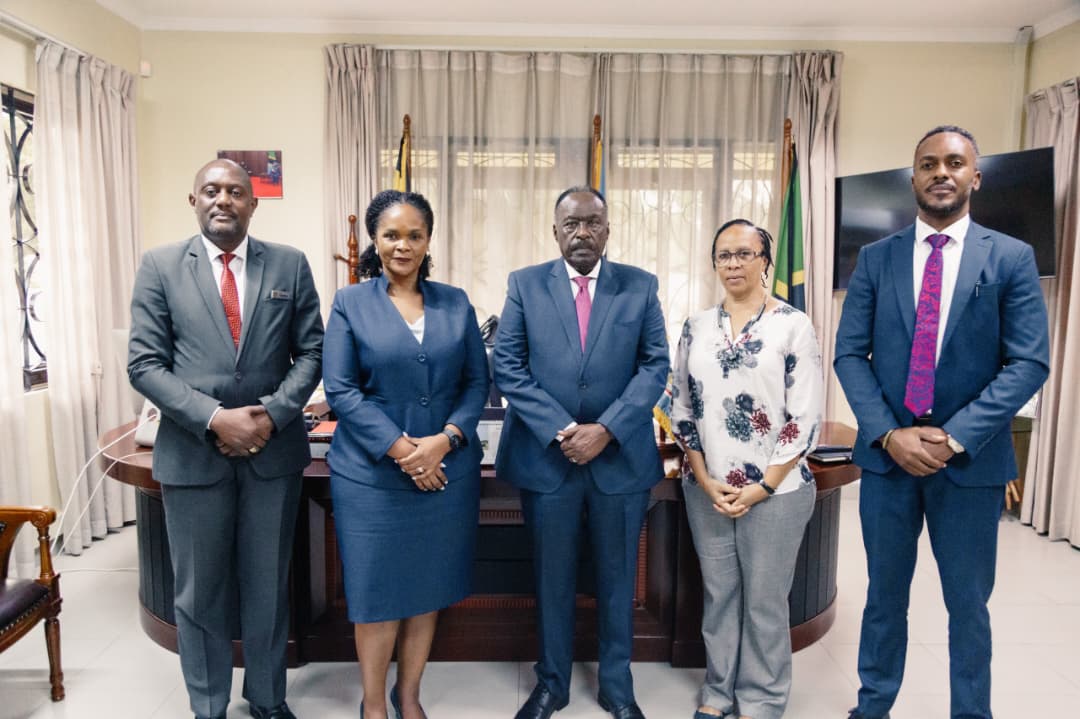


Amb. Col (Rtd) Fred Mwesigye Joins Leaders and Diplomats for Tanzania’s 2026/27 Budget Presentation
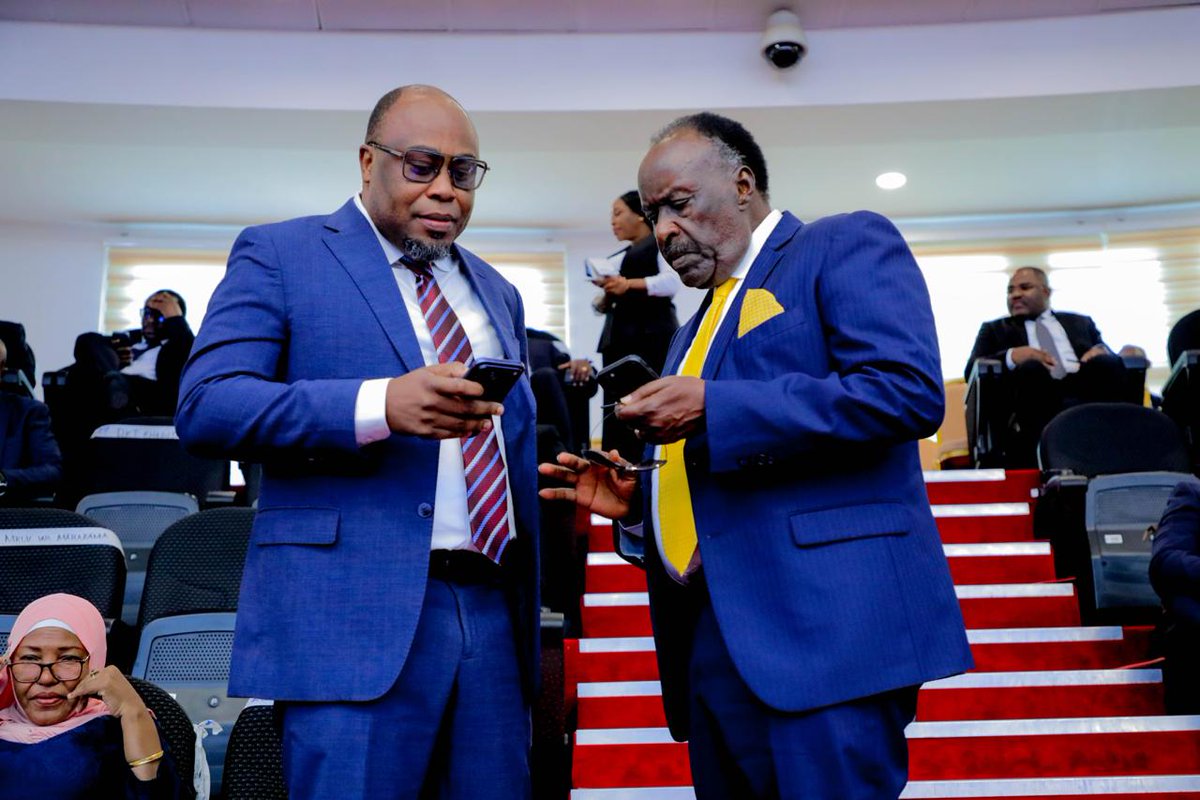
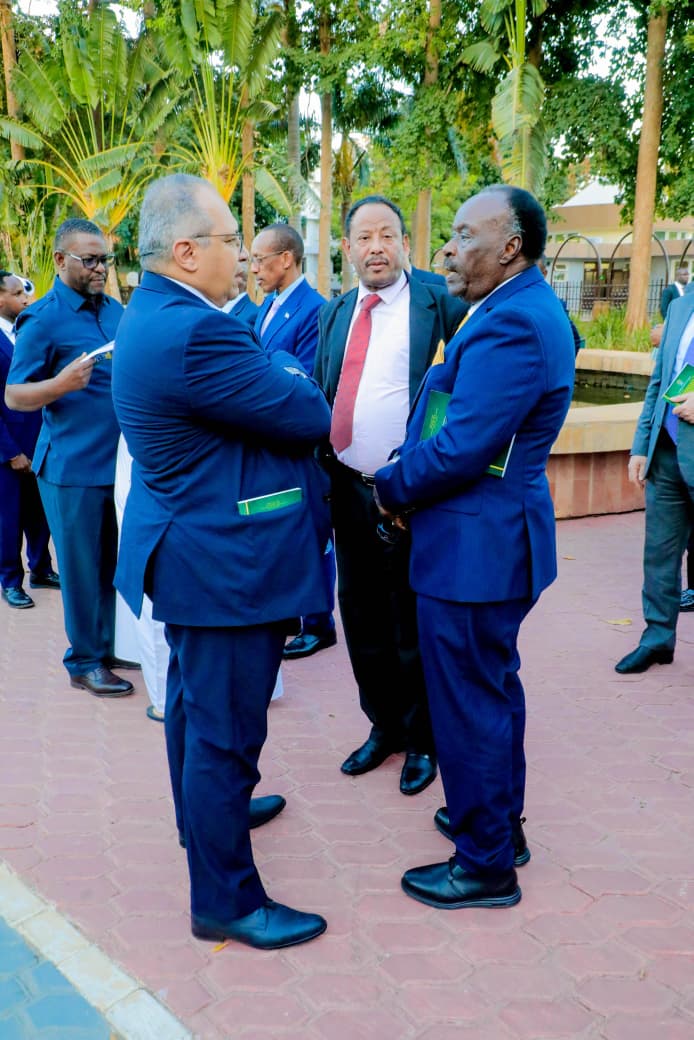
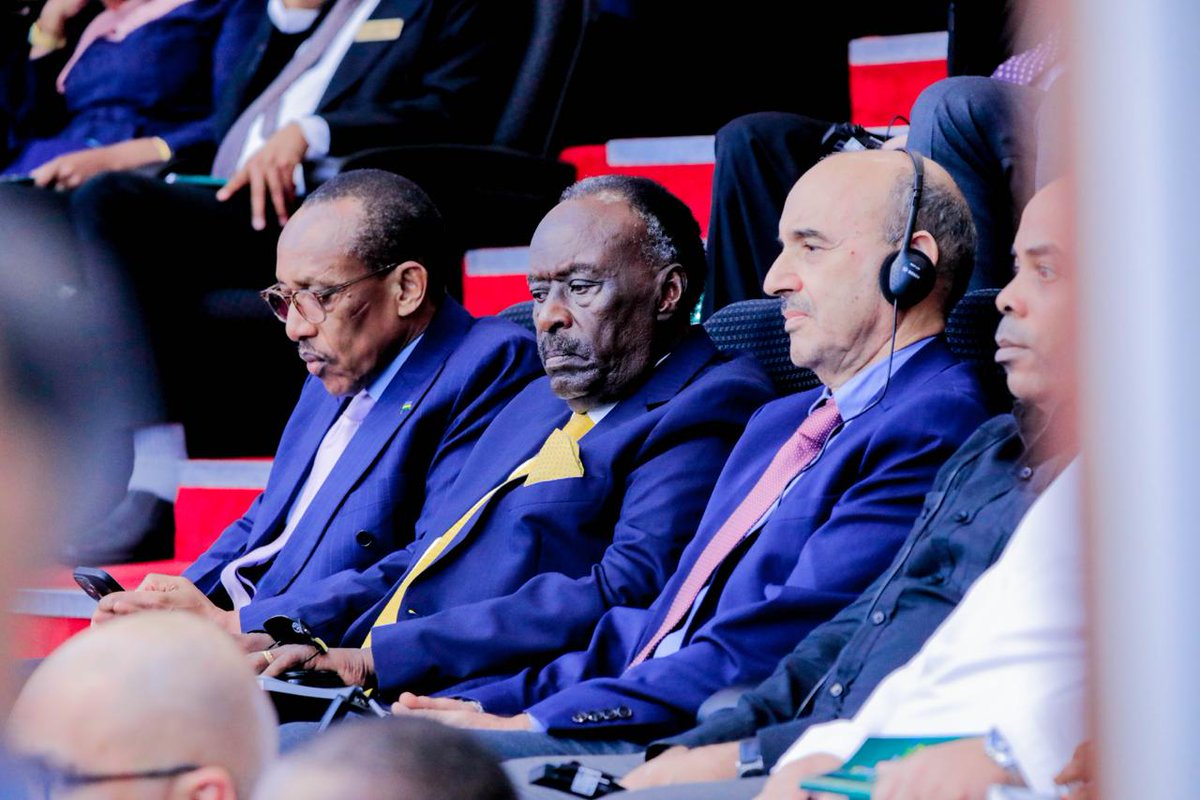
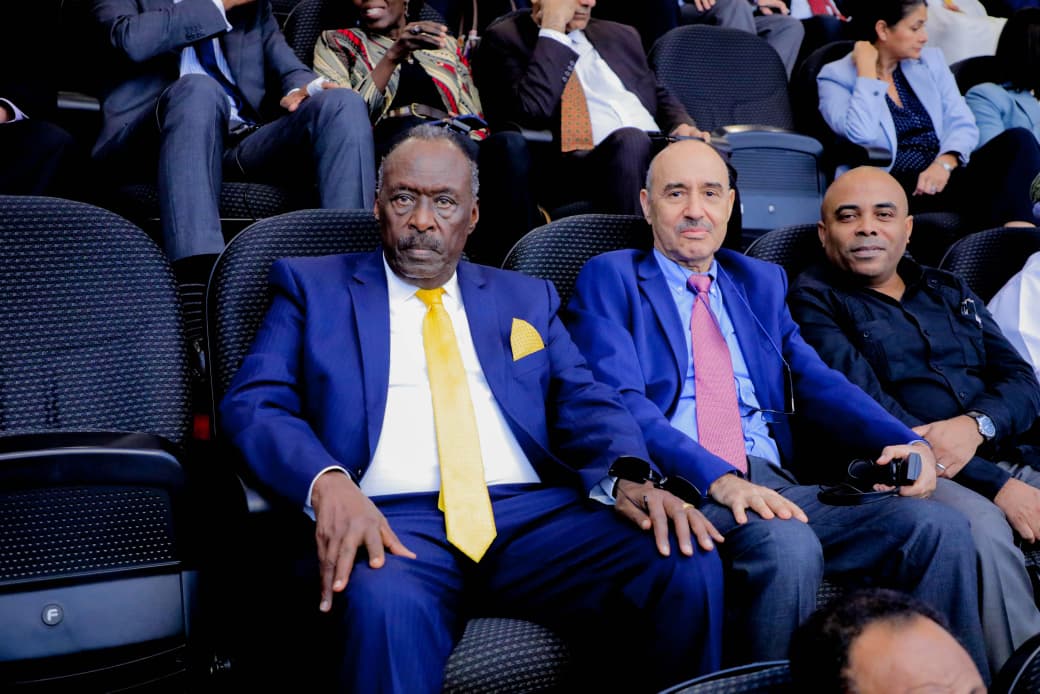
Ambassador (Rtd) Col. Fred Mwesigye, High Commissioner of the Republic of Uganda to the United Republic of Tanzania, attended the presentation of Tanzania's 2026/27 National Budget Speech in Dodoma on 11 June 2026. The budget was presented to Parliament by the Minister of Finance, Hon. Khamis Mussa Omar.
The event provided an opportunity to gain insight into Tanzania's economic outlook, fiscal priorities, and development agenda for the 2026/27 financial year.
Overview of the Budget
The Government of Tanzania presented a national budget amounting to approximately TSh 62.3 trillion, representing an increase compared to the previous fiscal year. The budget is aimed at supporting economic growth, accelerating industrial development, creating employment opportunities, and improving public service delivery across the country.
The government projects economic growth of 6.3 percent in 2026, up from 5.9 percent in 2025, while maintaining low inflation and overall macroeconomic stability.
Key Budget Priorities
1. Infrastructure Development.
A significant portion of the budget has been allocated to strategic infrastructure projects aimed at enhancing connectivity, trade, and economic competitiveness. Key projects include:
-Expansion of the Standard Gauge Railway (SGR);
-Development and rehabilitation of road networks;
-Modernization of ports and logistics infrastructure; and
-Expansion of electricity generation and transmission networks.
2. Industrialization and Economic Transformation.
The government reaffirmed its commitment to industrialization as a driver of economic growth. The budget supports investment in manufacturing, value addition, and industrial production with the objective of increasing productivity and creating employment opportunities.
3. Agriculture and Food Security.
Recognizing the importance of agriculture to the national economy, the budget prioritizes measures aimed at increasing agricultural productivity, strengthening food security, and supporting rural development initiatives.
4. Mining and Natural Resources.
The budget promotes value addition within the mining sector through local processing of minerals. This approach is intended to increase export earnings, stimulate industrial growth, and create additional employment opportunities.
5. Social Services.
The government continues to prioritize investment in education and healthcare to improve access to quality services and support human capital development.
Revenue Mobilization and Fiscal Management.
The 2026/27 budget places strong emphasis on enhancing domestic revenue collection and reducing dependence on external assistance. The government aims to strengthen revenue administration, improve tax compliance, and ensure efficient utilization of public resources while maintaining fiscal discipline.
Implications for Regional Cooperation.
The continued investment in transport infrastructure, energy development, and industrialization presents opportunities for enhanced regional trade and economic integration within the East African Community (EAC). Improved connectivity through rail, road, and port infrastructure is expected to facilitate cross-border trade and strengthen economic relations between Tanzania, Uganda, and other regional partners.
Conclusion
The 2026/27 National Budget demonstrates Tanzania's commitment to sustaining economic growth, promoting industrialization, improving infrastructure, and enhancing the delivery of public services. Through a budget framework focused on self-reliance, domestic revenue mobilization, investment promotion, and job creation, the Government seeks to accelerate economic transformation and improve the welfare of its citizens.
1
1
205
Amb. Col (Rtd) Fred Mwesigye Receives NSSF Uganda Delegation on Strategic Real Estate Investment Project
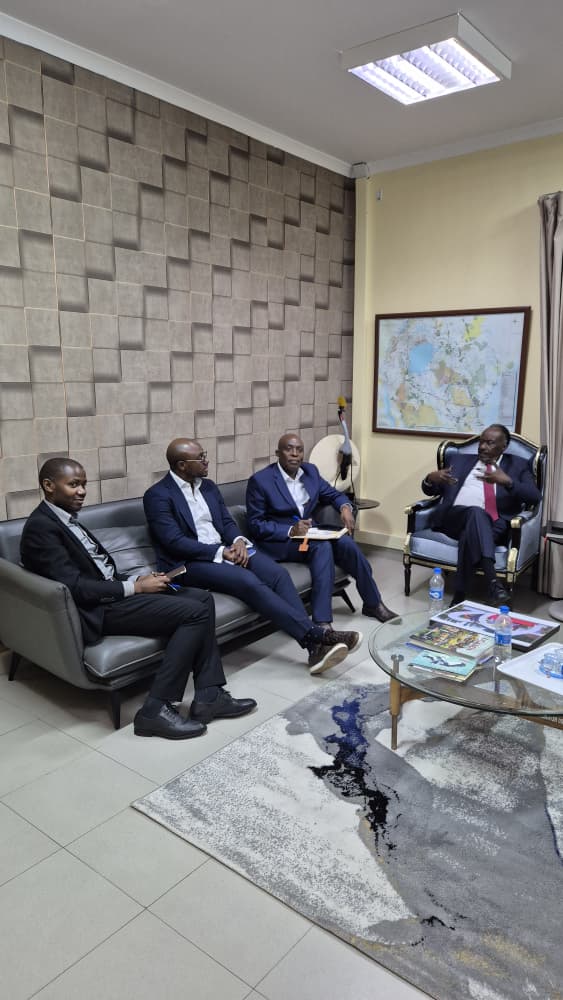
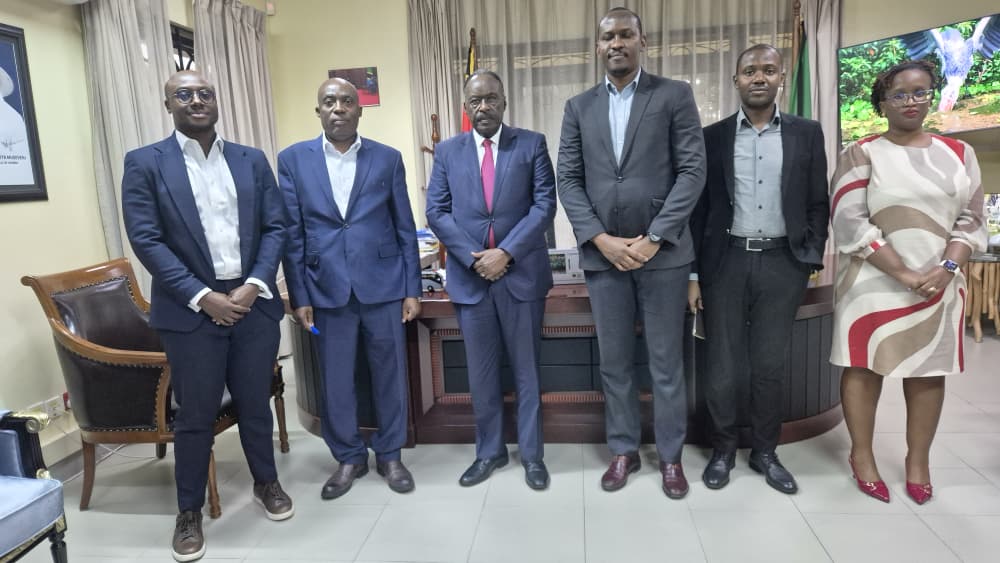
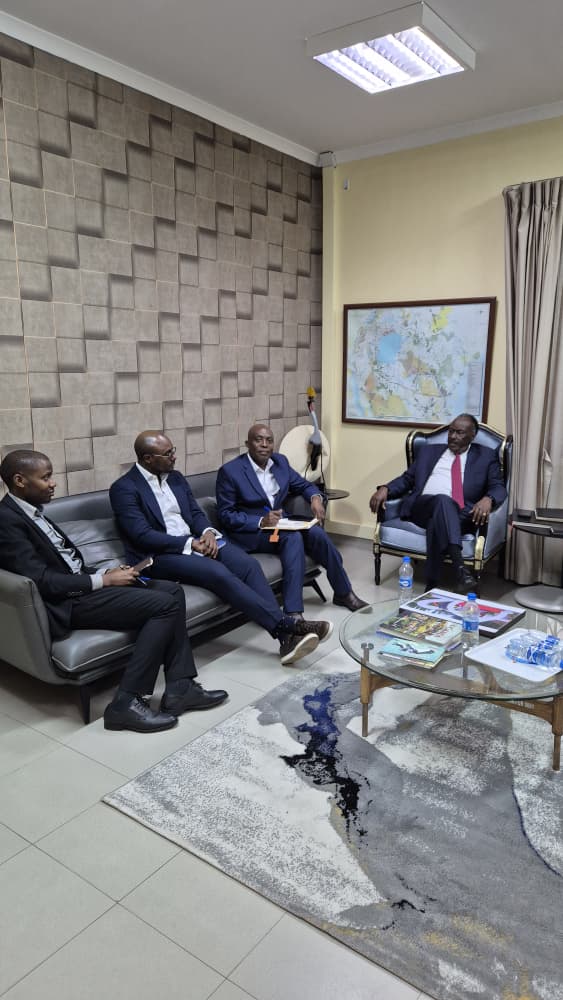
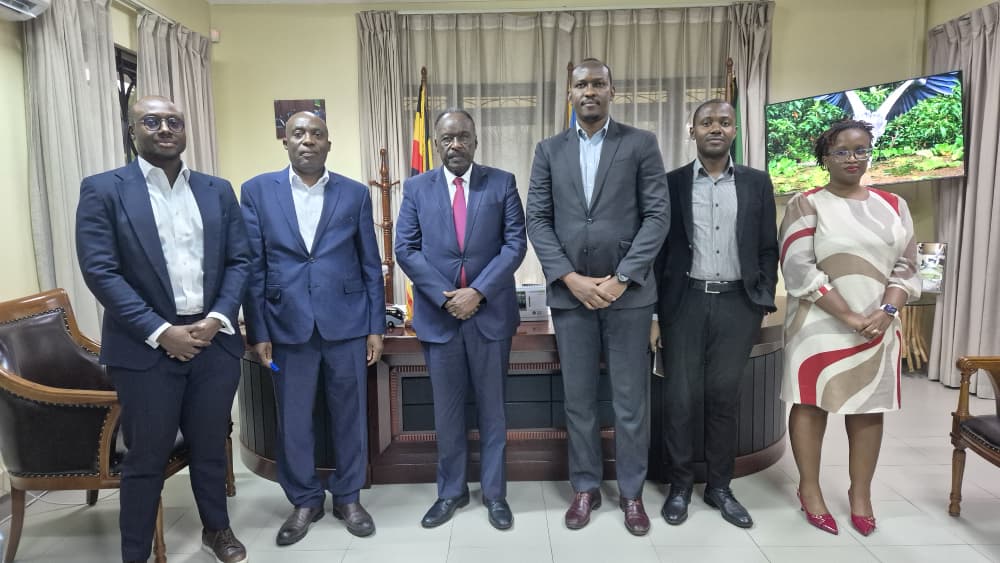
On Thursday 4th June, a team from NSSF Uganda led by the Chief Investment Officer, Mr. Kenneth Owera paid a courtesy call to the High Commissioner of Uganda to Tanzania. The team updated the High commissioner on the progress of the proposed Real Estate development project to be undertaken by NSSF on the properties owned by the government of Uganda in Tanzania. The High Commissioner appreciated the efforts of NSSF in bringing this project to reality and pledged his continued support to the success of the project.
2
25
3,237
Amb. Col (Rtd) Fred Mwesigye Attends Italy’s 80th Republic Day Celebration in Dar es Salaam
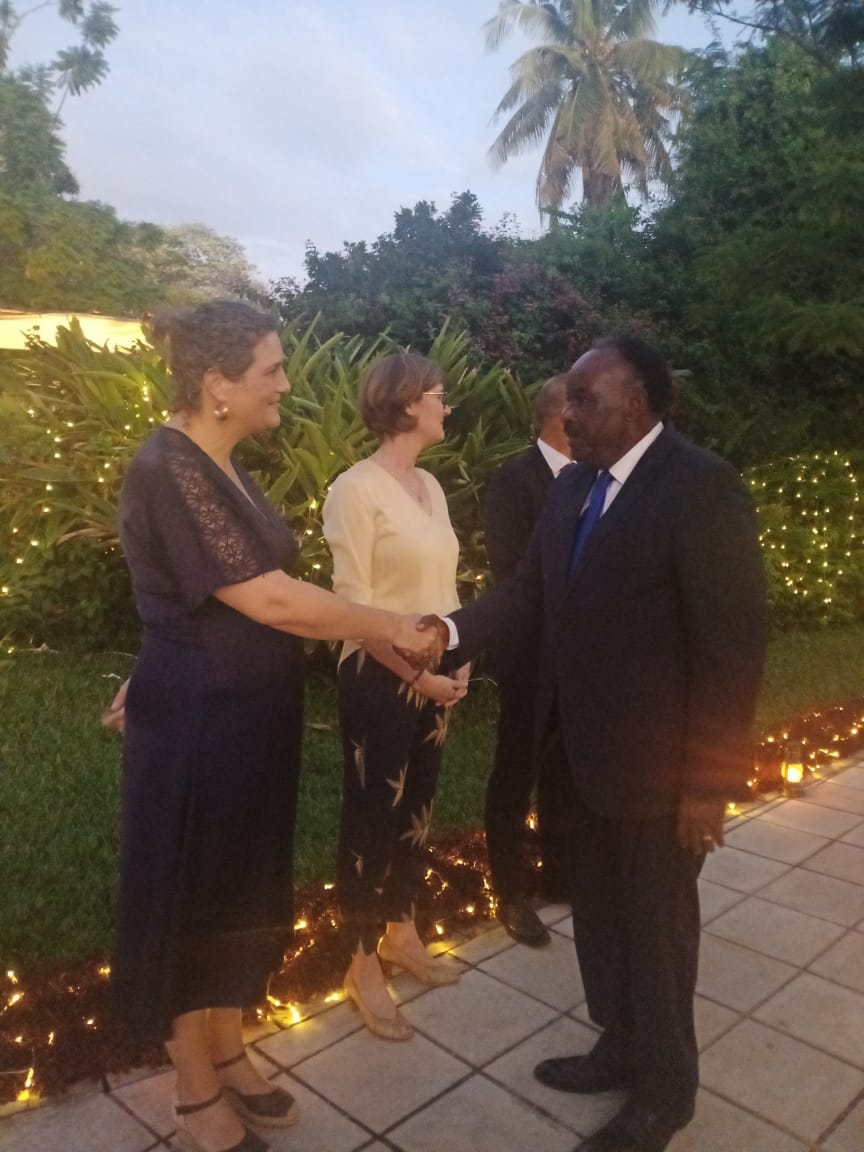
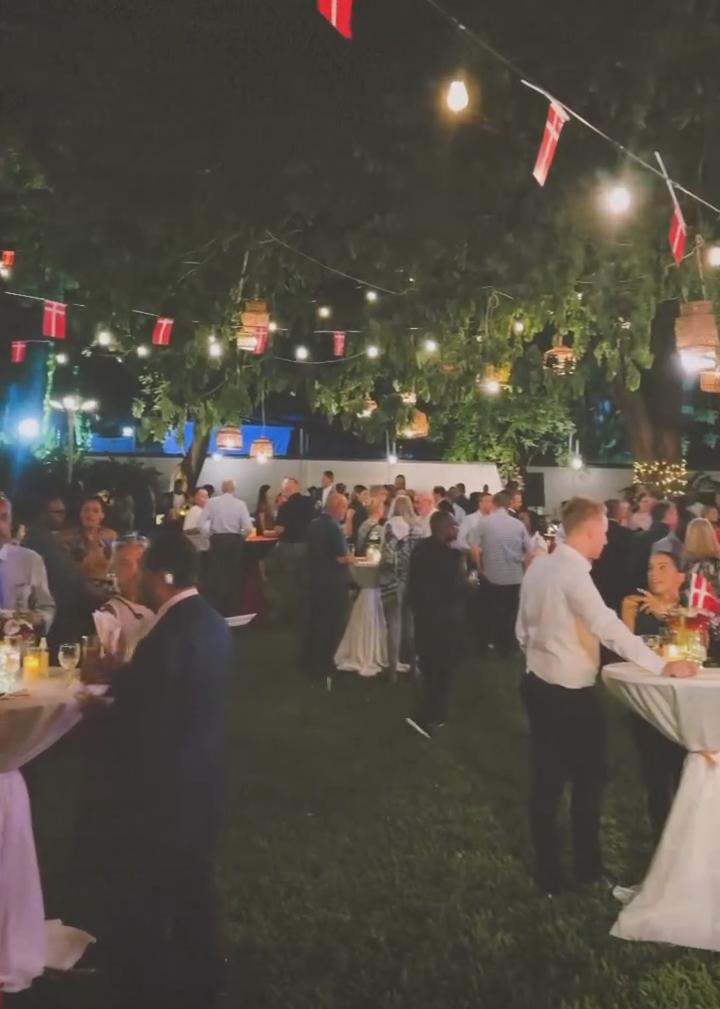
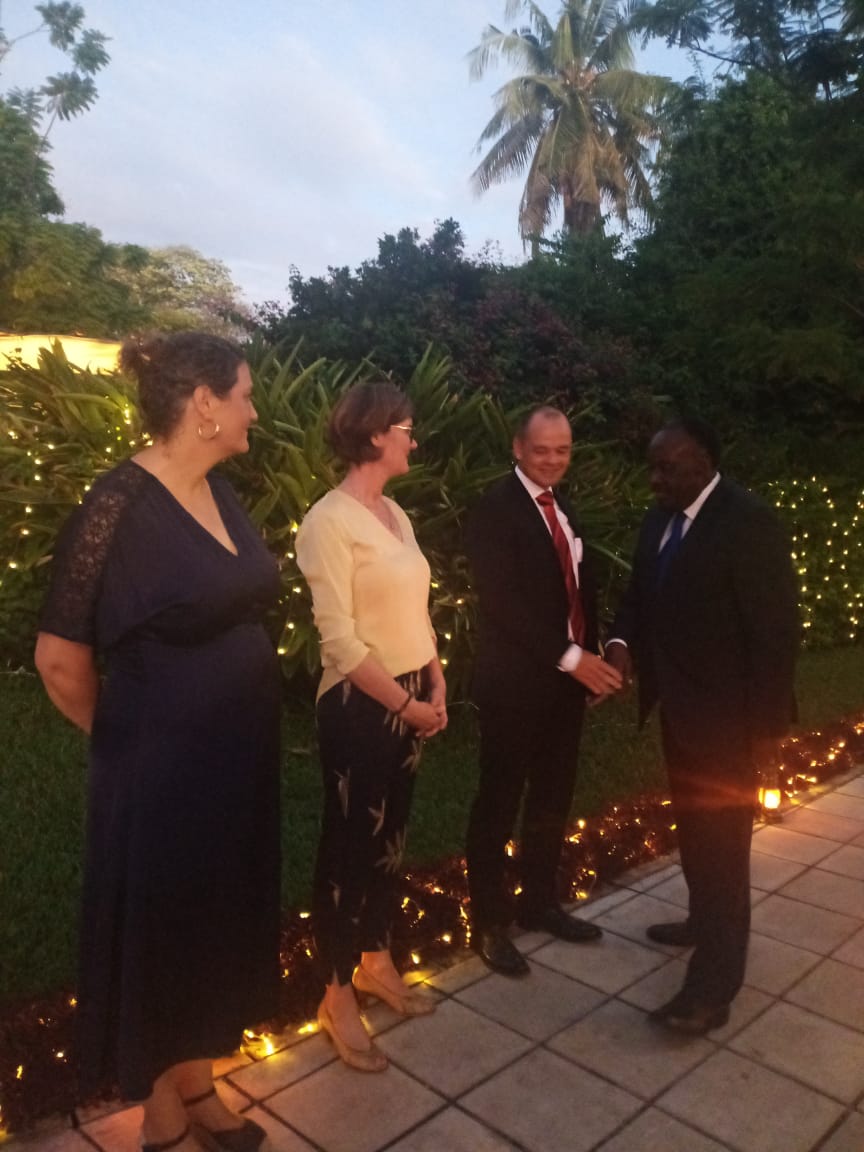
On 2nd June 2026 Uganda's High Commissioner to Tanzania Amb. Col(rtd) Fred Mwesigye at the invitation of Italian Ambassador in Tanzania HE. Giuseppe Sean Coppola attended the 80th anniversary of the Italian Republic at the Residence of the Ambassador of Italy in Dar es salaam.
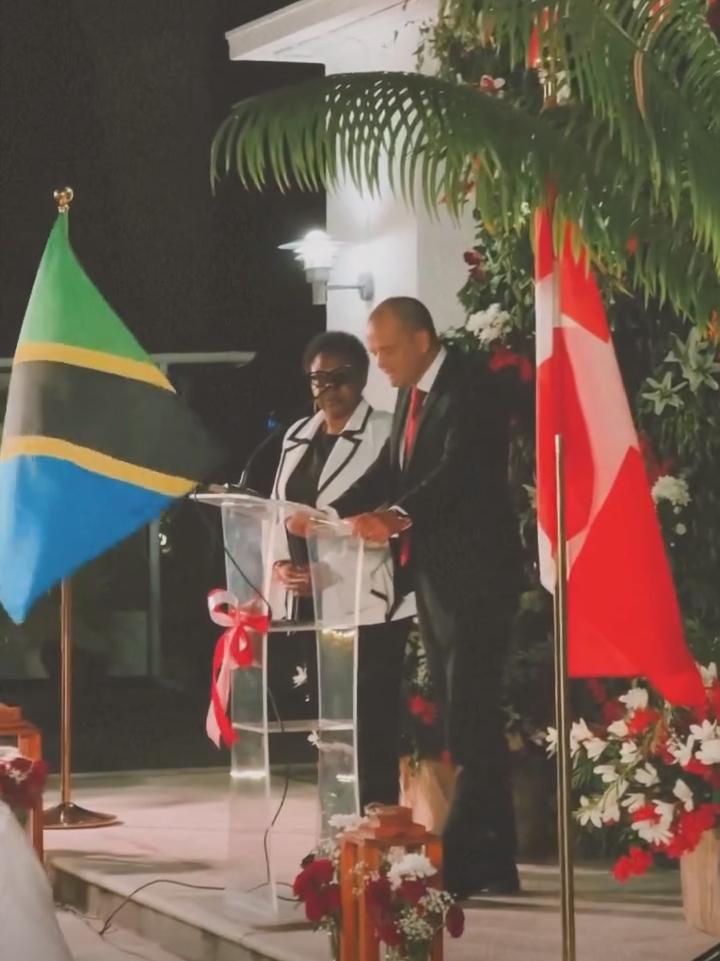
The Guest of Honor was Hon. Bashiru Ally Kakurwa, Minister of livestock and Fisheries. also in attendance was Gen. Jacob John Mkunda the Chief of Defence Forces of the United Republic of Tanzania.
In his remarks Ambassador Giuseppe Coppola used the 80th anniversary to highlight the multi-faceted Italy-Tanzania partnership. He stressed infrastructure, logistics, and technical training as priority areas, noting Italy’s continued support for Tanzania’s development goals. The celebration also served to reaffirm bilateral cooperation and mutual respect between the two Nations.
Hon. Bashiru Ally commended Italy’s long-standing friendship and support to Tanzania, particularly in defence cooperation and national development. He reaffirmed Tanzania’s commitment to strengthening ties with Italy and expressed appreciation for Italy’s contributions toward peace, stability, and socio-economic progress.
40
Amb. Col (Rtd) Fred Mwesigye Celebrates Abbott World Marathon Majors Achievement of Tanzanian and Ugandan Athletes
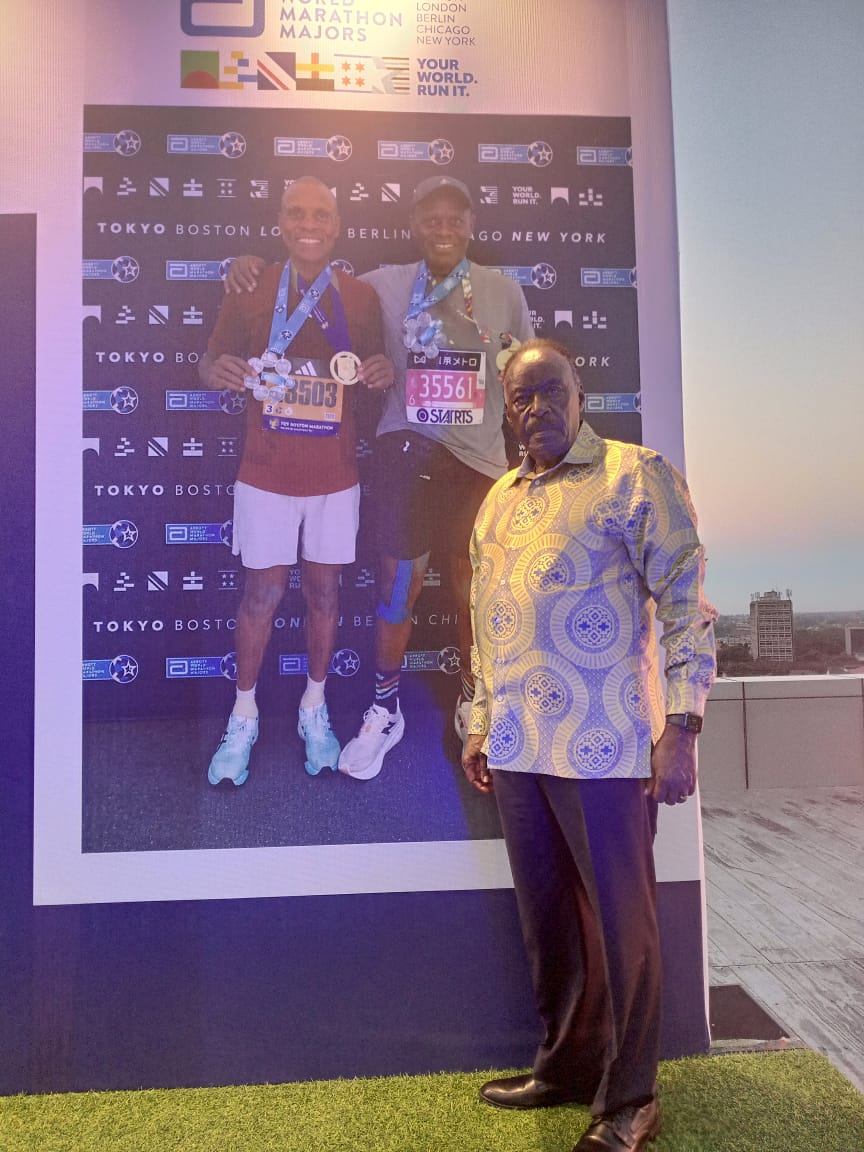
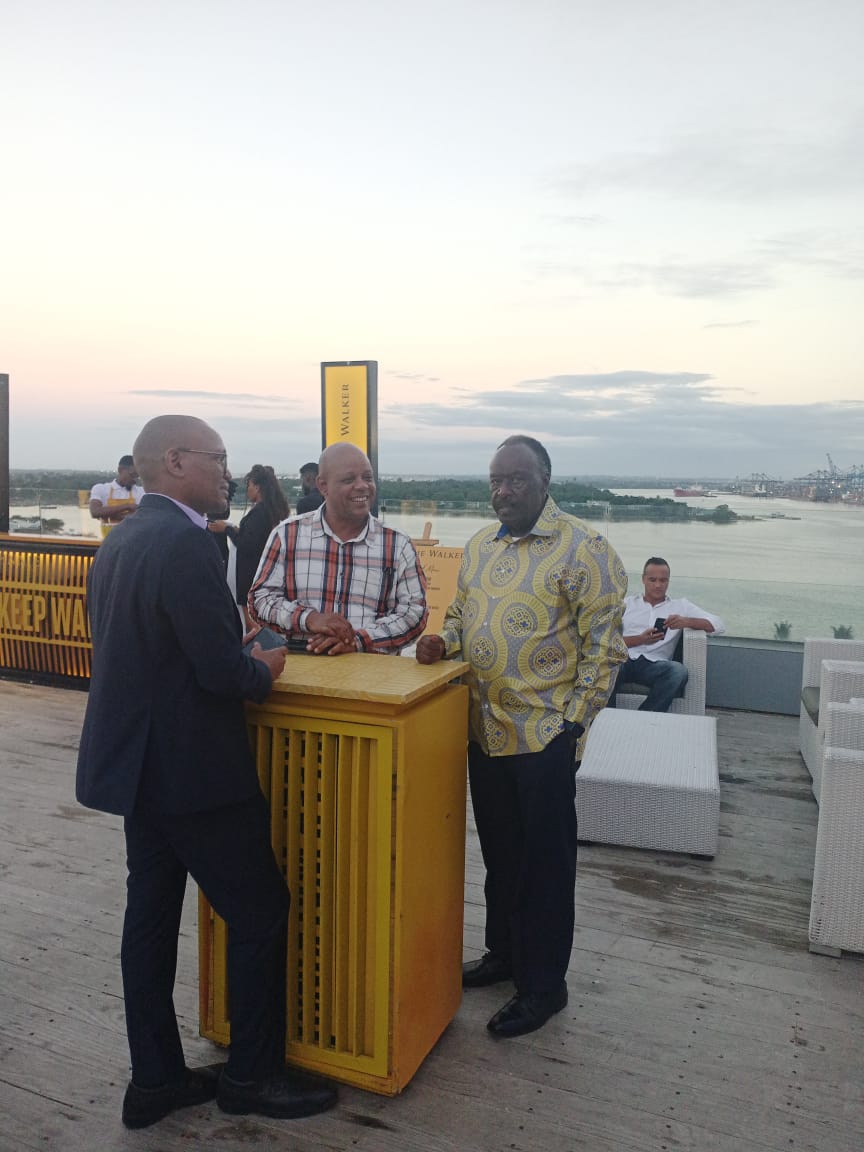
On 4th June 2025, Uganda's High Commissioner to Tanzania, Amb. Col (Rtd) Fred Mwesigye, attended the celebration of the completion of six Abbott World Marathon Majors by Mr Godfrey Mramba and Herman Kasekende at Hyatt Regency Hotel, Dar es Salaam.
The six marathon majors are Tokyo, Boston, London, Berlin, Chicago, and New York.
Mr Mramba is the first and only Tanzanian to earn the Abbott World Marathon Majors Six Star Medal, and Mr Herman Kasekende is one of eleven Ugandans to achieve the same medal.
Mr Mramba thanked the Ambassador for honouring his invitation, referred to the Uganda-Tanzania relationship as brotherly, cited his first meeting with Herman as a reunion, and emphasised the need to promote talent in Tanzania and East Africa.
He said that his victory is a Tanzanian victory and will leverage this achievement to inspire the younger generation to achieve more in athletics.
2
75
COURTESY CALL ON THE HIGH COMMISSIONER OF UGANDA TO TANZANIA
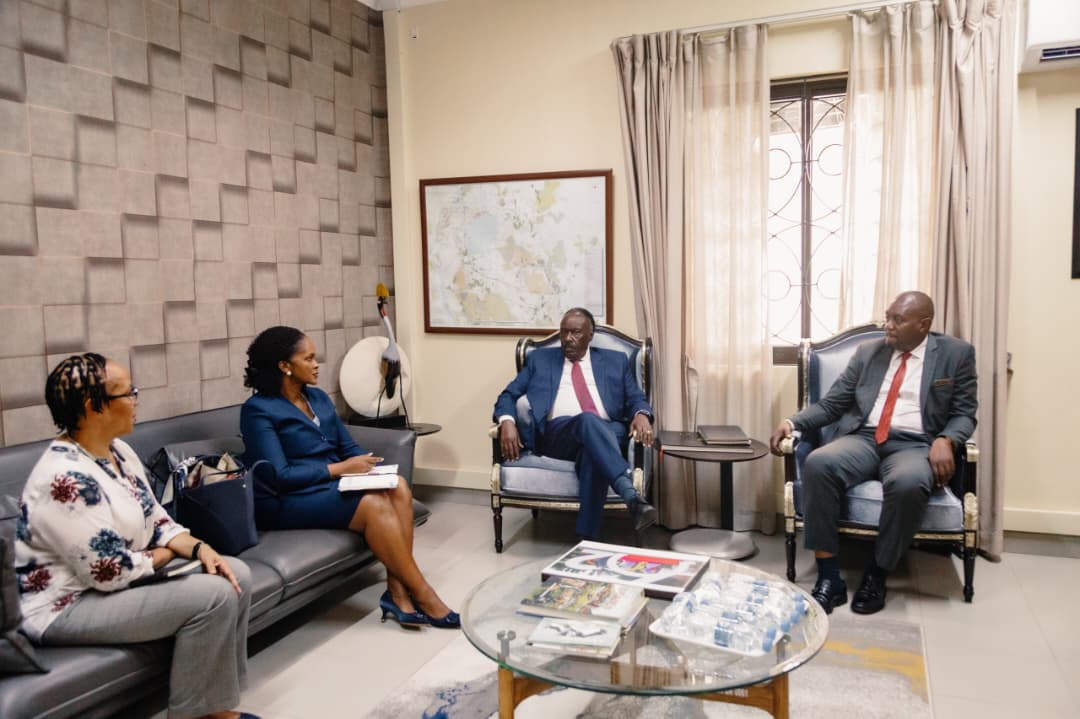
On 1st June 2026 the Uganda Airlines Manager in Tanzania, Ms. Lucy Ismail, accompanied by the Acting General Manager of Serena Hotel Dar es Salaam, Mr. Charles Mbuya, paid a courtesy call on the High Commissioner of Uganda to Tanzania, H.E. Ambassador (Rtd) Col. Fred Mwesigye, at the Chancery in Dar es Salaam.
During the meeting, Ms. Ismail briefed the High Commissioner on Uganda Airlines' planned operational developments. She informed him that the airline is expected to introduce a new flight schedule featuring two daily flights between Uganda and Tanzania—one in the morning and another in the evening—operating every day except Tuesdays and Sundays. She also highlighted the airline’s plans to launch a new route to Accra, Ghana, as part of its network expansion strategy.
Mr. Charles Mbuya discussed ongoing engagements between Serena Hotel Dar es Salaam and Uganda Airlines regarding arrangements for the reception and accommodation of airline crew members during layovers. He noted that discussions are progressing well and that the necessary logistical arrangements are currently being finalized.
In his remarks, Ambassador (Rtd) Col. Fred Mwesigye welcomed the developments and emphasized the need for regulatory attention to increasing airline taxes, noting that rising operational costs continue to impact the aviation sector. He further expressed his willingness to support the promotion and marketing of Uganda Airlines in Tanzania and requested Ms. Ismail to share the updated flight schedule once finalized to facilitate further engagement and outreach.
The meeting reaffirmed the strong collaboration between Uganda Airlines, the hospitality sector, and the Uganda High Commission in advancing connectivity and strengthening bilateral relations between Uganda and Tanzania.
3
10
1,699
Uganda High Commission Dar-es-Salaam retweeted

Jun 10
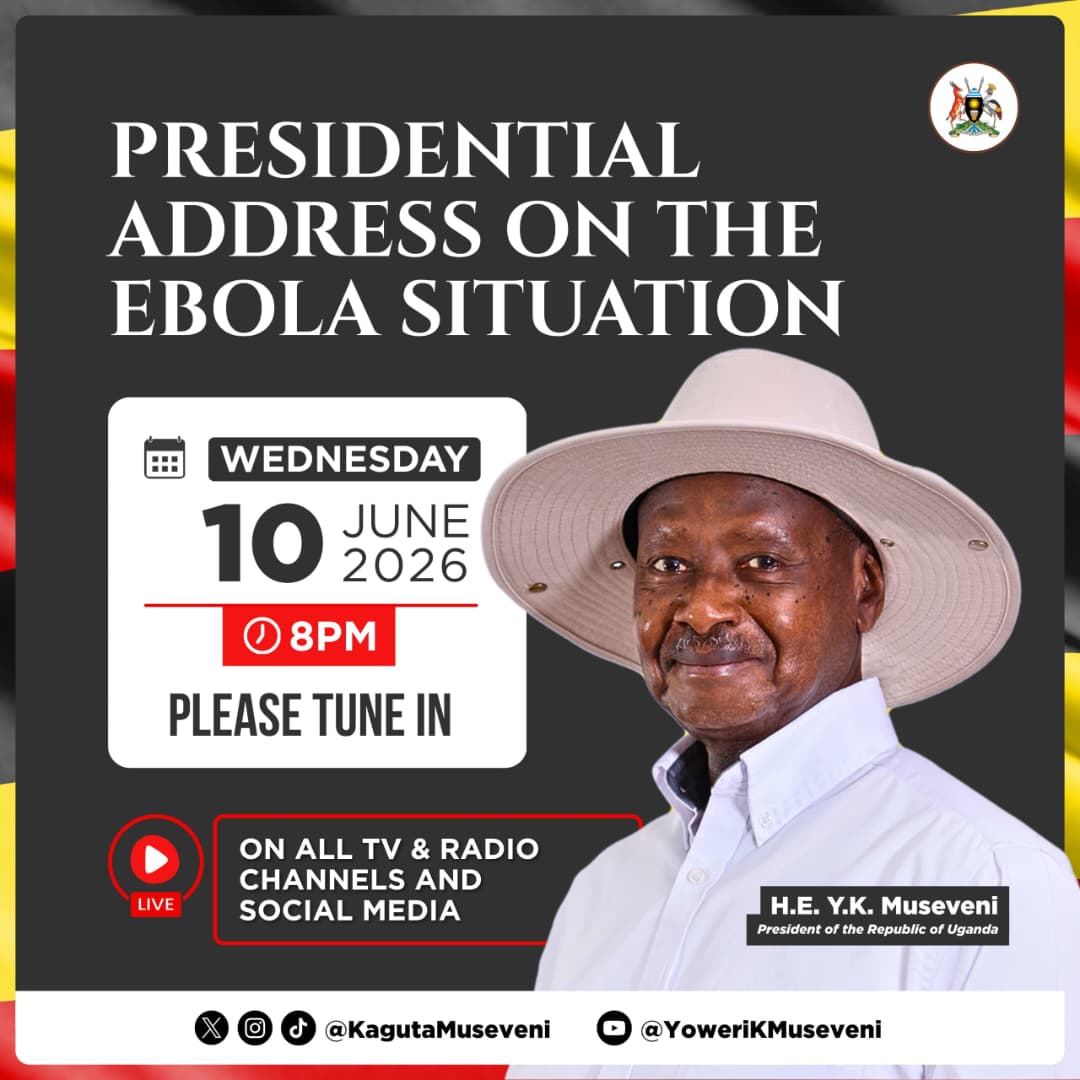
Tonight at 8:00 PM, H.E. Yoweri Kaguta Museveni will address the nation on the Ebola situation in Uganda.
Stay informed and follow the address live on all TV and radio stations, as well as social media platforms.
🇺🇬 Together, we can keep Uganda safe.
#UBCUpdates
6
22
99
3,687
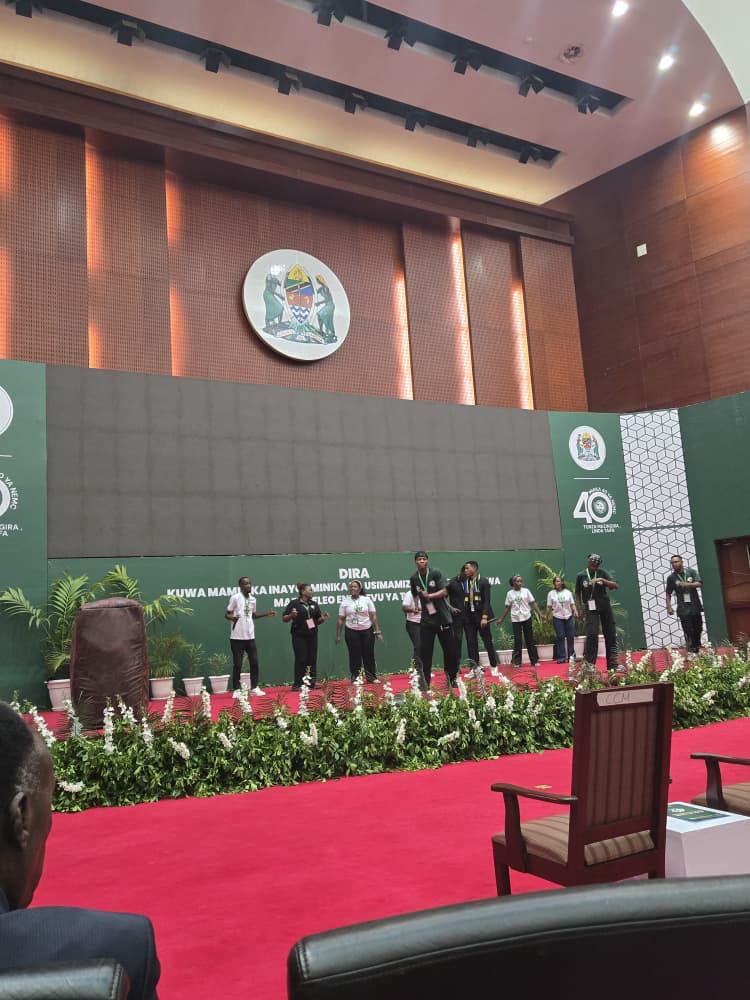
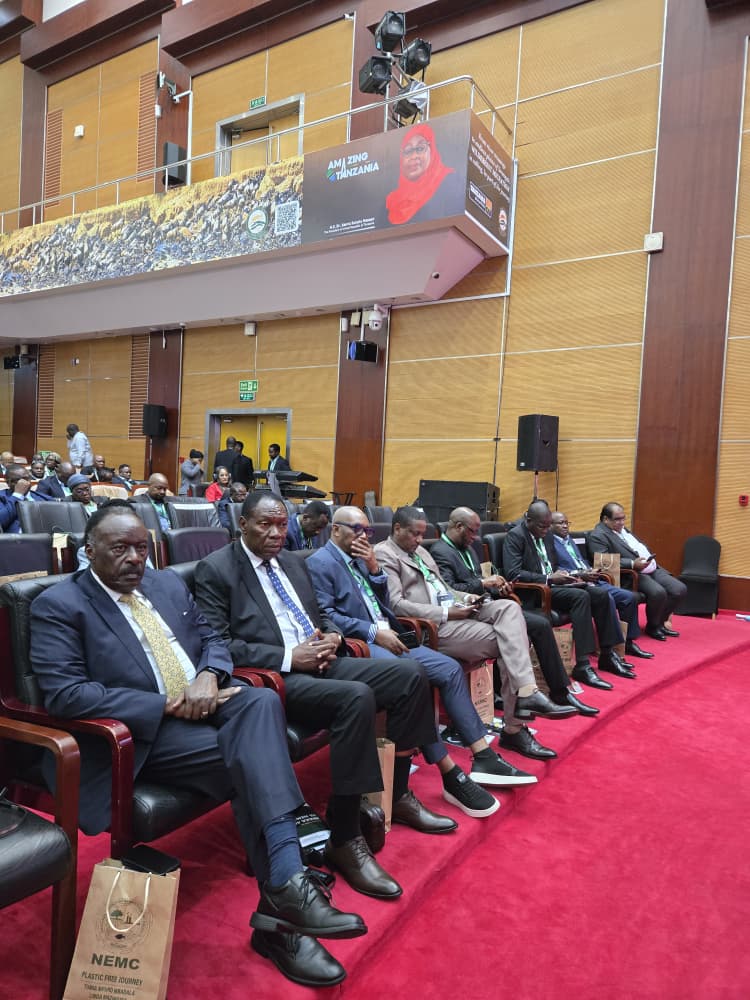
COMMEMORATION OF 40 YEARS OF SERVICE AND EXCELLENCE OF THE NATIONAL ENVIRONMENT MANAGEMENT COUNCIL (NEMC)
Date: 29 May 2026
Venue: Julius Nyerere International Convention Centre (JNICC), Dar es Salaam
Theme: “Accelerating Environment Governance to Respond to Emerging and Evolving Development Demands”
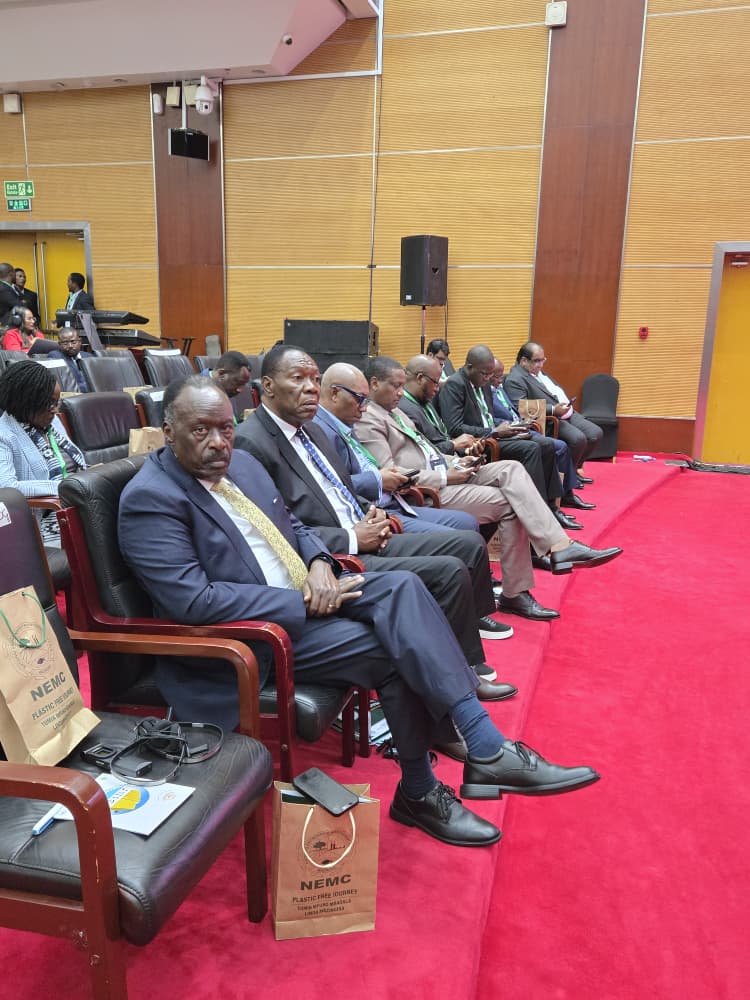
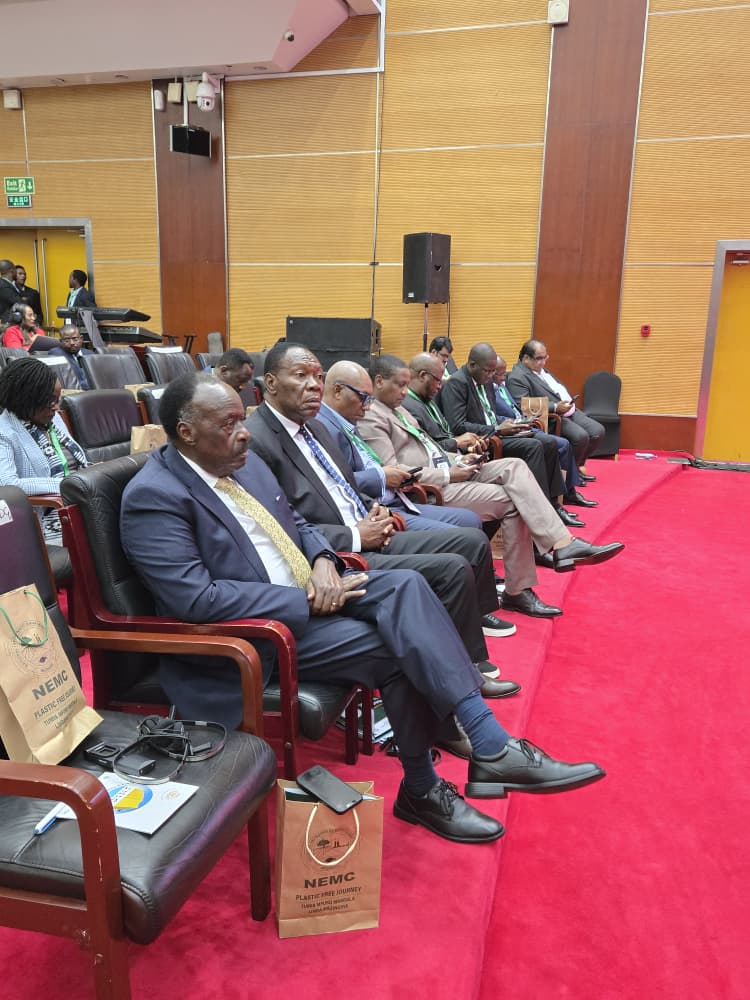
Today, H.E. Amb. (Rtd) Col. Fred Mwesigye attended the commemoration marking 40 years of service and excellence of the National Environment Management Council (NEMC) held at the Julius Nyerere International Convention Centre in Dar es Salaam.
The event brought together invited guests from various Government Ministries, Departments and Agencies (MDAs), the private sector, development partners, representatives from the United Nations Environment Programme (UNEP), and delegates from different countries.
The ceremony was officiated by H.E. Hemed Suleiman Abdulla, Second Vice President of Zanzibar.
In her remarks, the Director General of NEMC, Dr. Immaculate Sware Semesi, highlighted the Council’s continued commitment to promoting accountability across different sectors through enhanced cooperation between government institutions and other stakeholders. She noted that NEMC has undertaken several environmental conservation initiatives including tree planting campaigns aimed at strengthening environmental stewardship among citizens, as well as environmental conservation training programs in schools. Dr. Semesi further observed that the increasing use of plastics continues to pose a significant challenge to environmental sustainability.
Speaking during the event, Hon. Eng. Hamad Yussuf Masauni stated that the Government is in the process of installing a digital system that will monitor environmental pollution across the country. He emphasized that appropriate measures will be taken against individuals and entities found polluting the environment.
In his keynote remarks, H.E. Hemed Suleiman Abdulla commended H.E. Dr. Samia Suluhu Hassan, President of the United Republic of Tanzania, for championing clean energy and environmental conservation initiatives in the country. He noted that the Government has made considerable progress in environmental protection and conservation efforts. However, he acknowledged that increasing economic activities continue to pose challenges to the environment. To address these challenges, the Government has implemented several measures including a directive to plant one million trees in every district across the country. He further commended NEMC for its dedicated service over the past 40 years and encouraged the Council to continue strengthening environmental governance and conservation efforts in the years ahead.
The commemoration underscored the importance of collective responsibility and strengthened partnerships in advancing environmental governance and sustainable development in Tanzania.
5
11
752
Uganda High Commission Dar-es-Salaam retweeted

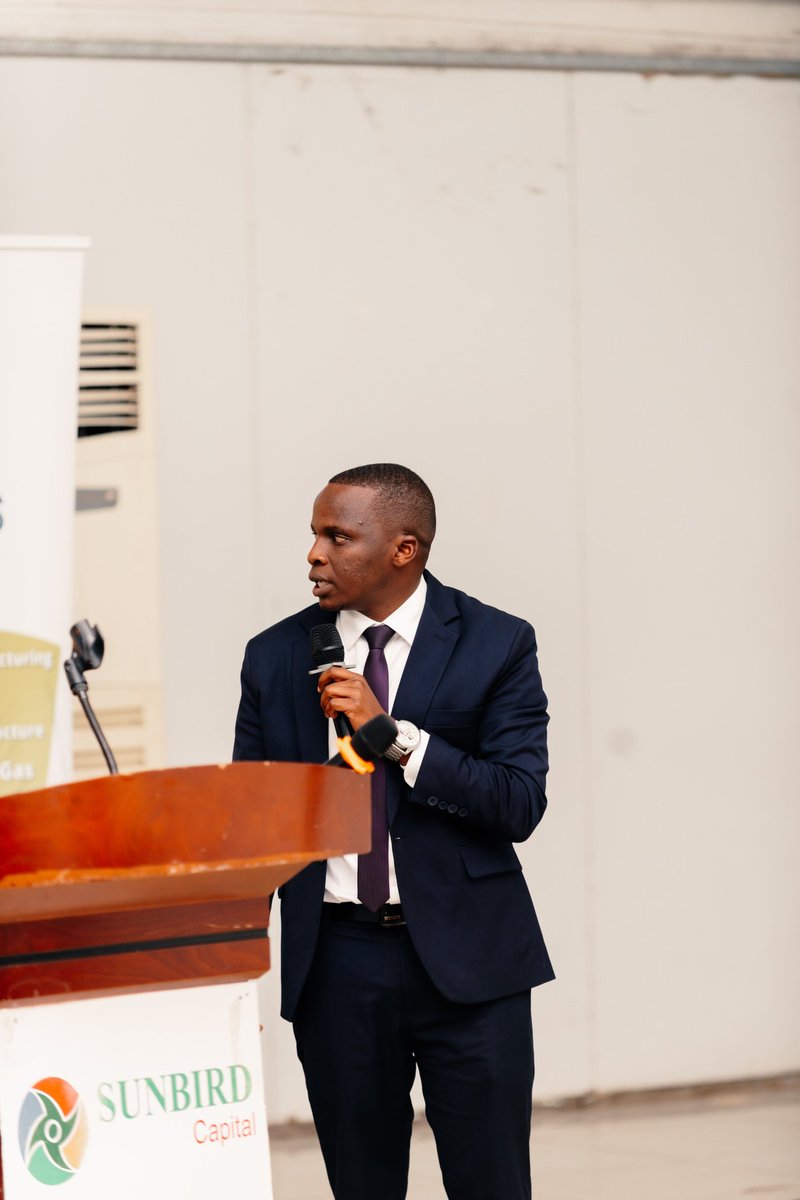
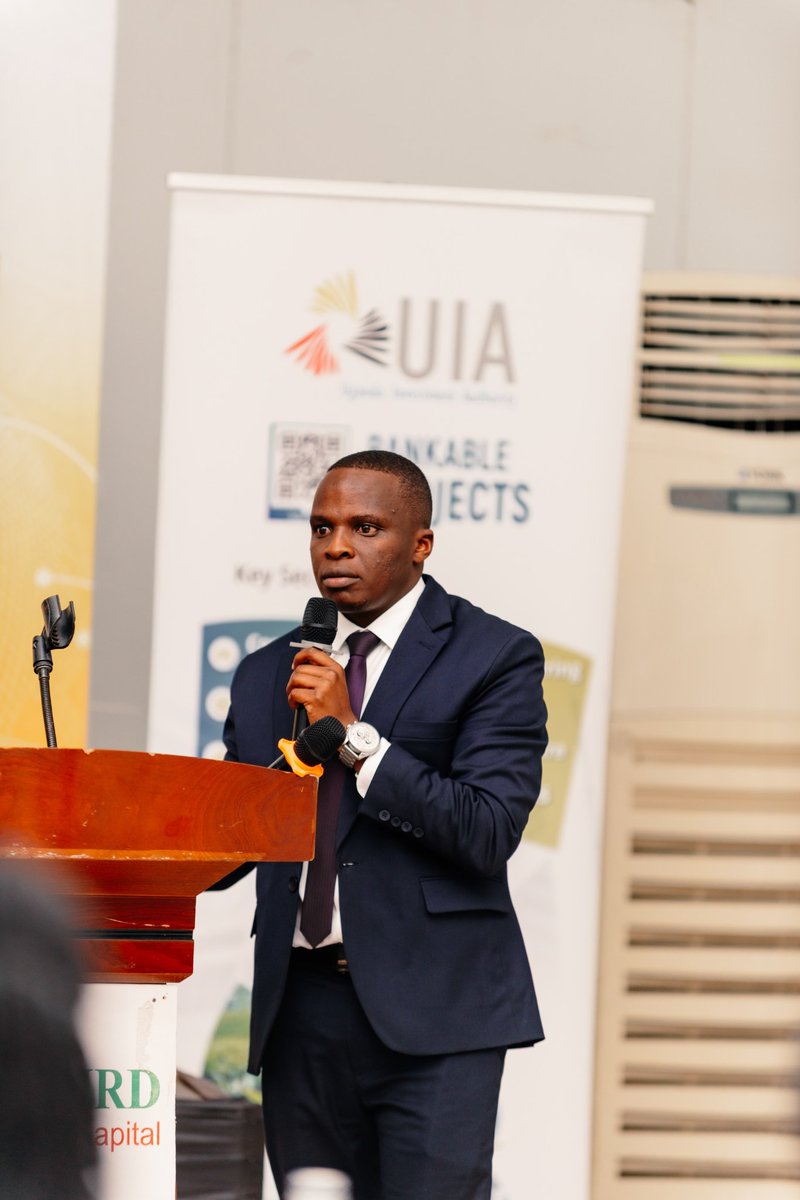
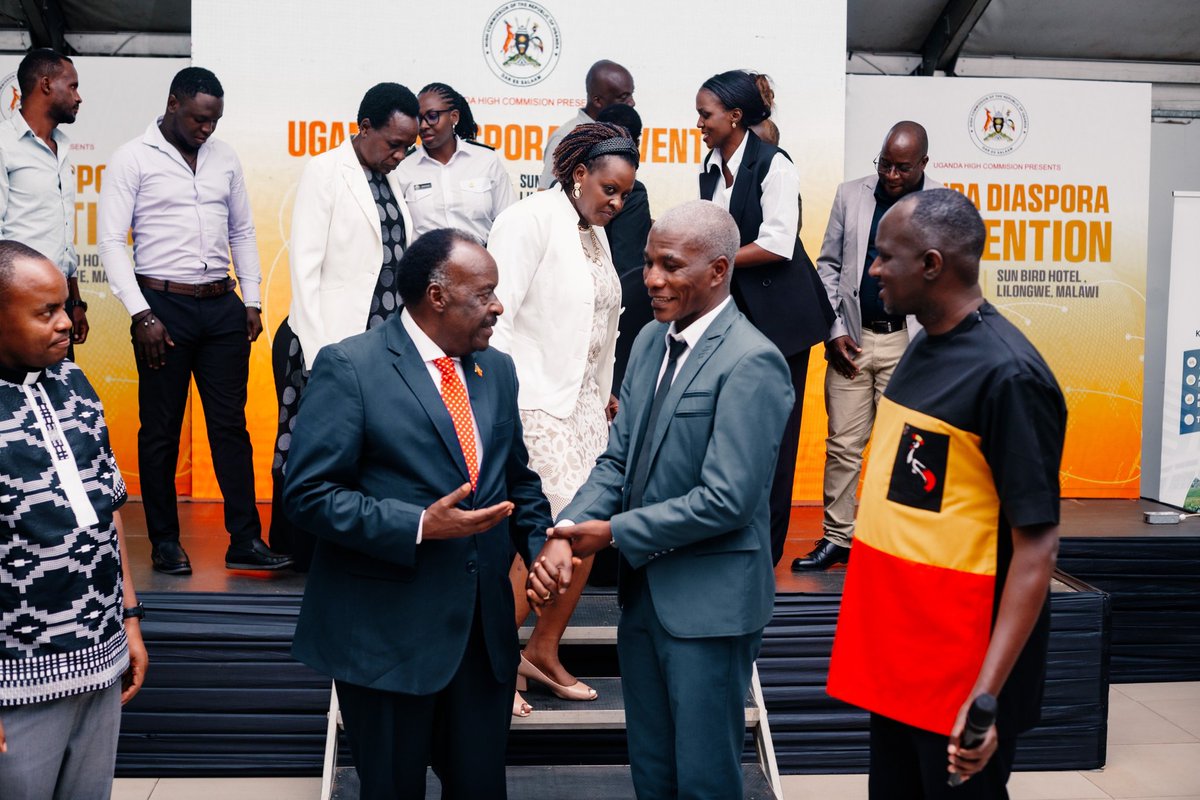
At the Uganda Diaspora Convention in #Lilongwe, Mr. Ramadhan Kamuntu of the Diaspora Department, MoFA, presented on the strategic role of the diaspora in advancing Uganda’s socioeconomic development. He noted that diaspora remittances reached an estimated $2.5B in 2025—about 3.8% of GDP—and are a key driver of household welfare, investment, and foreign exchange. The Ministry is committed to strengthening diaspora engagement for trade, investment, and knowledge transfer.
1
8
35
1,755
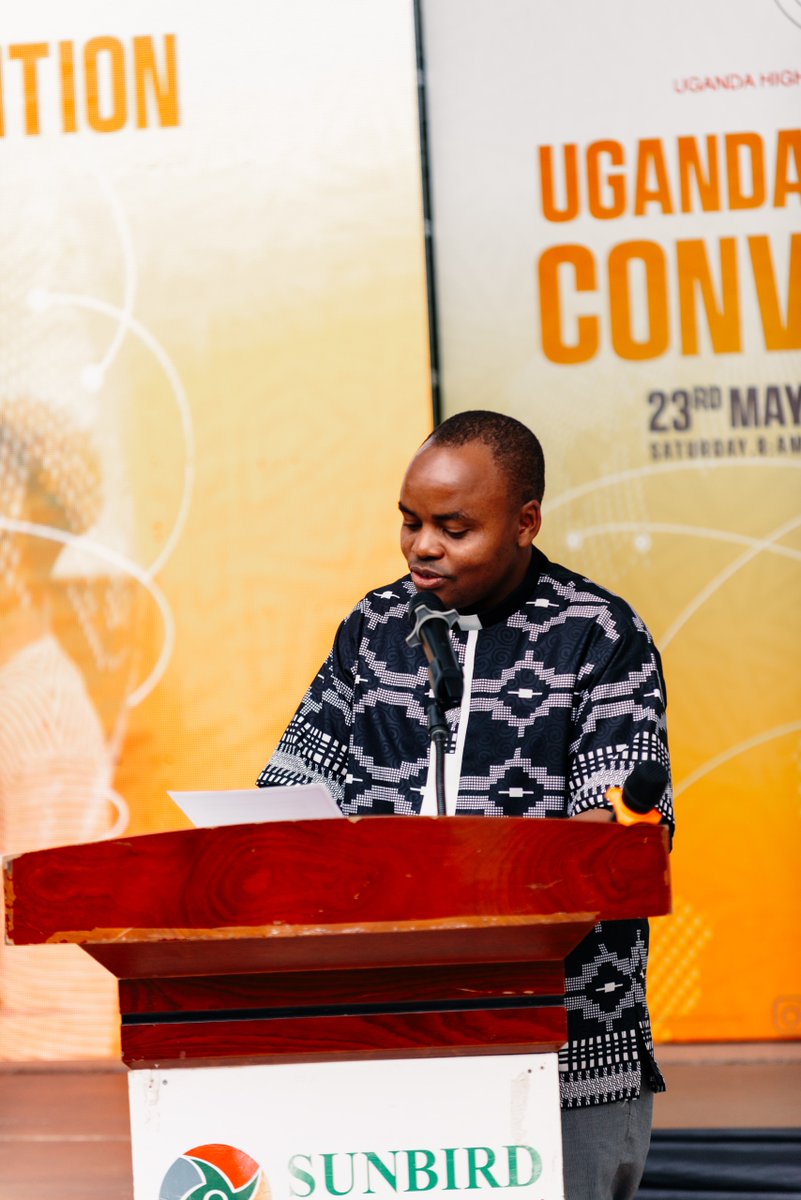
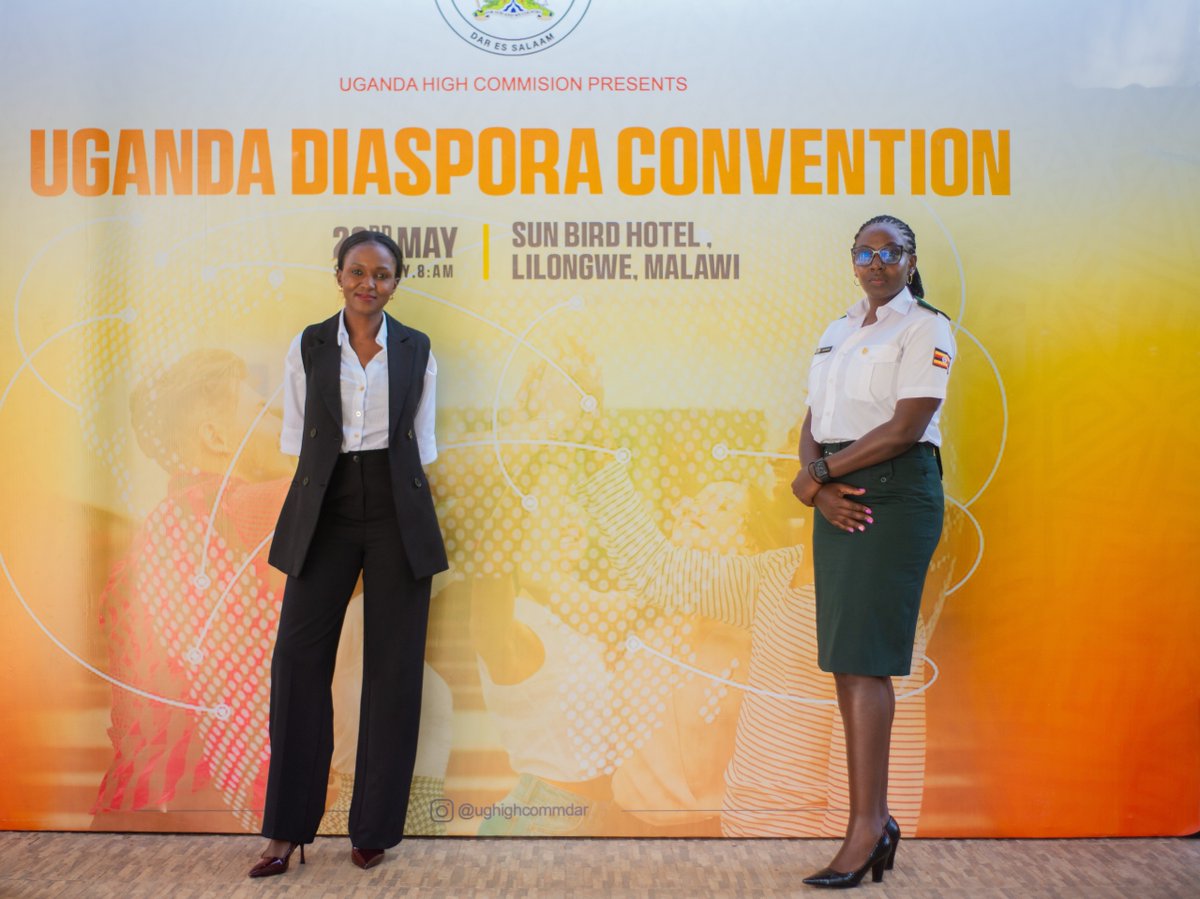
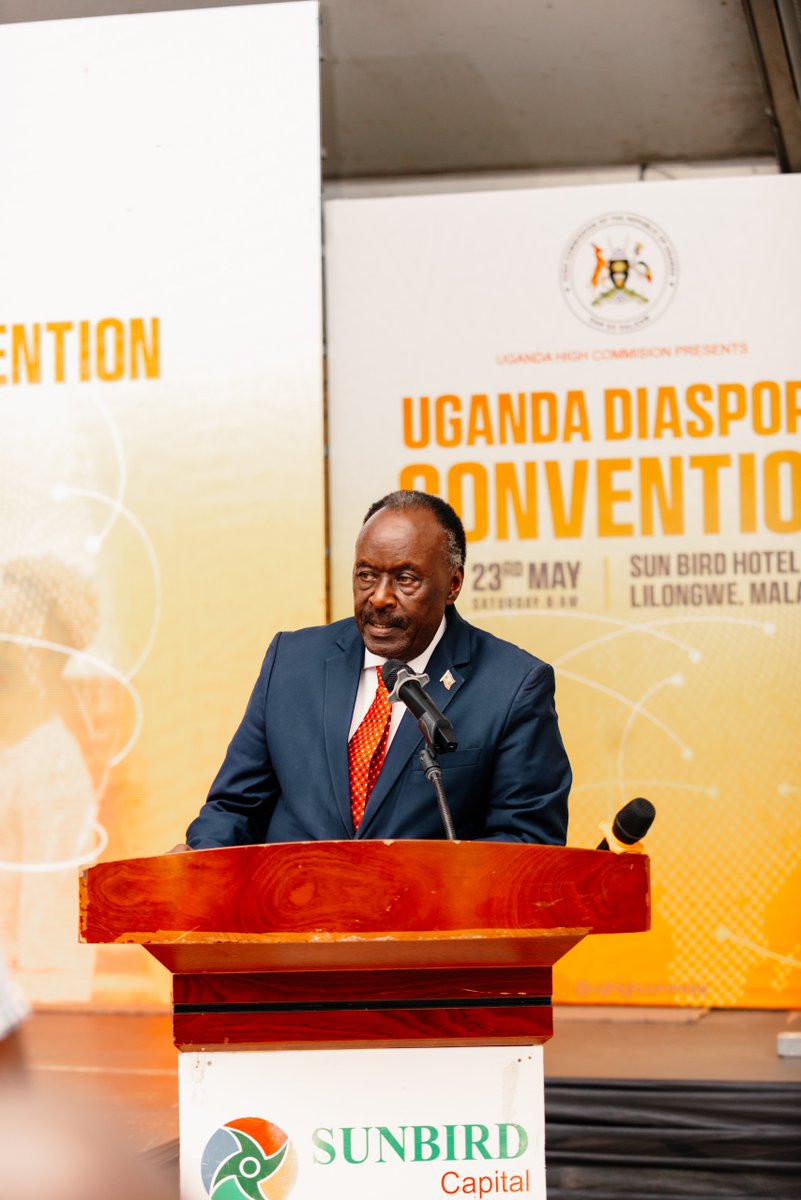
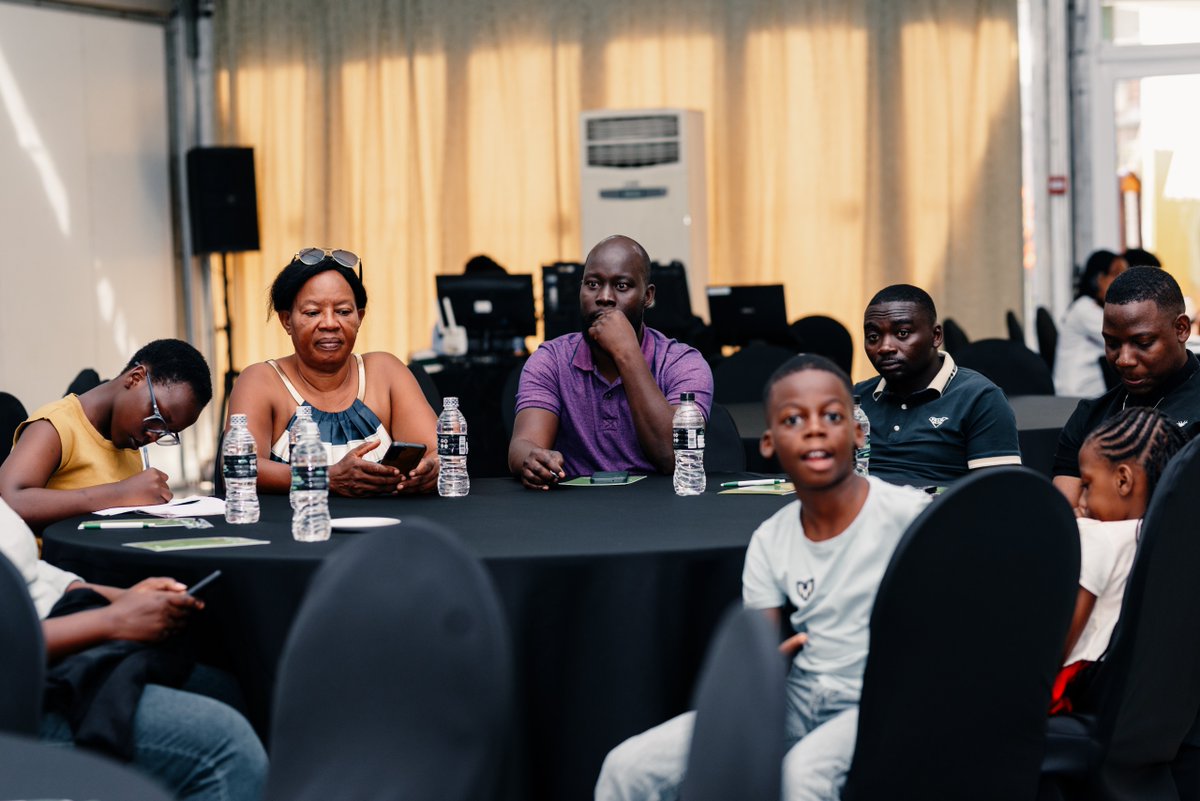
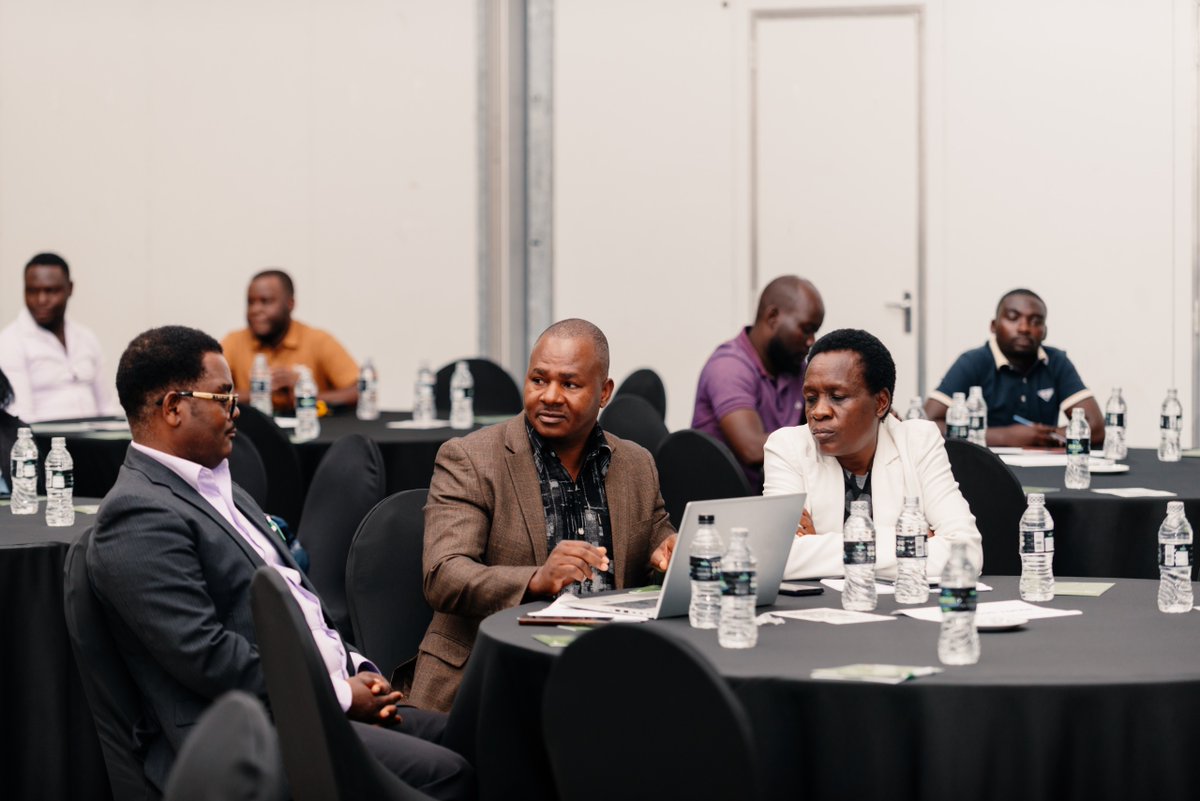
UPDATES 🇺🇬🇲🇼: The First Ugandan Diaspora Convention in Malawi is underway in Lilongwe, bringing together members of the Ugandan diaspora community, government representatives, and stakeholders to strengthen unity, engagement, and diaspora participation in national development.
In his remarks, H.E. Col (Rtd) Fred Mwesigye, Uganda’s High Commissioner to Malawi, underscored the strong bonds of friendship and cooperation between Uganda and Malawi, while highlighting the vital role diaspora communities play in driving investment, innovation, entrepreneurship, and cultural exchange.
He emphasized that diaspora communities are key partners in shaping Africa’s future through professional expertise, remittances, business linkages, and people-to-people connections that contribute to economic growth and regional cooperation.
The High Commissioner further called for enhanced collaboration in trade, tourism, agriculture, education, technology, and cultural diplomacy, while encouraging youth empowerment, stronger partnerships, and Pan-African solidarity as pillars for sustainable development and shared prosperity.
4
12
165
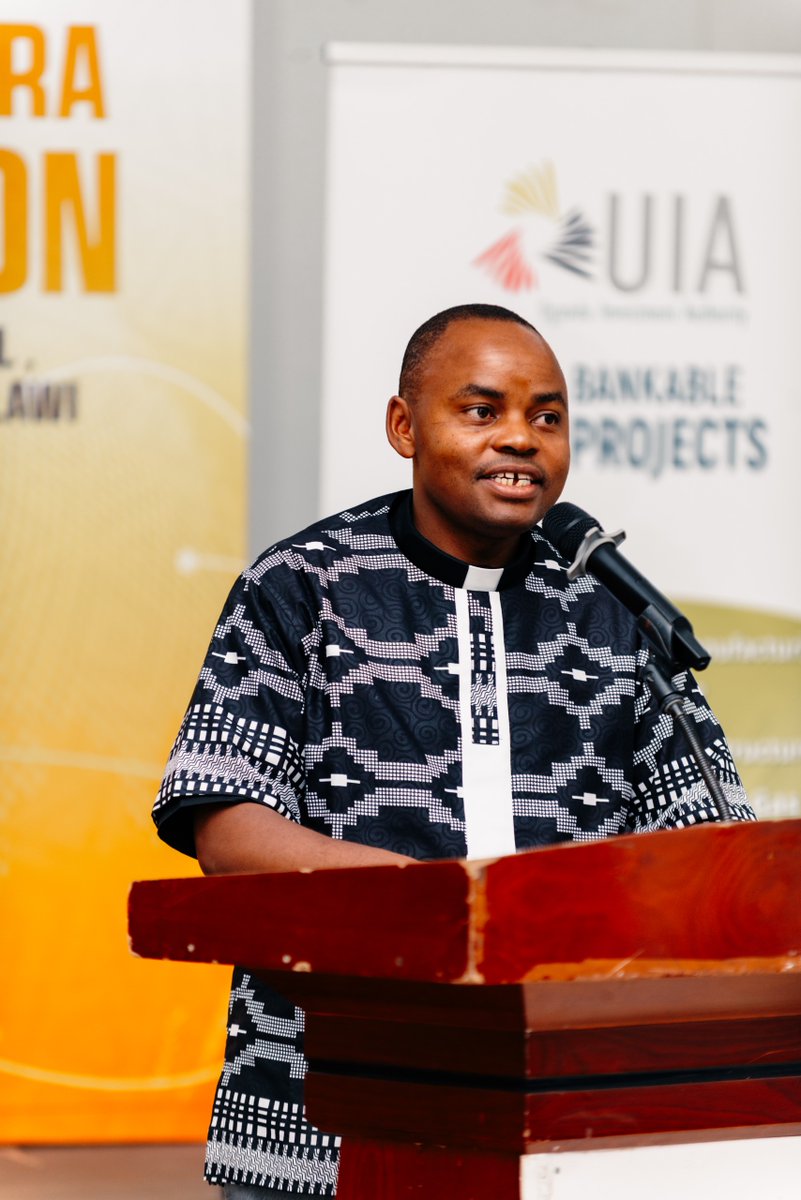
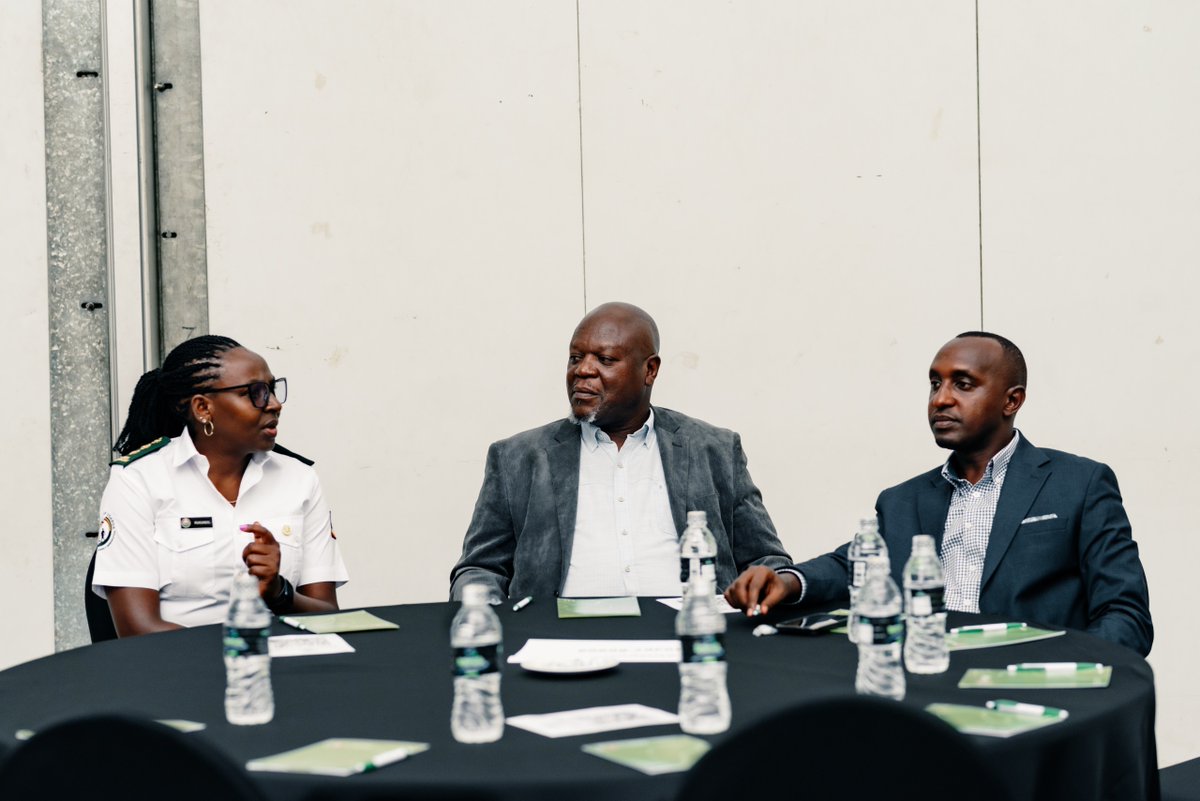
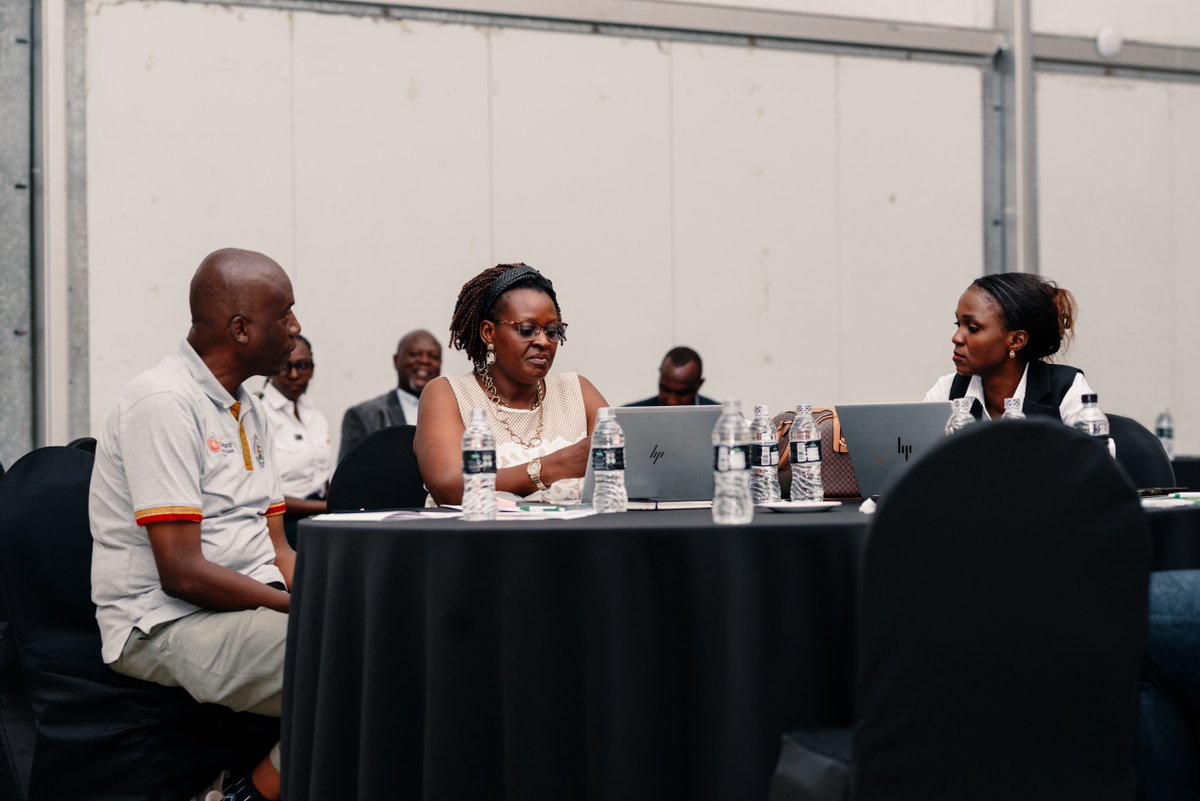
UPDATES 🇺🇬🇲🇼: The First Ugandan Diaspora Convention in Malawi is underway in Lilongwe, bringing together members of the Ugandan community, government representatives, and stakeholders to strengthen unity, engagement, and diaspora participation in national development.
In his opening remarks, the Chairperson of the Ugandan Community in Malawi (Ugacom) highlighted the importance of unity, community support, cultural preservation, business engagement, and stronger Uganda–Malawi cooperation. He noted the significant progress made by the Ugandan diaspora community in areas including cultural events, business networking, consular support, sports, and advocacy for improved connectivity between Uganda and Malawi.
The Chairperson also outlined Ugacom’s strategic priorities, including strengthening community engagement, promoting trade and investment, advocating for improved consular services, supporting direct air connectivity, and enhancing business opportunities for Ugandans living in Malawi.
The Convention continues to provide a platform for dialogue, networking, and collaboration aimed at building a stronger, more united, and productive Ugandan diaspora community in Malawi.
2
97
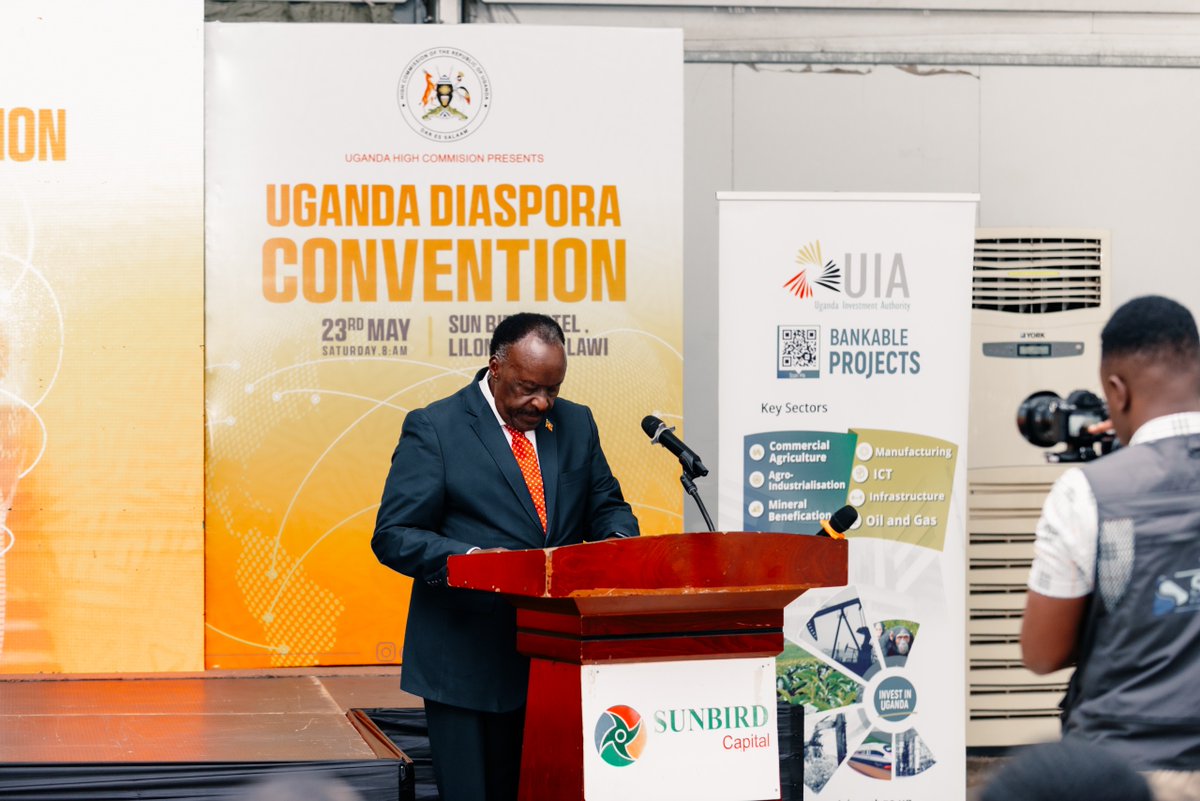
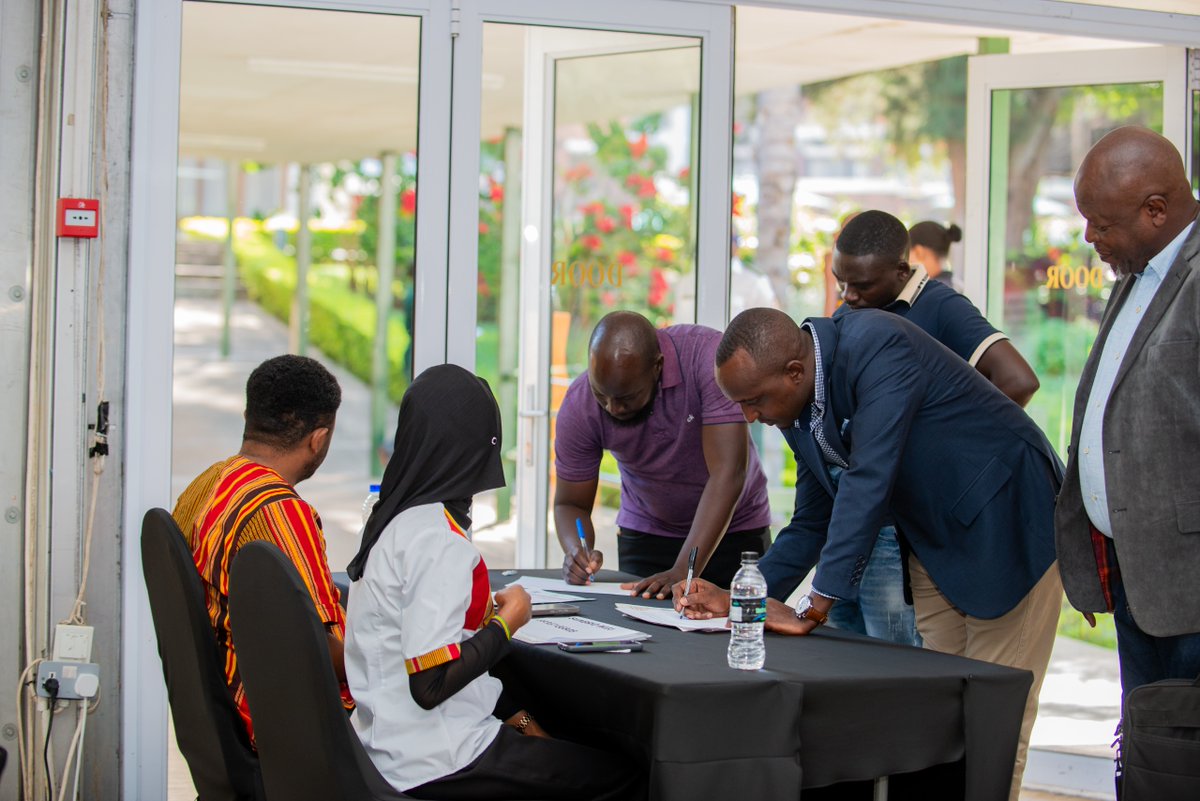
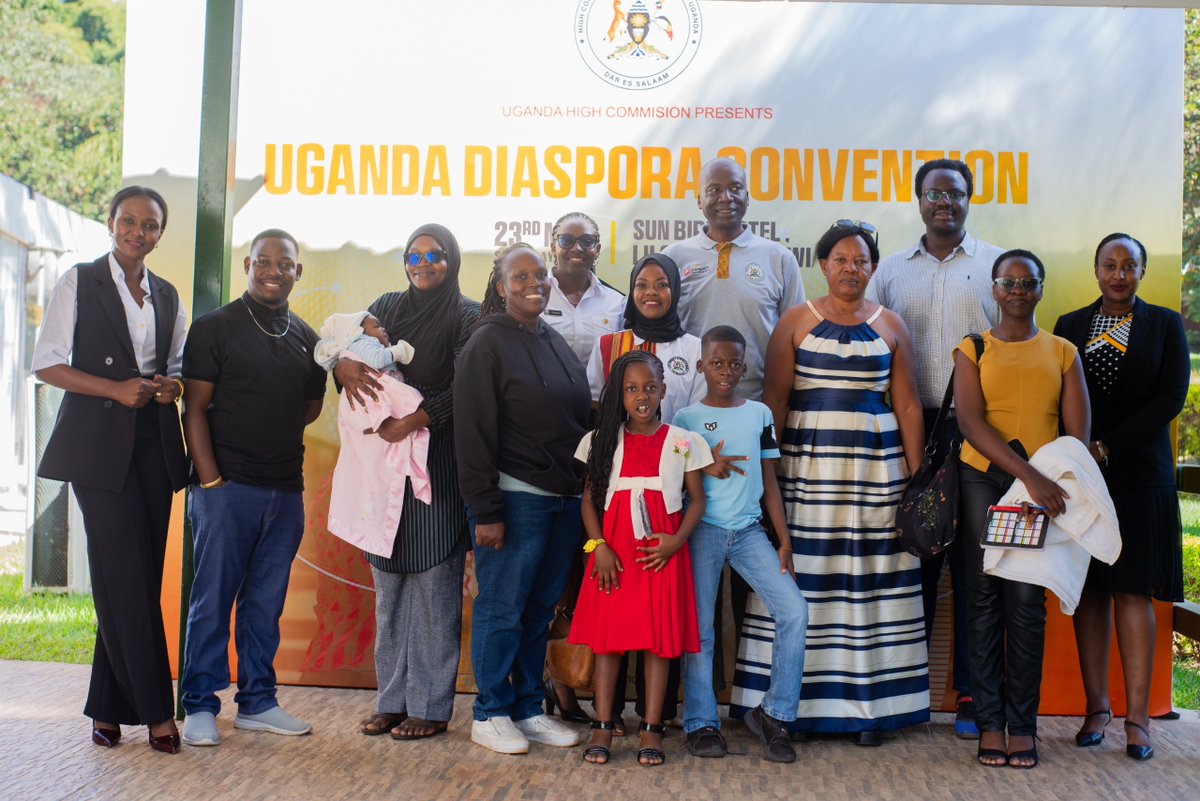
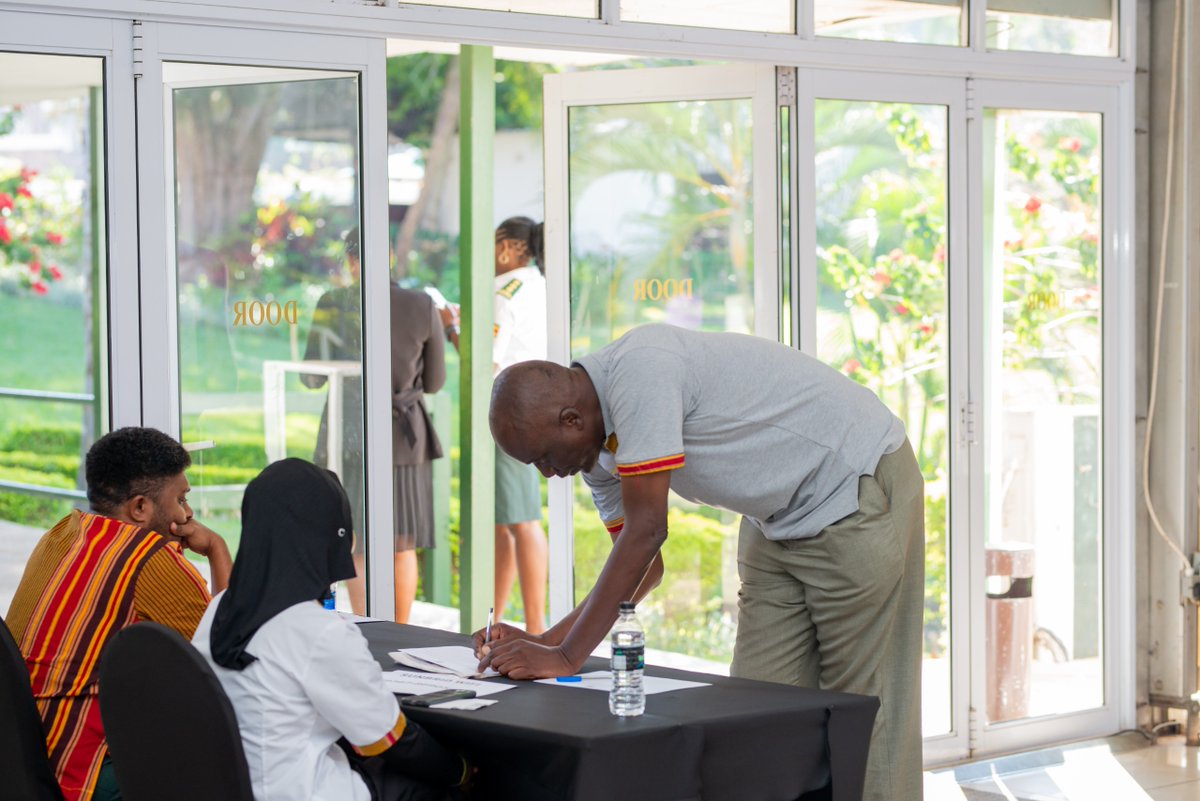
HAPPENING NOW: The Uganda Diaspora Convention is underway at Sunbird Capital Hotel, bringing together members of the Ugandan diaspora community in Malawi for engagement on investment, immigration, consular services, and national development opportunities.
The Convention has been organized by the Uganda High Commission in Malawi and is aimed at strengthening engagement with Ugandans living in Malawi while enhancing awareness of opportunities and government services available to the diaspora.
Among the attendees are H.E. Col (Rtd) Fred Mwesigye, representatives from the Uganda Investment Authority, Ministry of Foreign Affairs of Uganda, Directorate of Citizenship and Immigration Control Uganda under the Ministry of Internal Affairs, the Consular Department of Uganda’s Ministry of Foreign Affairs, and the Department of Immigration and Citizenship Services Malawi.
The Convention continues to provide a platform for dialogue, networking, and collaboration between the Ugandan diaspora and government institutions on matters of investment, citizenship, immigration, and diaspora engagement.
8
27
1,199
Uganda High Commission Dar-es-Salaam retweeted
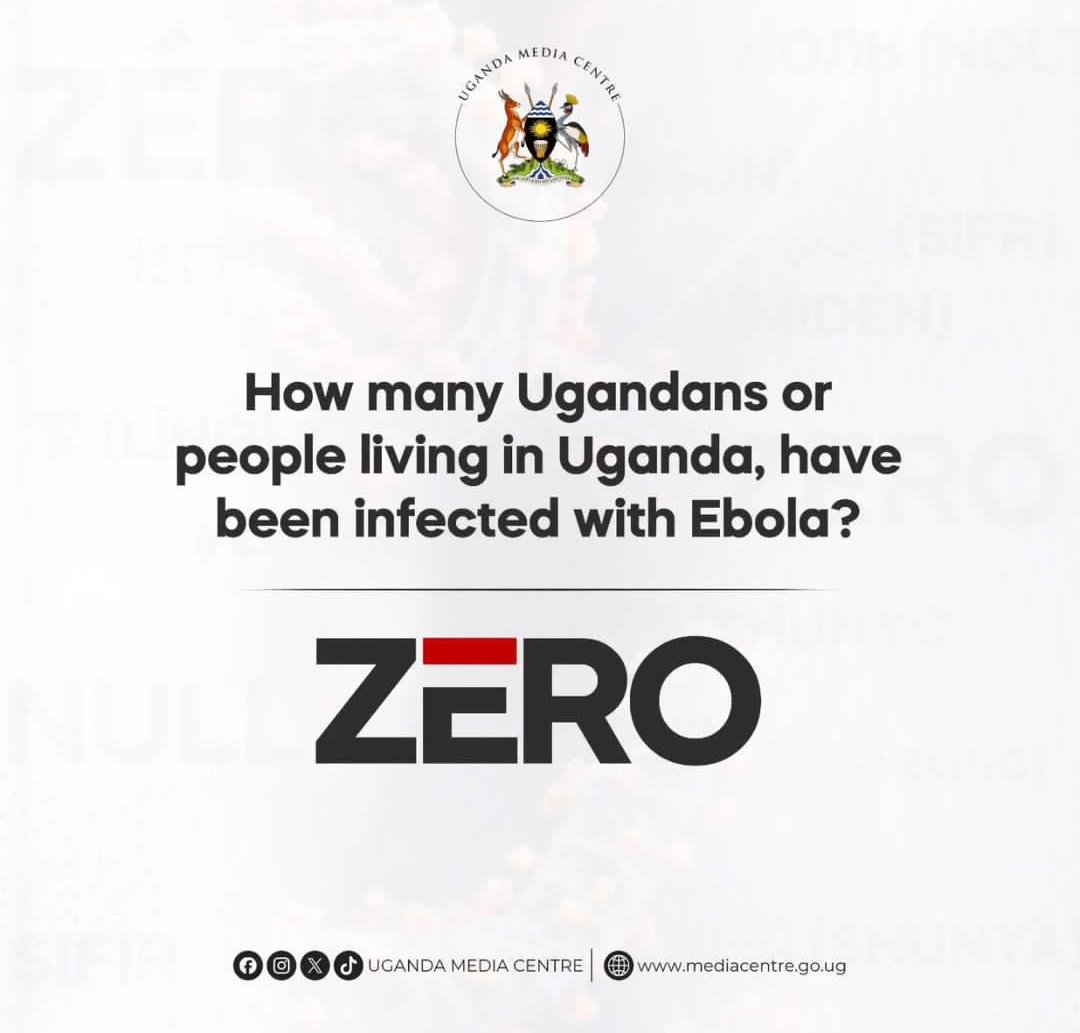
Let us be clear...
70
453
1,344
38,817
HAPPENING NOW | DAY TWO 🇺🇬🇲🇼
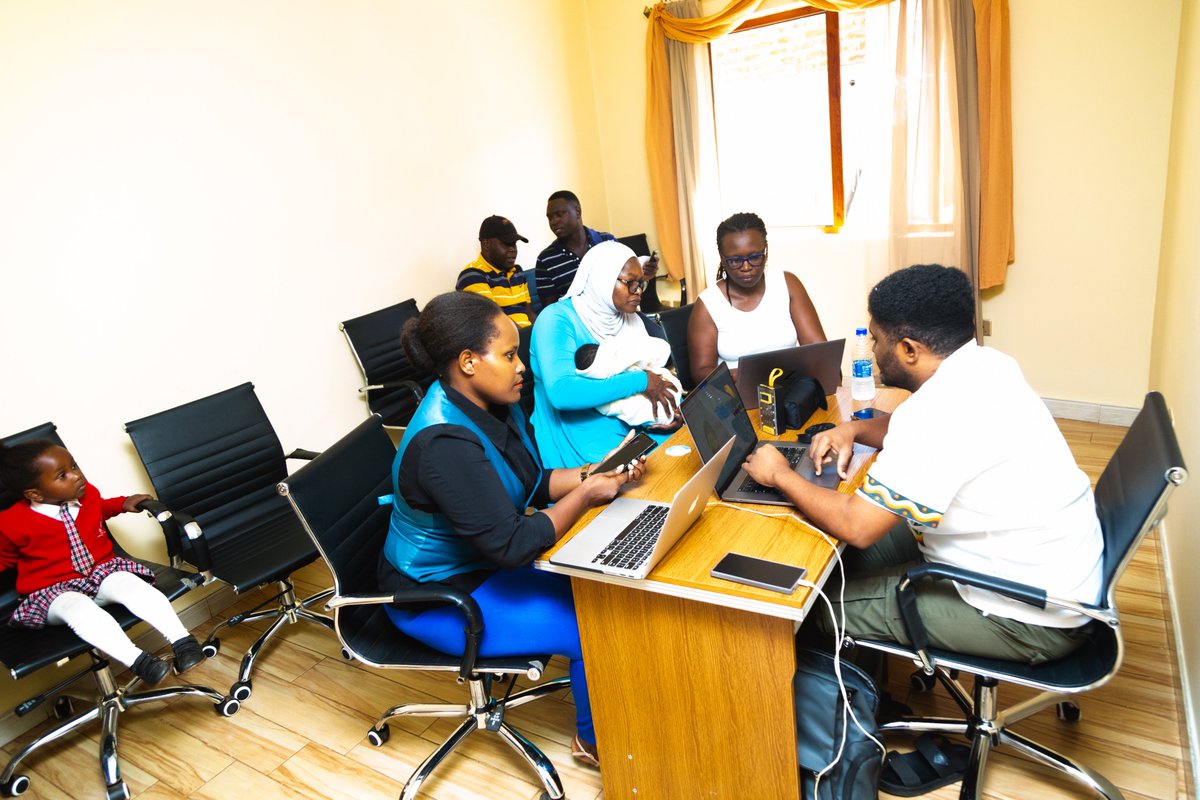
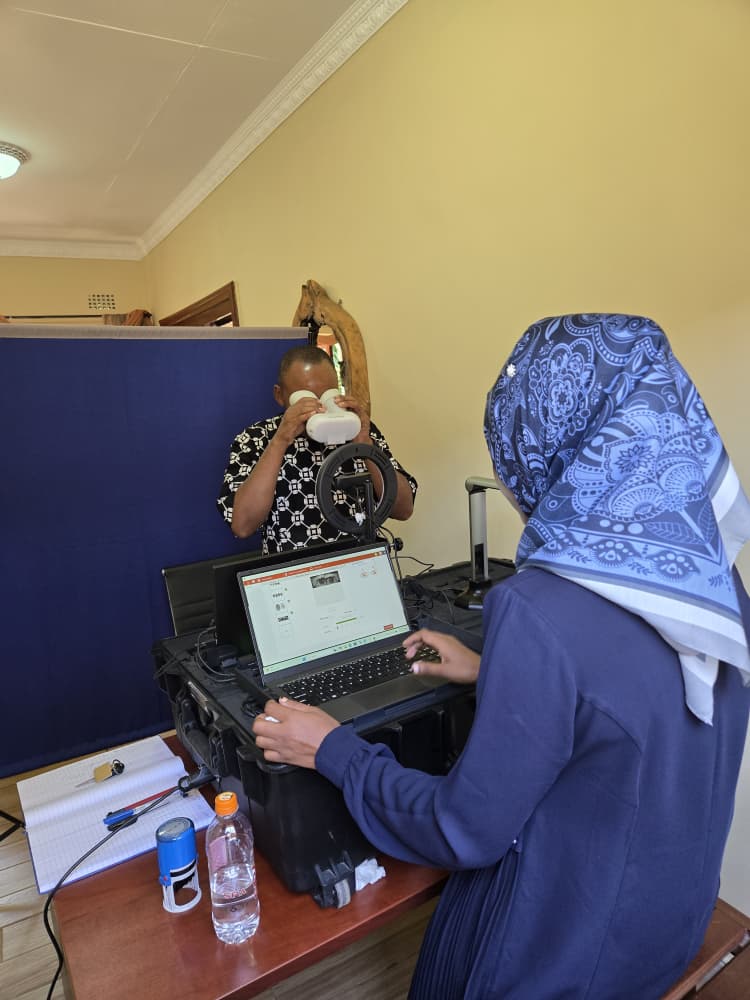
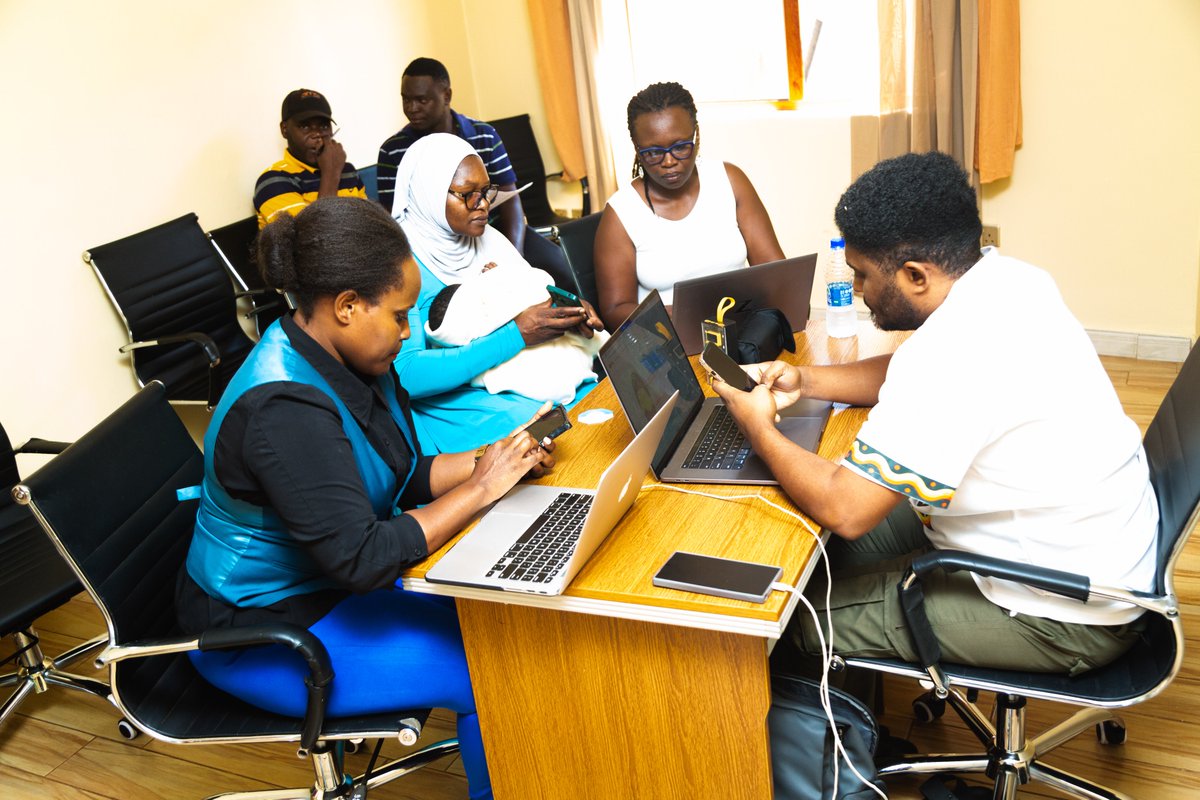
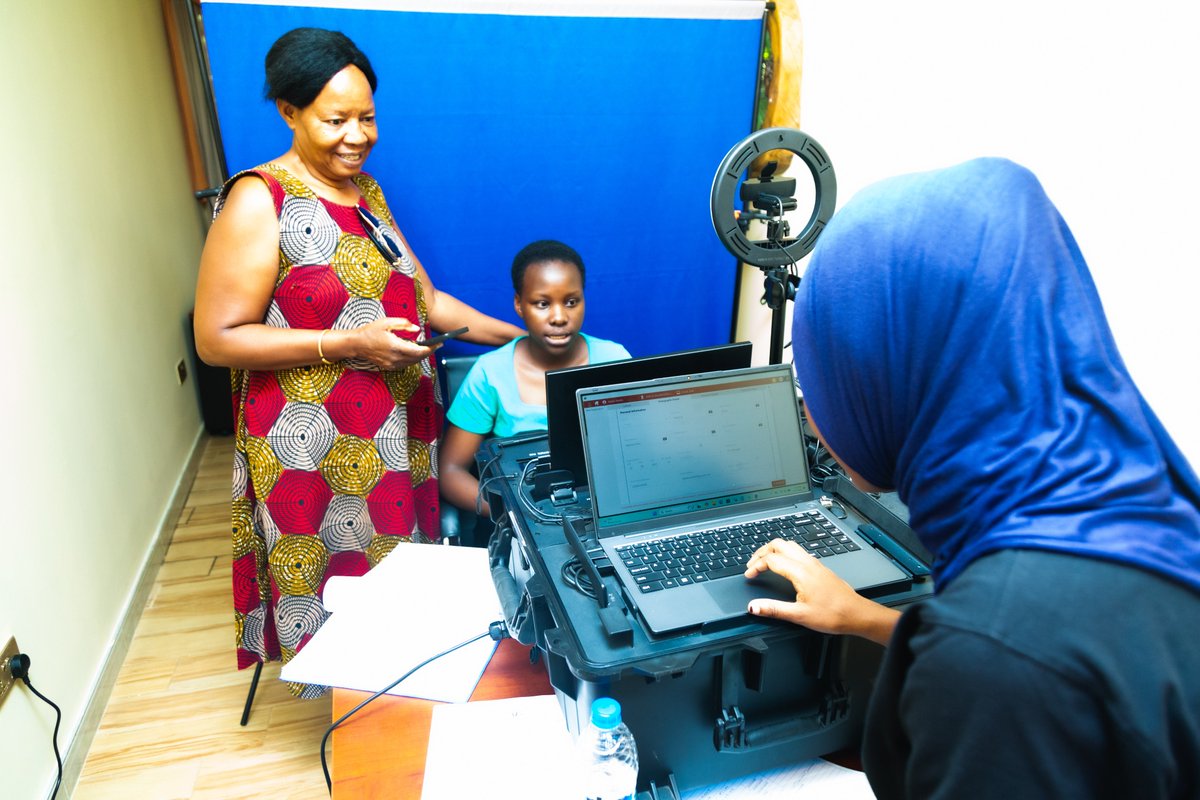
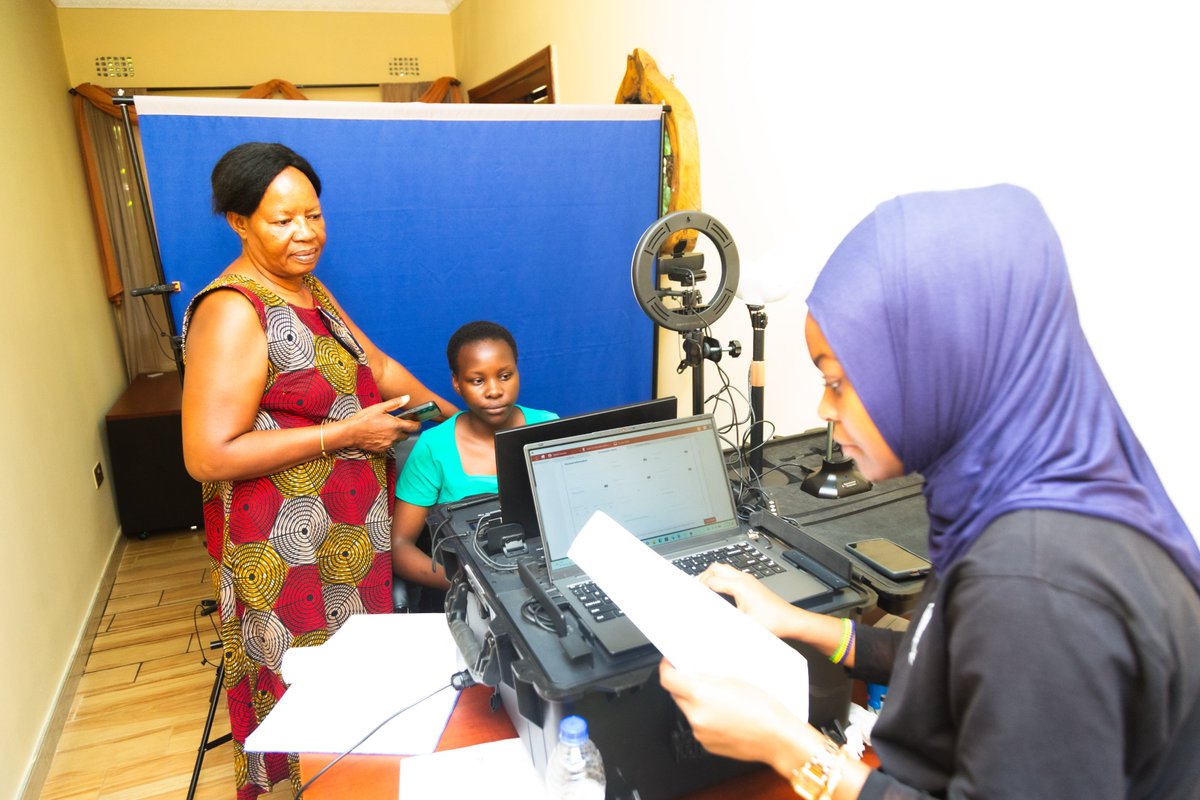
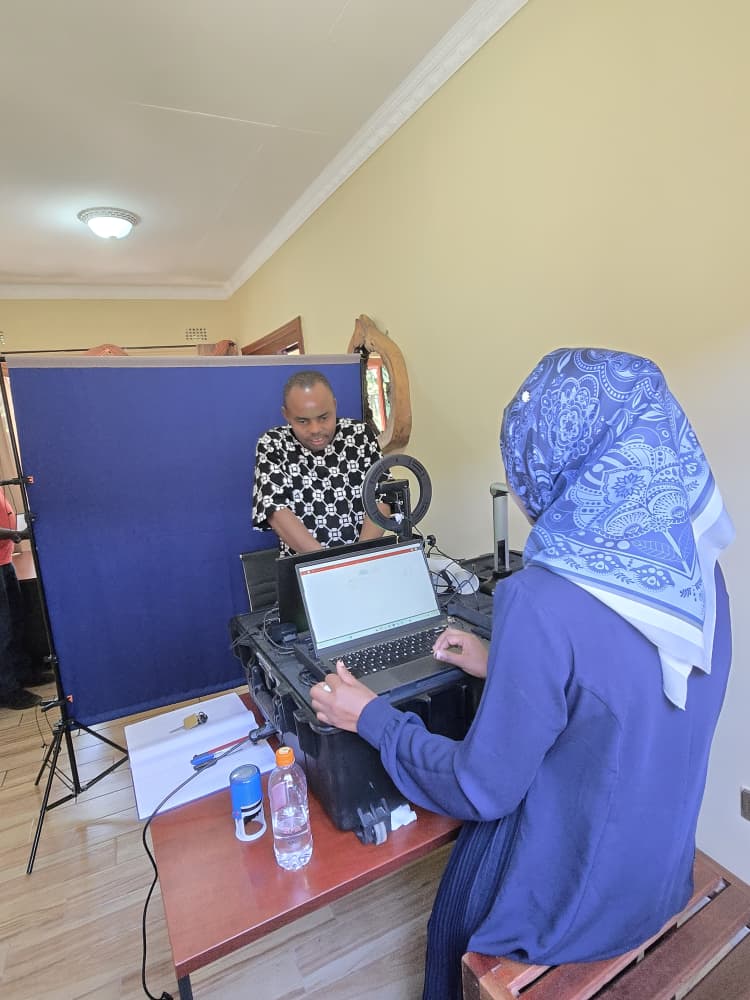
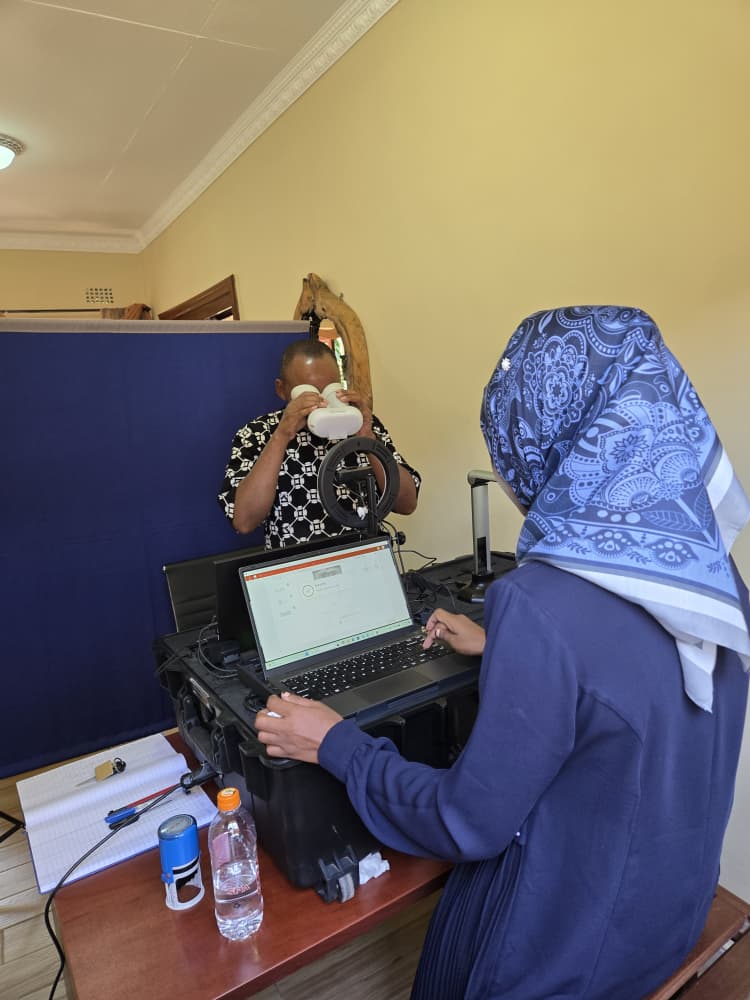
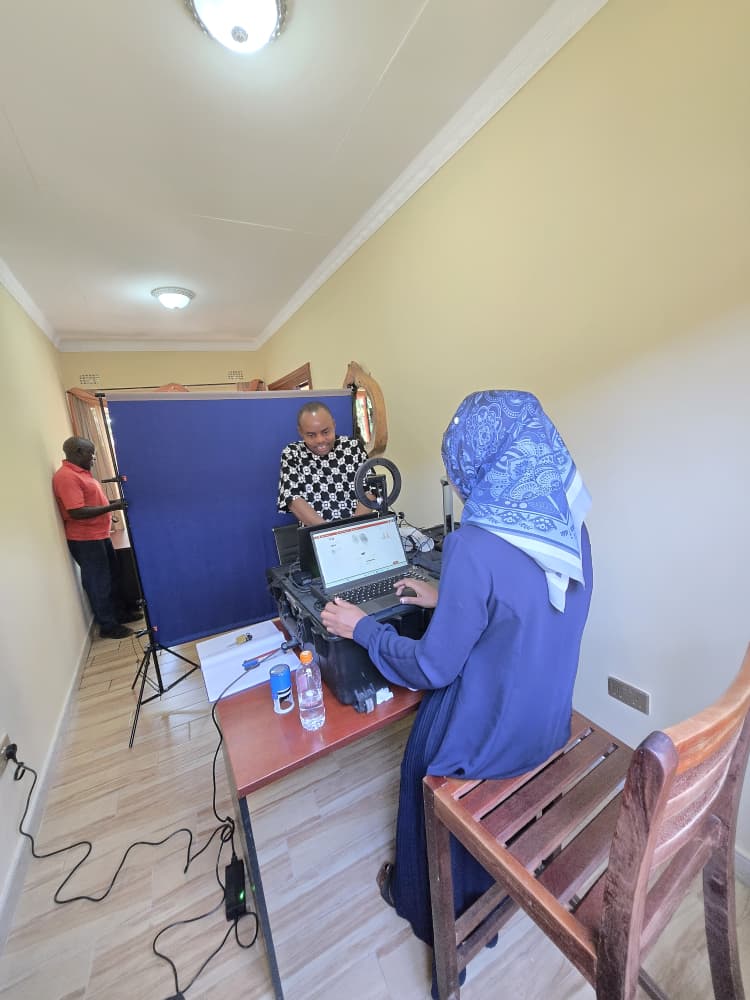
The Uganda High Commission delegation in Malawi continues with the National ID registration exercise for Ugandans living in Malawi as the multi-day mission enters Day Two in Lilongwe.
The ongoing exercise, which runs until 22nd May 2026, has continued to attract members of the Ugandan diaspora seeking National IDs and consular services aimed at improving identification and access to government services.
Preparations are also underway for the 1st Uganda Diaspora Convention scheduled for 23rd May 2026, which will bring together Ugandans in Malawi to strengthen unity, engagement, and opportunities for collaboration and national development.
3
5
14
2,208
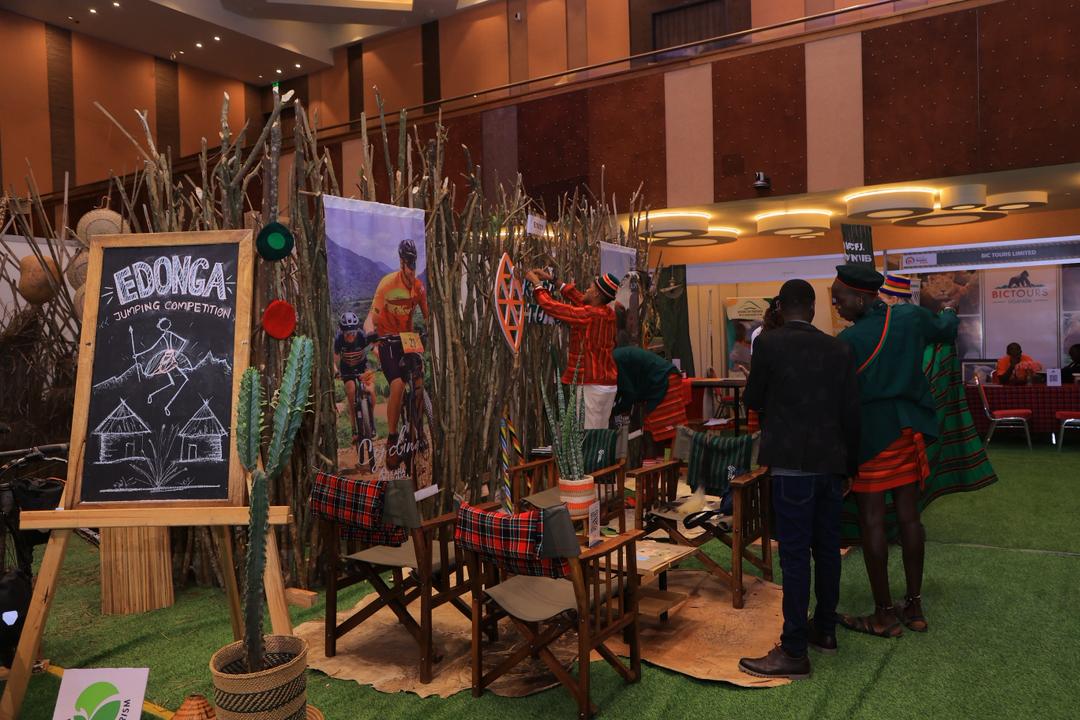
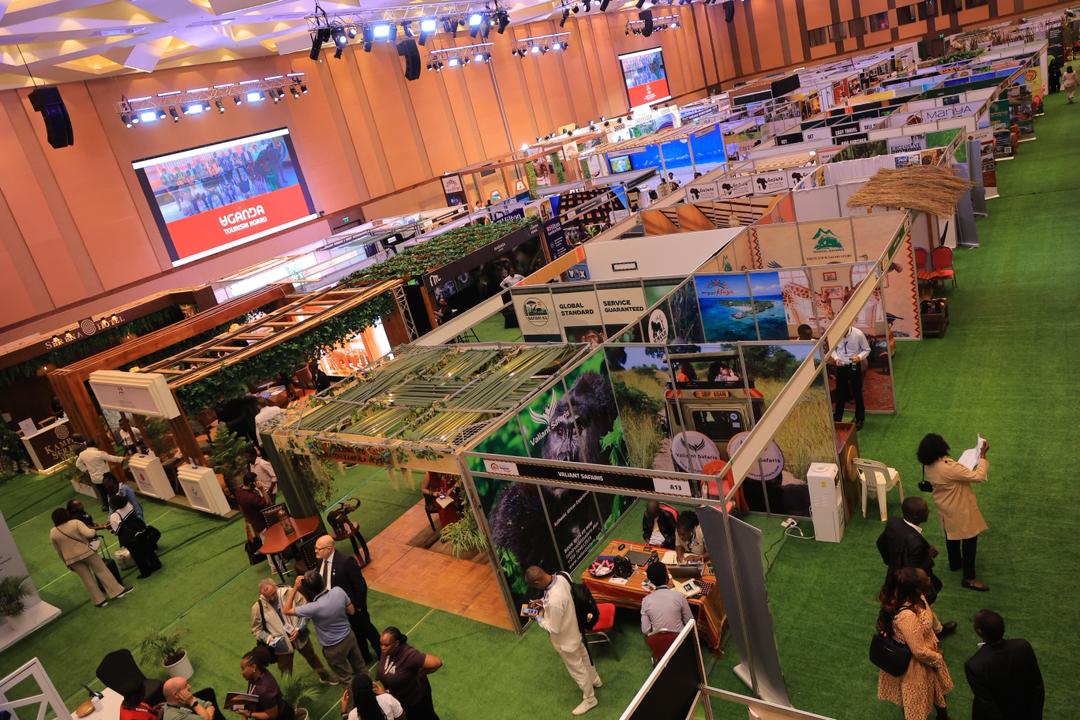
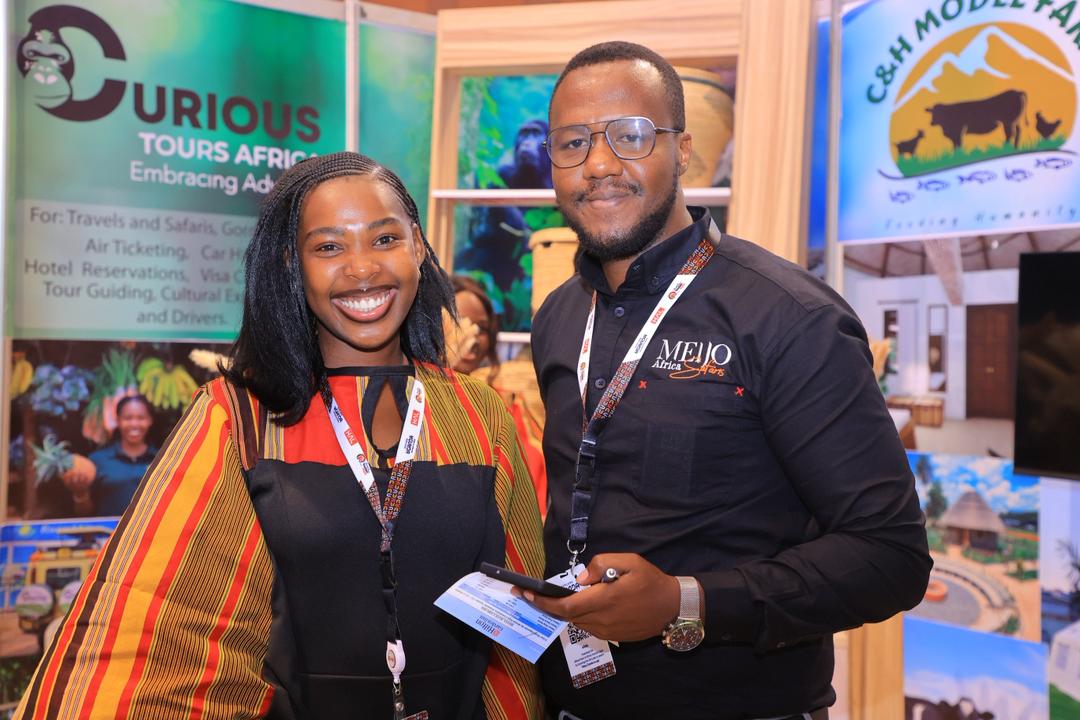
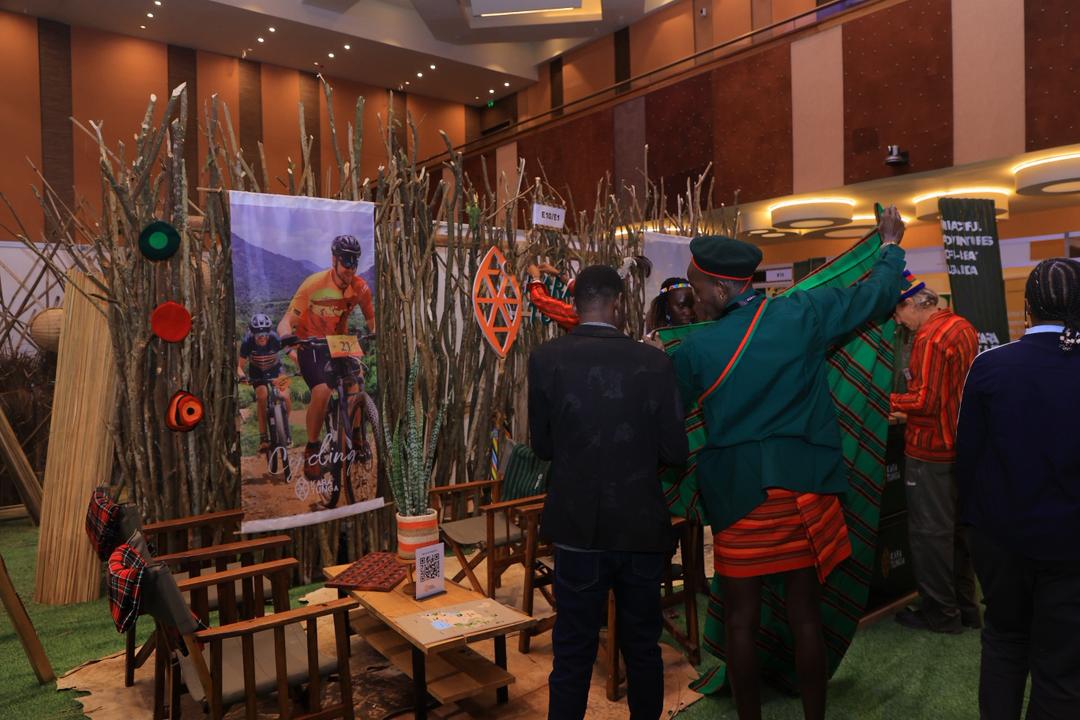
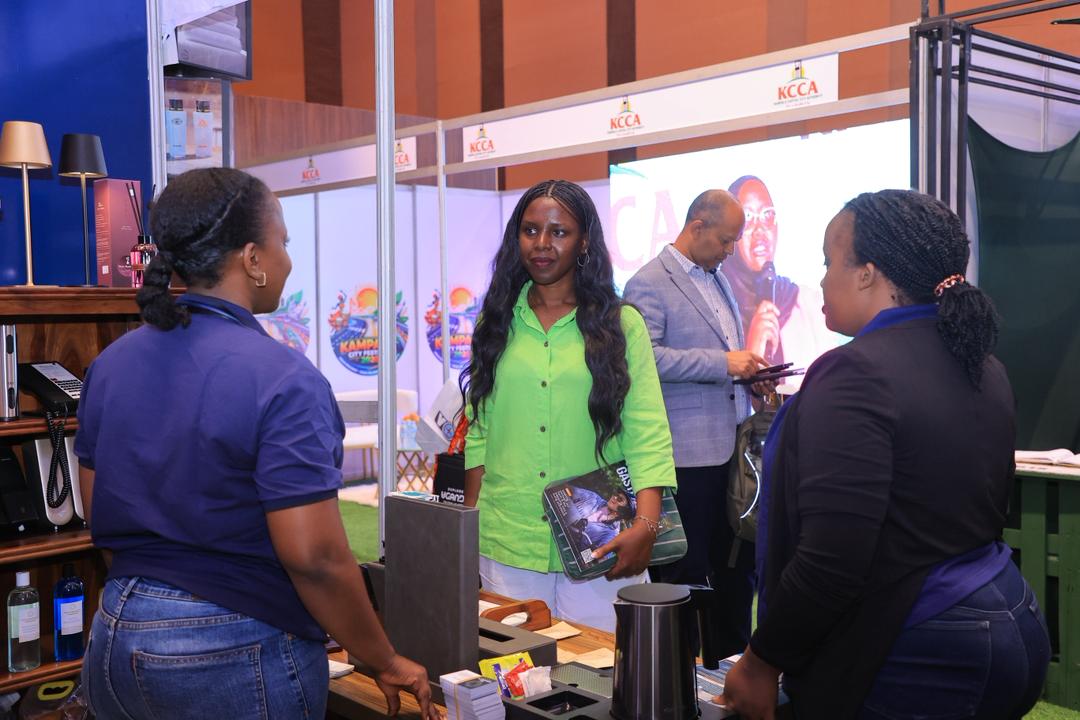
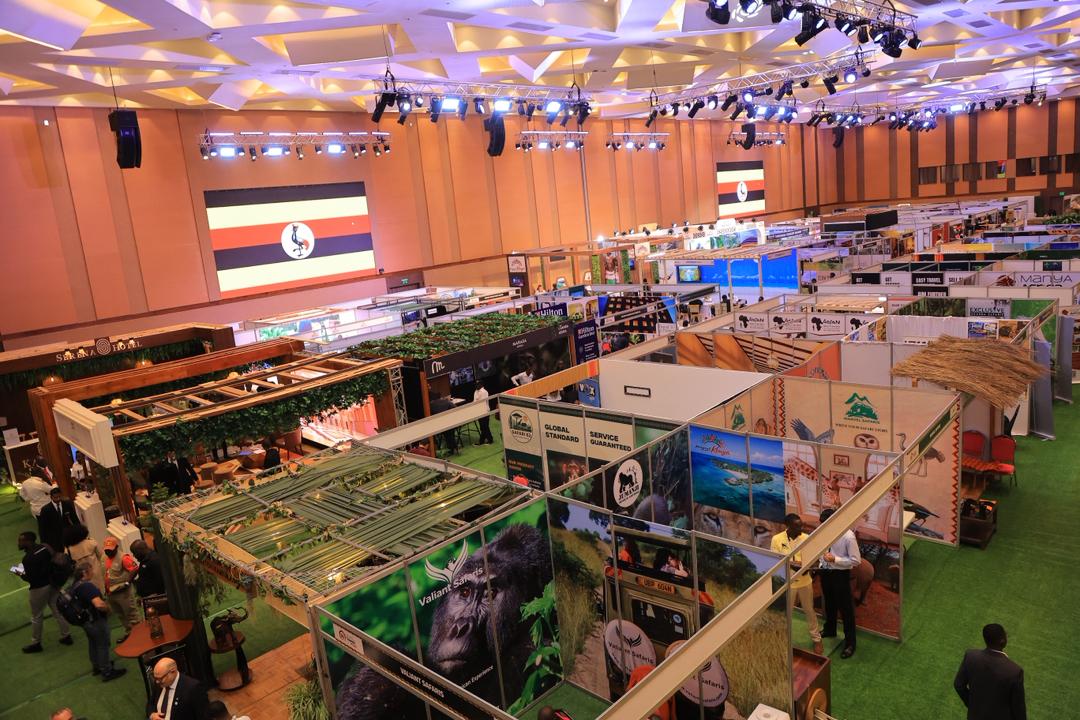
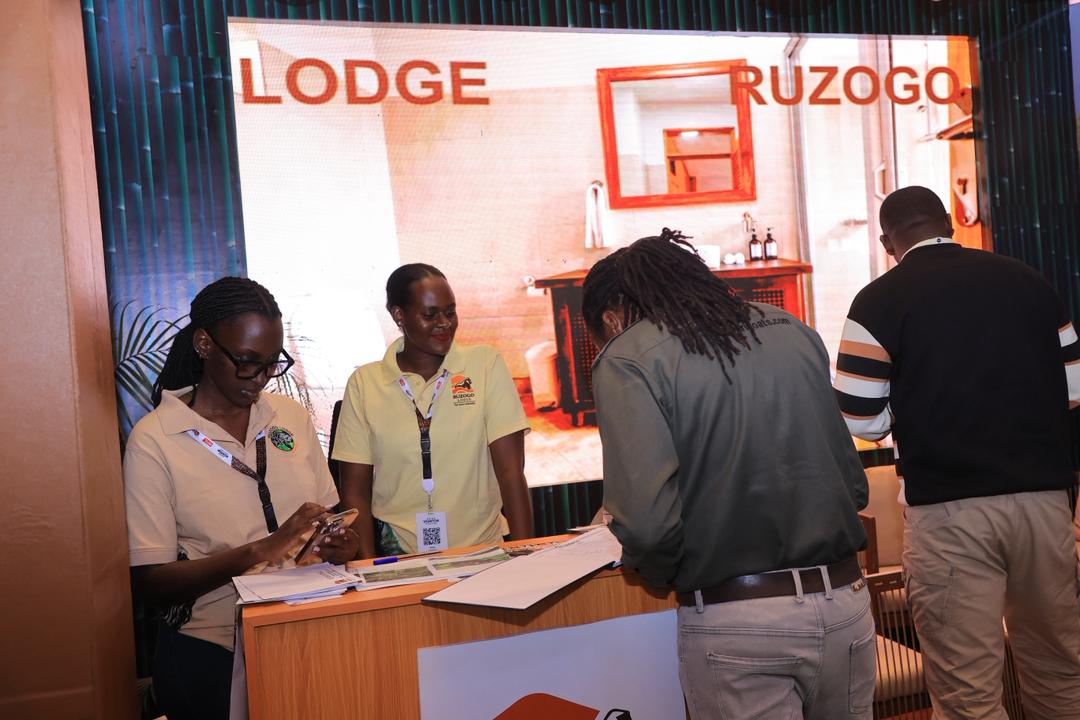
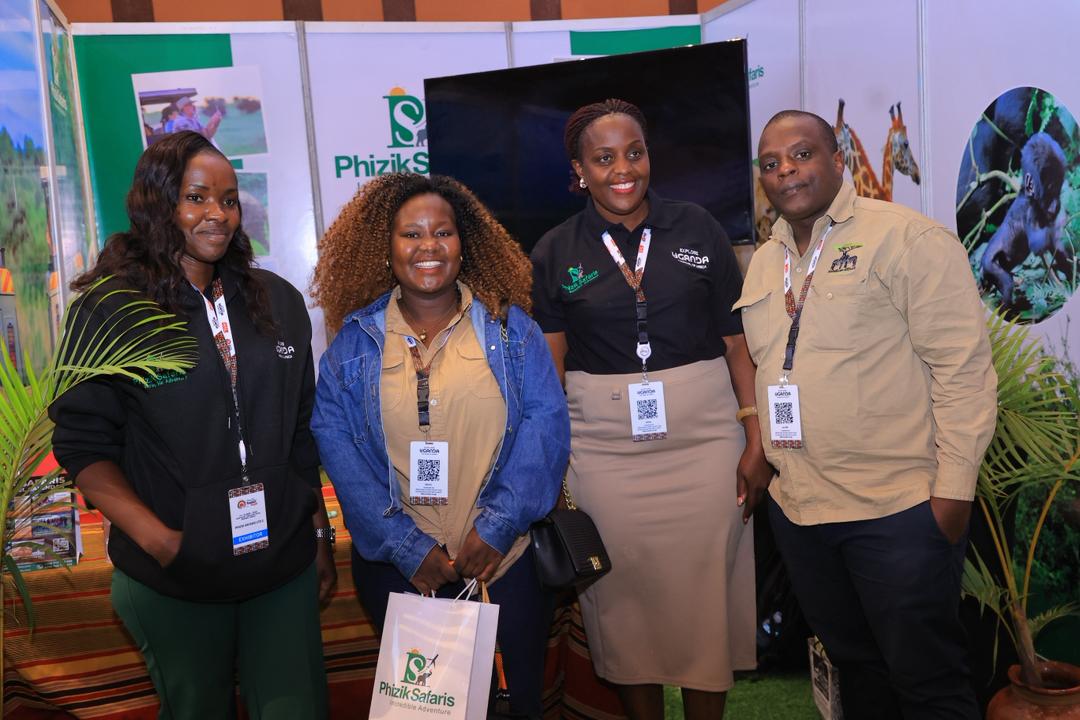
HAPPENING NOW: Day 1 of the Pearl of Africa Tourism Expo 2026 #POATE2026 is underway at the Speke Resort Munyonyo. Led by Uganda High Commission Dar es Salaam, the Tanzanian hosted travel agents and buyers are holding B2B engagements with some of the tour operators at the exhibition hall.
1
9
19
763
Uganda High Commission Dar-es-Salaam retweeted
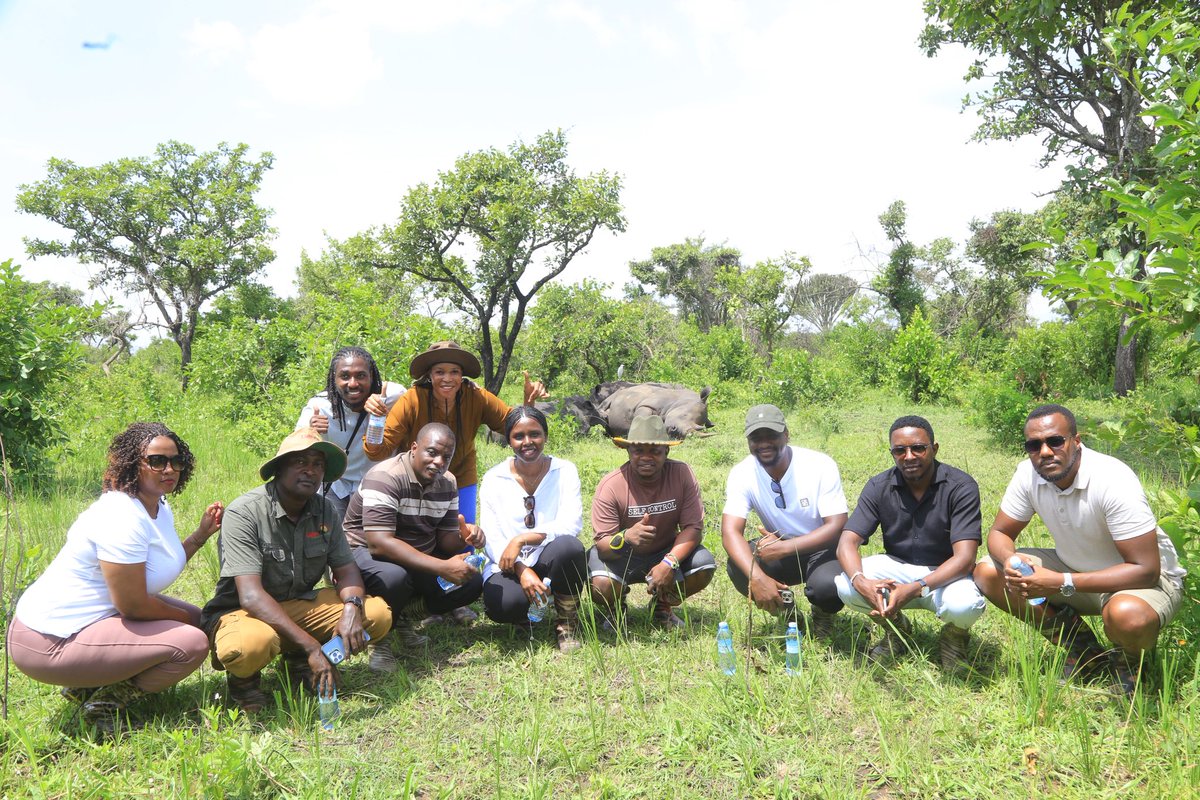
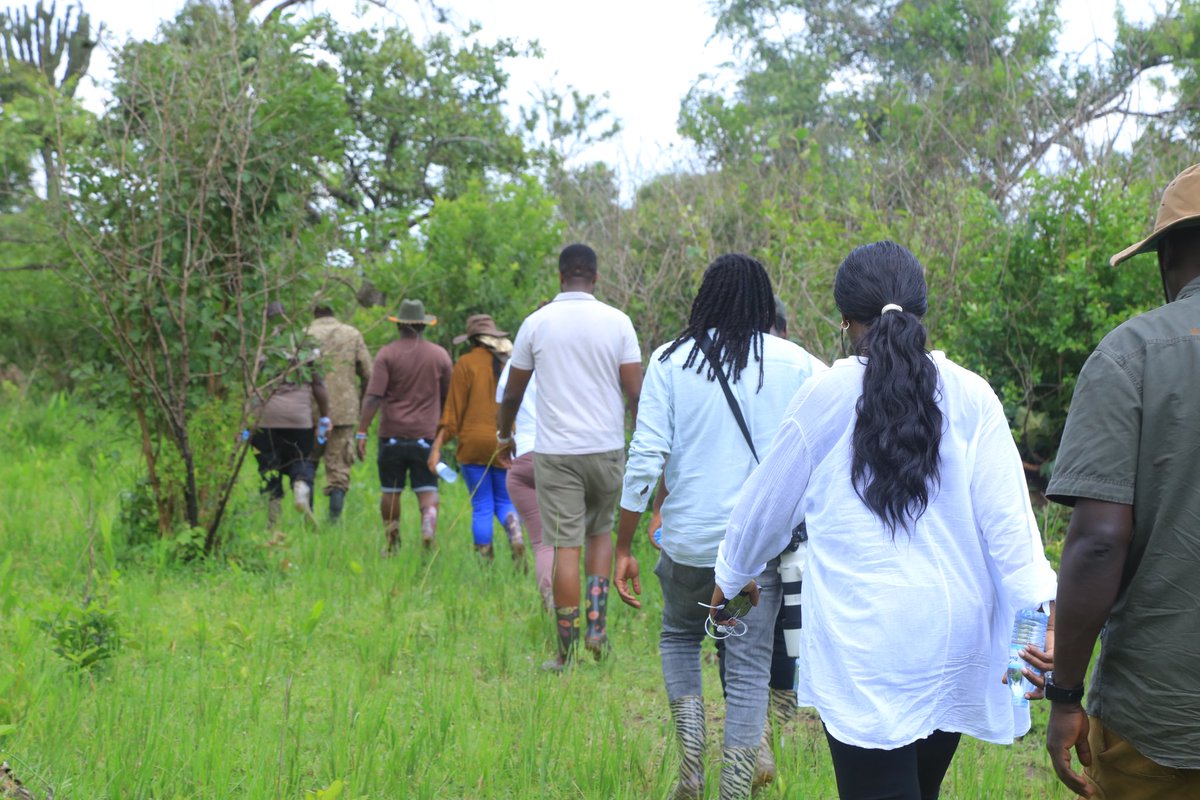
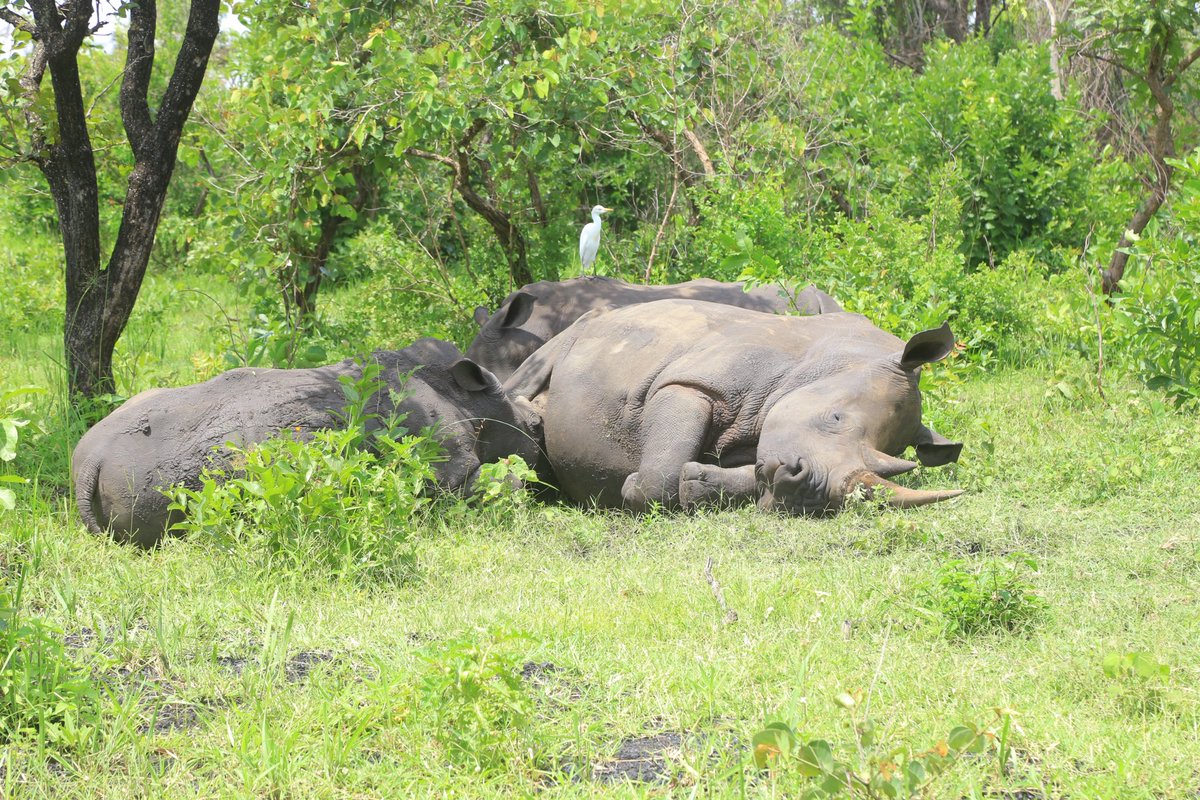
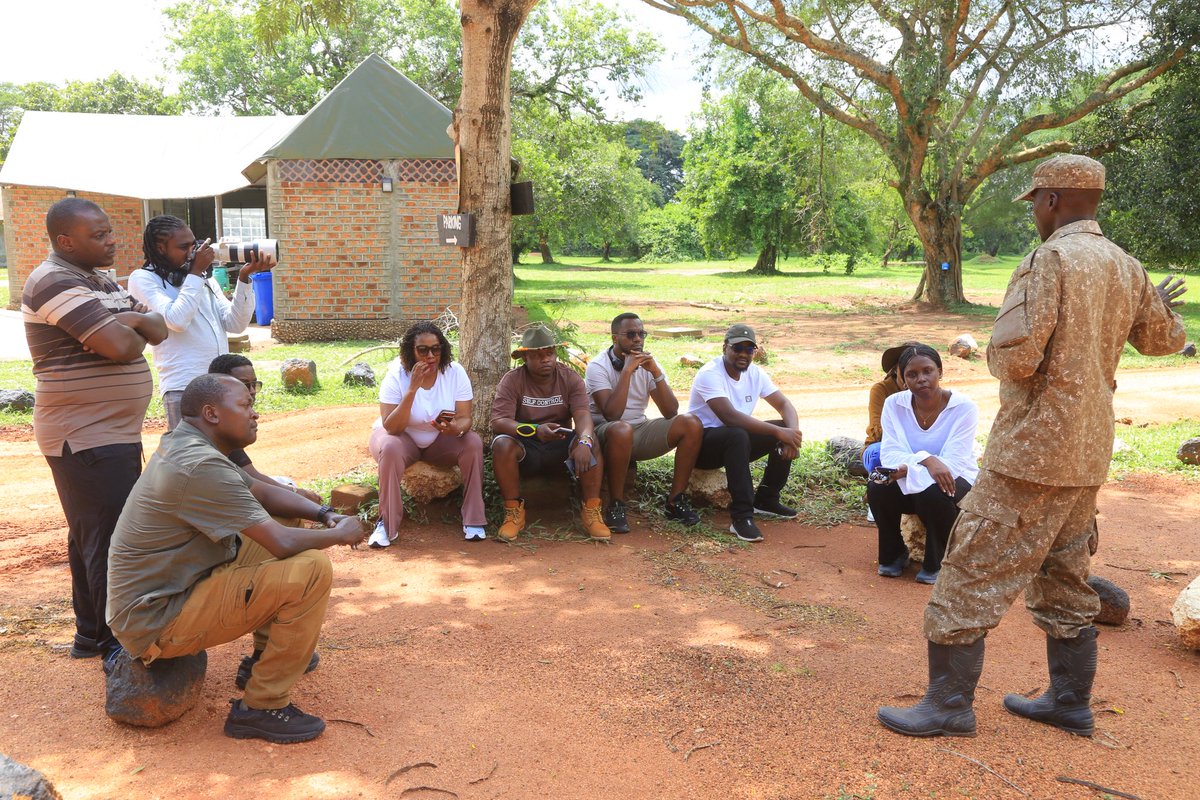
#CLIMAX: 🇺🇬|🇹🇿Led by the Uganda High Commission in Dar es Salaam, the Tanzanian hosted travel agents and buyers concluded their Familiarisation (FAM) Trip in Uganda at Ziwa Rhino Sanctuary. The delegation was welcomed by park ranger Jamadah, who briefed them on the history and conservation efforts of the sanctuary while introducing some of the rhinos found there, including Obama, Nandi, and Malaika.
During the visit, the delegates also had a chance to see “Nankula,” a rhino named after Jamaican dancehall queen Spice. Ranger Jamadah shared interesting facts about rhinos, noting that they generally have short memories, can live up to 50 years under proper care, and that a mother rhino gives birth every two years, producing approximately 13 calves in her lifetime. He further explained the rhino birth process, adding that mating can last between 45 minutes to one hour, while a fully grown male rhino can weigh up to 3 tonnes compared to about 2,800 kilograms for females.
3
9
39
1,632
Uganda High Commission Dar-es-Salaam retweeted
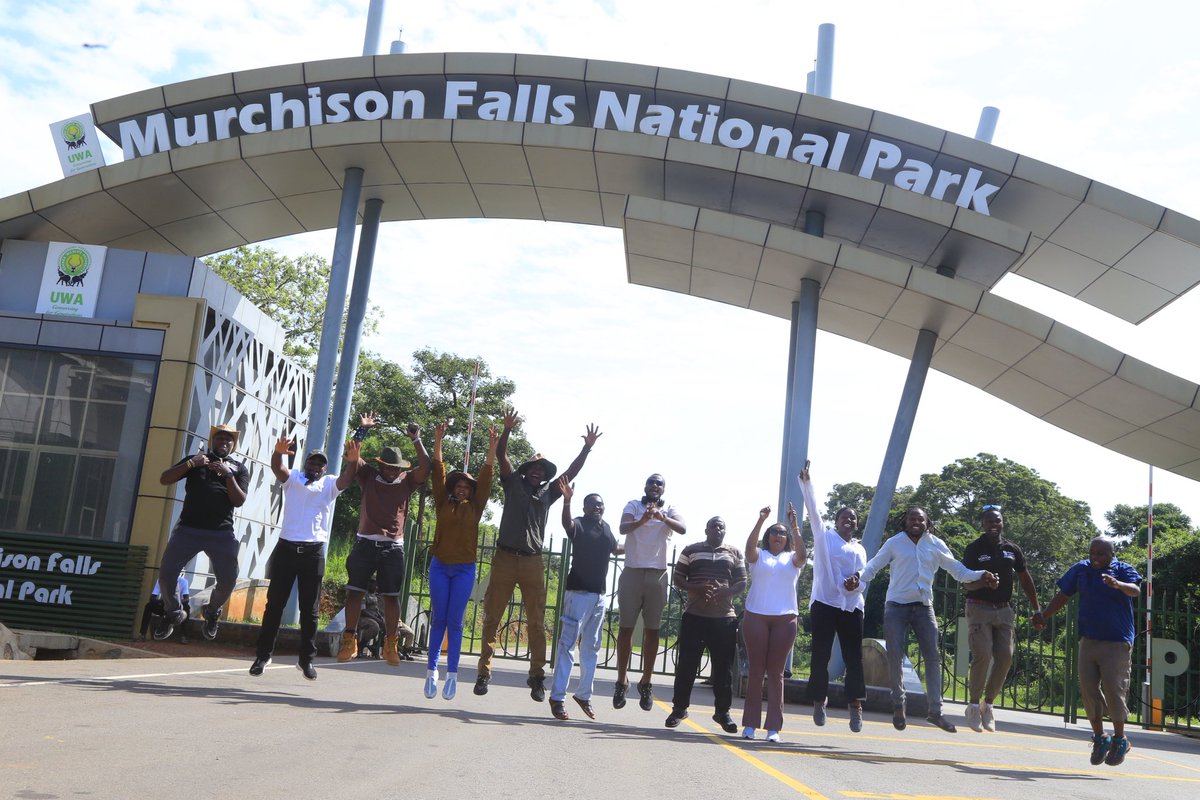
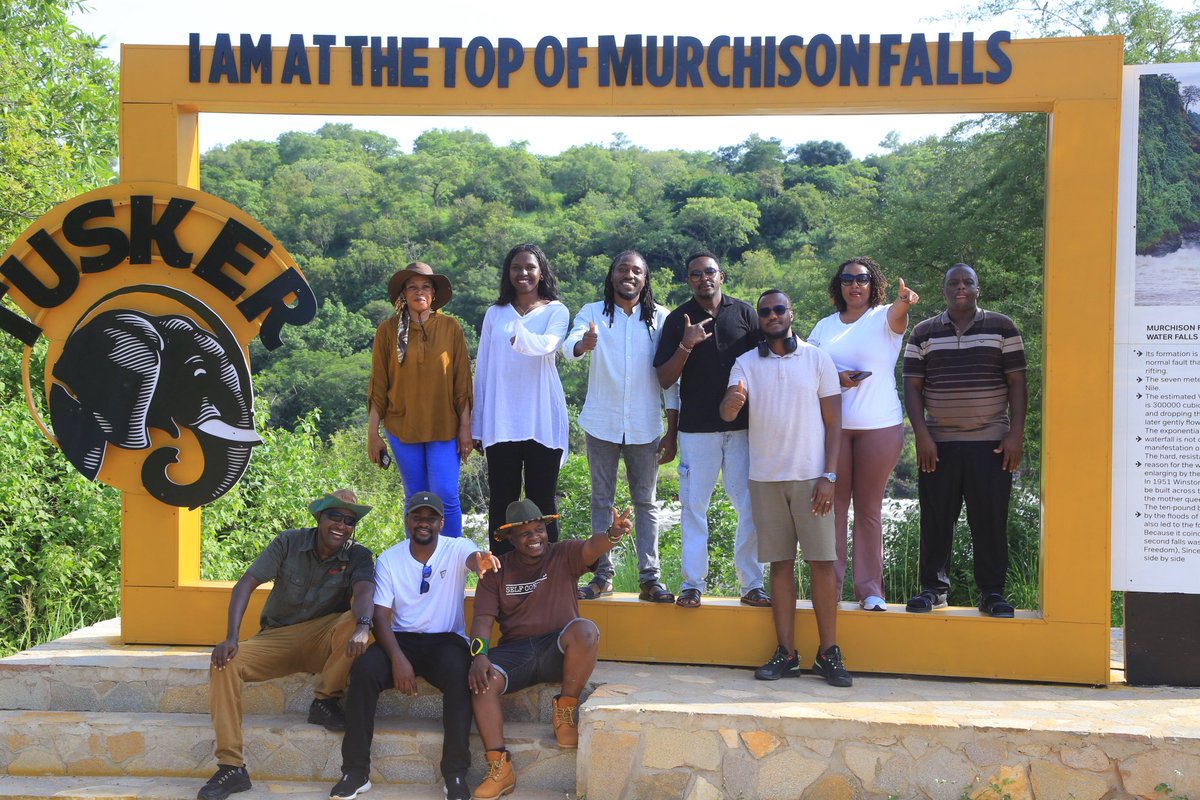
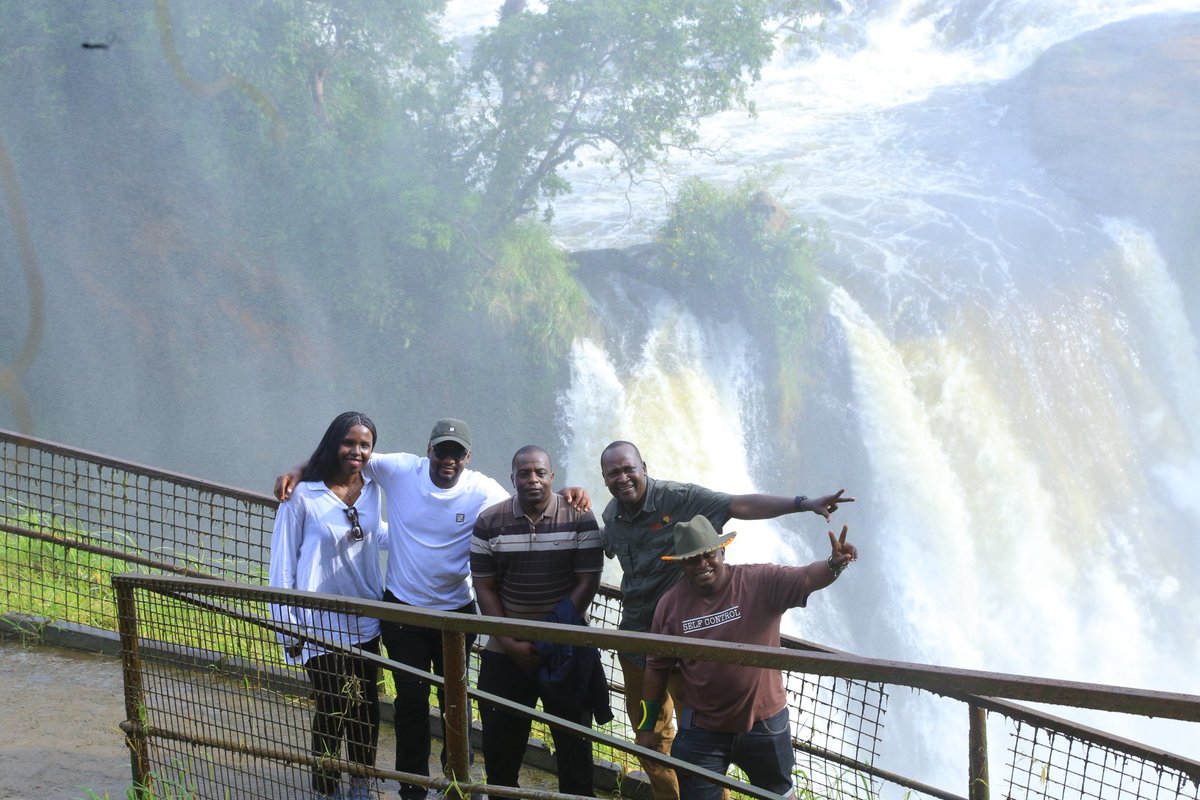
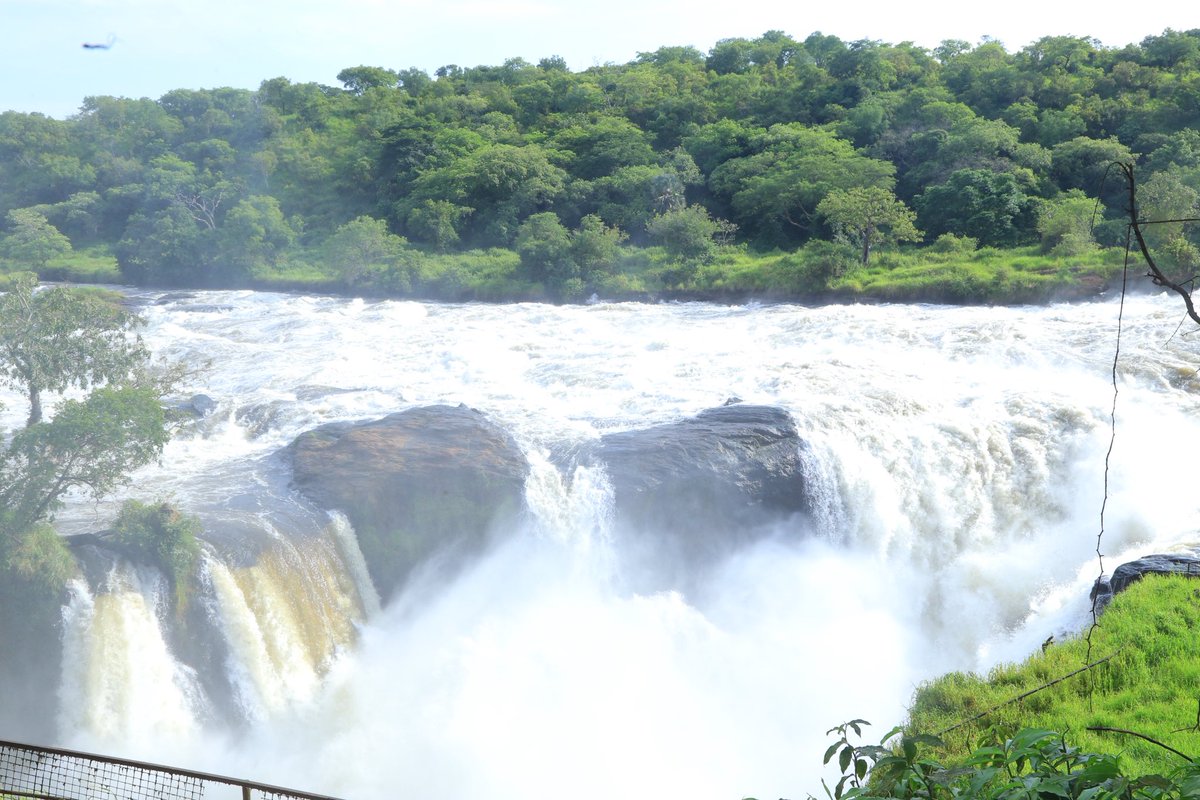
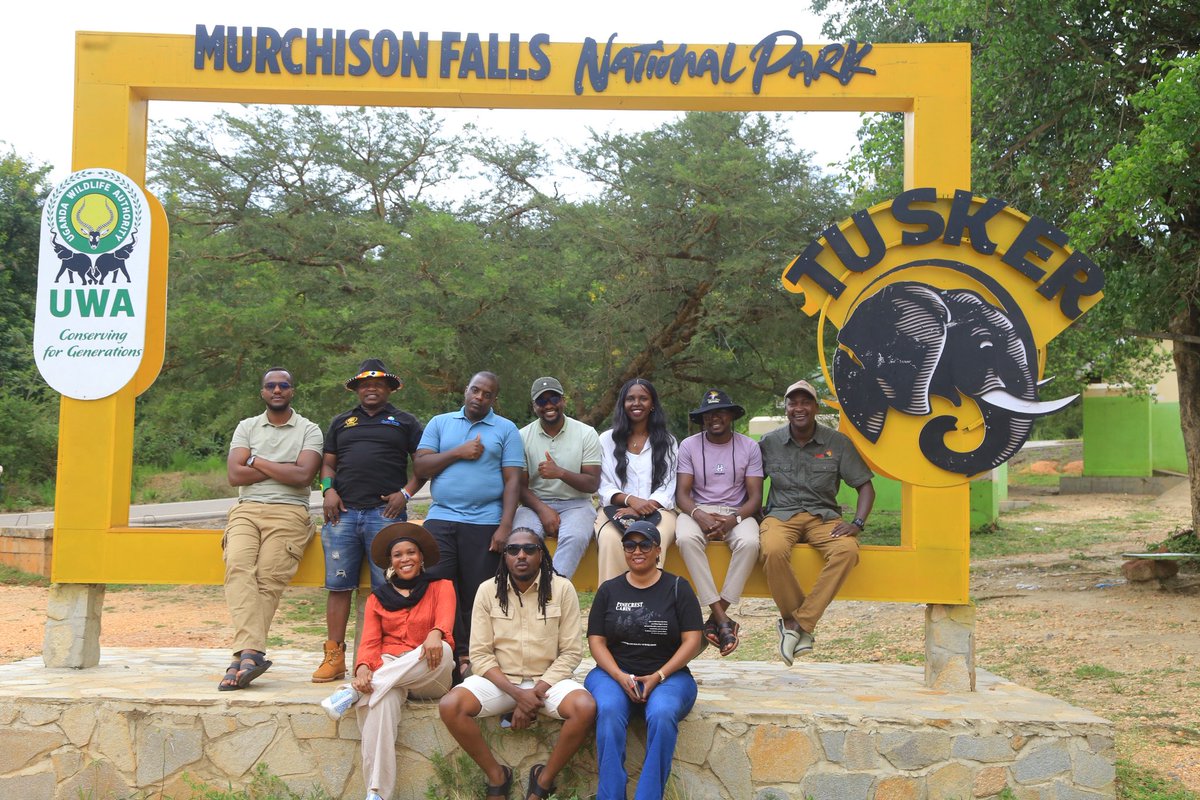
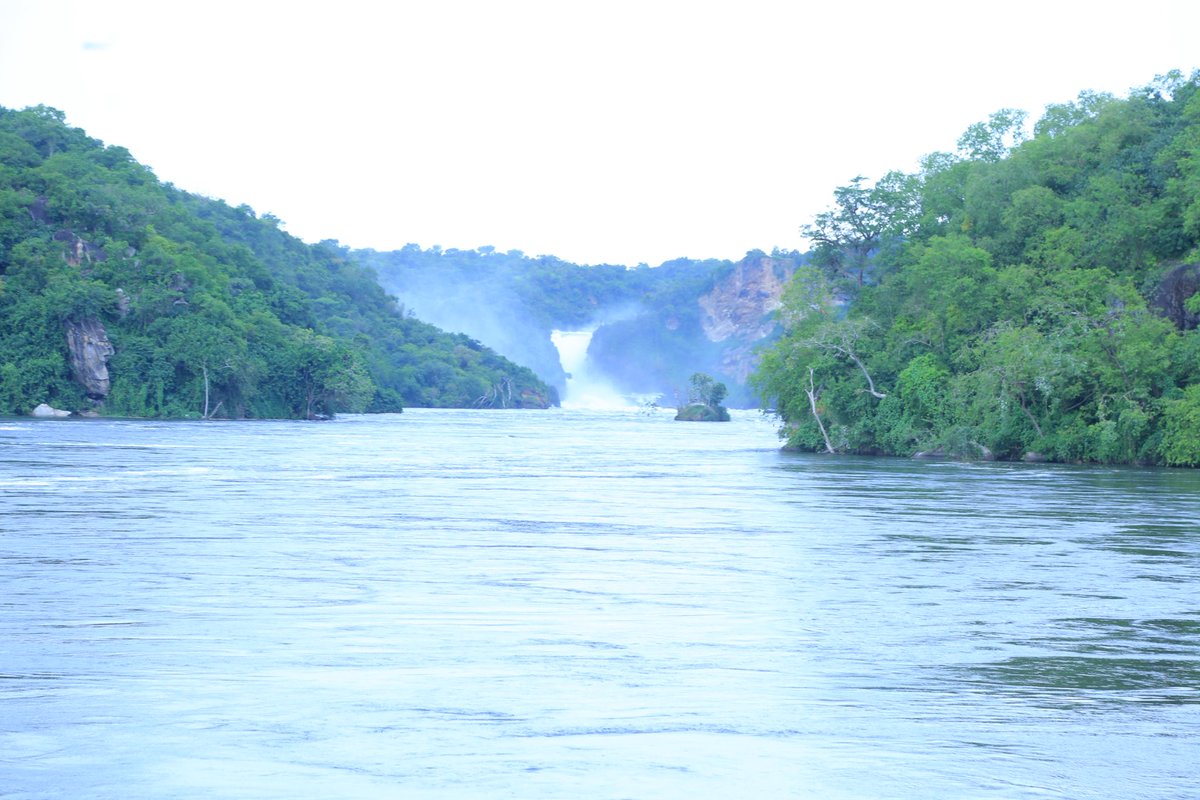
#ONGOING: 🇺🇬|🇹🇿 Waking up at the top of Murchison Falls🌊 marked the climax of the Tanzanian hosted travel agents and buyers’ tour at Murchison Falls National Park, offering the delegation a breathtaking and unforgettable experience of one of Uganda’s most iconic natural attractions.
1
10
47
1,308
HAPPENNG NOW! Connecting with the Ugandan Diaspora in Malawi 🇺🇬🇲🇼
The Uganda High Commission in Malawi commenced a multi-day mission in Lilongwe, leading a National ID registration exercise for Ugandans living in Malawi. The exercise will run until 22nd May 2026 to ensure wider participation and improved access to consular services for the diaspora community.
Beyond the registration exercise, the High Commission has also organized the 1st Uganda Diaspora Convention, scheduled to take place on 23rd May 2026, bringing together Ugandans in Malawi to strengthen engagement, unity, and opportunities for collaboration and development.
3
9
32
4,070
Uganda High Commission Dar-es-Salaam retweeted
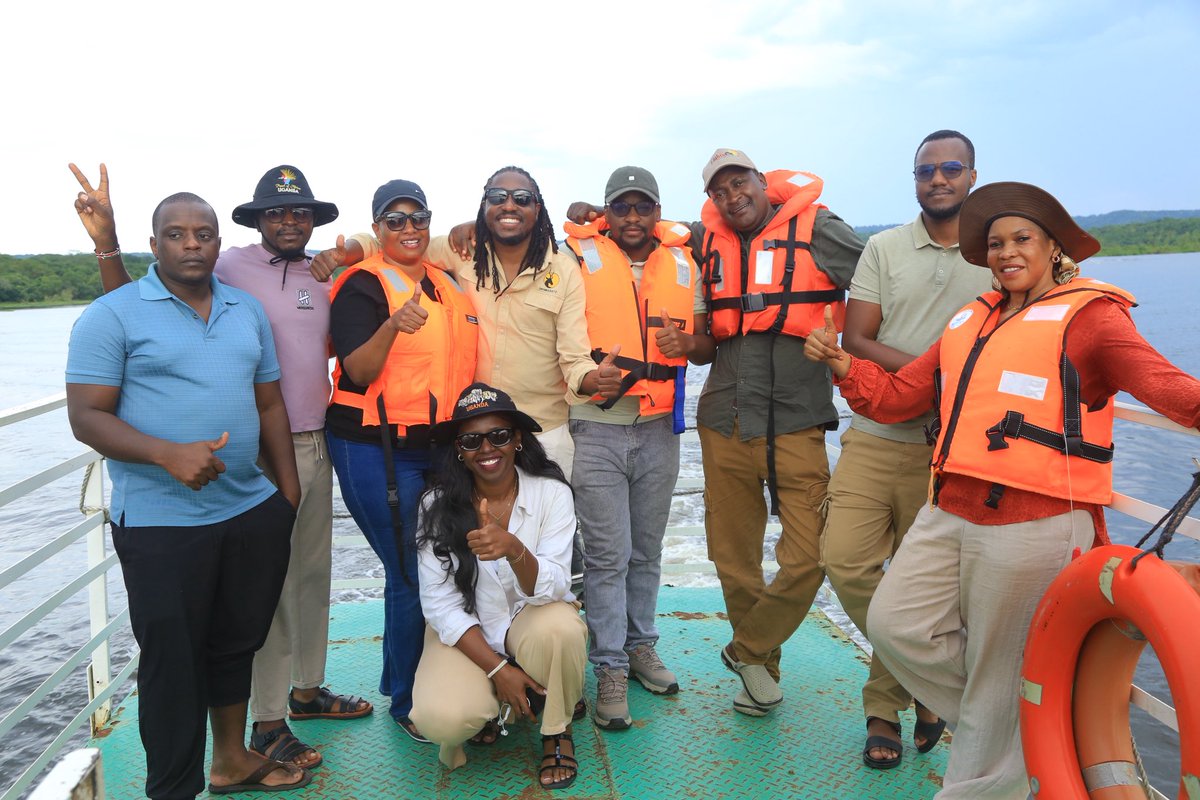
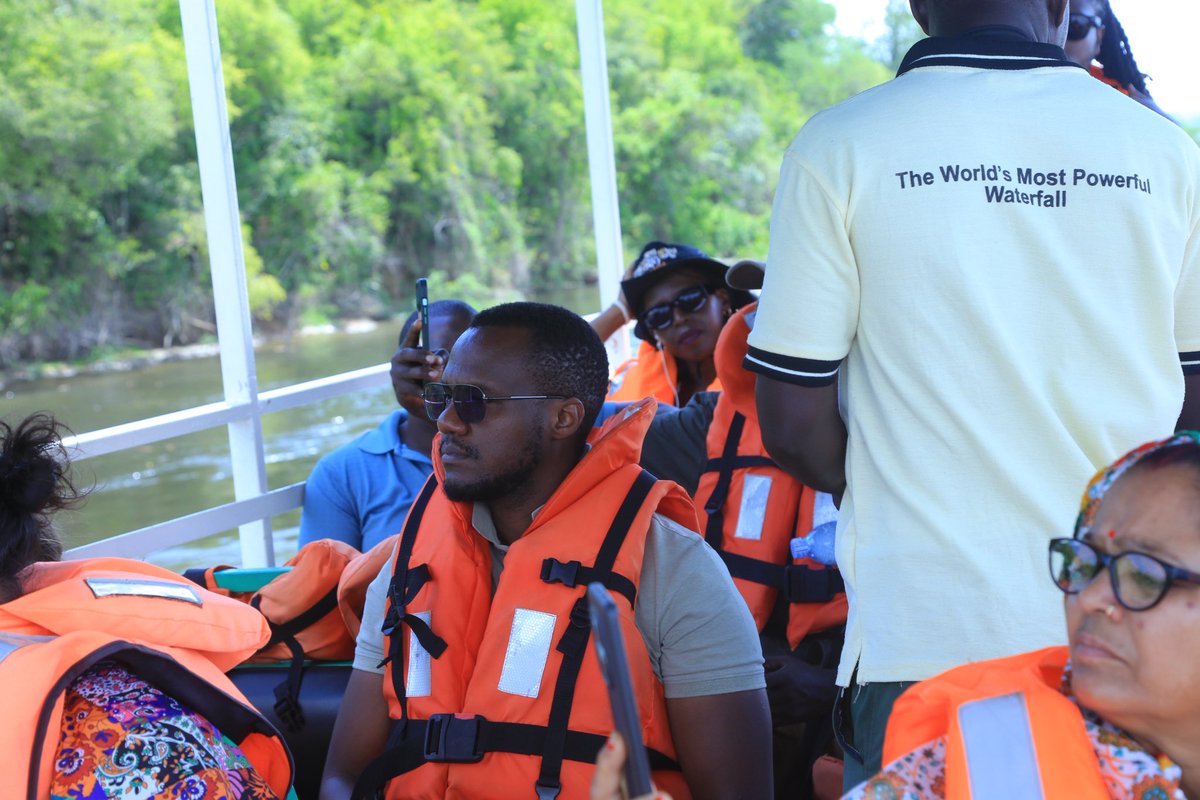
#ONGOING: 🇺🇬|🇹🇿Later today, the Tanzanian hosted travel agents and buyers explored the iconic River Nile through a memorable boat cruise experience at Paraa section. During the excursion, guide Emma highlighted that the River Nile is recognised as the longest river in the world and remains one of Africa’s most significant natural attractions.
The delegation encountered several bird species including the African fish eagle, African skimmer, and Egyptian goose, alongside animals such as hippos, crocodiles, elephants, baboons and waterbucks among others along the riverbanks. They also learned about tourism activities carried out on the Nile, including sport fishing, while Emma shared interesting facts about wildlife, noting that elephants are among the best swimmers in the animal kingdom.
1
11
39
1,268