
Joined September 2011
- Tweets 12,532
- Following 2,980
- Followers 9,840
- Likes 2,311
1,219 Photos and videos

Pinned Tweet

12 Jul 2025
From Monday 14 July 2025, we will no longer be updating the UK Data Service account on X.
You will still be able to follow the UK Data Service via our LinkedIn and Bluesky accounts. ukdataservice.ac.uk/2025/07/…
3
755
11 Jul 2025
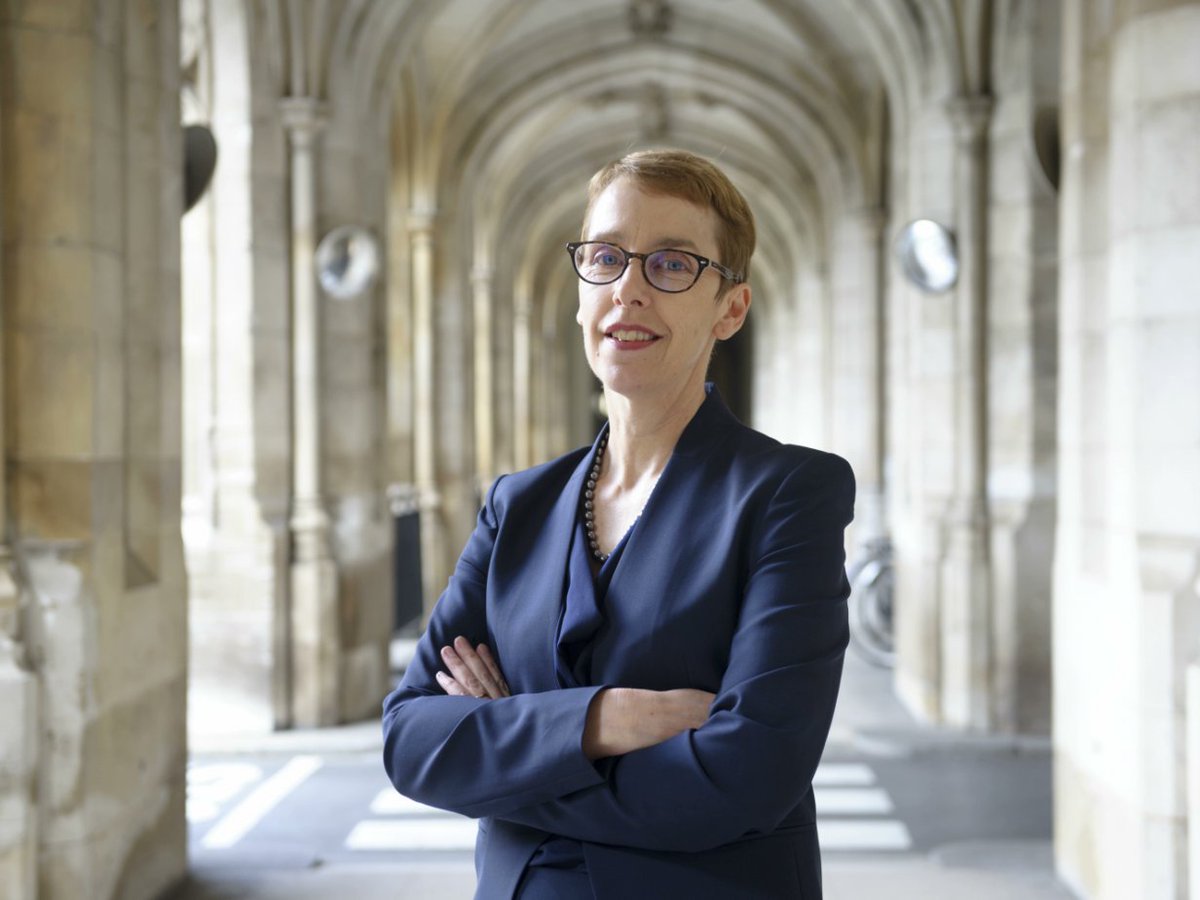
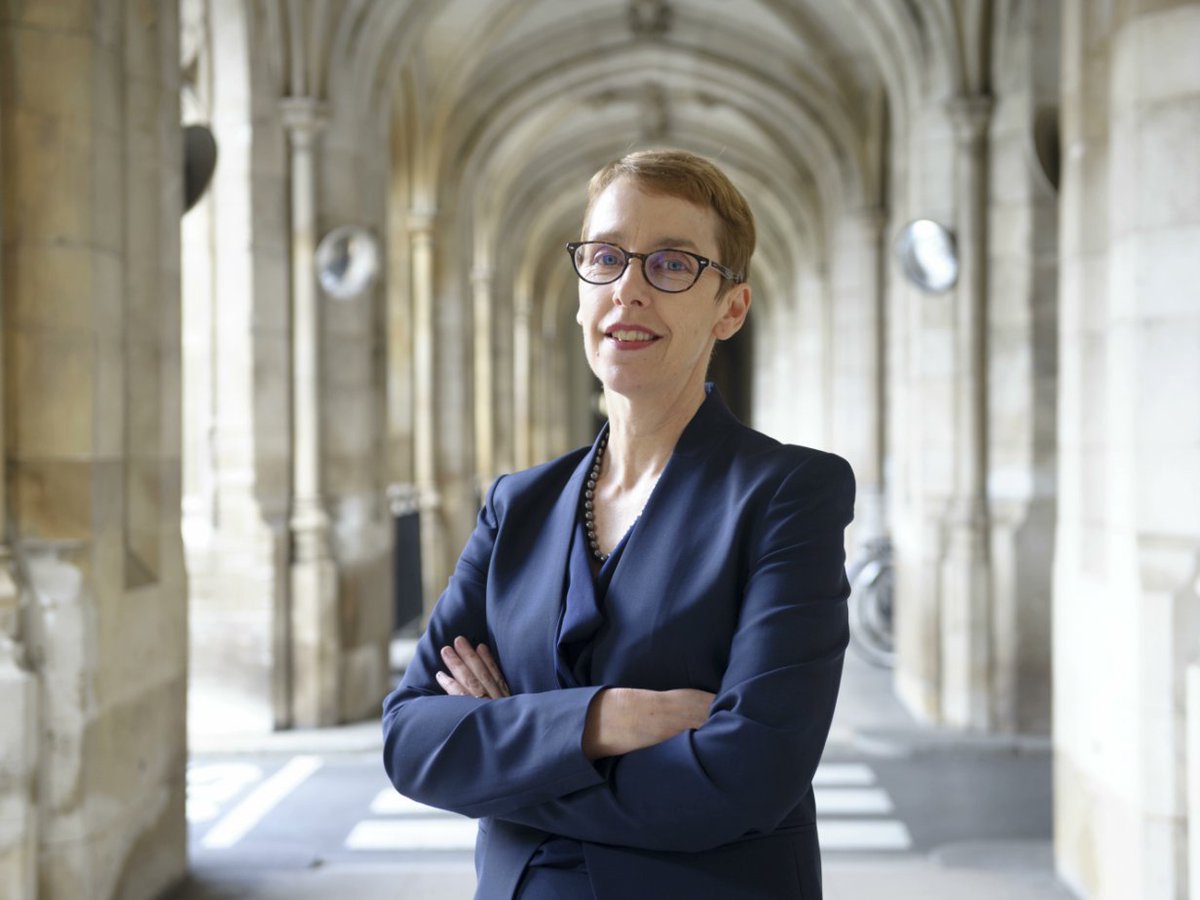
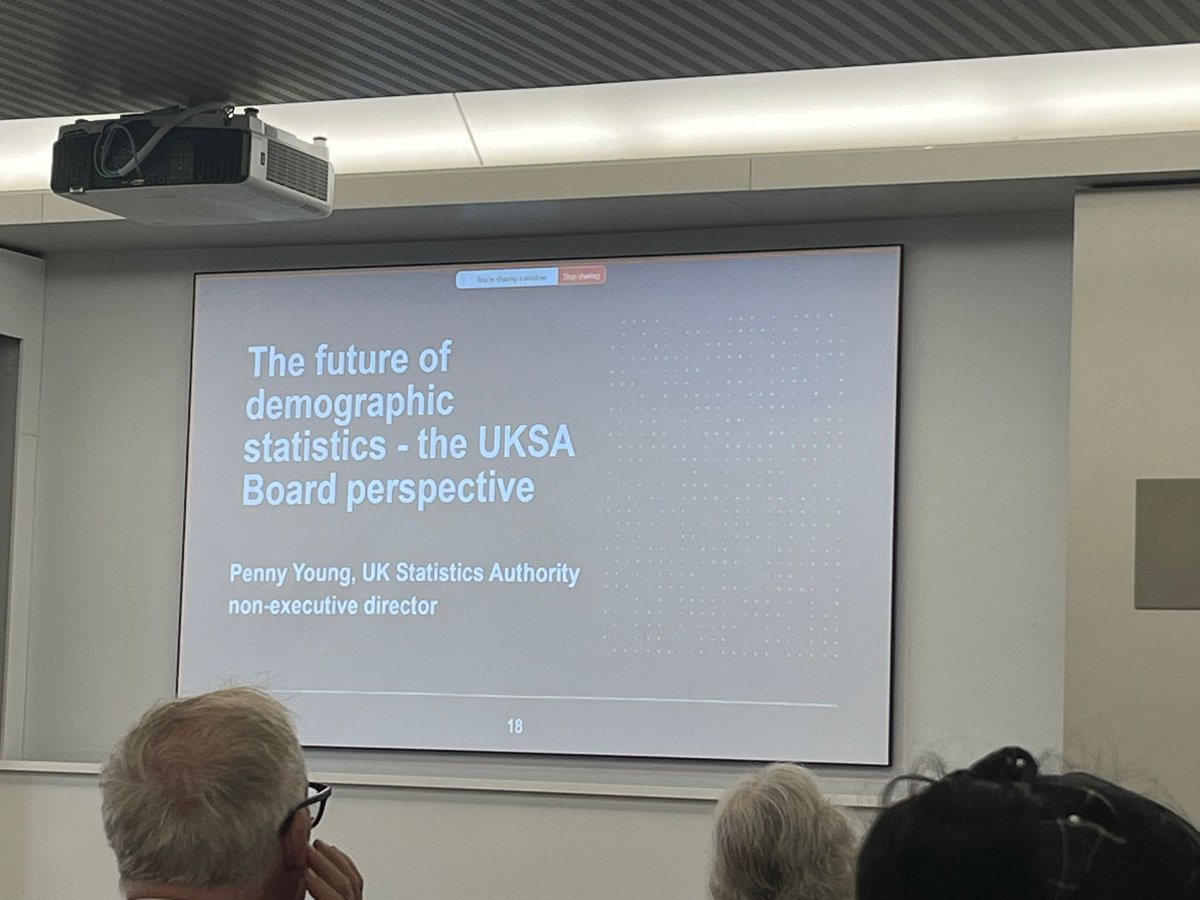
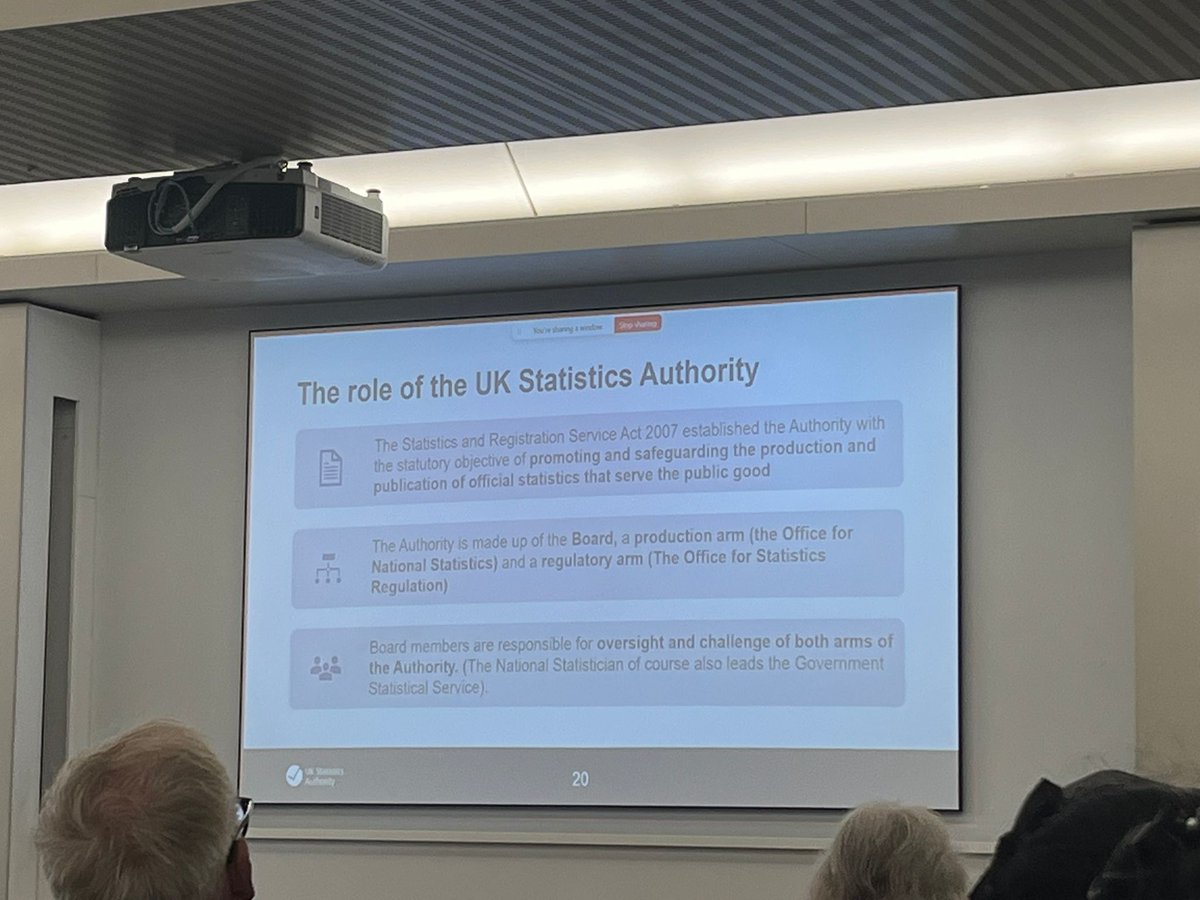
Penny Young, a non-executive director for the UK Statistics Authority, spoke at The Future of the UK Demographic System conference this week about how delighted she was to have the opportunity to speak from the perspective of her organisation.
"I'm sure we can all agree the Office for National Statistics has an excellent track record with conducting Censuses, as well as developing very pioneering approaches with improving population statistics. So it's great to talk about where we might be going next.
"The focus of my discussion is about the vital place of demographic statistics in the life of the nation. I have always been struck by the financial benefits of the Census. Half of which goes to the commercial sector, although we can often forget how important the Census is to our economy and growth.
"One of the really big things that has happened over the last decade is the release of more freely available data to everybody. This includes the opening up of constituency databases, which means we can access data at a constituency level, so MPs, their staff and the wider public can really understand what's going on in their local areas."
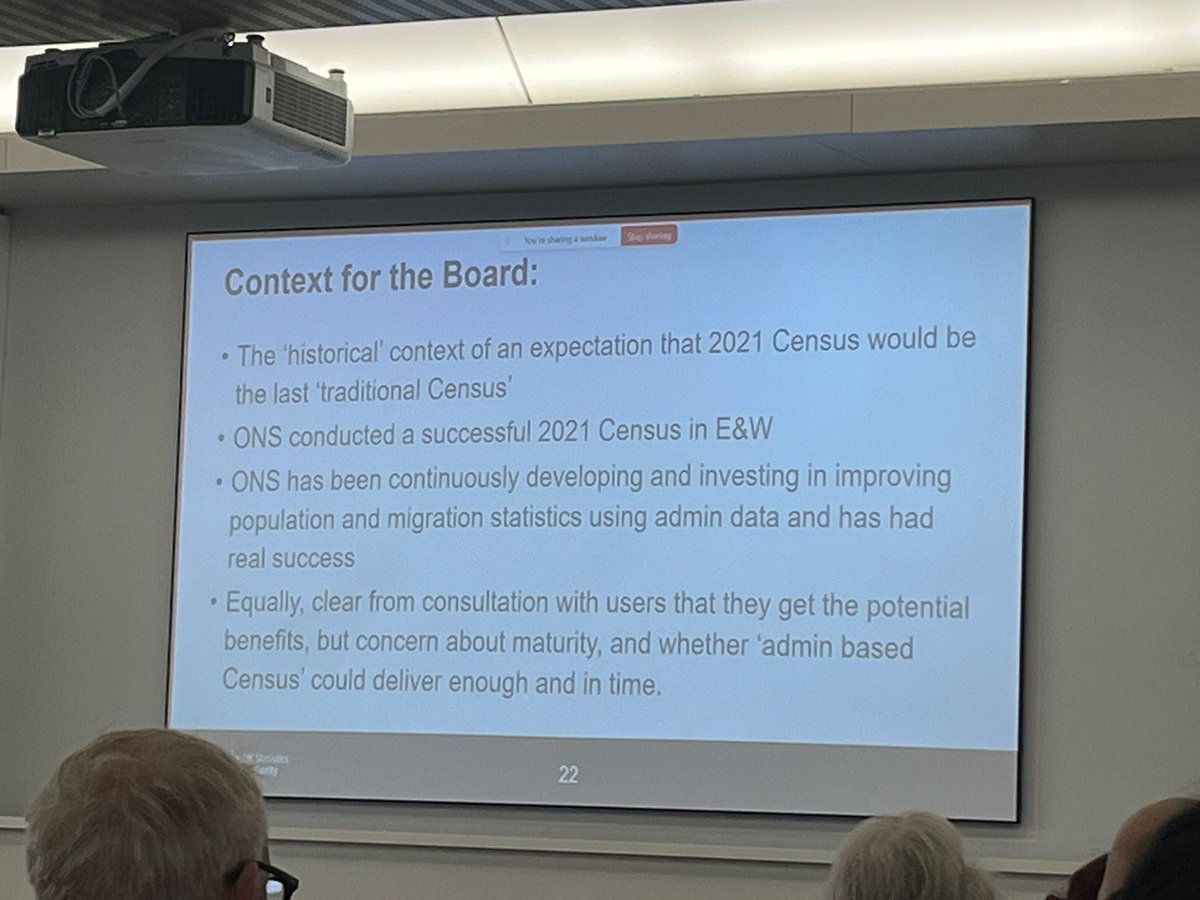
Penny also talked about previous discussions with the Government about Census 2021 potentially being the last traditional one of its kind, as it was thought that in the future administrative data could be used because it would be more cost effective and timely.
However, following a number of consultations, the UK Statistics Authority has put forward (working alongside other statistical bodies in the UK) three recommendations to the Government about the way forward.
Firstly, the organisation has recommended that a new Census should go ahead in 2031, due to the administrative data not being in a position yet to replace the Census.
The second recommendation is for the ONS to carry on with redeveloping administrative data and seeing what it can do with the Census in the future.
The third recommendation is for the Government to commit to the continuous flow of critical administrative data, so it can be used to inform us on how our lives could be improved further in the future.
The organisation hopes to hear back from the Government on its response to the recommendations over the Summer.
Penny also praised Census 2021 for having a 97% response rate and being the first ever online Census. Plus, she said that we should be mindful that the public would have strong views if it was decided that administrative data would replace the Census in the future. Read more about the Census data we have available at the UK Data Service: lnkd.in/ewQAPV3W
1
1
223
10 Jul 2025
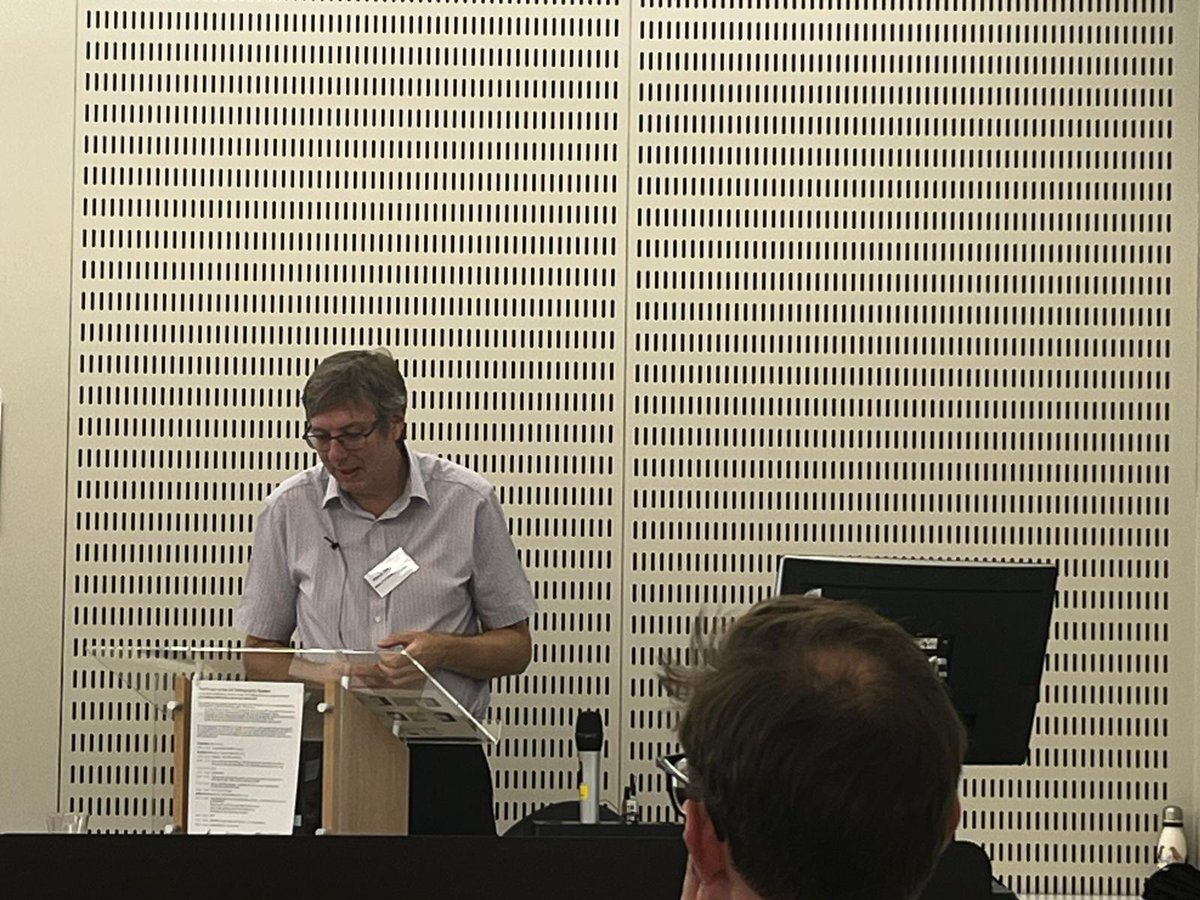
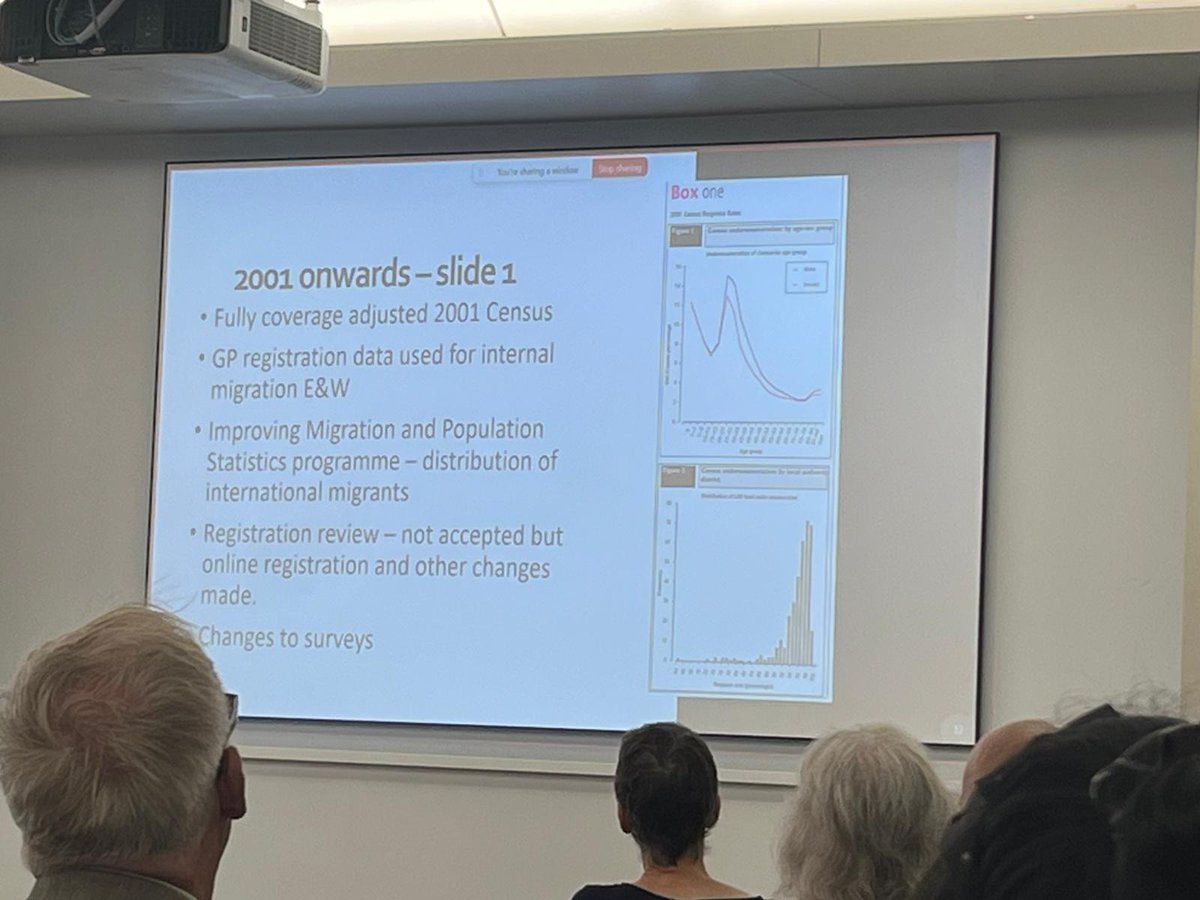
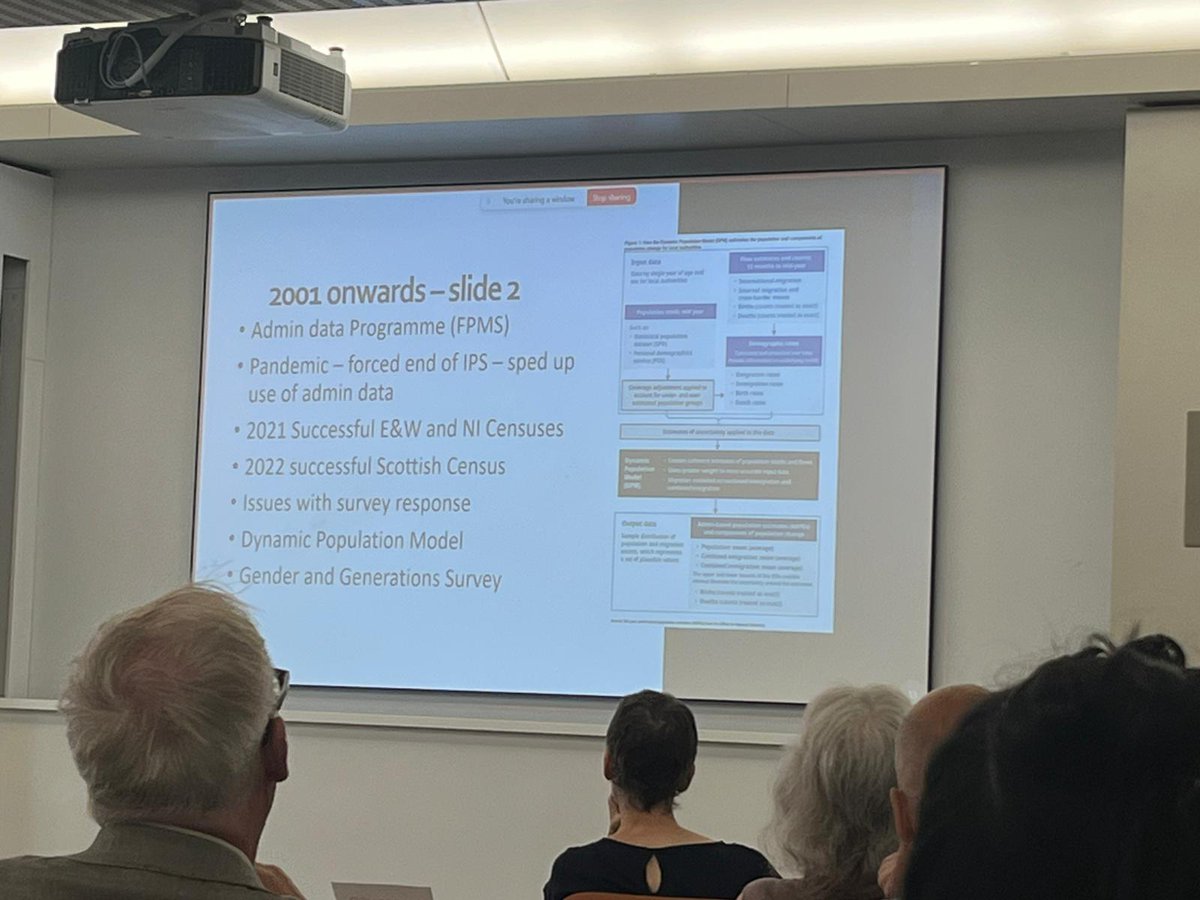
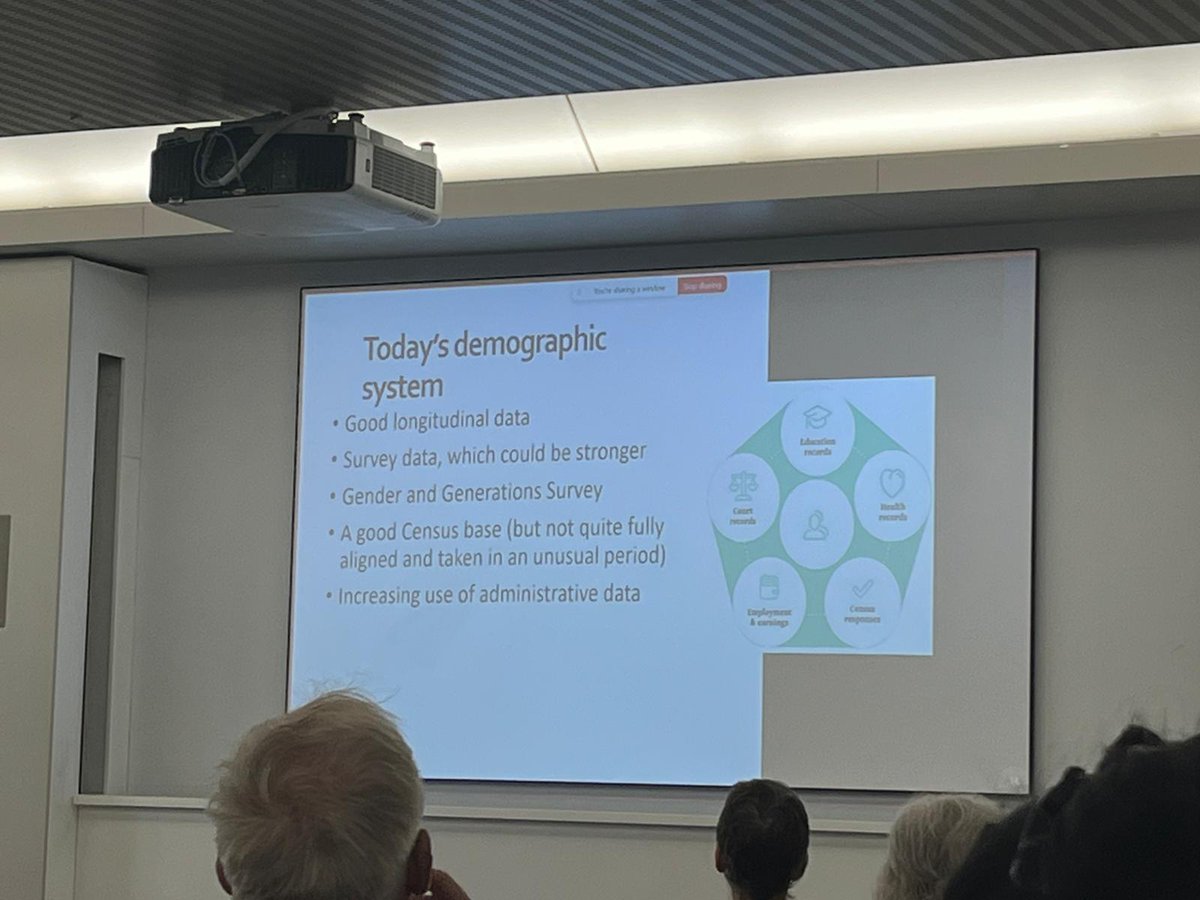
Steve Smallwood, a demographer from the Office for National Statistics, provided attendees with a fascinating insight into the history of the Census, at The Future of the UK Demographic System conference.
He explained how the Census has developed over the years in terms of its ability to collect accurate data about the U.K. population and important aspects of their lives.
"Let's go back over a 1,000 years to the Domesday book. One could argue that it was as much about administrative data back then, rather than Census data. Nevertheless, it's worth noting it took 20 years to be printed, which given the high mortality and even smaller outer migration at the time, means it was undoubtedly out of date.
"It was mainly about land ownership and production, plus it covered England and a bit of Wales. The population change itself was recorded locally at the time through Parish records. At the end of the 15th century, causes of death were recorded for the first time. Fast-forwarding to the 19th century, through to the mid-20th century, huge developments were made in the collection and analysis of demographic data.
"The first Census in 1801 covered England, Wales and Scotland, and the first Census in Ireland was produced in 1821. The 1841 Census was particularly important because it recorded names, ages, sex, occupations of individuals for the first time, and essentially the information came from the householders themselves.
"By 1851, the Census added data on disabilities, languages spoken, employment status and housing conditions. Furthermore, the 1911 Census asked women about fertility and marriage duration, which was controversial and protested by the suffragettes.
"Later on, the Census was more formalised by the Census Act in 1920. At this point, it gave power to the statistical administration to collect any Government or Local Authority data to collect statistics on the condition of the population."
Steve went on to explain further developments until the present day. Looking at the Census in this context, the attendees were able to appreciate how important the Census has been and continues to be with painting a detailed picture of every aspect of our lives and how the results can used to improve our lives.
Read more about the Census data we have available at the UK Data Service:
lnkd.in/ewQAPV3W
1
3
228
10 Jul 2025
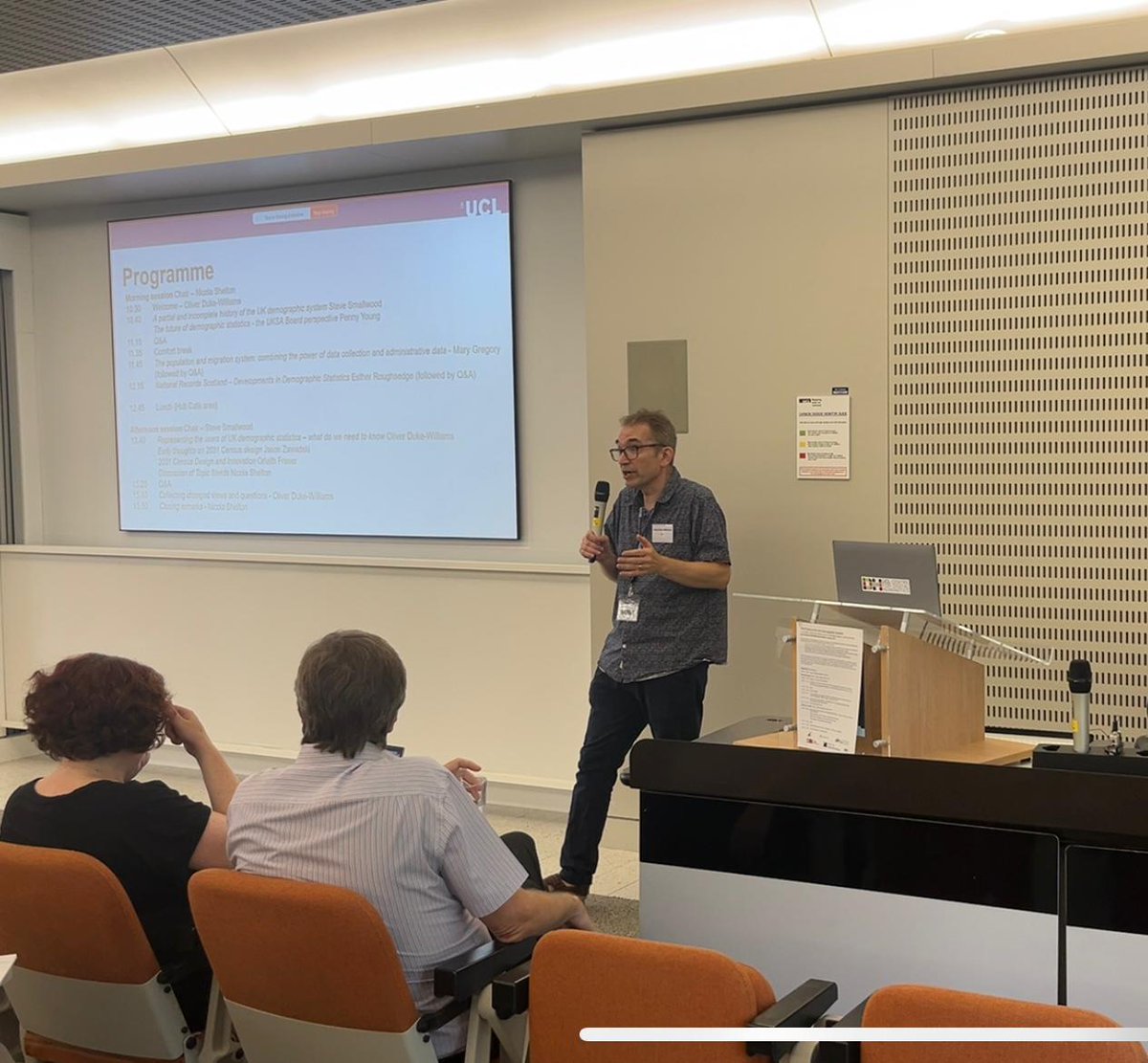
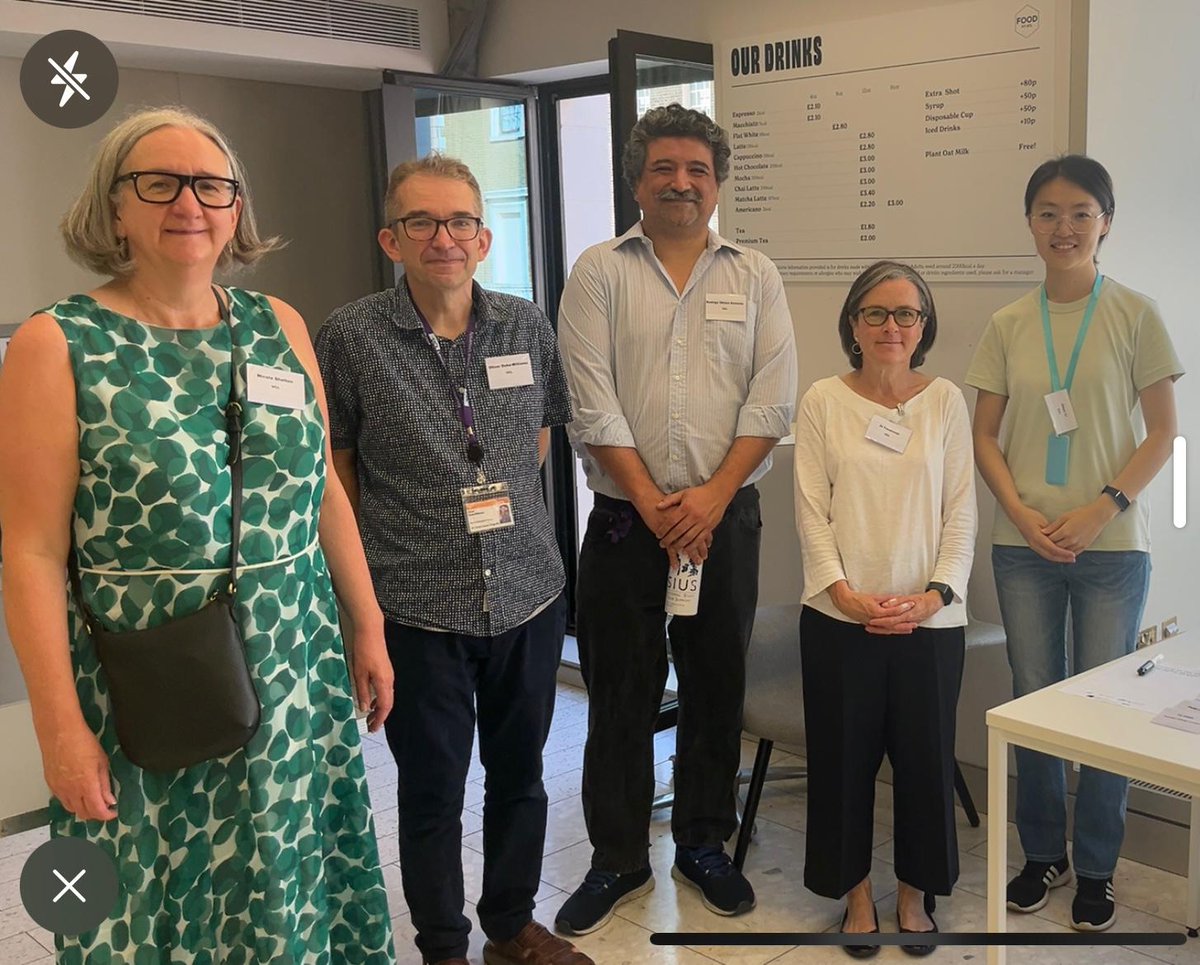
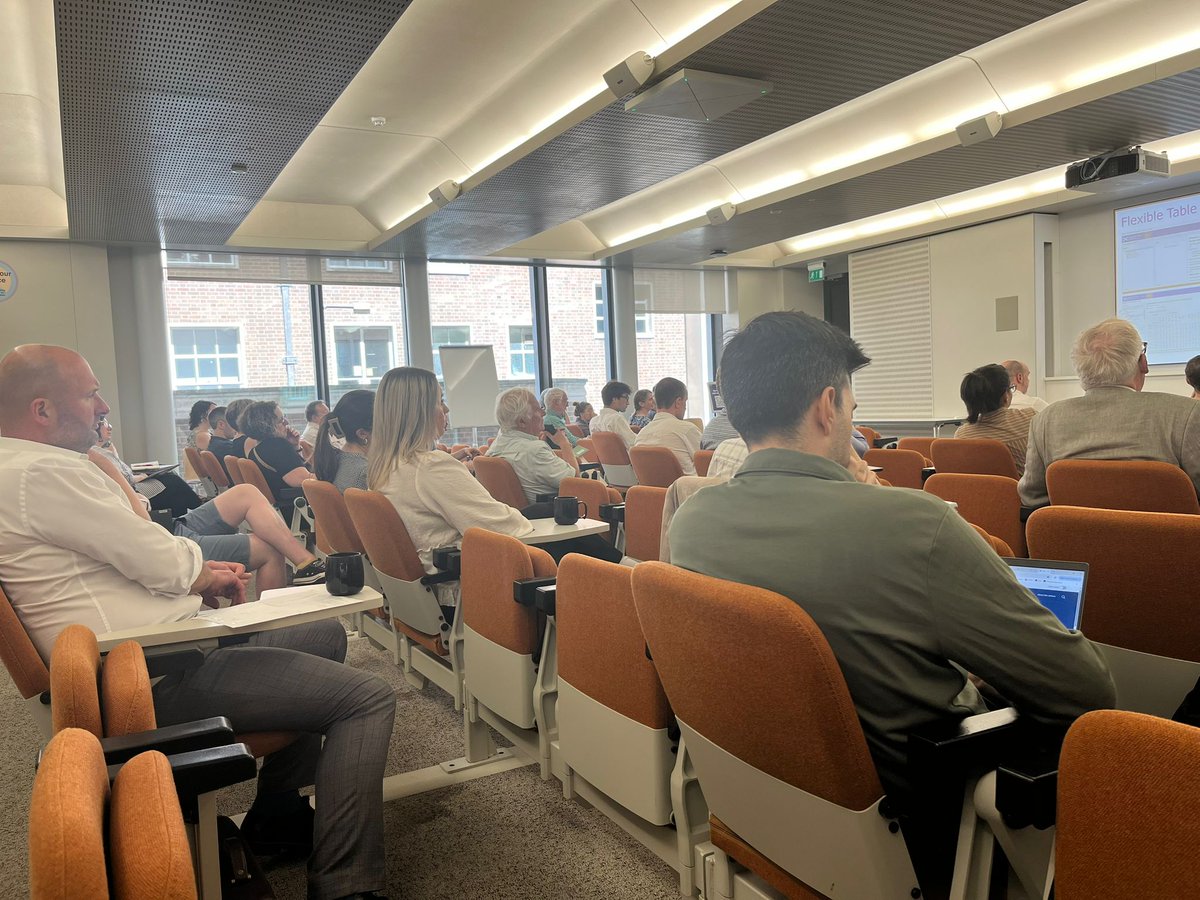
Oliver Duke-Williams, the Service Director for the Census at the UK Data Service, said at The Future of the UK Demographic System conference, held at UCL today, that this is a very interesting time to be discussing the value of the Census to British society.
"For a while, the idea has been out there that Census 2021 may well be the last one we will have. As you know, Office for National Statistics and other agencies have been considering the use of administrative data in the future. There are good reasons for doing that, however, others have concerns about whether this kind of data could effectively replace the Census.
"You will also be aware that in June, there was an announcement from all three statistical agencies in the UK (The Office for National Statistics, NISRA and National Records of Scotland) about them recommending that we have a full Census in 2031.
"This is very recent news and therefore a very interesting time to be thinking about Census data, as well as the value of other forms of data, and thinking more broadly about demographic data. It poses the questions of - How do we use it now? How should we use it? How do want to use it in the future? What new approaches might be possible now and in the future?
"The statistical agencies are about to enter a period of consultation with users, where I think there is definitely scope as users to explain what we want. We have the opportunity to influence the decisions that are going to be made over the next few years to prepare for the next Census, if the recommendations made by the agencies are accepted by the Government.
"As discussed in the presentations today, a lot of the thinking has already taken place about what is going to happen if we have a 2023-2031 Census. There is a still huge amount of thinking to be done. Yesterday, we had a workshop meeting with ONS about how we can use administrative data in the running of the Census, as well as an alternative source of data.
"So there are really interesting questions to consider here. And there are other consultations and meetings that are going to happen, which will look into at other aspects of how we can run a future Census. The statutory agencies are really in listening mode and want people's ideas from people like you, who are specialists in this kind of data."
Find out more about the our Census data held within the UK Data Service's collection:
lnkd.in/ewQAPV3W
University of Essex
John Sanderson
1
1
3
242
10 Jul 2025
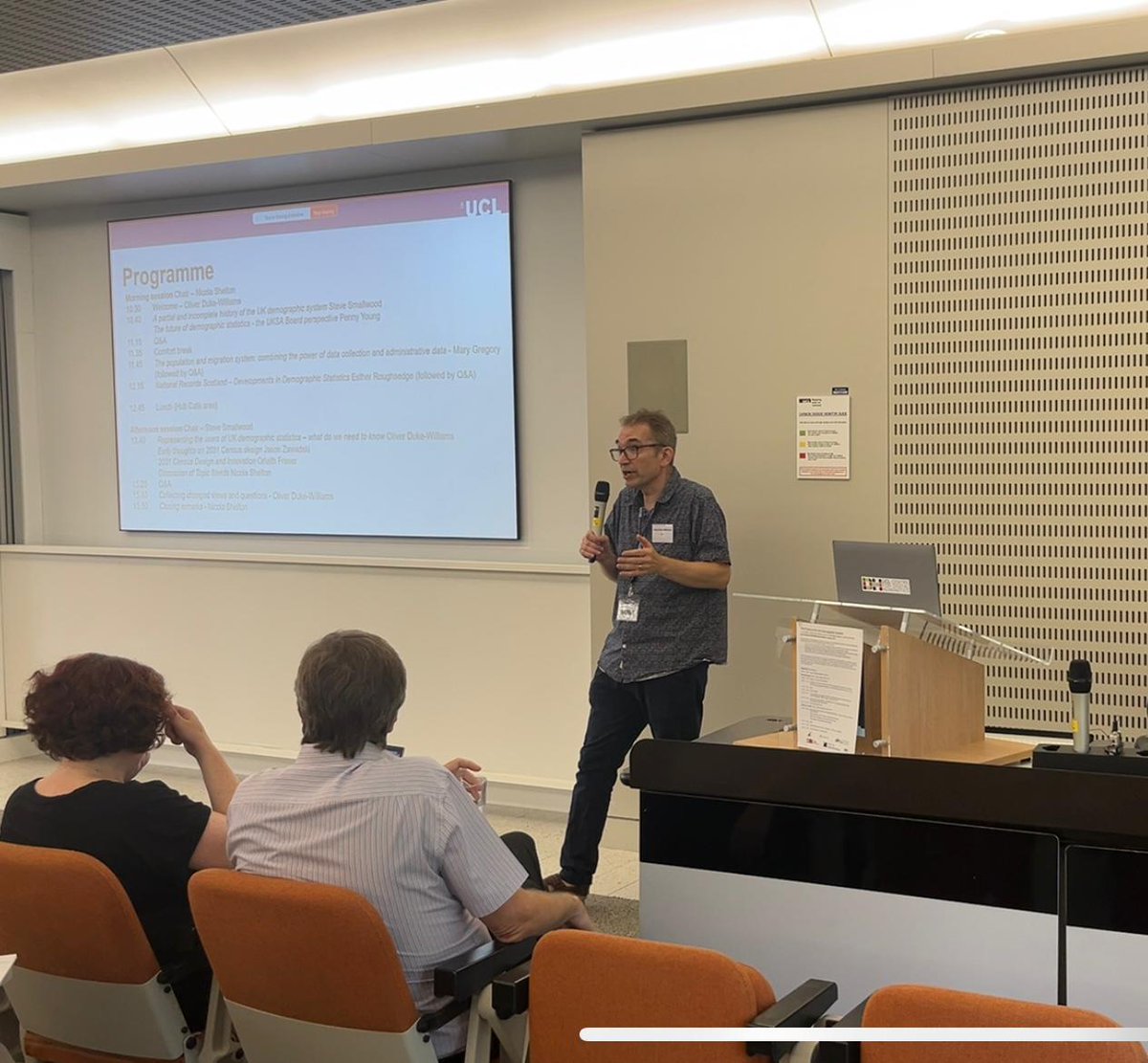
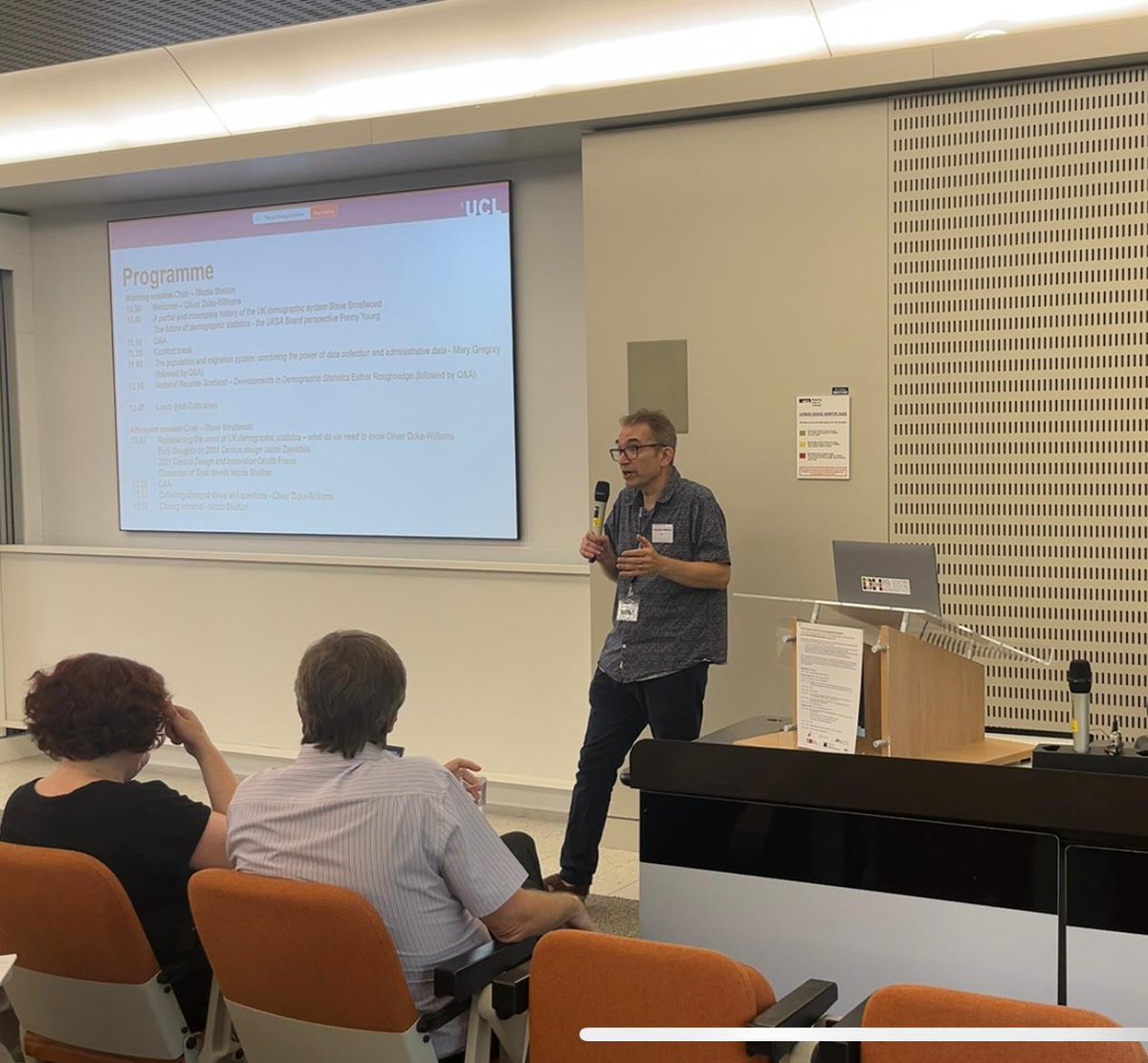
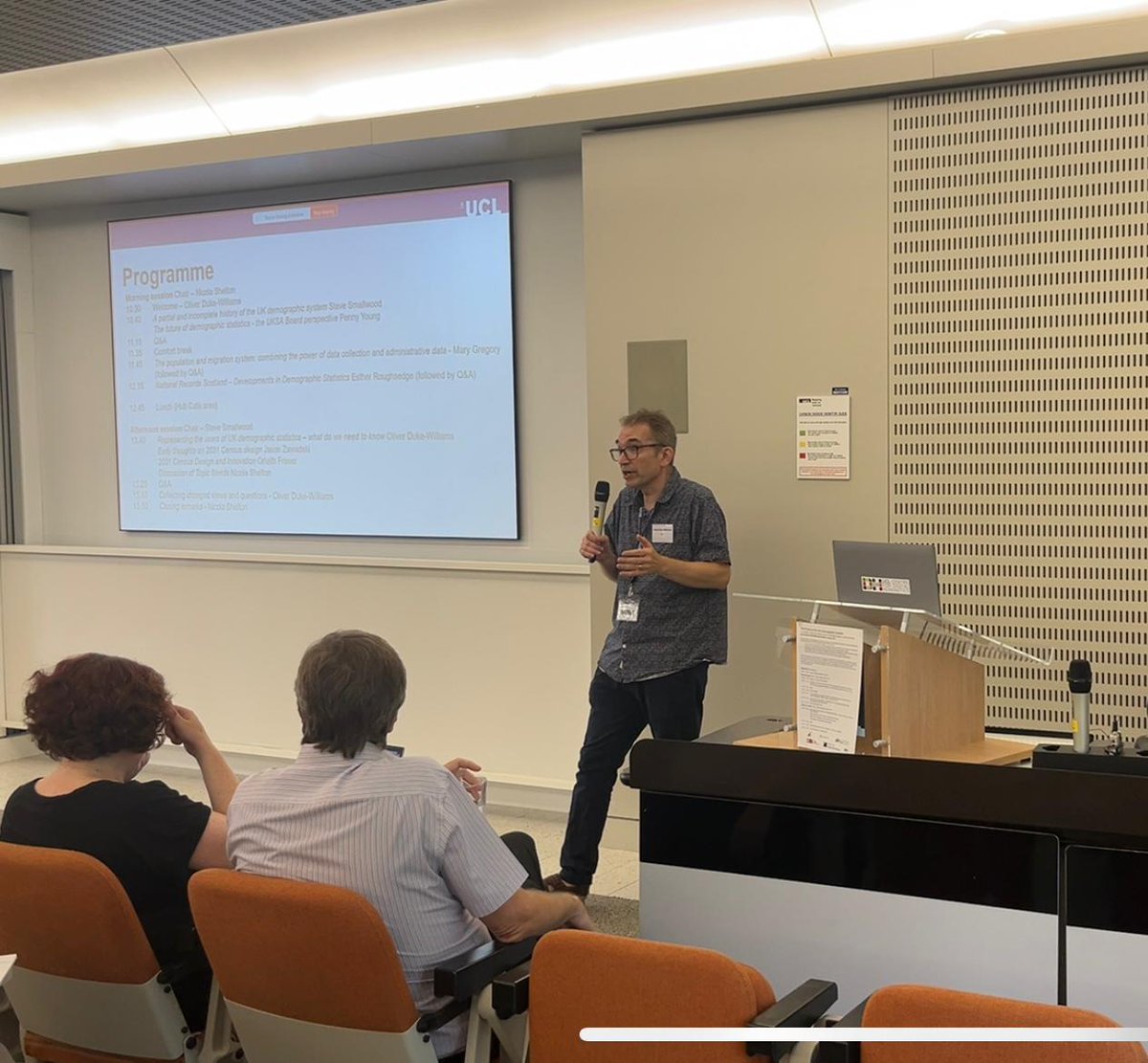
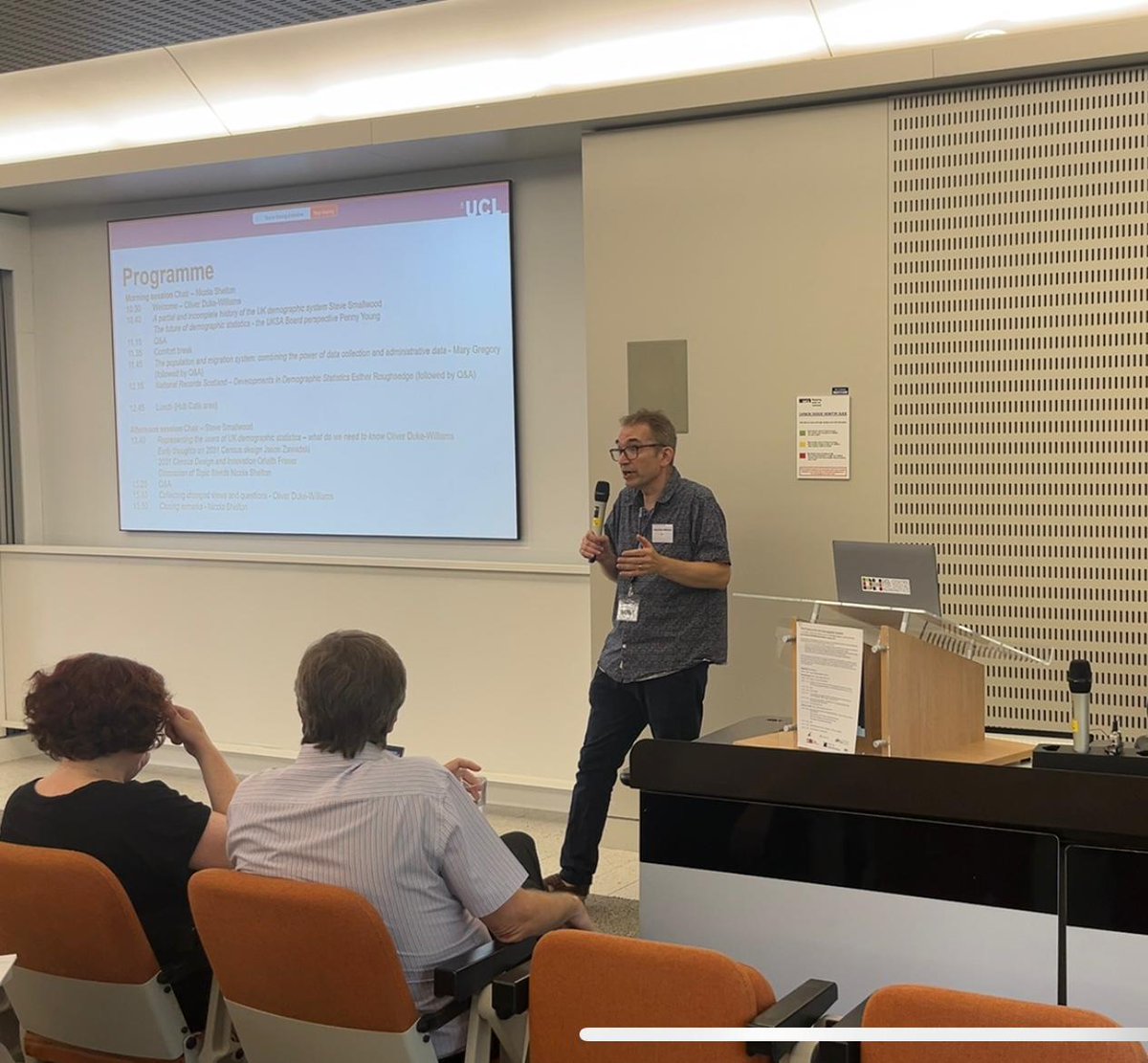
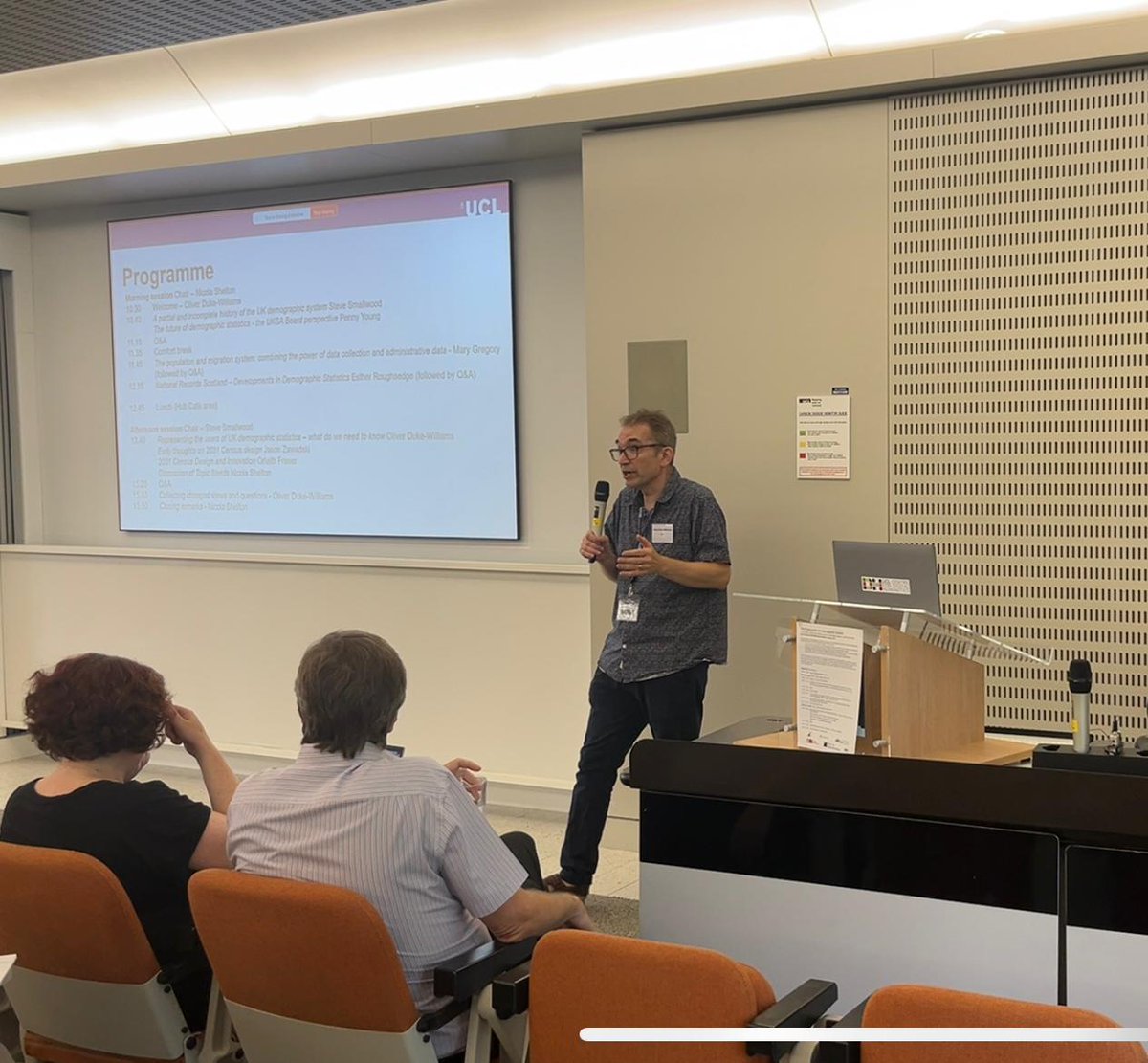
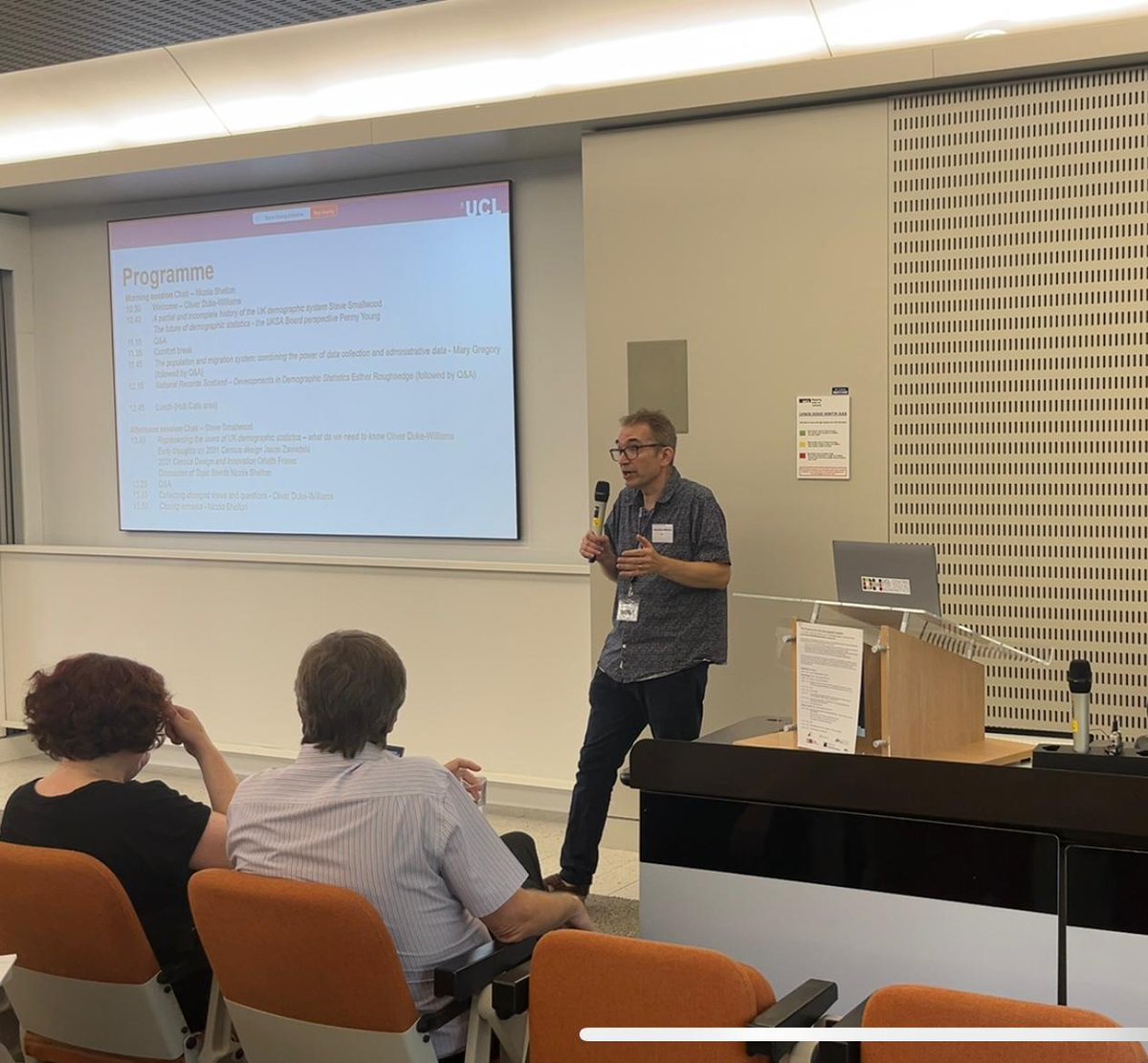
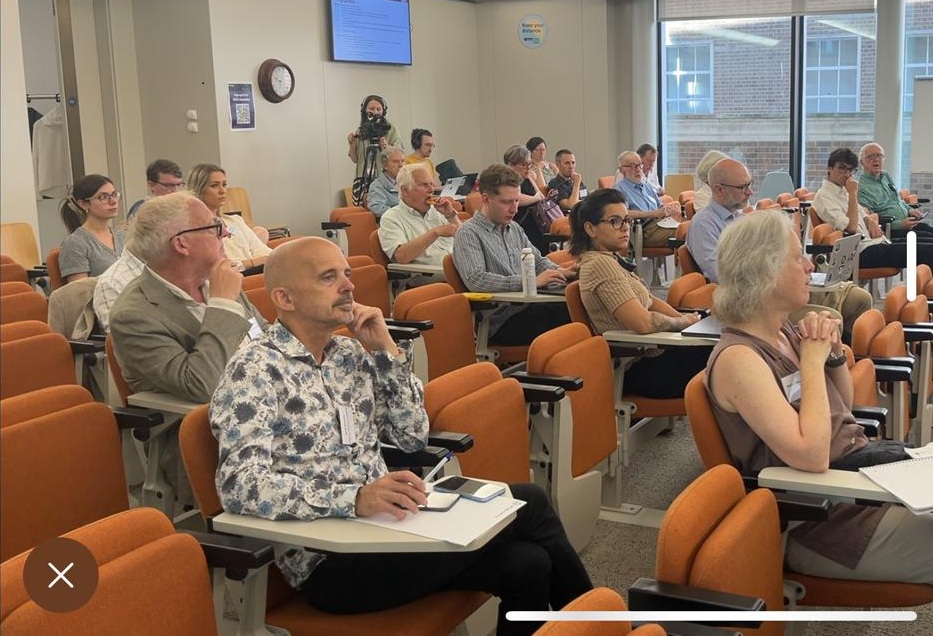
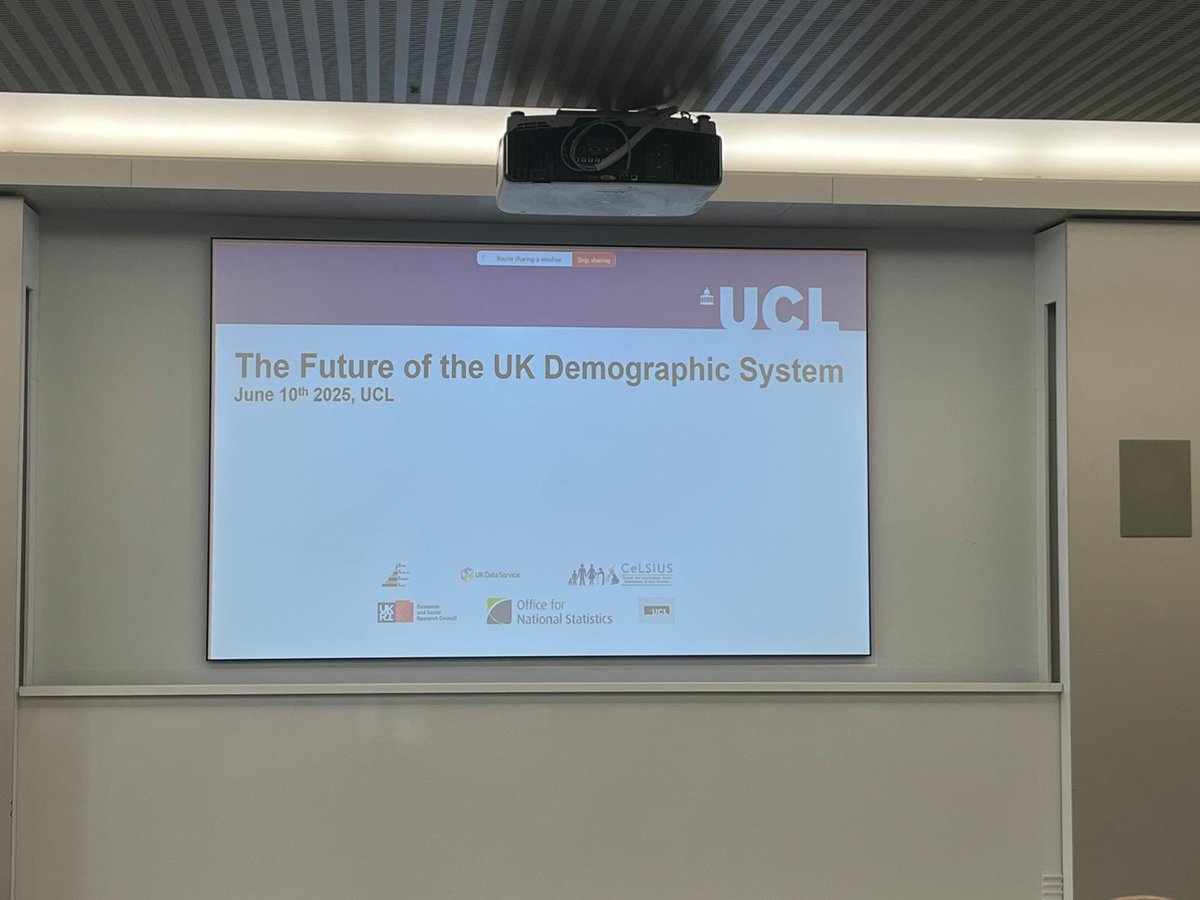
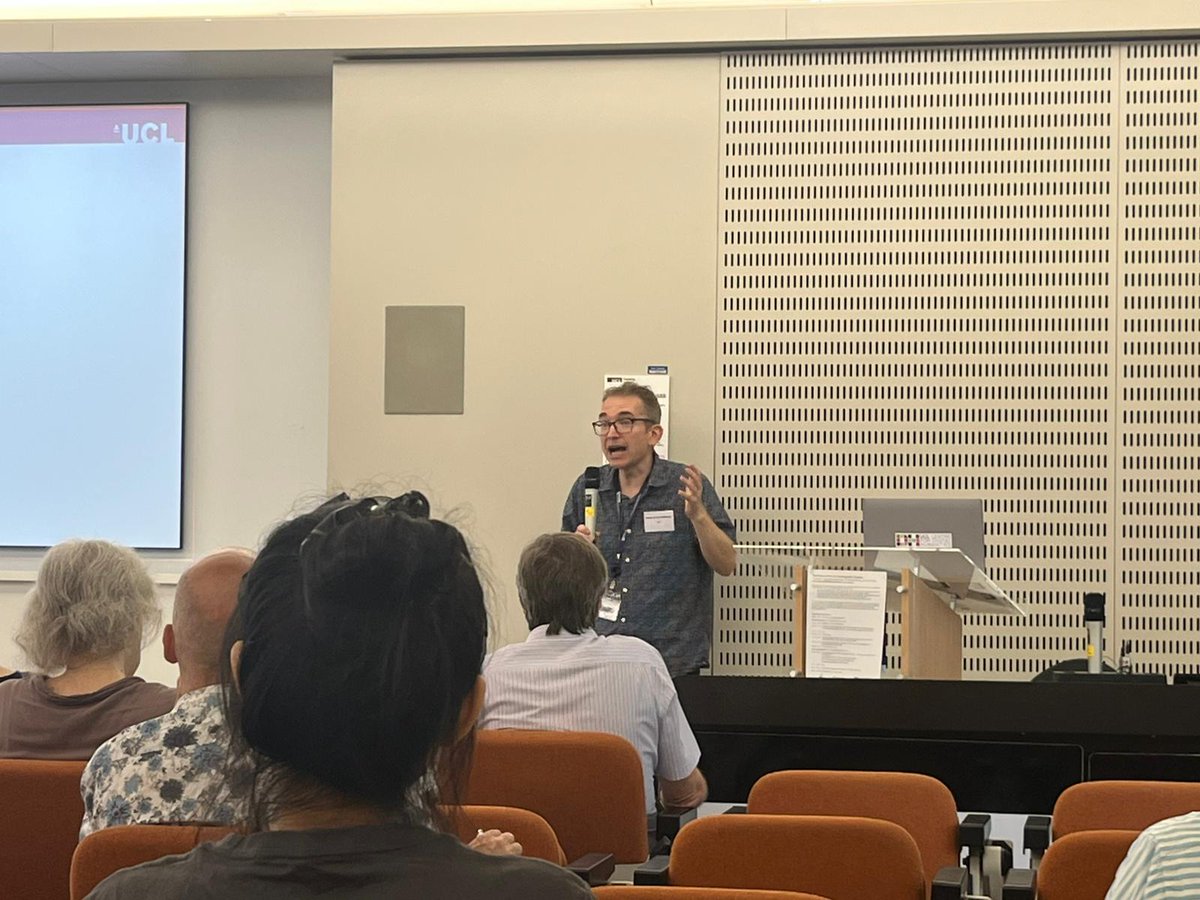
The Future of the UK Demographic System conference, organised by a collaboration between the British Society for Population Studies (BSPS), @ONS, the Centre for Longitudinal Study Information and User Support (CeLSIUS) and the @UKDataService, hosted at @ucl, has just started, following an initial introduction by the Chair for the conference, Professor Nicola Shelton from CeLSIUS and the President of the BSPS, alongside Oliver Duke-Williams, the Service Director for the Census at the UK Data Service
The first presentation is underway right now with @SteveSmallwoo17, a demographer from Office for National Statistics, enlightening attendees about key historical highlights from the UK demographic system.
He will be followed shortly by @PYoungEvidence, a non-executive director for the UK Statistics Authority, who will talk about the future of demographic statistics in the UK.
The aim of this conference is to bring together producers and users of the UK demographic data to increase understanding of developments in the UK demographic system. Its main goals are as follows:
- To connect the key producers of UK demographic data to those with a key interest in that data and inform them of current thinking around the design of the UK demographic system.
- To provide a route for thinking and challenging from the UK demographic community drawn together by the British Society for Population Studies, CeLSIUS and UK Data Service.
- To allow discussion of requirements and topics for future demographic data collection.
@celsiusnews
1
1
6
271