Joined April 2023
- Tweets 5,684
- Following 1,820
- Followers 1,368
- Likes 4,597
220 Photos and videos

Pinned Tweet

5 Dec 2025
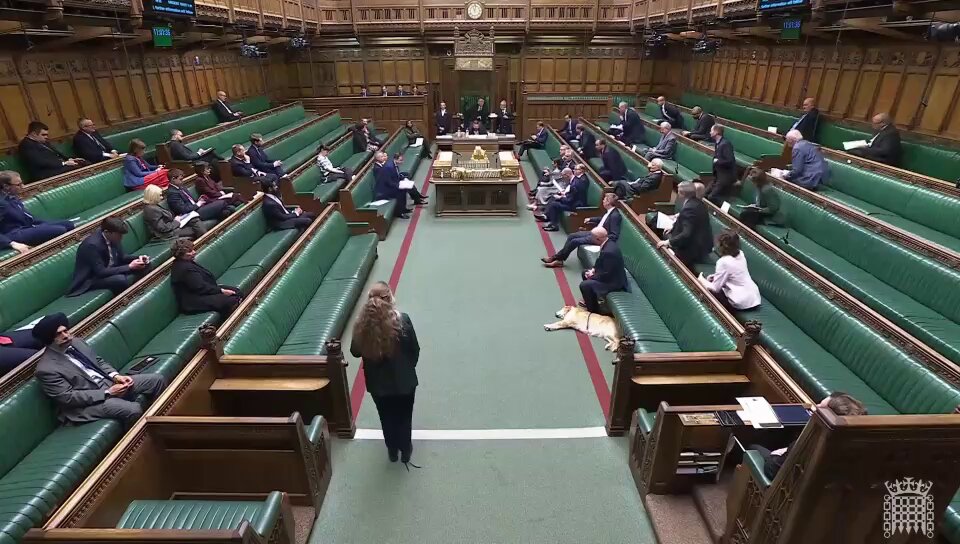
Thank you @SDoughtyMP for calling out Russia directly when it comes to the systematic abduction, indoctrination and militarisation of Ukraine's children, as part of attempts to erase Ukraine's future. /1
5 Dec 2025

The UK will never look away as Russia wages its illegal war.
At the @OSCE yesterday, I set out how we stand with Ukraine - for its sovereignty, and for all our security.
And I challenged Russia directly over their forced deportation of Ukrainian children #BringKidsBackUA 🇬🇧🇺🇦
1
24
44
2,776
8 Dec 2025
8 Dec 2025

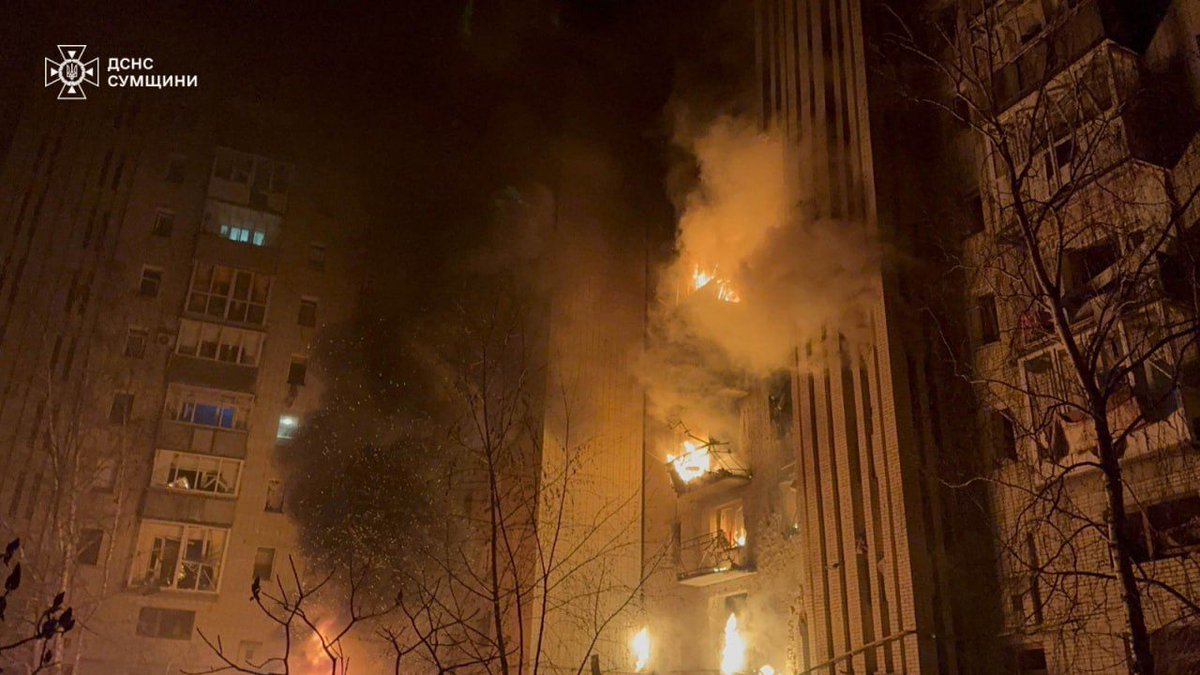
🔴 Russia keeps targeting civilians in Ukraine.
Seven people were injured when a Russian strike hit an apartment building in Okhtyrka, and three more were hurt in Chernihiv after a drone crashed into a residential block, local authorities report.
1
4
163
UK Friends of Ukraine 🇺🇦🇬🇧 retweeted

8 Dec 2025
This is what Trump wants Ukraine to surrender to, and forgive.
Never.
8 Dec 2025

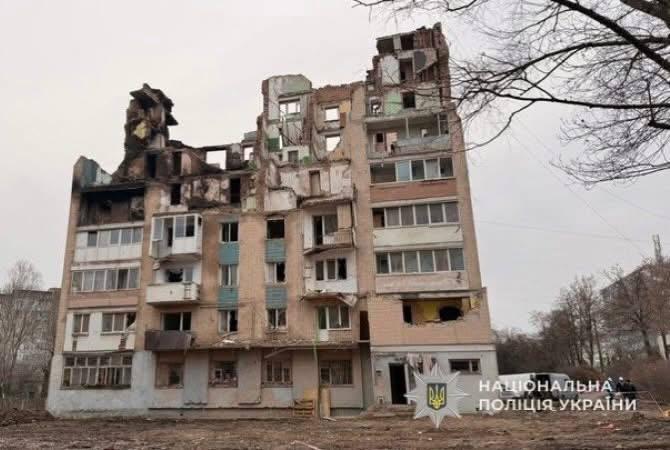
The death toll in Ternopil has risen to 38.
Following the November 19 Russian attack on a residential high-rise, the bodies of two more people previously listed as missing, have been recovered.
Among the victims are 8 children.
6
7
177
UK Friends of Ukraine 🇺🇦🇬🇧 retweeted

5 Dec 2025
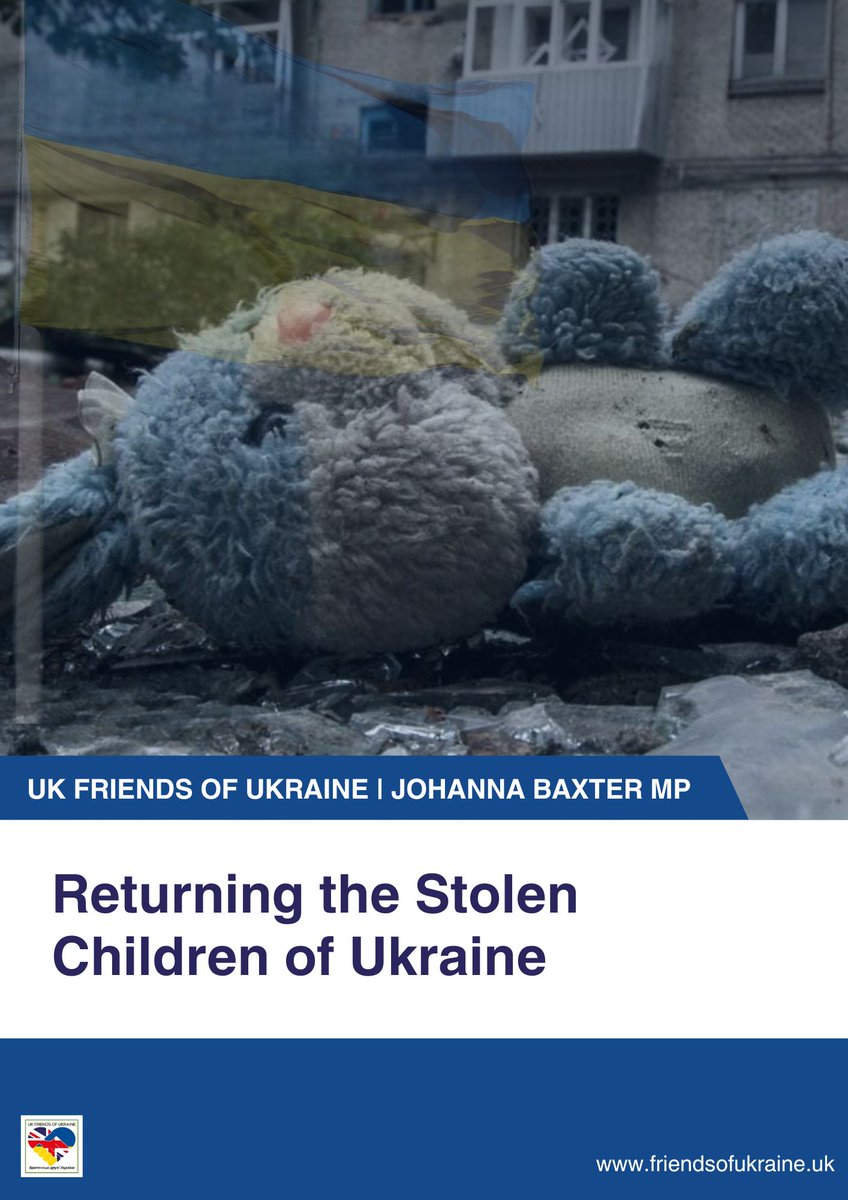
“Alongside their forcible deportation of Ukrainian children, it is now well documented that Russia has also pursued a systematic policy of indoctrination, coercion, and militarisation of Ukrainian children,” - UK MPs in a letter to Stephen Doughty, Minister of State at the Foreign, Commonwealth & Development Office, United Kingdom.
🇬🇧 Grateful to the United Kingdom MPs for insisting that any Ukraine peace plan must protect children’s rights.
#BringKidsBack
@JohannaBaxter
t.ly/9hhc2
6
92
196
3,938
8 Dec 2025
8 Dec 2025

Russia continues the systematic abduction and deportation of Ukrainian children—moving them to Crimea, Siberia, and remote regions of the Russian Federation; isolating them in camps; subjecting them to forced Russification; and teaching them to fear and hate their own country. This is happening today, in the 21st century. And despite global commitments to child protection, international mechanisms remain deeply ineffective in stopping these crimes.
That is why we brought this issue to Georgetown University. Together with researchers, diplomats, human rights experts, and artists, we examined what lies behind the technical language of official reports: the lived experiences of children who endured separation, coercive indoctrination, and months without contact with their families.
One focus of the event was the role of art as a form of truth-telling when formal systems fail. The Metropolitan Opera is developing The Mothers of Kherson, inspired by real Ukrainian women who traveled into occupied Crimea to bring their children home. Art can sometimes communicate moral clarity where institutions fall silent.
We also heard from Alla, a mother from Kherson. Her 13-year-old son was taken by Russian authorities to a so-called “holiday camp” in Crimea and held for six months. He was forced to sing the Russian anthem, repeat propaganda, and told that his mother had abandoned him. To bring him home, Alla crossed multiple countries, endured interrogations by the FSB, and faced pressure and threats from Russian media.
She spoke not only for herself, but for thousands of mothers from Kherson and other regions whose children remain in camps, institutions, and foreign families inside Russia.
These are the families @SaveukraineUs works for every day—locating abducted children, bringing them home, and supporting their recovery after months of coercion and trauma.
📹 Watch & sare full discussion:
youtu.be/qtfF9Nwa0f8?si=ing9…
2
67
8 Dec 2025
Welcome home!
8 Dec 2025

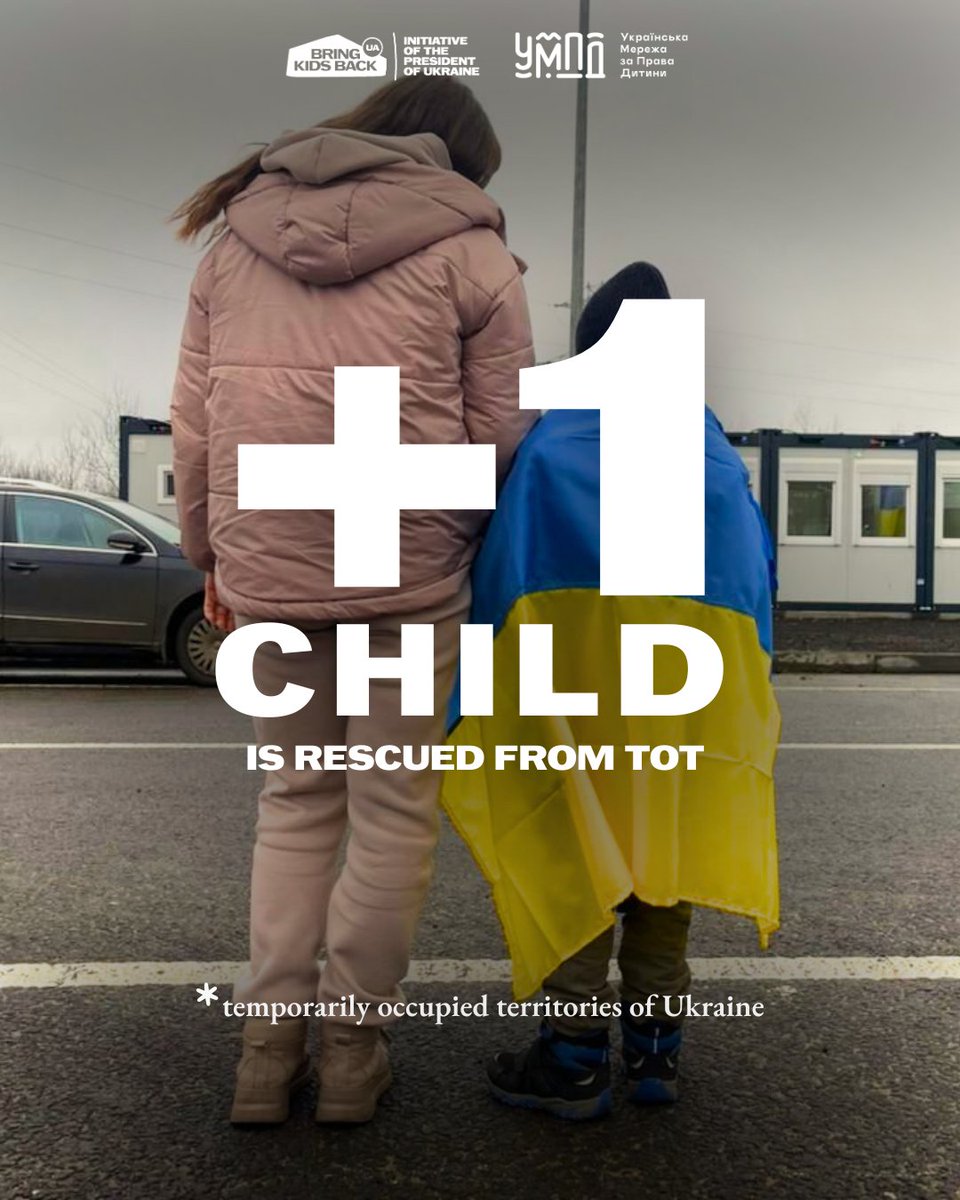
Another Ukrainian boy has been rescued from a temporarily occupied territory as part of the President of Ukraine’s Bring Kids Back UA initiative, with the support of the Ukrainian Child Rights Network.
Seven-year-old Makar lived almost four years without his mother. On the eve of the full-scale invasion, she travelled to Kyiv for work, and on 24 February, their village fell under occupation. Makar stayed with his grandmother, and from then on, their life was filled with constant searches, checks, and pressure from Russian soldiers. When it was time for him to start school, the occupation administration demanded that a Russian birth certificate be issued. This was impossible without his parents, and the occupiers deliberately blocked any attempt to formalise guardianship. Later, the so-called “child protection” services began threatening to take Makar to an orphanage — a typical tool of pressure Russia uses in the temporarily occupied territories.
All this time, his mother was looking for a way to bring her son back. A random social media post eventually led her to the Ukrainian Child Rights Network.
Right before the holidays, Makar finally saw his mother again — after almost four years of separation. He is now safe, with his family, and receiving all the support he needs to adapt: a social worker, psychologist, and other specialists are working with him.
We are sincerely grateful to the Ukrainian Child Rights Network for helping rescue this boy.
We will not stop until every Ukrainian child returns home.
#BringKidsBack
Name changed for security reasons.
4
86
8 Dec 2025
8 Dec 2025

⚡️‼️BREAKING: Zelenskyy to Espresso TV on the abduction of Ukrainian children and the possibility of including their return in any potential “peace deal”
Zelenskyy: Indeed, senators and congressmen are working on this (referring to the hearings in the Senate that took place just last week) and I’m in constant contact with them. I have personal meetings and phone calls about this issue. They support it. By the way, First Lady Melania also supports this cause.
It’s a painful and sensitive issue — for Americans, just as it is for us — though for us, these are our children. For us, it’s certainly closer, without a doubt. But it’s important for Americans as well.
Regarding the 20-point document, the return of children, as well as the exchange of all our prisoners, is already included. As for the U.S. senators and congressmen, they are advancing relevant legislation about our children through Congress, and we will continue to support them in this.
4
76
UK Friends of Ukraine 🇺🇦🇬🇧 retweeted

3 Dec 2025
russians deported Ukrainians to concentration camps in Siberia for nearly a century & now they are doing it to Ukrainian children in North Korean camps. Nothing changes in that sick, depraved terrorist nation.
3 Dec 2025

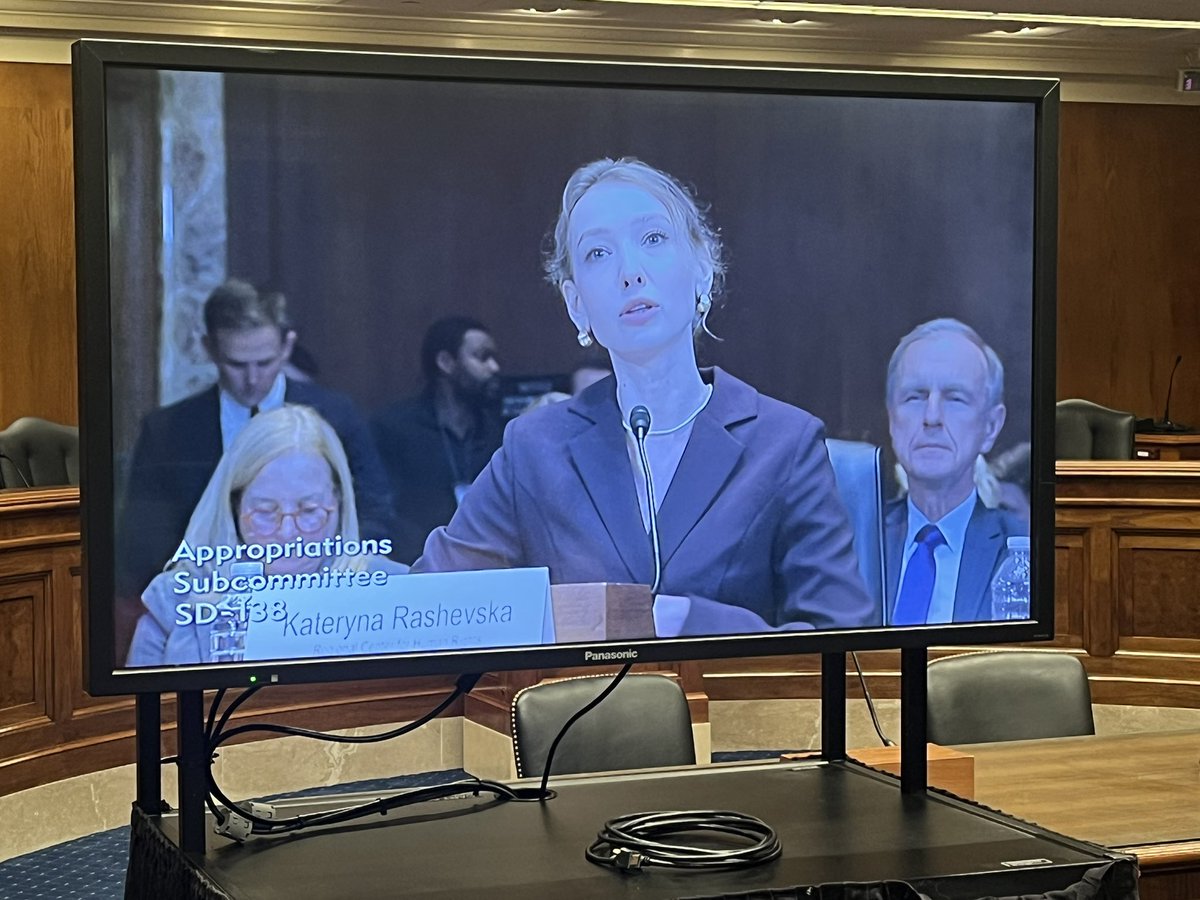
🚨 Some Ukrainian children abducted by Russia were forcibly transferred to North Korea and placed in military camps, Ukrainian human rights organizations say. This was just announced at a Senate Appropriations Committee hearing.
196
1,703
5,030
80,874
UK Friends of Ukraine 🇺🇦🇬🇧 retweeted

7 Dec 2025
This is what Russia did to Kurakhivska TES, the last operating power plant in eastern Ukraine. And it continues to do the same across Ukraine’s energy system.
From The Last Prometheus of Donbas.
109
560
1,570
35,391
UK Friends of Ukraine 🇺🇦🇬🇧 retweeted
8 Dec 2025
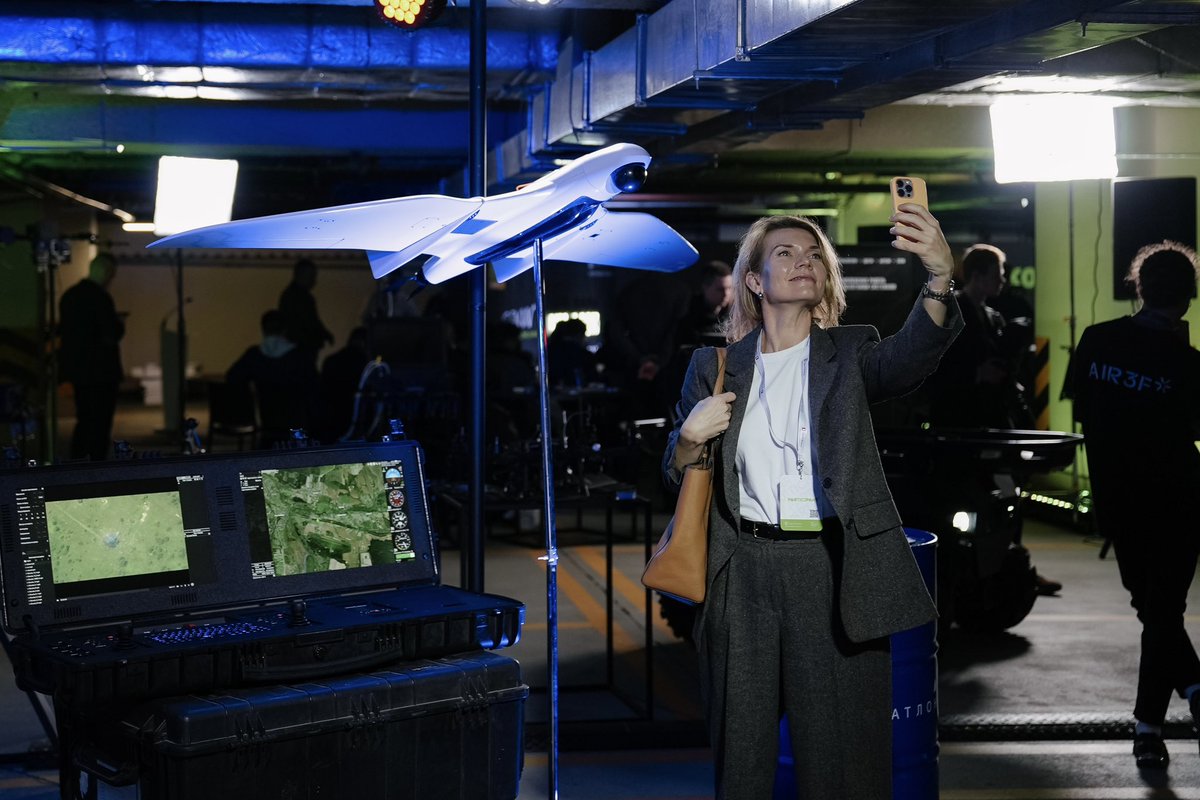
Defence tech is now part of daily life in Ukraine.
We survive by adapting, learning fast and building our own solutions.
Spotted this Furia, a Ukrainian-made UAV, at the security conference.
Very cool to see up close.
16
62
344
6,557
UK Friends of Ukraine 🇺🇦🇬🇧 retweeted

8 Dec 2025
NEW: European leaders are increasingly confident they can reach a resolution to unlock frozen Russian central bank assets for Ukraine before Christmas
The UK govt says there’s been “positive progress” after talks in London
“We are now quite close to finding a legally and politically sustainable solution,” Finnish Foreign Minister Elina Valtonen tells Bloomberg
It seems to be a positive sign that Europe could be about to resolve its internal difficulties on the issue of Russian assets and use some of its key leverage against Moscow (as well as on the US, who had their own plan to use assets themselves)
There’s still distance between Europe/Ukraine and the US on territory and security guarantees. Russia is demanding that Ukraine cede areas of the Donbas that its troops failed to take by force in nearly four years of war. The US has proposed making the area a demilitarised zone.
Story with @AlbertoNardelli @EllenAMilligan
bloomberg.com/news/articles/…
6
59
195
21,554
UK Friends of Ukraine 🇺🇦🇬🇧 retweeted

8 Dec 2025
There is one question I and all Ukrainians want to get an answer to: if Russia again starts the war, what will our partners do, – Zelensky on security guarantees from Western allies, above all the US. (Bloomberg)
44
74
425
8,509
UK Friends of Ukraine 🇺🇦🇬🇧 retweeted
8 Dec 2025
🇬🇧 🇺🇦 Ukraine’s Ambassador to the UK Valerii Zaluzhnyi, together with the head of the embassy’s defence section, welcomed President Zelensky upon his arrival in the UK.
22
254
1,449
26,238
UK Friends of Ukraine 🇺🇦🇬🇧 retweeted
8 Dec 2025
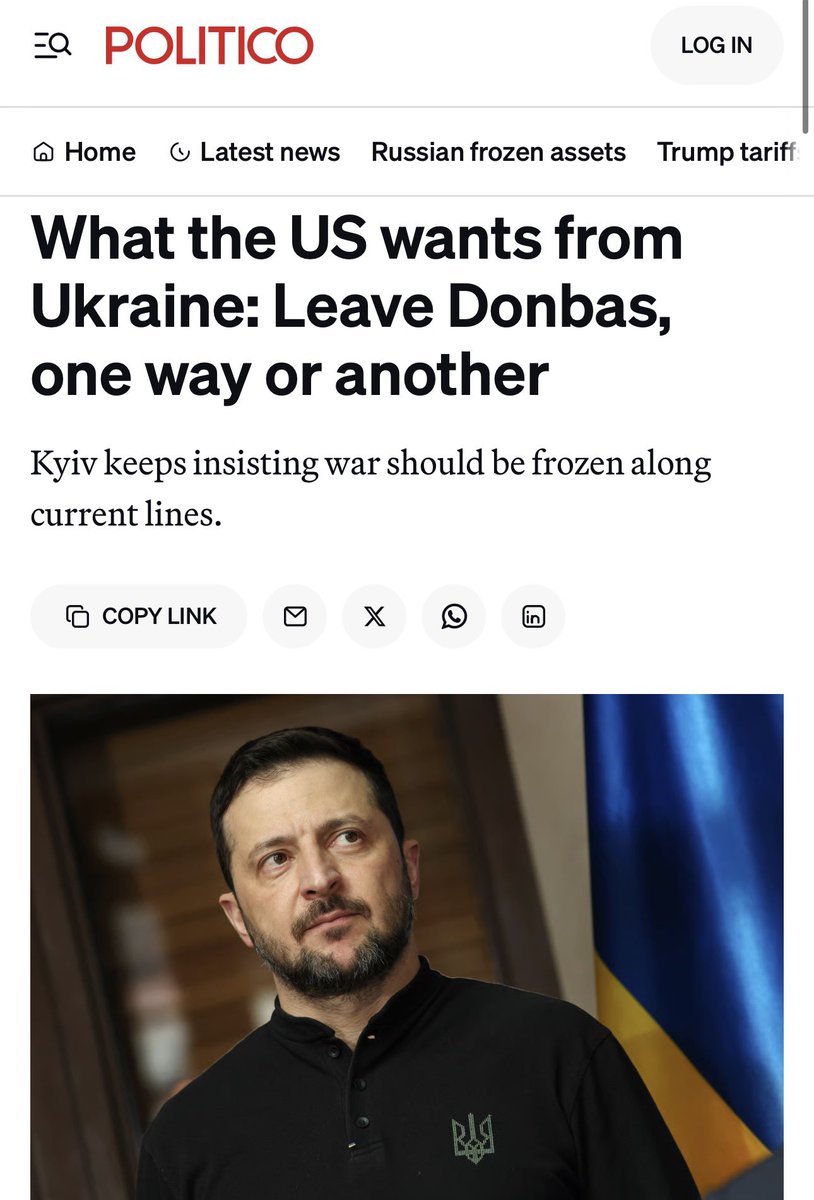
Who would’ve thought Ukrainians would have to fight for Donbas not only against Russia, but also against Trump and his team trying to force a surrender?
92
348
1,122
17,099
UK Friends of Ukraine 🇺🇦🇬🇧 retweeted

8 Dec 2025
Yes, but still no decision on long-range missiles (
1
1
20
2,703
8 Dec 2025
We need more frankness like this.. and please stop delaying and finally send TAURUS to Ukraine!
8 Dec 2025

An unusually frank public position from Germany’s Merz in London here: “frankly sceptical” about some elements of US plans.
3
77
UK Friends of Ukraine 🇺🇦🇬🇧 retweeted

8 Dec 2025
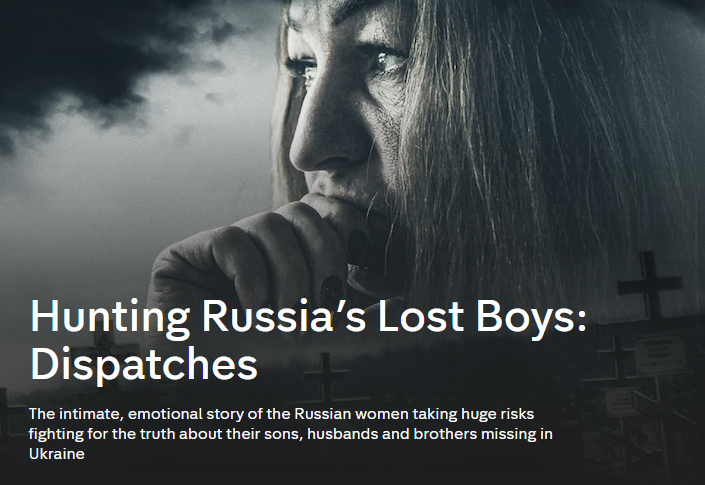
C4: Dispatches (UK tv) also on Youtube - sphere-abacus.com/programme/…
1
3
65
UK Friends of Ukraine 🇺🇦🇬🇧 retweeted

8 Dec 2025
Pokrovsk in Ukraine is claiming thousands of Russian soldiers.
Social media is flooded with messages from Russian wives and mothers of the 1435th, 50th, 439th, and 239th Regiments, who are searching en masse for stormtroopers missing near Pokrovsk. Losses are mounting exponentially, but there are no admissions. The Ministry of Defense claims everything is fine.
Why did you send your husbands and sons to Ukraine to kill, steal, and rape?
369
1,297
5,890
207,863
UK Friends of Ukraine 🇺🇦🇬🇧 retweeted

What is crucial today is unity between Europe and Ukraine, as well as unity between Europe, Ukraine, and the United States. I am grateful to the leaders of the United Kingdom, France, and Germany – @Keir_Starmer, @EmmanuelMacron, and @bundeskanzler – for organizing the meeting and for each of their personal contributions on the path toward achieving peace.
Today, we held a detailed discussion on our joint diplomatic work with the American side, aligned a shared position on the importance of security guarantees and reconstruction, and agreed on the next steps. We also held a separate discussion on further defense support for Ukraine. I am grateful to the leaders for their willingness to stand with our people and help us on the path toward bringing peace closer.
623
1,374
7,438
147,821
UK Friends of Ukraine 🇺🇦🇬🇧 retweeted

8 Dec 2025
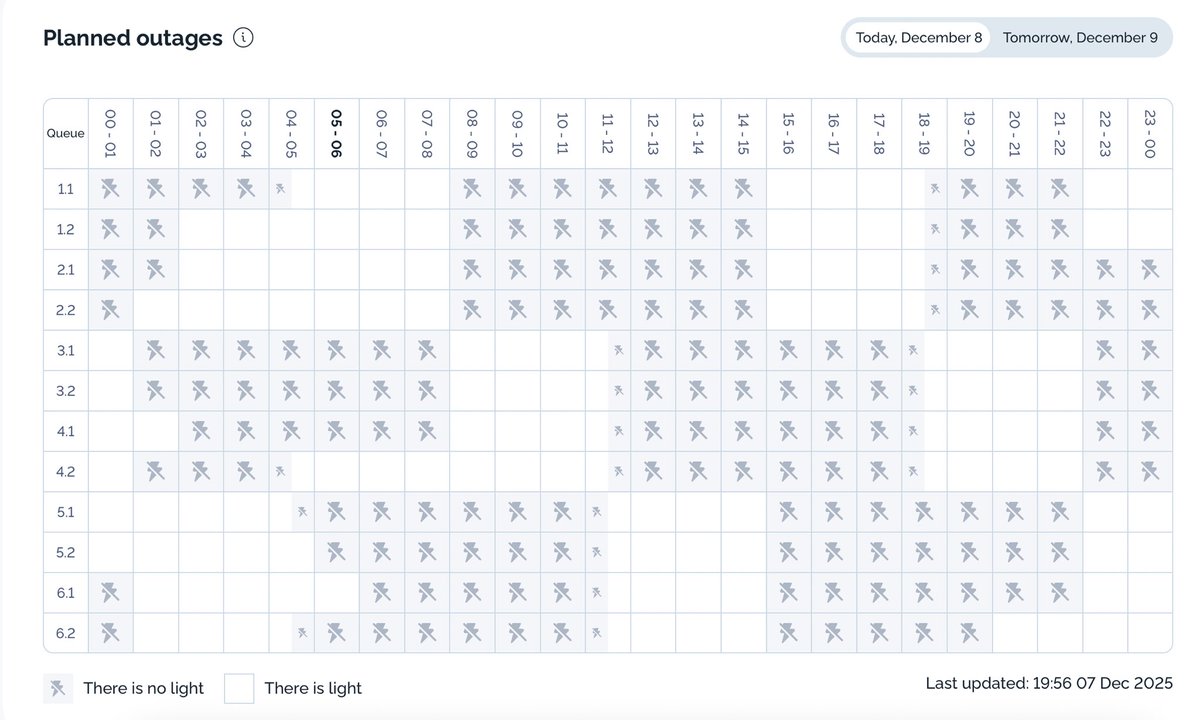
Ukrainian reality: this is the schedule of electricity in Kyiv today. We will have electricity on for 7 hours a day.
46
57
178
5,185
UK Friends of Ukraine 🇺🇦🇬🇧 retweeted

8 Dec 2025
Sumy under heavy Russian bombardment again — local media report up to 10 explosions in the past 30 minutes. The city is now facing widespread power and water outages.
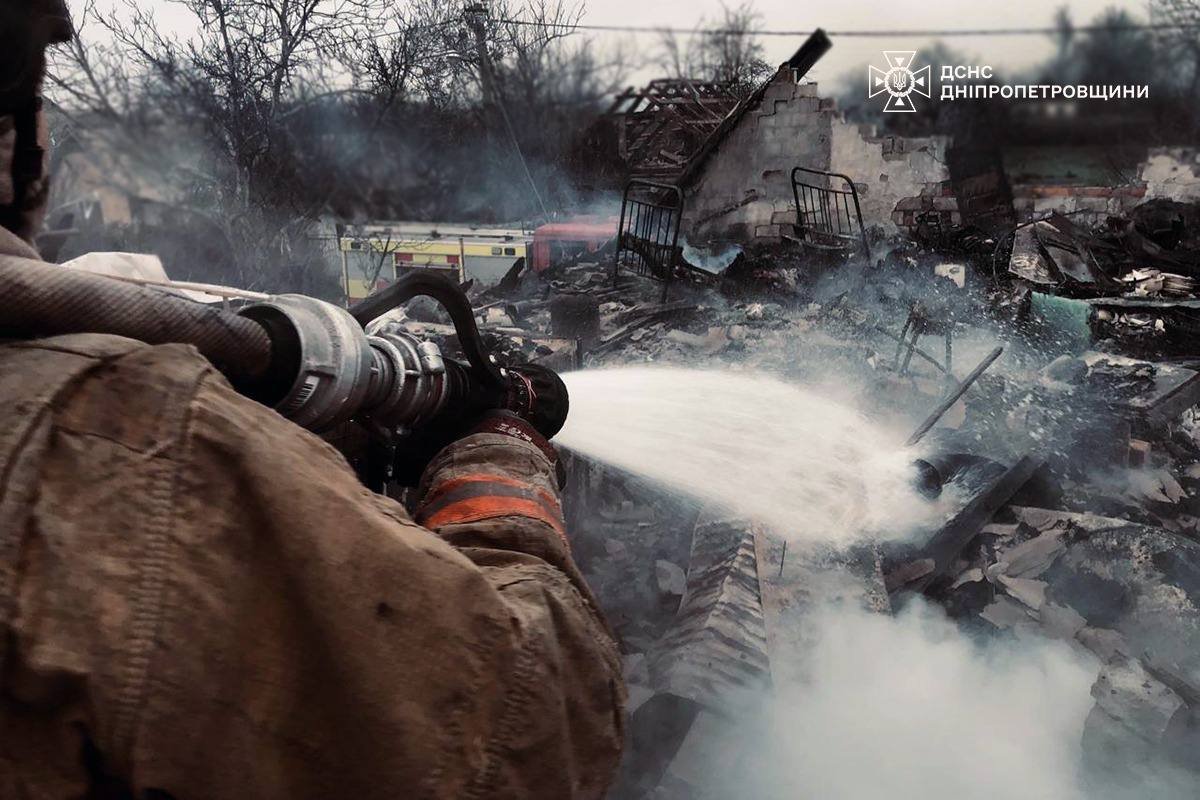
1
13
44
4,950