#UN Office for Disaster Risk Reduction, dedicated to building disaster #resilience and tackling #climatechange through implementation of the Sendai Framework
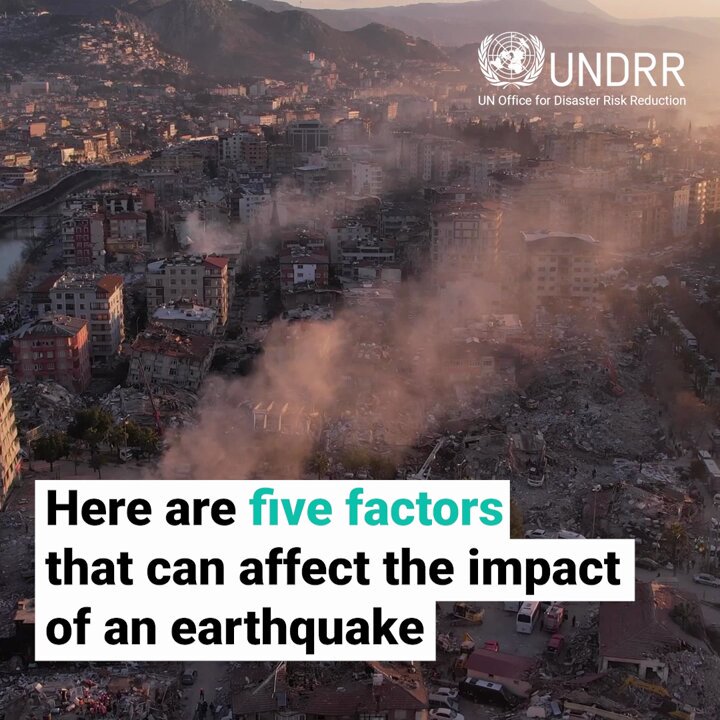
💥 Do you know how seismologists quantify earthquake strength? And what makes some 'quakes more damaging than others?
Discover the factors that determine the impact of seismic events 👇
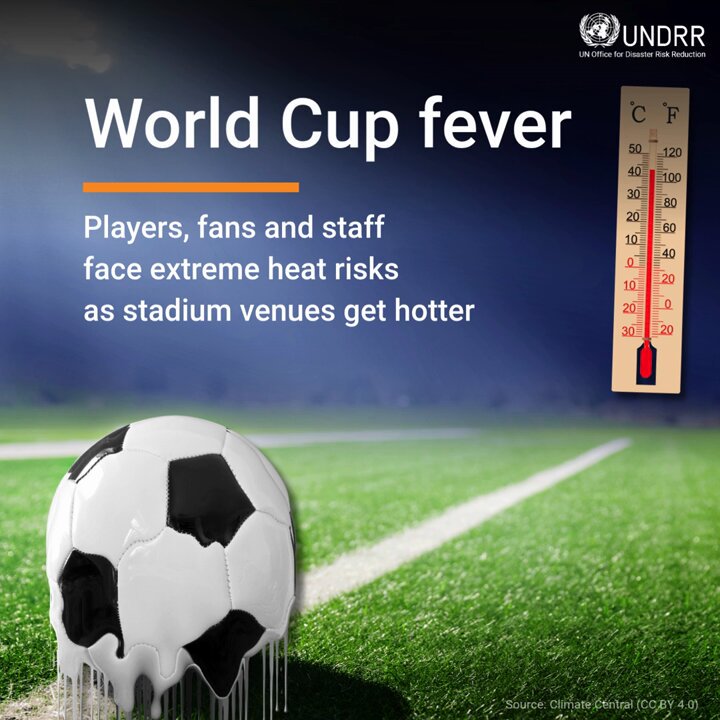
⚽14 of 16 2026 World Cup stadiums now see more extremely hot days in June–July than in 1970.
In repeat host cities, extremely hot days have tripled. Nearly half caused by climate change, @climatecentral research shows. 🌡️
➡️ ow.ly/nBF450Zb1p6#BeatTheHeat#FWC26
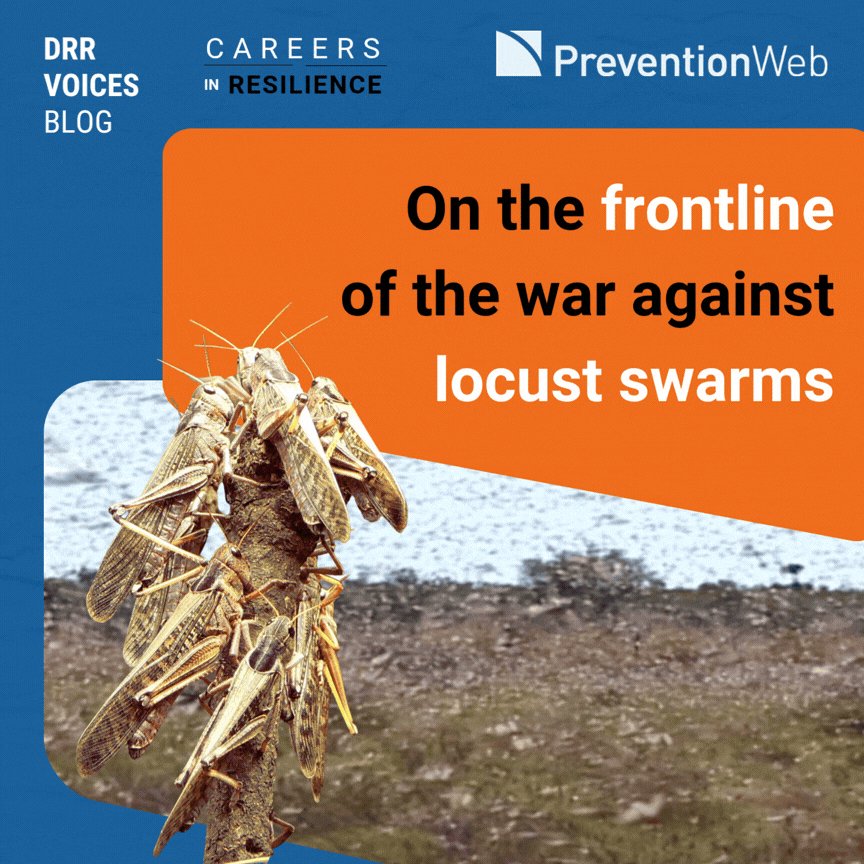
A locust swarm of 80 million insects can consume as much food in a day as 35,000 people. 🌾
🦗In this #DRRvoices interview, Ali Babalifashki of Iran's Plant Protection Organization shares what locust risk management looks like on the ground.
➡️ ow.ly/WIZK50Zaor9
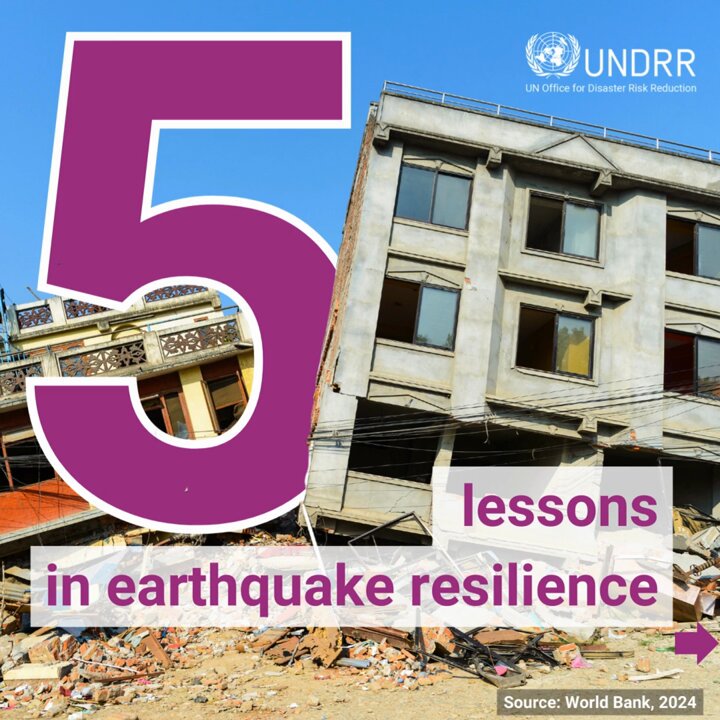
During the last three years the world has been shaken by several major earthquakes.
👇 Here are 5️⃣ lessons they have taught us, from @TheWorldBank Blog and @miyamotointlow.ly/EMoU50Tz2e8
A selection of the week's disaster risk reduction 🗞 news and 🔬 trusted research, brought to you by the #PreventionWeb editors.
➡️ow.ly/AbgI50Zazpa
👣Follow 👍Like 🔔Subscribe
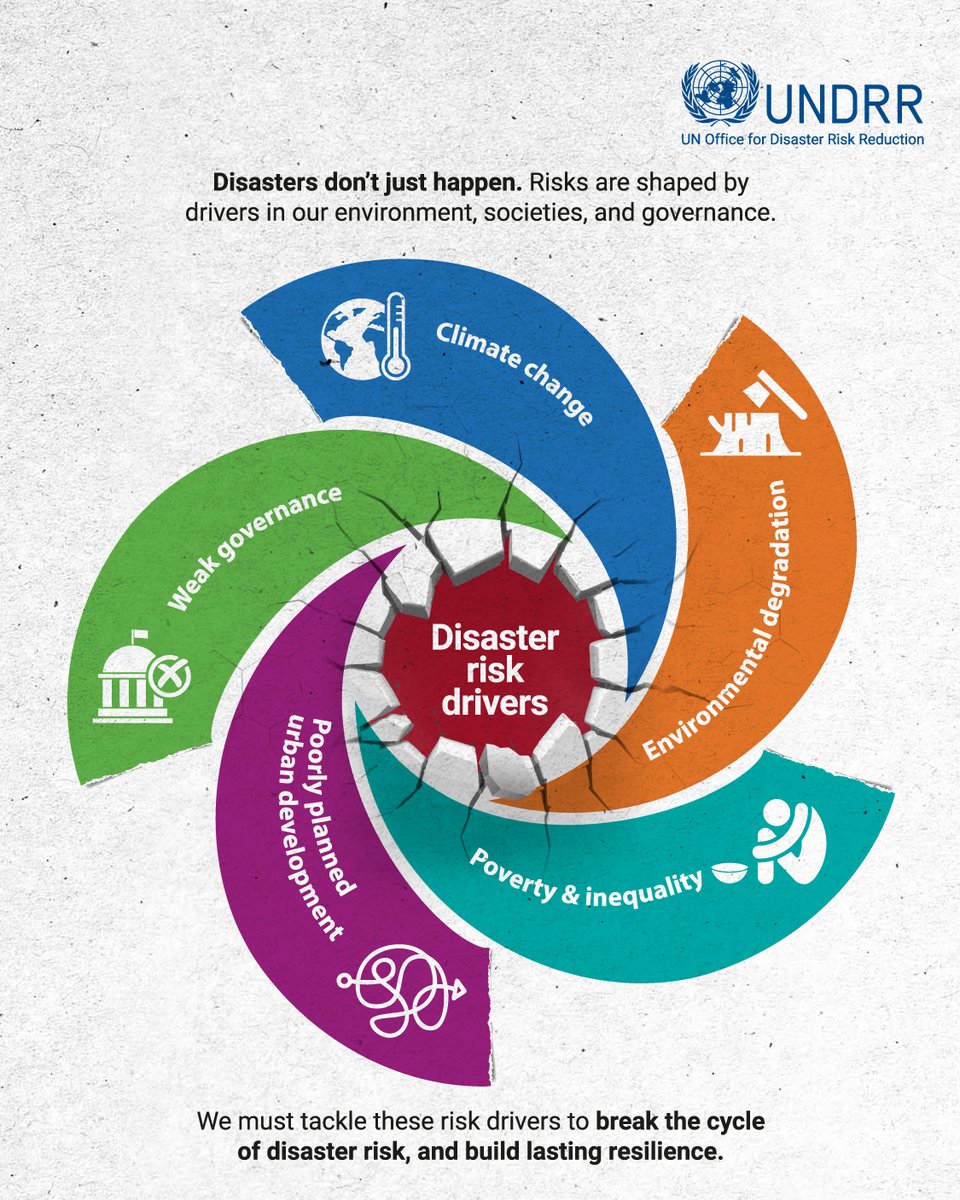
Disasters don’t just happen — they’re shaped by the systems around us. Risks grow when environmental, social, and governance factors are ignored.
💡 Tackling these drivers means tackling risk itself — building resilience that lasts.
Learn more ➡️ ow.ly/ee0i50Xe2hC
ALT Disasters don't just happen. Risks are shaped by drivers in our environment, societies, and governance.
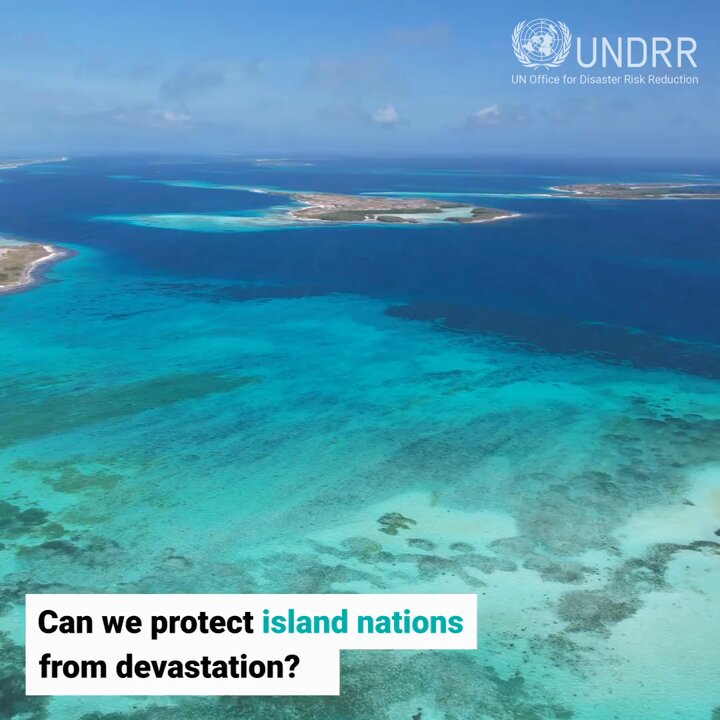
Small Island Developing States (SIDS) are home to just 65 million people, yet they face some of the highest levels of climate and disaster risk.
Disaster risk reduction & #EarlyWarningsForAll are vital for SIDS' economic progress & development ➡️ ow.ly/cFzM50ZaAs6#CREWS
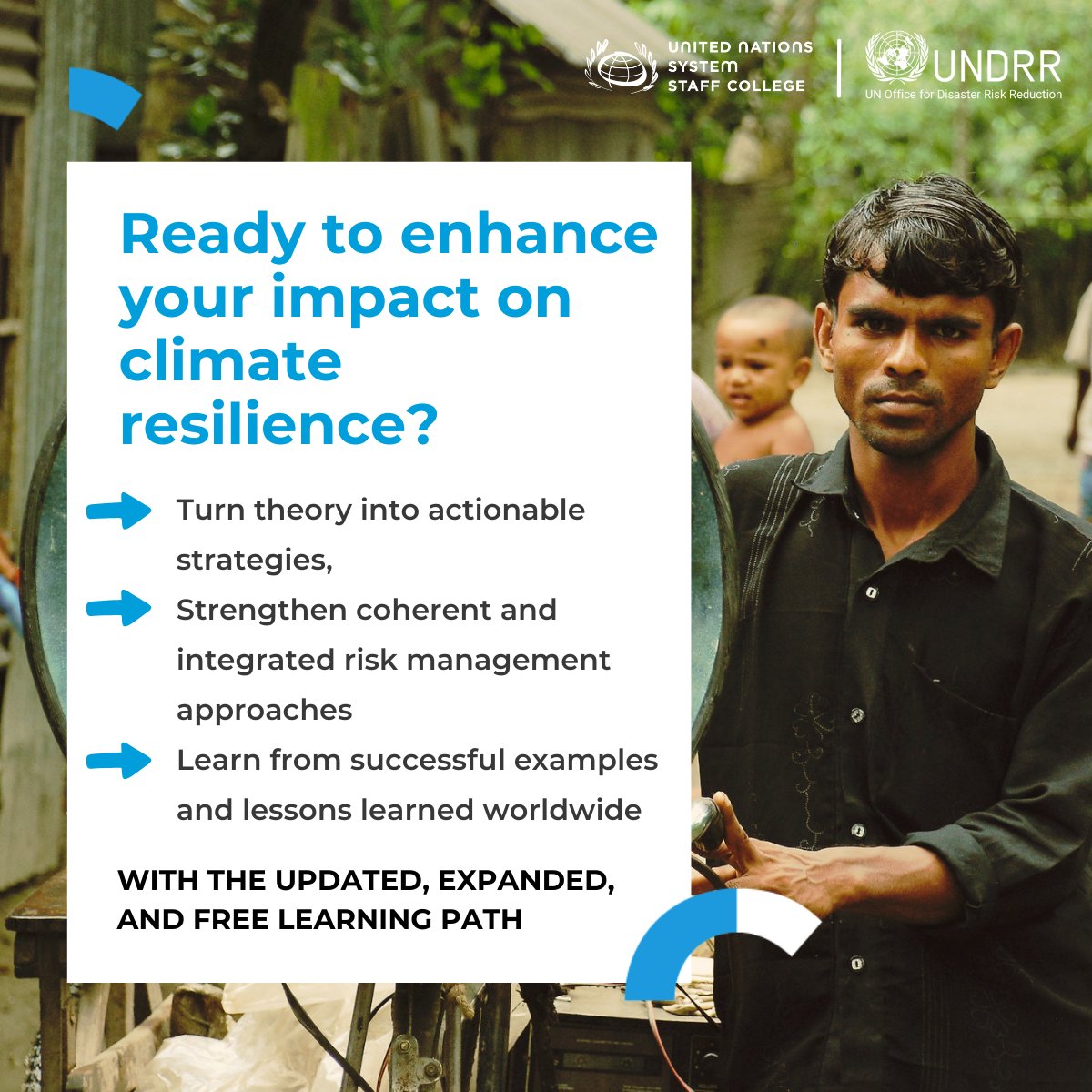
Free, flexible, online training.
The @UNDRR x @UNSSC course on synergizing DRR and climate action has been updated and expanded — with deeper CRM content, new case studies, and practical cross-sector guidance.
➡️ ow.ly/AGER50ZapQR
ALT Promotional graphic for a free learning path on climate resilience by UNDRR, highlighting actionable strategies and global lessons.
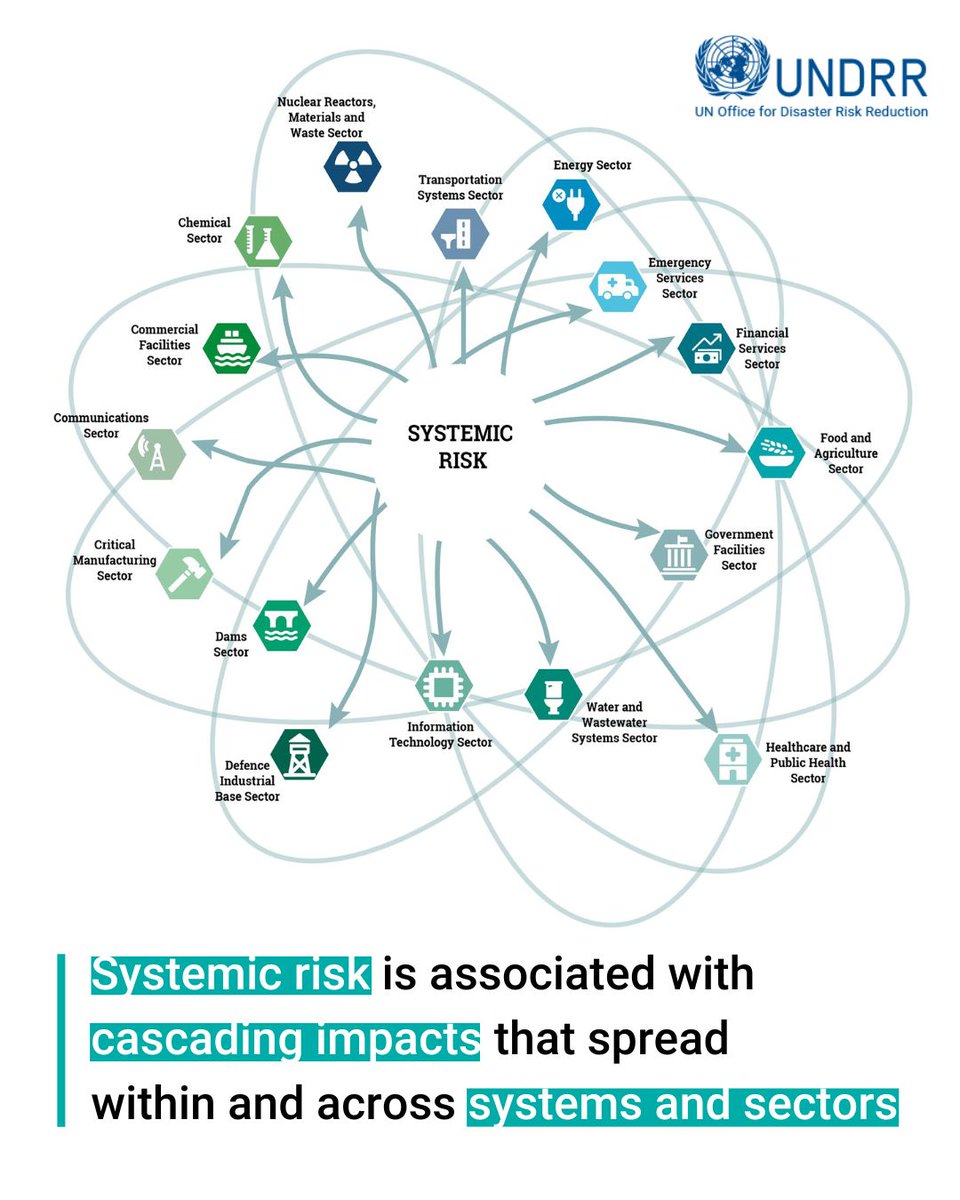
Disaster risks are not simple. Impacts often cascade across systems, creating new risks.
Addressing systemic risks requires a new approach, working across silos, accepting a greater degree of uncertainty.
Learn more about systemic risks ➡️ ow.ly/FkmA50TvUzx
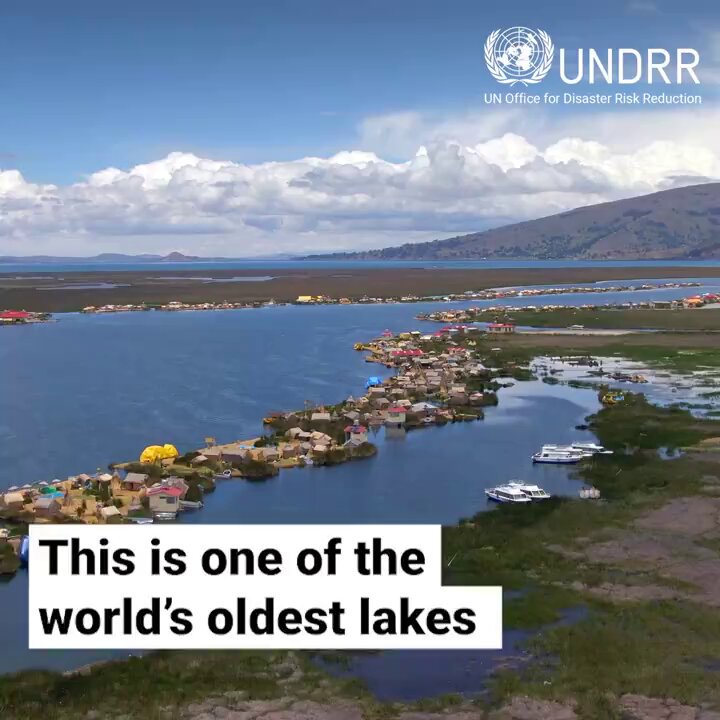
🚰 💦 Water is at the heart of many disasters, but water can also guide us through crises.
Cooperation on water paves the way for cooperation on all shared challenges – including reducing disaster risk ➡️ ow.ly/MPSp50WCUY2#WordsIntoAction
📉 Disaster losses are spiralling out of control.
#GAR2025 reveals 3 downward spirals turning shocks into systemic crises — and how smart investments can break the cycle of disasters, debt & un-insurability.
🆕 Explore the UN flagship DRR report ➡️ ow.ly/JGno50VYQvo
💼 Discover new career opportunities in disaster risk reduction and resilience building – in the #PreventionWeb Jobs Digest 👉 ow.ly/iR2y50Z9TML
👣Follow 👍Like 🔔Subscribe now to get job updates directly in your email & LinkedIn feed!
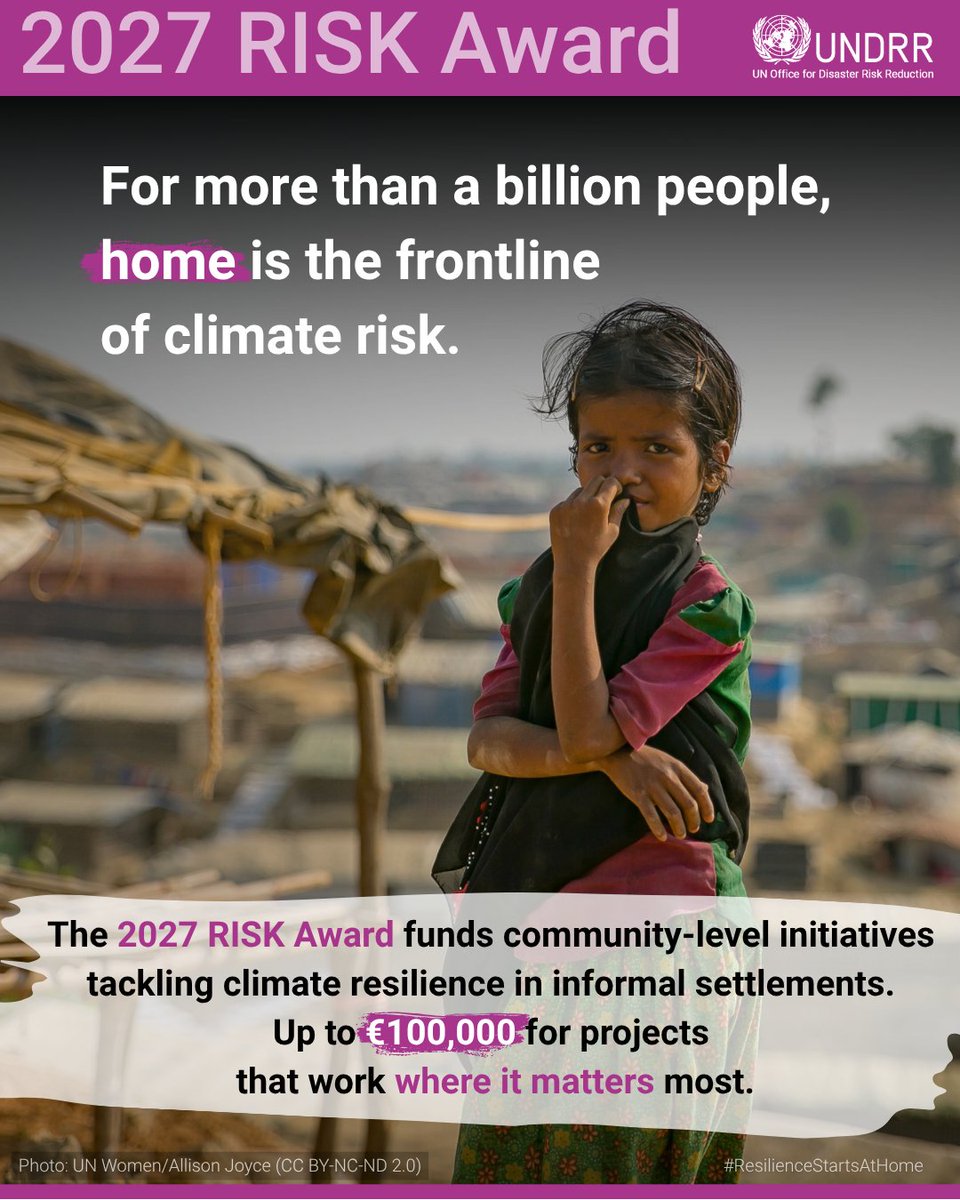
Over 1 billion people live in informal settlements – facing the highest climate exposure.
The 2027 RISK Award funds community-driven solutions, with up to €100,000 for projects on climate resilience in informal settlements.
➡️ ow.ly/j7C350Z9s4Y#ResilienceStartsAtHome
ALT A child stands in an informal settlement, highlighting the frontline impact of climate risk on over a billion people’s homes worldwide.
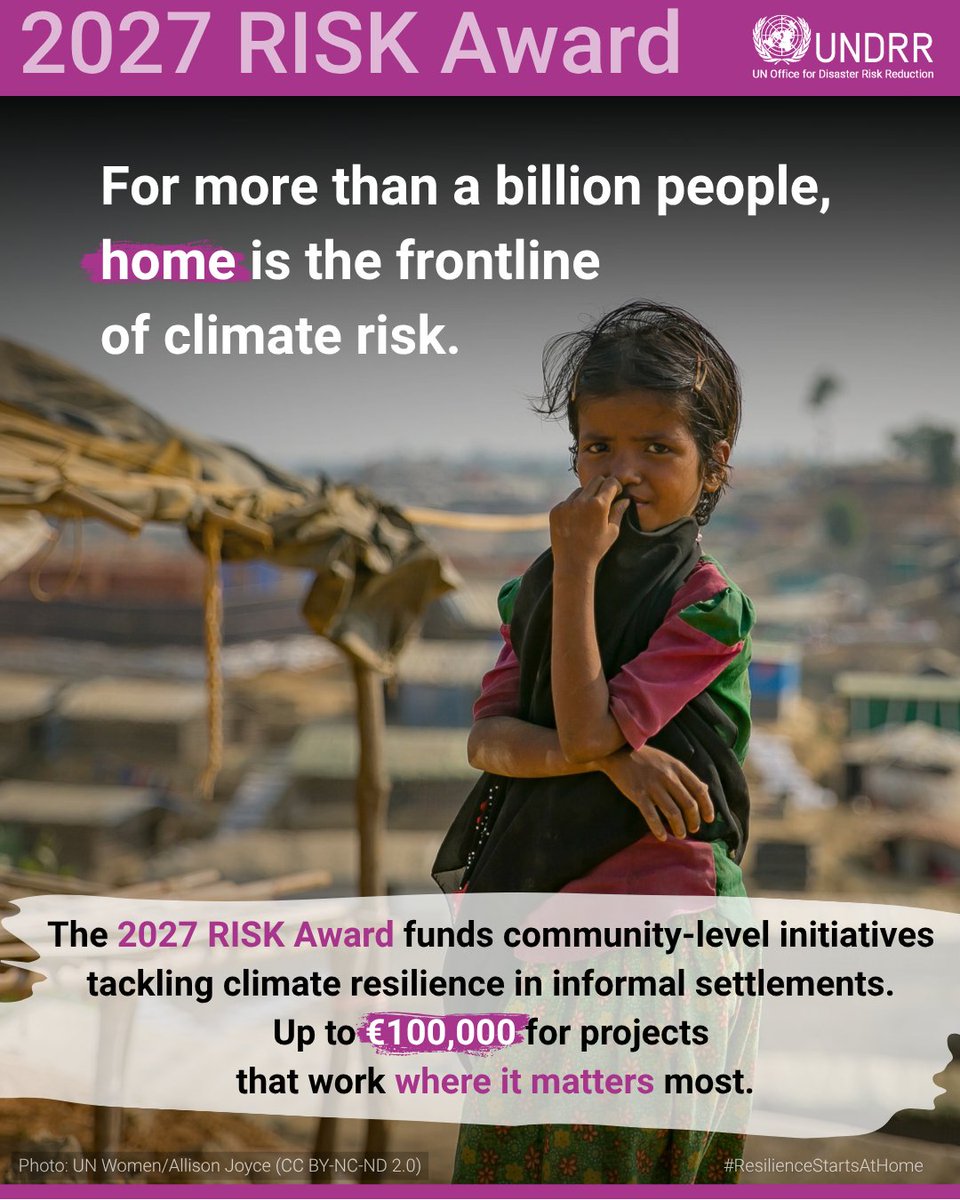
Over 1 billion people live in informal settlements – facing the highest climate exposure.
The 2027 RISK Award funds community-driven solutions, with up to €100,000 for projects on climate resilience in informal settlements.
➡️ ow.ly/j7C350Z9s4Y#ResilienceStartsAtHome
ALT A child stands in an informal settlement, highlighting the frontline impact of climate risk on over a billion people’s homes worldwide.
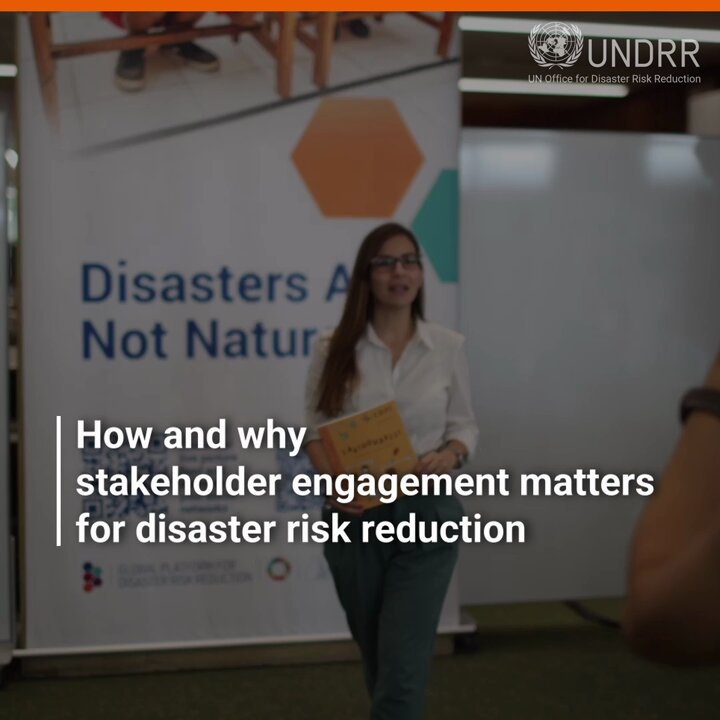
🤝 Meaningful engagement in disaster risk reduction means involving people early, sustaining that engagement over time, and ensuring their contributions shape decisions and action.
🌐 The Sendai Stakeholder Engagement Mechanism – SEM – makes it happen. ➡️ ow.ly/IX1M50Z9nX8
⛈️ Poverty and climate disaster risks are deeply connected.🔥
Research by @UNDP, @hdrundp , @ophi_oxford shows that 1.1 billion are multidimensionally poor – deprived in several areas of life — & most live where climate hazards are rising.
➡️ ow.ly/bqs450XeXBN
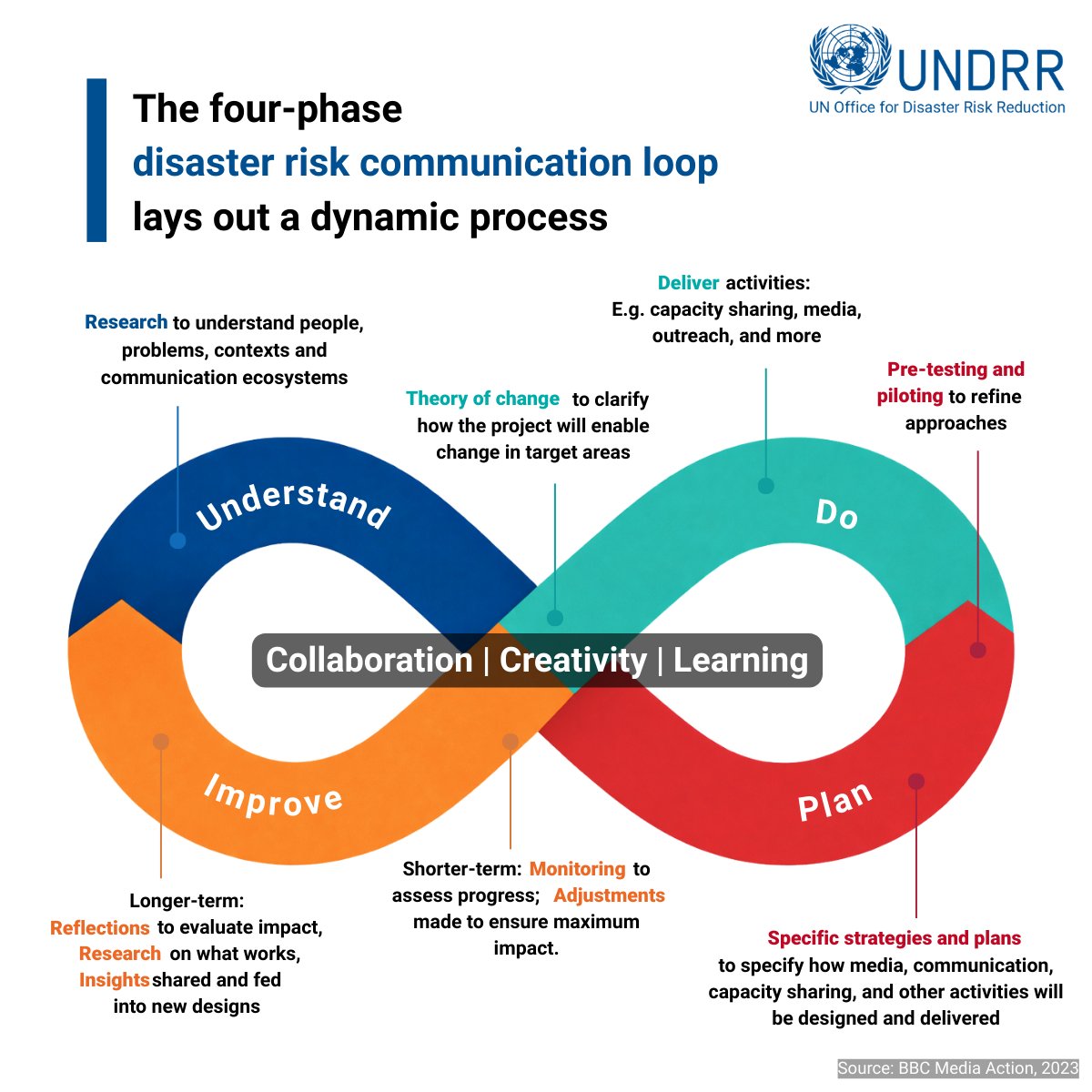
📢 Trusted communication in disasters can save lives.
Communication is a dynamic process, and is most effective when it can adapt and respond.
Explore UNDRR’s Disaster Risk Communication Hub for other vital aspects of public risk communication 👉 ow.ly/t7xj50Yn0SO
♿Persons with disabilities: 16% of the world's population, and frequently the most affected by disasters.
Inclusive social development leaves no one behind.
👉 ow.ly/qxKk50Z8VzX#COSP19#CRPD20#DohaDeclaration
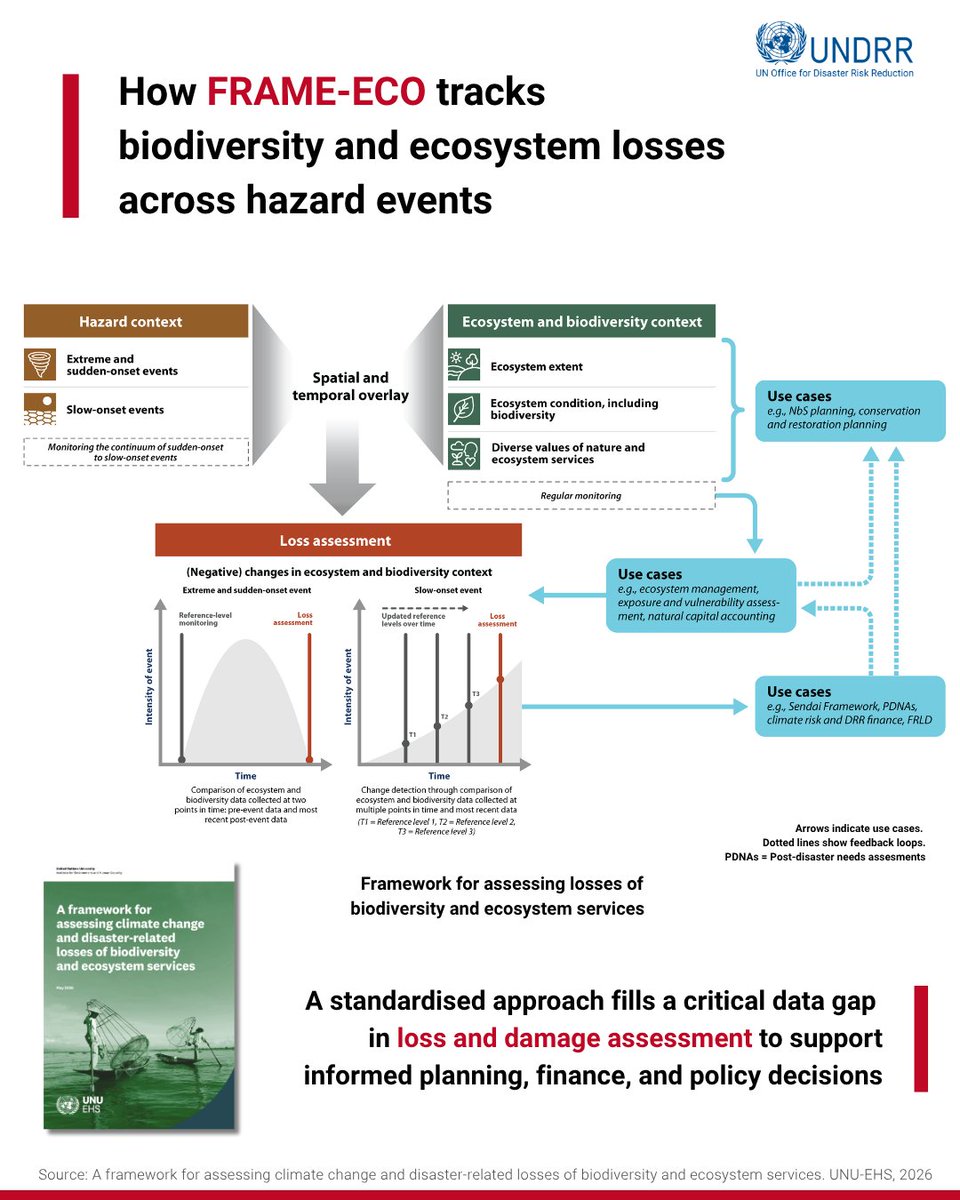
The wetland that buffered the storm surge. The reef that absorbed the wave energy. The forest that slowed the flood.
These losses rarely appear in national loss data – but the new framework FRAME-ECO is here to change that.
➡️ ow.ly/7kS150Z8VhJ
ALT Diagram showing FRAME-ECO's method for tracking biodiversity and ecosystem losses during hazard events with spatial, temporal, and loss assessment components.
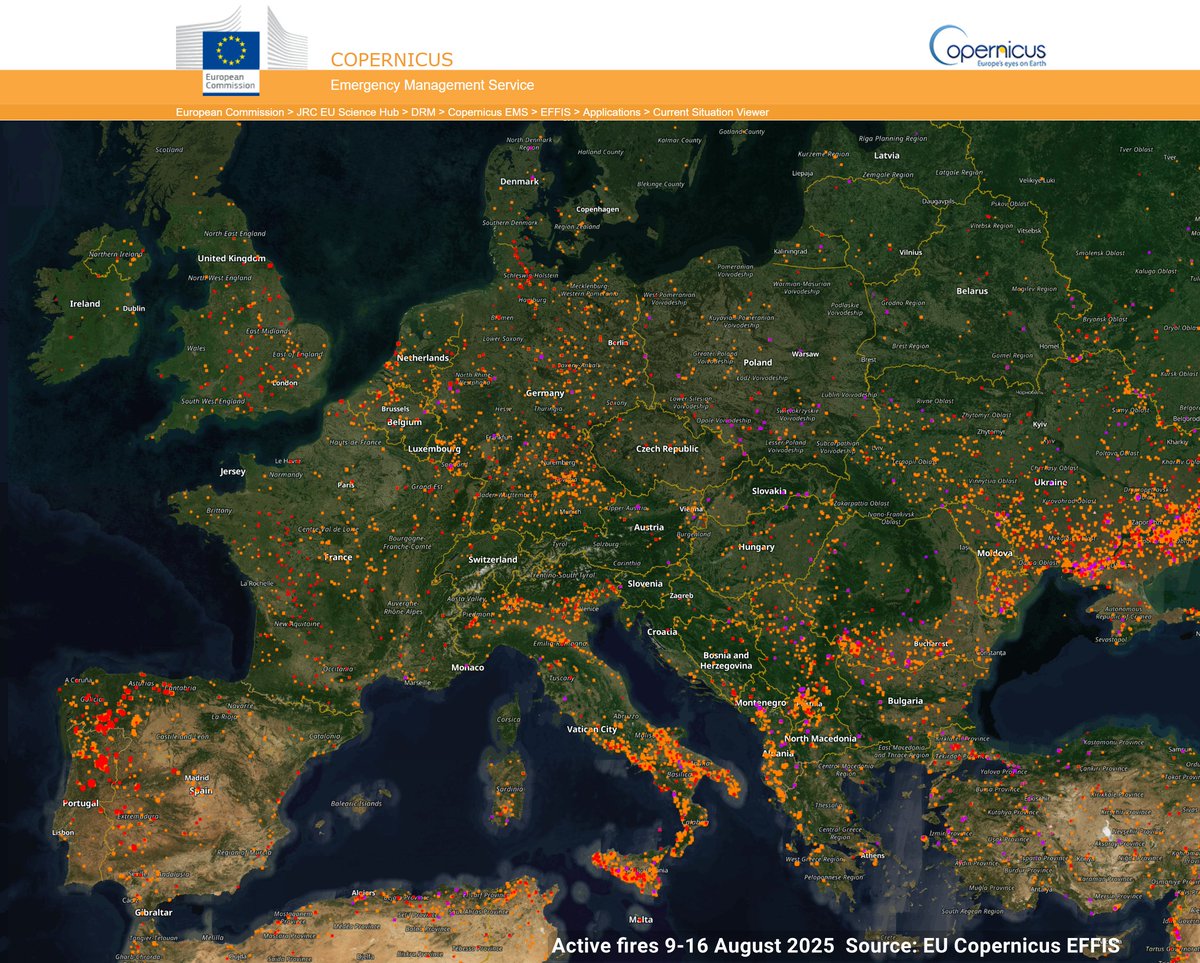
🇪🇺 🔥 Europe experienced a devastating 2025 wildfire season – wreaking havoc on landscapes, cities, and communities.
💡But we can step up long-term prevention efforts on wildfires and reduce risk before the flames ignite again. Here are 5️⃣ ways 👉 ow.ly/McfF50WGWtU