Established in 1958, UNESDA is a Brussels-based association representing corporates and national soft drinks associations. We're here to listen, learn & share.
Joined October 2010
- Tweets 5,029
- Following 802
- Followers 2,263
- Likes 1,798
2,520 Photos and videos


Pinned Tweet

4 Dec 2025
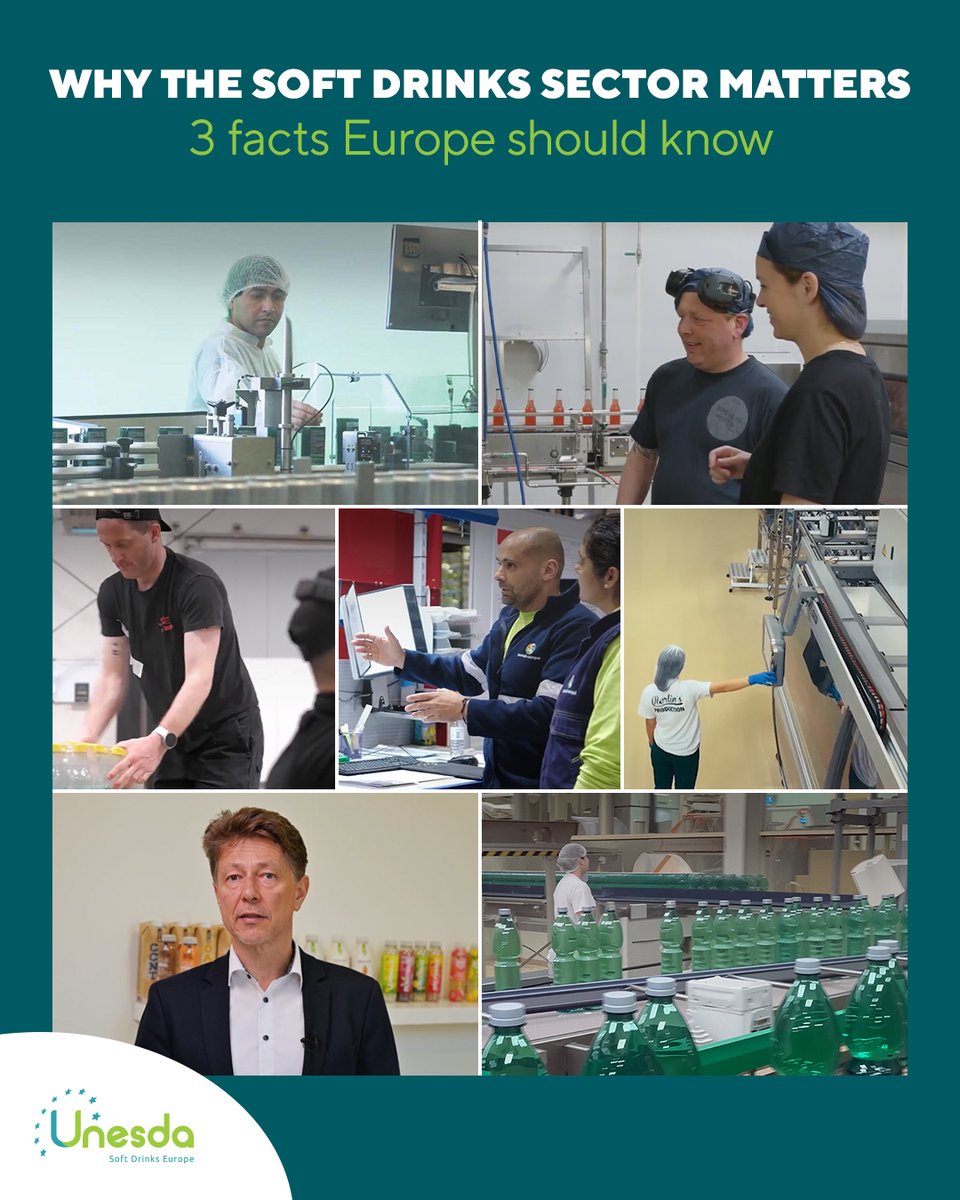
We have the perfect read for you to find out why #OurSectorMatters to Europe! All in just three key facts:
1.Our sector is a key driver of jobs and economic growth. Discover the stories of local #SoftDrinks companies across Europe.
2. Our sector innovates. In fact, we are the most innovative in the food and drink industry
3. Our sector takes ambitious actions that drive meaningful progress across Europe
🔎 Discover more in our NEW article in @euronews 👇
euronews.com/business/2025/1…
1,027
🏡 As local as it gets!
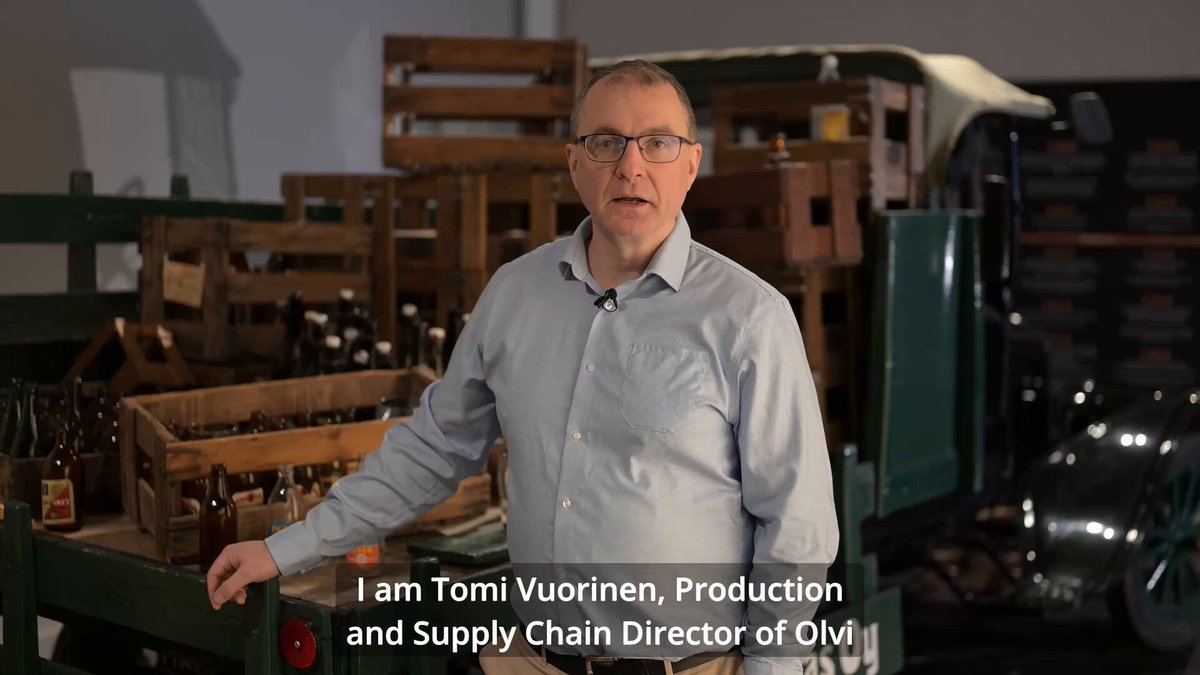
That’s our sector. And Olvi🇫🇮 is part of it as one of the largest beverage producers in Finland, operating in the country since 1878.
Olvi produces a wide range of soft drinks at its site in Iisalmi, staying close to consumers and supply chain partners.
🌍 The company drives growth and creates jobs in Finland and beyond, employing over 2,500 people across the Group. It has expanded its operations to multiple locations, including the Baltics and the Mediterranean, where it creates value for local communities.
🎥 Watch the video from Tomi Vuorinen, Production and Supply Chain Director of Olvi, to discover how the company is a key driver of jobs and prosperity. ⬇️
Our sector can only continue to innovate, grow sustainably and support jobs within a simple, stable and predictable regulatory environment that fosters innovation, and is grounded in robust evidence.
🔎 Explore our sector’s socio-economic footprint across Europe
👉 unesda.eu/our-industry/socio…
#OurSectorMatters
18
Jun 12
💡 UNESDA #FridayTip
🏃♀️ Running through geological hot spots, on the rim of two volcanic craters and over black lava rock?
🏃♂️ Or even running through the jungle?
These are some of the most adventurous marathons you could try 👉traveltomorrow.com/most-adve…
20
Jun 11
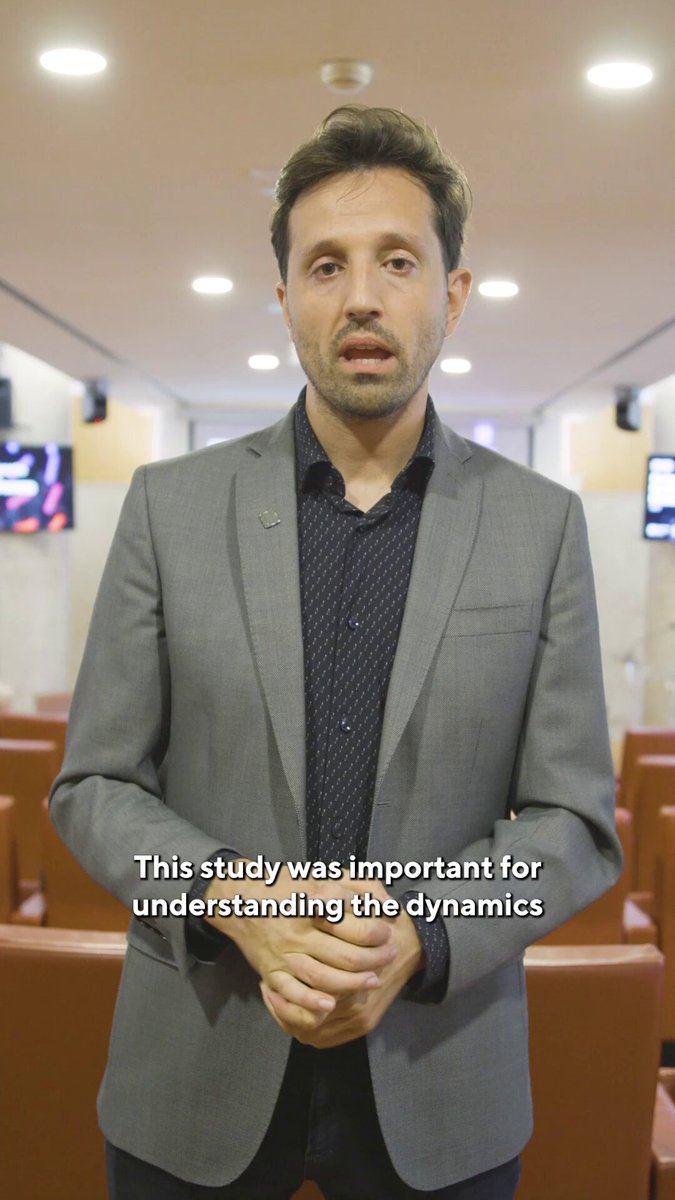
🏛️ Spotlight on the economic impact of Portugal’s soft drinks sector at the Portuguese Parliament in Lisbon.
A few days ago, our Portuguese member association PROBEB discussed with policymakers, industry representatives, and other key stakeholders the recent independent study by the Porto Business School on the economic impact of the Portuguese soft drinks sector.
As noted by Filipe Grilo, Head of Applied Research at the Porto Business School, the study provided a better understanding of the importance of the Portuguese soft drinks sector to the country’s competitiveness, showing how the sector had to reinvent itself in response to multiple challenges, including the soft drinks tax, to remain competitive.
📉 The study also demonstrated that the soft drinks tax has caused structural losses of more than €1.4 billion in the Portuguese economy since its introduction in 2017, including:
🔻 €434 million in gross value added
🔻 €186 million in wages
🔻 €141 million in tax revenue
🔻 1,156 jobs
It concludes that future public policies should aim to balance health objectives with economic competitiveness, regulatory stability and incentives for innovation, while avoiding measures that create significant negative effects across integrated industrial value chains.
💬 Márcio Cruz, President of PROBEB, stated:
“Public policies must be assessed based on their outcomes. When a fiscal measure is associated with cumulative losses of €1.4 billion, more than a thousand jobs, and even a reduction in net public revenue, it is legitimate to ask whether the current model should be reassessed. The sector is available to work towards a balanced solution that reconciles public health with competitiveness and regulatory stability.
Portugal needs effective policies and regulatory and fiscal stability for industrial sectors that invest, innovate and employ thousands of people’’.
⚠️ The Portuguese soft drinks tax is failing to achieve the health objective it was intended to deliver and is also harming the competitiveness of the sector. According to Eurostat, obesity rates in Portugal remain high: 15.7% in 2017 and 15.8% in 2022.
This makes it clear that taxation is not the solution. Instead, it is the voluntary actions taken by the Portuguese soft drinks sector that are working. The sector achieved:
👏 a 51.3% reduction in calorie content between 2013 and 2023
👏 a 25.7% reduction in average sugar between 2018 and 2023, under the protocol signed with the Ministry of Health, which far exceeds the set 10% reduction target in average sugar content
48
Jun 10
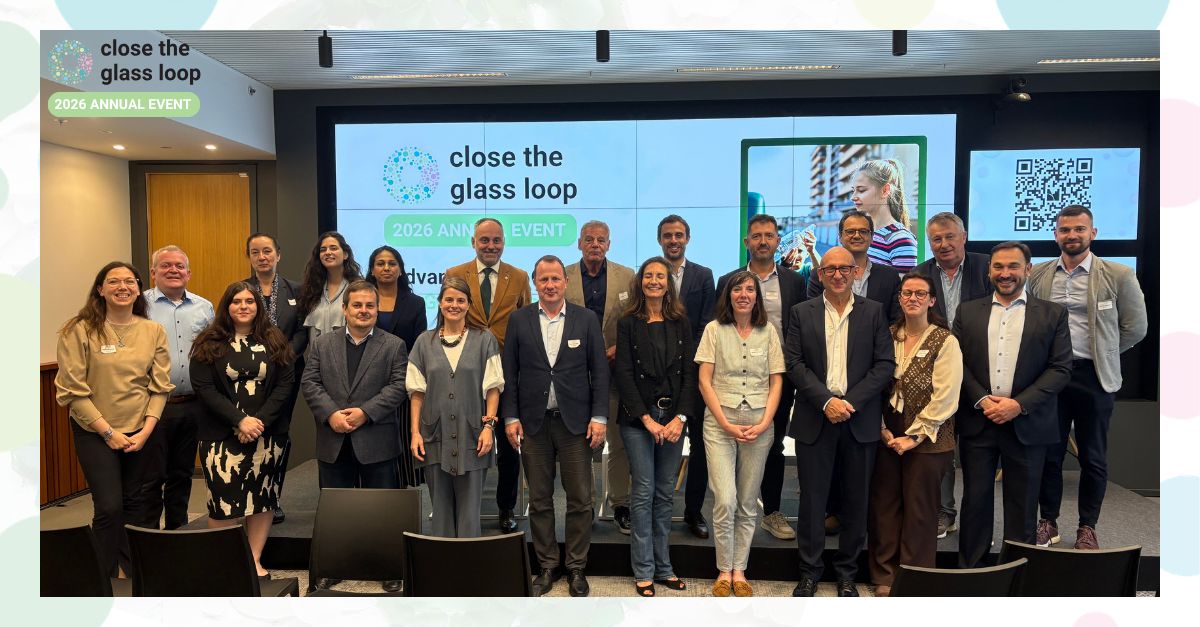
😉 Here's what the European glass packaging value chain was up to last week.
♻️ The glass packaging industry came together in Brussels for the Close The Glass Loop Annual Event to discuss with peers, policymakers and relevant stakeholders how Europe should advance a circular economy for glass packaging, while keeping the industry competitive.
♻️ Discussions centred on the implementation of the EU Packaging and Packaging Waste Regulation (PPWR), the upcoming EU Circular Economy Act and the EU Clean Industrial Act.
🔎 The event also featured key project updates from the national platforms of Close the Glass Loop, specifically from Austria (Eva Koller, Austria Glas Recycling GmbH), Portugal (Nuno Vieira, Plataforma Vidro ) and Spain (Sandra Anguiano, Ecovidrio).
👏 Looks like an engaging event - congratulations!
✨ UNESDA is a member of Close the Glass Loop, an important platform for the European glass packaging value chain to share best practices and work together towards achieving a 90% glass packaging collection rate for recycling in the EU by 2030.
🔎 Find out more about the work of Close The Glass Loop
👉 closetheglassloop.eu/
30
Jun 9
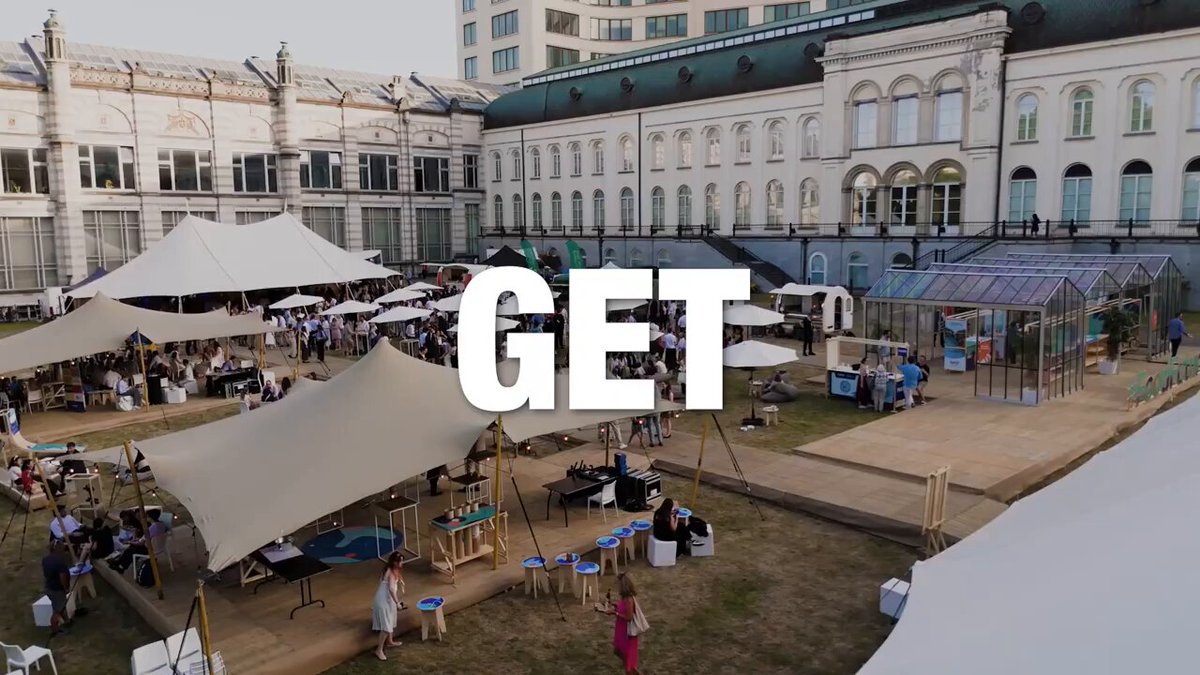
🍴 The food and drink event like no other is back! Join FoodDrinkEurope’s Ideas Fest & Summer Party in Brussels🇧🇪 on 24 June!
👀 Come and discover the very best innovations shaping the food and drink industry, explore a ‘Taste the Future’ innovation space, and take part in unique workshop experiences led by thought leaders in the industry.
😉 And a plus: some of our member companies will also be showcasing their innovations at the event.
📅 24 June
🕝 -22:00 CET
📍 Institute of Natural Sciences in Brussels, Brussels
✍️ Contact the FoodDrinkEurope Secretariat to join
fooddrinkeurope.eu/contact-u…
20
Jun 8
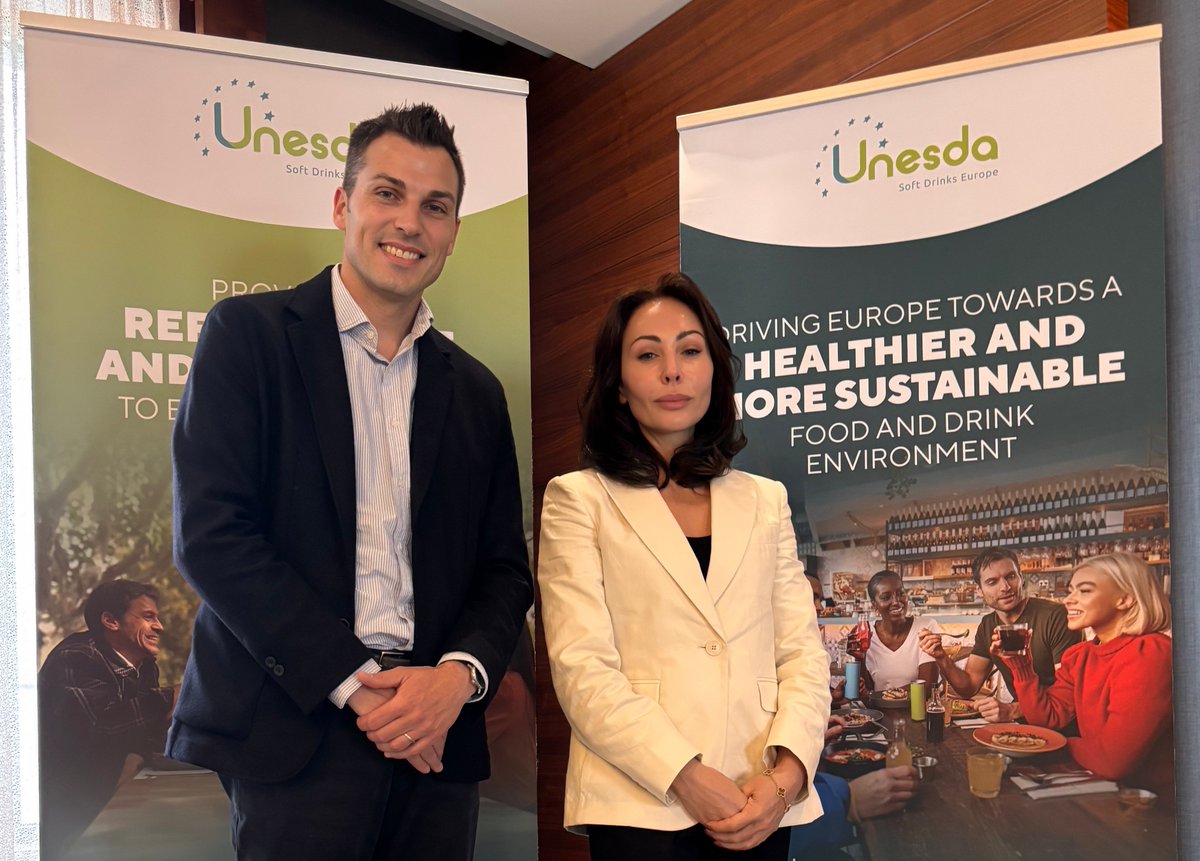
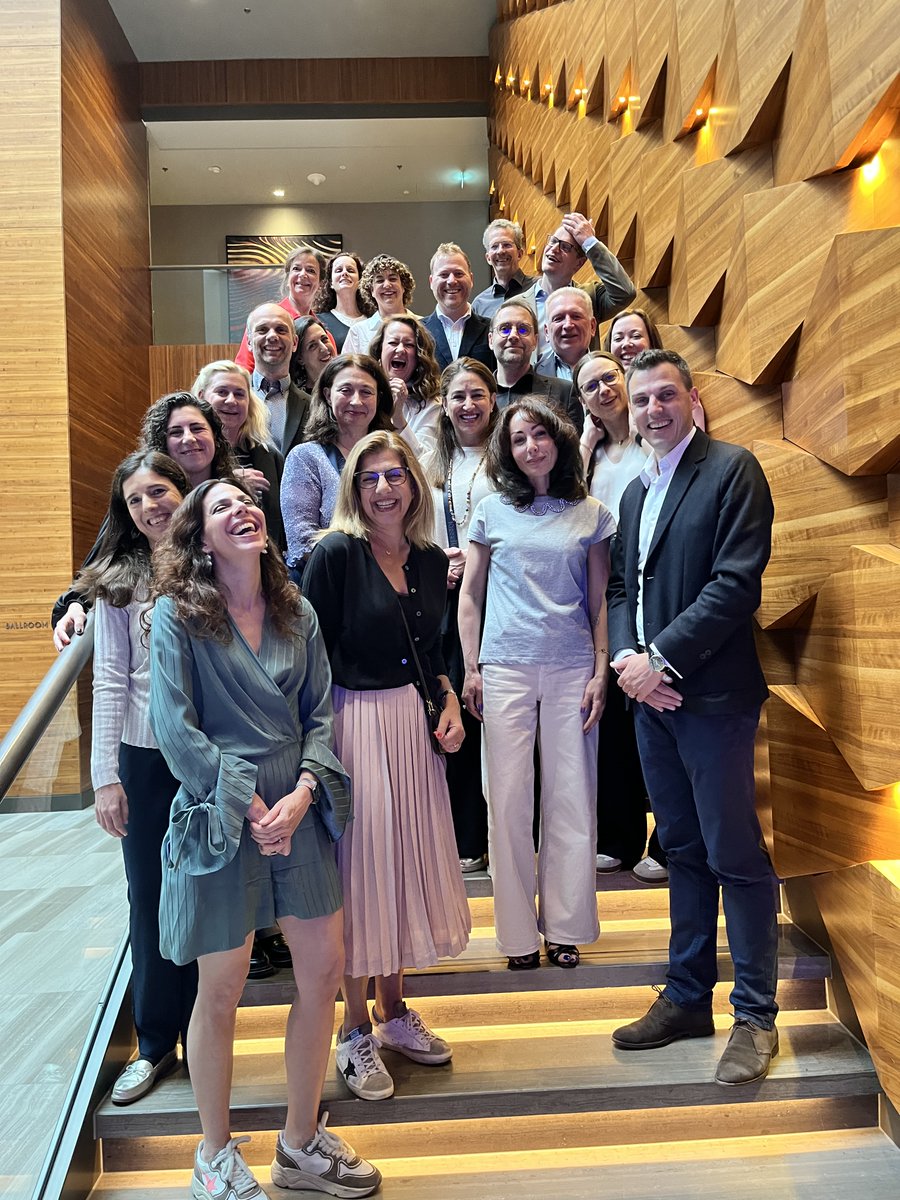
📣 A new leadership journey begins for UNESDA. Join us in welcoming Natalia Filippociants, Senior Vice-President and General Manager at PepsiCo, as our new President!
🤝 We are very much looking forward to driving further progress together under Natalia’s leadership, and helping shape simple, innovation-friendly and evidence-based policies that enable our sector to continue evolving, innovating, and contributing to a more competitive, sustainable and healthier Europe.
Stepping into her role, Natalia said:
💬 ‘I am honoured to take on the role of President of UNESDA and lead the soft drinks sector in strengthening recognition of its role and value for Europe. Our industry supports more than 1.8 million jobs and generates €242 billion in revenue across agriculture, manufacturing, logistics, retail and hospitality, contributing significantly to local economies across Europe.
As a sector, soft drinks are part of everyday consumption occasions across Europe, and we are operating in a context where expectations are evolving rapidly and economic and regulatory pressures are high. Consumers are increasingly focused on broadening choices, transparency, functionality and environmental impact, and this is reshaping how our sector innovates, communicates and invests. In response, we are accelerating transformation, with a growing portfolio of low and no sugar options and continued investment in sustainability, responsible business practices and product innovation that meets changing consumer needs without compromising on taste, quality or enjoyment.’
And Natalia added:
💬 ’I am fully committed to working with all our members and EU stakeholders. It is my ambition that, through UNESDA, we keep working in constructive partnership with policymakers and other key partners to deliver measurable impact and ensure a stable and supportive EU regulatory and market environment that enables our sector to evolve and continue to support jobs, investment and innovation for a more competitive, sustainable Europe.’
🔎 Read our press release for more details
👉 unesda.eu/newsroom/press-rel…
1
1
65
Jun 7
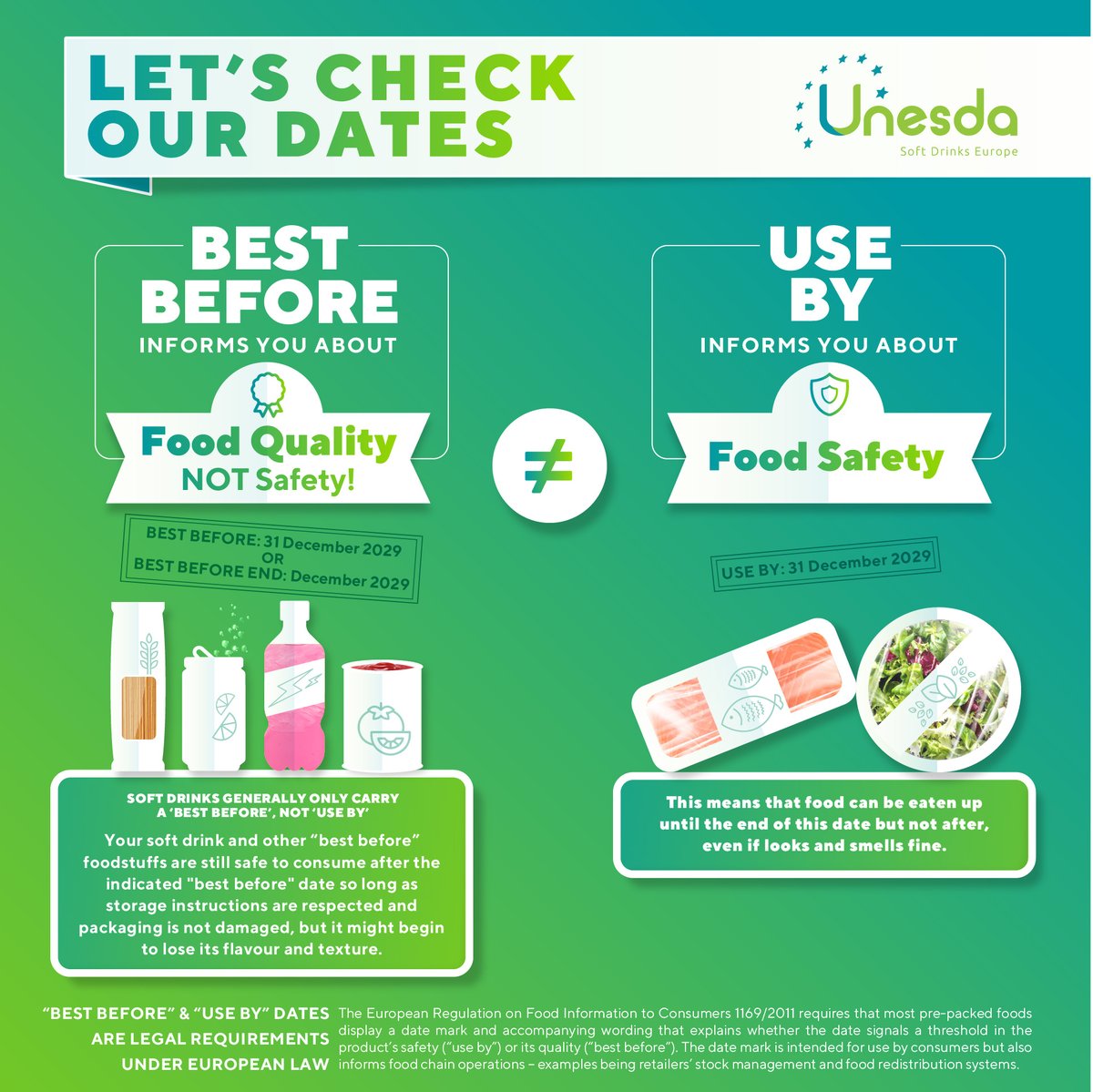
It’s #WorldFoodSafetyDay!
Food safety is more than how food is produced and stored. It is also about how we understand it.
Knowing date marking is crucial for helping us enjoy our food safely and reducing food waste.
Are you sure you know what these labels mean exactly? ⬇️
🔹Best before: products are safe to consume after this date
🔹Use by: products can be consumed until this date, NOT after
🔎 Find out more 👉 unesda.eu/key-facts/date-mar…
45
Jun 5
💡 UNESDA #FridayTip
🌍🚲 Take your bike, it’s World Bicycle Day!
And, if you love cycling challenges, get ready for the BXL Tour
👉bxltour.be/en
55