Leading #SystemIntegrators of purpose-built appliances and application platforms, with #LifecycleManagement & deployment services for software dev's and #OEM's.
- Tweets 5,016
- Following 2,462
- Followers 1,731
- Likes 214





ALT Cooling Architecture in the Age of AI
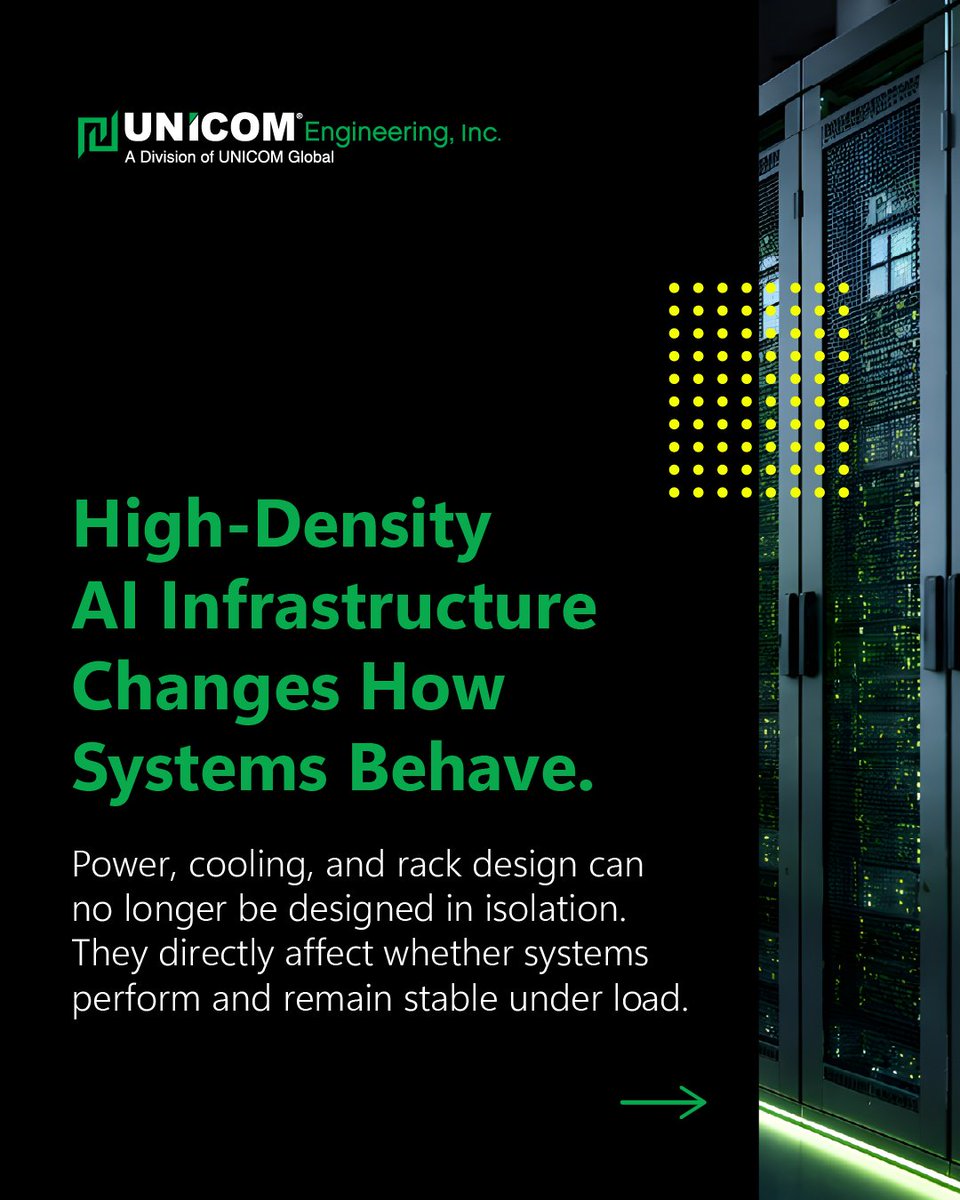
ALT High-Density AI Infrastructure Changes How Systems Behave. Power, cooling, and rack design can no longer be designed in isolation. They directly affect whether systems perform and remain stable under load.
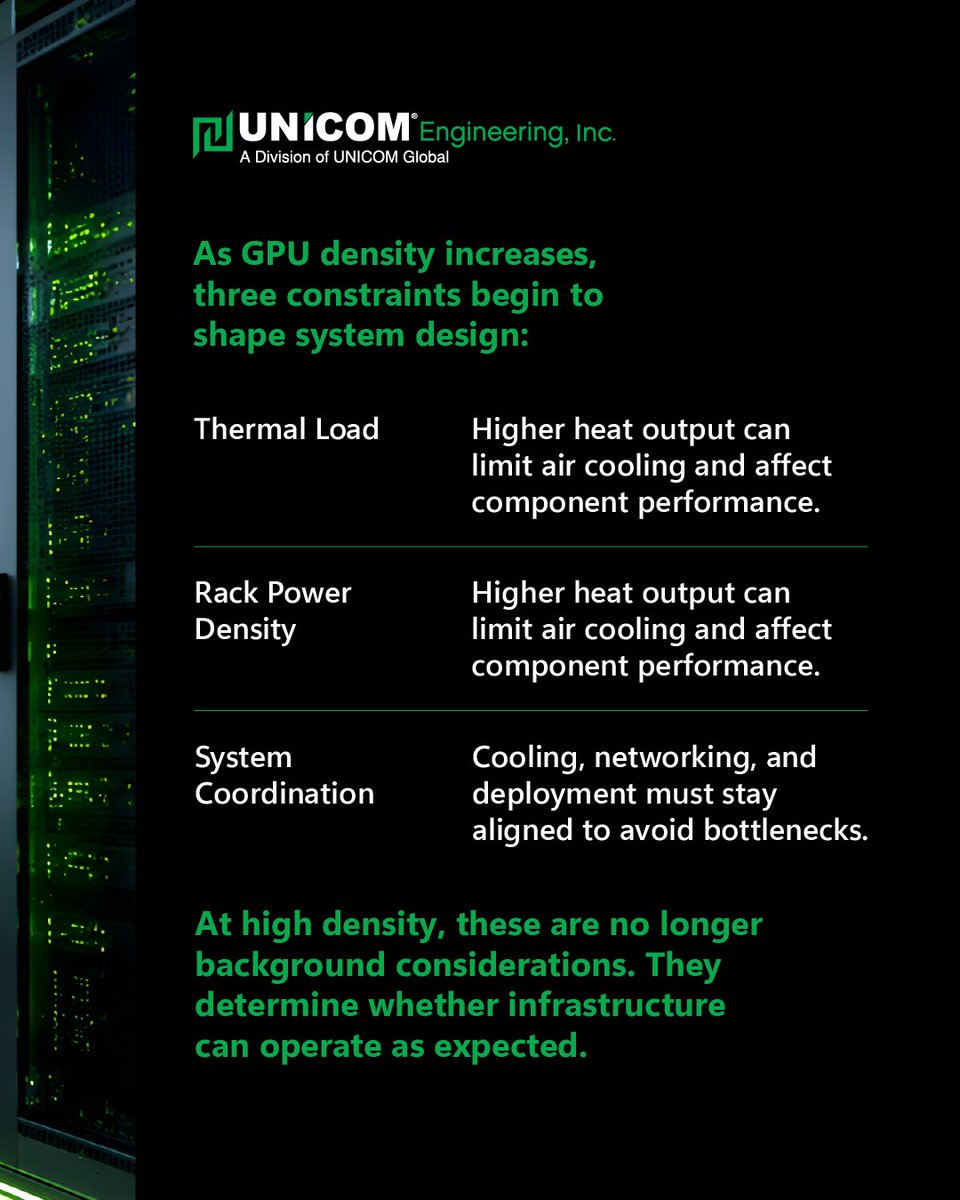
ALT As GPU density increases, three constraints begin to shape system design: Thermal Load - Higher heat output can limit air cooling and affect component performance. Rack Power Density - Higher heat output can limit air cooling and affect component performance. System Coordination - Cooling, networking, and deployment must stay aligned to avoid bottlenecks. At high density, these are no longer background considerations. They determine whether infrastructure can operate as expected.
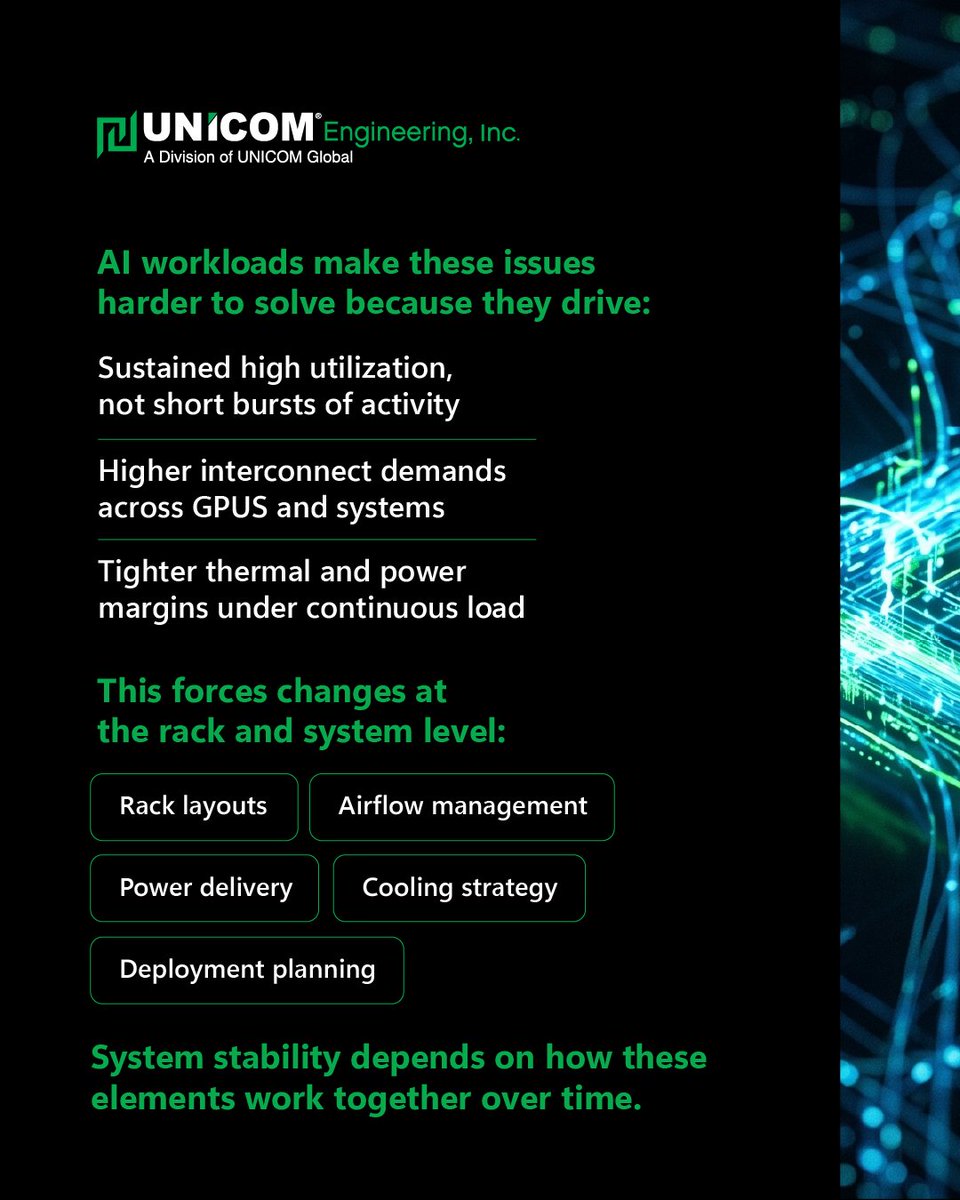
ALT AI workloads make these issues harder to solve because they drive: Sustained high utilization, not short bursts of activity Higher interconnect demands across GPUS and systems Tighter thermal and power margins under continuous load This forces changes at the rack and system level: Rack layouts Airflow management Power delivery Cooling strategy Deployment planning System stability depends on how these elements work together over time.
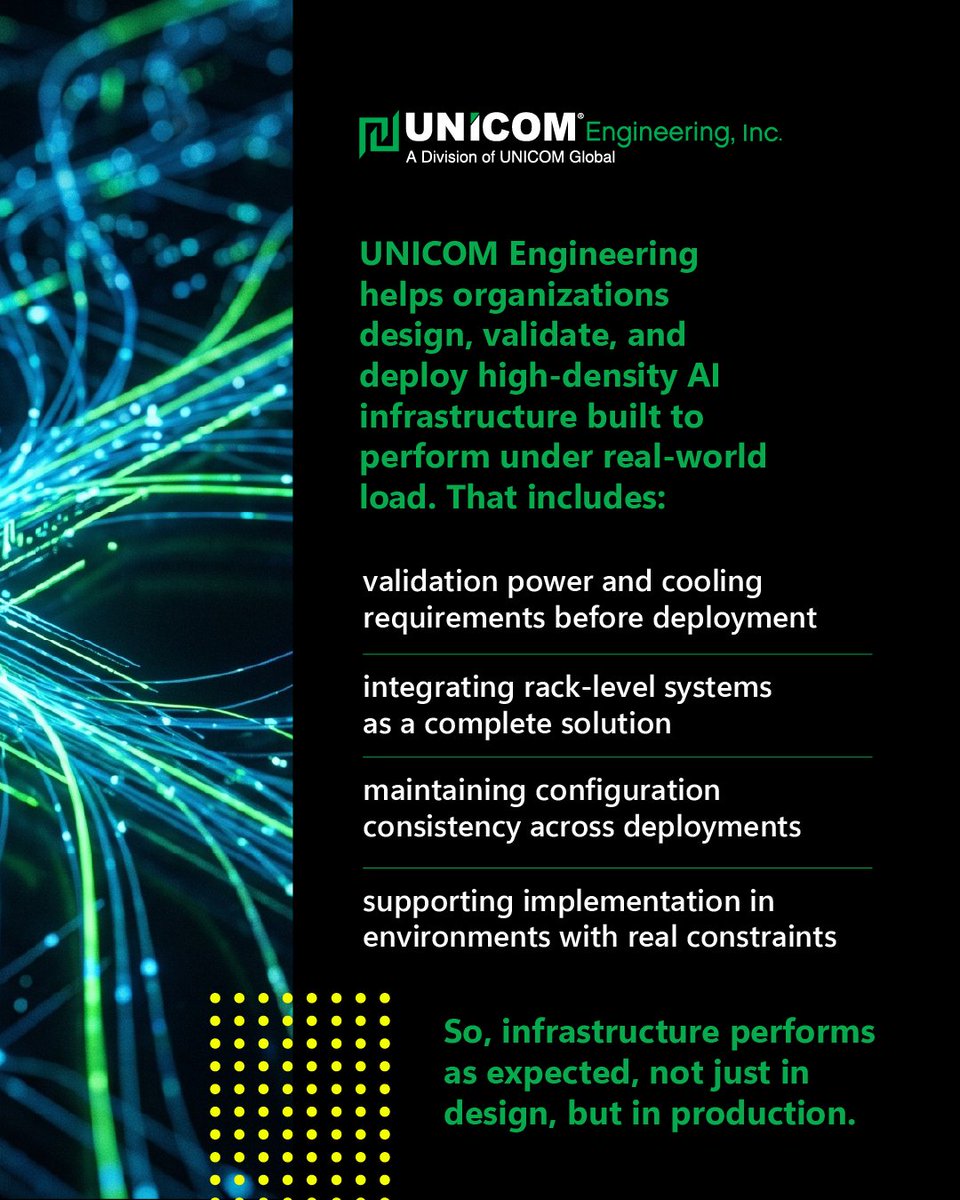
ALT UNICOM Engineering helps organizations design, validate, and deploy high-density AI infrastructure built to perform under real-world load. That incldues: validation power and cooling requirements before deployment integrating rack-level systems as a complete solution maintaining configuration consistency across deployments supporting implementation in environments with real constraints So, infrastructure performs as expected, not just in design, but in production.
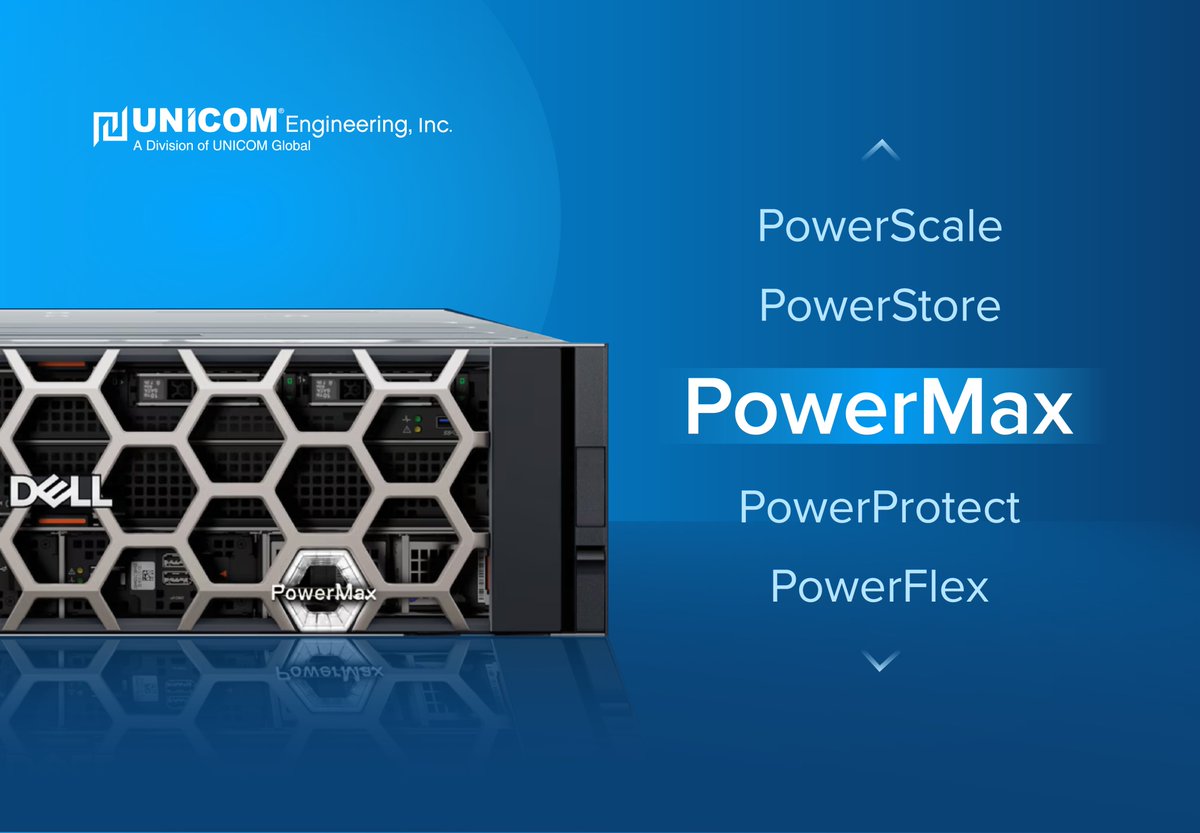
ALT PowerScale PowerStore PowerMax PowerProtect PowerFlex
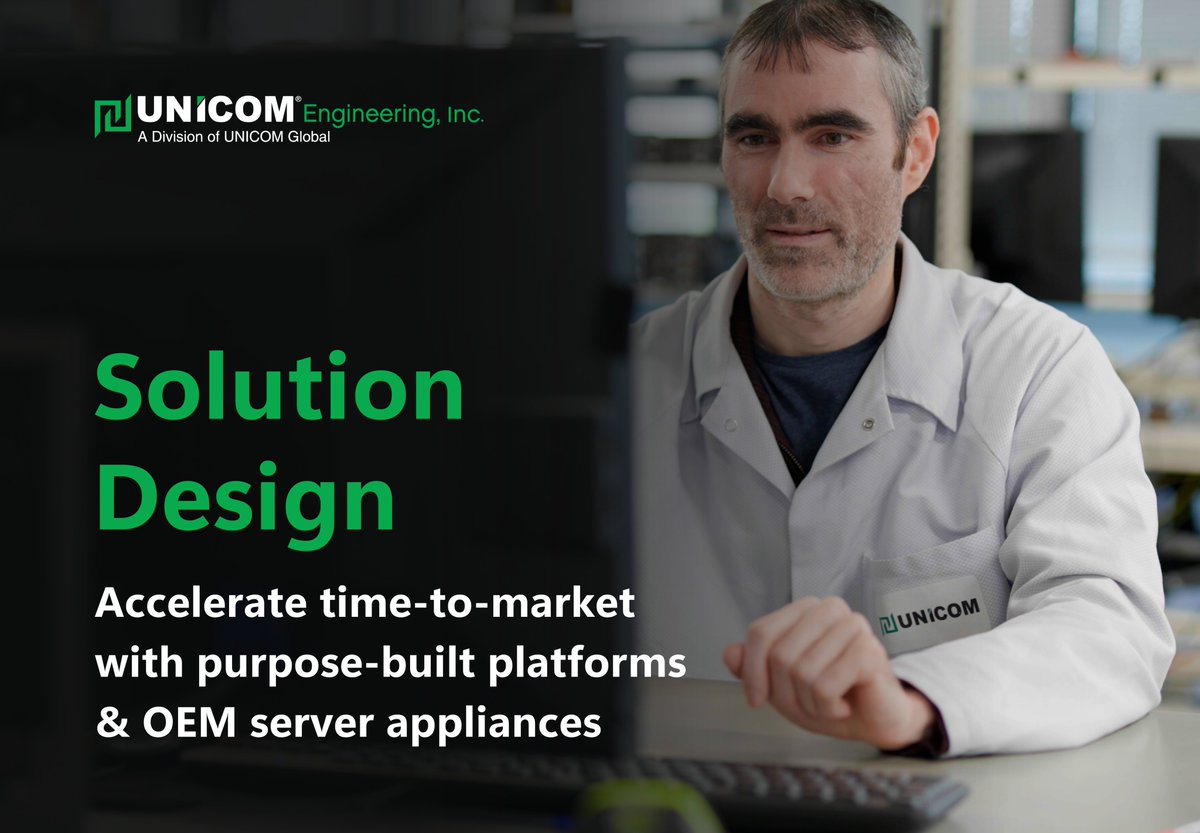
ALT Solution Design. Accelerate time-to-market with purpose-built platforms & OEM server appliances.
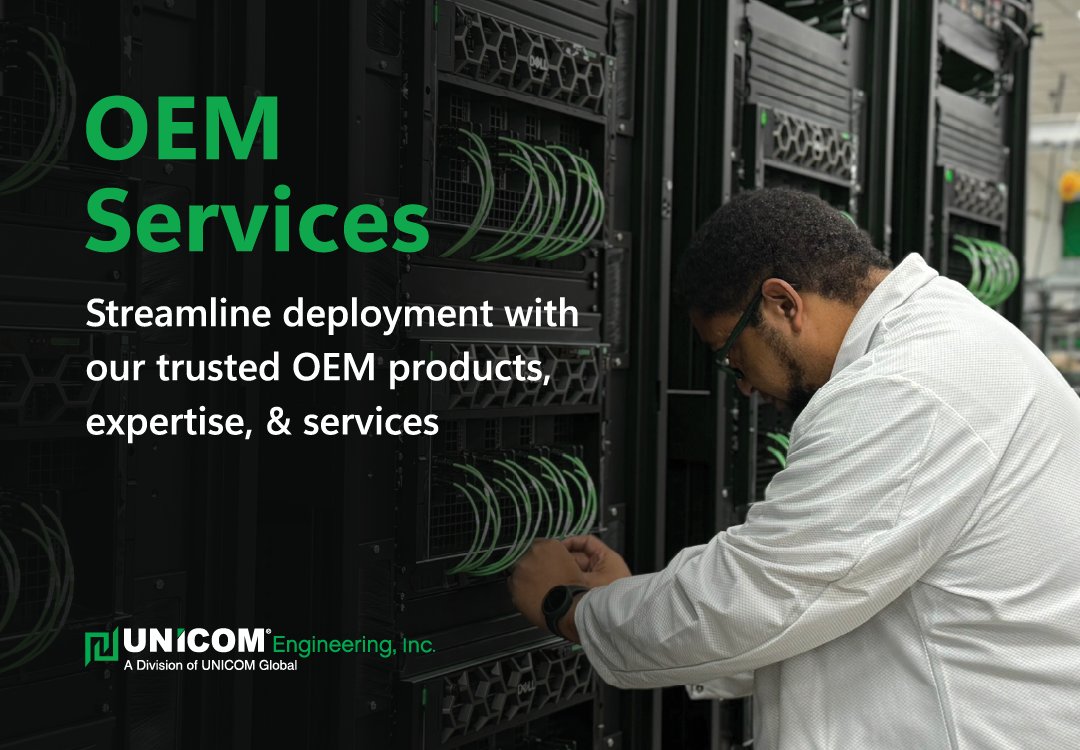
ALT OEM Services. Streamline deployment with our trusted OEM products, expertise, & services.
ALT Edge isn’t one place. It’s everywhere. Factories, remote sites, branch spaces, and micro data centers. Different edges demand different designs, built to repeat at scale.
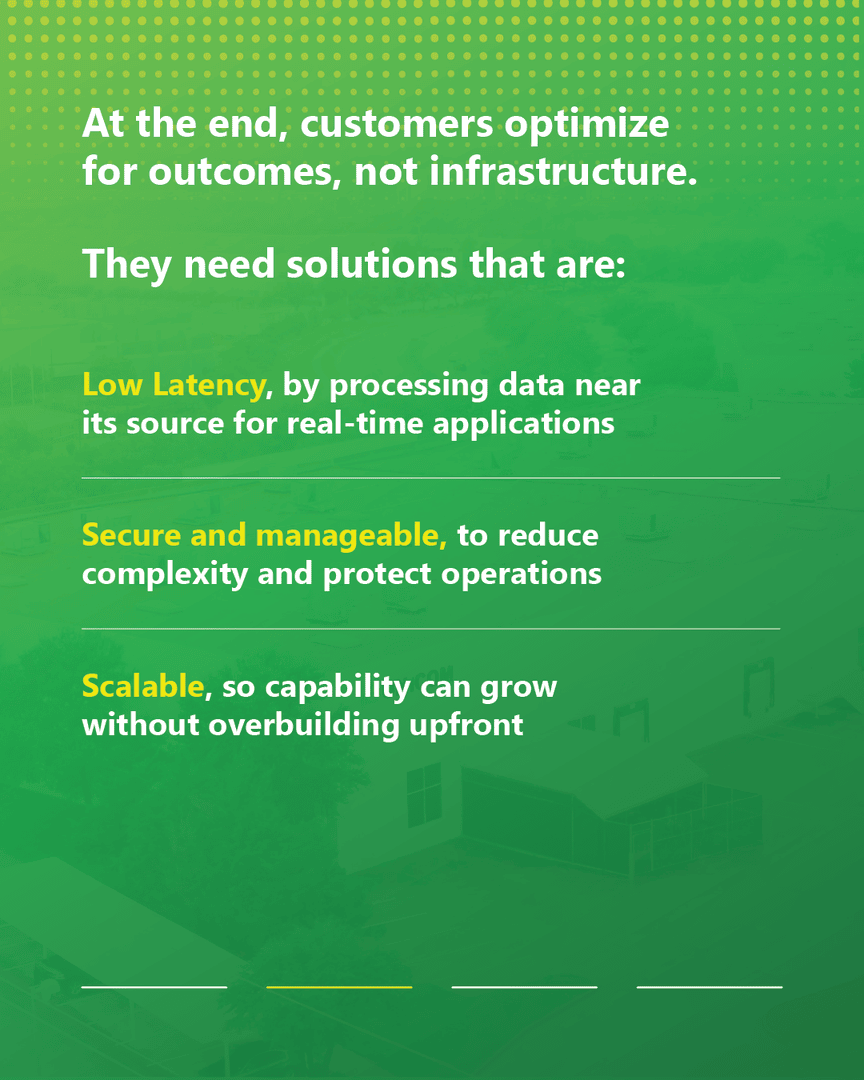
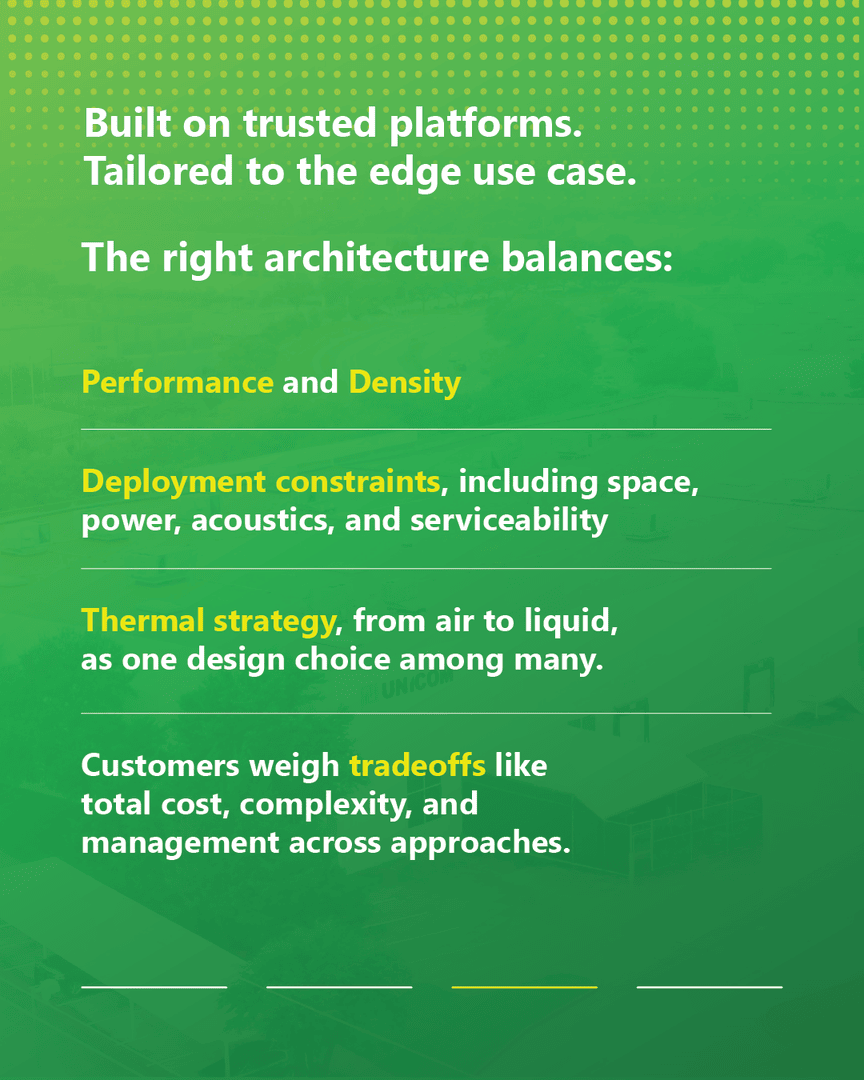
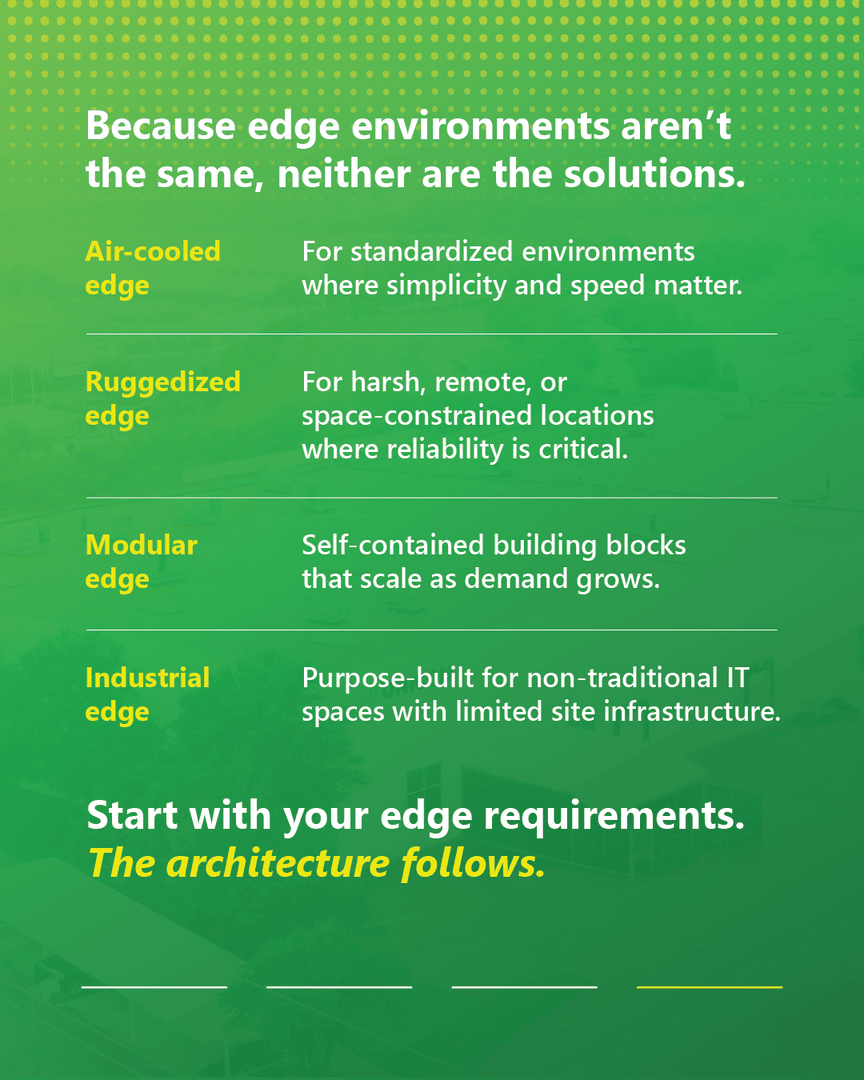
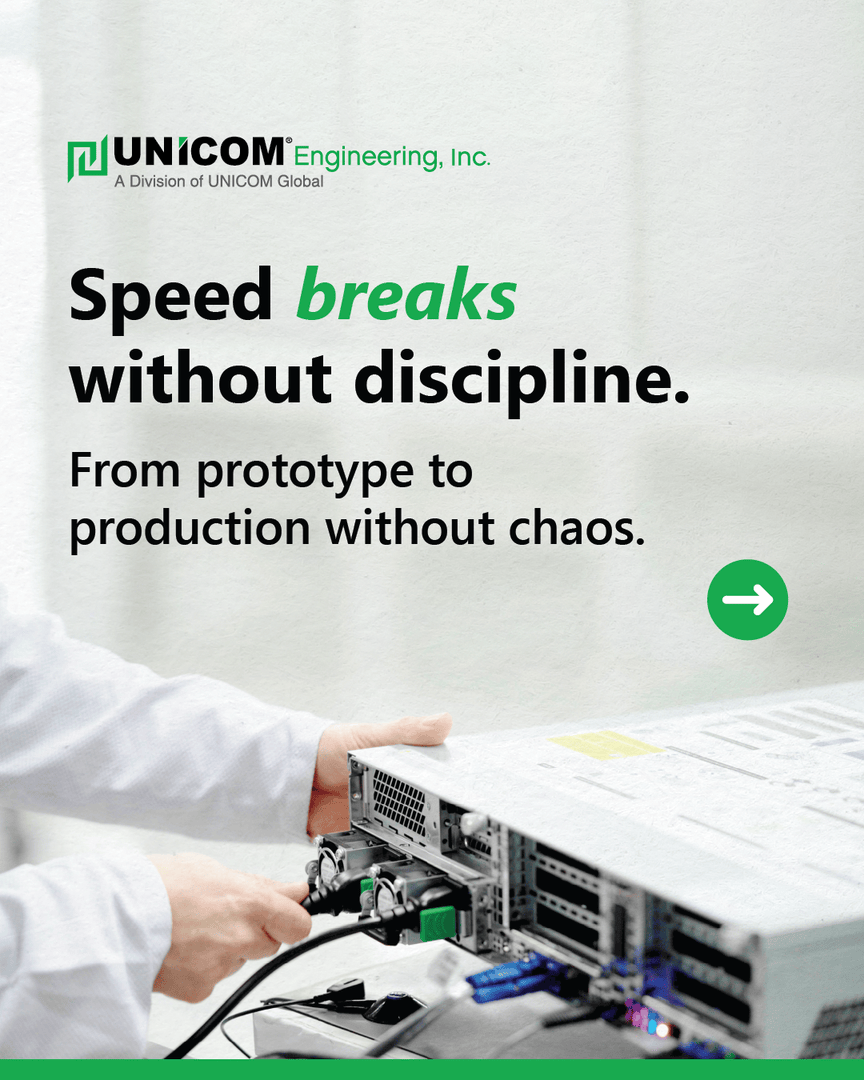
ALT Speed breaks without discipline. From prototype to production without chaos.
ALT Speed isn’t the first build. It’s the 100th—built the same way. When builds change, production stalls with rework, delays, and inconsistent field outcomes. Repeatable manufacturing cycles are what keep timelines intact.
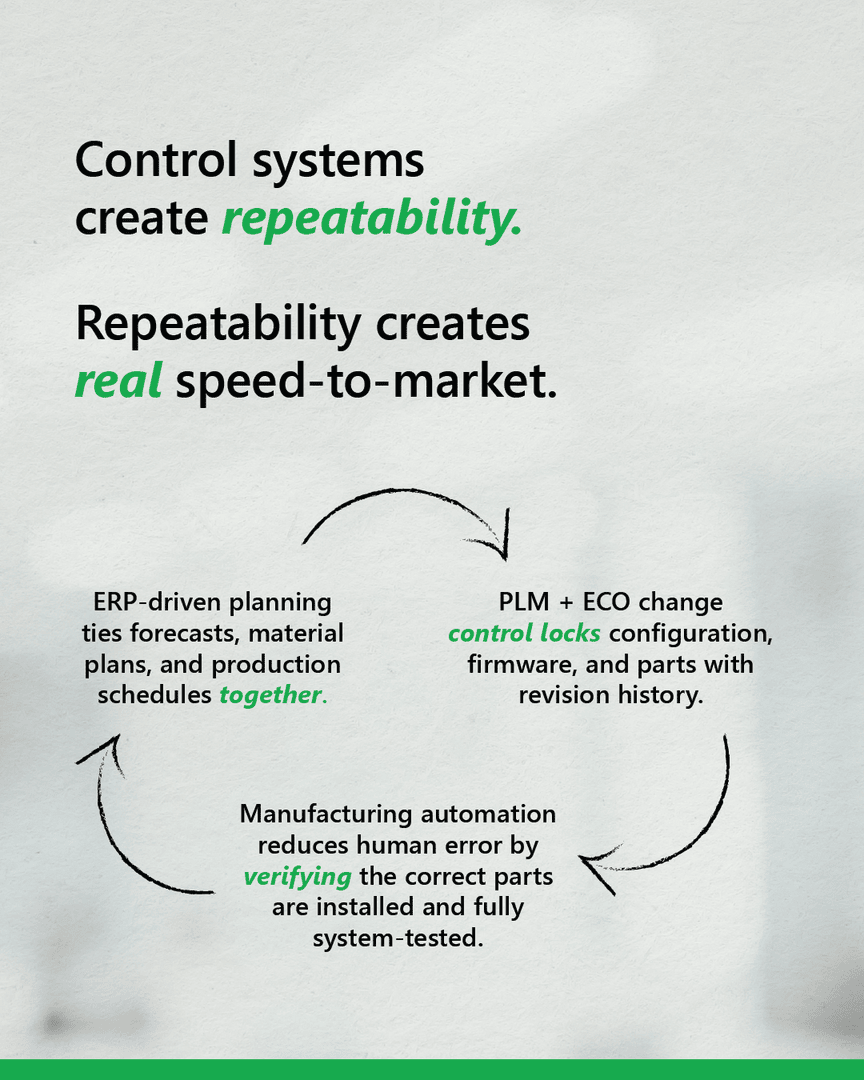
ALT Build speed into the process. Integrated execution across hardware, firmware, and validation drives predictable production growth. Learn more at unicomengineering.com/services/system-integration/
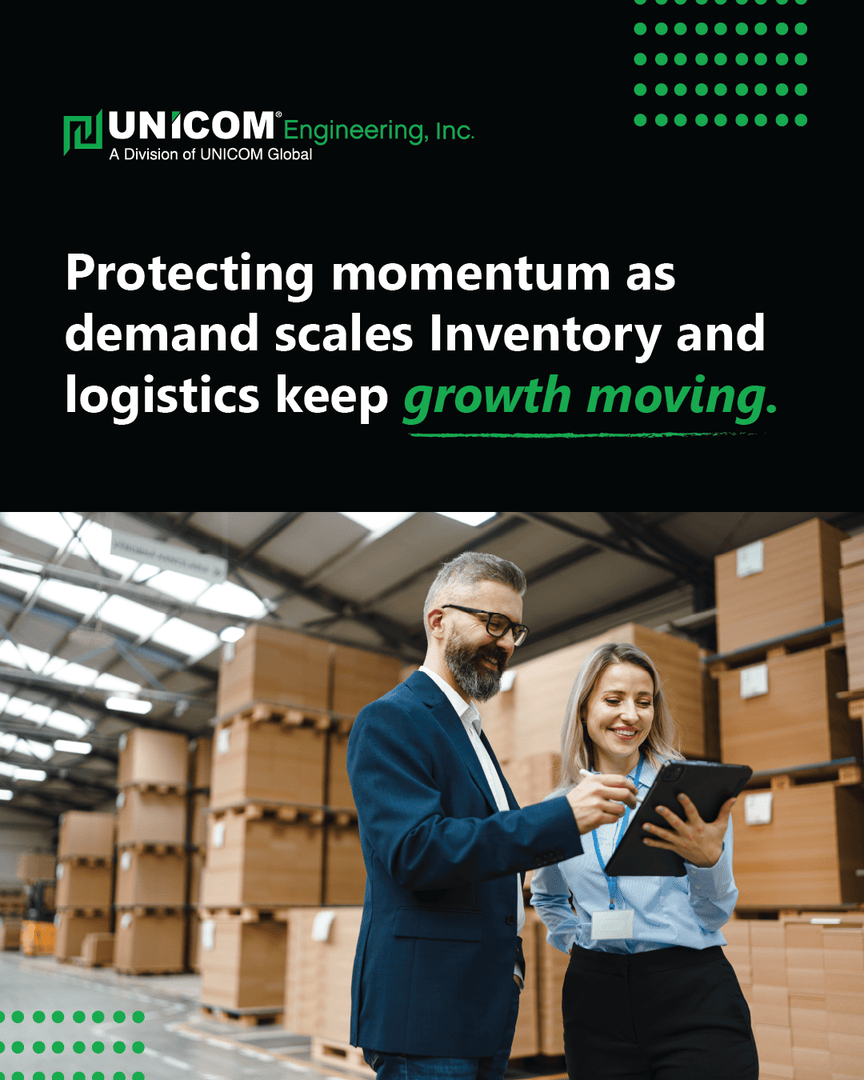
ALT Protecting momentum as demand scales Inventory and logistics keep growth moving.
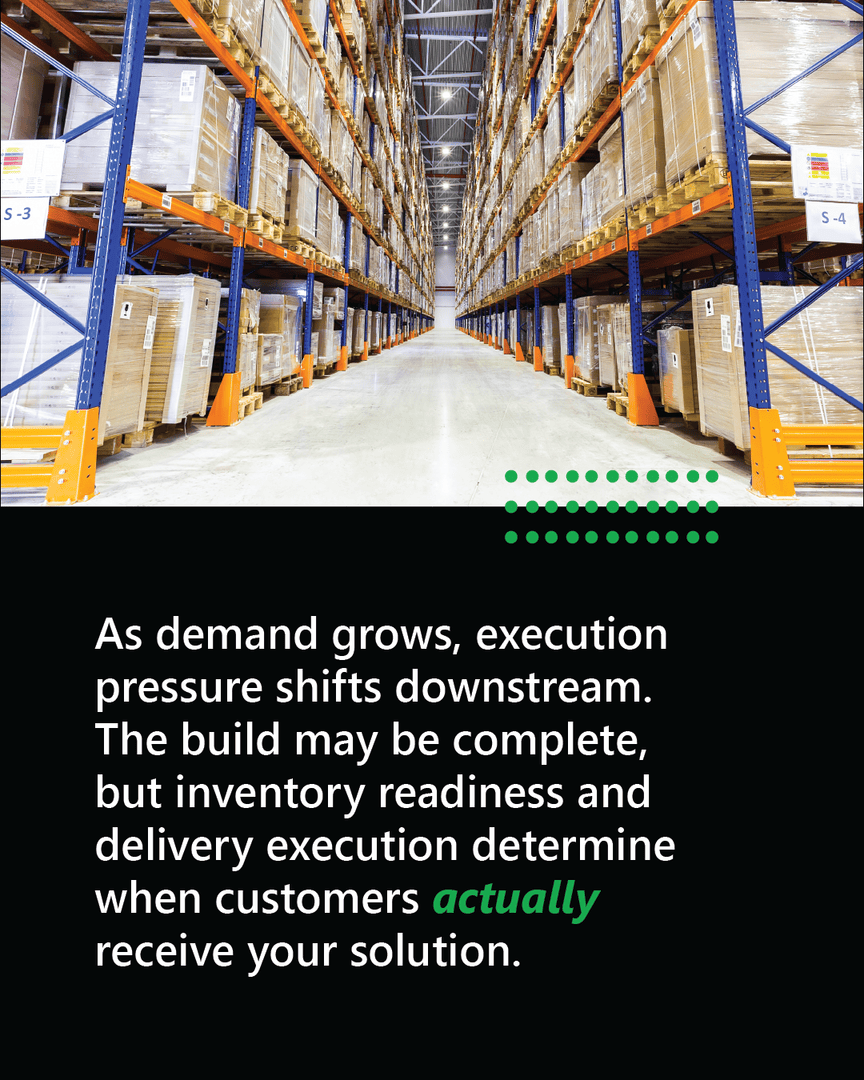
ALT As demand grows, execution pressure shifts downstream. The build may be complete, but inventory readiness and delivery execution determine when customers actually receive your solution.
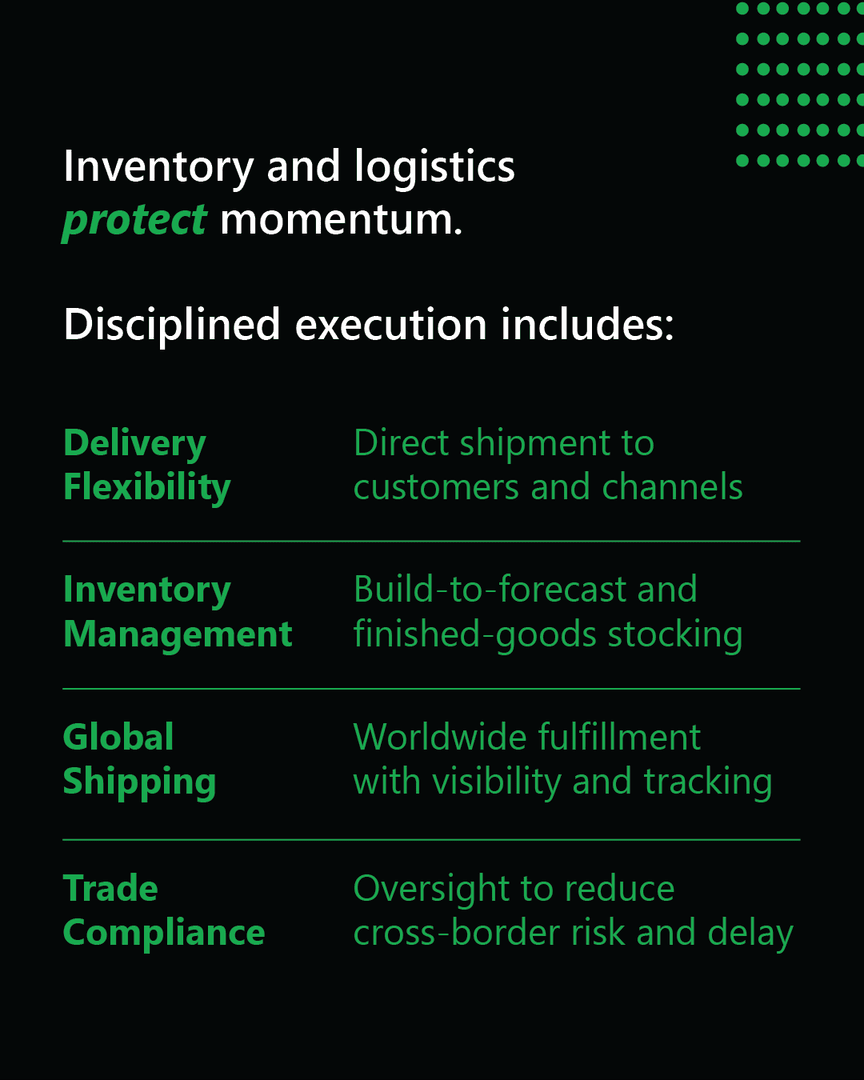
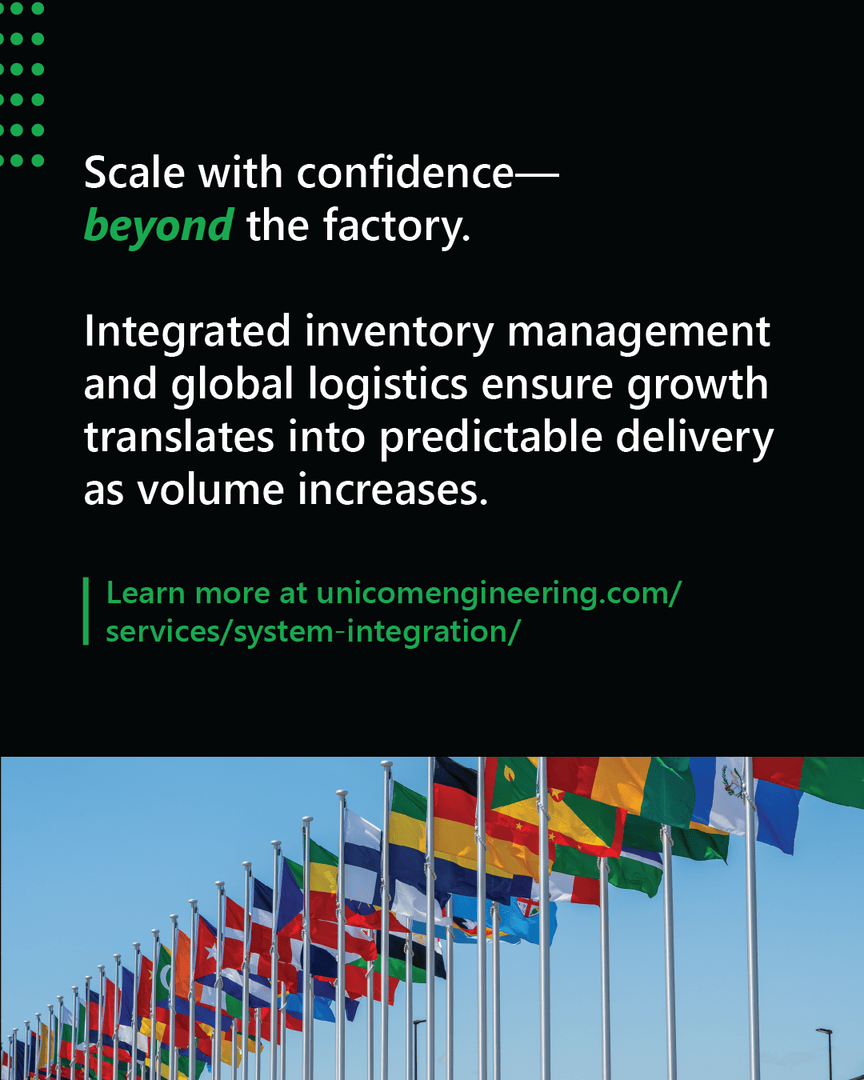
ALT Scale with confidence—beyond the factory. Integrated inventory management and global logistics ensure growth translates into predictable delivery as volume increases. Learn more at unicomengineering.com/services/system-integration/
ALT OEM Services. Streamline deployment with our trusted OEM products, expertise, & services.
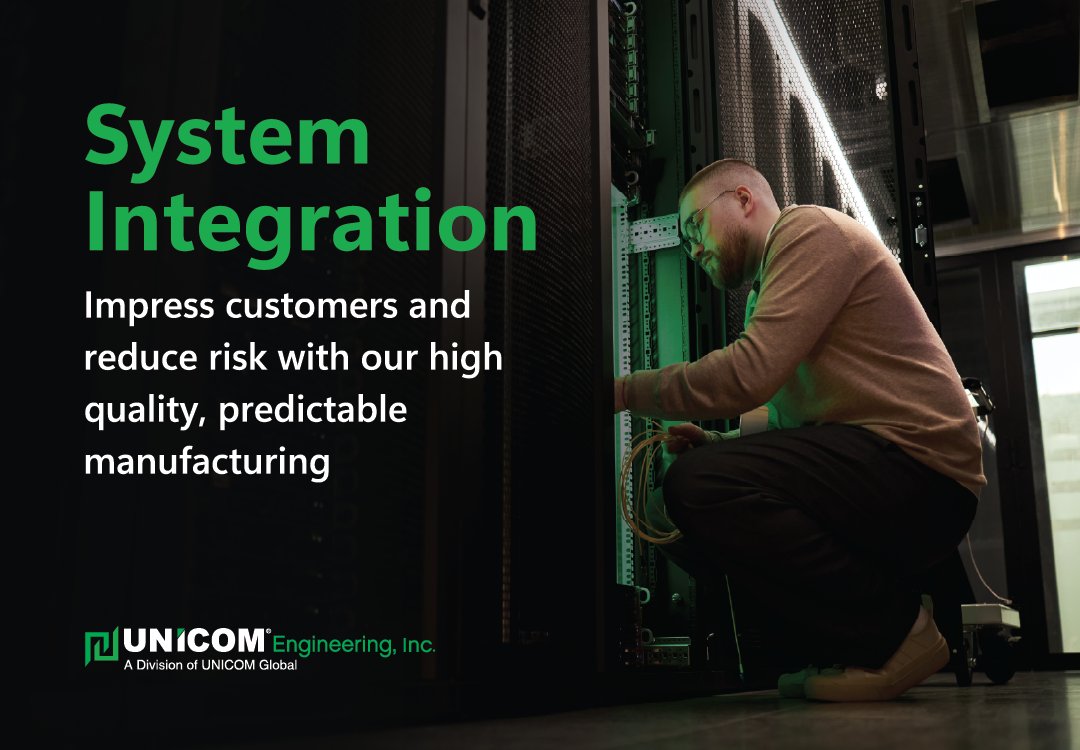
ALT System Integration. Impress customers and reduce risk with our high quality, predictable manufacturing.
ALT Add Storage. Add Revenue. Design storage into your solution to create new revenue streams and long‑term customer value.
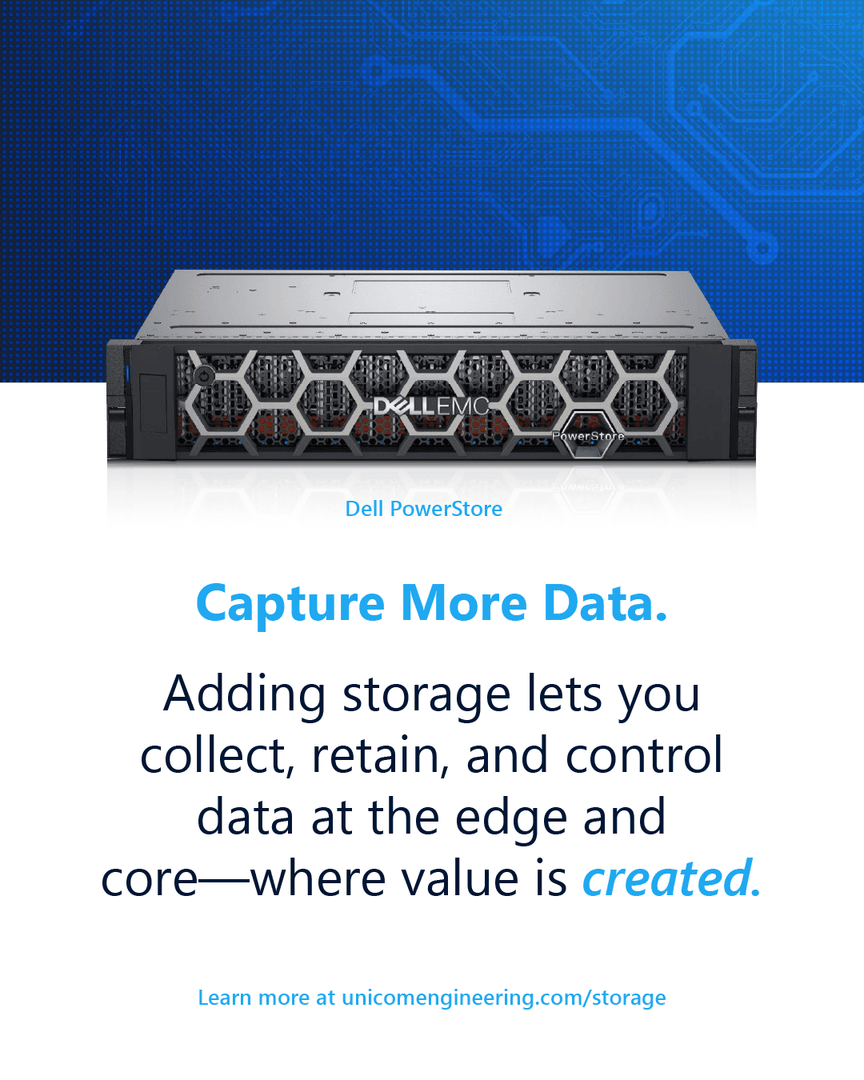
ALT Capture More Data Adding storage lets you collect, retain, and control data at the edge and core—where value is created.
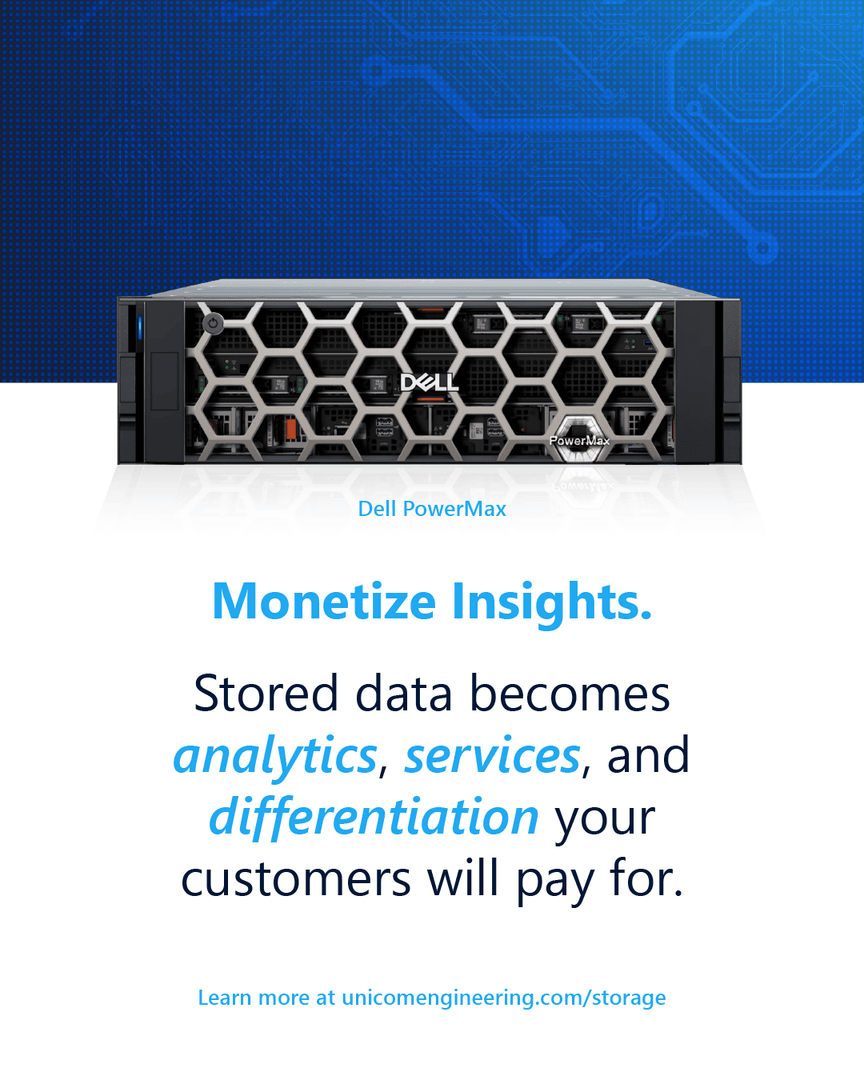
ALT Monetize Insights Stored data becomes analytics, services, and differentiation your customers will pay for.
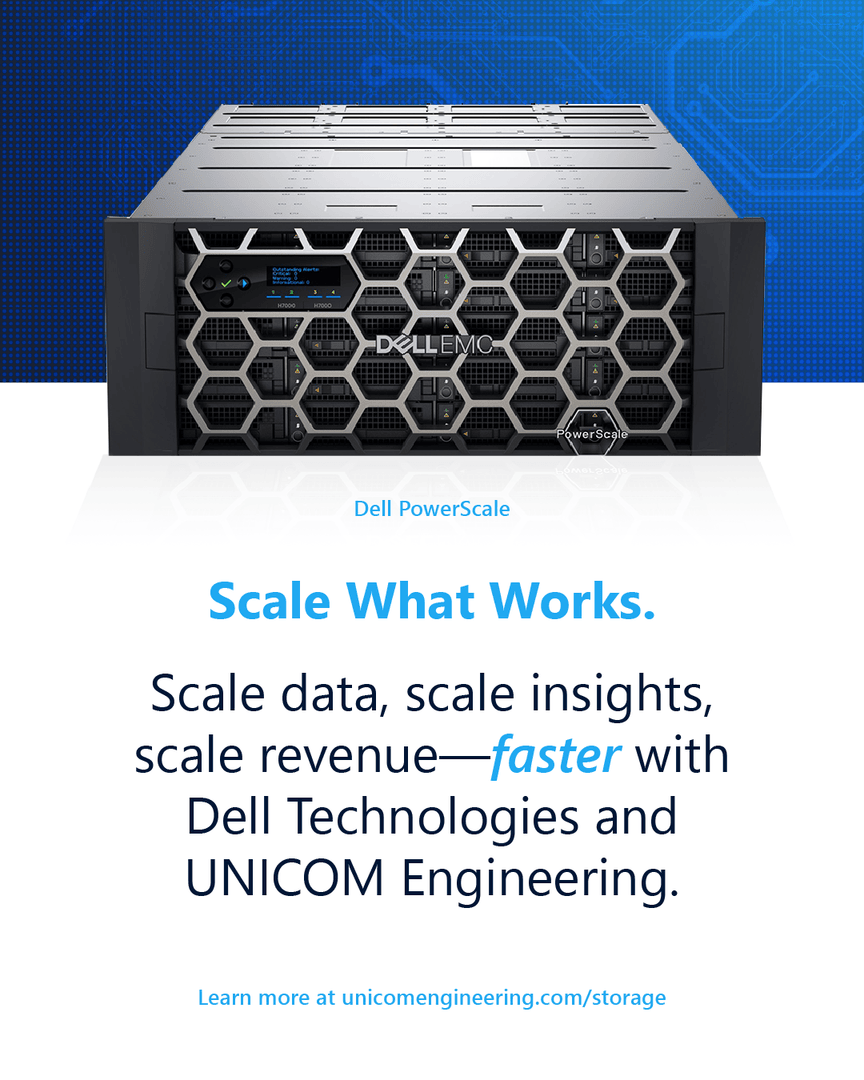
ALT Scale What Works Scale data, scale insights, scale revenue—faster with Dell Technologies and UNICOM Engineering. Learn more at unicomengineering.com/storage