
Covering faith and justice since 1935
Joined April 2009
- Tweets 29,175
- Following 1,331
- Followers 47,817
- Likes 1,739
2,544 Photos and videos
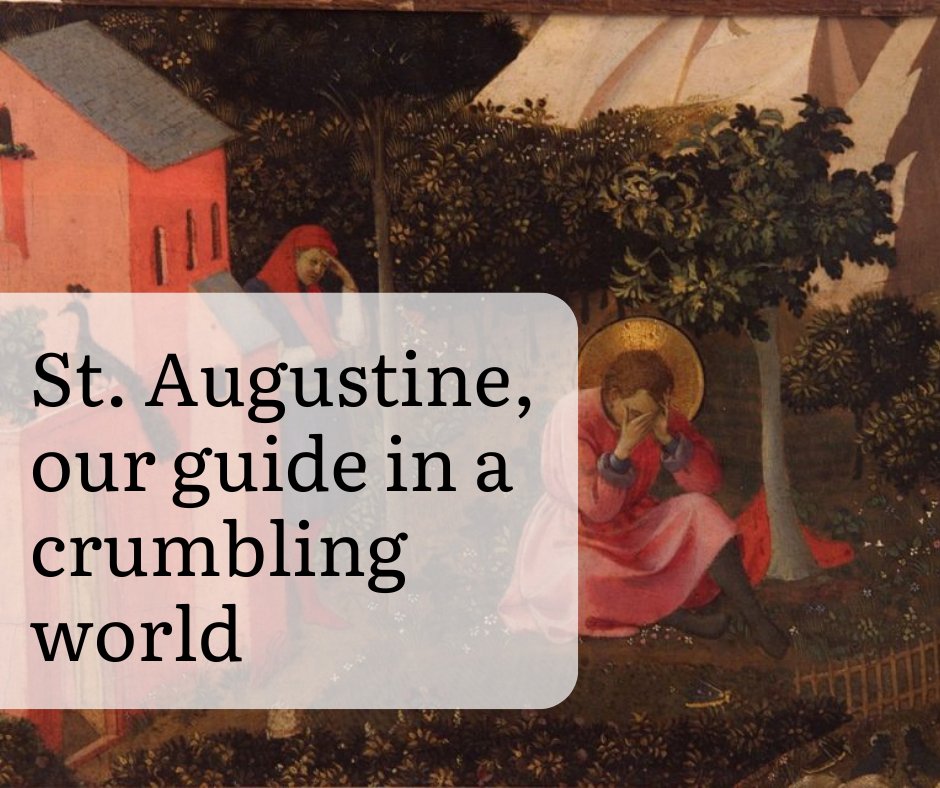
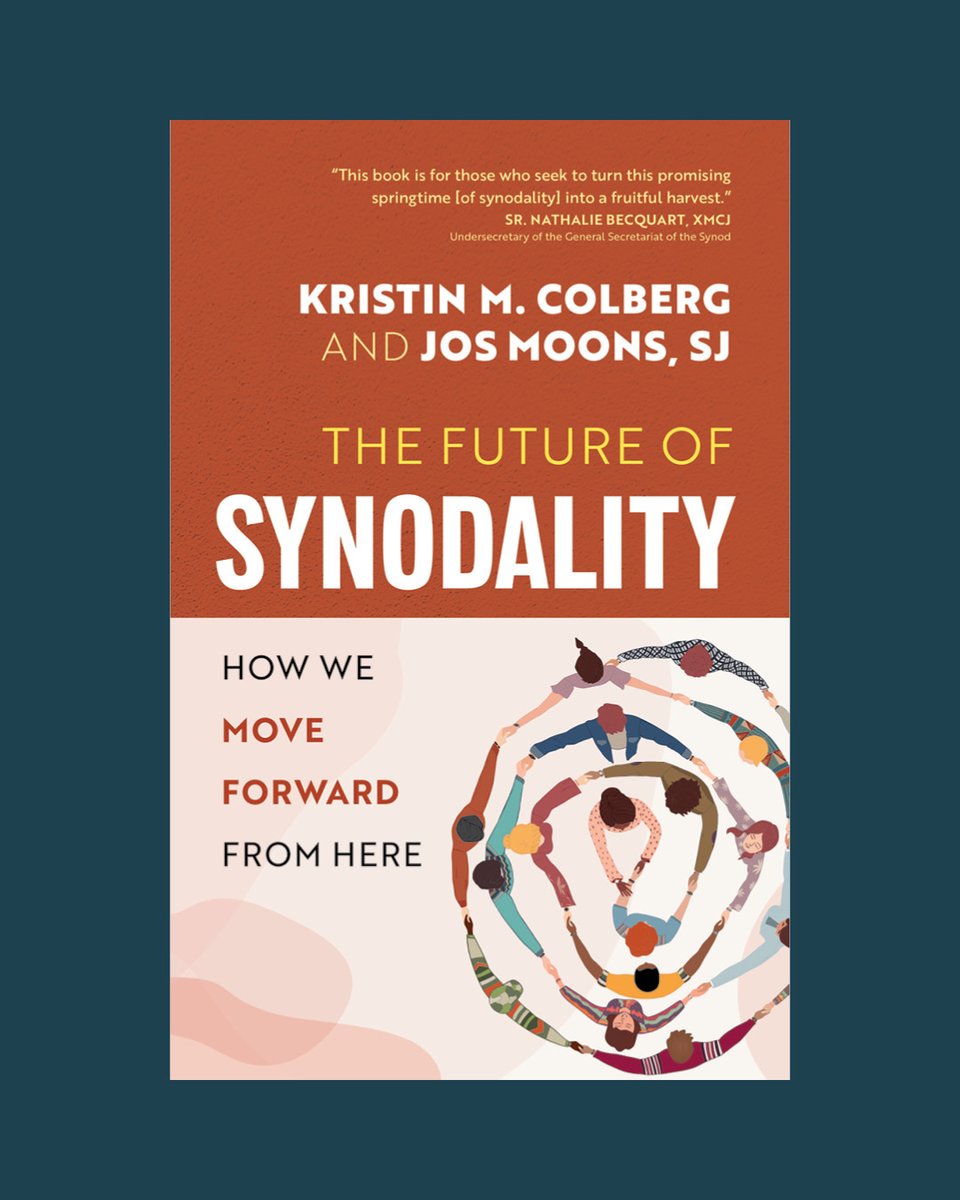
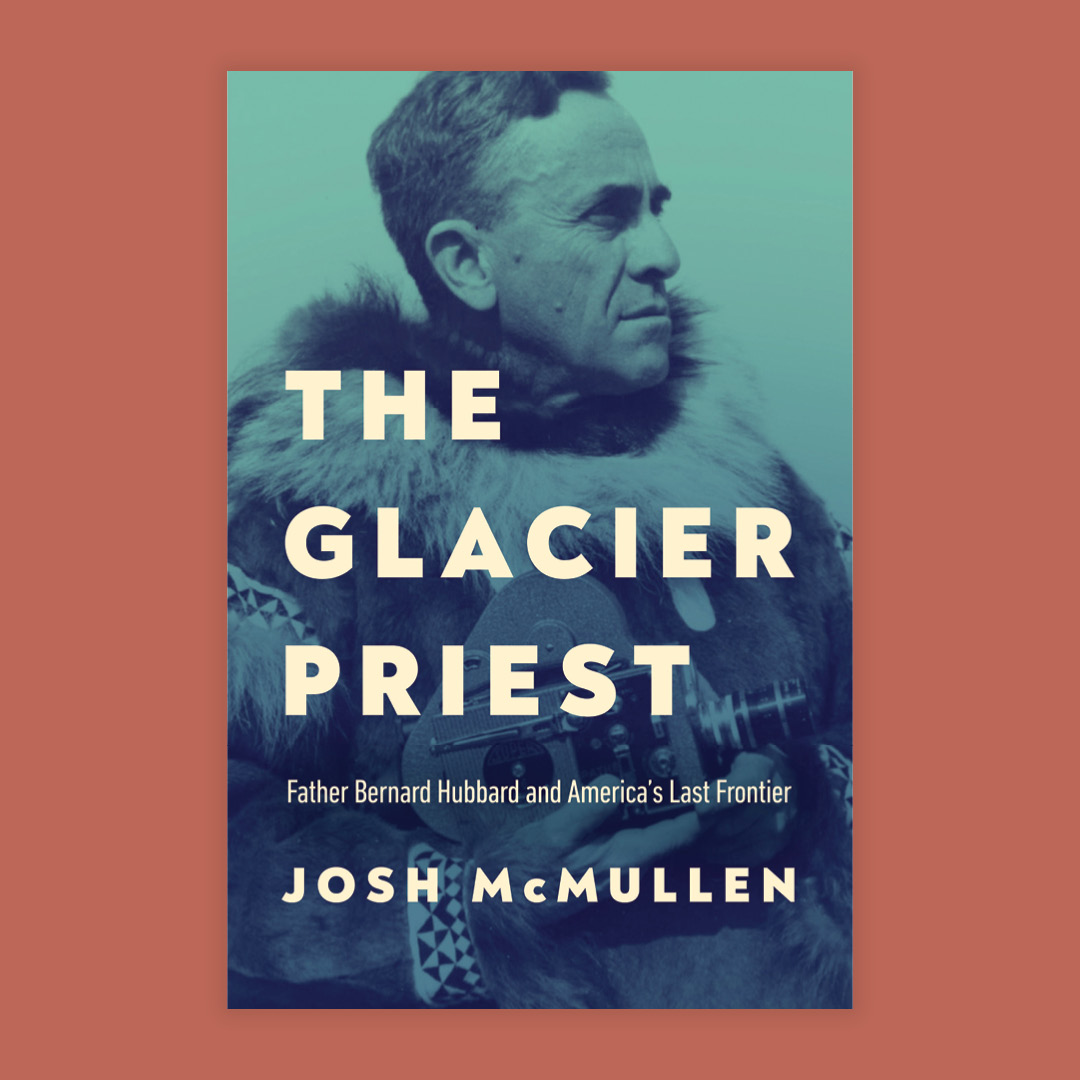
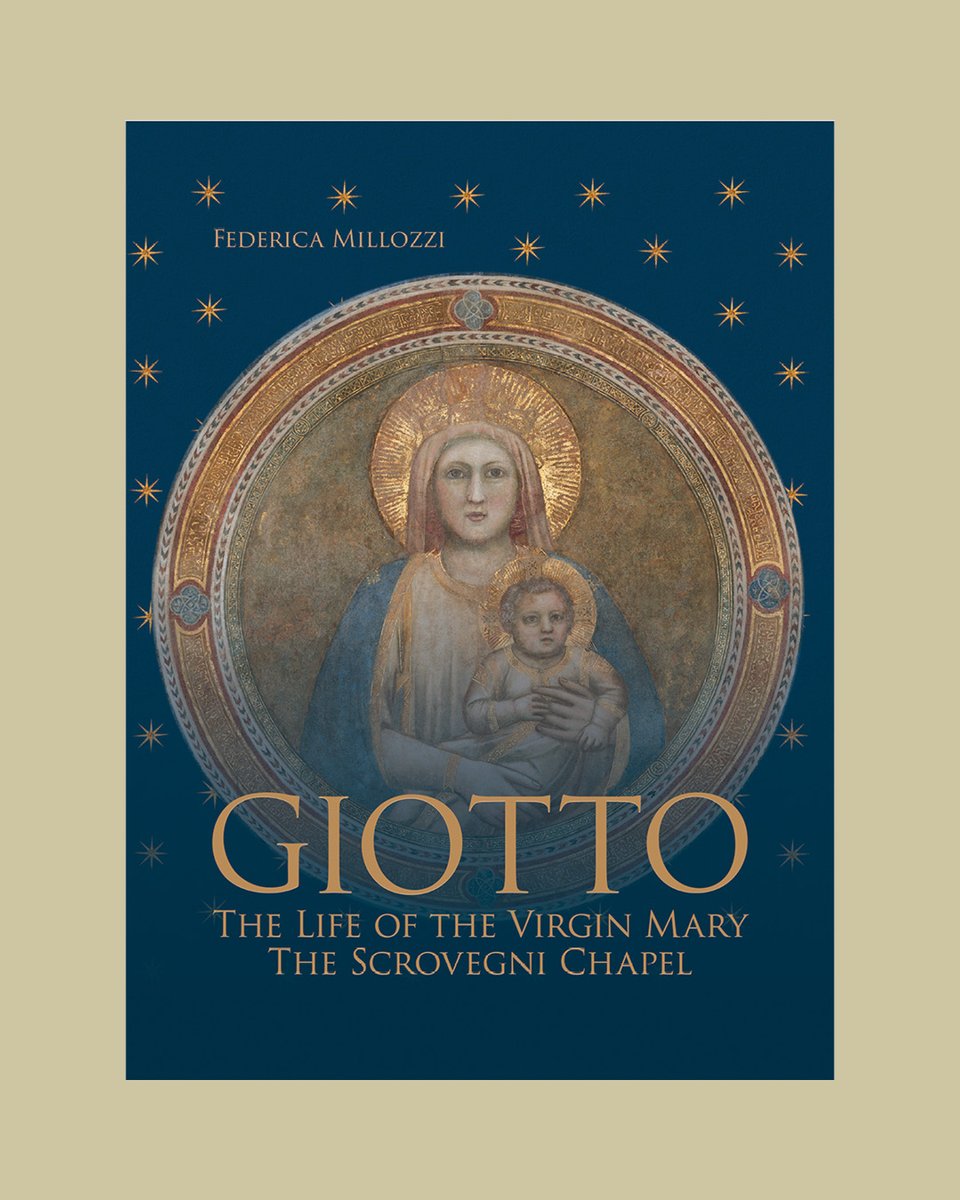

Many believe that devotion to the Sacred Heart originated with the mystical visions of St. Margaret Mary Alacoque in the 17th century. However, the practice has its roots in the third century and the devotion to the Five Wounds.
uscatholic.org/articles/2019…
1
3
153
Learning to let our yes be yes and our no be no is a family practice. We try to speak honestly, listen generously, and repair things when our words cause harm. In the short run, that kind of mindful communication requires patience.
uscatholic.org/articles/2026…
109
The Aztec Dance of the Concheros is the continuation of the Mexika-Tenochca Teo-Chichicameca dance traditions dating back to before the Conquest of the Americas. Originally, these dances honored figures from the Aztec pantheon.
uscatholic.org/articles/2026…
141
In this month's Sounding Board essay, Shannon Wimp Schmidt argues that boycotts, though inconvenient, are a natural extension of Catholic social teaching in action.
Should the Catholic Church encourage boycotts of unethical companies? Take our survey.
uscatholic.org/articles/2026…
1
143
In his new book, historian David F. Evans looks at how white Christian progressives of the 20th century frequently failed in racial solidarity—and what we can learn from those missteps.
uscatholic.org/articles/2026…
1
1
128
The foundational principles of the Catholic faith carry direct implications for how communities respond to violence that targets marginalized communities, which not only destroys individual lives but wounds the social fabric itself.
uscatholic.org/articles/2026…
2
3
163
Reflection: Receive the gift, and with it, transform the world.
Michael Centore reflects on the readings for the Feast of Corpus Christi.
uscatholic.org/articles/2026…
110
What does it mean to pray? Are there things we should or shouldn't pray for? And do our prayers get answered?
On this episode of Glad You Asked, the hosts talk with award-winning writer Laura Kelly Fanucci about what prayer can and cannot do.
uscatholic.org/articles/2026…
1
136
If we are made in God's image, our lives cannot be only about personal rights or private choices. They must be shaped by love and focused on the good of everyone, especially those who are vulnerable.
uscatholic.org/articles/2026…
1
2
2
184
In the Catholic church, marriage is considered one of the seven sacraments—so it comes with a lot of theological import attached. Because of this, the process of getting married within the church can be quite long and complex.
uscatholic.org/articles/2026…
184
The Catholic Church’s principles on immigration have their roots in scripture, tradition, and magisterial teaching. Both the Hebrew scriptures and Christian scriptures reiterate the moral obligation to “welcome the stranger.”
uscatholic.org/articles/2026…
3
189
How should one who wishes to travel ethically think about economics, sustainability, and culture?
Does your faith shape how you travel?
Is it even ethical to travel in the first place? Take our reader survey here, and share your thoughts.
uscatholic.org/articles/2026…
109
While key Catholic leaders call the church and the culture to nonviolence, what this means in practice can become complicated. How can we implement nonviolence in a way that avoids the problematic practices associated with some movements past and present?
uscatholic.org/articles/2026…
1
138
The burdens of AI's harms—pollution, water scarcity—are not equally shared. Since many data centers are built in economically vulnerable rural areas, already disadvantaged communities are disproportionately affected.
uscatholic.org/articles/2026…
102
During the Cold War, as studios faced threats from Congress regarding individuals accused of left-wing affiliation, they banished hundreds of actors, writers, and directors from employment. Now, many Palestinian films struggle to find U.S. distributors.
uscatholic.org/articles/2026…
168
The Sacred Heart and devotion to it are not inaccessible to queer Catholics. In fact, queer Catholics' experience of marginalization in the church and society may allow us a distinct and valuable insight into how Christ’s heart beats, into who God is.
uscatholic.org/articles/2022…
1
127
In 'Magnifica Humanitas' Leo envisions humanity working together at the “construction site of hope,” where “coexistence and peace” are built through direct political action, albeit in “slower, less visible, and less spectacular” ways.
uscatholic.org/articles/2026…
1
1
2
210
We are made in the image of the Trinity—and this means love.
Angelo Kurbanali reflects on the readings for the Solemnity of the Most Holy Trinity.
uscatholic.org/articles/2026…
1
194
On this episode of Glad You Asked, the hosts talked to three guests from different backgrounds and Christian affiliations about what young people want from the church.
uscatholic.org/articles/2026…
155
If we only use only male language for God, this furthers a notion that males are more god-like than females. Yet Genesis makes it clear that men and women are both made in God’s image.
uscatholic.org/articles/2023…
2
2
6
222