This is an archived account and is not being updated. For the latest updates follow @USGS.
- Tweets 1,787
- Following 176
- Followers 2,146
- Likes 389
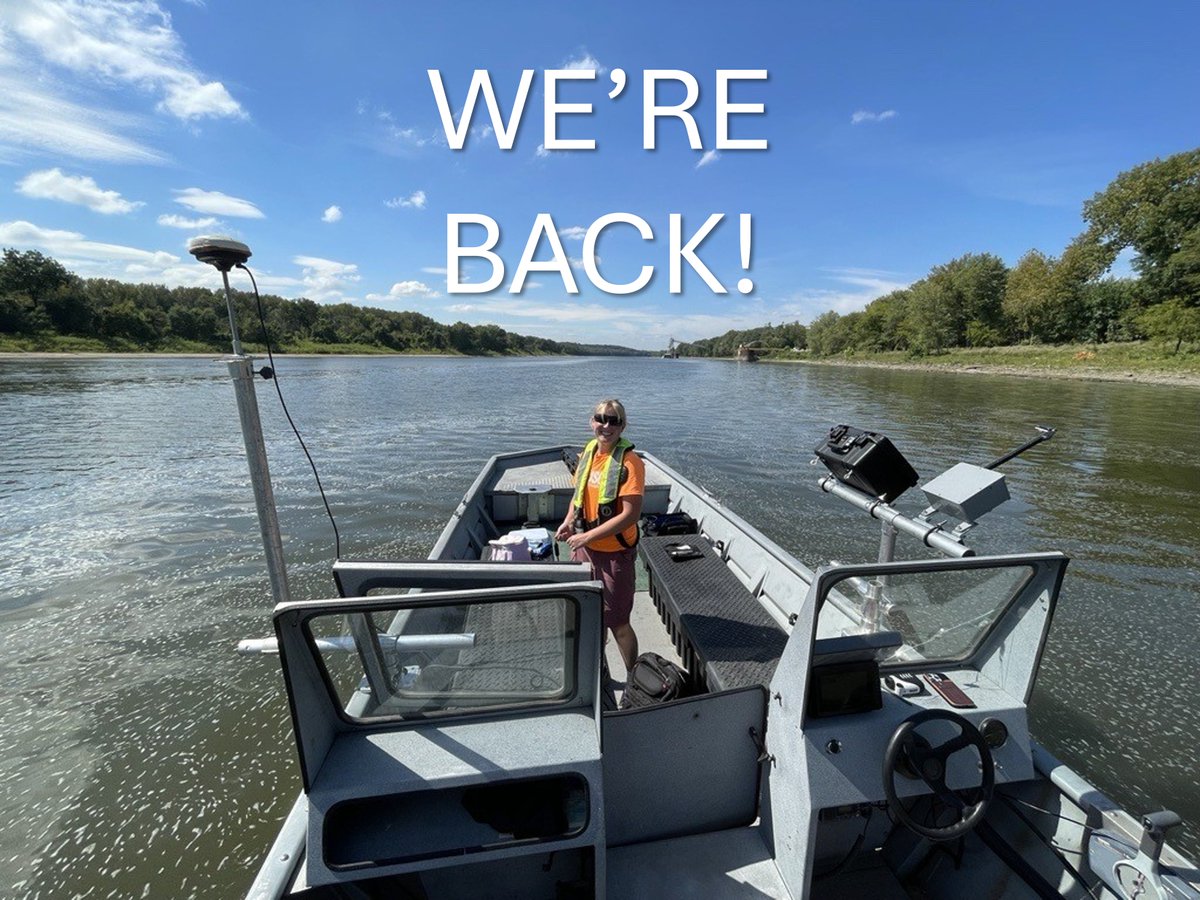
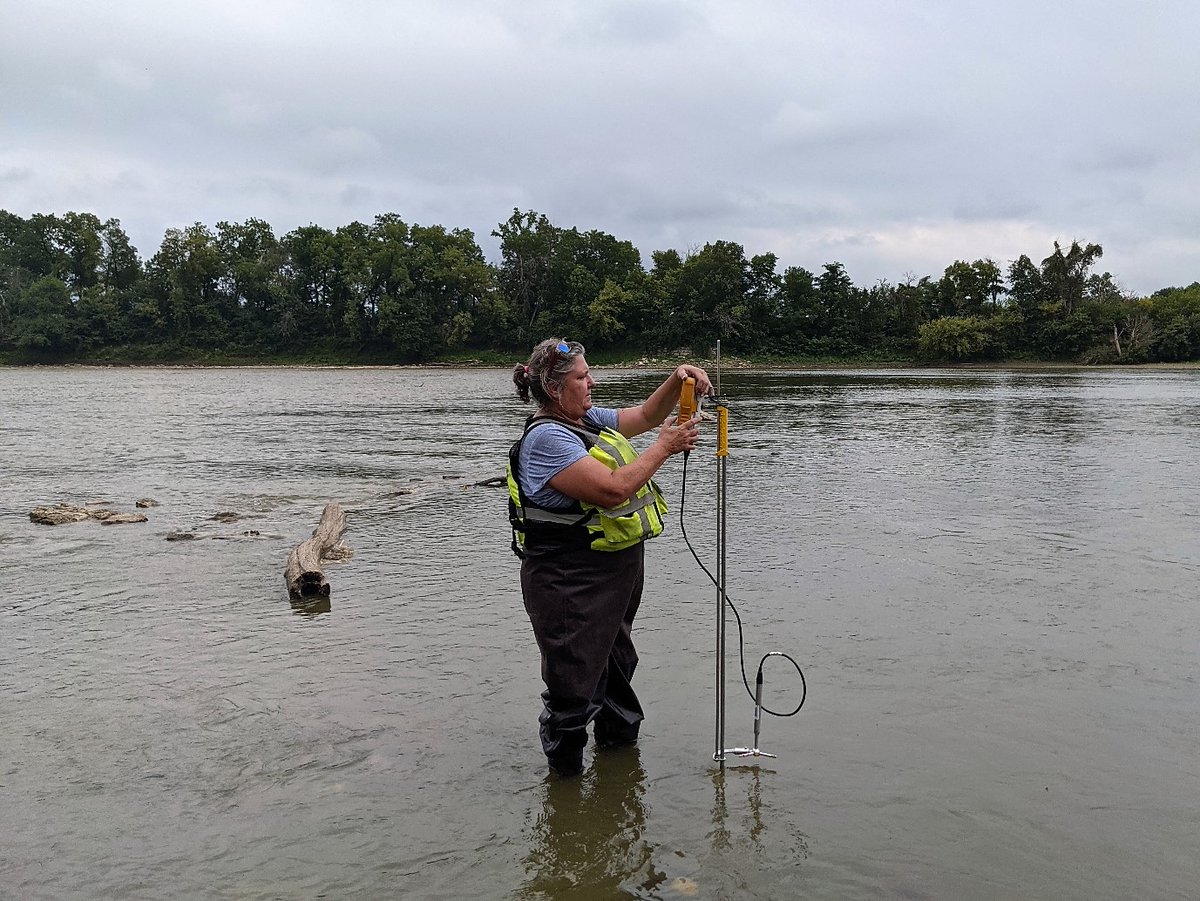
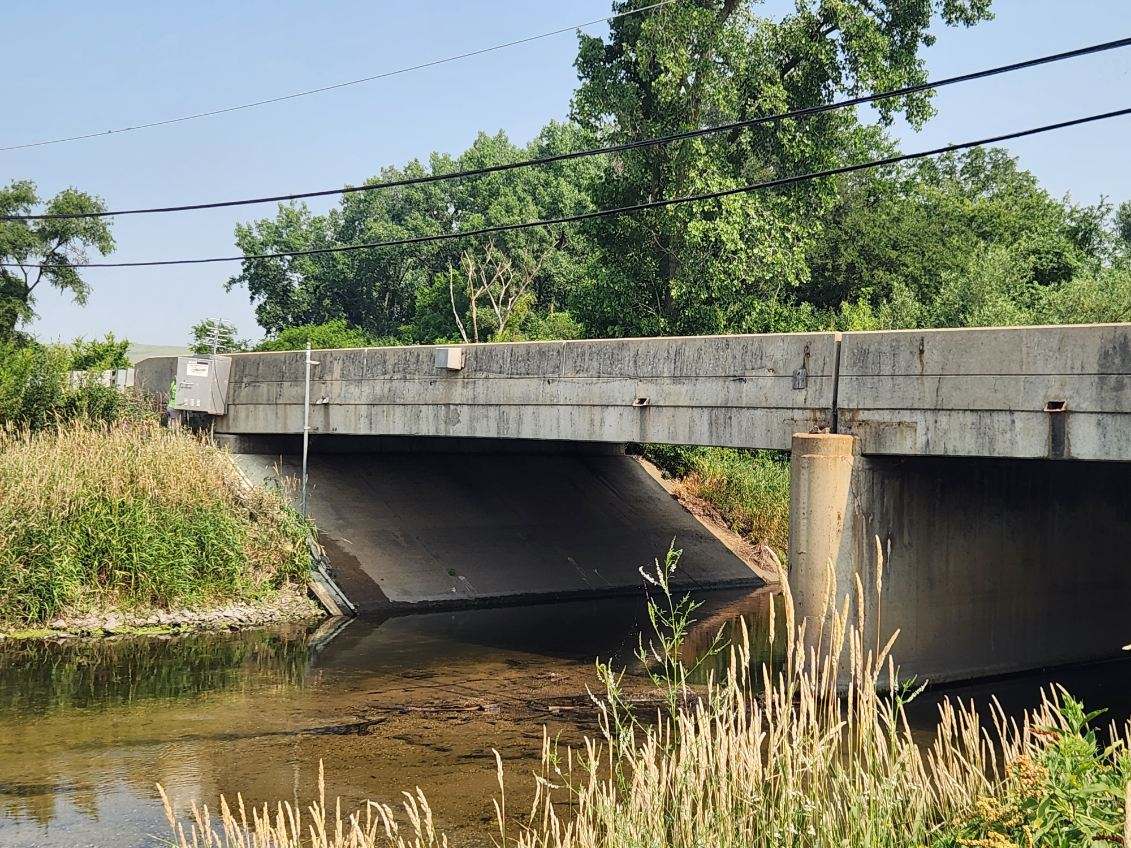


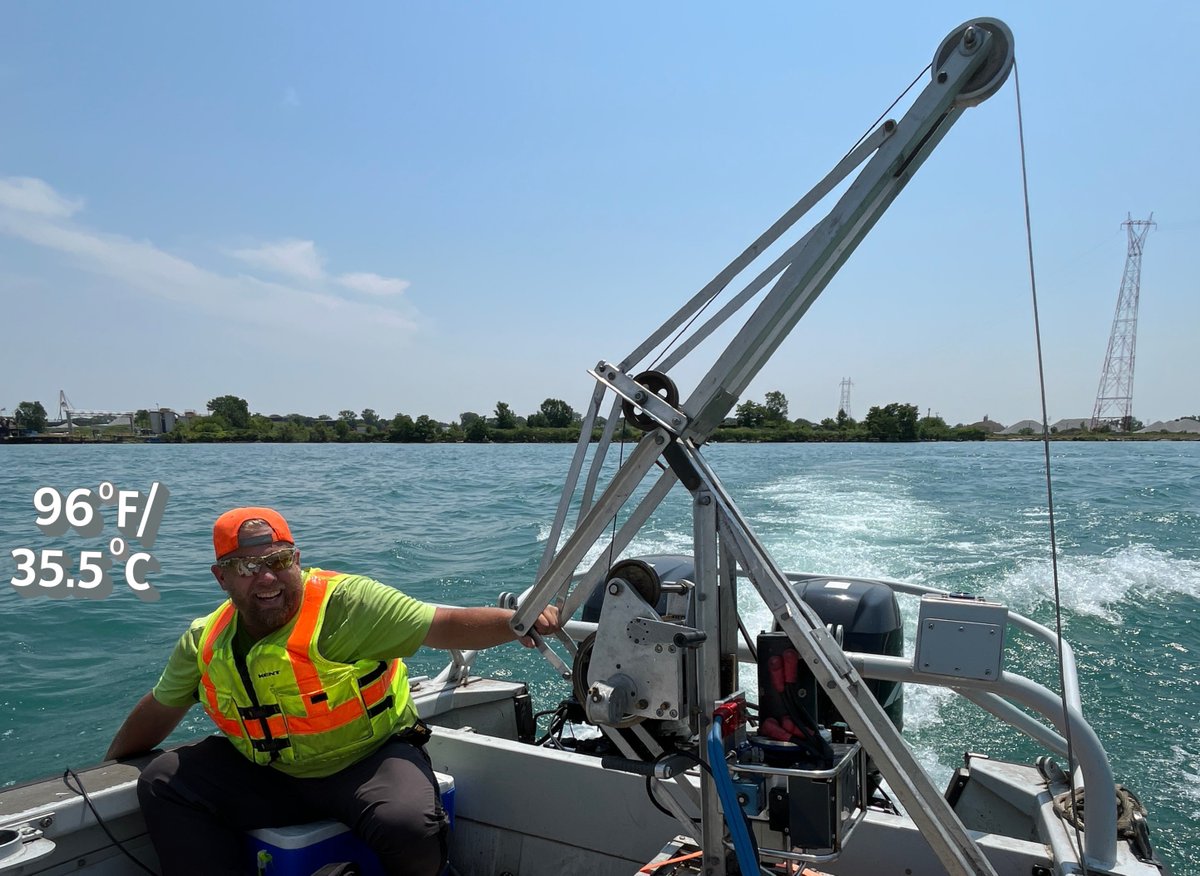
ALT Wear a hat and breathable clothing. (Robert Howell (Lansing), sampling the Detroit River, 2024)
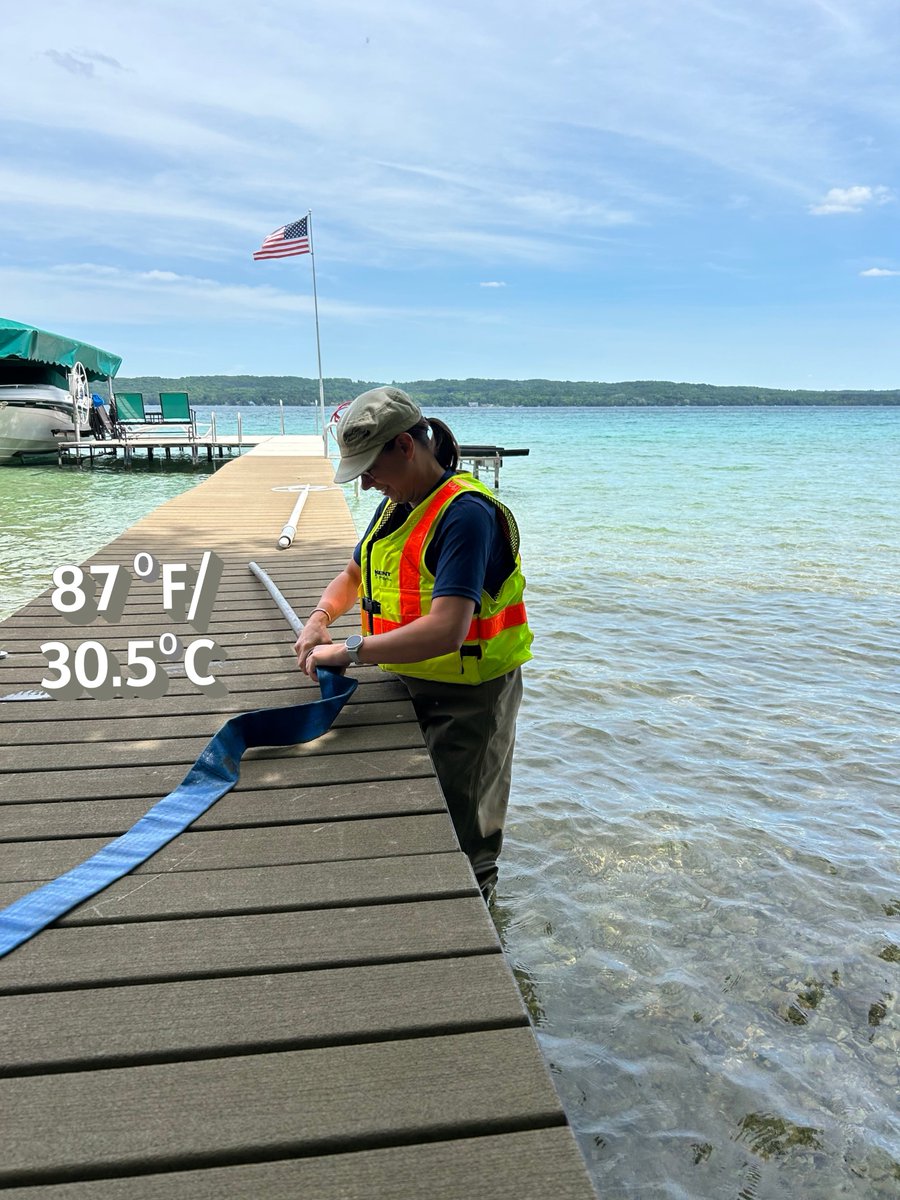
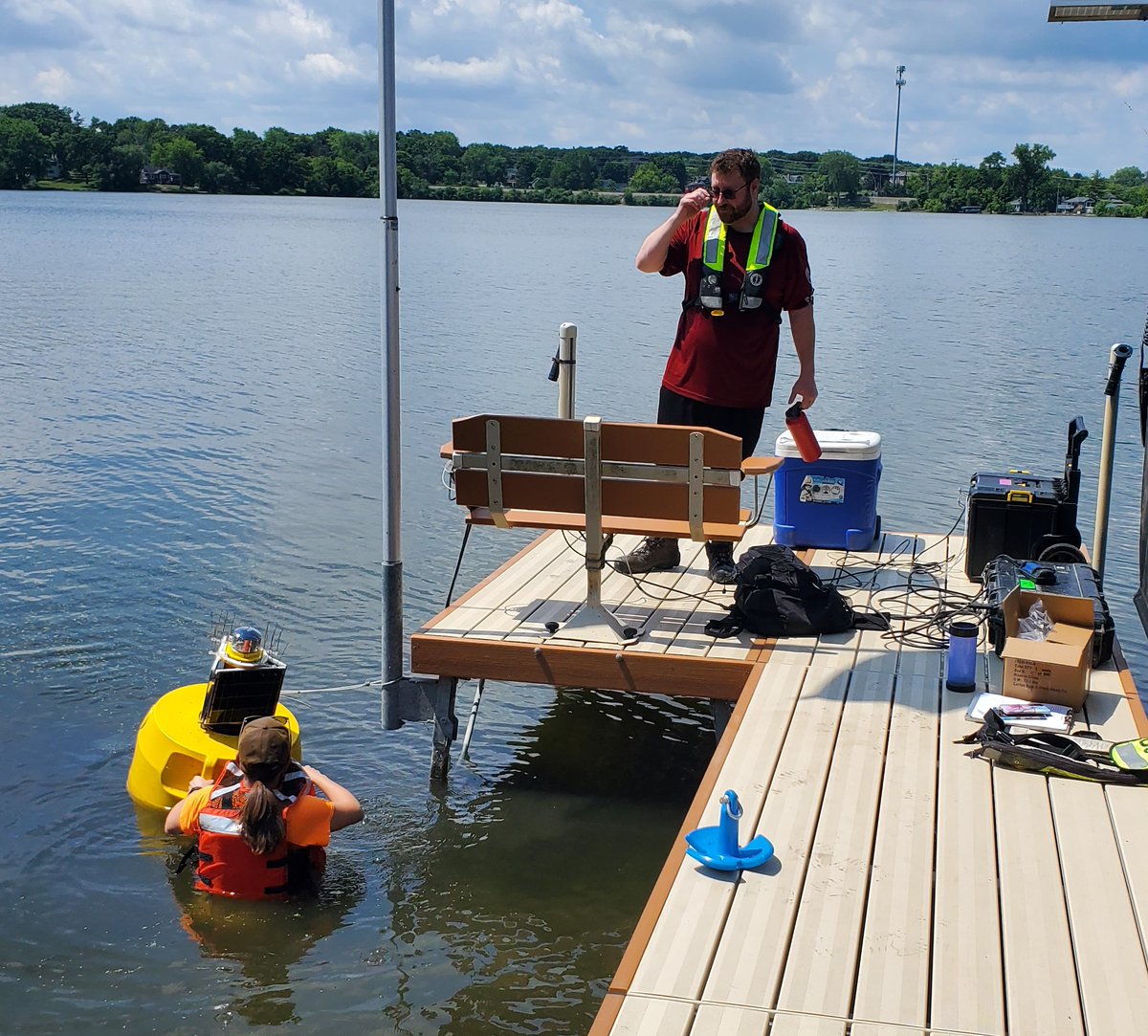
ALT Stay in the shade when possible. (Sherry Martin (Lansing), prepping equipment at Torch Lake, 2024)
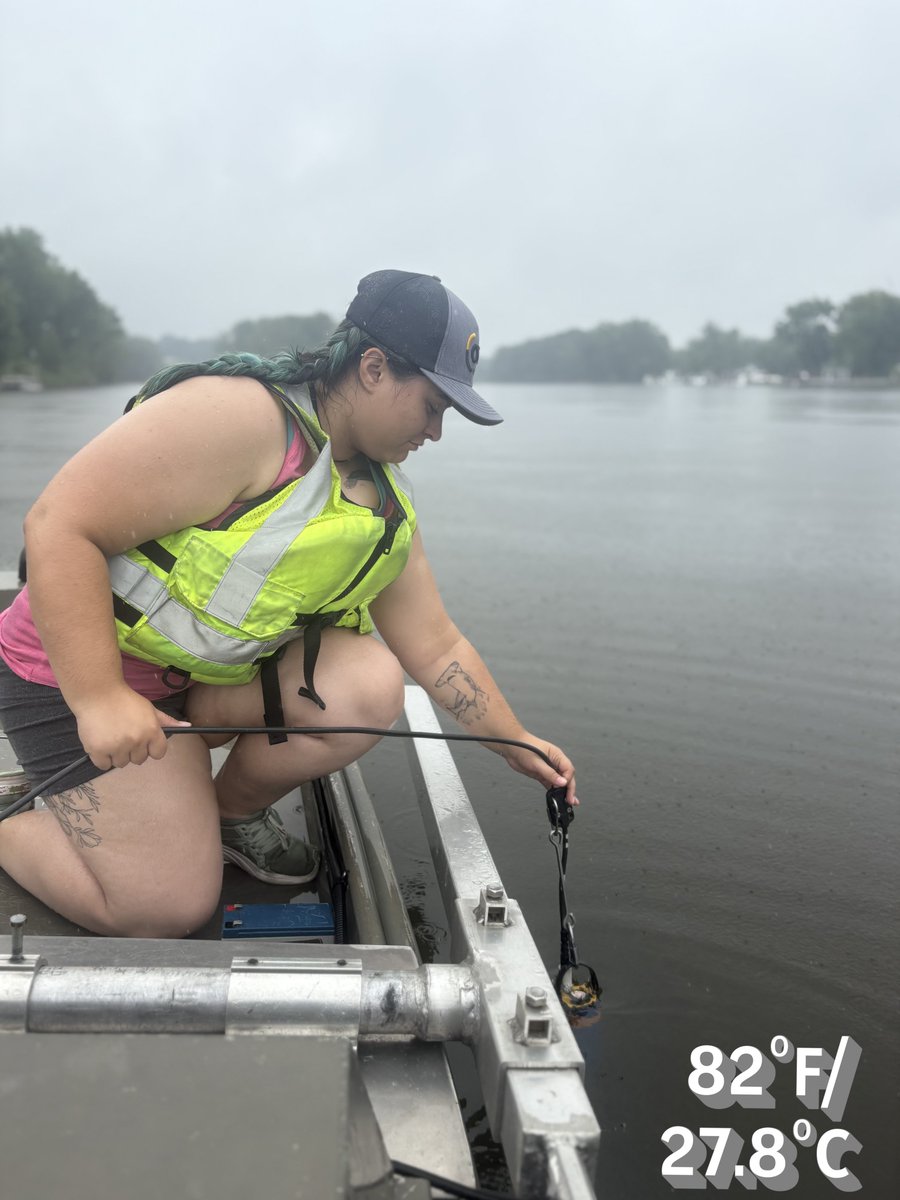
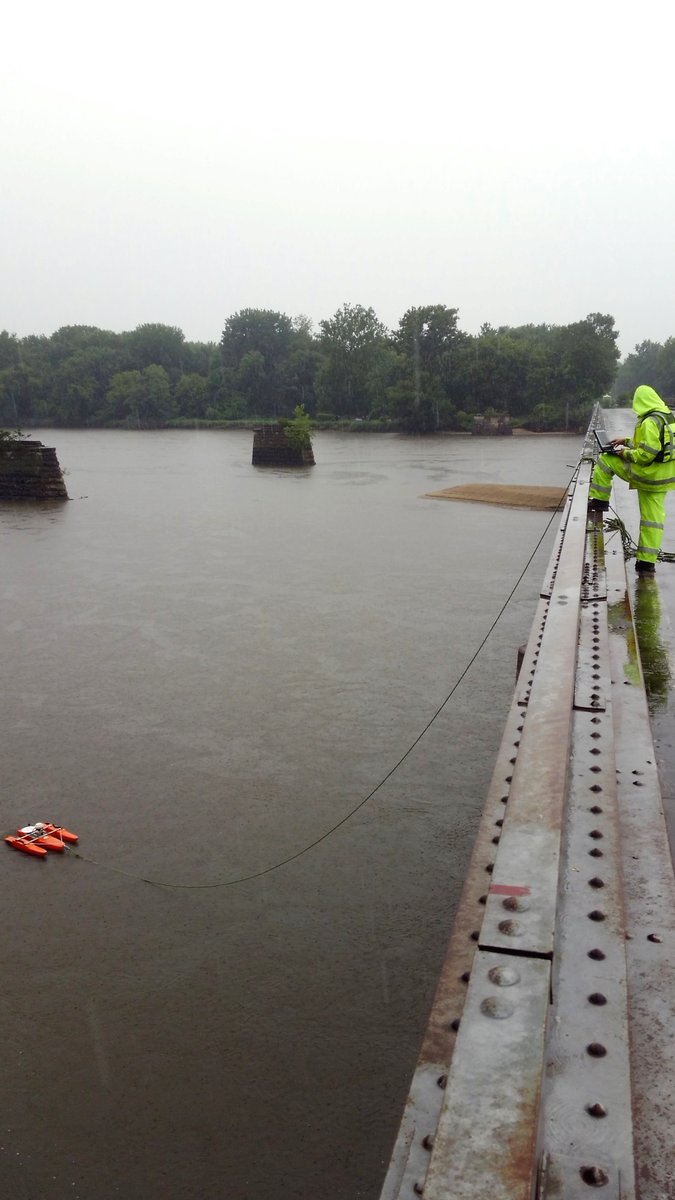
ALT Sample earlier in the day, or while it's sprinkling. (Hannah Michel (Lansing), sampling the Grand River, 2025)
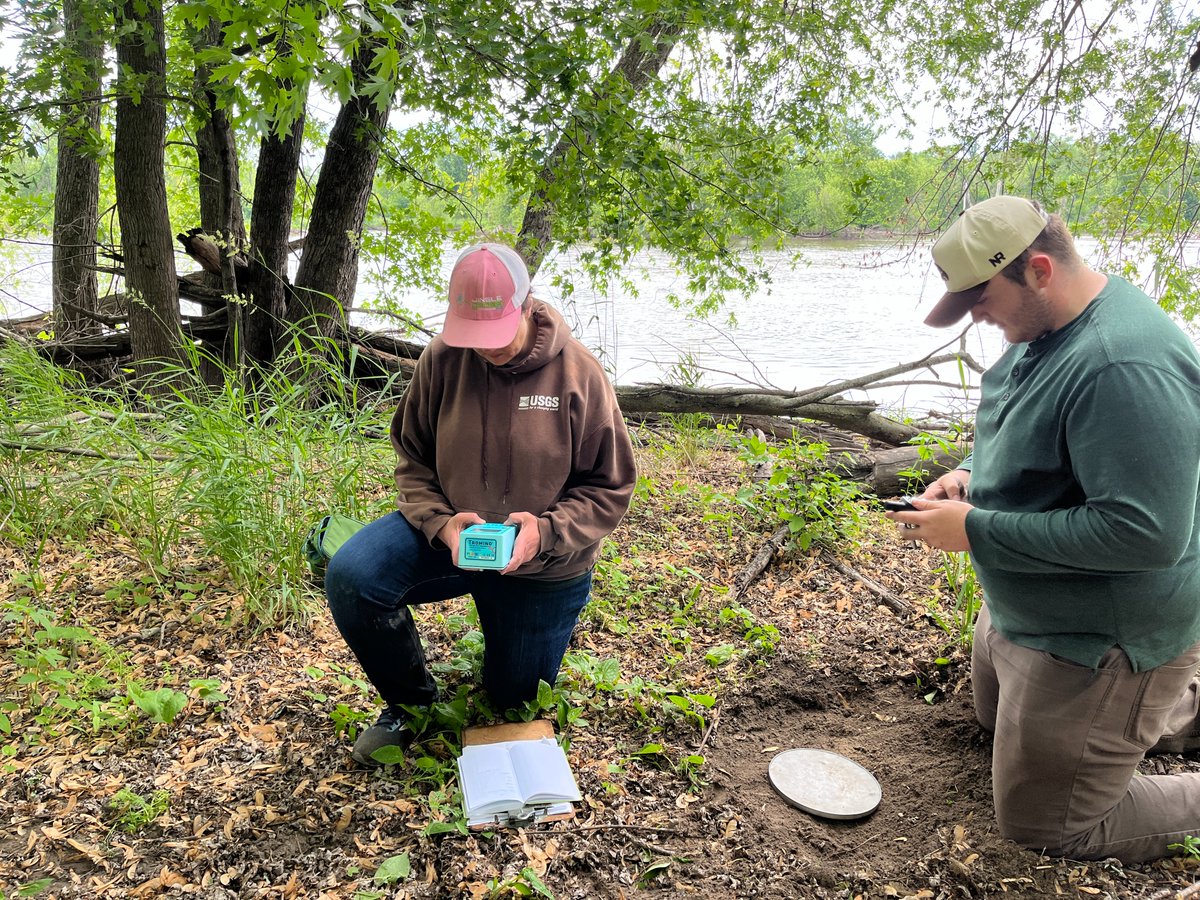
ALT Hydrologist Emilia Bristow and Student Trainee Logan Stewart conduct field work on the shores of the Cedar River in Cedar Rapids, Iowa.
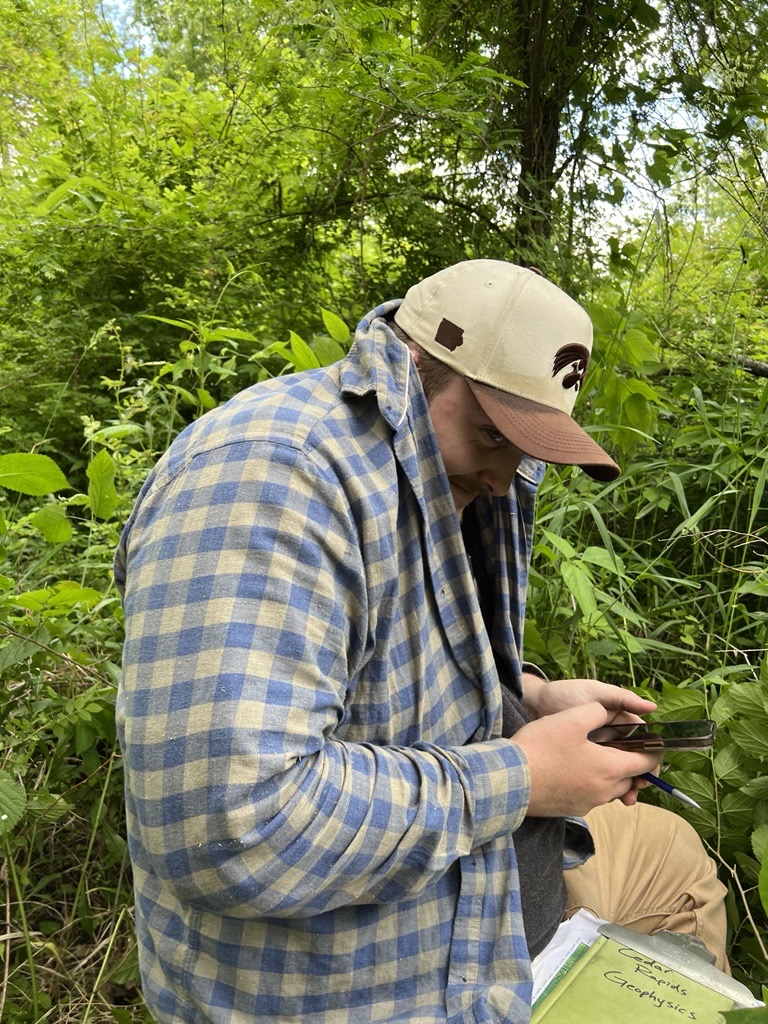
ALT Student Trainee Logan Stewart conducts field work on the shores of the Cedar River in Cedar Rapids, Iowa, while hiding from the mosquitoes!
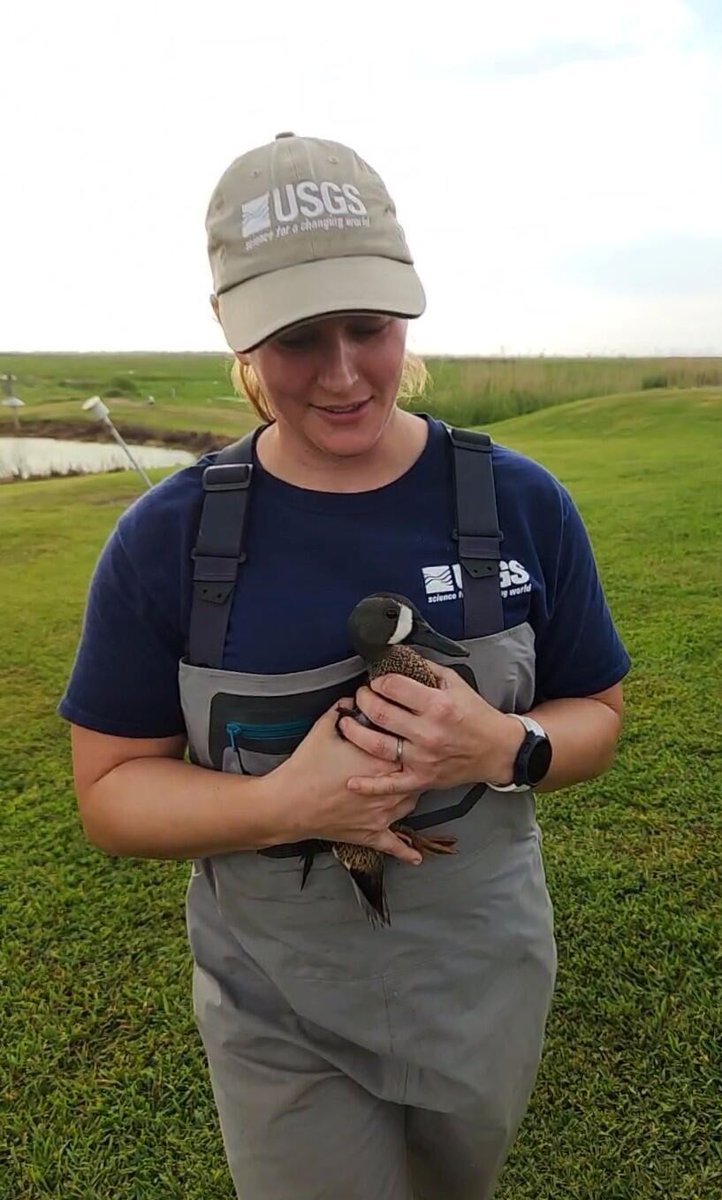
ALT A person wearing waders and a USGS hat is outside holding a Blue-winged Teal – a duck with a black and white face with brown speckled feathers.
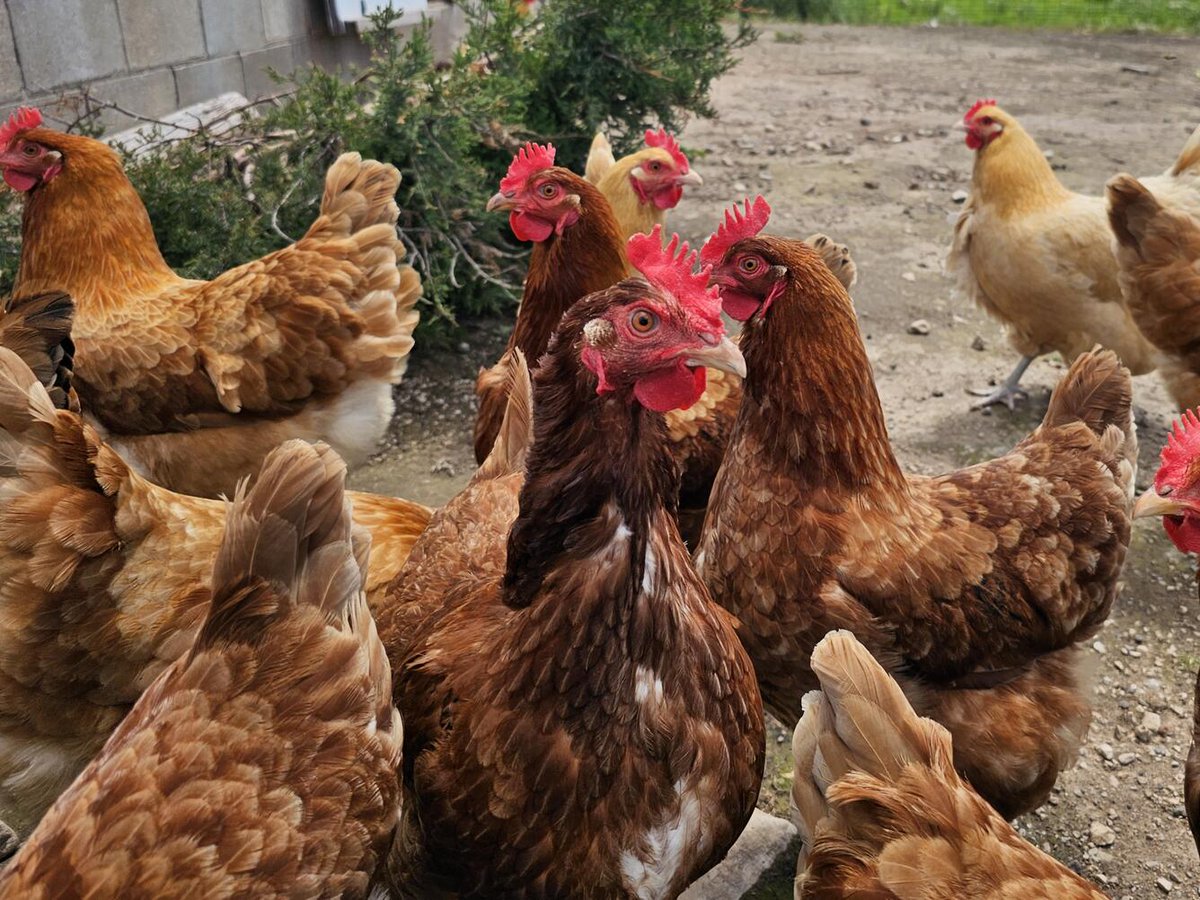
ALT A photo showing a grouping of about 10 hens outside on a farm.
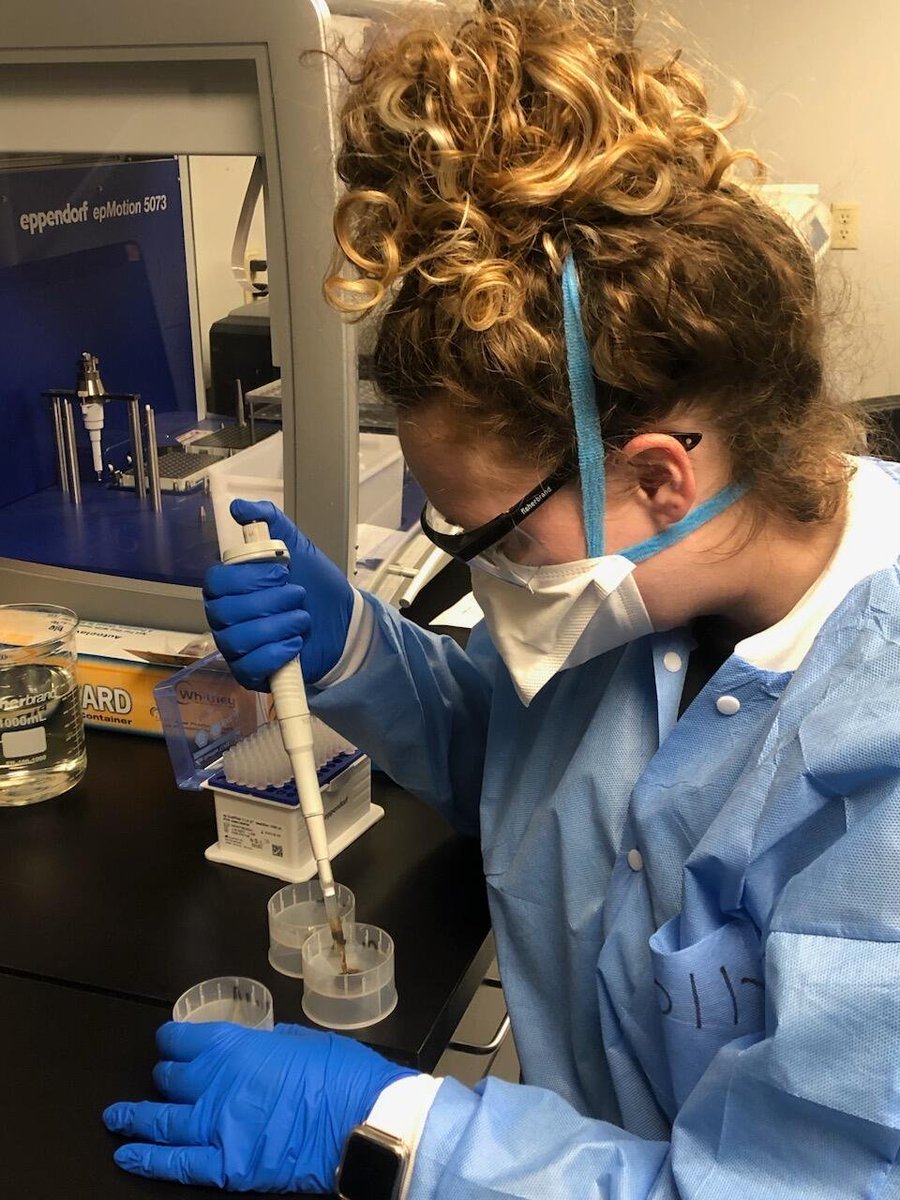
ALT A person in protective clothing, gloves and a mask is seen in a USGS laboratory holding a tool to transfer samples into a culture dish.

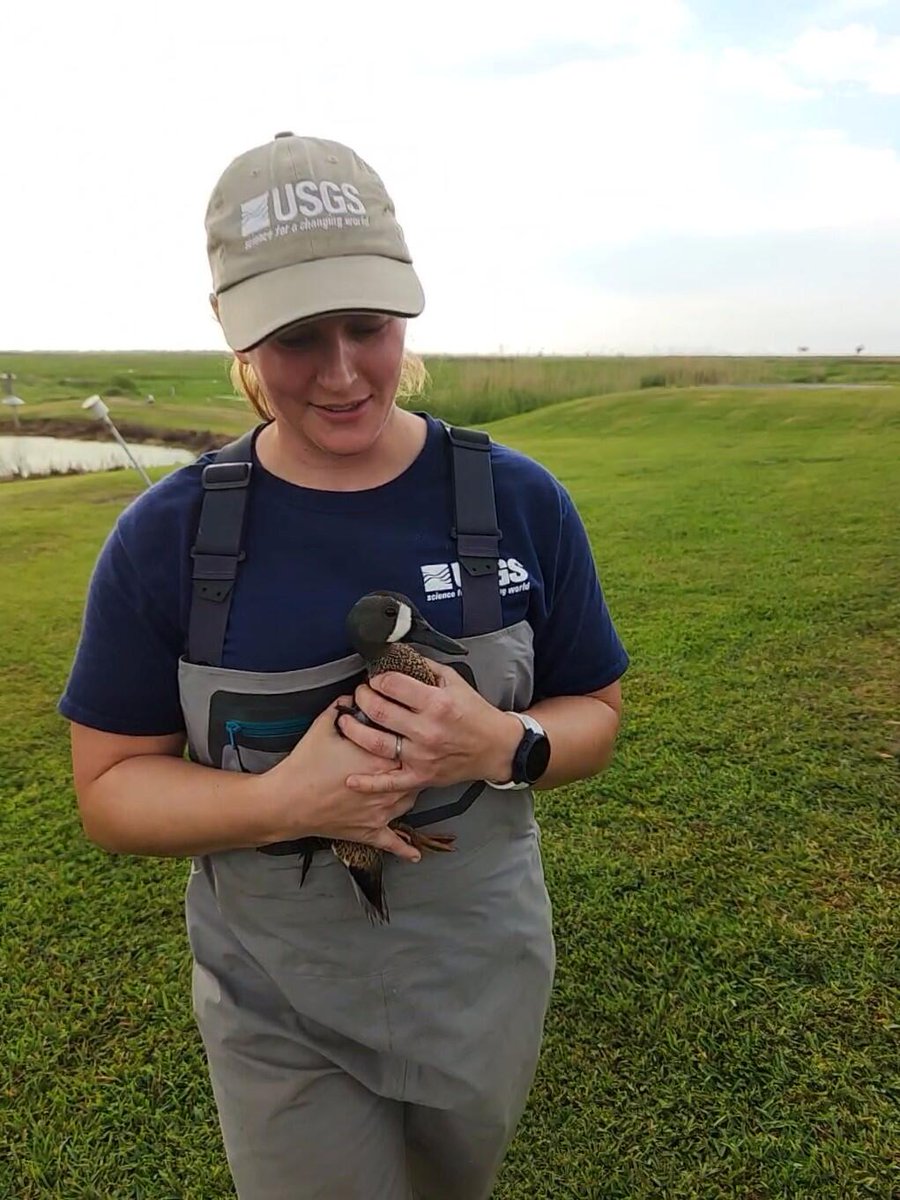
ALT A person wearing waders and a USGS hat is outside holding a Blue-winged Teal – a duck with a black and white face with brown speckled feathers.
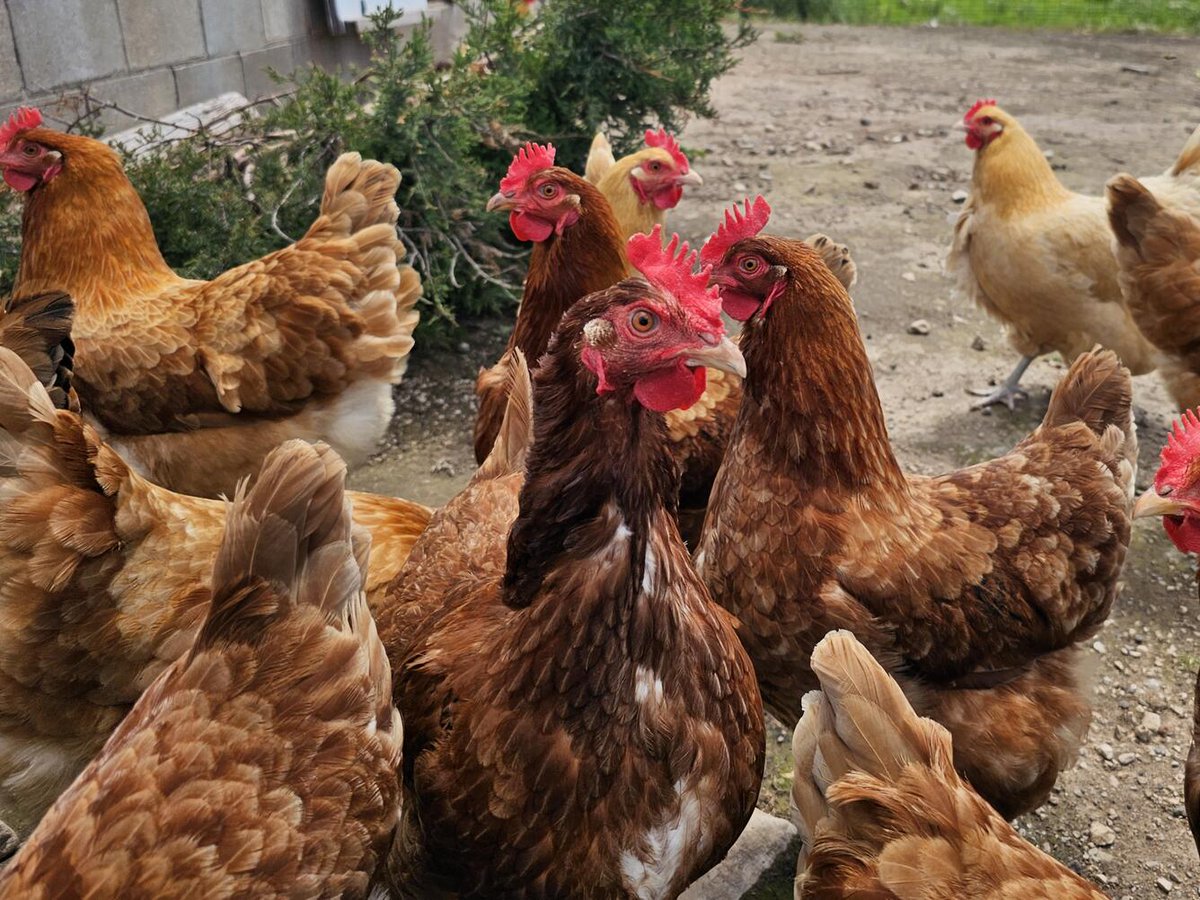
ALT A photo showing a grouping of about 10 hens outside on a farm.
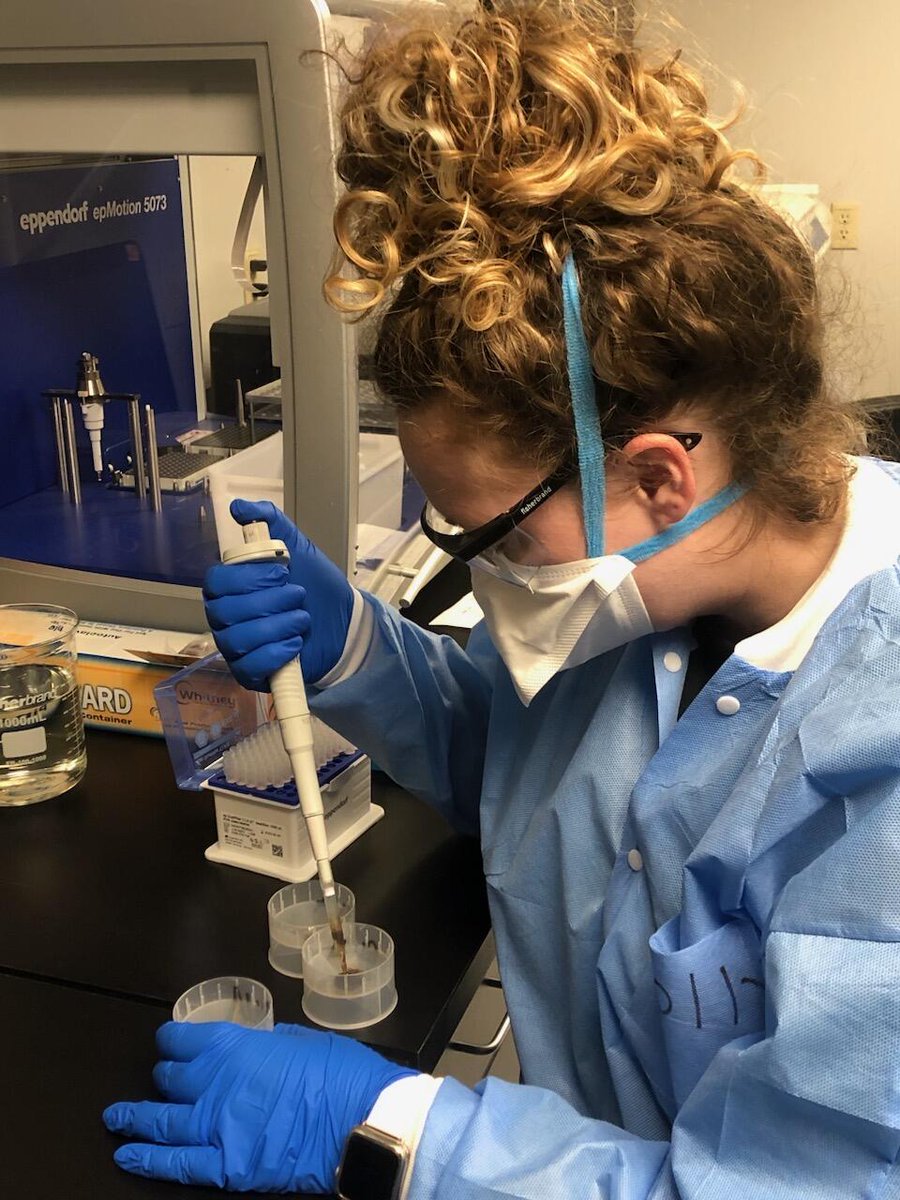
ALT A person in protective clothing, gloves and a mask is seen in a USGS laboratory holding a tool to transfer samples into a culture dish.
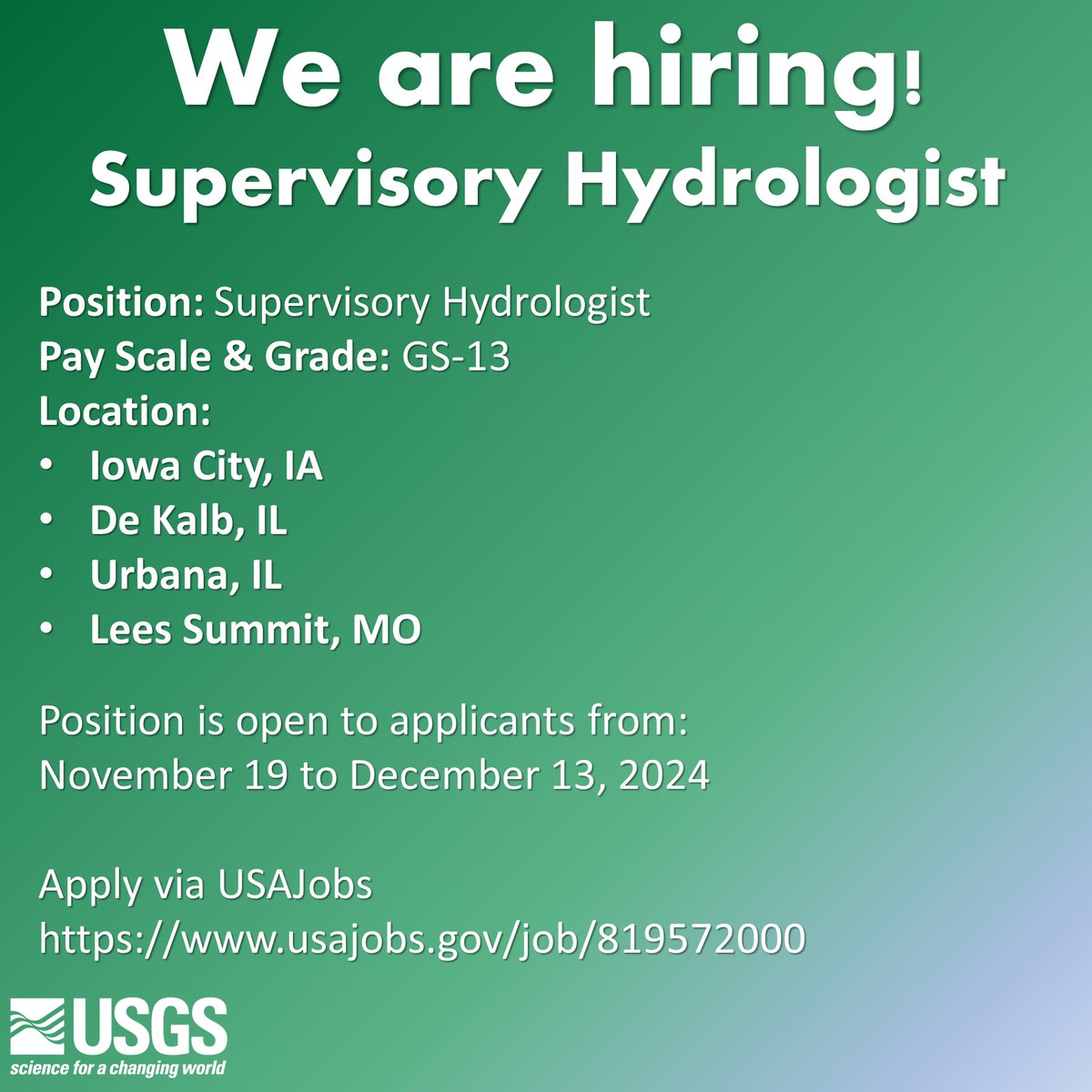
ALT We are hiring! Supervisory Hydrologist Position: Supervisory Hydrologist Pay Scale & Grade: GS-13 Location: Iowa City, IA De Kalb, IL Urbana, IL Lees Summit, MO Position is open to applicants from: November 19 to December 13, 2024 Apply via USAJobs https://www.usajobs.gov/job/819572000
ALT Lisa Madsen, USGS Central Midwest Water Science Center surveying bloom conditions on the Illinois River near Starved Rock (credit: Carolyn Soderstrom).
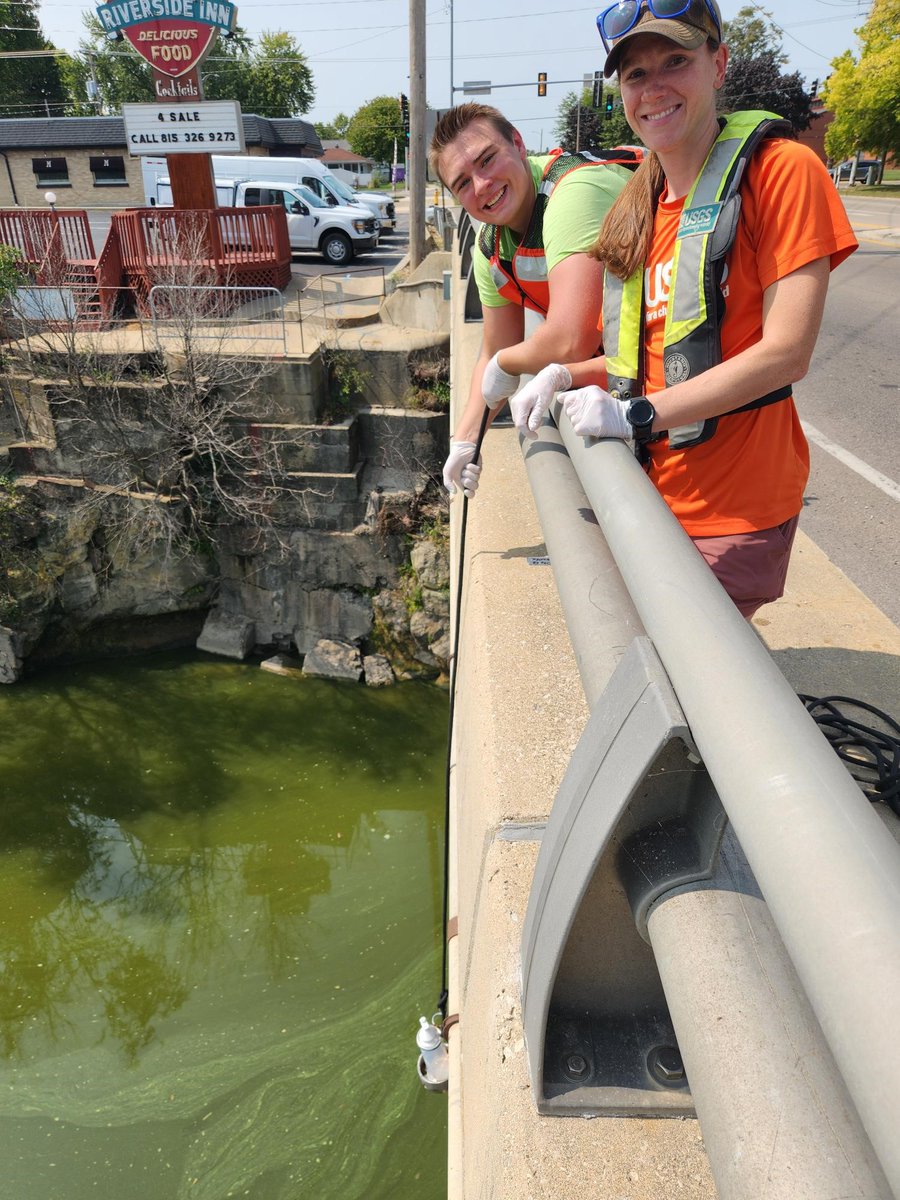
ALT Carolyn Soderstrom and Ian Halteman collect a water sample from the Fox River at Ottawa, Illinois (credit: Carolyn Soderstrom).
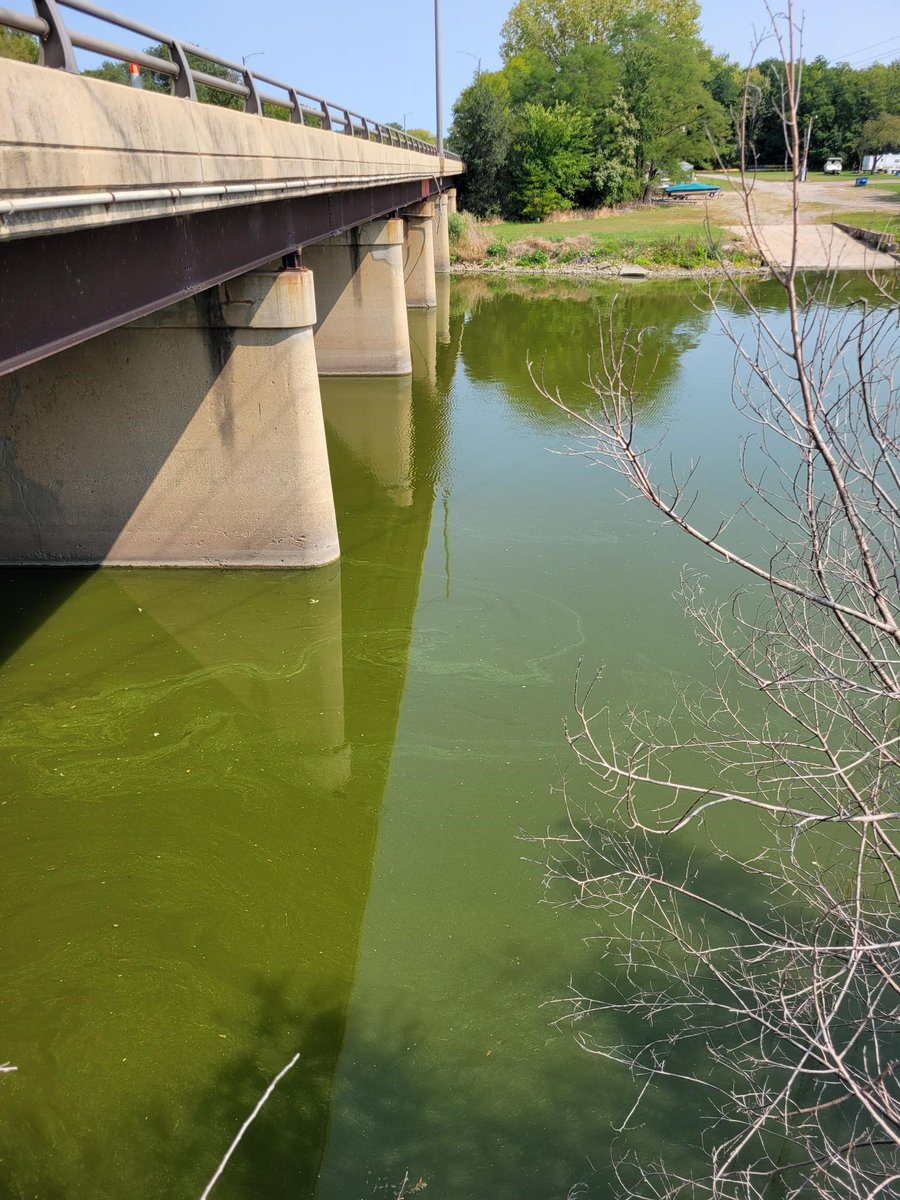
ALT Fox River at Ottawa, Illinois showing green algal bloom (credit: Carolyn Soderstrom).
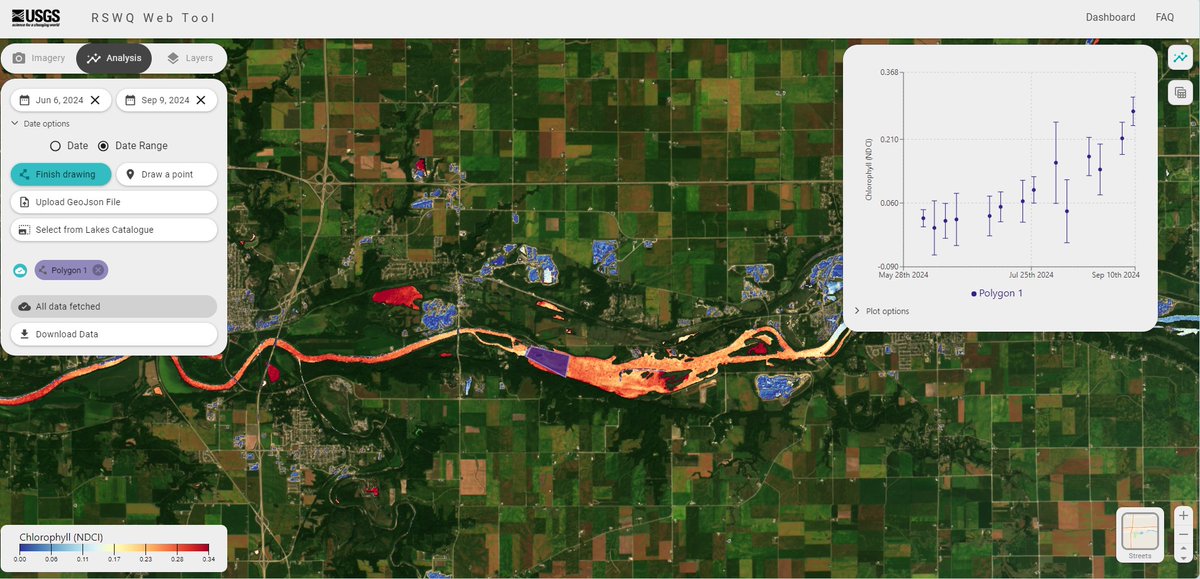
ALT Satellite imagery showing a stretch of the Illinois River near Starved Rock. The image was generated by the USGS Remote Sensing Water Quality (RSWQ) Web Tool and was used to guide field crews sampling the Illinois River algal bloom conditions during the week of September 9-13, 2024 (credit: screen capture by Jim Duncker).

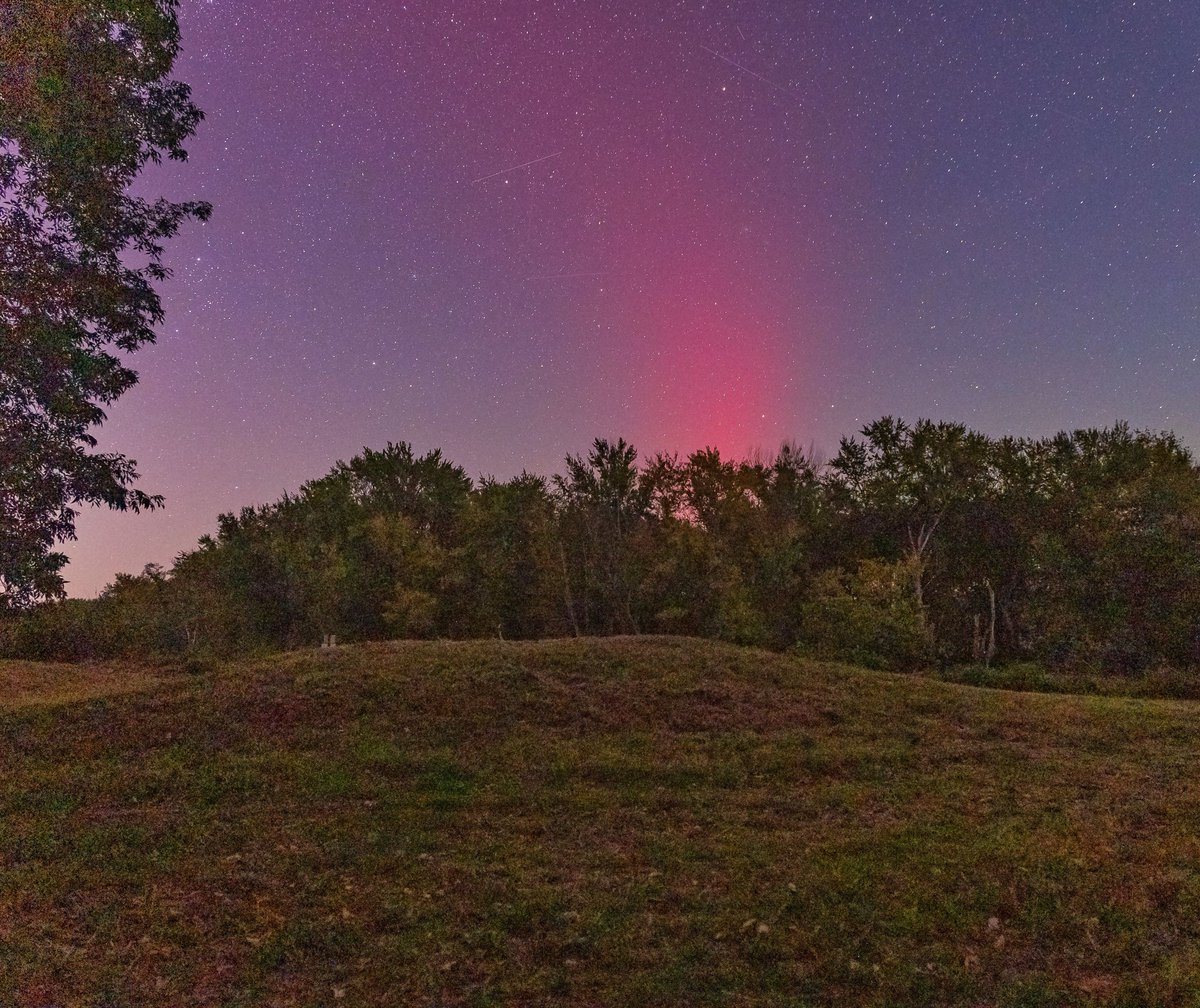
ALT A large American Indian Mound with red northern lights and stars dancing above. Photo taken in October 2024 by Brian Gibbs / NPS.
ALT Arrowhead tuber (wapato) harvesting at Buffalo Pond, Effigy Mounds National Monument.
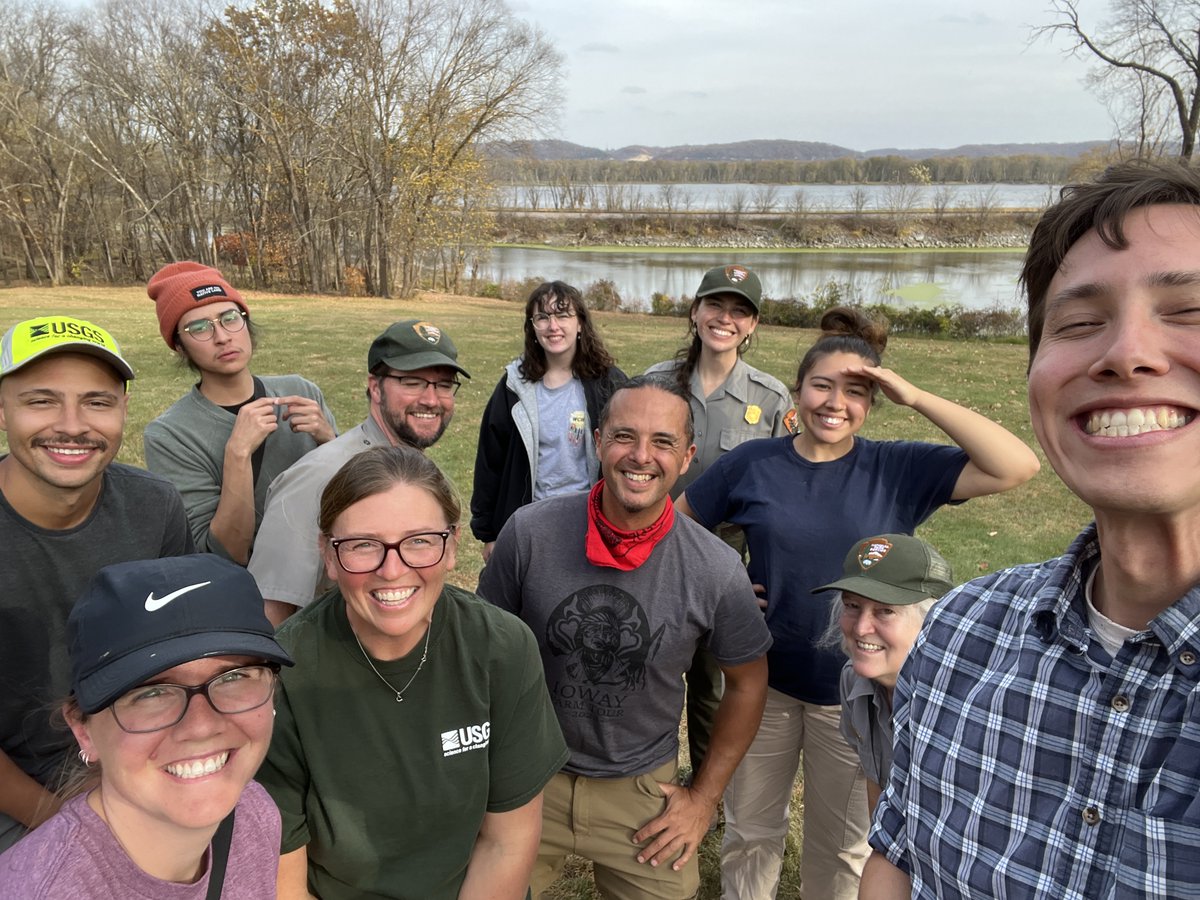
ALT Group selfie at Effigy Mounds National Monument.
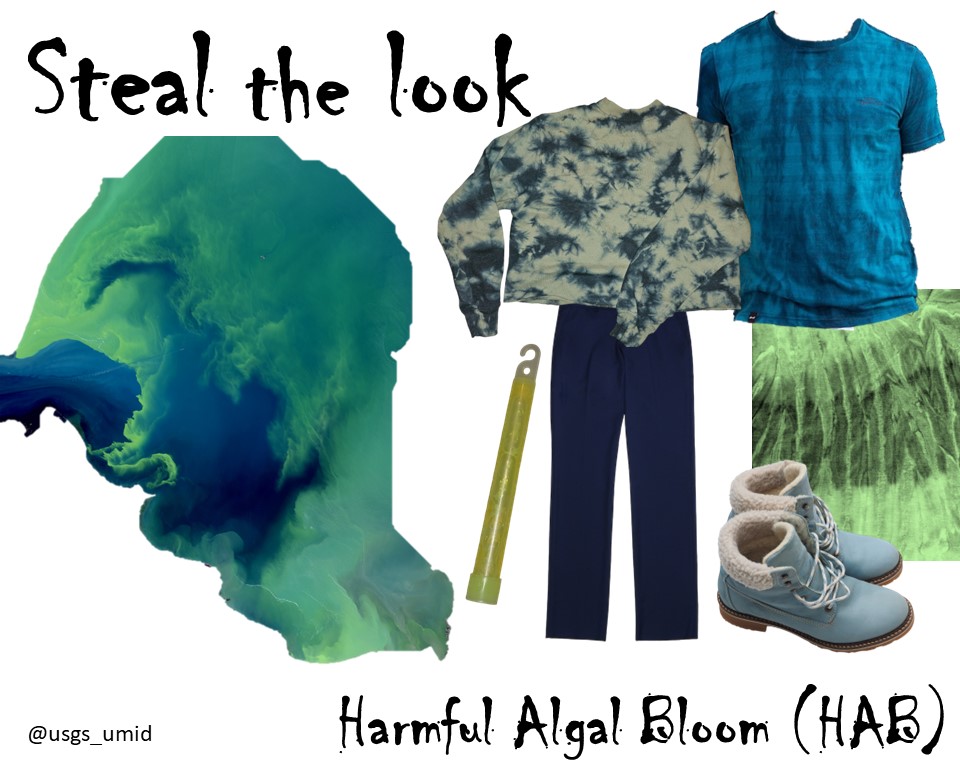
ALT Harmful Algal Bloom (HAB) 🌊🦠: Transform into a vibrant, glowing algal bloom with green, blue and tie-dye fabric. Add a glow stick to mimic the eeriness of this bright neon phenomena. Learn more about USGS HABs research at https://www.usgs.gov/publications/interdisciplinary-science-approach-harmful-algal-blooms-habs-and-algal-toxins-a.
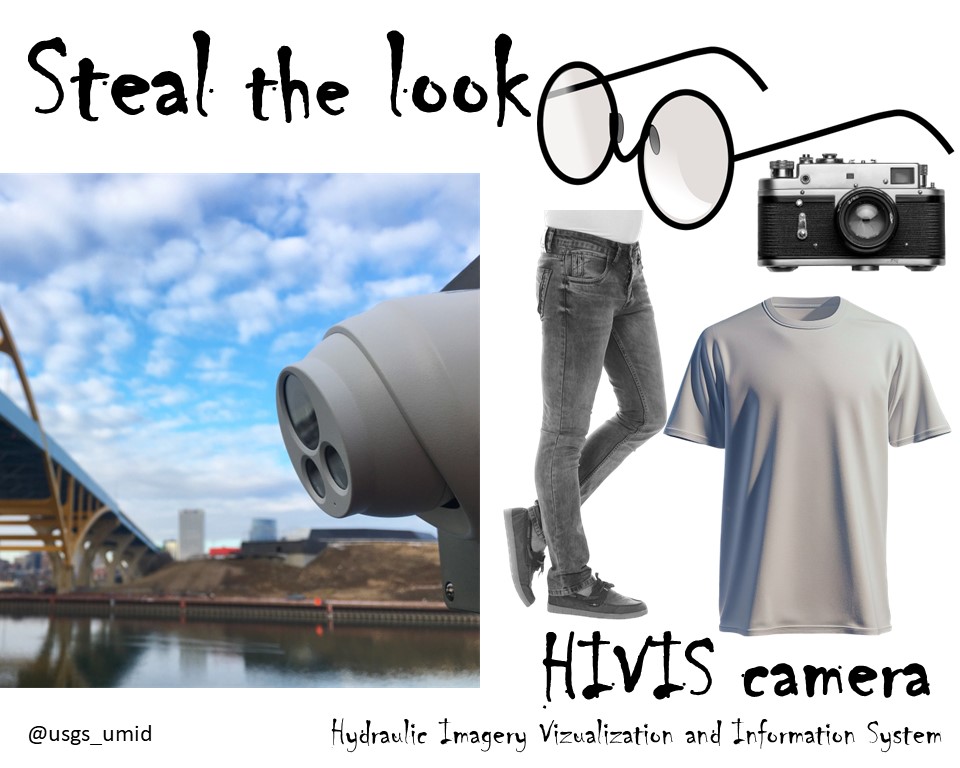
ALT Hydraulic Imagery Vizualization and Information System (HIVIS) camera 📸: Blend in with your surroundings with a cool gray outfit, and accessorize with some round spectacles and of course, a camera! Take some photos of your surroundings at your Halloween party and share them online, such as at https://apps.usgs.gov/hivis/.
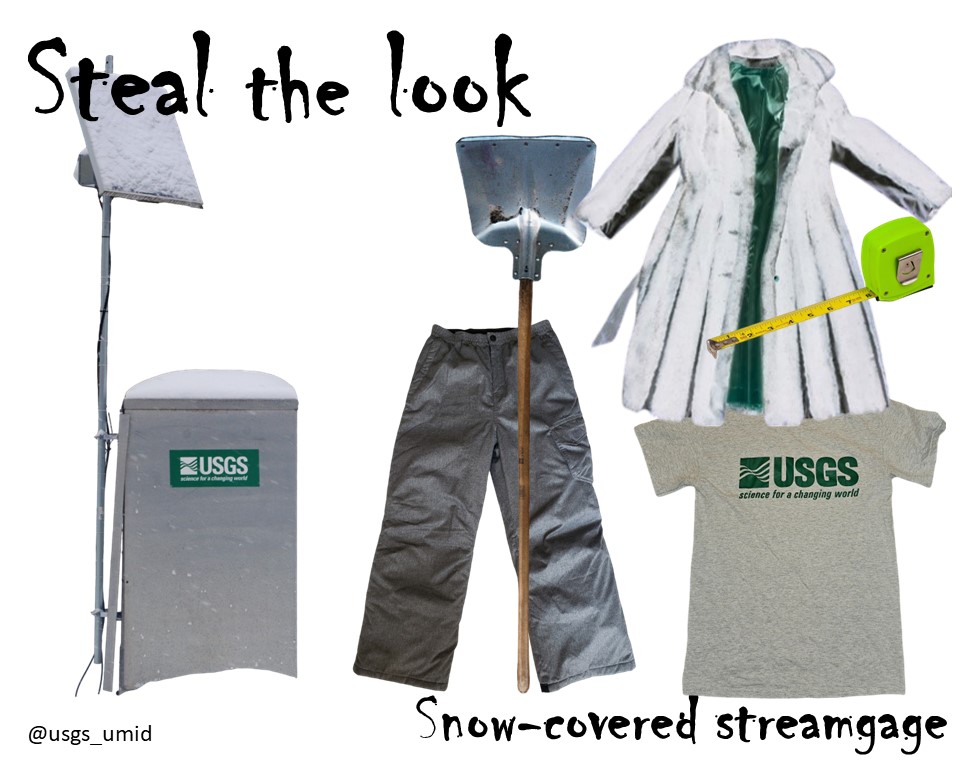
ALT Snow-covered streamgage ❄📏: Bundle up in gray snowpants and a USGS-logo shirt, and throw on a white fluffy coat to represent a snowy scene. Complete the look with a shovel and measuring tape to represent the gage measurements! See streamgage data in your area at https://dashboard.waterdata.usgs.gov/.
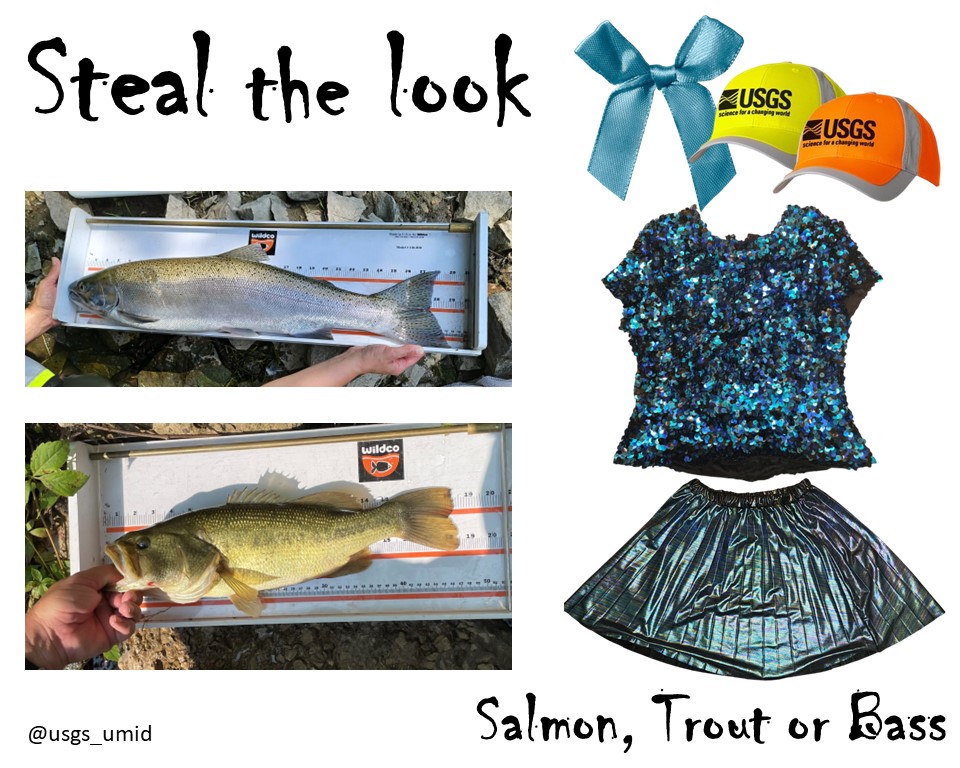
ALT Salmon, trout or bass 💦🐟: Use bright, shimmering and sequin fabrics to mimic fish scales. Think blues, greens, and oranges! Add a pop of color with a bright USGS-logo hat and ribbon for fins and tail! Learn more about fish monitoring in Milwaukee, Wisconsin-area streams at https://www.usgs.gov/centers/upper-midwest-water-science-center/science/mmsd-watercourse-corridor-study-geomorphology.
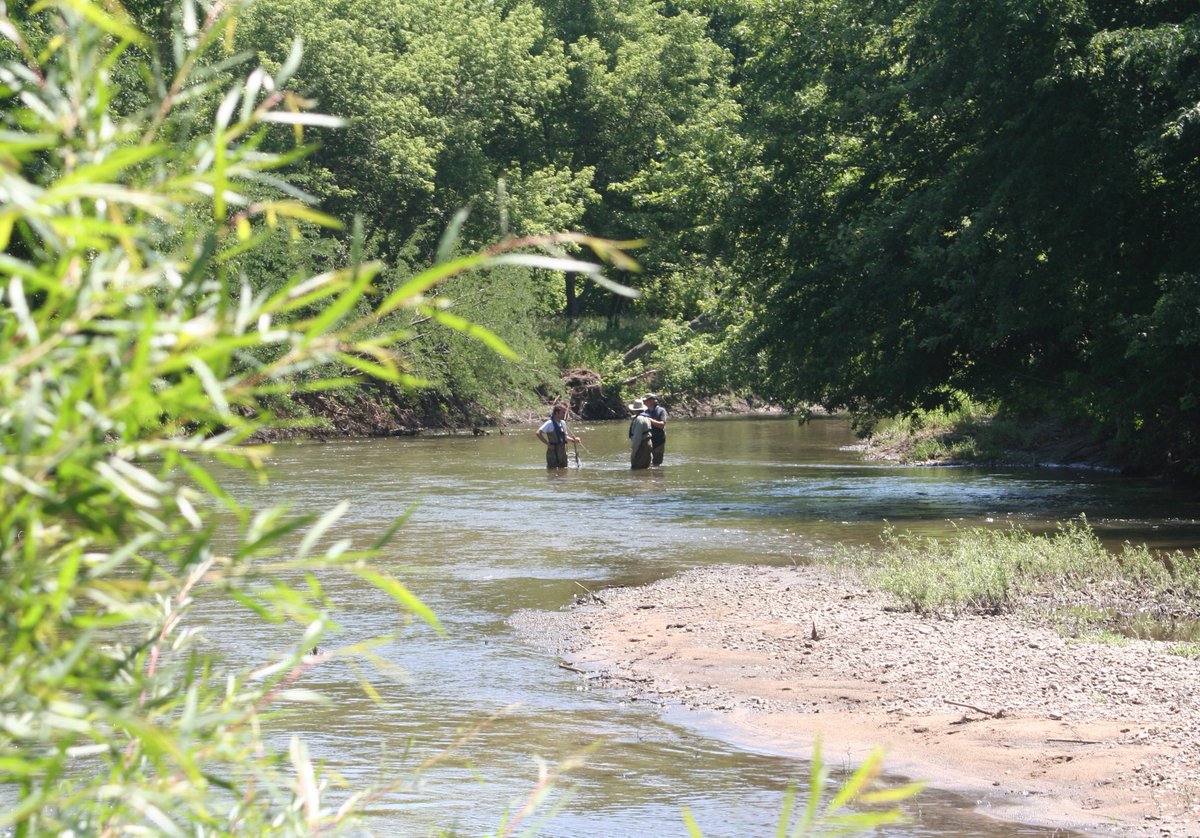
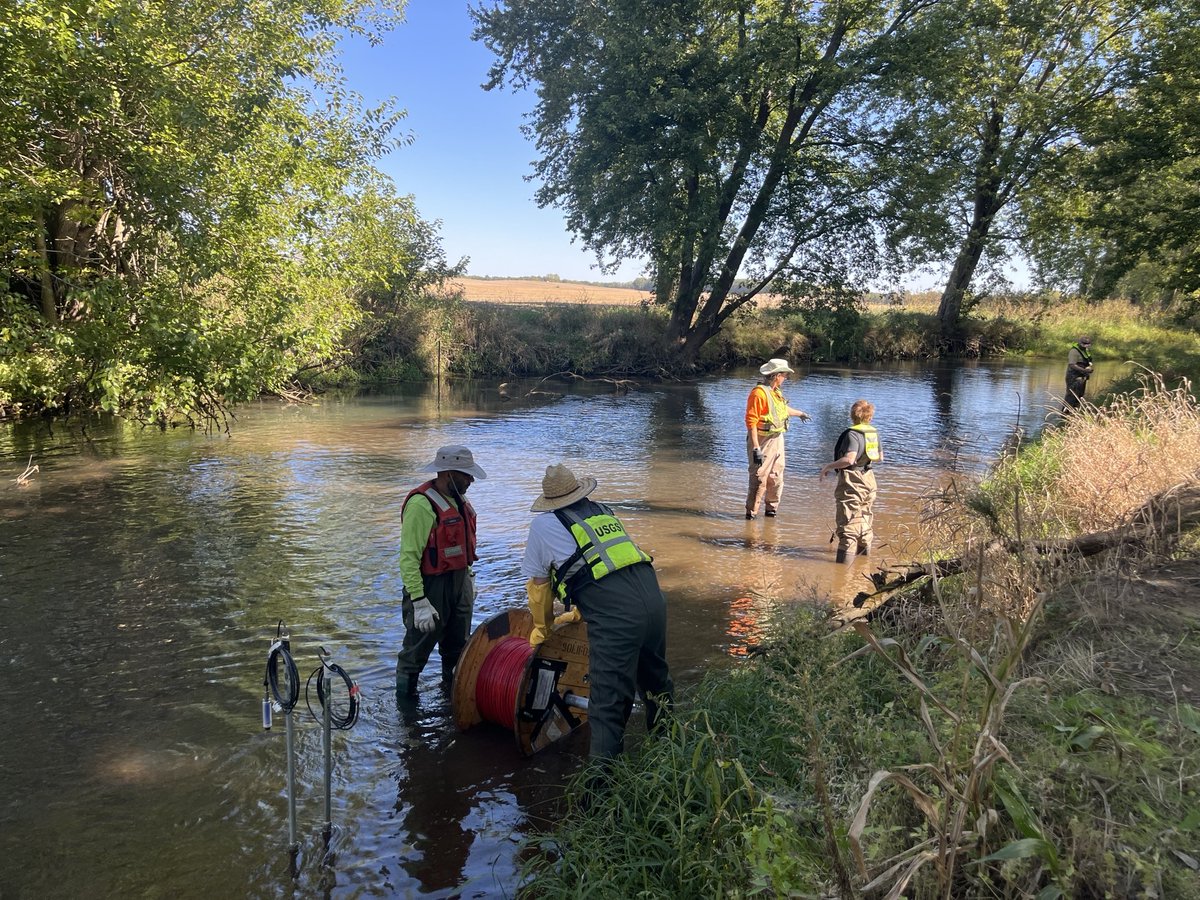
ALT Scientists collect water samples from a stream in Iowa.
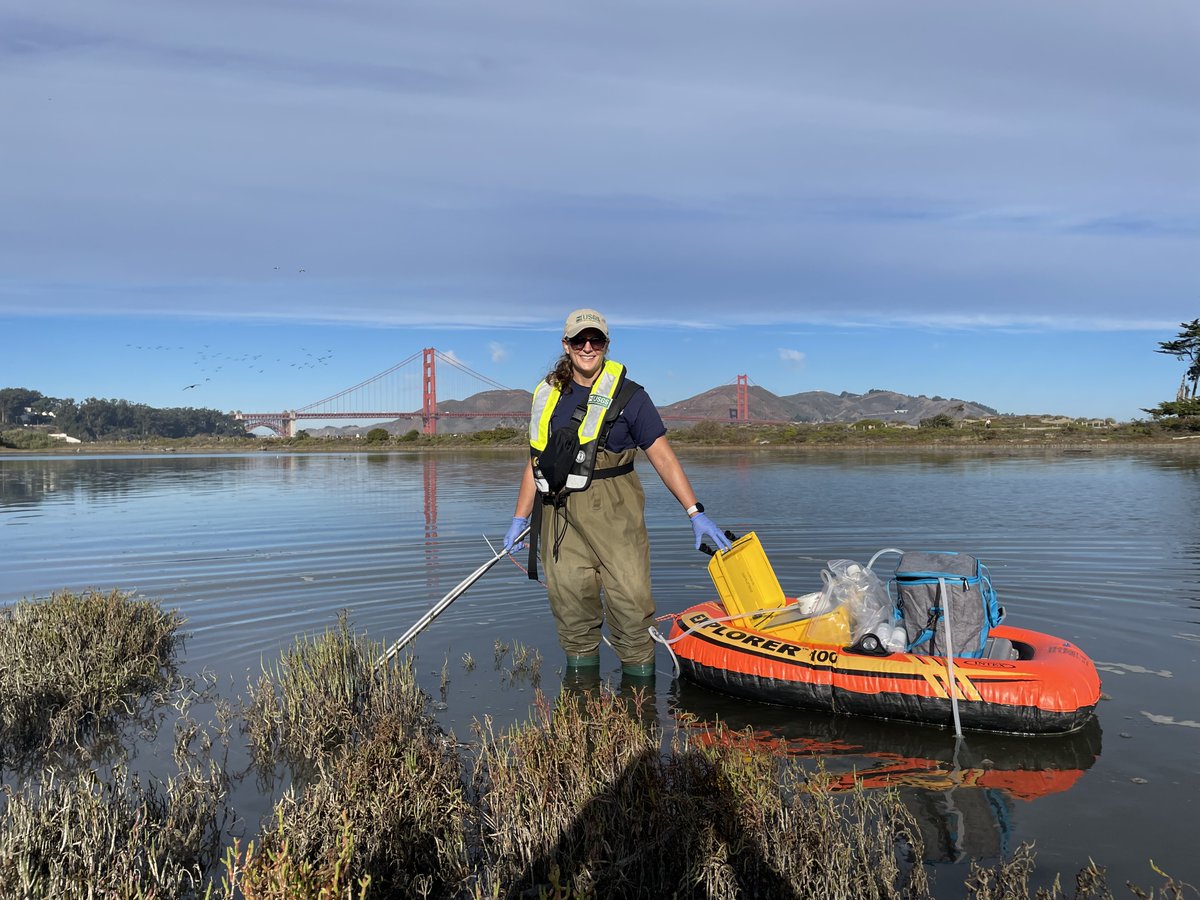
ALT Research Hydrologist Laura Hubbard samples water near the Golden Gate Bridge in San Francisco, California.
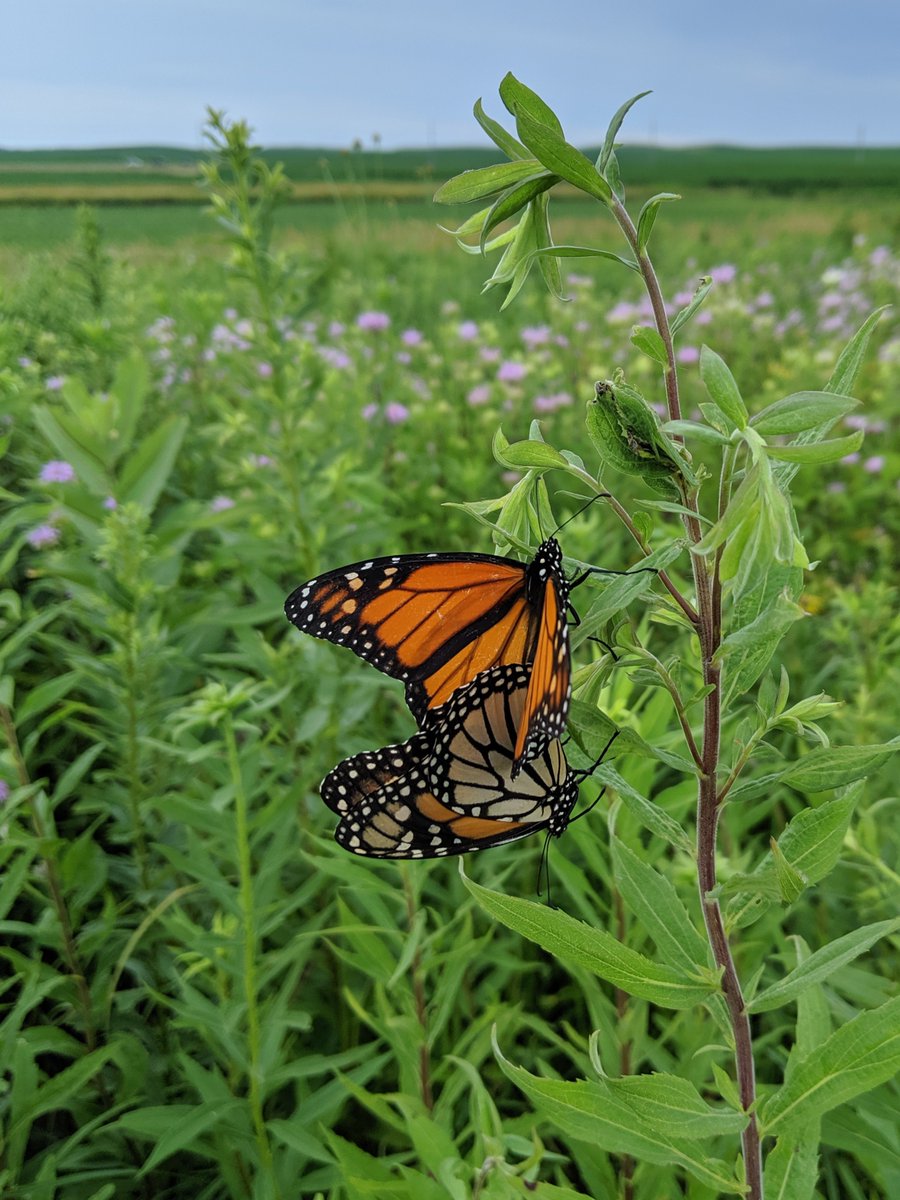
ALT Monarch butterflies perch on a plant in a field full of wildflowers.
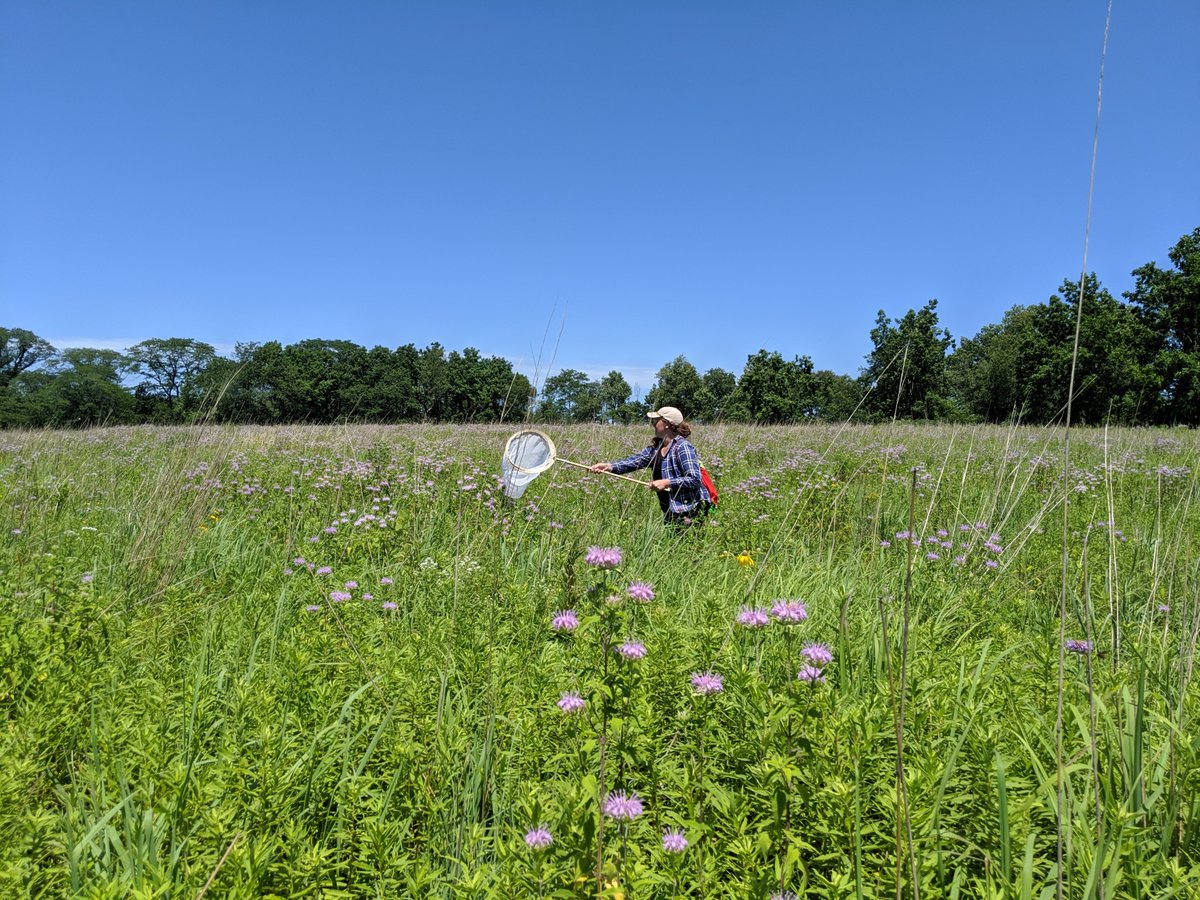
ALT USGS scientist collecting insects in a grassy field.