
Joined December 2023
- Tweets 19,557
- Following 1,633
- Followers 1,945
- Likes 14,959
2,391 Photos and videos
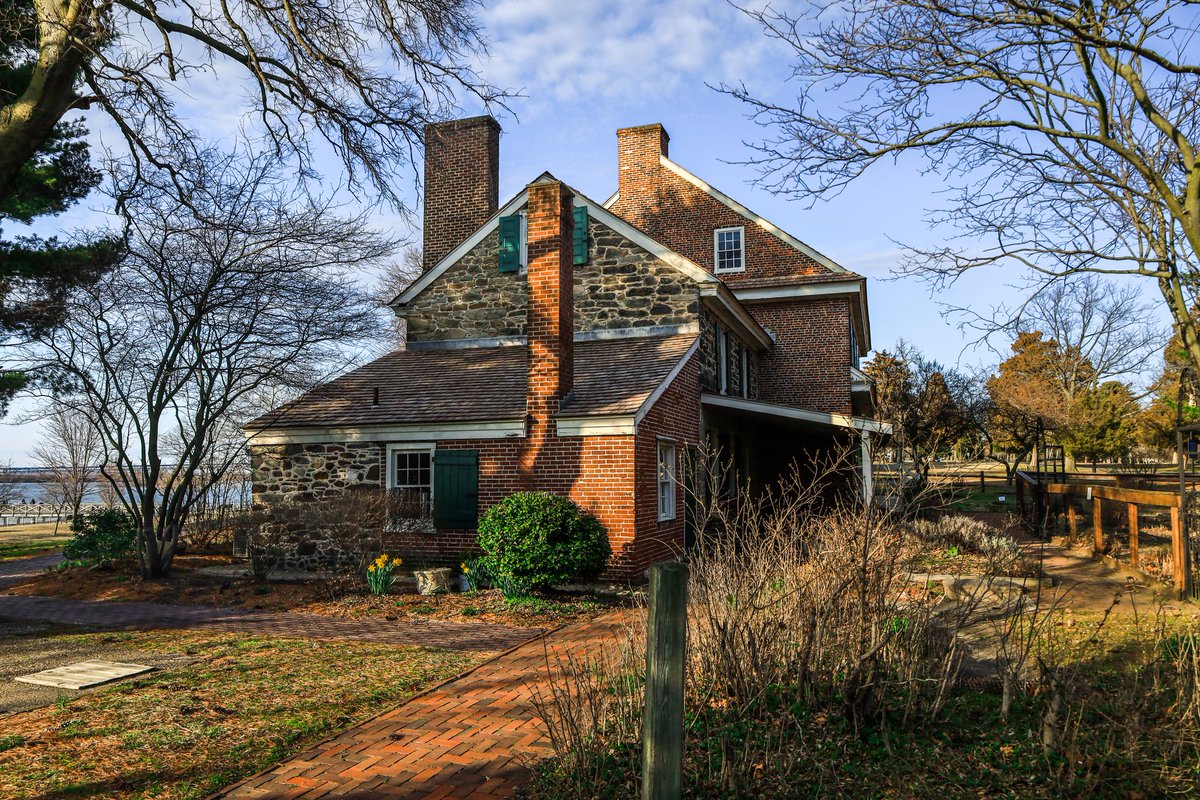
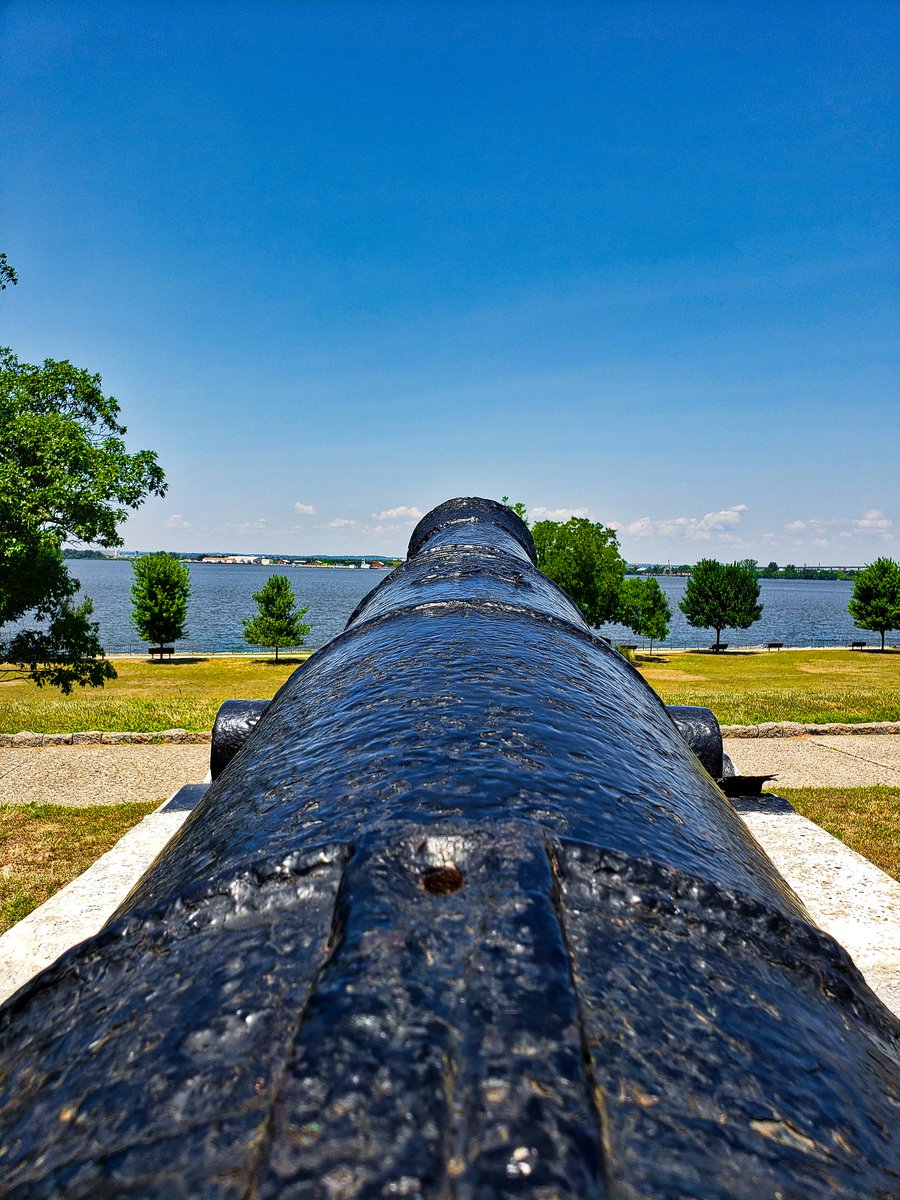


During the Battle of Red Bank in October 1777, the British 64-gun warship HMS Augusta ran aground in the Delaware River. Following a fierce engagement, the ship was abandoned and exploded. American forces, including the 1st and 2nd Rhode Island Regiments under Colonel Christopher Greene, subsequently salvaged several of the ship's 18-pounder and 24-pounder cannons to reinforce Fort Mercer.
American shore batteries and naval galleys relentlessly fired on the stuck ships. During attempts to dislodge the vessel, wadding from HMS Augusta's cannons blew back onto the deck, starting an uncontrollable fire. The crew eventually abandoned ship, and the massive powder magazine exploded.
Following the explosion, American boat crews went out to the wrecks to plunder supplies. Operating out of Fort Mercer, the Rhode Island Regulars (who successfully defended the fort) managed to salvage valuable cannons from the wreckage to bolster their own artillery.
On November 11, 1777, American soldiers at Fort Mercer attempted to deploy and test-fire two heavy cannons they had successfully salvaged from the nearby river wreckage of the HMS Augusta. Unfortunately, the severe structural stress from the ship's initial catastrophic explosion had fatally compromised the cast iron.
When the gun crew fired the weapons, both cannons violently burst apart under the pressure. Patriot Sergeant John Smith of the 1st Rhode Island Regiment documented the horrific event in his diary, noting that the exploding 18-pounder killed bombardier Benjamin Ross and severely wounded several others.
September 11, 2015, the team fully excavated the 848-pound chunk of iron. It was immediately identified as the top half of the breech end of a 24-pounder or 18-pounder British naval gun, providing tangible physical proof of the deadly 1777 test-firing accident.
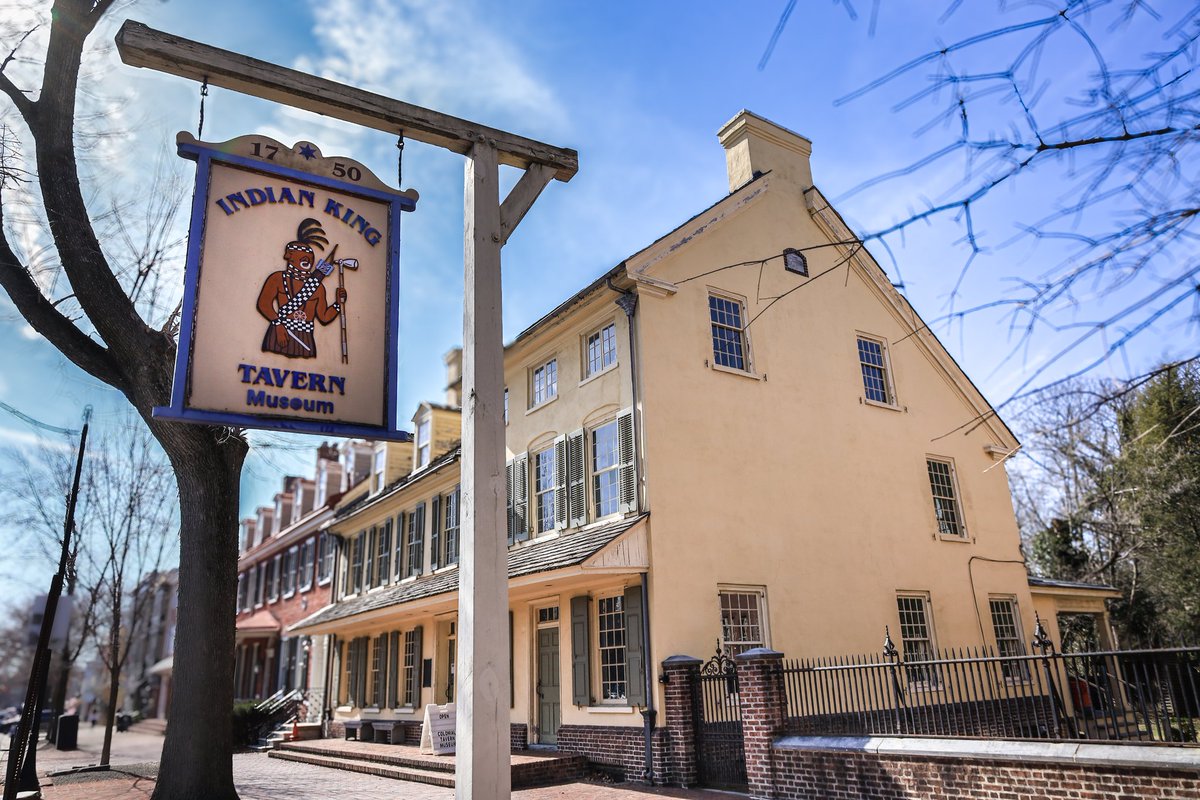
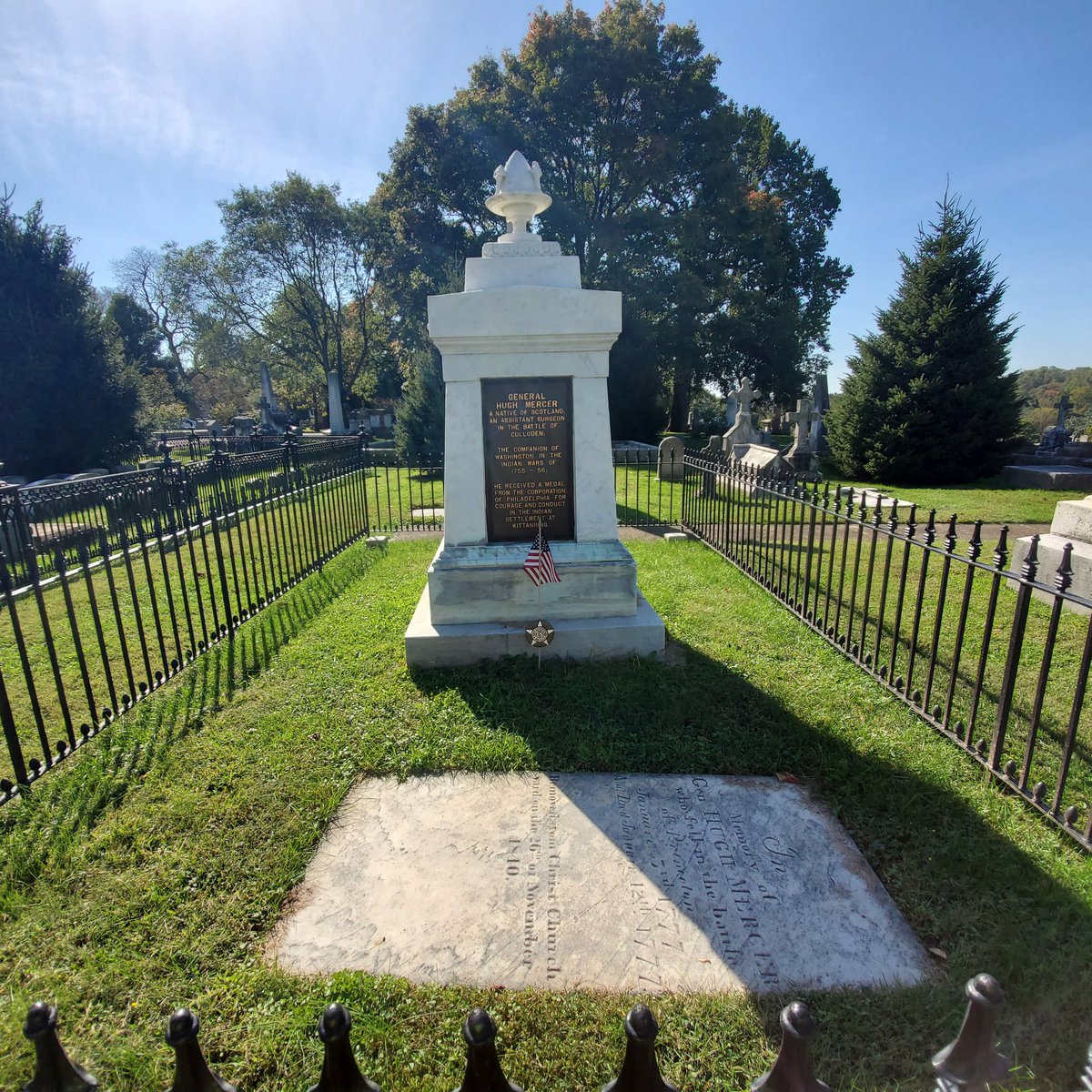
Just 200 Rhode Island Regulars held off 1000s of Hessians that attacked that Marched from Indian King Tavern in Haddonfield,NJ. Holding off an attack from land and water. Named after the fallen General from the Battle of Princeton and who served with Washington during the 7yr war. Now buried at Laurel Hill Cemetery in Philadelphia.
1
1
2
141
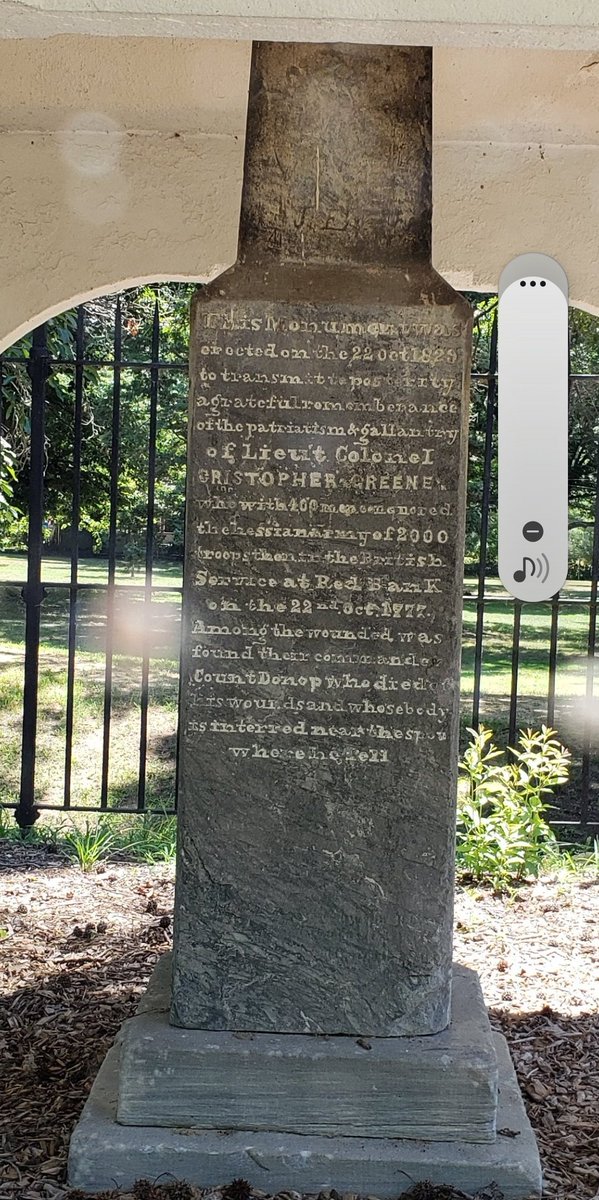
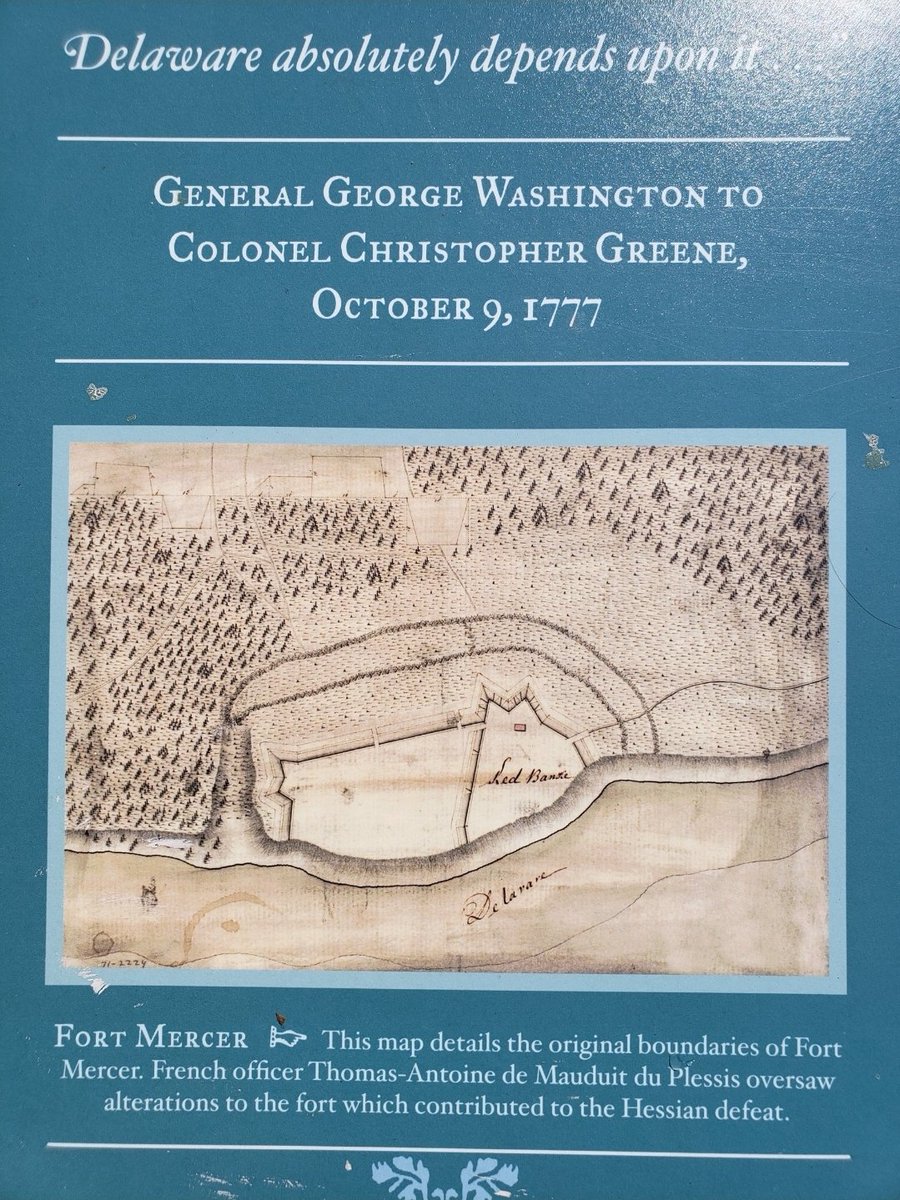
There would have been pointed trees lining the base of the redoubt and the trench is still visible from the original encampment, by doing this that gave the Continentals the high ground and were able to defend the fort. The fort was eventually abandoned as the British took Philadelphia and the Seige of Mifflin ended just across the river in late November 1777. Just before their encampment at Valley Forge.
1
1
36
History & Whatever Else retweeted

Jun 16
Sometimes when we rescue dogs, it really is a life-or-death situation and that's very much the case for this tiny little girl who got reported to us yesterday. At first locals and the authorities told us that she had been poisoned so it was her race to empty her stomach and try and keep her alive.
The team had been battling for the last 24 hours and it was very much touch and go. Today we've seen some amazing progress and her first tail wag! She's been undergoing a series of tests to eliminate any possible poisons and she's also been analyzed on her brain. Whatever happened, this dog has definitely had a massive trauma but she seems to be just about through the worst of it.
It's way too early for her to regain use of her limbs yet but it was good to see that she was able to lift her head today at least. This is very much a dog who wants to live and wants to get better but her body just won't let her yet. There is so much fight left in her though.
I called her Espresso because she looked dark with a little hint of coffee on her and then I thought I'd give her her full name of Espresso Martini 🍸 ☕️
I would say her road to recovery will take weeks but the medical team are hopeful after her first 24 hours of progress that there might just be a future for this beautiful little girl ❤️🤞
639
2,409
22,138
194,390
History & Whatever Else retweeted
Jun 14
It’s taken 7 months from start to finish but please enjoy this in 30 seconds.
Nobody deserves it more than Sienna ❤️
597
3,246
30,606
245,870
The very same people who bitch about protecting the environment come and destroy this pristine landscape. These outfittersdo bring jobs to the region but they also bring piles of garbage. They need to fine all those who leave their garbage behind.

This is what Camp 4 on Everest looks like right now — torn tents, empty oxygen bottles, and trash scattered across the snow at nearly 26,000 feet.
It’s one of the most remote places on Earth, yet it’s still covered in garbage. That part is hard to ignore.
Most people picture Everest as this untouched, majestic mountain. Seeing it like this makes you realize how far human impact actually reaches.
What’s the worst example of trash or environmental damage you’ve seen while traveling or spending time outdoors?
1
76

ROD BRIND'AMOUR WITH ANOTHER ICONIC #STANLEYCUP LIFT!! 😤
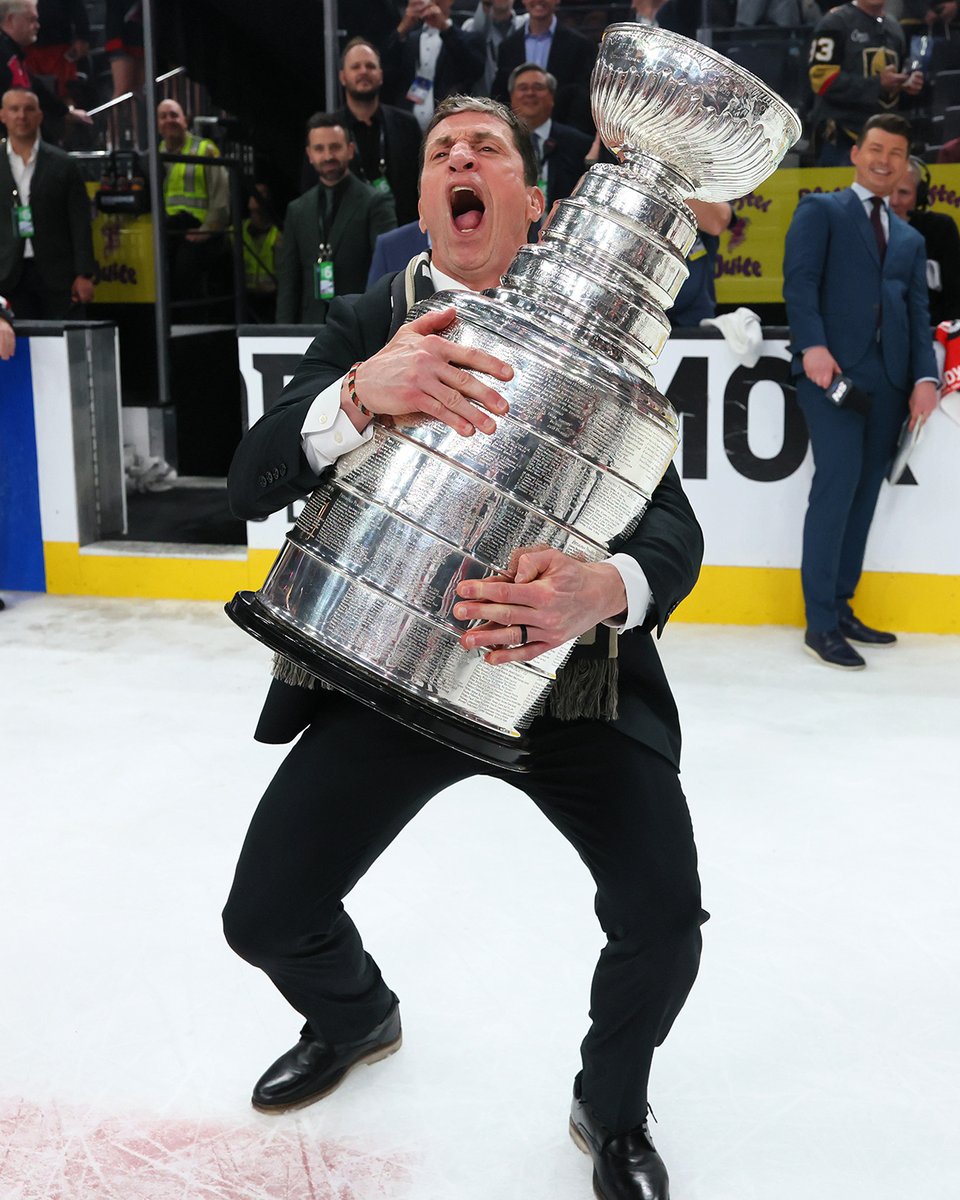
ALT Photo of Rod Brind'Amour carrying the Stanley Cup
59
711
12,043
190,990
History & Whatever Else retweeted

Jun 14
After cheering their team on to a draw, Japan (@jfa_en) fans clean up the stands at Dallas Stadium.
745
2,653
28,800
5,893,644
I support our founders not a 2 party state that stokes division and hate to keep their control over Americans.
1
34
History & Whatever Else retweeted

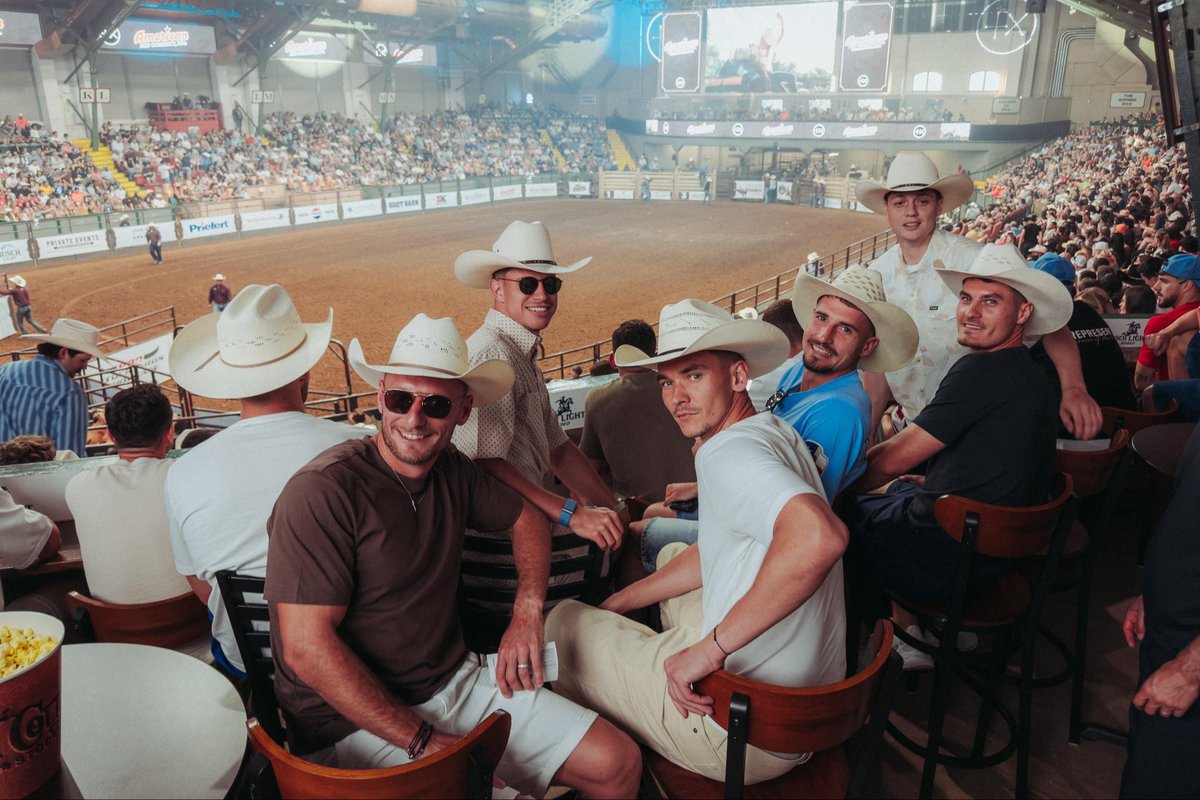
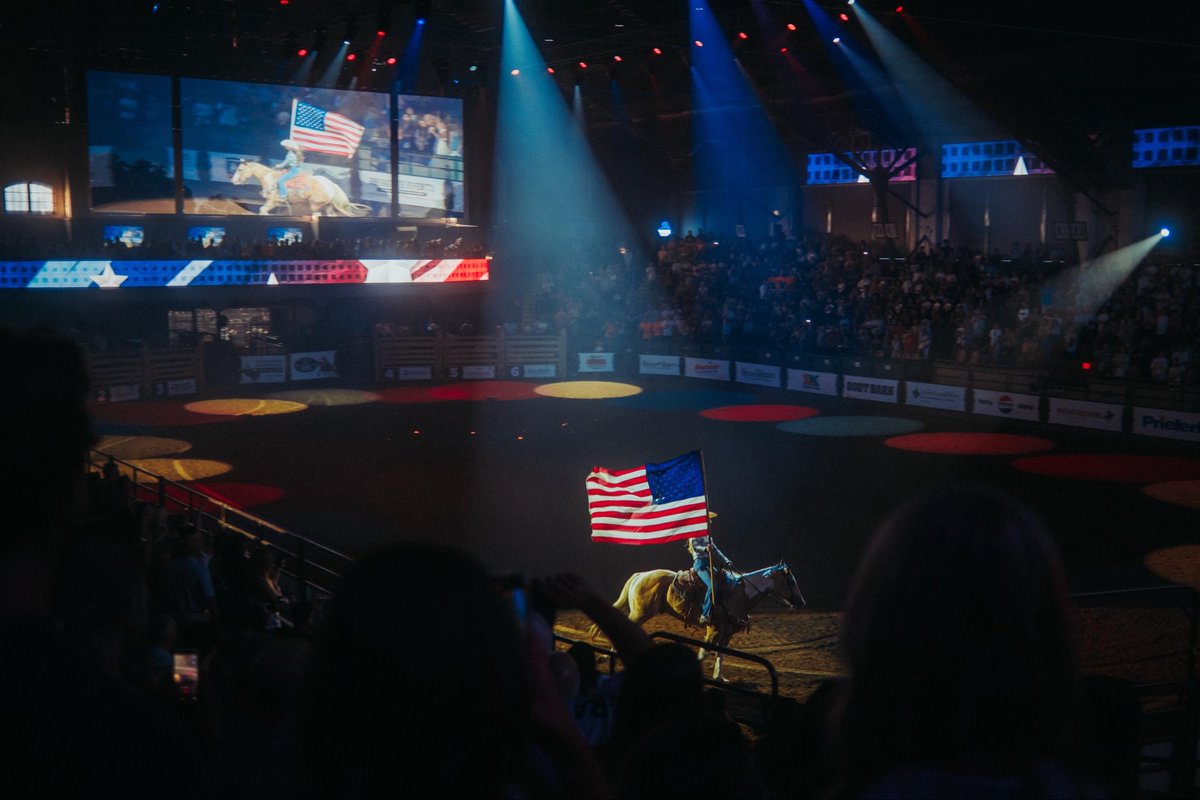
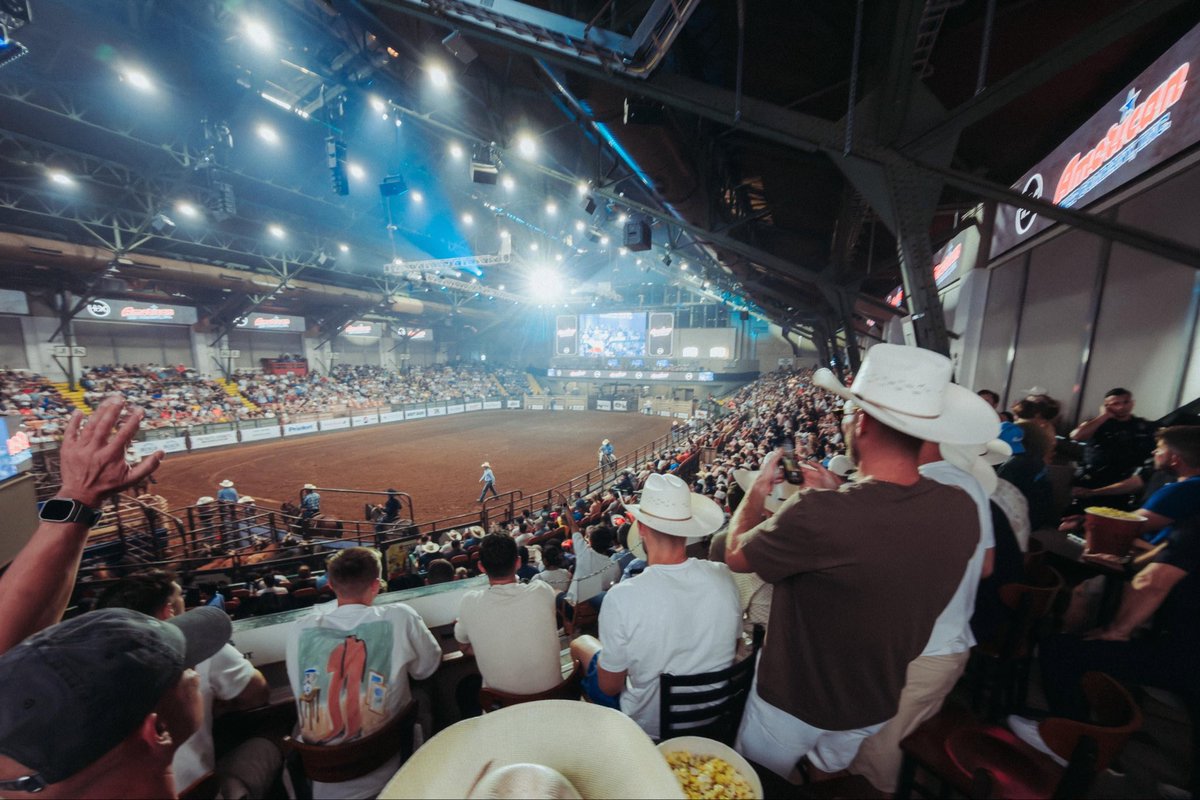
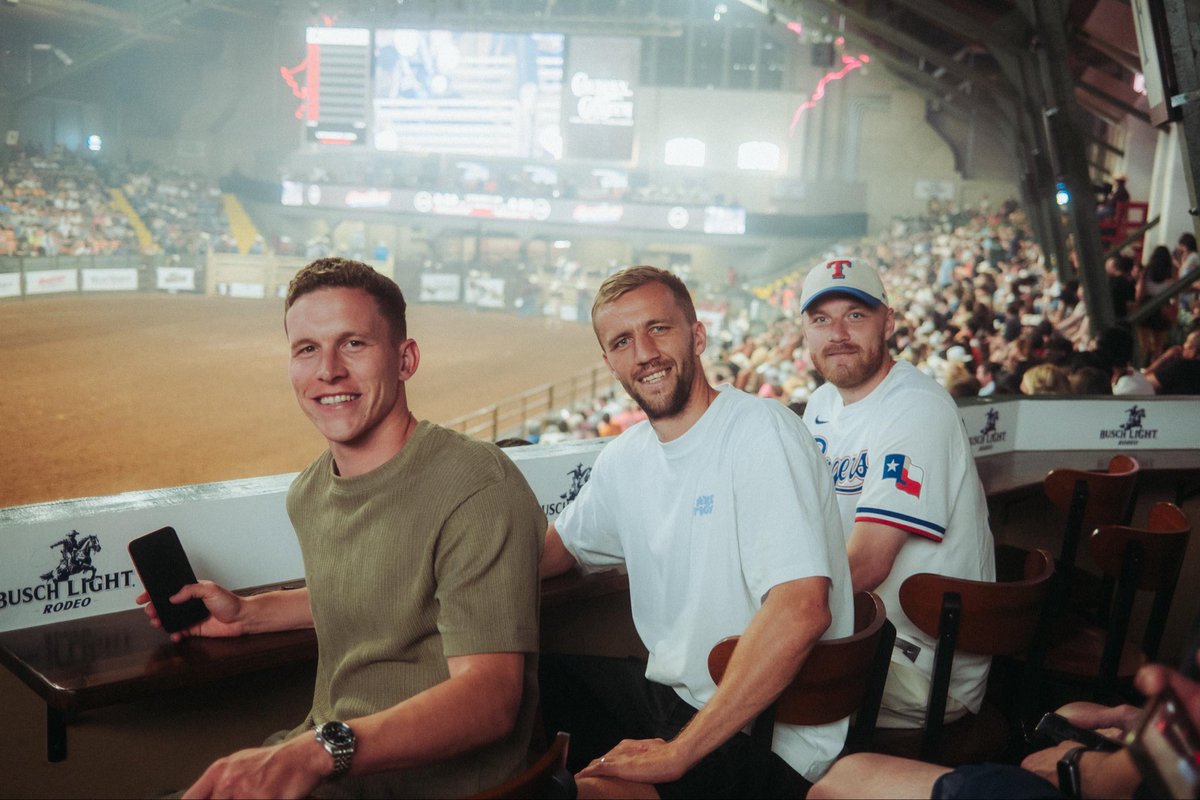
Česká reprezentace, která během základní skupiny pobývá v texaském městě Fort Worth, přijala pozvání městské samosprávy k návštěvě místní čtvrti Stockyards. 🇺🇸
Český tým navštívil také tradiční rodeo. Čtvrť Stockyards hrdě odkazuje na místní tradici kovbojství a Divokého západu. Právě zde se v roce 1918 uskutečnilo první halové rodeo na světě. Děkujeme za pozvání! 🐂🫶
359
2,050
28,936
1,776,111
South Jersey police officer, farm co-owner charged in child sex abuse materials case - 6abc Philadelphia share.google/VmeoaFR6ZaqlS7F…
How many more?
116
History & Whatever Else retweeted
Jun 12
Our little retirement village was getting a little upgrade as the concrete was slippy when wet. All fixed now.
These dogs were all at the end of their life and sick / blind etc.
The happiest little place in the world as far as I’m concerned. Paradise ❤️
272
1,863
21,134
132,946
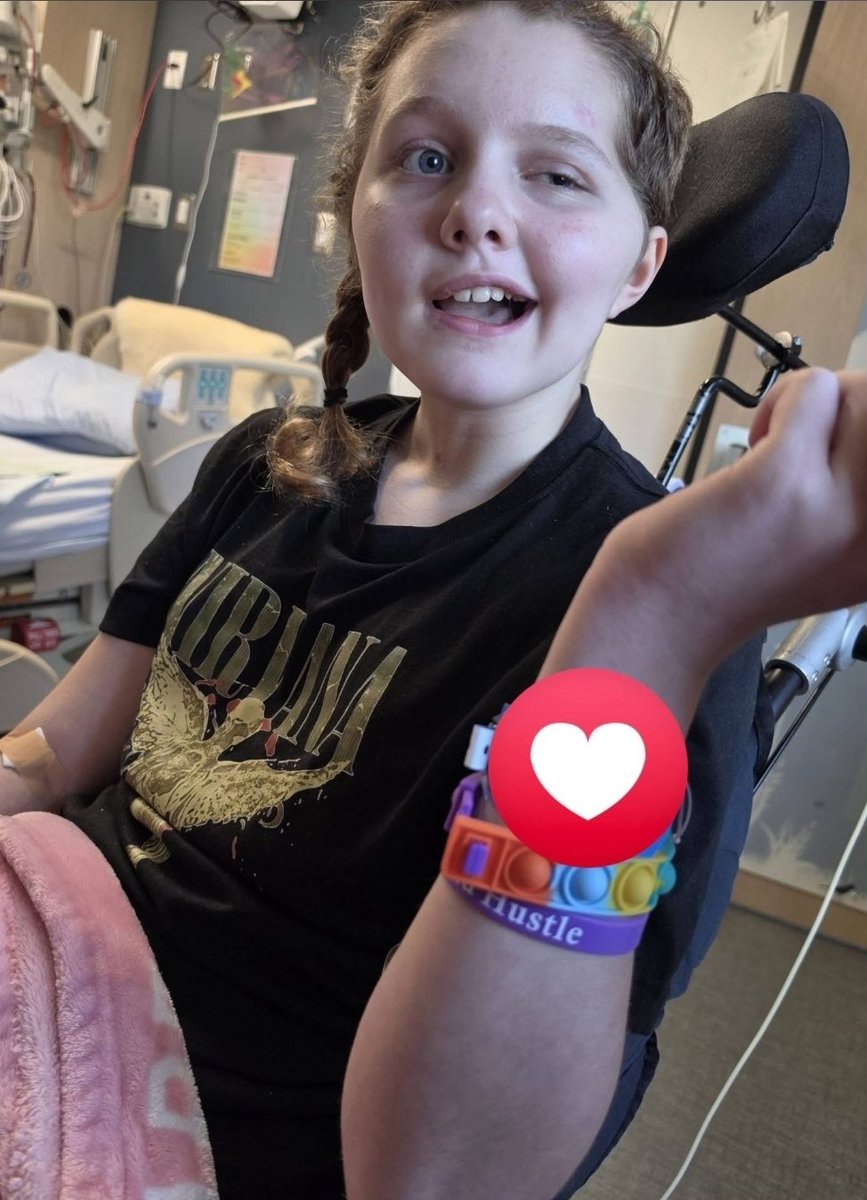
Maya Continues to make progress and updates are coming in daily. See many have forgotten about this story as people on X usually care more about what gets them engagements. I could only wish to have such strength when it comes to facing such circumstances. She beat the odds and everything the Drs said.
40
Most Think of Yorktown as the last Major Battle of the Revolution but that is hardly the Truth. The Treaty of Paris wouldn't be signed until 1783 almost 2 years after the Seige of Yorktown. The British held NYC till 1783 and won a handful of battles. You also had Battles Between the British ,French and Spain in the Gulf of America. The real last major land battle of the Revolution actually occurred between Kentucky Militia and British and Native Americans and lost. Battles also occurred in INDIA and other parts of Europe. Battle of Blue Licks (August 19, 1782): Considered one of the final battles of the Revolution, this took place in Kentucky (then part of Virginia). A force of frontier militiamen was ambushed and heavily defeated by a coalition of British-allied Native Americans and Loyalists.
The Battle of the Saintes (April 12, 1782): Fought in the Caribbean, this decisive British naval victory against the French and Spanish prevented a planned invasion of Jamaica and altered global peace negotiations.
Savannah, Georgia: The British military and pro-British loyalists finally evacuated the city in July 1782.Charleston, South Carolina: Following years of occupation, British forces evacuated Charleston on December 14, 1782.
The surrender and liberation of New York City occurred on November 25, 1783, an event historically celebrated as Evacuation Day. This marked the official end of a bitter, seven-year British military occupation that began after the American defeat at the Battle of Long Island in 1776.
Without allies our independence would have never happened.
1
149
History & Whatever Else retweeted
Jun 11
We do well for for the dogs with @happydoggothai but when they get to their new homes they go to another level.
She used to enjoy walks with me but now she is bouncing around in a whole new way. She knows she is home ❤️
307
842
14,029
73,236
History & Whatever Else retweeted

Jun 10
When your government tells you; "we're all in the same boat!"
914
51,964
230,835
4,897,664
History & Whatever Else retweeted
Jun 10
Big change of plans for Rocky.
I did not see this coming for him given how bad he was but It makes sense. It's what is best for him!
418
1,376
15,700
171,470
Look how these young people react to D-DAY veterans. The respect, the amazement to be in their presence. To them they're celebrities they're role models. Without them they likely wouldn't even exist.

The raw emotion when they finally meet their hero…
They’ve read about D-Day. But nothing — nothing — prepares you for standing in front of someone who lived it. Watch their emotion as these students meet World War II Veteran Jack Boeki, and you’ll understand why.
@Normandy @WW2Facts
#dday #hero #thankyou #neverforget #freedom
1
1
1
99