Joined March 2018
12 Photos and videos
US LTAR retweeted
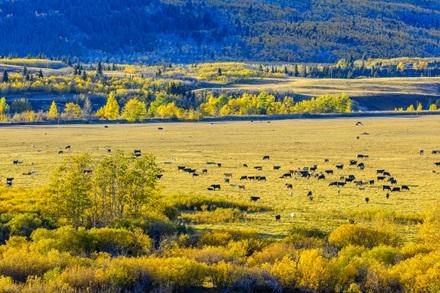
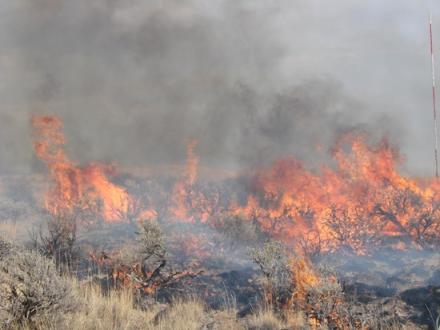
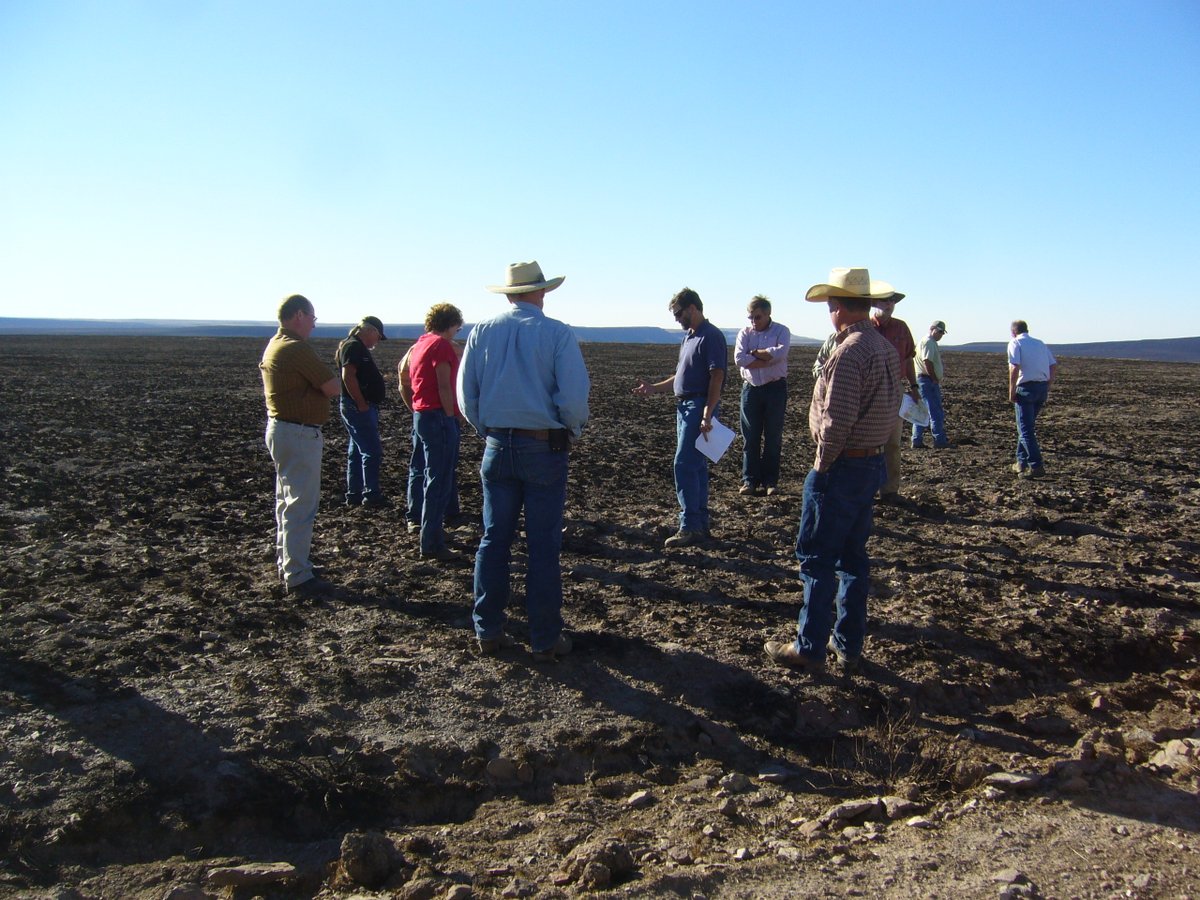
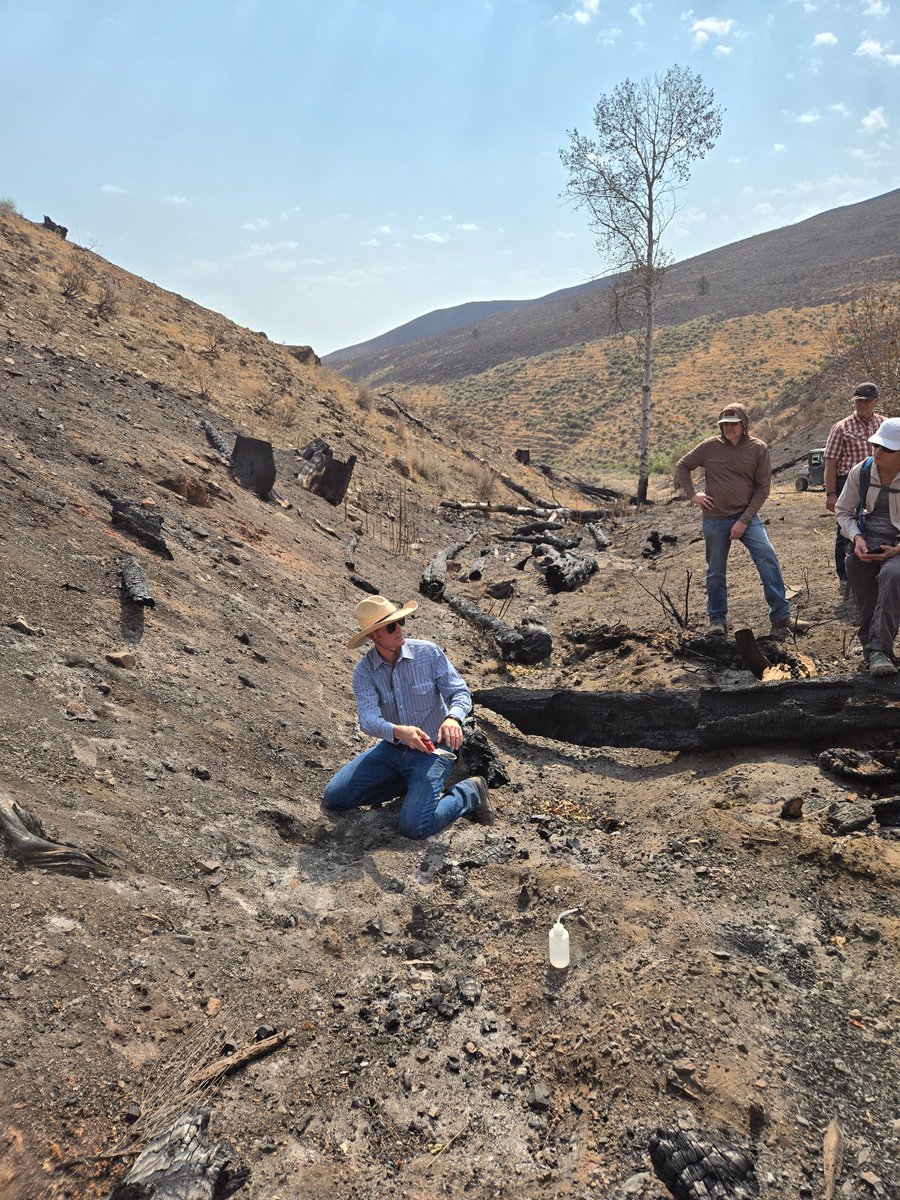
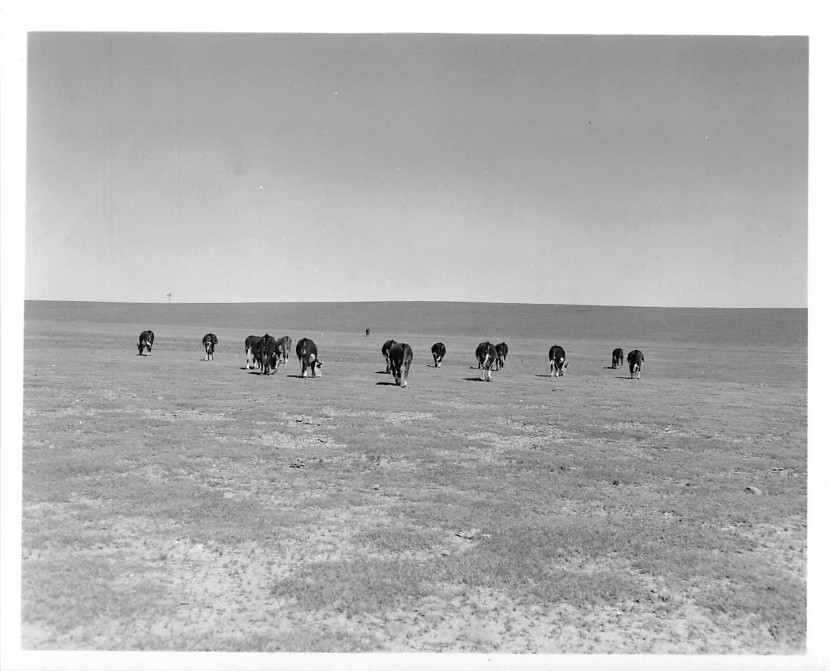
ARS researchers in Boise, ID, are providing ranchers and land managers with multiple solutions including prescribed grazing periods for cattle. Targeted grazing can reduce the incidence and severity of wildfires. These images show ranchers and their federal partners discussing the aftermath of a massive wildfire of over 100,000 acres in southeast Oregon. Learn more at: scientificdiscoveries.ars.us… #ScientificDiscoveries
2
2
280
US LTAR retweeted
ARS scientists and the Collaborative Adaptive Rangeland Management (CARM) team are helping U.S. ranchers solve issues with excessive drought. Using the latest in data-driven technologies, ARS and CARM are enabling ranchers, farmers, and producers to better adapt to changes in land management practices during an era of variable weather. scientificdiscoveries.ars.us…
3
6
436
US LTAR retweeted
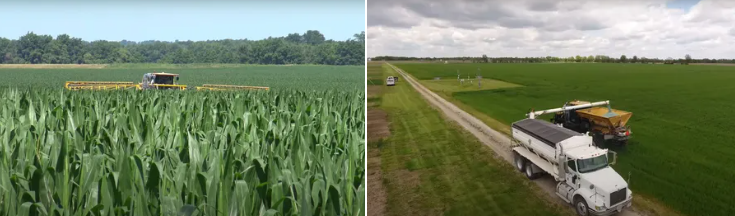
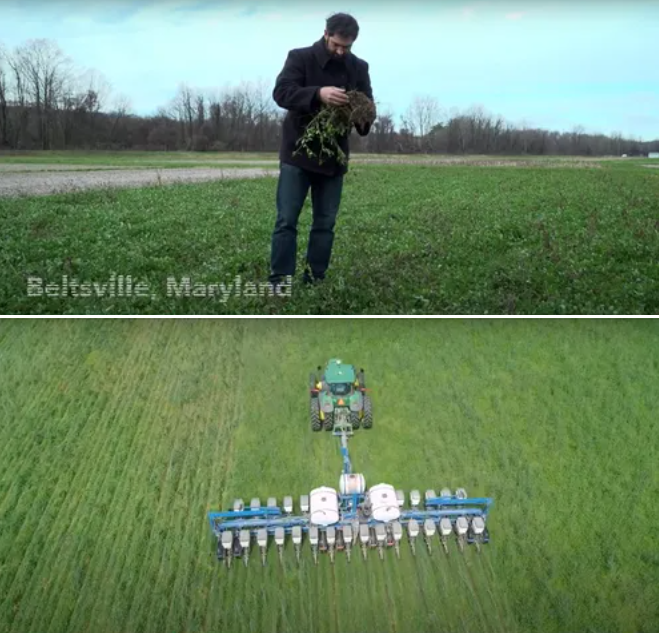
Nitrogen fertilizer is a critical resource for farms as it promotes optimal crop growth. ARS scientists explain how America's farmers can use nitrogen properly to save money. youtube.com/watch?v=7-5ugrJE…
2
3
230
US LTAR retweeted
ARS scientists have been developing an agriculture monitoring system with remote sensing maps to reduce negative impacts on the Chesapeake Bay. ARS research is working to keep the watershed vibrant, as the Bay contributes billions of dollars to local economies and the commercial fishing industry. scientificdiscoveries.ars.us…
1
3
287
US LTAR retweeted
Healthy rangelands support livestock, protect wildlife, and help reduce wildfire and erosion risks. The Rangeland Analysis Platform (RAP), which uses AI and satellite imagery to monitor these landscapes, has now been upgraded by ARS. These advancements will improve rangeland conditions and productivity for American ranchers and farmers. aglab.ars.usda.gov/learn-and…
2
2
258
US LTAR retweeted
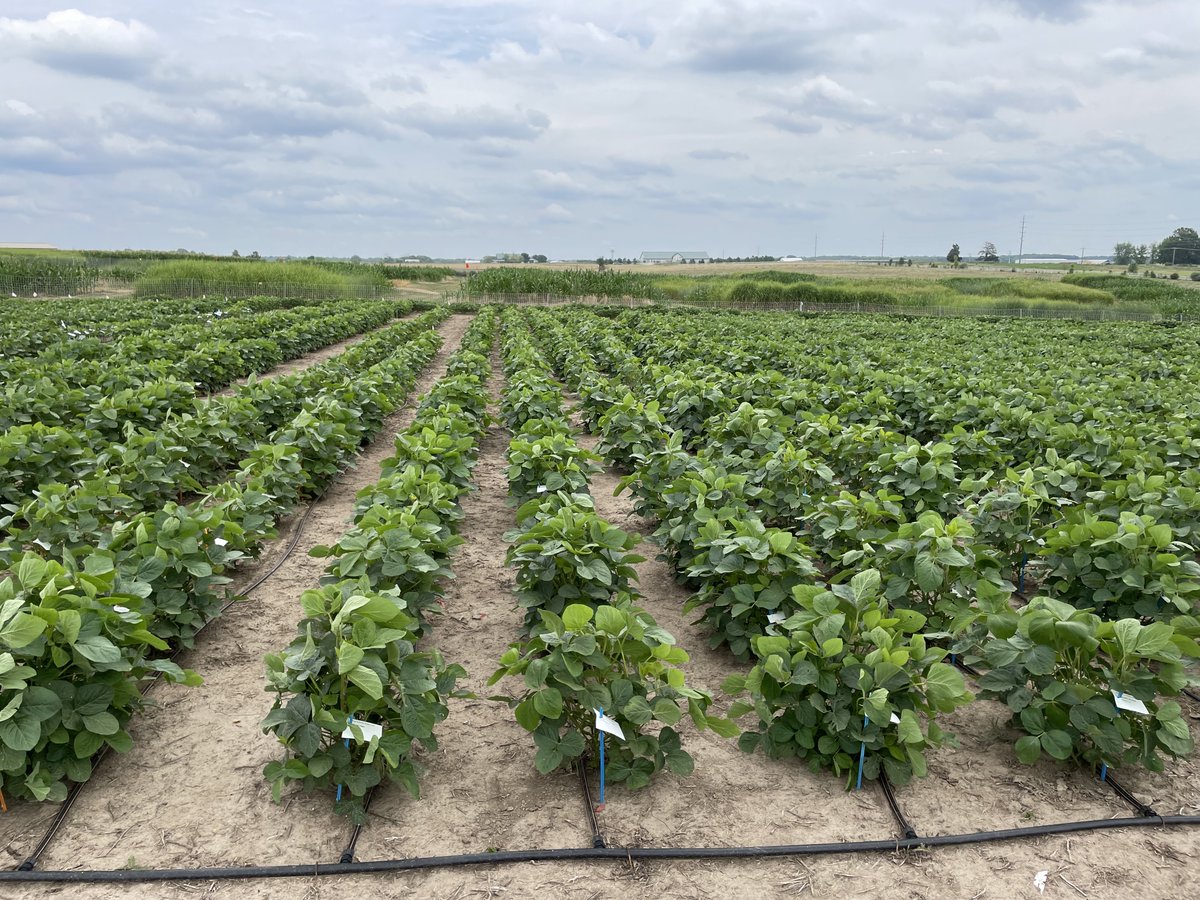
ARS scientists in Columbia, Missouri, are on a mission to find more palatable plant-based protein sources for consumers. Their innovation to combine multiple beneficial traits in soybean seeds will address a long-standing challenge for soybean farmers in the marketplace. scientificdiscoveries.ars.us…
4
4
385
Reducing Wildfire Threats in the West scientificdiscoveries.ars.us…
4
US LTAR retweeted
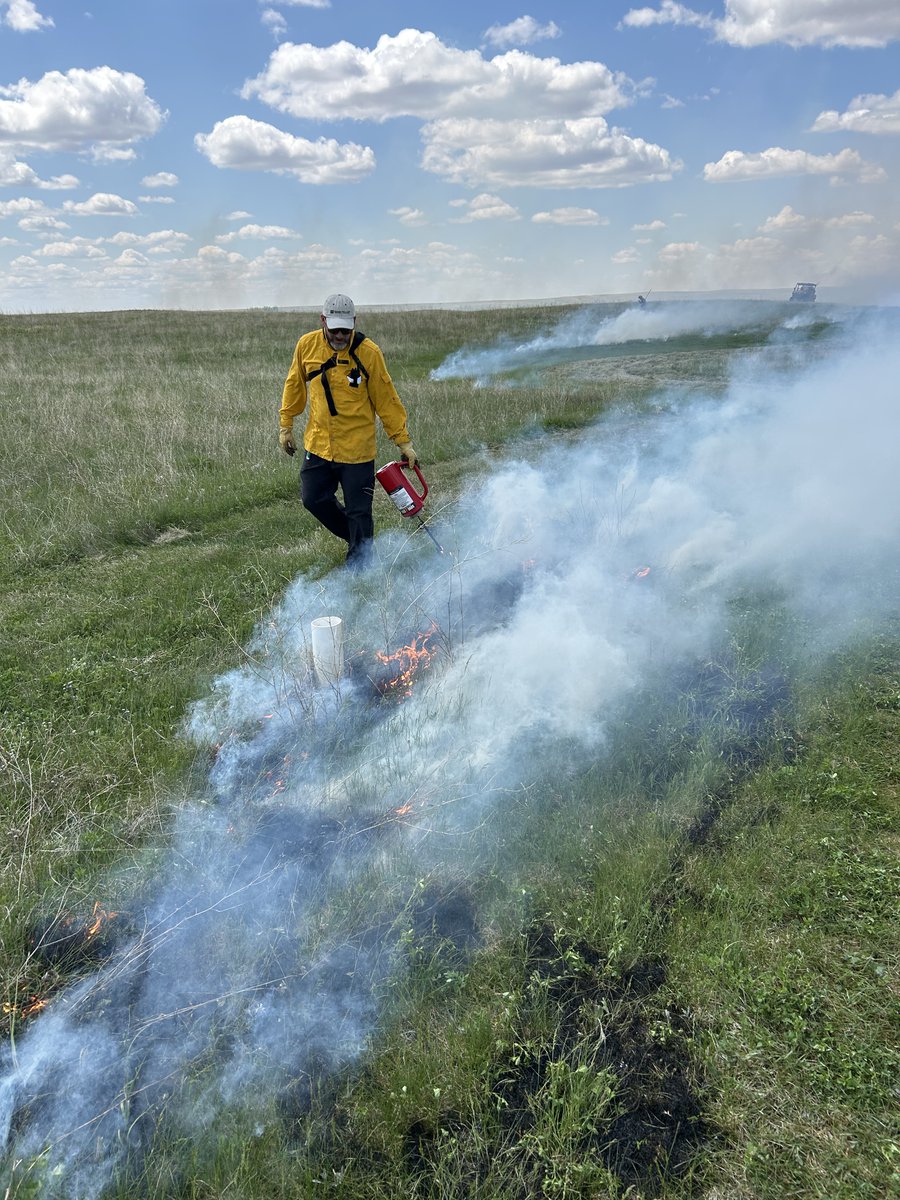
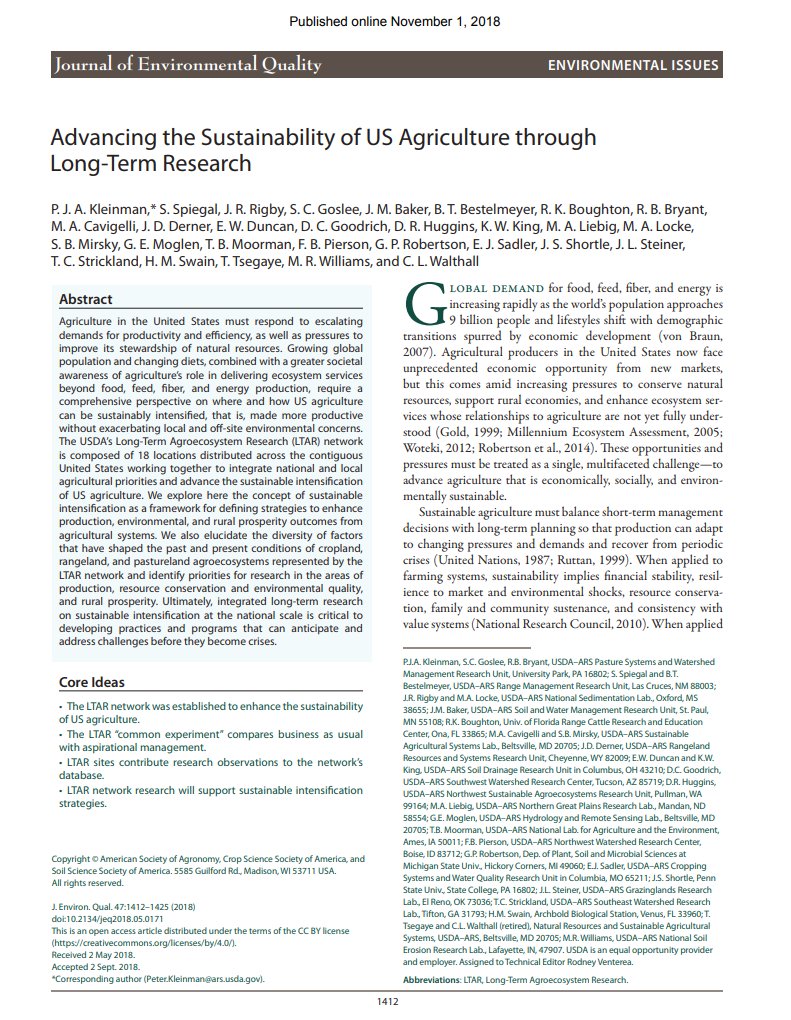
The USDA Long-Term Agroecosystem Research (LTAR) network develops sustainable agricultural practices through coordinated experiments in 18 locations across the United States. At the ARS Northern Plains site, scientists are exploring alternative grazing land methods like mob grazing, multi-species grazing, and prescribed fire to manage invasive Kentucky bluegrass. Their goal is to develop practices with economic and ecosystem benefits for range managers and farmers. For more info: ltar.ars.usda.gov/ #WildfireAwarenessMonth
2
2
328
US LTAR retweeted
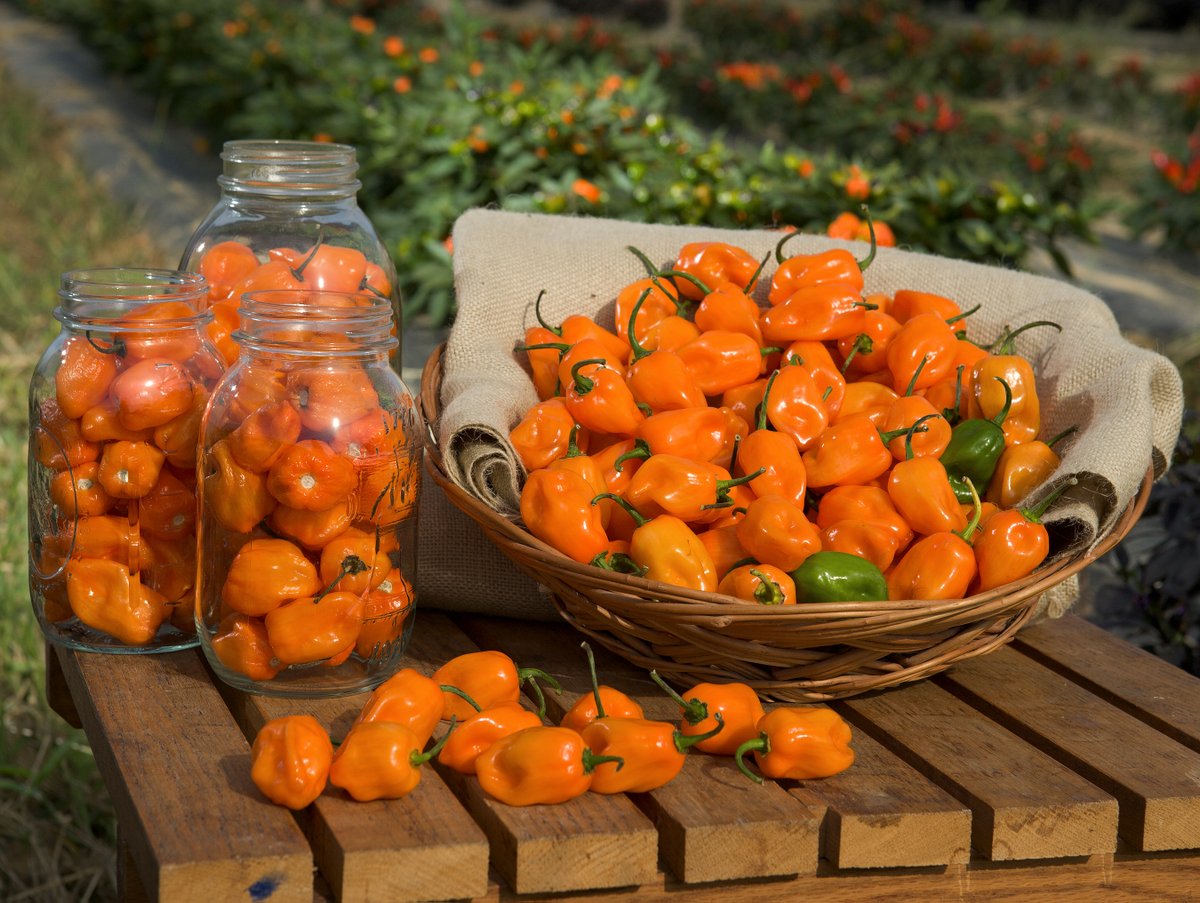
ARS researchers in Oxford, MS, are helping Americans live healthier lives. Peppers are packed with nutrients and popular in foods, on the grill, or as a snack. ARS researchers are finding the chemical compound in certain peppers, like the TigerPaw (pictured), may also reduce blood sugar levels. Their research is especially important in the fight against diabetes. scientificdiscoveries.ars.us…
3
5
444
US LTAR retweeted
ARS scientists in Boise, Idaho, are employing prescribed cattle grazing as a management tool. This promotes ecological restoration and wildfire protection of western rangelands overrun by invasive and flammable grasses -- like cheatgrass and medusahead. aglab.ars.usda.gov/fuel-your…
5
6
318
US LTAR retweeted
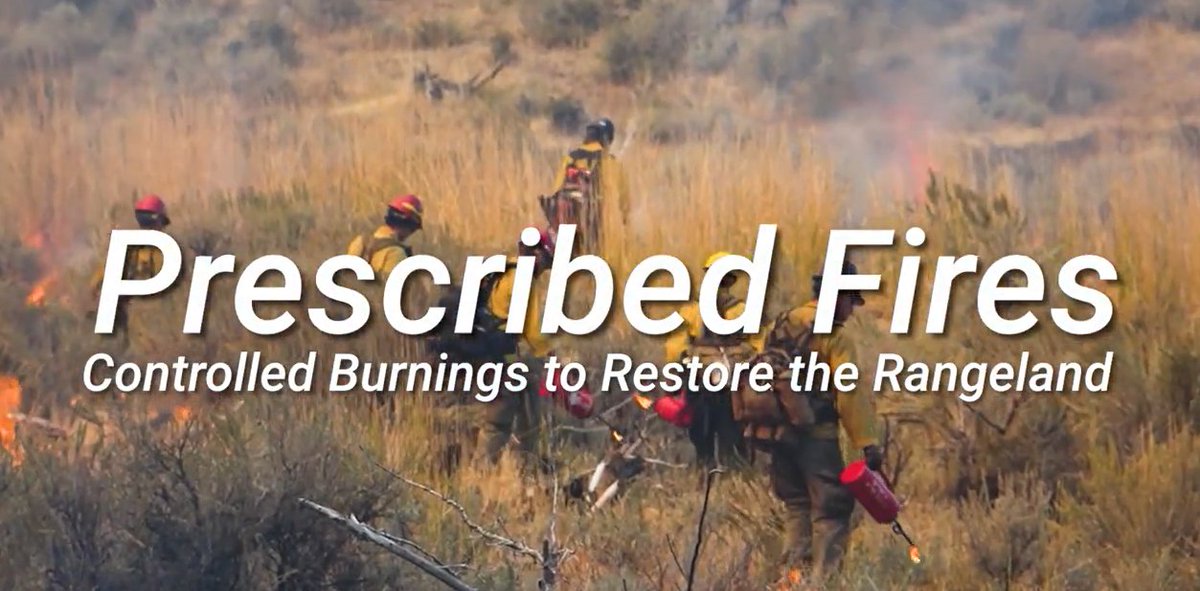
Watch ARS researchers in Boise, Idaho, as they study prescribed fires in western juniper-type landscapes. They are working to better understand how this land-management tool affects the hydrology, habitat, and overall ecosystem of the rangeland. youtube.com/watch?v=JL3tPM2j… #WildfireAwarenessMonth
2
3
3
251
US LTAR retweeted
Dr. Colton Flynn, an ARS soil scientist at the Grassland Soil and Water Research Laboratory in Temple, TX, is showing his appreciation by giving a shoutout to his teachers starting from primary school to his current work advisors. We're celebrating all our educators during #TeacherAppreciationWeek!
3
1
343
US LTAR retweeted
In case you missed it, ARS scientists in Ames, IA, and their research partners have been developing a tool that allows users to visualize, explore, and analyze soil temperature data regionally over time. This tool will help Midwest farmers determine optimal planting times and make more informed decisions throughout the agricultural season. scientificdiscoveries.ars.us… #ScientificDiscoveries
2
1
365
US LTAR retweeted
Follow ARS during #TeacherAppreciationWeek as we hear from our young scientists, like Dr. Jacqueline Serrano (below), who gives a shoutout to her teachers for their guidance through her career in science. ARS Young Scientists are focused on advancing and improving U.S. agriculture for farmers, stakeholders and the American consumer. Learn more about Dr. Serrano and each of these ARS scientists at: aglab.ars.usda.gov/the-futur… #ThankATeacher
2
2
331
US LTAR retweeted
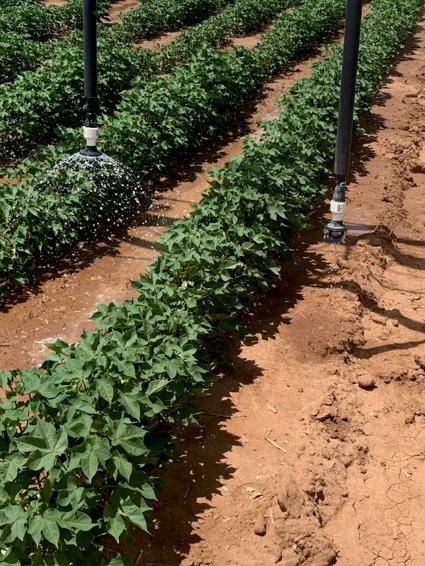
In #ScientificDiscoveries, ARS researchers in Maricopa, AZ, are studying whether combining irrigation scheduling models and soil water sensors could improve water efficiency for growing cotton. Learn more at: scientificdiscoveries.ars.us…
4
10
432
US LTAR retweeted
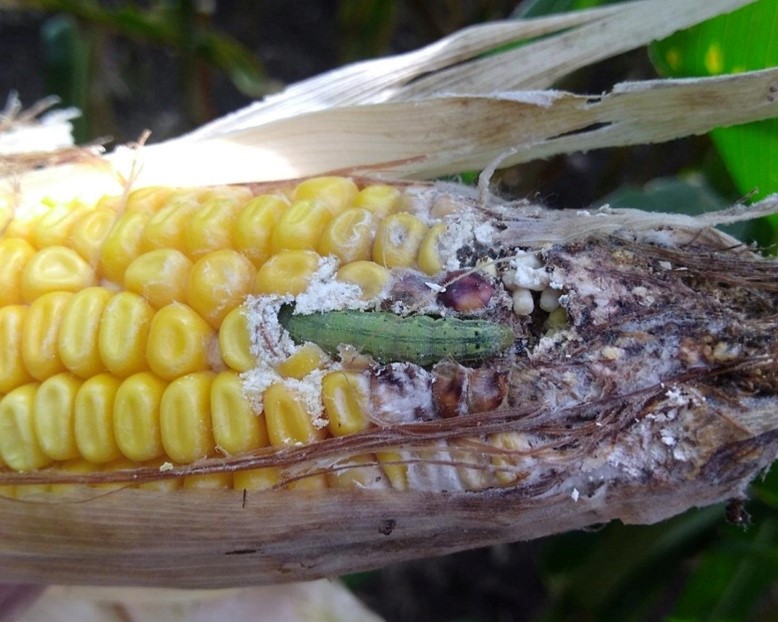
ARS researchers are working to control pests like the corn earworm, which devours corn and causes significant damage for U.S. farmers and producers. ARS Researchers in Ames, IA, have discovered that these pests borrowed a gene from an invasive cousin, making them resistant to pyrethroid insecticides – but they have found a way to deactivate the gene, restoring farmers’ ability to protect sweet corn. ars.usda.gov/research/projec… For additional information: academic.oup.com/jinsectscie… #NPMM
5
13
721
US LTAR retweeted
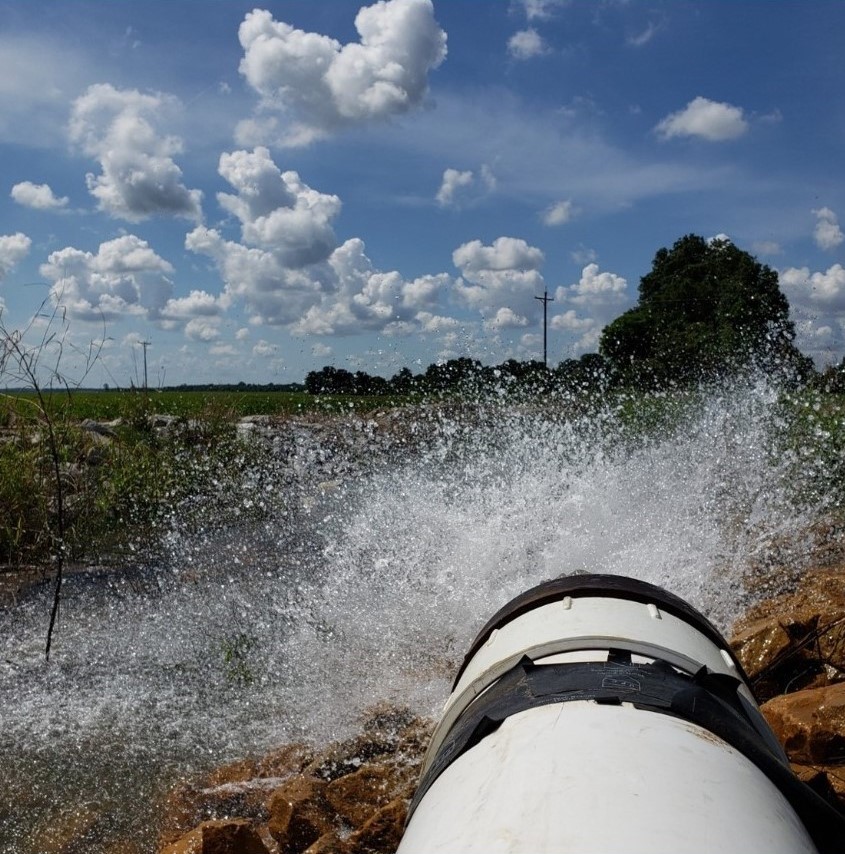
Farm irrigation in the U.S. relies heavily on groundwater, but many aquifers are being depleted faster than they can naturally refill. Learn how ARS researchers in Oxford, MS, are working to develop a rapid, but safe process to recharge the Mississippi River Valley Alluvial Aquifer. aglab.ars.usda.gov/fuel-your… #ARSAglab
2
4
304
US LTAR retweeted
See how ARS is providing data to farmers planting cover crops and practicing regenerative methods. This partnership provides numerous benefits from improving soil health, to crop productivity. loom.ly/pDCWLLo
2
2
331