
U.S. Commodities is a full service grain and livestock investment and management firm founded by Don Roose in 1986. 📲 (800) 247-4071
Joined August 2017
- Tweets 905
- Following 835
- Followers 891
- Likes 252
502 Photos and videos

U.S. Commodities, Inc. retweeted

Jun 11
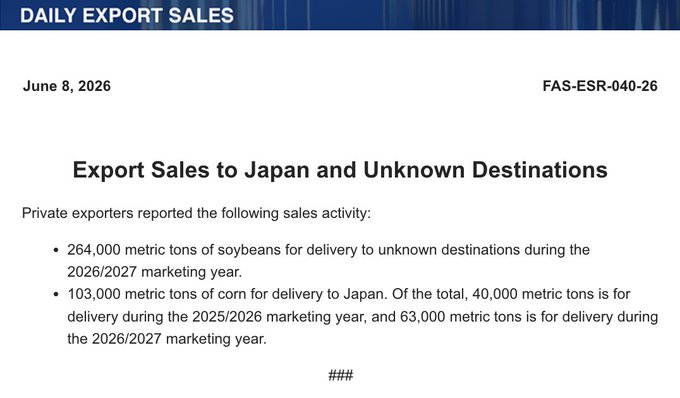
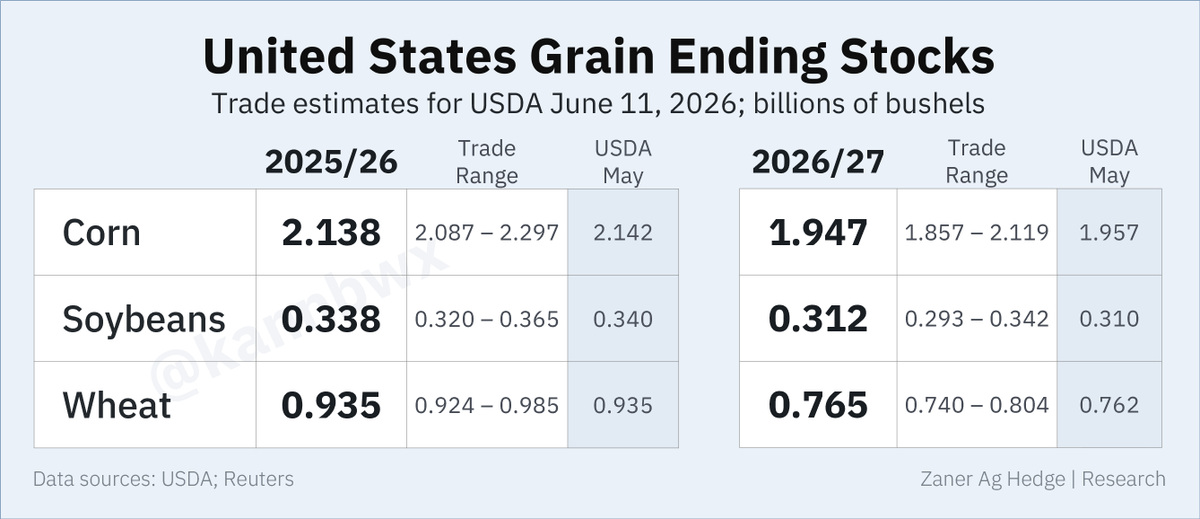
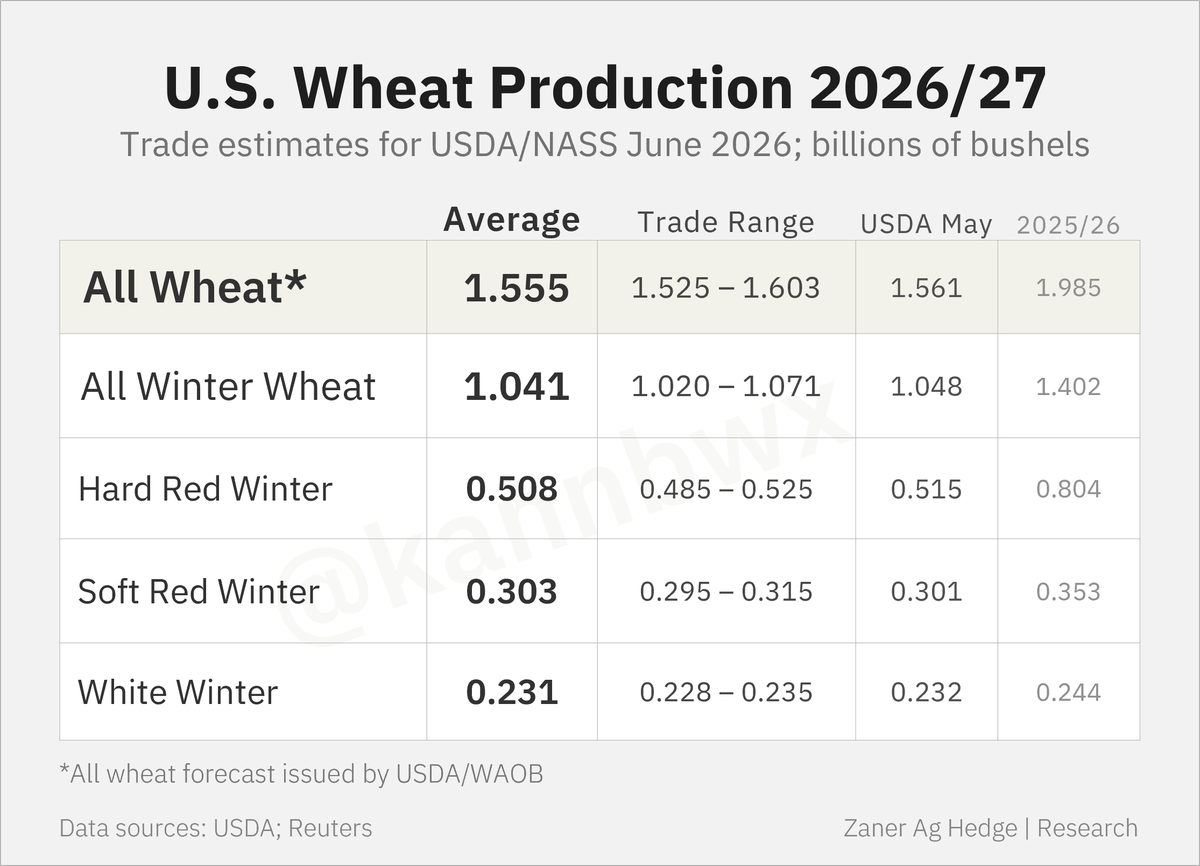
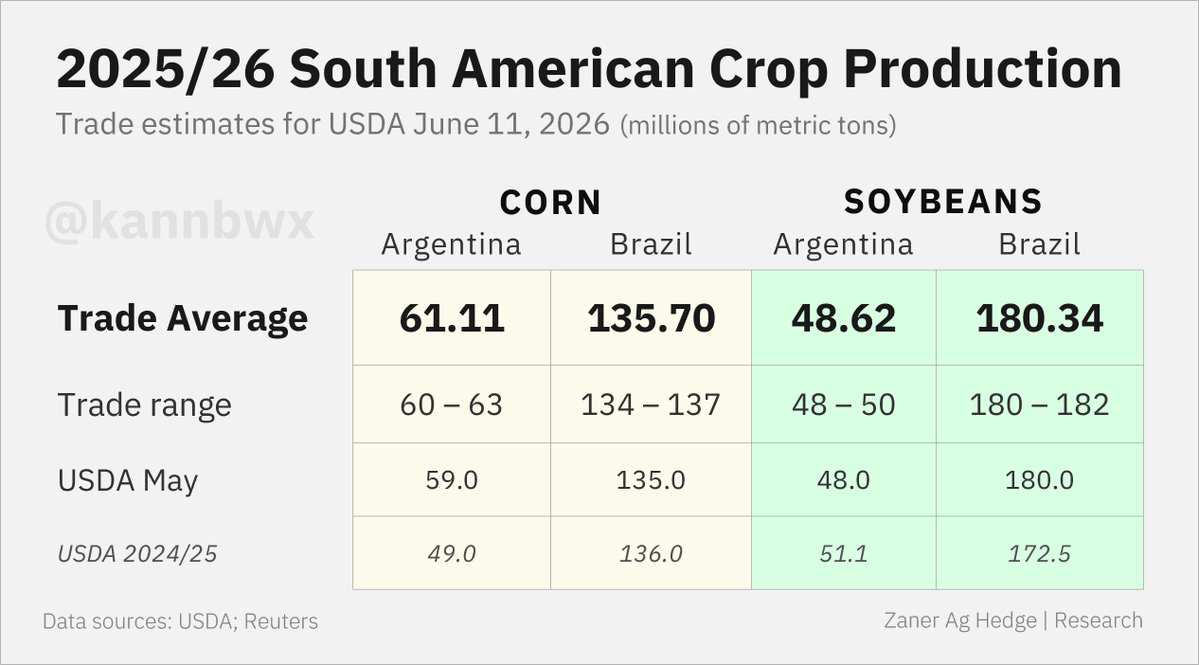
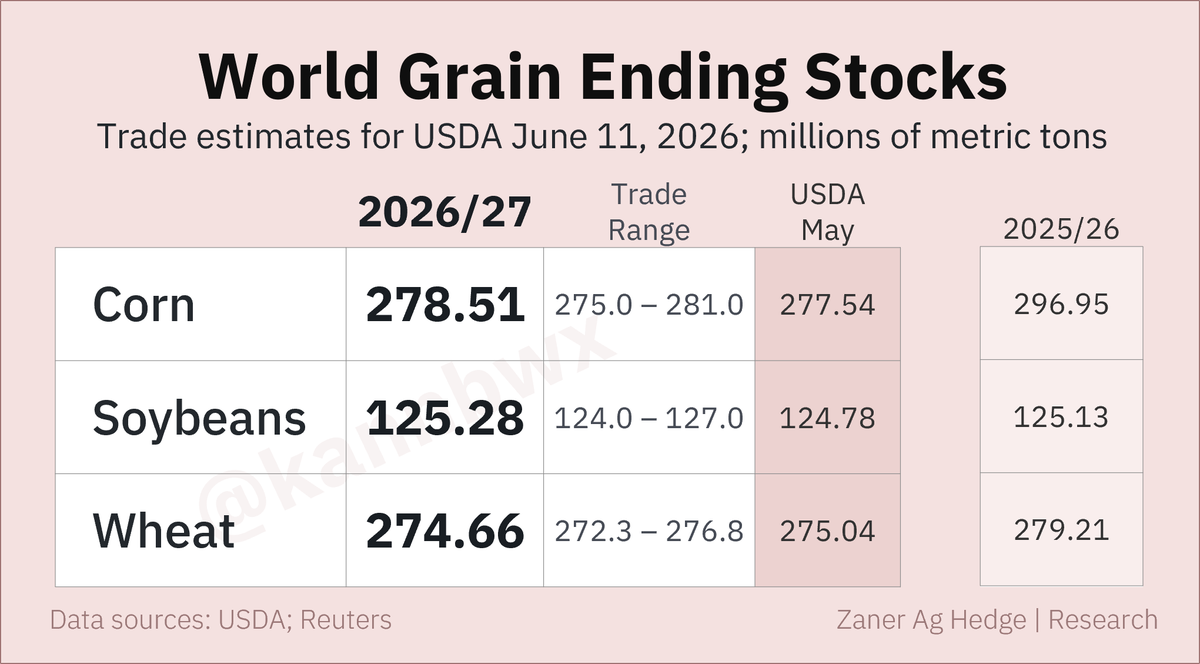
All trade estimates for USDA's reports due Thursday at 11 am CDT. The market will be watching crop estimates in Argentina as well as U.S. grain demand. Will the U.S. wheat crop - projected to be the smallest in 54 years - shrink or improve in this month's outlook?
2
30
177
156,851
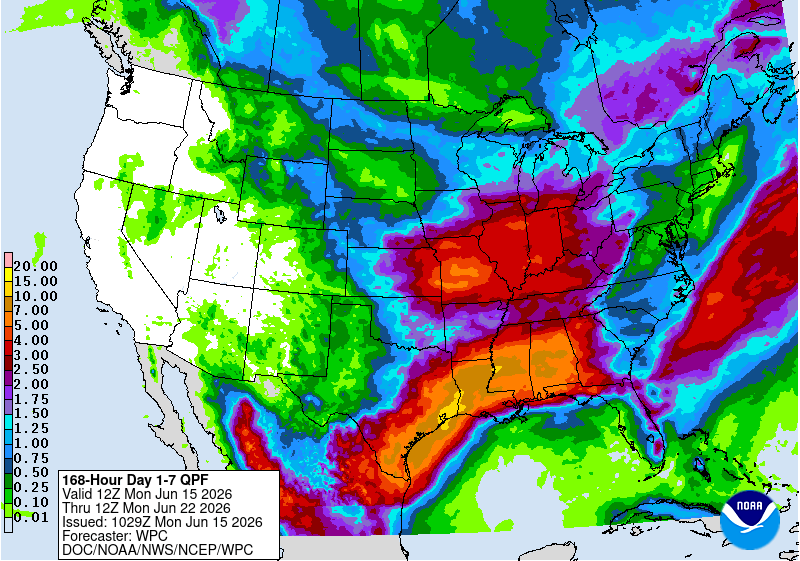
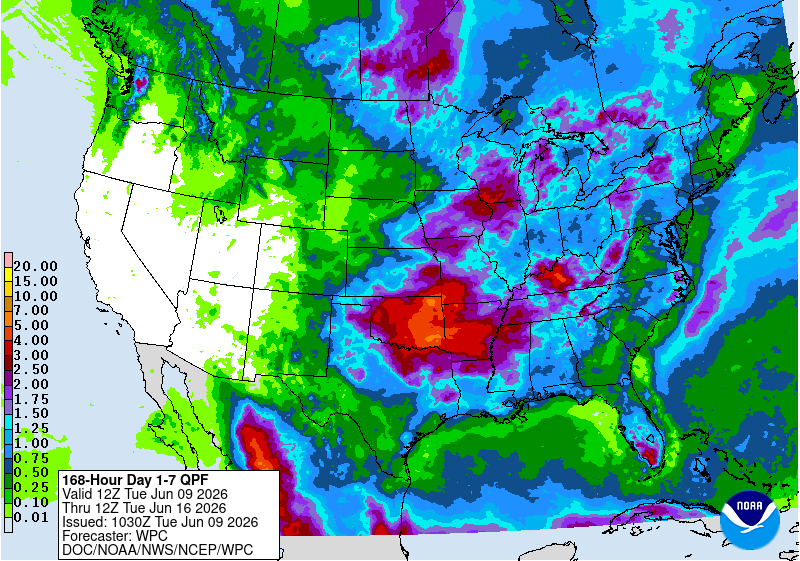
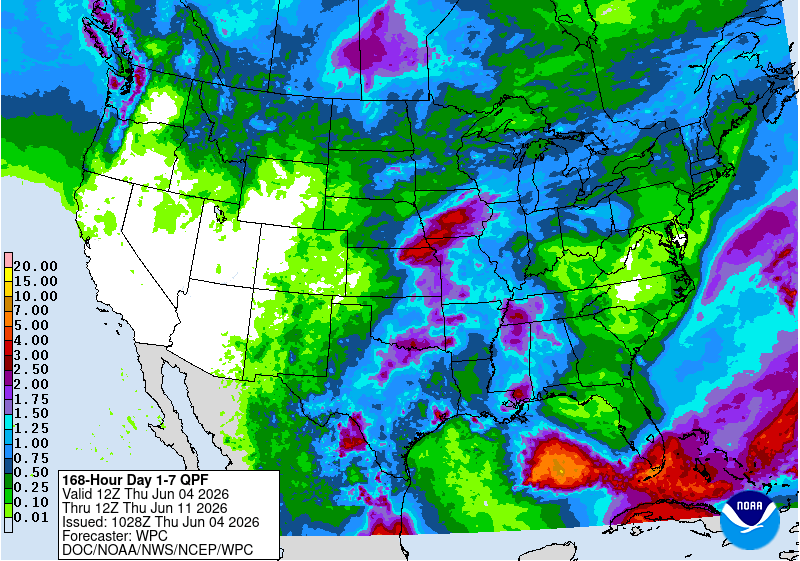
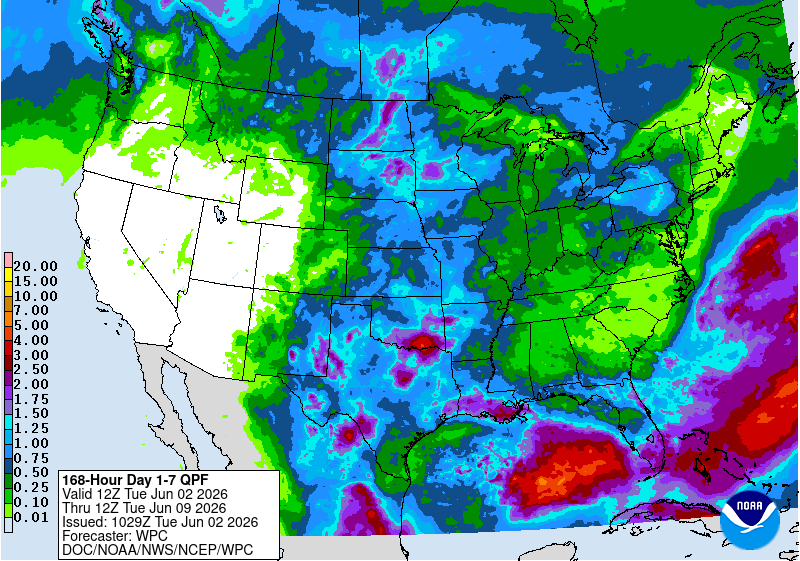
🌧️ 7‑Day Rain Outlook: Heavy rainfall targets the Gulf Coast and Southeast with widespread 3–6" totals. Lighter amounts stretch across the Plains and Midwest, with minimal moisture in the West. Flooding risks rise where the heaviest bands set up. 🌦️🌀
38
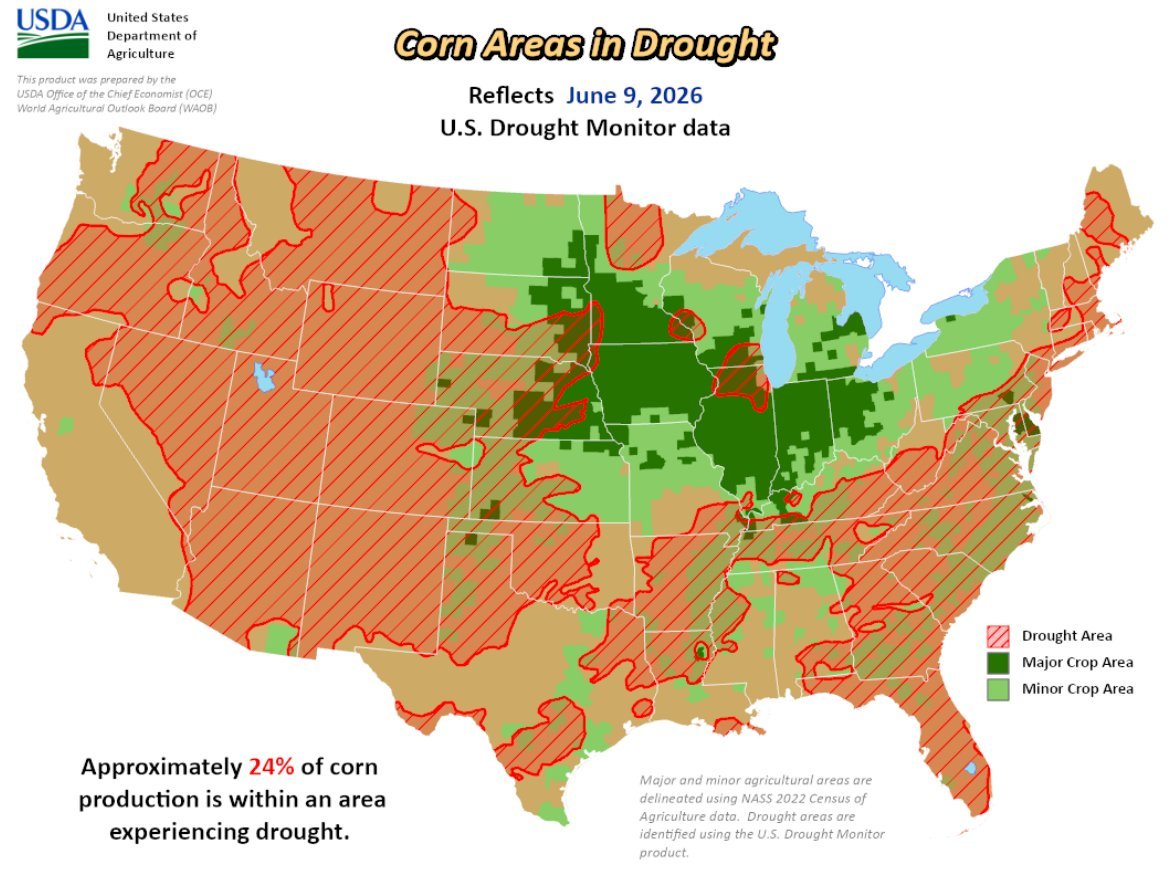
About 24% of U.S. corn production sits in drought areas. Dryness is concentrated across key Corn Belt zones, tightening yield risk early in the season. Monitoring short‑term rain trends remains critical for crop potential. 🌽🔥 #AgWeather #Drought #Corn
55
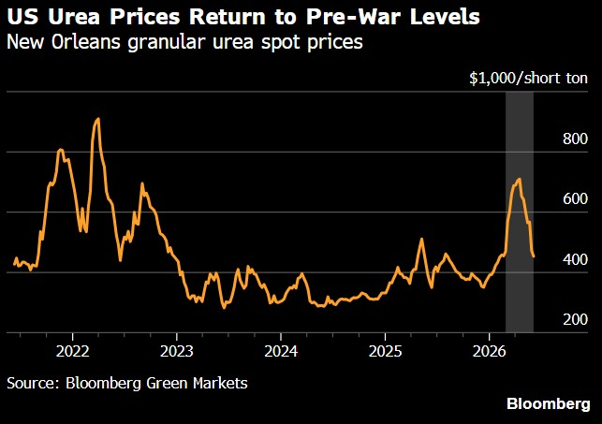
US urea prices have fallen back to pre‑war levels — a major positive for US corn producers. Global landed prices in Brazil, ARGY, and AUS remain key. Risks persist, but cheaper fertilizer supports global row‑crop production and tempers the food‑shock narrative.
51
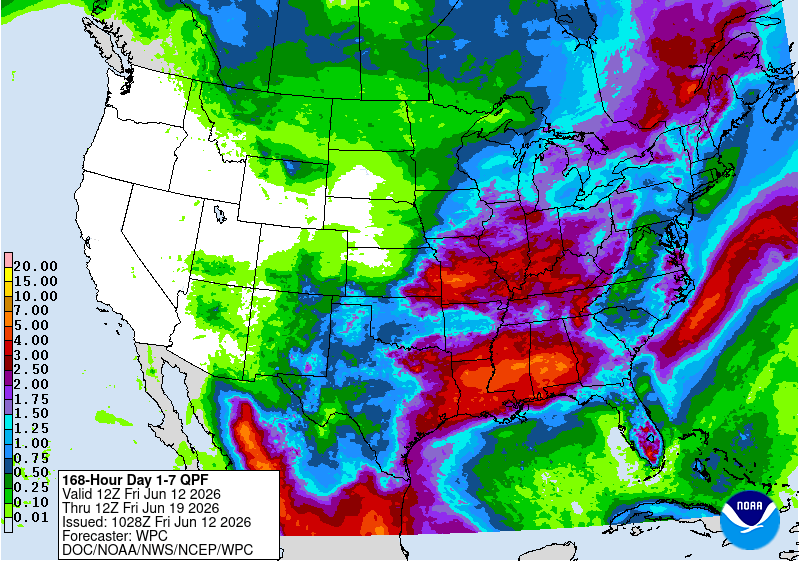
A wet week ahead 🌧️. Heaviest rains hit OK–AR–N TX, with widespread moisture across the Midwest 🌽. Lighter totals out West. Good for crop development but could slow fieldwork in the wettest zones. #AgWeather #CropUpdate
29
Iowa Farmer Today reports peak risk‑management season is behind us with crops in the ground and strong condition ratings. Soy oil strength supports beans, HRW wheat stays tight, and markets watch weather in the Plains and heavy rains in China. Harvest lows possible ahead.
37
U.S. Commodities, Inc. retweeted
Jun 4
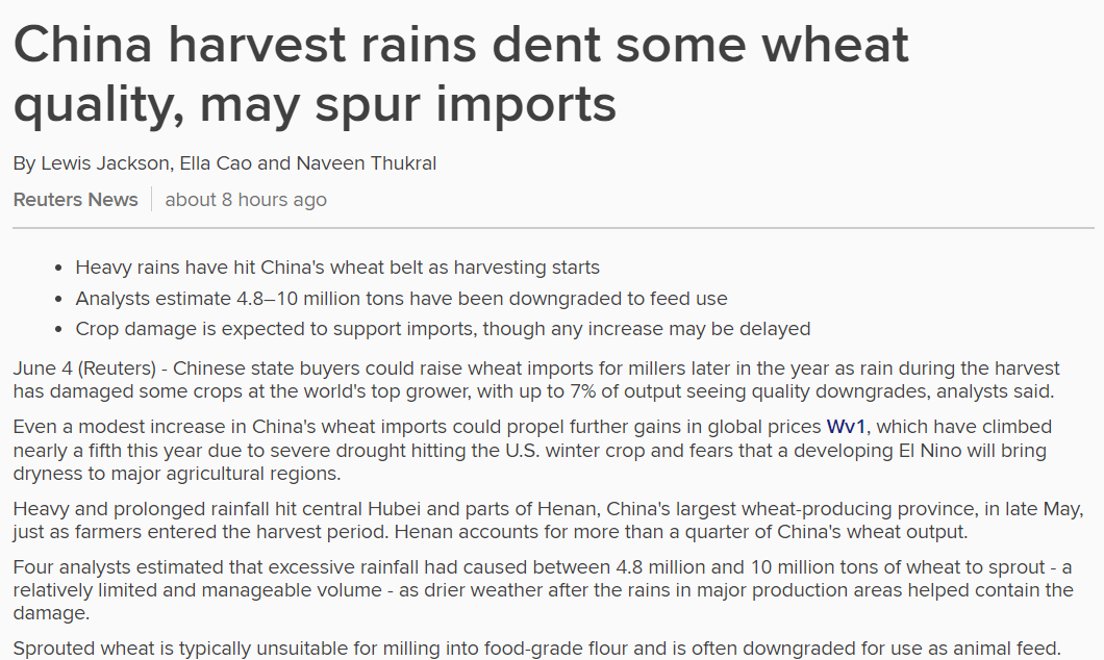
🇨🇳Excessive rains may have caused up to 10 million metric tons of Chinese wheat to sprout, which would downgrade roughly 7% of the crop from food to feed quality.
This could prompt China to import more wheat in the second half of this year.
7
56
205
34,957
U.S. Commodities, Inc. retweeted
Jun 2
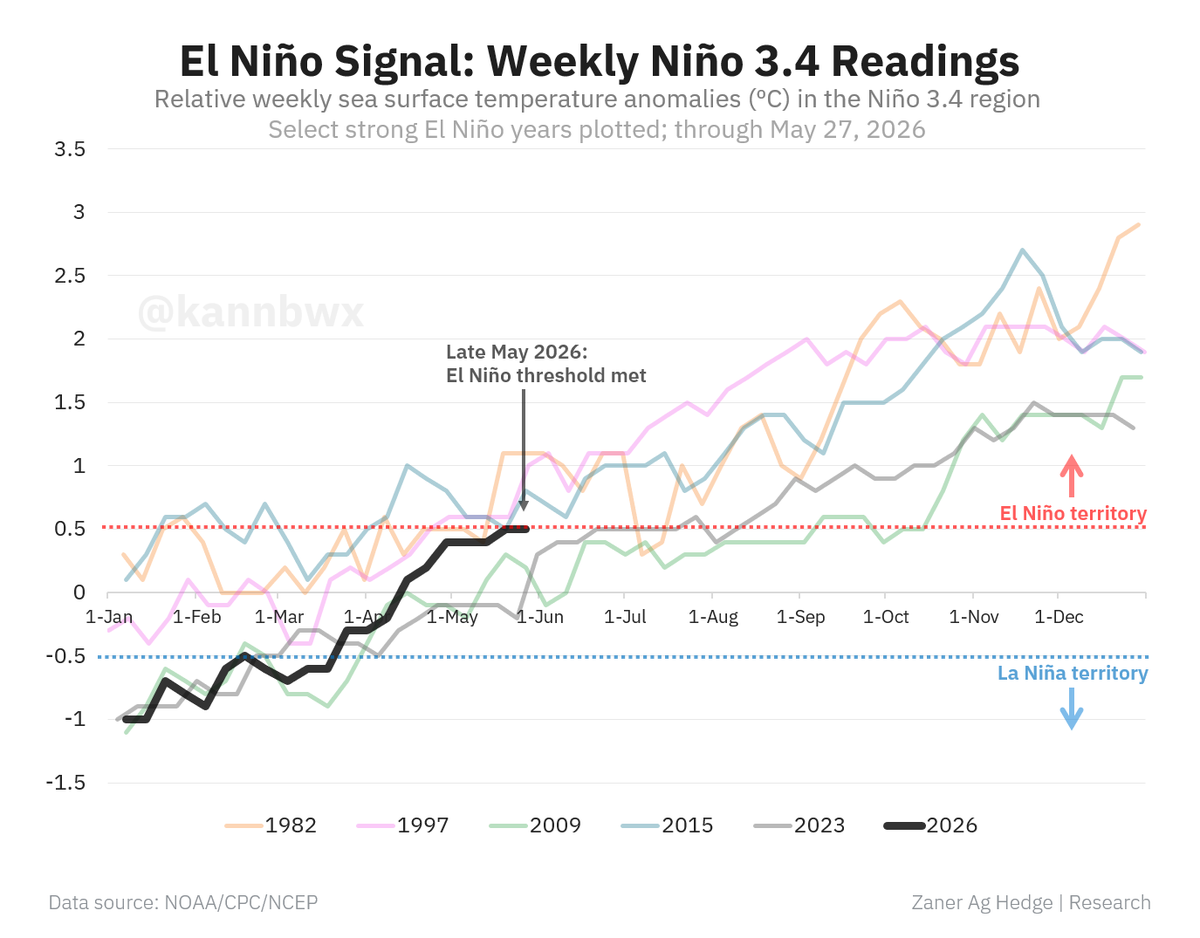
🌡️In late May, sea surface temperatures in the equatorial Pacific reached El Niño territory for the first time in more than two years. That's a major flip from March's La Niña regime.
The warming pace is tracking with other strong El Niño years. Will 2026 live up to forecasts?
3
35
129
31,037
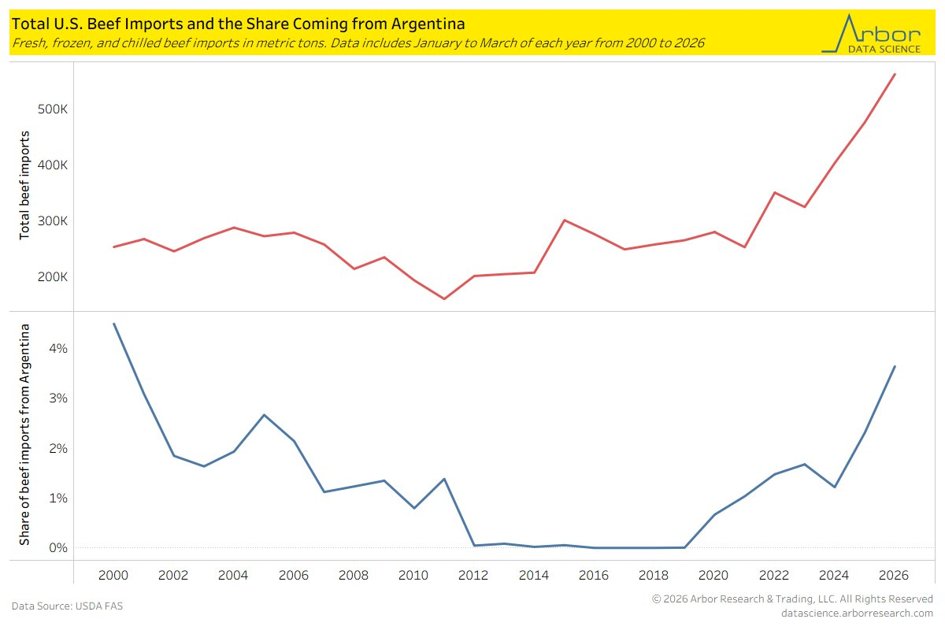
📈 U.S. Beef Imports: Total imports continue their long‑term climb, while Argentina’s share—once near zero a decade ago—has steadily recovered into 2026. Signals shifting trade flows and stronger Argentine presence.
#AgMarkets #Beef #USDA #Livestock
56
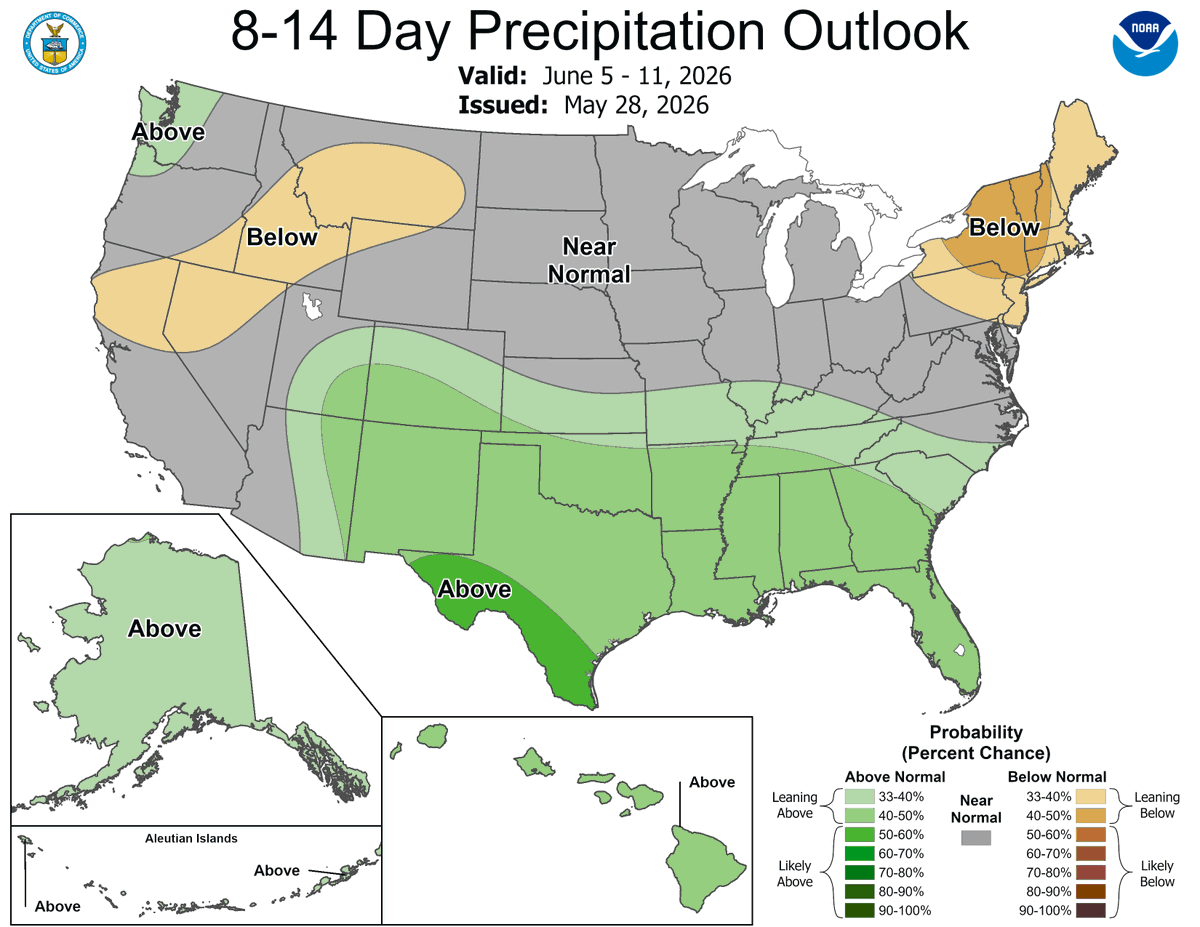
Above‑normal precipitation favored across the Southern and Central U.S. for June 5–11, with wetter risks also in Alaska and Hawaii. Drier‑than‑normal signal stretches across the Northeast and parts of the Pacific Northwest. #wx #agwx #precipoutlook
41
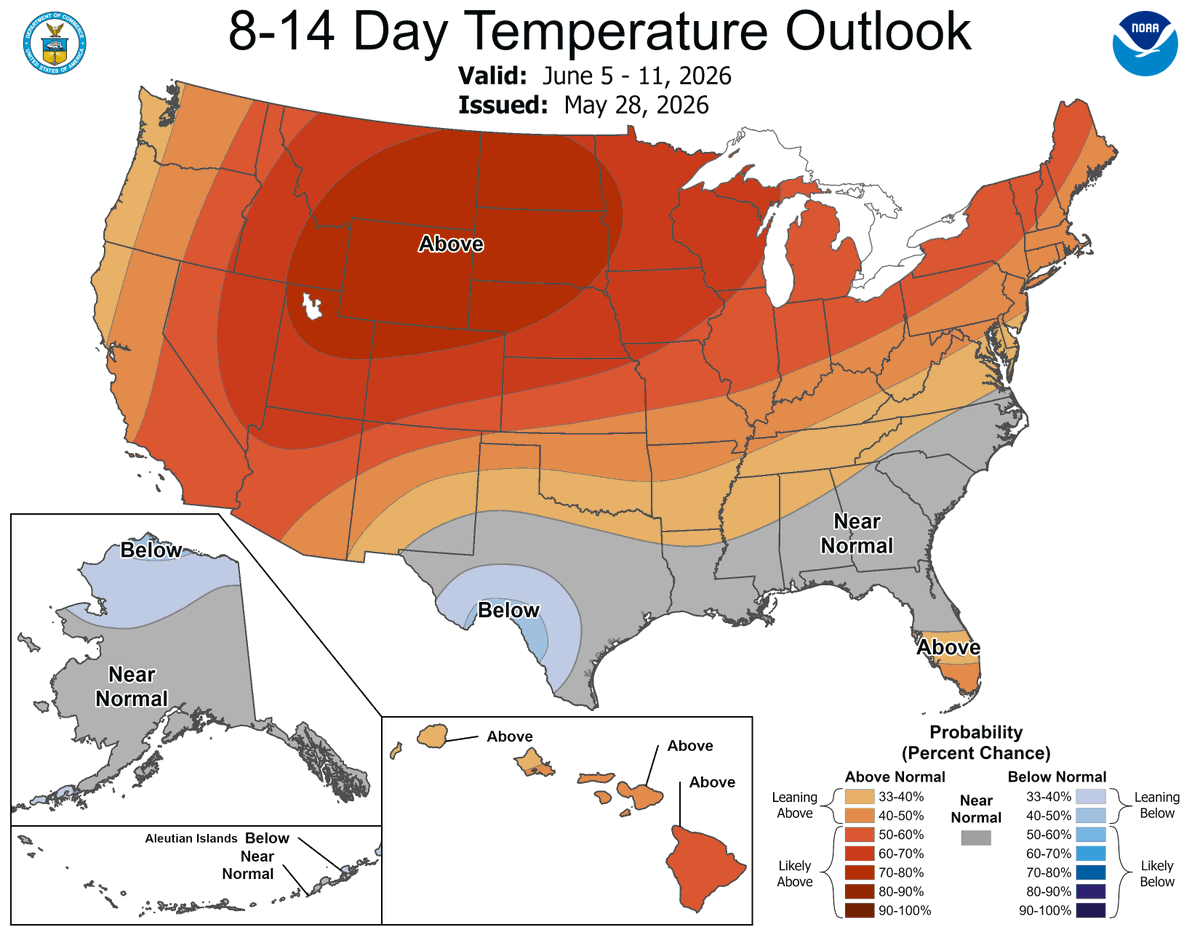
Widespread warmth dominates the 8–14 Day Outlook (Jun 5–11) with above‑normal temps across most of the U.S. Strongest heat risk stretches from the Northern Plains through the Midwest. Near‑normal in the Southeast, cooler pockets in S. Texas and Alaska. #wx #agwx #heatoutlook
46
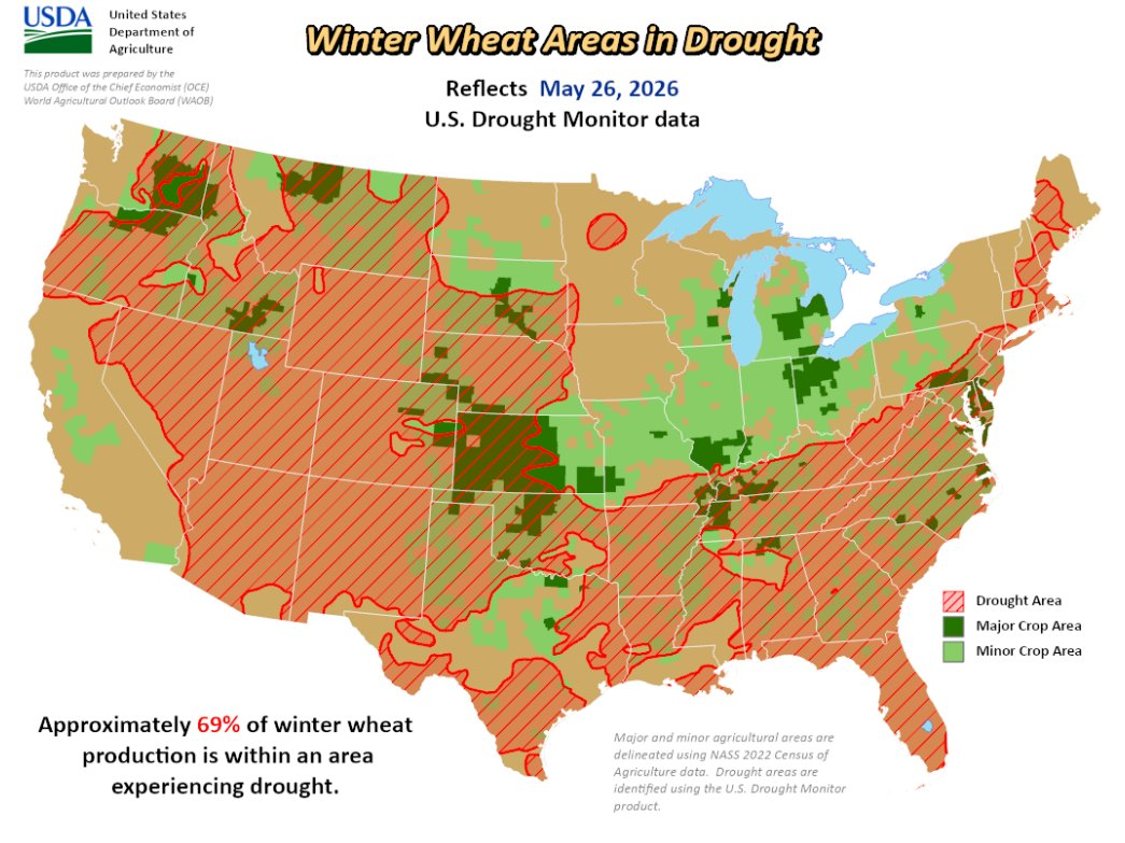
Winter wheat remains heavily exposed to dryness, with widespread drought across key producing states. An estimated 69% of winter wheat production sits in drought-affected areas as of May 26. #Wheat #AgWeather #DroughtMonitor #USDA
150
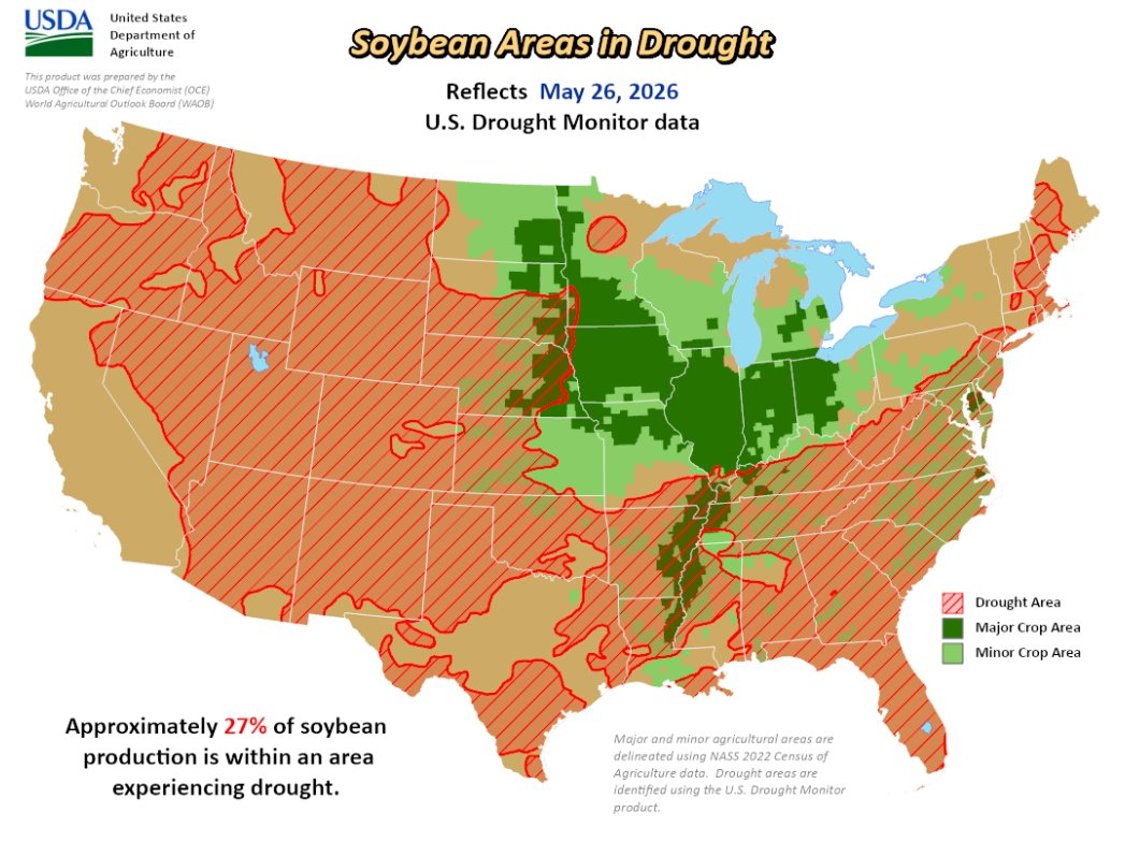
Drought continues to pressure soybean regions, with the heaviest overlap in the South and parts of the Midwest. About 27% of U.S. soybean production sits in drought-affected areas as of May 26. #Soybeans #AgWeather #DroughtMonitor #USDA
67
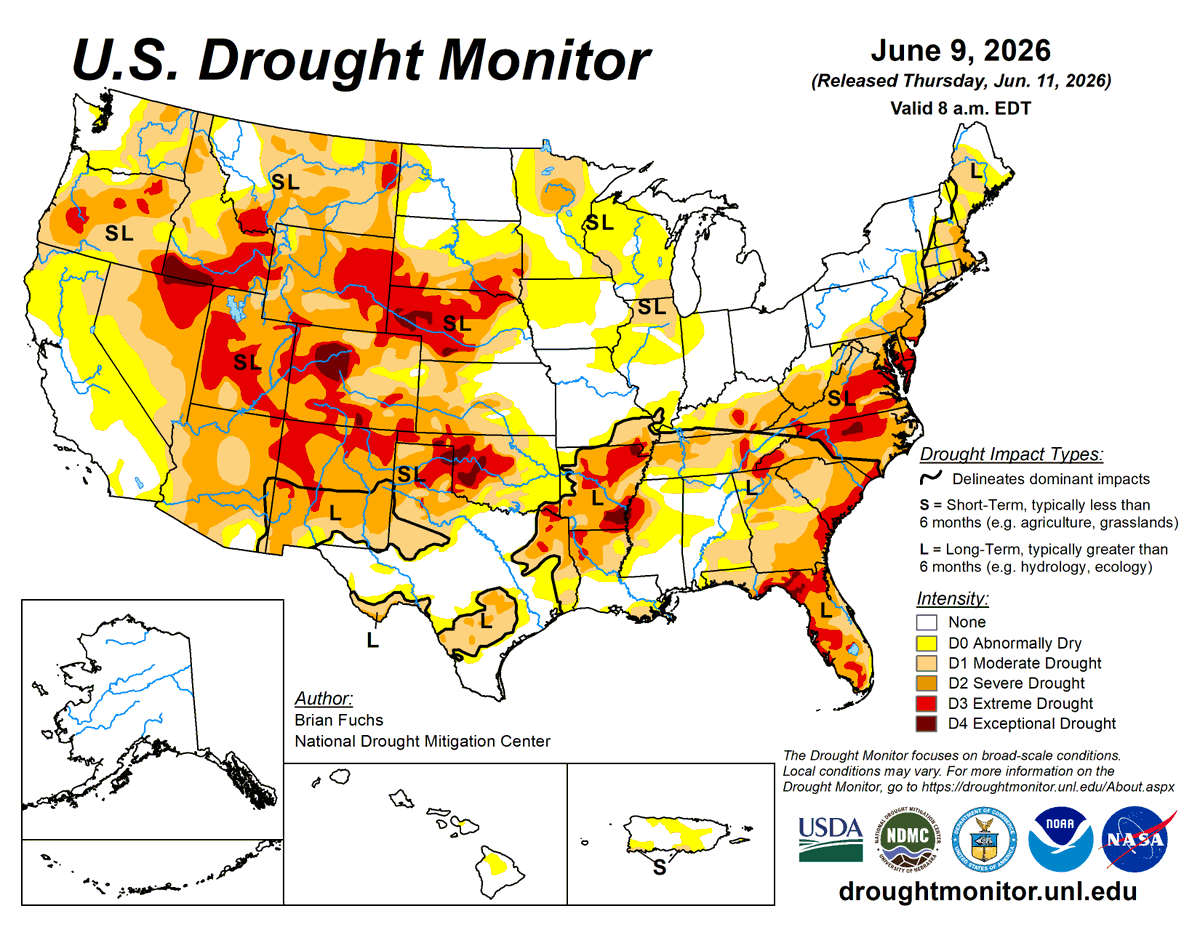
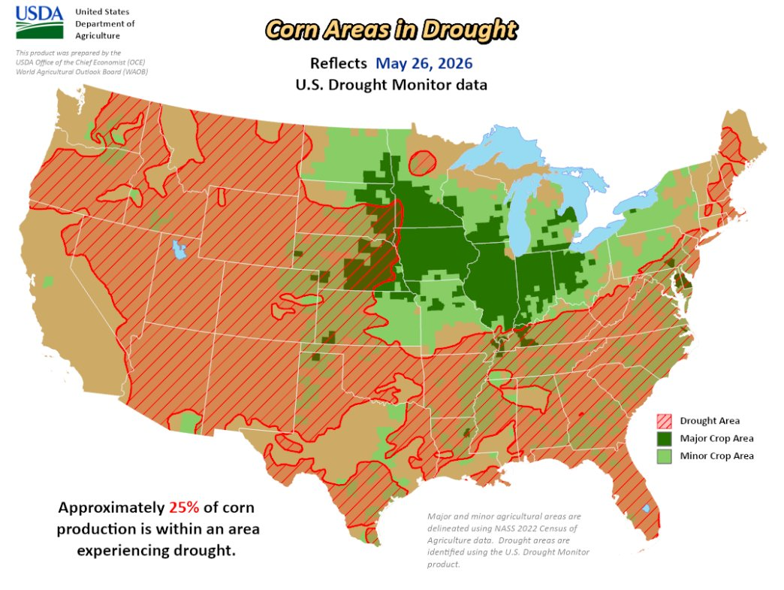
Drought persists across key corn regions, with the heaviest stress in the western and southern U.S. Roughly 25% of U.S. corn production sits in drought-affected areas, while the core Midwest belt remains mostly stable. #Corn #AgWeather #DroughtMonitor #USDA
144