
Joined August 2020
- Tweets 3,544
- Following 69
- Followers 339
- Likes 226
784 Photos and videos



Pinned Tweet

8 Oct 2020
Track all the UTM variables (and more) as soon as user hits your website.
No more missing conversions and no more headache.
👉🏻 utmgrabber.com
#UTMTracking #UTMTracker
12
22
69
A small WordPress form setup detail can change the quality of your reporting.
If you capture utm_source, utm_medium, and utm_campaign, you mostly have last touch.
If you also capture first_utm_source, landing page, referrer, and click IDs, the lead record gets much more useful.
3
Jun 12
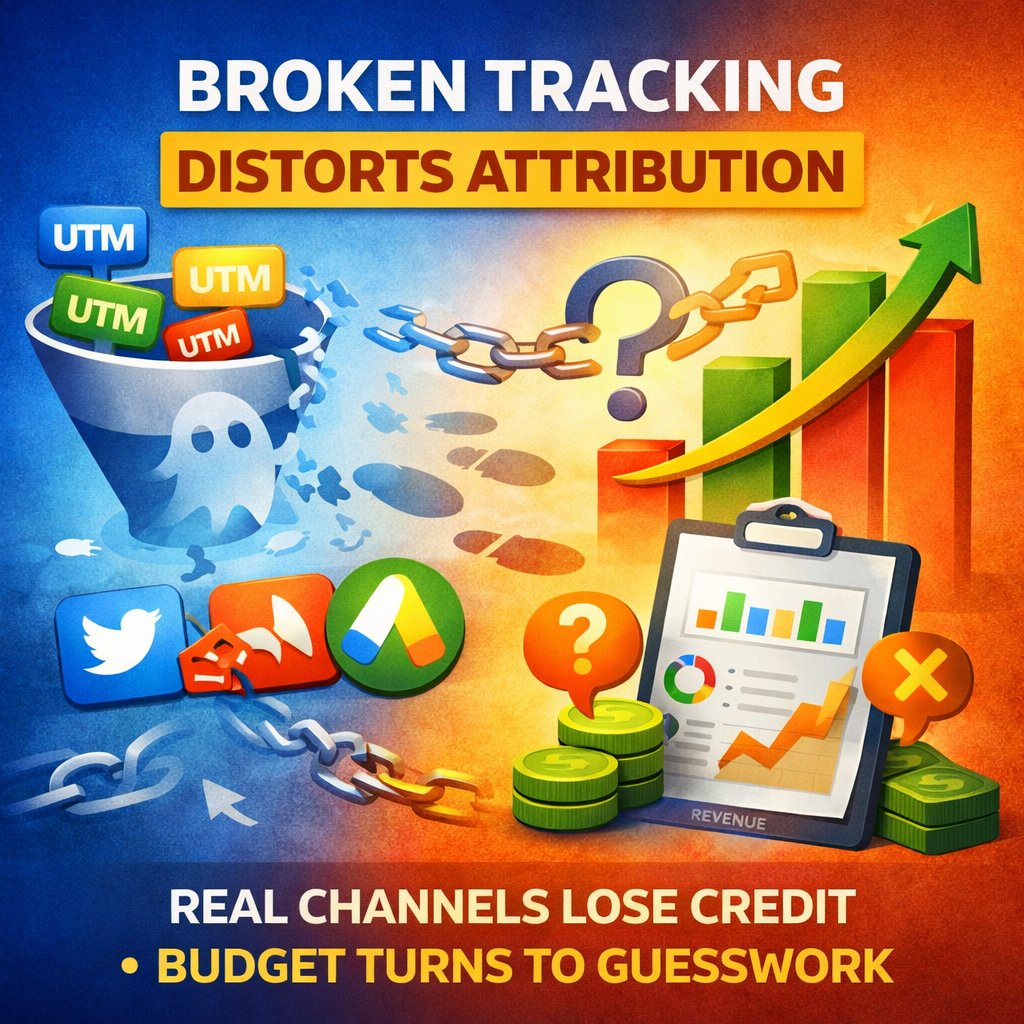
Most WordPress attribution problems are not caused by missing data.
They are caused by bad handoffs.
The visitor arrives with UTMs. The data may get stored. But the form never sends it anywhere useful.
Attribution becomes useful when it follows the lead into the CRM.
1
10
Jun 11
This is exactly why we built UTM Grabber to capture more than the basic UTM set.
UTMs are useful, but they are not the whole attribution story.
Click IDs, referrer, landing page, organic source, and traffic source can make the difference between “lead source: unknown” and a CRM record your team can actually use.
Jun 11

Most attribution setups stop at UTMs.
That is a start, not a system.
If your WordPress form only captures utm_source, utm_medium, and utm_campaign, you may be missing the signals that explain the lead:
- GCLID
- FBCLID
- Referrer
- Landing page
- Organic source
- Traffic source
UTMs tell you what was tagged.
These fields help show what actually happened.
I wrote a practical breakdown here:
haktansuren.com/what-to-trac…
1
15
Jun 11
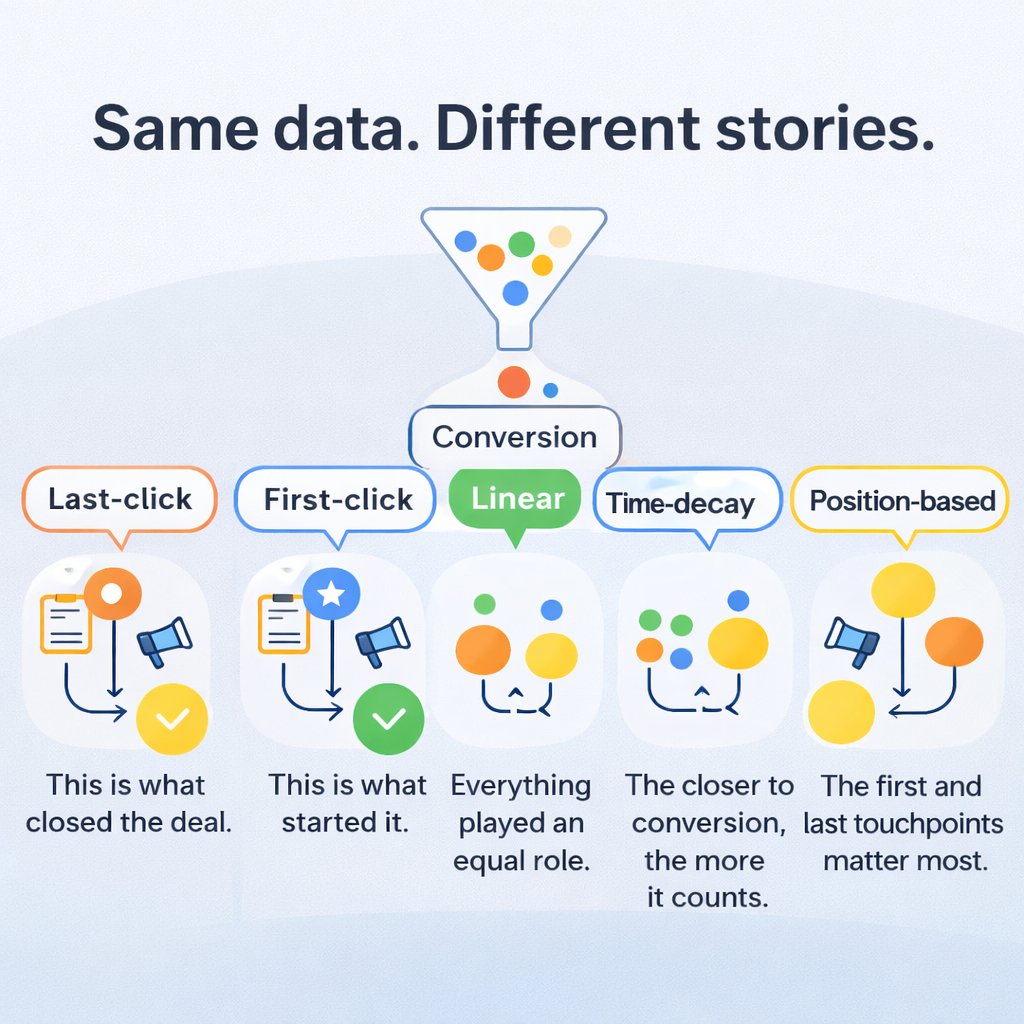
Last touch is not wrong.
It just answers a different question.
I still want to know what brought someone back right before they filled out the form.
The mistake is not using last touch. The mistake is pretending the final click explains the whole relationship.
1
5
Jun 10
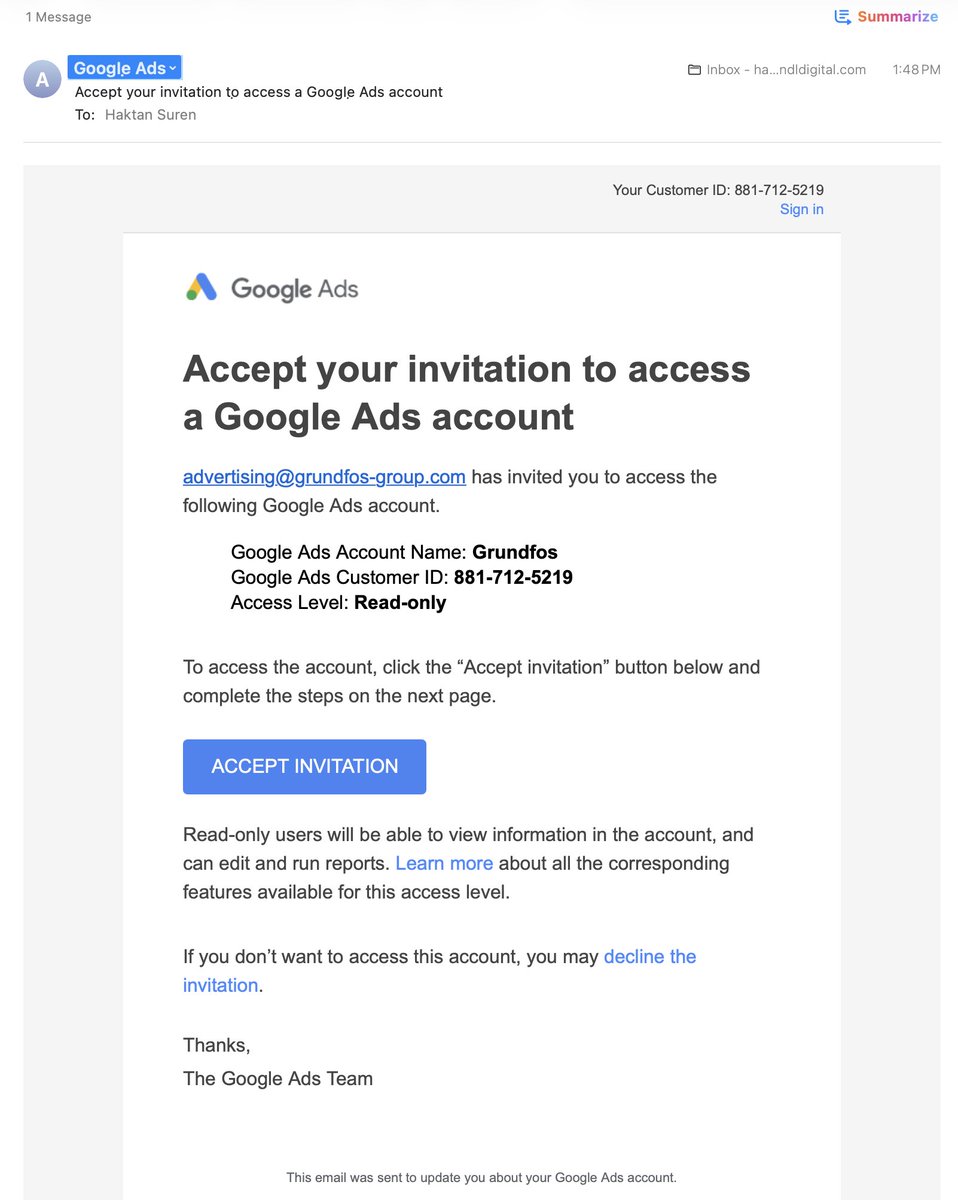
Marketers and agencies: treat every unexpected Google Ads access invitation with caution.
Don’t click from the email. Go directly to Google Ads to verify the invitation, then confirm with the sender through a trusted channel.
Security is part of performance marketing too.
Oh gosh... this is so far the best phising I've ever got.
From: no.reply@ads-account-google.com
Do not fall for this guys!
1
2
43
Jun 10
First touch is how good acquisition gets defended.
Someone clicks a LinkedIn ad today, leaves, comes back next week through branded search, and converts.
If you only look at last touch, LinkedIn looks weaker than it really was.
That is how good campaigns get cut too early.
3
Jun 9
If your WordPress form only sends the latest utm_source to your CRM, that is not really attribution.
It is a snapshot at the end.
Useful, yes. Complete, no.
First touch shows where the relationship started. Last touch shows what happened closest to conversion.
3
Jun 8
Most attribution debates start too late.
People argue about which channel deserves credit before checking whether the CRM captured both sides of the story.
If your WordPress form only stores one touch, your reporting is biased before anyone opens a dashboard.
7
Jun 7
The expensive mistake is changing campaigns before checking whether Meta can trust the conversion signal.
If the event stream is noisy, better bids just push more budget through a noisy feedback loop.
Fix the signal contract first.
Then test creative, offers, and budget structure.
6
Jun 6
If iOS in-app browser traffic is a big part of your Meta account, I would be extra strict with event identity.
Do not let empty values, browser-only IDs, or strange replacement IDs become your source of truth.
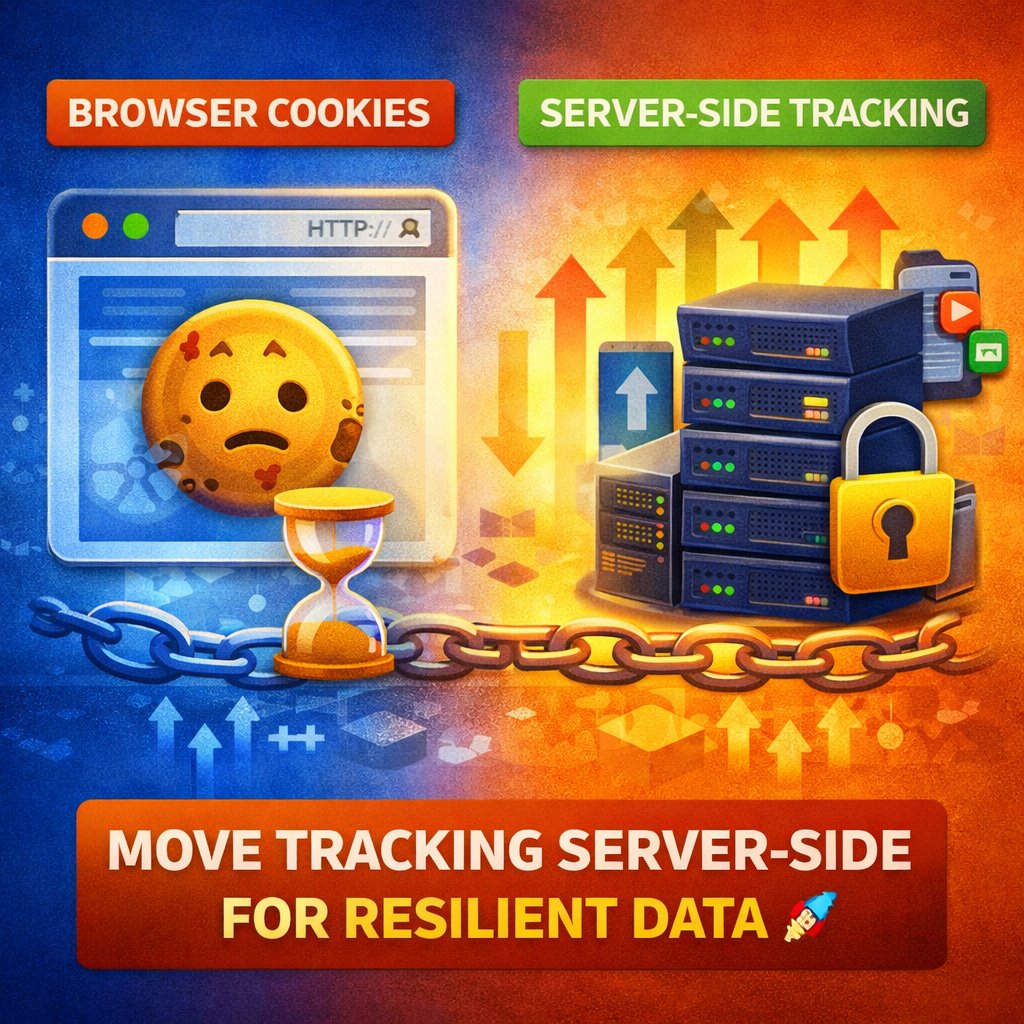
Preserve your own first-party ID and pass it through both channels.
That is where dedupe starts.
2
Jun 6
This is the part many builders underestimate.
AI made building easier, but it did not make distribution automatic.
A useful product still needs trust, positioning, traffic, follow-up, proof, and a reason for people to care.
Shipping is only one part of the business.

I think the challenge is that everyone can now build apps
But
1) almost nobody has distribution (like an audience), or
2) the money to pay for distribution (ads or UGC), or
3) the creative genius to get distribution for free (classically called guerilla marketing)
9
Jun 6
Agent-first software will not just be “the same dashboard with an AI button.”
The workflow has to change.
Less clicking around.
More context carried forward.
More decisions prepared before a human asks.
The best platforms will feel less like tools and more like operational memory.

5
Jun 6
This is where AI gets interesting for real businesses.
Not replacing humans. Not pretending to be human.
But helping teams stop losing truth between departments.
Sales, ops, finance, and support should not each be working from a different version of reality.
Enterprise AI agents won't make money because they sound human.
They make money when they stop departments speaking different dialects:
Sales promised X.
Ops can deliver Y.
Finance bills Z.
Support hears anger.
Making those facts meet is worth more than another chatbot.
4
Jun 6
This is the AI app test I like most:
Does it find the next valuable action faster?
Not “does it sound impressive?”
Not “does it use the newest model?”
Not “does it feel futuristic?”
If it helps a business move money, leads, documents, or decisions faster, it has a real reason to exist.
Your first AI app can be a bouncer for one ugly inbox.
Every business has an inbox where money goes to wait:
new leads
vendor PDFs
warranty claims
job photos
signed forms
angry replies
If the app finds the next paid action faster than a person, it has a reason to exist.
3
Jun 5
Customer Success is often where the pain shows up first, but it should not be where the company leaves it.
CS can support the customer, explain, reassure, and help move things forward.
But if the same problems keep coming back, it is not just a CS issue. It is product, process, and operations gently asking to be improved.
Customer success is where product debt gets sent to collections.
Slow setup.
Missing integrations.
Bad handoffs.
Weak reporting.
Messy renewals.
If CS owns every uncomfortable customer moment, the company starts treating repeat pain like account management.
6
Jun 5
A lot of Meta accounts are not missing more events.
They have too many competing event sources.
One Purchase trigger.
One matching server event.
One event ID.
One source of truth for user data.
Clean signal beats noisy coverage.
1
2
8
Jun 4
Pixel firing and CAPI firing does not automatically mean dedupe is working.
Both events can fire.
Both can look “active.”
And Meta can still struggle if the browser/server pair cannot be reconciled.
The question is not “did events fire?”
It’s “did Meta understand they were the same event?”
11
Jun 4
This is such an important point.
If everything is treated as urgent, nothing really is.
Remote teams don’t just need communication tools. They need shared rules for urgency, focus, async work, calls, and documentation.
Otherwise the loudest ping quietly becomes the priority.
The remote policy most companies forgot to write is the interruption policy.
What can ping now.
What waits for async.
What needs a call.
What gets documented.
Who can pull someone out of focus.
Most teams do not have a location problem.
They have an urgency design problem.
1
23
Jun 3
Clean WordPress attribution usually fails at the handoff.
The visitor lands with UTMs.
The values may be stored correctly.
But the form or CRM only receives one version of the story.
Best practice: capture both first_utm_* and current utm_* fields, then analyze later.
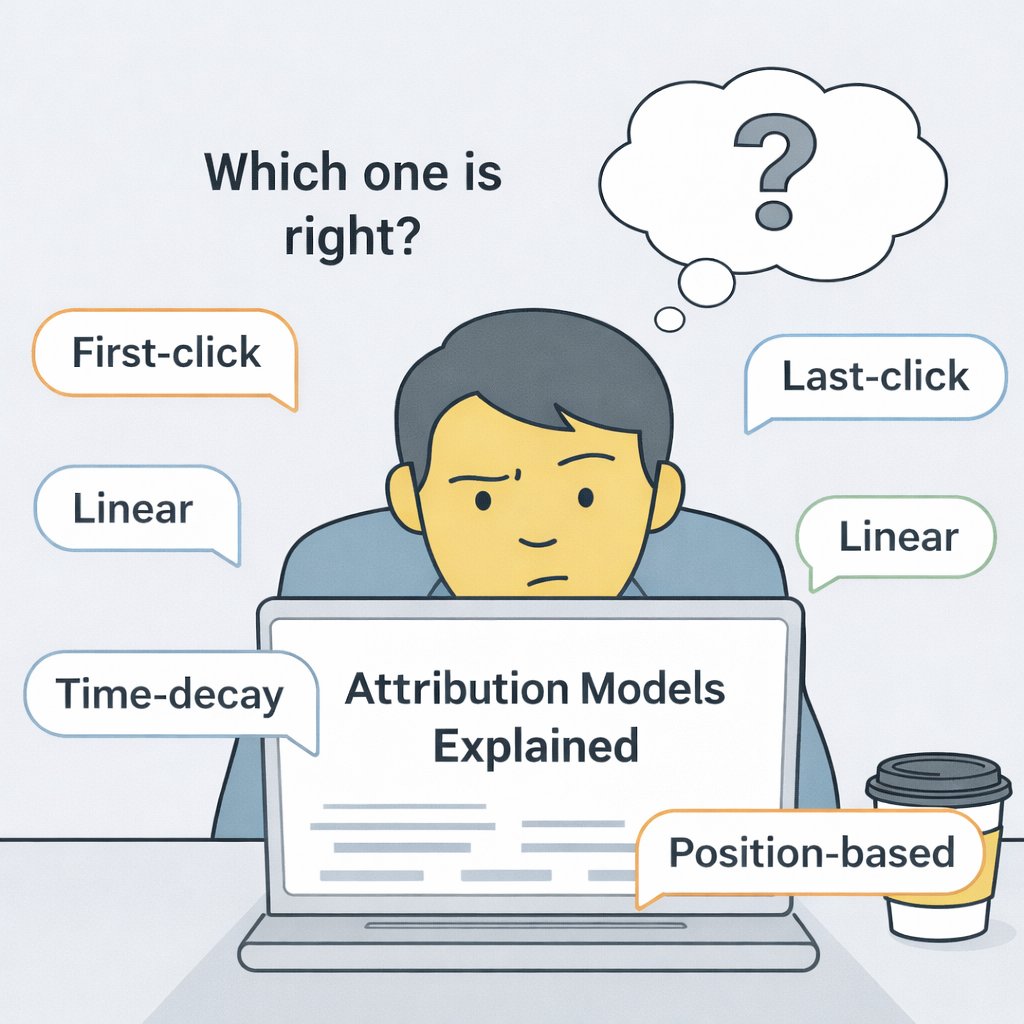
Most WordPress attribution debates start too late.
Before arguing whether first touch or last touch “deserves credit,” ask this:
Did your form capture both?
First touch = where the relationship started.
Last touch = what happened closest to conversion.
If your CRM only gets one, you are throwing away part of the story.
I broke down how this works in WordPress here:
haktansuren.com/first-touch-…
1
3
22
Jun 3
AI should free time, not quietly feed the same broken operating system.
The real win is not just faster drafts, summaries, or analysis. It is using that saved time to do the work only humans can do best: think, decide, create, lead, serve customers, and build relationships.
AI can save 20 minutes and your calendar can spend it in one invite.
That is the part productivity charts miss.
Faster draft.
Faster summary.
Faster analysis.
Same approval loop.
Same meeting stack.
Same Slack roulette.
Tool speed does not fix operating drag.
5