
Indian Neolithic, Bronze & Iron Ages, Mil-Aviation, Economics and Writing enthusiast
Joined August 2021
- Tweets 8,443
- Following 162
- Followers 4,901
- Likes 1,004
1,696 Photos and videos
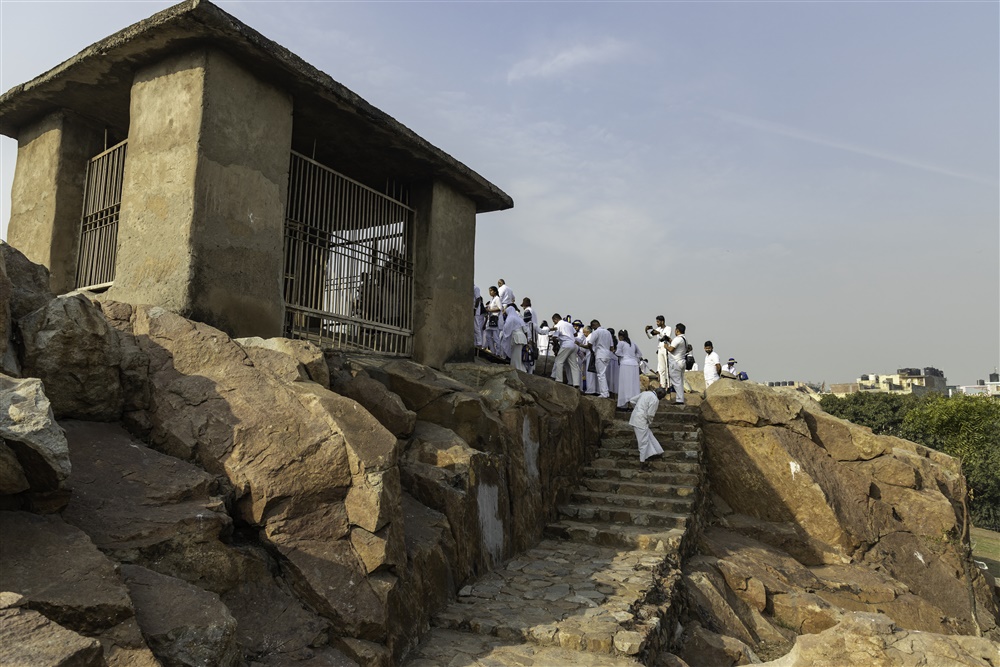

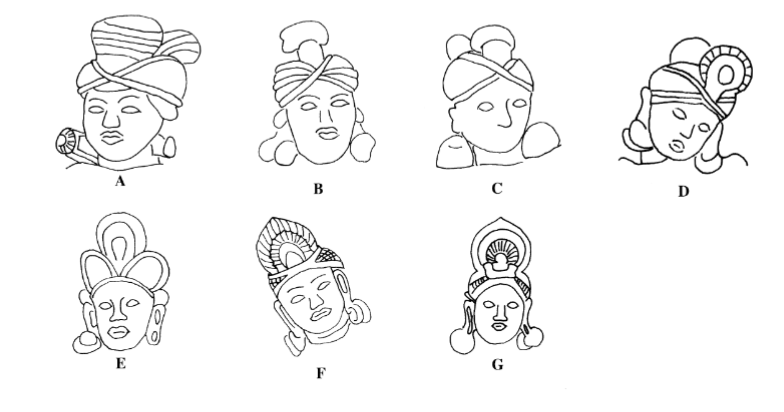

Śatapatha Brāhmaṇam - शतपथब्राह्मणम्
On reading the SB as a practical guide, one can sense a host of realistic details that could have an archaeological dimension. A long pursuit might lead us into a greater historical realm. For today we have, but, a small opening.
15
89
339
88,624
Ugra retweeted

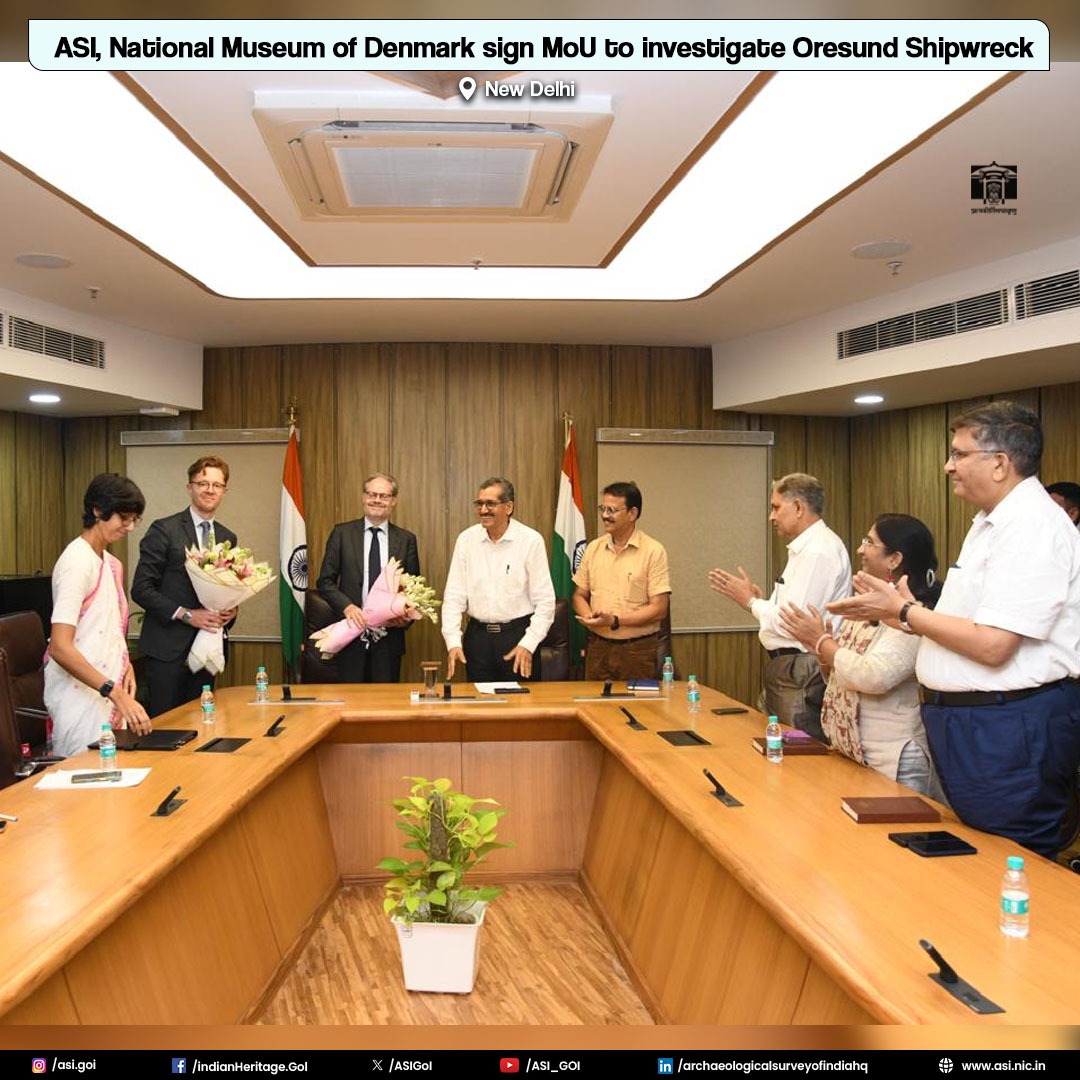
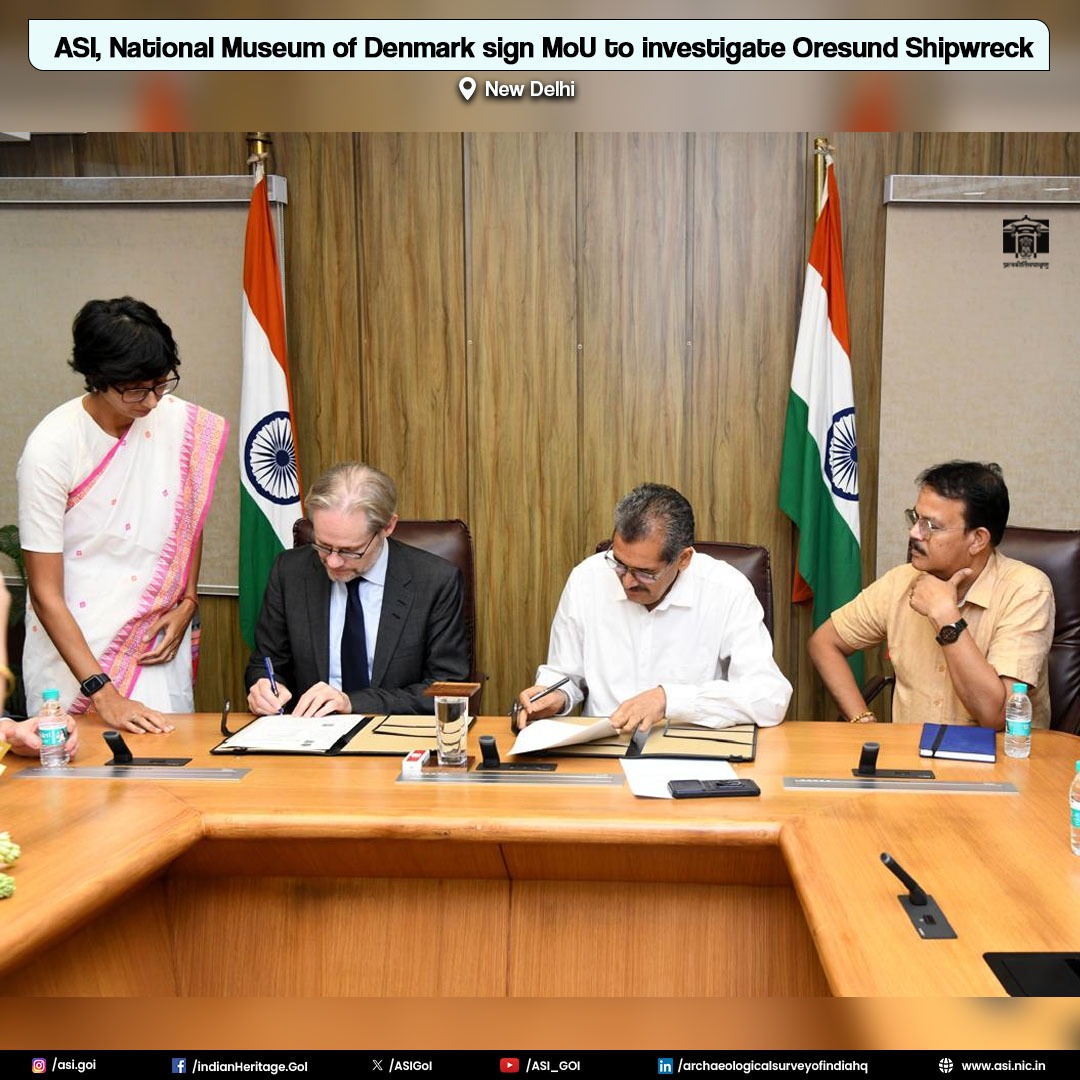
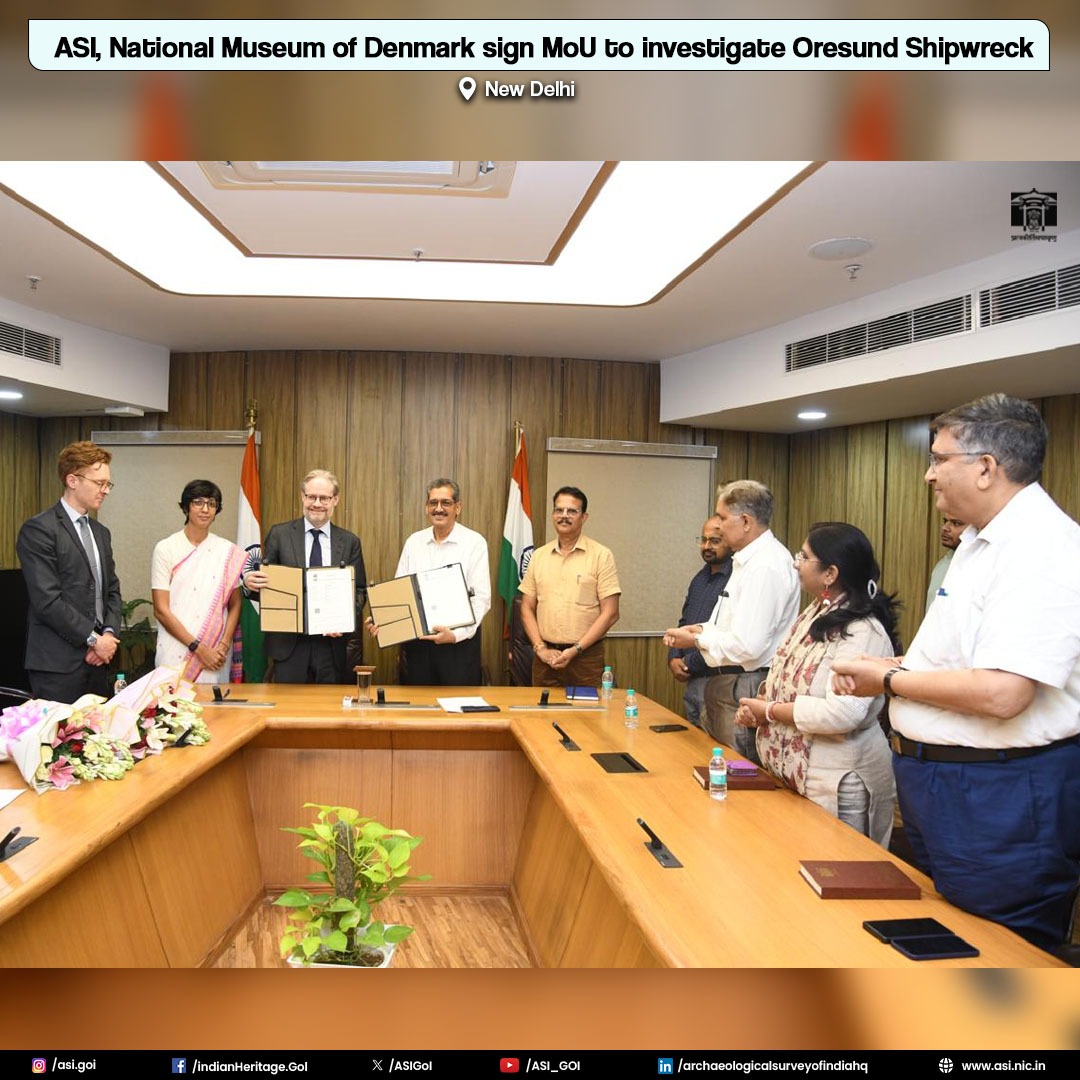
The Archaeological Survey of India's Underwater Archaeology Wing and the National Museum of Denmark: Njord - Center for Maritime and Underwater Cultural Heritage, Copenhagen, have signed an MoU to undertake a joint underwater archaeological investigation of the historic Danish ship Oresund, wrecked off the Karaikal coast in 1619 CE.
The project will employ advanced non-invasive scientific methods to locate and document the shipwreck, marking the first international collaborative project of ASI's Underwater Archaeology Wing and strengthening India-Denmark cooperation in the study and preservation of underwater cultural heritage.
2
9
48
1,859
There is this GIS modelling paper that I am reading, that tracks down the distribution of the Ashokan edicts to geologic substrate, population density in 200 AD and slope of the land. It predicts that there could be at least 121 more undiscovered edicts based on 1 km Google Earth pixels.
Photo: Kevin Standage
1
14
64
3,989
Workmanlike in its precision yet in possession of an unknowable spirit, this is a must-read for the archaeology reader and the Indologist.

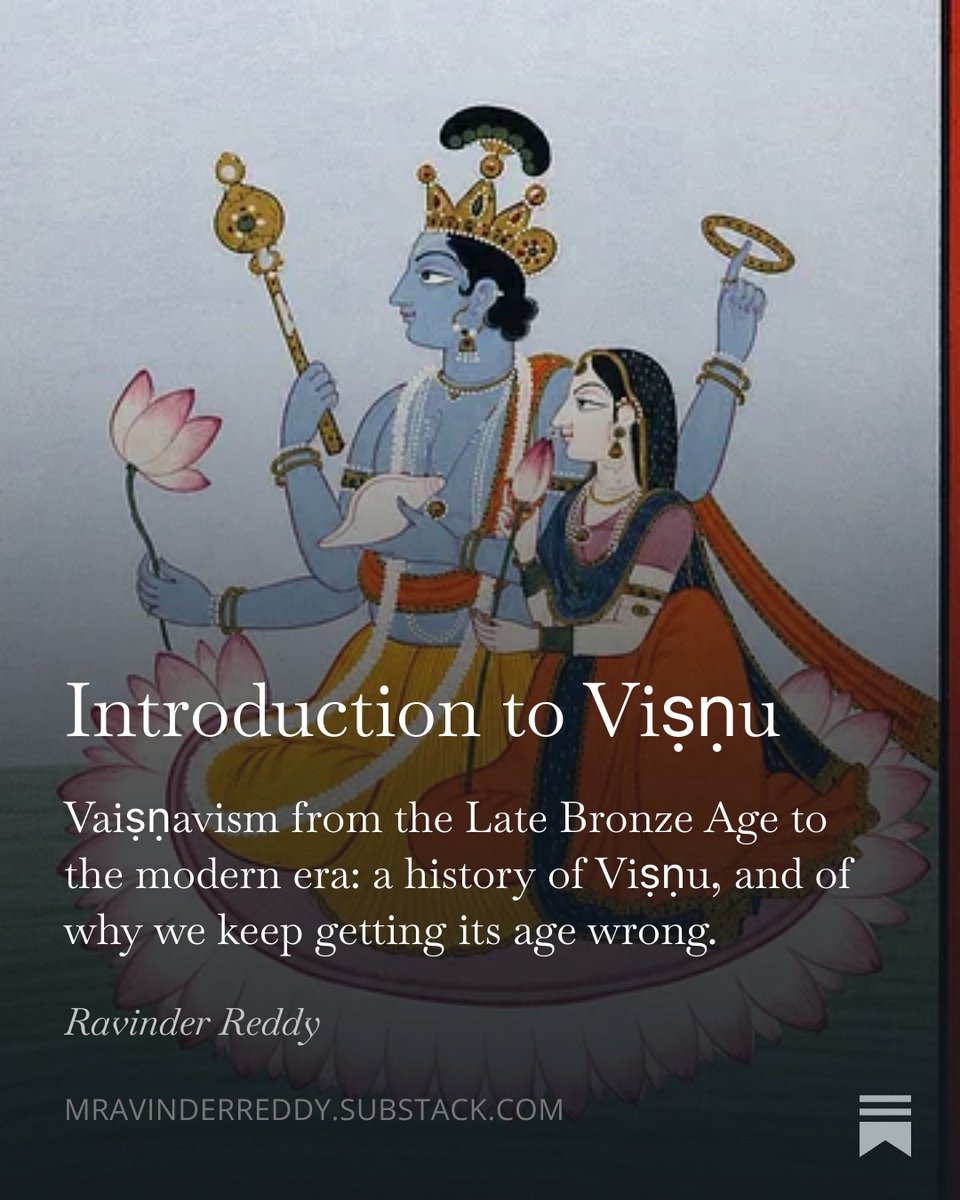
New on my Substack: Introduction to Viṣṇu.
A history of the god and the religion, late Bronze Age to today. Inside:
- The strider of the Ṛgveda, and what he really was
- Nārāyaṇa, the cosmic Person, and his strange roots
- The Greek who worshipped Kṛṣṇa in 113 BCE
- The Gītā, and the God who speaks in it
- The ten avatars, sorted by actual age
- A thousand years of bhakti, from the Tamil saints to Bengal
Subscribe: open.substack.com/pub/mravin…
1
13
182
21,548
Ugra retweeted

Jun 15
How genetically different were people living 1,000 km apart?
Today: not very.
9,000 years ago: about as different as modern Europeans and East Asians.
Using ancient DNA, I found that the same distance corresponded to much greater genetic differentiation in the deep past.
The world used to be a much bigger place.
davidepiffer.com/p/the-world…
5
22
96
4,113
Ugra retweeted

Jun 14
open.substack.com/pub/sarvam…
An updated version of my old note on the Vedic and Harappan reverence of divine Aśvattha tree can be read here. I highlight how Aśvattha or pipal tree was significant in the Harappan iconography and also its significance in Vedic tradition and rituals.
1
5
25
763
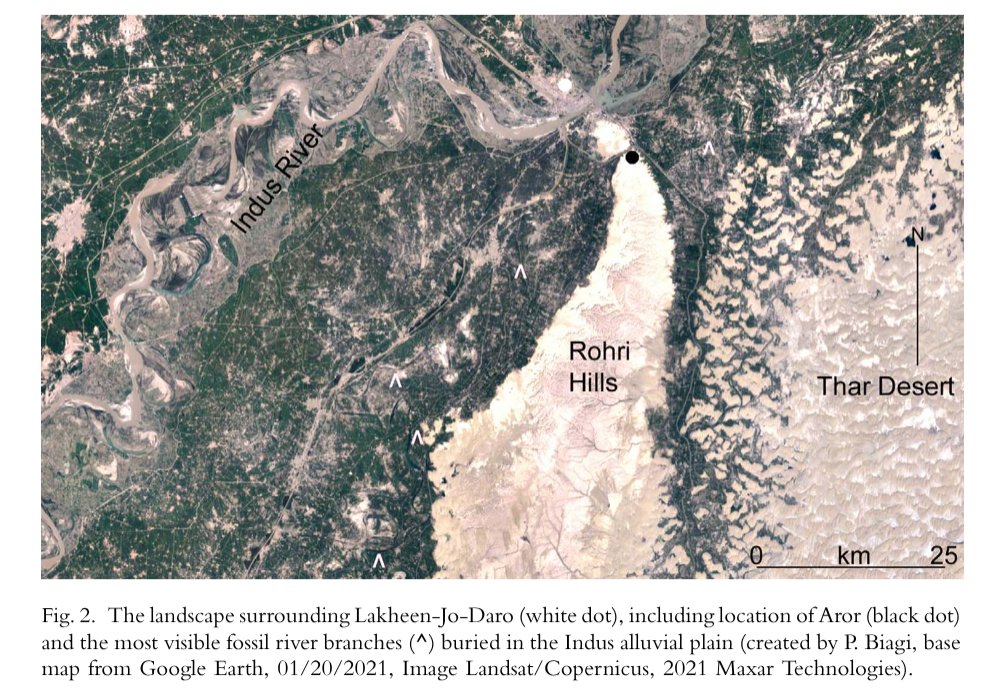
One of the newest mid-sized cities (Lakheen-Jo-Daro, approx 100 acres) of the Indus Valley Civilization, seen here as a white dot in a 2021 Maxar image. Taken from the paper of Paolo Biagi and Massimo Vidale. Equally important (for a specific reason) is the black dot/the town of Aror on the other bank of the Indus.
4
35
1,430
Ugra retweeted

Jun 12
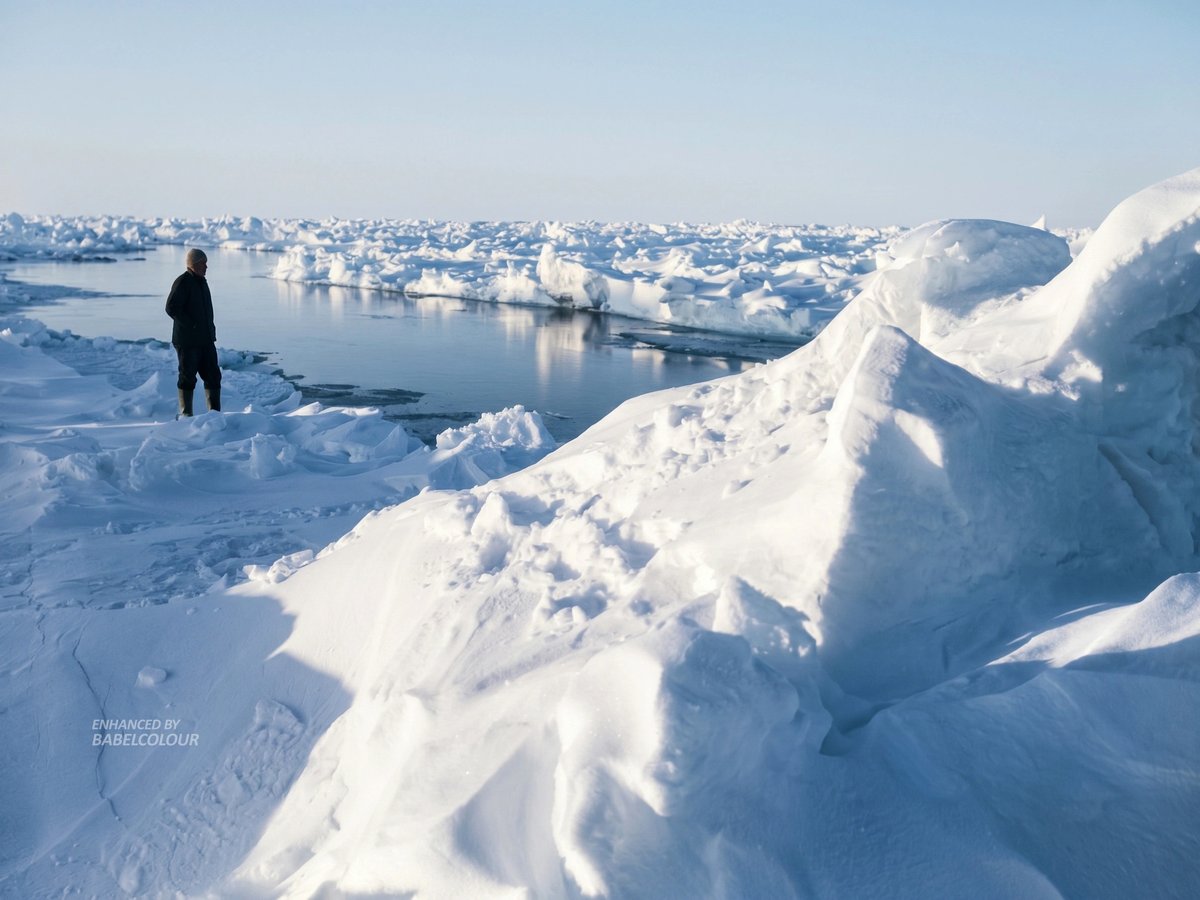
This is the Antarctic explorer Sir Ernest Shackleton (1874-1922), watching the ice break up in the winter of 1915, just weeks before his exploration vessel The Endurance was crushed by the ice pack and sank below the Weddell Sea. I have cleaned-up and enhanced this old paget plate, which was taken in colour by the ship's photographer Frank Hurley 111 years ago. It's an early colour glass-plate process and not colourised.
28
266
1,560
42,146
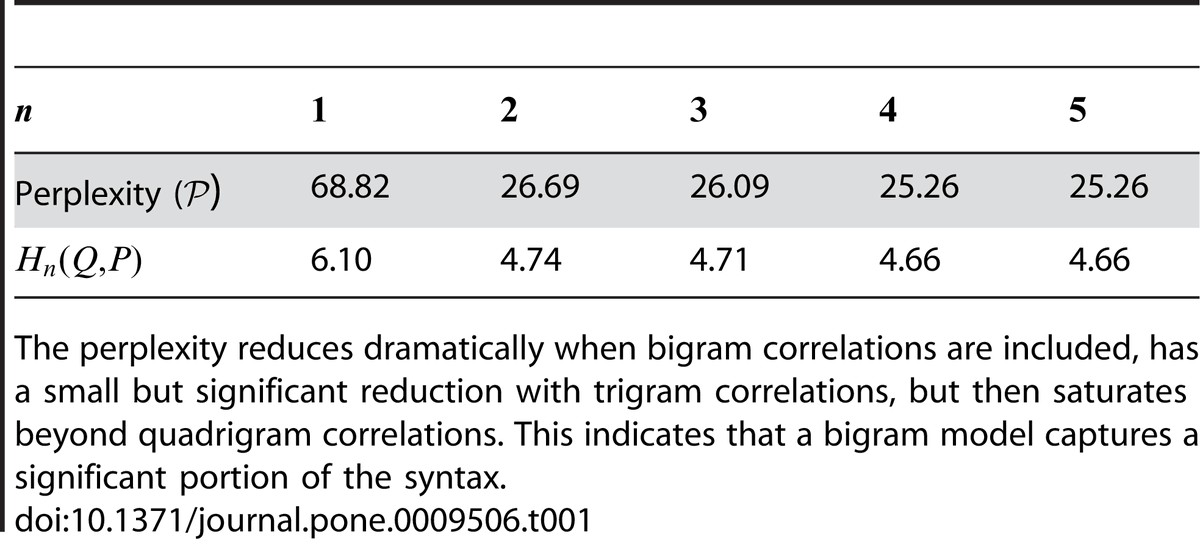
The design of this paper's methodology was cutting-edge in 2010 because nobody had thought of the perplexity aspect. It might be trivial by the capabilities of today's models, but it was really fresh sixteen years ago. They sidestepped the question of language and instead looked to its metastructure.


2
8
822
Bigrams or two phrase combos, likely to be external sandhis.
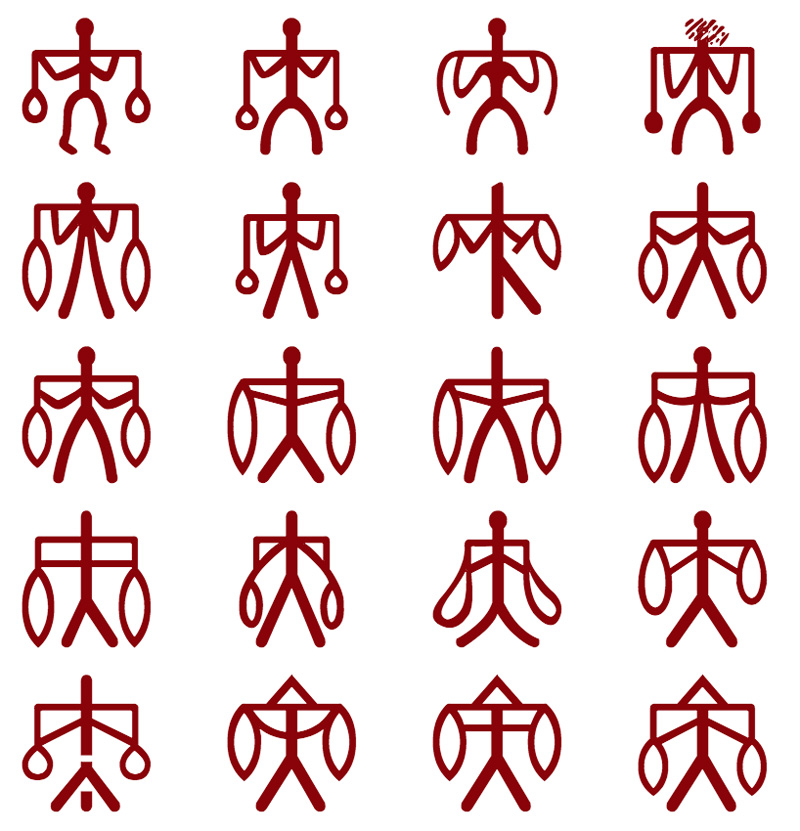
Overall the n-gram results are consistent with the theory that underlying messages are transcriptive or determinative in nature - semagrams, ideograms- as the highest probability lies at the bigrams.
2
5
2,022
The most erudite published computational attempt to find patterns in the IVC script corpus. This paper from 16 years ago has not been overtaken (yet). Multiple efforts from other directions find continued support for its central finding. It was an IM and TIFR combo.
@teasri
An early LLM attempt on the IVC script
In 2010, a team of TIFR researchers and Iravatham Mahadevan subjected the Indus Valley corpus to an n-gram analysis - and calculated the perplexity scores for the first time. This is a fundamental metric of natural language processing.
4
3
21
2,036
Ugra retweeted

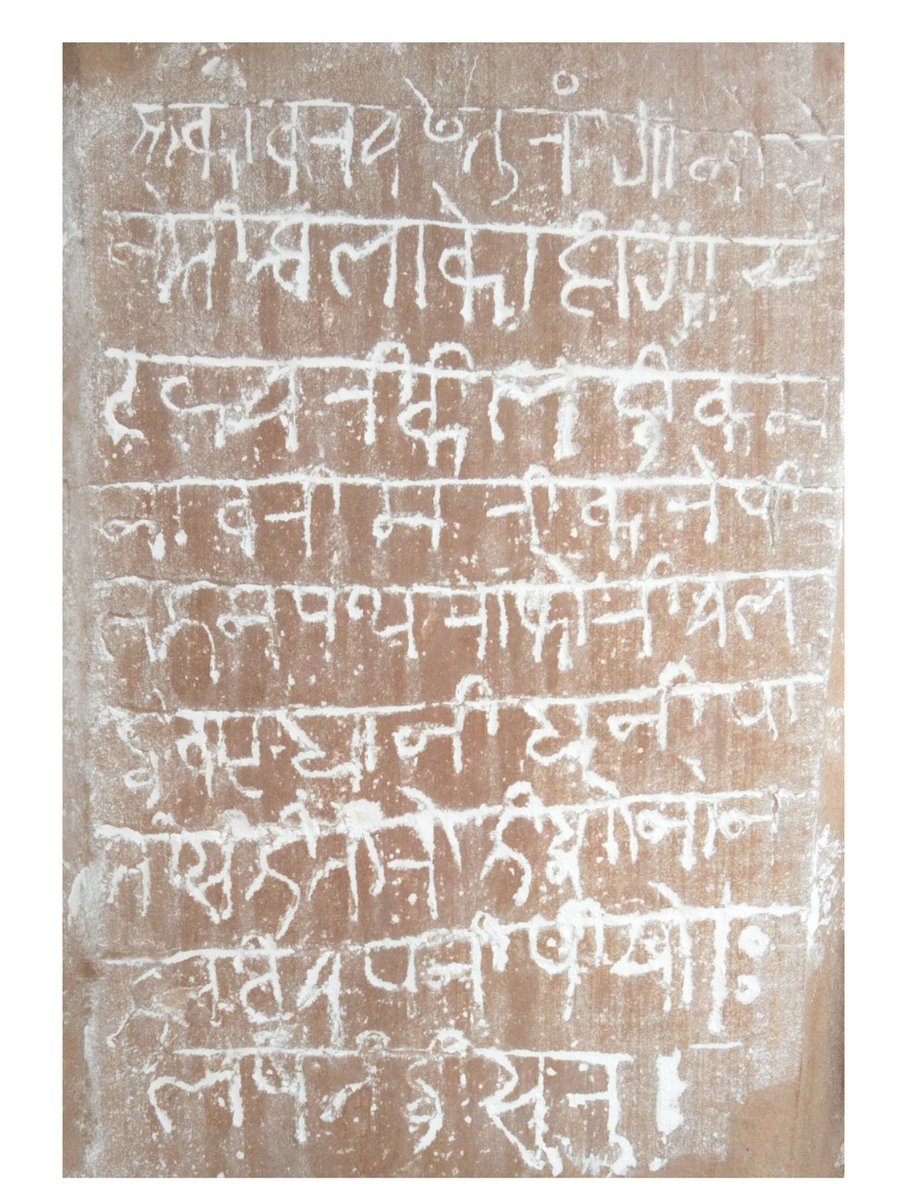
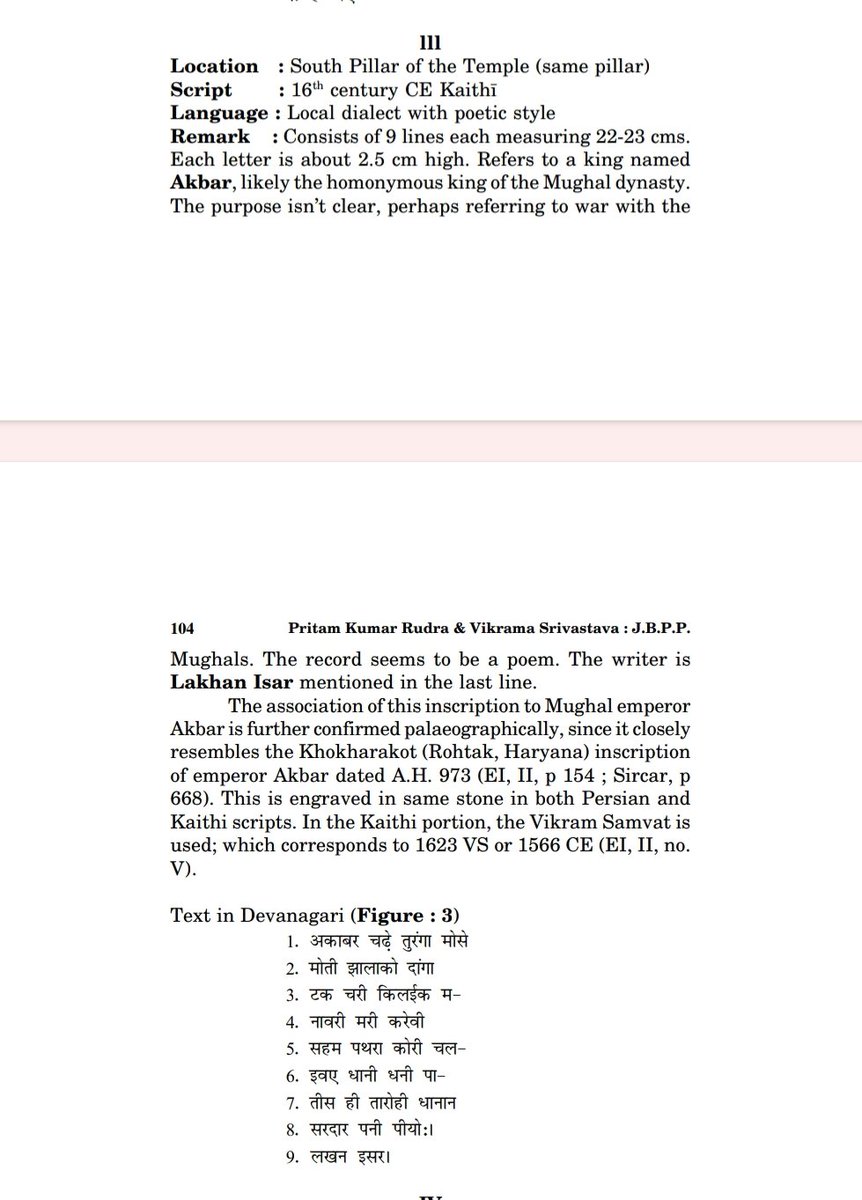
Our paper titled "Revisiting Barha Kotra (Chitrakoot) : Epigraphic Descoveries and Their Historical Implications" was published in
The Journal of Bihar Puravid Parishad Vols. XXXI-XXXII. I discovered the inscription last year and it was deciphered by @pritam_kum97203 . The most important inscription in this paper belongs to the reign of Akbar, circa 16th century CE, in Bundeli language and Kaithi script. The photograph of the inscription and the edited texted is attached herein.
3
26
123
5,117
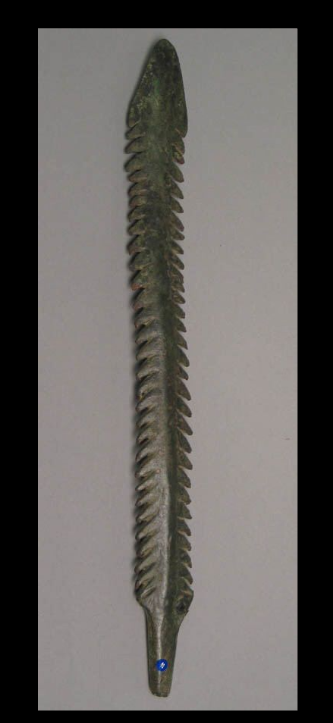
A rare serrated harpoon of the long-form variety (India, OCP Culture - 1800 BCE). From the Samuel Eilenberg Collection.
It is highly likely that form factors like these, which imitate a spinal curvature, gave rise to stories about weapons manufactured from bones. The serration concentrates pressure allowing the weapon to cut through biomass.
1
15
73
3,682
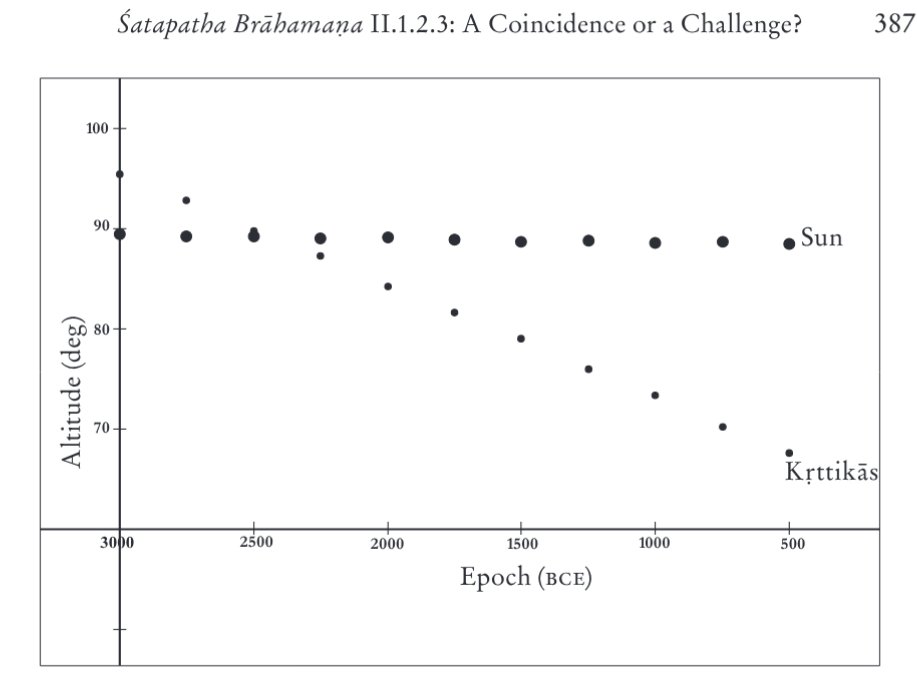
The 2017 paper of Prabhakar Gondhalekar is a recommended read. He analyses the century-old astrophysical debate around the Śatapatha Brāhmaṇa (II.1.2.3 & 4) and confirms that -
An early morning jogger in Delhi around the period 3000-2250 BCE would see the Pleiades star (Kṛttikās) cluster rise exactly in the East just before sunrise when the constellation Ursa Major rises in the North.
5
12
78
2,470
For approximately 750 years in the Bronze Age, the arrival of Pleiades star (Kṛttikās) cluster in the eastern night sky heralded the arrival of the Sun within an hour. After 2250 BCE, they sank below the horizon and have never again appeared to human eyes just before sunrise.
5
19
597
The 100 CE Koine Greek text, Periplus of the Erythraean Sea, has remarks about three closely located places on the western coast of India - Supala, Calliena and Semylla. Today we know them as Nalasopara, Kalyan and Chaul. The first two are in the Mumbai Metropolitan region.
3
13
531
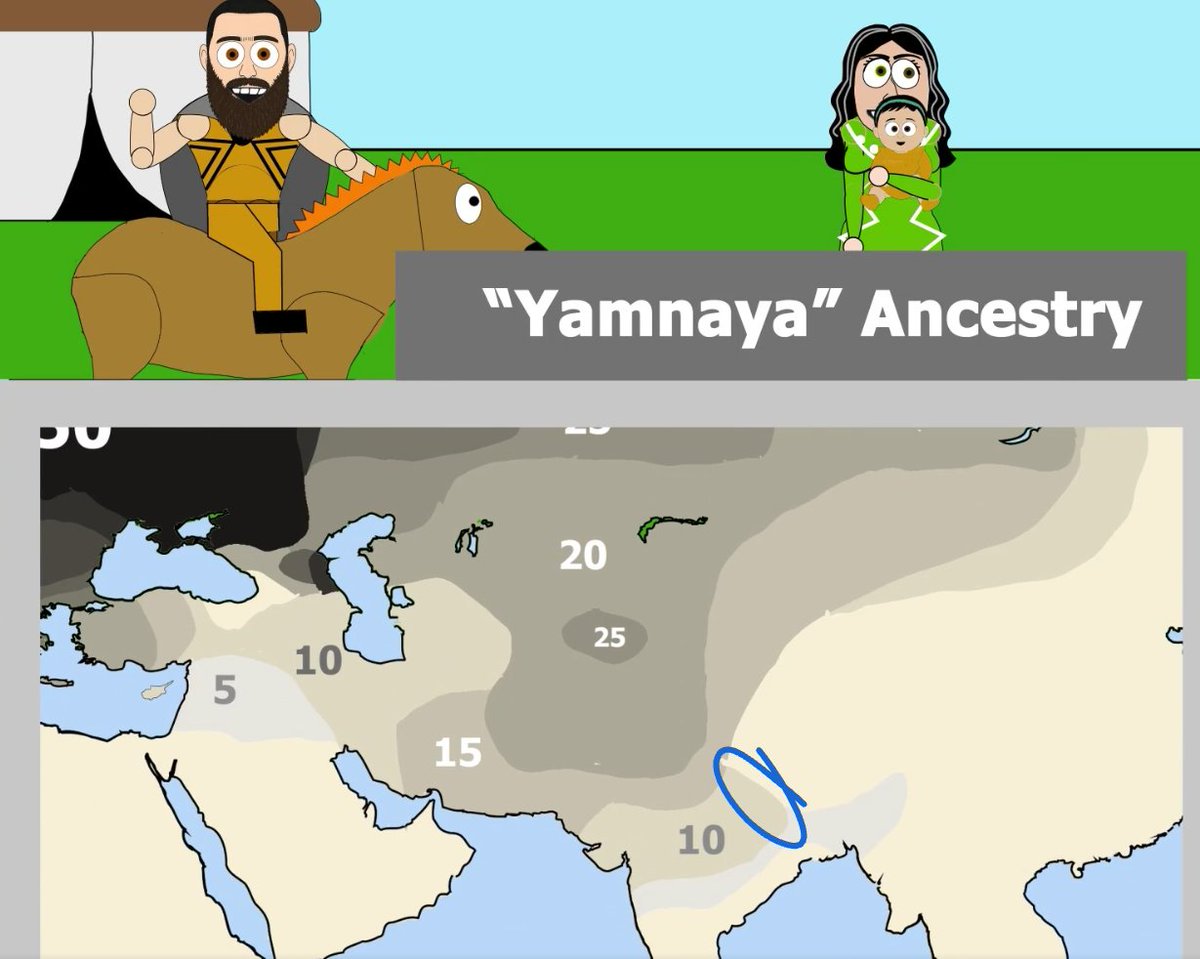
Using the @SamAndrews1017 infographic, I have circled the Indian peak in blue of R-M780/RF2597/R-Y3 (different labels) using Underhill's data (and also other authors). This clade was formed in 2500 BCE and is the primary branch on which a majority of modern Indians are present.
3
3
21
1,706