
We produce high-quality, multimedia reports for PBS @NewsHour and commercial news outlets and engage students in reflection on the world's under-reported news.
Joined September 2009
- Tweets 1,054
- Following 255
- Followers 1,181
- Likes 198
552 Photos and videos
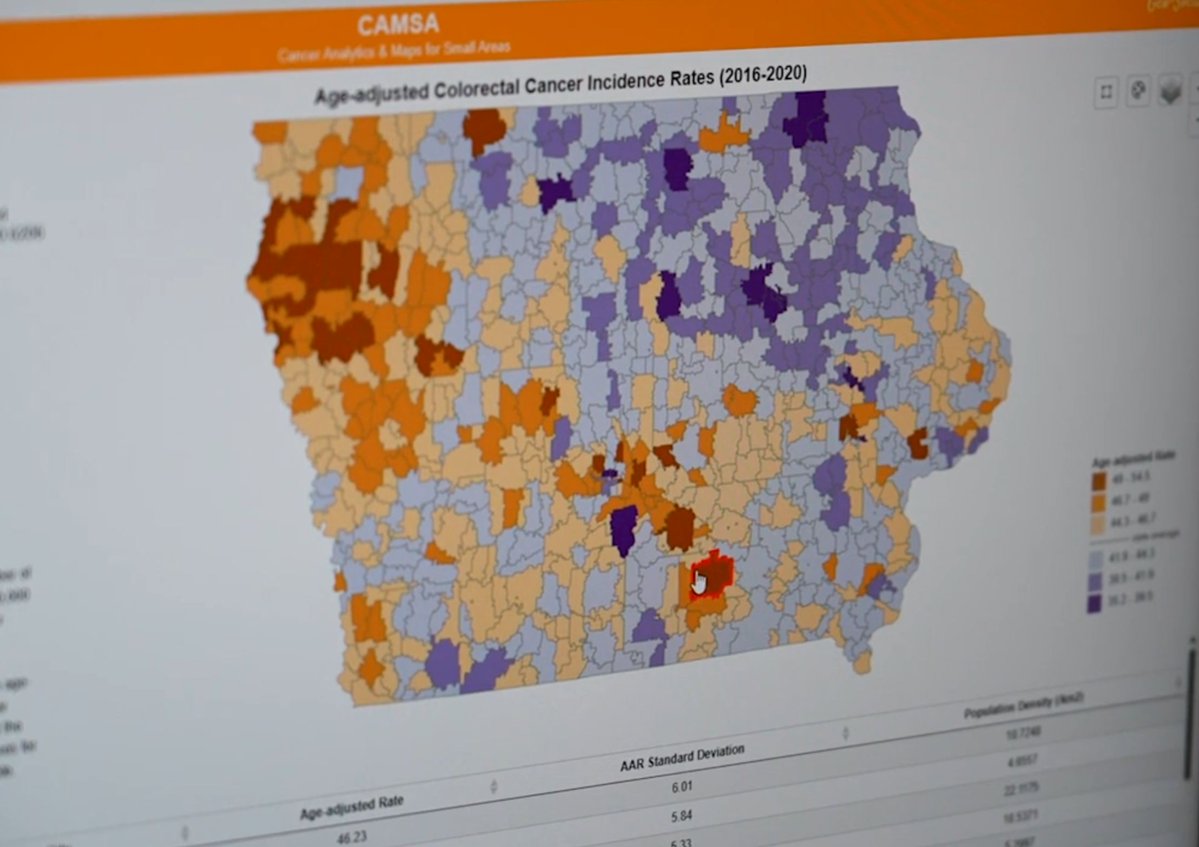
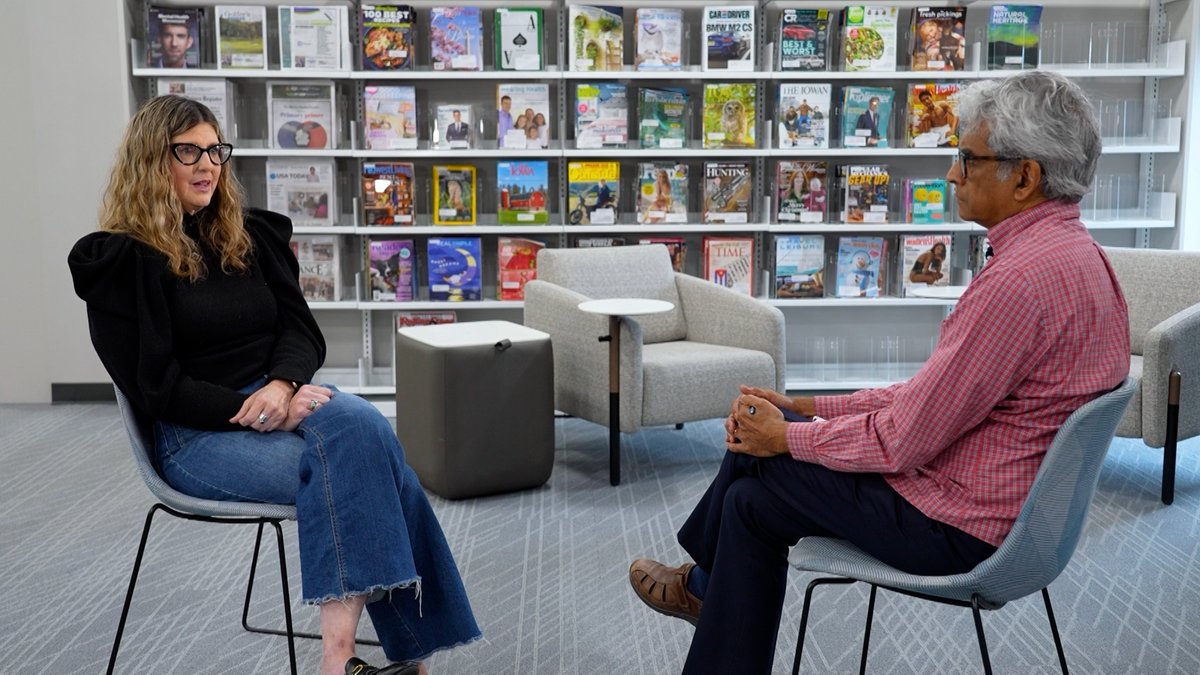
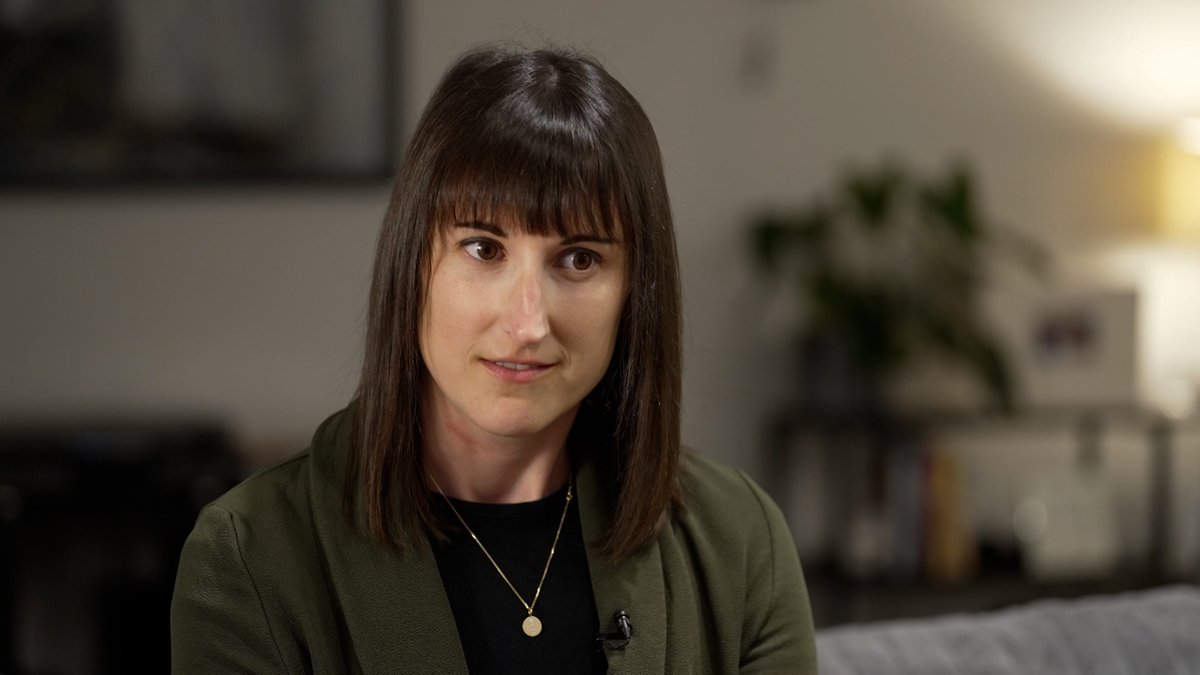

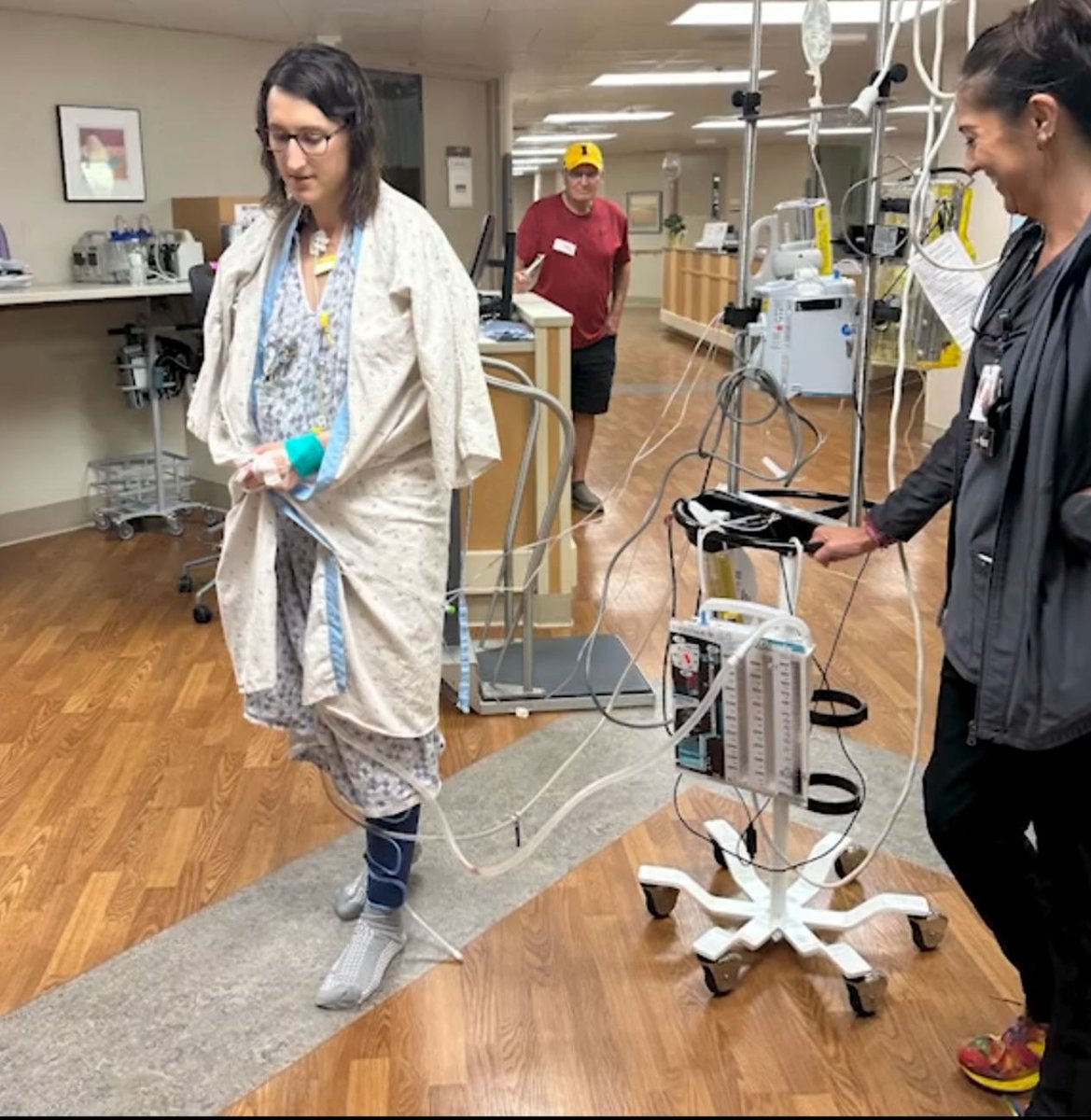
For Des Moines resident Becca Mataloni, it started with a crackling noise every time she inhaled.
"It's really devastating to get a cancer diagnosis in your 30s," Mataloni told us. "One of the first questions I asked was, am I still going to be able to do the things I love?"
1
20
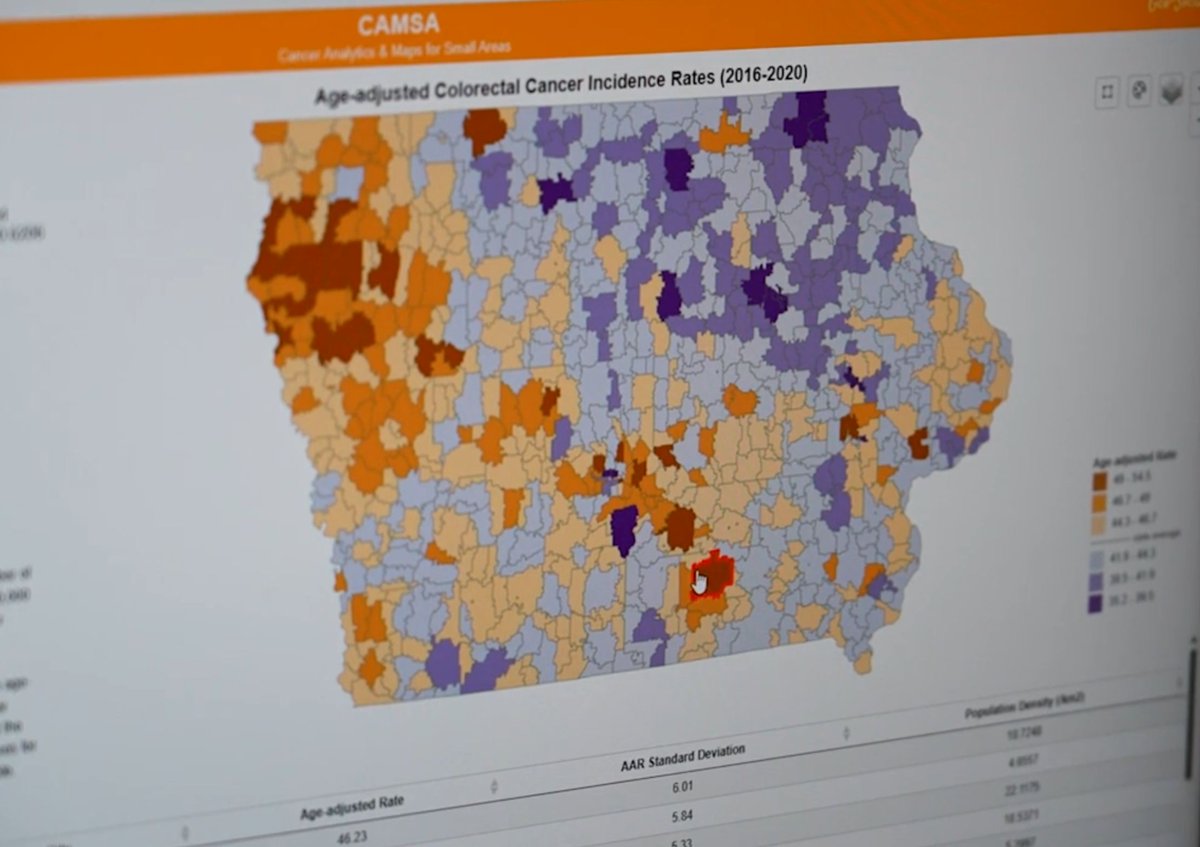
Their stories reflect a troubling trend. For the third year in a row, Iowa has the second-highest cancer incidence rate in the country. Its cancer rate for young people is also among the nation's highest.
1
14
As those numbers have persisted, so have the questions: Why are Iowa's cancer rates rising? And what, if anything, are state officials doing about it?
Watch our latest @newshourfred @UnderTold report on @NewsHour here: youtube.com/watch?v=HtND1E71…
22

Jun 16
Cancer is declining across the US, but Iowa is an unlikely outlier. It's second only to Kentucky for the highest rates and is affecting younger people.
Our report on tonight’s @NewsHour looks at the vexing search for answers, complicated by politics, economics and science itself
17
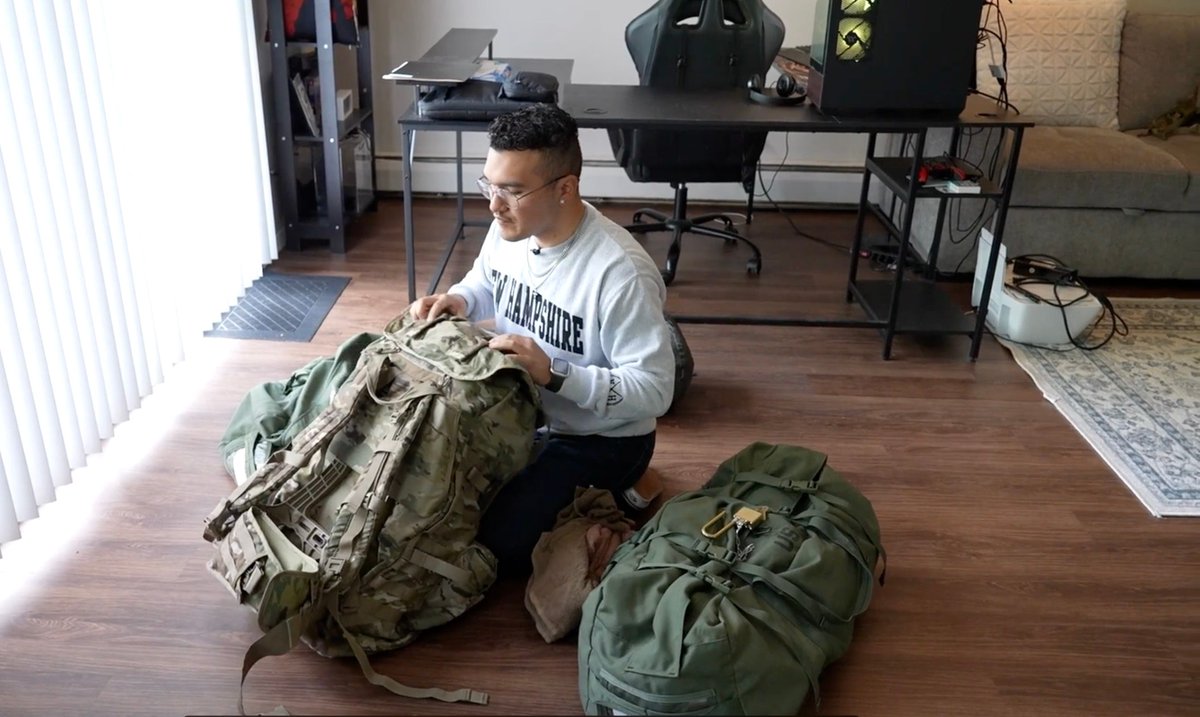
For students like Miguel Perez Espinoza, the Trump administration’s mass deportation campaign upended the college experience.
“I love my family to death and how they sacrificed everything to be here, to give me an education. And I will sacrifice what I can for them.”
1
173
Another student, Eva Skipwith, shared how the stress during Operation Metro Surge affected her education and sense of security.
“You hear the whistles, and my thought is, like, oh, my God, all this work that I have put in, if I’m taken, that’s gone. What am I left with?”
1
21
Hear from these voices and others in our latest @NewsHour report: Trump’s mass deportation campaign takes a toll on college students
youtube.com/watch?v=PAg-mvS6…
24
May 14
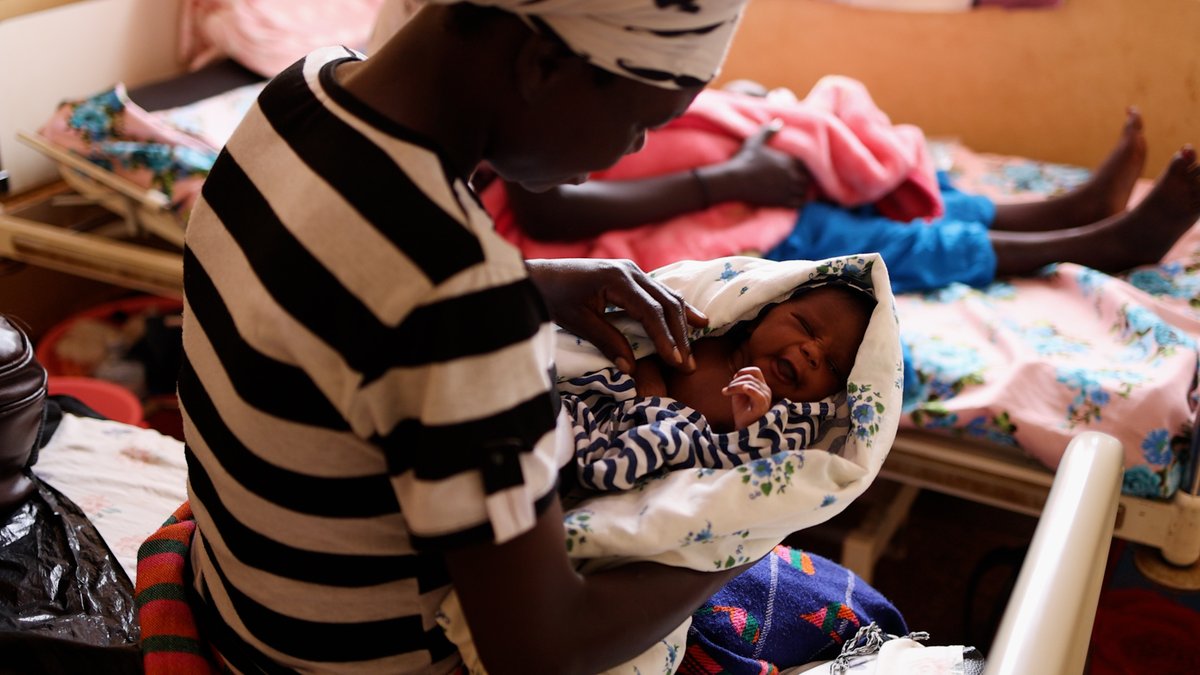
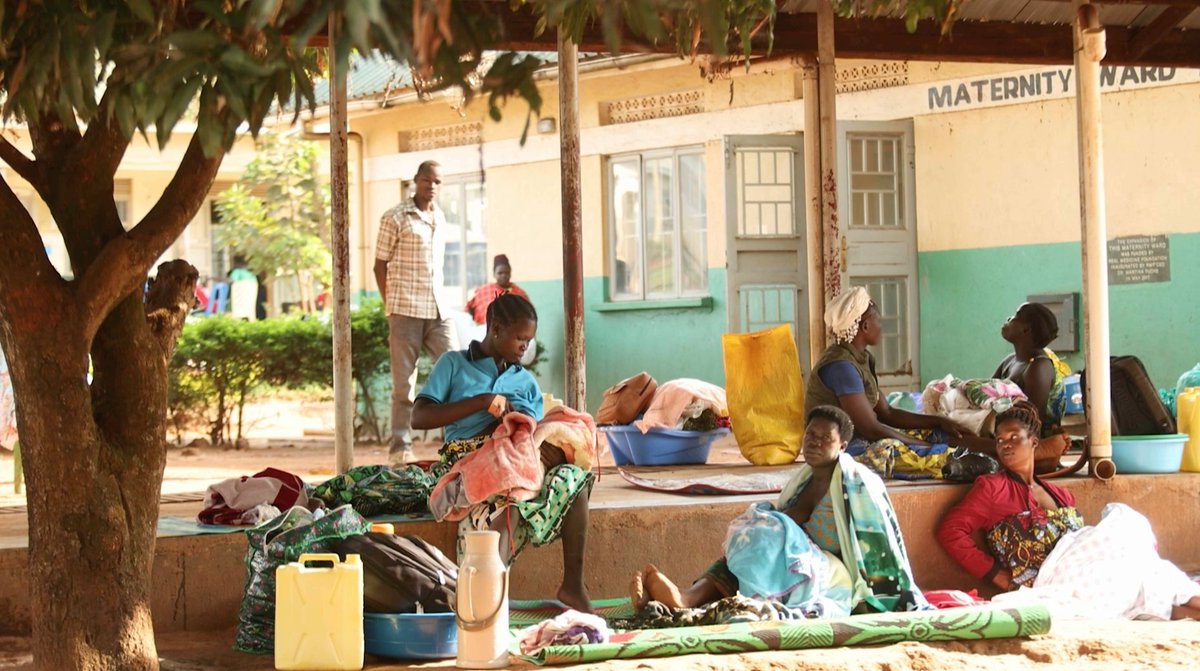
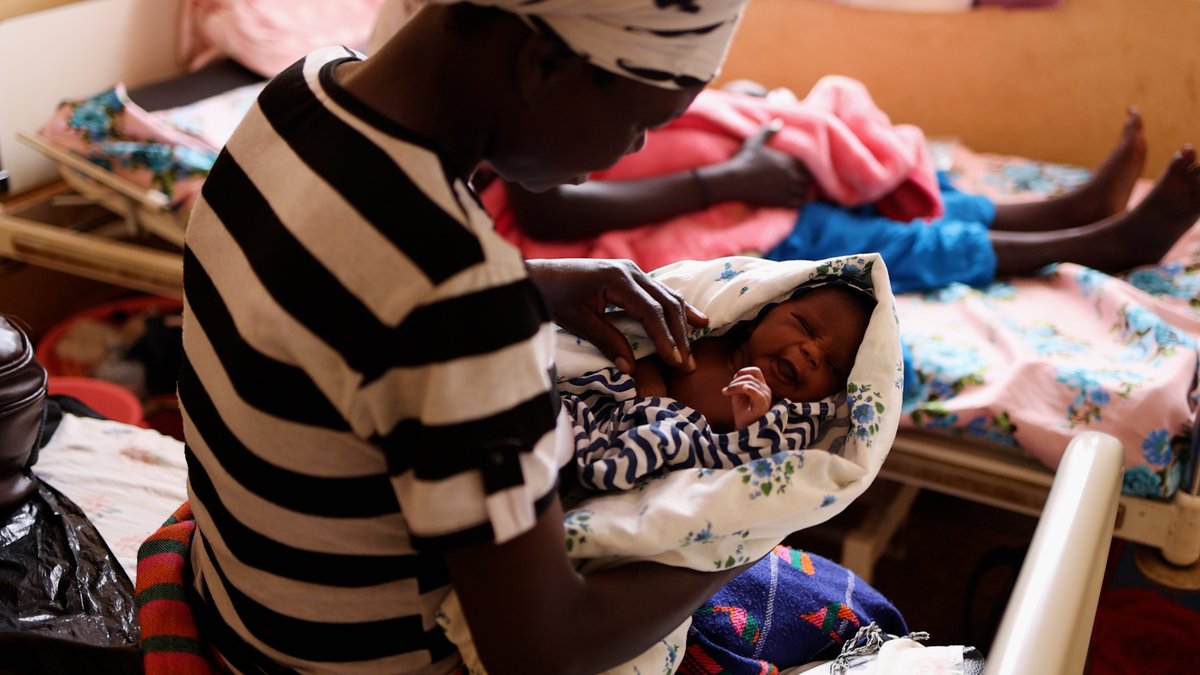
At the Panyadoli Health Center’s maternity ward, beds are scarce. Mothers who deliver via c-section are prioritized; others recover on the floor.
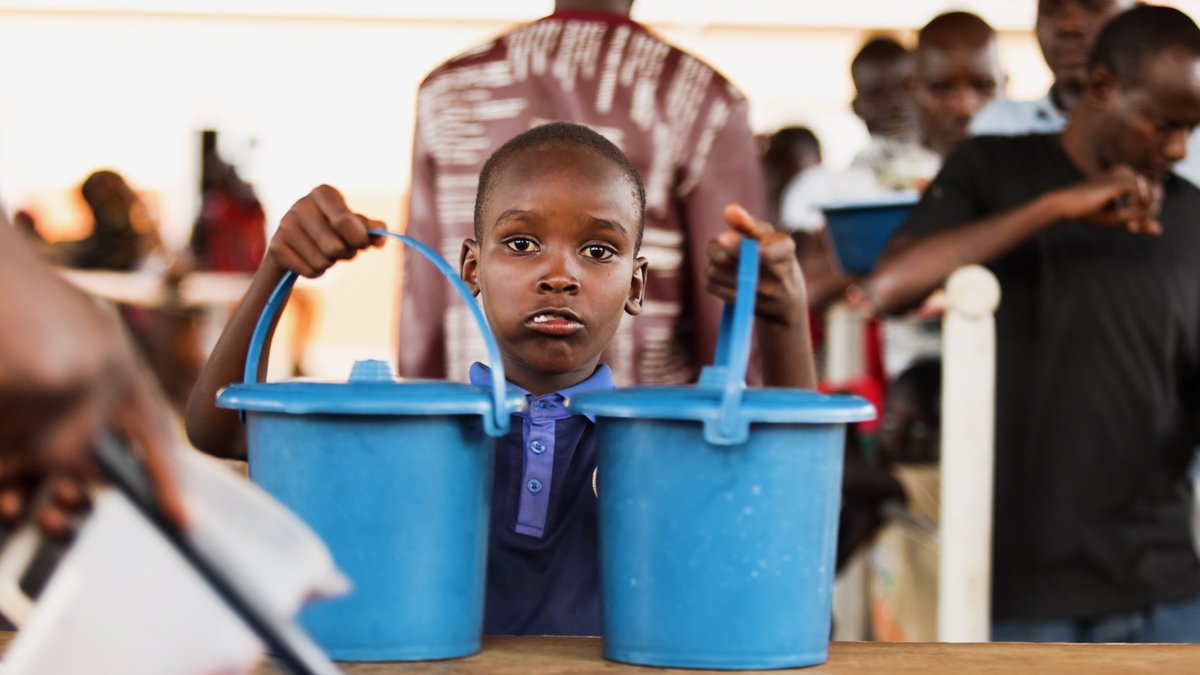
With drastic cuts in global refugee assistance even as numbers soar, children are missing school and food rations have been slashed.
1
1
27
May 14
Nowhere are the consequences clearer than at the health center — but it’s also where we saw resilience. Dr. Alex Tezita, one of only two doctors, has improvised a neonatal ward using a daisy chain of light bulbs to treat jaundice, and remains on call around the clock.
1
1
53
May 14
Watch our full @NewsHour report from Uganda on the effort to keep the door open for refugees as regional conflicts intensify and international funding drops: youtube.com/watch?v=pRSzYO5l…

1
39
May 13
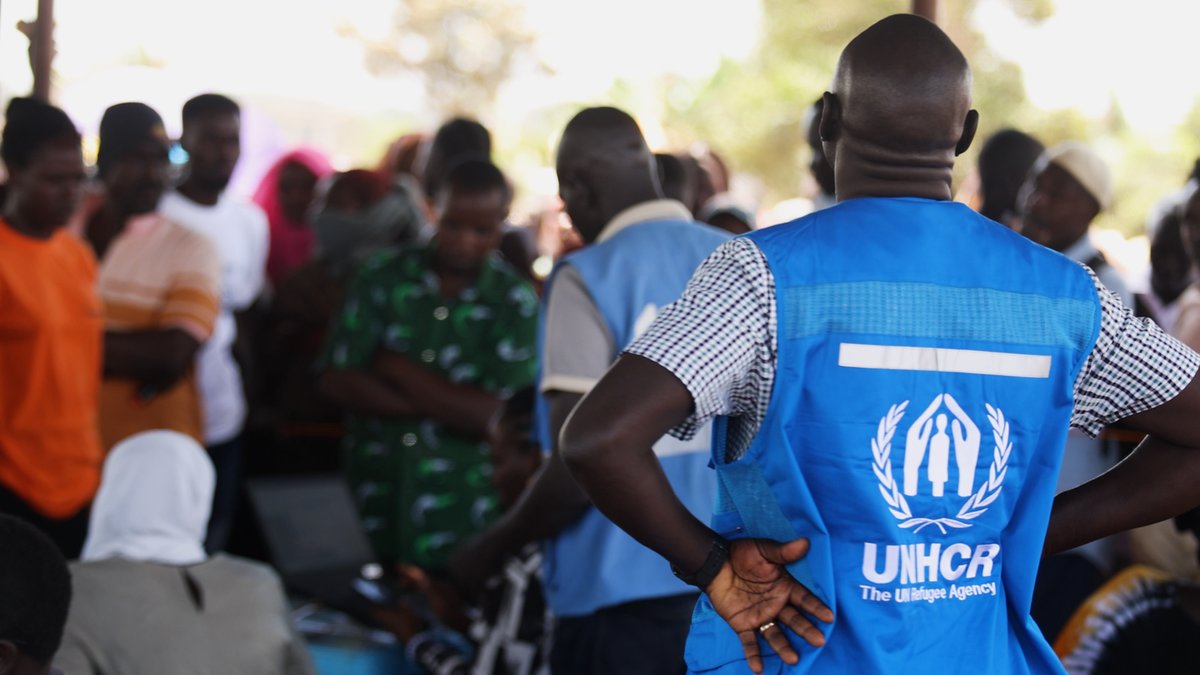
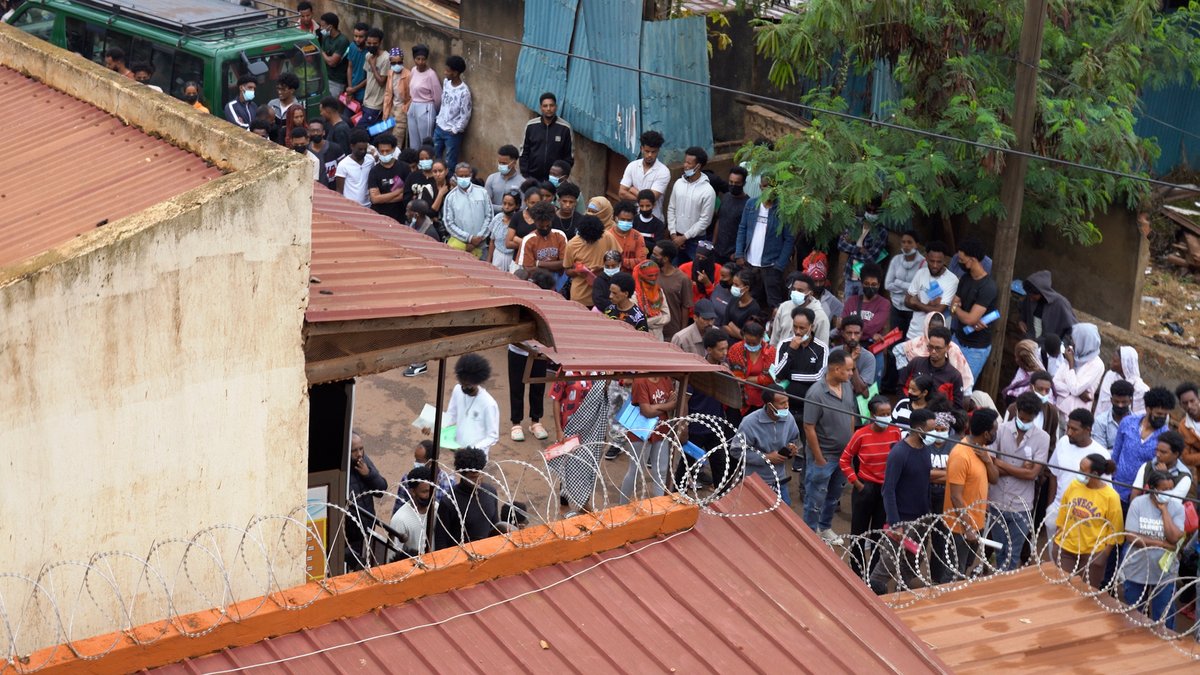
On @NewsHour tonight: Tens of thousands of Sudanese refugees fleeing war are arriving in Uganda, joining already crowded settlements as international humanitarian funding declines.
1
1
60
May 13
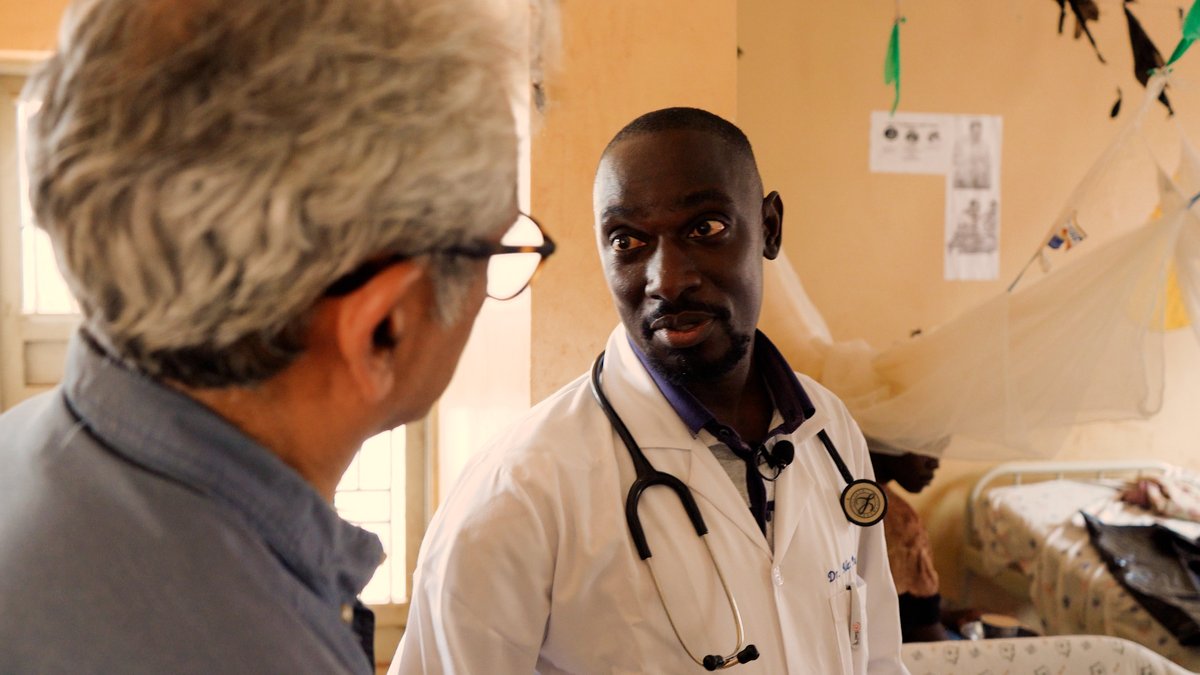
At the Kiryandongo Refugee Settlement’s health center, an understaffed team delivers about 100 babies a week with only 45 beds. That's where we met, Dr. Alex Tezita, one of just two doctors serving around 300,000 people with limited resources.
1
1
26
May 13
Watch @NewsHour tonight, for this @newshourfred @LancasterSimeon report from inside the Kiyrandongo Refugee Settlement where food aid is in short supply, and strained staff are working to do more with less.
1
33
Whether reporting on breaking news or the slow-moving crises of humanity, the challenge is the same: how to spark curiosity in an age of scarce attention.
@newshourfred spoke at Carleton College’s Convocation on how we make the foreign less foreign: youtube.com/watch?v=07YE9jLc…
17
Apr 24
The new "America first" model for global health assistance is bringing the promise of innovation and a push toward self-sufficiency. It expects governments to shoulder more of their own health care costs, but doesn't cover many programs shut down in the USAID closure.
1
1
1
34
Apr 23
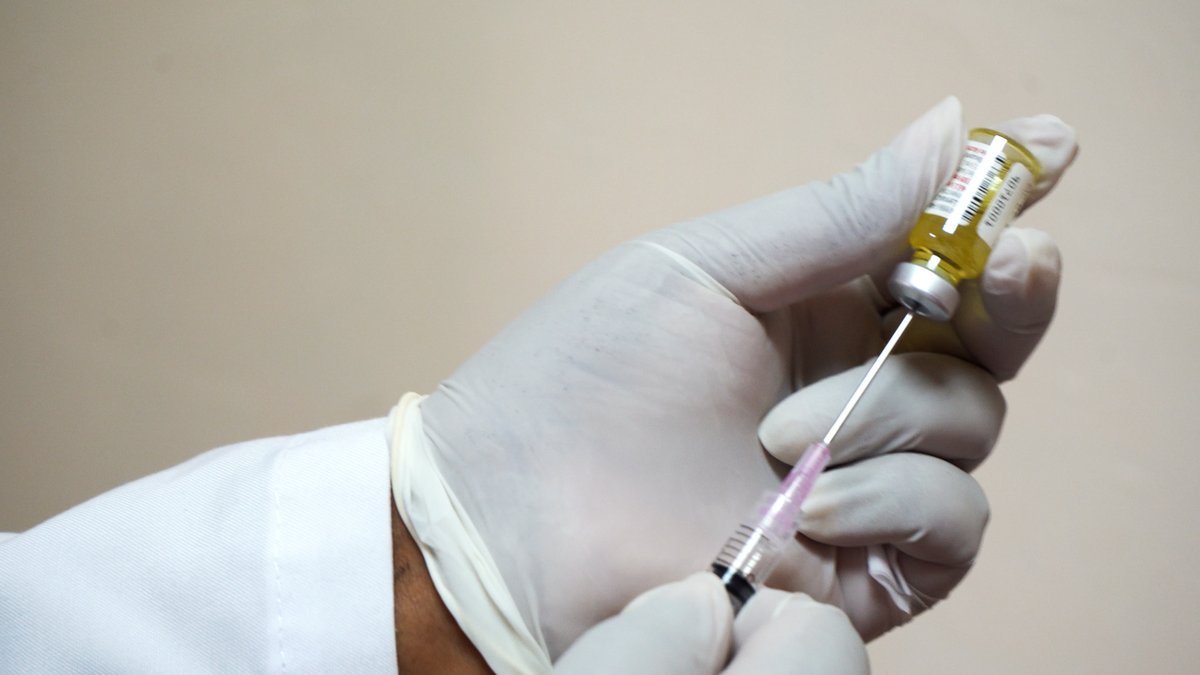
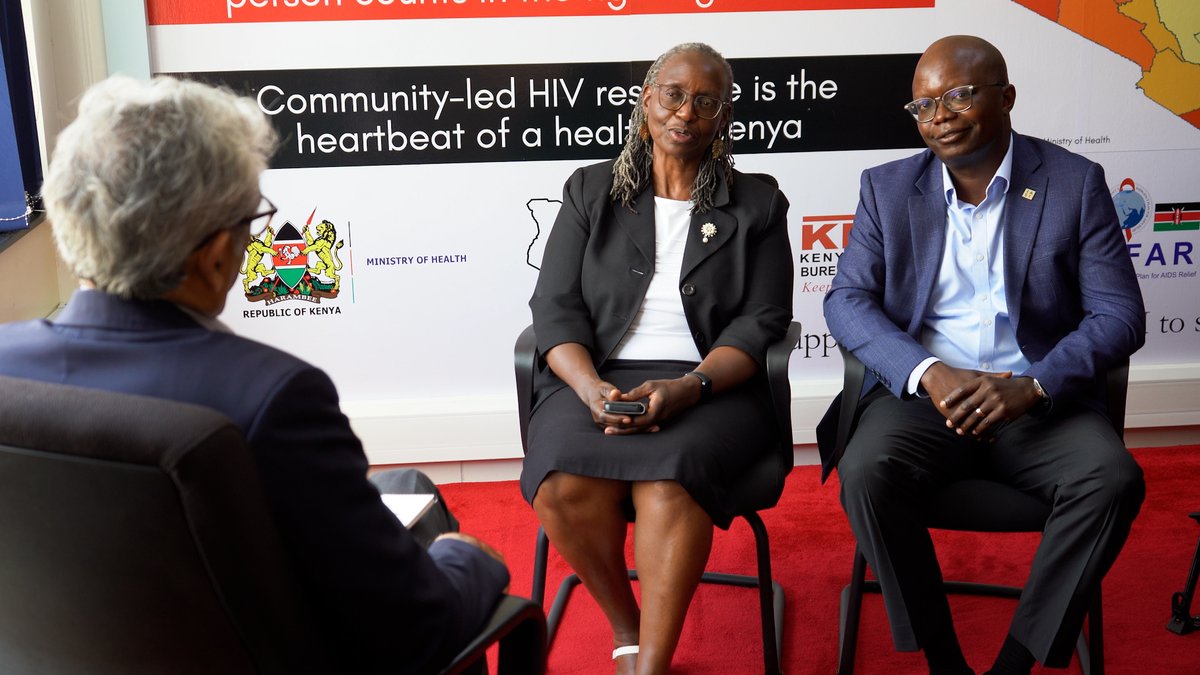
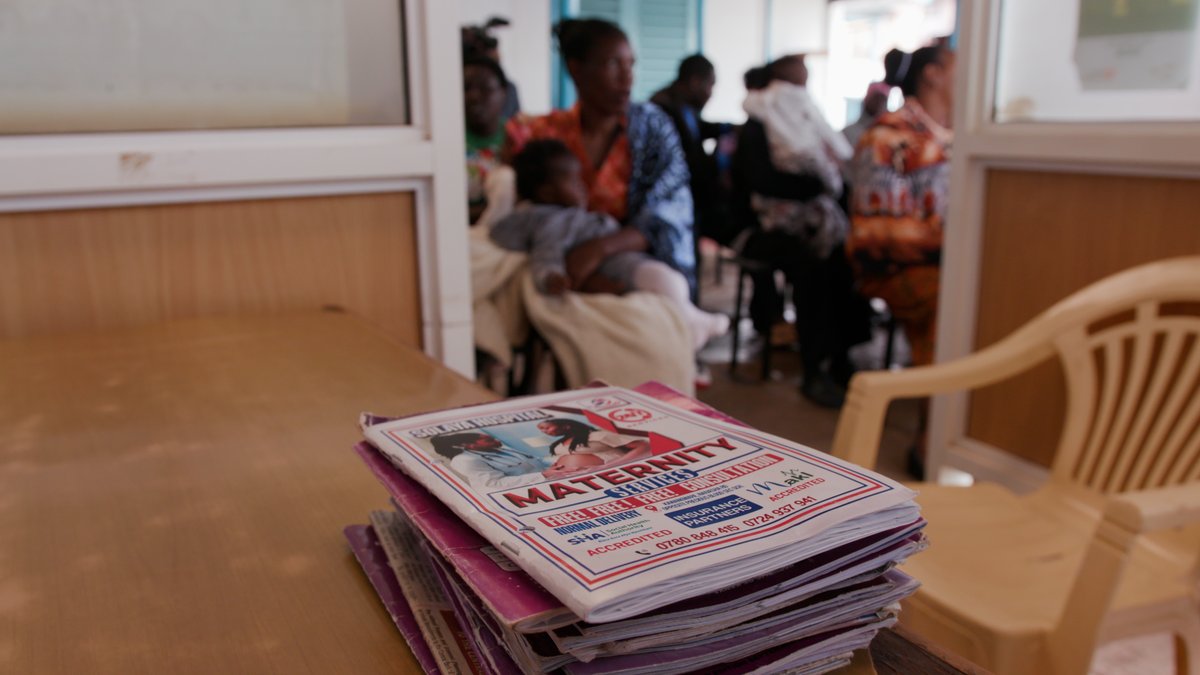
Lenacapavir is being called a game changer: a drug nearly 100% effective at preventing HIV. And it’s central to the new “America First” global health approach. Watch our report from Kenya and Uganda on @NewsHour tonight to learn more.

1
2
32
Apr 23
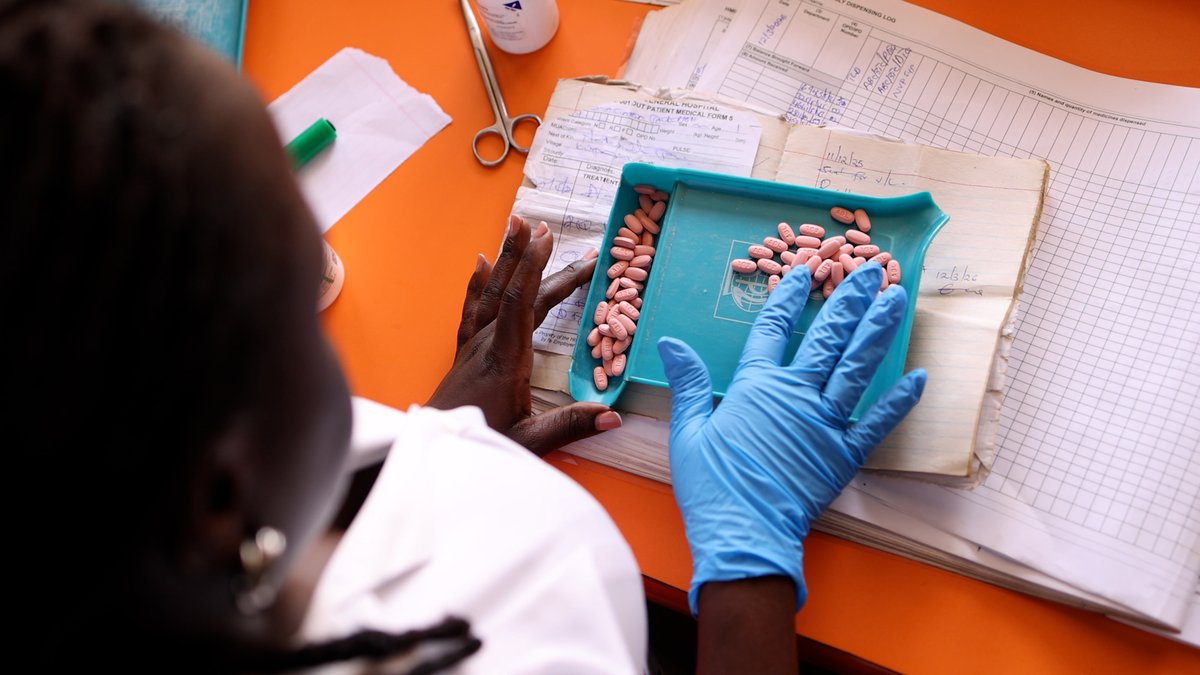
The U.S. government has restored some life-saving HIV drugs, but many of the programs to get those drugs to the most vulnerable patients are gone. Visit undertoldstories.org to watch our latest @NewsHour report on the long-term impacts of the USAID shutdown.
1
2
29
Apr 22
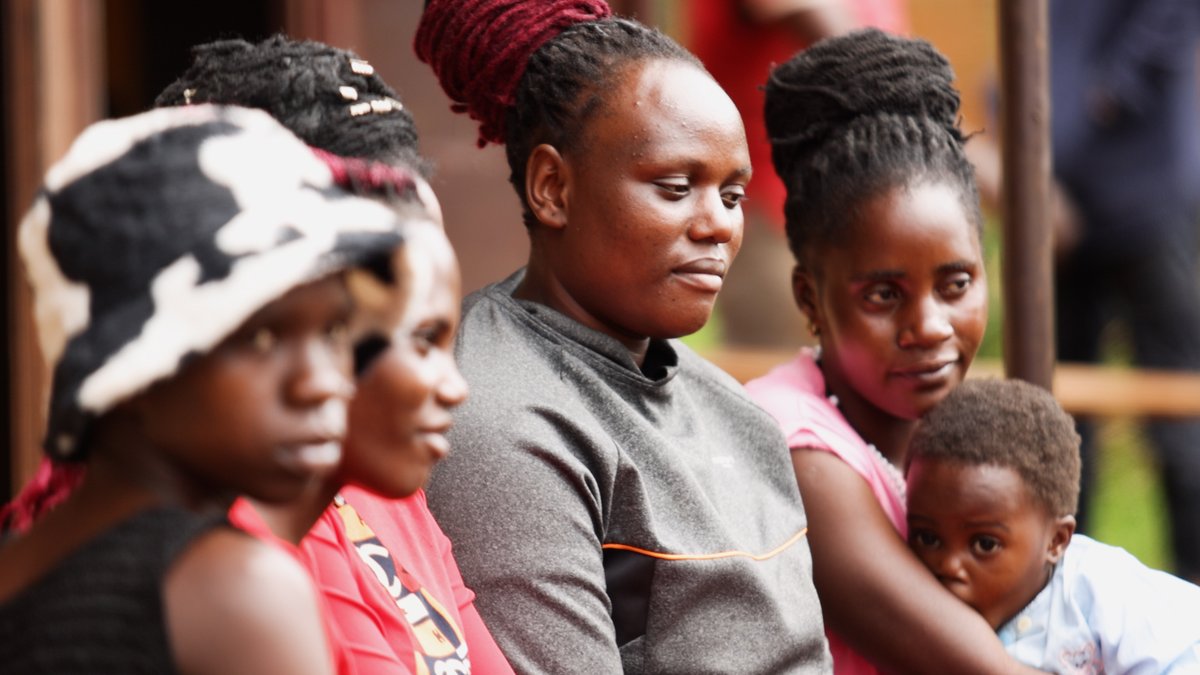
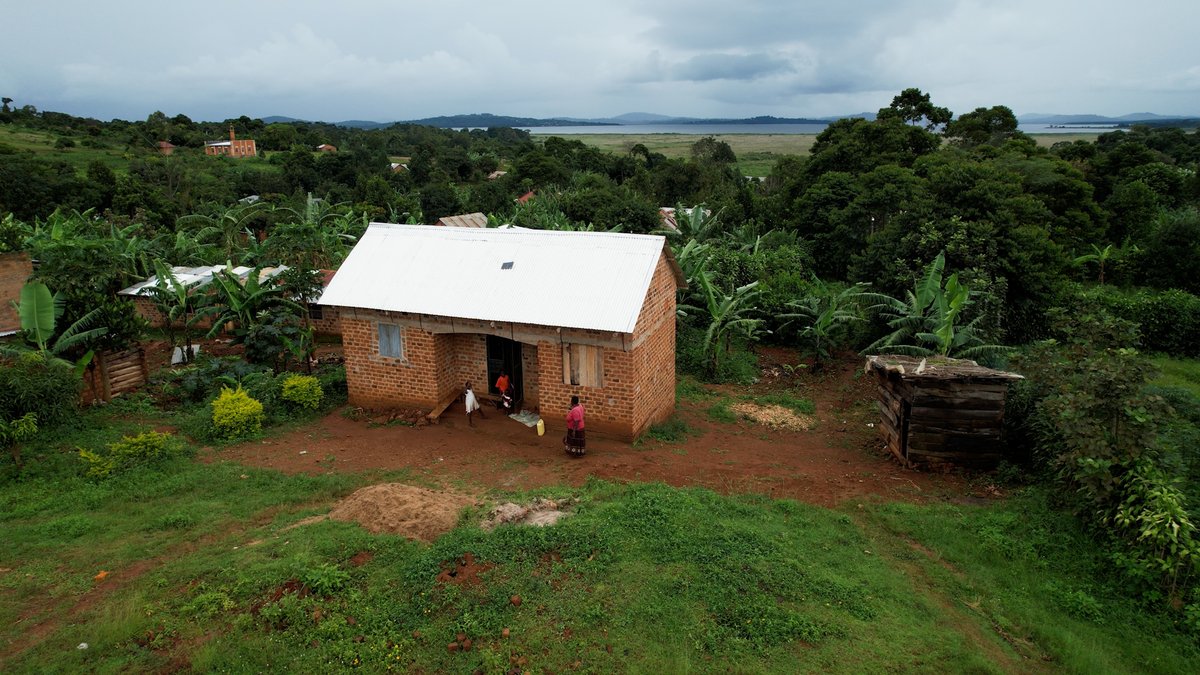
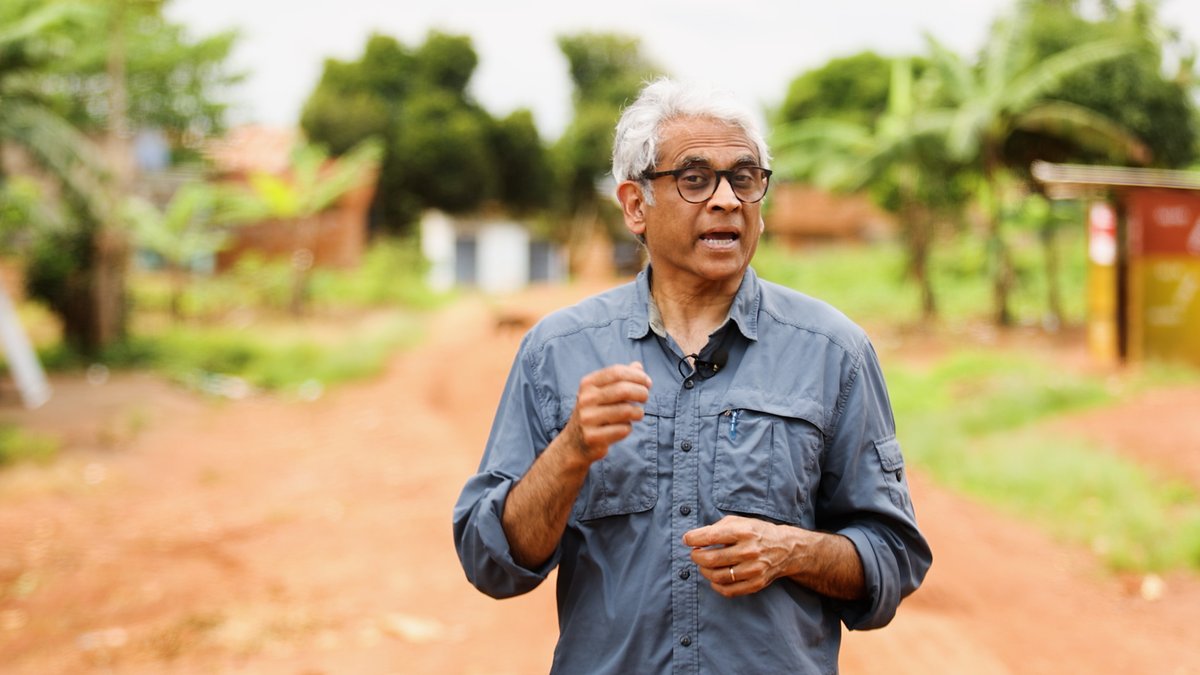
On @NewsHour tonight: More than a year after the USAID shut down, the longterm consequences are coming into focus. For Dr. Otim Pius, that means fewer staff and more — and sicker — patients at his HIV clinic in Uganda. But it’s the patients he doesn’t see who worry him most.
1
1
67
Apr 22
The U.S. has restored most life saving drugs, but the programs that once served the most vulnerable patients, often in rural and impoverished communities, have not returned.
Watch @NewsHour tonight for our report from Uganda on what doctors fear could be a resurgence of HIV/AIDS
25