
Conversations on global response, emergency systems, challenges, and solutions
Joined July 2022
- Tweets 449
- Following 27
- Followers 3,211
- Likes 667
117 Photos and videos
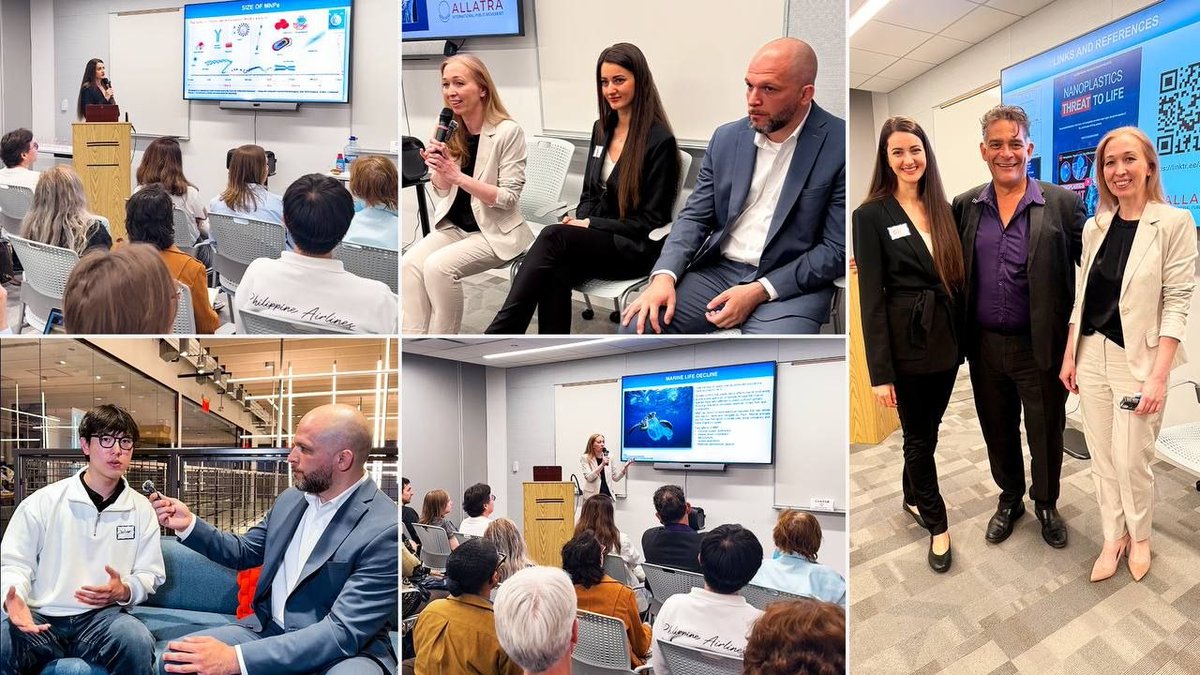
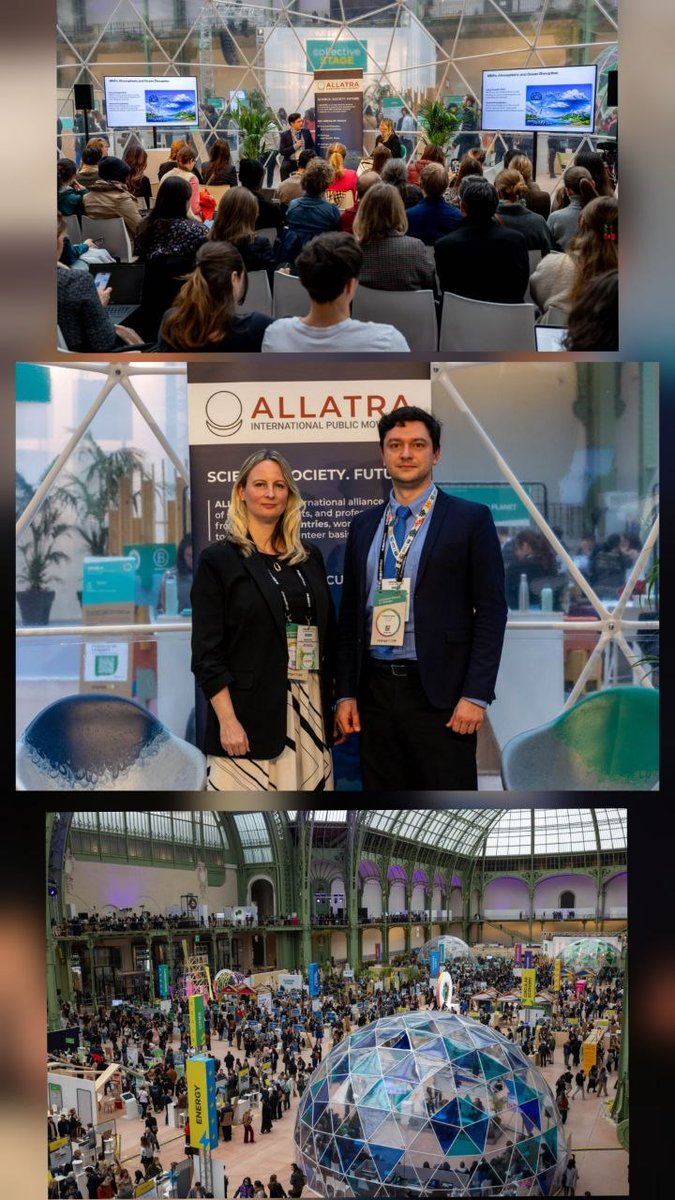
ALLATRA Civic Platform New York hosted a community event at Civic Hall on April 23: “Micro- and Nanoplastics: Impact on Animals and Nature.”
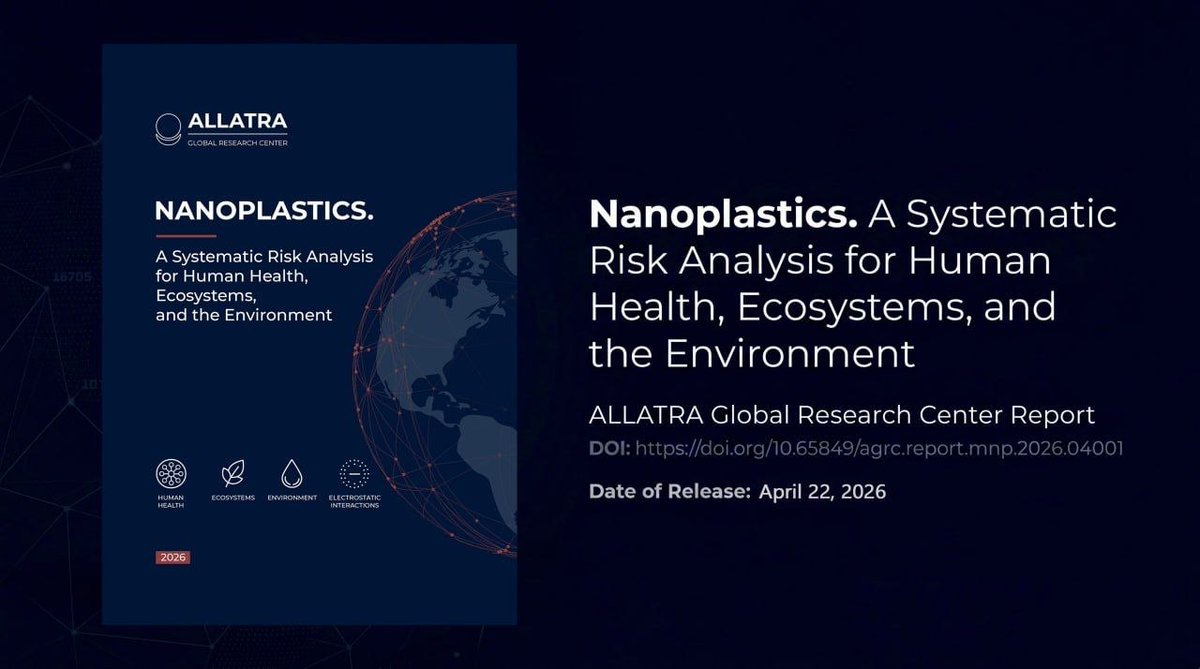
The event brought together scientists, researchers, and New York City residents for an open discussion on the growing impact of micro- and nanoplastics on living systems. The presentation drew from the documentary Nanoplastics: A Threat to Life and the report Nanoplastics: A Systematic Risk Analysis for Human Health, Ecosystems, and the Environment, released by the ALLATRA Global Research Center.
Stay tuned to ALLATRA New York for more upcoming community events.
▪️Full press release: allatra.org/press-release/al…
#GoodTuesday #Game4
3
4
76
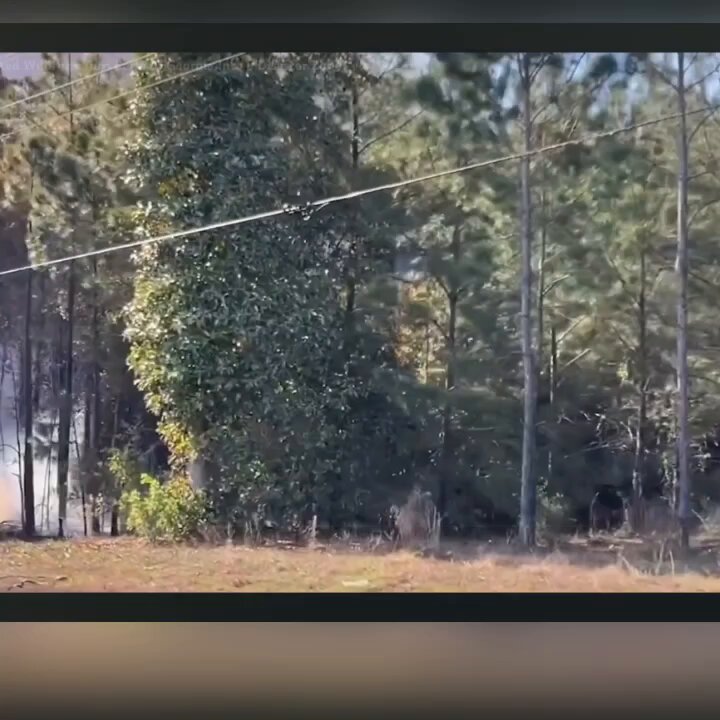
In recent years, wildfire activity in the United States has remained high. According to the National Interagency Fire Center, by May 23, 2026, nearly 2.35 million acres had already burned across the country. For comparison, slightly more than 5.15 million acres burned during the entirety of 2025.
In 2026, however, the unusual geographic distribution of wildfire activity has become particularly noticeable. One striking example is southern Georgia, which by April 2026 was experiencing exceptional and extreme drought conditions. These conditions contributed to the rapid spread of two major wildfires: the Pineland Road Fire and the Highway Eighty-Two Fire. Although Georgia is not typically regarded as a wildfire-prone state on the scale of California or Oregon, these two fires together burned more than 54,000 acres and became one of the most severe wildfire disasters in the state's modern history.
Unusual natural events such as these serve as a reminder that environmental changes affect everyone and that a scientific approach to studying our planet is becoming an increasingly important priority for society.
#GoodThursday #climate
1
3
3
141
Excerpt from #trendingvideо:
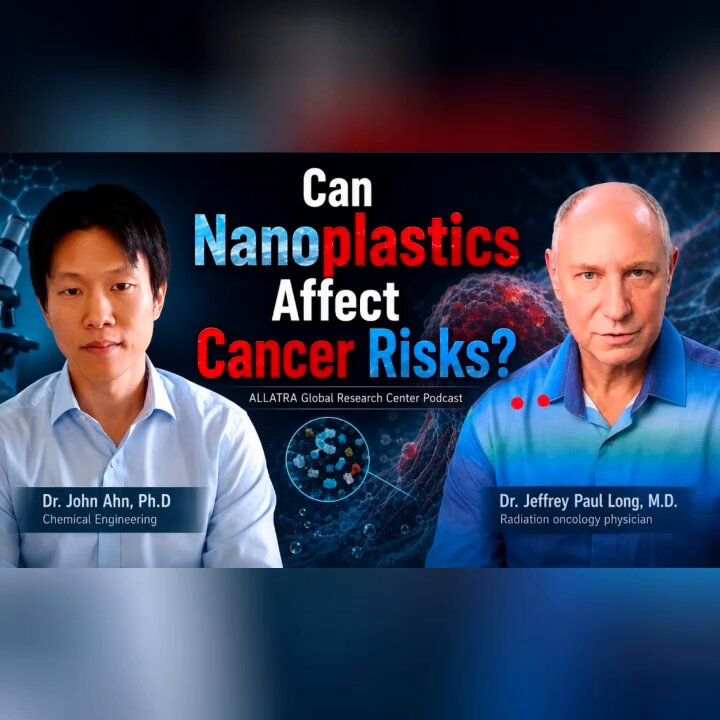
Micro- and nanoplastics are no longer just an environmental issue; they are becoming a human health issue.
From particles detected in human blood, lungs, and placentas to emerging questions about tumors, oxidative stress, and long-term exposure, this conversation explores one of the most urgent and least understood challenges facing modern medicine.
Topics discussed:
• Microplastics vs nanoplastics — why size changes everything
• How these particles interact with cells and tissues
• Possible links to cancer and chronic disease
• Why current detection methods may underestimate exposure
• The lack of awareness in the medical community
• The economic and healthcare implications of widespread exposure
• What research, medicine, and society should focus on next
This discussion is part of an ongoing series exploring the science, risks, and future implications of micro- and nanoplastics.
▪️Learn more in the video:
youtu.be/C3gtFQVSQFs?si=jlzz…
#America #sundaystorm
1
4
4
198
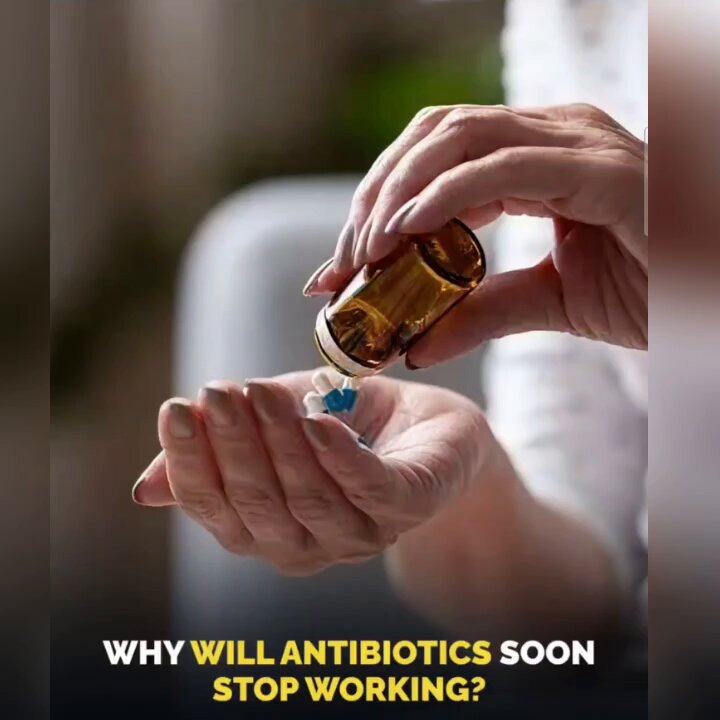
💊 Why will antibiotics soon stop working?
In 2019, antimicrobial resistance directly caused more than 1 million deaths, while nearly 5 million more died from related complications.
🧪 New research (2025) reveals a shocking factor:
micro- and nanoplastics help bacteria become resistant to antibiotics.
Why is this happening?
Watch the popular science film
Nanoplastics. Threat to Life | ALLATRA Documentary
🔴 youtu.be/BVap0MdbCZgw?
#NEWANNOUNCEMENT #HOTUPDATE #GoodSunday
3
6
264
⚠️ Scientists are increasingly reporting:
When plastic particles enter the human body, they can damage mitochondria -- the structures responsible for producing energy within our cells.
In other words, plastic may be disrupting cellular energy processes from within.
And this process may already be underway.
🌍 Our future is changing --
we just haven’t fully realized it yet.
❗️ Are you ready to understand what may be happening inside your body right now?
🎬 Watch the popular science film:
“Nanoplastics. Threat to Life | ALLATRA Documentary”
youtu.be/BVap0MdbCZgw
#GoodWednesday #documentary #plastic
1
4
8
170
New Comprehensive Report Analyzes Risks of Nanoplastics to Human Health, Ecosystems, and Environment
We are pleased to announce the release of a new report by ALLATRA Global Research Center: “Nanoplastics. A Systematic Risk Analysis for Human Health, Ecosystems, and the Environment.”
The report examines why nanoplastics should not be viewed merely as fragmented plastic waste, but as anthropogenic particles with distinct physicochemical activity. It highlights mechanisms through which these particles may interact with proteins, cell membranes, biological barriers, and ecosystems, and outlines potential implications for human health, environmental monitoring, and future research priorities.
This publication is one of the broadest open-access syntheses on the subject, bringing together 592 cited sources. What makes this report distinctive is that it goes beyond documenting pollution levels or isolated harmful effects. It focuses on a more fundamental question: what makes nanoplastics so biologically active in their interactions with living systems, including the human body?
Read the report: allatra.org/global-research-…
#NEWS #euphoria
1
4
3
122
April 1, 2026, 🇫🇷 Paris — as part of ChangeNOW 2026, the ALLATRA Global Research Center held an interactive workshop dedicated to one of the most pressing and rapidly growing environmental challenges — micro- and nanoplastic pollution.
📶 The workshop in Paris brought together around 80 participants — representatives of the scientific community, environmental initiatives, and the public.
Participants were also introduced to the popular science film "Nanoplastics. Threat to Life | ALLATRA Documentary
🔴 youtu.be/BVap0MdbCZg
#Nanoplastics #GoodWednesday
2
3
138
Nanoplastics. Threat to Life | ALLATRA Documentary
🔴 youtu.be/BVap0MdbCZg
🎬 The film presents scientific findings on the scale and consequences of micro- and nanoplastic contamination, including:
🔹 The detection of plastic particles in air, water, food, and the human body — regardless of geographic region.
🔹 Documented adverse effects of micro- and nanoplastics on human health, including:
– inflammation, DNA damage, and genetic mutations;
– endocrine disruption;
– accelerated cellular aging;
– cognitive impairment;
– erectile dysfunction and infertility;
– increased cancer morbidity;
– impacts on children beginning at the prenatal stage and continuing after birth.
🔹 The influence of micro- and nanoplastics on the climate system. Plastic particles contribute to accelerated ocean warming, atmospheric anomalies, and disruption of the hydrological cycle.
⚠️ It is crucial to recognize that simply abandoning plastic use today is no longer sufficient to address this global challenge. Comprehensive scientific, technological, and systemic solutions are required.
#facts #documentary #WhyIChime
1
5
7
192
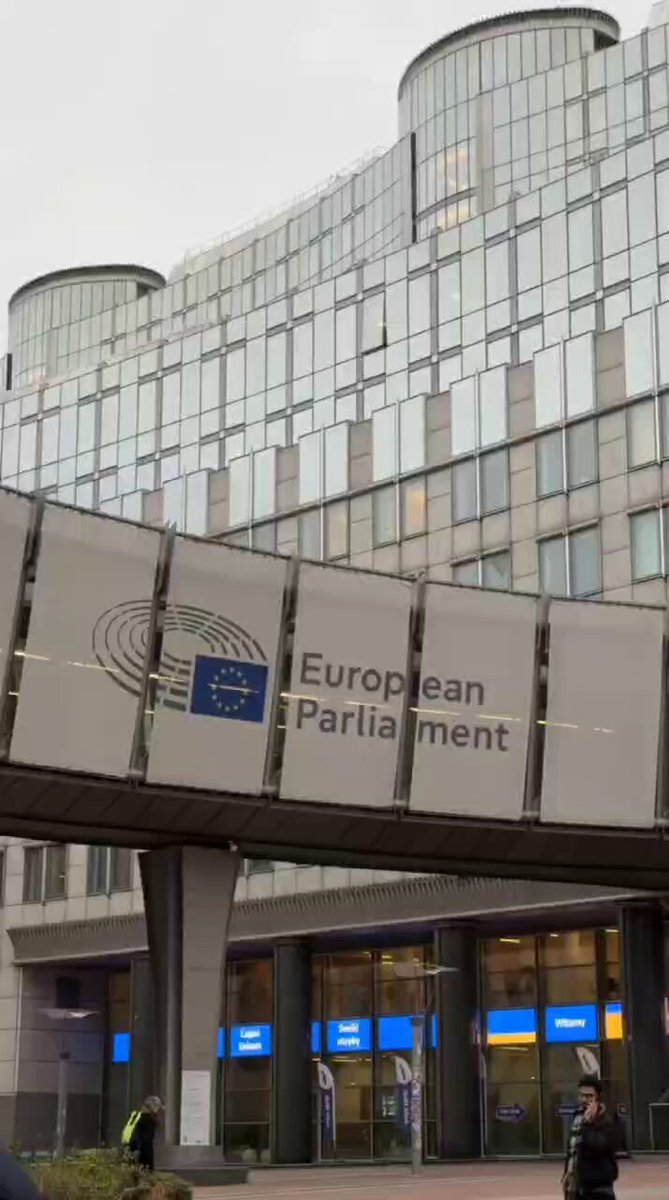
A conference titled “Nanoplastics: Hidden Connections and Emerging Risks” was held at the European Parliament. The event was organized at the initiative of Member of the European Parliament Ondřej Knotek in cooperation with the ALLATRA Global Research Center.
At the conference “Nanoplastics: Hidden Connections and Emerging Risks”, the issue of the potential threat posed by the rapid spread of nanoplastics in the environment was raised. Experts in science, medicine and public policy presented data on the impact of these microscopic particles on human health, ecosystems and climate stability.
#GoodSaturday #SaturdayVibes #conference
9
10
144
🔬 Scientific Perspective
HOW CAN PLASTIC BE NEUTRALIZED?
Plastic differs fundamentally from most natural materials in its physicochemical properties.
One of the key characteristics underlying the destructive biological impact of nanoplastics is their ability to accumulate and retain an electrostatic charge.
It is this charge that enables plastic particles to:
🔹 adhere to cell membranes;
🔹 cross biological barriers, including the blood–brain barrier;
🔹 bind to proteins and interfere with molecular and genetic processes.
⚠️ The presence of surface charge transforms plastic from a seemingly inert material into a biologically active agent within the human body and the biosphere.
Today, the number one task is to deprive nanoplastics of their ability to accumulate and retain an electrical charge.
By neutralizing this property, we can turn micro- and nanoplastics into inert and harmless particles that no longer pose a threat to humans or to the biosphere.
This challenge is unprecedented in scope because micro- and nanoplastics are already everywhere:
💧 in water systems;
🌬 in the atmosphere;
🌱 in soils;
🧬 in all living organisms — including humans.
Any proposed solution must be achieved without causing harm neither to people nor to nature itself.:
Addressing this issue requires coordinated collaboration across multiple scientific disciplines, including:
- biophysics;
- nanotechnology;
- molecular toxicology;
- materials science;
- medicine;
- environmental chemistry.
🎥 More information about current scientific progress and proposed research directions is presented in the popular science documentary:
“Nanoplastics. Threat to Life”
on the YouTube channel Time For Truth
youtu.be/BVap0MdbCZg?si=W8Wl…
#Marathon #thursdayvibes
2
8
605
Will Banning Plastic Save Us?
🔴 youtu.be/AhRVvFjTTMc
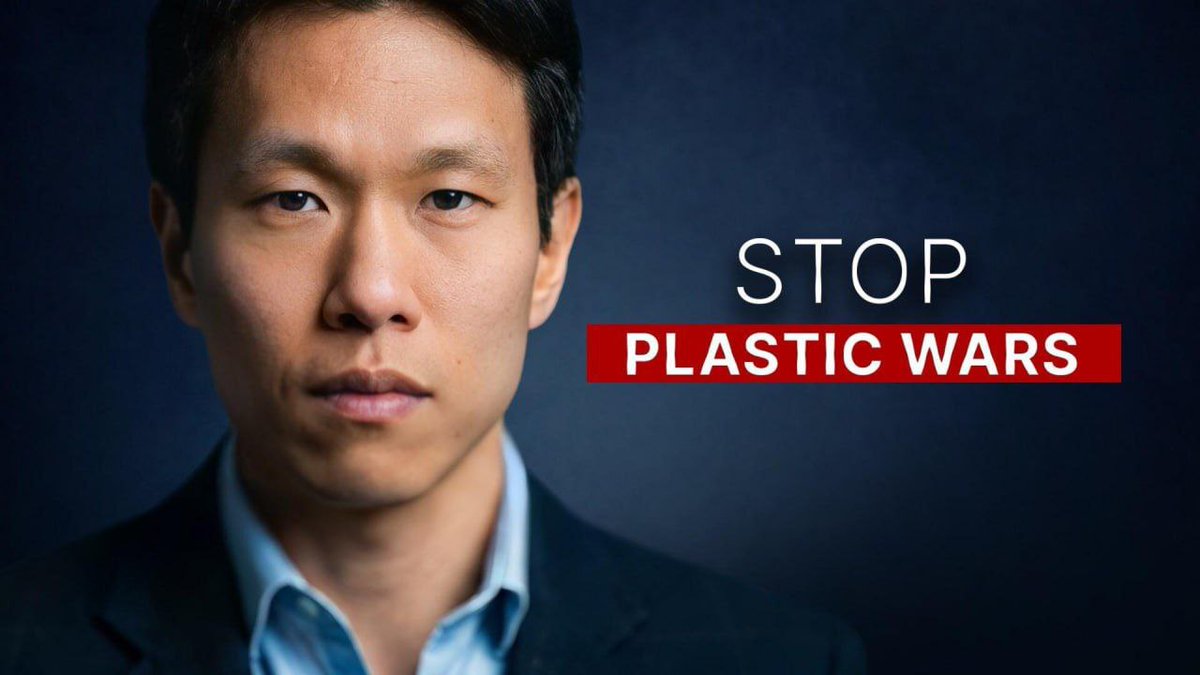
⚠️ Recent public discourse surrounding micro- and nanoplastics has become increasingly polarized. One side suggests the risks are overstated, the other calls for the total elimination of plastic. But does eliminating the plastic save us?
#fridaythethirteenth #Science #plastic
2
4
93
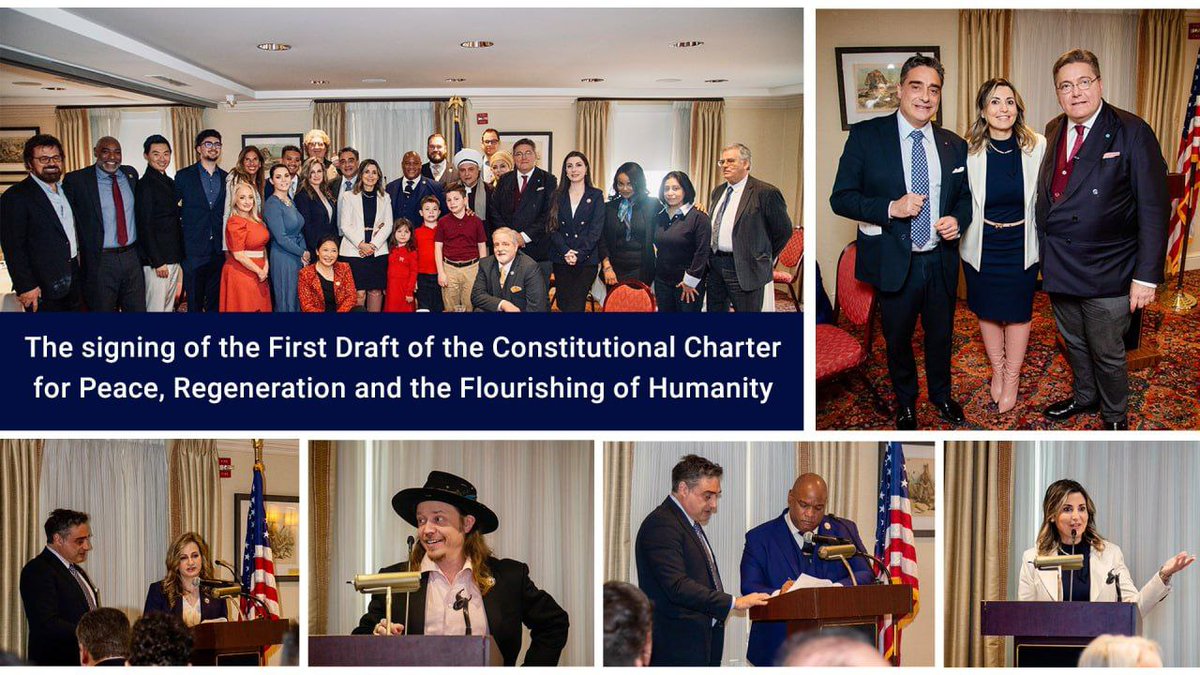
🗓 On January 23, ALLATRA International Public Movement joined representatives from multiple countries and professional sectors at the Capitol Hill Club in Washington, D.C., for the signing of a charter dedicated to peace, responsible technological development, and environmental regeneration.
▪️ Full press release:
allatra.org/press-release/al…
#Spiritual #Diplomats #WashingtonDC #GoodThursday
5
13
125

11 Dec 2025
Disaster Response Reality: What Most People Don’t Know | NASA Specialist Speaks Out
🔴 youtu.be/mJ_LOFm6ZcQ
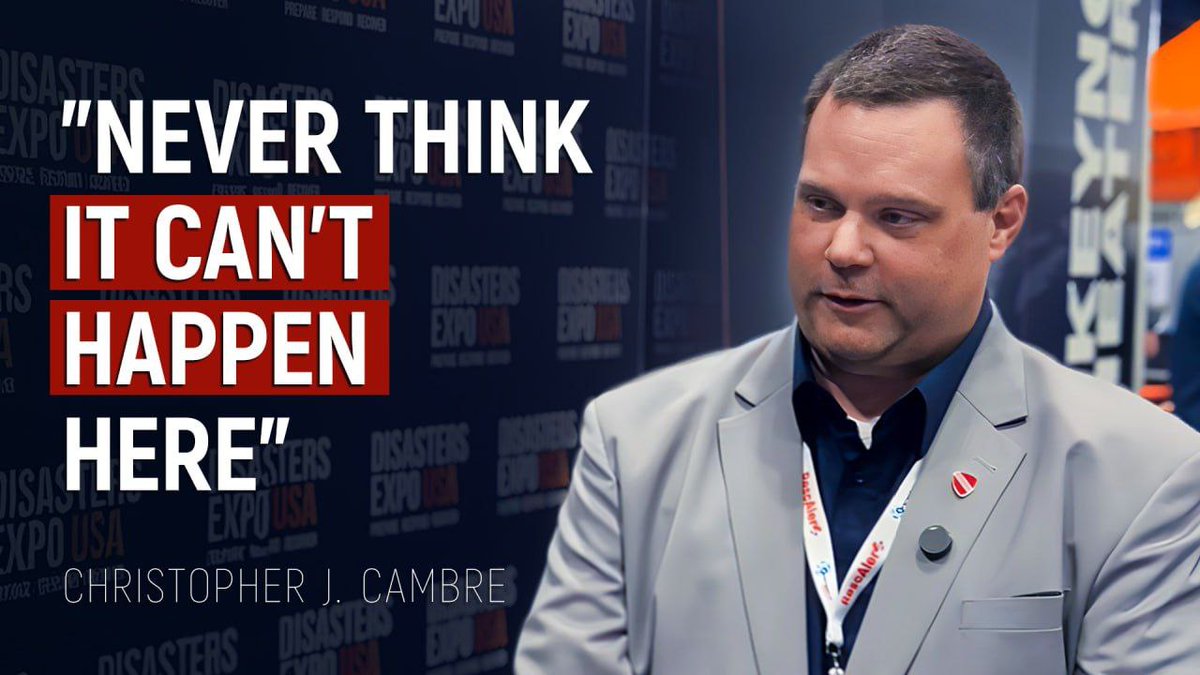
In this exclusive interview, we speak with Christopher J. Cambre, Emergency Management Specialist for NASA – Marshall Spaceflight Center, Michoud Assembly Facility, who shares critical insights into disaster preparedness, personal responsibility, and community resilience.
Throughout this conversation, he emphasizes:
✅Why individuals and families must be self-reliant for at least 2–3 days
✅️How preparedness frees emergency resources for the most vulnerable
✅️ The importance of innovative collaboration across industries
✅️ Why “Never think it can’t happen here” is a message every family must take seriously
Events like Disasters Expo bring together innovators, responders, technology providers, and leaders dedicated to saving lives and strengthening community resilience.
#climate #Motivation
3
6
105
8 Dec 2025
This documentary brings together cutting-edge scientific data and insights from leading experts. It examines how micro- and nanoplastics disrupt ecosystems, impact human health.
#documentary #plastic #Monday x.com/i/broadcasts/1lDxLBXkA…
2
10
121
20 Nov 2025
A rare and unusually early snowstorm struck southeastern Canada on November 9, 2025, blanketing the provinces of Quebec and Ontario.
In southern Ontario — including Toronto, the country’s largest city — nearly four inches of snow fell on November 9. This was the region’s earliest snowfall of such magnitude in more than half a century, not seen since 1969. Typically, snowfall of this volume does not arrive until December. In nearby Hamilton, up to 6.5 inches of snow accumulated — the earliest event of this kind there since 1962. Ontario police reported hundreds of traffic incidents within a 24-hour period.
In Quebec, some areas saw up to 14 inches of snow overnight. The regions of Montérégie and Montreal were hit the hardest. Numerous fallen branches damaged power lines, leaving nearly 400,000 customers without electricity. Roads were coated in ice, causing serious accidents. Public works crews were deployed to clear roughly 6,000 miles of streets and sidewalks.
Meteorologists explain that the cause was a powerful polar vortex drawing Arctic air from northern Canada and even from near the North Pole — almost three weeks before the official start of winter.
Once again, we are witnessing anomalies and escalating instability in the natural processes of atmospheric circulation. Few people realize that one of the contributing factors to this planetary disruption — alongside rising temperatures — is micro- and nanoplastic pollution, with trillions of particles now present in Earth’s atmosphere.
Learn more in the video: “Why Is Turbulence on the Rise? Egon Cholakian on Atmospheric Anomalies and Nanoplastic Pollution.”
youtu.be/fP2PLpLNEzM?si=yYTS…
#climate #Weather #thursdayvibes
5
296
12 Nov 2025
Preparing for the Unexpected: Tips from a USMC Veteran & Crisis Expert
🔴 youtu.be/Ax4OU-FtPZI
In this exclusive interview from Disasters EXPO Miami 2025, Nena Lehrschall, MA — USMC Veteran, Founder of ASHREI LLC, Principal Owner at The Salty Seabag, and Crisis Response Specialist — shares expert insights on disaster preparedness, resilience, and emergency management in today’s world.
Learn how anthropology, teamwork, and innovative technology help communities stay ready before disaster strikes.
#VeteransDay #GoodTuesday
3
8
134
3 Nov 2025
ALLATRA Participants Attended the Meteorological Technology World Expo 2025 in Vienna
From October 14 to 16, 2025, Vienna, Austria, hosted the Meteorological Technology World Expo 2025 — one of the world’s largest events dedicated to meteorology, climate monitoring, and environmental protection technologies.
The exhibition brought together more than 150 companies from across the globe, showcasing innovative solutions in weather observation, climate modeling, and natural disaster early warning systems. The event was attended by over 2,000 experts representing more than 100 countries.
#MondayMotivation #GoodMonday
2
9
229
24 Sep 2025
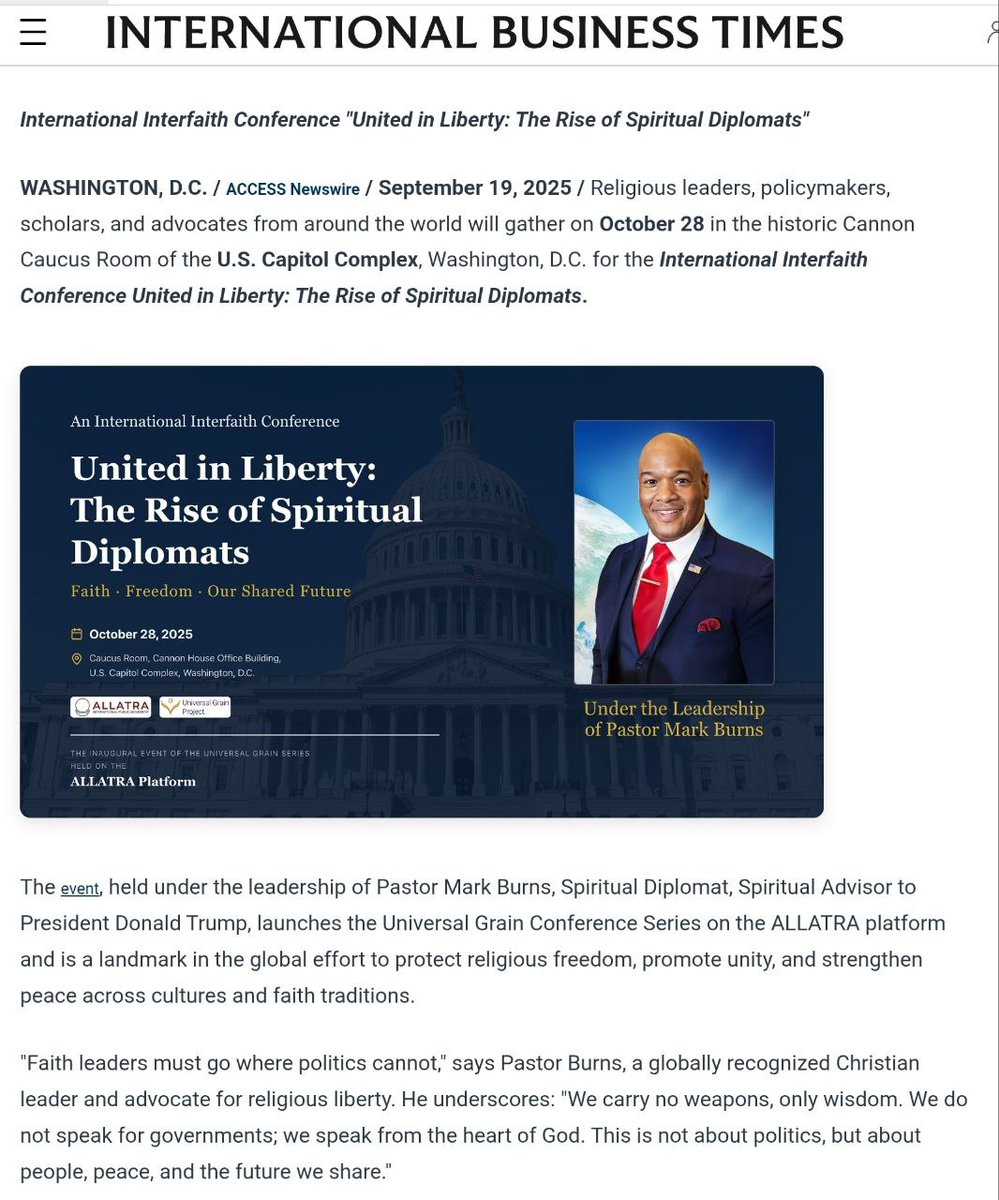
Program pillars:
Shared Values Across Faiths - human dignity, compassion, justice.
Unity for Peace - principled collaboration beyond division.
Protecting Religious Freedom - confronting legal, political, and social threats.
Two high-level panels will address moral responsibilities and urgent global challenges with case studies and expert insights. Proceedings will be released in at least 10 languages.
📅 Date: October 28, 2025
📍 Location: Caucus Room, Cannon House Office Building, U.S. Capitol Complex, Washington, D.C.
🌐 Official website: interfaithconf.org/
🔗 Full Press Release available here:
markets.financialcontent.com…
#diplomat #Liberty #news
8
15
185
17 Sep 2025
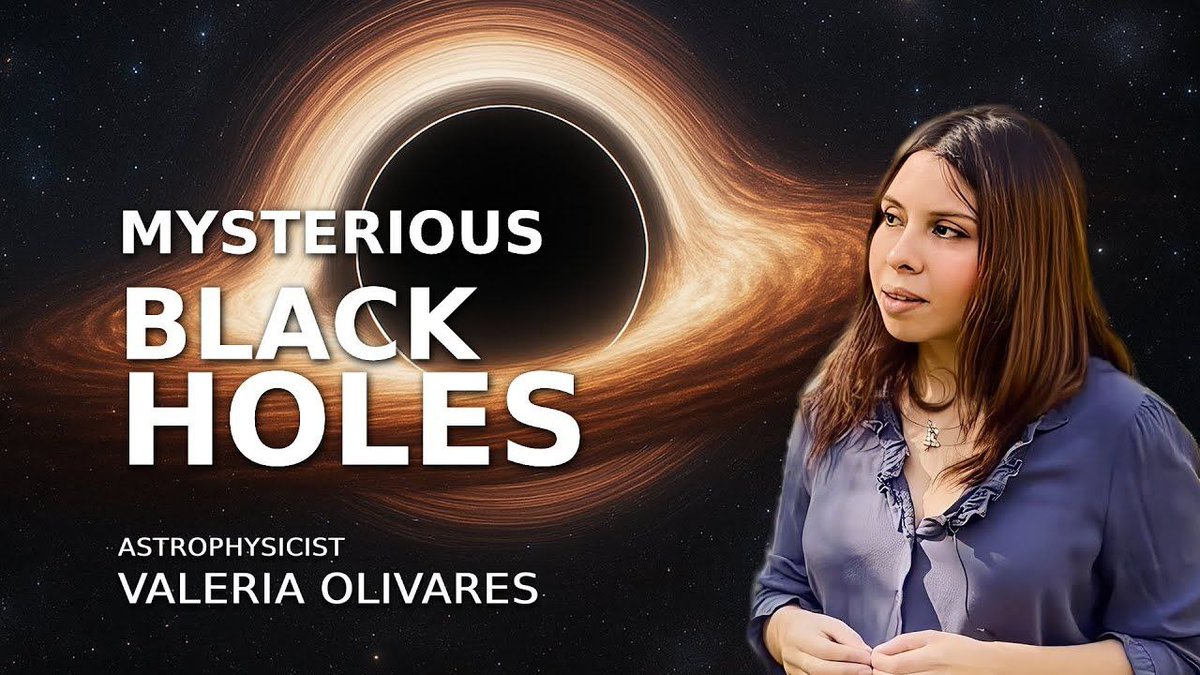
This is an attempt to approach an understanding of the most mysterious objects in the Universe — and to find out what discoveries may await us in the future.
At the summit of Cerro Calán in Santiago, Valeria Olivares, an expert in black holes and galactic structures, explains how these objects are studied using telescopes and computer simulations.
The interview covers the nature of supermassive black holes, their interaction with galaxies, the role of magnetic fields and cosmic jets, as well as the differences between stellar and supermassive black holes.
Learn more:
youtu.be/nFXqJdEdsvg?si=RMCG…
#interview #motivation #Wednesday #Space
4
9
152