
Tools for better thinking
Joined April 2021
- Tweets 28
- Following 2
- Followers 1,335
- Likes 3
4 Photos and videos

28 Aug 2025
The Eisenhower Matrix is one of those tools that seems too simple to work.
But tracking where tasks actually end up over time reveals interesting patterns.
Here's what typically happens:
1
1
4
515
28 Aug 2025
Important-but-not-urgent tasks compound over time.
Writing that documentation, learning that new skill, updating your portfolio...
Tasks like these always feel optional but when you get them done consistently, they make huge impact.
1
1
237
28 Aug 2025
Eisenhower matrix is just a thinking tool.
But sometimes seeing where our time goes laid out visually is what we need to shift priorities.
What's one important-but-not-urgent task that you keep postponing?
1
183
26 Aug 2025
Writing to a busy audience? You need to capture their attention quickly, not bury the lead.
→ Use BLUF: Bottom line up front.
Lead with the key takeaway, then back it up with more details and arguments.
This will sharpen your communication.
1
1
2
307
26 Aug 2025
🙅 Instead of writing:
'I've analysed our quarterly metrics and after reviewing multiple data points...'
✅ Use BLUF:
'We should increase our marketing budget by 20%.
Here's why: customer acquisition costs dropped 15% last quarter, and our conversions are at an all-time high.'
120
UntoolsHQ retweeted
25 Aug 2025
Don't judge the quality your decisions just by their outcomes.
1
2
2
386
12 Aug 2025
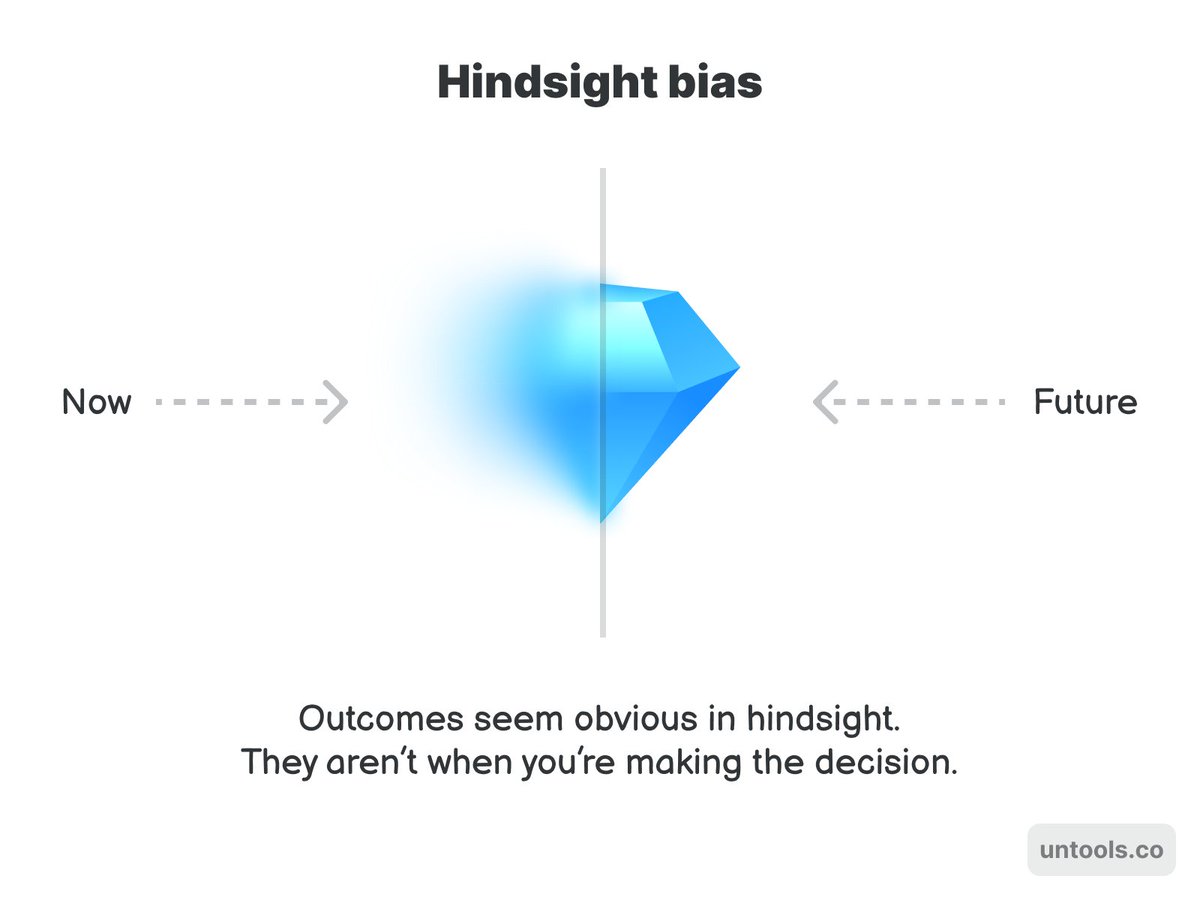
Our brains use mental shortcuts to process information quickly but can also mislead us.
Let's look at 9 common biases you should be aware of.
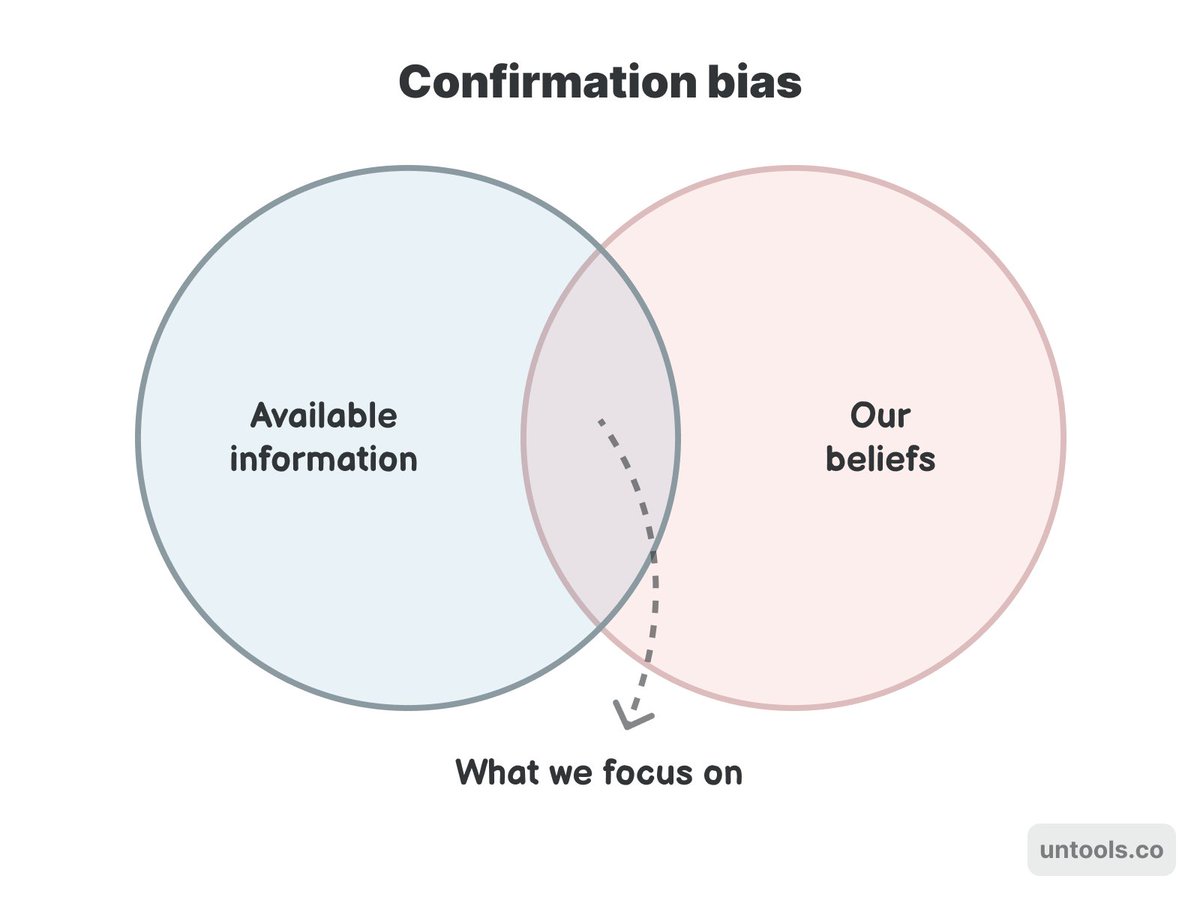
1. Confirmation bias:
Tendency to selectively pay attention to information or interpret it in a way that confirms our existing beliefs.
1
1
2
311
12 Aug 2025
9. Status quo bias
Preference for things to stay the same by doing nothing or sticking to previous decisions.
Why it matters: This bias can prevent adapting to evolving markets or adopting new/better tools or processes.
1
90
12 Aug 2025
Being aware of common cognitive biases is a good start but not enough to counter them.
I dive deeper into counter-strategies for each bias in this month's premium post in Untools Vault:
untools.gumroad.com/l/vault (also gets you access to all Untools templates and past deep dives)
1
114
UntoolsHQ retweeted

1 Dec 2023
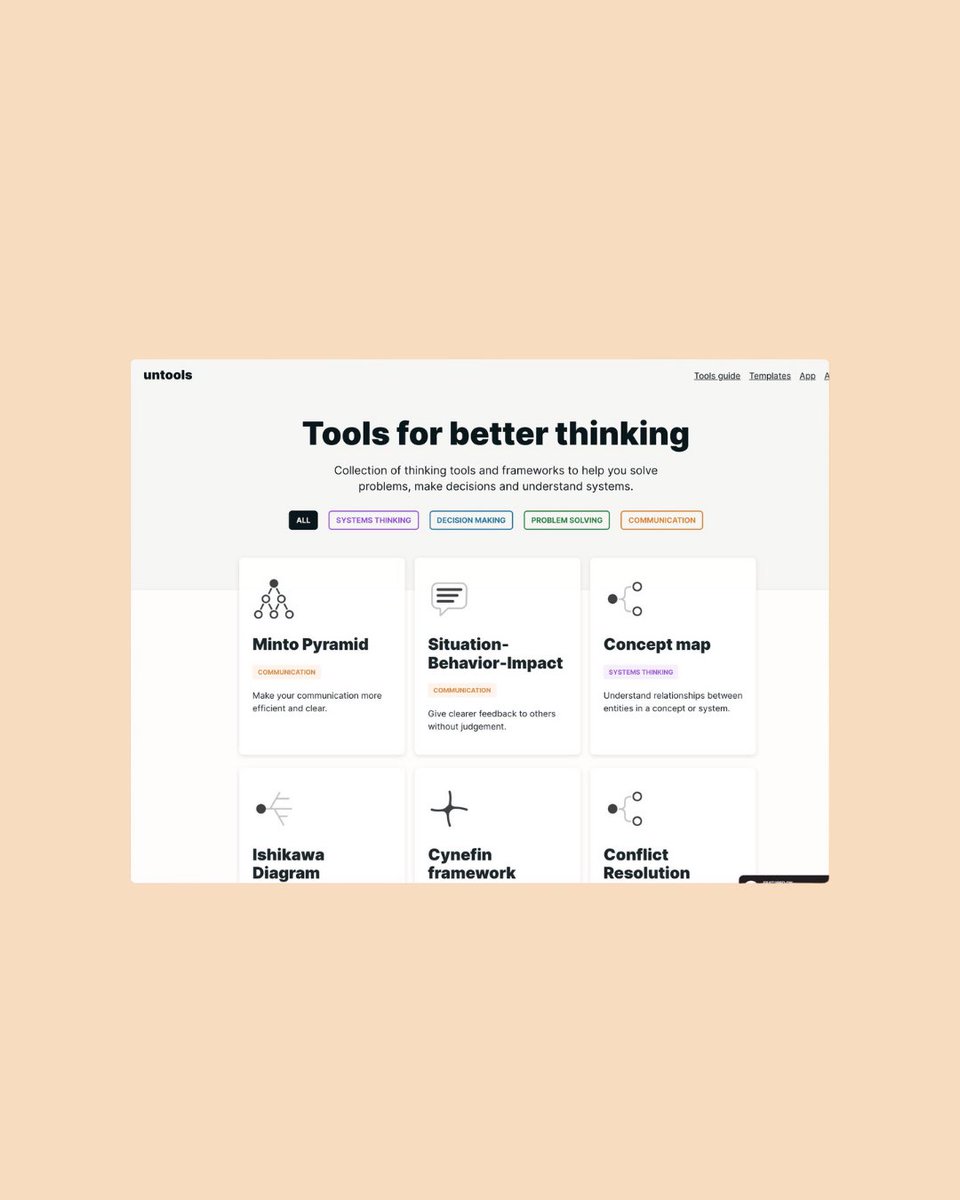
These free tools will make you a better product manager in 2024.
📌Use @UntoolsHQ for problem-solving, decision-making, and understanding systems.
1
1
8
1,900