Husband, Father, Trauma Surgeon @ IMC, Old Man Cyclist, Skier
Joined January 2013
- Tweets 154
- Following 434
- Followers 166
- Likes 922
12 Photos and videos


Don Van Boerum retweeted

Apr 2
Torben’s jump from 82 to 90 mph in just over two months came down to fixing one major mechanical limitation.
Most players think velocity gains require more strength or complex programs, but Torben’s case showed that improving how the body moves can unlock what’s already there.
When he started, he was topping out around 85 mph and usually sitting 81–82, despite already being strong and athletic.
The engine was there, but his mechanics limited how efficiently he could use it.
The main issue was in his lower half.
He relied on pushing off his back leg instead of rotating through it.
That early push caused his pelvis to open too soon and forced his torso forward before energy had fully transferred.
Because his arm action was naturally a bit late, this made the timing even worse and disrupted the entire kinetic chain.
The focus became teaching him to hold tension in the back leg and rotate instead of push.
Rather than extending early, he maintained his load and allowed the pelvis to drive rotation.
This created a cleaner sequence, improved energy transfer, and allowed everything up the chain to sync naturally.
We also made sure he didn’t over-rotate and could properly decelerate into a strong front leg block.
While a few pieces were addressed, most of his velocity gain came from this single adjustment.
Since he already had the strength, he just needed a better way to express it.
Progress wasn’t perfectly linear, but through consistent repetition, the new pattern stuck.
Once it did, his velocity climbed quickly, and within two and a half months he reached 90 mph and committed to play college baseball.
1
2
35
7,789
Don Van Boerum retweeted
Always nice to get outside in January for a pen. Raising the floor, sat 86-88. Really starting to zero in on the strike zone getting ready for this spring. Really excited with all my recent progress.
1
5
184
Don Van Boerum retweeted

31 Oct 2025
NEW PR🚨Finally hit 90 in this morning. Sat 86-88 for the majority of the pen. I set this goal for myself a long time ago and I’m super excited to see my hard work pay off. Still got more in the tank.@BUncommitted @PrepBaseballUT @PB_Uncommitted @FlatgroundApp @UncommittedUsa
3
1
6
1,639

11 Sep 2025
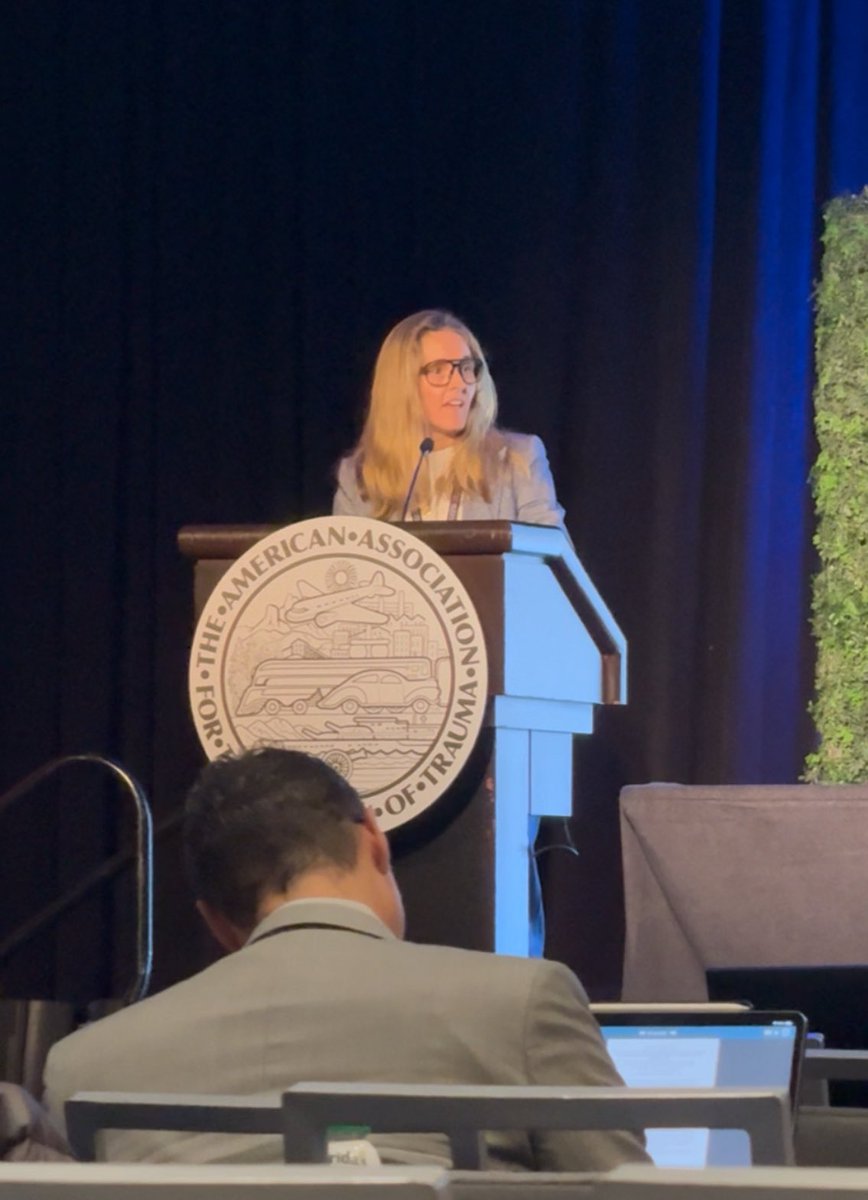
Dr Katie Russell commenting on importance of clinical assessment of pediatric patients with solid organ injuries before considering routine repeat imaging. #AAST
1
46
Don Van Boerum retweeted
6 Jan 2025
Had another great tournament weekend. Hit .400 with a HR, and an opposite field single and only 1 K. Drew 8 walks and had a 1.77 OPS. Was a less windy day away from another home run. Spun my slider well on the mound. 5 IP 2H 8K @utahscout1219 @BUncommitted @PBR_Uncommitted
3
7
1,273
Don Van Boerum retweeted
13 Dec 2024
Had an amazing tournament last weekend. Hit .500 with 6 RBI including a grand slam and a .600 OBP. 3 stolen bases and 7 runs total. Pitched 3 innings with 5 strikeouts. @utahscout1219 @PBR_Uncommitted @natejrazz @FlatgroundBats @BUncommitted
2
1
964
30 Sep 2024
Verizon Outage😡
Amazing how many things are linked to phone.
1
3
260
13 Sep 2024
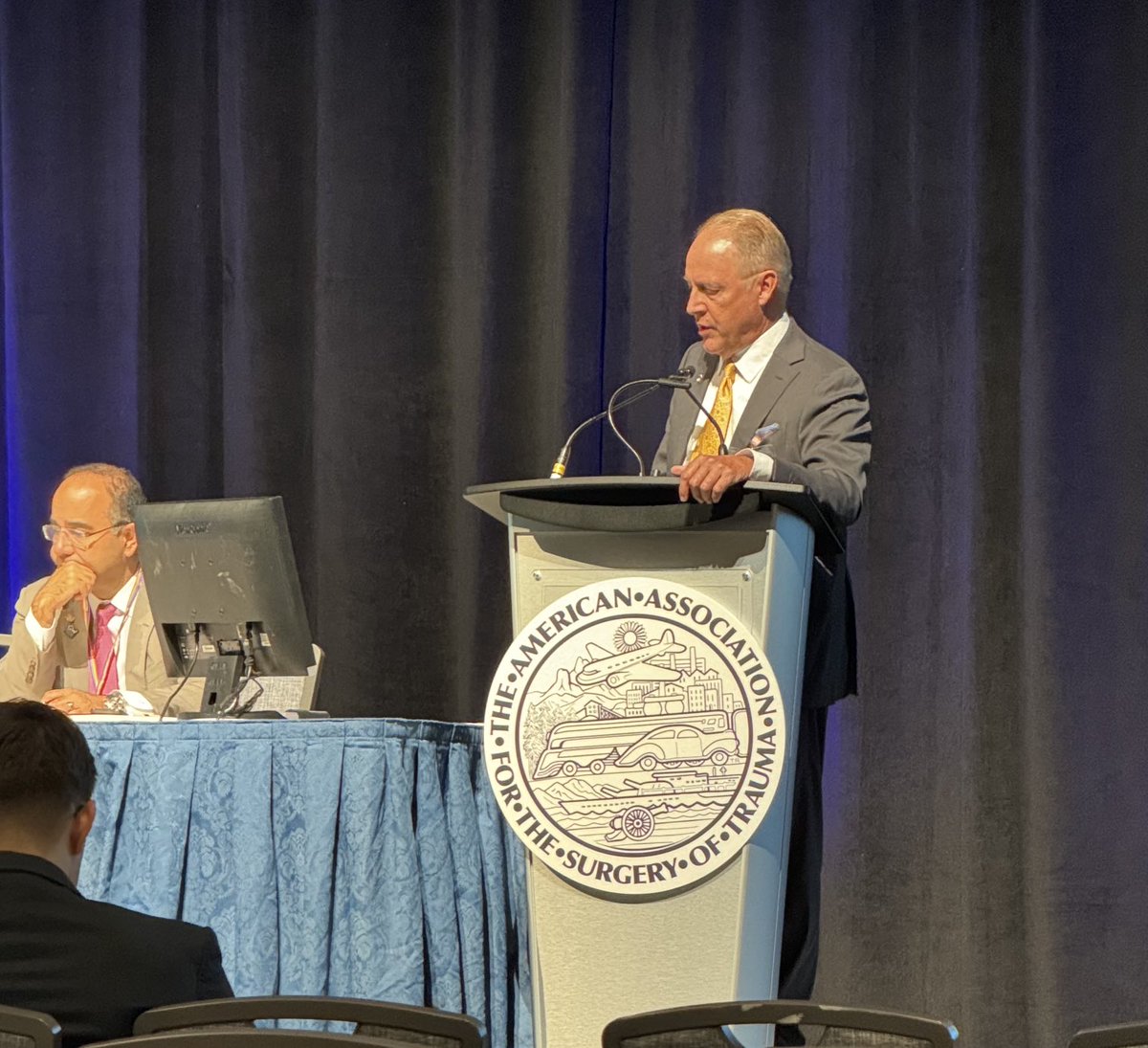
Thomas W White MD knocking it out of the park. Again educating all about who should and who should not get surgery for broken ribs. @CWISociety @traumadoctors @IntermtnMedCtr @Intermountain
4
7
297
Don Van Boerum retweeted

30 Jul 2024
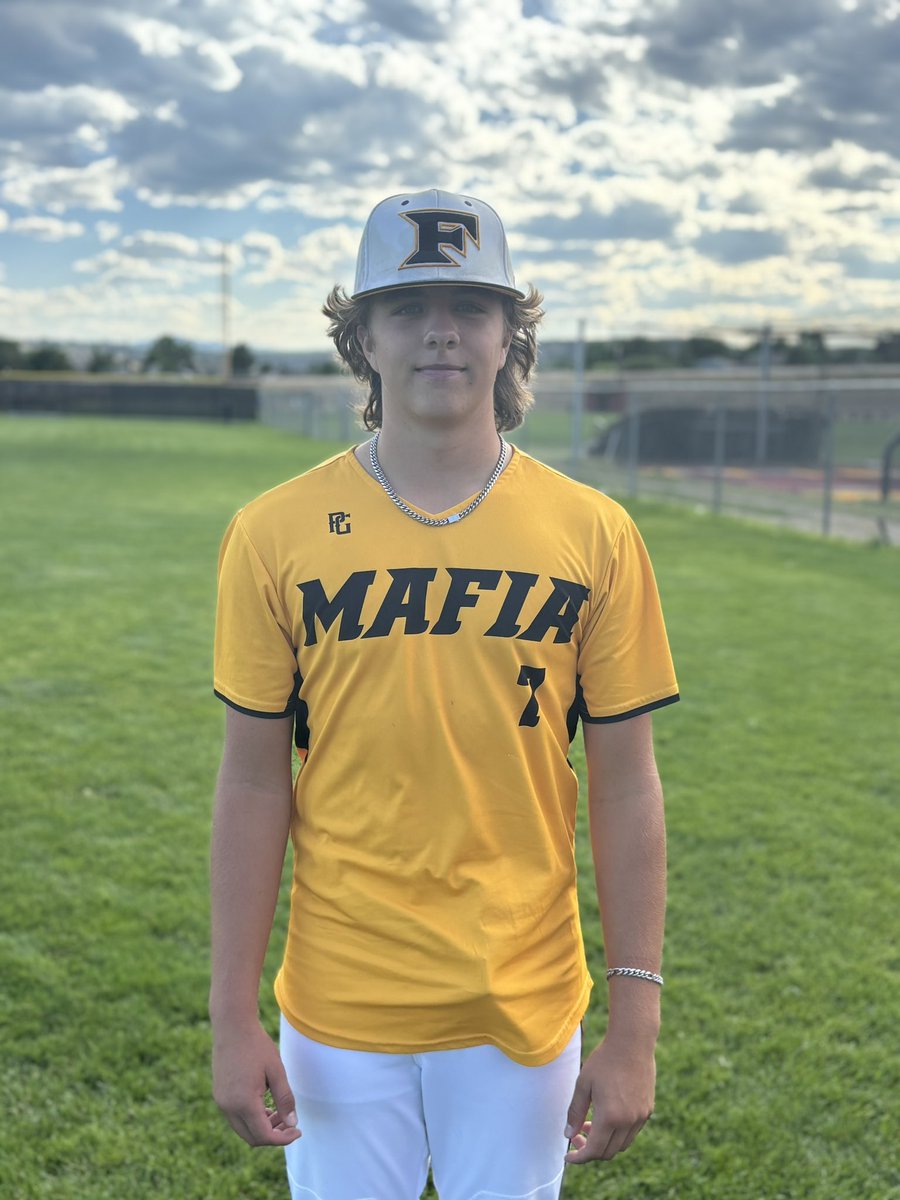
F: @5starutah 16U 8, Peak Baseball Club Black 0
PoG: @torbenvanb 2-2, RBI / 5 IP, 6K, 2H, 0R
5
7
670

Don Van Boerum retweeted

5 Apr 2024
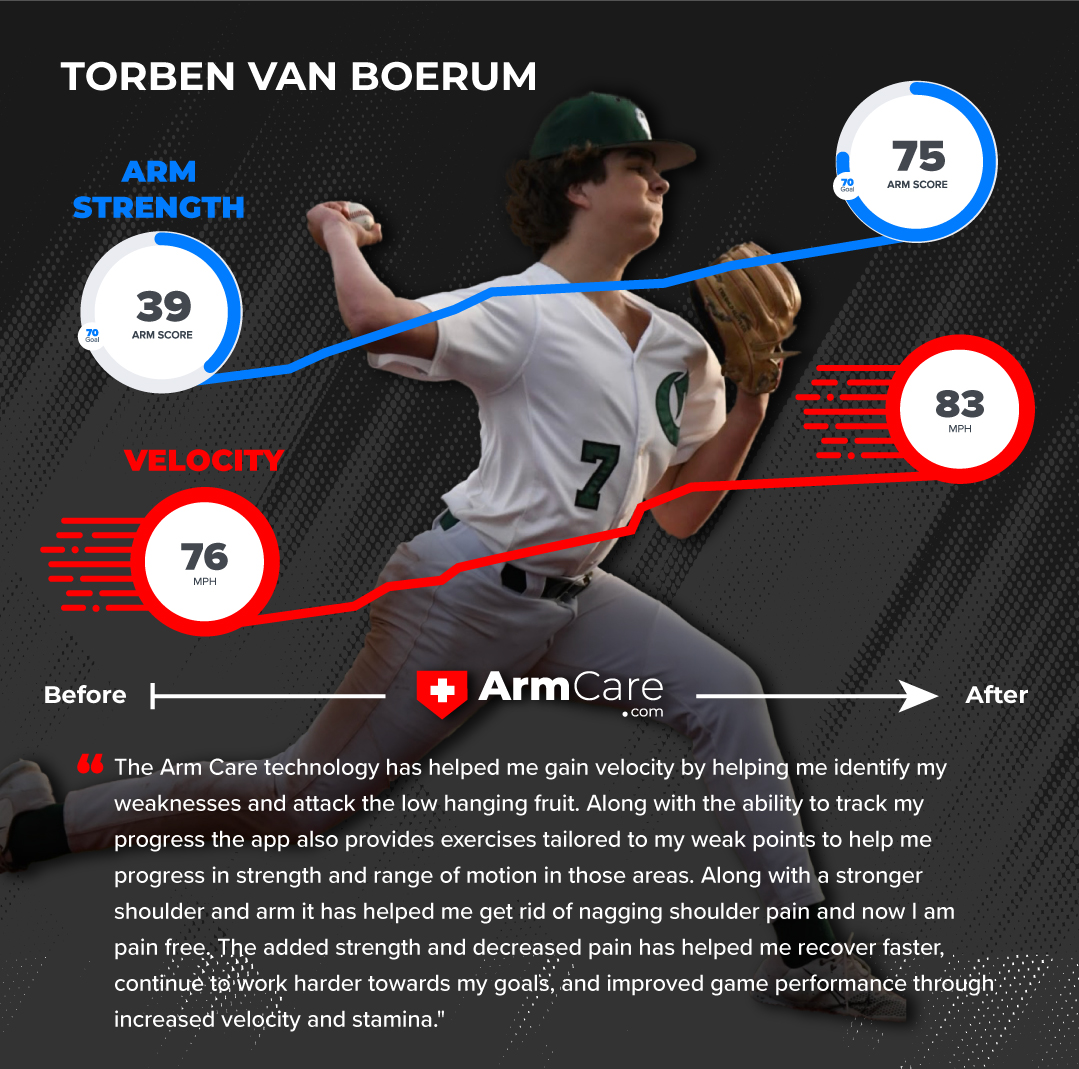
Meet Torben Van Boerum, Torben saw a big improvement in his Arm Score, jumping from 39 to a 75. This recent gain of strength in his arm translated to an awesome 7 mph increase in his throwing velocity. Good job Torben! @torbenvanb
2
2
649
21 Dec 2023
Two years ago exactly. Still super fresh in my mind. So glad that Heather is still with us….. kutv.com/news/local/woman-cr…
1
2
14
464
Don Van Boerum retweeted

14 Dec 2023
𝔹𝕖𝕤𝕥 𝕠𝕗 𝟚𝟘𝟚𝟛 - 𝔹𝕣𝕖𝕒𝕜𝕚𝕟𝕘 𝔹𝕒𝕝𝕝 𝕊𝕡𝕚𝕟 ℝ𝕒𝕥𝕖
We continue our Best of 2023 series with a look at the top @TrackManBB Breaking Ball Spin Rates collected in Utah this past year from the 2024 - 2026 classes.
📊 loom.ly/LabSkCc || @prepbaseball
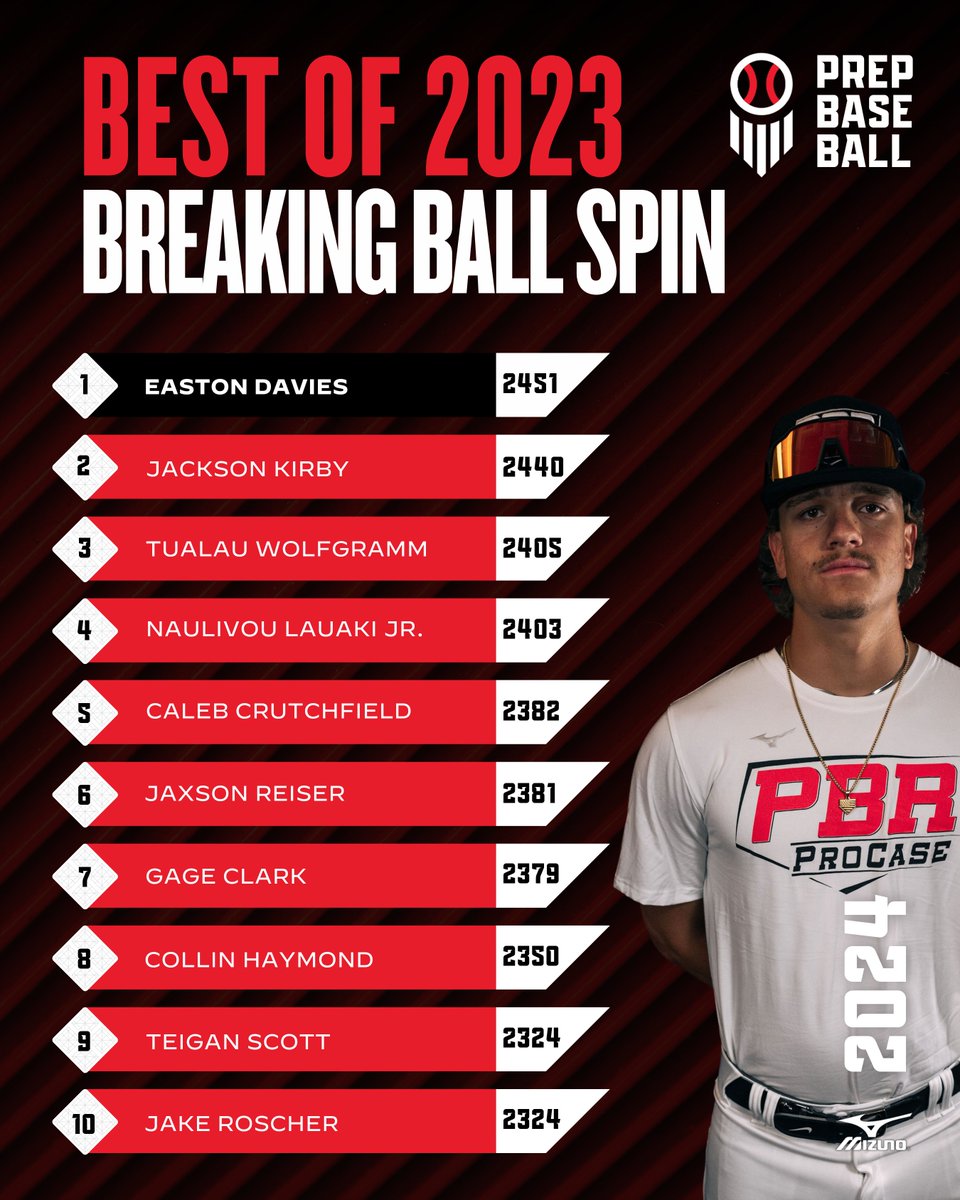
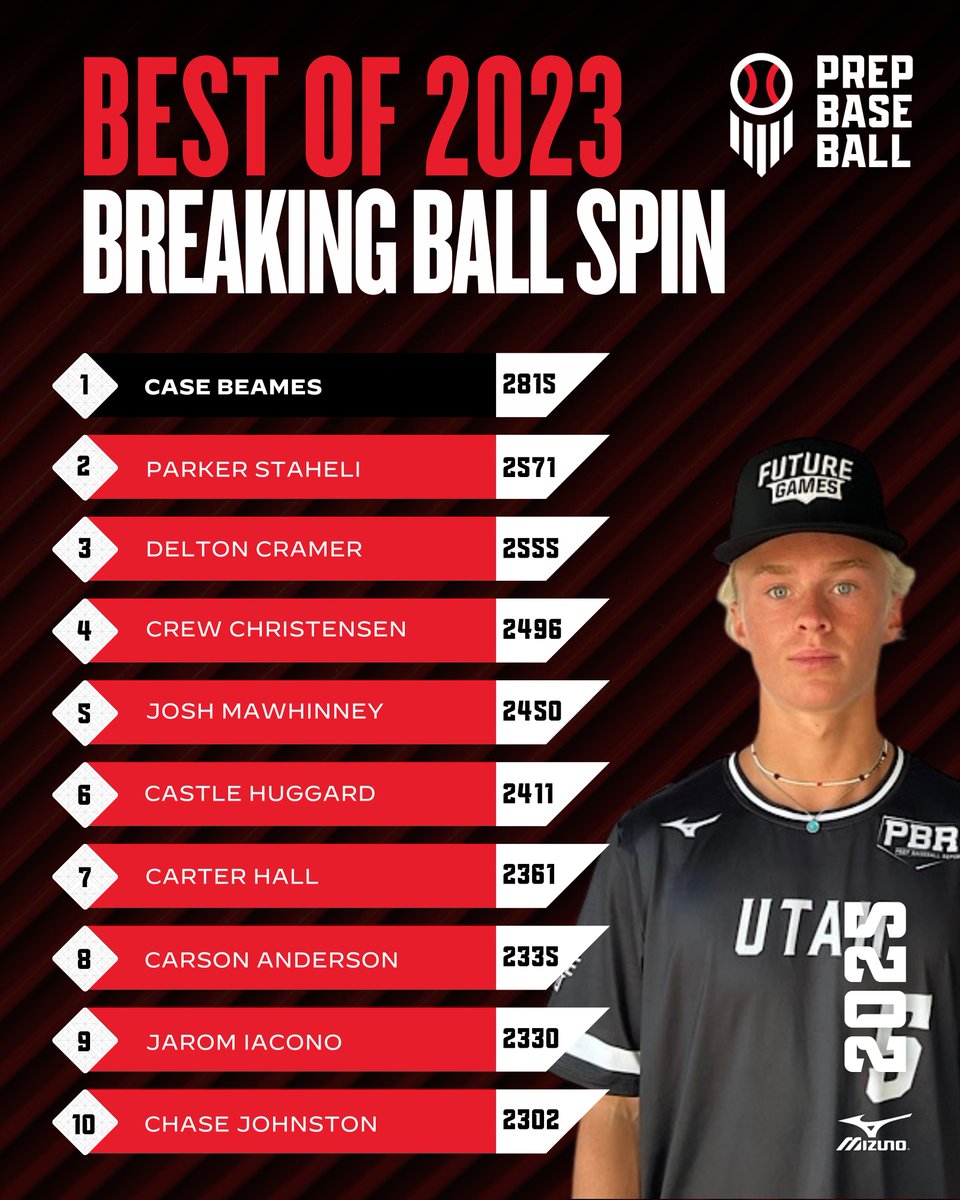
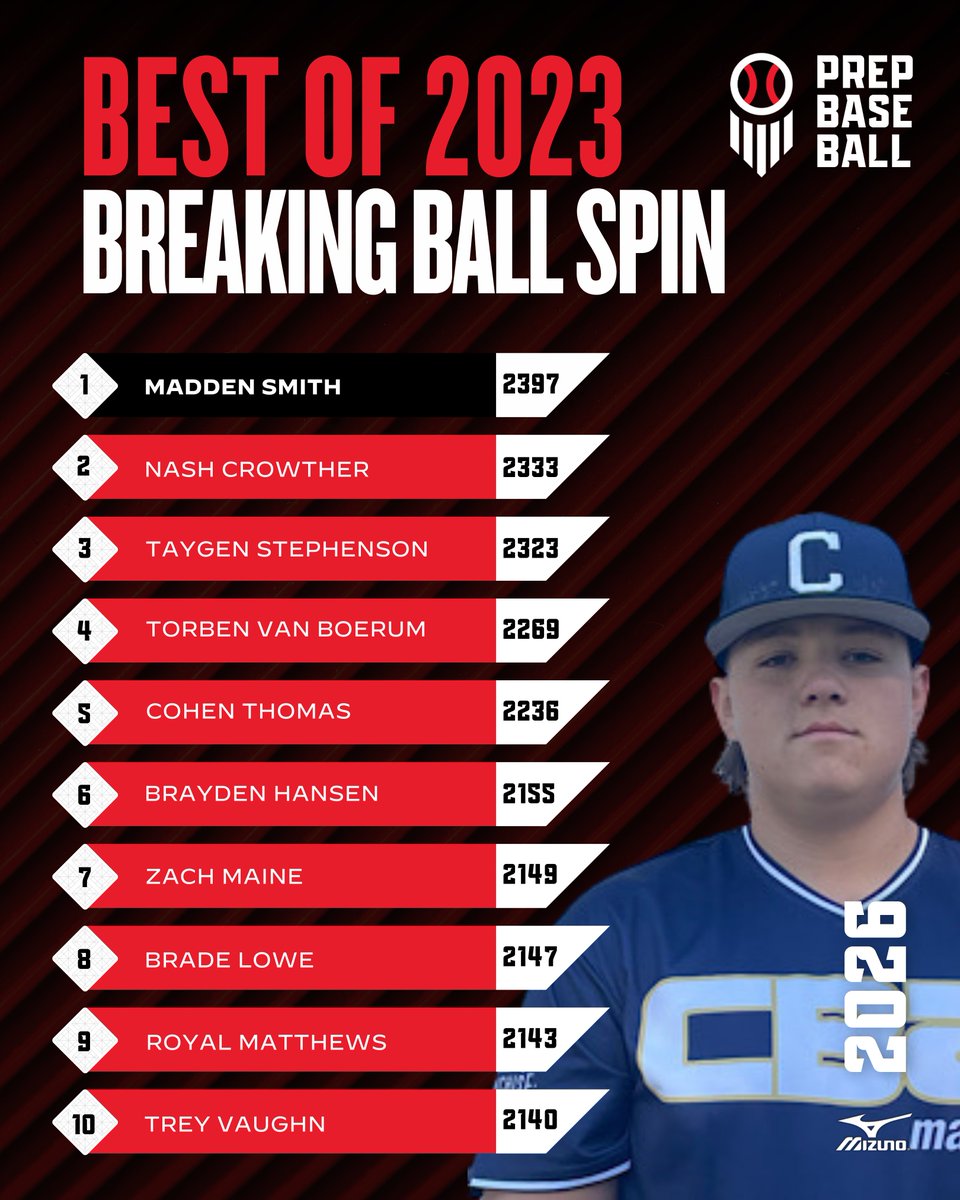
1
13
28
2,944
3 Dec 2023
Once again, CFP selection committee is a joke. Perfect example of the need for a real playoff. One year too late. FSU hosed.
2
123
Don Van Boerum retweeted

10 Sep 2023
The Pac12 has EIGHT ranked teams. EIGHT.
• 5 - USC
• 8 - Washington
• 12 - Utah
• 13 - Oregon
• 16 - Oregon State
• 18 - Colorado
• 23 - Washington State
• 25 - UCLA
We’ve destroyed College Football and the true fans have payed the price for it.
• The experience for those watching on TV has been destroyed. Commercial advertisements have taken over.
• The first quarter is non-existent. They replaced meaningful football that we love with mindless advertisements that we hate.
• The best conference in all of college football is on a farewell tour rampage all because rich men in suits who don’t care about fans or tradition just want more money and more power.
• NIL has poisoned recruits coming out of HS and has now poisoned the transfer portal.
• TV revenue dollars has become the “gloating” metric amongst fans talking down to other fans. ESPN and Fox love that we argue about this as a way to prove your superiority, yet the truth is we all lose and most don’t even realize it.
Money has ruined everything we love about college football. Everything. And they don’t care a single bit.
The worse part about it? It’s only going to get worse.
110
119
1,404
126,004