
I am a strategic 2-player board game pitting the Imperial Japanese Navy vs the Allied Navies (USA, UK, Australia, Netherlands) in World War 2 from 1941 to 1944.
Joined March 2017
- Tweets 5,071
- Following 2,559
- Followers 1,910
- Likes 23,626
1,123 Photos and videos
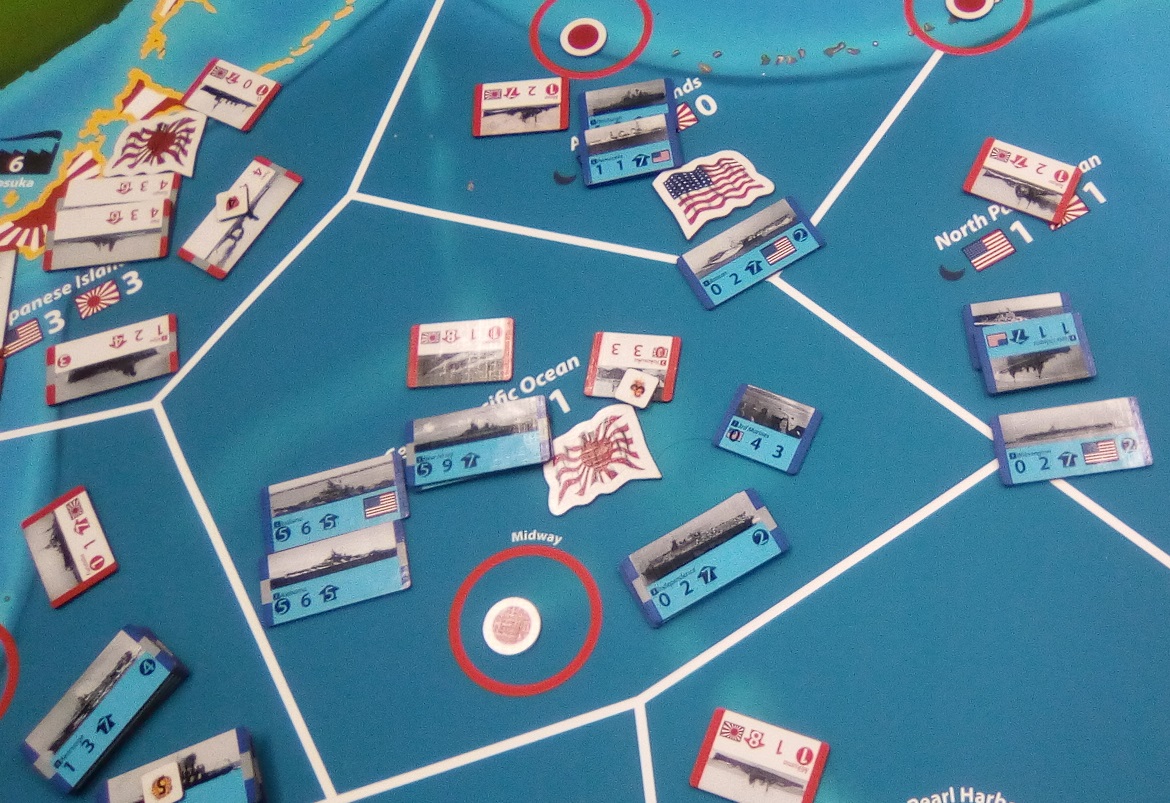
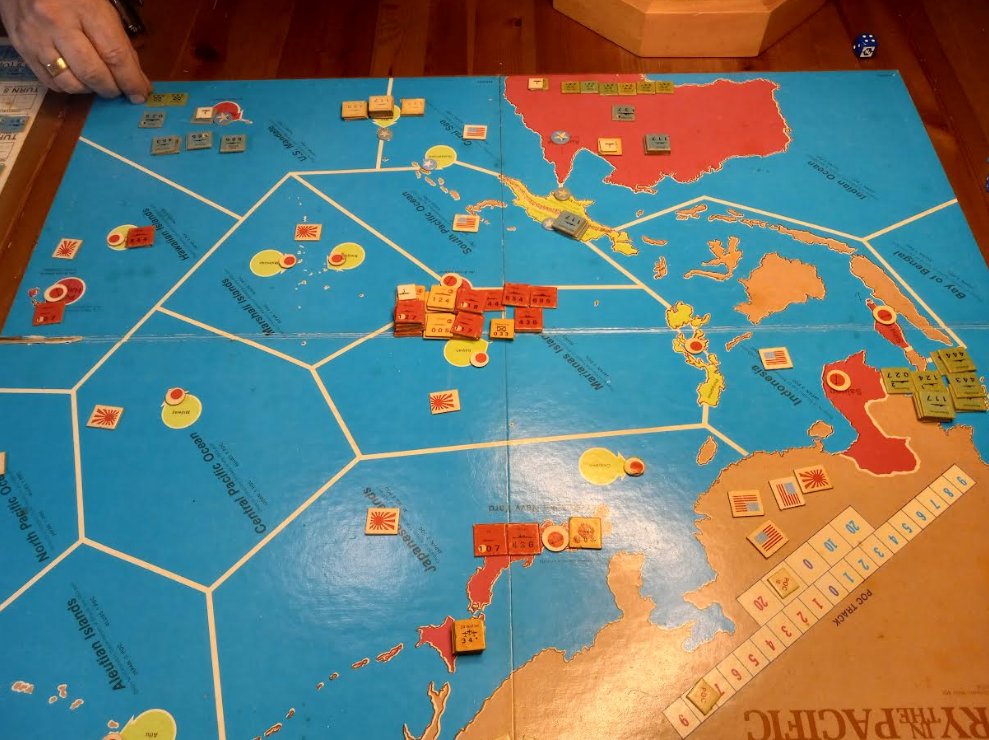
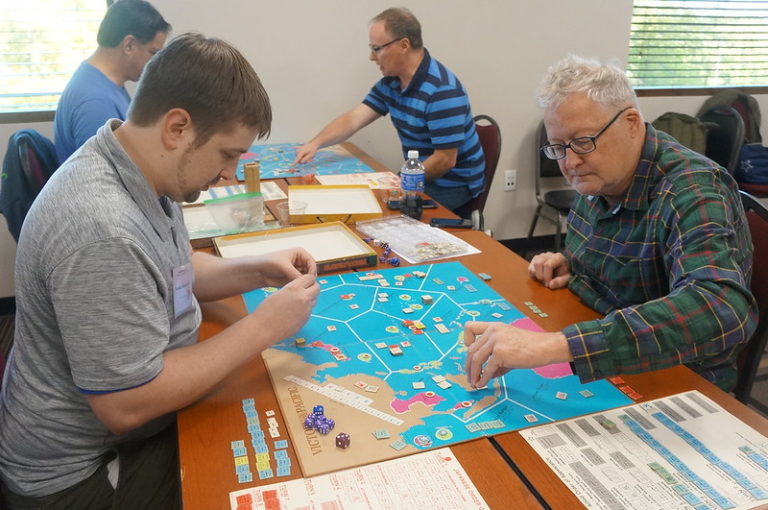
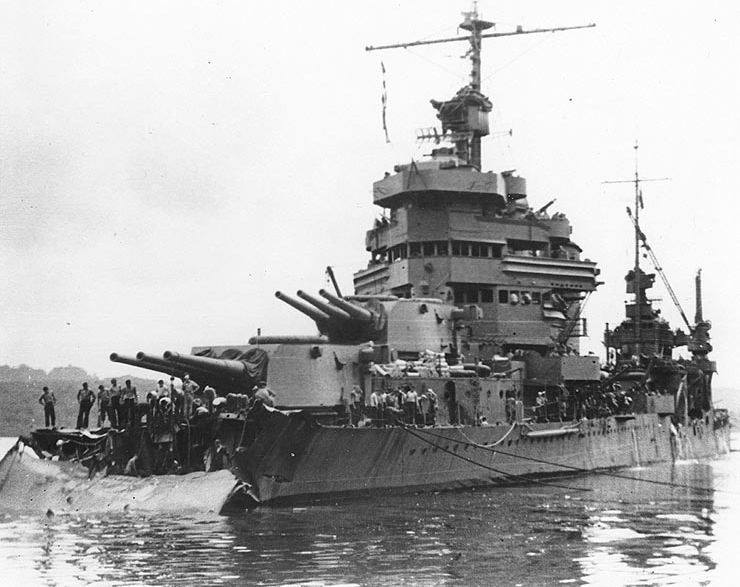
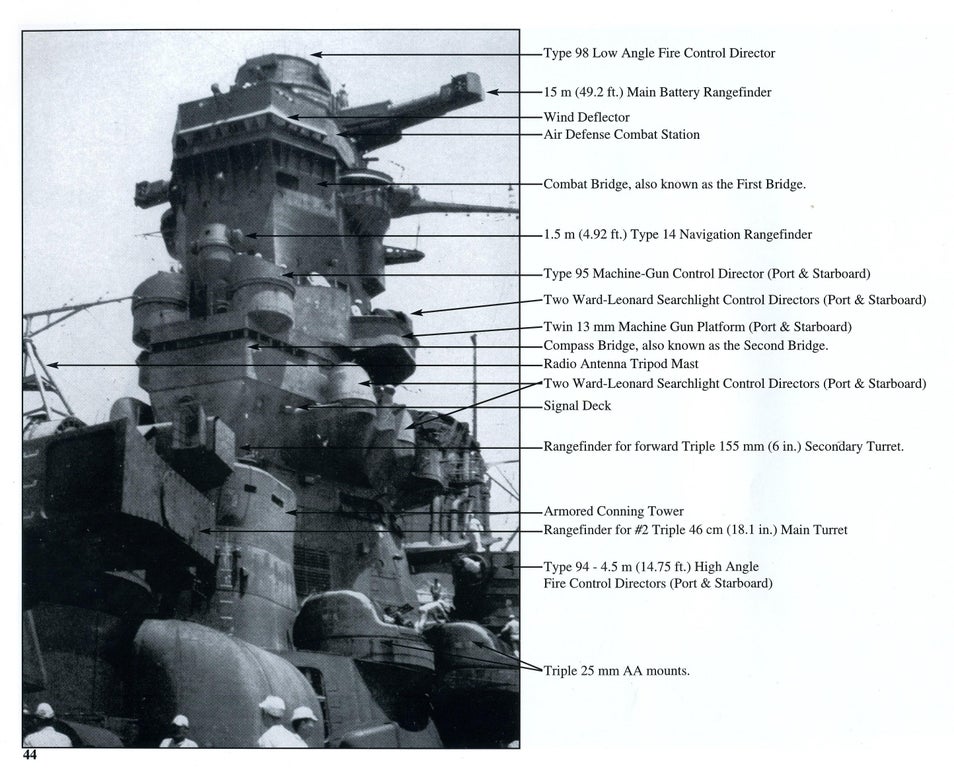
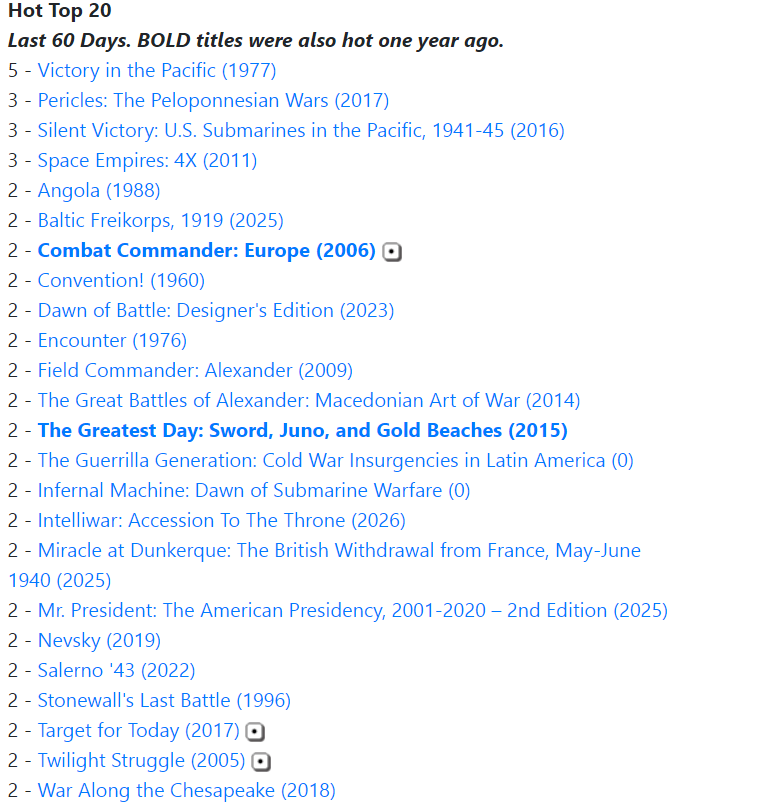
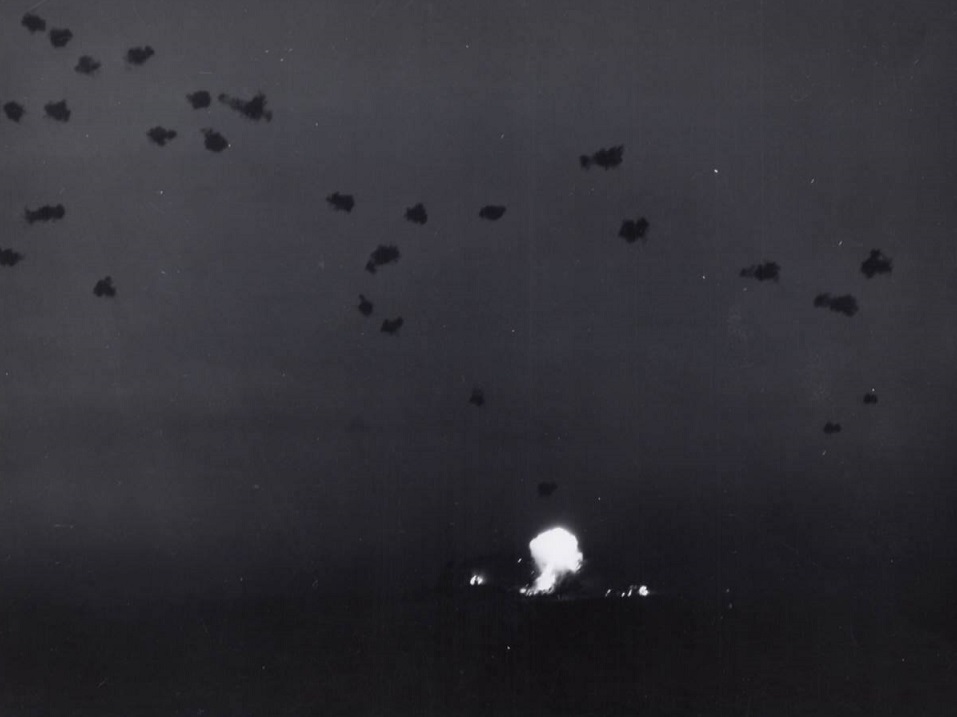
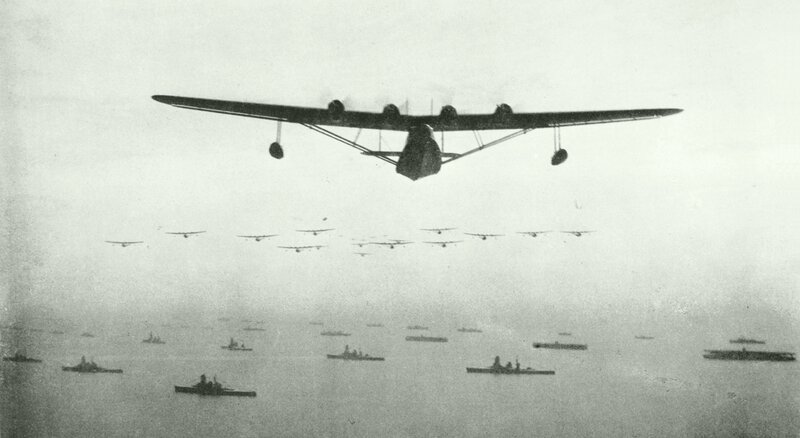

Never seen this before. Those late-war Japanese carriers turned out to be a huge waste, they didn't have enough fuel or trained pilots to even make an attempt at using them.
Jun 11

Vista del hundimiento del portaaviones japonés Amagi, en la Bahía de Kure, justo después del final de la guerra.
2
389
Victory In The Pacific retweeted

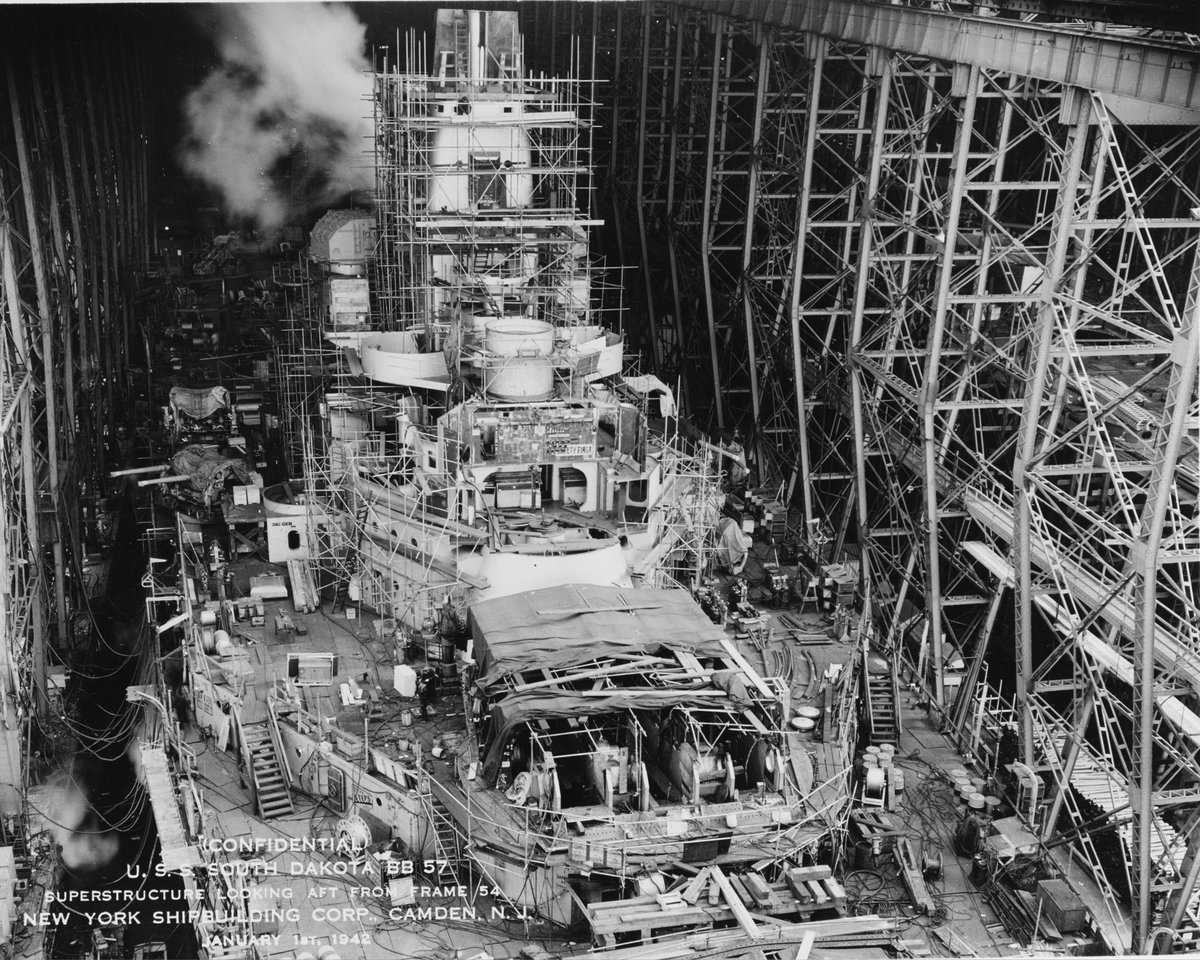
The battleship USS South Dakota (BB-57) undergoing her final phases of fitting out work on 1 January 1942. The photo was taken at the New York Shipbuilding Corporation yard at Camden, New Jersey.
Of interest is the #2 16" (406mm) turret. The frame of the turret has been erected. Workers would begin encasing the frame within its armored shell as well as fitting the gun barrels. The secondary battery of 5"/38 dual-purpose guns are also in the process of being installed.
3
22
169
3,084
Victory In The Pacific retweeted

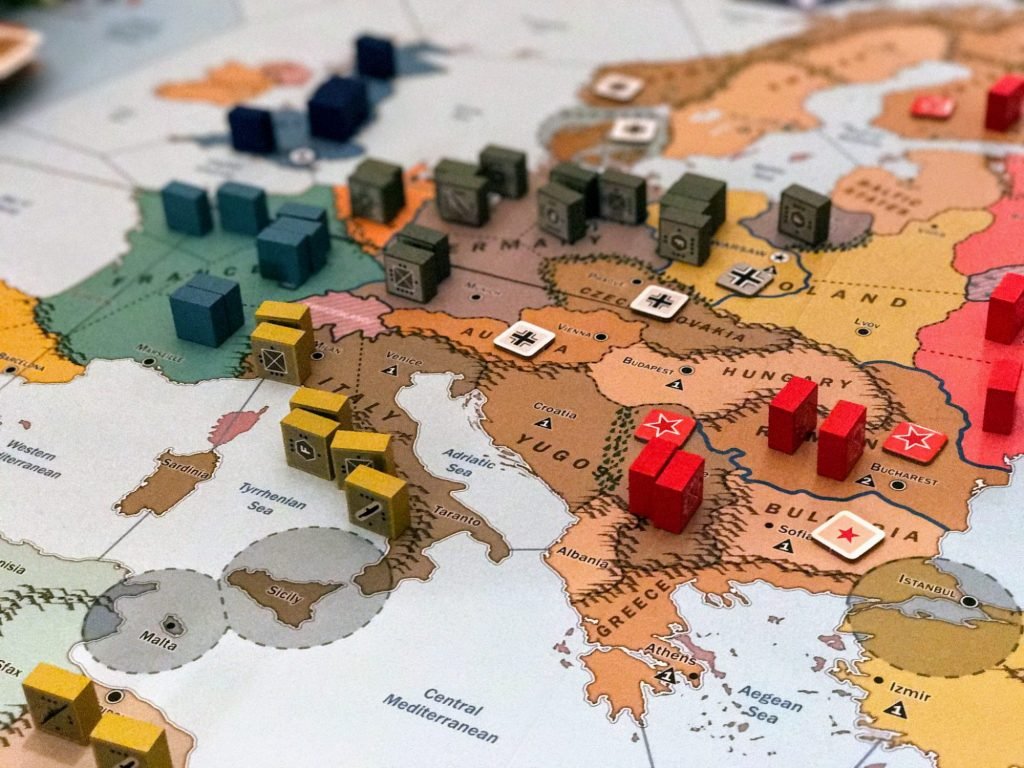
Board games are just history, math, imagination, and war stories disguised as play.
7
14
106
2,782
Victory In The Pacific retweeted

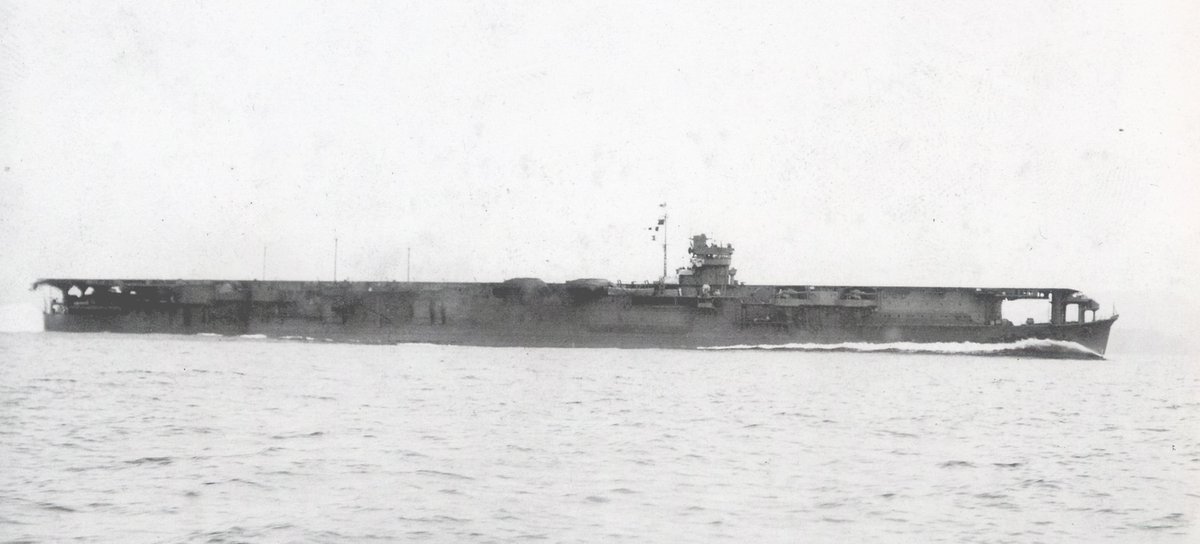
Soryu was the thoroughbred. Unlike Akagi and Kaga, both converted from treaty-doomed battleship hulls, she was designed as a carrier from the keel up, and at 34.5 knots she was one of the fastest carriers ever built. With her sister Hiryu, she formed Carrier Division 2 under Admiral Tamon Yamaguchi, the most aggressive carrier commander in the Japanese navy. She had launched planes against Pearl Harbor, Wake Island, Darwin, and Ceylon without a scratch.
On the morning of June 4, she was caught in the same trap as her sisters: hangars full of fueled, armed aircraft, fighter cover dragged down to sea level by the doomed American torpedo squadrons.
Her executioners came from the Yorktown. Thirteen Dauntlesses of Bombing Three, led by Lt. Cmdr. Max Leslie, arrived overhead at almost the same moment the Enterprise bombers found Akagi and Kaga, completing the most lethal coincidence in naval history. Leslie himself had nothing to drop. A faulty electrical arming switch had accidentally jettisoned his bomb into the sea on the flight out, along with three other planes' bombs. He led the dive anyway, strafing all the way down to draw fire for the men behind him.
It took three minutes. Three 1,000-pound bombs walked down her flight deck: one forward of the forward elevator, two more around the amidships elevator, plunging into the hangars among the armed planes. Fire reached her gasoline systems and munition rooms almost instantly. Within twenty minutes of the first hit she was a furnace from end to end, and the order to abandon ship came at 10:45, the fastest death of any carrier that morning.
Captain Ryusaku Yanagimoto refused to leave the bridge. He was so beloved by his crew that they decided to save him against his will, and chose Chief Petty Officer Abe, a navy wrestling champion, to physically carry him off. Abe climbed to the burning bridge and found his captain standing motionless, sword in hand, staring toward the bow. He stepped forward to grab him, and stopped. By every account, the sheer force of the man's will would not allow it. Abe turned away in tears. As he climbed down, he heard Yanagimoto calmly singing Kimigayo, the national anthem, alone on the bridge of his burning ship.
Soryu burned through the afternoon. At 19:13, as her survivors watched from the decks of the destroyers Hamakaze and Isokaze, she slipped under, taking more than 700 of her crew and her captain with her. She sank within minutes of Kaga, two funeral pyres going down almost together.
Of the four carriers lost at Midway, Soryu remains one of the ghosts. The 2019 expeditions that found Kaga and Akagi never located her. She is still out there, somewhere under three miles of Pacific.
11
133
1,153
38,135
Victory In The Pacific retweeted
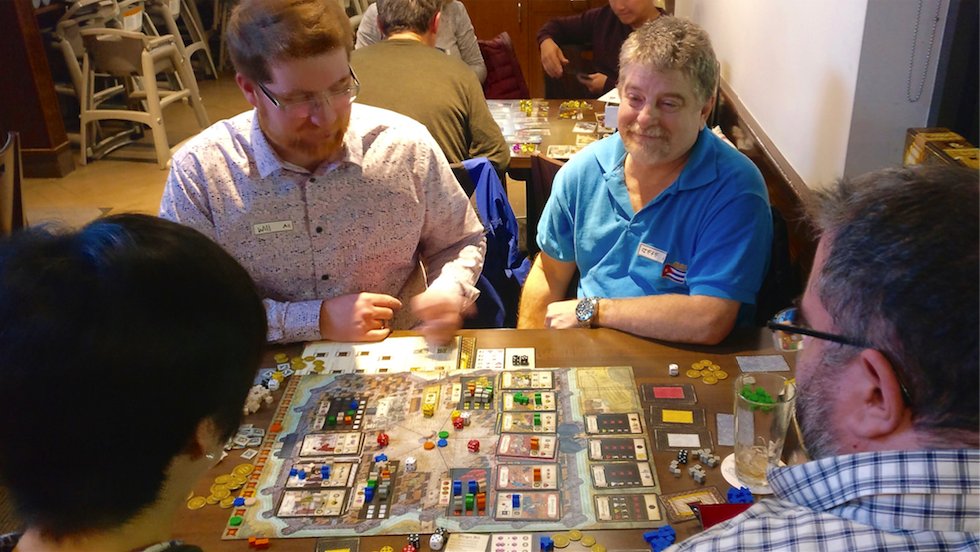
Board games are where the most interesting people you'll meet this year hang out.
Architects who play wargames, teachers who crush at negotiation, and one guy who just knows too much about Roman economics.
3
11
133
4,061
Victory In The Pacific retweeted
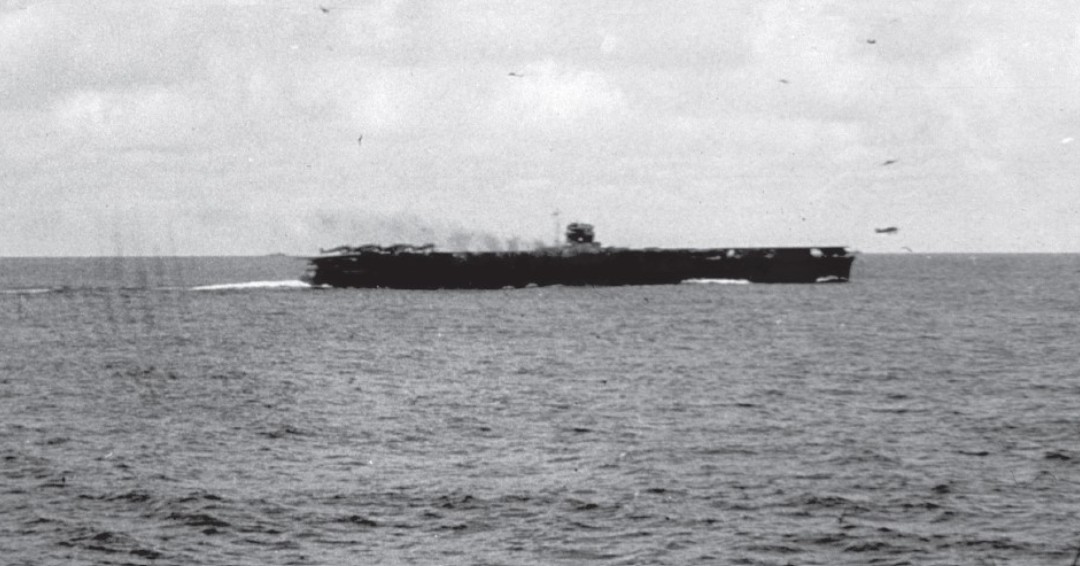
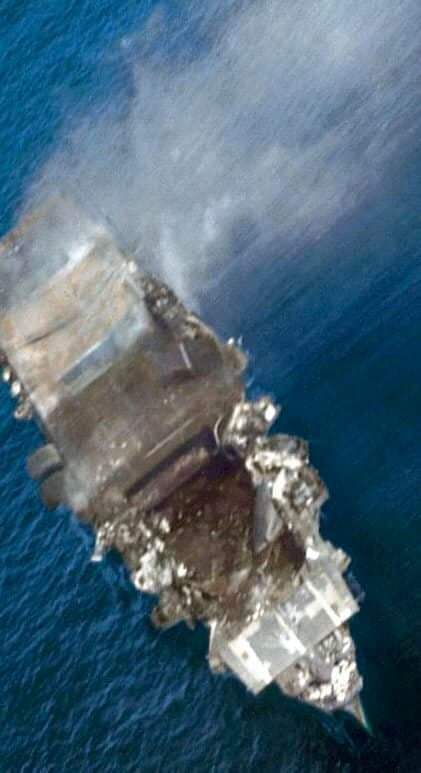
The Last known photo of the carrier Hiryu. Aftermath of the Battle of Midway 5th of June 1942.
25
221
2,363
71,021
Victory In The Pacific retweeted
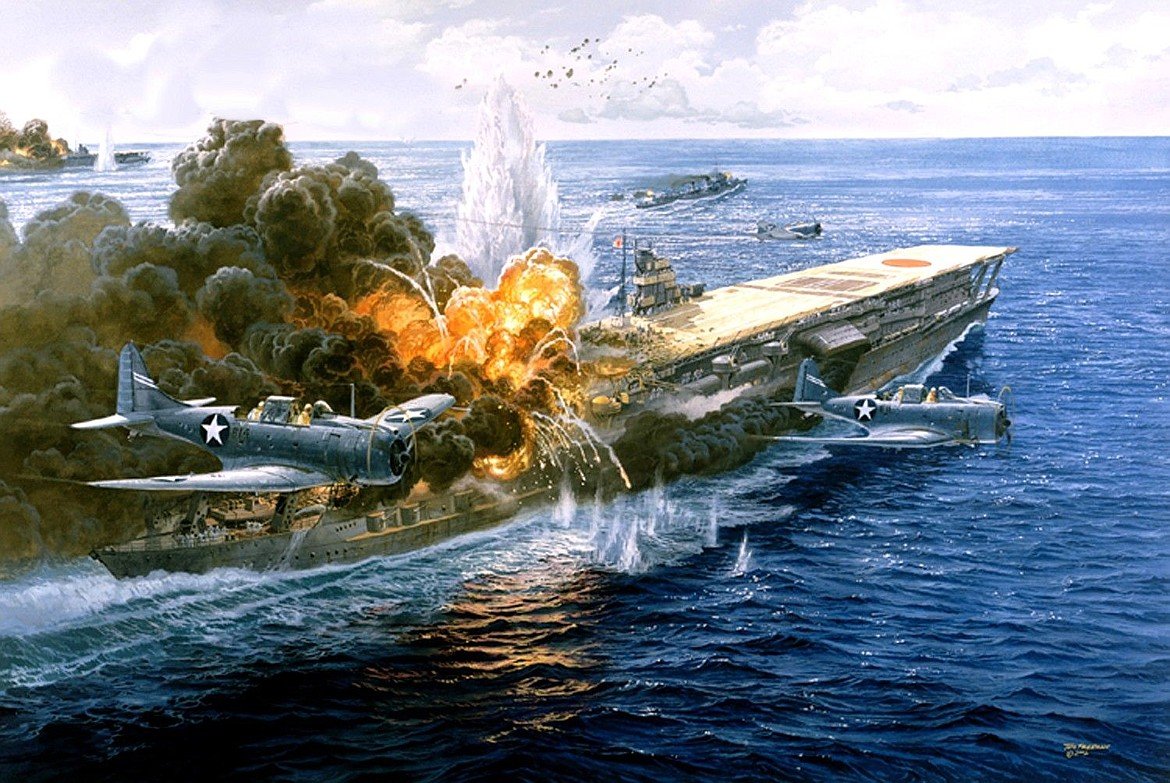
Akagi was no ordinary carrier. Laid down as a battlecruiser and converted in the 1920s, she was the flagship of the Kido Butai, the strike force that hit Pearl Harbor, and Admiral Nagumo's own ship. By June 4, 1942, she had never lost a battle.
That morning she was at her most vulnerable. Nagumo had spent hours flip-flopping on whether to arm his reserve aircraft with land bombs for a second Midway strike or torpedoes for the American fleet. The result: her hangars were crammed with fueled aircraft, open fuel lines, and ordnance stacked loose on the deck because crews had no time to strike the swapped bombs down to the magazines. Her fighter cover was at wave height, slaughtering the American torpedo squadrons.
At about 10:25, three Dauntlesses peeled off toward her. Just three, led by Lt. Richard Best of Bombing Six, who had broken off from the mass attack on Kaga after realizing nearly the whole squadron was diving on the same ship. Best's two wingmen, Kroeger and Weber, near-missed. One bomb exploded close astern, wrecking her rudder so she could only steam in helpless circles.
Best's bomb did the rest. A single 1,000-pounder punched through the flight deck at the edge of the midships elevator and burst in the upper hangar, in the middle of armed and fueled torpedo planes. The hangar became a furnace. Stored torpedoes and the bombs left lying on deck began cooking off in chain-reaction explosions her damage control teams could never get ahead of. One bomb, almost certainly the most destructive single bomb hit of the Pacific War, had killed a fleet flagship.
The fires drove everyone off the bridge. Nagumo, stunned, initially refused to leave. His chief of staff had to argue him into it, and the admiral of the world's most feared carrier force finally climbed down a rope from a bridge window at 10:46 and transferred to the cruiser Nagara, his fleet collapsing behind him.
The crew fought the fires all day. By 13:50 she was dead in the water and most of the crew was evacuated, leaving Captain Taijiro Aoki and his damage control parties aboard. Aoki, by tradition, intended to die with his ship; accounts hold that he had himself lashed near the anchor windlass to wait for the end. His officers and a direct order eventually got him off, under protest. He survived the war.
Even then Tokyo couldn't let her go. Yamamoto, who had once captained Akagi himself, hesitated for hours before authorizing the unthinkable: the first scuttling of a Japanese warship by Japanese torpedoes. At 04:50 on June 5 he gave the order. Four destroyers, Arashi, Hagikaze, Maikaze, and Nowaki, each fired a torpedo, and at 05:20 Akagi went down bow first, taking 267 of her crew. Arashi, fittingly, was the same destroyer whose wake had led Best's group to the fleet in the first place.
She rested undisturbed for 77 years until October 2019, when the research vessel Petrel found her 5,490 meters down, sitting upright on the Pacific floor.
7
116
710
548,266
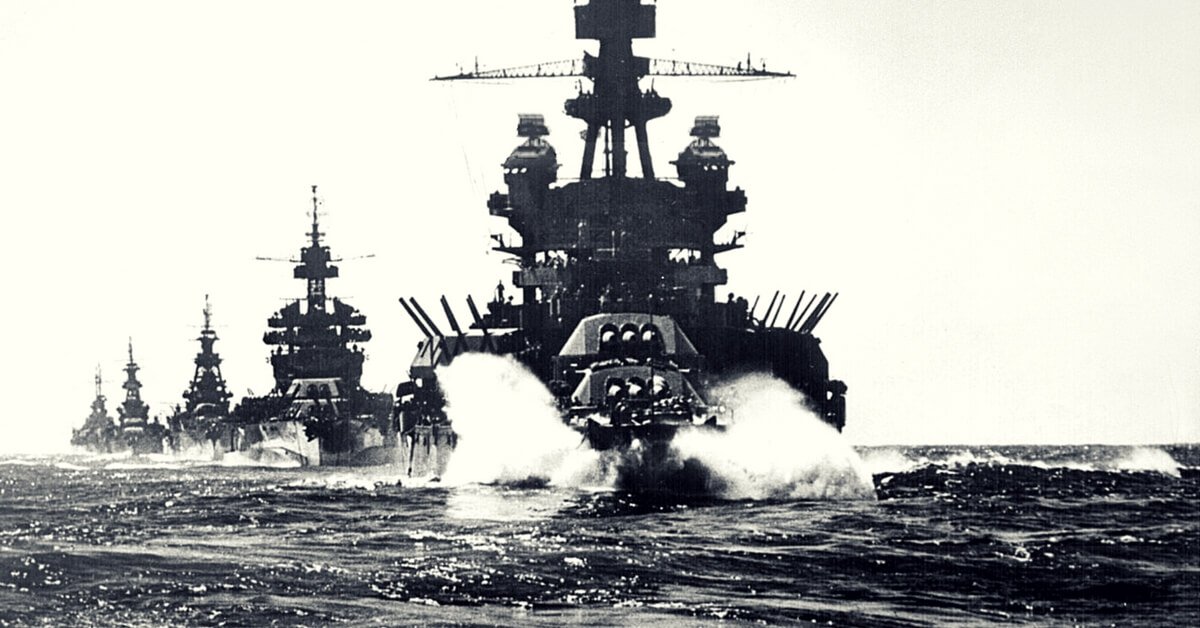
Front to back: BB Pennsylvania, BB Colorado, CA Louisville, CA Portland, CL Columbia. That's a lot of firepower plowing through the waves.
4
131
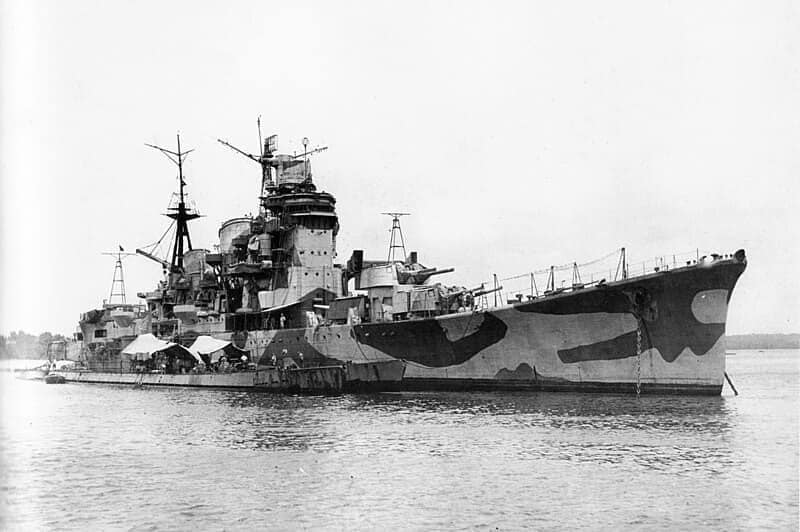
Japanese cruiser MYOKO in Singapore with 2 submarines (I-501 and I-502) at the end of the war. Tough to see but she has unrepaired stern damage from a bomb attack months earlier. She also had no ammunition on board for her main guns, only for anti-air guns, and very little fuel.
1
3
153
Victory In The Pacific retweeted
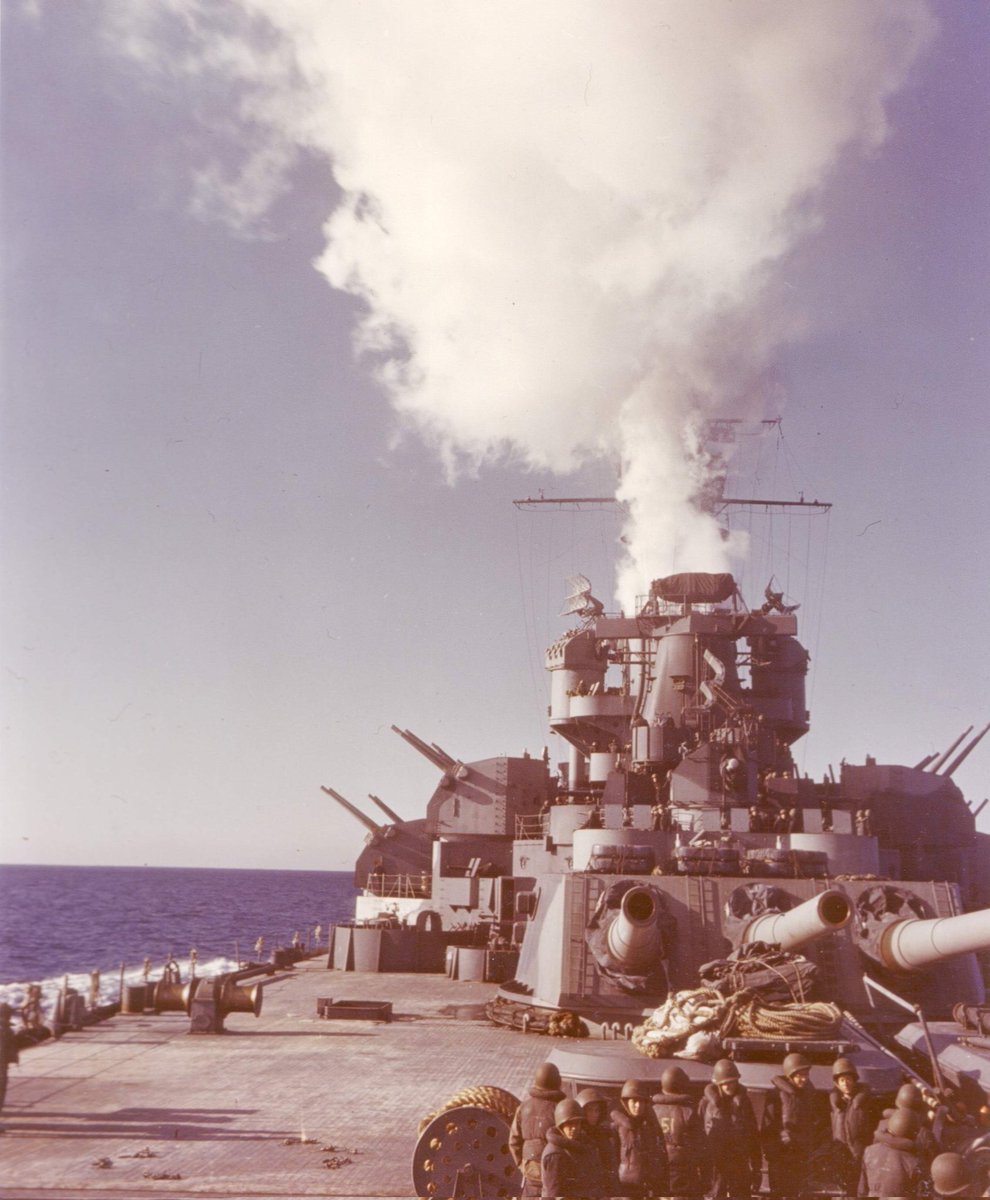
The battleship USS Alabama (BB-60) venting some excess steam during her shakedown cruise in December of 1942. She was likely crusing in thr vicinity of Casco Bay, Maine at the time of this photo.
11
120
1,721
Victory In The Pacific retweeted

May 28
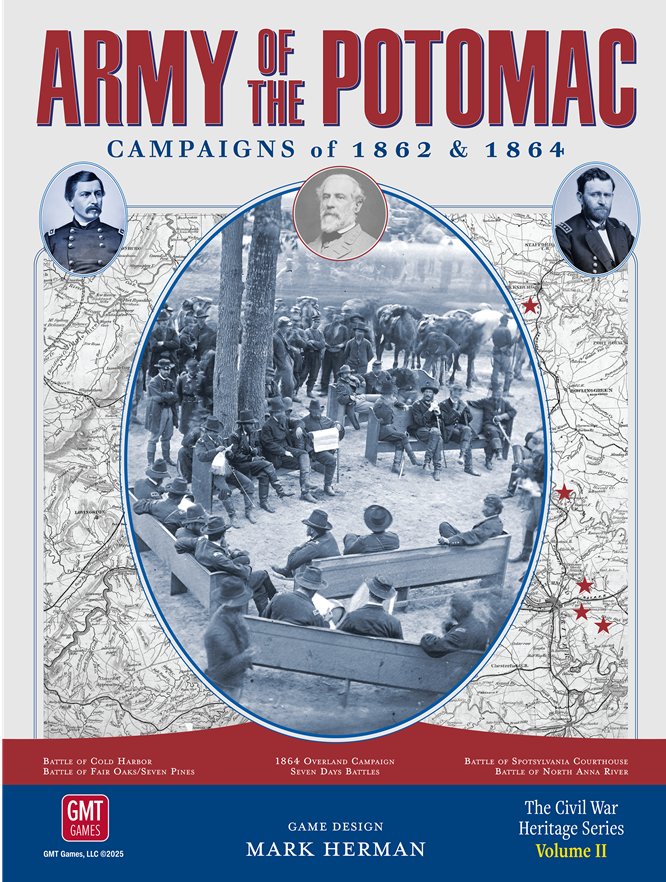
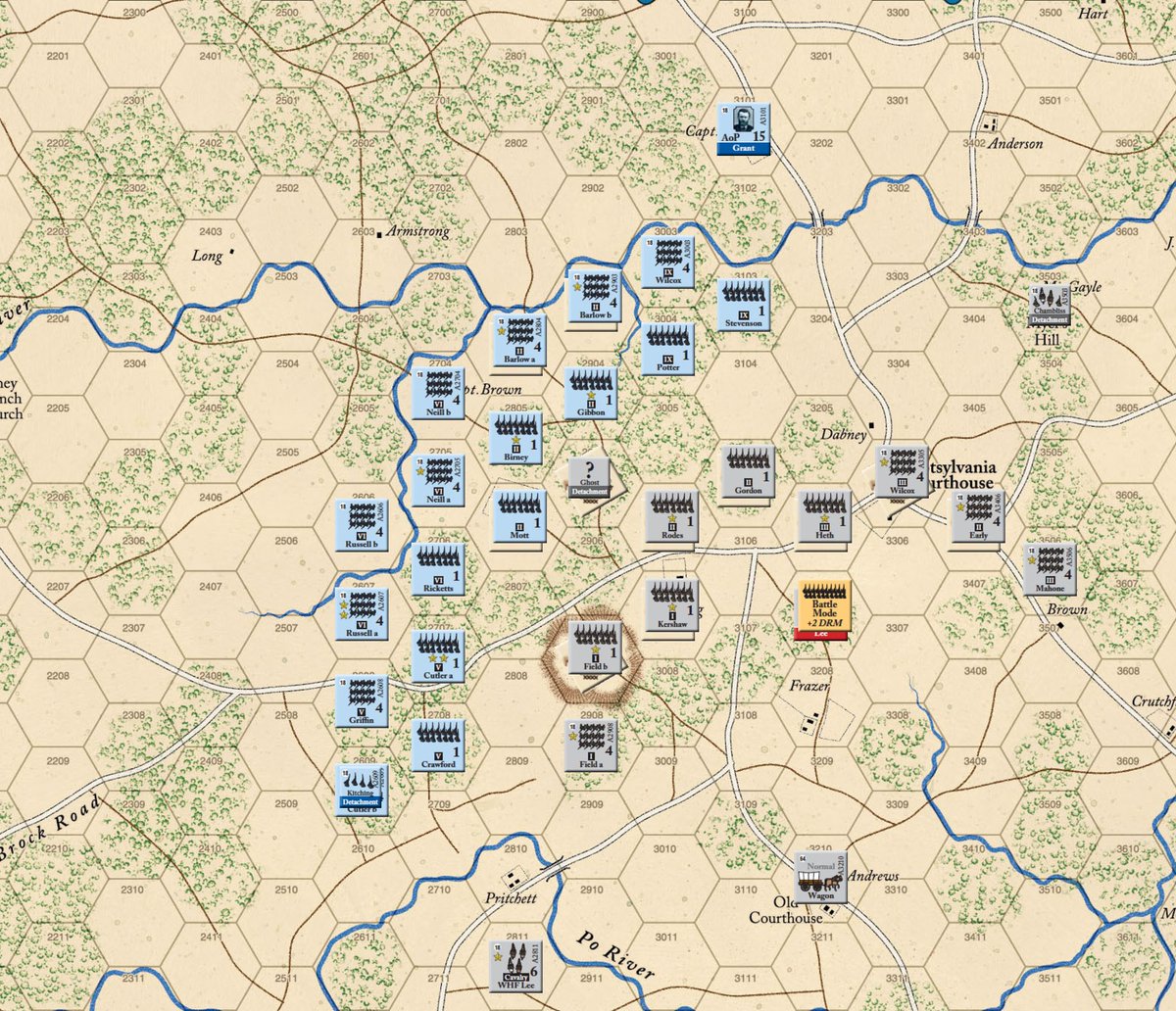
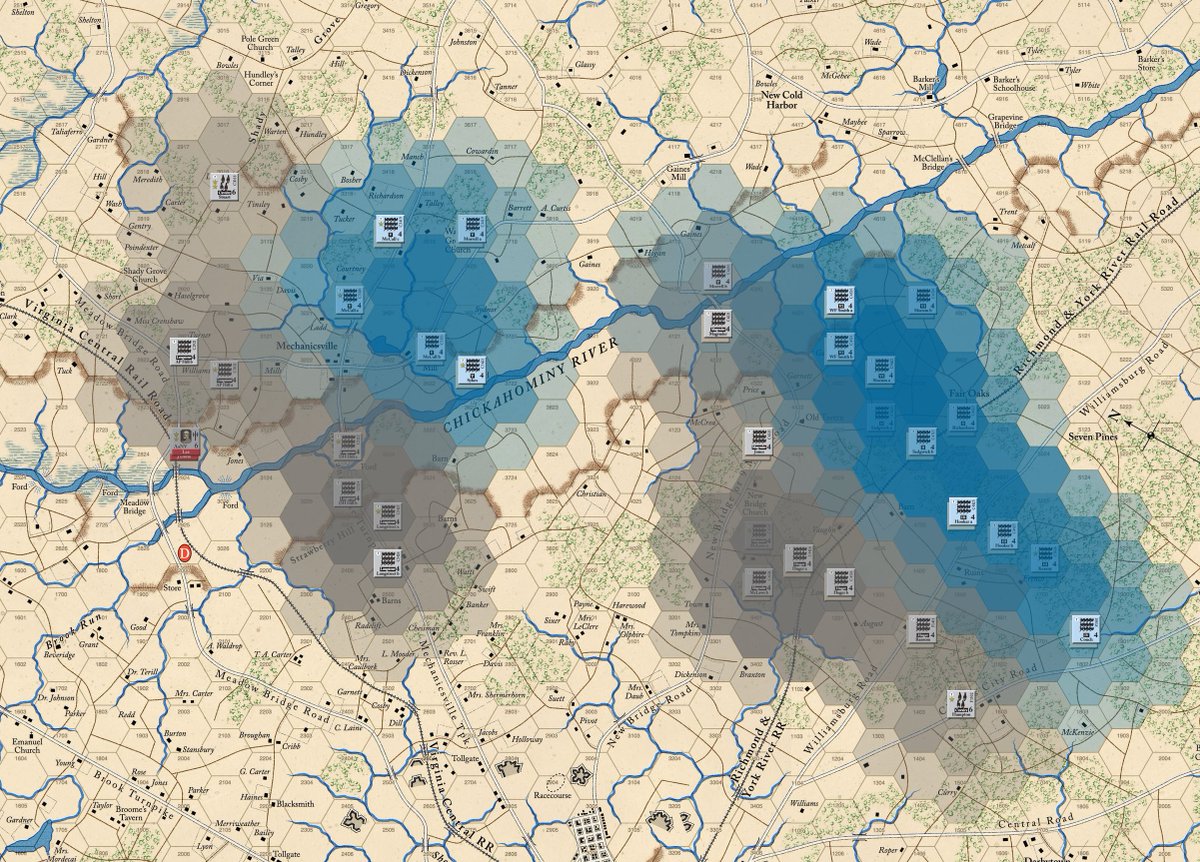
VASSAL Module update to Army of the Potomac @gmtgames Version 1.2.0:
1. Fixed a few counter errors with CH scenario.
2. Added maps to the module so that the smaller scenarios use only the maps prescribed for that scenario.
6
35
1,466
youtube.com/watch?v=2vOlxL2X…
Thanks @LegendaryTacti1 for the shout-out ... hopefully we get a game replay at some point!
1
5
221
Victory In The Pacific retweeted
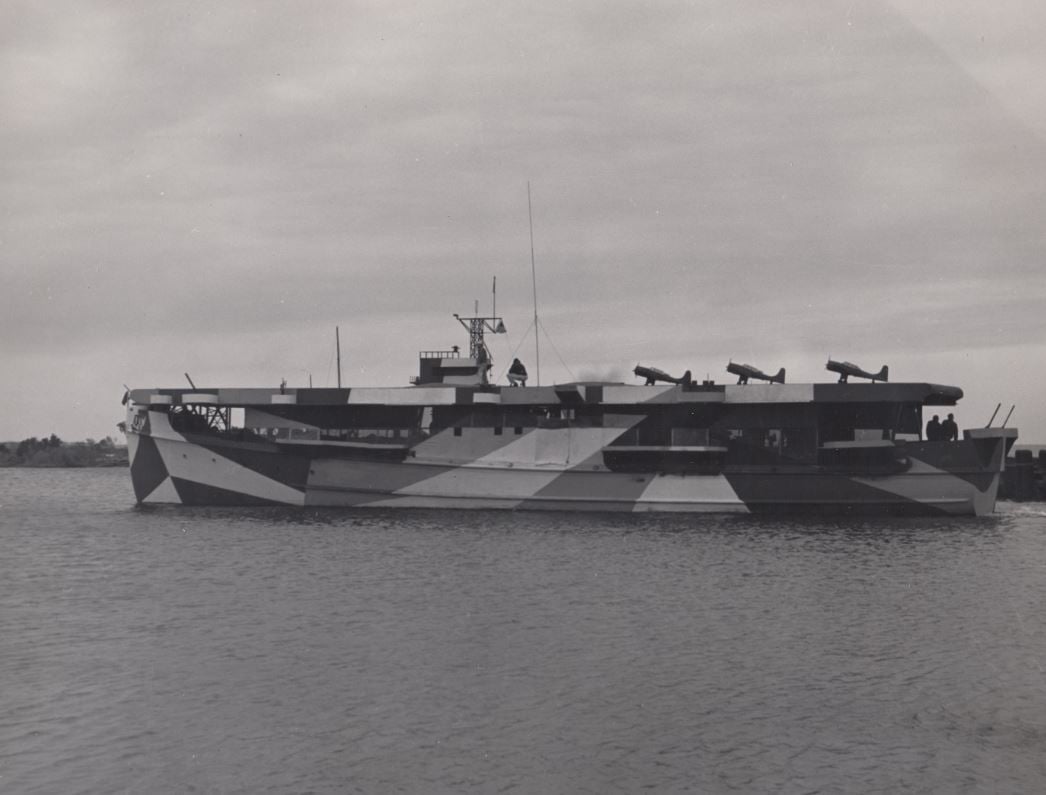
Notice something weird about this Bogue class escort carrier? No? Look at the figure crouched just aft of the island. Still not quite getting it? Look at the two individuals standing under the aft flightdeck?
What you see here is one of the more audacious methods of deception tested by the United States Navy.
This is a replica bogue class aircraft carrier built onto the hull of the submarine chaser SC-449!
The United States Navy was well aware that the Invasion of Japan would result in the greatest use of kamikaze attacks. Knowing that it would be impossible to adequately defend against them, it was decided to provide decoy targets to divert attention.
SC-449 was the prototype for this strategy. In 1945, her superstructure was cut down and a wooden mockup of a flightdeck and island were erected. Details were added in the form of miniature anti-aircraft guns, rigging, and even aircraft on the flight deck to complete the illusion.
Despite the decoy being only 110' (33.5m) in length, 300' shorter than a typical escort carrier, the Navy believed that kamikaze pilots would be unaware of the deception until it was too late. The unmanned decoys would be deployed at various points around Japan, diverting Japanese attention from the real warships in the fleet.
The escort carrier decoys were never utilized. Due to the use of the atom bomb to force a Japanese surrender, the invasion of Japan was never carried out. With no invasion, there was no need for the decoys.
9
85
437
37,018
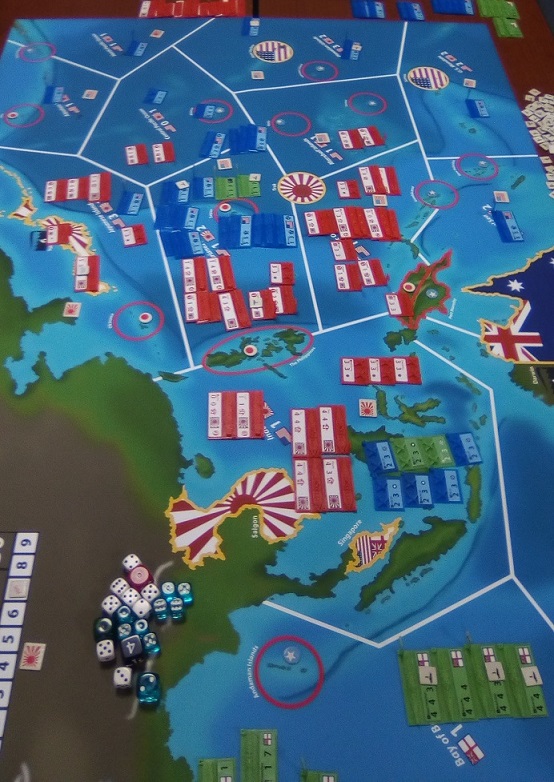
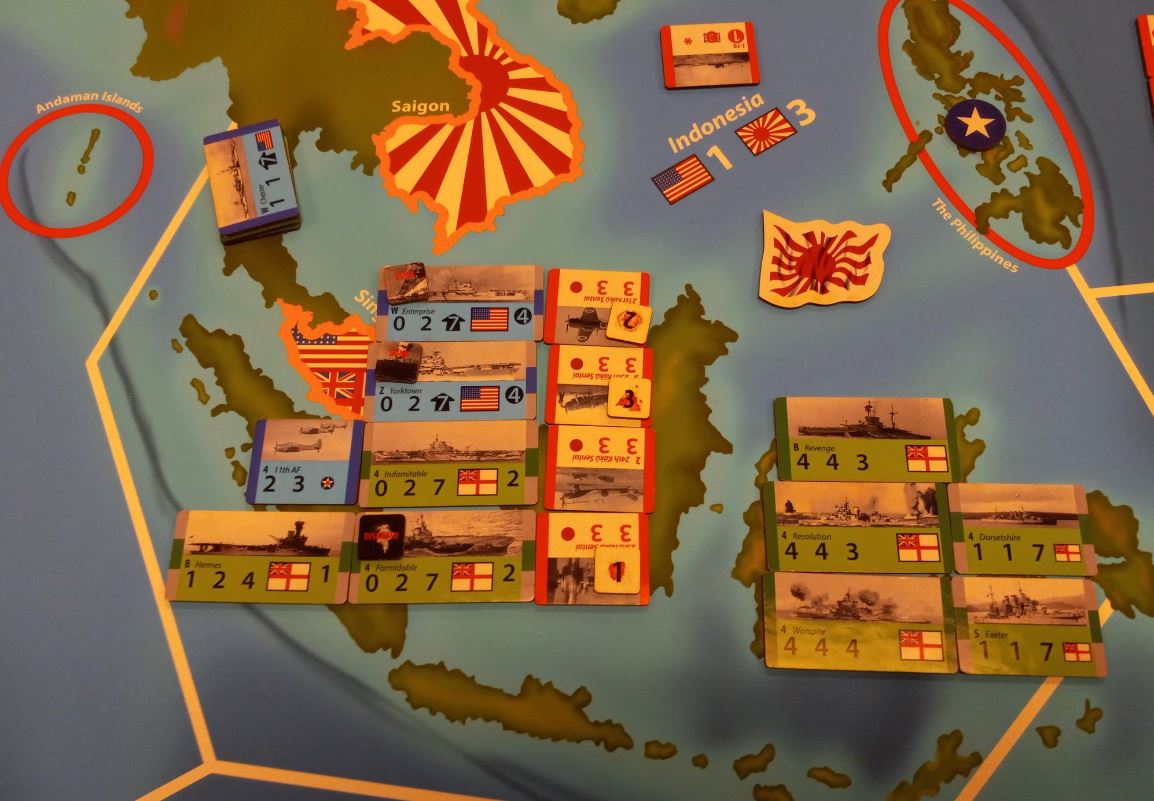
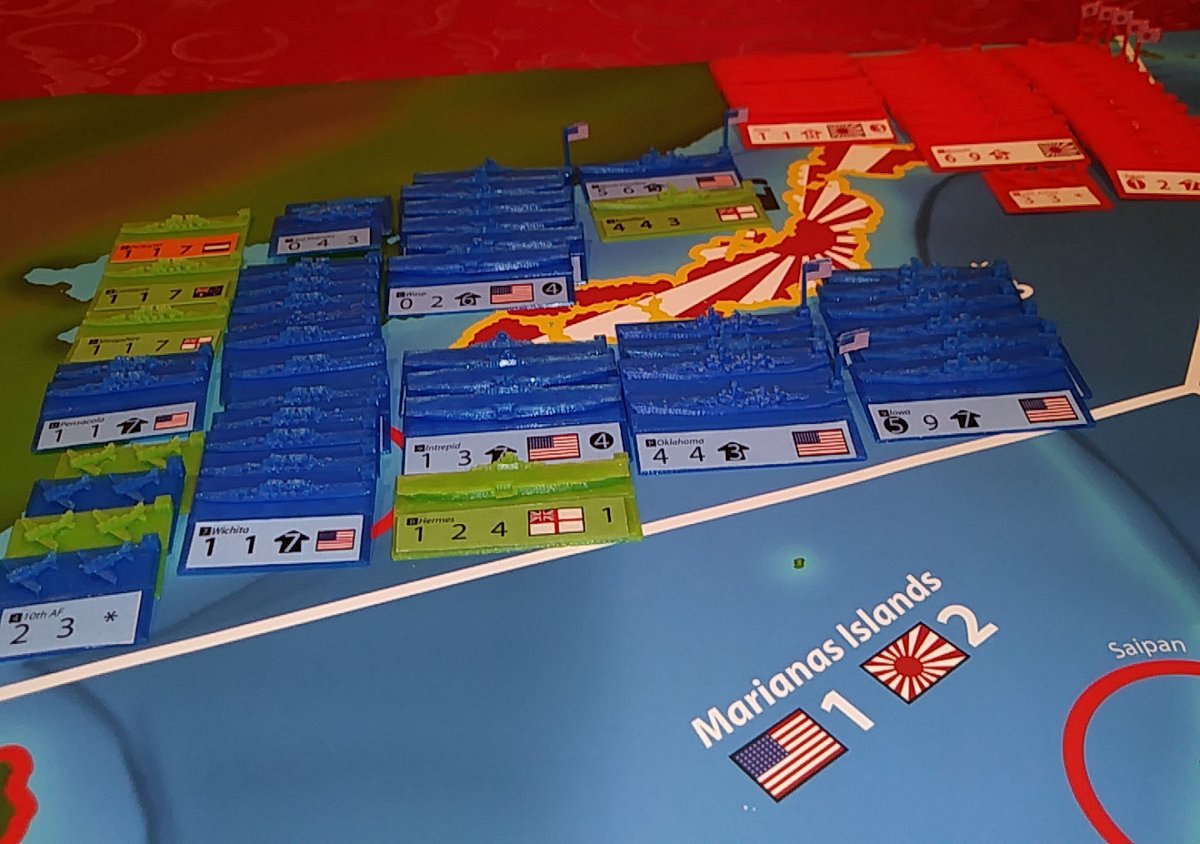
Interested in the VITP reprint? Consider signing up for the newsletter link.gameaholics.com/widget/…(you can leave out the phone # and the check boxes, & just get email updates).
More people signing up may also help speed the process along as they are trying to gauge interest level.
1
2
23
642

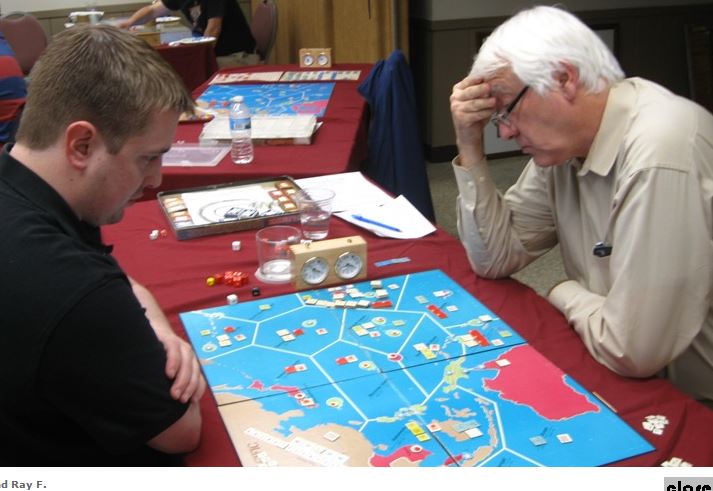
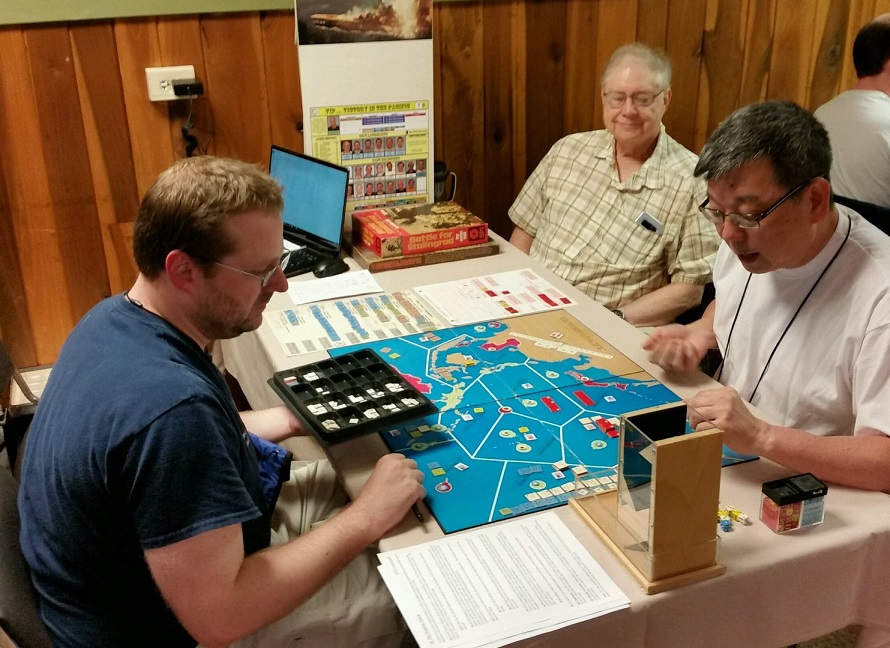
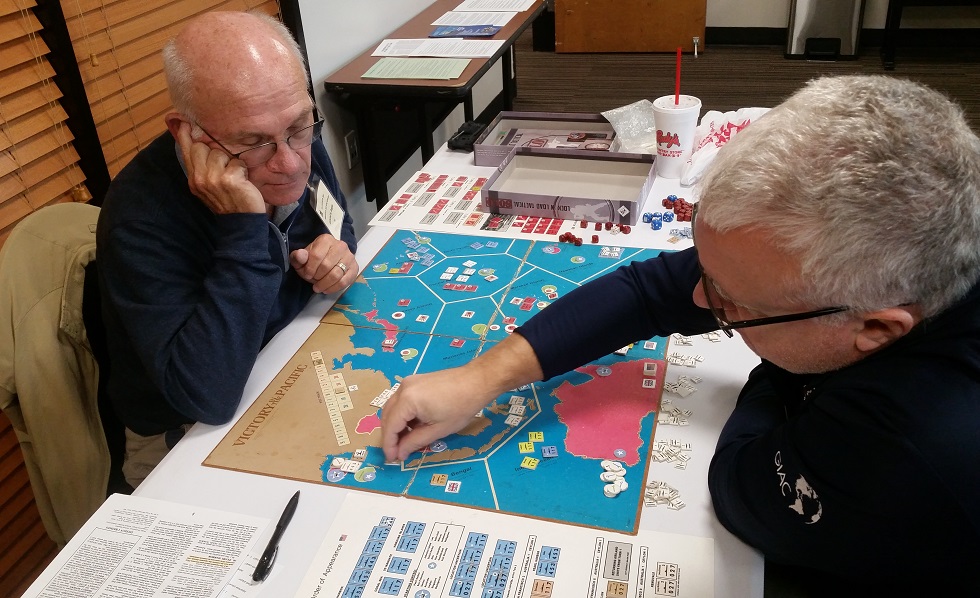
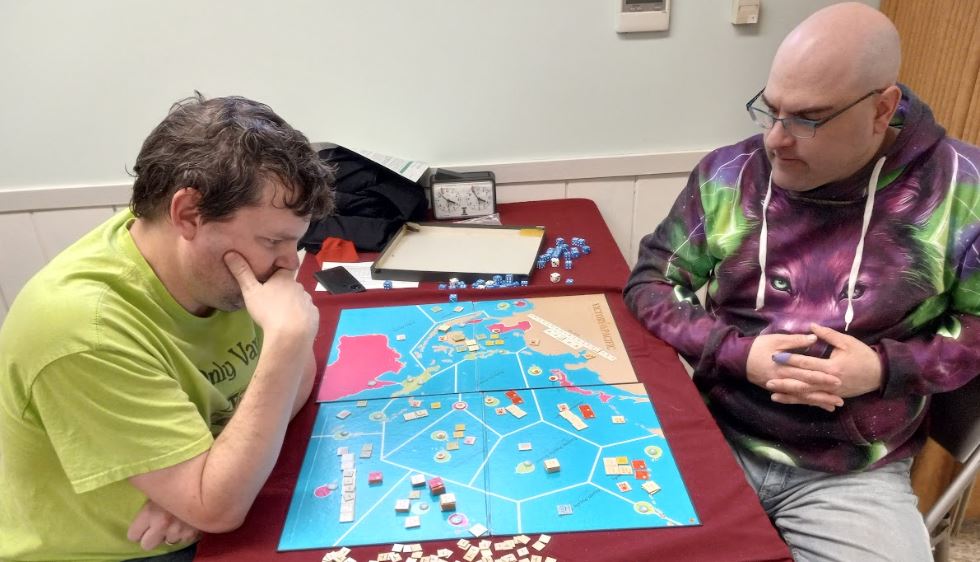
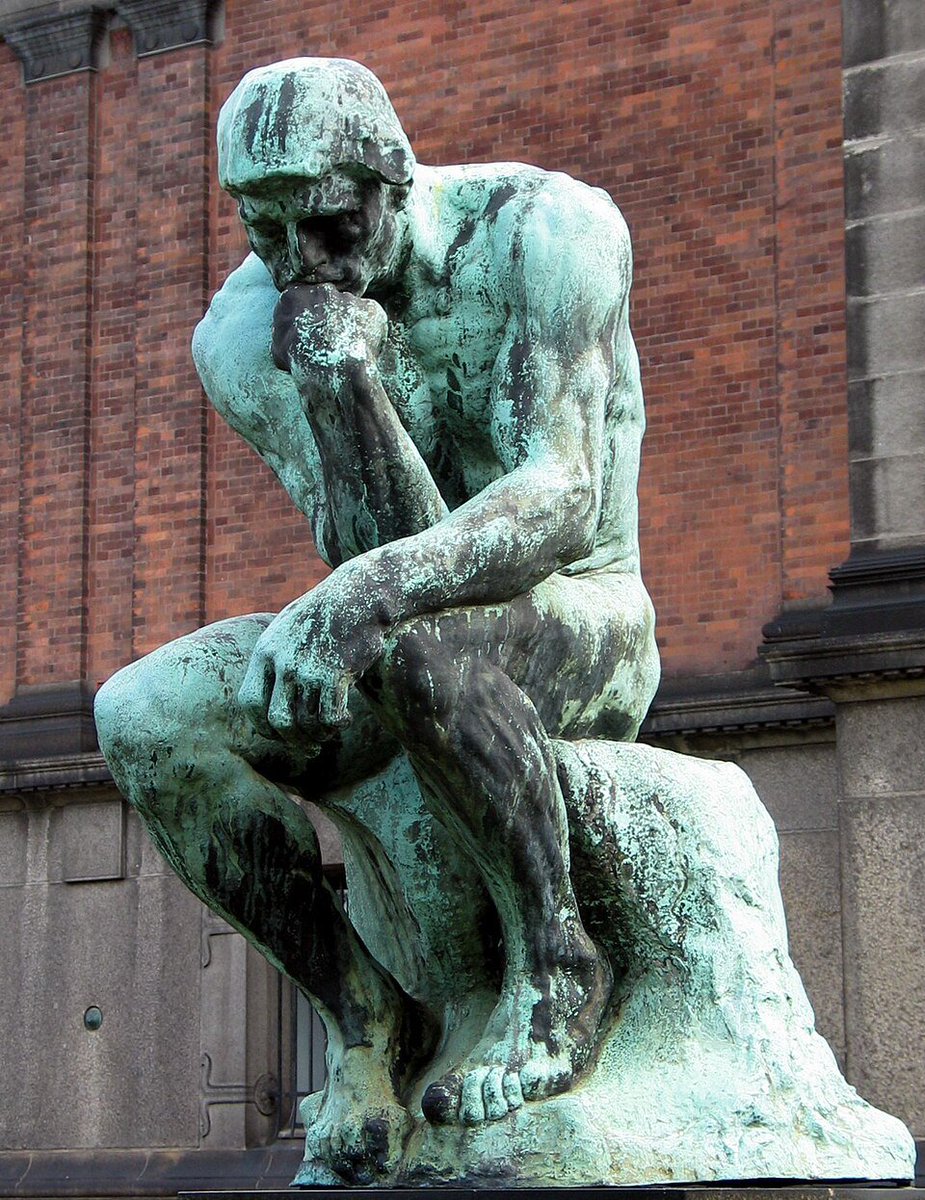
Thinking hard, and preparing for the next turn's moves...
1
14
273
Victory In The Pacific retweeted

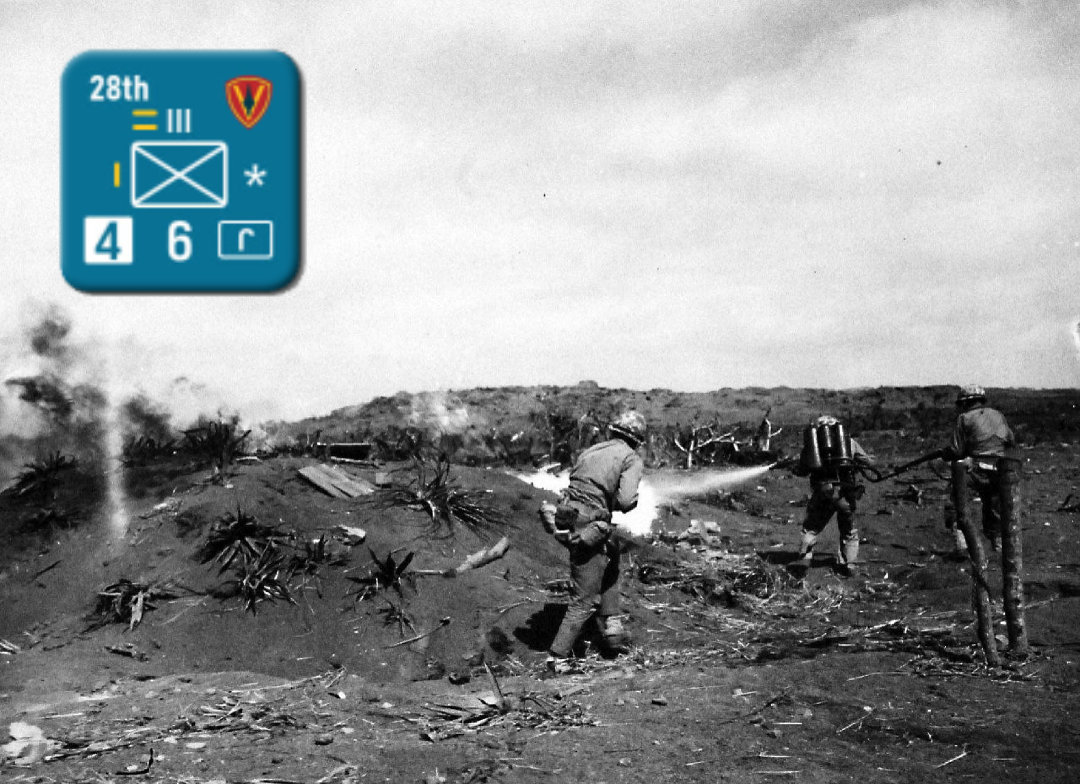
Japanese fortifications at Iwo Jima were a nightmare. The M2-2 Flamethrower was a key weapon, but the fight was brutal.
Master its use in our game, Iwo Jima: Hell on Earth. f.mtr.cool/qrwoevzgtb
2
18
536
Japanese carrier Hiryu at Midway launching one of its 18 Aichi D3A dive bombers as part of its penultimate strike before going under. They achieved several hits on US carrier Yorktown, which along with torpedoes from both Hiryu's planes and a submarine, sent Yorktown the bottom.
8
159