Web3 || Graphic Designer || Holiness And Excellence || Creator ⚡ || Building @Freelance_DAO @growthinweb3
Joined March 2024
- Tweets 4,436
- Following 485
- Followers 741
- Likes 22,645
181 Photos and videos







VR__Design✨⚡ retweeted

May 29
It’s still our founder, @iamveektoria_’s birthday 🙂↔️
Say a word of prayer for her.
Graphic credit: @VR__Design

22
7
84
1,428
VR__Design✨⚡ retweeted

This is how @charmsai works
Go to → charms.ai/ to get started.
Sign up using X, email, or an Apple device, a wallet is automatically created for you.
Once you’re in, you can chat, trade, and create characters. For example, @zoe_charms is one of the characters on the platform.
Everything you create or hold appears directly in your profile.
To create your own character, you’ll need to join the waitlist.
In the meantime, you can start trading existing characters from as little as $2.

These are the reward tiers:
→ 1st: $5K
→ 2nd: $4K
→ 3rd: $3K
→ 4th–9th: $1K each
How it works:
→ Post on X about @zoe_charms or @charmsai
→ Winners are ranked by real reach
→ Real reach = organic distribution (no paid reach, bots, or engagement farming)
→ Winners share $18,000 in rewards 3 months of Zoe creator fees from launch
→ Monthly creator fees continue as long as winners keep posting about Charms
Current entry point is ~2K real views.
Winners announced May 6.
PS: This is not a paid partnership.

5
6
51
6,220
VR__Design✨⚡ retweeted

May 1
One good friend can change your life entirely.
7
18
95
1,864
VR__Design✨⚡ retweeted
Base TV: Episode 55 🟦
Highlights from @base last week!
(April 5 - 12, 2026)
Pinned on @TherealBaseTv official page.
11
13
80
8,239

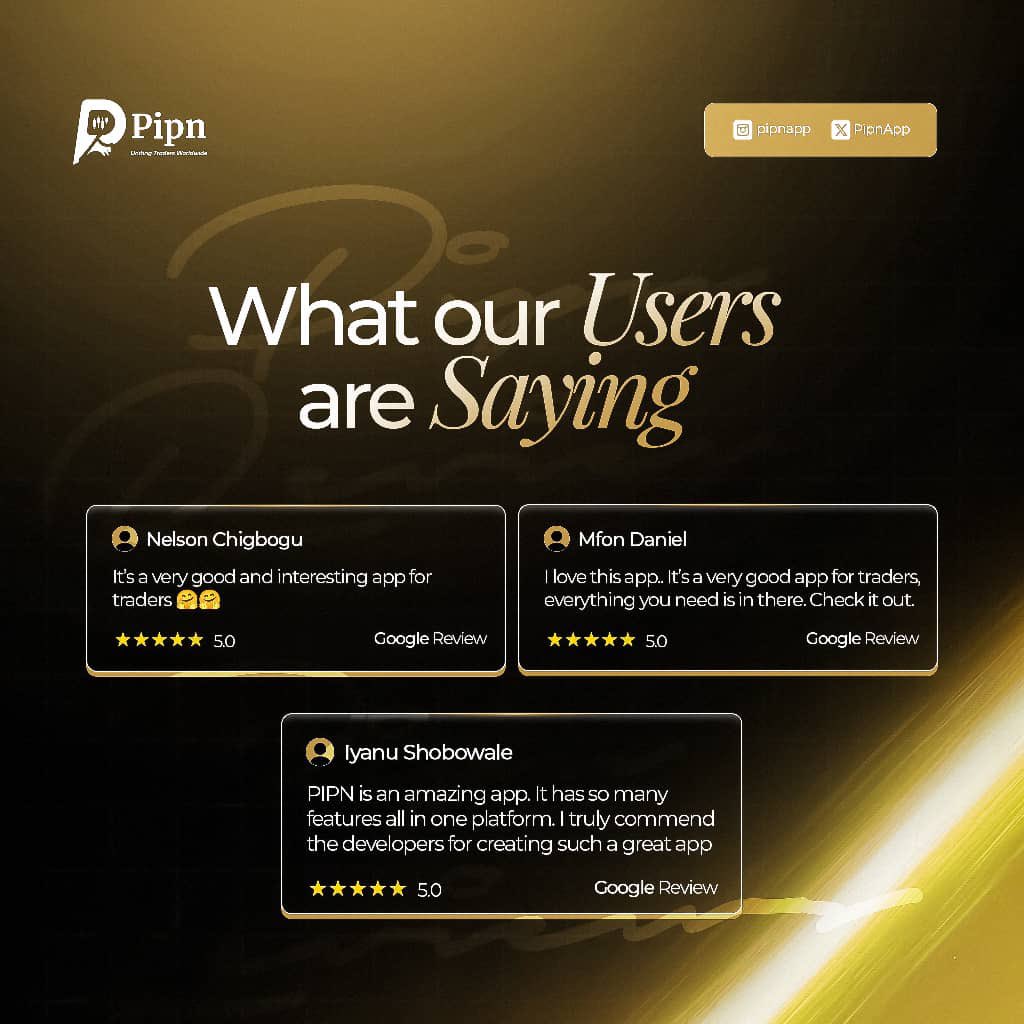
Don’t just take our word for it — hear from the people who matter the most: our users! ⭐️
PIPN is all about providing real value to traders, and these reviews prove we’re on the right track. 🚀
Join the community and experience the difference yourself. #PIPN #UserReviews #trading
2
6
251
VR__Design✨⚡ retweeted

Feb 17
The recent debate around L2s isn’t really about technology but about positioning.
For years, the dominant pitch was simple: “Ethereum, but cheaper.”
That worked when L1 fees were high and blockspace scarce, but it doesn’t hold today.
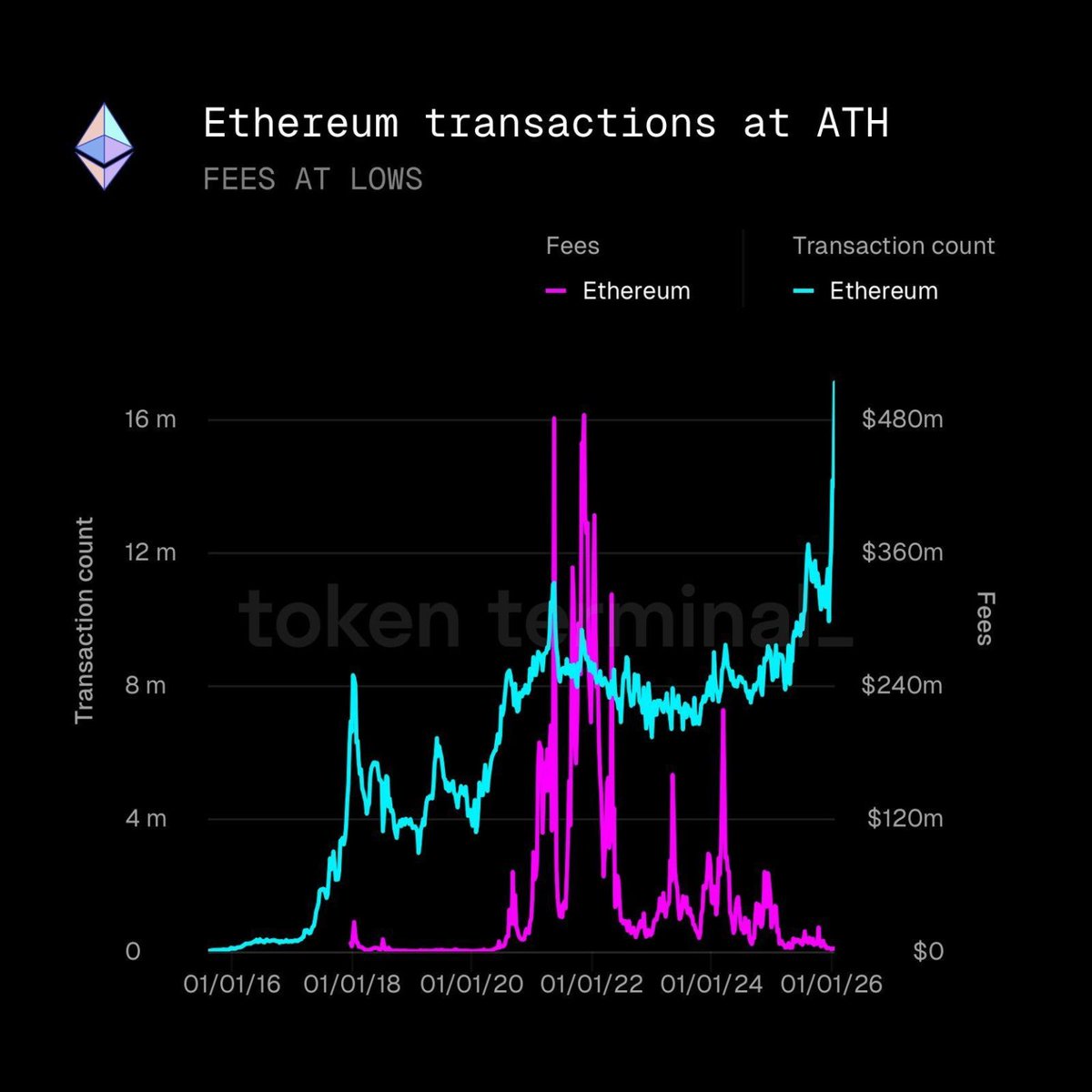
→ As of mid-February 2026, Ethereum gas fees are exceptionally low, with basic transactions sometimes under $0.01.
This is driven by scaling upgrades like EIP-4844 and lower network demand, though fees can still spike during congestion.
→ Blobspace (EIP-4844) has materially reduced data availability costs for rollups.
→ L2 decentralization progress remains under scrutiny.
If the base layer continues scaling while security expectations rise, “cheaper Ethereum” is no longer a durable differentiator.
The data already reflects this shift:
→ Liquidity concentrates in a small number of L2s.
→ Purely incentive-driven growth struggles to sustain long-term usage.
→ User activity increasingly clusters around specific applications, not chain branding.
This isn’t an obituary for L2s, it’s a filter. The L2s that will remain relevant deliver capabilities Ethereum L1 does not natively optimize for:
→ Privacy-focused environments – Ethereum L1 is fully transparent by design. L2s can offer privacy layers, like zero-knowledge or confidential transactions, enabling applications that handle sensitive data securely.
→ App-specific throughput – L1 must allocate resources evenly across all apps. L2s can optimize performance for high-demand applications, ensuring faster transactions and smoother user experiences for targeted use cases.
→ Mobile-first payments – Ethereum L1 isn’t optimized for instant, low-fee mobile transfers. L2s can provide seamless mobile-native experiences, reducing friction for users in emerging markets or consumer-focused applications.
→ Ultra-low latency execution – L1 prioritizes decentralization and security, which introduces delays. L2s can deliver near-instant transaction finality for high-frequency, real-time, or microtransaction-heavy applications.
In short: L2s that succeed aren’t “cheaper Ethereum.” They specialize in areas L1 cannot efficiently serve, creating clear value for specific user segments and use cases.
Ethereum dominates settlement for stablecoins, tokenized treasuries, and institutional collateral. As the security and liquidity hub, L2s shift from “alternatives” to “specialized execution layers.”
Specialization is harder to market but compounds better. In every cycle, infrastructure excess gets trimmed.
What remains are systems with:
→ Clear value proposition
→ Distinct user segment
→ Measurable retention
→ Sustainable economic activity
The question isn’t “Are L2s dying?” It’s: Which L2s can clearly articulate why they exist beyond fees?
In a market where base layers scale and capital consolidates, relevance isn’t claimed but earned through differentiation, defensibility, and sustained user behavior.
5
3
16
806

VR__Design✨⚡ retweeted

Jan 22
What would it take to make you believe?
More fire from the sky?
Another part in the sea?
The honest truth is, that you haven't got the power to see
1
10
188
Feb 1
11
97
VR__Design✨⚡ retweeted

Jan 31
Most of the work in motion design happens before anything moves.
The animation is just the last 20%.
3
1
5
135
Jan 31
Been so focused on web3 designs that i actually wondered if I'll still be able to do any other kind of design.
So I decided to try this out 🥲
What do you think of this piece?
#growthinweb3 #growthwithveek
5
14
157
VR__Design✨⚡ retweeted
Everyone is still busy posting:
“InfoFi is dead”
“Yapping is dead”
Then the reoccurring question: “What’s the new meta?”
The truth is: there are still many ways to contribute, especially with legit protocols solving real problems.
@zeroledgerxyz just launched its Beta Testing Program and this is the time to position early for potential recognition and priority access.
Repost, bookmark and lock in for this alpha!
18
12
94
6,058
Jan 29
Jan 29

There is no one holy like the Lord; there is no one besides you; there is no Rock like our God.
1 Samuel 2:2
1
7
79
Jan 28
Jan 28
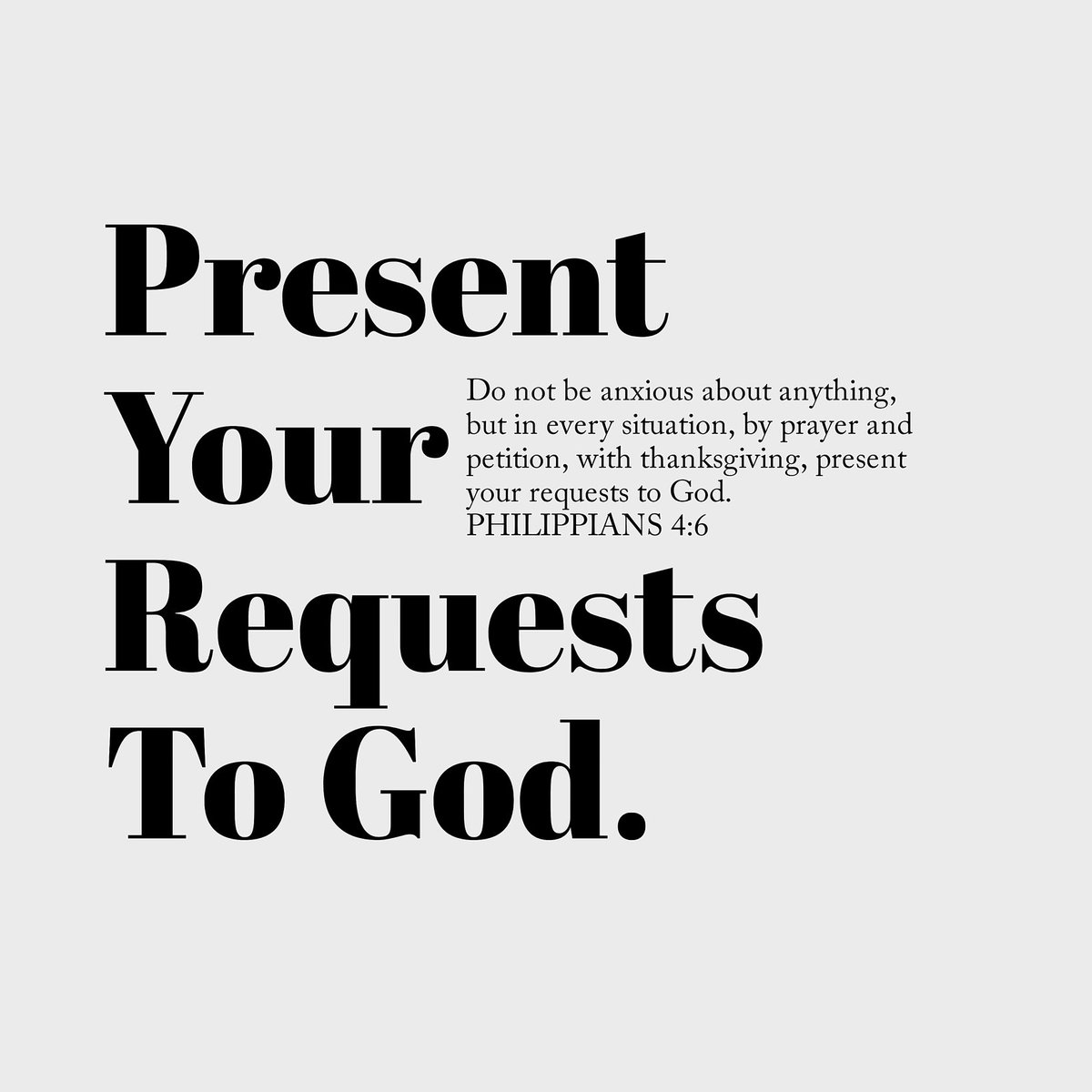
Do not be anxious about anything, but in every situation, by prayer and petition, with thanksgiving, present your requests to God.
Philippians 4:6
6
74
Jan 28
I will give you the keys of the kingdom of heaven; whatever you bind on earth will be bound in heaven, and whatever you loose on earth will be loosed in heaven.
Matthew 16:19
5
43