Joined December 2009
- Tweets 37,019
- Following 32,557
- Followers 90,913
- Likes 103,017
2,229 Photos and videos









Jun 11
The marketplace has a funny way of rewarding people who solve problems.
Not those who talk about problems.
Not those who complain about problems.
Not those who analyze problems forever.
People who solve them.
Value creation remains undefeated.
1
4
178
Jun 11
The older I get, the more I appreciate people who make life feel lighter.
Not because they avoid serious topics.
Because they remind us that joy still belongs in the conversation.
That's a gift.
4
120
Jun 10
At some point, everyone realizes that X isn't the same for everyone.
One person wants freedom.
Another wants impact.
Another wants peace.
Another wants adventure.
The mistake is spending your life chasing someone else's version of X.
The reward is defining your own.
1
4
99
One of the most valuable skills in business is the ability to stay calm when things become uncertain.
Anyone can lead when conditions are perfect.
Leadership becomes visible when conditions aren't.
1
1
4
119
I've found that almost every major breakthrough in my career started with a conversation.
Not a strategy document.
Not a spreadsheet.
A conversation.
People are still the greatest opportunity multiplier on earth.
2
2
9
355
As a kid, I thought adults had everything figured out.
As an adult, I now realize we're all just experienced beginners trying our best.
Oddly enough, that realization made me more compassionate.
3
1
7
243
Life moves fast enough on its own.
It doesn't need our help.
Take the photo.
Make the call.
Stay a little longer.
Someday you'll be grateful you did.
2
9
194
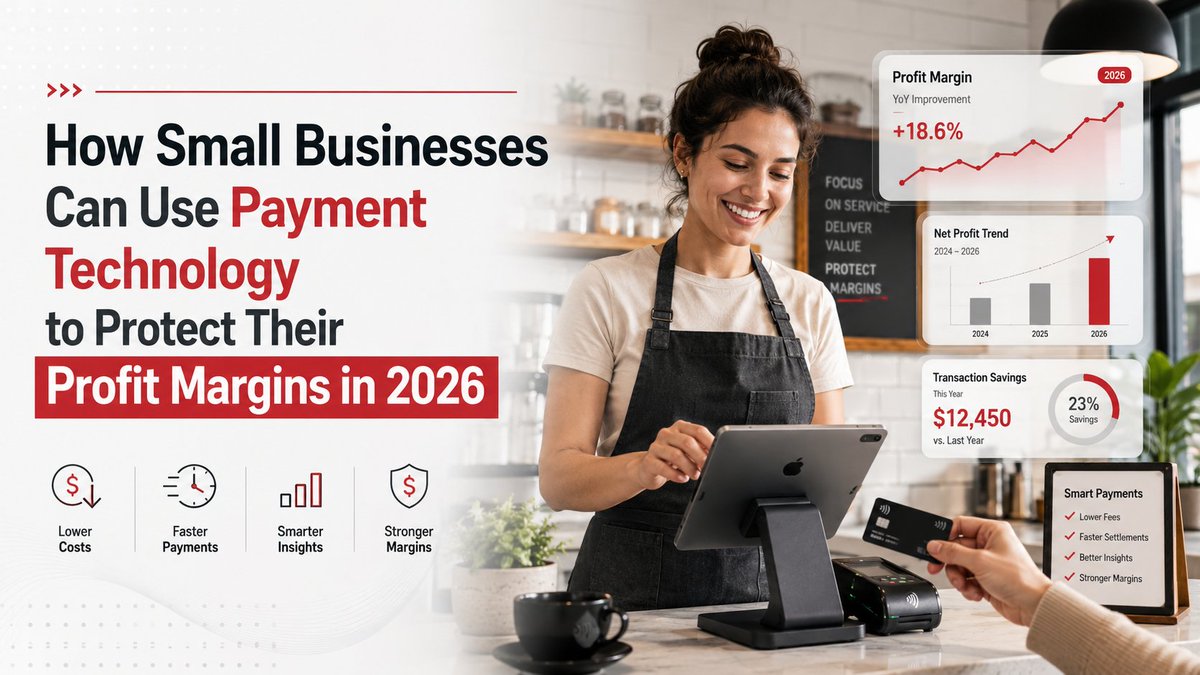
How Small Businesses Can Use Payment Technology to Protect Their Profit Margins in 2026
valuedmerchants.com/how-smal…
#Payments
81
Every decade of life seems to redefine X.
At 20, it's freedom.
At 30, it's achievement.
At 40, it might be meaning.
At 50, peace.
At 60, gratitude.
Maybe X was never changing.
Maybe we were.
1
109
If life were an algebra problem, most of us would spend years trying to find X.
Then one day we'd realize the answer was written in the margin the whole time:
Pay attention.
Be kind.
Love deeply.
Laugh often.
The test was never about X.
87
Power is a mirror that exposes the interior alignment of the person holding it. The leader who rules through fear is merely projecting their own deep terror of losing control onto the collective sandbox, whereas the leader who eliminates fear operates from a heavy, quiet internal security that understands authority is a stewardship, not a weapon.
1
1
110
Everyone wants to find X.
The secret is that X keeps moving.
You hit the income goal.
X changes.
You buy the house.
X changes.
You achieve the dream.
X changes.
Maybe happiness begins when X stops being the destination and becomes the adventure.
1
2
122
It's funny that we renamed Twitter to X.
Most people spend their lives treating every problem like an algebra equation:
Find X.
Chase X.
Become X.
Then one day you realize the best things in life weren't variables to solve.
They were the people you laughed with, the risks you took, and the moments you almost missed because you were too busy looking for X.
118
May 31
There is a specific kind of quiet wealth that has nothing to do with bank accounts. It’s the luxury of not being in a hurry. It's the ability to sit with a cup of coffee for twenty minutes without checking a notification.
1
1
4
103
May 31
We’ve built a professional landscape where "doing nothing" is viewed as a moral failing. If a calendar block isn't color-coded, or a slot of time isn't monetized, we panic. But constant optimization is just anxiety disguised as achievement.
1
2
124
May 27
Sometimes laziness is not a lack of purpose at all; it is just your body's highly intelligent, natural way of telling you that you are completely exhausted and need to sit on the porch for a day without optimization metrics tracking your downtime.
1
1
91
May 26
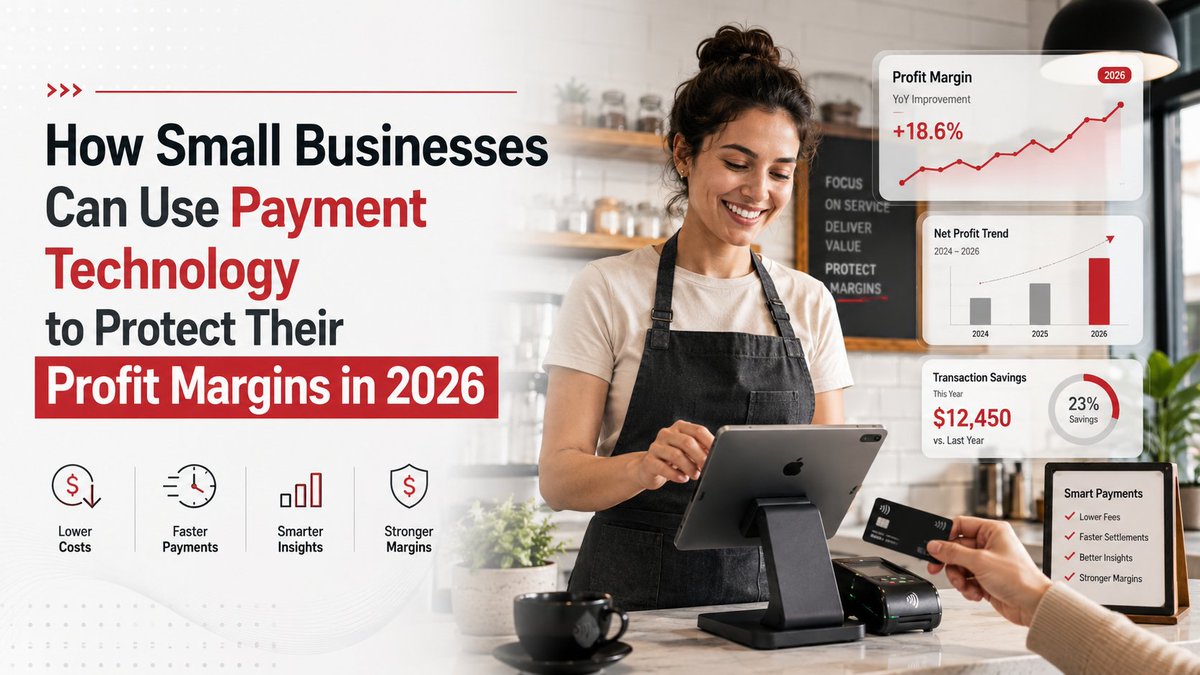
How Small Businesses Can Use Payment Technology to Protect Their Profit Margins in 2026
Most small business owners do not lose profit margin all at once.
They lose it quietly.
A fee here. A delay there. A system that takes too long. A chargeback nobody saw coming. A POS setup that looked affordable at first but now creates extra work every day.
That is how margin disappears.
In 2026, small business owners are still dealing with pressure from every direction. Labor is expensive. Inventory is expensive. Rent is expensive. Insurance is expensive. Customers are more selective. Competition is not slowing down.
So the question is no longer, “How do I accept payments?”
Every business can accept payments.
The better question is, “Is my payment technology helping protect my profit margins, or is it quietly working against me?”
That is the question more business owners need to ask.
Read more: valuedmerchants.com/how-smal… #blog #profitmargins
83
May 26
Stop trying to talk about fifty different things to please everyone and start doubling down on the one unique truth that your analytics prove you see clearer than anyone else.
1
3
105