
𝕴'𝖒 𝖆 𝖉𝖔𝖟𝖊𝖓 𝖑𝖎𝖛𝖊𝖘 𝖓𝖔𝖙 𝖑𝖎𝖛𝖊𝖉, 𝖆 𝖙𝖍𝖔𝖚𝖘𝖆𝖓𝖉 𝖈𝖗𝖎𝖊𝖘 𝖚𝖓𝖍𝖊𝖆𝖗𝖉 𝖆𝖓𝖉 𝖆 𝖒𝖎𝖑𝖑𝖎𝖔𝖓 𝖒𝖔𝖒𝖊𝖓𝖙𝖘 𝖜𝖆𝖘𝖙𝖊𝖉.
Joined August 2010
- Tweets 39,419
- Following 186
- Followers 353
- Likes 13,650
1,210 Photos and videos





Pinned Tweet

25 Aug 2020
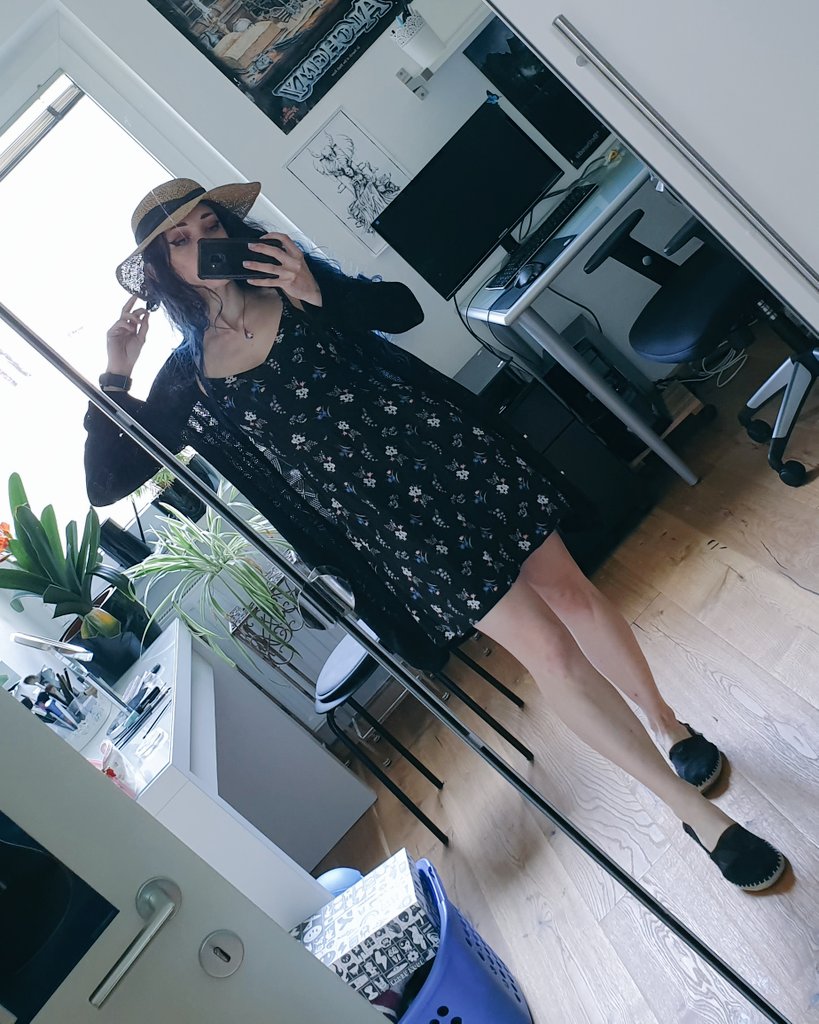
it me

5
Varis Varjo retweeted

21 Sep 2023
300
7,573
73,682
2,877,720
18 Sep 2023
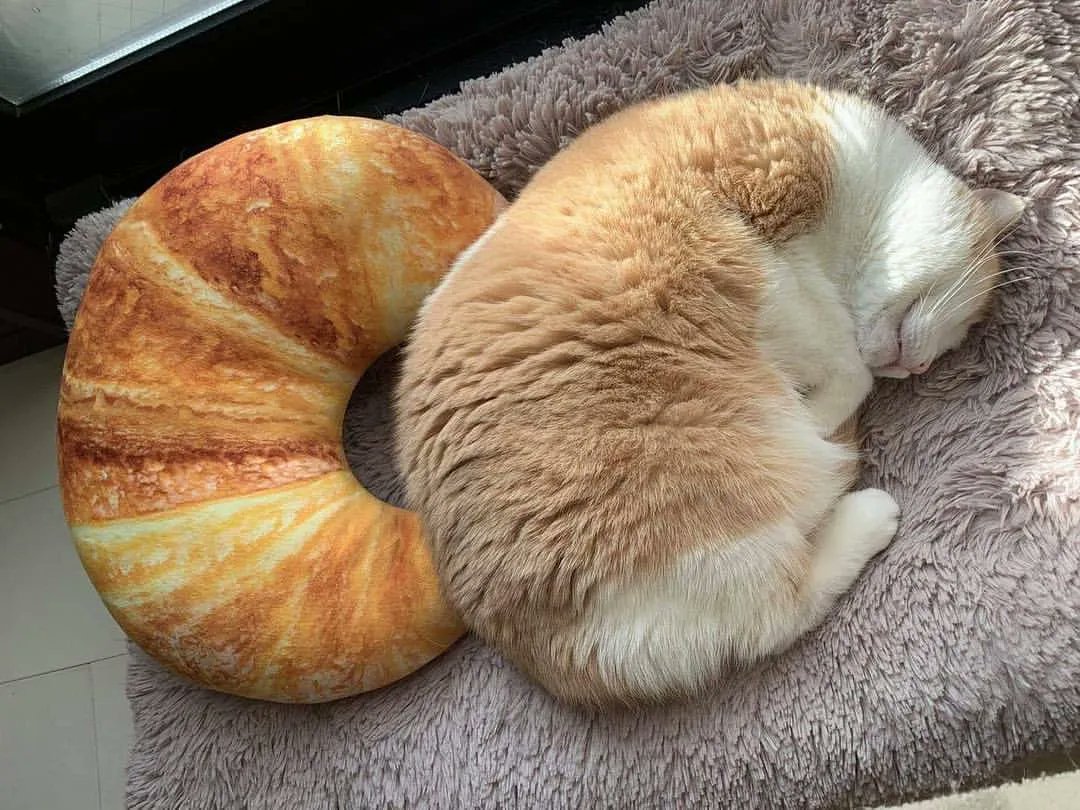
yes, but let me be the cat in this picture.
18 Sep 2023


12
347

4 Sep 2023
Bin eigentlich noch im Krankenstand und habe mich trotzdem entschlossen an einem meeting remote teilzunehmen und wir diskutieren zum x-ten mal über Dokumentation und Standardisierung und ich möchte einfach nur mehr schreien
1
2
190
4 Sep 2023
Ich bin einfach so frustriert von dem Thema, es ist so ermüdend immer und immer wieder rechtfertigen zu müssen. Ich hab ein klares Beispie geliefert warum ich eine bestimmte vorgehensweise nicht gut finde, und joa, das Resultat ist jetzt dass es genau so gemacht wird.
1
4
146
4 Sep 2023
Ich mein unterm Strich kann es mir ja egal sein aber wenn wir über Standardisierung sprechen müssen wir halt auch irgendwie alle verschiedenen Approaches berücksichtigen weil sonst kann es kein Standard sein? Braucht halt irgendwie einen "kleinsten gemeinsamen Nenner"
3
121
1 Sep 2023
Fernweh....
30 Aug 2023

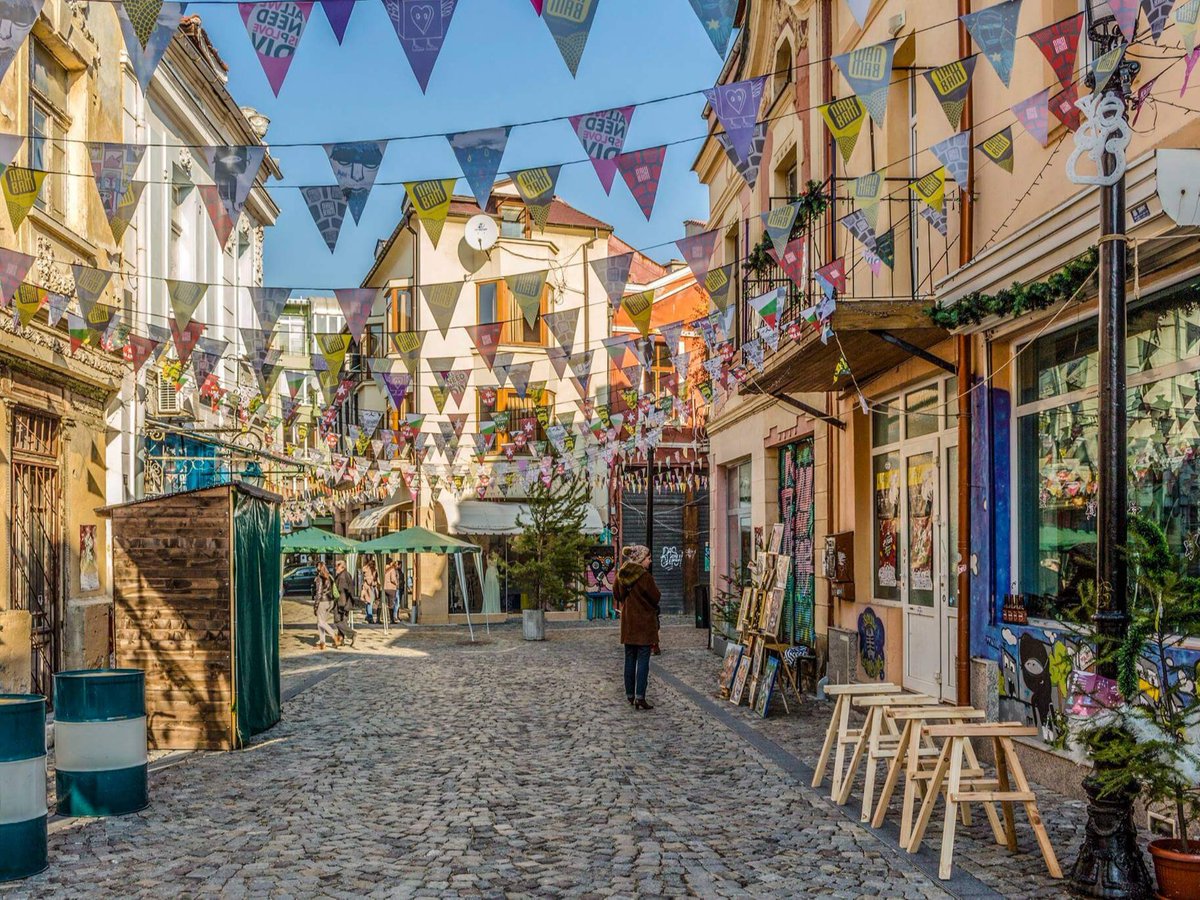
Plovdiv in Bulgaria is one of the most beautiful cities you've (probably) never heard of.
Why? With more than 3,000 years of wild history and architecture influenced by three different continents, there's simply nowhere else like it.
So, here is the brief story of a hidden gem.
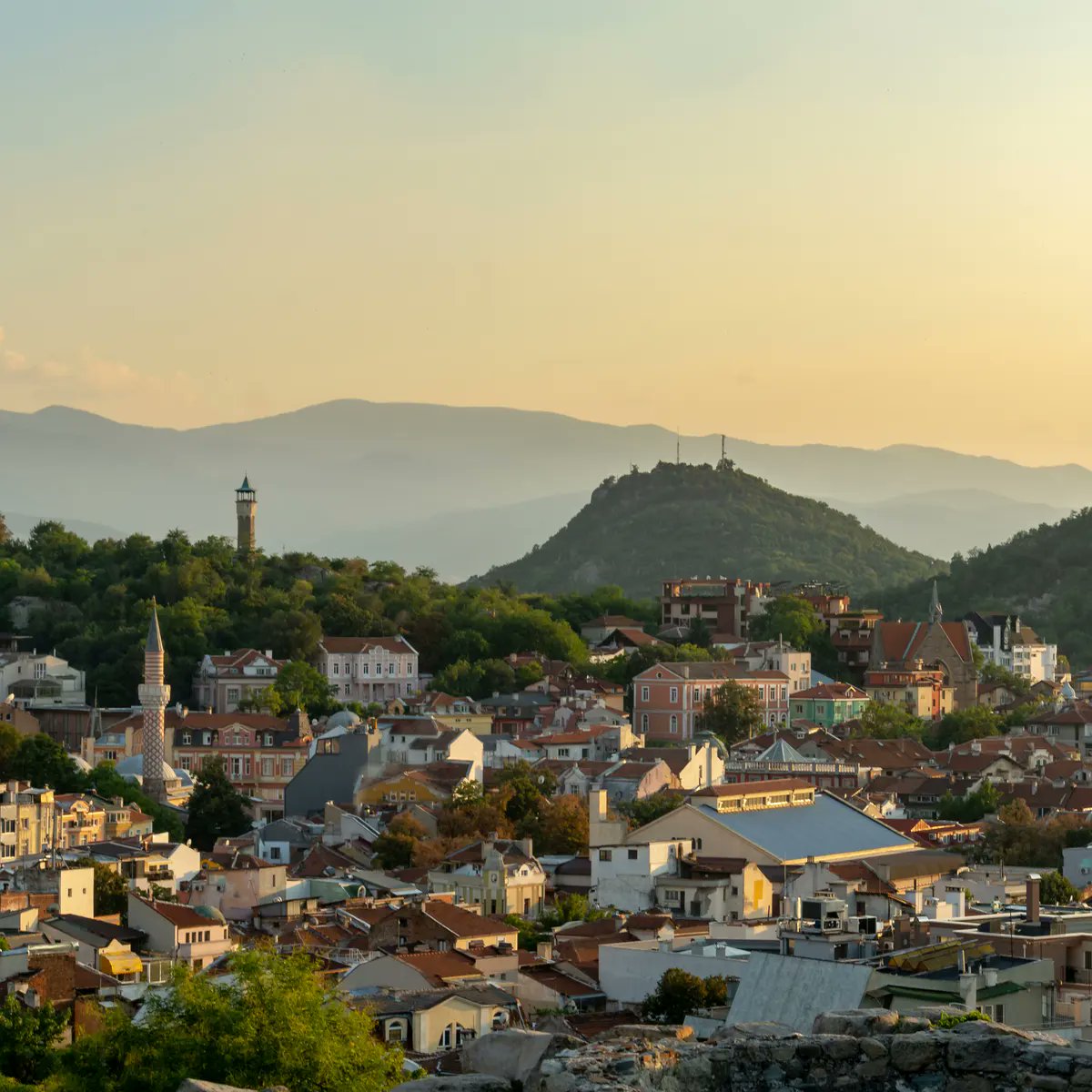
In 342 BC King Philip II of Macedon (father of Alexander the Great) founded a city in modern-day Bulgaria and called it Philippopolis. He picked a naturally advantageous site, what with seven steep hills (just like Rome) rising up around the Maritsa River, all within view of the Rhodope Mountains to the south and the Balkans to the north.
There had already been a town in the area since 6,000 BC — it was also once ruled by Xerxes of Persia — and Plovdiv is still filled with ruins left by the ancient Thracians who lived in it so for so long. But it was Philip who established the first truly major city there and settled a mix of Thracians, Macedonians, and Greeks within it.
Over the next two thousand years Plovdiv (which has had many names) was fought over, captured, sacked, and rebuilt several times. Thracians, Macedonians, Persians, Romans (including Marcus Aurelius), Huns, Bulgars, Byzantines, Crusaders, Ottomans, and Russians have all fought over or found their way to this old and storied city.
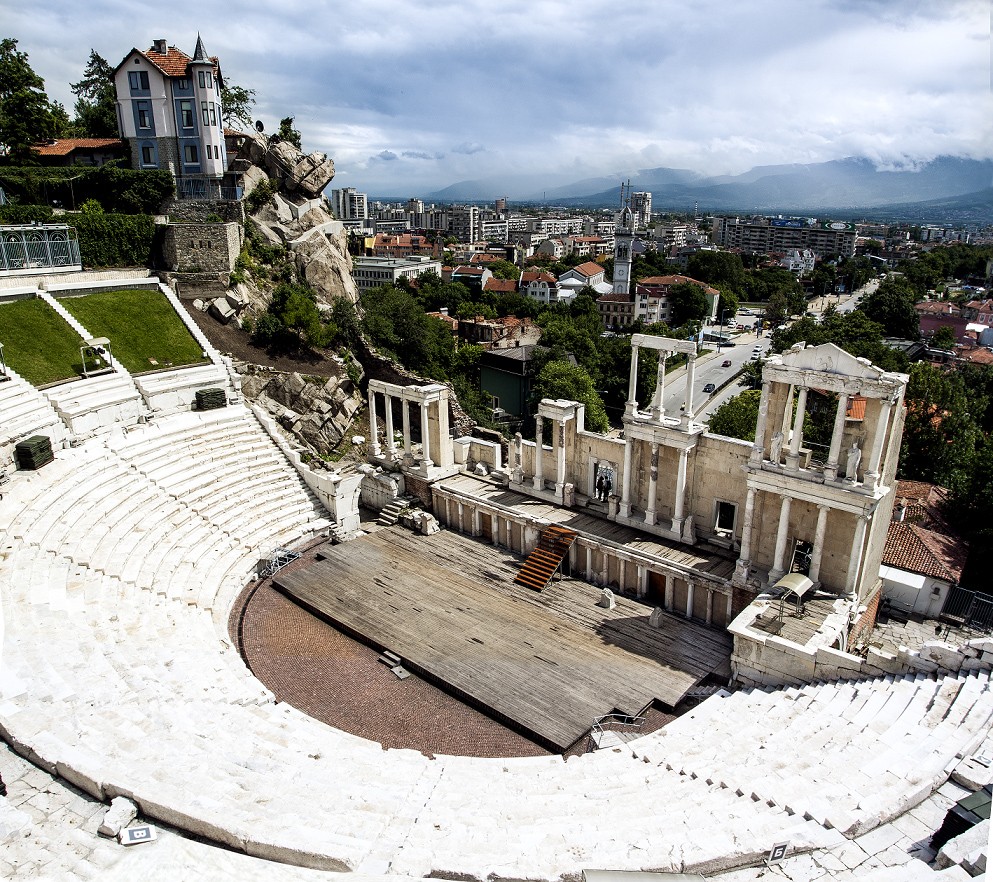
And what has survived is an architectural and cultural delight. Plovdiv is scattered with ancient ruins, from the tumbled masonry of Thracian and Byzantine walls on Nebet Tepe (one of the seven hills, known as tepes, from Turkish) to the Roman theatre — one of the most complete in Europe, which regularly hosts musical & theatrical performances — and the great stadium which once held 30,000 spectators.
Medieval fortifications have survived too, such as the Hisar Kapia Gate, and as with many Balkan cities Plovdiv has places of worship belonging to Orthodox Christians, Catholics, Jews, Protestants, and Muslims. The Dzhumaya Mosque, built by the Ottomans when they conquered Plovdiv in the 14th century, is the oldest mosque in Europe outside of Iberia.
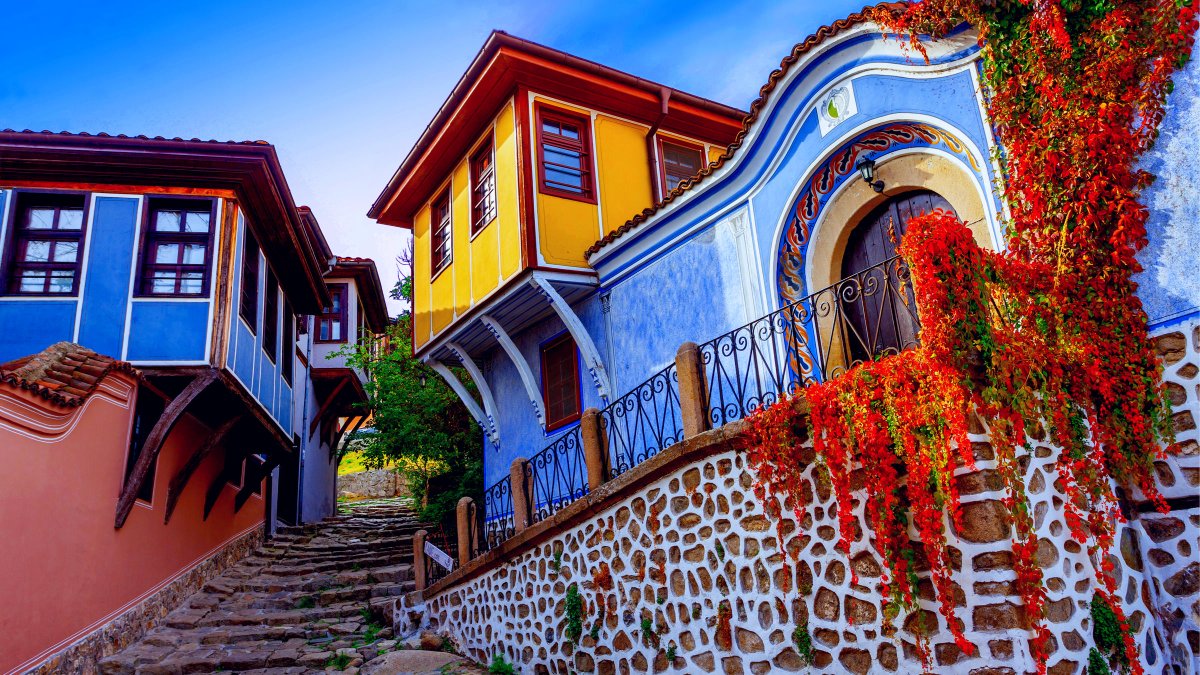
Its Old Town, which stands on ancient and Medieval foundations, was further developed in the mid-19th century during the Bulgarian National Revival — as national consciousness awakened and the desire for independence from the Ottomans grew ever stronger — hence its profusion of traditional architecture.
Those timber-framed houses, with their jettied stories and projecting windows, are typical of Medieval Bulgarian architecture. And the result is a labyrinth of brightly painted houses and churches built along the cobbled lanes of a Medieval street plan, all raised several hundred feet above the surrounding landscape on the three hills of Nebet Tepe, Dzhambaz Tepe, and Taksim Tepe.
The city was blessed with a new wave of architecture in the late 19th and early 20th centuries, when Bulgaria had revolted from the Ottomans and become an independent kingdom. Then, influenced by the Central European architecture of the Austro-Hungarian Empire, Plovdiv's streets were filled with the colourful stucco and eclectic historicism of cities like Vienna.
Soon enough a neighbourhood called "Kapana" emerged, the cultural and artistic heart of Plovdiv — which, to this day, is filled with artisans' workshops, galleries, cafés, and exhibition spaces. After that came the USSR and a host of Communist-era edifices. In other words, this city has become an architectural palimpsest of the highest order.
Plovdiv is an aesthetic delight, a city of colour and shape, of narrow alleys and shimmering squares, of temples and fortresses and of a vibrant, living culture. And it is also a prime example of architecture's power to tell the whole story of a city.
Each street is lined with thousands of years of war, religion, politics, cultural exchange, revolution, technological progress, and artistic evolution. This is one of the reasons why architecture is so important; it's like a language which brings the world to life. The buildings of Plovdiv are a physical story waiting to be read.
Plovdiv's Old Town also speaks to the profound cultural significance of architecture. Those traditional houses were about a reawakening of Bulgarian identity after five centuries of enforced sleep under Ottoman rule. And this, if anything, is architecture's greatest significance: that the way things are built and how they look matters to people, that in buildings can be manifest identity, meaning, place, and purpose.
Plovdiv is a beautiful city partly because of the unpredictable twists and turns of its history, caught as it was between the cultural and geopolitical cross-winds of countless different empires and peoples down the centuries — and partly by intention, because of how the people who live there have chosen to build and design their wonderful city.
3
170
31 Aug 2023
now forced to look at this garbage under the "for you" section. respectfully, please fuck off.
2
189
25 Aug 2023
Haben ja jetzt unser neues Auto (KIA EV6) und man kann ihm im Bordcomputer/App einen Namen geben.
Da wir alle neuen Stofftiere in letzter Zeit irgendwas mit -bert getauft haben, heißt das Auto also jetzt e-bert XD
7
145

19 Aug 2023
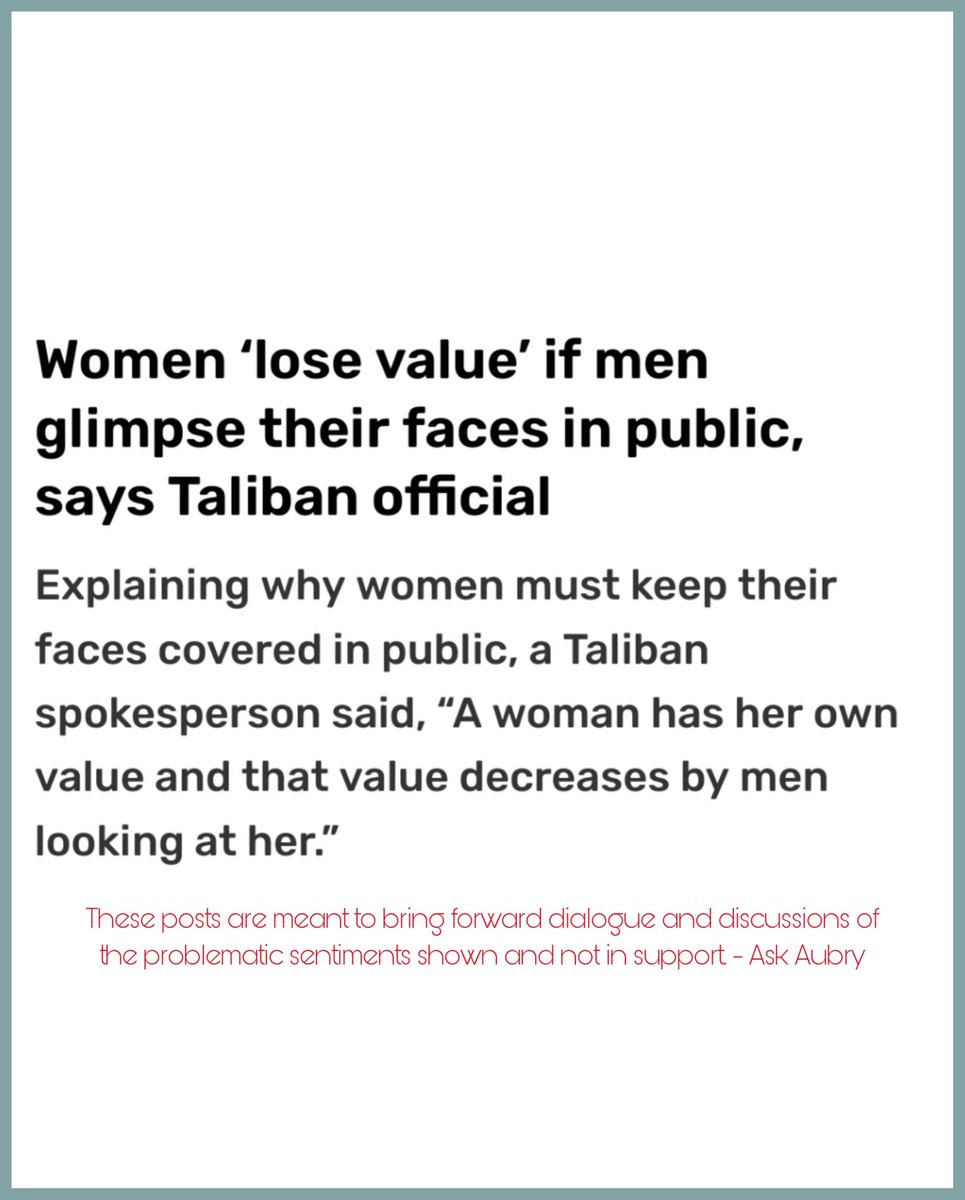
of course. that's why I don't show my face on fetlife. /s
19 Aug 2023

Or... Here me out... Men cannot leave the house without being blindfolded. Just as logical.
1
181
11 Aug 2023
I am so ready for a 4 day weekend.
I just wish I could ignore the fact that next week, although short, will be a stressful nightmare again 🥴
2
95
8 Aug 2023
Ich muss am Samstag doch nicht arbeiten 🥹😭 ich bin echt erleichtert.
6
92
7 Aug 2023
Gotta love it when my script has an error because the person exporting the data messed up.
At least as soon as this is fixed everything will now run fully automatically.
1
2
82
7 Aug 2023
I also can't really continue any of my work right now without these results so I guess I'm just gonna sit here and dissociate for the rest of the day 😶
67
Varis Varjo retweeted

7 Aug 2023
Secret Panel HERE 🔥 tapas.io/episode/2915903

507
1,507
10,741
1,887,771
7 Aug 2023
I wish there was an option/setting to mark twitter accounts that have no tweets at all yet and not even a bio, so they cannot become followers by default, but have to send a "follow requests" akin to having a locked account.
1
3
101
7 Aug 2023
Would be so much easier to just decline all the bots rather than having to individually go to their profiles and block them.
1
2
60
7 Aug 2023
And to the few humans who just want to follow and not tweet anything, having a short bio or at least one tweet wouldn't be so hard.
Surely it won't filter out all the bots, since some have word salad tweets and bios, but it might help a little bit.
2
60