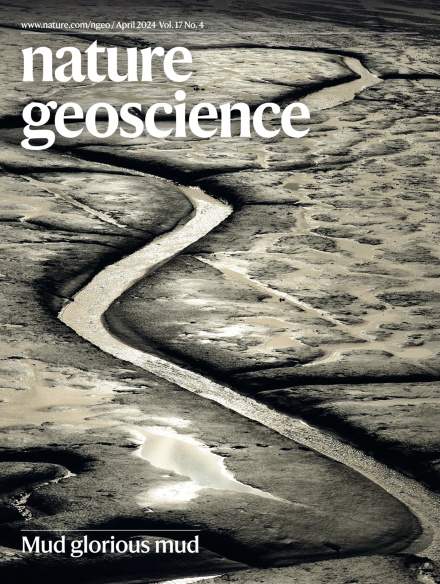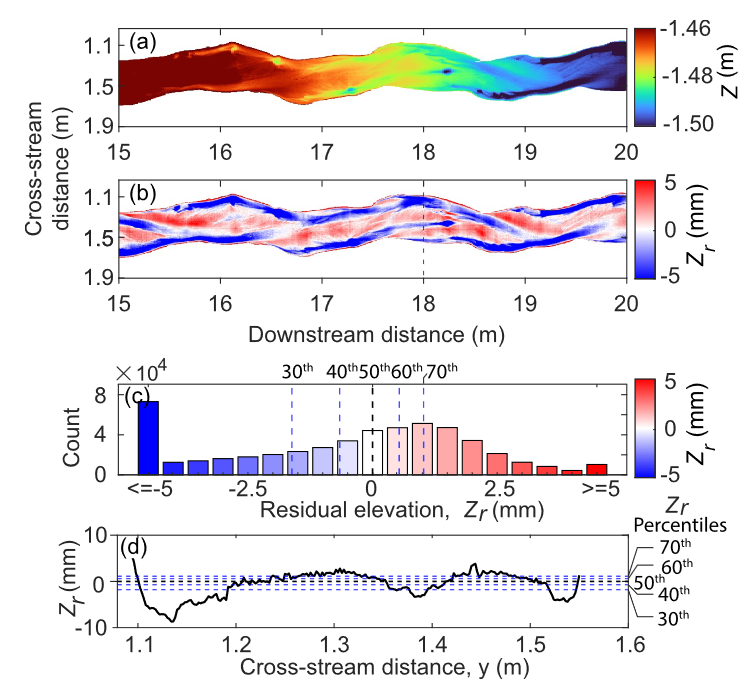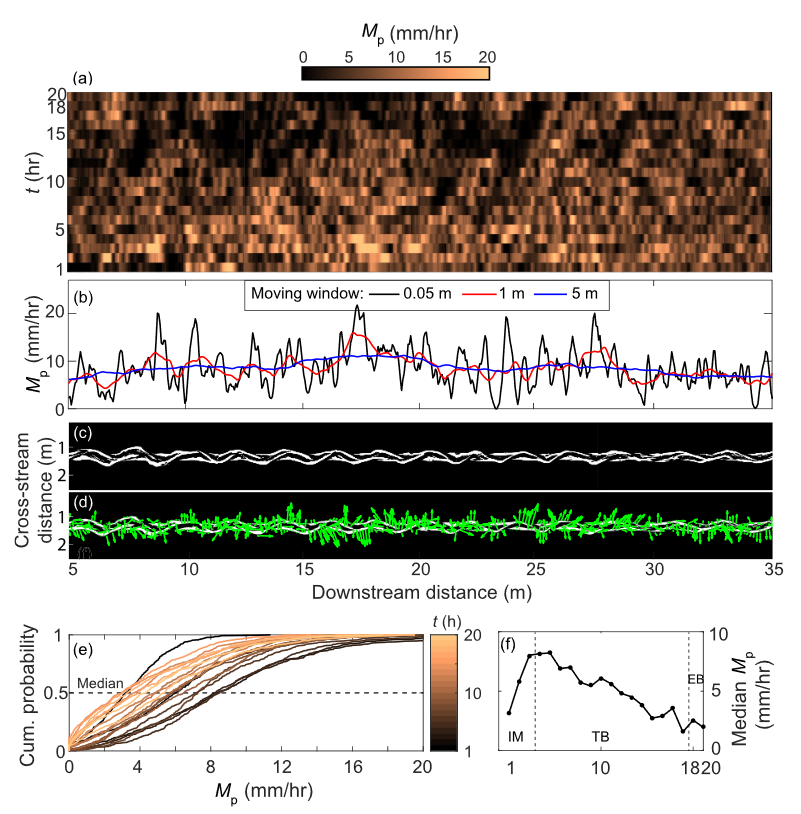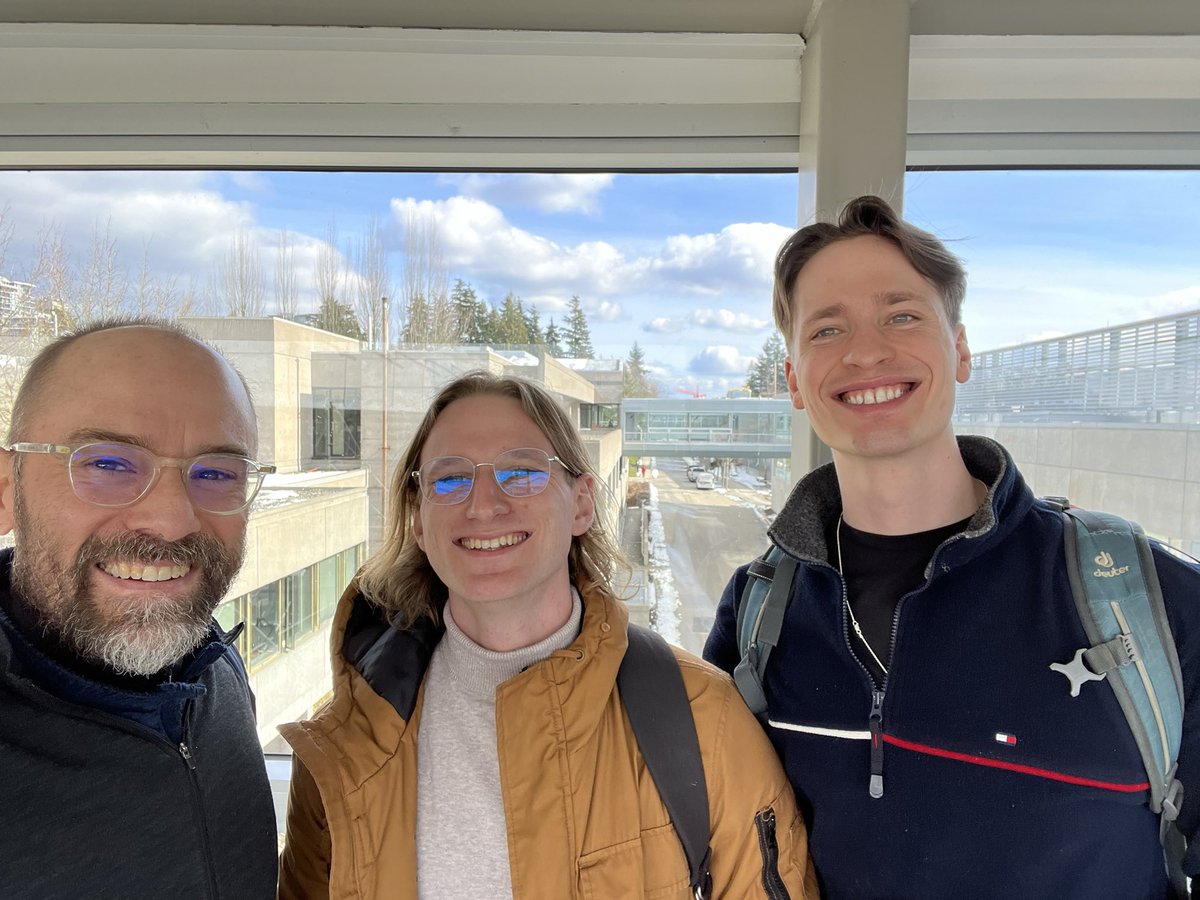
I’m excited to share a project that I’ve been working on since 2017! It started as a fun discussion with @EricDealFluvial, but has turned into something more insightful than we had originally imagined. A lattice model of bed load sediment transport: doi.org/pnn5 (1/5)
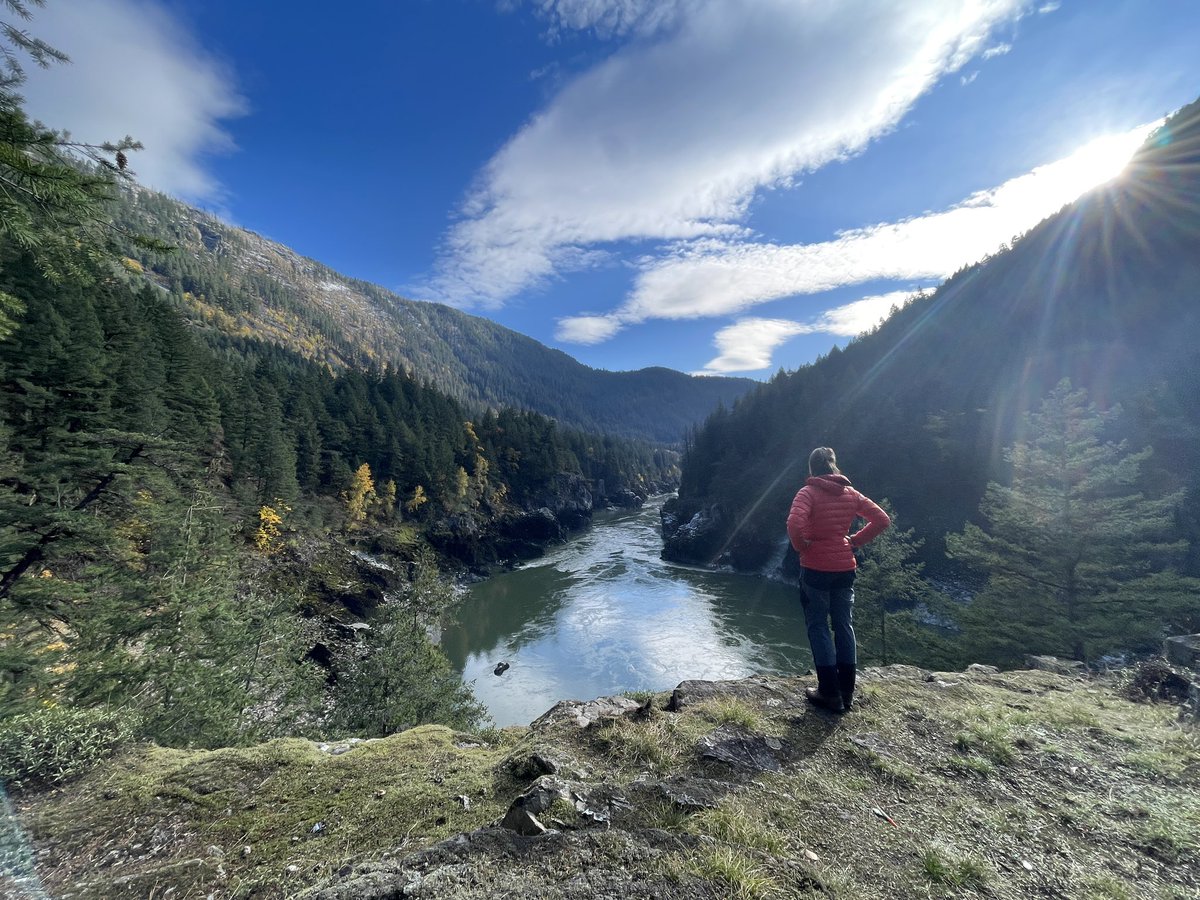
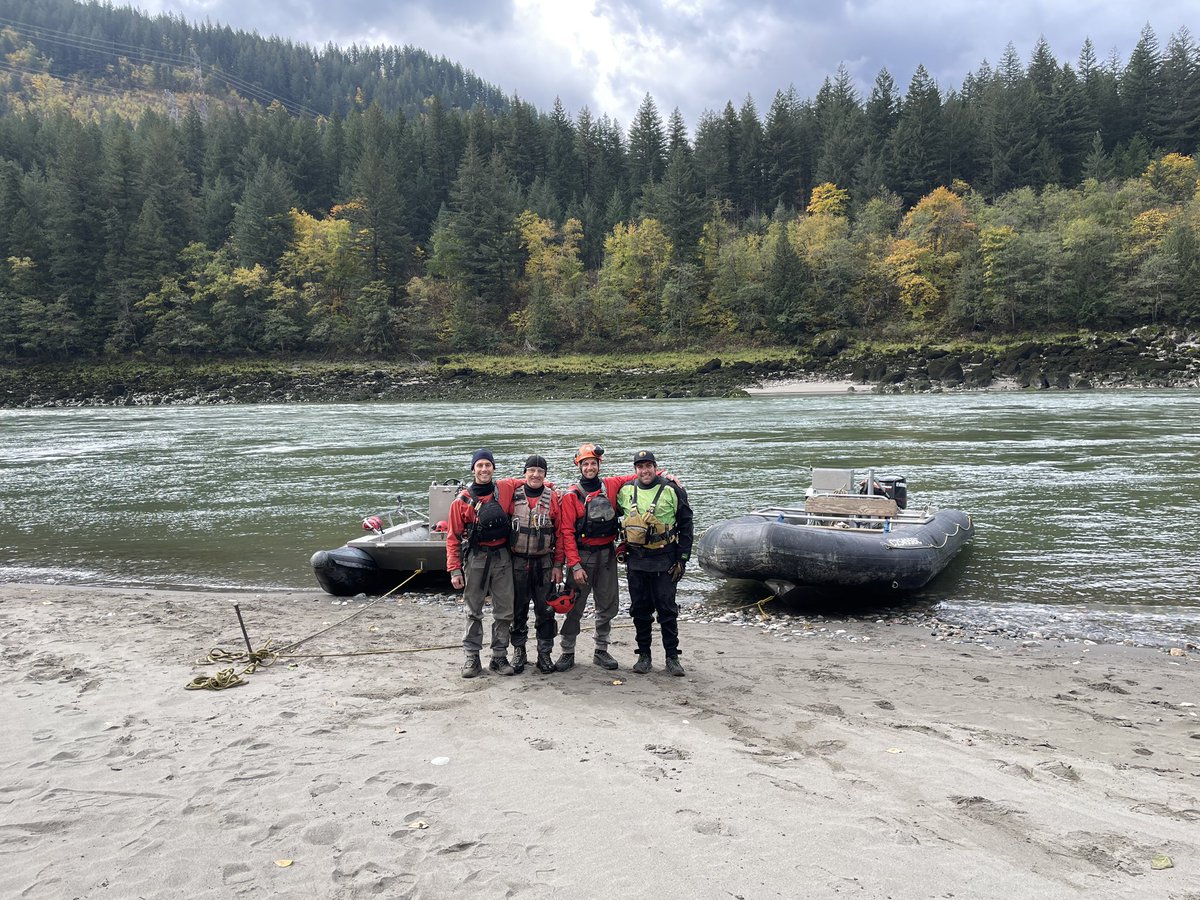
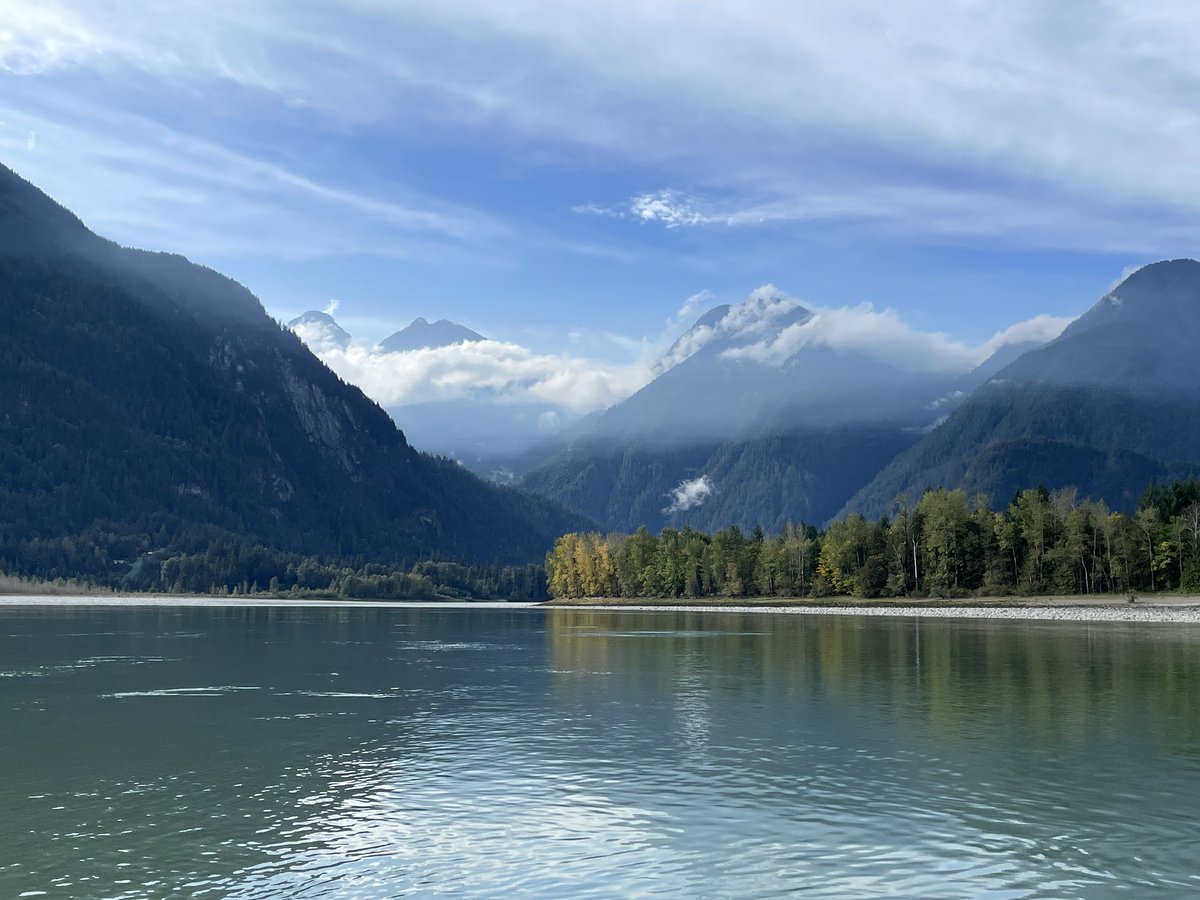
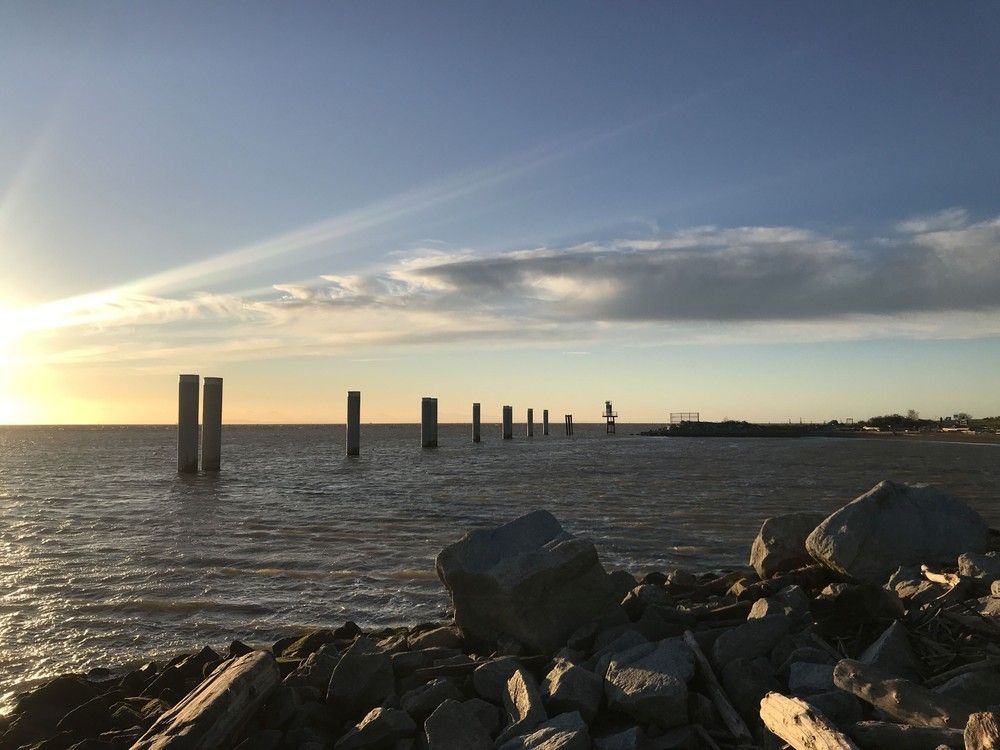
The #FraserRiver is unique among the world’s great rivers – a huge, relatively natural, undammed, mountain river running through a dense urban area. But a lack of monitoring and management could threaten what makes the Fraser special, particularly its natural biodiversity and ability to respond to sea-level rise, warn #SFU experts.
sfu.ca/sfunews/stories/2025/…@SFU_Science@VendittiLab@SDashtgard
Climate change and encroaching development continues to pressure biodiversity, but the West saw dozens of conservation success stories in 2024.
buff.ly/3Px4EoB
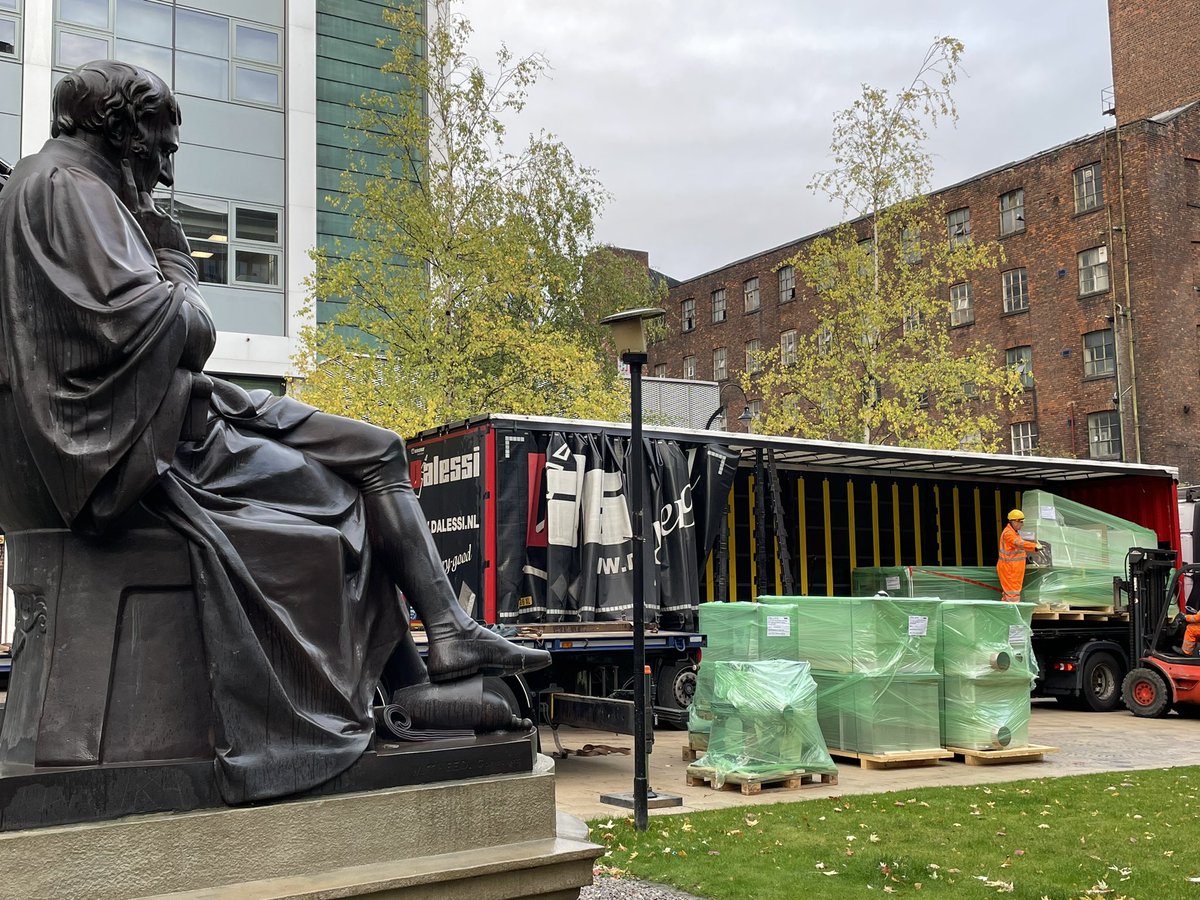
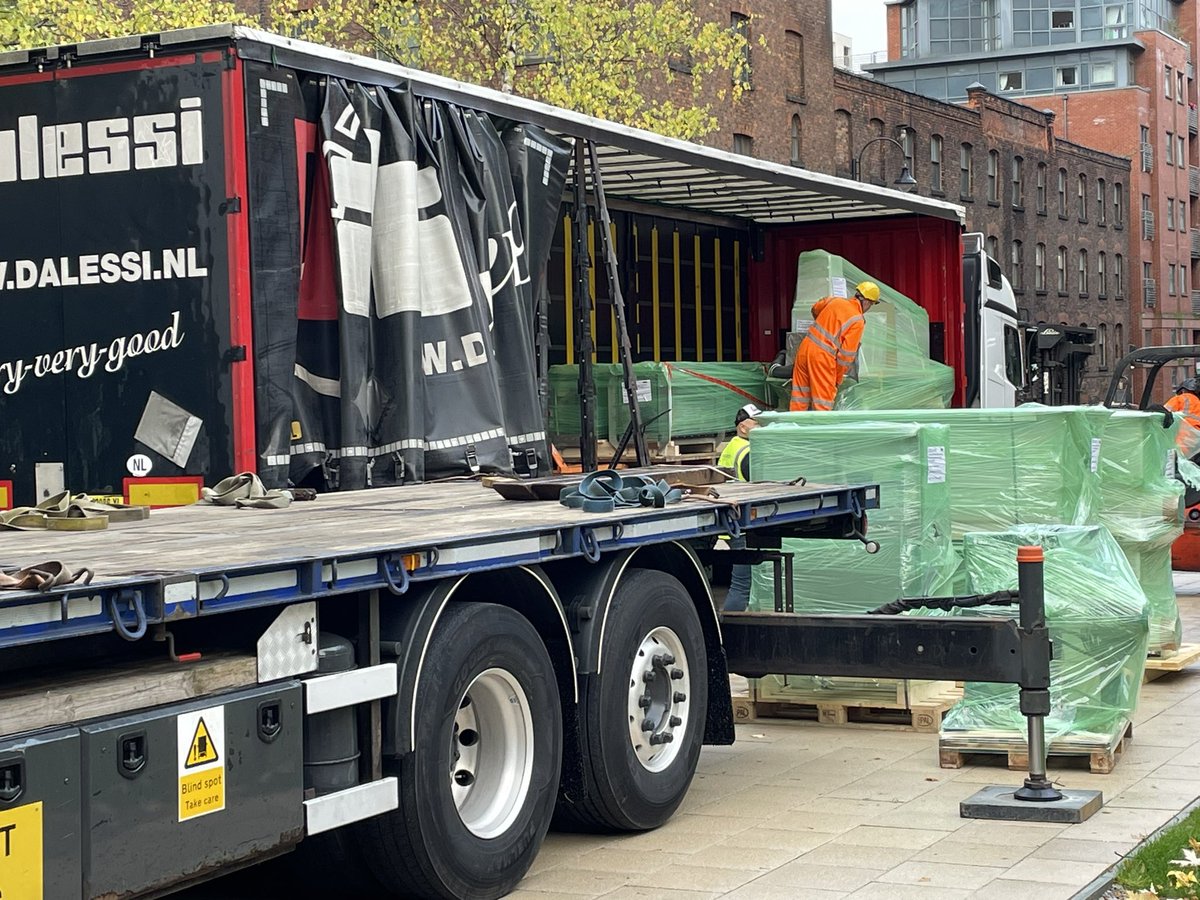
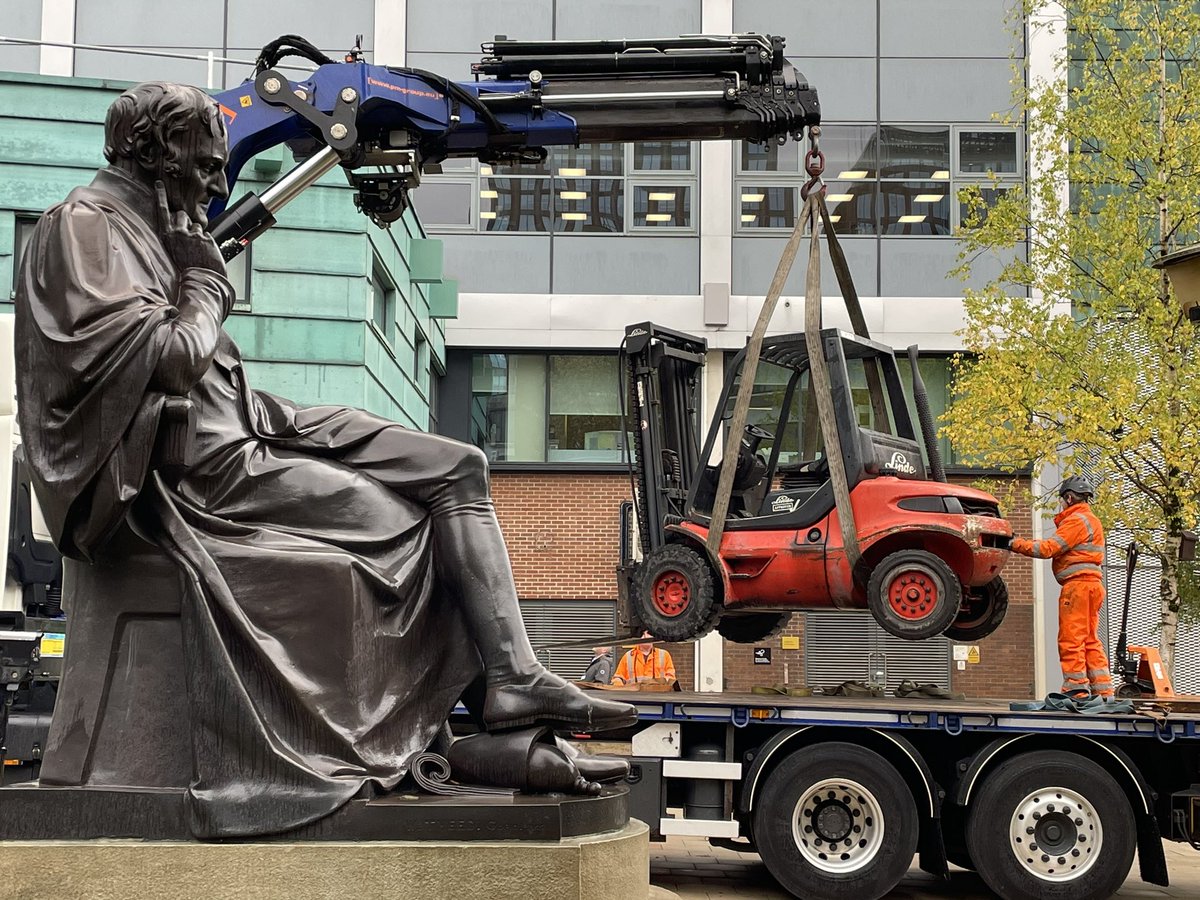
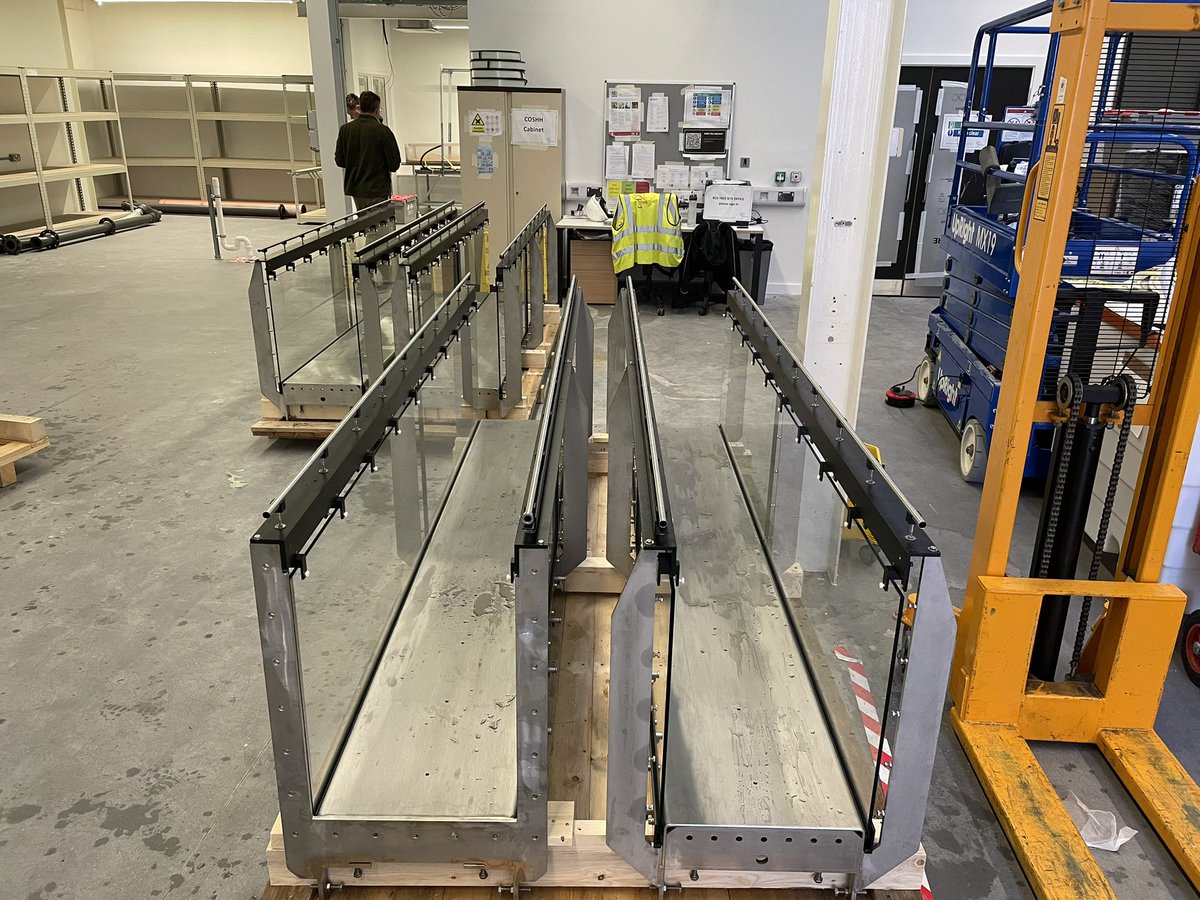
Over the course of this week, the contents of these pallets should transform into the #BiG_lab (BioGeomorphology) research flume @MMU_NATSCI@MMUEngage@ManMetUni . Offload this morning with John Dalton keeping an eye on proceedings.
In our latest issue 👉 A review of adult salmon maximum swim performance by Associate Editor Erika Eliason and colleagues ow.ly/UMIT50TnbEi@DFO@ucsantabarbara
ALT Figure 1 shows a conceptual diagram of different aspects of a salmon's physiology during swimming (swim speed, muscle activation, recovery costs, and swim tests) across timescales.
This is an impressive landslide! Potential for a significant hazard if the landslide dam fails catastrophically and the lake behind it drains quickly. Note the river is completely dry downstream. Do NOT walk out into the channel!
bc.ctvnews.ca/landslide-alon…
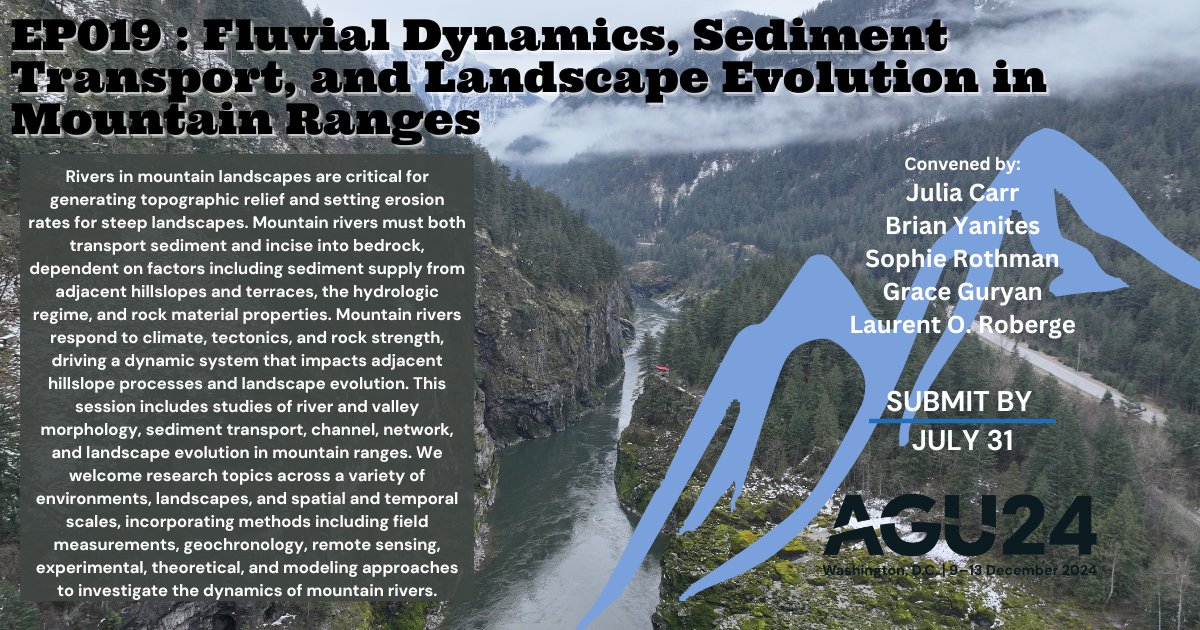
ALT The image is an advertisement for a scientific session at AGU24, titled "EP019: Fluvial Dynamics, Sediment Transport, and Landscape Evolution in Mountain Ranges." The background features a scenic view of a river cutting through a mountainous landscape with dense forests and a cloudy sky. The session description highlights the importance of rivers in mountain landscapes for generating topographic relief and setting erosion rates. It invites research on river and valley morphology, sediment transport, channel networks, and landscape evolution, emphasizing multi-disciplinary approaches. The session is convened by Julia Carr, Brian Yanites, Sophie Rothman, Grace Guryan, and Laurent O. Roberge. The call to action states, "Submit by July 31." The event will take place in Washington, D.C., from December 9-13, 2024. The AGU24 logo is displayed at the bottom right corner.
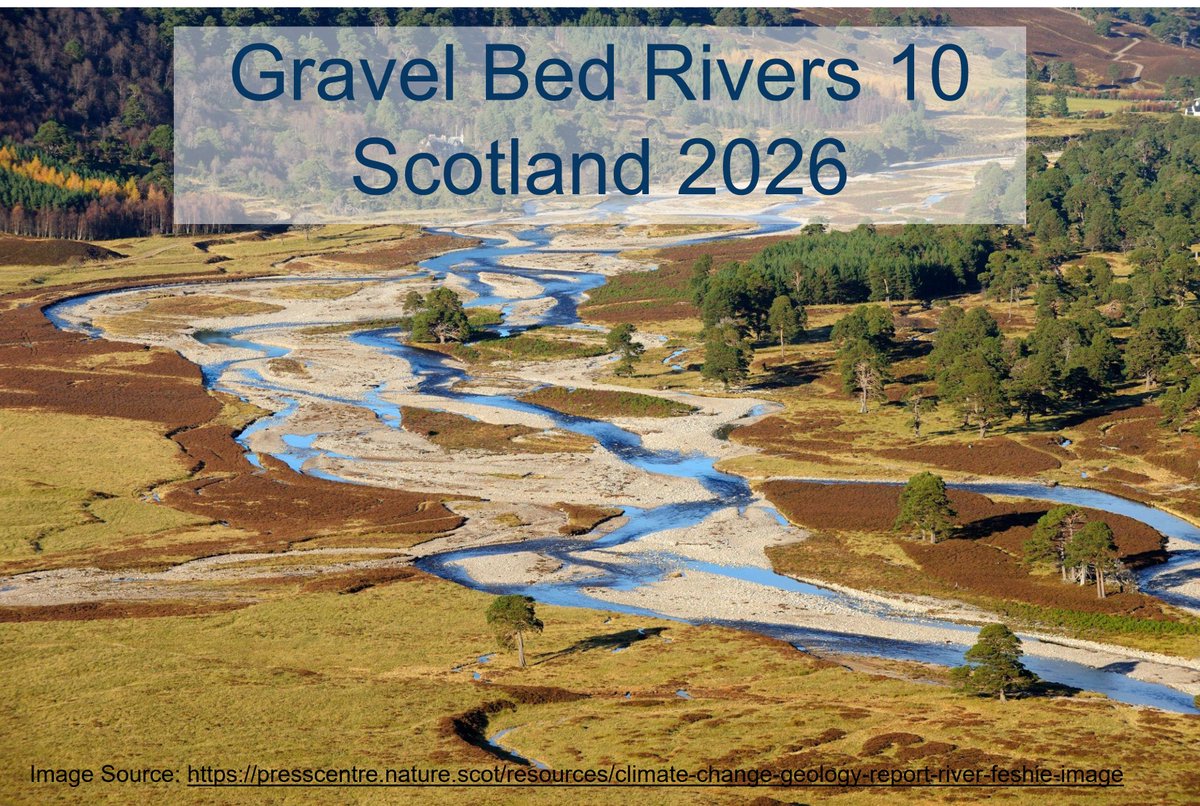
We are excited to be organising the tenth Gravel Bed Rivers conference, in Scotland in September 2026. To help us with planning and to register your interest, please complete the following form: forms.office.com/e/BBgrB2mg9… We hope to see you there! Please RT.
ALT A photo of the River Feshie, a braided gravel bed river, with the text: Gravel Bed Rivers 10, Scotland 2026.
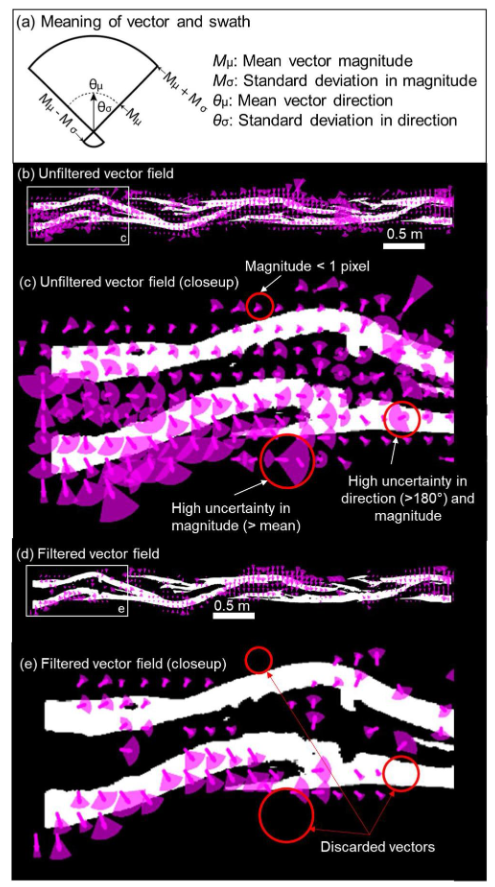
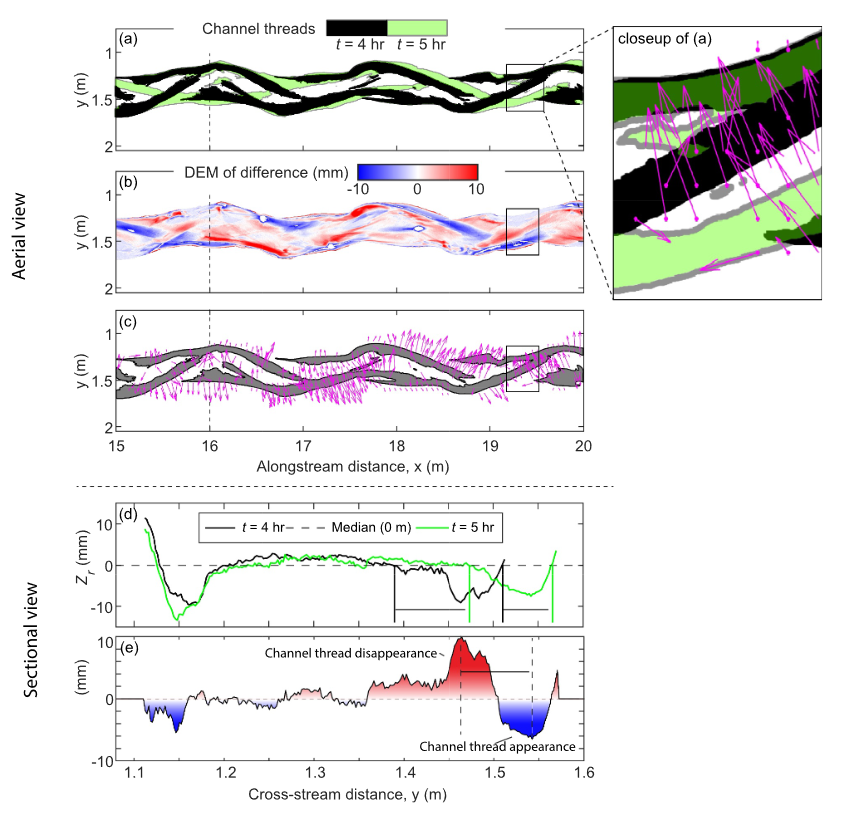
Excited to share our new paper on WRR with coauthors @ajaybrianlimaye and @AustinChadwick_, applying newly developed Topography-Based Particle Image Velocimetry (PIV) to study how braided channels migrate through time and over space in a 37-m flume: doi.org/10.1029/2023WR035229
"Teaching about subjects like climate change & other related environmental issues feels like a massive privilege & responsibility...I want them to leave my courses feeling inspired & empowered to act, rather than anxious & defeated."
More on Holland's approach to teaching👇
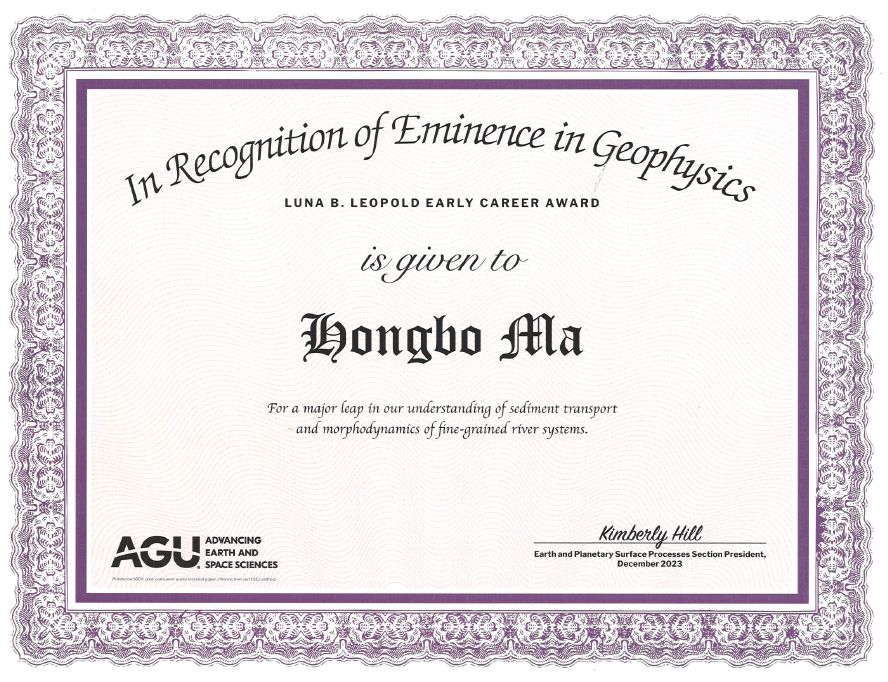
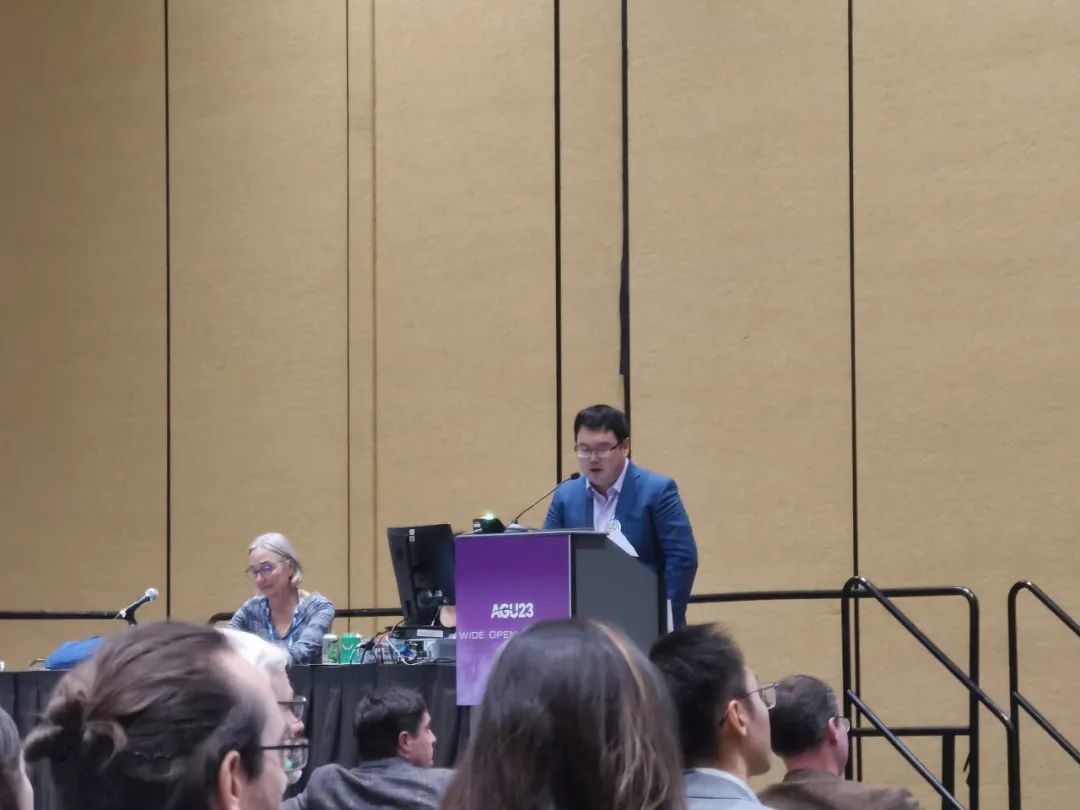
Congrats to Prof. Ma Hongbo on his 2023 AGU Luna B. Leopold #YoungScientistAward! Ma is the first Chinese young researcher to be awarded for "a major leap in our understanding of sediment transport and morphodynamics of fine-grained river systems". More: bit.ly/3H1fij5.
I am 🎉 to share that @JonasEsch is now a PhD Candidate @SFU Earth Science. Jonas is examining ideas about #Arctic landscape change discussed in nature.com/articles/s41467-0…. Many thanks to Gwenn Flowers, Alan Rempel and @PlanetLabCJMJ for supporting Jonas as proposal examiners.