Photographe Vagabond 📸 Globe Children Club 🎞️
Joined June 2017
- Tweets 24,016
- Following 3,544
- Followers 829
- Likes 128,106
2,023 Photos and videos
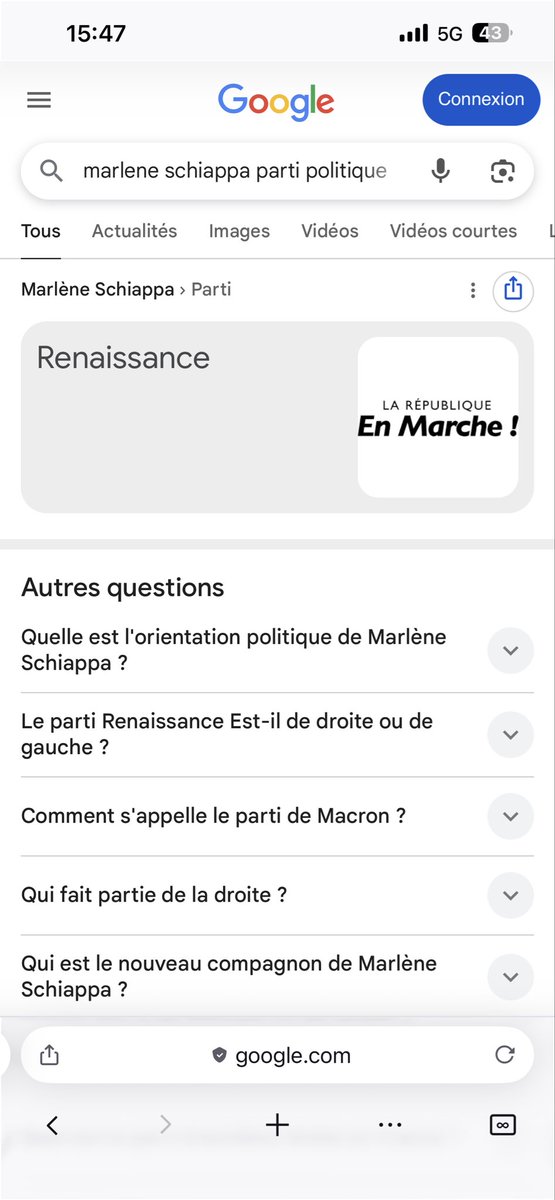
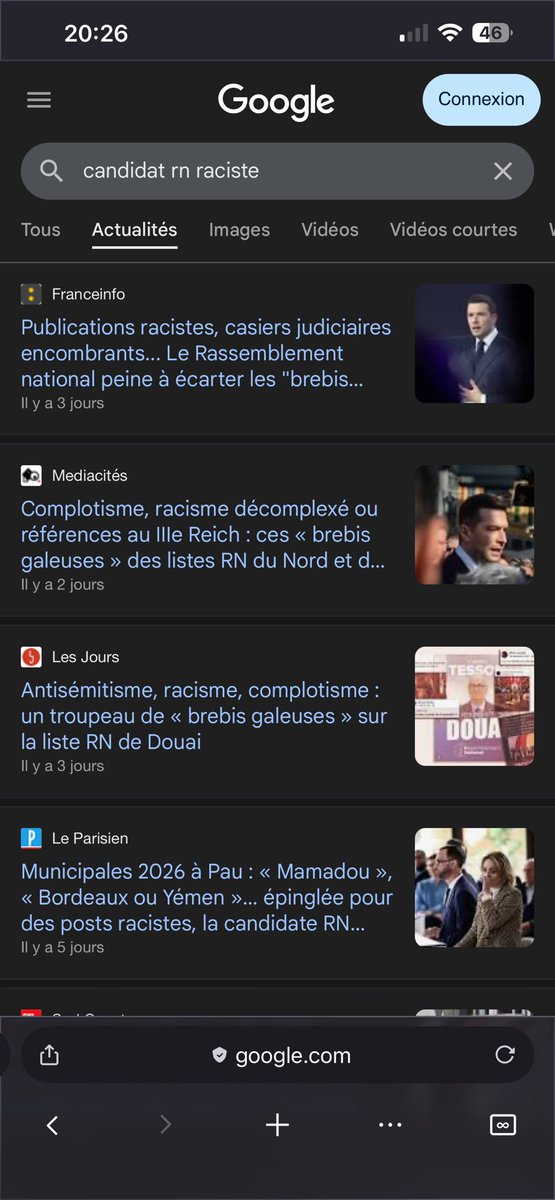






Si seulement ceux qui était au pouvoir depuis 8ans prenais leurs responsabilités plutôt que de nous prendre pour des cons
Jun 13

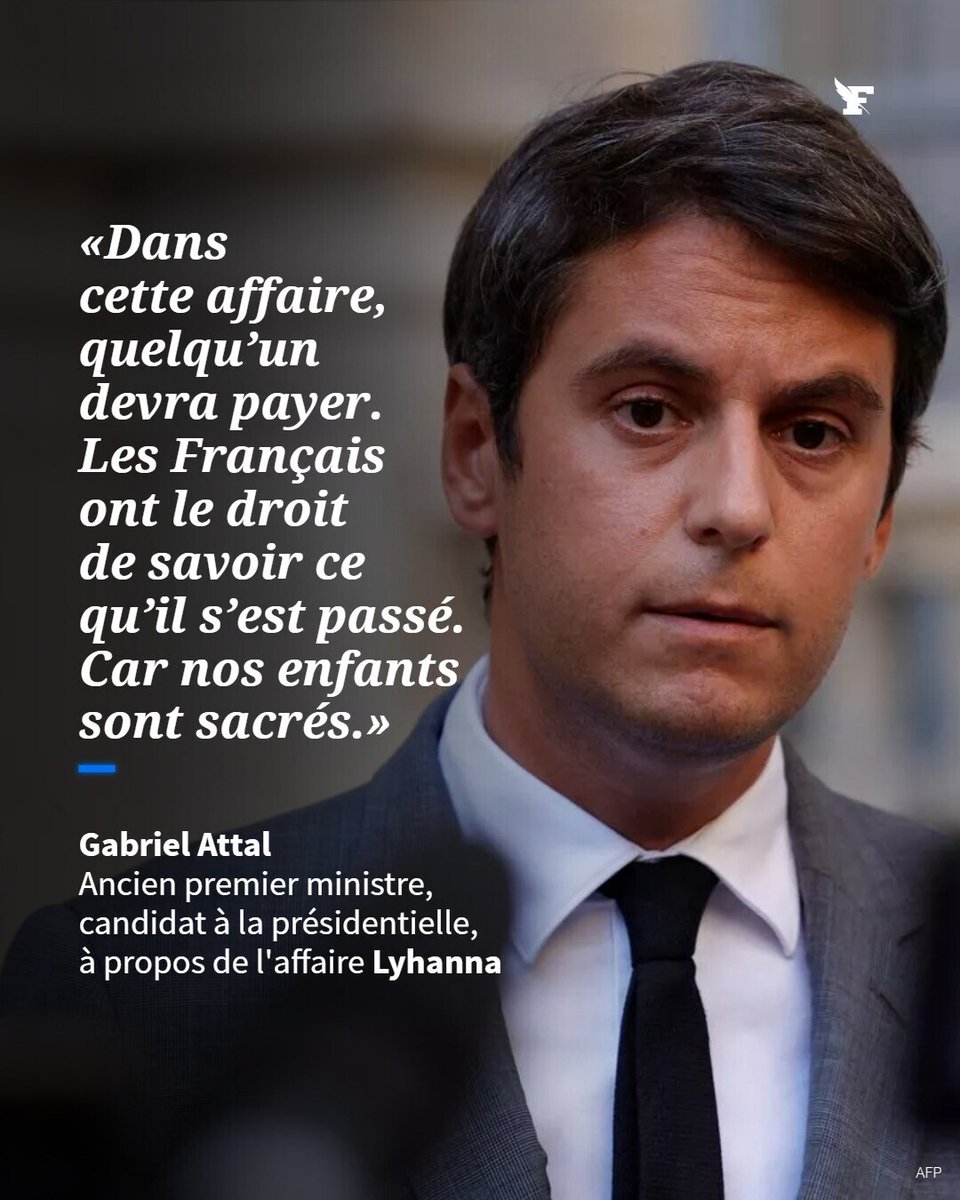
ENTRETIEN EXCLUSIF - L’ancien premier ministre, candidat à la présidentielle, estime que « quelqu’un devra payer » après la mort de Lyhanna. →l.lefigaro.fr/nNXZ
1
37
Pendant que le supporter moyen américain appellera la ICE
Jun 12

🚨🚨| This fan will never forget the World Cup in Mexico.
Mexican fans were throwing this South Korean fan into the air today and chanting “Korean, Korean, Korean.” 🇰🇷😭
1
112
Lucas retweeted

Jun 11
Example of how FIFA deals with a freelance journalist
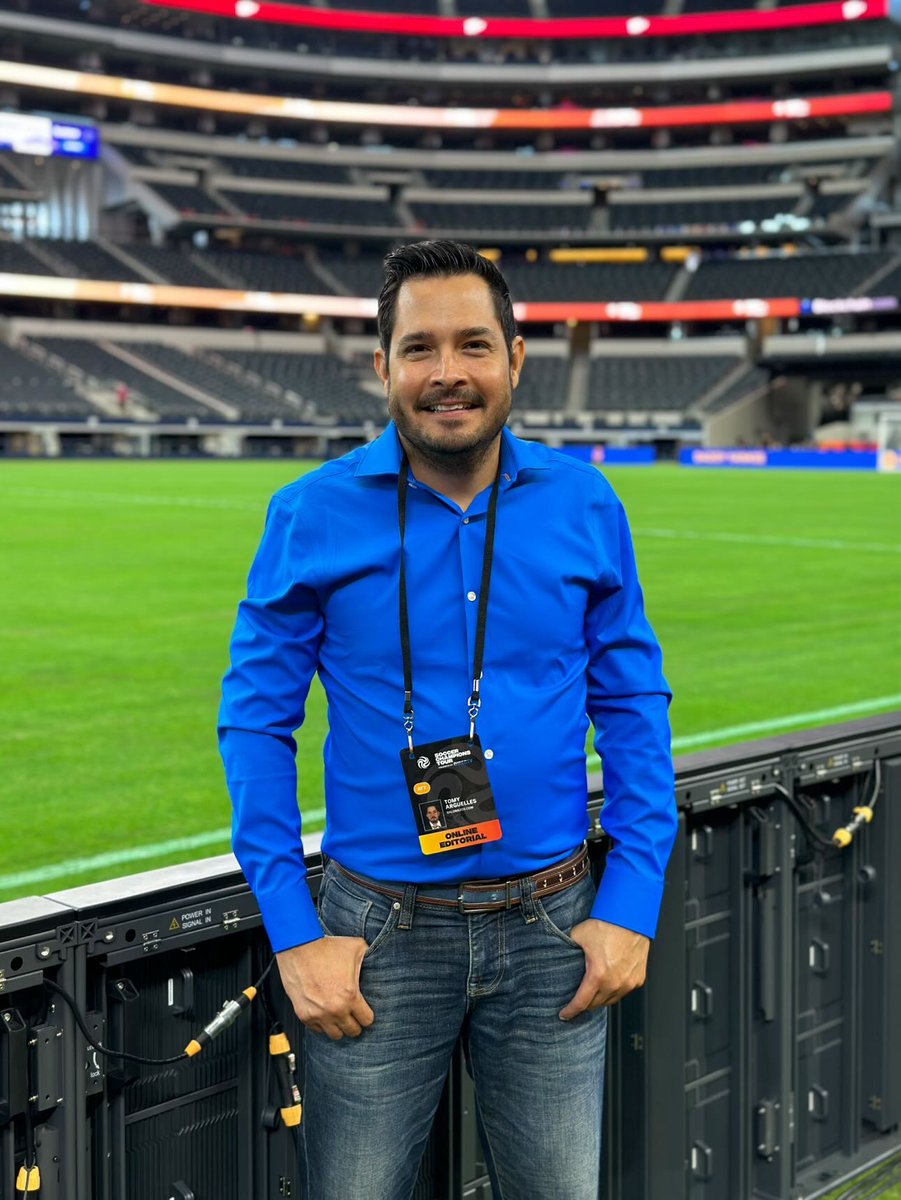
@tomyarguelles is a Venezuelan 🇻🇪 sports journalist based in Dallas, USA. He contributes to various international media outlets and social media platforms:
- Balonazos (Venezuela)
- Alerta Mundial News (Spain)
- TTWCS (USA)
Like all journalists, Arguelles applied for accreditation via FIFA’s media platform. To do so, you must register the media outlet you work for. He chose to list ‘Balonazos’ alongside his Venezuelan press card.
Once accepted – albeit belatedly – the application required a specific code that the national football association of the media outlet in question had to provide to the journalist.
However, the Venezuelan Football Federation had received only six codes and had already allocated them, given the delays on FIFA’s part in processing Arguelles’ application.
When he approached FIFA’s media department to resubmit his application using one of the other media outlets he works for, his request was flatly rejected.
Embarrassed, the Venezuelan Football Federation asked FIFA for an additional code so that the journalist could obtain his accreditation. The request was refused again, even though it was the delay caused by FIFA’s media department – which the organisation itself acknowledged – that was at the root of the problem.
Worse still, FIFA had the audacity to tell Arguelles that he was “welcome” to cover the World Cup but only “through the proper channels” via the Venezuelan Football Federation.
A strange message: with FIFA, it doesn’t matter whether you’re a professional journalist or not, but simply that you have followers; the more you have, the more welcome you really are. The others, the less well-known ones, can just keep waiting
19
324
1,720
237,293
Peut être une nouvelle idée pour une BD Ruffin ? Histoire de continuer à t’enfoncer
Jun 10

« On aura une discussion plus critique peut-être sur la vision de l’histoire que vous proposez »
Dans le premier épisode de « Successions », François Ruffin se rend au Puy du Fou.
📺 Rendez-vous dimanche, sur France 2. #13h15LeDimanche
48
Lucas retweeted

Jun 10
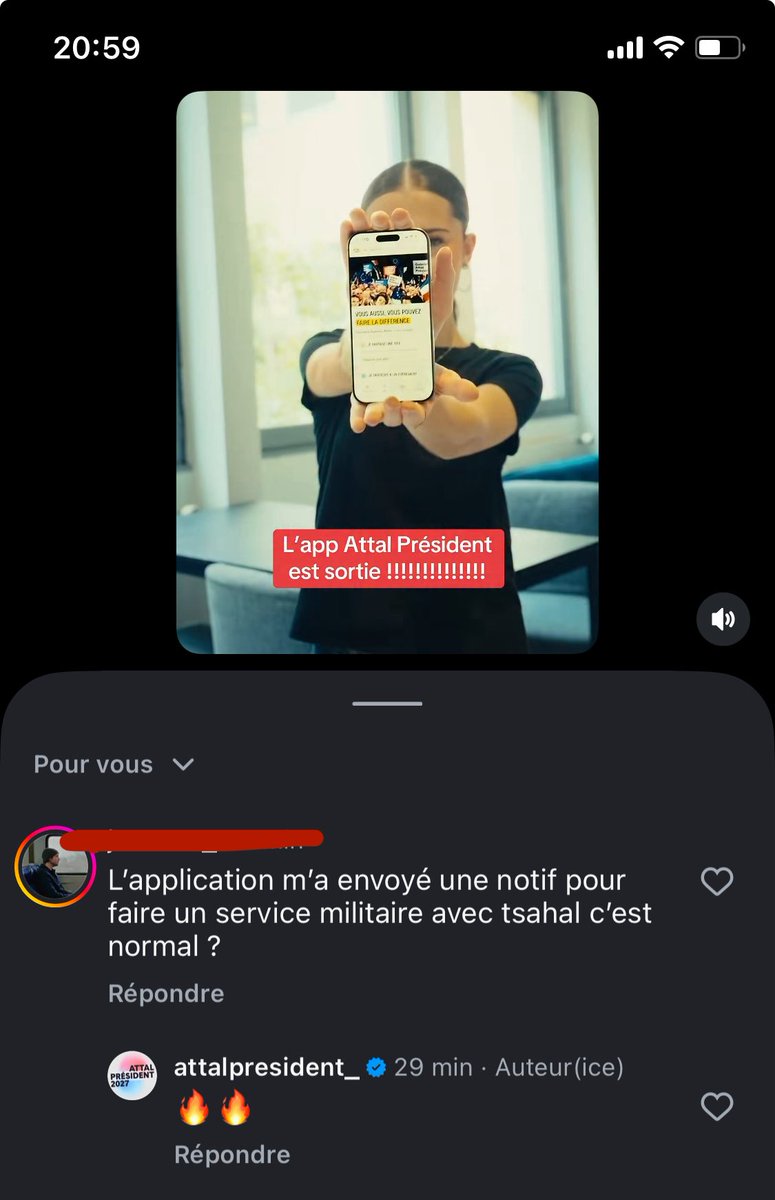
Faut dire à Attal de remplacer son équipe de com mdrrr
25
1,544
26,633
357,612
Une honte encore une fois cet CDM.
Jun 11

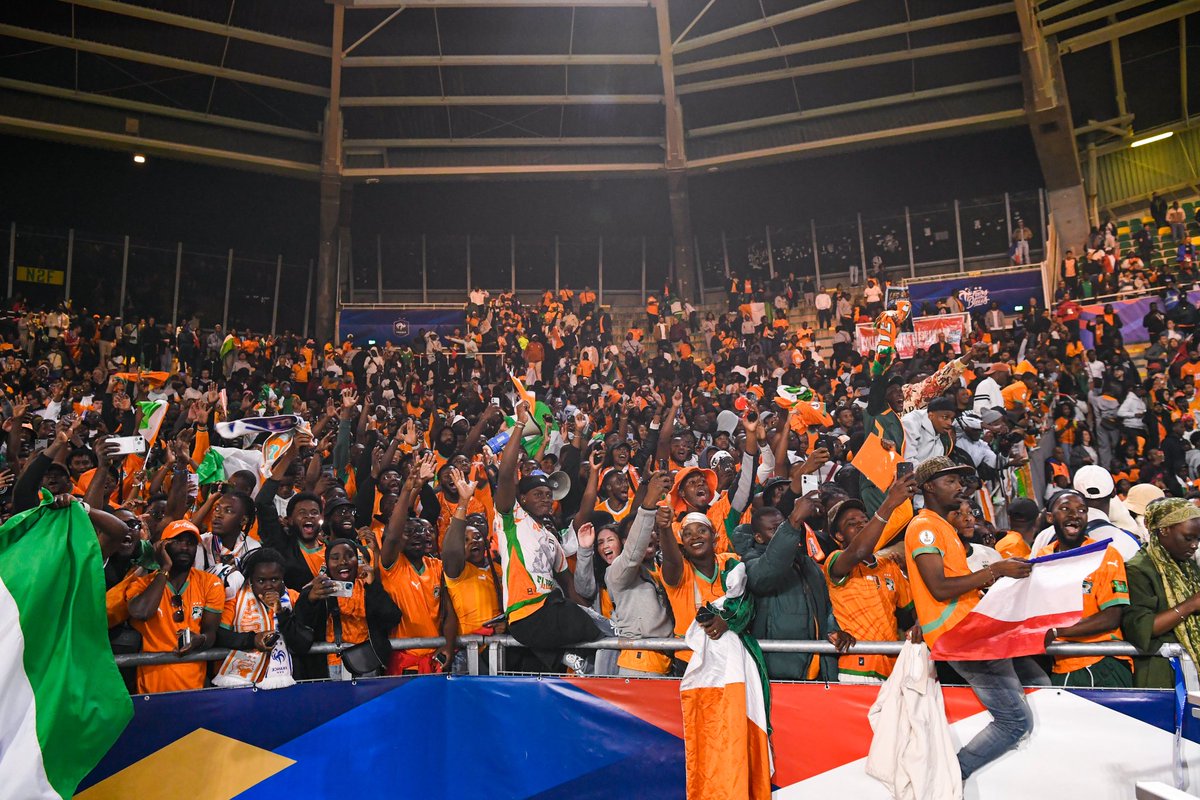
🚨 OFFICIEL ! LES SUPPORTERS VENANT DE LA CÔTE D’IVOIRE 🇨🇮 NE POURRONT PAS SE RENDRE AUX ÉTATS-UNIS 🇺🇸 POUR LE MONDIAL !!! ❌
Ces derniers n’ont pas pu obtenir de visa.
500 supporters de Côte d'Ivoire 🇨🇮 étaient espérés.
🗞️ via @lequipe

57



Lucas retweeted

May 26
Vous savez quoi je vous partage même. Faites votre buzz je vous aides. Vous ne vous êtes pas INFILTRÉ vous êtes rentrés DE FORCE dans un lieu privé et vous avez fait peur au public ! Les gens regardez bien ce montage. J’ai TOUTES LES IMAGES. Je vais répondre, y aura plus AUCUN doute.

Hier, @nous_vivrons s’est infiltré sur la scène d’enregistrement de l’émission « La Riposte » pour confronter l’antisémitisme de @AkimOmiri et de son sponsor @laRadioNova de Matthieu Pigasse. Conclusion : « quand on finit par trouver que rien n’est antisémite, on peut peut-être se dire qu’on fait partie du problème ».
Silence radio pour les fachos✊
#Stopantisemitisme #RadioNova #AkimOmiri #LaRiposte #Antisemitisme
499
2,625
13,631
549,060
Lucas retweeted

May 24
J’ai le même problème j’arrive pas a savoir. Pouvez vous faire tourner jusqu’à ce que quelqu’un nous réponde svp ?
90
1,894
4,986
78,006
On peut travailler le week-end ouuuuu ?
Entre ça et le retard incessant payer 90e ce mois ci est une vrai honte
C’est déjà le deuxième week-end sans rer sur un seul mois…

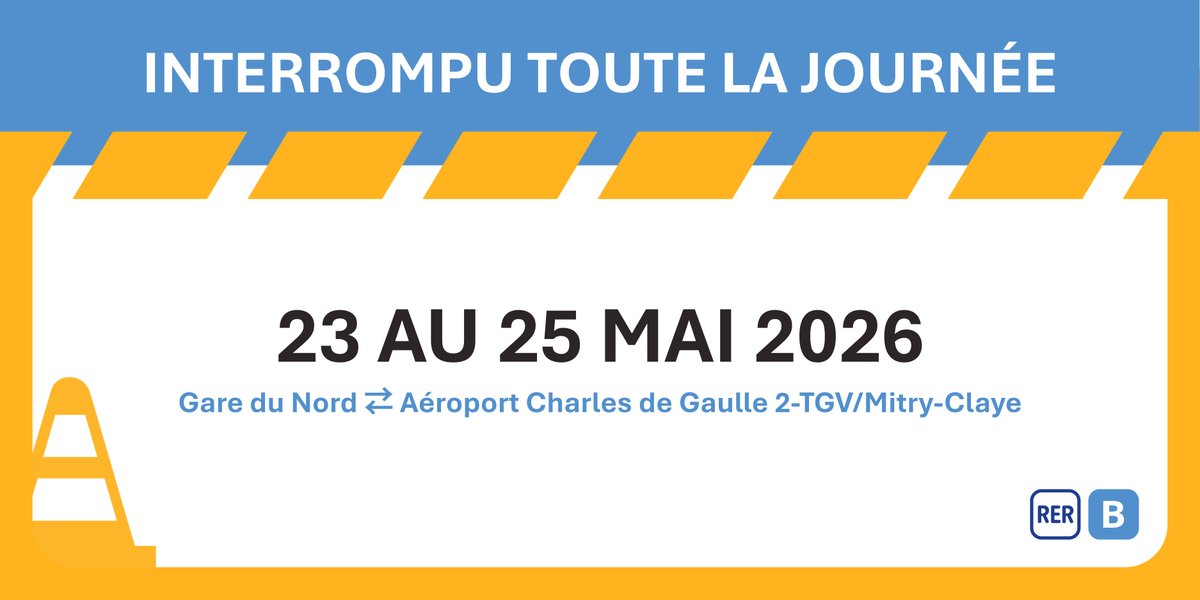
[#TravauxRERB 🚧] Le week-end prolongé du 23 au 25 mai, le trafic du #RERB sera interrompu entre Gare du Nord et l'Aéroport Charles de Gaulle 2 / Mitry-Claye, toute la journée, dans les deux sens de circulation.
ℹ️ La circulation entre ces gares reprendra mardi 26 mai. [1/4]
1
178
Tellement d’extrême droite qu’on retrouve le drapeau de Luffy dans des révolutions de gauche
son daron c’est littéralement un révolutionnaire
May 19

One piece est d'extrême droite et à chaque fois qu'un mec de gauche rentre dans ce débat il se fait humilier
1
9
2,480
Lucas retweeted

May 19
Vous avez bien compris les gens ? Il ne faut diffuser aucune de ces deux photos !
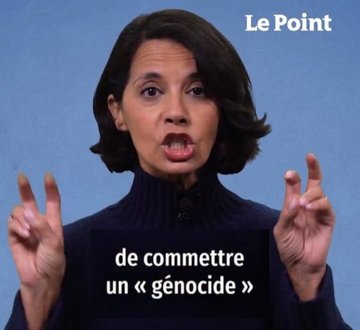


Ben non, faut pas la diffuser.
C'est bien cette photo là.
Il faut diffuser l'information, car cette photo continue à être diffusée.
Et montrez bien la photo pour que les gens ne se trompent pas de photo à ne pas diffuser.
Merci de relayer l'information.✌️😇
21
621
2,942
92,412
RT @denkinte_2: Comment ça, « pas de pédé, pas de syndicaliste » dans les films financés par Canal ?
Donc les signataires de la tribune an…
851
Lucas retweeted

May 17
L’Equipe peut pas inventer une insulte en une pour AMN ?
6
52
731
36,861