
𝑽𝒊𝒅 𝑬𝒅𝒊𝒕𝒐𝒓🎥 ~ 𝑪𝒐𝒏𝒕𝒆𝒏𝒕 𝑪𝒓𝒆𝒂𝒕𝒐𝒓👨🏽✈️ ~ 𝑵𝑭𝑻♣️
Joined September 2022
- Tweets 37,390
- Following 4,407
- Followers 16,731
- Likes 38,120
576 Photos and videos







🏆 English Leaderboard Top Winners
🥇 @tomi_sinnn
🥈 @merah_gold
🥈 @Razzshares
🥉 @ContentRapper
🥉 @Maviskrypt
Congratulations! 🎉
🎗 English Leaderboard Outstanding Participation Award
@onyx71188
@etuc_simeon
@BIGHEM_
@0xJoel
@monster_vibe
@sasharesearch
@emmyfe145
@francisJD13
@big_kedy
@dudusvicki
@the_galadima
@wind_catcher23
@wenswhinny
@Haistar999
@BruiseX99
@Defi_princess
@Aishacrypto03
@stan_steps
@noble_crypt
@ADEX_BERRY01
@Xemotions_
@Realghost_xyz
⭐ English Leaderboard Active Participation Award
@darkpride_20
@Theetechquin
@jaybabyjumai
@RedSpeaksS
@JojoKrypt_
@Beehot05
@aabashweb3
@umarfaruku11588
@Vibe_Bells
@gstar_sc
Thank you to all creators for your participation and support! 🚀💜
29
7
52
6,761

Jun 10
Good morning 𝕏
Hello crypto Twitter, it’s just 47 people arguing about Ethereum gas fees and 3 people actually building.
Respect the builders.
GM 🫡
45
49
662
Tíjésùními ❤️🤖ボッ retweeted

Jun 10
44
14
108
2,541
Jun 8
Most cross-chain solutions require trusted middlemen, @c8ntinuum eliminates that entirely.
It's a Layer 0 platform for verified, trustless interoperability proving what chains actually do, no middlemen needed.
5,000 OG roles live now, gated next week.
1️⃣ Join Discord
2️⃣ grab your role
3️⃣ create your waitlist account.
Access closes soon: app.c8ntinuum.com?ref=7VN7U5…
23
25
273
Tíjésùními ❤️🤖ボッ retweeted

Jun 8
As AI replacement becomes one of the biggest topics on the planet, the next debate will be even bigger:
Who owns the AI?
We believe it should be the people.
The billions of people whose data, actions, and online behavior helped train these systems in the first place.
Right now, the future of AI is being owned by Big Tech and a handful of billionaires.
But what if ownership was distributed based on the value you contributed?
The more you help build AI, the more you share in its success.
That sounds a lot fairer to us.
508
1,593
1,724
20,383
Jun 8
Just got hold of this.
This is an opportunity to contribute, don't miss out.
🔗 luma.com/41cmdhn0

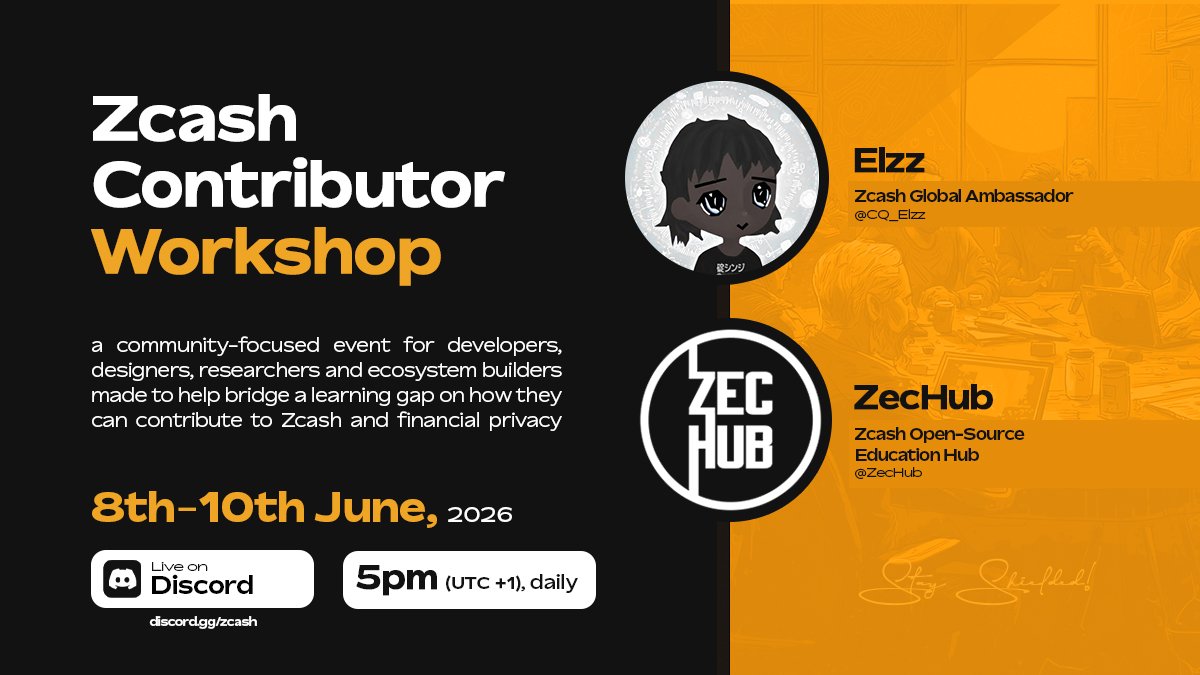
the only thing standing between you and contributing to @Zcash is you.
you assumed it was a builders-only space.
too technical,
too cryptographic,
no room for someone who doesn't write code.
so you've been watching from the sidelines while telling yourself maybe one day.
but ecosystems don't run on code alone.
they run on writers, designers, researchers, educators, communicators.
the people who make the tech make sense to everyday humans.
there's always been a seat here. you just never sat down.
so this is me pulling out the chair for you.
i'm teaming up with @ZecHub for a 3-day contributor workshop.
come learn how to actually find your place in this ecosystem.
🗓 June 8th to 10th
⏰ 5PM daily
📍 Zcash Discord
registration link in comments 👇🏾
22
23
826
Jun 8
Gm gm legends...
The @GenLayer spent the previous week doing what the best infrastructure projects do, not just talking about what they're building, but showing it working in real markets, against real disputes, at machine speed.
Here’s everything that dropped.
91
81
3,865
Jun 8
GenLayer dropped a video sparking a conversation around network states and jurisdictions competing to attract AI infrastructure through tax incentives and legal frameworks.
Infrastructure, regulation, adjudication: GenLayer's thesis made tangible.
2
3
80
Jun 8
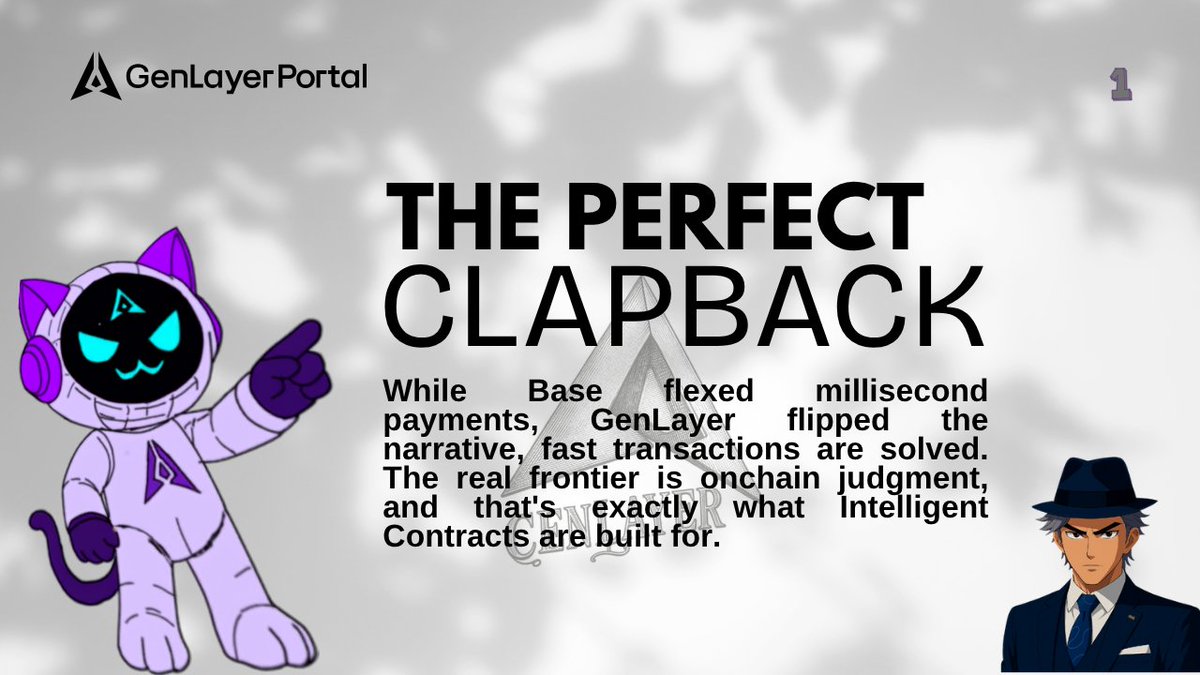
The @GenLayer closed the week with a data-first thread anchored on numbers that are hard to argue with
179,842 Polymarket markets.
97.2% resolved. 100% match.
payments take milliseconds, but judging whether work was actually done right?
That's a different problem entirely.
1
2
86
Jun 7
Most people understand what @GenLayer does, trustless adjudication for outcomes that require judgment.
But the more interesting question is “HOW?”.
How does a protocol actually reach a fair, reliable decision on something as nuanced as fraud detection, creditworthiness, or market risk?
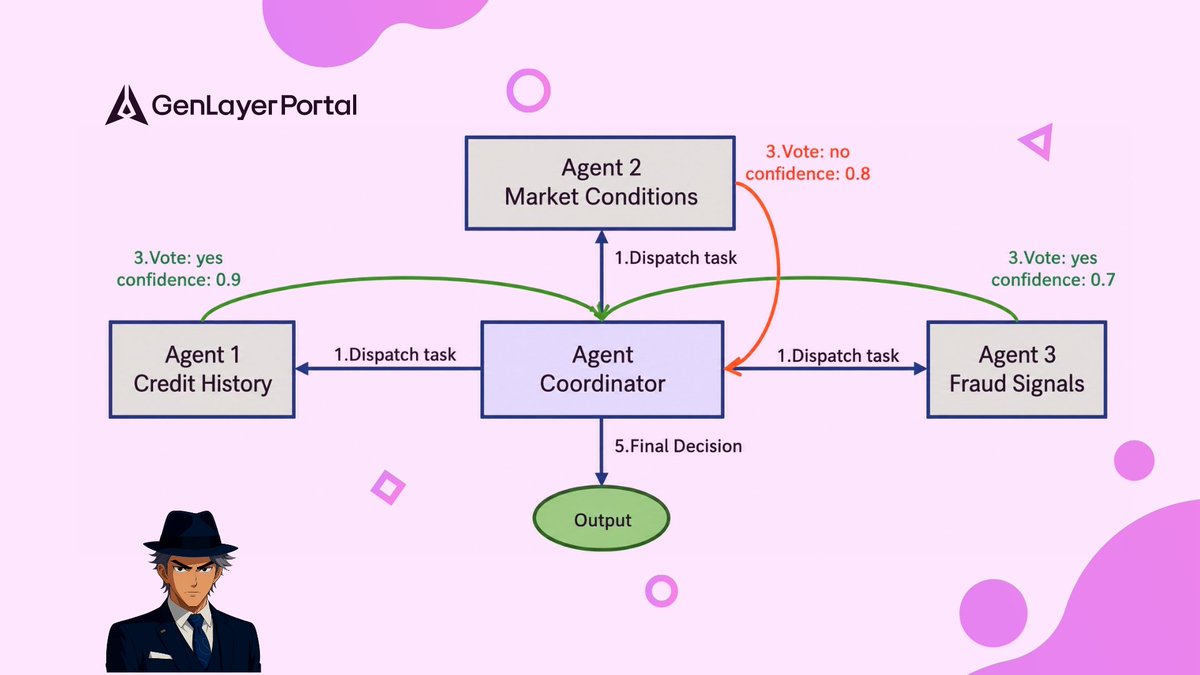
The diagram below answers that, the agent Coordinator.
When a decision needs to be made, the Coordinator doesn't guess. It doesn't rely on a single data source or a centralized authority.
Instead, it dispatches the task simultaneously to multiple specialist agents, each one focused on a distinct dimension of the problem. In this example, three agents are in play.
¶ one evaluating Credit History
¶ one assessing Market Conditions
¶and one scanning for Fraud Signals.
Each agent independently investigates its domain, pulls the relevant data, and returns a verdict.
Here's where it gets really interesting. Each verdict comes with a confidence score.
Agent 1, The Credit History votes yes with a confidence of 0.9. Strong signal.
Agent 3, The Fraud Signals votes yes with a confidence of 0.7. Moderate signal.
Agent 2, The Market Conditions votes no with a confidence of 0.8. A meaningful dissent.
The Coordinator doesn't simply count votes. It weighs them. The confidence scores matter. The reasoning behind each position matters.
This isn't a majority-rules system, it's a consensus mechanism designed to surface the most defensible outcome given all available evidence.
Once the Coordinator processes the inputs, it issues a Final Decision as on-chain output with full finality.
This architecture has profound implications.
Traditional smart contracts would struggle to evaluate credit history, interpret market signals, and flag fraud patterns in a single decision flow.
They'd need centralized oracles, human reviewers, or multiple off-chain systems stitched together with trust assumptions at every seam. GenLayer collapses that entire stack into one coherent, trustless process.
It also scales in a way human review never could. The same framework that evaluates a loan application can adjudicate a freelance dispute, assess an insurance claim, or resolve an agent-to-agent SLA disagreement, just swap the specialist agents for the relevant domain.
The Coordinator model stays the same. The logic stays on-chain. The output is always verifiable.
What the diagram ultimately shows is that GenLayer's adjudication isn't a black box. It's a structured, transparent deliberation, multiple independent perspectives, weighted by confidence, resolved into a single accountable outcome.
That's not just smart contract logic. That's something closer to how good decisions actually get made.
And in a world where AI agents are transacting at machine speed, entering contracts autonomously, and disputing outcomes with no human in the loop, having a decision architecture this rigorous isn't a nice-to-have.
That's the whole game.
17
21
1,006
Tíjésùními ❤️🤖ボッ retweeted
Jun 6
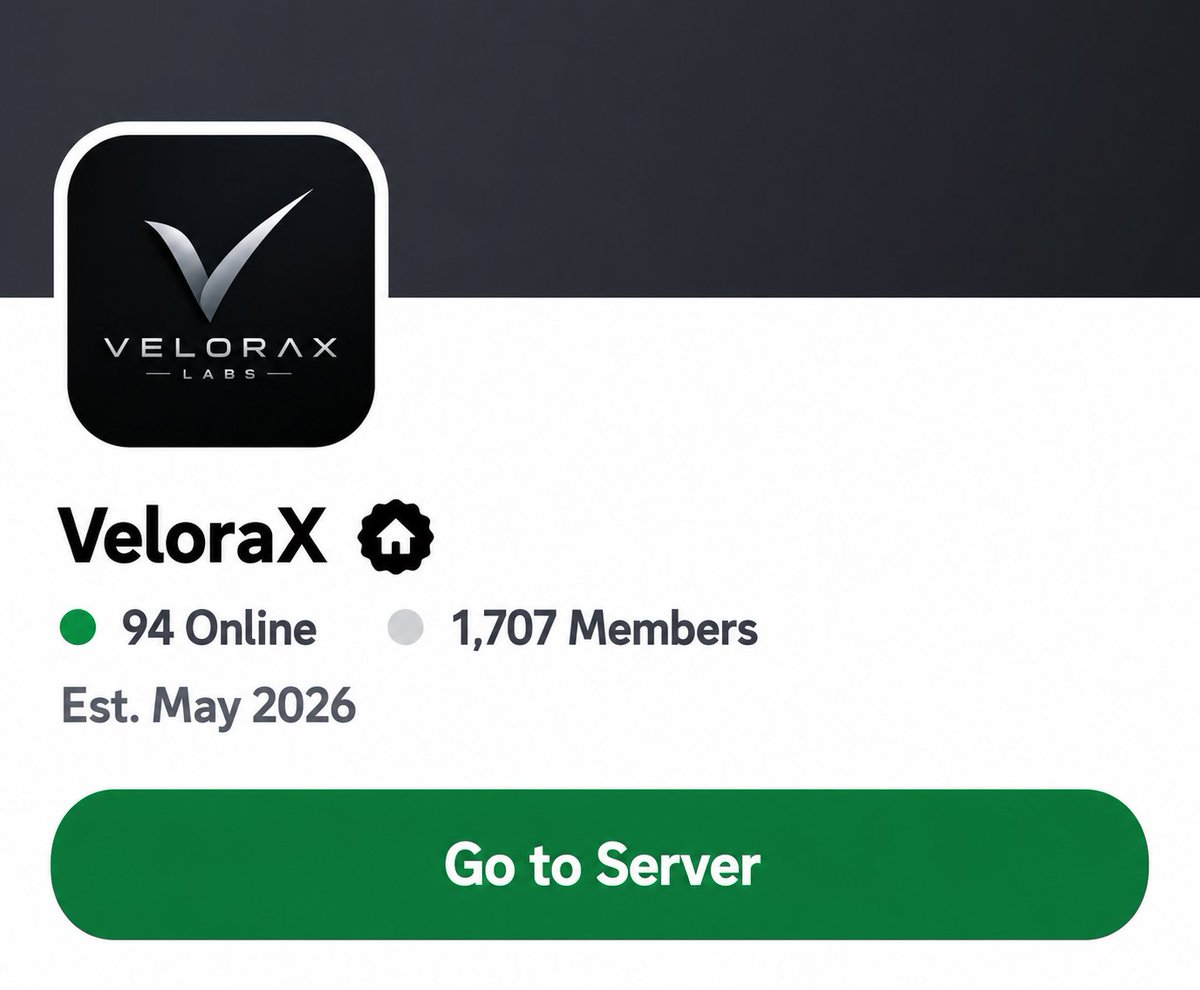
Next week, The VeloraX launches its first wave of creator quests and campaigns.
More details coming soon, stay tuned at: discord.gg/3k3eGYkKkf
$1,000 IN CREATOR REWARDS STARTING SOON.
The project is building a community of creators who are
1️⃣ active
2️⃣ creative
3️⃣ engaged
4️⃣ supportive to fellow creators
5️⃣ ready to grow together.
This marks a huge milestone, and the project is ready to bring its community along for the ride.
Next week is going to be massive, don't miss out. 🚀
58
1
60
5,705

How the Oracle reads the open web and matches Polymarket 100% of the time?
@raskovsky explains 👇
7
16
102
3,649
Tíjésùními ❤️🤖ボッ retweeted

Jun 5
Prediction market volume over the last 30 days.
Kalshi leads at $6.02B with Polymarket at $3.99B, together accounting for the majority of prediction market volume globally.
141
107
298
15,770
Jun 5
Feels good to connect with @nft_acekings.
Let's make more connect today gengs!
Jun 5

Good morning 𝕏
The charts are green in my heart even if they're red on my screen.
Vibes-based investing only today.
How about you?
83
1
84
3,319
Tíjésùními ❤️🤖ボッ retweeted
Jun 5
Good morning 𝕏
The charts are green in my heart even if they're red on my screen.
Vibes-based investing only today.
How about you?
72
1
65
4,977