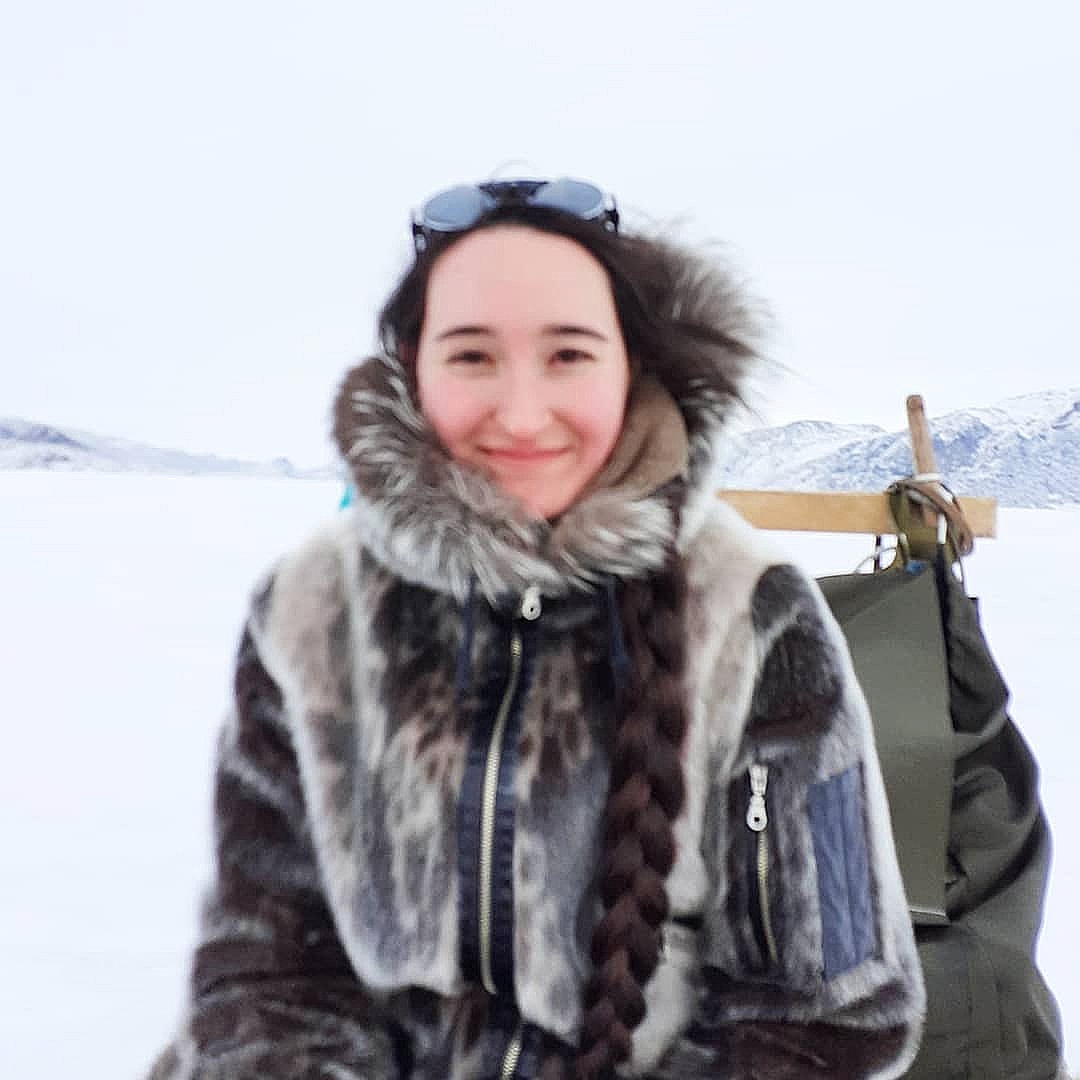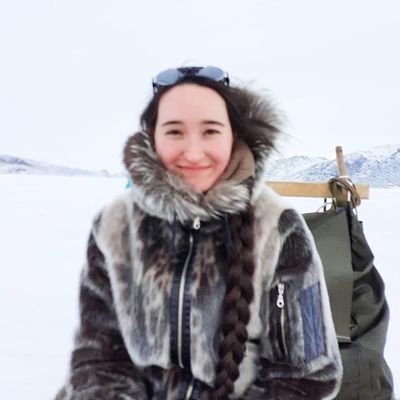
I just became the first Iñupiaq Dr. of Conservation Biology. That said, I'm far from alone as Indigenous communities in the Arctic are deeply invested in conservation discussions and we have already been practicing conservation for thousands of years. We're already contributing.
𝐖𝐞 𝐚𝐫𝐞 𝐡𝐢𝐫𝐢𝐧𝐠 𝐚𝐧 𝐄𝐱𝐞𝐜𝐮𝐭𝐢𝐯𝐞 𝐃𝐢𝐫𝐞𝐜𝐭𝐨𝐫 🤝
Deadline for application: September 1, 2023 at 12 a.m.
Send application and CV to iccgreenland@inuit.org
If you want to know more click on the link: inuit.org/job-openings/
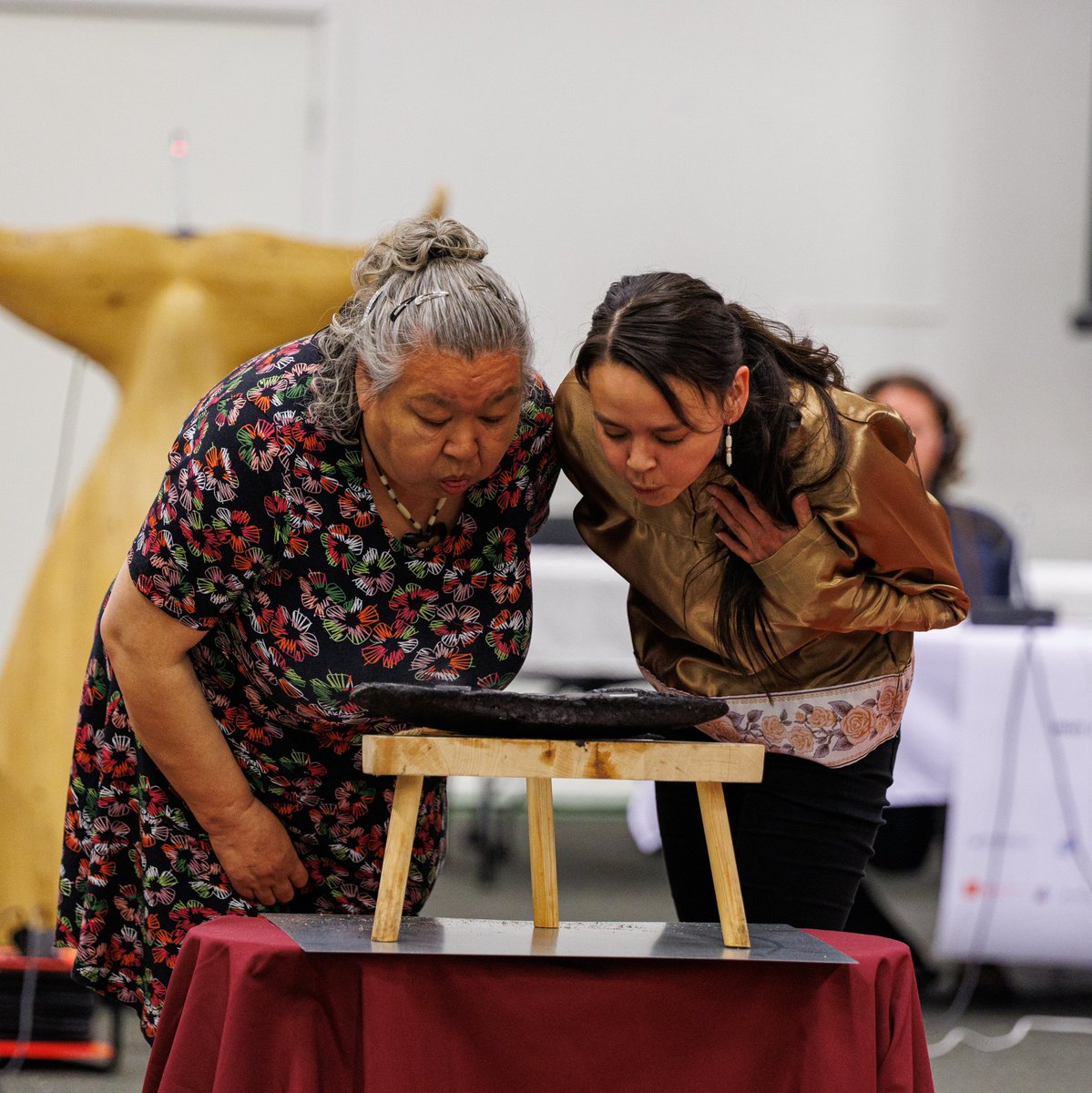
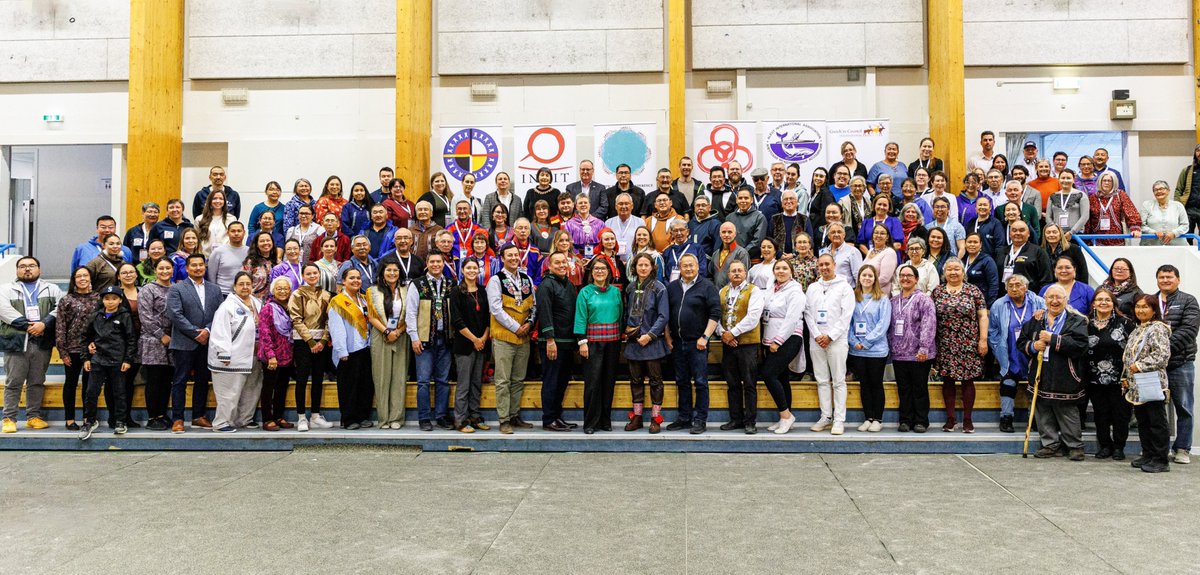
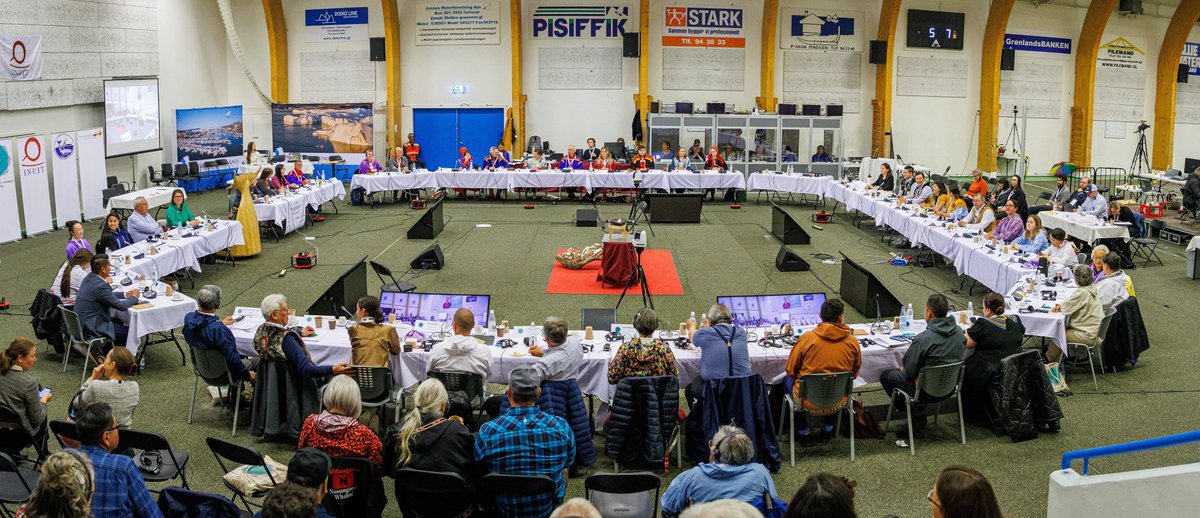
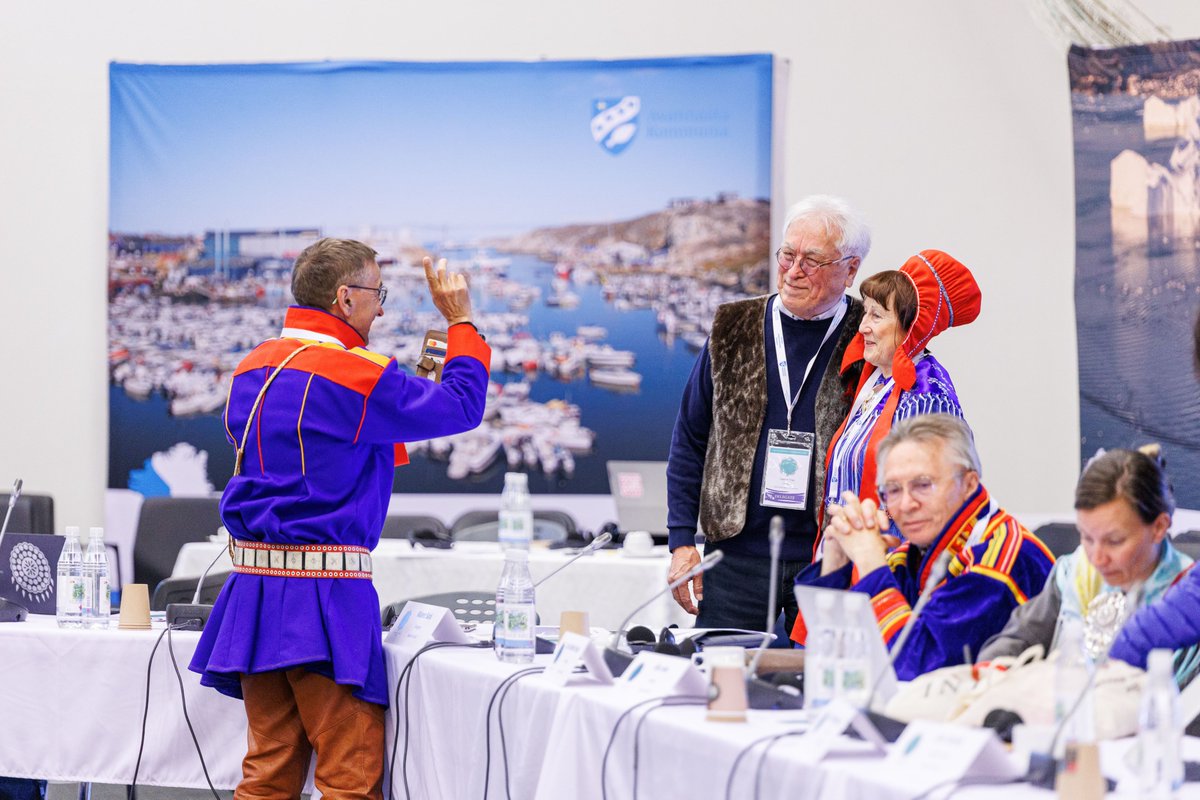
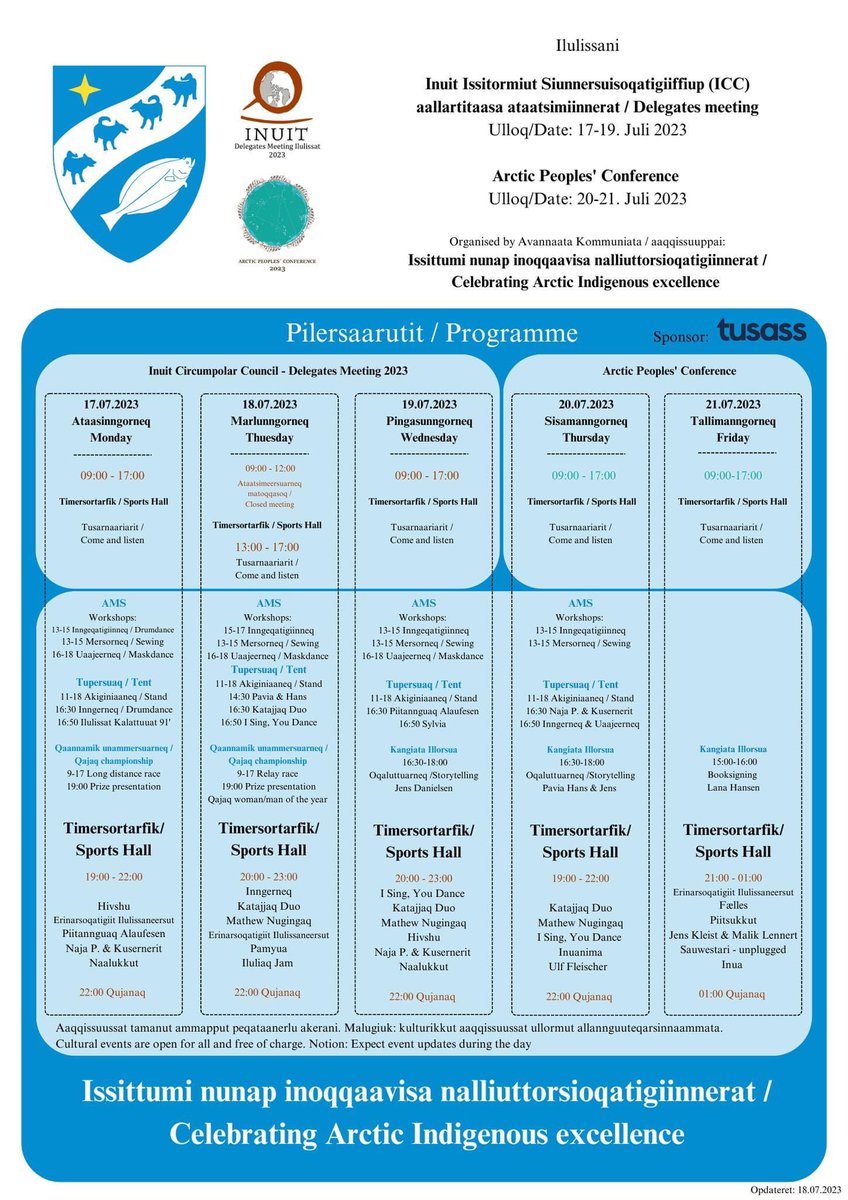
Historic 50th Anniversary Arctic Peoples’ Conference Charts Path for Next Half Century
To read the full press release, click on the link below:
inuitcircumpolar.com/news/hi…
Photo Credits: Carson Tagoona
#Inuit#Ilulissat2023
There's growing attention throughout the world to Indigenous protected and conserved areas. @VicBuschman and @enooyaq share how Indigenous-led conservation in the #Arctic supports global conservation practices. Learn more in the T-MOSAiC collection ⬇️ buff.ly/3X1UAGN
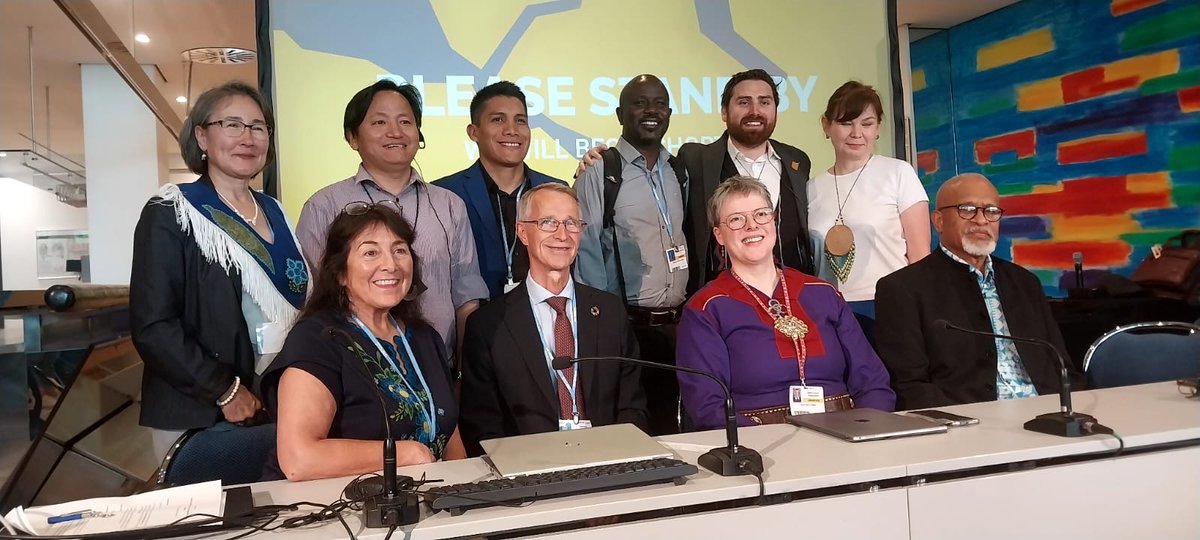
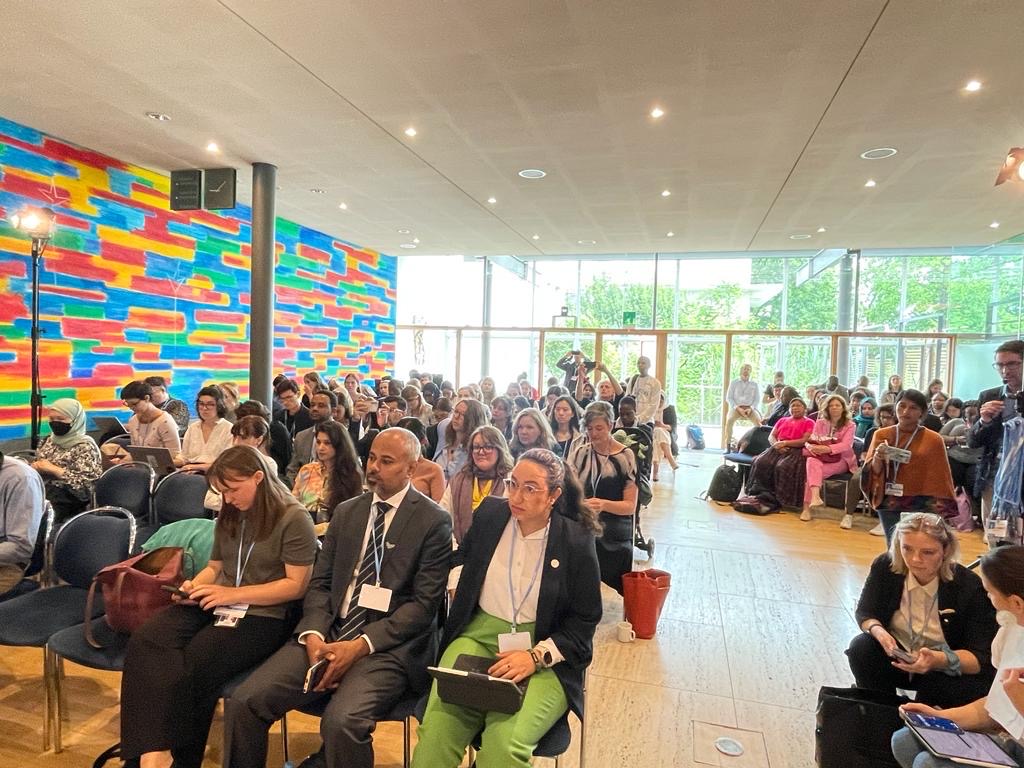
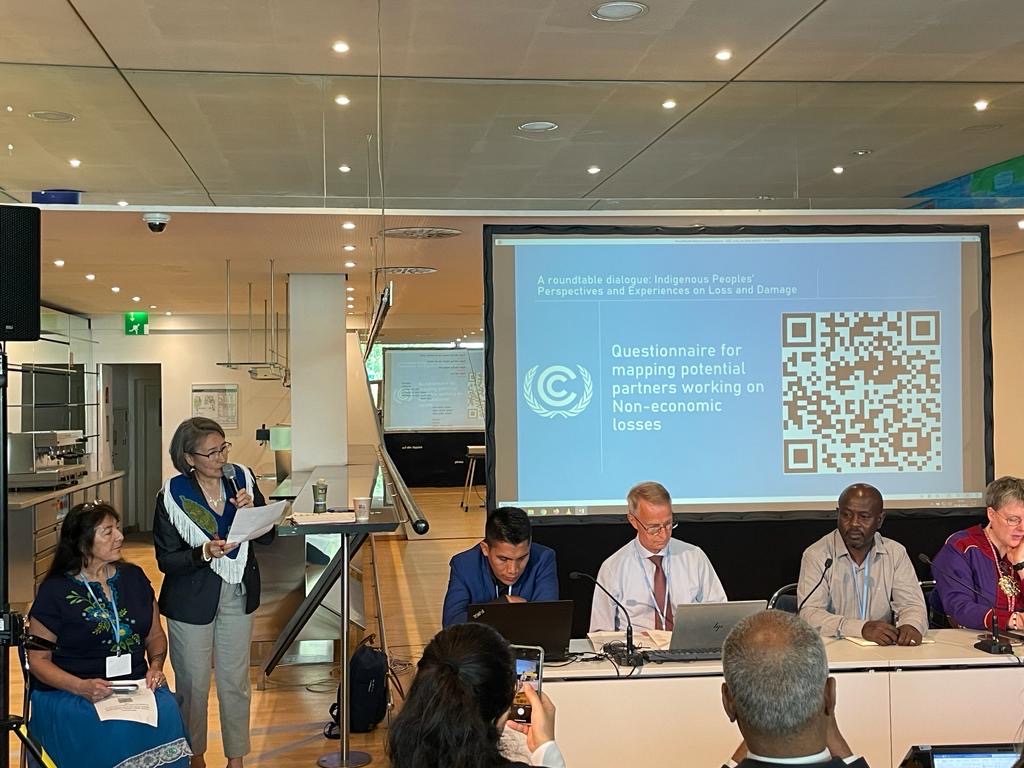
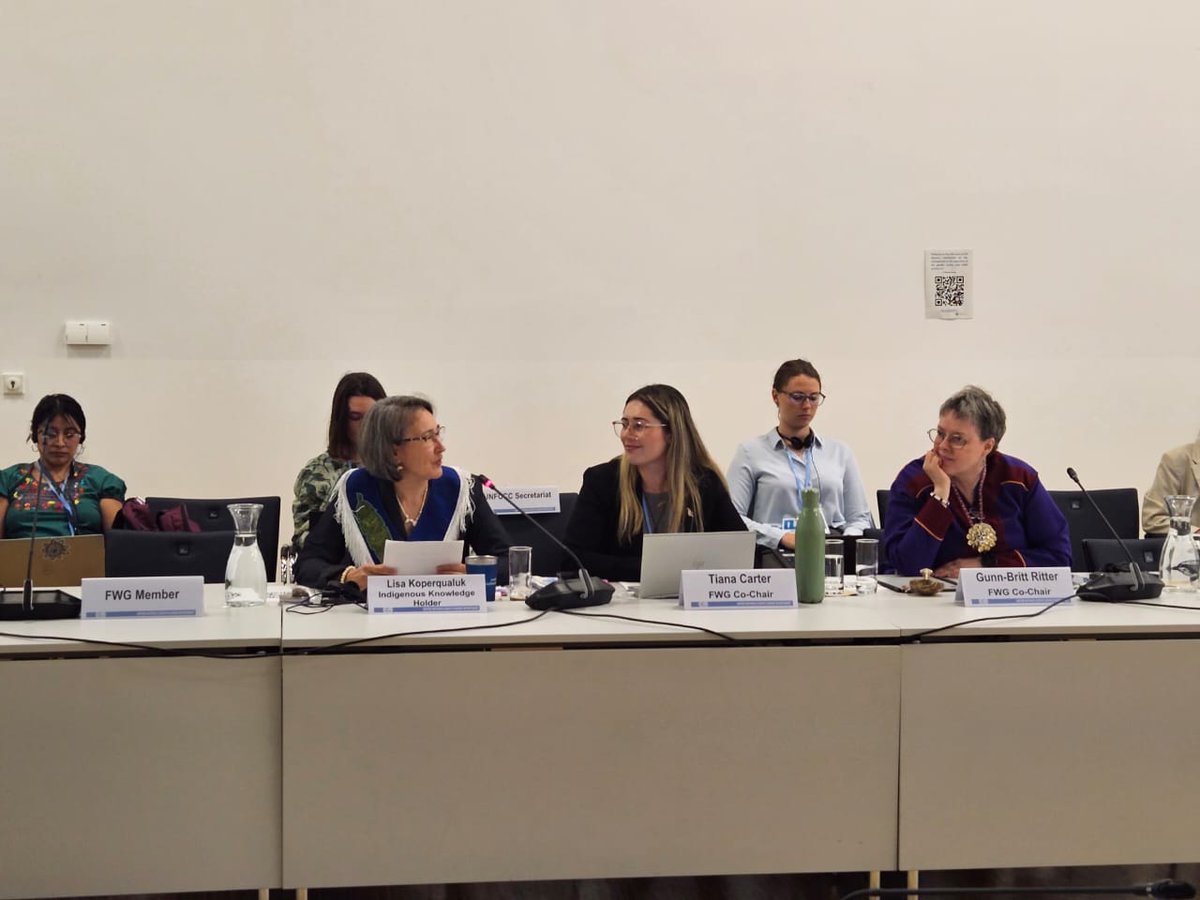
ICC Vice Chair, Lisa Koperqualuk, provided a keynote speech and facilitated an ICC co-sponsored side event on Loss and Damage this week in Bonn, Germany at the United Nations Framework Convention on Climate Change conference.
"Indigenous practices are conservation and Indigenous practices are climate action"
The brilliant @VicBuschman speaking at a #UNFCCC SB58 side event today on why finance and nature are critical to climate change solutions!
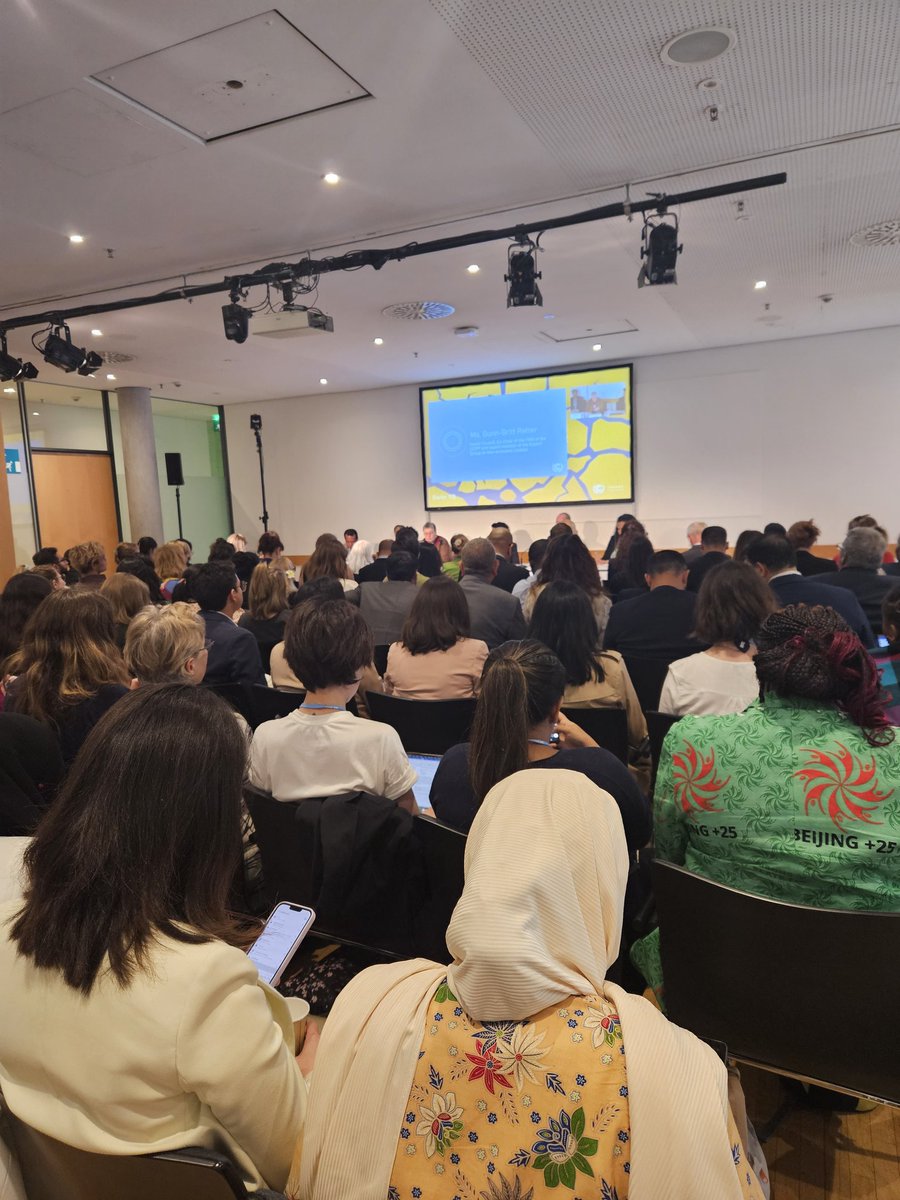
"Don't let the hidden stay unseen" - Gunn-Britt Retter of the @SaamiCouncil speaking on the non-economic losses of climate change, referring specifically to Indigenous culture and knowledge, at a dialogue with the Warsaw International Mechanism for Loss and Damage @icc_greenland
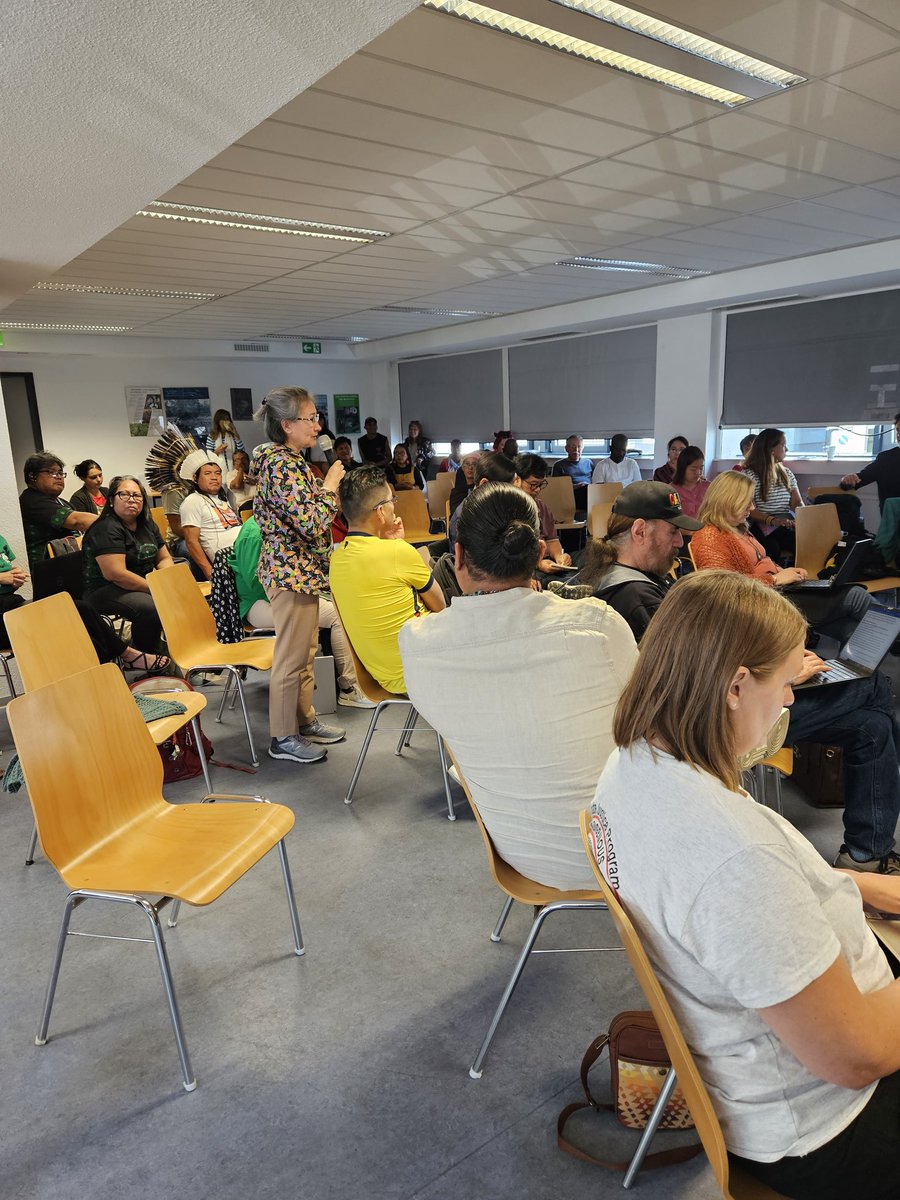
Lisa Koperqualuk, Inuit Circumpolar Council Vice Chair, addresses the Indigenous Peoples Caucus at the UNFCCC SB58 on the conflation of Indigenous Peoples and local communities and suggests ways forward within UN bodies, conventions, and mechanisms. @ICC_Canada@icc_greenland
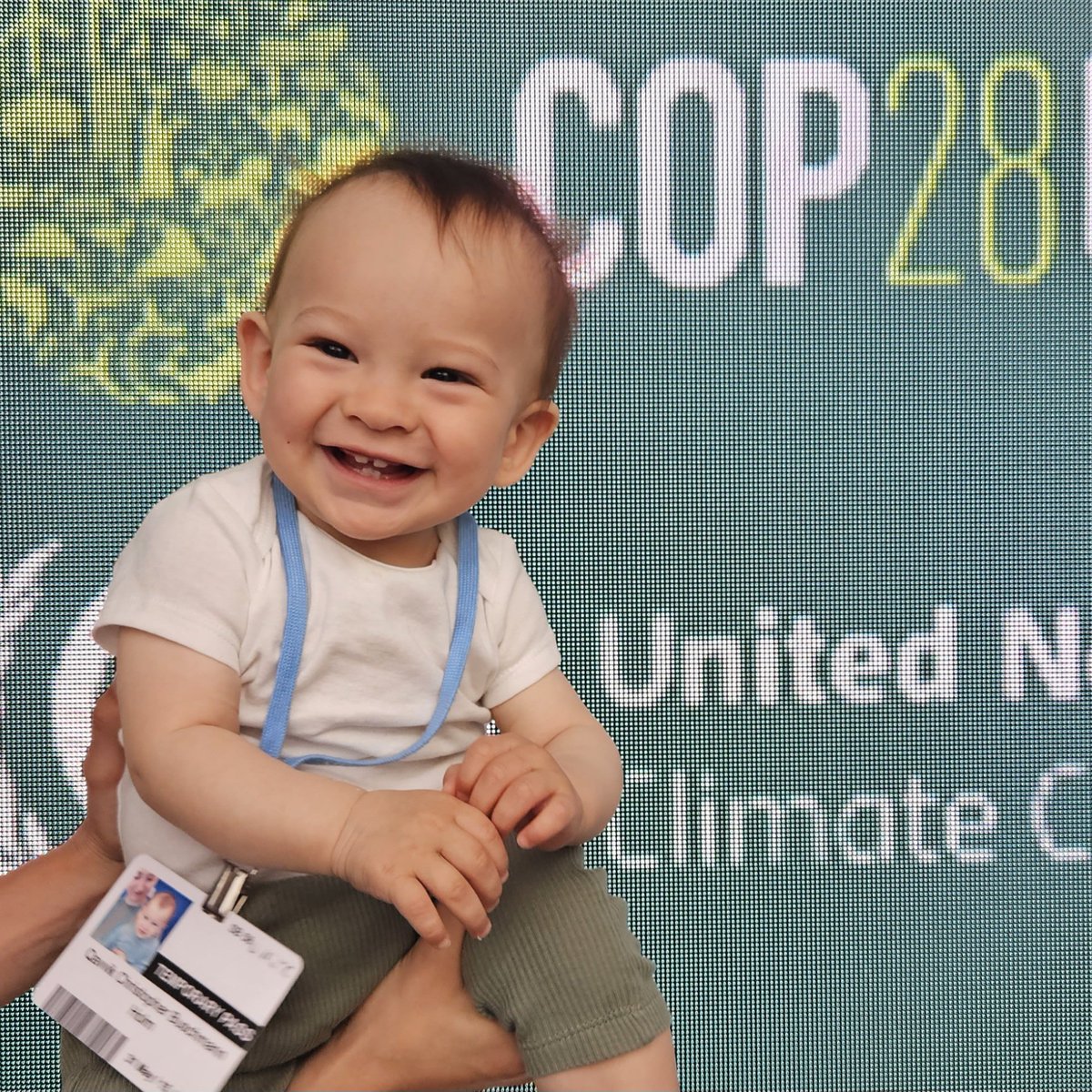
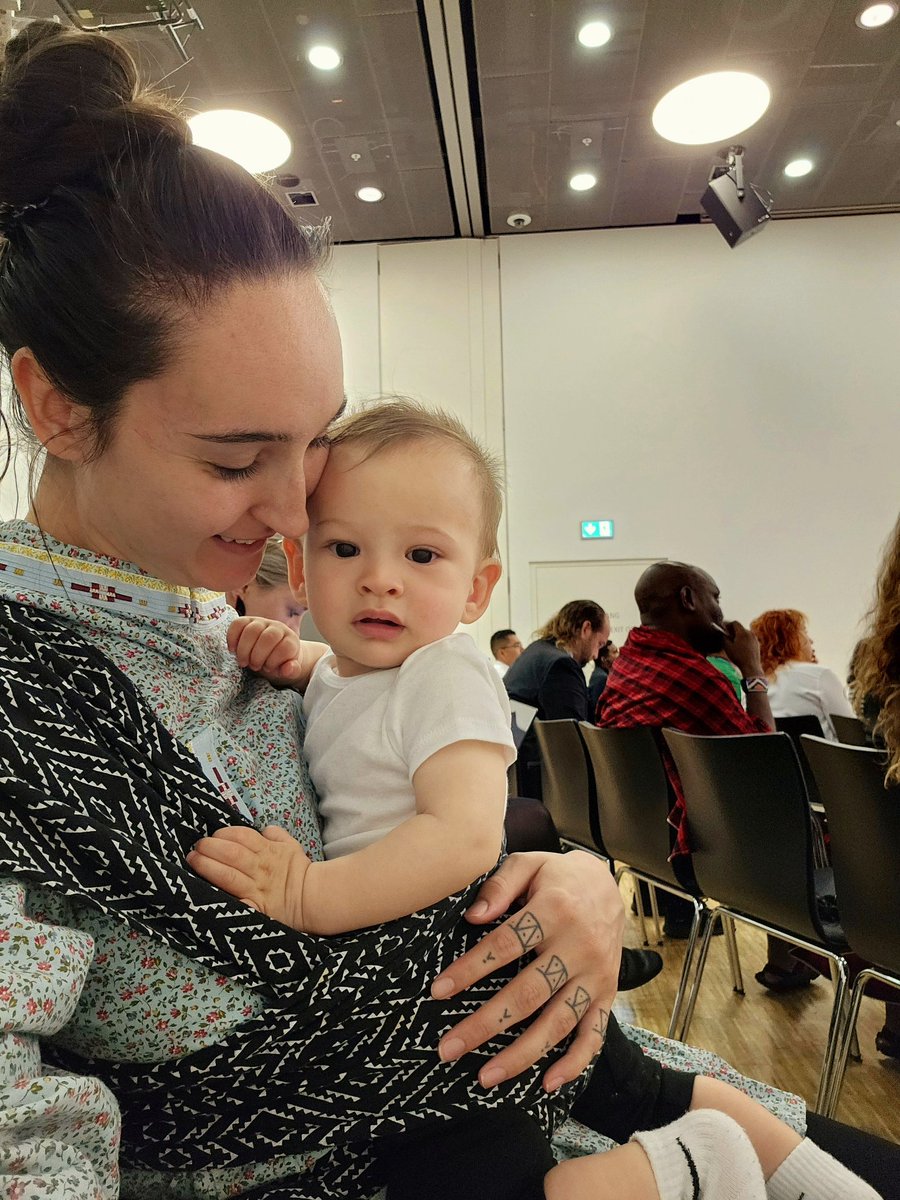
At the UNFCCC for two weeks of preparatory sessions ahead of COP28 in Dubai. Currently attending the Indigenous Peoples Caucus as we prepare to represent Inuit and other Indigenous Peoples in upcoming climate change discussions. My 8-month old son is here as our next generation.
🇬🇧 Are you an Indigenous youth interested in joining a UN-sponsored global summit?
🇬🇱 Nunap inoqqaajuguit inuusuttuullutillu, FN-ip akiligaanik nunarsuaq tamakkerlugu ataatsimeersuarnissamut peqataanissamut soqutiginnippit?
Register: bit.ly/saveourplanet-unitar@icc_greenland
Very happy to welcome our new team at @icc_greenland Chair’s Office! With support from Aage V. Jensens Fonde, we are now on track to ensure a strong and thorough effort during ICC Greenland’s chairship until 2026. @VicBuschman is our new Environment and Climate Advisor 🧵👉🏽
If you haven't heard, I've taken a new position as the Environment and Climate Advisor at @icc_greenland! So glad to work more directly with our people on biodiversity and climate issues here in our homelands 🤍 thanks for the support this far!
New and old(er) staff @icc_greenland /ICC Chair’s Office in Nuuk 😊 Support from Aage V. Jensen’s Foundations made this possible. Happy to welcome our new Environment and Climate Advisor Victoria Buschman, Ane Mette Andersen who will do management, and soon a new ED. Qujanaq!
Iñupiaq Inuit and conservation biologist Dr. @VicBuschman describes the close and essential relationship between her Inuit community and the Arctic Ocean. Listen.
x.com/EU_MARE/status/1612734…
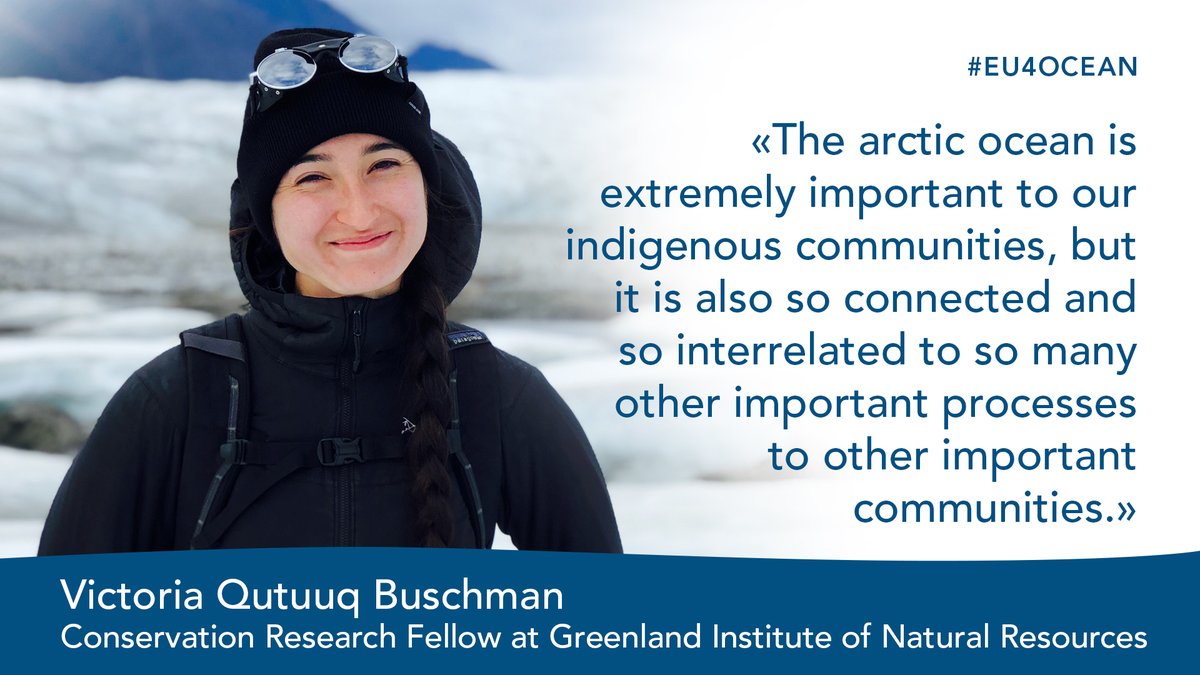
#EU4Ocean explores the close relationship between the Inuit community and the #Arctic Ocean in the last episode of the podcast "If Oceans could speak".
🎙️ Guest on this episode, the great Dr Victoria Qutuuq Buschman.
Listen ➡️europa.eu/!tjj7Pu#EUArctic
A new report containing content from the Nunatsiavut region.
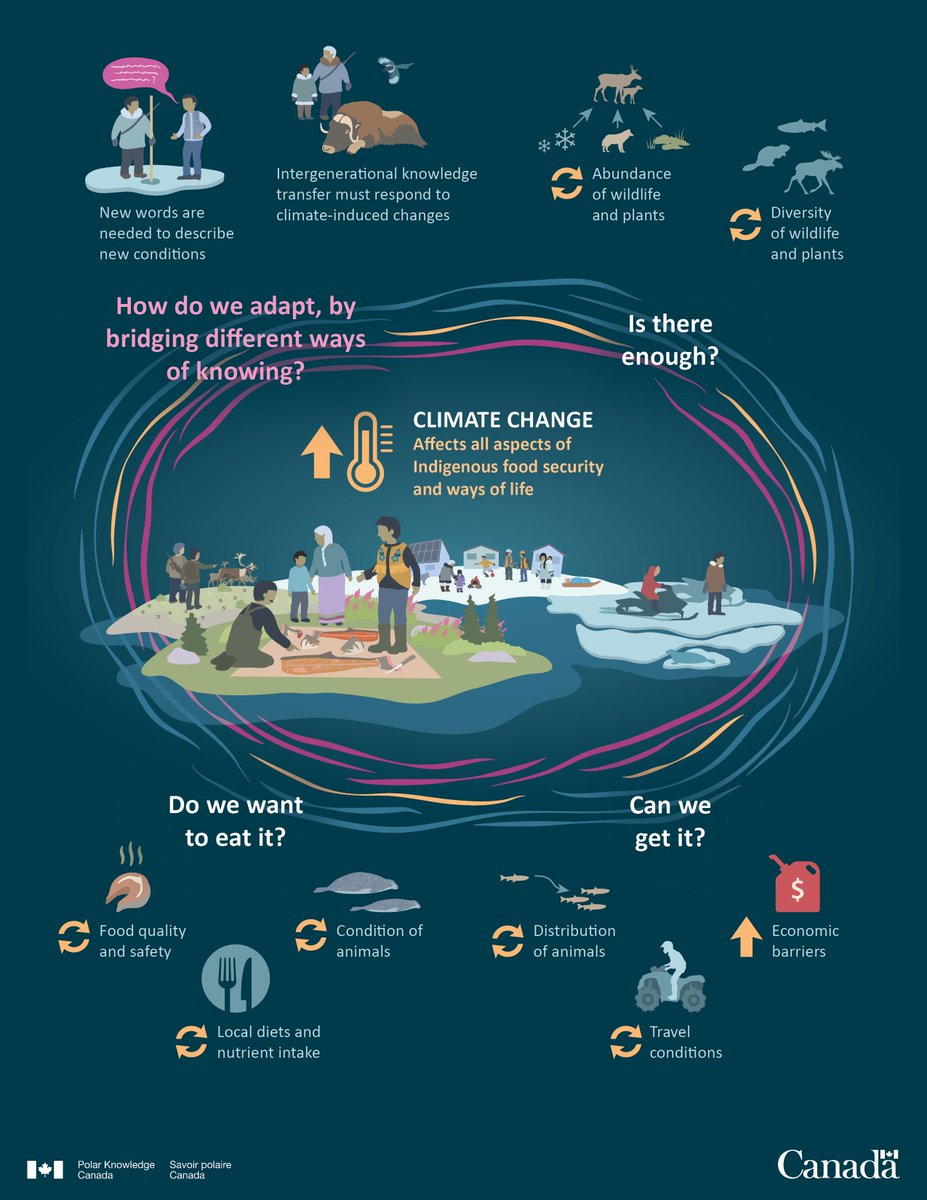
Understanding the effects of climate change on food security in northern Indigenous communities @POLARCanadacanada.ca/en/polar-knowledge…
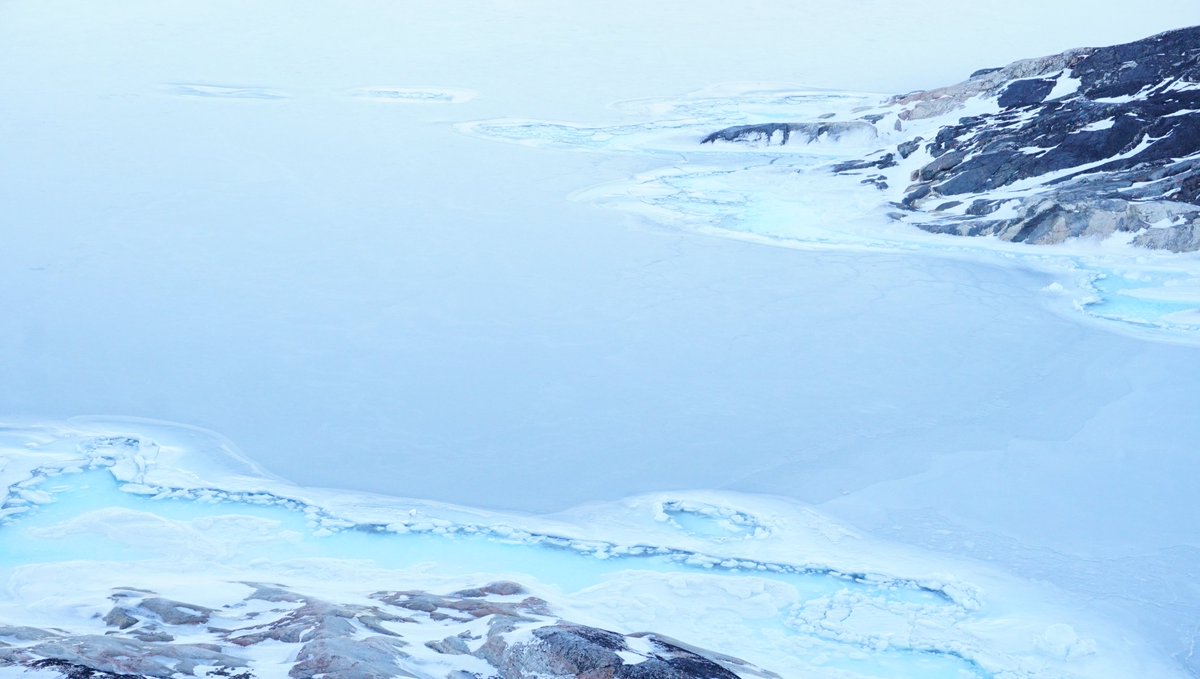
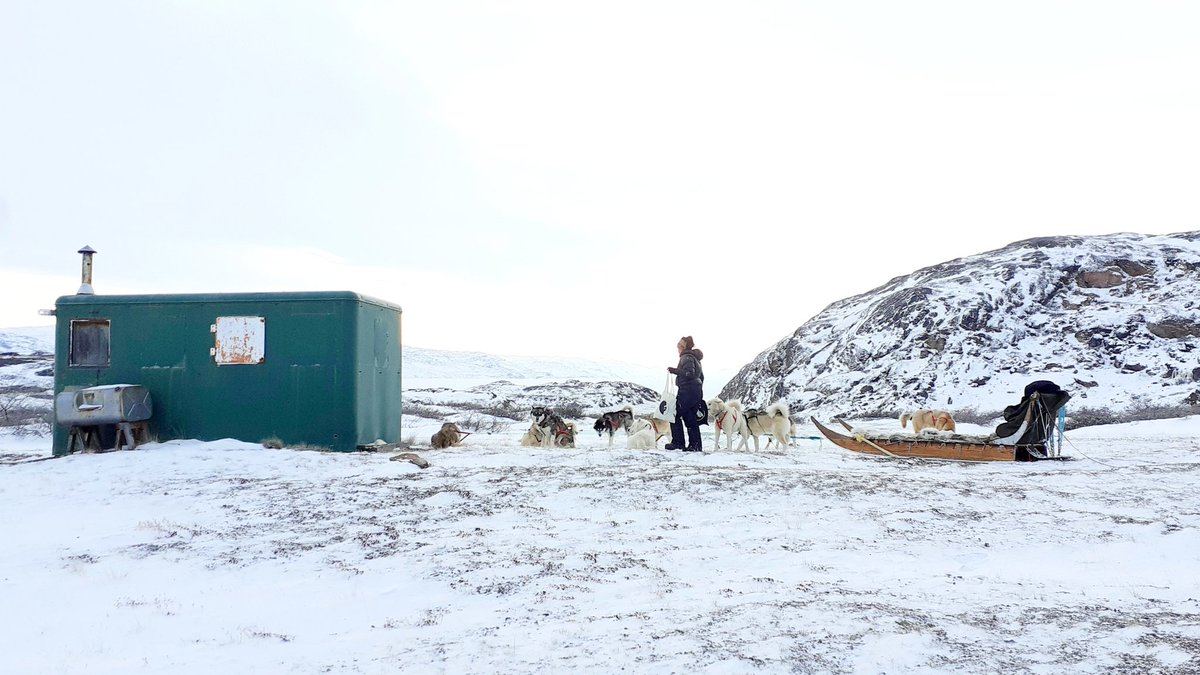
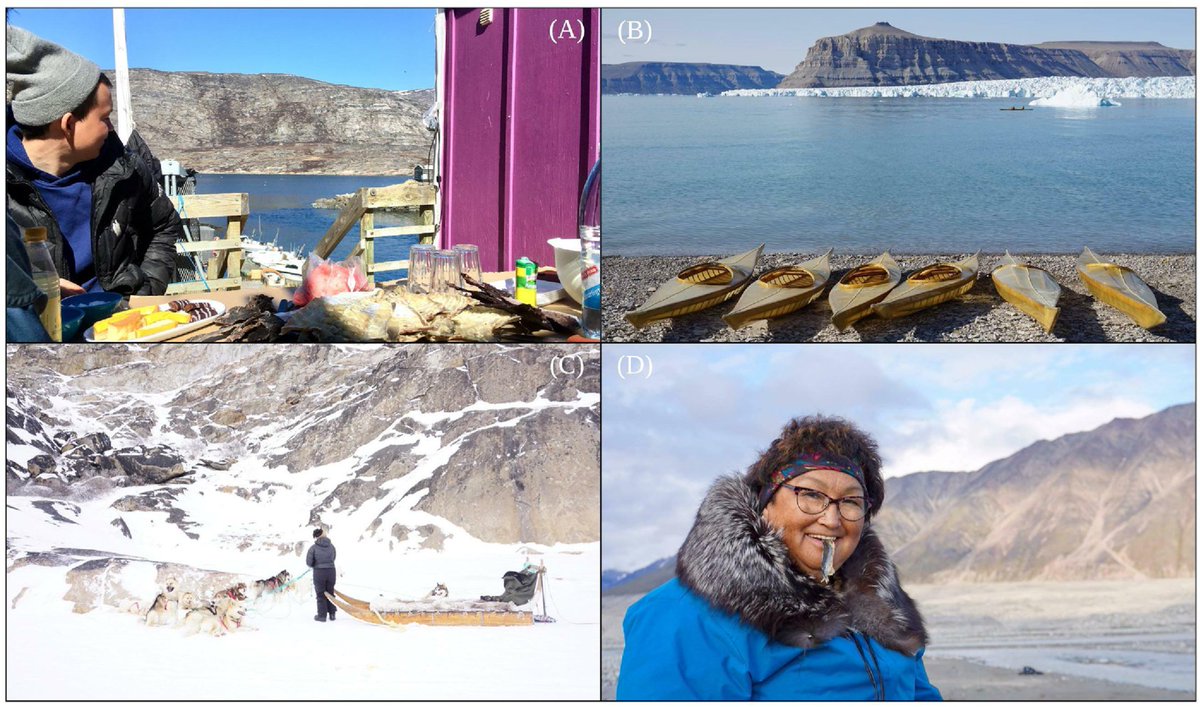
ALT Four-panel figure from paper. Caption: Arctic Indigenous peoples are not separable from the physical, ecological, cultural, societal, and spiritual roles they have in their homelands. Inuit continue to live both within and near formal protected areas, as well as have their livelihoods shaped by conservation initiatives and decisions made at all scales of governance. Many of these places have been actively managed and conserved through use for millennia. (A) hunters take their lunch in the small community of Sarfannguit, situated within the 2018 designated Aasivissuit–Nipisat UNESCO World Heritage Site in Kalaallit Nunaat (Greenland); (B) students line their practice qajait up on the shores of the 2019 designated Tallurutiup Imanga National Marine Conservation Area in Nunavut, Canada, a protected area roughly the size of Iceland that comes with Canadian $54 million dollars in support for Inuit stewardship programs; (C) a young female hunter takes her dogs out on Kangerlussuaq Fjord, Kal