
Genetics of migration in birds, MEEL group, Lund University. Animal ecology and ornithology. Former undergrad researcher in #dowlinglab #evolutionarybiology
Joined August 2012
- Tweets 4,146
- Following 198
- Followers 194
- Likes 569
323 Photos and videos






Pinned Tweet

10 Jun 2024
Check out our latest review in @AvianBiology !
Regulatory basis of migratory behaviour: different paths to similar outcomes.
nsojournals.onlinelibrary.wi…
Thoughts that have been hovering above our heads for several years given our results in our phylloscopus system.
5
10
1,026
Violeta Caballero-Lopez retweeted

29 Sep 2025
New paper out! Growing up, wall lizards undergo a UV-visible “awkward phase” (who doesn’t?) that we can’t see—but they can. These ontogenetic color changes may mediate juvenile–adult interactions by delaying the onset of adult social signals. #colsci
doi.org/10.1002/jez.70035
3
5
5
185
11 Dec 2024
Movie abstract of our latest review here:
youtube.com/watch?v=Hnpi0h2f…
why don't we find a common genetic sequence for bird migratory behaviour? are genetic mechanisms the same across species?
ALT Phylloscopus ibericus (Spain, 2024)
1
4
210
Violeta Caballero-Lopez retweeted

15 Nov 2024
CONGRATULATIONS to @VioJagger for winning the 2023 JAB Review Award with her review on the current state of migration genetics 🏆🎉
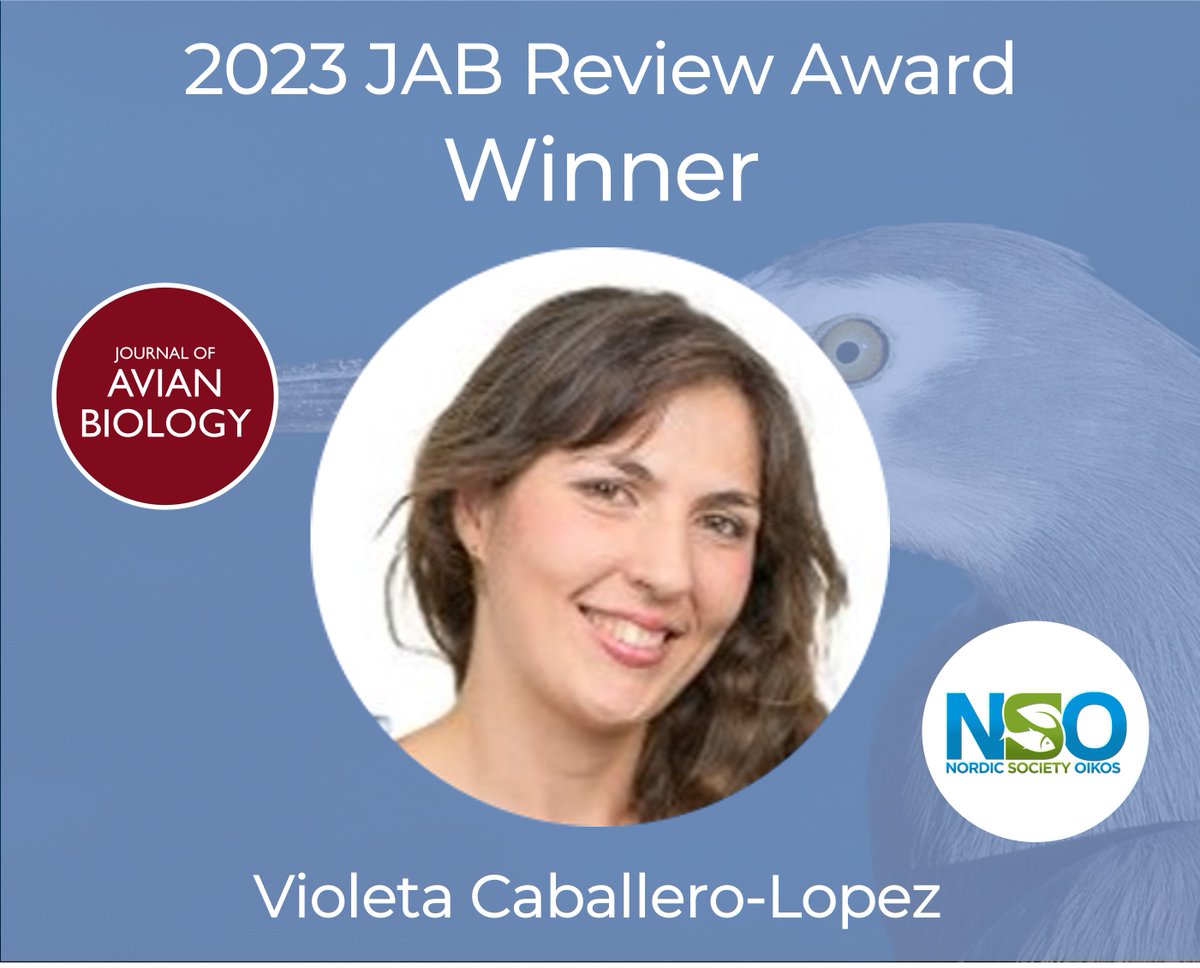
ALT The winner of the 2023 JAB Review Award: Violeta Caballero-Lopez
1
3
5
543
Violeta Caballero-Lopez retweeted

2 Oct 2024
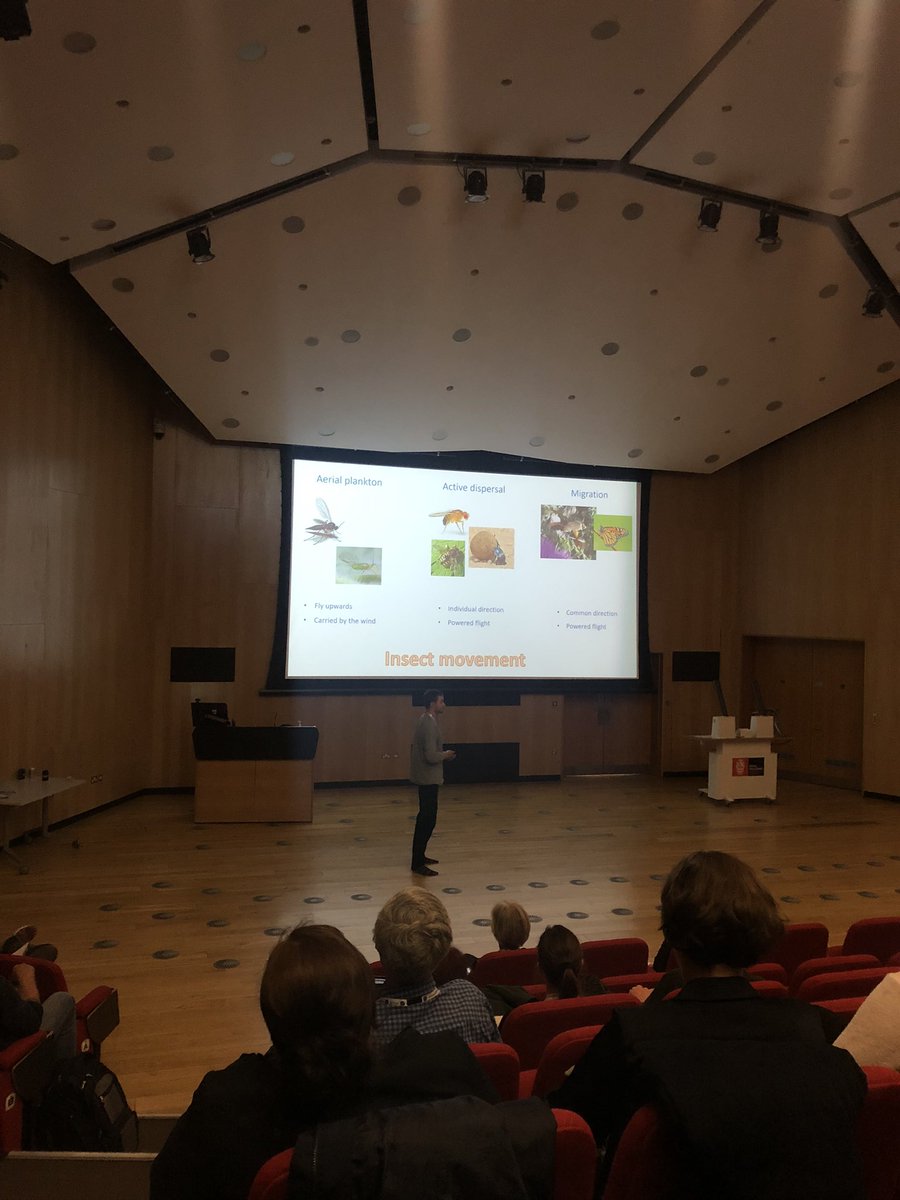
Congrats to @VioJagger for a really nice talk on the genetics of migration behaviour at #ISBE2024 !
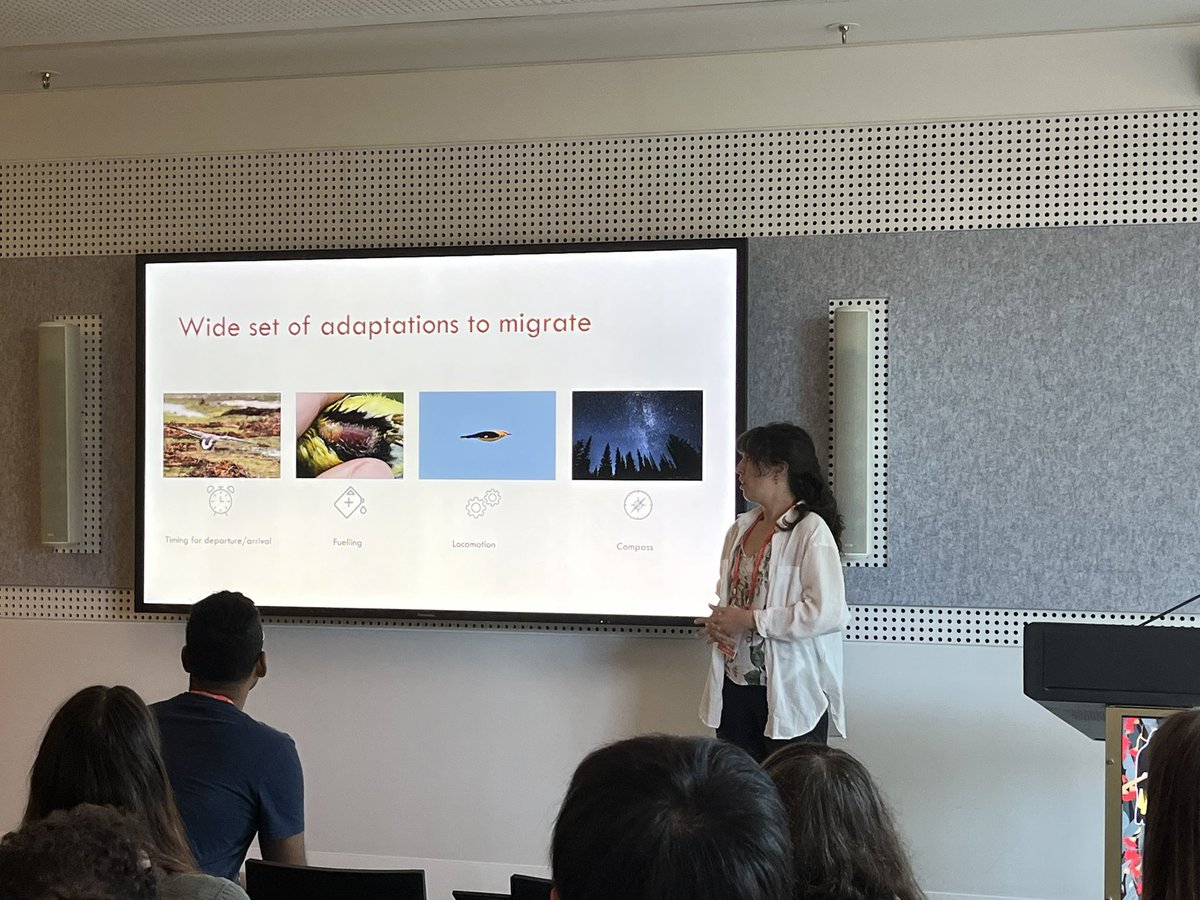
2
7
480
Violeta Caballero-Lopez retweeted
12 Jul 2024
IN-DEPTH: Read the backstory to the recent mini-review on the regulatory basis of migratory behaviour in birds by @VioJagger and Staffan Bensch on the JAB blog:
avianbiology.org/blog/geneti…
full article: vist.ly/3dp34
@NordicOikos #ornithology #migration #genetics #birds
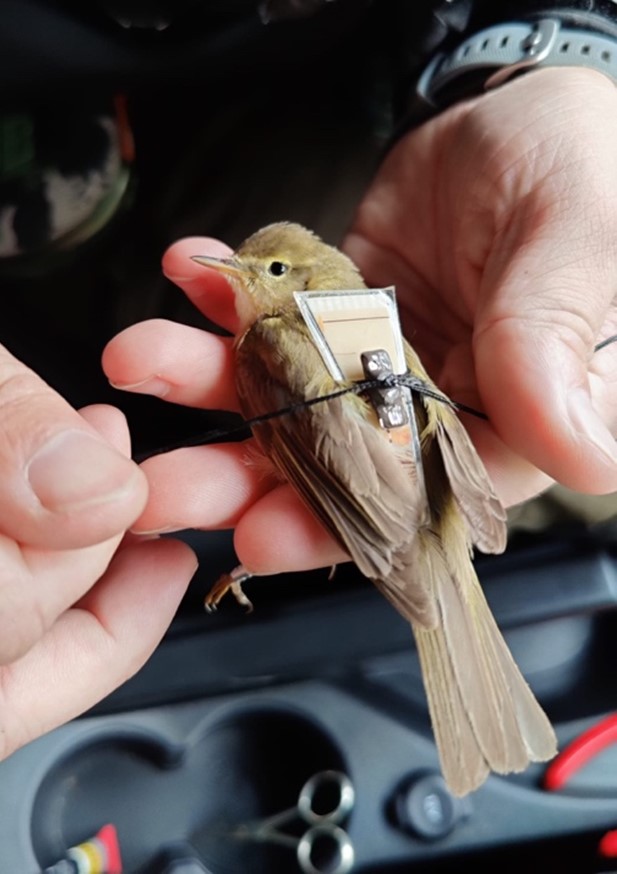
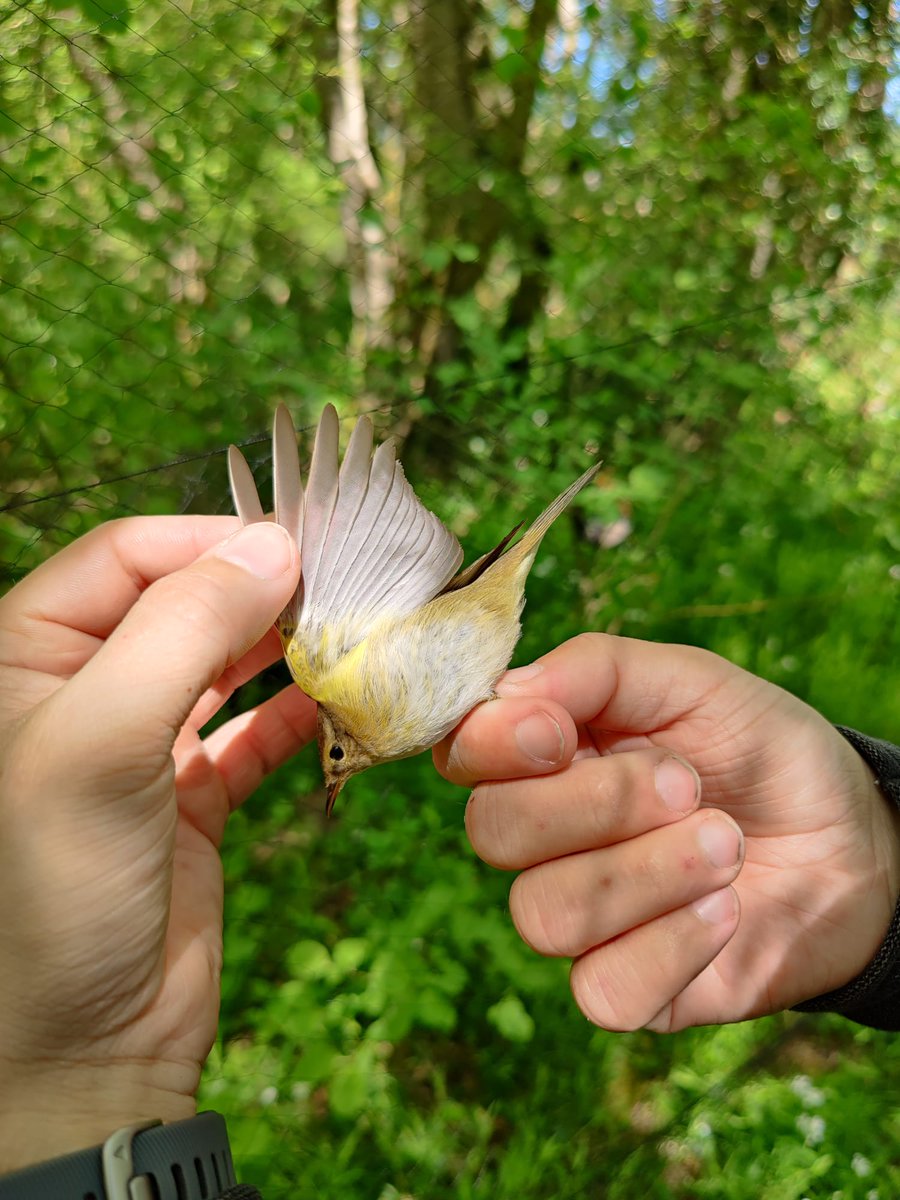
ALT Iberian chiffchaff (P. ibericus) during geolocator attachment in the present field season in Spain (Spring 2024; Photo by Violeta Caballero-Lopez).
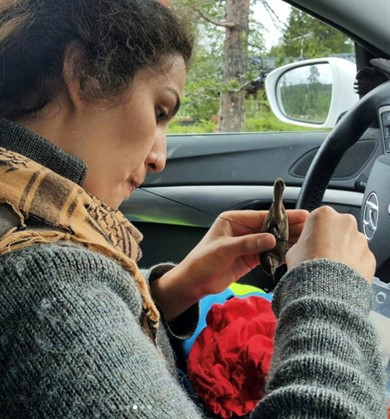
ALT Process of geolocator attachment to a willow warbler in Sweden (Spring 2018; Photo by Kristaps Sokolovskis).
7
14
2,214
Violeta Caballero-Lopez retweeted
4 Jul 2024
Excited to share our latest paper on lizard contests and agonistic signals! Read on for a daydream on how being a lizard could be like, disguised as a discussion on the relative impact of static colour patches and behavioral displays in animal contests 🧵 academic.oup.com/beheco/arti…
5
19
34
5,212
Violeta Caballero-Lopez retweeted
30 Jun 2024
NEW PAPER: The regulatory basis of migratory behaviour in birds: different paths to similar outcomes.
➡️ vist.ly/3bpzz
@VioJagger @lunduniversity @MEEL_Lund #ornithology #migration #genetics #birds @NordicOikos
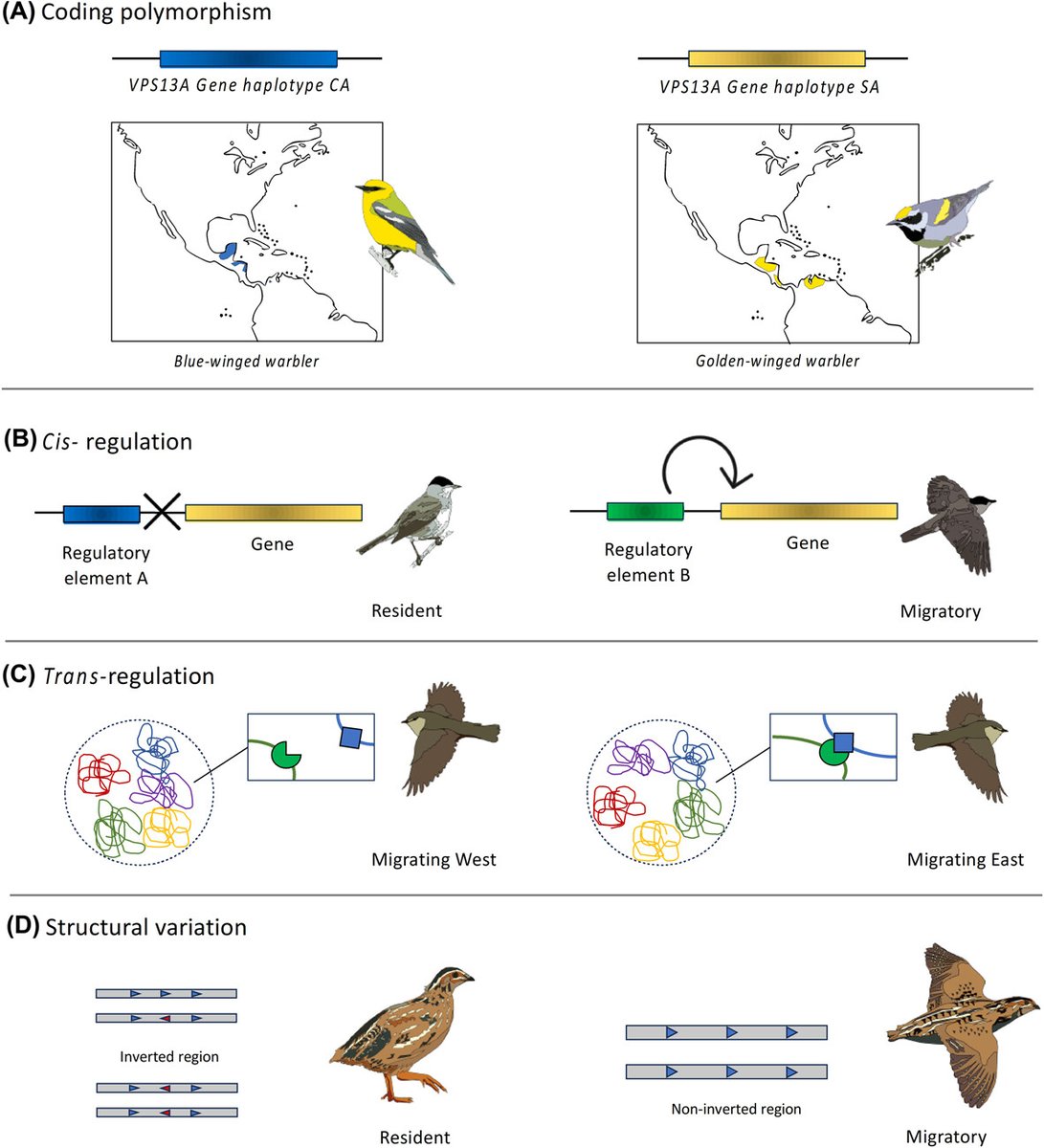
ALT Fig. 1 from the article. Illustration of the diverse genetic basis of migratory behaviour across bird species involving both coding and non-coding proposed mechanisms.
1
22
68
7,543
Violeta Caballero-Lopez retweeted

7 Feb 2024
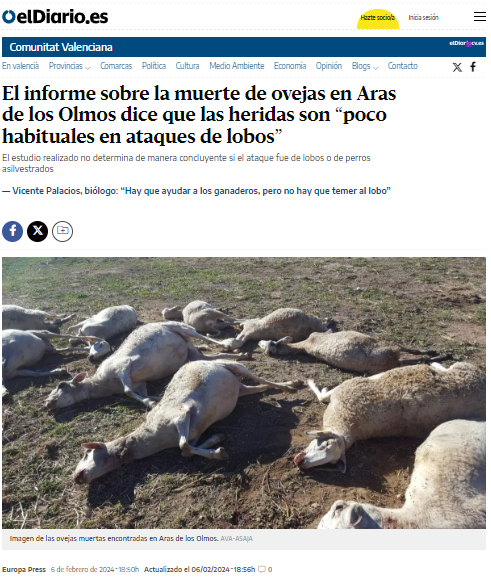
El informe técnico sobre la necropsia de las ovejas muertas el 23 de enero en Aras de los Olmos (Valencia) indica que el tipo de heridas son “muy poco habituales en los ataques a ganado protagonizados por lobos". Así que lo probable es que fueran perros.
eldiario.es/comunitat-valenc…
4
53
132
6,570
Violeta Caballero-Lopez retweeted

22 Sep 2023
Learning more about willow warbler migratory behavior from geolocators! :)
@VioJagger
@StaffanBensch
@johnsas_k
@Susanne_Akesson
movementecologyjournal.biome…
3
9
716

Violeta Caballero-Lopez retweeted

20 Aug 2023
The crowning moment. 🏆
@SEFutbolFem | #FIFAWWC

25
319
1,858
107,900
Violeta Caballero-Lopez retweeted
20 Aug 2023
SPAIN ARE WORLD CHAMPIONS!!! 🇪🇸
#BeyondGreatness | #FIFAWWC

2,443
27,266
100,815
55,345,697
Violeta Caballero-Lopez retweeted

15 Aug 2023
81’—Spain 1-0 Sweden
88’—Spain 1-1 Sweden
89’—Spain 2-1 Sweden
WOW 🤯

99
1,590
22,442
592,870
Violeta Caballero-Lopez retweeted

23 Jul 2023
A estas alturas de la noche, lo que podemos decir es que la EXTREMA DERECHA, en su mejor momento en casi toda Europa, en España pierde votos y escaños. Casi 20.
Igual era eso la excepción ibérica.
Hoy, más que nunca, VIVA ESPAÑA.
2,778
23,810
91,500
3,795,566

2 Jun 2023
The smile on my face when surrounded by wild European bisons and white spotted woodpeckers
Poland field season 2023
1
5
145
Violeta Caballero-Lopez retweeted

6 May 2023
Lundaloppet team 🥇🏃🏼♀️ @cec_lund @Biology_LU @lunduniversity

1
1
19
2,104
Violeta Caballero-Lopez retweeted

14 Jan 2023
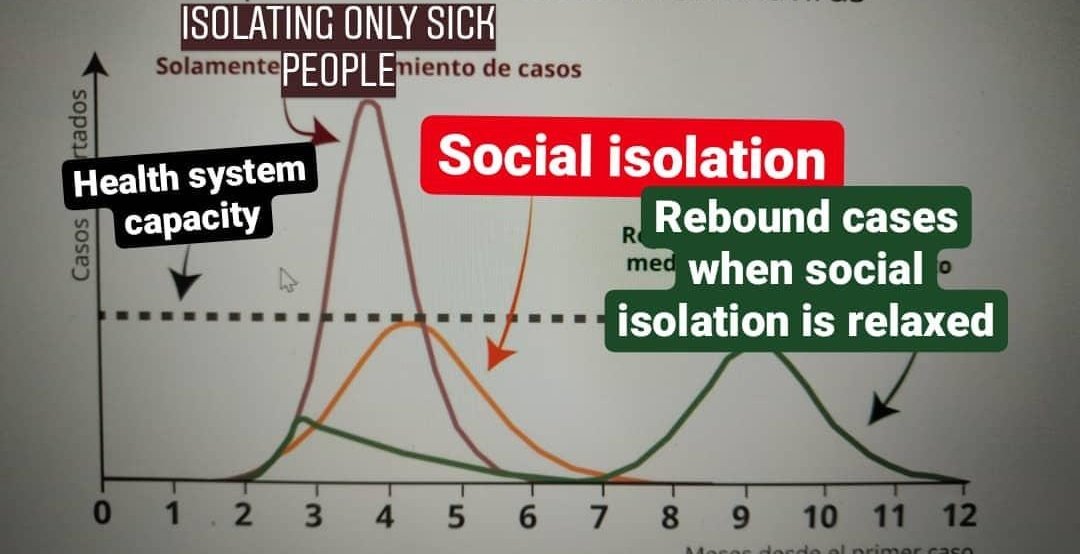
Why AI will beat us
192
2,031
9,645
1,338,710